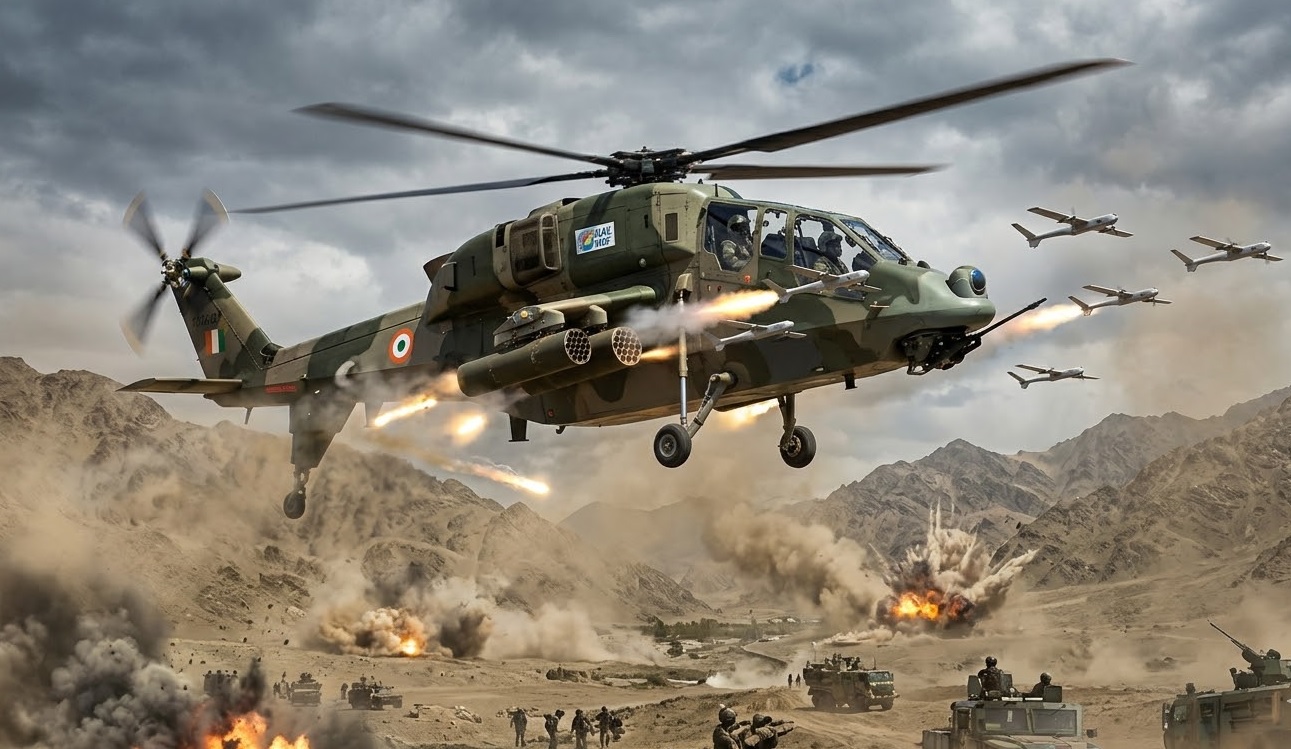
NEW DELHI — March 25, 2026 : According to report, the Indian Air Force (IAF) has initiated ‘Vayu Baan’ (Air Arrow), an indigenous program to develop a helicopter-launched unmanned aerial vehicle (UAV) system capable of performing both surveillance and precision strike missions. The project is being led by the IAF’s Directorate of Aerospace Design (DAD), with a formal Request for Proposal (RFP) issued through the Regional Aerospace Innovation Division–Gandhinagar (RAID-GN), inviting bids exclusively from domestic industry.
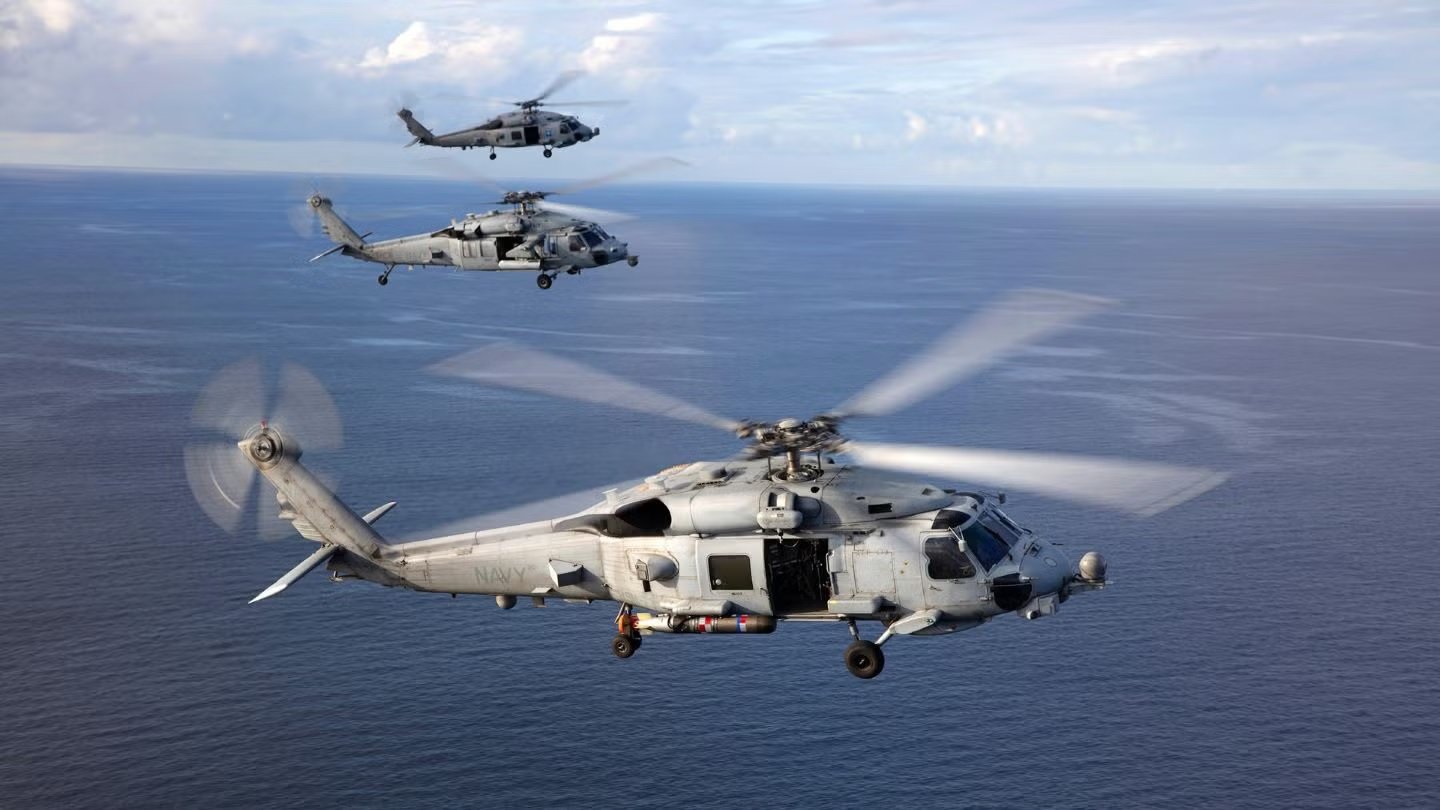
The Vayu Baan initiative marks a structured move toward integrating Air-Launched Effects (ALE) into India’s rotary-wing operations. The system is designed to be deployed directly from helicopters in flight, enabling stand-off engagement and reconnaissance without exposing aircrew to high-risk air defence environments.
System Design and Deployment Concept
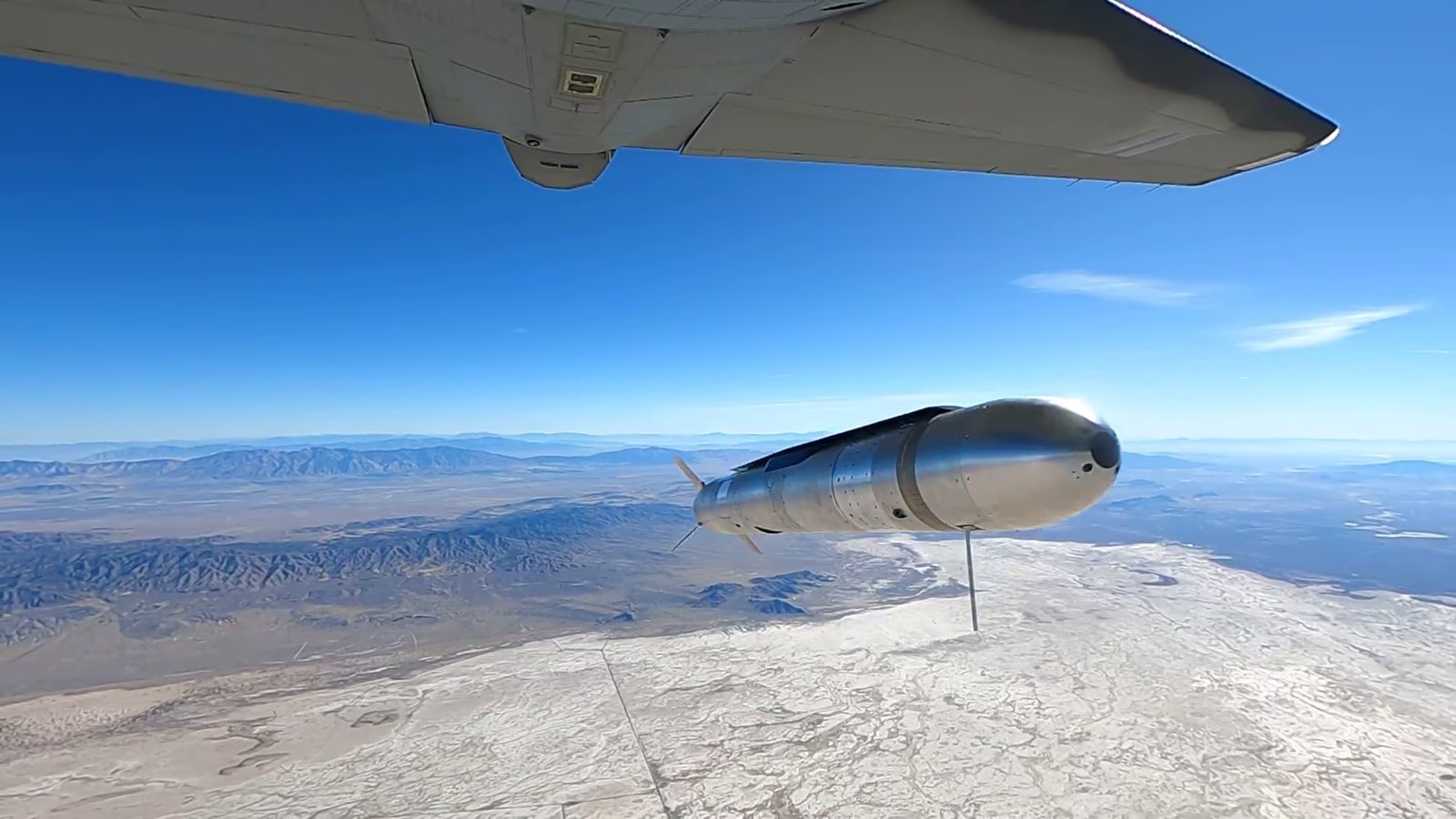
Vayu Baan is engineered as a compact, autonomous drone that can be released from a helicopter’s hatch or door while airborne. After deployment, the UAV is designed to fall to a safe separation distance before automatically deploying its wings and initiating powered flight. Once stabilized, it transitions into a guided mission profile controlled either from the launching helicopter or from ground-based control stations.
The system supports dual operational roles. It can function as an intelligence, surveillance, and reconnaissance (ISR) platform using onboard electro-optical and infrared (EO/IR) sensors, or as a loitering munition capable of executing a precision strike using an integrated warhead. The architecture allows for multiple drones to be deployed sequentially from a single helicopter, enabling limited swarm-like operations during missions.
Operational Capabilities and Technical Parameters
According to RFP specifications and associated defence sources, the UAV must meet defined performance criteria. The system requires a minimum control range of 10 kilometres from the launch platform. In autonomous mode, it must achieve a range exceeding 50 kilometres with approximately 30 minutes of endurance, or up to 80 kilometres with a reduced endurance of 15 minutes.
The altitude envelope for operations is specified between 150 feet and 8,000 feet, allowing flexibility across low-level and moderate-altitude missions. Payload capacity is defined between 500 grams and 1,000 grams, with interchangeable mounting options to accommodate mission-specific equipment.
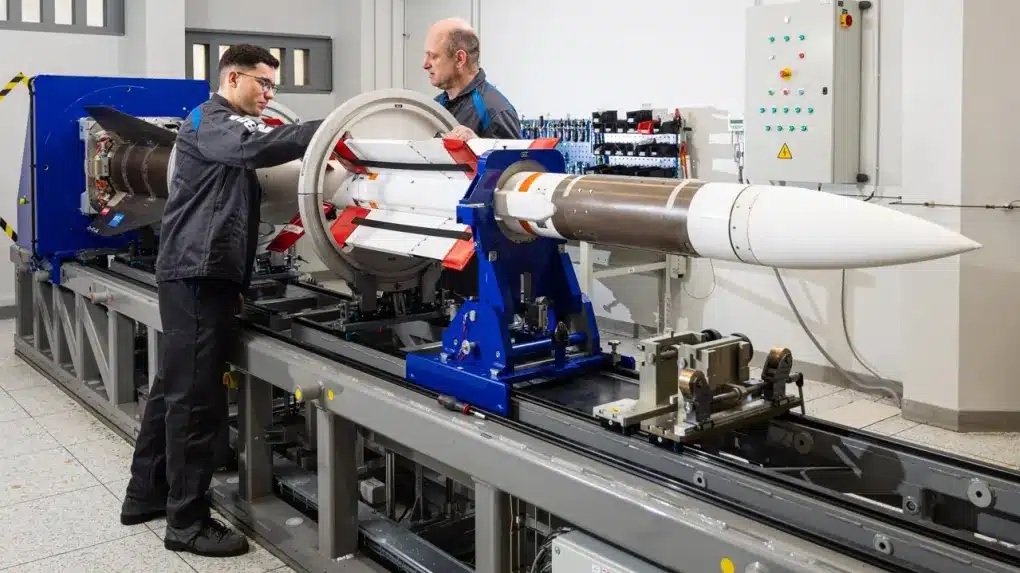
Payload configurations include an EO/IR sensor suite for surveillance and target acquisition, a minimum 500-gram high-explosive warhead for strike missions, and provisions for integration with standard 57 mm and 80 mm launch tubes, although the rockets themselves are not part of the current procurement scope.
The UAV is required to incorporate advanced navigation and mission systems, including the ability to operate in GNSS-denied environments where GPS signals may be degraded or jammed. Additional features include AI-enabled target identification, real-time video telemetry, autonomous waypoint navigation, and configurable strike profiles.
Procurement Scope and Timeline
The initial procurement outlined in the RFP includes 10 UAV units, supported by two airborne control stations for onboard helicopter operation and two ground control stations for remote mission management. The package also includes associated payloads, spares, and integration components.
The IAF has placed the Vayu Baan program on an accelerated development schedule. The complete cycle—covering design, development, payload integration, helicopter drop trials, and high-altitude testing—is expected to be completed within 12 months from the date of contract signing. Full delivery and system integration are also required within this timeframe.
Operational Role and Strategic Utility
The primary operational objective of Vayu Baan is to extend the engagement envelope of rotary-wing platforms while reducing vulnerability to threats such as man-portable air-defence systems (MANPADS). By enabling stand-off deployment, helicopters can conduct surveillance and strike missions beyond visual range without entering heavily defended zones.
The system also enhances mission flexibility by allowing both airborne and ground-based control, supporting dynamic tasking during operations. Its autonomous navigation and targeting capabilities further reduce operator workload while maintaining precision engagement capability.
International Context
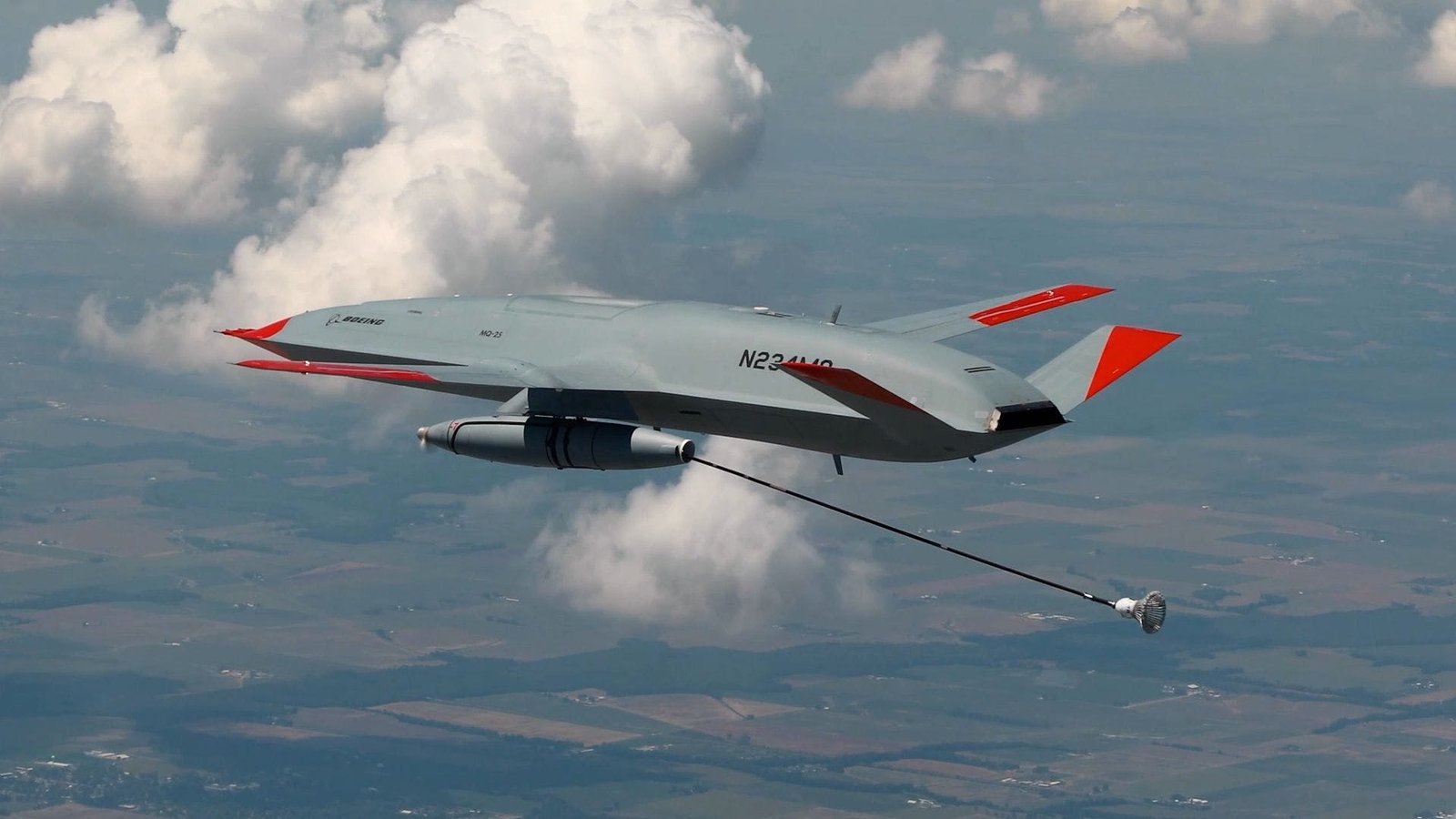
With the launch of Vayu Baan, India enters a limited group of countries actively developing air-launched unmanned systems for operational use. Globally, such systems remain in early deployment or advanced demonstration phases.
In the United States, the Defense Advanced Research Projects Agency (DARPA) has demonstrated mid-air launch and recovery of unmanned systems under the Gremlins program using C-130 transport aircraft. Parallel efforts under the U.S. Army’s Air-Launched Effects framework are focused on integrating similar capabilities onto platforms such as the UH-60 Black Hawk and AH-64 Apache helicopters.
China has also demonstrated air-deployed drone swarm concepts, including launches from platforms such as the Xi’an H-6 bomber, although these systems are not widely reported to be in operational service.
The Vayu Baan program reflects India’s focus on developing indigenous, networked aerial capabilities that integrate manned and unmanned systems for future operational requirements.
——— End of Article ———