DUBAI / TEHRAN — March 25, 2026 : Iran has issued one of its most direct warnings to Gulf states in recent years, signaling that it could attempt to seize parts of the coastlines of the United Arab Emirates (UAE) and Bahrain if the United States expands its ground troop presence in or around Iranian territory. The statement, delivered through Iran’s state broadcaster IRIB and echoed by national security analyst Morteza Simiari, comes as regional tensions continue to escalate following weeks of sustained military exchanges.
Speaking during a televised segment, Simiari said Iran’s armed forces are prepared to act if Washington “makes any mistake,” adding that entering the coasts of the UAE and Bahrain is “on the agenda.” He stated that such an operation could significantly reshape the regional balance of power.
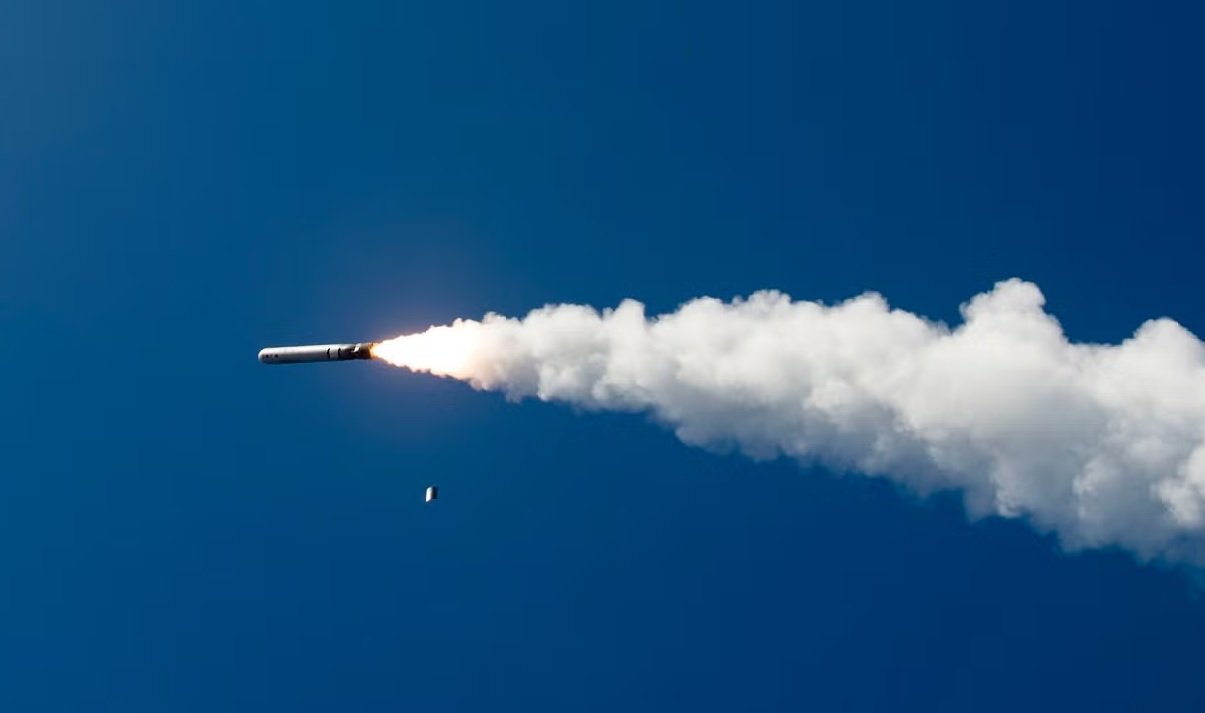
The remarks follow an ongoing conflict that began on February 28, 2026, when United States and Israeli forces conducted coordinated strikes on Iranian military infrastructure. Since then, Iran has responded with a sustained campaign of ballistic missile launches, cruise missile strikes, and drone attacks targeting Israel and Gulf states hosting U.S. forces, including the UAE, Bahrain, Qatar, Kuwait, and Saudi Arabia.
U.S. Reinforcements and Expanding Military Footprint
In response to the escalating situation, the Pentagon has deployed additional forces to the region. These include elements of the U.S. Army’s 82nd Airborne Division, Marine expeditionary units, and additional naval and air assets. Reports indicate that further troop deployments remain under consideration, signaling a potential shift toward a more sustained U.S. operational posture in the Middle East.
Iranian officials and state media have framed these deployments as a direct provocation. Earlier in March, Iran’s Islamic Revolutionary Guard Corps (IRGC) issued warnings targeting critical infrastructure in the UAE, including major port facilities at Jebel Ali, Khalifa, and Fujairah. Iranian sources claimed these locations were being used to support operations against Iran’s Kharg Island, and state media called for their evacuation.
Geographic and Operational Constraints
Any attempt by Iran to carry out a ground or amphibious operation against the UAE or Bahrain would require crossing the Persian Gulf, including navigation through or near the Strait of Hormuz—one of the most strategically sensitive maritime chokepoints in the world. The distances involved range from approximately 100 to 200 kilometers depending on staging points along Iran’s southern coast.
Such movements would expose Iranian naval and amphibious units to continuous surveillance by U.S. and allied forces. The U.S. Fifth Fleet, headquartered in Bahrain, maintains a persistent presence in the Gulf, supported by multinational naval coalitions and integrated surveillance systems, including satellite and airborne reconnaissance.
Unlike missile launches from concealed or hardened positions, amphibious operations would require large-scale, coordinated surface movements involving troop transports, escort vessels, and logistical support ships. These assets would be highly visible and vulnerable during transit across open waters.
Gulf States’ Defensive Capabilities
The UAE and Bahrain maintain modern, Western-supported military forces specifically structured for coastal defense and maritime security.
The UAE Navy, with approximately 3,000 personnel and a fleet of 79 vessels, includes 11 corvettes, 42 patrol boats, and amphibious and mine warfare platforms. Key assets include Baynunah-class and Gowind-class corvettes equipped with advanced radar systems, anti-ship missiles such as the Exocet, and integrated air defense capabilities.
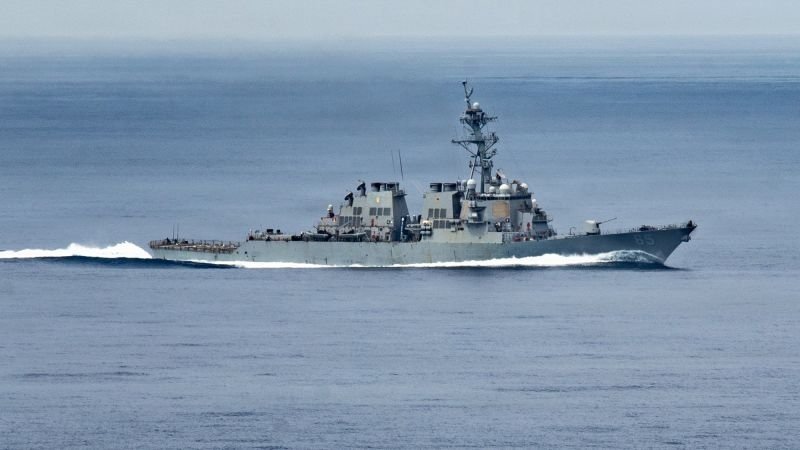
Bahrain’s naval force, though smaller with around 700 personnel and 35 vessels, includes two Oliver Hazard Perry-class frigates, corvettes, and patrol craft. Bahrain also hosts the headquarters of the U.S. Fifth Fleet, significantly enhancing its maritime security posture.
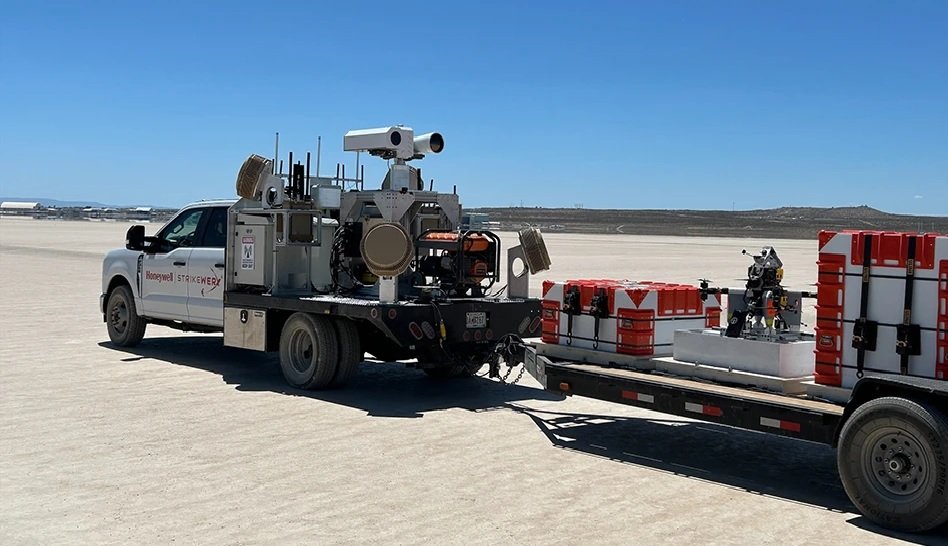
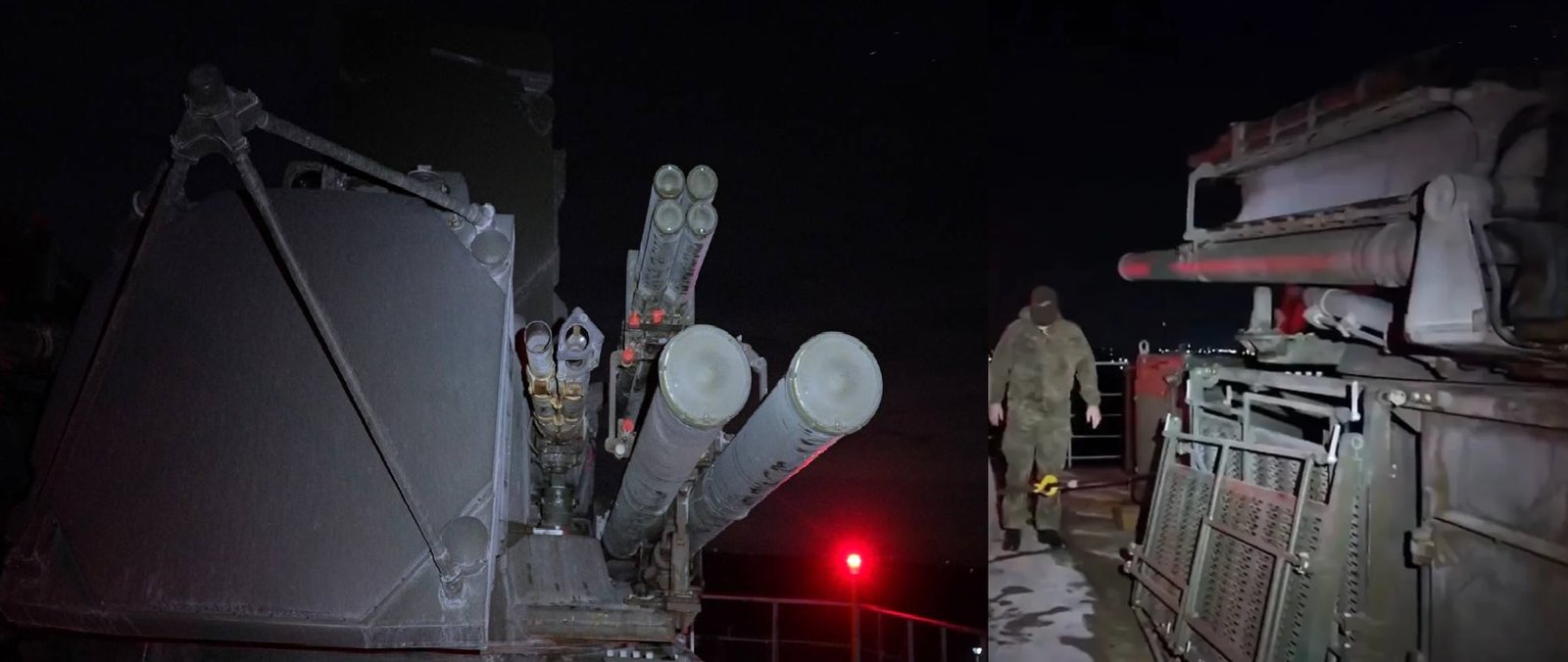
On land, both countries maintain integrated coastal defense networks combining ground forces, anti-armor systems, artillery, and layered air defense systems. These include U.S.-supplied Patriot and THAAD missile defense systems designed to intercept ballistic and aerial threats.
Since the start of the current conflict, the UAE has reportedly intercepted 338 ballistic missiles, 15 cruise missiles, and approximately 1,740 drones. Bahrain has reported intercepting 143 missiles and 242 drones, indicating sustained operational pressure on their air defense systems.
Iran’s Military Posture and Constraints
Iran possesses a large standing force, with approximately 650,000 active personnel and an additional 250,000 paramilitary members. However, its operational approach in the current conflict has relied heavily on asymmetric tactics—primarily missile and drone strikes followed by rapid dispersal to hardened or subterranean positions.
This approach reduces exposure to retaliatory airstrikes but does not translate directly to conventional amphibious warfare. A cross-Gulf invasion would require sustained logistics, including fuel, ammunition, food, medical support, and reinforcement capabilities across a maritime corridor vulnerable to interdiction.
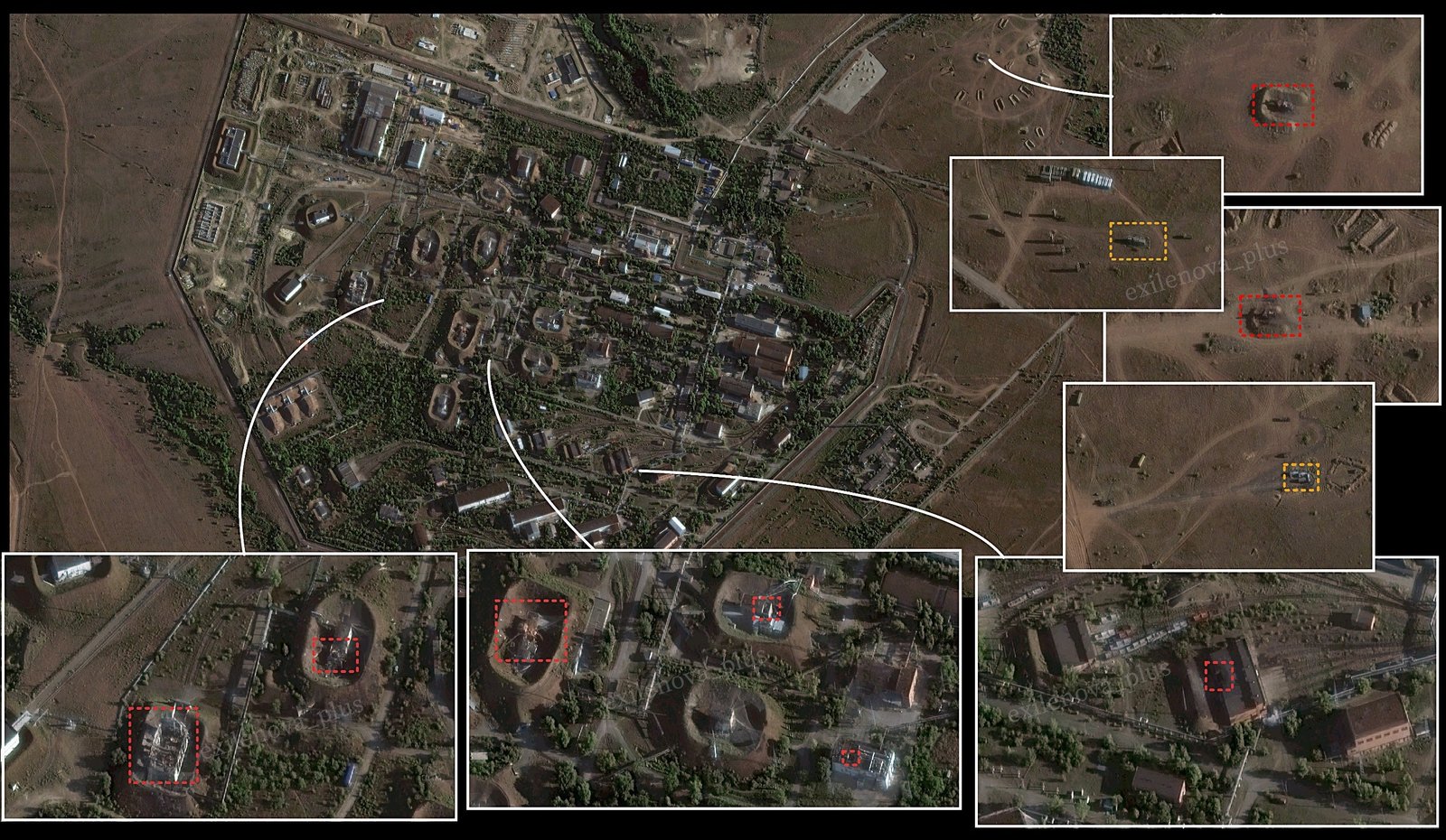
Recent U.S. and Israeli strikes have targeted Iranian naval assets, reportedly sinking multiple frigates, corvettes, and patrol vessels in late February and early March. Additionally, strikes on air defense systems, radar installations, and command infrastructure have degraded Iran’s ability to project power in contested airspace.
Air Superiority and Exposure Risks
A critical factor in any potential Iranian operation is the current balance of air power. The United States and Israel maintain effective control over higher-altitude airspace, supported by advanced fighter aircraft, surveillance platforms, and precision strike capabilities.
In this environment, Iranian naval movements and troop transports would likely operate without sufficient air cover. The absence of sustained air support would increase vulnerability to airstrikes, particularly during transit and landing phases of an amphibious operation.
Military analysts note that amphibious assaults require not only initial landing success but also the ability to maintain continuous resupply and reinforcement. Without secure air and sea control, these supply lines would remain exposed to disruption, potentially isolating deployed forces.
Assessment of Operational Viability
Defense assessments indicate that a large-scale Iranian attempt to seize coastal territory in the UAE or Bahrain would face substantial operational challenges. These include geographic exposure, limited naval survivability in contested waters, degraded air defense coverage, and the difficulty of sustaining logistics across open sea lanes under continuous threat.
While Iran retains significant missile and drone capabilities and a large ground force, transitioning to a conventional amphibious operation would represent a major shift in doctrine and risk profile.
As of March 25, 2026, there have been no confirmed movements of Iranian ground or amphibious forces toward Gulf coastlines. U.S. and allied forces continue to maintain heightened readiness, while Gulf states remain on alert and continue coordinated defensive operations.
The situation remains fluid, with military deployments, deterrence signaling, and ongoing exchanges continuing to shape the strategic environment across the region.
——— End of Article ———