WASHINGTON, D.C. — March 26, 2026 : The United States Department of State has approved a potential Foreign Military Sale (FMS) to Japan valued at approximately $340 million, aimed at supporting the testing and development of Japan’s upgraded Hyper Velocity Gliding Projectile (HVGP) program. The approval, formally notified on March 25, 2026, covers a comprehensive range of technical, logistical, and administrative support services rather than the transfer of major defense equipment.
Program Scope and Support Package
According to the notification, the Government of Japan requested extensive support to enable testing and evaluation of its next-generation hypersonic glide capability. The package includes test preparation, execution, and post-test analysis, along with full access to U.S. test ranges and associated infrastructure.
Key elements of the approved package include range support services such as surveillance and safety protocols, including flight termination system reviews. It also provides test utility support covering essential services like water, gas, and electricity, as well as environmental and site approvals required for conducting missile tests.
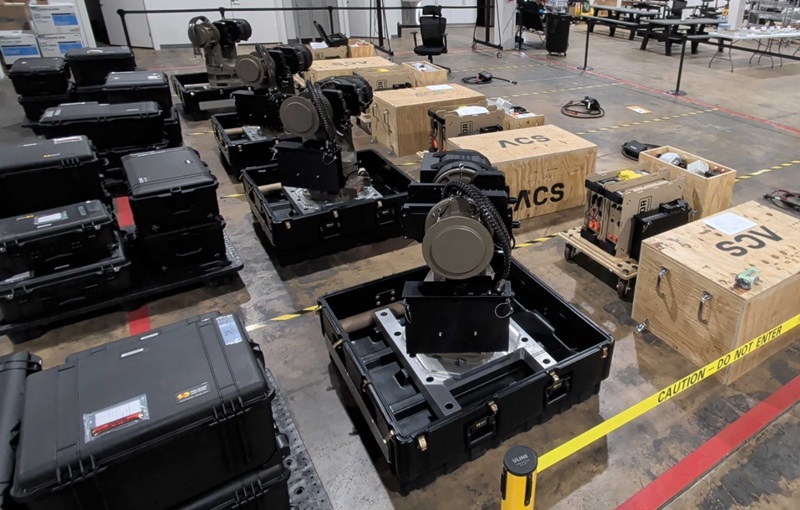
The agreement further includes transportation of test equipment and procurement of specialized measuring instruments necessary for tracking and analyzing high-speed flight data. Administrative and logistical provisions cover radio frequency assignments, test plan development, office facilities, and general program support services. Coordination meetings between U.S. and Japanese officials will be conducted in both countries as part of ongoing program management.
All equipment and services under this package will be provided by the U.S. Government.
Focus on Testing Infrastructure
The support package is specifically designed to address the challenges associated with testing advanced hypersonic systems. Such systems require large, controlled, and instrumented ranges capable of safely handling long-distance, high-speed flight profiles.
Japan’s domestic constraints in terms of available landmass and isolated testing corridors have necessitated reliance on U.S. facilities. The inclusion of range safety mechanisms, particularly flight termination systems, ensures that test vehicles can be neutralized if they deviate from planned trajectories.
This approval marks the second FMS notification related to Japan’s HVGP program. A previous approval in March 2025, valued at $200 million, focused on initial test preparation, transportation support, and coordination activities. The current package expands support to cover more advanced testing requirements for upgraded variants.
Overview of the HVGP System
The Hyper Velocity Gliding Projectile is a ground-launched hypersonic glide vehicle being developed under Japan’s Acquisition, Technology and Logistics Agency (ATLA), with Mitsubishi Heavy Industries as a principal industrial partner.
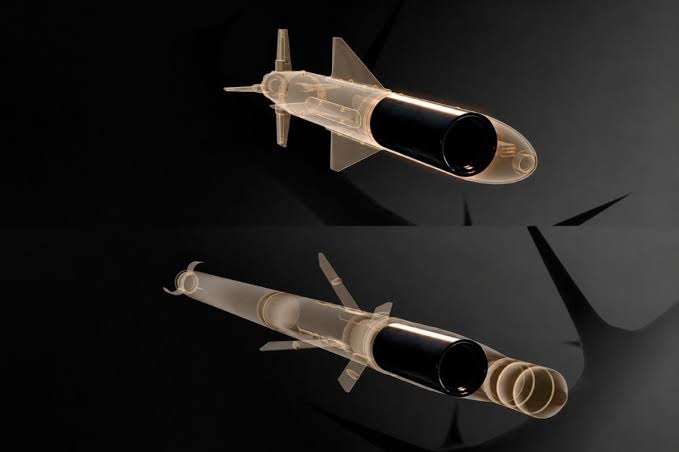
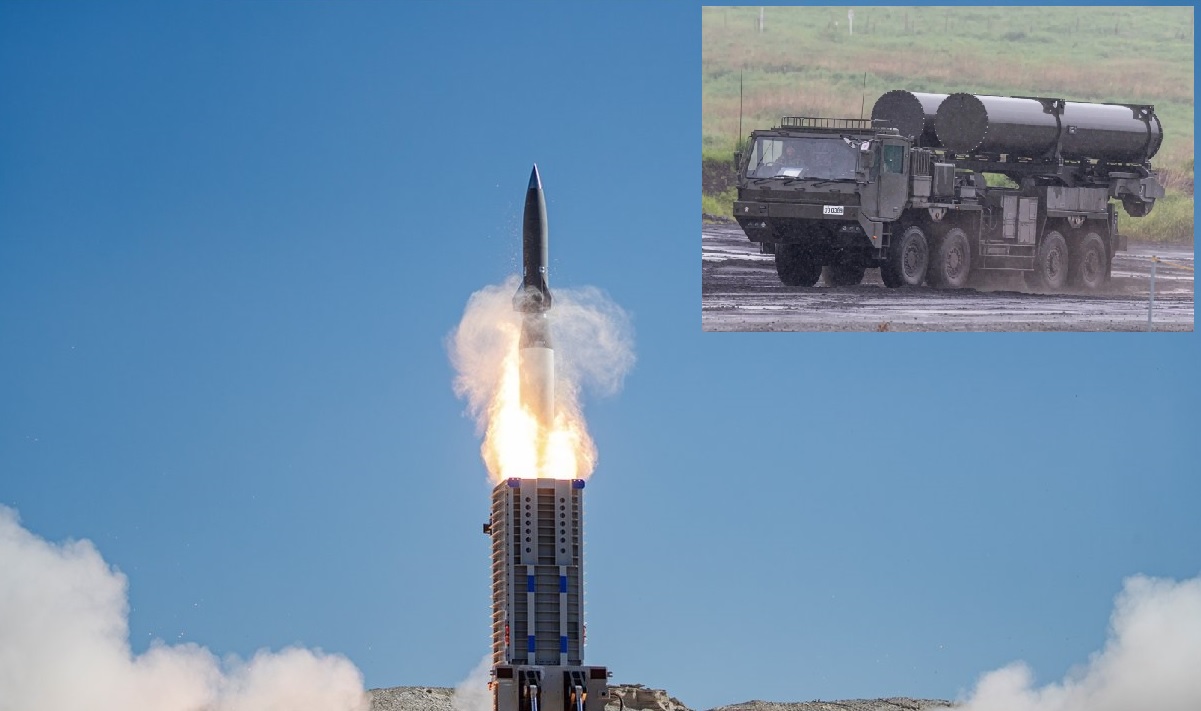
The system uses a solid-fuel rocket booster to carry a glide vehicle to high altitude. After separation, the vehicle travels toward its target at supersonic to hypersonic speeds, exceeding Mach 5, while following a maneuverable and less predictable trajectory compared to traditional ballistic missiles.
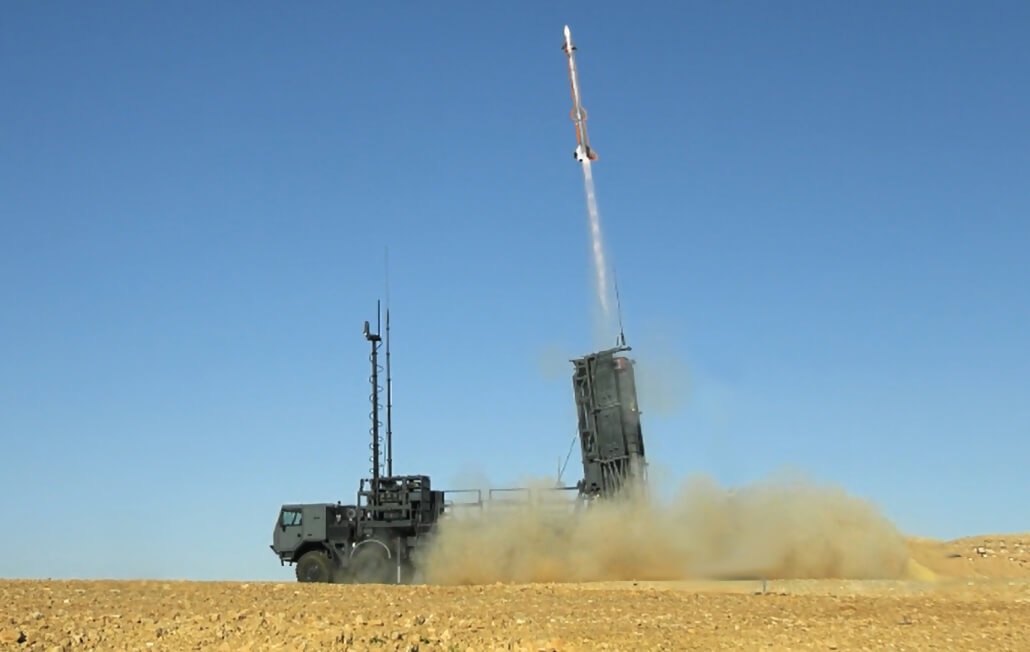
The HVGP is designed to be deployed from mobile ground-based launch platforms mounted on heavy trucks, allowing for rapid relocation and flexible operational use. Testing has also included deployment via sea and air transport to evaluate mobility and survivability.
Deployment Timeline and Variants
Japan plans to field the initial HVGP Block 1 variant with the Japan Ground Self-Defense Force by the end of March 2026. The system is expected to have a range of approximately 500 to 900 kilometers and is scheduled for deployment at locations including Camp Fuji in Shizuoka Prefecture.
Future variants, designated Block 2A and Block 2B, are currently under development and are expected to extend the system’s range to between 2,000 and 3,000 kilometers. These upgraded versions are targeted for deployment in the early 2030s and will incorporate enhanced performance characteristics.
Strategic Role and Operational Objectives
The HVGP forms part of Japan’s broader effort to develop “standoff capabilities”, enabling it to engage potential threats from distances beyond the reach of adversary weapon systems. The primary operational focus is the defense of Japan’s remote southwestern islands, including areas such as the Senkaku Islands.
The system is intended to provide the capability to target hostile naval vessels or landing forces before they can establish a presence on these islands. It complements other systems in Japan’s defense architecture, including upgraded surface-to-ship missile platforms such as the Type 12.
Policy Context and Regional Security Implications
The U.S. State Department stated that the proposed sale supports U.S. foreign policy and national security objectives by strengthening the defense capabilities of a key regional ally. Japan is described as a central contributor to political stability and economic progress in the Indo-Pacific region.
The department assessed that Japan will be able to effectively integrate the provided services into its defense programs without difficulty. The package does not include major defense equipment and falls within standard procedures under the Arms Export Control Act, including congressional notification requirements.
The approval reflects ongoing U.S.-Japan defense cooperation, particularly in the development of advanced missile technologies and the enhancement of regional deterrence capabilities.
——— End of Article ———