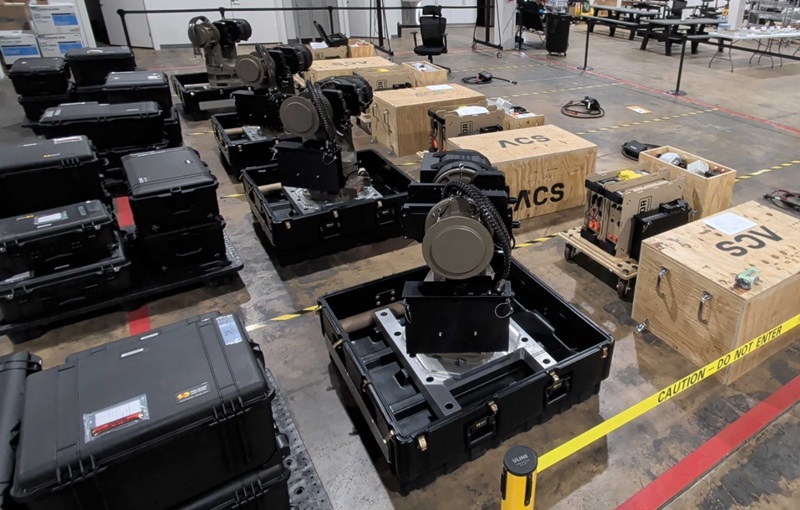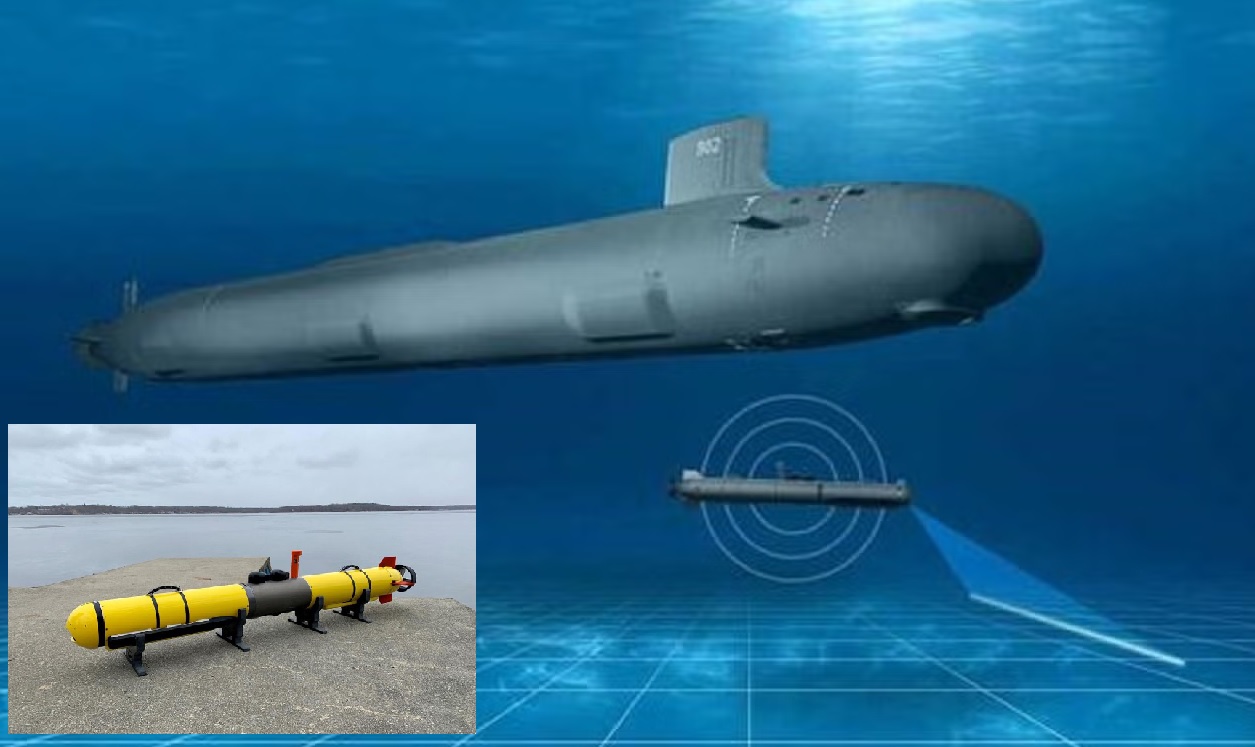
WASHINGTON / MELBOURNE, Fla., — March 26, 2026 : L3Harris Technologies has secured an Other Transaction Authority (OTA) contract from the Defense Innovation Unit to deliver its Torpedo Tube Launch and Recovery (TTLR) system to the United States Navy, enabling submarines to deploy and retrieve autonomous underwater vehicles (AUVs) through standard torpedo tubes while submerged.
The contract marks the transition of the TTLR system from testing and demonstration into operational integration aboard front-line submarine platforms. The modular system has been designed to operate with the L3Harris-developed Iver4 900 AUV and does not require structural modification to existing submarine hulls.
System Design and Technical Characteristics
The TTLR system allows submarines to launch and recover AUVs directly through standard torpedo tubes, eliminating the need to surface or use externally mounted deployment systems such as dry deck shelters. This capability preserves submarine stealth while enabling persistent underwater operations.
The Iver4 900 AUV measures approximately 2.5 meters in length and weighs under 230 pounds. It is built with a titanium and carbon-fiber pressure housing rated for depths of up to 300 meters. The platform supports multiple mission payloads and is configured for intelligence, surveillance and reconnaissance (ISR), mine detection, object identification, and seabed mapping.
A key technical feature of the TTLR package is the integration of a U.S. Navy-approved lithium-ion battery system for submarine and aviation use. This represents the first such approval for an AUV operating from submarines. The lithium-ion configuration extends operational endurance to more than 80 nautical miles, compared with over 40 nautical miles using standard nickel-metal hydride (NiMH) battery systems.
The system also incorporates hot-swap battery capability, allowing submarines to recover the AUV, replace its battery, download mission data, and redeploy it without interrupting operations. This enables extended or near-continuous mission cycles.
Operational Capability and Testing
L3Harris stated that it has achieved fully autonomous launch and recovery of an AUV from a moving submarine, supported by a homing and docking system developed and validated through testing with the U.S. Navy. Additional demonstrations have been conducted with the United Kingdom’s Royal Navy under Project Scylla.
The TTLR system has been validated for a range of missions, including ISR, mine countermeasures, route surveys, and seabed warfare operations. Once deployed, the AUV can conduct forward-area reconnaissance and return to the submarine for data transfer and redeployment, maintaining a closed operational loop without exposing the host platform.
Strategic and Operational Context
The TTLR system aligns with current U.S. naval operational requirements, particularly in contested maritime environments. During ongoing operations in the Middle East, including activities linked to maritime security in the Strait of Hormuz, naval forces have prioritized the detection of underwater threats such as mines and seabed hazards.
The ability to deploy AUVs from submerged submarines allows commanders to conduct reconnaissance and mine detection without committing surface ships, aircraft, or divers to high-risk areas. This is particularly relevant in maritime chokepoints where commercial shipping traffic and strategic energy flows are concentrated.
Force Structure and Cost Efficiency
The modular TTLR system is designed to integrate into existing submarine platforms using standard torpedo tubes, enabling rapid deployment across the current fleet. This approach expands operational capability without requiring new submarine construction or major retrofits.
By enabling submarines to function as launch platforms for autonomous systems, the technology supports the U.S. Navy’s manned-unmanned teaming concept and increases mission flexibility. It also addresses capacity constraints within the submarine force by enhancing the effectiveness of existing assets.
Interoperability and Allied Integration
L3Harris noted that the TTLR system is interoperable across multiple U.S. submarine classes and compatible with allied naval platforms. The system supports broader collaboration objectives under the AUKUS Pillar 2 framework, which focuses on advanced capability development and technology sharing among partner nations.
The company stated that the system is ready for operational deployment and meets current combatant commander requirements for persistent undersea operations while maintaining platform stealth.
Industry and Program Significance
The DIU contract represents a shift from experimental capability to fielded system within the U.S. Navy’s undersea warfare architecture. By combining autonomous systems with existing submarine infrastructure, the TTLR program reflects a broader trend toward distributed and unmanned maritime operations.
The integration of certified lithium-ion battery technology, autonomous recovery capability, and modular deployment architecture positions the TTLR system as a scalable solution for extending submarine mission reach and endurance in contested environments.
——— End of Article ———