World
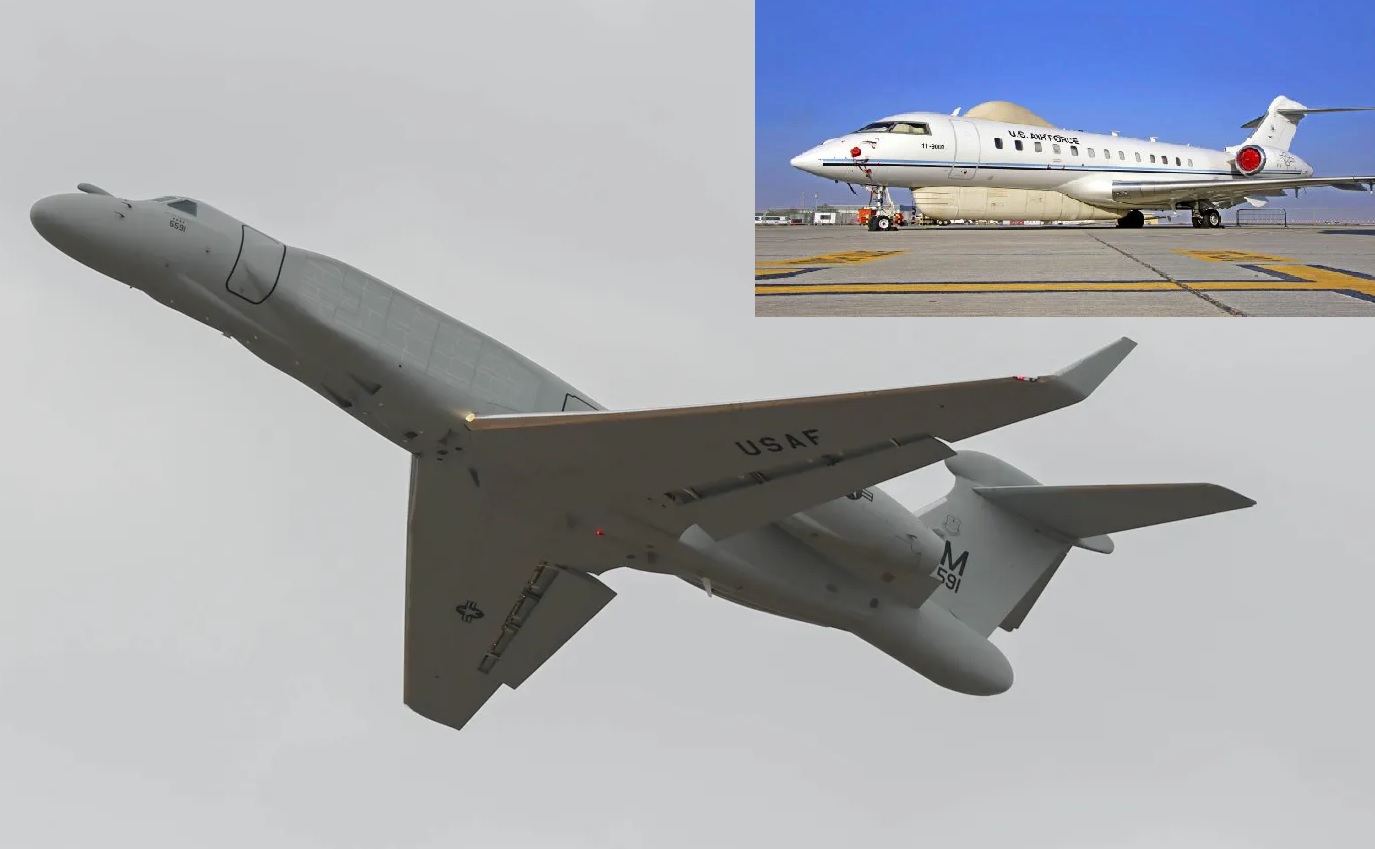
WASHINGTON — April 30, 2026 : The U.S. Air Force has outlined a restructuring of its airborne communications and electronic warfare fleets, proposing an increase in planned procurement of the EA-37B Compass Call aircraft while phasing out the E-11A Battlefield Airborne Communications Node (BACN) platform by fiscal year 2028. The proposal was detailed in documents submitted to Congress, including the service’s fiscal year 2027 posture statement. Expansion of EA-37B Electronic Attack Fleet The Air Force plans to expand its EA-37B fleet from an originally projected 12 aircraft to 22. The EA-37B, derived from the Gulfstream G550 business jet, is replacing the aging EC-130H Compass Call fleet and is intended to provide enhanced electronic attack capabilities in contested environments. Initial deliveries of the EA-37B began in August 2024 at Davis-Monthan Air Force Base, followed by the commencement of training missions in May 2025. The platform transitioned rapidly from training to operational deployment. By April 2026, it had been deployed to the Middle East as part of Operation Epic Fury. Open-source flight tracking data indicated transit activity through RAF Mildenhall en route to the operational theater. The accelerated deployment timeline followed reports that legacy EC-130H aircraft sustained damage during Iranian attacks, prompting the need for earlier operational use of the EA-37B. The aircraft is equipped with systems designed to disrupt adversary communications networks, degrade early warning radar systems, and interfere with navigation signals. It is also capable of integrating with RC-135 Rivet Joint platforms to leverage electronic intelligence (ELINT) data, enabling more precise targeting of hostile emitters and networks. The proposed fleet size of 22 aircraft would exceed the maximum number previously fielded for the EC-130H, reflecting the increasing role of electronic warfare in high-intensity operations. Planned Retirement of E-11A BACN Fleet Alongside the EA-37B expansion, the Air Force intends to retire its fleet of E-11A BACN aircraft by fiscal year 2028. The E-11A, based on the Bombardier Global 6000 business jet, serves as a high-altitude communications gateway. The BACN payload enables the aircraft to act as an airborne relay, translating and connecting disparate communication systems and frequencies. This capability allows coordination among aircraft, ground forces, and command elements operating on otherwise incompatible networks. While often informally described as “Wi-Fi in the sky,” operators emphasize that its functionality extends significantly beyond basic connectivity. The platform was initially fielded to support operations in Afghanistan, where mountainous terrain limited line-of-sight communications for VHF and UHF radios. It replaced earlier efforts using NASA WB-57F Canberra aircraft equipped with prototype BACN payloads. Operating at altitude, the E-11A enabled persistent communication coverage in complex terrain while reducing reliance on costly and bulky satellite communications systems. The E-11A fleet has been extensively employed in the Middle East, including during Operation Inherent Resolve and more recently in Operation Epic Fury. Flight tracking data indicated a notable increase in E-11A deployments to the region ahead of the latter operation. The fleet expanded to nine aircraft, with the most recent addition—tail number 24-9049—manufactured in 2024 and delivered in 2025. Despite significant operational use, these aircraft retain substantial remaining service life. Rationale for Divestment The Air Force cited advancements in satellite communications as a primary factor in the decision to retire the E-11A fleet. The increasing availability and performance of low Earth orbit (LEO) satellite constellations have improved connectivity, reducing the need for a dedicated airborne communications relay platform. Additionally, the BACN payload has been adapted into podded configurations that can be integrated onto multiple aircraft types. This approach allows the Air Force to maintain the capability without sustaining a specialized fleet, offering greater flexibility in deployment and force structure. Outstanding Questions on Future Disposition The planned retirement by fiscal year 2028 raises questions regarding the future use of relatively new airframes. The aircraft’s remaining service life and advanced capabilities could make them candidates for foreign military sales. However, the Air Force has not clarified whether the BACN technology—considered sensitive—would be approved for export or whether the aircraft would be transferred without their full mission systems. Broader Force Structure Context The proposed changes form part of a broader effort by the Department of the Air Force to modernize capabilities in electronic warfare and communications while aligning resources with evolving operational requirements. The expansion of the EA-37B fleet and the retirement of the E-11A reflect a shift toward distributed, multi-platform solutions supported by advancements in space-based communications. The proposals remain subject to congressional review, and no final procurement quantities or retirement timelines have been formally approved beyond the plans submitted in the fiscal year 2027 budget documentation.
Read More → Posted on 2026-04-30 17:53:22
World
WASHINGTON — April 30, 2026 : The U.S. Air Force has formally reinstated development of the AGM-183A Air-Launched Rapid Response Weapon (ARRW), reversing its 2023 decision to terminate the program. The move is outlined in the Fiscal Year 2027 Research, Development, Test and Evaluation (RDT&E) budget request, which seeks $345.7 million to fund continued hypersonic weapon development and initiate a new Air-Launched Ballistic Missile (ALBM) derived from ARRW architecture. Budget Allocation and Program Scope According to budget justification documents, $296 million of the FY2027 request is allocated to ARRW Increment 2. This phase includes pre-planned product improvements, design and trade studies, hardware upgrades, facilitization, affordability initiatives, and continued testing. The Air Force stated that these efforts are intended to mature the system and support future acquisition decisions. An additional $49 million is designated for the establishment of a new program office and early design activities for the ALBM variant. The funding will support progression toward a critical design review and initial system definition for the derivative missile. The service has outlined a broader multi-year investment plan totaling approximately $1.757 billion between FY2027 and FY2030. Planned funding includes $548 million in FY2028, $620 million in FY2029, and $242 million in FY2030, indicating sustained commitment to the ARRW portfolio. Program Background and Reinstatement The AGM-183A ARRW, developed by Lockheed Martin, is a conventional air-launched boost-glide hypersonic weapon designed for long-range prompt strike missions. It uses a solid rocket booster to accelerate a glide vehicle to hypersonic speeds before maneuvering toward high-value, time-sensitive targets. The program encountered multiple setbacks during its initial testing phase, including three failed launches in 2021 and an additional anomaly on March 13, 2023. Following these events, the Air Force informed lawmakers in March 2023 that it would not proceed with further development beyond completing the test campaign. Funding was subsequently reduced to a single procurement unit to conclude testing, while emphasis shifted to the Hypersonic Attack Cruise Missile (HACM) program. Despite this, program activity continued at a limited level. In September 2024, the Pentagon awarded an additional $13.4 million in RDT&E funding to Lockheed Martin, bringing the total program value to approximately $1.3 billion at that time. Two Acquisition Decision Memorandums (ADMs), signed on March 18, 2025, and March 5, 2026, established a Middle-Tier Acquisition (MTA) pathway for the program’s continuation. In June 2025, then-Chief of Staff David Allvin indicated during testimony before the House Armed Services Committee (HASC) that the Air Force was advancing two hypersonic initiatives, including the larger, long-range ARRW system that had already undergone multiple flight tests. ALBM Development and Technology Objectives The proposed ALBM program will build directly on ARRW technologies, integrating Air Force and other system capabilities to develop a long-range air-launched ballistic strike option. Budget documents state that the initiative is intended to mature hypersonic technologies for rapid testing and early production decisions, complementing existing and future strike systems. The Air Force emphasized that continued ARRW prototyping is necessary to collect flight data, refine engineering processes, and advance modeling, simulation, and high-performance computing capabilities. These efforts are expected to support broader hypersonic development across the service. Platform Integration and Operational Expansion The FY2027 budget request also confirms ongoing integration of the ARRW onto the B-1B Lancer bomber, expanding beyond its previous exclusive deployment from the B-52H Stratofortress. This effort is part of the Hypersonic Integration Program. Recent imagery released by Edwards Air Force Base on April 29, 2026, showed a B-1B carrying an AGM-183A ARRW externally for the first time in publicly available material. The aircraft was equipped with a Load Adaptable Modular (LAM) pylon, demonstrating its ability to carry a 5,000-pound class weapon. The integration of ARRW and its derivative ALBM onto the B-1B is intended to increase payload flexibility and expand long-range strike options within the bomber fleet. Strategic Context The FY2027 budget positions the ARRW as part of a broader hypersonic development strategy that includes infrastructure modernization, digital engineering, and open systems architecture. While the budget documents do not specify production quantities or initial operational capability timelines, they emphasize continued testing and technology maturation as key objectives for future decision-making.
Read More → Posted on 2026-04-30 17:44:30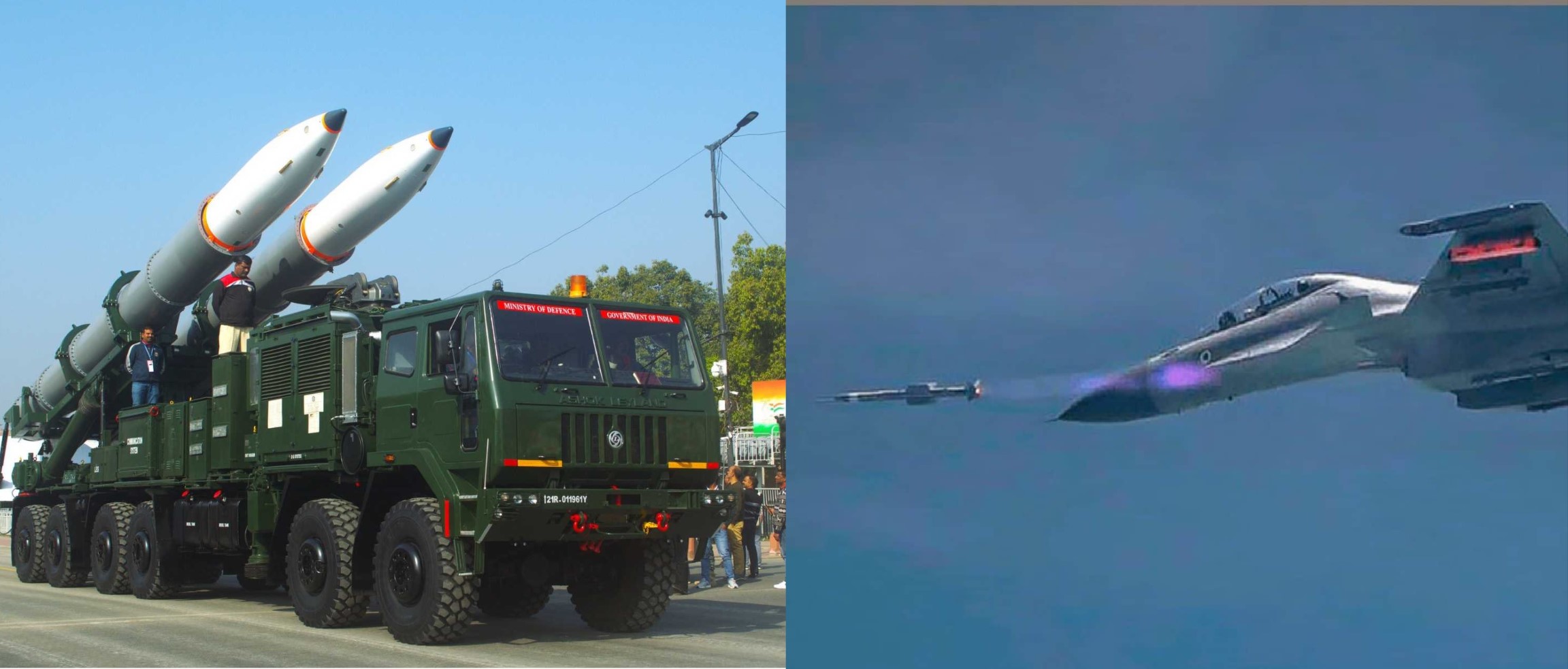
India
NEW DELHI / YEREVAN — April 30, 2026 : India and Armenia have entered advanced stages of defense negotiations covering the potential export of high-end Indian military systems, including the Pralay quasi-ballistic missile, the Astra MK1 beyond-visual-range (BVR) air-to-air missile, and upgrade packages for Armenia’s Su-30SM fighter fleet. The discussions reflect a steady expansion of bilateral defense cooperation into more advanced operational domains. Pralay Missile Cost Negotiations Armenia’s defense ministry is currently engaged in detailed cost negotiations for the acquisition of the Pralay tactical surface-to-surface missile, developed by the Defence Research and Development Organisation. The Pralay is a canister-based, road-mobile system powered by solid propellant, designed for rapid-response strike missions. The missile has an operational range of 150 to 500 kilometers, though export configurations are expected to comply with Missile Technology Control Regime thresholds, typically limiting range to around 290 kilometers. It carries a conventional warhead weighing between 350 and 1,000 kilograms and achieves terminal speeds of approximately Mach 6 to 6.1. Pralay follows a quasi-ballistic trajectory with mid-course maneuverability, enhancing its survivability against modern air defense systems. Its guidance suite combines inertial navigation with advanced terminal seekers, including millimeter-wave radar and imaging-based systems, enabling accuracy within approximately 10 meters. Armenia’s interest in the system is linked to its requirement for credible long-range strike capability, particularly in response to Azerbaijan’s deployment of Israeli-origin LORA ballistic missiles during the Nagorno-Karabakh conflict. Any agreement would be governed by India’s SCOMET export control framework guidelines. Astra MK1 and Su-30SM Modernization Parallel discussions are underway regarding the integration of the Astra MK1 BVR air-to-air missile into Armenia’s air force inventory. Also developed by DRDO, the Astra MK1 currently has an engagement range of about 110 kilometers, with ongoing upgrades expected to extend this to approximately 160 kilometers. Armenia operates a limited fleet of Russian-origin Su-30SM fighters, which were initially procured without a full precision-strike weapons package. The proposed integration of Astra MK1 is considered technically feasible due to similarities with India’s Su-30MKI platform. The upgrade package under discussion may include enhancements to onboard radar, avionics, and electronic warfare systems. These improvements are intended to enable long-range engagement capability and enhance overall combat effectiveness without requiring new aircraft procurement. Expanding Strategic Cooperation The negotiations follow recent high-level engagements between the two countries. Armenia’s First Deputy Minister of Defence and Chief of the General Staff, Lt Gen Edvard Asryan, held discussions in New Delhi with India’s Chief of Defence Staff Gen Anil Chauhan and Air Chief Marshal A.P. Singh. The talks addressed layered air defense systems, joint development initiatives, and opportunities for localized production. Armenia has become a significant importer of Indian defense equipment, with cumulative contracts estimated to exceed $1.5 billion. Previous acquisitions include the Pinaka multi-barrel rocket launcher, Akash surface-to-air missile system, Swathi weapon-locating radar, as well as anti-drone systems and various munitions. India and Armenia formalized a defense cooperation program in October 2025, focusing on expanding joint training, technical collaboration, and long-term industrial partnerships. The current negotiations represent a continuation of that framework, with an emphasis on advanced strike and air combat capabilities. No final agreements have been signed for the Pralay system, Astra MK1 missiles, or Su-30SM upgrades. Discussions remain ongoing under standard procurement procedures, aligned with Armenia’s broader force modernization requirements in the South Caucasus region.
Read More → Posted on 2026-04-30 17:33:24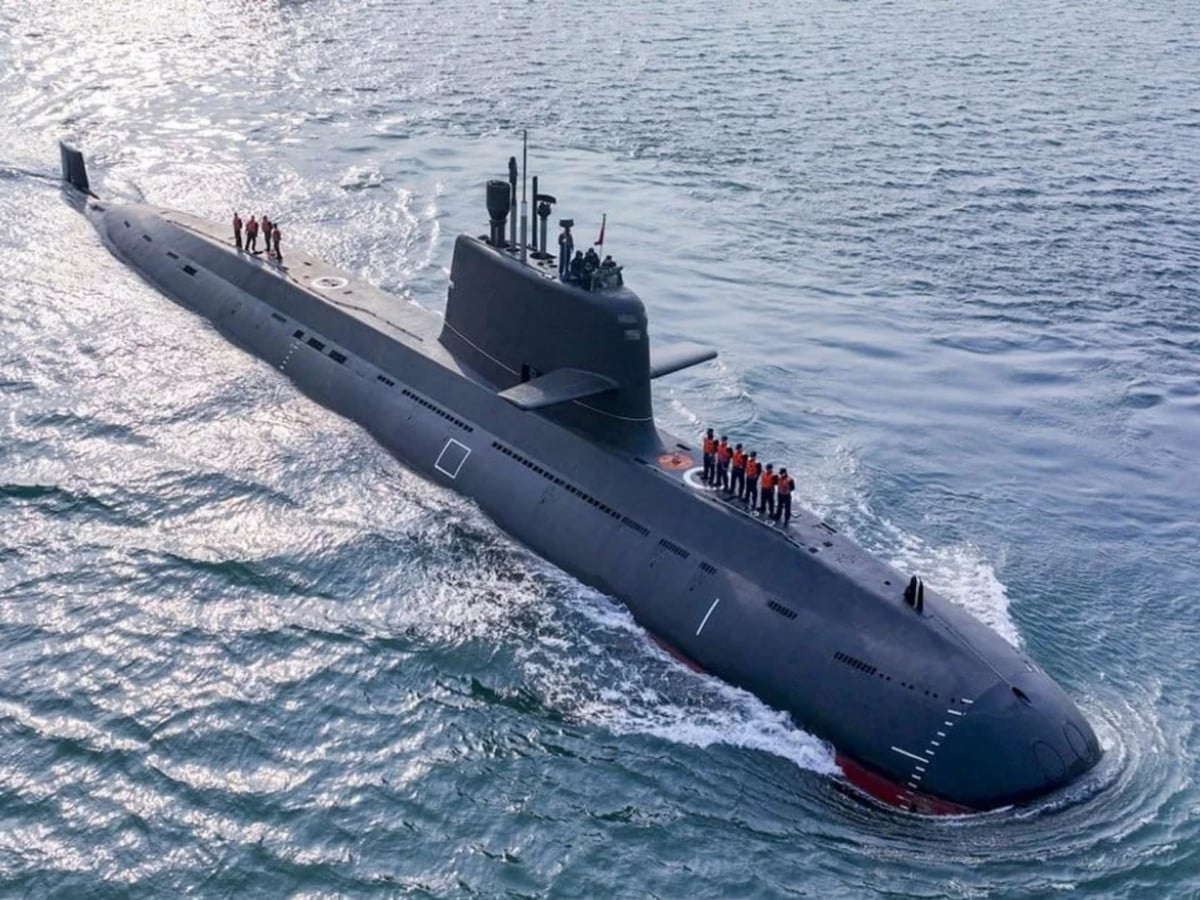
World
SANYA, China — April 30, 2026 : The Pakistan Navy has formally commissioned its first Hangor-class submarine, PNS/M Hangor, during a ceremony held in Sanya, marking the induction of the lead platform under an eight-submarine acquisition program with China aimed at modernizing Pakistan’s subsurface fleet. The ceremony was attended by senior leadership from the Pakistan Navy and the People's Liberation Army Navy. Asif Ali Zardari attended as Chief Guest, alongside Chief of the Naval Staff Naveed Ashraf. Official Statements and Strategic Context In his address, Asif Ali Zardari described the commissioning as a milestone in the Pakistan Navy’s modernization trajectory, reiterating the country’s intent to maintain a balanced and credible defense posture. He stated that Pakistan remains capable of safeguarding its sovereignty, maritime interests, and critical economic routes. Naveed Ashraf emphasized the evolving maritime security environment, noting that disruptions at strategic choke points pose increasing risks to global trade and energy flows. He stated that technologically advanced naval platforms are essential to maintaining a stable maritime order. According to the naval chief, the Hangor-class submarines—equipped with advanced sensors, modern weapons, and Air-Independent Propulsion (AIP)—are expected to contribute to deterrence and enhance the protection of Sea Lines of Communication (SLOCs) across the Arabian Sea and the broader Indian Ocean region. He also highlighted the historical significance of the name “Hangor.” During the Indo-Pakistani War of 1971, the earlier PNS Hangor became the first submarine since World War II to sink a warship in combat. The newly commissioned vessel is intended to carry forward that legacy within a modern operational framework. Following the ceremony, the Director General Public Relations (Navy) confirmed the development through official communication channels, noting the participation of senior leadership and reaffirming bilateral defense ties between Pakistan and China. Messages of congratulations were also issued by Pakistan’s Prime Minister, the Chief of Army Staff, and the Chairman Joint Chiefs of Staff Committee. Note: The Indo-Pakistani War of 1971 concluded with the surrender of approximately 93,000 Pakistani military personnel. Hangor-Class Submarine Program The Hangor-class program originates from a 2015 defense agreement between Pakistan’s Ministry of Defense and China Shipbuilding & Offshore International Co. Ltd, valued at approximately $4 billion to $5 billion. Under the agreement, four submarines are being constructed in China by Wuchang Shipbuilding Industry Group, while the remaining four are being built domestically at Karachi Shipyard & Engineering Works under a Transfer of Technology (ToT) arrangement. The program is described by officials as a major component of long-term defense and industrial cooperation between Islamabad and Beijing. Design and Technical Characteristics The Hangor-class is an export variant of China’s Type 039B Yuan-class submarine, configured for operations in both littoral and open-ocean environments. The submarine measures approximately 76 meters in length and has a submerged displacement of around 2,800 tons. It operates on a diesel-electric propulsion system integrated with a Stirling engine-based Air-Independent Propulsion system, allowing extended submerged endurance for several weeks without surfacing or snorkeling, thereby reducing acoustic and thermal signatures. The platform is equipped with six 533 mm torpedo tubes capable of deploying heavyweight wire-guided torpedoes and anti-ship cruise missiles, including systems such as the YJ-18. It is also widely assessed to be capable of launching the Babur-3 for land-attack roles. Its sensor suite includes advanced combat management systems, optronic masts, electronic support measures, and a multi-array sonar configuration comprising bow, flank, and towed arrays. The hull incorporates anechoic tiles designed to reduce detectability against sonar and radar systems. Operational Considerations and Comparative Context Despite representing a modernization step for Pakistan’s submarine fleet, the Hangor-class faces certain operational constraints in comparison with regional naval capabilities. The program encountered propulsion-related supply chain challenges after Germany declined export licenses for MTU 396 diesel engines, leading to the adoption of alternative Chinese-manufactured engines. These systems have comparatively limited long-term operational records relative to established Western designs, which may influence lifecycle maintenance and reliability assessments. In the anti-submarine warfare (ASW) domain, the Indian Navy operates an extensive detection network, including Boeing P-8I Poseidon aircraft equipped with magnetic anomaly detection systems, sonobuoys, and advanced surveillance radar. This capability contributes to a dense maritime surveillance environment in the region. Program Outlook PNS/M Hangor is the first of the eight planned submarines under the bilateral agreement. The remaining Chinese-built units are in various stages of construction and sea trials, while domestic production continues in Pakistan. Delivery of all eight submarines is expected to be completed by 2028. The induction of the Hangor-class is intended to enhance the Pakistan Navy’s underwater capabilities, replacing aging platforms and expanding operational flexibility within its existing fleet structure.
Read More → Posted on 2026-04-30 16:42:38
World
WASHINGTON — April 30, 2026 : The U.S. Navy has formally identified 14 vessels for inactivation during fiscal year 2026, outlining a structured transition plan that includes recycling, dismantling, logistical repurposing, and transfer to federal asset management authorities. The decision was detailed in NAVADMIN 099/26, an administrative message released on April 27, providing a comprehensive framework for the phased removal of aging platforms from active service. The inactivation schedule reflects the Navy’s continued effort to align force structure with evolving operational requirements, while reallocating resources toward next-generation surface combatants and submarine capabilities. Submarine Fleet Transition Continues Three submarines are scheduled for recycling under the Navy’s long-term undersea modernization strategy. These include the Los Angeles-class fast-attack submarines USS Newport News (SSN-750) and USS Alexandria (SSN-757), along with the Ohio-class guided-missile submarine USS Georgia (SSGN-729). The Los Angeles-class submarines, many of which have approached or exceeded four decades of service, are being systematically retired as part of a transition toward the newer Virginia-class attack submarines. Both Newport News and Alexandria are expected to undergo defueling and dismantlement at Puget Sound Naval Shipyard in Bremerton, Washington. The retirement of USS Georgia is also consistent with the Navy’s broader realignment of its guided-missile submarine fleet. Logistics Support Assets to Sustain Fleet Readiness Four vessels will be redesignated as Logistics Support Assets (LSA), a classification that enables their use as sources for spare parts and critical equipment. The ships include the Ticonderoga-class guided-missile cruisers USS Shiloh (CG-67) and USS Lake Erie (CG-70), the Whidbey Island-class dock landing ship USS Germantown (LSD-42), and the Henry J. Kaiser-class underway replenishment oiler USNS John Ericsson (T-AO-194). Under the LSA framework, these vessels will support maintenance and repair activities across the active fleet through systematic removal and reuse of functional components. The approach is intended to reduce supply chain pressure and extend the operational availability of frontline ships. Continued Retirement of Ticonderoga-Class Cruisers The inactivation of USS Shiloh and USS Lake Erie represents a further step in the phased retirement of the Ticonderoga-class cruiser fleet. First commissioned in 1980, the class consisted of 27 ships and introduced the Aegis Combat System, a radar-integrated weapons platform designed for multi-target detection and engagement. As of April 23, 2025, 10 Ticonderoga-class cruisers remained in active service. The Navy has indicated that all remaining ships in the class are scheduled for retirement by fiscal year 2027, with replacement capabilities expected to be delivered through future large surface combatant and next-generation destroyer programs. In a related development, the final Ticonderoga-class cruiser previously homeported overseas began its return transit to the United States in March. Littoral Combat Ship Program Adjustment The Freedom-class littoral combat ship USS Fort Worth (LCS-3) has been designated for dismantling. The Freedom-class variant of the Littoral Combat Ship program has encountered persistent operational and maintenance challenges, including propulsion system issues, underperforming mission modules, and elevated lifecycle costs. The decision to dismantle Fort Worth is consistent with prior actions to reduce the number of early-generation LCS vessels in service. Transfer of Support Ships to Maritime Administration Six additional vessels will be transferred to the U.S. Maritime Administration (MARAD) for long-term management and eventual disposal. The ships include three Watson-class vehicle cargo vessels—USNS Red Cloud (T-AKR-313), USNS Watkins (T-AKR-315), and USNS Pomeroy (T-AKR-316)—as well as the Offshore Petroleum Distribution System (OPDS) vessel USNS Vadm. K. R. Wheeler (T-AG-5001). Also included in the transfer are two Henry J. Kaiser-class underway replenishment oilers, USNS Pecos (T-AO-197) and USNS Big Horn (T-AO-198). These ships will be placed under the stewardship of MARAD, which is responsible for maintaining and disposing of retired naval and auxiliary vessels. Structured Approach to Fleet Management The fiscal 2026 inactivation plan continues a multi-year process through which the Navy has been retiring legacy systems while prioritizing investment in modern platforms. By designating certain ships for recycling, others for dismantlement, and some for secondary support roles, the Navy aims to manage lifecycle costs while maintaining operational readiness. No additional details regarding decommissioning ceremonies or precise timelines beyond those outlined in NAVADMIN 099/26 were provided.
Read More → Posted on 2026-04-30 16:16:00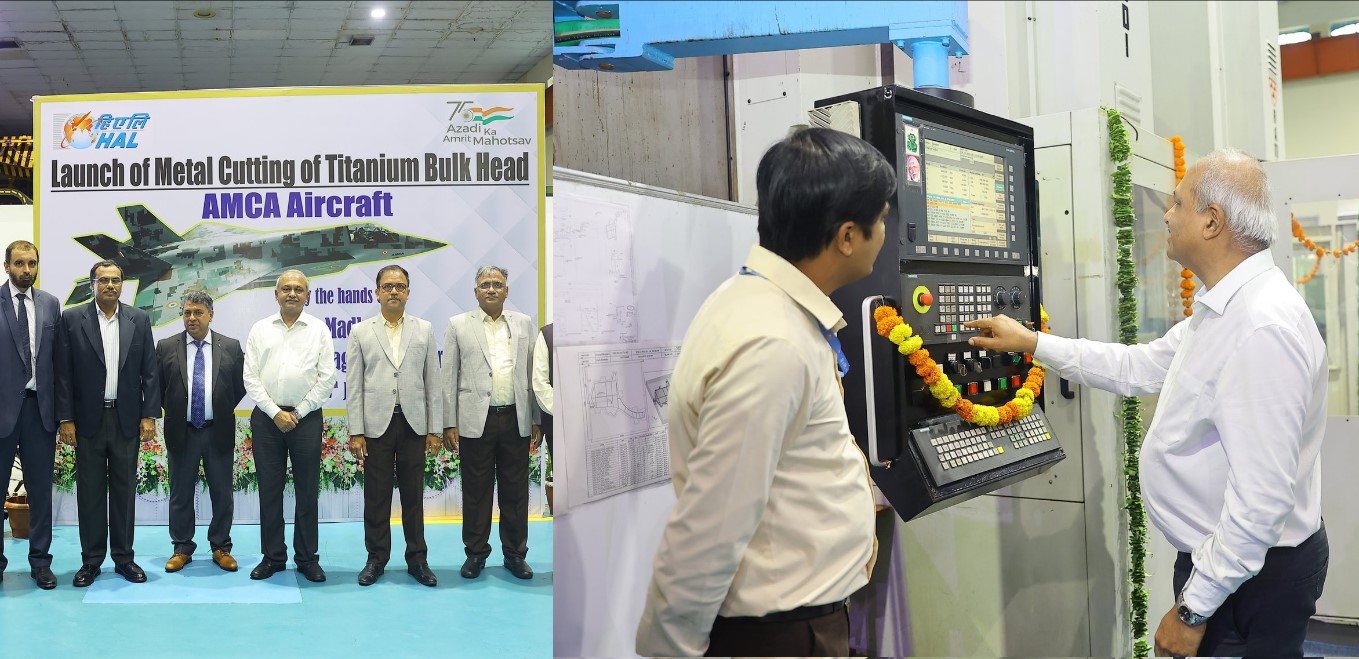
India
NASHIK, Maharashtra — April 30, 2026 : Hindustan Aeronautics Limited (HAL) has initiated the metal cutting process for the titanium bulkhead of India’s Advanced Medium Combat Aircraft (AMCA) at its Aircraft Manufacturing Division in Nashik, formally transitioning the program from design to early-stage component fabrication. The inauguration ceremony was attended by senior officials from the Aeronautical Development Agency (ADA), the Defence Metallurgical Research Laboratory (DMRL), and other government defense stakeholders, reflecting coordination across multiple agencies involved in the fifth-generation fighter effort. Structural Component Enters Manufacturing Phase The titanium bulkhead is a core structural element of the aircraft’s fuselage. It functions as a pressure-sealing barrier at key sections of the airframe while also absorbing significant aerodynamic and structural loads encountered during high-speed and supersonic flight. Bulkheads in combat aircraft are typically designed as high-strength, precision-engineered components. In the AMCA, the use of titanium alloys is intended to provide a balance between structural strength, reduced weight, corrosion resistance, and thermal stability—particularly in areas exposed to elevated temperatures during sustained operations. The current metal cutting stage involves machining a titanium billet to begin forming the bulkhead geometry. Following this, the component will undergo multi-axis CNC machining for final shaping, heat treatment to optimize material properties, and a series of non-destructive testing procedures to validate structural integrity. Surface finishing and dimensional inspections will precede integration into the prototype airframe. Testing and Validation Pipeline After fabrication, the titanium bulkheads will be subjected to extensive ground-based testing. These evaluations are intended to confirm load-bearing capacity, fatigue characteristics, and lifecycle durability. The results will also inform weight optimization and maintenance planning parameters before the aircraft enters assembly and subsequent flight trials. Production Model Still Under Evaluation While HAL has commenced manufacturing of critical structural elements, the final industrial partner responsible for full-scale AMCA production has not yet been formally selected. The Ministry of Defence, in coordination with ADA, has adopted a broader industry participation model for the program. An Expression of Interest (EoI) has been issued to establish either a Special Purpose Vehicle (SPV) or a joint venture involving public and private sector entities. Shortlisted bidders progressing toward the commercial stage include consortia led by Tata Advanced Systems Limited, Larsen & Toubro (with Bharat Electronics Limited and partners), and Bharat Forge (with BEML and Data Patterns). The selected entity will be required to establish dedicated infrastructure capable of handling the full development cycle, including prototyping, flight testing, and serial production. Engine Development Strategy The AMCA program is structured in two phases with distinct propulsion solutions. The initial AMCA Mark 1 variant will be powered by the General Electric F414-INS6 engines, supporting early prototypes and initial operational squadrons. For the more advanced AMCA Mark 2, India has partnered with Safran to co-develop a higher-thrust engine in the 120-kilonewton class. This collaboration is expected to include technology transfer and the establishment of a domestic manufacturing ecosystem for advanced jet engines. Program Timeline and Development Stages The AMCA development is currently funded under a ₹15,000 crore Full-Scale Engineering Development (FSED) program approved by the Cabinet Committee on Security in March 2024. The program is presently in the Systems Installation Detail Design (SIDD) phase, a 24-month engineering process focused on finalizing a comprehensive digital twin of the aircraft. This includes precise placement of avionics, internal weapons bays, stealth-aligned structures, and Line Replaceable Units. ADA plans to build five flying prototypes along with one structural test specimen. The first prototype rollout is scheduled between 2028 and 2029, followed by the maiden flight targeted for 2029. The initial three prototypes will support aerodynamic and systems validation, while the remaining prototypes will be used for weapons integration and payload testing. Certification and operational clearance activities are expected to conclude by around 2032, with induction into the Indian Air Force projected between 2034 and 2035. HAL’s Role in the AMCA Program HAL’s involvement in the AMCA program is centered on manufacturing development, industrial capability demonstration, and support for prototype realization. The Nashik division, which has prior experience in producing aircraft structures and assemblies, is contributing specialized expertise in machining high-performance materials such as titanium. Through activities such as bulkhead fabrication, HAL is generating manufacturing data, refining production processes, and validating tooling approaches that will be relevant for eventual large-scale production. Although HAL has not been designated as the final production agency, its current work supports the broader ecosystem by reducing technical risk, advancing fabrication readiness, and providing baseline manufacturing insights that can be utilized by the selected development-cum-production partner. Transition Toward Prototype Assembly The initiation of titanium bulkhead manufacturing represents an early but tangible step in the AMCA’s progression toward hardware realization. As component-level fabrication advances alongside detailed design work, the program is moving incrementally toward prototype assembly, structural testing, and eventual flight validation within the defined development timeline.
Read More → Posted on 2026-04-30 16:07:27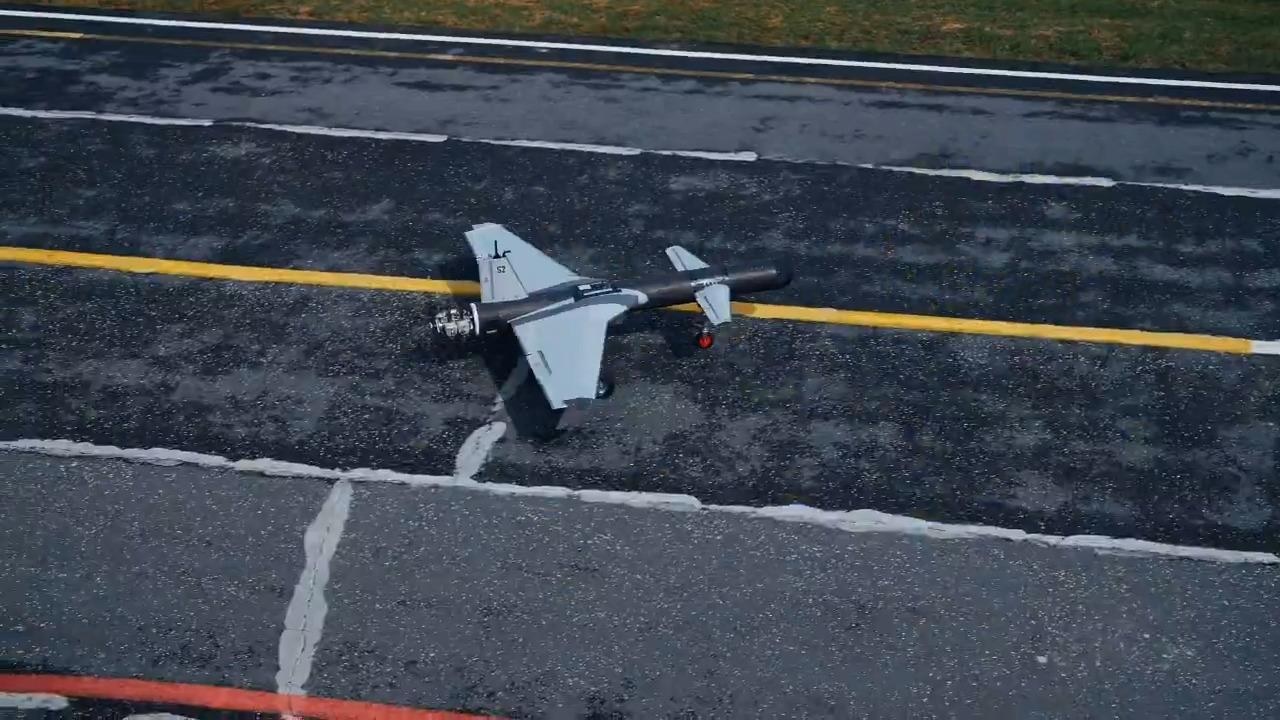
World
ISTANBUL — April 30, 2026 : Turkish defense manufacturer Baykar has introduced a new artificial intelligence-enabled loitering munition, MIZRAK, following the completion of a live-fire strike test. The system is scheduled to make its first public appearance at SAHA EXPO 2026, which will take place from May 5 to 9 in Istanbul. The MIZRAK, named after the Turkish word for “spear,” is designed as a long-range tactical strike platform capable of conducting deep surface-to-surface missions while maintaining extended surveillance over target areas. The system combines autonomous navigation, target detection, and strike capabilities, including operation in environments where satellite-based navigation systems are degraded or unavailable. Platform Design and Technical Characteristics MIZRAK is significantly larger than conventional expendable loitering munitions and is categorized as a tactical unmanned strike system. It features a wingspan of 4 meters (13.1 feet) and a maximum takeoff weight of 200 kilograms (440.9 pounds). The platform operates at a service ceiling of 10,000 feet and can reach speeds of approximately 185 kilometers per hour (115 mph or 100 knots). The munition is equipped with interchangeable in-house electro-optical and infrared sensor payloads, enabling reconnaissance and target verification prior to engagement. These sensors support both day and night operations and contribute to the system’s autonomous targeting capabilities. Variants and Payload Configurations MIZRAK will be produced in two primary configurations tailored for different mission profiles. The heavy-strike variant is designed for maximum destructive effect and carries twin warheads with a combined payload of 40 kilograms (88.1 pounds). This configuration is intended for engagements requiring higher impact against fortified or high-value targets. The precision variant is equipped with a single 20-kilogram (44-pound) warhead and incorporates a radio frequency (RF) seeker. This enables autonomous detection and engagement of radar-emitting systems and electronic warfare assets, making it suitable for suppression of enemy air defenses and similar missions. Range, Endurance, and Launch Options The system is optimized for long-range operations, with an operational reach exceeding 1,000 kilometers (621 miles) and an endurance of more than seven hours. These characteristics allow it to loiter over distant target areas for extended periods before executing a strike. MIZRAK offers flexible launch options. It can take off conventionally using integrated landing gear from standard runways. In addition, it features a rocket-assisted takeoff (RATO) capability, allowing deployment from confined environments, rugged terrain, or locations without prepared airstrips. Autonomous Navigation and GPS-Denied Capability A central feature of MIZRAK is its ability to operate in contested electromagnetic environments. The system uses an AI-powered autopilot combined with optical guidance and visual terrain mapping to navigate independently of GPS. By relying on inertial navigation and visual positioning, MIZRAK can autonomously reach designated areas, identify targets, and conduct precision strikes even under heavy electronic jamming or in fully GPS-denied conditions. This capability is intended to maintain operational effectiveness against adversaries employing advanced electronic warfare measures. Network Integration and Operational Connectivity MIZRAK is designed to function within a network-centric operational framework rather than as a standalone system. It maintains a line-of-sight communications range of approximately 80 kilometers and supports integration with other Baykar unmanned platforms, including the Bayraktar TB2, Bayraktar TB3, and Bayraktar Akıncı. Through this integration, larger unmanned aerial vehicles can provide target designation and situational awareness, enabling coordinated mission execution. For long-range operations beyond line-of-sight limits, the system can utilize satellite communication links to remain connected with command networks. This allows operators to update mission parameters or adjust targeting data during flight. Swarm Capability and Mission Role The AI architecture supporting MIZRAK includes provisions for swarm operations. Multiple units can communicate and coordinate to conduct synchronized, multi-axis attacks against defended targets. This approach is intended to increase effectiveness against complex air defense systems by saturating or overwhelming defensive responses. The system is positioned for use in both strike and persistent surveillance roles, supporting coordinated operations over extended distances. Its combination of endurance, autonomy, and network integration reflects a shift toward distributed and collaborative unmanned systems in modern combat environments. Baykar has not disclosed production timelines or export plans for MIZRAK. The system’s upcoming presentation at SAHA EXPO 2026 is expected to provide additional context regarding its operational deployment and potential market positioning.
Read More → Posted on 2026-04-30 15:52:54
World
JERUSALEM — April 30, 2026 : Israel has received approximately 6,500 tons of military equipment from the United States over a 24-hour period, marking one of the most concentrated recent deliveries under the ongoing defense resupply framework between the two countries, according to official statements from Israel’s Ministry of Defense. The shipment was transported through a coordinated combination of maritime and air logistics, involving two cargo vessels that docked at the ports of Haifa and Ashdod, alongside multiple military transport aircraft. Defense officials stated that the consignment included thousands of air- and ground-based munitions, a number of Joint Light Tactical Vehicles (JLTVs), and various categories of military utility trucks intended for operational deployment and logistical support. Following arrival, the cargo—totaling 6,500 tons—was offloaded and transferred onto hundreds of transport vehicles operated by the Israel Defense Forces’ Technological and Logistics Directorate. The equipment is currently being distributed to military bases across the country as part of established supply chain procedures designed to sustain force readiness and replenish inventories. The latest delivery forms part of a broader resupply effort that has intensified since the escalation of hostilities on February 28, 2026. Israeli defense records indicate that, since that date, more than 115,600 tons of military equipment have been delivered by the United States. These transfers have been conducted through a combined total of 403 cargo flights and 10 maritime shipments, reflecting a sustained and large-scale logistical operation. Coordination of the shipments is being carried out jointly between the U.S. Department of Defense and Israel’s Defense Procurement Directorate. Officials from both sides have indicated that the objective of the ongoing deliveries is to ensure continuity in operational capability and maintain required stock levels across multiple domains, including ground maneuver units and aerial operations. Israeli Defense Minister Israel Katz, commenting on the current military posture, stated that Israel remains prepared to act against threats “in every arena and everywhere,” referencing the country’s readiness across different operational fronts. Ministry Director General Amir Baram, who oversaw aspects of the most recent transfer operations at the Port of Ashdod, confirmed that procurement and logistics pipelines remain active and are expected to expand in the coming weeks. According to defense officials, the pace of deliveries is likely to increase further in response to evolving security requirements. The shipments continue a pattern of U.S. military support delivered through both airlift and maritime channels. Previous consignments have included a mix of heavy munitions and ground vehicles, such as tactical transport platforms and support trucks, which are subsequently allocated to operational units following standard distribution protocols. While officials confirmed that the latest shipment included missiles among the munitions delivered, no additional details were released regarding specific weapon types or quantities. The Ministry of Defense reiterated that the transfers are part of an ongoing procurement strategy focused on sustaining readiness and ensuring the availability of critical military equipment.
Read More → Posted on 2026-04-30 15:35:29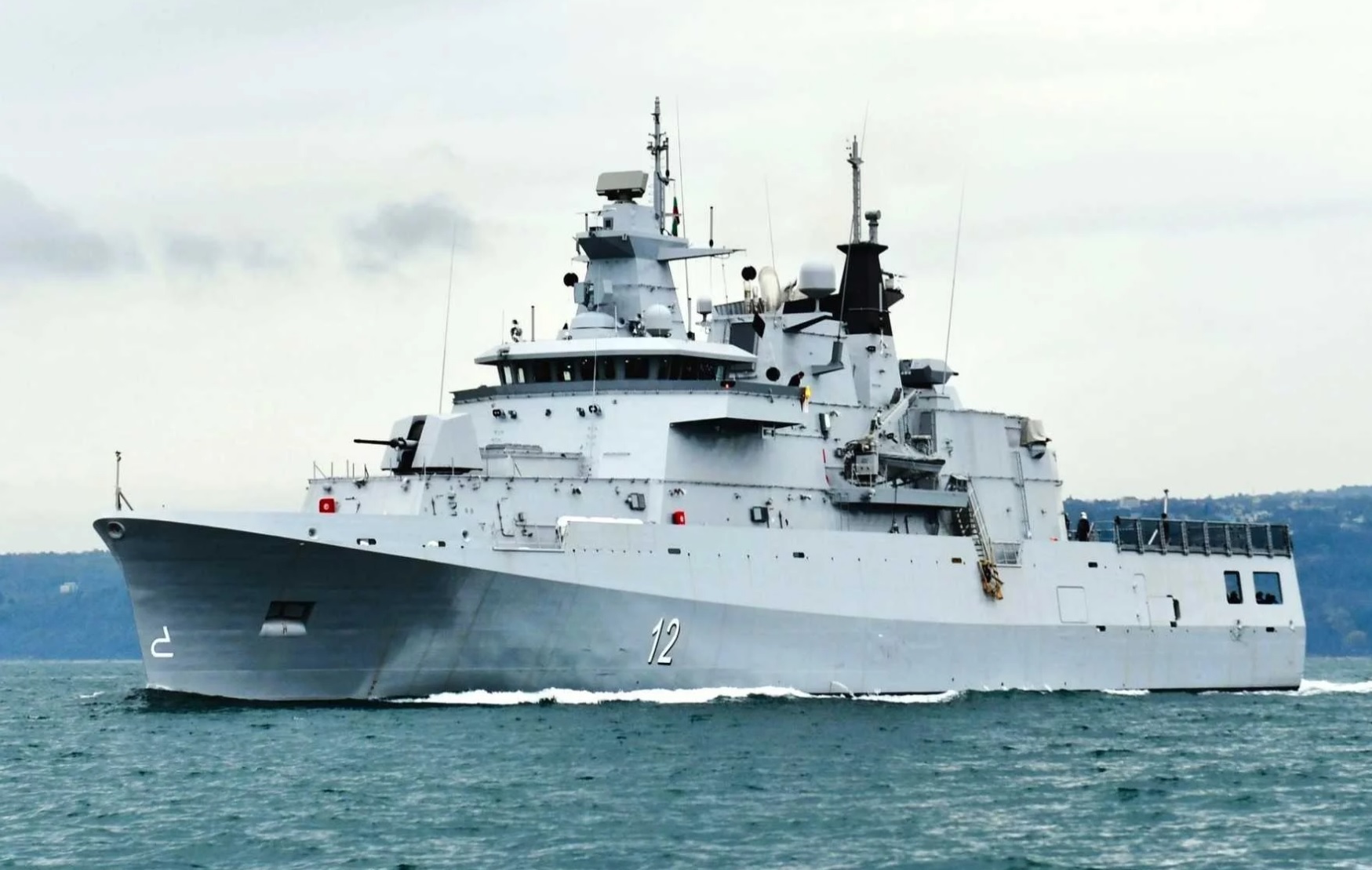
World
BUCHAREST — April 30, 2026 : Romania is moving forward with a major naval modernization effort centered on domestic shipbuilding, with plans to construct four new vessels at the Mangalia 2 Mai Shipyard under a joint venture led by Rheinmetall. The program includes two multipurpose offshore patrol vessels (OPVs) configured as light corvettes and two specialized diver support and intervention ships. Program Scope and Financial Structure The naval procurement forms part of a broader package of 16 military acquisition programs valued at €8.3 billion under the European Union-backed Security Action for Europe (SAFE) framework. Within this package, the naval component is valued at approximately €920 million, making it the second-largest individual procurement effort. Of the naval allocation, €836 million is designated for the acquisition of the two light corvettes based on the MMPV 90 design. Around €160 million from this allocation will be used to settle existing debts at the Mangalia shipyard, effectively integrating financial restructuring into the construction program. Romania’s joint defence committees in parliament issued preliminary approval for the procurement on April 29, 2026. A full parliamentary vote remains pending and must be completed before the end of May 2026, when the emergency ordinance enabling SAFE-related financing expires. Upon approval, the Ministry of National Defence will be authorized to proceed with contract awards. Industrial Restructuring at Mangalia The construction program is closely tied to the restructuring of Romania’s shipbuilding industry. Defence Minister Radu Miruță confirmed that hull construction and integration of combat systems will take place domestically at the Mangalia 2 Mai Shipyard. This follows the bankruptcy of the Damen Mangalia Shipyard on April 6, 2026, after a prolonged insolvency process that began in June 2024. In response, the Romanian government invoked legal provisions introduced in March 2026 allowing intervention in strategically important industrial assets. The facility is being reorganized under a joint venture structure in which Rheinmetall holds a majority stake and serves as prime contractor and systems integrator. The Romanian state retains a minority share, contributing land and fixed infrastructure, while MSC Group participates as an industrial partner responsible for civilian shipbuilding operations alongside military production. Domestic industrial participation is expected to account for approximately 55–60 percent of the contract value. Platform Selection: MMPV 90 Corvette Design The two light corvettes will be based on the MMPV 90 platform developed by NVL Group, which became part of Rheinmetall’s naval division following its acquisition on March 1, 2026. The same baseline design is currently in production for the Bulgarian Navy’s Hrabri-class vessels. The MMPV 90 design features an overall length of approximately 90 meters, a beam of 13.5 meters, and a full-load displacement exceeding 2,300 tonnes. The ships are designed to reach speeds of up to 24 knots and have an operational range exceeding 3,000 nautical miles. Each vessel will accommodate a crew of around 70 personnel. Aviation facilities include a flight deck and hangar capable of supporting the Eurocopter AS565 Panther and unmanned aerial vehicles (UAVs). The ships will also be equipped with two rigid-hulled inflatable boats (RHIBs) deployed from amidships. While Bulgaria’s variant incorporates a stern ramp for boat deployment, Romania’s configuration is expected to emphasize anti-submarine warfare (ASW) capabilities, influencing both sensor selection and internal layout. For comparison, Bulgaria’s two MMPV 90 vessels were constructed locally at the MTG Dolphin Shipyard in Varna under a €420 million base contract, with total project costs estimated at approximately €500 million excluding weapons and ammunition. Sensors, Combat Systems, and Armament The Romanian corvettes are expected to incorporate a more advanced suite of sensors and weapons, contributing to the higher overall program cost. Electronic systems are anticipated to be supplied largely by Thales Group. These are expected to include the TACTICOS combat management system and a multifunction radar from the NS100 or NS110 family, with integrated identification friend-or-foe (IFF) capability. Additional sensors may include STIR 1.2 EO Mk2 fire control radar and MIRADOR Mk3 electro-optical systems, as well as navigation and helicopter approach radars operating in X- and S-band. Electronic warfare capabilities are expected to include the VIGILE radar electronic support measures (R-ESM) and ALTESSE-H communications electronic support measures (C-ESM). Communications infrastructure will include satellite communications (SATCOM) and onboard monitoring systems such as CCTV. For ASW operations, the vessels are expected to be equipped with a hull-mounted sonar, likely the BLUEWATCHER system, and a variable depth sonar such as CAPTAS-2. The projected armament configuration includes a 76 mm OTO 76/62 Super Rapid main gun from Leonardo S.p.A., supported by a Rheinmetall Oerlikon MILLENNIUM 35 mm close-in weapon system (CIWS). Anti-ship capabilities are expected to be provided by Naval Strike Missiles (NSM) from Kongsberg Gruppen, likely deployed via two twin launchers. Air defense will be handled by a 21-cell Rolling Airframe Missile (RAM) launcher, representing a configuration change compared to Bulgaria’s use of an 8-cell vertical launch system (VLS) for VL MICA missiles. Anti-submarine armament is expected to include 324 mm torpedo launchers firing MU90 torpedoes, along with decoy launchers such as Rheinmetall’s MASS system. Procurement Background and Interim Measures The current program follows earlier attempts to modernize Romania’s naval fleet. In 2019, the government selected Naval Group in partnership with Șantierul Naval Constanța to deliver four Gowind 2500 corvettes and upgrade two Type 22 frigates. Despite a signed letter of intent, the €1.2 billion program encountered legal and contractual disputes and was formally suspended in 2023 without entering into force. To address capability gaps in the interim, Romania signed a contract in December 2025 with ASFAT for the acquisition of the Hisar-class offshore patrol vessel TCG Akhisar (P-1220). The ship was transferred to Romania as an operational platform configured for light corvette roles. Timeline and Outlook The new MMPV 90 vessels are expected to be delivered by 2030. The SAFE framework allows Romania access to up to €16.6 billion in low-interest loans through that year, supporting broader defense modernization efforts. With parliamentary approval pending ahead of the May 31, 2026 deadline, the Mangalia-based program represents both a naval capability upgrade and an industrial policy initiative aimed at restoring domestic shipbuilding capacity while integrating advanced European defense systems.
Read More → Posted on 2026-04-30 15:29:12
World
PERM, Russia — April 30, 2026 : Ukrainian long-range unmanned aerial vehicles targeted a major Russian oil refinery and associated energy infrastructure in the Perm region on April 30, marking the second consecutive day of strikes in an area located more than 1,500 kilometers from the Ukrainian border. According to Ukrainian security sources, the operation was carried out by the Alpha Special Operations Center of the Security Service of Ukraine (SBU), using domestically developed “Liutyi” strike drones. The primary target of the April 30 strike was the Lukoil-Permnefteorgsintez oil refinery, one of the largest and most technologically advanced refining facilities in Russia. Preliminary reports and visual evidence indicate that the refinery’s AVT-4 primary oil processing unit was directly hit. This unit plays a central role in crude oil refining, housing both atmospheric and vacuum distillation columns. Footage shared on social media showed fires erupting from these structures following the strike, effectively disrupting the refinery’s primary processing capability. The Lukoil-Permnefteorgsintez refinery has an annual processing capacity exceeding 13 million tons of crude oil. It produces a range of petroleum products, including gasoline, diesel fuel, aviation kerosene, lubricants, and processed associated petroleum gas. The facility supplies fuel to Russia’s domestic market, export channels, and military logistics, making it a significant component of the country’s energy infrastructure. Local residents reported hearing drones overhead before the outbreak of a large fire at the site. Images and videos circulated online showed flames and dense smoke rising from the refinery complex. Satellite imagery later indicated that a plume of black smoke extended over 120 kilometers from the site. Some local accounts described the presence of oil residue falling in parts of the city following the incident. Perm Krai Governor Dmitry Makhonin confirmed that an attack had occurred on “one of the industrial sites in Perm Krai.” In official statements, he did not identify the facility but noted that workers were evacuated and no casualties were reported. Emergency response services were deployed to contain the fire. The refinery strike followed an earlier Ukrainian drone attack conducted on April 29 against the Perm linear production and dispatch station, a key oil pumping and storage facility that supplies crude to the Lukoil refinery. The station is part of Russia’s main pipeline network and plays a central role in transporting, storing, and distributing oil across the region. Fuel storage tanks at the pumping station were reported to still be burning on April 30, with additional fires emerging following the second day of strikes. The facility distributes oil in multiple directions, including direct supply routes to the Perm refinery. Ukrainian officials stated that both the April 29 and April 30 operations were conducted using Liutyi drones. These long-range UAVs, developed by Antonov, are designed for deep-strike missions and have a reported operational range of up to 2,000 kilometers. The drones are capable of carrying warheads weighing between 50 and 75 kilograms. The Perm region’s distance from the Ukrainian border underscores the extended reach of these systems and highlights the ongoing focus on targeting rear-area energy infrastructure. As of April 30, no detailed Russian assessment of the operational impact or extent of damage at either the refinery or the pumping station had been publicly released. Ukrainian authorities described the strikes as part of a broader effort to disrupt Russian energy logistics and supply chains linked to fuel production and distribution.
Read More → Posted on 2026-04-30 15:20:57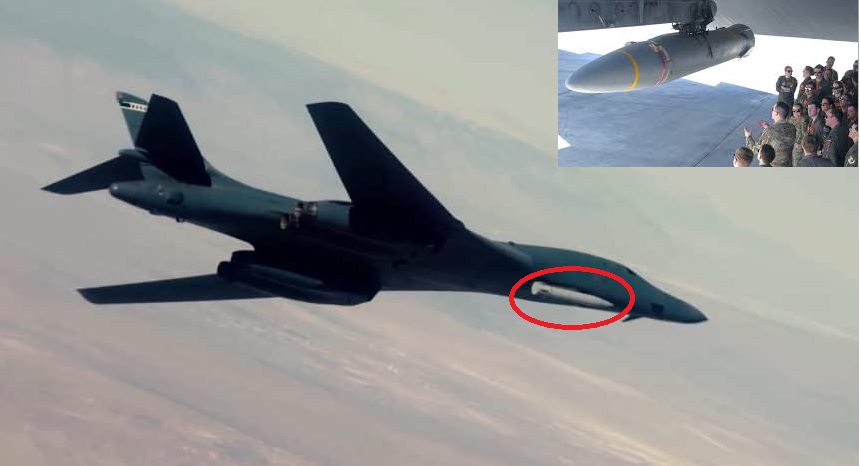
World
EDWARDS AIR FORCE BASE, Calif. — April 30, 2026 : The U.S. Air Force has publicly confirmed a new stage in its hypersonic weapons integration effort after releasing imagery of a B-1B Lancer carrying the AGM-183A ARRW externally. The footage, published on April 29, 2026, through an official social media video focused on aircraft maintainers, provides the first visual evidence linking the B-1B to the Air-Launched Rapid Response Weapon (ARRW), expanding the operational scope of the U.S. hypersonic strike architecture. Visual Confirmation Signals Platform Expansion The short video segment shows the B-1B in flight with the ARRW mounted on an external station, marking a departure from earlier program visibility that had primarily associated the weapon with the B-52H Stratofortress during test phases. The appearance confirms that integration work has progressed beyond concept planning and into practical carriage validation, introducing a second operational bomber platform for hypersonic deployment. This development reflects a broader U.S. effort to diversify launch platforms for high-speed conventional strike systems, enabling greater flexibility in mission planning and survivability in contested environments. Weapon Design and Flight Profile The AGM-183A ARRW, developed by Lockheed Martin, is an air-launched hypersonic boost-glide weapon derived from research conducted under DARPA’s Tactical Boost Glide program. According to documentation from the Department of Defense’s Director, Operational Test and Evaluation, the weapon consists of three primary components: a solid rocket booster, a protective shroud, and an unpowered glide vehicle equipped with a kinetic-energy projectile warhead. After release from the aircraft, the booster accelerates the system to hypersonic velocities exceeding Mach 5, with aerospace assessments indicating potential speeds approaching Mach 20. The glide vehicle then separates and follows a maneuverable, non-ballistic trajectory toward its target, with an estimated operational range of approximately 1,600 kilometers. This flight profile reduces warning times and complicates interception by conventional surface-to-air missile systems, particularly within Anti-Access/Area-Denial (A2/AD) environments where layered air defenses are designed to counter traditional ballistic or cruise missile threats. Engineering Integration and Pylon Architecture Integrating a hypersonic weapon in the 5,000-pound class onto the B-1B required extensive engineering work beyond static carriage. The process includes captive-carry envelope expansion, structural load validation, aerodynamic flutter analysis, pylon and weapons-bay clearance verification, separation modeling, and routing of power and data connections. Additionally, updates to the aircraft’s stores management system are necessary to support safe release and mission integration. External carriage is enabled by the Load Adaptable Modular (LAM) pylon system developed by Boeing. The B-1B can be configured with up to six such pylons, each capable of carrying either two 2,000-pound-class munitions or a single weapon exceeding 5,000 pounds. This modular configuration allows the aircraft to transition from a high-capacity bomb delivery platform into a carrier for oversized standoff weapons, including hypersonic systems. Platform Capabilities and Operational Role The B-1B Lancer is a long-range, multi-role heavy bomber powered by four afterburning General Electric F101 engines. It is capable of reaching speeds of Mach 1.2 at sea level and operates with a four-person crew consisting of two pilots and two combat systems officers. With a payload capacity of up to 75,000 pounds—the largest in the U.S. Air Force inventory for conventional munitions—the aircraft supports both guided and unguided weapons. Under prior arms-control agreements, the B-1B was converted to a conventional-only platform. Its adaptation to carry hypersonic weapons externally enhances its role in long-range precision strike missions without altering its non-nuclear designation. The aircraft has an established operational history, including extensive deployment of Joint Direct Attack Munitions (JDAMs) in past conflicts. Operational Context and Mission Scenarios The integration aligns with recent operational patterns, including Operation Epic Fury. Initiated on March 4, 2026, the operation involved U.S. Central Command conducting strikes against targets associated with Iran’s security infrastructure. During the campaign, a B-1B executed a Continental United States (CONUS)-to-CONUS mission profile, demonstrating the aircraft’s ability to conduct long-range strike operations without reliance on forward basing. While there is no indication that ARRW was used in that operation, the mission structure provides a model for potential hypersonic employment. A B-1B equipped with ARRW could conduct rapid strikes against integrated air defense command nodes, ballistic missile support infrastructure, hardened facilities, and long-range radar systems. Its combination of speed, aerial refueling compatibility, and standoff launch capability enables engagement from outside heavily defended airspace. Strategic and Theater-Level Implications The deployment of a hypersonic-capable B-1B has implications across multiple operational theaters. In the Indo-Pacific, it introduces a mobile, long-range strike option capable of targeting maritime denial networks and sensor infrastructure. In Europe, it offers NATO an additional conventional deterrence capability without requiring forward deployment of sensitive systems. In the Middle East, the CONUS-based strike model demonstrated during Operation Epic Fury highlights an alternative approach when regional basing is constrained. The development also signals ongoing adaptation of legacy bomber platforms alongside next-generation systems such as the B-21 Raider, indicating a layered approach to future strike capabilities. Program Funding and Future Development Budget documents support the transition of ARRW from testing toward sustained capability development. The Fiscal Year 2027 Air Force budget includes a request of $345.7 million for ARRW under Research, Development, Test, and Evaluation (RDT&E), with total projected funding reaching approximately $1.7 billion through Fiscal Year 2030. These allocations cover integration efforts, system support, obsolescence mitigation, supplier transitions, and production planning for Increment 2 capabilities. Official descriptions characterize ARRW as a conventional prompt-strike system designed for use in A2/AD environments. Specific procurement quantities remain classified as Controlled Unclassified Information. Ongoing Testing and Integration Path The appearance of ARRW on the B-1B indicates that captive-carry testing is underway to support further evaluation, certification, and eventual operational fielding. Data collected from these flights will inform safe separation procedures, aerodynamic performance, and mission integration parameters. The combination of a proven supersonic bomber with an advanced hypersonic weapon reflects a continued U.S. effort to adapt existing airframes for emerging strike requirements. As testing progresses, the B-1B’s role within the hypersonic mission set is expected to expand, contributing to a broader portfolio of long-range precision strike options in contested environments.
Read More → Posted on 2026-04-30 15:10:06
World
WASHINGTON — April 30, 2026 : U.S. President Donald J. Trump is scheduled to receive a detailed military briefing today from Adm. Brad Cooper, commander of U.S. Central Command, on a range of new operational options targeting Iran, according to a report by Axios citing two sources familiar with the discussions. The briefing comes amid an ongoing diplomatic deadlock between Washington and Tehran following a ceasefire that ended weeks of active hostilities earlier this year. Senior U.S. defense officials, including Gen. Dan Caine, are expected to participate in the session, which will focus on contingency plans developed by CENTCOM. Military Options Under Consideration According to the report, the options prepared by CENTCOM include a spectrum of military actions designed to increase pressure on Iran and alter the current negotiating dynamics. Among the primary proposals is a “short and powerful” wave of targeted strikes against key Iranian infrastructure. These strikes would focus on strategic facilities linked to Iran’s military and security apparatus and are intended to produce rapid operational impact. Additional plans include a potential ground operation aimed at securing parts of the Strait of Hormuz, a critical maritime chokepoint for global energy shipments. The objective of this option would be to ensure the uninterrupted flow of commercial shipping if current restrictions persist. A third option involves a specialized mission by U.S. special operations forces to locate and secure Iran’s stockpile of highly enriched uranium. This proposal reflects ongoing concerns within U.S. defense and intelligence circles regarding the accessibility and security of Iran’s nuclear material. Planning for both the Strait of Hormuz operation and the special forces mission has reportedly been underway since the early stages of the conflict. Background: Operation Epic Fury and Ceasefire The current strategic planning follows the conclusion of Operation Epic Fury, a U.S.-led military campaign launched on February 28, 2026, under presidential direction. The operation targeted multiple components of Iran’s defense infrastructure, including ballistic missile systems, production facilities, naval assets, and associated support networks. The campaign lasted 38 days and concluded with a ceasefire agreement that led to the reopening of the Strait of Hormuz. Despite the cessation of direct hostilities, negotiations between the United States and Iran have since failed to produce a comprehensive agreement, resulting in a prolonged diplomatic stalemate. Naval Blockade and Regional Posture Since April 13, the United States has maintained a naval blockade of Iranian ports as part of its broader pressure campaign. U.S. naval forces operating in the region have been tasked with enforcing maritime restrictions, including redirecting commercial vessels attempting to access Iranian ports. Adm. Cooper has confirmed the implementation of the blockade, noting that dozens of vessels have been turned away in accordance with enforcement measures. The United States continues to maintain an elevated military posture in the region, including naval deployments and readiness adjustments across CENTCOM’s area of responsibility. Diplomatic Efforts and Nuclear Concerns Diplomatic engagement between Washington and Tehran is ongoing but limited in scope, with communications largely conducted remotely rather than through direct negotiations. Iran has proposed a phased arrangement that would involve reopening the Strait of Hormuz in exchange for the lifting of U.S. maritime restrictions. U.S. officials have not accepted the proposal, maintaining that any agreement must address concerns related to Iran’s nuclear program. In parallel, international oversight bodies continue to assess the status of Iran’s nuclear materials. Rafael Mariano Grossi, Director General of the International Atomic Energy Agency, has indicated that Iran may still retain access to near-weapons-grade uranium stored at previously targeted sites near Isfahan. Satellite imagery analysis suggests that, despite damage to facilities, the material remains physically accessible. Ongoing Planning and No Final Decision The Pentagon has not publicly confirmed the details of the planned briefing or the specific military options under review. Officials emphasize that the proposals are part of ongoing contingency planning and do not indicate an immediate decision to initiate further military action. The administration continues to balance military preparedness with diplomatic efforts as negotiations remain unresolved and regional tensions persist.
Read More → Posted on 2026-04-30 14:49:31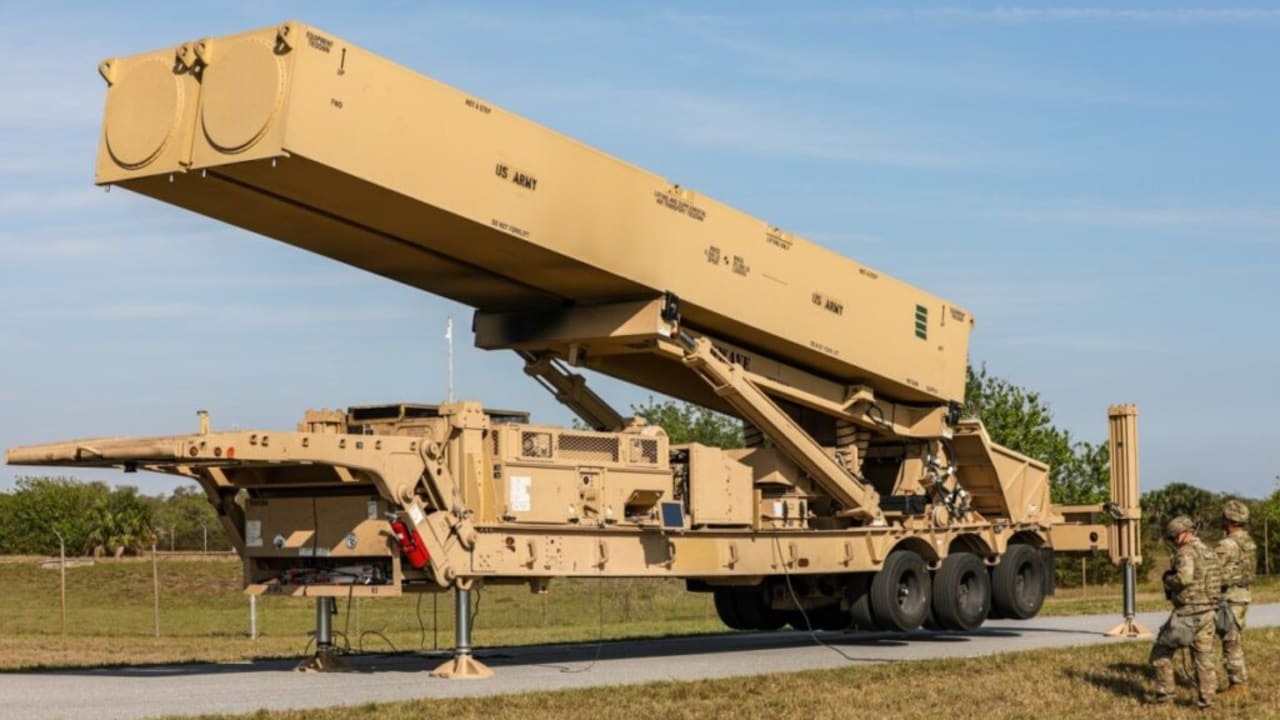
World
WASHINGTON — April 30, 2026 : The U.S. Central Command has formally requested approval from the Pentagon to deploy the U.S. Army’s Long-Range Hypersonic Weapon (LRHW), known as “Dark Eagle,” to the Middle East, according to a report by Bloomberg. The proposed deployment is intended to support ongoing operations under Operation Epic Fury, with a specific focus on targeting Iranian ballistic missile launchers that have recently been repositioned beyond the reach of existing U.S. strike systems. The request follows tactical adjustments by Iranian forces, which have relocated key missile assets outside the operational range of the Precision Strike Missile. The PrSM, with an effective range of approximately 300 to 310 miles (around 500 kilometers), has already been employed in combat during the early phases of Operation Epic Fury. However, the repositioning of Iranian launch platforms has created a capability gap that CENTCOM now seeks to address through the introduction of the Dark Eagle system, which is reported to have a range of roughly 1,725 miles. The Dark Eagle is designed to deliver rapid and precise strikes against heavily defended or time-sensitive targets. The system consists of a ground-launched platform that uses a two-stage booster to deploy a Common Hypersonic Glide Body. Once launched, the glide body travels at speeds exceeding Mach 5 and retains the ability to maneuver during flight, enabling it to evade advanced air defense systems and increase strike survivability. If approved, the deployment would mark the first operational use of the LRHW system. The weapon remains under development and has not yet been formally declared combat-ready. To date, it has undergone a limited number of classified tests, including a full end-to-end flight test conducted on March 26, 2026, from Cape Canaveral Space Force Station. The U.S. Army has designated its first operational battery to the 3rd Multi-Domain Task Force at Joint Base Lewis-McChord in Washington, with fielding activities ongoing throughout 2026. Programmatically, the LRHW is produced by Lockheed Martin, while the hypersonic glide body has been developed by Dynetics. The system also shares underlying technology with the U.S. Navy’s Conventional Prompt Strike program, reflecting a broader joint-service approach to hypersonic weapon development. In March 2026, the U.S. Army awarded a $2.7 billion contract to support continued research, development, testing, and initial production of the system. Cost and availability remain significant constraints. Each Dark Eagle missile is estimated to cost approximately $15 million, and current inventory levels are limited, with defense sources indicating that no more than eight missiles are presently available. A full operational battery includes up to eight missiles, four transporter-erector launchers, and associated command and support infrastructure, bringing the estimated total deployment cost to around $2.7 billion. Operation Epic Fury, launched on February 28, 2026, under presidential authorization, involves U.S. military efforts to degrade Iran’s strategic capabilities. This includes targeting ballistic missile systems, production infrastructure, naval assets, and related elements of Iran’s security apparatus. The operation has so far relied in part on the PrSM for strike missions, but evolving battlefield conditions have prompted consideration of more advanced systems. The request to deploy the Dark Eagle also comes amid a fragile ceasefire environment within the operational theater. Defense analysts note that, beyond its tactical role, the deployment would demonstrate the United States’ ability to field hypersonic weapons in a combat theater, aligning its operational posture with capabilities already developed by strategic competitors such as Russia and China. The Pentagon has not publicly confirmed whether it will approve CENTCOM’s request, and no timeline has been provided for a decision. Any potential deployment and use of the LRHW would be conducted under existing command authorities governing conventional long-range precision strike operations.
Read More → Posted on 2026-04-30 14:25:14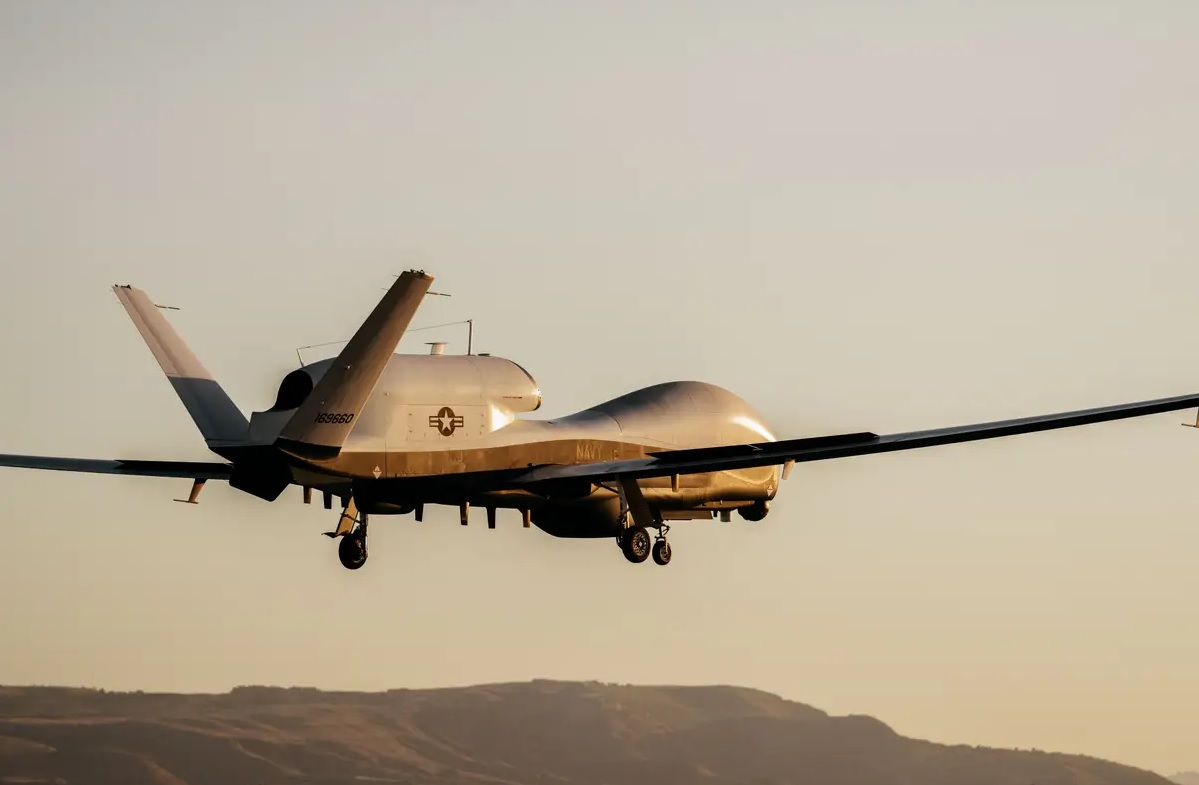
World
WASHINGTON — April 30, 2026 : A United States Navy MQ-4C Triton unmanned aerial vehicle sustained damage while operating over the Persian Gulf on April 27, 2026, but completed its assigned mission and landed safely without injuries, according to information released by the Naval Safety Command. The incident involved airframe 169661, operating under the callsign OVRLD01 from Muwaffaq Salti Air Base in Jordan. During the flight, the aircraft experienced unspecified damage classified by the Navy as a “damaged-in-flight” occurrence. Despite the issue, the drone maintained sufficient operational capability to return to base without further incident. The Navy has not disclosed the precise location of the event, citing operational security, and no official cause has been identified. Operational Context and Mission Details Available flight data and operational reporting indicate the aircraft was conducting a standard maritime intelligence, surveillance, and reconnaissance (ISR) mission over the Persian Gulf. The MQ-4C Triton platform is routinely deployed in the region to monitor shipping lanes, maritime traffic, and broader security activity, including operations near the Strait of Hormuz. The April 27 aircraft had been deployed as a replacement asset following the earlier loss of another Triton in the same region earlier in the month. No indications of external involvement or hostile action have been publicly confirmed in connection with the damage event. Earlier April 9 Triton Crash The April 27 incident occurred less than three weeks after a separate MQ-4C Triton, identified as airframe 169804, was lost on April 9, 2026, during operations over the Persian Gulf and the Strait of Hormuz. That event was classified as a Class A mishap by the Naval Safety Command, a designation used for incidents involving total aircraft loss or damage exceeding $2.5 million. Open-source flight tracking data showed the April 9 aircraft transmitting transponder code 7400 (indicating a loss of communication) followed by code 7700 (signaling a general in-flight emergency). The drone descended rapidly from its normal operating altitude above 50,000 feet to below 10,000 feet before disappearing from tracking systems. The Navy confirmed the crash on April 14 through its official mishap summary but did not release the exact crash location. The aircraft had been operating as part of missions flown from Naval Air Station Sigonella in Italy by Unmanned Patrol Squadron 19. No personnel were injured in that incident. Analysts reviewing the April 9 event have considered multiple possible causes, including mechanical failure, mission system malfunction, and electronic warfare effects such as GPS interference or satellite communication disruption. No official findings have been released, and no confirmation of hostile engagement has been provided by U.S. Central Command. Platform Capabilities and Fleet Overview The MQ-4C Triton is a high-altitude, long-endurance unmanned aircraft developed by Northrop Grumman for maritime surveillance operations. It is derived from the RQ-4 Global Hawk and is optimized for persistent intelligence gathering over ocean regions. The aircraft features a wingspan of approximately 130 feet 11 inches and a length of 47 feet 7 inches. It is capable of operating at altitudes above 50,000 feet for more than 24 hours. Its sensor suite includes a 360-degree Multi-Function Active Sensor (MFAS) radar, electro-optical and infrared systems, electronic support measures, and automatic identification system (AIS) capabilities, allowing it to track vessels and maritime patterns across large areas. The Triton is typically operated by a four-person ground control crew and is designed to complement manned maritime patrol aircraft such as the P-8A Poseidon. Unit costs are estimated between $230 million and $240 million per aircraft. The U.S. Navy currently operates approximately 20 airframes, with earlier plans to expand the fleet to 27. Ongoing Investigations Both the April 9 crash and the April 27 damage incident occurred within the U.S. Central Command area of responsibility, where persistent aerial surveillance operations are routinely conducted. These incidents represent the first reported operational loss and damage events involving the MQ-4C Triton fleet during active service. The Naval Safety Command continues to investigate both events under standard mishap protocols. The April 9 crash has been listed among seven Class A aviation mishaps recorded for the fiscal year to date. The Navy has not attributed either incident to mechanical failure, environmental conditions, or external interference, and no final determinations have been announced. The April 27 aircraft remains accounted for following its safe recovery, while the earlier loss and subsequent reduction in available airframes represent a measurable impact on deployed maritime surveillance capacity in the region.
Read More → Posted on 2026-04-30 14:17:03
World
WASHINGTON — April 29, 2026 : North Korea’s continued expansion of its nuclear weapons program and long-range missile capabilities is approaching a level that could challenge the operational limits of the United States’ homeland missile defense system, according to a recent analysis published by Bloomberg.The assessment indicates that a combination of increasing warhead production, a growing inventory of intercontinental ballistic missiles (ICBMs), and technological advancements in delivery systems is shifting Pyongyang’s posture from a minimal deterrent toward a more scalable strike capability. U.S. Missile Defense Capacity and Operational Constraints The United States relies on the Ground-based Midcourse Defense (GMD) system as its primary safeguard against limited ICBM threats originating from states such as North Korea. The system is operated by the Missile Defense Agency and consists of interceptor sites at Fort Greely, Alaska, and Vandenberg Space Force Base, California. Currently, the GMD architecture includes a total of 44 deployed interceptor missiles. Developed over approximately three decades at a cost of around $65 billion, the system is designed to engage incoming warheads during the midcourse phase of their trajectory. Standard engagement doctrine requires the launch of at least two interceptors per incoming target to increase the probability of a successful interception. Based on this firing protocol, the system is assessed to be capable of countering approximately 20 to 25 simultaneous incoming ICBMs before exhausting available interceptors. While the United States is developing a follow-on system, the Next Generation Interceptor (NGI), the existing GMD fleet remains the core operational layer of homeland missile defense. Growth in North Korea’s Nuclear Warhead Production Recent intelligence estimates and open-source assessments, including data referenced from the Stockholm International Peace Research Institute, indicate that North Korea has significantly increased its capacity to produce fissile material for nuclear weapons. Current production rates are estimated at approximately 12 to 15 nuclear warheads per year. North Korea’s existing stockpile is assessed to include around 50 assembled warheads. Some analysts further assess that the country now has the infrastructure to support production of up to 20 additional warheads annually, reflecting ongoing expansion of its nuclear fuel cycle capabilities. This steady increase in warhead numbers contributes directly to the potential scale of any future missile salvo. Diversification of ICBM Systems and Launch Capabilities North Korea has also expanded and diversified its ICBM inventory through the development and testing of multiple missile systems. These include the liquid-fueled Hwasong-15 and Hwasong-17, as well as newer solid-fuel systems such as the Hwasong-18 and the recently unveiled Hwasong-19. The Hwasong-17 is assessed to be capable of carrying multiple warheads, while the Hwasong-19, estimated at approximately 28 meters in length, is considered the largest road-mobile ICBM currently known. These systems are designed to provide extended range coverage, including the ability to reach the continental United States. To support these missile systems, North Korea has deployed a fleet of transporter erector launchers (TELs), including heavy multi-axle platforms capable of transporting and launching large ICBMs. Analysts estimate that Pyongyang operates dozens of such launchers, enabling the possibility of simultaneous launches from dispersed and concealed locations. This mobility complicates detection and pre-launch targeting, increasing survivability of the missile force. Technological Developments Affecting Interception In addition to numerical growth, North Korea has introduced qualitative improvements to its missile technology that affect interception dynamics. The transition from liquid-fueled to solid-fueled ICBMs, particularly with the Hwasong-18 and Hwasong-19, reduces launch preparation time. Solid-fuel missiles can be maintained in a ready-to-launch state, significantly shortening the window available for detection by early-warning systems such as satellites and ground-based radar. North Korea is also assessed to be incorporating countermeasures into its missile payloads. These include the deployment of decoys during the midcourse phase, which are designed to mimic the radar signature of actual warheads. Such measures can complicate target discrimination and increase the number of interceptors required for effective defense. The combination of multiple warhead configurations, decoys, and potential maneuvering reentry vehicles increases the complexity of interception for systems like GMD. Emerging Strategic Balance According to the Bloomberg analysis, the combined effect of North Korea’s growing warhead inventory and expanding missile force may already be approaching the engagement limits of the current U.S. missile defense system. The GMD system was originally designed to counter a relatively small number of incoming missiles, rather than a large-scale, coordinated salvo. Looking ahead, projections suggest that North Korea’s nuclear arsenal could continue to expand over the next decade. If current production trends persist, the country’s stockpile may reach levels comparable to or exceeding those of other nuclear-armed states such as the United Kingdom, Pakistan, and Israel. The analysis highlights a developing imbalance between the fixed number of U.S. interceptors and the increasing scale and sophistication of North Korea’s strategic capabilities. Ongoing Developments The United States continues efforts to modernize its missile defense architecture, including development of the Next Generation Interceptor intended to improve reliability and capacity. However, until such systems are deployed, the existing GMD framework remains the primary line of defense. North Korea, meanwhile, continues to advance its nuclear and missile programs through ongoing testing, infrastructure expansion, and production of both warheads and delivery systems. The evolving dynamics underscore the increasing complexity of missile defense planning as both the quantity and quality of offensive capabilities continue to develop.
Read More → Posted on 2026-04-29 17:27:17
World
NEW DELHI / MOSCOW / THIRUVANANTHAPURAM — April 29, 2026: Russia’s state nuclear corporation Rosatom has delivered and commissioned its RusBeam 2800 industrial 3D printer in India, marking a significant step in bilateral technological cooperation and the expansion of advanced manufacturing capabilities in the country’s aerospace sector. The system has been installed at the Vikram Sarabhai Space Centre (VSSC), a key facility of the Indian Space Research Organisation (ISRO) in Thiruvananthapuram, where it is now fully operational. The delivery represents Rosatom’s first major export of a large-scale industrial 3D printer of this class. Advanced Manufacturing System Delivered The RusBeam 2800 was developed by Rosatom Additive Technologies in Moscow and is regarded as one of the most advanced industrial additive manufacturing systems produced in Russia. The equipment was supplied and commissioned by Rosatom’s Fuel Division following an international tender process. The machine is based on Electron Beam Additive Manufacturing (EBAM), specifically using electron-beam wire deposition technology. Operating within a vacuum-controlled environment, it is currently the largest such system installed in India. Custom-built for the Indian client, the system integrates proprietary software developed by Rosatom, enabling precise control over the additive manufacturing process and compatibility with a wide range of advanced materials. Technical Capabilities and Specifications The RusBeam 2800 is designed for large-scale industrial production of metal components. It offers a build height of up to 2.8 metres and can manufacture parts weighing as much as 4 tonnes. The system achieves a print speed of up to 50 millimetres per second and is capable of producing a 50-kilogram component in approximately five hours. The printer supports multiple material types, including titanium alloys, nickel-based superalloys, cobalt-chrome alloys, stainless steel, as well as refractory and reactive metals. Its functionality extends beyond additive manufacturing, combining 3D printing, welding, and forging processes within a single system. This integrated approach enables the production of complex geometries and near-net-shape components, reducing the need for extensive post-processing and minimizing material waste. Applications in India’s Space Programme At VSSC, the RusBeam 2800 will be used to manufacture large-scale metal components for India’s aerospace and space programs. These include structural and functional parts for rockets, satellites, and other space systems. The high deposition rate and vacuum environment allow for faster production cycles while maintaining the material properties required for space applications. The system is expected to reduce manufacturing lead times for missions such as Gaganyaan and other ongoing and planned programs. VSSC officials stated that the installation represents a significant enhancement in ISRO’s capability to produce large-scale components domestically. Industrial and Economic Impact The adoption of EBAM technology aligns with India’s efforts to expand domestic high-technology manufacturing under initiatives such as Make in India. Additive manufacturing enables efficient use of materials by depositing only the required volume, improving utilization rates and reducing waste compared to conventional subtractive methods. The system also allows multiple components to be produced as a single structure, eliminating the need for assembly and reducing production complexity. The vacuum-based process supports improved material integrity and recyclability. The value of the RusBeam 2800 unit delivered to India is approximately ₹20 crore. In addition, Indian entities have entered into framework agreements with Rosatom valued at around 1.5 billion roubles (approximately ₹150 crore) for the supply of additional additive manufacturing equipment and materials. Expansion of India–Russia Technological Cooperation The delivery of the RusBeam 2800 marks Rosatom’s entry into the Indian additive manufacturing market and reflects the competitiveness of its technology in international tenders. The contract included a comprehensive offering covering hardware, software, materials, and associated services tailored to Indian requirements. The development is part of broader cooperation between India and Russia in advanced engineering and high-technology sectors. Both sides are also exploring further collaboration in additive manufacturing, including potential joint research and development initiatives and expanded equipment supply. With the successful commissioning of the system at VSSC, the RusBeam 2800 is now operational and expected to play a role in supporting India’s aerospace, defense, and advanced manufacturing sectors.
Read More → Posted on 2026-04-29 17:24:37
World
MADRID — April 29, 2026 : Indra has been selected to lead the Shipborne MultiBand AESA Demonstrator (SHIMBAD), a European research programme focused on developing the first fully European 4D multiband radar system for naval platforms. The initiative is supported by the European Defence Fund and aims to advance next-generation sensor capabilities for future warships. Programme Scope and Funding The SHIMBAD programme carries an estimated total budget of €42.5 million, with €29.4 million provided by the European Commission. The project is scheduled to run for 48 months and will involve a multinational consortium of defense companies, research institutions, and technology firms from across Europe. Indra will coordinate the consortium responsible for the design, manufacturing, and validation of a scalable radar prototype. The programme is positioned as a strategic effort to strengthen Europe’s technological sovereignty in naval defense while establishing a common technological framework to enhance interoperability among European naval forces. Multinational Consortium The SHIMBAD consortium includes participants from multiple European countries, reflecting a broad collaborative approach. Among the identified partners are VTT Technical Research Centre of Finland and Cafa Tech, alongside additional entities from Austria, Lithuania, Sweden, Italy, Germany, and France. Radar Architecture and Technology At the core of the SHIMBAD system is a 4D Active Electronically Scanned Array (AESA) radar capable of simultaneous multi-band operation. The system is designed with a fully digital and modular architecture, allowing it to consolidate multiple sensor and combat support roles into a single platform. The radar is intended to provide extended air surveillance and wide-area surface monitoring, combined with high-precision tracking of multiple targets. Its architecture integrates detection, tracking, and engagement support functions, including fire-control capabilities, within one system. The 4D capability enables the radar to track targets in range, azimuth, elevation, and velocity simultaneously, improving situational awareness and response timing in complex operational environments. Operational Capabilities The SHIMBAD radar is being developed to address a range of emerging threats, including hypersonic missiles, unmanned aerial systems, and uncrewed surface vessels. It incorporates advanced electronic protection features to maintain performance in contested electromagnetic environments where jamming and interference are present. The system is also designed to enhance littoral combat performance. It improves detection of small, low-altitude aerial objects and surface targets while reducing the effects of coastal clutter that typically degrade radar accuracy in near-shore operations. Additionally, the radar will be capable of guiding multiple defensive missiles simultaneously, supporting naval forces in countering saturation attacks involving multiple incoming threats. Testing and Validation A technology demonstrator developed under the programme will undergo testing in a real operational environment. These trials are intended to validate the radar’s performance against modern naval threat scenarios and confirm its integration potential within future combat systems. The Spanish Navy has expressed support for the programme and considers it a key element in shaping future operational requirements for naval platforms. Industry Perspective María del Mar Pomares, responsible for Naval Business Development at Indra, stated that the programme focuses on developing the architecture for a multifunction sensor system capable of performing air and surface surveillance, threat tracking, and fire-control support while maintaining resilience to electronic interference. She added that the system is intended to be integrated into future European collaborative combat architectures, enabling improved situational awareness and higher accuracy in detection and response. Strategic Context SHIMBAD forms part of broader efforts under the European Defence Fund’s 2025 calls for proposals, which prioritize the development of advanced naval sensor technologies. The programme is intended to contribute to long-term capability development across European fleets and support greater interoperability between allied systems. Indra’s leadership role in SHIMBAD reflects its continued involvement in European defense research. The company has participated in more than 90 European defense projects supported by the European Commission and has led 13 of them. Under the latest EDF 2025 call, Indra is involved in 15 projects, including two as coordinator, among them SHIMBAD. The programme is expected to establish a technological foundation for future European naval radar systems, with a focus on scalability, integration, and operational effectiveness across a range of maritime environments.
Read More → Posted on 2026-04-29 17:18:16
World
BERLIN — April 29, 2026 : The government of Germany is preparing a large-scale borrowing program totaling approximately €800 billion over four years, as policymakers respond to a sharp economic slowdown linked to global energy market disruptions. Finance Minister Lars Klingbeil confirmed that nearly €200 billion in new debt is planned for 2027, with an additional €600 billion projected between 2028 and 2030 under the federal government’s medium-term financial strategy. The borrowing framework forms part of the 2027 federal budget plan approved by the cabinet on April 28, 2026, and reflects mounting fiscal pressure caused by rising energy costs, weaker growth, and persistent uncertainty in global markets. Officials indicated that the full scale of financial requirements remains under review, particularly in light of evolving geopolitical developments. Growth Outlook Revised Downward Germany’s economic projections have been significantly downgraded. The government now expects gross domestic product growth of 0.5 percent in 2026, down from an earlier estimate of 1.0 percent. The 2027 forecast has also been revised to 0.9 percent from 1.3 percent. The revisions are linked to a surge in global energy and commodity prices following the escalation of conflict involving Iran. Disruptions affecting key transit routes, particularly the Strait of Hormuz, have contributed to volatility in oil and gas markets, increasing input costs across European economies. Klingbeil stated that the energy shock has had a direct impact on Germany’s economic outlook, noting that external developments have significantly altered domestic growth expectations. Inflation is now projected at approximately 2.7 percent in 2026 and 2.8 percent in 2027, reflecting higher energy and transportation costs. Fiscal Strategy and Debt Brake Constraints Germany’s fiscal expansion will take place within the framework of its constitutional “debt brake,” which limits structural borrowing to 0.35 percent of GDP. However, the government has previously relied on special funds and exemptions to finance major expenditures, including defense and infrastructure programs. Klingbeil said the government has not ruled out declaring an emergency, a mechanism that would allow temporary suspension of borrowing limits under exceptional circumstances. While no formal decision has been made, officials confirmed that the option remains under consideration as economic conditions evolve. The planned borrowing comes on top of existing fiscal commitments, including a €500 billion special fund approved in 2025 to support defense modernization and public investment initiatives. Industrial and Economic Pressures Germany’s export-oriented economy, particularly its manufacturing and chemical sectors, is facing increased strain from elevated energy prices. Higher costs for oil and natural gas are affecting production across energy-intensive industries, reducing competitiveness in global markets. The current slowdown follows two consecutive years of economic contraction in 2023 and 2024, followed by near-stagnation in 2025. Private investment remains subdued amid uncertainty, while ongoing global trade fragmentation and protectionist policies continue to weigh on export demand. Supply chain disruptions linked to geopolitical tensions have further complicated industrial activity, affecting the flow of raw materials and finished goods between Europe and international markets. Policy Measures and Budget Adjustments In response to these challenges, the government is advancing a set of structural and fiscal measures aimed at stabilizing the economy. These include targeted income tax relief for low- and middle-income households, accelerated expansion of renewable energy capacity, and continued investment in infrastructure. Authorities are also considering spending reductions of approximately €20 billion by July to help manage the fiscal balance. At the same time, temporary relief measures—such as fuel tax adjustments—have been introduced or expedited to mitigate the impact of rising energy costs on households. Klingbeil emphasized that strengthening economic resilience and reducing dependence on fossil fuels remain central policy objectives. The government is also maintaining its financial and political support commitments related to the conflict in Ukraine. Political Process and Next Steps The 2027 budget and medium-term financial plan will require agreement within the governing coalition led by Chancellor Friedrich Merz, whose Christian Democratic bloc is working alongside Klingbeil’s Social Democratic Party. The budget proposals will be submitted to the Bundestag in the coming months, where lawmakers will review borrowing levels, spending priorities, and potential use of emergency fiscal provisions. Additional details on allocations and implementation timelines are expected as the legislative process advances.
Read More → Posted on 2026-04-29 17:13:21
World
ROME / JAKARTA — April 29, 2026 : The Italian Parliament has approved the free transfer of the decommissioned aircraft carrier Giuseppe Garibaldi (C 551) to Indonesia, completing the final legal step required for the vessel’s handover after a multi-stage legislative and administrative process. Legislative Clearance and Transfer Structure The approval, granted on April 28, 2026, formalizes a “free cession” arrangement under Italian military law, meaning the Italian state will receive no financial compensation. The measure follows a ministerial decree transmitted on February 19, 2026, and subsequently assigned on February 24 to parliamentary committees on foreign affairs and defence. The process advanced through several stages: the Italian Senate approved the decree on March 24, the Budget Committee issued a favourable opinion on April 14, and final parliamentary clearance was granted on April 28. The transfer is legally framed under provisions that allow the donation of obsolete, non-offensive military equipment. No competing international requests were recorded during the evaluation phase. The decision concludes a disposal process that included cost analysis, political review, and alignment with bilateral defence cooperation objectives. Administrative processing, technical preparation, and delivery are scheduled for completion by December 2026. Indonesian officials, including Navy Chief of Staff Admiral Muhammad Ali, have indicated a target to receive the vessel before October 5, 2026, coinciding with the 81st anniversary of the Indonesian National Armed Forces. Cost Considerations and Strategic Context The transfer allows Italy to eliminate approximately €5 million in annual maintenance and security costs associated with the inactive vessel, as well as avoid an estimated €19 million required for dismantling. For Indonesia, the acquisition forms part of a broader defence cooperation framework with Italy, which has included the transfer of other naval units and discussions involving systems such as DGK-class midget submarines, Leonardo M-346 trainer aircraft, and ATR 72 maritime patrol platforms. Bilateral engagement on the transfer dates back to 2021, when Indonesia first expressed interest in acquiring decommissioned Italian naval assets. Vessel Status and Configuration at Transfer At the time of transfer, the Giuseppe Garibaldi will be fully stripped of combat systems. All original armaments—including Aspide surface-to-air missiles, Teseo Mk2 (Otomat) anti-ship missiles, 324 mm torpedo tubes, and 40 mm naval guns—are non-functional and will not be restored. Sensor and fire-control systems previously used for combat operations are also inactive. The ship retains only propulsion systems, navigation equipment, safety systems, flight deck infrastructure, and command facilities necessary for transit and non-combat roles. This configuration places the vessel within Italy’s legal classification for non-offensive transfers, eliminating any immediate combat capability and limiting its operational use until further modification. Technical Characteristics The Giuseppe Garibaldi was commissioned in 1985 as Italy’s first post-war aircraft carrier and served for nearly four decades before being placed in reserve on December 31, 2024. Key specifications include a full-load displacement of 14,150 tons, a length of 180.2 metres, and a beam of 30.4 metres. The propulsion system consists of four GE-Avio LM2500 gas turbines generating 60,400 kW, driving two shafts and enabling a maximum speed of 30 knots. The vessel has an operational range of approximately 7,000 nautical miles at cruising speed. Electrical power is provided by six diesel generators and one emergency generator, ensuring redundancy for onboard systems. The crew complement is approximately 570 personnel, including aviation support elements. Obsolescence and Withdrawal from Italian Service The Italian Navy’s decision to retire the vessel was driven by system obsolescence, structural degradation, and reduced interoperability with modern platforms. Despite modernization efforts in 2003 and 2013, the ship’s command-and-control systems became incompatible with Italy’s current digital and network-centric operational standards. Integration with modern aircraft, including advanced short take-off and vertical landing platforms, was not feasible without significant structural modifications. Long-term structural fatigue increased maintenance requirements and reduced operational availability. The introduction of newer assets, particularly the landing helicopter dock Trieste (L9890), further diminished the vessel’s operational relevance in multi-domain missions involving air, sea, and information domains. Indonesia’s Modernisation and Intended Role Indonesia plans to convert the vessel into a hybrid helicopter and unmanned aerial vehicle (UAV) carrier, with an estimated budget ceiling of up to $450 million for retrofitting and system integration. Local shipyards and defence firms are expected to participate in the modernization process. Once adapted, the ship is intended to function as a mobile maritime command platform supporting distributed operations across Indonesia’s archipelago. Planned roles include persistent maritime surveillance, anti-illegal fishing operations, disaster response, and humanitarian assistance missions. The acquisition will position Indonesia as the second country in Southeast Asia to operate an aircraft carrier-type platform, following Thailand, and represents the country’s first such capability. Timeline and Final Steps With parliamentary approval completed, the program now enters its final phase, including administrative processing, technical preparation, and transfer logistics. Delivery remains scheduled for completion by December 2026, subject to preparatory work and coordination between Italian and Indonesian authorities. The April 28 decision concludes a multi-year process combining legal authorization, defence cooperation planning, and asset disposal considerations, transitioning the Giuseppe Garibaldi from a decommissioned Italian naval unit into a future operational platform for Indonesia.
Read More → Posted on 2026-04-29 17:03:07
World
WASHINGTON / KYIV — April 29, 2026 : The United States has announced it will provide up to $100 million to support the restoration of the New Safe Confinement (NSC) structure at the Chornobyl Nuclear Power Plant, following damage caused by a Russian drone strike in February 2025. The funding commitment was confirmed by the U.S. Department of State and positions Washington as a leading contributor within a broader G7-backed recovery effort. Funding Framework and International Coordination The U.S. contribution forms part of a coordinated initiative among the Group of Seven nations to address nuclear safety risks at the site. Officials stated that total restoration requirements are currently estimated at approximately €500 million (around $530 million), following consultations with international partners and technical assessments. The U.S. share represents roughly one-fifth of the projected total. The State Department indicated it will work with Congress to secure the funding allocation and has called on European partners and other G7 members to provide additional financial support. The European Bank for Reconstruction and Development, which administers the International Chernobyl Cooperation Account, is overseeing coordination of donor funding and project implementation. Initial preparatory financing of about $30 million has already been approved to support early engineering assessments and procurement activities. Contributions or pledges have also been made by the European Union, France, and the United Kingdom. Ukraine has established a dedicated national fund to manage incoming international assistance, with the Chornobyl Nuclear Power Plant formalizing grant agreements to initiate the restoration process. Structure Background and Technical Specifications The New Safe Confinement (NSC) is a large steel arch designed to isolate the remains of Reactor No. 4, which was destroyed during the Chernobyl disaster. Constructed between 2016 and 2019, the structure cost approximately €1.5 billion and was financed through international contributions. The NSC measures 257 metres in width, 162 metres in length, and 108 metres in height, with a total weight of about 36,000 tonnes. It was engineered with a service life of 100 years and designed to enclose both the damaged reactor and the original Soviet-era sarcophagus built immediately after the 1986 incident. The structure also supports long-term dismantling and decommissioning operations. Details of the February 2025 Strike On 14 February 2025, a Russian Geran-2 unmanned aerial vehicle struck the NSC, causing a fire in the outer cladding and damaging both the external and internal layers of the structure. The impact created a pass-through opening of approximately 15 square metres in an area classified as low contamination. Emergency response teams carried out temporary repairs, including installation of a patch over the damaged section. Despite these measures, the structure’s primary confinement capability was compromised. Assessment by International Agencies Inspections conducted by the International Atomic Energy Agency in late 2025 concluded that the NSC no longer fulfills its core safety functions, particularly the confinement of radioactive material. The agency confirmed in December 2025 that while no immediate radiation release or spike had been detected, the loss of hermetic sealing significantly reduces the structure’s effectiveness. The IAEA further reported that the load-bearing framework and monitoring systems remained intact, and no permanent structural damage was identified in those components. However, both the IAEA and the EBRD warned that without comprehensive repairs, the structure could face progressive degradation, including potential irreversible corrosion within a period of up to four years. Scope of Restoration Work Planned repair activities will focus on restoring the integrity and functionality of key systems affected by the strike and subsequent fire. These include the cladding and membrane layers, ventilation and filtration systems, electrical power supply, and associated technological infrastructure necessary for maintaining controlled environmental conditions inside the enclosure. The €500 million estimate is intended to fully reinstate the NSC’s original design capabilities. Until these repairs are completed, several ongoing operations at the site—including stabilization measures and preparatory work for dismantling the original sarcophagus—remain suspended. Long-Term International Involvement The EBRD has played a central role in financing Chornobyl safety initiatives since the early 1990s, mobilizing more than €2.5 billion across multiple projects. The current restoration effort continues that long-term international engagement, with coordination between donor countries, financial institutions, and Ukrainian authorities. The United States has previously contributed over $365 million toward the construction of the NSC, reflecting its longstanding involvement in nuclear safety efforts at the site. Current Safety Status Monitoring of the Chornobyl site continues, and authorities report no current radiological threat to the public or the environment resulting from the damage. However, officials emphasize that restoring the confinement structure is necessary to ensure long-term containment and enable future decommissioning activities at Reactor No. 4.
Read More → Posted on 2026-04-29 16:57:34Search
Top Trending in 24 Hours
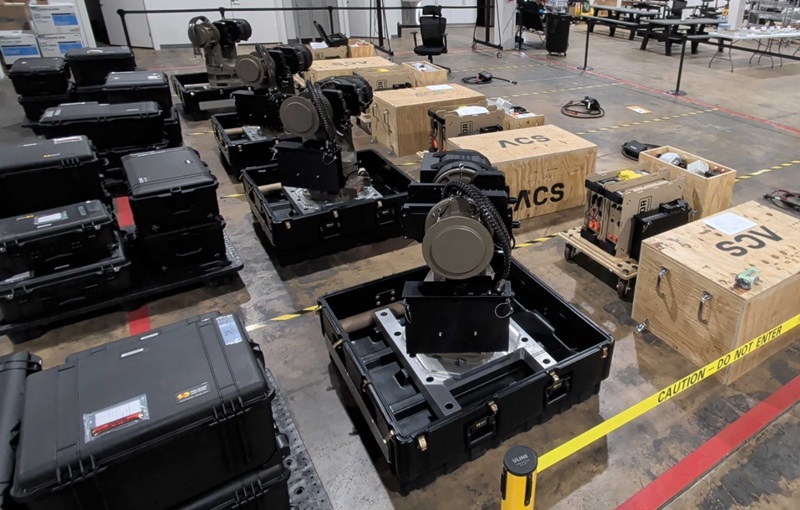


Top Trending in 4 Days
-
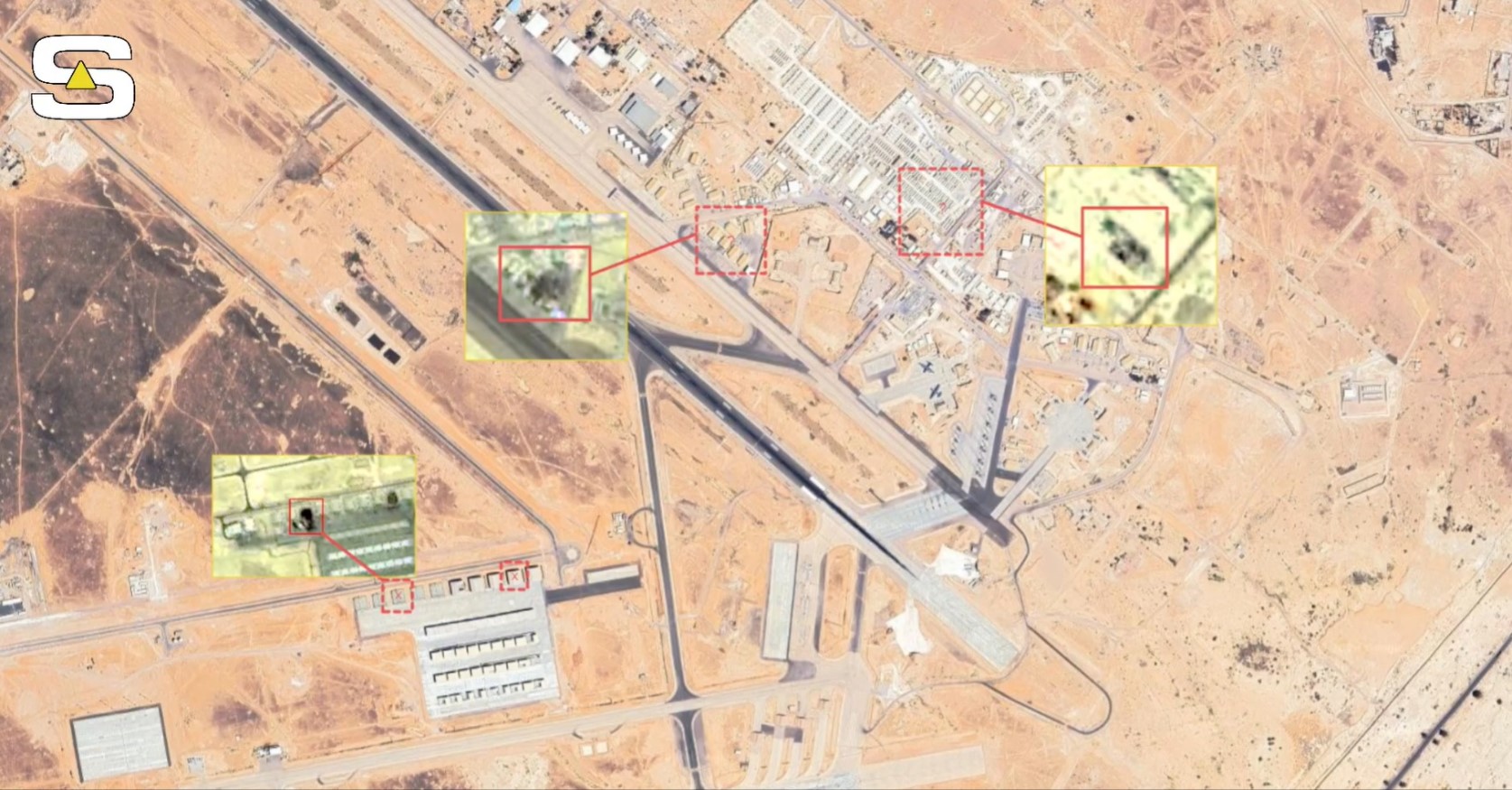 New Satellite Imagery Reveals Extensive Damage at Jordan's Muwaffaq al-Salti Air Base After Iranian Missile Strike
-
 Anduril Unveils Thunder Autonomous Attack Rotorcraft Built with Archer Aviation to Support Apache Helicopters
-
 Iran Claims It Shot Down U.S.-Operated Polish-Built Tiguar-M Drone, Releases Images
-
 U.S. Space Force Awards Slingshot Aerospace $69.2 Million Contract to Develop AI Space Training Platform
-
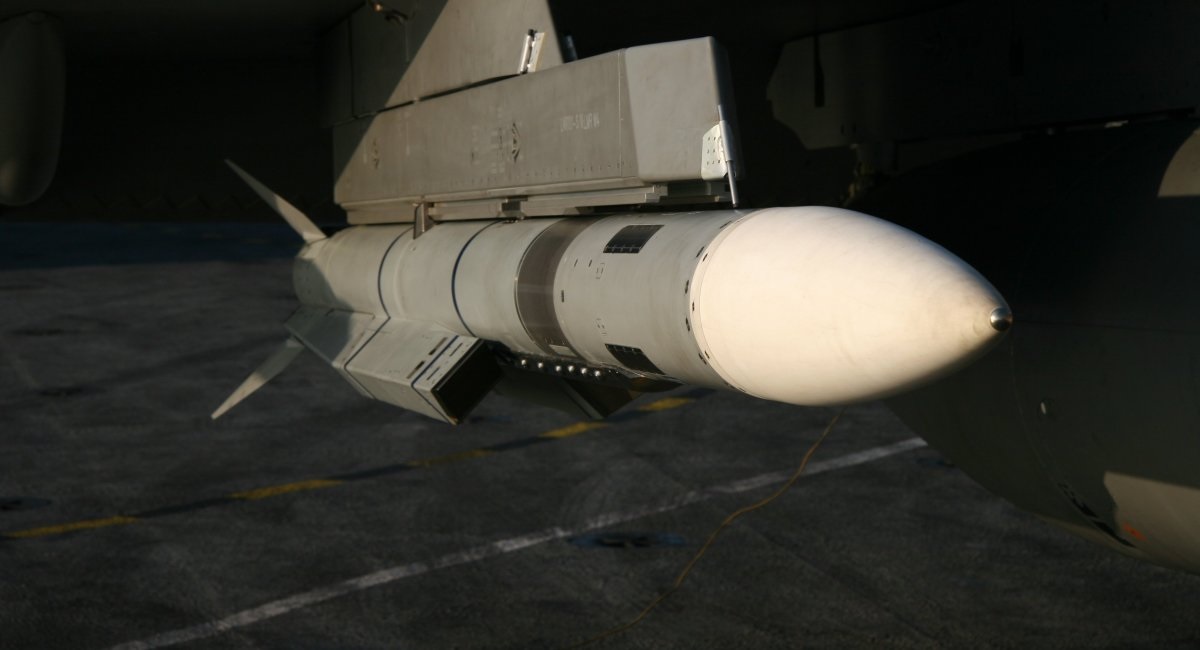 UK Cancels Meteor Missile Mid-Life Upgrade, Prioritizes Next-Generation FASE Air-to-Air Missile Programme
-
 NASA, Draper Cancels CP-12 Lunar Lander Mission After Development Delays Push Mission Beyond 2030
-
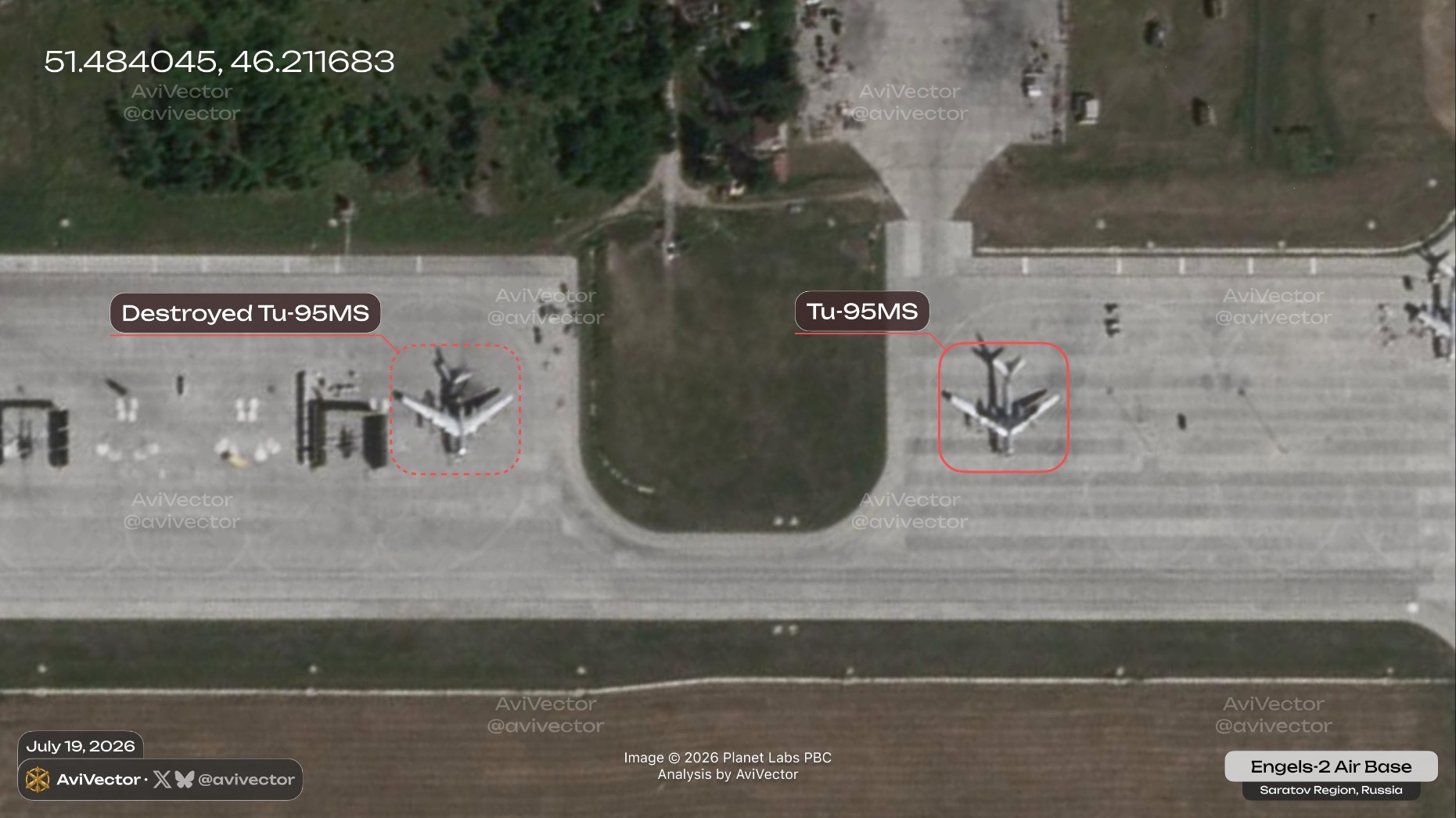 Satellite Images Confirm Russian Tu-95MS Bomber Destroyed After Ukrainian Drone Strike on Engels-2 Air Base
-
 Pratt & Whitney Completes Testing of 3D-Printed TJ150 Engine for Military Applications
