World
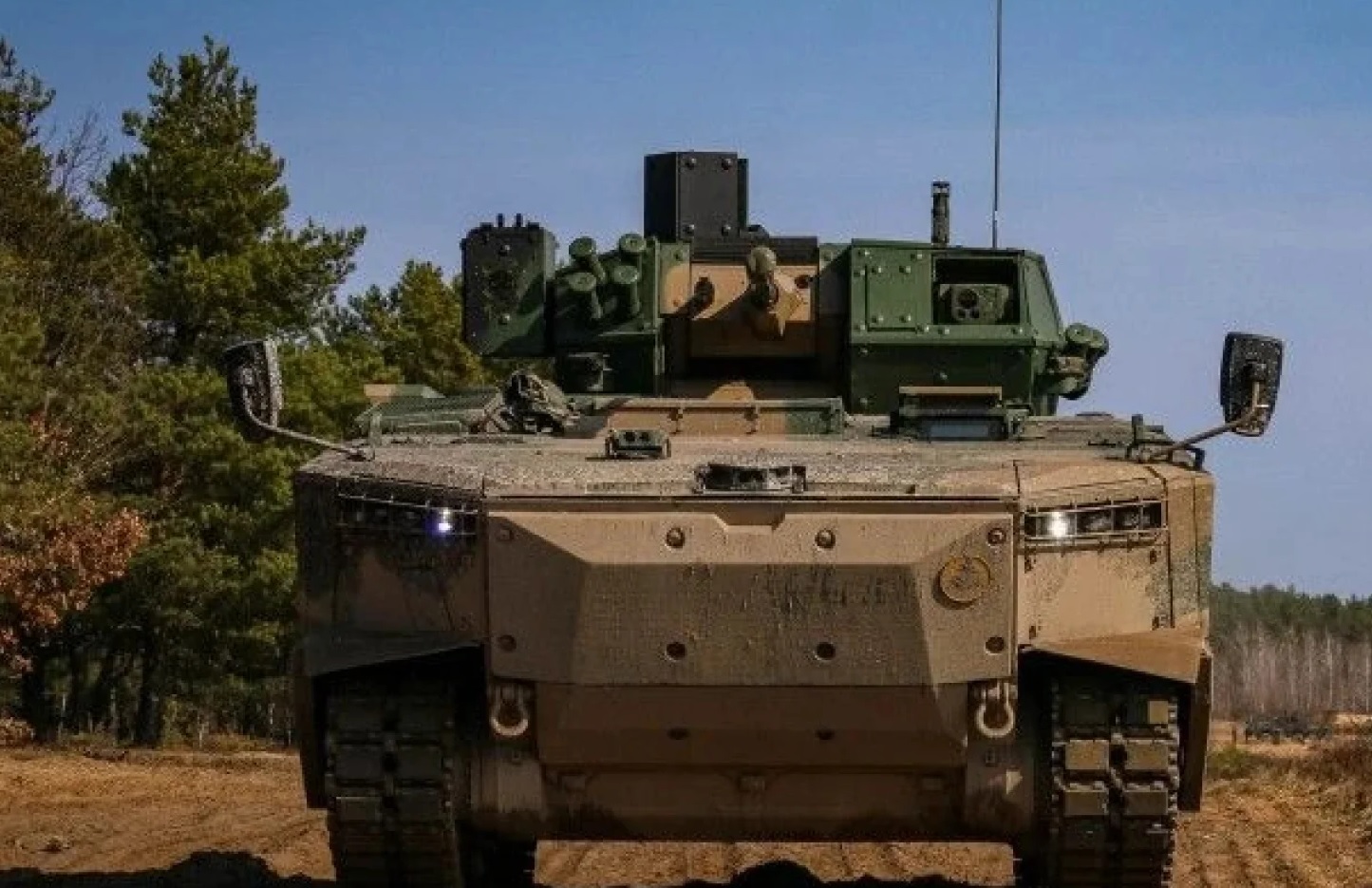
RZESZÓW / WARSAW — April 29, 2026 : Poland is preparing to test domestically developed military equipment, including unmanned aerial vehicles (UAVs), under real combat conditions in Ukraine, as part of a broader effort to accelerate defense innovation and deepen bilateral cooperation with Kyiv. Deputy Minister of National Defence Cezary Tomczyk said Ukraine provides a unique operational environment due to its ongoing war against a conventional adversary. His remarks were delivered in an interview with the Polish Press Agency and during the Road to URC – Security and Defence Dimension conference held in Rzeszów on April 28, 2026. Two-Stage Evaluation Framework According to Tomczyk, Poland will adopt a structured, two-stage evaluation model to validate new systems. In the first stage, equipment will undergo standard testing and verification at domestic military training grounds. Once initial requirements are met, selected systems will proceed to the second stage, where they will be deployed in Ukraine for assessment under active combat conditions. The approach is intended to generate operational data that cannot be replicated in controlled training environments. Polish officials view battlefield testing as critical to identifying system performance, limitations, and adaptability in modern warfare conditions shaped by high-intensity conflict. Expansion of Bilateral Defence Cooperation The initiative forms part of a wider push to strengthen defence-industrial ties between Poland and Ukraine. Tomczyk emphasized increased technology exchange and joint capability development, particularly in drones and counter-drone systems, which have become central to current battlefield operations. Poland and Ukraine are also considering joint production of unmanned systems, potentially on Polish territory. Officials indicated that such arrangements would depend on establishing a cooperation model that aligns with both countries’ industrial interests while addressing Ukraine’s wartime requirements. Industry Collaboration and Existing Programs Tomczyk cited WB Electronics, part of the WB Group, as an example of ongoing cooperation. The company has worked with the Ukrainian military since the beginning of Russia’s full-scale invasion, supplying reconnaissance and strike capabilities. WB Electronics has established local production of the FlyEye reconnaissance drone in Ukraine and provides Warmate loitering munitions, both of which have been used extensively in operational settings. Polish officials highlighted these programs as a basis for expanding similar joint initiatives across the defence sector. Focus on Unmanned Systems Development Poland has increased investment in unmanned technologies in recent years, reflecting the growing importance of drones in reconnaissance, strike operations, and electronic warfare. Current efforts include collaboration with Ukrainian partners to develop what officials describe as a modern “drone armada,” combining Polish funding with Ukrainian operational expertise. The testing program is expected to support faster refinement cycles for new systems by incorporating real-world performance data. Defence planners aim to use these insights to improve system reliability, adapt designs to evolving threats, and align production with operational needs. Strategic Context Discussions on testing and industrial cooperation were also linked to preparations for the upcoming Ukraine Recovery Conference scheduled in Gdańsk in June 2026. The Rzeszów conference brought together government representatives and defence industry stakeholders to coordinate military assistance and explore long-term industrial partnerships. Polish officials stated that integrating testing, joint production, and technology exchange is intended to strengthen both countries’ defence capabilities while supporting Ukraine’s ongoing operational requirements.
Read More → Posted on 2026-04-29 16:51:49
World
JERUSALEM, — April 29, 2026 : Israel is advancing plans to sell minority stakes in its two largest state-owned defence companies, Israel Aerospace Industries and Rafael Advanced Defense Systems, as part of broader fiscal measures aimed at supporting a sharp increase in military expenditure approved for 2026. Government officials have indicated that the initial divestments will involve the sale of 25 to 30 percent stakes in each company. The offerings are expected to be conducted in tranches during 2026, with a structure designed to limit market disruption while ensuring the state retains majority ownership. Authorities have also left open the possibility of increasing total divestments to a ceiling of 49 percent in later phases, subject to cabinet approval and market conditions. Valuation and Listing Framework Under the proposed framework, Israel Aerospace Industries is preparing for a public listing on the Tel Aviv Stock Exchange, with estimated valuations ranging between 80 billion and 100 billion shekels (approximately $25 billion to $34 billion). The company reported record financial performance in 2025, including revenues of $7.4 billion and net profit of $712 million, contributing to strong investor interest expectations. In parallel, Rafael Advanced Defense Systems is expected to pursue a private placement, potentially through the TASE UP platform, which is geared toward institutional investors. Market estimates place Rafael’s valuation between 50 billion and 60 billion shekels. The offerings will be limited to the domestic exchange, with institutional investors expected to form the primary buyer base. Preparatory work is being coordinated by the Government Companies Authority in conjunction with the Ministries of Defence, Finance and Justice. Fiscal Context and Defence Spending The divestment initiative is directly linked to Israel’s expanded fiscal requirements following sustained military operations. The national budget for 2026 totals approximately 850 billion shekels, with 143 billion shekels allocated to defence spending. This represents more than a twofold increase compared with pre-war levels of roughly 65 billion shekels in 2023. Officials have stated that proceeds from the share sales are intended to generate billions of shekels for the state budget, helping offset costs associated with ongoing combat operations, force expansion, and long-term rehabilitation commitments. Defence planners have described the current period as requiring sustained procurement of interceptors, munitions and advanced combat systems over the coming decade. Strategic and Industrial Considerations Both companies play central roles in Israel’s defence industrial base. Israel Aerospace Industries develops a range of systems including missile defence platforms, unmanned aerial systems, satellites and cyber technologies. Rafael Advanced Defense Systems is responsible for key air defence systems such as Iron Dome and David’s Sling. Combined order backlogs across the two firms exceeded $80 billion in 2025, reflecting increased global demand for advanced defence systems. Government officials have noted that the timing of the offerings is intended to align with this elevated demand environment. To avoid competitive imbalances between the companies, the government is pursuing a coordinated approach in which both offerings are advanced simultaneously. Officials have expressed concern that staggered privatization could lead to workforce migration between firms, particularly among engineering personnel. Regulatory, Security and Labor Challenges The privatization process involves several regulatory and structural challenges. A central issue is the protection of classified technologies, particularly within Rafael Advanced Defense Systems. Authorities are preparing regulatory mechanisms, including “interest orders,” to ensure continued state oversight of sensitive operations. These measures are expected to function similarly to enhanced “golden share” arrangements, allowing the government to intervene in decisions affecting national security. Labor considerations also remain significant. At Israel Aerospace Industries, employee representatives have linked support for the listing to revisions in existing wage regulations under Israel’s Budget Foundations Law. As a state-owned entity, the company is currently subject to public-sector salary caps, which unions argue limit its ability to compete with private-sector firms, including Elbit Systems, in attracting and retaining skilled personnel. Proposals under discussion include adjustments that would enable more flexible compensation structures and the introduction of equity-based incentives. Timeline and Next Steps The government expects the sales process to take up to a year, reflecting the complexity of regulatory approvals, labor negotiations and security arrangements. Initial tranches are scheduled for 2026, with additional offerings potentially extending into 2027 depending on market conditions and policy decisions. Final approval of the transaction structures remains subject to cabinet authorization. The Ministry of Defence has provided preliminary backing for the initiative following extended internal deliberations on balancing national security considerations with fiscal requirements. The planned divestments form part of a broader strategy to address increased defence spending while maintaining state control over critical military-industrial assets.
Read More → Posted on 2026-04-29 16:45:26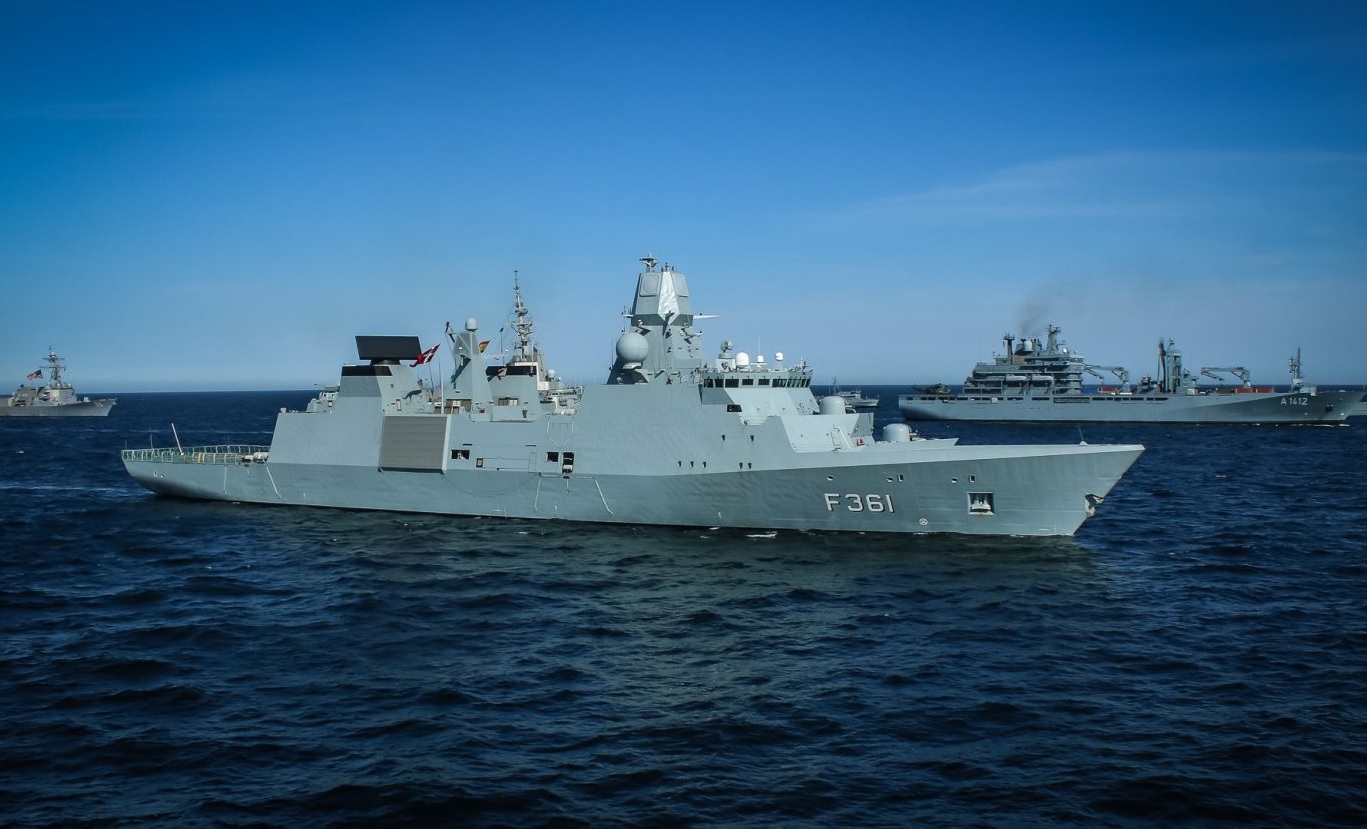
World
COPENHAGEN — April 29, 2026 : South Korean shipbuilder HD Hyundai Heavy Industries has submitted a formal bid to supply a new class of frigates to the Royal Danish Navy, positioning itself as a competitive alternative to established European defense contractors. The proposal emphasizes reduced procurement costs and accelerated delivery timelines as Denmark advances its naval modernization programme. According to information reported by DR, the company has indicated it can lower overall programme costs by approximately 20 to 30 percent compared to rival European bids. HHI has also committed to delivering the lead vessel within 3.5 years of contract signature. If an agreement is concluded within 2026, all four frigates could be delivered and operational by 2031. Programme Context and Industrial Background The Danish frigate acquisition is part of a broader effort by the Ministry of Defence to strengthen maritime capabilities under existing defence agreements. The programme seeks to replace and expand current naval assets with modern, multi-mission surface combatants capable of long-endurance operations. HHI enters the competition with prior experience in Denmark’s commercial maritime sector. The company previously constructed 19 vessels for the Danish shipping and logistics group A.P. Møller–Mærsk, a record it is using to demonstrate industrial reliability and delivery capacity in support of its defense bid. Competing European Proposals The procurement process has attracted bids from shipbuilders in Germany, France, and the United Kingdom. Among the prominent contenders is Babcock International, which is offering its Arrowhead 140 frigate design. The platform serves as the baseline for the United Kingdom’s Type 31 frigate programme. The competition has also drawn direct political attention. UK Prime Minister Keir Starmer has confirmed that discussions are ongoing at the government level regarding the British proposal, reflecting the strategic and industrial importance of the Danish contract. Technical Characteristics of HHI Proposal HHI’s offer is centered on its HDF-6000 class frigate, a multi-role warship designed for sustained operations across a range of mission profiles. The vessel is expected to have a displacement of approximately 6,500 tonnes, with a length of 139 metres and a beam of 18.6 metres. The design is intended to support air defence, anti-surface warfare, and maritime security operations within NATO frameworks. Nordic Defence Alignment and Armament Changes Alongside the selection of a hull platform, Denmark is planning adjustments to the weapons configuration of its future fleet. The Ministry of Defence intends to replace existing Italian-manufactured naval guns with Swedish-made systems produced by BAE Systems Bofors. Currently, the Royal Danish Navy operates 76 mm OTO Melara guns across several vessel classes, including the three Iver Huitfeldt-class frigates—HDMS Iver Huitfeldt (F361), HDMS Peter Willemoes (F362), and HDMS Niels Juel (F363)—as well as four Thetis-class ocean patrol vessels and three Knud Rasmussen-class patrol ships. The planned transition to Bofors systems reflects a broader effort to align equipment standards with Sweden and enhance interoperability within Nordic defence cooperation frameworks following Sweden’s integration into NATO. Ongoing Evaluation Negotiations between Danish authorities and international bidders remain underway. The final selection will determine not only the design and construction of the four frigates but also the associated industrial partnerships and long-term support arrangements. The outcome is expected to play a significant role in shaping Denmark’s naval capabilities and regional defence cooperation in the coming decade.
Read More → Posted on 2026-04-29 16:31:36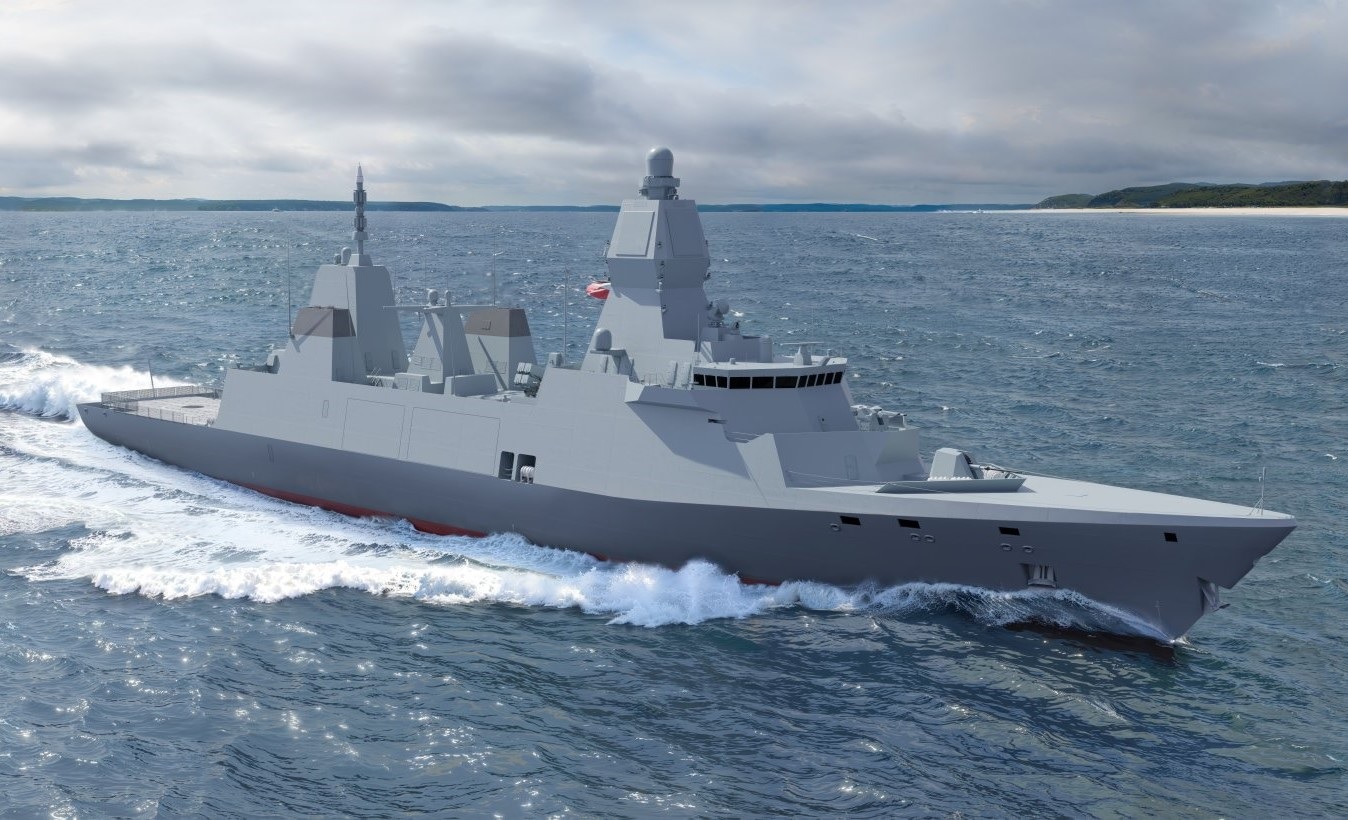
World
GDYNIA, Poland — April 29, 2026 : The PGZ-MIECZNIK Consortium has initiated construction of the third and final multi-purpose frigate under the Miecznik programme, marked by a steel-cutting ceremony for ORP Huragan at PGZ Stocznia Wojenna in Gdynia. The ceremony formally begins work on the third Project 106 vessel, with PGZ Stocznia Wojenna serving as the technical lead for the programme. The event was attended by senior Polish government and military officials, including Paweł Bejda, Konrad Gołota, Andrzej Kowalski, Jarosław Ziemiański, and Krzysztof Jaworski, alongside representatives from the Polish Navy, Armaments Agency, and international partners. Marcin Ryngwelski, CEO of PGZ Stocznia Wojenna, stated that the start of construction on Huragan marks the next phase of the Miecznik programme. He confirmed that work across all three vessels is progressing on schedule, supported by expanded infrastructure, including the Miecznik Hull Hall—the largest ship assembly facility in Poland. He also noted that the programme has strengthened the shipyard’s industrial capabilities for future naval projects. The Miecznik programme involves the construction of three multi-role frigates for the Polish Navy. The vessels are based on the Arrowhead 140 design developed by Babcock International. The consortium is led by Polska Grupa Zbrojeniowa and includes Polish partner CRIST S.A., along with international collaborators Thales UK and MBDA UK. The contract for the three ships was signed on July 27, 2021. Construction activities are being carried out at PGZ Stocznia Wojenna’s Hull Hall and production facilities, while bow sections are manufactured at CRIST S.A. in Gdynia. The frigates have an overall length of approximately 138 meters, a beam of around 20 meters, and a displacement of about 7,000 tonnes. They are designed for a range of approximately 8,000 nautical miles and a maximum speed of 28 knots. Propulsion is provided by four CODAD diesel engines driving two controllable-pitch propellers. Each vessel will accommodate a core crew of 120 personnel, with additional capacity for approximately 60 more. The ships are intended to support maritime area protection, base defense, and engagement of surface, submarine, and coastal targets, as well as maritime air defense within national and allied operations. Combat systems include the TACTICOS combat management system, SM400 Block 2 and NS50 radars, ARTEMIS infrared search and track system, hull-mounted and towed sonars, and the Sea Ceptor system using CAMM missiles in a 32-cell Mk 41 vertical launch system. Additional armament includes a 76 mm Leonardo Super Rapid gun, 35 mm close-in weapon systems, and torpedo launchers. Programme progress on the first two vessels continues. The lead ship, Wicher, is in an advanced stage of hull assembly and is scheduled for launch in August 2026, with commissioning planned for 2029. The second vessel, Burza, completed steel cutting in May 2025 and keel-laying in December 2025 and is currently undergoing further hull construction. Delivery of the third vessel, Huragan, is scheduled for the end of 2031, marking completion of the Miecznik programme. Steel cutting for the first ship took place in August 2023, followed by the second in May 2025, with the latest milestone completing the start of physical construction across the full three-ship series.
Read More → Posted on 2026-04-29 16:22:53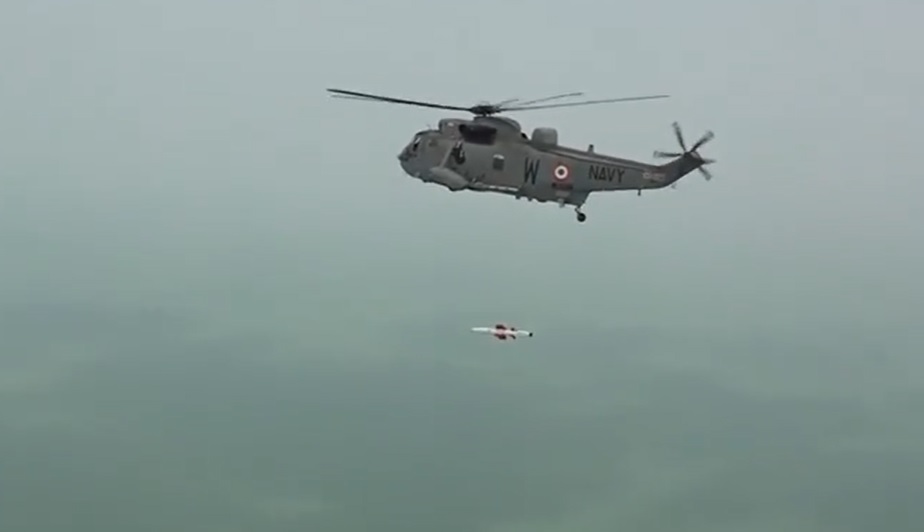
India
NEW DELHI — April 29, 2026 : Defence Research and Development Organisation and the Indian Navy have successfully carried out the maiden salvo launch of the Naval Anti-Ship Missile-Short Range (NASM-SR), marking a key milestone in India’s indigenous naval strike capability development. The test was conducted from an Indian Navy helicopter platform off the coast of the Bay of Bengal near Chandipur. During the trial, two missiles were launched in rapid succession from the same helicopter, representing the first successful salvo firing of this air-launched anti-ship missile system. The launch validated the missile’s ability to engage maritime targets with coordinated multi-shot capability. A salvo launch involves firing multiple missiles within a short interval to overwhelm enemy air defence systems and improve strike probability. In this configuration, medium-lift helicopters such as the Westland Sea King—used as the standard test platform—typically carry two NASM-SR missiles on side pylons. The trial therefore demonstrated a full single-platform operational salvo. The NASM-SR is India’s first indigenously developed air-launched anti-ship cruise missile, designed to replace legacy systems such as the Sea Eagle missile. It is intended to neutralize small to medium-sized vessels and strengthen the Navy’s close-range maritime strike capability. The missile has a launch weight of approximately 380 kg, a length of around 3.6 metres, and a diameter of 300 mm. It carries a 100 kg high-explosive insensitive munition warhead, including a multi-explosively formed penetrator configuration with a radio proximity fuze. Propulsion is provided by a solid-propellant rocket motor with an in-line ejectable booster and sustainer engine, enabling subsonic speeds of about Mach 0.8. With an operational range of approximately 55 kilometres, the missile follows a sea-skimming flight profile to evade radar detection. It operates at altitudes up to 3 km during mid-course and descends to as low as 5 metres in the terminal phase. Launch altitude ranges from 91 metres to 3 km. The guidance system combines a fibre optic gyroscope-based inertial navigation system (FOG-INS), GPS updates, and a radio altimeter for mid-course navigation. In the terminal phase, an indigenous imaging infra-red (IIR) seeker enables precise target identification and engagement. The missile also features a high-bandwidth two-way datalink, allowing man-in-the-loop control and in-flight retargeting by the helicopter crew. The system has been developed through collaboration among multiple DRDO laboratories, including the Research Centre Imarat, Defence Research and Development Laboratory, High Energy Materials Research Laboratory, and Terminal Ballistics Research Laboratory. It is planned for integration across several Indian Navy helicopter platforms, including the Sea King, MH-60R, and HAL Dhruv. The successful salvo test concludes the primary developmental phase of the NASM-SR programme. The missile is expected to transition toward serial production, with Bharat Dynamics Limited identified as the production partner ahead of induction into operational service. Separately, DRDO’s Naval Science and Technological Laboratory, in collaboration with the Indian Navy’s Warship Design Bureau, recently completed hydrodynamic performance assessments for a frontline warship project. The work included computational fluid dynamics simulations and model testing covering hull resistance, propulsion efficiency, sea-keeping, and maneuverability. Project deliverables were handed over by DRDO Chairman Samir V Kamat to Sanjay Sadhu, Controller of Warship Production and Acquisition. Officials did not disclose additional operational parameters of the missile test or specify the exact helicopter variant used during the salvo launch.
Read More → Posted on 2026-04-29 13:54:53
World
KYIV, Ukraine — April 29, 2026 : Ukraine’s Ministry of Defense has conducted a new round of field trials for next-generation strike First-Person View (FPV) drones, marking a coordinated effort to accelerate the deployment of unmanned systems to frontline units while restructuring procurement and testing processes. The trials were carried out in cooperation with the Brave1 defense technology cluster and involved FPV drone systems developed by eight domestic manufacturers. According to Defense Minister Mykhailo Fedorov, the evaluations took place at a dedicated proving ground using newly introduced methodologies tailored to each drone type. Field Testing Under Electronic Warfare Conditions During the trials, the drones demonstrated operational ranges of up to 25 kilometers. Test scenarios included active interference from multiple electronic warfare (EW) systems, with several drone models successfully navigating contested environments and striking designated targets. The Ministry reported that some of the systems fully completed assigned missions under conditions designed to replicate real combat as closely as possible. Serhiy Sternenko, who serves as an advisor on unmanned systems effectiveness, participated in the development of this new class of FPV drones. Technical specifications of the tested systems, including payload capacity, guidance systems, and resistance mechanisms to jamming, were not disclosed. Revised Testing Framework and Deployment Strategy As part of broader reforms, the Ministry has implemented a standardized but flexible testing framework, with separate methodologies developed for each class of unmanned aerial vehicle (UAV). The approach is intended to ensure systematic evaluation while reducing the time required to validate and deploy new technologies. The updated model prioritizes operational efficiency in resource allocation. According to the Ministry, 80 percent of available resources are directed toward systems that have already demonstrated effectiveness on the battlefield, while the remaining 20 percent is reserved for the development and testing of emerging technologies. Regular field testing cycles have been institutionalized in coordination with the Brave1 cluster, creating a continuous pipeline for evaluating new unmanned platforms. Inclusion of Independent Manufacturers The evaluation process has been expanded to include all Ukrainian drone developers, including those without existing government contracts. Under the revised framework, manufacturers can submit their systems for testing alongside established suppliers. If a drone demonstrates effectiveness under combat-simulated conditions, the Ministry initiates contracting procedures and production scaling without delay. This rapid-approval mechanism is intended to shorten the timeline between prototype development and operational deployment. A new type of FPV drone has already been tested using this model, confirming the viability of the streamlined process. Procurement Reforms and Advance Payment Mechanism In parallel with testing reforms, the Defense Procurement Agency has introduced financial changes within the DOT-Chain Defence system, a digital marketplace for military equipment procurement. Under the new mechanism, verified manufacturers that have maintained continuous participation in the system for at least three months and have no overdue liabilities are eligible for advance payments. The size of these payments is determined by the company’s recent delivery performance, specifically the speed of order fulfillment over the preceding three months. For contracts with shorter delivery timelines—typically around 30 calendar days—advance payments can reach up to 70 percent of the contract value. For longer production cycles, the advance is capped at approximately 30 percent. The funding is intended to enable manufacturers to procure components and initiate production prior to final delivery, reducing delays associated with limited working capital or insufficient finished-product inventory. Objective: Accelerated Frontline Delivery The Ministry stated that the combined measures—revised testing methodologies, expanded participation of manufacturers, and financial restructuring—are designed to ensure that effective technologies are rapidly scaled and delivered to Ukraine’s Defense Forces. Photographs of the tested FPV drones were released by Minister Fedorov following the trials. The Ministry emphasized that regular field evaluations will continue in cooperation with Brave1, with each UAV category undergoing structured assessment to maintain a steady flow of deployable systems. The initiative reflects an ongoing effort to align technological development, procurement policy, and battlefield requirements within Ukraine’s unmanned systems program.
Read More → Posted on 2026-04-29 13:45:55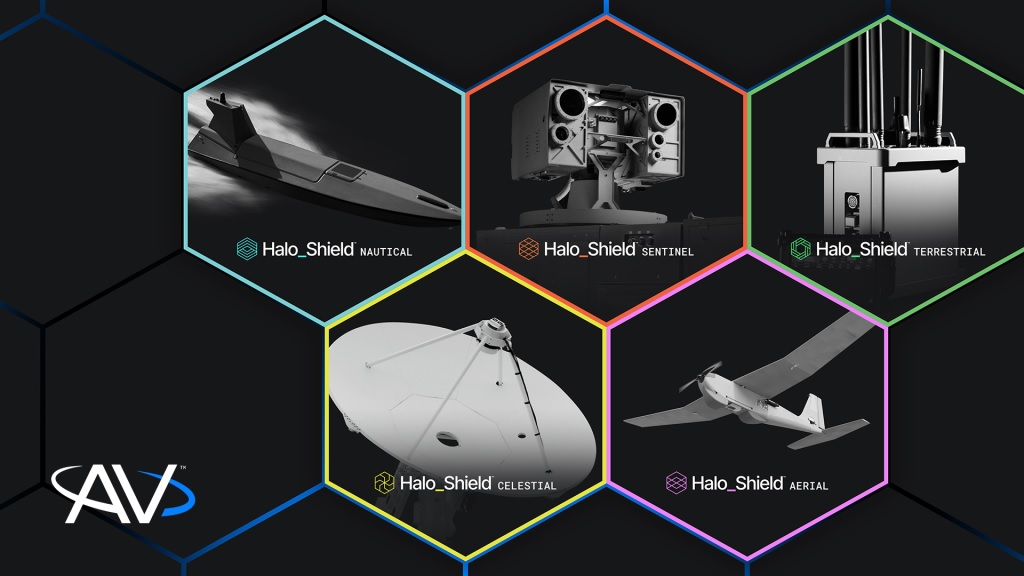
World
WASHINGTON, D.C. — April 29, 2026 : AeroVironment, Inc. (NASDAQ: AVAV) has launched Halo_Shield, a modular counter-unmanned aircraft system designed to detect, track, identify and defeat drones, drone swarms and subsonic cruise missiles targeting military forces and critical infrastructure. The company announced the system on April 28 during the Modern Day Marine 2026 at the Walter E. Washington Convention Center. According to AeroVironment, the platform is intended for deployment across U.S. and allied operations, including border security, military installations and other high-value sites. System Scope and Deployment Status Halo_Shield is part of AeroVironment’s broader counter-UAS strategy and is engineered to address a wide spectrum of aerial threats. The system covers targets ranging from small Group 1 drones to larger Group 5 unmanned aircraft, as well as coordinated drone swarms and subsonic cruise missiles. The company stated that the system is currently undergoing demonstrations and has already been deployed at selected critical locations. Wahid Nawabi, chairman, president and chief executive officer of AeroVironment, said the system was developed in response to evolving aerial threats characterized by low-cost and coordinated platforms that challenge conventional point-defense systems. Modular Tile-Based Architecture Halo_Shield is built on a distributed, tile-based architecture designed to extend coverage across air, land, sea and space domains. The system consists of five primary components, each tailored to specific operational roles: Sentinel Tile: Provides point defense against Group 1–5 threats with configurations for fixed and mobile deployments. Terrestrial Tile: Enables passive and scalable detection and tracking around borders and ground assets. Nautical Tile: Supports maritime environments such as coastlines, ports and inland waterways. Aerial Tile: Uses elevated sensing to fill detection gaps in complex terrain and along known threat corridors. Celestial Tile: Delivers early warning and “left-of-launch” intelligence using satellite-based GEOINT and SIGINT capabilities. Each tile integrates sensors, effectors and command-and-control systems into a self-contained unit that can operate independently or as part of a larger network. Command, Control and Integration The system is powered by AV_Halo, AeroVironment’s AI-enabled command-and-control platform. AV_Halo enables operators to manage multiple tiles and systems through a unified interface while automating detection, classification and response processes. The architecture is designed to reduce personnel requirements and simplify operational workflows. Halo_Shield supports plug-and-play integration and can be deployed through portable fly-away kits. It is also designed to integrate with existing customer sensors, weapons and command systems, allowing interoperability with legacy defense architectures. Larry Lloyd, senior vice president of strategic initiatives at AeroVironment, said the system’s modular design allows operators to scale and reconfigure capabilities in real time without requiring system redesign or additional training. Sensors, Effectors and Existing Systems Integration The system incorporates a range of sensor technologies, including electro-optical/infrared, radar, passive radio frequency, acoustic systems and satellite-derived intelligence. Its layered defense approach combines multiple effector types, including radio frequency disruption, directed energy and kinetic interception. Halo_Shield integrates several existing AeroVironment systems, including the LOCUST directed-energy laser weapon, Switchblade loitering munitions and Titan 4 and Titan MS radio frequency counter-UAS systems. The integration of these systems is intended to improve detection ranges, accelerate response times and expand defensive coverage across large operational areas. Operational Design and Future Expansion AeroVironment describes Halo_Shield as a modular, distributed and cost-effective system capable of autonomous operation. The architecture is designed to support multi-domain operations and remain adaptable as threats evolve. The system’s hardware-agnostic approach allows for the integration of future technologies without requiring major structural changes. The company stated that additional details on individual tiles and system capabilities will be released in future announcements. Further information is available on AeroVironment’s official website.
Read More → Posted on 2026-04-29 13:30:17
World
WASHINGTON — April 28, 2026 : American Rheinmetall presented a coordinated suite of unmanned logistics systems and next-generation infantry weapons at the Modern Day Marine 2026, held from April 28 to 30 at the Walter E. Washington Convention Center. The company’s exhibit focused on systems designed for squad- and platoon-level operations, emphasizing autonomous resupply, expeditionary deployment compatibility, and increased individual lethality. The display at Booth 1907 combined multiple platforms into a single operational concept, highlighting how unmanned ground systems and advanced weapons can be integrated within small Marine units operating in dispersed and littoral environments. The systems presented are configured to minimize additional training and infrastructure requirements, aligning with expeditionary use cases. Amphibious Autonomous Logistics Platform The central platform on display was the Mission Master Silent Partner Hotel (MMSP-H), part of the broader Rheinmetall Mission Master family of autonomous uncrewed ground vehicles. The MMSP-H is manufactured in the United States and is designed to operate across both land and water without requiring configuration changes or separate transport systems. The vehicle has a payload capacity of 2,200 pounds on land and 880 pounds when operating afloat. Its amphibious capability is intended for Marine Corps missions involving ship-to-shore movement, beach landings, and operations across water obstacles. The system can transition directly between terrain types, maintaining continuity in logistics operations. The MMSP-H holds certification from Naval Air Systems Command, confirming compliance with airworthiness and safety requirements for aviation-related operations. This certification enables multiple insertion methods, including external sling-load transport under heavy-lift helicopters such as the CH-53K King Stallion and parachute delivery into operational areas. The platform is also compatible with internal transport in rotary-wing aircraft. The vehicle incorporates an electric drive system and is designed with reduced acoustic and thermal signatures. These features support its use in contested environments where detection risk is a factor. Its operational roles include logistics resupply, casualty evacuation, reconnaissance, and surveillance. Testing and evaluation activities involving the Mission Master platform family have been conducted by U.S. Marine Corps units in multiple locations, including Okinawa, Japan, and at the National Training Center in California. Exercises included casualty evacuation scenarios with the 4th Marine Regiment, validating the platform’s use in expeditionary conditions. Fielded Unmanned Resupply System Also presented was the “Wild Goose” unmanned logistics system developed by Marom Dolphin Ltd.. The system represents a fully fielded platform with a Technology Readiness Level (TRL) of 9, indicating operational use and maturity. Wild Goose is designed for short-range resupply missions at the tactical level. It can carry payloads of up to 330 pounds and has an operational range of approximately 25 kilometers. The system is electrically powered and configured for mobility across varied terrain conditions. The platform is compatible with multiple military transport systems, including the Infantry Squad Vehicle (ISV), High Mobility Multipurpose Wheeled Vehicle (HMMWV), Joint Light Tactical Vehicle (JLTV), and the UH-60 Black Hawk. It can be transported internally or externally depending on mission requirements. A key feature of the system is its door-bundle deployment capability, which allows it to be pushed from a helicopter during flight as part of an airborne resupply operation. This method does not require specialized delivery equipment or a dedicated aircraft, enabling rapid deployment in austere environments. Squad-Level Precision Weapon System The third system showcased was the Highly Advanced Multi-Mission Rifle (HAMMR), a magazine-fed, semi-automatic 40 mm grenade launcher derived from Rheinmetall’s Squad Support Weapon 40 (SSW40) architecture. The HAMMR is designed to provide squad-level precision fires and is compatible with both low-velocity and medium-velocity 40 mm ammunition. It uses 3-round and 5-round detachable box magazines and is capable of firing programmable airburst munitions. The system integrates with the Aimpoint FCS15 fire control system, enabling target calculation and munition programming via an infrared interface. This allows engagement of targets behind cover and at extended ranges, increasing first-round hit probability. The HAMMR is also compatible with existing U.S. Army standard 40 mm low-velocity ammunition. The weapon is positioned for consideration in programs such as the Precision Grenadier System, reflecting ongoing efforts to enhance infantry capabilities at the squad level. Operational Integration and Marine Corps Context The systems presented by American Rheinmetall align with the U.S. Marine Corps’ ongoing efforts to expand the use of unmanned platforms in ground operations. By integrating autonomous logistics platforms such as the MMSP-H and Wild Goose, units can reduce reliance on manual resupply and limit exposure during transport tasks. At the same time, the introduction of systems like the HAMMR supports increased firepower and precision at the individual Marine level. The combination of these capabilities is intended to extend operational reach, support distributed operations, and improve efficiency in environments where traditional logistics and support structures are limited. The company’s presentation at Modern Day Marine 2026 demonstrated how these systems can function together within squad and platoon formations, providing a combined approach to logistics and combat capability without requiring large-scale system integration.
Read More → Posted on 2026-04-28 18:15:05
World
WASHINGTON — April 28, 2026 : The U.S. Navy has reaffirmed its plan to achieve Initial Operational Capability (IOC) for the AGM-88G Advanced Anti-Radiation Guided Missile–Extended Range (AARGM-ER) by September 2026, despite implementing a temporary pause in domestic procurement during fiscal year 2027.The decision reflects a programmatic adjustment rather than a change in operational timelines, with Navy officials emphasizing that testing completion and software validation remain the immediate priorities before resuming large-scale acquisition. Program Status and Procurement Strategy The AGM-88G AARGM-ER, developed by Northrop Grumman, is designed to enhance the capability of carrier air wings to suppress and destroy advanced integrated air defense systems. The Navy has already procured dozens of missiles under earlier production contracts. Under the fiscal year 2027 budget request, no funding has been allocated for additional U.S. procurement of the AGM-88G. Instead, production during that period will be redirected بالكامل toward fulfilling Foreign Military Sales (FMS) commitments tied to five signed international agreements. A Navy spokesperson stated that U.S. procurement will resume in fiscal year 2028 following successful completion of all required testing milestones and software upgrades. At that point, production is expected to scale up to address a backlog exceeding 150 missiles. During the interim year, manufacturing output will be dedicated to international customers, ensuring continuity of production lines while allowing additional time for system validation. International Participation and Sales Italy is a full development partner in the AARGM-ER program, contributing to both design and production phases. The United States has also approved or notified potential sales of the missile to multiple allied countries. These include Australia, Finland—where up to 150 missiles have been cleared—the Netherlands with a potential acquisition of 265 units, and Poland. Norway has publicly indicated its intent to procure the system, although a finalized agreement has not yet been confirmed. The U.S. Air Force is also acquiring the AGM-88G as part of its broader modernization efforts. Design Evolution and Capabilities The AGM-88G represents a significant redesign of the earlier AGM-88E AARGM, itself an evolution of the original AGM-88 High-speed Anti-Radiation Missile (HARM) developed in the 1970s. The updated missile incorporates a newly designed air vehicle optimized for higher speed and extended range, supported by a more powerful rocket motor and an improved control actuation system. Despite these structural changes, it retains the AGM-88E’s multi-mode guidance architecture. This guidance suite combines a GPS-assisted inertial navigation system with a millimeter-wave radar seeker. The configuration enables the missile to continue tracking and engaging enemy radar systems even if those emitters shut down, a common countermeasure used by modern air defense networks. In addition to its primary role, the AGM-88G maintains a secondary capability to strike fixed land or maritime targets using pre-designated coordinates. Platform Integration Plans Initial operational integration of the AARGM-ER is planned on the Boeing F/A-18E/F Super Hornet and the Boeing EA-18G Growler, both of which already employ the AGM-88E variant. The missile has also been dimensioned for internal carriage within the Lockheed Martin F-35A Lightning II and Lockheed Martin F-35C Lightning II. Future plans include external carriage compatibility across all F-35 variants as well as legacy Boeing F/A-18C/D Hornet aircraft. Testing Progress and Technical Challenges The program has experienced a series of technical and production challenges that have contributed to schedule adjustments. Issues identified during testing include deficiencies in the rocket motor, structural components, and software performance. A June 2025 report by the Government Accountability Office cited these technical issues alongside supply chain constraints and delays in constructing a new production facility as key factors affecting the timeline. During fiscal year 2025, three integrated weapon employment tests were conducted using F/A-18F aircraft. Only one test met all performance criteria, while the remaining two revealed discrepancies, prompting a temporary suspension of further testing pending corrective measures. Additional oversight from the Office of the Director of Operational Test and Evaluation in its March 2026 report indicated that the IOC milestone could potentially shift into the first quarter of fiscal year 2027 if testing challenges persist. However, the Navy has continued live-fire testing activities, including a successful missile event conducted in January 2026 at the Point Mugu Sea Range. Related Programs and Future Concepts In parallel with the AARGM-ER effort, the Navy is assessing requirements for a next-generation Advanced Emission Suppression Missile (AESM). The proposed system is expected to incorporate expanded capabilities, including the ability to engage airborne targets in addition to surface emitters. The AESM concept does not appear in the fiscal year 2027 budget request, indicating that it remains in early exploratory stages. Separately, the U.S. Air Force is advancing its own derivative program, designated the AGM-88J Stand-in Attack Weapon (SiAW). This variant is intended as a bridge capability focused on engaging time-sensitive, high-value ground targets such as missile launchers, air defense systems, electronic warfare assets, and anti-satellite infrastructure. The Air Force has requested continued funding for the AGM-88J in fiscal year 2027 and maintains a target for fielding in 2026. Flight testing has included carriage on F-16 aircraft. Northrop Grumman has also proposed a ground-launched version of the missile family, known as the Advanced Reactive Strike Missile (AReS), expanding potential deployment concepts beyond air-launched platforms. Forward View The Navy’s fiscal year 2027 procurement pause reflects a structured approach aimed at completing developmental testing and ensuring software reliability before expanding domestic acquisition. At the same time, ongoing production for international partners allows the program to maintain industrial momentum. With IOC still targeted for September 2026, the program’s near-term trajectory will depend on the successful resolution of remaining technical issues and the completion of validation testing.
Read More → Posted on 2026-04-28 17:56:55
World
BAMAKO, Mali — April 28, 2026 : Armed militants from Jama’at Nusrat al-Islam wal-Muslimin (JNIM), an Al-Qaeda-linked group, have launched a coordinated nationwide offensive and declared a total siege of the capital, Bamako, following simultaneous attacks on military and strategic targets across Mali. The escalation began on April 25, when JNIM fighters, operating alongside the Tuareg-aligned Azawad Liberation Front (FLA), carried out attacks in multiple regions, including Kati, Kidal, Gao, Mopti, Sévaré and surrounding areas of Bamako. The offensive represents one of the most extensive coordinated operations in the country in recent years. Defense Minister Killed in Kati Attack Mali’s Defense Minister, Sadio Camara, was killed during the early phase of the offensive. According to government confirmation, a vehicle-borne improvised explosive device (VBIED) struck his residence in the garrison town of Kati, approximately 15 kilometers north of Bamako. He later died from injuries sustained in the blast and subsequent engagement. JNIM claimed responsibility for the attack, stating that it specifically targeted senior military leadership. Kati, which hosts a major military base and serves as a central hub for Mali’s ruling junta, was among the primary targets during the opening phase. Infrastructure Damage and Prisoners of War Claims JNIM stated that it destroyed multiple military installations on the outskirts of Bamako, including positions near Modibo Keita International Airport. The group also reported overrunning checkpoints and forward operating bases, claiming it is holding an undisclosed number of Malian Armed Forces (FAMa) personnel as prisoners of war. A spokesman identified as Abu Hudheifah al-Bambari (also known as Bina Diarra) announced on April 28 that the group had initiated a full siege of Bamako and warned civilians to avoid areas of active combat between militants and government forces. Territorial Gains and Ongoing Fighting JNIM and its allied elements claimed varying degrees of control in several regions, including Mopti, Sévaré and Gao. The FLA separately announced control over Kidal following intense fighting. In contrast, Malian authorities stated that Bamako and Kati remain under government control, though clashes continue in surrounding areas. Combat operations remain active across key transit corridors and urban centers, including Bourem, Gao, Mopti and Sévaré, with reports of localized sieges and disruptions to movement and supply routes. Russian Africa Corps Faces Setbacks The Russian Africa Corps, which supports Malian forces and succeeded the Wagner Group’s presence, has faced operational difficulties during the offensive. The force confirmed its withdrawal from Kidal on April 27 after coordinated attacks by JNIM-aligned fighters and Tuareg separatists. In northern and eastern regions, including Ménaka, Russian and Malian units have reportedly retreated from exposed positions, in some cases consolidating within fortified bases rather than holding urban centers. The Islamic State in the Greater Sahara (ISGS) has also increased pressure in these areas, contributing to territorial losses and defensive repositioning. Broader Security Context The current situation reflects ongoing instability in Mali and the wider Sahel region. The withdrawal of French forces under Operation Barkhane in 2022 and the subsequent departure of the United Nations Multidimensional Integrated Stabilization Mission in Mali (MINUSMA) between 2024 and 2025 reduced external military and intelligence support available to Malian authorities. Analysts note that these developments have altered the regional security environment, enabling armed groups such as JNIM and ISGS to expand operations and coordinate attacks across wider areas. Government Response Mali’s transitional government has stated that national forces are actively responding and that the situation in Bamako and Kati remains under control. However, fighting continues in multiple regions as militant groups consolidate positions around key cities and infrastructure. JNIM, formed in 2017 through the merger of several Al-Qaeda-aligned factions, remains active across Mali, Burkina Faso and Niger and has continued to conduct attacks on military and civilian targets throughout the Sahel.
Read More → Posted on 2026-04-28 17:39:07
World
WASHINGTON — April 28, 2026 : Textron Systems, in collaboration with its subsidiary Howe & Howe, unveiled the wheeled RIPSAW M1 unmanned ground vehicle (UGV) at the Modern Day Marine 2026 exhibition, presenting a new robotic platform aligned with the Force Design 2030 framework. Platform Design and Architecture The RIPSAW M1 is introduced as the first variant in a planned family of scalable robotic vehicles, developed using a Modular Open Systems Approach (MOSA). The design enables continuous integration of hardware and software from government and third-party developers, avoiding reliance on proprietary systems while supporting long-term upgrades. The platform is engineered to operate alongside the Advanced Reconnaissance Vehicle and Amphibious Combat Vehicle, functioning as an autonomous force multiplier within Marine formations. Technical Specifications The vehicle prioritizes speed, maneuverability, and payload flexibility rather than heavy armor. It has a curb weight of 4,300 pounds and a gross vehicle weight rating of 6,300 pounds, allowing for a mission payload of up to 2,000 pounds. With a compact structure measuring 10.5 feet in length, 5 feet in width, and 4 feet in height, the M1 is designed for rapid transport and deployment. It provides 18 inches of ground clearance and a turning radius of 7.5 feet, enabling operation in confined urban and littoral environments. The all-electric drivetrain supports a silent operational range of 30 miles, reducing acoustic detectability during reconnaissance missions. The vehicle can reach speeds of up to 53 miles per hour in high range and 20 miles per hour in low range. It is also capable of fording water obstacles up to 48 inches deep without modification. Operational Roles and Payload Integration The flat-deck payload configuration allows rapid reconfiguration for multiple mission profiles at the unit level. These include reconnaissance, surveillance, and target acquisition (RSTA), hard-kill counter-unmanned aerial system operations, and deployment of loitering munitions. At the exhibition, the M1 was demonstrated with the integration of “Damocles,” a compact search-and-strike drone system. This configuration enables the platform to support precision engagement of targets, including armored assets, from a standoff distance without requiring fixed launch infrastructure or manned aviation support. Operational Concept The system is designed to support distributed operations across coastal and island environments, where logistics constraints limit the deployment of heavy armored platforms. By operating as an uncrewed forward asset, the M1 reduces risk to personnel while extending the operational reach of Marine units in contested areas. Development and Future Testing According to Sara Willett, Vice President of Programs at Textron Systems, the demonstrator reflects the application of autonomous system experience across land, air, and maritime domains, with emphasis on scalable size, weight, and power (SWaP) while maintaining a common robotic core. Following its debut, Textron plans to deploy the RIPSAW M1 in operational environments as part of a “campaign of learning.” This phase will collect user feedback from military units to refine the system and support its transition from a technology demonstrator to a field-deployable capability.
Read More → Posted on 2026-04-28 17:28:40
World
TEHRAN/WASHINGTON — April 28, 2026: Iran is facing tightening storage capacity for unsold crude oil following a sharp decline in exports after the United States imposed a naval blockade on April 13, restricting tanker access to key ports in the Persian Gulf and the Strait of Hormuz. According to shipping data cited by The Wall Street Journal and commodity analytics firm Kpler, Iranian crude and condensate loadings averaged approximately 2.1 million barrels per day between April 1 and April 13. After the blockade took effect, exports dropped significantly, with only five cargoes recorded between April 14 and April 23, reducing average loadings to about 567,000 barrels per day. The decline in exports has led to a rapid buildup of oil inventories onshore. Estimates indicate that stockpiles increased by roughly 4.6 million barrels during the blockade period, bringing total stored volumes to around 49 million barrels. While Iran’s theoretical storage capacity is estimated between 86 million and 95 million barrels, operational limitations reduce the amount of usable space. Kpler assesses that Iran has between 12 and 22 days of remaining onshore storage capacity before reaching maximum levels, commonly referred to in the industry as “tank tops.” The country’s main export terminal at Kharg Island, which has an estimated buffer capacity of 20 to 30 million barrels, is filling more quickly due to reduced tanker departures. Earlier in the year, Iran also maintained floating storage of about 127 million barrels, although part of this volume has already been utilized or committed. To manage the surplus, Iran has begun deploying alternative storage and transport measures. Authorities are reactivating older, previously unused or poorly maintained tanks—often described as “junk storage”—in southern oil hubs such as Ahvaz and Asaluyeh. In addition, improvised containers are being used to hold excess crude. Offshore, Iran is expanding floating storage by bringing retired oil tankers, including vessels around 30 years old, back into service. These ships are estimated to provide an additional 15 million barrels of temporary storage capacity in the Persian Gulf. Iran is also exploring overland export options to bypass maritime restrictions. Efforts are underway to transport crude by rail toward Chinese commercial centers such as Yiwu and Xi’an. However, analysts note that higher transportation costs could reduce demand from China’s independent refineries, which previously accounted for the majority of Iranian oil imports. Despite the blockade, limited export activity has continued. TankerTrackers.com reported that approximately 4.6 million barrels were loaded at Iranian terminals in recent days, with an additional four million barrels appearing to have passed beyond the blockade zone. The U.S. Central Command has stated that multiple vessels, including oil tankers, have been intercepted or redirected since operations began. To prevent storage overflow, Iran has already begun reducing crude production from pre-blockade levels. Kpler projects that output could decline by as much as 1.5 million barrels per day by mid-May, potentially lowering total production to between 1.2 million and 1.3 million barrels per day. Energy consultancy Rystad Energy has indicated that such production cuts may pose technical risks. A significant portion of Iran’s oil fields operate with low reservoir pressure, and abrupt shutdowns in these conditions can damage wells and complicate the resumption of production. Before the blockade, Iran exported around 1.8 million barrels per day in March, primarily to Asian markets led by China. The current restrictions are part of broader U.S. efforts to limit Iranian oil trade, with ongoing impacts on the country’s production, storage, and export logistics.
Read More → Posted on 2026-04-28 17:08:15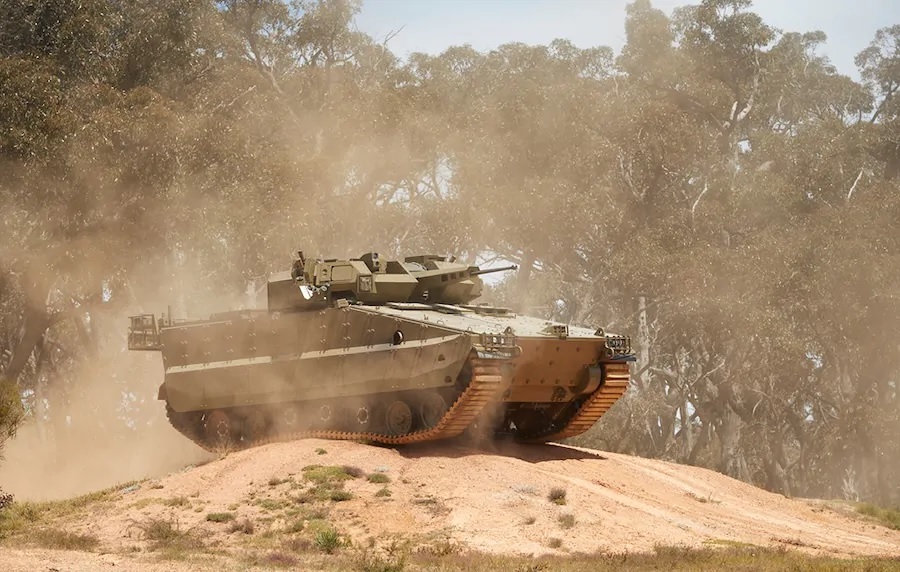
World
WASHINGTON — April 28, 2026 : The U.S. fiscal year 2027 defense budget request allocates $16.8 billion under the Land Power pillar to modernize armored combat capabilities across the Army and Marine Corps. The funding focuses on three major programs: the Armored Multi-Purpose Vehicle (AMPV), the M1E3 Abrams main battle tank, and the XM30 Mechanized Infantry Combat Vehicle. According to the U.S. Department of Defense FY2027 Budget Overview Book, Land Power remains a central component of military modernization planning. The allocation is part of a broader budget strategy that shifts emphasis toward procurement, research and development, and industrial base expansion rather than sustaining legacy systems. Land Power Modernization Framework The $16.8 billion investment supports the restructuring of heavy ground forces to operate in high-intensity conflict environments characterized by drones, precision-guided munitions, electronic warfare, persistent intelligence-surveillance-reconnaissance (ISR), and contested logistics. Defense planners aim to enhance survivability, digital connectivity, and adaptability of armored formations through the 2030s. The funding aligns with wider Department priorities that include rebuilding combat capability, reforming acquisition processes, and increasing production capacity for ground systems. Armored Multi-Purpose Vehicle (AMPV) The AMPV program replaces the M113 family of tracked vehicles, which currently account for approximately 30 percent of tracked platforms in Armored Brigade Combat Teams. Designed and produced by BAE Systems, the AMPV addresses critical limitations in survivability, mobility, force protection, and onboard power generation. The platform is fielded in five variants: general-purpose transport, mission command, medical treatment, medical evacuation, and mortar carrier. It provides protected command-and-control capability, casualty evacuation, and indirect-fire support within contested environments. To improve logistical efficiency, the AMPV shares a common powertrain and suspension system with the M2 Bradley Infantry Fighting Vehicle and the M109A7 Paladin self-propelled howitzer. Full-rate production is ongoing, with recent orders including 50 additional vehicles funded through reconciliation spending to replenish stocks following M113 transfers. Planned production rates support brigade-level fielding. M1E3 Abrams Main Battle Tank The M1E3 Abrams program represents a redesign of the Army’s main battle tank. Initiated in September 2023, it replaces the previously planned M1A2 SEPv4 configuration. The redesign prioritizes reduced weight, improved mobility, and lower sustainment requirements while maintaining survivability. The platform incorporates selected technologies from the SEPv4 upgrade but is built around a Modular Open Systems Approach (MOSA), enabling faster integration of future technologies. The Army has requested $474 million in FY2027 research, development, test, and evaluation funding. Prototypes are scheduled for operational testing with the 1st Cavalry Division in 2026, with a transition to production planned for FY2028. Expected design features include improved fuel efficiency, reduced logistical footprint, and compatibility with advanced protection and sensor systems. XM30 Mechanized Infantry Combat Vehicle The XM30 program, intended to replace the M2 Bradley, is currently in the prototype development phase. The Army has requested $547 million in FY2027 funding, including procurement of 19 vehicles. The total acquisition objective is 108 XM30 platforms by FY2031. The program uses a middle-tier acquisition pathway, with prototype development led by General Dynamics Land Systems and American Rheinmetall Vehicles. Milestone B approval was achieved in June 2025, and low-rate initial production is targeted for FY2028. The XM30 emphasizes lethality, survivability, and digital connectivity, with a focus on network-enabled targeting in electronically contested environments. Its open architecture design supports continuous upgrades to sensors, software, and weapons systems without requiring major structural modifications. Integrated Armored Force Structure Together, the AMPV, M1E3 Abrams, and XM30 programs form a coordinated modernization effort across multiple layers of the armored force. The approach integrates command support, heavy armor, and mechanized infantry into a digitally connected ecosystem capable of sustaining combined-arms operations in future conflict scenarios. The FY2027 request reflects a shift toward maintaining operational credibility in evolving threat environments while ensuring long-term sustainability and adaptability of U.S. ground combat forces.
Read More → Posted on 2026-04-28 16:24:25
World
WASHINGTON — April 28, 2026 : The U.S. Department of Defense is progressing with development of the Joint Laser Weapon System (JLWS), a collaborative program between the United States Army and the United States Navy aimed at countering cruise missile threats as part of the broader Golden Dome for America missile defense architecture. The JLWS is designed as a containerized high-energy laser system initially rated at 150 kilowatts, with scalability to at least 300 kilowatts. The system incorporates a Joint Beam Control System capable of supporting laser outputs between 300 and 500 kilowatts. Its modular configuration is intended to enable deployment across both ground-based platforms and naval vessels without extensive structural modification. Program Foundations and Technology Integration Development of JLWS draws on existing directed-energy programs. The Navy’s 60-kilowatt High Energy Laser with Integrated Optical-Dazzler and Surveillance (HELIOS) system, deployed aboard the Arleigh Burke-class destroyer USS Preble, provides operational data for integration. The Army’s 300-kilowatt Indirect Fire Protection Capability–High Energy Laser (IFPC-HEL) prototype, scheduled for delivery later in 2026, will be used to inform JLWS development rather than transition into standalone operational service. The Navy will also upgrade its High Energy Laser Counter Anti-Ship Cruise Missile Project (HELCAP) test bed to support JLWS testing. Earlier experimentation included a live-fire demonstration in October 2025 using the Army’s 20-kilowatt Palletized High Energy Laser system from the flight deck of the aircraft carrier USS George H.W. Bush. Funding Structure and Timeline Budget projections indicate combined Army and Navy research and development spending of approximately $675.93 million for JLWS through fiscal year 2031. The Navy has accelerated near-term funding. Its fiscal 2027 request includes $94.825 million under the Directed Energy and Electric Weapon Systems program element, up from $14.5 million in fiscal 2026. Of this, $79.84 million is allocated to the Surface Navy Laser Weapon System effort to initiate JLWS research, sustain HELIOS operations, and support HELCAP upgrades, including $14.978 million specifically for the test bed. The Navy plans an additional $243.3 million in JLWS funding through fiscal 2031. Planned contracting includes $31.7 million for Joint Beam Control System development in the fourth quarter of 2026 and $30 million for procurement and testing of the containerized JLWS by March 2027. The Army has not requested JLWS research funding in fiscal 2027, following earlier allocation of $51 million in mandatory funding through fiscal 2026 under the Expanded Mission Area Missile program. It plans to commit $337.8 million between fiscal 2028 and fiscal 2031 after completion of IFPC-HEL testing activities. Industrial Participation and System Design Lockheed Martin is expected to serve as the primary contractor for JLWS development, based on its role as technical lead for both HELIOS and IFPC-HEL programs and its ongoing work on a containerized HELIOS variant. The program reflects a broader shift toward modular, containerized directed-energy systems. This approach supports rapid deployment and interoperability across platforms, aligning with Navy requirements for mission-specific systems that can be installed or removed without shipyard-level modifications. Additional modular efforts include the 30-kilowatt Enduring High Energy Laser system, with plans to procure up to 24 units in the coming years. Golden Dome Integration and Operational Context The Pentagon’s fiscal 2027 budget includes $452 million for development, integration, and assessment of directed-energy weapons supporting the Golden Dome initiative. Navy funding also supports creation of a consolidated implementation plan for directed-energy systems in coordination with the Missile Defense Agency. Golden Dome for America is structured as a multi-layered defense architecture intended to counter ballistic, hypersonic, and cruise missile threats through integrated sensors, interceptors, and directed-energy systems. Within this framework, JLWS addresses cruise missile defense requirements, which involve engaging low-altitude, high-speed targets with hardened structures under atmospheric interference conditions. Technical and Historical Context Cruise missile interception presents challenges distinct from other aerial threats, requiring sustained beam energy, precise targeting, and resistance to atmospheric distortion. Previous programs, including the Navy’s ARPA Chemical Laser, the Mid-Infrared Advanced Chemical Laser, and the Airborne Laser program canceled in 2012, encountered limitations in operational scalability. More recent progress includes the Navy’s Layered Laser Defense system, which demonstrated engagement of a subsonic cruise missile surrogate at White Sands Missile Range in 2022. Current JLWS development builds on these efforts with emphasis on higher power output, modular deployment, and integration within a layered missile defense network.
Read More → Posted on 2026-04-28 16:11:50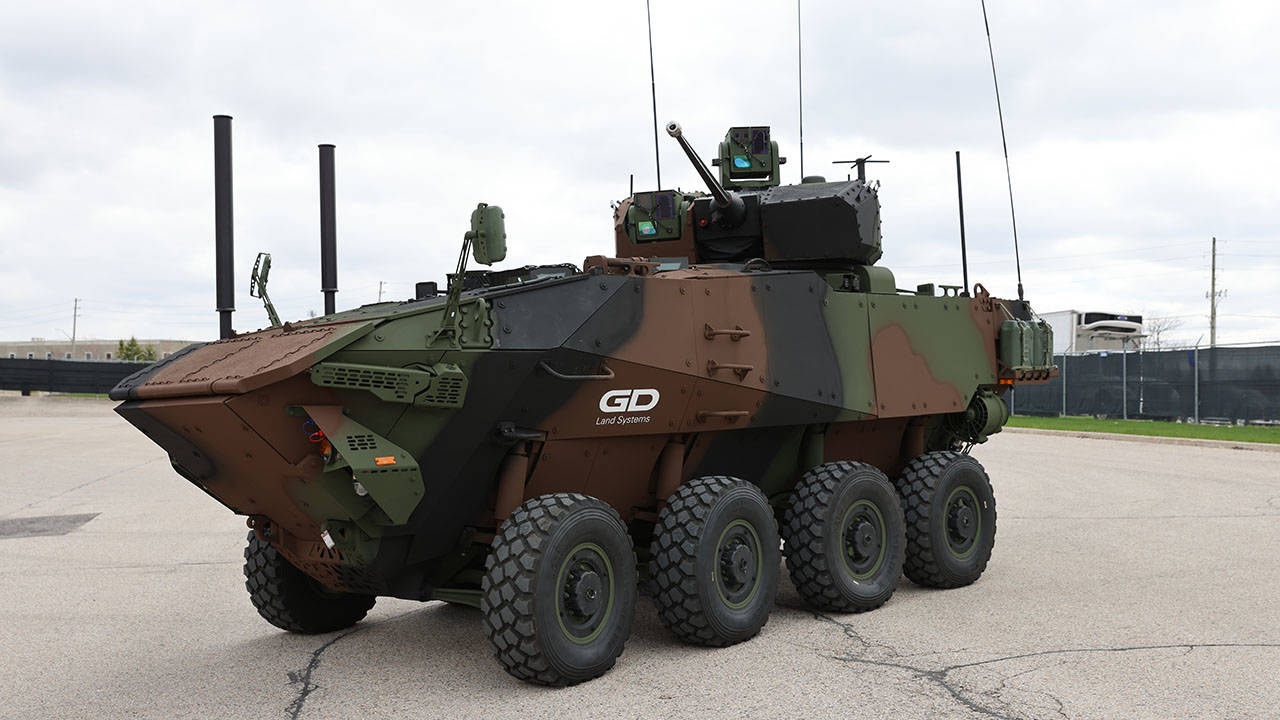
World
WASHINGTON — April 28, 2026 : General Dynamics is presenting a range of land combat, communications, and engineering systems at Modern Day Marine 2026, held April 28–30 at the Walter E. Washington Convention Center. The exhibit integrates capabilities from its Land Systems, Mission Systems, and European Land Systems divisions, aligned with the U.S. Marine Corps’ Force Design 2030 modernization framework. Combat Vehicles and Sustainment Systems At Booth 2206, General Dynamics Land Systems is exhibiting the Advanced Reconnaissance Vehicle ARV-30, an 8×8 wheeled amphibious platform equipped with a 30 mm autocannon mounted in a remote turret. The vehicle is designed to operate alongside the ARV-C4UAS variant, supporting command, control, communications, computers, and unmanned aircraft systems missions. The ARV platform incorporates open architecture, automated data fusion, and cybersecurity features to enable coordination between manned and unmanned systems. The prototype on display follows a $450 million pre-production development contract awarded for multiple test variants, supporting the Marine Corps’ plan to replace the aging LAV-25 fleet by the mid-2030s. Testing activities for the ARV-30 include land mobility trials, amphibious swim evaluations, and lethality demonstrations, with further evaluations scheduled through 2026. Also displayed is the Digital Twin Sustainment Suite (DTSS), a software-based logistics and training system. It includes self-guided e-learning modules, instructor-led training, and advanced maintenance simulations. The system functions as an integrated logistics support tool aimed at improving training throughput, retention, and maintenance efficiency across ground vehicle fleets. Communications, Electronic Warfare, and PNT Capabilities At Booth 2113, General Dynamics Mission Systems is presenting systems focused on electronic warfare, communications, and assured positioning, navigation, and timing (PNT). The RAMPART CMOSS Chassis consolidates PNT, radio, and electronic warfare functions into a single unit compatible with standard SINCGARS radio space, eliminating the need for vehicle modifications. Built on modular 3U OpenVPX processor cards, it supports high data throughput with a 100-gigabit interconnect and enables rapid upgrades for C5ISR missions. PhantomLink, a Free Space Optics communication system, uses waveform-adaptable optical modems to deliver high-bandwidth laser communications for mobile command posts. Operating outside the radio frequency spectrum, it avoids frequency deconfliction and enhances transmission security. The system has demonstrated a 52-kilometer link with data rates of up to 10 Gbps. The PNT portfolio includes GPS Source’s ED3M PNT Hub, with more than 1,000 units fielded, along with the Modified Reception Pattern Antenna for operations in GPS-contested environments. Secure communications systems on display include TACLANE high-assurance encryptors, the Sectéra vIPer Universal Secure Phone for VoIP and analog networks, the ProtecD@R Multi-Platform Encryptor, and the GEM One Encryptor Manager. Bridging and Tactical Mobility Systems General Dynamics European Land Systems is exhibiting three bridging and mobility systems designed to support expeditionary operations. The COBRA Armored Assault Bridge is integrated onto a Dok-Ing KOMODO unmanned ground vehicle, enabling bridge deployment while maintaining the carrier’s operational functions. The system supports Military Load Classification (MLC) 120 and is scheduled for formal testing on the KOMODO platform beginning in July 2026. The HYDRA Multifunctional Floating Platform is a modular pontoon system configurable as a ferry, floating bridge, working platform, or transport vessel, with a load capacity of up to MLC 50. The VIPER Modular Trackway Bridge, mounted on a Joint Light Tactical Vehicle, can be configured in spans of 5, 7, or 9 meters and supports loads up to MLC 50. The system enables forward units to conduct rapid gap-crossing operations without waiting for dedicated engineering assets. Operational Context The combined display reflects an integrated approach to mobility, sustainment, and networked operations. The systems presented address requirements for distributed maritime operations, including reconnaissance, secure communications, and rapid maneuver across complex terrain, consistent with the U.S. Marine Corps’ ongoing force restructuring objectives under Force Design 2030.
Read More → Posted on 2026-04-28 15:59:19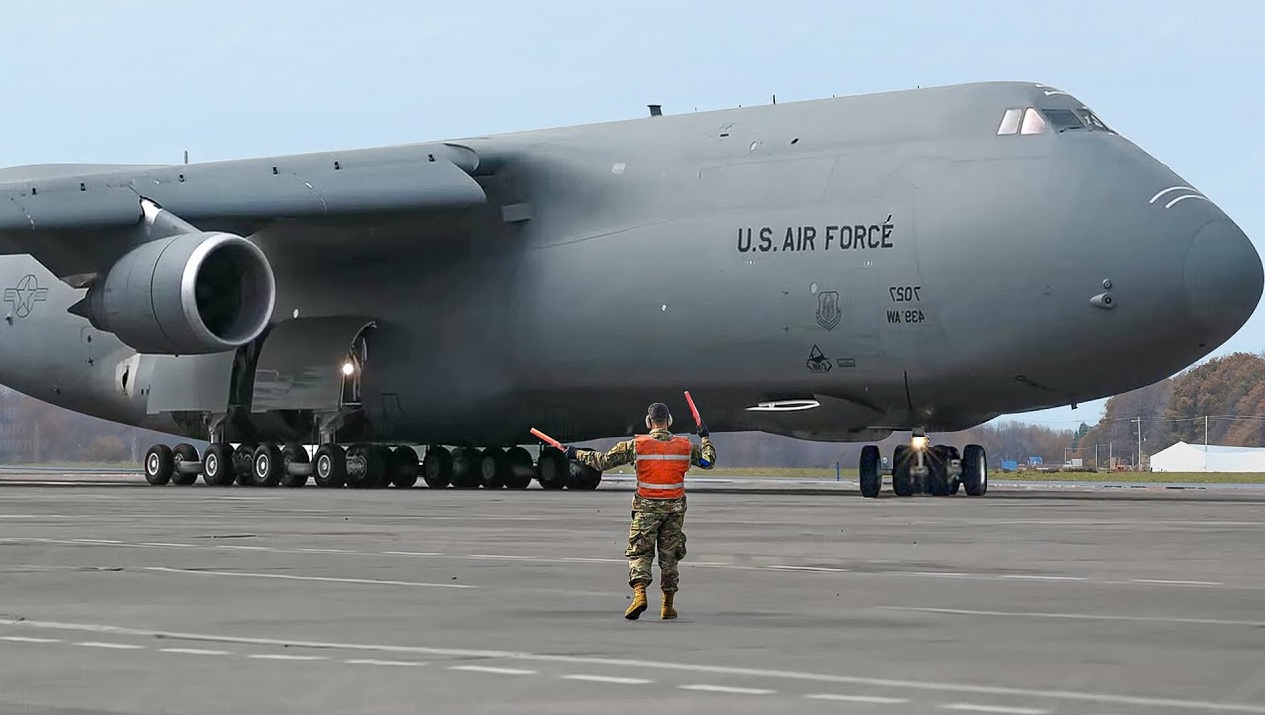
World
WASHINGTON — April 28, 2026 : The United States has conducted a sustained military airlift operation into the Middle East over the past several days, with continuous flights of heavy transport aircraft reinforcing logistics networks across the U.S. Central Command (CENTCOM) area of responsibility. Open-source flight tracking data and defense monitoring indicate that multiple waves of C-17A Globemaster III and C-5M Super Galaxy aircraft have transited from the United States and Europe into the region. Many of these flights routed through European hubs, including Ramstein Air Base, before continuing toward operational locations in the Middle East. Sustained Airlift Activity Data collected over the past 24 hours shows at least 31 heavy transport aircraft delivering cargo to destinations supporting U.S. operations in Israel, Saudi Arabia, and Djibouti. Over a 72-hour period, the total number of such missions reached approximately 97 flights, reflecting a continuous logistical flow rather than isolated sorties. The airlift has been supported by aerial refueling platforms, including the KC-135 Stratotanker and KC-46A Pegasus, enabling long-range operations from the continental United States and forward bases such as RAF Lakenheath in the United Kingdom. Munitions and Logistics Role The primary purpose of the operation appears to be the replenishment and buildup of munitions stockpiles at CENTCOM facilities. The transported cargo is assessed to include precision-guided missiles, aerial bombs, and other military supplies required to sustain ongoing and potential operations. The C-17A Globemaster III is designed for rapid deployment of troops and cargo into both established and austere airfields, while the C-5M Super Galaxy is capable of carrying oversized equipment, including large air defense systems and bulk munitions loads. Together, they form the backbone of the U.S. Air Force’s strategic airlift capability. Regional Force Posture The airlift coincides with a broader increase in U.S. military presence across the CENTCOM region. Defense assessments indicate that approximately 330 U.S. military aircraft are currently deployed in the Middle East, representing an increase of about 10 percent in recent days. Key operational hubs receiving logistical support are believed to include Al Udeid Air Base, Muwaffaq Salti Air Base, and Prince Sultan Air Base, although specific delivery points have not been officially confirmed. This logistics effort follows the deployment of additional combat assets, including F-35A Lightning II, F-15E Strike Eagle, and F-22 Raptor aircraft, along with missile defense systems such as Patriot missile system and Terminal High Altitude Area Defense. Official Position U.S. Central Command has not issued a formal statement detailing the specific objectives of the current airlift activity. However, the pattern of sustained transport flights aligns with established logistical practices aimed at maintaining supply levels and operational readiness for forward-deployed forces. The ongoing operation reflects standard military sustainment procedures designed to ensure that personnel and equipment in the region remain adequately supported.
Read More → Posted on 2026-04-28 15:48:53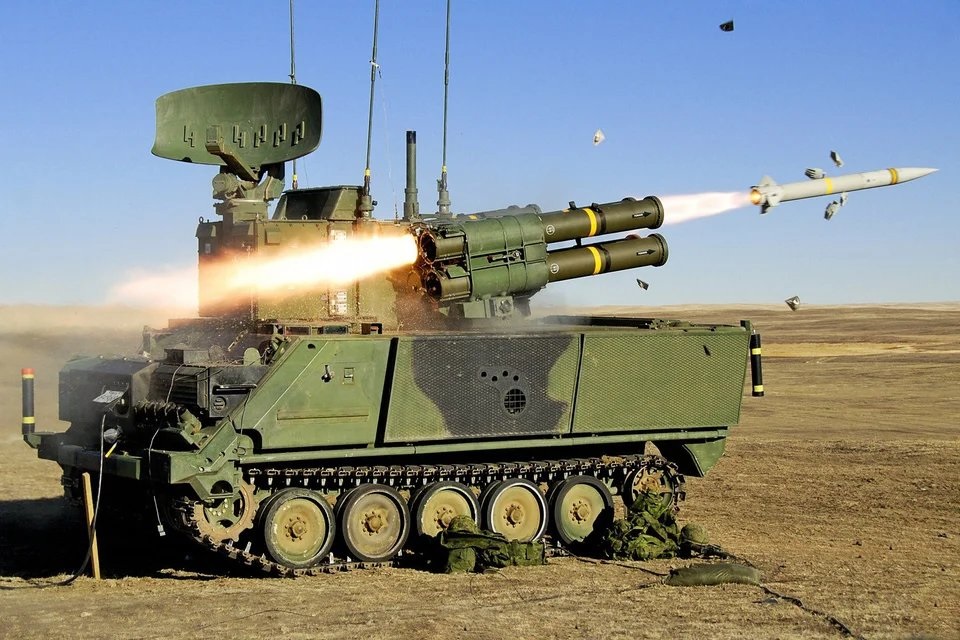
India
NEW DELHI — April 28, 2026 : The Ministry of Defence has issued a Request for Proposal (RFP) for the procurement of 83 Carrier Air Defence Tracked (CADET) systems intended to modernize the Indian Army’s air defence architecture for mechanised formations. The programme will be executed under the “Buy (Indian-IDDM)” category, mandating a minimum of 65 per cent indigenous content. The CADET platform is defined as a high-mobility, tracked command-and-control vehicle designed to host and operate the Akashteer Air Defence Control and Reporting System. It is intended to function as a mobile node within the Army’s air defence network, accompanying armoured and mechanised units across varied operational environments. Key Technical Requirements The RFP specifies a set of operational, environmental, and technical parameters to ensure the platform’s suitability for deployment across plains, deserts, semi-deserts, and high-altitude sectors: Operating Altitude: Certified capability up to 5,000 metres for high-altitude operations Operational Range: Minimum range of 320 kilometres Auxiliary Power: Integration of a 30 kW Auxiliary Power Unit (APU) to support onboard systems without running the main engine Navigation Systems: Integration of Global Navigation Satellite System (GNSS) Electronic Compliance: Full adherence to military-grade Electromagnetic Interference and Electromagnetic Compatibility (EMI/EMC) standards Service Life: Minimum operational lifespan of 20 years The tracked configuration is intended to ensure mobility parity with tanks and infantry combat vehicles, allowing the system to operate alongside frontline formations in difficult terrain. Operational Role and System Integration The CADET system is structured to act as a forward-deployed command-and-control node within ground-based air defence networks. By integrating the Bharat Electronics Limited-developed Akashteer system, the platform will process real-time inputs from multiple radar and sensor networks. Akashteer enables automated detection, tracking, and engagement coordination for aerial threats, including aircraft, helicopters, unmanned aerial systems (UAS), and missiles. The system assigns engagement tasks to nearby Self-Propelled Air Defence units and anti-aircraft guns, reducing response times and improving coordination. The system operates within a broader C4ISR framework and is designed to interface with the Integrated Air Command and Control System of the Indian Air Force and the Indian Navy’s TRIGUN network, creating a unified air picture across services. CADET is also designed with an open architecture, allowing integration of future counter-UAS systems such as the Integrated Drone Detection and Interdiction System. Its vehicle-mounted configuration enables deployment in contested electronic warfare environments while maintaining operational continuity. Platform Design and Configuration The CADET platform features a tracked chassis with a box-type superstructure to house crew, mission systems, and electronic equipment. External mounting provisions are included for sensors, communication modules, and potential weapon systems. The design allows for scalability and modular integration, enabling the platform to support evolving air defence technologies while maintaining compatibility with existing systems. Global Operational Comparisons The concept of tracked, mobile air defence command platforms is consistent with operational doctrines followed by major militaries: Russia: The Barnaul-T Air Defence Command System provides automated command and control for short-range air defence units and is deployed on tracked chassis to accompany manoeuvre formations. United States: The Armored Multi-Purpose Vehicle (AMPV) in its Mission Command variant (M1286) functions as a protected mobile command post for brigade-level operations, though not exclusively dedicated to air defence. Other mobile air defence platforms globally include systems such as the Pantsir-S1 and 2K22 Tunguska, which combine guns and missiles on mobile platforms for close-range protection of mechanised forces, and the AN/TWQ-1 Avenger mounted on wheeled chassis. However, no foreign system is clearly documented as fully certified for multi-terrain operations up to 5,000 metres altitude in the same way the CADET requirement specifies. This requirement, combined with the strict indigenous content mandate, increases the likelihood that a domestically developed platform will be selected. Indigenous Platform Options To meet the indigenous content requirement, the CADET system must be integrated onto a domestically produced tracked platform. Two primary options are under consideration: BMP-2 “Sarath” (Legacy Platform):The BMP-2 Sarath, produced by Armoured Vehicles Nigam Limited, is currently in service in large numbers. Variants of this platform are already used for specialized roles such as the NAMICA missile carrier and Akash missile launch systems. Its established logistics and maintenance ecosystem make it a viable option. Vikram VT-21 Advanced Armoured Platform (Modern Platform):The Vikram VT-21 Advanced Armoured Platform, developed by the Defence Research and Development Organisation in collaboration with Tata Advanced Systems Limited and Bharat Forge Limited, represents a newer alternative. The tracked variant (AAP-Tr), flagged off for trials in April 2026, aligns with CADET requirements through: High power-to-weight ratio and automatic transmission suited for operations up to 5,000 metres Modular design capable of reconfiguration from a combat role to command-and-control functions Internal volume sufficient for hosting Akashteer systems and the 30 kW APU Advanced composite construction (including GFRP and CFRP) providing STANAG 4569 Level 4 and 5 protection Gross weight below 25 tonnes Indigenous content exceeding 65 per cent At present, Indian-developed platforms already meet the 65 per cent indigenous content baseline, directly fulfilling the procurement categorization requirements outlined in the MoD’s RFP, further strengthening their position in the selection process. Procurement Context and Expected Outcome The RFP emphasizes domestic development under the government’s indigenous procurement policy, aligning with broader self-reliance objectives in defence manufacturing. The CADET system is envisioned as a common tracked platform capable of carrying current and future air defence systems while maintaining mobility alongside mechanised units. Upon induction, the system is expected to enhance the Army’s ability to deploy layered air defence in forward areas without dependence on fixed infrastructure. The selection process will involve evaluating the operational suitability, production timelines, and lifecycle support of candidate platforms, particularly between the established BMP-2 base and the newer Vikram VT-21 platform. The programme represents a step toward integrating automated command-and-control capabilities with mobile air defence assets, enabling real-time co
Read More → Posted on 2026-04-28 14:41:44
World
DUBAI — April 28, 2026 : The United Arab Emirates has announced it will withdraw from both the Organization of the Petroleum Exporting Countries and the broader OPEC+ alliance, with the decision set to take effect on May 1, 2026. The move marks a significant change in the country’s approach to oil production and its role in global energy coordination mechanisms. The announcement was issued through the state-run Emirates News Agency, which described the withdrawal as a strategic decision aligned with the UAE’s long-term economic planning and evolving energy priorities. Officials emphasized that the country intends to maintain a responsible and reliable position in global energy markets while increasing flexibility in its production strategy. Policy Review and Production Strategy The decision follows a comprehensive review of the UAE’s oil production policy, current capacity, and long-term national interests. UAE Energy Minister Suhail Mohamed al-Mazrouei stated in remarks to Reuters that the country has been a longstanding participant in both OPEC and OPEC+ frameworks but now sees a need to adapt to anticipated growth in global energy demand. Mazrouei said the UAE did not consult other member states, including Saudi Arabia, prior to announcing the decision. He added that the policy shift is driven by national considerations and reflects the country’s assessment of future market requirements. By exiting OPEC and OPEC+, the UAE will no longer be subject to the production quotas set by the alliance. This will allow it to adjust output levels independently, although officials indicated that any production increases will be gradual and responsive to market demand. Production Capacity and Expansion Plans The UAE has expanded its oil production capabilities in recent years through the Abu Dhabi National Oil Company. The company currently reports a maximum production capacity of approximately 4.85 million barrels per day and aims to raise this to 5 million barrels per day by 2027. This capacity expansion has been a central factor in the country’s reassessment of its participation in coordinated output frameworks. The UAE is one of the few producers within OPEC+ that maintains significant spare production capacity alongside Saudi Arabia. Market Conditions and Timing The withdrawal comes amid ongoing disruptions in global oil markets linked to regional tensions involving Iran. Restrictions affecting flows through the Strait of Hormuz have contributed to supply constraints across several Gulf producers and elevated oil prices. According to Mazrouei, current market conditions, particularly constraints in the Strait of Hormuz, mean the UAE’s exit is not expected to have an immediate large impact on global supply dynamics. Production increases, if implemented, are likely to be phased and dependent on broader market stabilization. Implications for OPEC and OPEC+ Analysts view the UAE’s departure as a notable development for OPEC and the wider OPEC+ alliance. The country’s exit removes one of the group’s key producers with available spare capacity, potentially affecting the alliance’s ability to coordinate output and manage price stability. The development has also drawn attention to internal dynamics within the group. Saudi Arabia, widely regarded as the de facto leader of OPEC, is reported to be reviewing its oil policy in response to the UAE’s decision. The move highlights broader divergences among Gulf producers regarding production strategy and market positioning. Over the longer term, some analysts suggest that increased UAE production could place downward pressure on oil prices once current geopolitical and logistical constraints ease. In the near term, however, market volatility is expected to remain influenced by regional factors. Historical Context The UAE’s relationship with OPEC dates back to 1967, when the Emirate of Abu Dhabi joined the organization. Membership continued after the formation of the United Arab Emirates in 1971. The country has since played a consistent role in coordinated production efforts within OPEC and later OPEC+. The withdrawal represents one of the most significant changes in the organization’s composition in recent years. It follows the exit of Qatar in 2019 and Angola in 2023, reducing the number of core OPEC members further. Future Energy Strategy UAE authorities have stated that the decision does not diminish the country’s commitment to supporting global energy supply. Instead, it reflects a shift toward operating independently while continuing to contribute to market stability through increased capacity and targeted production growth. The country’s low-cost reserves and expanding infrastructure position it to scale output in line with future demand. Officials reiterated that production increases will be measured and aligned with global requirements, rather than abrupt changes. The exit from OPEC and OPEC+ signals a recalibration of the UAE’s role in international energy markets, with greater emphasis on national flexibility, capacity utilization, and long-term economic strategy.
Read More → Posted on 2026-04-28 14:18:11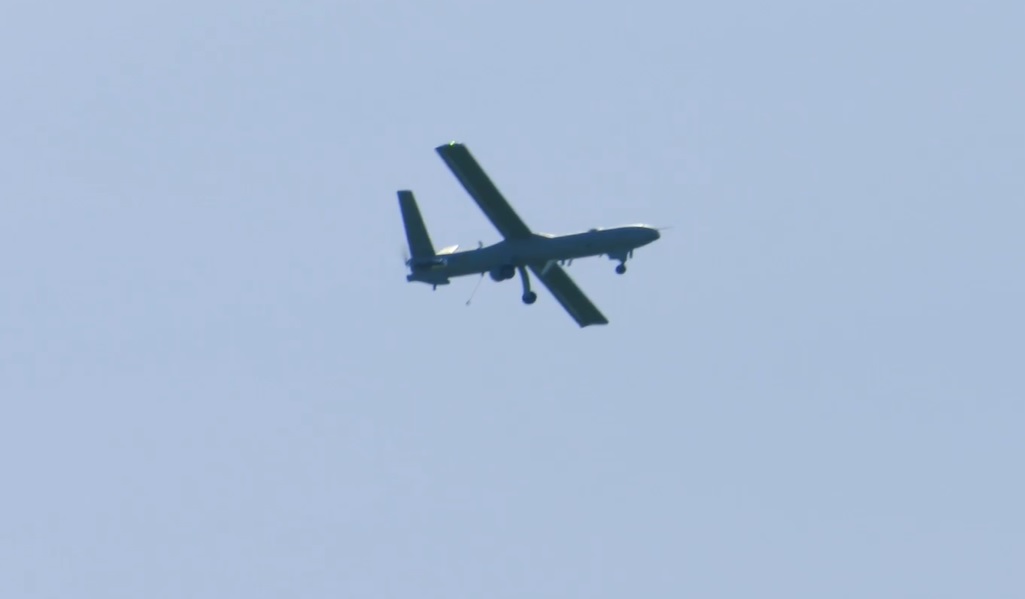
World
HITILA, Romania — April 28, 2026 : On April 27, 2026 Elbit Systems inaugurated a new unmanned aerial systems (UAS) production facility in Chitila, marking a further expansion of its industrial footprint in Romania. The opening coincided with the first flight of the Watchkeeper XR tactical drone in Romanian airspace, demonstrated in the presence of officials from the Romanian government and armed forces. The facility represents the seventh production site established by Elbit Systems in Romania and has been developed under the Watchkeeper XR procurement program for the Romanian Armed Forces. It is designed to deliver a full-spectrum industrial capability, covering manufacturing, system integration, testing, and long-term maintenance of advanced unmanned aerial platforms. Watchkeeper XR Demonstrates Operational Capability The Watchkeeper XR completed its inaugural flight on the same day as the facility’s launch, signaling the system’s progression from industrial setup to operational readiness. The aircraft is a tactical UAS intended for intelligence, surveillance, and reconnaissance (ISR) missions, with the ability to operate at medium altitudes for extended durations. Derived from the Watchkeeper W system currently in service with the British Army, the XR variant incorporates updated technologies and operational refinements informed by recent combat environments. The system is designed for use in contested airspace and is equipped with advanced sensor payloads to support persistent, wide-area surveillance. Among its upgrades are enhanced communications systems and the integration of the Spectro XR multi-spectral electro-optical payload, aimed at improving target detection and situational awareness across diverse operational conditions. Industrial Capability and Technology Transfer The Chitila facility establishes localized, end-to-end UAS production capability within Romania. This includes manufacturing structural components, assembling electronic systems, integrating UAV platforms, and producing ground control stations domestically. The approach is intended to ensure that the Romanian Armed Forces can sustain and maintain the system without reliance on external supply chains or foreign maintenance infrastructure. Elbit Systems has maintained a presence in Romania for more than 30 years and currently employs over 1,000 personnel across its operations in the country. The company’s investments have included technology transfer initiatives, local manufacturing development, and lifecycle support programs, aimed at strengthening Romania’s domestic defense industry. The Watchkeeper XR program is part of a broader agreement signed in December 2022 between Elbit Systems and the Romanian Ministry of National Defence. The contract has a maximum value of approximately 1.89 billion Romanian lei (around $428.75 million) and covers the potential supply of up to seven UAS systems configured for Romanian requirements. Official Remarks at Inauguration The inauguration ceremony was attended by senior representatives from the Romanian Ministry of National Defence and executives from Elbit Systems. Yoram Shmueli, General Manager of Elbit Systems Aerospace, confirmed the successful first flight of the Watchkeeper XR earlier in the day. He stated that the establishment of the Chitila facility reflects the company’s continued commitment to Romania’s defense sector and industrial ecosystem. He also emphasized that the systems delivered under the program are designed to provide operational capability rather than standalone platforms, highlighting reliability and readiness for deployment in operational environments. Role in European Defense Framework The new production site provides Elbit Systems with a manufacturing base within the European Union, aligning with broader regional efforts to strengthen defense industrial capacity. European countries have increasingly emphasized the need for domestically supported surveillance and reconnaissance systems, particularly in response to evolving security requirements. By establishing integrated production and support capabilities in Romania, the Chitila facility contributes to both national defense modernization and wider European initiatives aimed at improving self-reliance in defense manufacturing and maintenance.
Read More → Posted on 2026-04-28 14:11:02
India
NEW DELHI — April 28, 2026 : The Ministry of Defence has issued a Request for Information (RFI) seeking the damp lease of three ultra heavy-lift helicopters to strengthen the Indian Air Force (IAF) ability to rapidly move heavy equipment, troops, and supplies, particularly in high-altitude and remote border regions. The RFI outlines an accelerated procurement timeline, requiring delivery within three to six months of contract signing, alongside a mandated 95 percent fleet availability. The requirement is intended to address an immediate operational gap in transporting heavy artillery, armored vehicles, and large troop contingents to forward areas along India’s northern and eastern borders. Operational Requirement and Lease Model The proposed acquisition will follow a “damp lease” model, under which the supplier provides the aircraft, flight crew, maintenance, insurance, and technical support, while the IAF supplies loadmasters or cabin crew. This arrangement shifts maintenance responsibility to the vendor and is structured to help achieve the high availability benchmark specified in the RFI. The helicopters are expected to support a range of missions, including logistics sustainment in terrain with limited road access, high-altitude deployments, disaster relief operations, and routine heavy transport tasks. Technical Specifications The RFI defines stringent performance criteria for the platform. The Ministry requires a helicopter capable of carrying a minimum payload of 20,000 kilograms (20 tonnes), either internally or as an external load. The aircraft must have a cruising speed exceeding 230 km/h and be capable of transporting at least 45 fully equipped troops or accommodating 20 medical stretchers. In addition to performance metrics, the Ministry has emphasized rapid induction and sustained operational readiness, with a delivery window of three to six months and a 95 percent availability requirement. Only Platform Meeting 20-Tonne Payload Requirement A key technical condition in the RFI is the 20,000 kg payload threshold, which significantly narrows the pool of eligible platforms. As of 2026, the Mil Mi-26 is the only operational helicopter in the world that fully meets this requirement. The Mi-26 offers a certified maximum payload of 20 tonnes, both for internal and external lift operations, along with a cruising speed of approximately 255 km/h. It can carry up to 90 troops or 60 stretchers, exceeding the Ministry’s baseline troop and medical evacuation requirements. Its capability to transport extremely heavy and oversized loads, including artillery systems and armored vehicles in a single sortie, aligns directly with the operational intent behind the RFI. No other helicopter currently in active service matches this 20-tonne payload benchmark, making the Mi-26 uniquely compliant with the Ministry’s stated ultra heavy-lift criteria. Sikorsky CH-53K King Stallion as Second Near Contender The Sikorsky CH-53K King Stallion, the U.S. Marine Corps’ newest heavy-lift helicopter, emerges as the second closest contender after the Mi-26, though it does not meet the full payload requirement. The CH-53K has demonstrated external lift capabilities of up to 16,329 kg (36,000 lb) during testing, with a standard operational payload of approximately 15,876 kg (35,000 lb). While these figures fall short of the 20,000 kg threshold, they represent the highest payload capacity among Western heavy-lift helicopters currently in service or entering service. The platform is designed with modern avionics, fly-by-wire controls, and improved lift efficiency, making it relevant for high-intensity logistics operations. However, the CH-53K is not yet in widespread international service and would require further evaluation against the full set of RFI parameters, including availability, delivery timelines, and sustainment requirements under a damp lease model. Chinook as a Practical Option Despite Payload Gap The Boeing CH-47F Chinook, already in service with the IAF, represents another operationally relevant platform, though it does not meet the 20-tonne payload requirement. The IAF operates 15 Chinooks, inducted starting in 2019 under a 2015 contract. The platform has a maximum payload capacity of approximately 10–12 tonnes and can carry up to 55 troops. It exceeds the RFI’s speed requirement and is optimized for high-altitude operations. Despite not meeting the payload threshold, the Chinook’s established logistics chain, maintenance infrastructure, and operational familiarity within the IAF may position it as a practical candidate under a damp lease arrangement, particularly given the urgent delivery timeline and the need for high availability. Fleet Context and Capability Gap The IAF’s heavy-lift capability has historically relied on a mix of Mi-26 and Chinook helicopters. The Mi-26 provided unmatched single-lift capacity, while the Chinook enhanced reliability and operational flexibility. However, India’s Mi-26 fleet, inducted in the late 1980s, has faced prolonged grounding due to maintenance challenges and technical life expiry, despite ongoing overhaul efforts. This has resulted in a gap in true ultra heavy-lift capability. Next Steps Responses to the RFI will allow the Ministry of Defence to evaluate available options and leasing models. Potential pathways may include Mi-26-based solutions, CH-53K evaluation, or alternative platforms offering partial compliance with strong support packages. The RFI represents a short- to medium-term measure aimed at restoring critical heavy-lift capacity while broader modernization and long-term acquisition plans continue.
Read More → Posted on 2026-04-28 13:59:46Search
Top Trending in 24 Hours
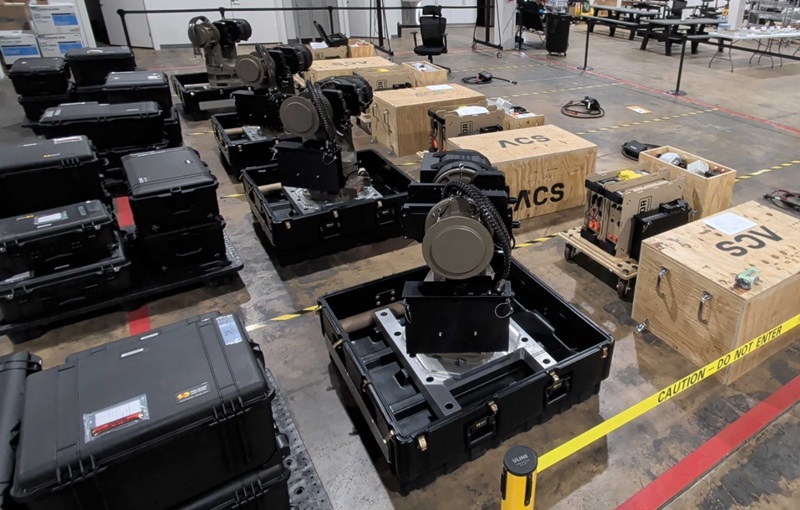


Top Trending in 4 Days
-
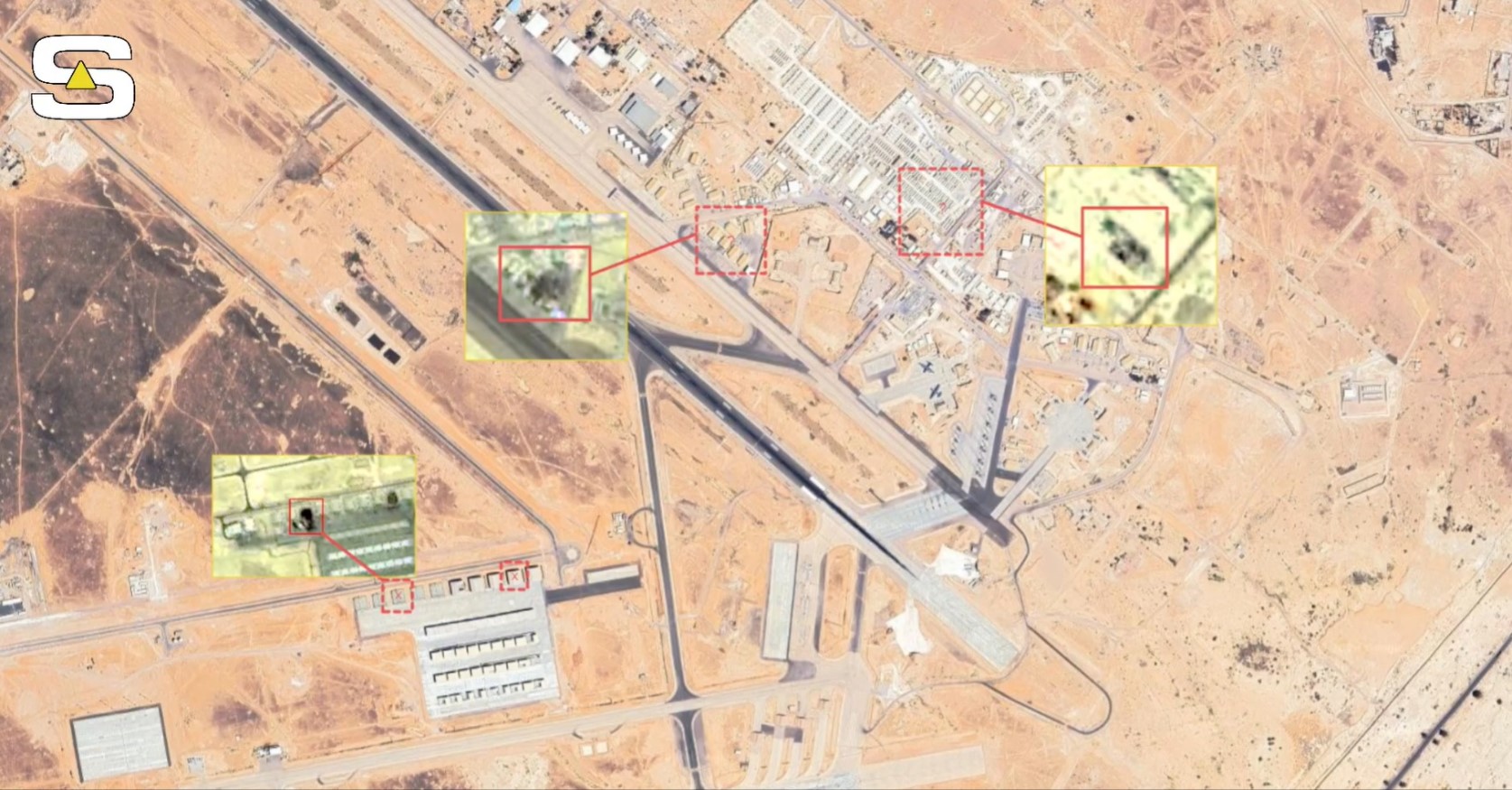 New Satellite Imagery Reveals Extensive Damage at Jordan's Muwaffaq al-Salti Air Base After Iranian Missile Strike
-
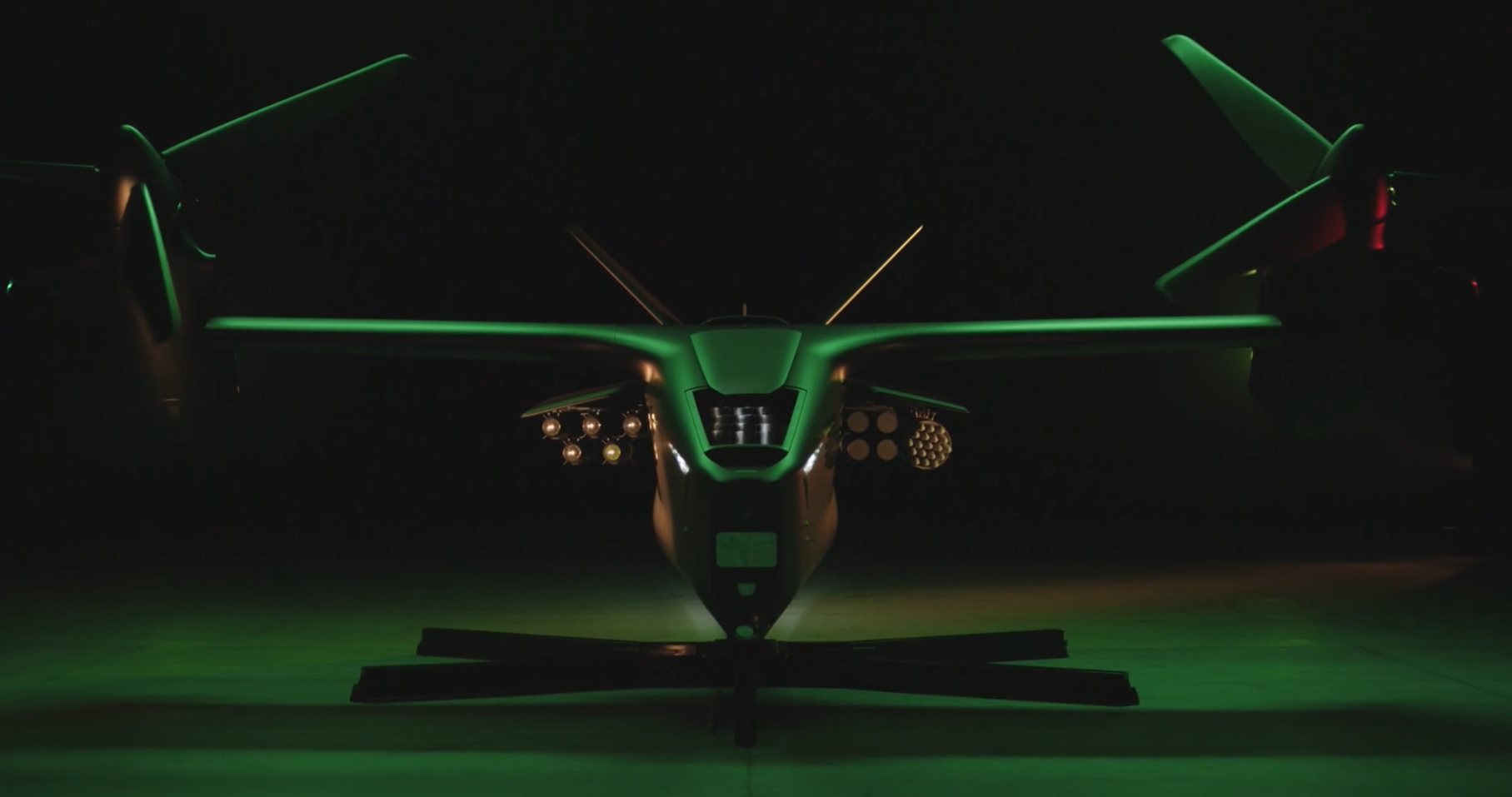 Anduril Unveils Thunder Autonomous Attack Rotorcraft Built with Archer Aviation to Support Apache Helicopters
-
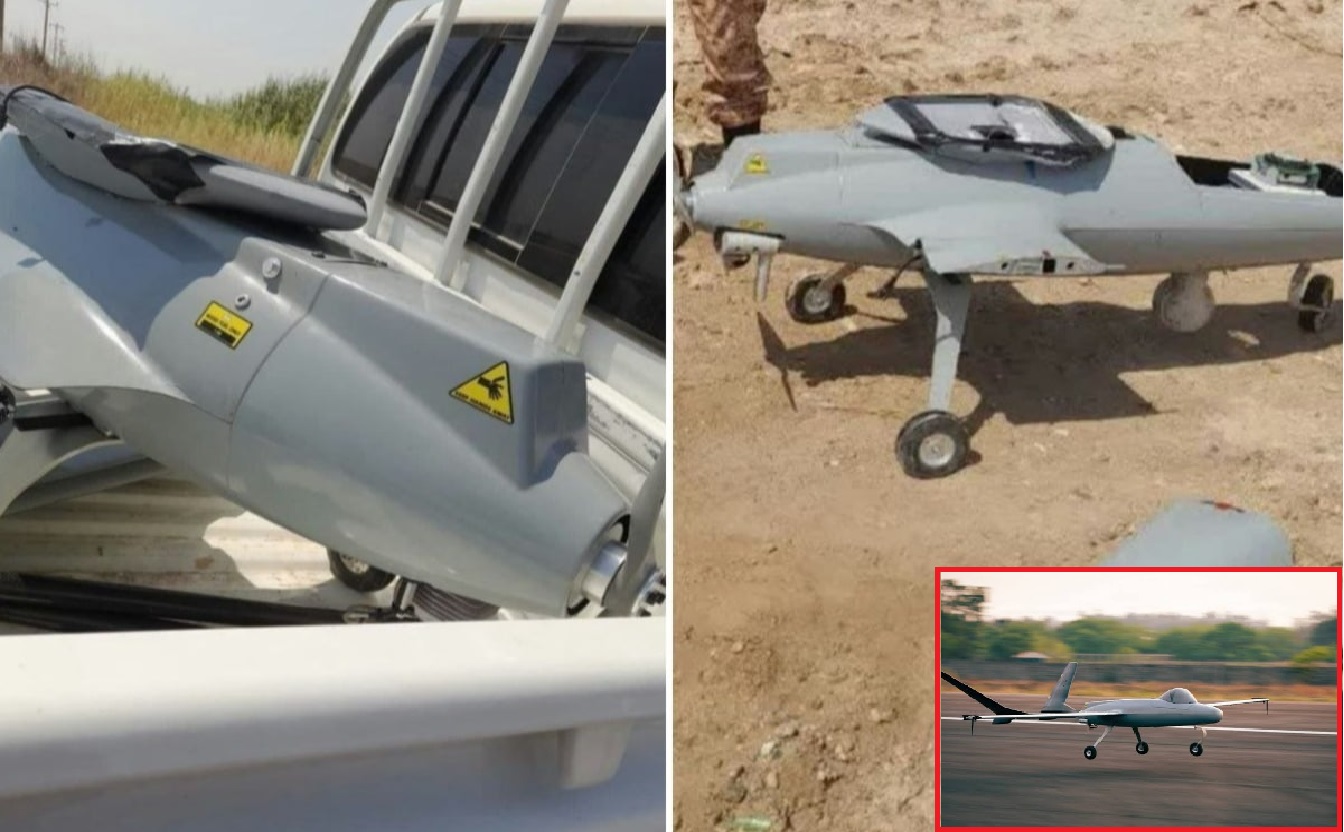 Iran Claims It Shot Down U.S.-Operated Polish-Built Tiguar-M Drone, Releases Images
-
 U.S. Space Force Awards Slingshot Aerospace $69.2 Million Contract to Develop AI Space Training Platform
-
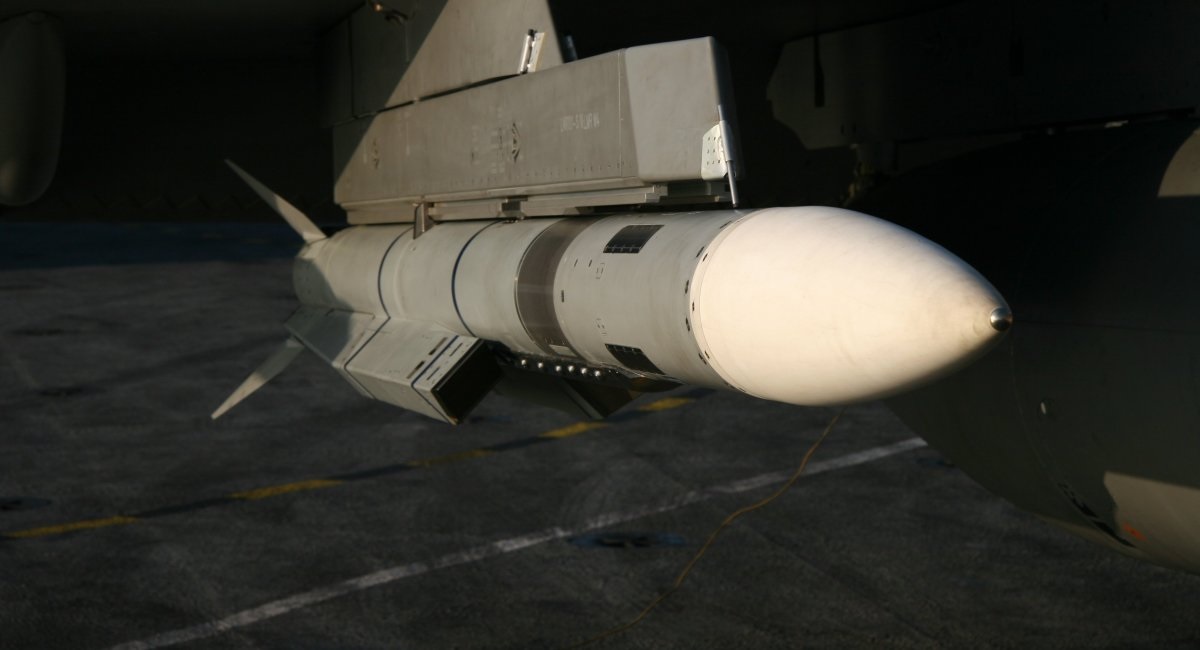 UK Cancels Meteor Missile Mid-Life Upgrade, Prioritizes Next-Generation FASE Air-to-Air Missile Programme
-
 NASA, Draper Cancels CP-12 Lunar Lander Mission After Development Delays Push Mission Beyond 2030
-
 Pratt & Whitney Completes Testing of 3D-Printed TJ150 Engine for Military Applications
-
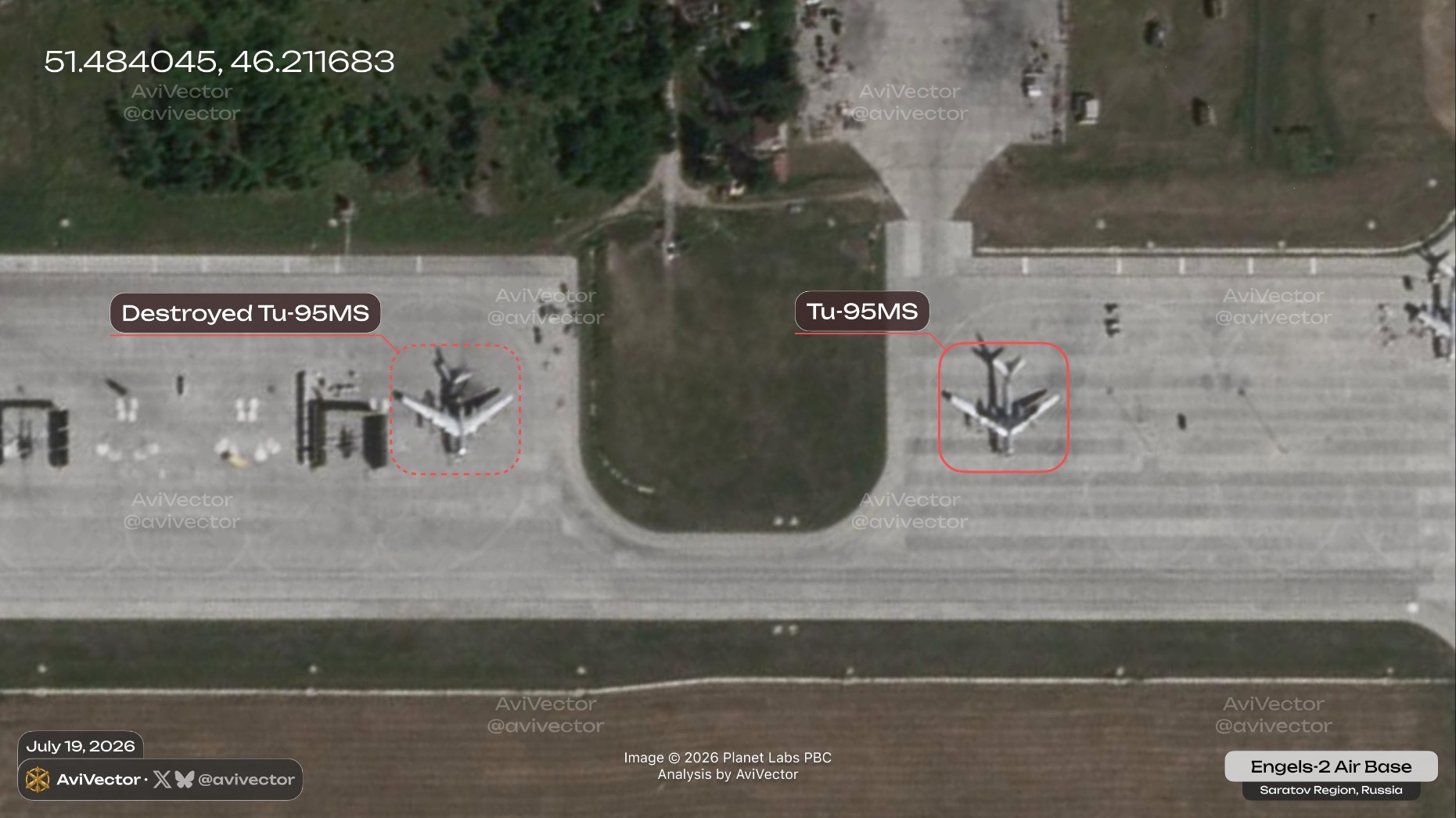 Satellite Images Confirm Russian Tu-95MS Bomber Destroyed After Ukrainian Drone Strike on Engels-2 Air Base
