ISLAMABAD / ANKARA : The Pakistan Air Force (PAF) has sharply scaled back its high-profile HAVASOJ airborne electronic warfare (EW) program, shelving plans for a fleet of long-range stand-off jamming aircraft and reducing the project to, at most, a single experimental platform. The move reflects a growing assessment within Pakistani defense circles that large, non-stealthy “force multiplier” aircraft can no longer survive in a battlespace dominated by India’s long-range S-400 Triumf air defense system.
Defense officials familiar with the decision say the reassessment marks a fundamental shift in how the PAF views electronic warfare in a potential high-intensity conflict with India, where extended-range surface-to-air missiles have dramatically expanded the engagement envelope deep into contested airspace.
A Concept Undone by Range and Geometry
The HAVASOJ program was conceived as Pakistan’s answer to modern, networked air defenses. Developed by Turkey’s Aselsan and integrated by Turkish Aerospace Industries (TAI), the Air Stand-Off Jammer was intended to be mounted on Bombardier Global 6000 business jets, transforming them into long-endurance platforms capable of degrading enemy radars, data links and communications from afar.
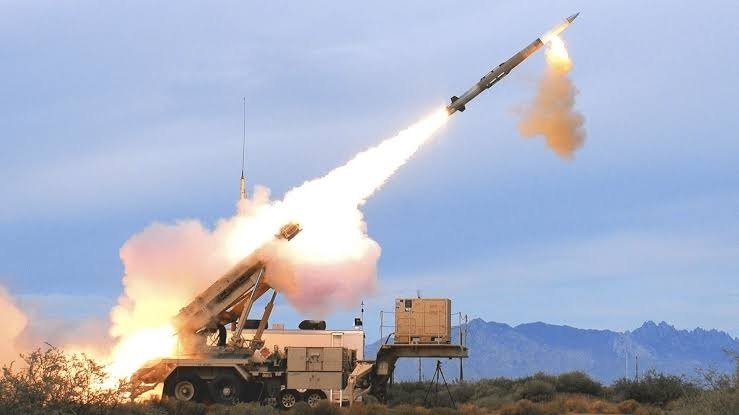
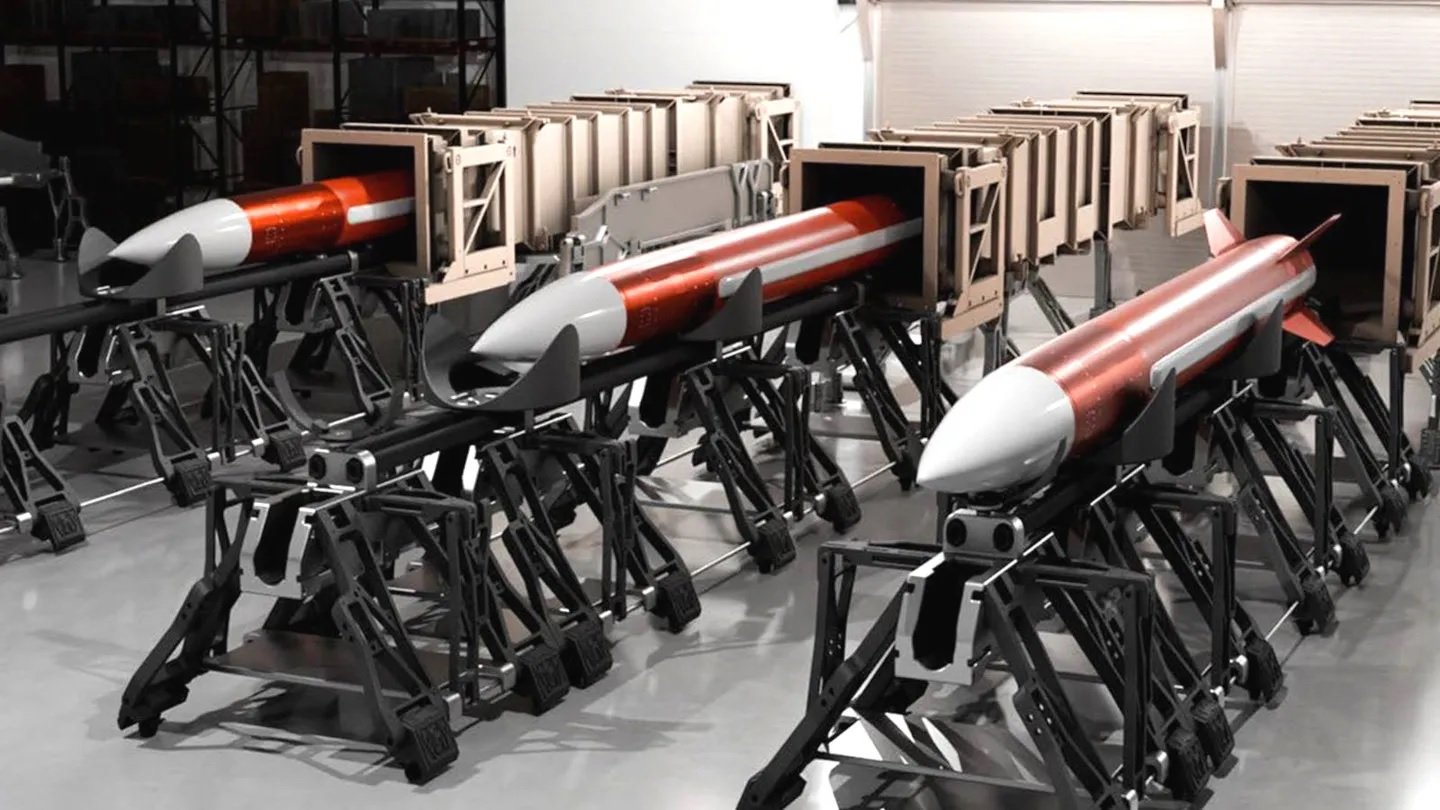
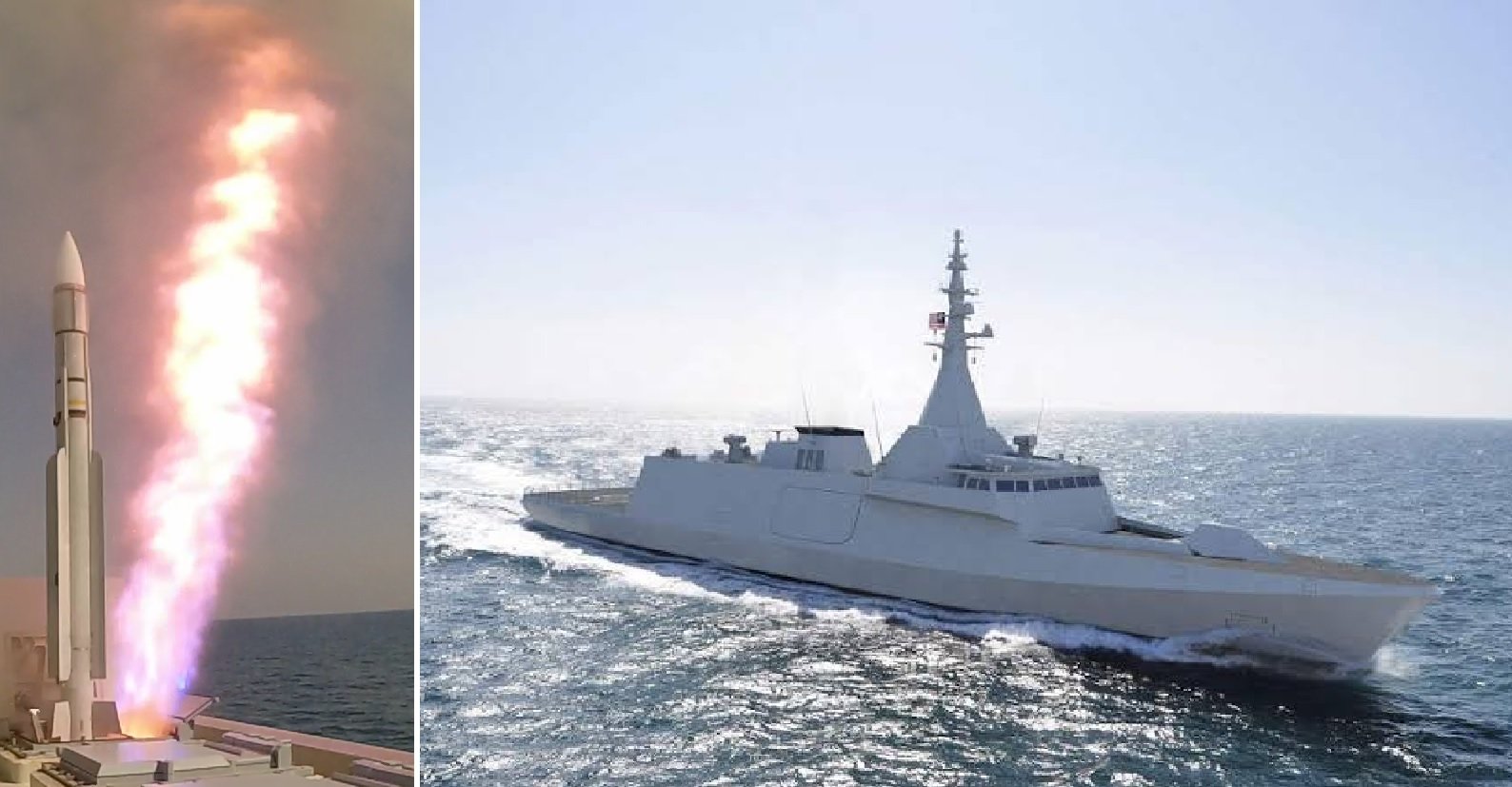
In theory, HAVASOJ would have allowed Pakistani strike aircraft to operate under a protective electronic umbrella. In practice, the operational geometry proved unforgiving. Effective jamming of modern air defense radars requires proximity—typically within 200 to 300 kilometers of the target emitters. India’s S-400 system, however, armed with the 40N6 interceptor missile, is assessed to have an engagement range of up to 400 kilometers against high-value airborne targets.
That overlap places a slow-moving, large, commercial-derivative aircraft squarely inside what Pakistani analysts now describe as an unavoidable “kill zone.”
“The problem is physics, not technology,” said a retired PAF officer now working as a defense analyst in Islamabad. “To meaningfully jam the S-400, a HAVASOJ aircraft would have to move close enough that it becomes one of the easiest targets on the battlefield. It turns a strategic asset into a liability.”
From Flagship Program to Testbed
The Pakistan-Turkey collaboration on HAVASOJ was once touted as a landmark defense success. Under the original concept, multiple Global 6000 airframes were to be converted, giving the PAF a small but potent fleet of stand-off jammers comparable in role—if not scale—to Western platforms like the EA-18G Growler or modified business-jet EW aircraft used by NATO members.
One aircraft was reportedly inducted around August 2025 for testing and evaluation, primarily to validate integration of the Aselsan EW suite and to familiarize Pakistani crews with the concept of operations. Since then, however, momentum has stalled. Defense sources now confirm that follow-on conversions have been indefinitely shelved.
The decision, officials say, was driven by a cost-benefit analysis that increasingly favored cancellation. Each converted airframe represented a major financial investment, not only in the aircraft itself but also in specialized training, protection escorts, and basing infrastructure—costs that were difficult to justify given the platform’s vulnerability.
Lessons from Recent Confrontations
The reassessment was accelerated by operational lessons drawn from recent India-Pakistan military tensions, including limited skirmishes in mid-2025. During those episodes, Pakistani airborne early warning and electronic intelligence aircraft were reportedly forced to operate 200 kilometers or more inside Pakistani airspace to remain outside the reach of long-range Indian missiles.
According to regional security assessments, this stand-off posture significantly reduced radar coverage and delayed cueing for fighter aircraft. Reports that a Saab 2000 Erieye AEW&C aircraft was lost to a long-range SAM strike during that period are widely cited by analysts as a turning point in PAF thinking.
“The takeaway was stark,” said a South Asian airpower specialist. “If AEW&C platforms are struggling to survive, a dedicated jamming aircraft based on a civilian jet stands even less chance.”
An Aging and Exposed Support Fleet
With HAVASOJ effectively sidelined, attention has returned to the PAF’s existing support aircraft, many of which are seen as increasingly exposed in a modern air defense environment. The Saab 2000 Erieye remains the backbone of Pakistan’s airborne early warning capability, supplemented by the Chinese-built ZDK-03 Karakoram Eagle based on the Y-8 transport airframe. For electronic intelligence and jamming, the PAF relies primarily on modified Dassault Falcon DA-20 aircraft.
While these platforms have served for years, they share common vulnerabilities: large radar cross-sections, limited self-protection, and dependence on operating at significant distance from hostile air defenses. As engagement ranges grow, that distance increasingly comes at the cost of relevance.
A Shift Toward Distributed Warfare
Rather than investing further in what officials privately call “flying targets,” the PAF is now pivoting toward a distributed and survivable electronic warfare architecture. The emerging concept emphasizes dispersal, redundancy, and mobility over centralized, high-value assets.
At the core of this shift is the integration of pod-based jammers on frontline fighters such as the JF-17 Block III and the J-10C. These systems allow fast jets to briefly enter contested zones, disrupt enemy sensors, and withdraw rapidly—a tactic often described as “jam and scoot.”
Unmanned systems are also expected to play a larger role. Turkish-origin drones such as the Bayraktar Akıncı are viewed as potential carriers for lighter EW payloads, reducing risk to human pilots.
In parallel, Pakistan is reportedly expanding ground-based electronic warfare systems, using long-range jammers to create localized airspace denial zones and supplement airborne efforts.
The End of the “Big Jammer” Era
Within the PAF, the scaling back of HAVASOJ is increasingly framed not as a failure, but as an adaptation to a transformed battlespace. The rise of long-range, networked air defenses has eroded the survivability of large support aircraft, forcing air forces to rethink legacy doctrines.
“The era of the big jammer in the sky is over—at least in South Asia,” a serving PAF officer said. “We are moving toward a networked approach where no single asset is too big to fail.”
As India continues to integrate advanced air defense systems and Pakistan recalibrates, the quiet downsizing of HAVASOJ stands as a clear indicator of how rapidly the balance between offense, defense, and survivability is evolving in the region’s airpower equation.
——— End of Article ———