DOHA / ANKARA : A major trilateral naval defense arrangement took shape at the DIMDEX 2026 exhibition in Doha, where Turkish shipbuilding consortium TAIS signed a $1 billion agreement with Qatar’s state-backed defense firm Barzan Holdings for the construction of two advanced I-class frigates destined for the Indonesian Navy (TNI AL). The deal underscores Türkiye’s expanding role as a global naval exporter and highlights Qatar’s growing position as a defense financier and intermediary.
The agreement was formally signed on January 19 in the presence of senior Qatari officials, including Sheikh Saud bin Abdulrahman bin Hassan Al-Thani, Deputy Prime Minister and Minister of State for Defense Affairs. According to a statement issued by Qatar’s Ministry of Defense, the contract covers the purchase of two frigates on behalf of one of Barzan Holdings’ international clients, later confirmed to be Indonesia.
TAIS, which represents Türkiye’s leading military shipyards, announced the deal through its official social media channels, followed shortly by a detailed Qatar MoD press release disclosing the contract value. The following day, Barzan Holdings publicly stated that the vessels are intended for the Indonesian Armed Forces, clarifying the end user of the ships.
Financing and Export Structure
Under the terms of the arrangement, Barzan Holdings will finance the acquisition by extending a loan to Indonesia, enabling Jakarta to procure the Turkish-built frigates under favorable conditions. This financing model reflects Qatar’s broader strategy of supporting allied defense procurements while deepening industrial and strategic ties with both supplier and recipient nations.
The agreement builds on a memorandum of understanding (MoU) signed in June 2025 between TAIS and Indonesia during the Indo Defence 2024 exhibition, where the two sides laid the groundwork for cooperation on I-class frigates. With the DIMDEX 2026 contract, that preliminary framework has now evolved into a binding export program.
According to information obtained by Naval News at the exhibition, the ships earmarked for Indonesia correspond to the sixth and eighth hulls of the I-class program—effectively the second and fourth I-class frigates within the broader production sequence.
Impact on the MILGEM Program
The I-class frigates are part of Türkiye’s flagship MILGEM (Milli Gemi – National Ship) program, which aims to develop a fully indigenous surface combatant fleet. The first four vessels of the program were Ada-class corvettes, followed by the transition to the larger and more capable I-class frigates.
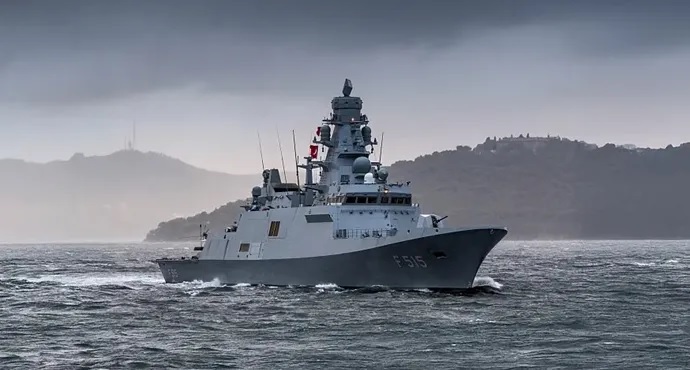
The lead ship, TCG İstanbul (F-515), was delivered to the Turkish Navy in January 2024, marking a significant milestone in Türkiye’s naval modernization. Subsequent ships—TCG İzmir (F-516), TCG İzmit (F-517), and TCG İçel (F-518)—have already been launched, with another hull launched in September 2025. Entry into service for the first batch of I-class frigates is expected in 2027.
As a result of the Indonesian export deal, the two frigates initially planned for the Turkish Navy as future TCG İzmir and TCG İçel will be redirected to the export program. To compensate, TAIS will construct two additional I-class frigates for the Turkish Navy, which will become the 13th and 14th ships of the MILGEM program. At present, seven frigates are under construction simultaneously across TAIS-affiliated shipyards, reflecting the scale and maturity of Türkiye’s naval industrial base.
I-Class Frigate Capabilities
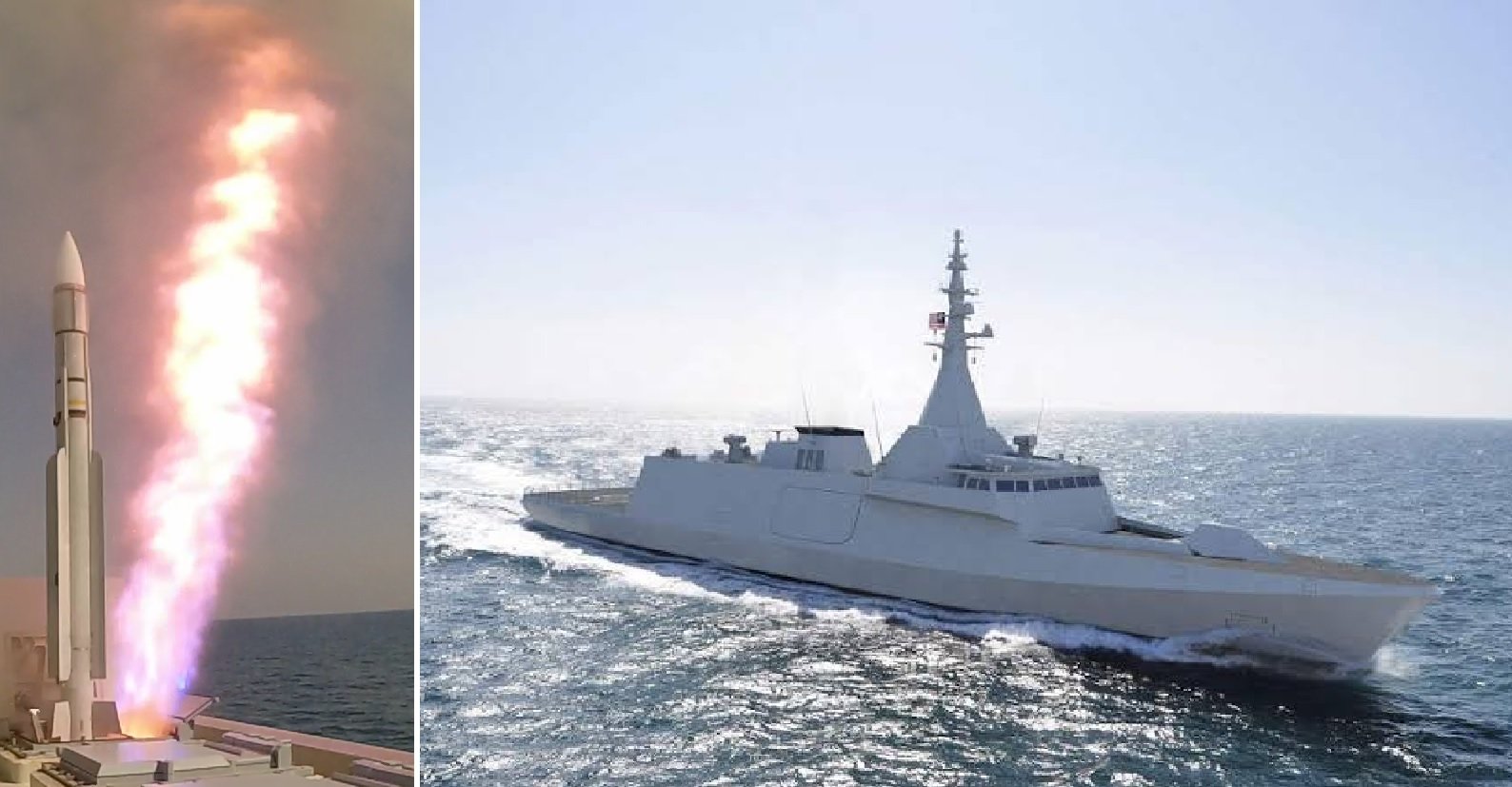
The I-class frigates represent a significant evolution from the Ada-class corvettes, designed to replace Türkiye’s ageing YAVUZ-class (MEKO 200TN Track I) frigates. Measuring 113.2 meters in length with a 14.4-meter beam, the ships displace approximately 3,000 tons.
Propulsion is provided by a CODAG configuration, combining two MTU diesel engines with a single LM2500 gas turbine, enabling speeds exceeding 29 knots. The frigates have an endurance of roughly 5,700 nautical miles at 14 knots, allowing for extended blue-water deployments.
A defining feature of the class is its high level of indigenous content, with an indigenization rate approaching 80 percent. The combat system is centered on HAVELSAN’s ADVENT combat management system, paired with the CENK-S AESA radar. The MİDLAS vertical launch system is configured to fire HISAR air-defense missiles.
Offensive armament on the Turkish Navy variant includes ATMACA anti-ship missiles produced by Roketsan and a 76mm main gun, while close-in defense is handled by Aselsan’s GÖKDENİZ CIWS. Anti-submarine warfare (ASW) capabilities include the FERSAH sonar, MK 46 or ORKA lightweight torpedoes, and the HIZIR torpedo countermeasures system. The program involves roughly 220 Turkish companies contributing 150+ subsystems.
Türkiye’s Expanding Naval Export Footprint
The Indonesian frigate deal adds to Türkiye’s growing naval export portfolio under the MILGEM umbrella. Ankara has previously secured contracts for four Ada-class corvettes for Pakistan, with deliveries underway, and has exported corvettes or corvette-based designs to Ukraine, Malaysia, and Romania.
With the I-class frigates now entering the export market, Türkiye is positioning itself as a competitive supplier of mid-to-high-end surface combatants, combining modern capabilities, high indigenous content, and flexible financing models. For Indonesia, the acquisition significantly advances naval modernization, while for Qatar, the deal reinforces its role as a strategic defense partner bridging suppliers and allied navies.
As production accelerates across Turkish shipyards, the DIMDEX 2026 agreement marks a pivotal moment for the MILGEM program, transforming it from a national naval initiative into a sustained, multinational export success.
——— End of Article ———