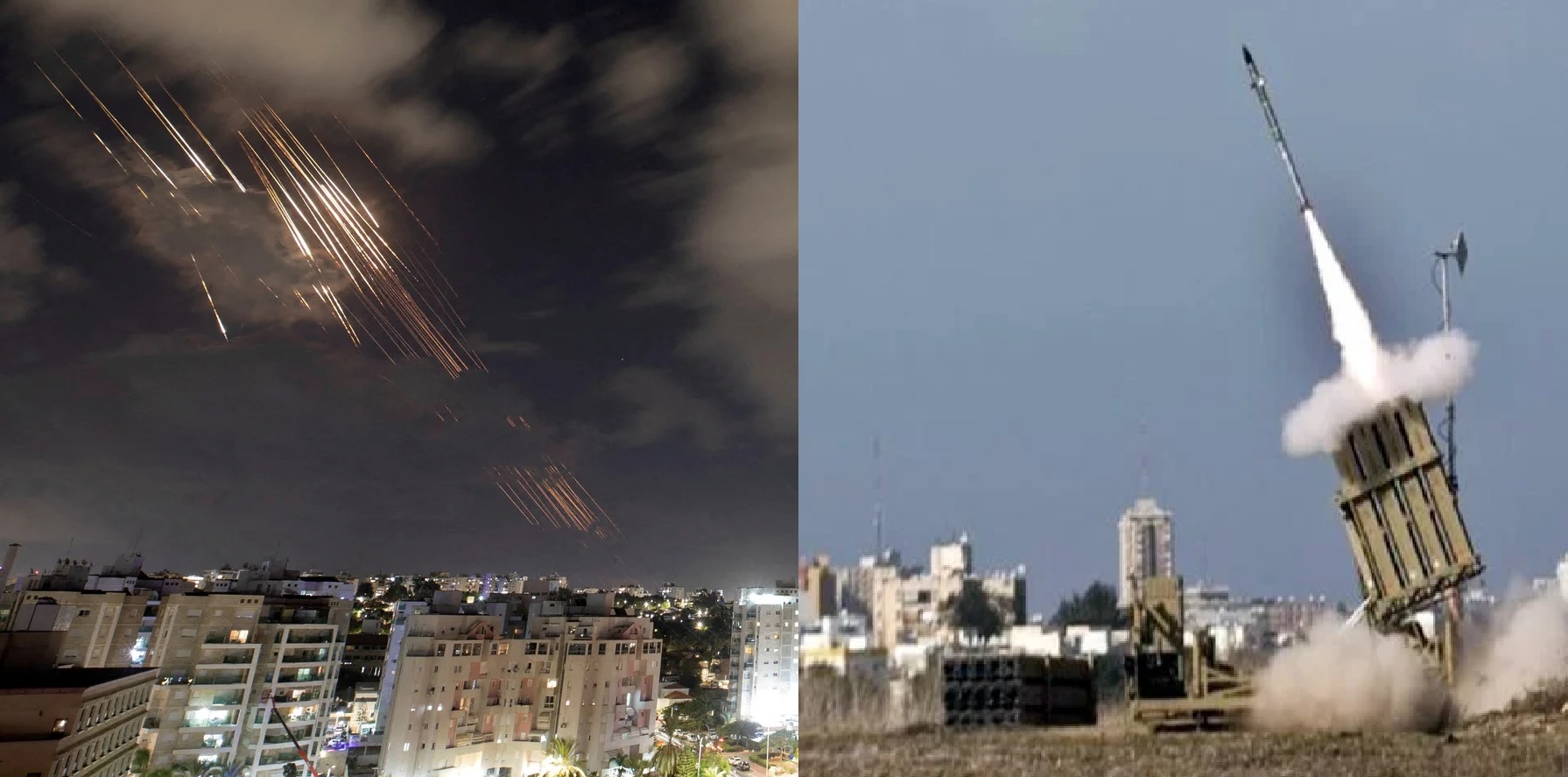
TEL AVIV : The Middle East appeared to edge closer to a direct regional war late Sunday as Israel raised its military readiness to the highest levels amid growing intelligence assessments that Iran may be preparing a pre-emptive missile and drone strike.
According to a report , the Israel Defense Forces (IDF) have placed key air defense, intelligence, and command units on maximum alert after concluding that Tehran increasingly believes a major U.S. attack on Iranian nuclear and military infrastructure is imminent. Israeli officials assess that this belief—rather than any immediate Israeli action—could itself trigger an Iranian first strike.
Intelligence Warning of an Imminent Escalation
Israeli intelligence estimates indicate a significant shift in Iranian strategic thinking over the past several days. For weeks, the standoff between Iran, Israel, and the United States had been defined by deterrence, indirect signaling, and proxy activity. That balance, Israeli analysts now warn, may be breaking down.
Defense officials believe Iran’s Islamic Revolutionary Guard Corps (IRGC) leadership has concluded that President Donald Trump has already authorized a large-scale U.S. aerial campaign targeting Iranian nuclear facilities, missile bases, and senior command centers. In this assessment, Tehran views recent U.S. military movements not as pressure tactics, but as final preparations for war.
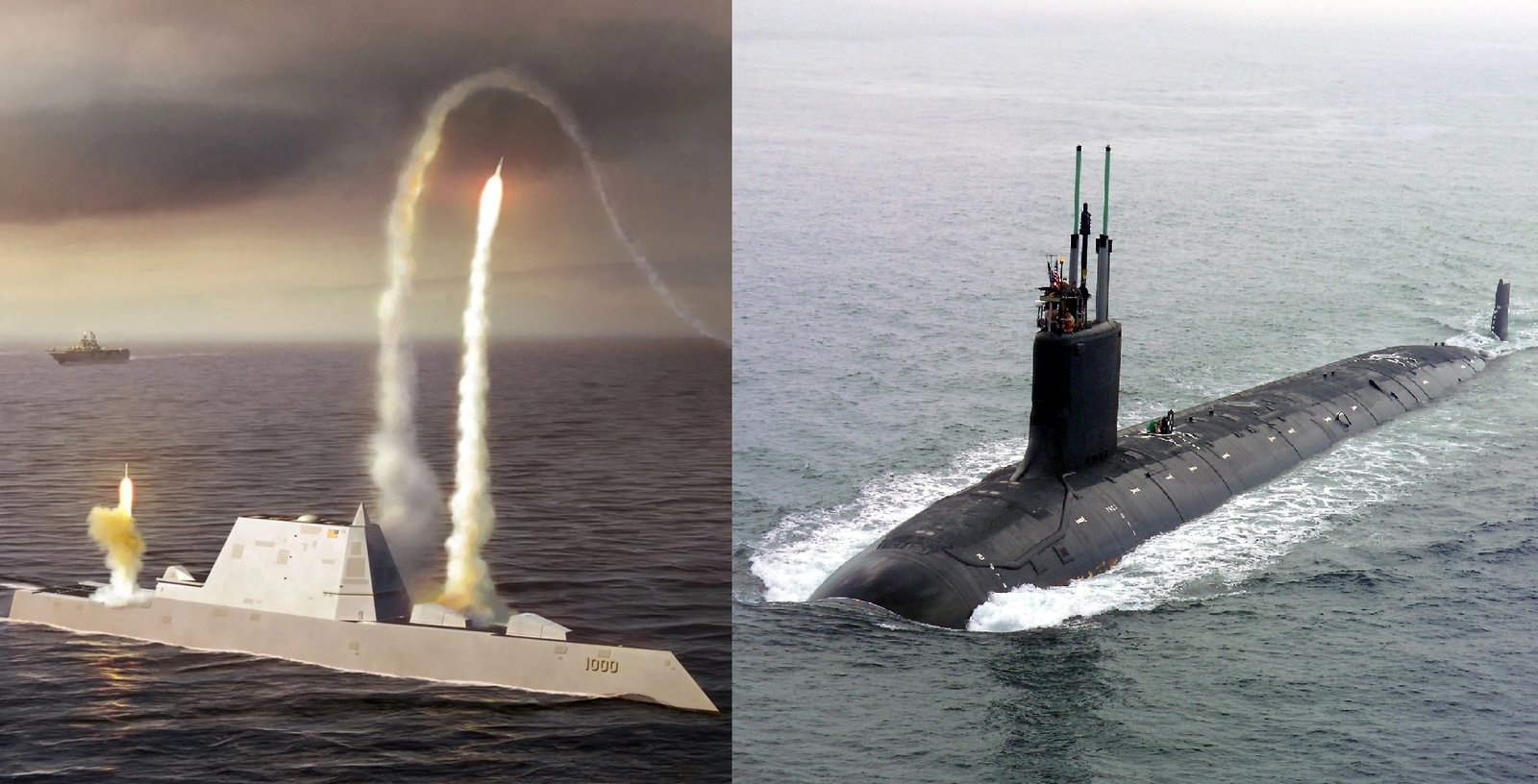
Central to those concerns is the arrival of the USS Abraham Lincoln Carrier Strike Group in the Arabian Sea, alongside other U.S. naval and air assets repositioned across the region. Israeli analysts say Iran interprets this concentration of force as a sign that a strike timeline has been set.
“Use It or Lose It” Calculus in Tehran
Israeli security officials describe Iran as potentially operating under a “use it or lose it” doctrine. Fearing that a sudden U.S. “decapitation strike” could neutralize its missile forces before they are launched, Iranian commanders may be weighing an early salvo against Israel—the United States’ closest regional ally—to ensure retaliation capability.
Such a move would represent a dramatic escalation. Until now, Iran has largely relied on proxy forces, including Hezbollah in Lebanon and armed factions in Gaza, to pressure Israel indirectly. A direct attack from Iranian territory would mark a historic turning point in the conflict.
Signals Feeding Iranian Fears
Israeli assessments suggest that several recent developments have reinforced anxiety inside Iran’s leadership:
-
U.S. Rhetoric: President Trump’s public reference to incoming naval forces as an “armada” has reportedly been interpreted in Tehran as explicitly threatening language.
-
Air Defense Concerns: The recent unexplained disruption of Iranian air defense radar systems, including reports involving the S-300 site near Shiraz during a nationwide internet blackout, has heightened fears that U.S. electronic warfare has already compromised Iran’s defenses.
-
Airspace Restrictions: Iranian authorities have issued multiple NOTAMs (Notices to Airmen), clearing civilian aircraft from high-altitude airspace and designating firing zones—steps Israeli analysts say are consistent with missile launch preparations.
Israel on Full War Footing
In response, Israel has activated its layered air defense network. The Arrow-3 system, designed to intercept long-range ballistic missiles outside the atmosphere, and David’s Sling, which targets medium-range threats, are reportedly on immediate standby. Israeli Air Force fighter squadrons are maintaining heightened patrols, prepared to intercept cruise missiles, drones, or hostile aircraft.
Behind the scenes, coordination between Israel and U.S. Central Command (CENTCOM) has intensified. While Israeli officials have made no public confirmation of the intelligence assessments, defense sources say messages conveyed to Washington emphasize the gravity of the situation and the certainty of an Israeli response if attacked.
The Risk of Catastrophic Miscalculation
Regional and international analysts warn that the crisis has entered one of its most dangerous phases: escalation driven by fear and misperception, rather than concrete action. If Iran launches a pre-emptive strike based on the belief that war is unavoidable, it would almost certainly provoke the large-scale U.S. and Israeli response Tehran seeks to avert.
With rival warships crowding the Persian Gulf, air defenses on hair-trigger alert, and political leaders facing immense internal and external pressures, the margin for error has narrowed dramatically. Diplomats fear that a single misjudged decision—made in the belief that time has already run out—could ignite a conflict with global economic and security consequences.
As night fell across the region, military forces remained poised, and the question confronting leaders in Tehran, Jerusalem, and Washington was stark: whether deterrence can still hold, or whether the Middle East is on the verge of its most direct and devastating confrontation in decades.
——— End of Article ———