
World
Arabian Sea / Middle East : The arrival of the U.S. Navy’s USS Abraham Lincoln (CVN-72) carrier strike group, now operating in the Arabian Sea amid surging tensions with Iran, has spotlighted a pivotal question in Western defence circles: can U.S. Marine Corps F-35C Lightning II fighters, embarked aboard the carrier with Marine Fighter Attack Squadron 314 (VMFA-314), penetrate and dismantle Iran’s increasingly layered air-defence network if conflict erupts? The Abraham Lincoln’s deployment, marking the first operational carrier group to integrate Marine Corps F-35C jets at this scale in the region, underscores Washington’s intent to bolster deterrence and readiness. These fifth-generation fighters bring advanced stealth, sensor fusion, and electronic warfare (EW) capabilities that theoretically make them suited for counter-air and suppression of enemy air defences (SEAD) missions. Carrier Forces and Strategic Context The USS Abraham Lincoln Carrier Strike Group (CSG) transited into the U.S. 5th Fleet area of operations after concluding activities in the Indo-Pacific, and its presence has been reinforced by guided-missile destroyers and carrier air wing assets designed to provide layered offensive and defensive firepower. The strike group’s capabilities include long-range Tomahawk cruise missiles, multi-role F/A-18 Super Hornets, extensive radar and surveillance platforms, and most notably, this iteration’s Marine Corps F-35C Lightning II fighters. U.S. officials and defence analysts have portrayed the carrier’s movement as a strategic signal of capability and resolve toward Tehran, with planners considering options ranging from precision kinetic strikes against high-value regime targets to electronic warfare and cyber operations. While political leaders have avoided signalling imminent military action, the deployment is widely interpreted as contingency preparation should Iranian actions cross perceived red lines. F-35C Combat Power and Air Defence Suppression Challenges The F-35C Lightning II is engineered for survivability in contested airspace, featuring low-observable (stealth) design, advanced multi-spectral sensors, and an integrated electronic warfare suite capable of disrupting enemy radars and command networks. The aircraft also serves as a critical intelligence, surveillance, and reconnaissance (ISR) node, enabling battlefield awareness and targeting for joint forces. Despite these strengths, defence analysts continue to question the fighter’s current ability to conduct deep SEAD operations against Iran’s evolving and hardened air-defence systems. The long-anticipated Block 4 upgrade, intended to deliver enhanced electronic attack, weapons integration, and networking capabilities, has faced significant delays, potentially limiting the F-35C’s full operational potential. Critics argue that without fully matured Block 4 capabilities, penetration missions against mobile, long-range SAM systems could involve greater operational risk. Iran’s Air Defence: New Systems and Operational Readiness Amid these developments, open-source intelligence reports suggest Iran is accelerating efforts to strengthen its air-defence architecture, including the potential acquisition of China’s HQ-9B long-range surface-to-air missile (SAM) system. According to defence analysts, Tehran may have begun integrating HQ-9B batteries following the June 2025 Israel-Iran confrontation, possibly through oil-for-weapons barter arrangements—though neither Beijing nor Tehran has officially confirmed such transfers. The HQ-9B is regarded as a modern long-range air-defence system, featuring phased-array radar, multi-target engagement capability, and the theoretical ability to challenge high-altitude aircraft at extended ranges. However, verifiable evidence of full operational deployment in Iran remains limited, and some experts caution that integration challenges, logistical constraints, and command-and-control compatibility issues could delay meaningful combat readiness. A central uncertainty remains Iranian operator proficiency. While Iran maintains established training institutions such as the Khatam al-Anbia Air Defense Academy, the technical complexity of the HQ-9B suggests that effective operation would likely require extensive training, potentially involving Chinese technical advisers. Analysts note that introducing a foreign air-defence system into an existing doctrinal framework is a time-intensive process, often requiring months or longer to achieve full combat effectiveness. Operational Realities and Strategic Implications Even with advanced SAM systems, Iran’s air-defence network—a mix of Russian S-300 derivatives, indigenous platforms such as Bavar-373, and Raad and Sayyad missile families—remains a heterogeneous and unevenly integrated structure. Defence experts argue such networks may struggle against coordinated, multi-axis attacks supported by electronic warfare, cyber disruption, and stand-off precision weapons. For U.S. military planners, the presence of carrier-based F-35Cs adds significant operational depth, but it does not guarantee rapid air dominance. Successful SEAD campaigns against hardened and dispersed defences typically require layered operations, combining ISR, cyber effects, electronic attack, and long-range strike capabilities before sustained manned penetration. Calculus of Capability and Risk At present, the arrival of the USS Abraham Lincoln and its complement of F-35C fighters represents a significant escalation in force posture in the Middle East, signaling Washington’s readiness to project power and deter Iranian aggression. However, the question of whether these jets could decisively “kick down the door” of Iran’s air-defence systems is not binary. It depends on the maturity of U.S. aircraft capabilities, the actual deployment and integration status of Iranian SAM networks, and the operational expertise of Iranian crews—factors that remain fluid and subject to rapid change on the ground. Analysts emphasize that the evolving technological, training, and integration challenges on both sides will shape outcomes in any high-intensity conflict, underscoring that air superiority and defence suppression are products not just of hardware, but of people, planning, and sustained execution under fire.
Read More → Posted on 2026-01-23 17:05:50
World
WASHINGTON / TEHRAN : A convergence of airspace restrictions, naval movements, and last-minute force deployments on Friday suggested that U.S. and allied military forces in the Middle East have moved beyond preparation and into what analysts describe as a phase of “final positioning,” heightening speculation of imminent kinetic action linked to Iran’s nuclear and air-defense infrastructure. Cross-referenced aviation notices, maritime tracking, and field reports reviewed between 14:11 GMT and 17:41 Tehran time on Friday, January 23, point to what one regional security analyst called a moment of “maximum readiness,” in which electronic, maritime, and aerial components are aligned within a narrow operational window. Electronic Blackout Extended Over Central Iran At the center of the latest developments is Iran’s Isfahan region, home to critical military and nuclear-related facilities. Iranian aviation authorities on Friday replaced an existing Notice to Airmen (NOTAM A0296/26) with a new directive, A0301/26, extending the unserviceability of Remote Communications Air-to-Ground (RCAG) equipment on frequencies 125.700 and 126.900 MHz. The revised NOTAM pushes the outage through dawn on Saturday, ending at 01:26 GMT (04:56 local Tehran time). While earlier disruptions had been described as technical or temporary, the precise overnight extension has raised questions among aviation and defense observers. Former air-traffic and military communications specialists say such a narrowly defined blackout suggests a controlled electronic environment rather than an ad hoc failure. With RCAG links down, aircraft transiting Isfahan airspace would face degraded coordination with ground controllers, complicating both civilian routing and Iranian air-defense command and control during the overnight hours. Carrier Strike Group Enters Cruise-Missile Range Simultaneously, U.S. naval movements have reached a critical geographic threshold. Carrier Strike Group 3 (CSG-3), tracked entering the approaches to the Gulf of Oman, is now assessed to be within what planners refer to as the “launch box” for long-range naval strike operations. From this position, Tomahawk land-attack cruise missiles could reach a broad swath of southeastern Iran, including coastal and near-coastal targets such as Bushehr and Bandar Abbas, as well as deeper inland sites depending on mission profiles. Defense analysts note that the current positioning would allow such strikes without additional maneuvering, significantly reducing warning time. Carrier-based aviation also gains new relevance at this range. While deep-strike missions toward Tehran or Natanz would still require extensive aerial refueling, forward defenses, radar sites, and coastal installations are now within immediate reach of embarked air wings. A Lone Jet and the Logic of Readiness Adding to the sense of final alignment is the movement of a single U.S. Air Force F-15E Strike Eagle, call sign TABOR 87, accompanied by its own dedicated tanker, GOLD 13, from the United Kingdom toward the region. On its own, the transfer of one aircraft would normally draw little attention. Within the current context, however, military planners interpret such deployments as “force top-ups” — the deliberate elimination of even minor shortfalls before an operational window closes. Retired U.S. officers familiar with air campaign planning say commanders seek a complete order of battle before authorizing action, ensuring no squadron or mission set is short a platform due to maintenance, rotation schedules, or unforeseen losses. The timing of TABOR 87’s arrival, just ahead of the overnight period marked by the Isfahan communications blackout, has therefore been read as both symbolically and operationally significant. Diplomatic Pressure and a Narrow Window Politically, the military signals coincide with reports that Israel has completed its own preparatory measures amid continued coordination with Washington. U.S. officials have publicly maintained that diplomacy remains the preferred path, but multiple regional sources say a previously defined 24-hour decision window is now close to expiring. Neither Washington nor Tehran has confirmed any impending operation, and U.S. defense officials continue to emphasize that force postures are defensive and deterrent in nature. Iran, for its part, has not publicly addressed the Isfahan communications outage beyond standard aviation notices. A Region Holding Its Breath By Friday evening, the picture that emerged was one of synchronized readiness: electronic isolation over a sensitive central Iranian zone, a carrier strike group positioned within immediate strike range, and aerial assets topped up to full strength. Whether these moves culminate in military action or serve as leverage for last-minute diplomacy remains unclear. What is evident, analysts underscore, is that the margin for miscalculation has narrowed sharply, and the hours approaching dawn may prove decisive for a region already strained by years of escalating confrontation.
Read More → Posted on 2026-01-23 16:28:39
World
BERLIN : German defense manufacturer Diehl Defence has announced plans to dramatically expand production of its IRIS-T air-defense missiles, a move that could significantly reshape Europe’s military industrial capacity and bolster Ukraine’s overstretched air-defense network. Speaking at the Handelsblatt conference “Security & Defence,” Diehl Defence Chief Executive Officer Helmut Rauch said the company intends to establish a new production line for IRIS-T missiles with a planned annual output of up to 2,000 units. If realized, the expansion would represent the largest single increase in IRIS-T manufacturing capacity since the system entered service. While Rauch did not disclose a concrete timeline, investment figure, or the exact variant mix to be produced, the announcement itself underscores a strategic shift in European defense planning as demand for modern surface-to-air missiles continues to surge. A Quantum Leap in Missile Production The proposed new line would mark a dramatic escalation from Diehl’s previously announced production goals. As of mid-2024, the company had planned to reach an annual output of 800 to 1,000 IRIS-T missiles by the end of 2025, already considered ambitious by industry standards given Europe’s historically limited missile manufacturing base. An expansion to 2,000 missiles per year would more than double those figures, positioning IRIS-T among the most rapidly produced Western air-defense interceptors. Industry analysts note that such capacity would require substantial upstream investment, including expanded propulsion manufacturing, seeker production, electronics supply chains, and qualified labor — all areas that have faced persistent bottlenecks since the start of Russia’s full-scale invasion of Ukraine. Implications for Ukraine’s Air Defense The announcement carries particular significance for Ukraine, which has relied heavily on Western-supplied surface-to-air missile systems to defend its cities, critical infrastructure, and energy grid against sustained Russian missile and drone attacks. IRIS-T SLM and SLS systems, supplied by Germany and partner countries, have earned a reputation for high interception rates, especially against cruise missiles and low-flying aerial threats. Ukrainian officials have repeatedly praised the system’s accuracy and reliability. However, despite its performance, Ukraine continues to receive far fewer IRIS-T missiles than operational demand requires. The limited supply of interceptors has forced Kyiv to ration air-defense fire, leaving some regions exposed during mass Russian strike waves. A production capacity of 2,000 missiles annually could substantially ease these constraints — assuming political approval, export licensing, and funding mechanisms align to prioritize Ukrainian deliveries. European Rearmament and Industrial Strategy Diehl’s announcement reflects a broader recalibration of European defense policy. Since 2022, NATO members have pledged to rebuild depleted stockpiles, reduce dependence on non-European suppliers, and establish sustained high-volume production for critical munitions. Germany, in particular, has pushed defense firms to move away from peacetime “just-in-time” manufacturing models toward continuous, wartime-scale output. IRIS-T has emerged as a flagship program within this shift, serving both national air-defense needs and alliance commitments. The possibility that the new production line could include IRIS-T SLM, IRIS-T SLS, or future upgraded variants further suggests long-term planning beyond the immediate Ukraine war. Unanswered Questions Remain Despite the significance of the announcement, key details remain unclear. Diehl Defence has not yet confirmed when construction of the new line would begin, where it would be located, or how quickly full-rate production could be achieved. It also remains unknown how much of the future output would be earmarked for Ukraine versus NATO stockpiles. Defense analysts caution that even with expanded capacity, missile production typically lags battlefield demand by months or years. Nonetheless, the announcement signals that Europe’s defense industry is preparing for a prolonged period of elevated military readiness. A Strategic Signal More than a manufacturing update, Diehl’s move sends a political and strategic message: Europe is no longer planning for short conflicts or symbolic support. Instead, it is investing in sustained, large-scale defense production — a development that could have lasting consequences for both the war in Ukraine and the continent’s security architecture. As missile and drone warfare continues to dominate modern battlefields, the ability to produce interceptors at scale may prove as decisive as the systems themselves.
Read More → Posted on 2026-01-23 16:15:11
World
LONG BEACH, California : Anduril Industries, the defense technology firm founded by Silicon Valley entrepreneur Palmer Luckey, has announced plans to invest $1 billion in a sprawling new manufacturing and engineering campus in Long Beach, a move that signals a dramatic expansion of the company’s ambitions and a direct challenge to America’s traditional defense giants. The project, one of the largest private defense manufacturing investments in Southern California in decades, will transform a former Boeing aerospace facility into what Anduril describes as a next-generation production hub for autonomous and AI-driven weapons systems. Company executives say the site will anchor Anduril’s transition from a fast-growing defense startup into a full-scale industrial manufacturer capable of producing advanced systems at speed and scale. Reviving a Historic Aerospace Hub The new campus will occupy approximately 1.2 million square feet near Long Beach Airport, a site once used to assemble the C-17 Globemaster III military transport aircraft. By reclaiming the long-idle facility, Anduril is positioning itself within a region historically central to U.S. aerospace and defense manufacturing, particularly during the Cold War. The company expects the investment to generate thousands of high-skilled jobs over the coming years, including engineers, software developers, machinists, and production specialists. Local officials have welcomed the announcement as a major economic boost, restoring advanced manufacturing to a city that has steadily lost aerospace employment over the past two decades. Anduril leadership has framed the expansion as part of a broader effort to rebuild America’s industrial defense base, which they argue has atrophied due to outsourcing, consolidation among major contractors, and slow Pentagon procurement processes. A Shift Toward Mass Production Founded in 2017, Anduril has built its reputation on rapid prototyping and software-centric defense systems, often developed with private venture capital rather than traditional Pentagon funding. The Long Beach campus marks a strategic shift: a commitment to large-scale, in-house manufacturing of hardware designed for sustained production, not limited deployment. Company officials say the facility will integrate design, testing, and manufacturing under one roof, enabling faster iteration and deployment than the fragmented supply chains used by legacy defense contractors. This vertically integrated approach is intended to shorten development cycles and reduce costs for the U.S. military and allied nations. Autonomous Warfare at the Core The Long Beach site will focus on producing a wide range of autonomous and semi-autonomous systems tailored for modern warfare, where speed, data processing, and uncrewed platforms are increasingly decisive. Among the systems expected to be developed and manufactured are autonomous fighter aircraft for the U.S. Air Force’s Collaborative Combat Aircraft (CCA) program, designed to operate alongside human pilots as robotic wingmen. The facility will also support production of large autonomous underwater vehicles (AUVs) used for maritime surveillance, reconnaissance, and data collection without onboard crews. In addition, Anduril plans to expand manufacturing of its Roadrunner system, a reusable vertical-takeoff interceptor designed to counter drones and cruise missiles, as well as a family of loitering munitions and defensive missile systems. All platforms are built around Anduril’s proprietary artificial-intelligence software, enabling autonomous navigation, target identification, and mission coordination. Palmer Luckey and a New Defense Model Anduril was co-founded by Palmer Luckey, best known for creating Oculus VR and selling it to Facebook (now Meta) for $2 billion in 2014. After his departure from Meta, Luckey pivoted toward defense technology, arguing that Silicon Valley must play a central role in national security. Luckey is a prominent donor to former President Donald Trump and other Republican political causes, and has been outspoken about the need to rapidly modernize the U.S. military in response to China’s expanding technological and industrial capabilities. While Anduril positions itself as politically independent, Luckey’s views have helped shape the company’s aggressive approach to defense innovation and production. Unlike traditional contractors that rely on long-term, cost-plus government contracts, Anduril uses venture capital funding to develop systems ahead of formal Pentagon demand. With a valuation exceeding $12 billion, the company has been able to self-fund major programs, betting that the military will later adopt systems that are already tested, scalable, and production-ready. Challenging the Defense Establishment The scale of the Long Beach investment underscores Anduril’s intent to compete directly with established defense primes such as Lockheed Martin, Northrop Grumman, and Boeing. By combining software-driven design with large-scale manufacturing, the company is attempting to redefine how weapons systems are built and delivered. Defense analysts say the move reflects a broader shift within the Pentagon, which has increasingly emphasized rapid production, autonomy, and industrial resilience amid concerns about high-intensity conflicts and supply-chain vulnerabilities. For Anduril, the project represents more than expansion. It is a statement of intent that the future of U.S. defense manufacturing—long dominated by legacy contractors—may be entering a new era defined by speed, software, and a revitalized American industrial base.
Read More → Posted on 2026-01-23 16:07:01
World
MOSCOW : Russia’s Ministry of Defense has confirmed the delivery of a new batch of IMR-3M (ИМР-3М) heavy engineering vehicles, reinforcing a class of battlefield assets that has quietly become indispensable to modern ground warfare. Built on the chassis of the T-90 main battle tank and produced by Uralvagonzavod, the IMR-3M represents the third generation of Russia’s armored obstacle-clearing vehicles—machines whose lineage stretches back to the radioactive wreckage of Chernobyl and whose current mission lies on the drone-saturated battlefields of Ukraine. The delivery, timed to coincide with Engineer Troops Day, highlights Moscow’s emphasis on combat engineering at a moment when dense minefields, layered obstacles, and persistent aerial surveillance have reshaped the tempo of operations along the Special Military Operation (SMO) front. A Battlefield Tool Forged from Disaster Response The IMR family was never designed solely for war. Its predecessors gained global recognition in 1986, when IMR-2 vehicles were rushed into the exclusion zone around the Chernobyl nuclear power plant to clear irradiated debris and carve access routes where humans could not safely work. That dual-use heritage—part combat engineer, part disaster-response machine—remains central to the IMR-3M’s design philosophy. Modern versions retain full nuclear, biological and chemical (NBC) protection, including a hermetically sealed hull, internal life-support systems, and overpressure that prevents contaminated air from entering the crew compartment. Russian defense officials say the system allows sustained operations in environments contaminated by radiation, toxic industrial chemicals, or chemical agents, without requiring crews to wear individual protective suits—preserving endurance and situational awareness. Built on the T-90: Keeping Pace with Armor Unlike earlier IMR variants based on the T-72 platform, the IMR-3M is constructed on the T-90 chassis, giving it comparable mobility, protection, and survivability to Russia’s frontline tanks. Weighing roughly 50 tons, the vehicle is powered by a V-84MS multi-fuel diesel engine producing around 840 horsepower, enabling road speeds of up to 60 kilometers per hour and cross-country mobility sufficient to accompany armored assault units. This shift reflects a key operational lesson from Ukraine: engineering vehicles can no longer afford to trail behind tank columns. Without immediate obstacle-clearing support, armored formations risk being halted in pre-registered kill zones, exposed to artillery, loitering munitions, and precision-guided anti-tank weapons. Designed for the Drone Age The latest IMR-3M vehicles leave the factory with upgrades shaped directly by battlefield experience since 2022. Uralvagonzavod representatives say that starting in 2023, protection against unmanned aerial vehicles (UAVs) became a mandatory baseline rather than an optional enhancement. Newly delivered vehicles feature integrated electronic warfare (EW) systems designed to disrupt the control and video links of FPV attack drones, along with reinforced “grille” or slat armor over the upper surfaces of the hull and superstructure. This upper-hemisphere protection targets one of the most lethal threats observed in Ukraine, where drones routinely attack thinner top armor with shaped charges. The IMR-3M also retains standard Russian passive and active survivability measures, including aerosol smoke generators to obscure the vehicle from optical and infrared sensors, as well as localized explosive reactive armor (ERA) on critical areas. A Multi-Role Engineering Platform Under Fire In operational terms, the IMR-3M is designed to function under direct enemy observation and fire, performing multiple roles without exposing its two-person crew. Its universal hydraulic dozer blade can rapidly clear tank ditches, demolish concrete obstacles, and push aside anti-tank “dragon’s teeth”, while also enabling route construction through rubble-strewn urban areas. For mine warfare, the vehicle can be fitted with a KMT-series mine plow that clears a track-width lane through pressure-activated minefields. An electromagnetic attachment allows it to pre-detonate magnetic influence mines before they pass beneath the hull, a capability particularly relevant against modern anti-armor munitions. Perhaps its most distinctive feature is a telescopic manipulator boom with an operating reach of up to eight meters. Capable of lifting loads of approximately two tons, the boom allows crews to remove roadblocks, handle unexploded ordnance, or dismantle obstacles while remaining under armor—functions that would otherwise require dismounted engineers at extreme risk. Strategic Significance on the Ukrainian Front Military analysts note that as the war in Ukraine has evolved into a conflict defined by layered defenses, static trench systems, and extensive mine belts, the importance of heavy engineering assets has increased sharply. Tanks and infantry fighting vehicles cannot exploit breakthroughs without rapid obstacle clearance, while lighter engineering vehicles lack the protection needed to survive close to the forward edge of battle. By embedding IMR-3M vehicles directly into assault formations and equipping them with organic electronic warfare capabilities, Russian forces appear to be attempting to solve one of the central tactical challenges of the conflict: crossing the heavily surveilled and mined “grey zone” between opposing positions. From Nuclear Fallout to Modern War The IMR-3M’s significance lies as much in symbolism as in capability. Few military vehicles can trace a lineage from nuclear disaster response to high-intensity combined-arms warfare. In the IMR-3M, Russia has fused that legacy with lessons learned from one of the most technologically contested battlefields in modern history. As the conflict grinds on, the arrival of these armored engineering vehicles underscores a reality increasingly acknowledged by both sides: in a war of mines, drones, and fortifications, victory often depends less on the spearhead than on the machines that clear the path forward.
Read More → Posted on 2026-01-23 15:59:55
World
LONDON / DOHA : The Royal Air Force (RAF) has deployed fighter aircraft from its joint Typhoon squadron with Qatar to the Gulf region, underscoring Britain’s commitment to regional stability amid heightened geopolitical tensions. The move involves No. 12 Squadron, a unique UK–Qatar unit that operates as part of a long-standing bilateral defence partnership between the two countries. The deployment, confirmed by the UK Ministry of Defence (MoD), is described as defensive in nature and has taken place at the formal invitation of the Qatari government. It is conducted under the framework of the UK-Qatar Defence Assurance Agreement, which governs military cooperation, joint operations, and training between London and Doha. A Unique Joint Squadron No. 12 Squadron is distinctive within the Royal Air Force, operating as a fully integrated UK-Qatari unit flying the Eurofighter Typhoon. The squadron regularly operates from Qatar, where British and Qatari pilots, engineers and support personnel train and fly together, sharing tactics, operational experience, and technical expertise. The unit plays a central role in Qatar’s air defence while also contributing to wider regional security efforts. Its presence in the Gulf is intended to provide reassurance, deterrence, and rapid response capability during periods of uncertainty. According to defence officials, the latest deployment reflects the squadron’s established operational rhythm rather than a sudden escalation, though it comes at a time of increased tension across the Middle East. Growing Interoperability Through Exercises In recent months, No. 12 Squadron has taken part in a series of high-profile joint exercises designed to enhance interoperability between UK and Qatari forces. These include Exercise EPIC SKIES and Exercise SOARING FALCON, which tested air defence coordination, joint mission planning, and complex combat scenarios. The exercises involved Typhoon aircraft operating alongside Qatari forces and allied partners, focusing on air policing, defensive counter-air missions, and rapid deployment operations. Defence officials say these drills have significantly strengthened the ability of both nations’ air forces to operate seamlessly together in real-world situations. UK Government Emphasis on Defence Ties UK Defence Secretary John Healey said the deployment highlights the depth of the defence relationship between the two countries. “Qatar and the UK are close partners with historic defence ties going back decades,” Healey said. “This partnership bolsters the national security of both our nations and supports stability in the Gulf region.” He added that the deployment builds directly on those shared objectives, with Typhoon jets from the joint squadron providing direct support to Qatar’s defence at a critical time. The Defence Secretary also linked the move to the UK government’s broader investment in air power, noting a recently announced £500 million programme to upgrade the RAF’s Typhoon fleet. “Coming alongside our announcement of half a billion pounds investment to upgrade our Typhoons, this deployment is further demonstration of the crucial role of these jets in reinforcing global security,” Healey said. Longstanding UK–Qatar Defence Cooperation Military cooperation between the UK and Qatar extends well beyond No. 12 Squadron. The two countries have worked together for decades on flying training and air combat development, including the operation of Hawk advanced jet trainers and Typhoon aircraft in the UK. Qatari pilots have trained extensively in Britain, while UK personnel have maintained a continuous presence in Qatar, particularly since the establishment of the joint Typhoon squadron. The partnership has expanded in recent years to include maritime security, counter-terrorism cooperation, and joint planning. The Ministry of Defence said operating alongside allies and partners remains central to the UK’s defence strategy, particularly in regions facing persistent security challenges. Defensive Posture Amid Regional Tensions Officials have stressed that the current deployment is defensive and precautionary, aimed at deterrence and reassurance rather than confrontation. The presence of advanced Typhoon aircraft is intended to enhance air defence readiness and demonstrate the ability of the UK and Qatar to respond jointly to any threat. As tensions continue to fluctuate across the Gulf and wider Middle East, the deployment signals that the UK remains committed to working with trusted partners to maintain stability, protect shared interests, and uphold regional security. For Qatar, the arrival of the joint squadron’s aircraft reinforces its air defence capabilities. For the UK, it represents a tangible demonstration of its enduring military footprint in the Gulf and the strategic importance it places on defence partnerships in an increasingly volatile global environment.
Read More → Posted on 2026-01-23 15:40:09
World
WASHINGTON / PALMDALE : More than a decade before “Unidentified Anomalous Phenomena (UAP)” entered the mainstream political vocabulary, Lockheed Martin was already describing aircraft that no longer behaved like aircraft at all. In plain sight, through patents, DARPA briefings, and academic partnerships, the world’s largest defense contractor outlined technologies that blurred the line between machine and organism. Eleven years later, as military pilots and radar operators report objects that accelerate without inertia, maneuver without wings, and coordinate without radio chatter, the uncomfortable question is no longer whether such performance is possible — but how long it has already been operational. If this was the public-facing edge of American aerospace research in the mid-2010s, analysts are now asking what lies beyond the curtain of classified “black programs.” A Technological Trail Hidden in Plain Sight Between 2012 and 2016, Lockheed Martin’s Skunk Works, working alongside DARPA and the U.S. Air Force Research Laboratory, published and patented research into morphing aircraft structures, structural energy storage, adaptive skins, and autonomous cooperative systems. None of this work was speculative science fiction. It was incremental, peer-reviewed engineering, often presented openly at aerospace conferences. What remained largely invisible was how these research streams were designed to converge. Carbon nanotube (CNT)-reinforced composites promised aircraft skins that could sense stress, temperature, and electromagnetic energy while simultaneously storing electrical power. Shape-memory alloys (SMAs) and electroactive polymers offered structures capable of bending and twisting without hinges or hydraulics. In parallel, artificial intelligence research focused on distributed autonomy, enabling multiple vehicles to function as a single adaptive system rather than isolated platforms. Individually, each advance was revolutionary. Together, they pointed to aircraft that were no longer rigid machines, but reconfigurable systems capable of real-time adaptation. When the Skin Becomes the Aircraft At the core of this transformation lies advanced materials science. Carbon nanotubes — cylindrical carbon structures thousands of times thinner than a human hair — possess exceptional tensile strength, electrical conductivity, and electromagnetic properties. By embedding CNT networks directly into composite airframes, engineers eliminated the traditional separation between structure, wiring, sensors, and power storage. In these designs, the aircraft skin itself becomes a load-bearing structure, a distributed sensor array, and a structural battery. Electrical energy is stored across the surface of the vehicle rather than in centralized fuel tanks or battery packs. Power flows through the airframe itself, reducing weight and enabling near-instant energy transfer to propulsion and control systems. The implications are profound. Without bulky engines, fuel systems, or mechanical control linkages, aircraft can be smaller, lighter, and far more energy-efficient. Just as critically, the absence of concentrated heat sources dramatically reduces infrared signatures, complicating detection by traditional tracking systems. Shape Without Surfaces One of the most striking features reported in recent encounters is the absence of visible wings, flaps, or rudders — a detail that aligns closely with morphing aircraft research initiated more than fifteen years ago. Instead of moving parts, these vehicles alter their shape by reconfiguring their internal material structure. Shape-memory alloys contract or expand when electrically stimulated. Electroactive polymers flex and stiffen in response to voltage. Embedded beneath a seamless composite skin, these materials allow the entire airframe to warp smoothly, altering lift, drag, and direction without external articulation. To human observers, such motion appears unnatural. There is no banking turn, no roll, no visible aerodynamic transition. The object simply changes direction. From an engineering perspective, the forces are distributed across the entire structure, enabling extreme maneuvers that would tear conventional metal aircraft apart. Intelligence Without Pilots Equally disruptive is the shift from piloted aircraft to distributed autonomous systems. Lockheed Martin’s research into heterogeneous swarms envisioned groups of vehicles — air, sea, and ground — operating as a single cognitive entity. Each platform contributes sensing, processing, and decision-making capacity to the collective system. Rather than relying on continuous radio transmissions, these swarms use short-range, low-probability-of-intercept communication and onboard AI models trained to predict the behavior of neighboring units. Information propagates through the network almost instantaneously, enabling coordinated action without centralized control. To radar operators or fighter pilots, such formations can appear to split, merge, and react as though controlled by a single mind. What looks like impossible coordination is, in reality, distributed artificial intelligence operating faster than human perception. The Black Convergence Defense analysts increasingly believe that today’s most puzzling sightings result not from a single breakthrough, but from the convergence of multiple mature technologies. Structural batteries remove traditional endurance limits. Morphing skins eliminate aerodynamic constraints. Swarm intelligence provides omnipresent situational awareness. Combined, these systems produce a platform that does not fly in the conventional sense. It pulses energy rather than throttling engines. It changes shape rather than deflecting control surfaces. It coordinates silently rather than communicating audibly. Radar cross-sections fluctuate. Infrared signatures fade. Visual profiles shift with viewing angle. “These systems don’t violate physics,” says Dr. Elena Kovac, an aerospace systems analyst familiar with classified and unclassified programs. “They violate expectations. We’re still looking for airplanes. These aren’t airplanes anymore.” A Quiet Global Competition The United States is widely regarded as the leader in this domain, with Lockheed Martin Skunk Works and DARPA at the center of development. Notably, several high-profile UAP encounters occurred near U.S. Navy training and testing ranges, fueling speculation that at least some sightings involve American black-program assets. China has invested aggressively in graphene, carbon nanotube manufacturing, and AI-driven swarm warfare, framing its approach as “intelligentized conflict.” Chinese military literature openly discusses distributed autonomous systems designed to overwhelm technologically superior forces through coordination rather than firepower. Russia, though economically constrained, remains strong in advanced metallurgy and hypersonic materials, particularly alloys capable of surviving extreme thermal and structural stress. Analysts remain skeptical, however, of Moscow’s ability to integrate these technologies at scale. Other nations — including the United Kingdom, Japan, and France — are pursuing elements of adaptive materials, autonomous systems, and next-generation airframes, often through multinational research programs. Rethinking the “Unidentified” As governments debate transparency and disclosure, a growing number of experts argue that many “unidentified” sightings may reflect technological surprise rather than extraterrestrial origin. Programs conceived in the early 2010s may now be operational, their capabilities so far removed from legacy aircraft that they defy casual classification. What once appeared impossible may simply be unfamiliar. When an aircraft is its own sensor, its own battery, its own computer, and part of a larger thinking system, it stops behaving like a vehicle and starts behaving like an adaptive organism. In the skies above test ranges and coastlines, the future may already be flying — misidentified not because it is alien, but because it arrived earlier, and far more advanced, than anyone expected.
Read More → Posted on 2026-01-23 14:59:51
World
ROME : Italy has taken a major step in modernizing its national and NATO-integrated air and missile defense posture with the delivery of its first new-generation SAMP/T NG and GRIFO air defense systems to Italian Army units. The handover marks the initial operational fielding of Italy’s next-generation layered air defense architecture, according to reporting by defense outlet Militarnyi. The delivery represents the first tangible outcome of a comprehensive air defense modernization program launched by Rome in 2021, aimed at replacing aging Cold War-era systems with a network capable of countering modern aerial threats, including ballistic missiles, cruise missiles, drones, and electronic-warfare-resistant targets. A New Layered Air Defense Architecture The newly delivered systems form the backbone of a multi-tiered air defense concept that combines long-range interception with short-range point and area defense. At the core of this architecture is the SAMP/T NG (New Generation), a medium- to long-range air and missile defense system designed to counter high-end threats, complemented by the GRIFO short-range air defense system for protection against low-altitude and fast-maneuvering targets. Italian defense officials have described the deployment as a critical milestone in restoring full-spectrum air defense coverage over national territory, while significantly enhancing interoperability with NATO’s Integrated Air and Missile Defense (IAMD) network. SAMP/T NG: Italy’s New Strategic Shield The SAMP/T NG system is produced by EUROSAM, a joint venture involving MBDA Italy, MBDA France, and Thales. It replaces earlier SAMP/T variants currently in Italian service and introduces substantial upgrades in radar performance, missile capability, and command-and-control integration. At the heart of the system is the Aster B1NT interceptor missile, specifically designed to address emerging ballistic missile threats. The missile reportedly offers an engagement range exceeding 150 kilometers and is optimized for higher-speed and higher-altitude interceptions compared to earlier Aster variants. Detection and tracking are provided by the Kronos Grand Mobile High Power radar, developed by Italian defense firm Leonardo. The radar is capable of detecting aerial targets at distances greater than 350 kilometers, providing 360-degree coverage and enabling the simultaneous tracking of multiple targets, including aircraft, cruise missiles, and ballistic objects. With its ballistic missile defense capability, SAMP/T NG occupies a strategic role within NATO’s European air defense framework, bridging the gap between short-range air defense systems and high-altitude missile defense assets. GRIFO: Short-Range Defense Against Modern Threats Alongside SAMP/T NG, the Italian Army has also received the GRIFO short-range air defense system, designed to counter threats that penetrate or bypass long-range defenses. GRIFO belongs to the SHORAD (Short-Range Air Defense) class and is part of MBDA’s air defense family. The system employs the CAMM ER interceptor missile, known for its soft-launch capability, rapid reaction time, and effectiveness against low-altitude, highly maneuverable targets. CAMM ER is optimized to counter aircraft, unmanned aerial systems (UAS), cruise missiles, and anti-radiation missiles operating close to defended assets. GRIFO’s command-and-control functions are managed by Leonardo’s PCMI module, enabling network-centric operations and seamless integration with higher-level air defense command structures. Target detection is handled by the X-TAR 3D radar, produced by Rheinmetall Italia, providing reliable short- and medium-range surveillance and tracking. Planned Force Structure and Deployment Under the current procurement program, the Italian Army plans to field a total of six SAMP/T NG batteries and nine GRIFO systems. Together, these assets will form a layered air defense network capable of delivering wide-area coverage while providing localized protection for critical infrastructure, military bases, and deployed forces. The systems will be progressively integrated into NATO’s air defense command network, allowing Italian units to operate seamlessly alongside allied forces during joint operations and crisis response missions. Strategic Context and NATO Implications The deployment comes amid a broader acceleration of air defense procurement across Europe, driven by lessons learned from recent conflicts in which drones, cruise missiles, and ballistic weapons have played a decisive role. NATO has repeatedly highlighted persistent gaps in European air defense coverage, particularly along its southern and eastern flanks. Italy’s move aligns closely with alliance priorities, strengthening collective deterrence and contributing advanced capabilities to NATO’s integrated defense architecture. Broader Impact of the SAMP/T NG Program Italy’s deployment marks the first operational fielding of SAMP/T NG by a NATO ground force, providing early real-world operational data on system performance, integration, and sustainment. Defense officials have indicated that feedback from Italian units will inform future upgrades and refinements. Beyond Italy, the SAMP/T NG program carries growing international significance. France is expected to deliver the first SAMP/T New Generation system to Ukraine later this year, and Ukraine is scheduled to receive eight SAMP/T NG systems under a bilateral agreement signed in November 2025. A Milestone for Italian Air Defense With the arrival of SAMP/T NG and GRIFO, Italy has begun a decisive transition toward a modern, layered air and missile defense posture capable of addressing the full spectrum of contemporary aerial threats. The deployment not only strengthens national security but also reinforces Italy’s role as a key contributor to NATO’s evolving air defense strategy amid heightened regional and global tensions.
Read More → Posted on 2026-01-23 14:30:23
World
ABU DHABI : A new chapter in unmanned strike warfare took shape at the UMEX 2026 international defense exhibition, where U.S.-based Shield AI and South Korea’s LIG Nex1 signed a contract to integrate and flight-test a drone-launched guided missile on the V-BAT unmanned aerial vehicle (UAV). The agreement formalizes the arming of the V-BAT with South Korea’s L-MDM precision missile and underscores growing U.S.–Korean defense cooperation on next-generation military capabilities. According to company statements released at the show, the deal covers full system integration, live flight testing, and operational validation of the L-MDM missile on the V-BAT platform. The program builds on a partnership established last year and is explicitly aimed at supporting the Republic of Korea’s future unmanned and precision-strike requirements. A Precision Weapon Designed for Drones At the center of the agreement is the L-MDM (Laser-guided Missile for Drones), developed by LIG Nex1 as a lightweight air-to-ground munition optimized for unmanned platforms. The missile employs laser guidance to deliver high-precision strikes against both stationary and moving targets, allowing operators to engage threats at extended standoff ranges while keeping the launch platform outside the most dangerous air-defense envelopes. The missile was designed from the outset for rapid and straightforward integration with a wide range of UAV types. Its architecture supports compatibility with both multirotor drones and fixed-wing systems, reducing the time and cost required to adapt it to different platforms. For operators, this flexibility translates into a scalable precision-strike capability deployable across multiple classes of unmanned aircraft. V-BAT: A VTOL Strike and ISR Platform The integration partner on the U.S. side is the V-BAT, a tactical vertical takeoff and landing (VTOL) UAV developed by Shield AI. The aircraft is intended for reconnaissance, surveillance, and strike missions, particularly in contested environments where runways are unavailable and electronic warfare threats are present. The V-BAT’s defining feature is its ducted-fan configuration, which enables vertical takeoff and landing without the need for a runway. This allows operations from confined areas, ship decks, and austere forward positions, expanding its utility for naval forces and expeditionary units. Physically, the aircraft spans roughly 3.8 meters, with a maximum takeoff weight of 70–75 kilograms depending on configuration. It can carry payloads of up to 18 kilograms and remain airborne for more than 12 hours, operating at altitudes of up to 6,000 meters. The propulsion system is compatible with JP-5 and JP-8 military fuels, simplifying logistics and sustainment for armed forces. Sensors, Autonomy, and Electronic Warfare Resilience Beyond its strike role, the V-BAT is designed as a modular sensor platform. It supports electro-optical and infrared imaging systems, radar sensors, laser rangefinders, and target designators, enabling it to detect, track, and designate targets for its own weapons or for other networked assets. A key differentiator is the aircraft’s high level of autonomy. Powered by Shield AI’s Hivemind software suite, the V-BAT can execute complex missions with minimal operator input. The system is specifically engineered to function in GPS-denied and communications-degraded environments, maintaining navigation and mission effectiveness even under active jamming or electronic attack. These characteristics have moved the platform beyond the experimental stage. The V-BAT unmanned system has already seen operational use in Ukraine, where contested airspace and intense electronic warfare have become defining features of modern conflict. Strategic Implications for Korea and Beyond For South Korea, the pairing of a domestically produced precision missile with a combat-proven U.S. unmanned platform represents a significant step toward an integrated next-generation strike capability. The combination promises Korean forces a flexible option for precision engagement, border surveillance, and maritime security, while also enhancing survivability in high-threat environments. From a broader perspective, the Shield AI–LIG Nex1 agreement reflects a wider global trend toward arming smaller, more autonomous drones with precision-guided weapons. As unmanned systems increasingly take on roles once reserved for manned aircraft, the successful integration of missiles like the L-MDM onto platforms such as the V-BAT signals how future battlefields may be shaped—by persistent surveillance, rapid decision-making, and precision strikes launched from compact, highly autonomous aircraft. As flight testing progresses following UMEX 2026, defense observers will be watching closely to see how quickly this missile–drone combination transitions from demonstration to operational deployment, both in South Korea and potentially across allied militaries worldwide.
Read More → Posted on 2026-01-23 14:12:03
World
BENGALURU : India’s Tejas Mk2 fighter aircraft programme has entered a critical development phase, with structural assembly of the first prototype now underway and comprehensive ground-based systems testing in progress. The milestone signals steady forward movement for the medium-weight fighter, which is central to the Indian Air Force’s long-term modernisation plans. The latest status of the programme was confirmed by Group Captain V. N. Jha (Retd), former Joint Director at the Defence Research and Development Organisation (DRDO), who disclosed the information during an interview with News One. His comments represent the clearest official indication to date that the aircraft has moved beyond preparatory work and into active validation stages. Ground Testing Focused on Flight Readiness According to officials familiar with the programme, current efforts are concentrated on rigorous internal trials aimed at validating all major aircraft subsystems. These include avionics integration, hydraulic and electrical networks, flight control computers, and engine interfaces. Structural checks are being carried out alongside software and systems verification to ensure stability, redundancy, and safety before flight-related activities begin. This phase is designed to identify and eliminate integration risks early, allowing engineers to refine flight control laws and system responses under controlled ground conditions. Successful completion of these trials is considered essential before the aircraft progresses to certification-linked testing. Rollout Timeline and Certification Process The rollout of the first Tejas Mk2 prototype is now expected around June. Programme sources indicate that the event will be deliberately low-key, reflecting a conscious decision to minimise public attention until the aircraft is fully prepared for flight testing. Following rollout, the aircraft will undergo an expanded series of ground trials, including engine ground runs and taxi tests. Only after these evaluations are completed will the prototype be submitted to the Centre for Military Airworthiness & Certification (CEMILAC). Clearance from CEMILAC is mandatory before the aircraft can undertake its maiden flight. First Flight Target and Development Strategy If ground trials and certification proceed as planned, officials assess that the Tejas Mk2 could achieve its first flight by early 2027. Earlier internal timelines had pointed to a late-2026 target, but programme managers appear willing to accept limited schedule adjustments to ensure technical robustness and reduce downstream risks. The restrained public posture adopted by the programme reflects lessons learned from earlier indigenous aviation efforts, where ambitious timelines often outpaced engineering realities. In the case of Tejas Mk2, emphasis has been placed on disciplined testing and system maturity rather than symbolic milestones. Role in the Indian Air Force’s Future Fleet The Tejas Mk2 is intended to bridge the capability gap between the Tejas Mk1A and heavier frontline fighters, offering improved range, greater payload, and enhanced sensor capability while maintaining high levels of indigenous content. The aircraft is expected to be powered by a more powerful engine and equipped with an advanced AESA radar, modern electronic warfare systems, and expanded weapons integration. Hindustan Aeronautics Limited (HAL), the lead production agency, has committed to inducting the aircraft into operational service between 2030 and 2032. Once operational, the Tejas Mk2 is expected to play a key role in replacing ageing legacy platforms and strengthening the Indian Air Force’s combat capacity. Programme Enters Decisive Phase With prototype assembly progressing, systems testing underway, and certification pathways clearly defined, the Tejas Mk2 programme has now entered a decisive phase. The success of ongoing ground trials and subsequent clearance processes will determine the pace at which the aircraft transitions from development to flight testing. If current momentum is sustained, the coming months could see the Tejas Mk2 move steadily closer to its maiden flight, marking a significant step forward in India’s pursuit of a modern, indigenous fighter force.
Read More → Posted on 2026-01-23 14:04:07
World
KYIV / MOSCOW : A detailed component analysis has revealed that Russia’s newest strike drone, the Geran-5, relies extensively on Western-made microelectronics, underscoring Moscow’s continued ability to circumvent international sanctions while upgrading its long-range attack capabilities against Ukraine. The findings are based on a newly published investigation by the War&Sanctions portal, which catalogued electronic components recovered from Geran-5 missile-drones used in Russian attacks earlier this year. According to the analysis, the drone incorporates microchips and electronic modules manufactured by companies based in the United States, Germany, and China, despite export restrictions imposed after Russia’s full-scale invasion of Ukraine in February 2022. Western Electronics at the Core of the Geran-5 Investigators identified a wide range of U.S.-made components inside the Geran-5, most notably products from Texas Instruments. Among the confirmed parts are the LM258 operational amplifier, the TMS320 digital signal processor, the VP230 CAN transceiver, the 42Z211JG3 six-channel inverter, and the PS767D301 voltage regulator. These components are commonly used in guidance systems, power management, and signal processing, all of which are critical for precision strike platforms. Additional U.S. suppliers include CTS Corporation, whose CTS39CB3 clock oscillators were found in the drone’s electronics, and Monolithic Power Systems, represented by the MPST17 synchronous step-down converter. Such components are typically used to stabilize power delivery and ensure timing accuracy in advanced electronic systems. German-made microelectronics were also identified. The analysis confirmed the presence of Infineon Technologies 014N06NS transistors, components widely used in power switching and motor control applications. Some subsystems originate from China, including the XK-F358 MESH modem produced by Xingkai Tech, which is believed to support data transmission or internal networking within the drone’s avionics architecture. Crucially, production markings on several of the recovered components indicate manufacturing dates after the start of the full-scale war. Analysts say this strongly suggests that Russia continues to acquire newly produced Western electronics through indirect supply chains, third-party intermediaries, or gray-market channels. Turbojet Power and Missile-Like Performance Unlike earlier Geran variants, the Geran-5 is powered by a turbojet engine rather than a piston engine. The drone is equipped with the TELEFLY TF-TJ2000A turbojet, a compact powerplant delivering approximately 200 kilograms-force of thrust while weighing around 29 kilograms. Publicly available data indicate that the engine is marketed internationally and has appeared on Chinese industrial platforms. This propulsion system enables the Geran-5 to reach estimated speeds of 500 to 600 kilometers per hour, a dramatic increase over the Geran-2’s top speed of roughly 180 kilometers per hour. Ukrainian military analysts say this speed significantly reduces reaction time for air defense systems and complicates interception, particularly for short-range air defense units designed to counter slower Shahed-type drones. A New Design, Not Just an Upgrade Despite sharing the “Geran” designation with earlier Russian drones—Geran-1 through Geran-4—and being produced by the same manufacturer, the Geran-5 represents a substantial design departure. Its airframe more closely resembles a small cruise missile than the delta-wing Shahed-style UAVs that have dominated Russian drone attacks since 2022. The Defence Intelligence of Ukraine has previously assessed that the Geran-5 is a Russian replica or derivative of Iran’s Karrar UAV, a jet-powered platform originally designed for high-speed strike and target drone roles. Based on its shape, propulsion, and mission profile, Ukrainian analysts increasingly classify the system as a “missile-drone”—a hybrid category that blurs the line between traditional cruise missiles and expendable UAVs. This design shift suggests a deliberate Russian effort to diversify its strike arsenal by introducing faster, harder-to-intercept systems that can complement slower loitering munitions and overwhelm Ukrainian defenses through mixed-profile attacks. Sanctions Evasion Remains a Central Challenge The discovery of recently manufactured Western components inside the Geran-5 has renewed concerns among Ukrainian officials and international partners about the effectiveness of existing sanctions enforcement. Kyiv has repeatedly warned that Russia’s drone and missile production has proven resilient, adapting through complex procurement networks that route sensitive electronics via third countries. Analysts note that many of the identified components are dual-use items widely available on the global market, complicating efforts to fully restrict access. However, they argue that the growing sophistication of Russian strike drones makes tighter export controls, enhanced supply-chain tracking, and stronger cooperation with manufacturers increasingly urgent. As Russia continues to refine systems like the Geran-5, Ukrainian defense officials warn that the evolving aerial threat will require constant adaptation—both in air defense tactics and in international measures aimed at cutting off the technological lifelines sustaining Moscow’s weapons programs.
Read More → Posted on 2026-01-23 13:53:06
World
LONDON : The British Army is preparing to enter a decisive new phase of artillery modernisation, with the first RCH 155 wheeled artillery demonstrator now expected to be delivered in 2028 under a joint programme with Germany, according to a parliamentary disclosure issued in January 2026. The move reflects a broader reassessment of British long-range fires capability shaped by the war in Ukraine, the donation of legacy systems to Kyiv, and the renewed centrality of land warfare on NATO’s eastern flank. Defence Minister Luke Pollard confirmed that the United Kingdom will receive an Early Capability Demonstrator as part of a bilateral agreement with Berlin, marking the earliest point at which the British Army can begin formal trials of a wheeled self-propelled artillery concept under national service conditions. While the demonstrator does not constitute a production commitment, it feeds directly into the Army’s Mobile Fires Platform programme, intended to deliver a durable replacement for retired and transferred tube artillery later in the decade. A Joint Investment With Strategic Weight The RCH 155 demonstrator is funded through a £52 million agreement signed in December, committing both governments to a shared assessment and demonstration phase. Delivery is scheduled for the second quarter of 2028, with a joint evaluation period running through late 2029. Officials on both sides have indicated that testing and demonstration will proceed in parallel, an approach designed to compress timelines and enable earlier decisions on configuration, cost and production standards. Beyond national capability development, the programme carries wider geopolitical significance. By aligning requirements and assessment schedules, London and Berlin are reinforcing defence-industrial ties at a moment when European allies are under pressure to regenerate heavy forces and sustain credible deterrence. A shared artillery solution enhances interoperability within NATO formations and contributes to a more coherent allied fires architecture, particularly as the alliance confronts the prospect of prolonged confrontation on its eastern frontier. The programme is embedded within the Trinity House Agreement, the bilateral defence cooperation framework governing joint procurement, industrial collaboration and operational alignment between the United Kingdom and Germany. Officials have made clear that the objective is to converge on a common build as soon as a fully costed proposal becomes available, reducing divergence and avoiding the fragmentation that has historically undermined European land systems. From PzH 2000 to Boxer At the heart of the system, the RCH 155 combines the Artillery Gun Module derived from Germany’s Panzerhaubitze 2000 (PzH 2000) with the Boxer 8×8 armoured vehicle developed by ARTEC. The result is a highly automated, unmanned turret mounting a 155 mm L52 cannon compatible with NATO-standard ammunition. With conventional projectiles, the system is assessed to achieve ranges beyond 40 kilometres, extending to approximately 54 kilometres when firing extended-range munitions. The turret provides full 360-degree traverse and operates across all elevations and charge combinations without stabilising outriggers, relying instead on inherent firing stability and a reinforced chassis. Automation defines much of the RCH 155’s design philosophy. Integrated command, navigation and fire-control systems enable automated gun laying, projectile handling and modular charge loading. From a road-march position, the system can deliver its first round in under 20 seconds, sustain rates of fire of up to nine rounds per minute, and conduct Multiple Rounds Simultaneous Impact (MRSI) missions, with as many as five projectiles arriving on target within a two-second window. German trials in 2021 also demonstrated firing-on-the-move capability, expanding mission profiles to include convoy protection, encampment defence, and rapid response fires against fleeting or time-sensitive targets. Mobility, Protection and Crew Concept Survivability and mobility are closely linked to the Boxer platform. The forward-mounted crew compartment houses a two-person crew comprising a driver-operator and commander, both remaining under armour throughout operations. Ballistic protection is provided by AMAP modular armour, reaching STANAG 4569 Level 4, with resistance against 14.5 mm armour-piercing rounds and an assessed ability to withstand 30 mm threats across the frontal arc. Mine protection is enhanced by a multi-layered floor designed to absorb blasts equivalent to 10 kilograms of TNT beneath the hull or wheels. Power is supplied by an MTU V8 diesel engine producing more than 800 horsepower, enabling road speeds of up to 100 kilometres per hour and an operational range of around 700 kilometres. These characteristics support rapid redeployment across dispersed theatres, a key requirement for modern artillery operating under persistent surveillance and counter-battery threat. Doctrine Shaped by Ukraine The British Army’s interest in the RCH 155 is closely tied to lessons emerging from Ukraine, where artillery units operate under constant observation by drones, counter-battery radars and precision strike systems. Rapid emplacement and displacement, often described as “shoot and scoot”, have become essential for survival, placing a premium on automation, mobility and digital fire control. Networked data links allow wheeled artillery units to operate in a more dispersed posture while remaining responsive to manoeuvre forces and higher-level fires coordination. These attributes align with the Army’s evolving doctrine for deep fires, as it seeks to integrate long-range artillery more closely with sensors, intelligence and joint effects. Bridging the Capability Gap The demonstrator phase will also allow the Army to examine how a wheeled artillery system integrates with existing brigade structures, logistics chains, and command architectures. Issues such as ammunition resupply under fire, maintenance demands, and compatibility with British communications and sensor suites remain central to the evaluation. This process is informed by experience with the Swedish Archer system, acquired as an interim capability following the transfer of AS90 self-propelled guns to Ukraine. While Archer has highlighted the operational advantages of automation and reduced crew burden, it has also underscored the constraints associated with limited fleet size and bespoke sustainment arrangements. Looking Beyond 2028 By the time the joint UK-German assessment concludes in the fourth quarter of 2029, London aims to be positioned to make a decision on a long-term production solution for its future artillery force. If successful, the RCH 155 programme would not only restore a critical British capability but also stand as a concrete example of coordinated European defence procurement in response to a more dangerous security environment. As NATO adapts to the realities of high-intensity land warfare, the British Army’s pursuit of a modern, mobile and interoperable artillery system underscores how lessons from Ukraine are reshaping force design, alliance cooperation and the balance of deterrence across Europe.
Read More → Posted on 2026-01-23 13:41:10
World
OSLO : In a decision with far-reaching implications for European security, the Norwegian Parliament has approved a $1.91 billion (approximately NOK 21 billion) allocation to acquire the K239 Chunmoo multiple rocket launcher system from South Korea, signaling a major recalibration of Norway’s long-range strike posture and its defense procurement strategy. The approval, finalized late Wednesday in Oslo, concludes Norway’s closely watched “Long-Range Precision Fire” competition and formally selects Hanwha Aerospace’s Chunmoo over the U.S.-made M142 HIMARS. The vote underscores Norway’s growing urgency to field long-range, land-based precision firepower capable of operating in the Arctic environment, while reducing dependence on congested Western defense supply chains. A Competitive Decision With Strategic Weight Norway’s choice follows months of evaluation by the Norwegian Defence Materiel Agency (NDMA), which assessed range, payload flexibility, survivability, delivery timelines, and industrial cooperation. While the U.S. State Department had previously approved a potential $580 million sale of 16 HIMARS launchers, Norwegian officials concluded that the Chunmoo offered broader operational value over the life of the system. Defense officials emphasized that the higher overall cost of the Chunmoo package reflects a more comprehensive acquisition. The $1.91 billion framework is expected to include launcher vehicles, a substantial inventory of guided and unguided rockets, command-and-control systems, support and resupply vehicles, training, and long-term sustainment. Elements of technology transfer and local industrial participation are also understood to be part of the agreement. Why Chunmoo Prevailed Often referred to as the “Korean HIMARS,” the K239 Chunmoo distinguishes itself through modularity and payload density. Unlike HIMARS, which carries a single six-rocket pod, the Chunmoo mounts two launch pods. This configuration allows the system to fire twelve 239-millimeter guided rockets in a single salvo or deploy larger munitions without the need for immediate reloading. The system is compatible with a wide range of ammunition types, from unguided rockets designed for area suppression to precision-guided munitions for deep strikes. Of particular interest to Norwegian planners is the CTM-290 tactical ballistic missile, which offers a reported strike range of up to 290 kilometers. Such reach provides the Norwegian Army with the ability to threaten command nodes, logistics hubs, and air defense assets far behind an adversary’s front lines. Equally important was the platform’s adaptability to Arctic conditions. The Chunmoo acquired by Norway will be integrated onto a cold-weather-optimized chassis suited for snow, ice, and rugged terrain. Officials have indicated that the system will likely share logistical and maintenance commonality with Norway’s K9 Vidar self-propelled howitzers, also supplied by Hanwha, simplifying artillery sustainment across the force. The High North Imperative Norway’s investment is driven by mounting concern over the strategic balance in the High North. Sharing a direct border with Russia and sitting astride key North Atlantic and Arctic sea lanes, Norway occupies a pivotal position on NATO’s northern flank. Norwegian defense assessments have repeatedly warned that existing artillery systems lack the range and precision required to deter or disrupt a high-intensity conflict in the region. A senior defense source described the acquisition as a deterrence measure rather than a purely tactical upgrade. The Chunmoo, officials argue, gives Norway a land-based deep-strike option that previously depended almost entirely on airpower or allied support, thereby increasing national resilience in the early stages of a crisis. Industrial and Alliance Dimensions Beyond battlefield considerations, the deal reflects a broader shift in European defense procurement. South Korea has rapidly emerged as a major arms supplier to NATO countries, offering systems that are combat-proven, rapidly deliverable, and paired with flexible industrial cooperation terms. Poland’s 2022 acquisition of hundreds of Chunmoo launchers laid the groundwork for what analysts now describe as a growing “Chunmoo belt” in Europe. Norway’s adoption makes it the second NATO member to field the system, enhancing interoperability and opening the door to shared training, ammunition pooling, and coordinated upgrades. Norwegian defense industry participation is also expected to expand. Officials have signaled interest in future integration work involving domestic firms, including potential collaboration with Kongsberg on guidance, sensors, and strike concepts aligned with Norway’s existing missile expertise. Implications for the United States While the decision represents a commercial setback for the U.S. defense industry, analysts characterize the outcome as strategically neutral for Washington. Norway remains deeply integrated into NATO command structures, and the Chunmoo system is designed to operate within alliance standards. Moreover, freeing U.S. production capacity may ease pressure on American supply lines already stretched by commitments to Ukraine and Indo-Pacific deterrence. Timeline and Outlook According to defense officials, initial deliveries of the K239 Chunmoo are expected to begin as early as 2027, a timeline considered significantly faster than many competing Western systems. Full operational capability is anticipated shortly thereafter, marking one of the most substantial enhancements to Norwegian land forces in decades. As NATO confronts a deteriorating security environment across multiple fronts, Norway’s decision highlights a broader trend: European allies are increasingly willing to look beyond traditional suppliers in pursuit of speed, scale, and credible deterrence. In the Arctic, where distance and response time are decisive, Oslo has opted for a system designed not just to fire rockets—but to reshape the strategic equation.
Read More → Posted on 2026-01-22 18:08:35
World
World : As economic tensions escalate between Washington and its global partners, the long-standing trade relationship between the United States and the European Union is undergoing one of its most severe strains in decades. What was once the world’s largest bilateral economic partnership—valued at over €1.6 trillion ($1.7 trillion) in goods and services in 2024—has been pushed to the brink of a full-scale trade conflict amid tariff threats, diplomatic disputes, and strategic economic shifts that extend beyond Europe alone. Rising Trade Frictions and the “Trade Bazooka” The immediate flashpoint stems from recent actions by the U.S. administration to use tariffs as a lever in diplomatic disputes, including threats of up to 25–30% tariffs on European imports tied to geopolitical issues with Denmark and Greenland. In reaction, the European Parliament has suspended ratification of a pending trade deal with the United States, condemning the U.S. approach as coercive. Brussels is also preparing retaliatory tariffs on as much as €93 billion of U.S. goods and weighing activation of its newly adopted Anti-Coercion Instrument (ACI)—popularly dubbed the EU’s “trade bazooka.” The ACI, in force since December 2023, gives the EU the legal authority to counter economic coercion through measures ranging from tariffs and export controls to restricting access to European public procurement and services sectors. That capability marks a departure from past EU trade policy, when unanimous consent among all 27 member states often slowed rapid response; the ACI now operates on qualified majority rules. Brussels has not yet deployed the ACI against Washington, but French and German leaders have insisted that the EU will not be “blackmailed” by tariff threats. EU finance officials affirmed unity in standing up to what they describe as inappropriate pressure from a key ally. Economic Interdependence: Leverage and Vulnerabilities Despite the rhetoric of confrontation, Europe and the U.S. remain deeply interlinked. According to European Commission data, trade in goods and services across the Atlantic amounts to roughly €4.2 billion per day, with EU and U.S. firms having invested more than €5 trillion in each other’s markets. This interdependence has historically served as a buffer against escalation, given the potential costs on both sides. Yet the balance of trade remains a point of contention. Though exact current surplus figures vary by source, the EU regularly records a sizeable goods surplus with the U.S., a statistic Washington often cites in its tariff rhetoric. Economists see such trade positions as leverage for Brussels rather than “theft,” noting the integration of European manufacturers into U.S. supply chains—from German automakers to French luxury producers. (Comprehensive latest surplus data across all sectors are still evolving in 2026 reporting.) Beyond Europe — The U.S.’s Multi-Front Economic Strategy The transatlantic dispute occurs against the backdrop of broader U.S. economic confrontations: China: A prolonged tech-centric trade war continues, with Washington imposing targeted tariffs and export controls on semiconductor technologies. China has responded by diversifying sources of energy and agricultural imports away from the U.S. and by reducing its holdings of U.S. Treasury securities to the lowest levels in nearly two decades while boosting gold reserves. Russia: Comprehensive sanctions, coordinated with EU allies, have immobilized hundreds of billions in Russian foreign reserves, significantly impairing Moscow’s economy and limiting its access to global markets. Other Economies: Secondary sanctions and tariff threats against nations engaging in trade with sanctioned states—such as Russia—have broadened the scope of U.S. trade policy, targeting energy and mineral imports from some partners like India. Analysts warn that sustaining economic pressure on multiple major economies simultaneously may stretch U.S. policy effectiveness and diplomatic capital, potentially incentivizing rival coalitions to pursue alternatives to dollar-centric trade and finance. (Experts have compared these dynamics to historical shifts in global monetary leadership.) Can Europe Undermine the U.S. Dollar? One of the most debated questions is whether the EU could help weaken the U.S. dollar’s dominant role in the global financial system. Today, the dollar remains the premier international reserve currency, accounting for roughly 58%-plus of global foreign exchange reserves, with its use pervasive in invoicing and settlement of trade worldwide. This status grants the U.S. “exorbitant privilege” to borrow cheaply and project power through sanctions. Short-term realities suggest the euro is unlikely to supplant the dollar imminently. Safe-haven inflows typically strengthen the dollar in times of global economic stress—which a full-scale trade war would certainly trigger. Even as the euro occupies a significant niche in trade invoicing alongside the dollar, both currencies together dominate over 80% of global trade settlements. However, longer-term trends point to gradual diversification, with central banks increasingly holding a mix of currencies and gold rather than relying solely on U.S. dollar assets. Close cooperation between Brussels and other major economies pursuing dedollarization could incrementally erode dollar dominance over time, but such a shift would unfold over years or decades, not months. Global Economic Risks and Outlook Economists and international institutions have warned that an unchecked escalation of trade conflict—particularly between the world’s two largest economic blocs—could undermine global growth prospects. IMF and independent analyses highlight the risks of recession, significant job losses, supply-chain disruption, and inflationary pressures as tariffs ripple through global markets. For now, both Brussels and Washington face strategic choices between competitive escalation and negotiated restraint. With the EU signaling a readiness to defend its economic sovereignty and the U.S. juggling multiple geoeconomic fronts, global markets are watching closely for whether transatlantic rivals turn competition into cooperation—or erupt into prolonged conflict.
Read More → Posted on 2026-01-22 17:48:42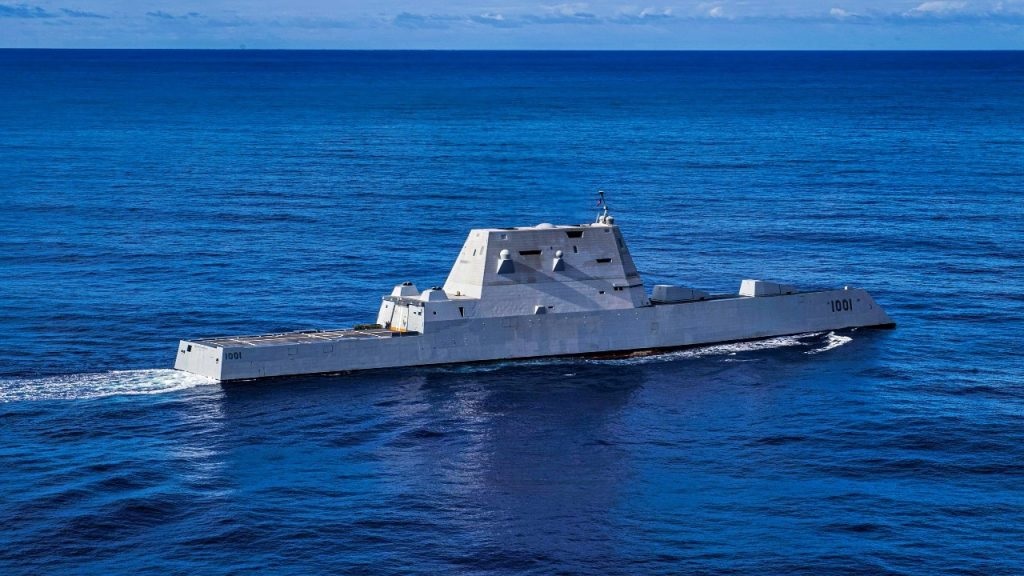
USS Zumwalt Completes Sea Trials, Bringing U.S. Navy’s First Hypersonic Warship Closer to Deployment
World
PASCAGOULA, Mississippi : The U.S. Navy has reached a significant milestone in its push toward next-generation naval warfare after the stealth destroyer USS Zumwalt (DDG-1000) successfully completed builder’s sea trials following an extensive and unprecedented modernization program. The trials were conducted by Huntington Ingalls Industries’ Ingalls Shipbuilding division in partnership with the U.S. Navy, confirming the ship’s readiness to transition into the world’s first hypersonic-armed surface combatant. The completion of sea trials marks the first tangible operational step in transforming the Zumwalt from an experimental surface combatant into the Navy’s inaugural Conventional Prompt Strike (CPS) platform — a role that places the destroyer at the center of Washington’s emerging long-range deterrence strategy. “This is a pivotal milestone for the Navy and industry,” Brian Blanchette, president of Ingalls Shipbuilding, said in a statement. “This modernization sets the precedent for the entire Zumwalt class and advances the U.S. Navy’s first warship with hypersonic strike capability.” A Fundamental Transformation USS Zumwalt, the lead ship of the three-vessel Zumwalt class, arrived at Ingalls Shipbuilding’s Pascagoula yard in August 2023 to undergo what Navy officials describe as a foundational redesign rather than a routine upgrade. Shortly after arrival, the 16,000-ton destroyer was moved onto land — a rare step for an active warship — to enable deep structural and systems modifications. The centerpiece of the modernization was the integration of the Conventional Prompt Strike weapon system, the Navy’s sea-based hypersonic strike capability. This required the removal of the ship’s original twin 155-millimeter Advanced Gun Systems, which had become operationally obsolete after the cancellation of their specialized long-range ammunition. In their place, engineers installed large-diameter missile tubes designed to house hypersonic glide vehicles capable of traveling at speeds exceeding Mach 5. The CPS system is designed to deliver conventional, non-nuclear strikes against high-value, time-sensitive targets anywhere in the world within minutes, significantly compressing an adversary’s decision-making timeline. For the Navy, deploying the weapon at sea adds mobility, survivability, and strategic ambiguity to U.S. deterrence planning. Sea Trials Validate Combat Readiness Following its undocking in December 2024, USS Zumwalt entered a rigorous series of builder’s sea trials aimed at validating the ship’s propulsion, navigation, combat systems integration, and overall seaworthiness after the extensive refit. The trials also assessed the performance of the ship’s unique all-electric integrated power system, which is critical for supporting energy-intensive weapons and sensors. Navy and Ingalls engineers evaluated ship handling, power distribution, command-and-control systems, and the readiness of newly installed combat infrastructure. The successful completion of these trials clears the way for the ship’s delivery back to the Navy and eventual progression toward operational testing and deployment. The Future of the Zumwalt Class The Zumwalt modernization is only the first phase of a broader class-wide transformation. USS Lyndon B. Johnson (DDG-1002), the final ship in the class, is currently undergoing CPS weapon system integration at Ingalls Shipbuilding. USS Michael Monsoor (DDG-1001) is scheduled to receive the hypersonic system during a future availability period, completing the conversion of all three destroyers into dedicated long-range strike platforms. Originally conceived as land-attack destroyers optimized for littoral warfare, the Zumwalt class struggled for years with unclear mission roles and escalating costs. The decision to repurpose the ships as hypersonic strike assets has effectively given the class a second life, aligning it with evolving U.S. military priorities focused on great-power competition. A Stealthy Platform for a New Era The Zumwalt class remains one of the most technologically advanced surface combatant designs ever fielded by the U.S. Navy. The destroyers feature a wave-piercing tumblehome hull, extensive radar-cross-section reduction measures, and a stealth profile more commonly associated with submarines than surface ships. Their electric propulsion architecture allows flexible power allocation between propulsion and advanced weapons, a key advantage as directed-energy and hypersonic systems enter service. With hypersonic weapons onboard, the Zumwalt class is expected to perform missions ranging from strategic deterrence and power projection to sea control and command-and-control operations. Navy officials view the ships as a testbed for future surface combatants that must integrate high-energy weapons while remaining survivable in contested environments. Strategic Implications The successful sea trials of USS Zumwalt come amid intensifying global competition in hypersonic weapons, particularly as China and Russia rapidly expand their own arsenals. By deploying hypersonic strike capabilities at sea, the U.S. Navy gains a flexible, forward-deployable option that complicates adversary defenses and strengthens conventional deterrence without relying on nuclear escalation. As USS Zumwalt moves closer to operational deployment, the ship’s transformation signals not only the revival of a once-controversial class but also the emergence of a new era in surface warfare — one defined by speed, stealth, and long-range precision strike.
Read More → Posted on 2026-01-22 17:24:11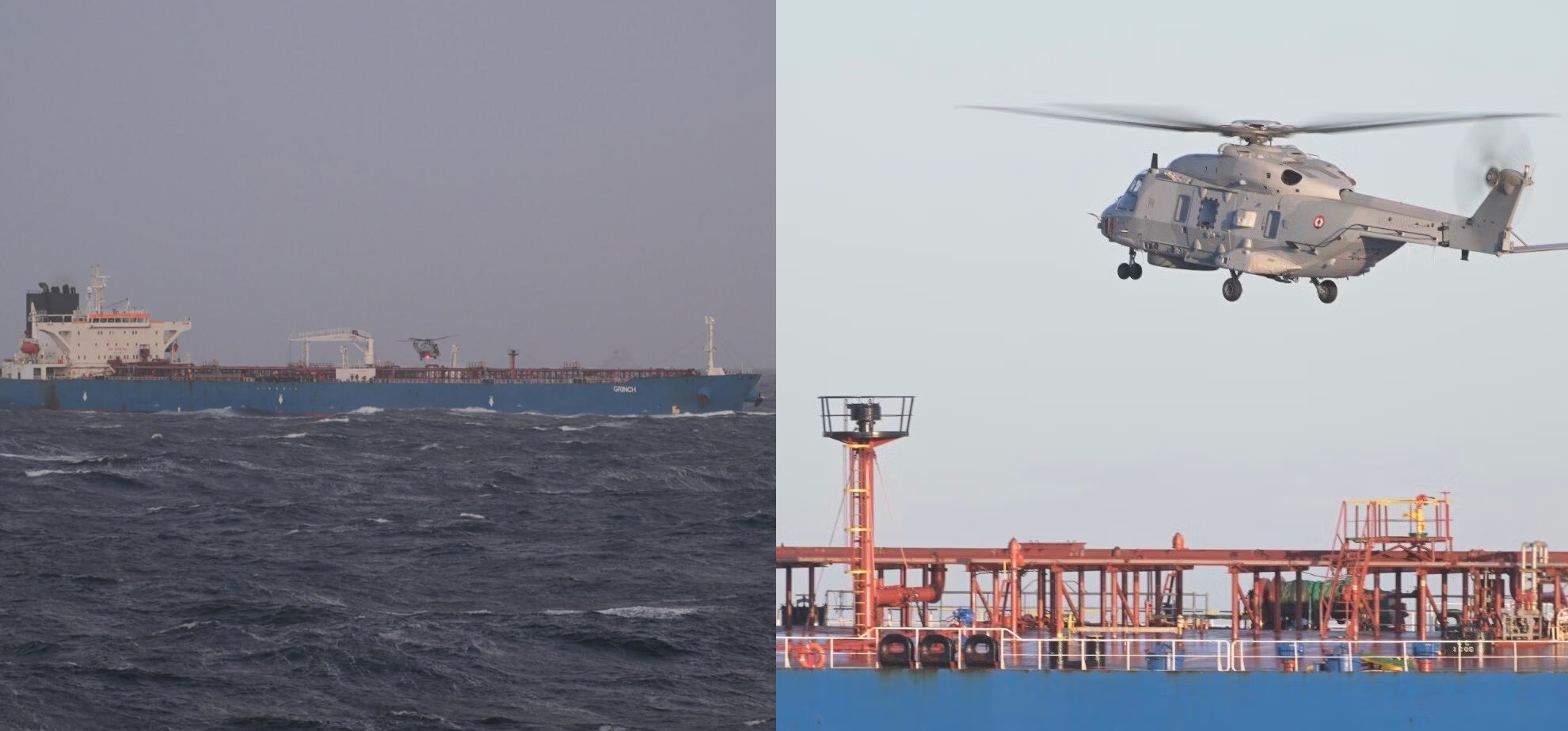
World
Paris / Mediterranean Sea : France has seized a tanker carrying Russian crude oil in the Mediterranean Sea, marking one of Europe’s most forceful maritime enforcement actions since the start of Russia’s full-scale invasion of Ukraine and signaling a potential shift from passive monitoring to direct interdiction of sanction-busting oil shipments. President Emmanuel Macron announced the operation on Thursday, confirming that the French Navy intercepted a vessel transporting Russian oil that was subject to international sanctions. Writing on X, Macron said the action was carried out with allied support and in “strict compliance with the United Nations Convention on the Law of the Sea,” underscoring Paris’s determination to clamp down on what Western officials describe as Russia’s clandestine oil export network. “We will not tolerate any violation,” Macron said, adding that the activities of Russia’s so-called “shadow fleet” directly finance the war of aggression against Ukraine. The interception took place in international waters of the Mediterranean, according to French officials. The tanker, identified in maritime tracking data as the Grinch, is reported to have departed from Russia’s Arctic port of Murmansk before heading south toward European waters. Authorities suspect the vessel was operating under a false or misleading flag registration, a tactic frequently used to conceal ownership, insurance status, and the true origin of cargo. French naval forces boarded the ship after receiving intelligence shared by allied partners, officials said. Following the inspection, the tanker was diverted to a French port, where prosecutors opened a judicial investigation to determine violations of sanctions, maritime law, and potential fraud linked to flagging and ownership structures. While France has not yet announced the final legal disposition of the cargo, senior officials indicated that confiscation of the oil is under consideration — a step that, if upheld by the courts, would represent a significant legal and political precedent in Europe. A Rapid Response After Davos The timing of the seizure has drawn intense attention. It came only hours after Ukrainian President Volodymyr Zelenskyy delivered a forceful address at the World Economic Forum in Davos, where he challenged European governments to move beyond rhetoric and take direct action against Russian oil shipments moving along their coasts. “Russian oil is transported along European shores. This oil funds the war against Ukraine, and this oil serves to destabilize Europe,” Zelenskyy told the forum. “Therefore, Russian oil must be stopped and confiscated.” Zelenskyy pointedly questioned why Europe has not matched the more aggressive posture of the United States, which has increasingly targeted tankers, insurers, and intermediaries involved in circumventing sanctions. His remarks were widely interpreted as a call for European navies and courts to test the limits of international maritime law in confronting Russia’s energy revenues. French officials did not explicitly link the operation to Zelenskyy’s Davos speech, but the rapid sequence of events has fueled speculation that Paris is prepared to take a leading role in hardening sanctions enforcement across European waters. Cracking Down on the “Shadow Fleet” Since the imposition of G7 price caps and EU sanctions on Russian oil, Moscow has relied on a sprawling “shadow fleet” of hundreds of aging tankers to keep exports flowing. These vessels often operate with opaque ownership, frequent changes of name and flag, minimal insurance coverage, and limited transparency, making enforcement both legally complex and politically sensitive. Energy and security analysts say the shadow fleet has enabled Russia to sell oil above the $60-per-barrel price cap, generating billions of dollars that help sustain its military campaign in Ukraine despite Western restrictions. By targeting a vessel suspected of sailing under a false flag, France has employed a narrow but powerful legal mechanism under international maritime law. Ships that cannot clearly establish nationality or legal registration may be treated as stateless, allowing foreign navies to board and seize them without violating sovereign protections. “This is one of the few legal doors available to act directly at sea without escalating into a broader confrontation,” said a European maritime law expert familiar with sanctions enforcement. “If upheld in court, it could open the way for more assertive action by other EU states.” Legal and Political Implications Until now, most European governments have limited their response to tracking shadow fleet movements, sharing intelligence, and tightening financial and insurance restrictions. Physical seizures have been rare, largely due to concerns over legal challenges, diplomatic escalation, and environmental risks posed by poorly maintained tankers. France’s move suggests those calculations may be shifting. As the seized tanker remains under French judicial control, attention is now focused on the courts. If judges authorize the confiscation and eventual sale of the oil — particularly if proceeds are channeled toward Ukraine’s reconstruction or defense — it would mark a watershed moment in Europe’s use of sanctions as an active economic weapon. President Zelenskyy welcomed the development, praising France’s resolve and reiterating calls for tough, coordinated action against the entire infrastructure supporting Russia’s shadow fleet. For now, the seizure stands as a clear signal: Europe may be preparing to move from passive enforcement to direct confrontation at sea, targeting the revenues that continue to fuel Russia’s war against Ukraine.
Read More → Posted on 2026-01-22 17:17:08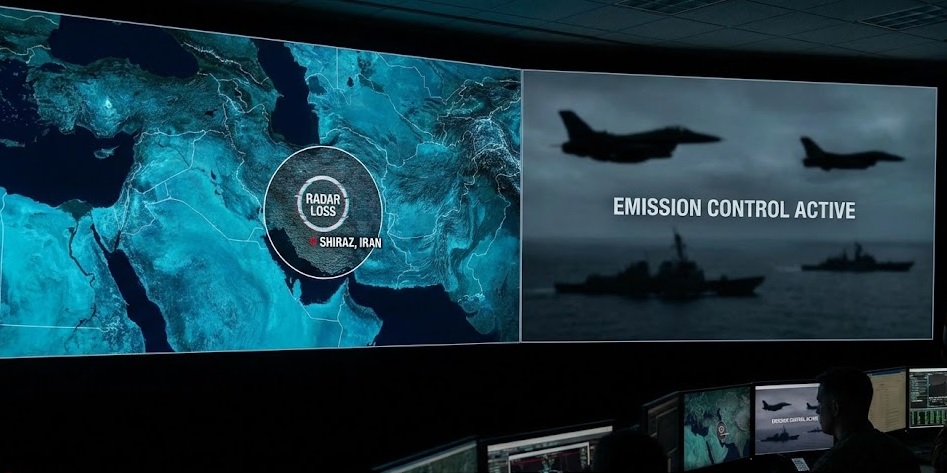
World
WASHINGTON / TEHRAN : A sudden failure of key Iranian radar systems in the southern city of Shiraz, disclosed through an official aviation notice (NOTAM) early Thursday (22 january 2026 ), has triggered intense speculation among regional defense analysts that a new phase of electronic warfare may be unfolding in the long-simmering standoff between Iran and the United States and its allies. The development comes as U.S. military movements across the Middle East accelerate, including sustained heavy airlift operations into Jordan and an unusual electronic silence from American naval forces operating at sea. Together, the signals have fueled concern that the region may be entering what some defense observers describe as a “lights-out” preparatory phase preceding possible military action. A NOTAM That Set Off Alarms At the center of the latest escalation is a Notice to Airmen (NOTAM), numbered A0285/26, issued by Iranian authorities and effective through the evening of January 22. The notice states that the Monopulse Secondary Surveillance Radar (MSSR) serving Shiraz is “not available,” warning that radar services in multiple sectors of the Area Control Center (ACC) could be disrupted. Shiraz is not an ordinary provincial city. Strategically positioned as a gateway to southern and central Iran, it also sits near facilities long associated by Western intelligence agencies with Iran’s military-industrial and electronic warfare sectors. For that reason, the abrupt loss of secondary radar coverage there has been interpreted by several analysts as more than a routine technical malfunction. The timing has sharpened those suspicions. The radar outage coincides with reports of U.S. naval forces in the region sharply reducing their electronic emissions — a posture commonly referred to as operating in “dark mode.” In military doctrine, the combination of radar disruption on one side and emission control on the other is often associated with cyber or electronic warfare operations designed to degrade situational awareness before kinetic action. Iranian authorities have offered no public explanation for the radar failure beyond the NOTAM itself, leaving open questions about whether the outage is the result of technical degradation, deliberate shutdown, or external interference. The Silence of the Skies Adding to the uncertainty is the apparent absence of U.S. E-3G Airborne Warning and Control System (AWACS) aircraft from publicly observable flight activity in the region. Traditionally, these aircraft provide wide-area surveillance and command-and-control during major air operations. Some analysts suggest the absence may be deliberate. Rather than exposing large, easily detectable platforms, the U.S. military could be relying on a distributed sensor network that includes F-35 stealth fighters, carrier-based E-2D Advanced Hawkeye aircraft, and ground-based radar systems operated by regional partners in Jordan, Saudi Arabia, and Israel. Others interpret the lack of visible AWACS as an indication that any future operation would rely primarily on long-range missiles and standoff strikes, rather than sustained aerial combat requiring complex airspace management. Either interpretation points to a shift away from overt signaling toward a lower-visibility posture, complicating efforts to read Washington’s intentions. Jordan’s Growing Role While some assets appear to have gone quiet, activity at Muwaffaq Salti Air Base in eastern Jordan has been anything but subtle. Flight-tracking data and regional aviation monitoring indicate a steady stream of U.S. Air Force C-17 Globemaster III transport aircraft landing at the base over recent days. The sustained airlift suggests Jordan has become a central logistical hub for U.S. operations, effectively functioning as a forward platform for both defensive and offensive missions. The base’s location allows coverage of airspace stretching from Iraq to western Iran, while reinforcing missile and air defenses oriented toward Israel’s eastern approaches. Defense officials in Amman have not commented publicly on the nature of the deployments, but the scale and persistence of the airlift point to preparations extending beyond routine military exercises. Political Signals From Washington Military movements have been accompanied by increasingly blunt political rhetoric. Former U.S. President Donald Trump, speaking recently at a campaign event, reiterated that Iran “will not have nuclear weapons,” using language that appeared to blur past and future action. Statements such as “we hit hard” and “it will happen again,” though unspecific, have been widely interpreted as reinforcing a doctrine centered on physical dismantlement of Iran’s nuclear and missile capabilities, rather than negotiated restraint. Analysts note that such language, even when delivered outside formal office, can influence strategic calculations in Tehran by reinforcing perceptions that the United States is willing to escalate beyond economic pressure. Shiraz and the Question of Intent Beyond its geographic importance, Shiraz is often cited in open-source intelligence assessments as a hub for Iran’s electronic and air defense manufacturing sectors. That association has led some observers to frame the radar outage as a possible “blinding” operation — an attempt to suppress sensors in an industrial center before any strike aimed at production facilities themselves. Others caution against drawing firm conclusions. Iran’s radar network includes many aging systems affected by years of sanctions, and maintenance-related outages are not uncommon. Still, the issuance of a NOTAM acknowledging radar unavailability effectively clears civilian air traffic from affected sectors, reducing the risk of misidentification during periods of heightened military tension. A Region Holding Its Breath By Thursday morning, the picture that had emerged was one of converging signals rather than definitive proof of imminent conflict. Radar disruptions in Iran, heavy U.S. airlift activity in Jordan, electronic silence at sea, and increasingly uncompromising political language together suggest a period of intense preparation — whether for deterrence, coercive diplomacy, or something more direct. For now, skies over parts of southern Iran remain partially blind, American transport aircraft continue to arrive in Jordan, and regional capitals are watching closely for the next sign that the balance has tipped from pressure to action.
Read More → Posted on 2026-01-22 17:01:28
World
National Harbor, Maryland : In a sweeping effort to future-proof the most sensitive pillar of America’s nuclear deterrent, Northrop Grumman and the U.S. Air Force are pressing ahead with development of the LGM-35A Sentinel, a next-generation Intercontinental Ballistic Missile (ICBM) system intended to safeguard U.S. strategic stability well into the latter half of the 21st century. Unveiled amid heightened global nuclear competition, the Sentinel program represents the largest modernization of the U.S. land-based nuclear force since the Cold War. Company and Air Force officials describe it as a once-in-a-generation undertaking that blends cutting-edge missile technology with a vast reconstruction of the nation’s nuclear launch infrastructure. At the center of the program is a deterrence philosophy Northrop Grumman has increasingly emphasized in public messaging. “Peace through strength is defined by a fighting force so powerful it deters enemies before they strike,” the company said in a statement. “We’re partnering with the U.S. Air Force to design, test and build Sentinel—the most powerful Intercontinental Ballistic Missile system in the world.” Replacing a Cold War Mainstay The Sentinel is designed to replace the LGM-30G Minuteman III, which has formed the backbone of America’s land-based nuclear deterrent since 1970. While the Minuteman has undergone multiple life-extension programs, Air Force officials have long warned that its analog architecture and aging infrastructure are reaching the limits of sustainability. By contrast, the Sentinel is being built from the ground up with a fully digital backbone and a Modular Open Systems Architecture (MOSA), allowing components to be upgraded over time without redesigning the entire system. Defense officials say this approach is essential to ensuring the missile remains viable against emerging threats through at least 2075. “This is not a simple missile swap,” a senior Northrop Grumman program official said. “It’s a comprehensive transformation of how the ground-based strategic deterrent is built, operated, secured and sustained.” Capabilities and Design The LGM-35A Sentinel is expected to have a range exceeding 6,000 miles, enabling it to reach targets across the globe in roughly 30 minutes. It will carry the W87-1 thermonuclear warhead, a modernized weapon that replaces the older W78 and incorporates enhanced safety, security and command-authorization features. Propulsion is provided by a three-stage solid-fuel rocket motor. Recent static-fire tests of the first and second stages, conducted at test facilities in Utah, have been cited by the Air Force as major technical milestones demonstrating progress toward operational readiness. Unlike legacy systems, the Sentinel is being designed to integrate seamlessly with modern command-and-control networks, cyber defenses, and space-based warning systems, ensuring continuous presidential control under even the most extreme conditions. A Nationwide Infrastructure Overhaul The most daunting aspect of the Sentinel program lies underground. Beyond the missile itself, the project involves modernizing or rebuilding approximately 450 missile silos and more than 600 launch control facilities spread across Wyoming, Montana, North Dakota, Nebraska and Colorado. Thousands of miles of new fiber-optic cabling are being laid to replace decades-old copper lines, creating hardened, high-speed communications links between national command authorities and launch crews. Defense officials have described the effort as the most complex construction and infrastructure program in Department of Defense history, rivaling major civilian public-works projects in scale and cost. That complexity has come at a price. In 2024, the Air Force formally notified Congress that the Sentinel program had breached cost thresholds under the Nunn-McCurdy Act, with projected expenses rising by more than 37 percent. The increase was attributed largely to underestimated costs associated with rebuilding 1960s-era silos and upgrading legacy launch facilities. Despite the overrun, the Pentagon recertified the program, arguing that no viable alternative exists to replacing the Minuteman III and that abandoning the effort would pose unacceptable risks to national security. Deterrence in a Changing Nuclear Landscape The push to deploy Sentinel comes as U.S. defense planners confront a rapidly evolving nuclear environment. Russia continues to modernize its strategic forces, while China is expanding its nuclear arsenal at an unprecedented pace, pushing the world toward what analysts describe as a “three-party” nuclear balance. Leaders at Air Force Global Strike Command argue that a modern, credible land-based missile force remains essential to preventing miscalculation. “The purpose of Sentinel is not to make nuclear war more likely,” said Gen. Thomas Bussiere, commander of Air Force Global Strike Command. “Its purpose is the opposite—to ensure that no adversary ever believes a first strike could succeed. That certainty is what preserves peace.” If current schedules hold, the Sentinel is expected to begin replacing Minuteman III missiles later this decade, gradually assuming full operational status across the U.S. missile fields. Once deployed, it will form the land-based leg of the nuclear triad alongside ballistic missile submarines and strategic bombers, anchoring U.S. deterrence strategy for the next 50 years. For Northrop Grumman and the U.S. Air Force, the message is clear: in an era of renewed great-power rivalry, the United States is betting that peace will continue to rest on strength—measured not just in firepower, but in credibility, resilience and technological endurance.
Read More → Posted on 2026-01-22 16:18:40
World
LONDON/WASHINGTON : As Western officials increasingly concede that the post–Cold War “rules-based international order” is fraying, a new strategic assessment argues that realism—not idealism— now governs global security. A report by the Council on Geostrategy, Britain’s World: The Strategy of Security in Twelve Geopolitical Maps, lays out how the United States, the United Kingdom and Australia are attempting to adapt by knitting together the Euro-Atlantic and Indo-Pacific theatres into a single deterrence architecture—an approach that places undersea power, Arctic geography and alliance cohesion at its core. The study arrives amid renewed debate over the durability of NATO, the purpose of AUKUS and the political shockwaves that would follow any attempt at forced territorial revision among allies, including a hypothetical U.S. annexation of Greenland. While such a move could appear to strengthen American leverage in the Arctic, the report and allied analysts warn that the political damage would far outweigh any operational gain, potentially undermining the very partnerships designed to manage an increasingly hostile world. AUKUS Beyond Asia AUKUS, the trilateral defence and technology partnership launched by the United States, the United Kingdom and Australia, is often portrayed as a narrowly focused effort to counter China in the Indo-Pacific. The Council on Geostrategy report challenges that view, presenting AUKUS as a pillar of a broader Western response to a tightening alignment among China, Russia, Iran and North Korea—referred to by analysts as “CRINK.” The partnership rests on two central tracks. The first is the expansion of Australia’s fleet of nuclear-powered attack submarines, a move intended to extend endurance, stealth and reach across vast maritime spaces. The second is deep cooperation on advanced military technologies—ranging from quantum systems and artificial intelligence to hypersonic weapons and undersea sensing—that are increasingly decisive in modern warfare. Crucially, the report argues that AUKUS is not designed to “defeat” CRINK outright. Instead, it is meant to strengthen Western resilience by allowing pressure to be managed simultaneously in Europe and Asia, reducing the risk that the United States becomes strategically overstretched while facing coordinated challenges across multiple regions. Linking NATO and AUKUS At the heart of the report is a “NATO first, but not NATO only” formula. NATO, the authors stress, remains the cornerstone of European security. Yet large, consensus-based institutions often struggle to move at the pace demanded by technological change and grey-zone threats. As a result, smaller and denser formats such as AUKUS are seen as necessary complements, rather than competitors. This linkage is most visible in the undersea domain. According to the report, British submarines developed under the AUKUS framework are likely to spend significant time in the Atlantic—possibly more than in the Indo-Pacific—reinforcing deterrence against Russia and strengthening control of critical maritime chokepoints. In this sense, AUKUS directly supports NATO’s core mission, even as it extends Western capabilities far beyond Europe. The ‘Wide North’ and the Undersea Frontline One of the report’s most detailed sections focuses on what it calls the “Wide North”: the Arctic approaches, the Greenland–Iceland–UK (GIUK) gap, and Russia’s heavily militarised bastion on the Kola Peninsula. This region, long central to Cold War planning, has re-emerged as a strategic fault line as melting ice opens new routes and undersea infrastructure becomes ever more vital. The authors describe the Wide North as a classic grey-zone environment. Here, hostile actions—such as interference with undersea cables, pipelines or seabed sensors—can be conducted with plausible deniability, complicating attribution and response. In such a scenario, the decisive assets are not only warships and aircraft, but also persistent underwater surveillance, rapid repair capabilities and seamless intelligence sharing among allies. Undersea cables, which carry the overwhelming majority of global data traffic, are singled out as a critical vulnerability. Disruption would have immediate economic, military and political consequences, making their protection a central task for both NATO and AUKUS partners. Greenland and the Cost of Broken Trust It is against this backdrop that the report assesses the implications of a hypothetical U.S. annexation of Greenland or a broader collapse of NATO cohesion. While direct American control over Greenland could, in theory, enhance U.S. military positioning in the Arctic, the authors argue that the political fallout would be catastrophic. AUKUS depends on long-term trust: the sharing of nuclear propulsion technology, integrated production chains, the exchange of highly sensitive intelligence and sustained political support across multiple democracies. Any act of forced territorial seizure from a NATO ally would immediately cast doubt on U.S. reliability, fuelling domestic backlash in the United Kingdom and Australia and prompting calls for safeguards against excessive dependence on Washington. Such a rupture would not only weaken AUKUS politically; it would also complicate Western strategy at a time when coordination is most needed. If NATO were to fracture, the United States would face an unenviable choice: divert scarce resources—including shipbuilding capacity, submarine maintenance, personnel and intelligence—back to Europe, or scale down its European commitments, creating openings for Russian exploitation. A More Dangerous, Fragmented Order In either scenario, the report concludes, the security environment would become more chaotic. Fragmentation among allies would be a gift to adversaries adept at operating below the threshold of open conflict. Grey-zone attacks on undersea infrastructure, already difficult to attribute, would become harder still to deter without unified political will and integrated military planning. The Council on Geostrategy’s assessment offers a stark message for a post-order world. Even as realism replaces idealism, alliances cannot be treated as disposable tools of convenience. In an era defined by interconnected theatres, undersea competition and networked adversaries, the credibility of partnerships like NATO and AUKUS may prove as decisive as any submarine or missile system.
Read More → Posted on 2026-01-22 16:07:05
World
DAVOS, Switzerland : President Donald Trump delivered one of the most confrontational speeches of this year’s World Economic Forum, using the Davos stage to attack European renewable energy policies and to criticize China’s dominance in clean-energy manufacturing. However, several of the President’s claims—particularly regarding China’s use of wind power—conflicted sharply with established global energy data. Speaking before an audience of political leaders, executives and financiers, Trump dismissed wind power as economically damaging and argued that Western investment in renewables has weakened Europe while enriching China. The remarks highlighted Trump’s broader second-term emphasis on fossil fuels, nuclear power and energy security as the foundation of economic strength. A Direct Assault on Europe’s Energy Strategy Trump framed his critique of renewable energy as an economic argument, portraying large-scale wind deployment as a strategic mistake that has eroded Europe’s industrial competitiveness. “China is smart,” Trump said during the address. “They make windmills, sell them for a fortune, and sell them to the stupid people that buy them. But they don’t use them themselves.” He cited Germany and the United Kingdom as examples of what he described as the economic consequences of aggressive renewable policies, arguing that wind power has coincided with higher electricity prices and industrial strain. The comments drew visible unease among European officials, many of whom view renewables as central to energy independence and climate commitments. Claims About China’s Wind Power Use Disputed by Data The most contentious portion of Trump’s speech centered on China. While the President correctly noted China’s dominance in global wind-turbine manufacturing, he claimed the country does not meaningfully rely on wind power itself—a statement contradicted by international energy data. According to the latest figures from the International Energy Agency (IEA) and the Global Wind Energy Council (GWEC), China is not only the world’s largest producer of wind turbines but also the world’s largest user of wind energy. As of late 2025, China operates approximately 6,619 utility-scale wind farms, accounting for roughly 40 percent of global wind electricity generation. The country’s installed wind capacity exceeds 600 gigawatts (GW), surpassing the combined wind capacity of the United States and Europe. Wind power, alongside solar energy, now represents more than one-third of China’s total installed electricity generation capacity. While China continues to expand coal and nuclear power to meet rising demand, wind energy has become a central pillar of its power system rather than a marginal or symbolic one. Manufacturing Dominance, Consumption Reality A review of IEA and GWEC data confirms that Trump’s broader assertion about China’s manufacturing dominance is largely accurate. Chinese companies supply the majority of the world’s wind turbines and related components, giving Beijing significant leverage in global clean-energy supply chains. However, the claim that China does not use wind power domestically is demonstrably false. Analysts note that China’s energy strategy combines large-scale renewable deployment with conventional energy sources to balance reliability, economic growth and emissions reduction. The Economic Debate Over Wind Power Trump’s broader argument—that wind energy undermines economic performance—touches on a long-running debate among economists and energy experts. Critics argue that the intermittent nature of wind power imposes hidden costs on power systems, requiring backup generation and grid upgrades. Germany’s energy transition is frequently cited as an example where high renewable penetration has coincided with elevated household electricity prices. Supporters counter that wind energy offers long-term price stability because it has zero fuel costs and reduces exposure to volatile oil and gas markets. They also emphasize that electricity prices are shaped by taxes, grid fees, market design and geopolitical shocks—not renewables alone. Beijing Responds China responded swiftly to Trump’s remarks. At a briefing on Thursday, Foreign Ministry spokesperson Guo Jiakun rejected the characterization of China’s energy policy. “China’s commitment to renewable energy development is evident,” Guo said, noting that China has maintained the world’s largest renewable power system for more than a decade. He emphasized that Beijing views renewables, nuclear power and fossil fuels as complementary components of energy security. AI, Power Demand and U.S. Policy Direction Beyond renewables, Trump used the Davos platform to highlight what he described as the growing electricity demands of artificial intelligence (AI). He said U.S. technology companies are being encouraged to build dedicated power plants—including gas-fired and nuclear facilities—to support data-center expansion. “You can’t run that scale of AI on unreliable power,” Trump said, arguing that renewables alone cannot meet surging demand. The comments underscored a broader shift in U.S. energy policy under Trump, prioritizing reliability, scale and speed over emissions targets, particularly amid strategic competition with China in advanced technologies. A Clear Signal, With Contested Facts Trump’s Davos address sent a clear signal to global markets and U.S. allies that Washington intends to pursue a sharply different energy course from Europe. At the same time, it highlighted how energy debates are increasingly shaped by political narratives that clash with empirical data. While Trump’s critique of renewable economics remains contested, one conclusion from the data is unambiguous: China is not only the world’s largest wind-turbine manufacturer—it is also the world’s largest wind-power user, making wind energy a central, not symbolic, part of its national power system.
Read More → Posted on 2026-01-22 15:50:15Search
Top Trending in 24 Hours
-
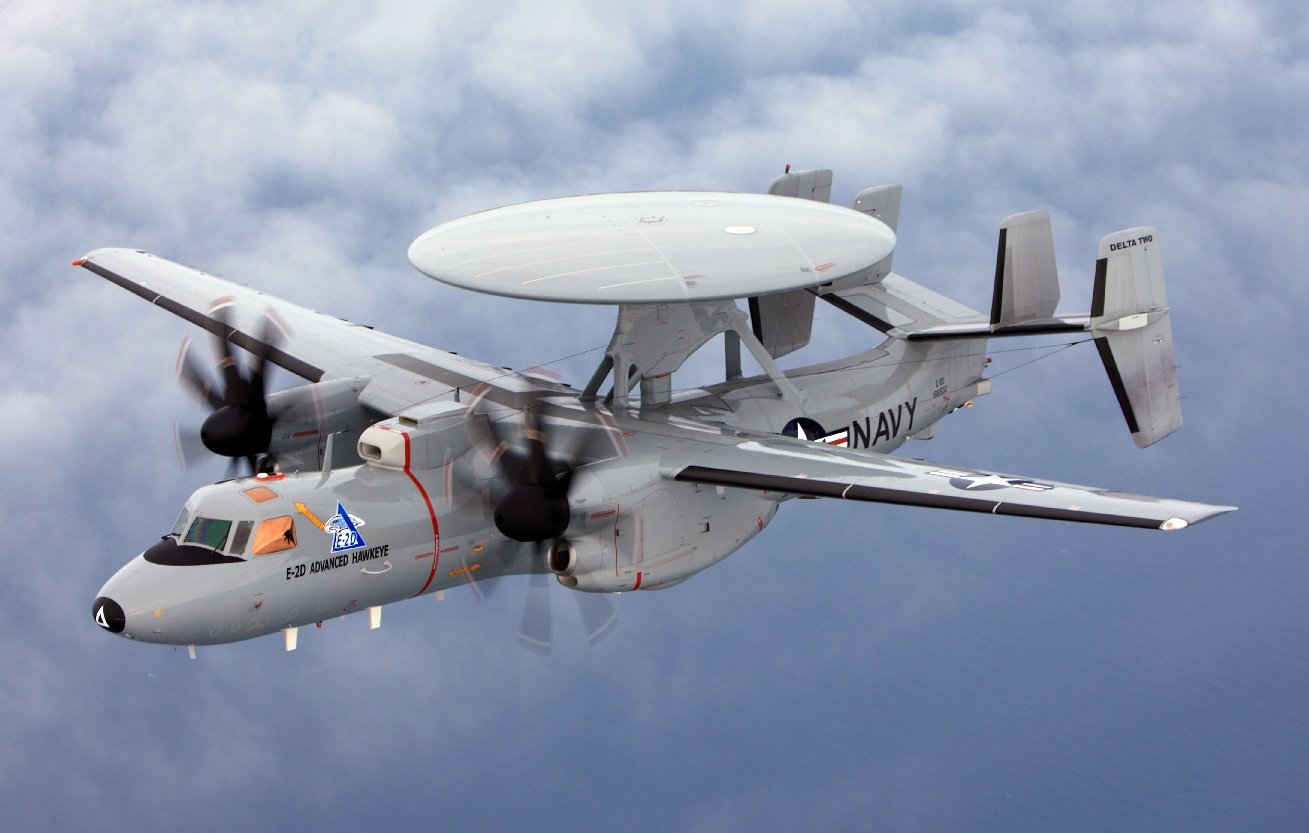 U.S. Navy Awards Northrop Grumman $1.2 Billion Deal for Three New E-2D Advanced Hawkeyes
-
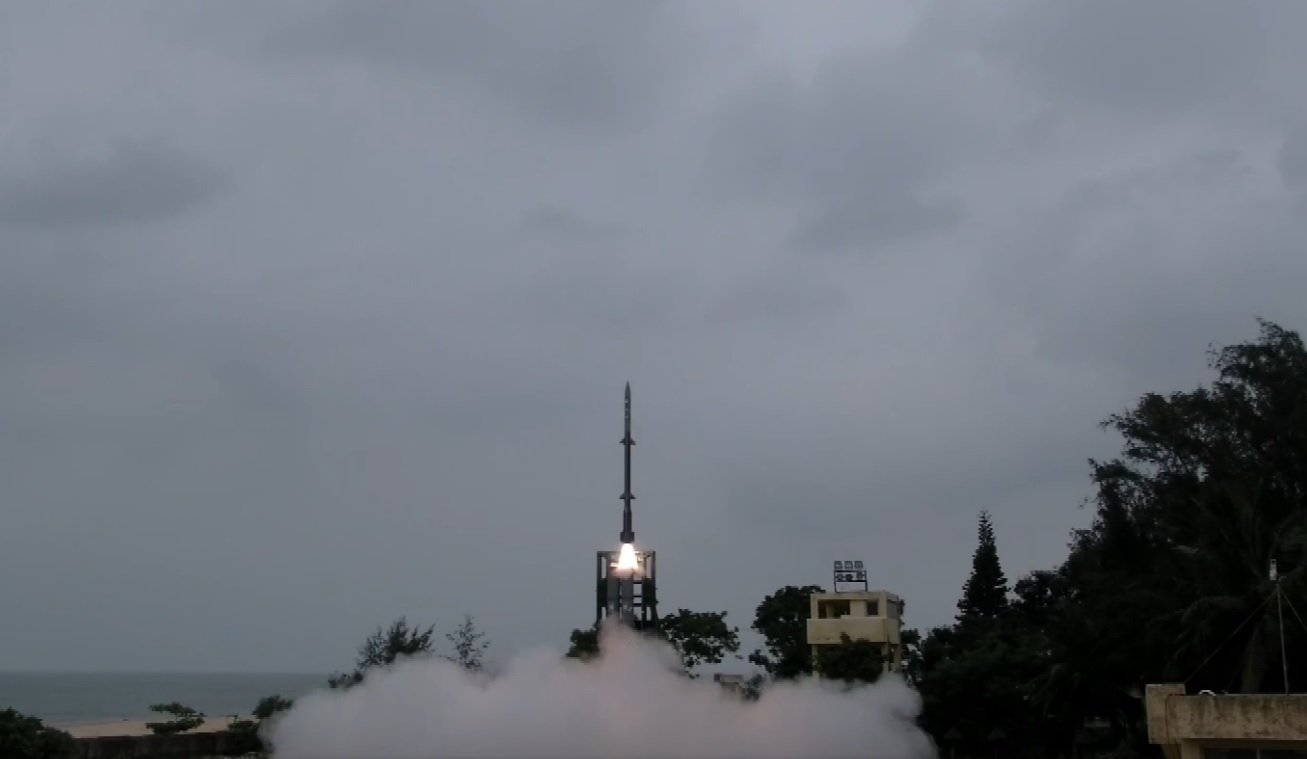 DRDO Successfully Conducts Maiden Flight Test of 150-km-Range Kusha M1 Air Defence Missile
-
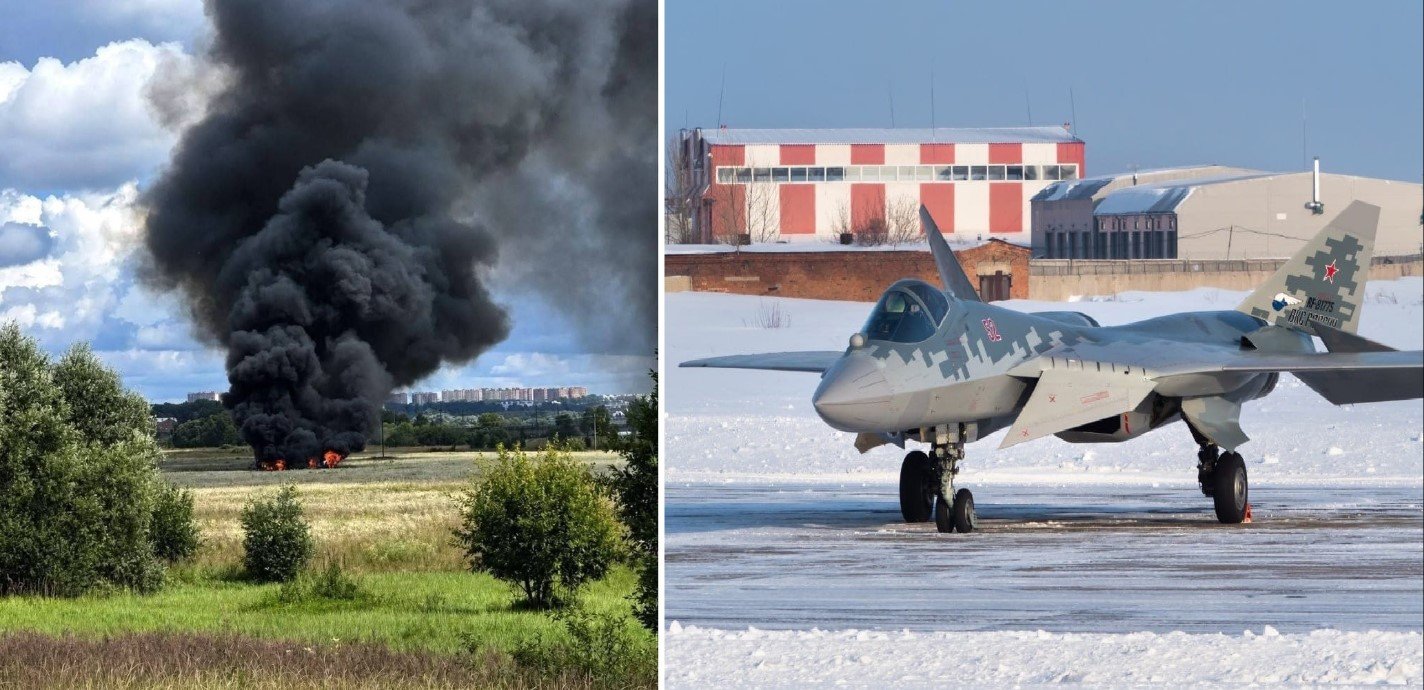 Russian Su-57 Stealth Fighter Crashes During Training Flight Near Moscow, Pilot Ejects Safely
-
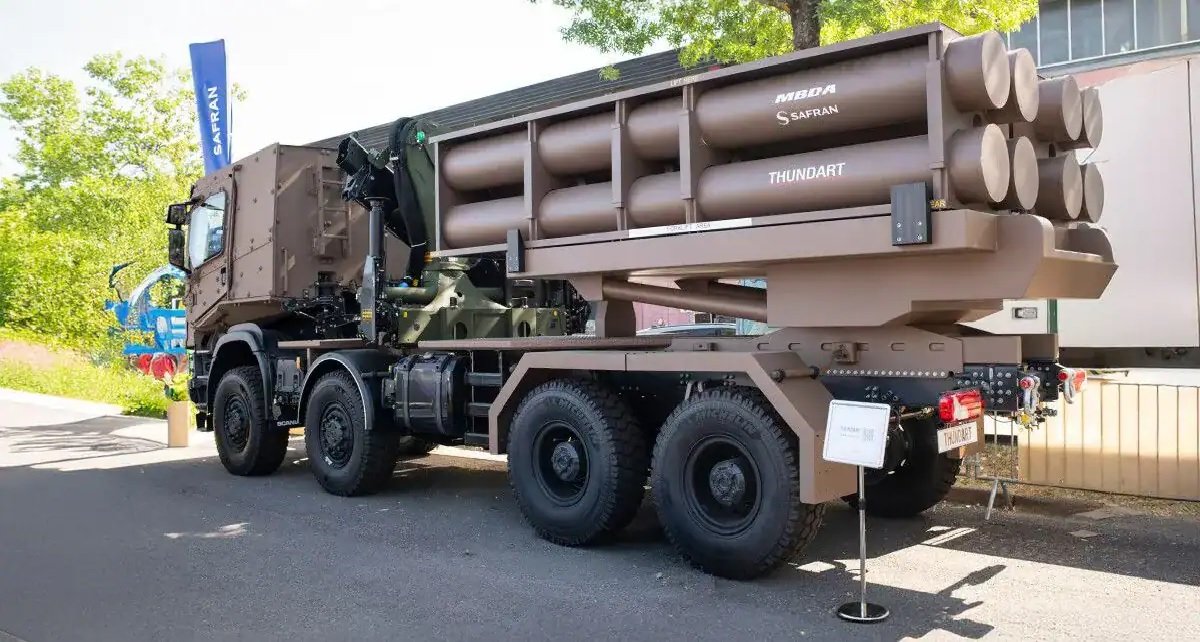 France's THUNDART Long-Range Rocket System May Undergo Prototype Combat Testing in Ukraine
-
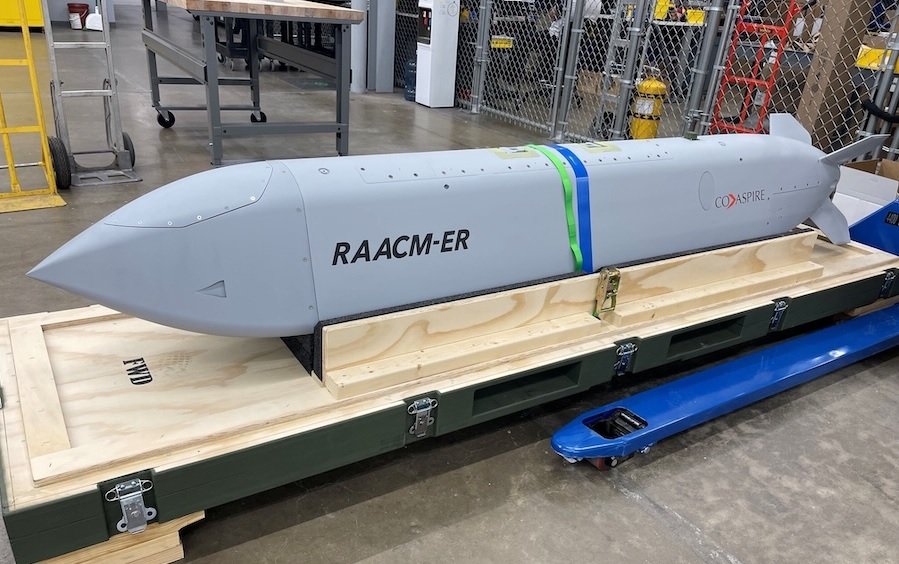 U.S. Navy Selects CoAspire to Build Ground-Launched CHAOS Cruise Missile Under $70 Million Program
-
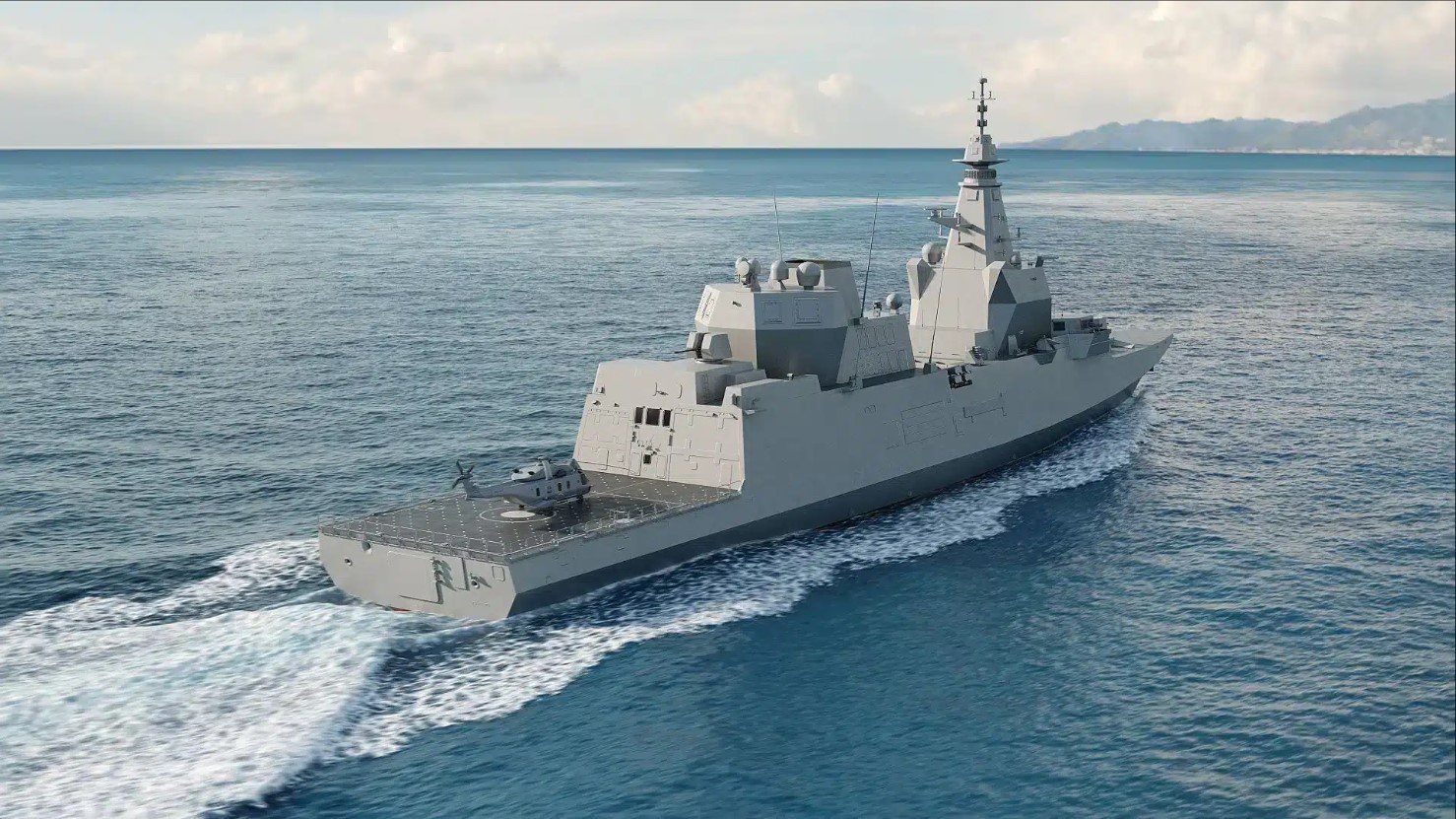 Portugal Orders Three FREMM EVO Frigates from Italy in €3.9 Billion Naval Deal
-
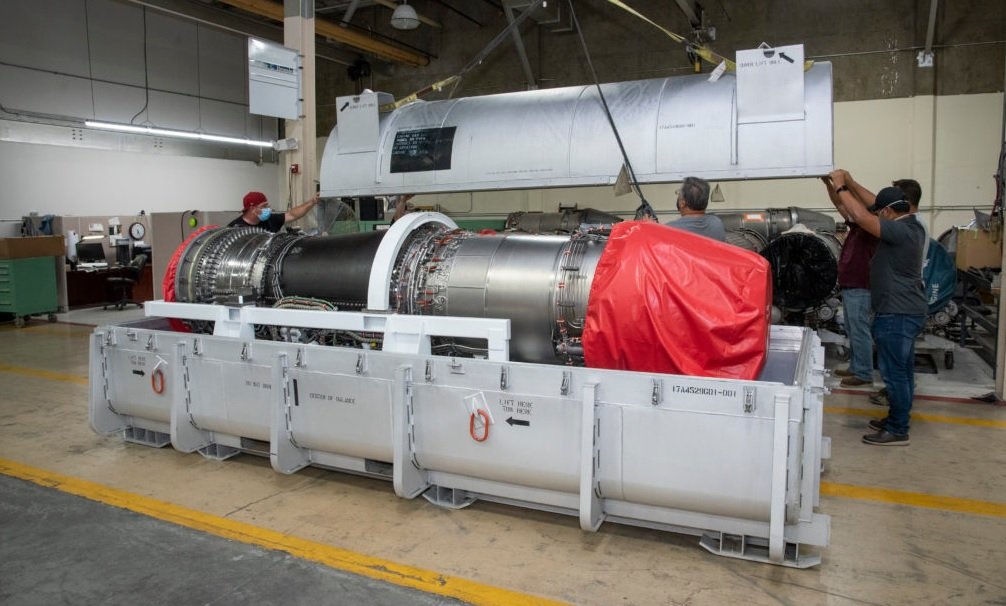 GE Aerospace and Magellan Aerospace Corporation Sign Strategic MoU for F414 Engine Sustainment in Canada
-
 Destinus Unveils Vorexon Interceptor Concept to Defend Critical Sites from Artillery Threats
Top Trending in 4 Days
-
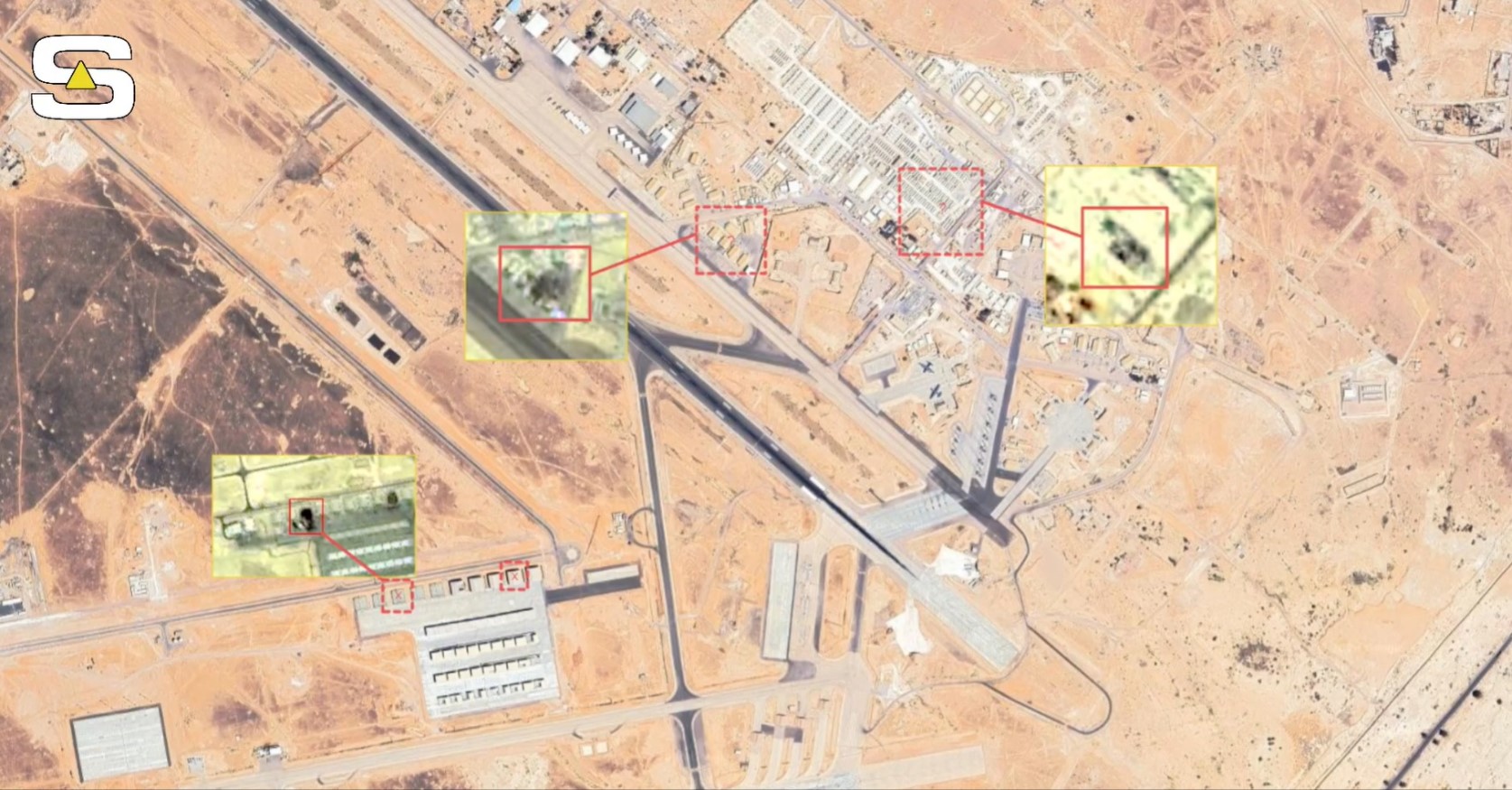 New Satellite Imagery Reveals Extensive Damage at Jordan's Muwaffaq al-Salti Air Base After Iranian Missile Strike
-
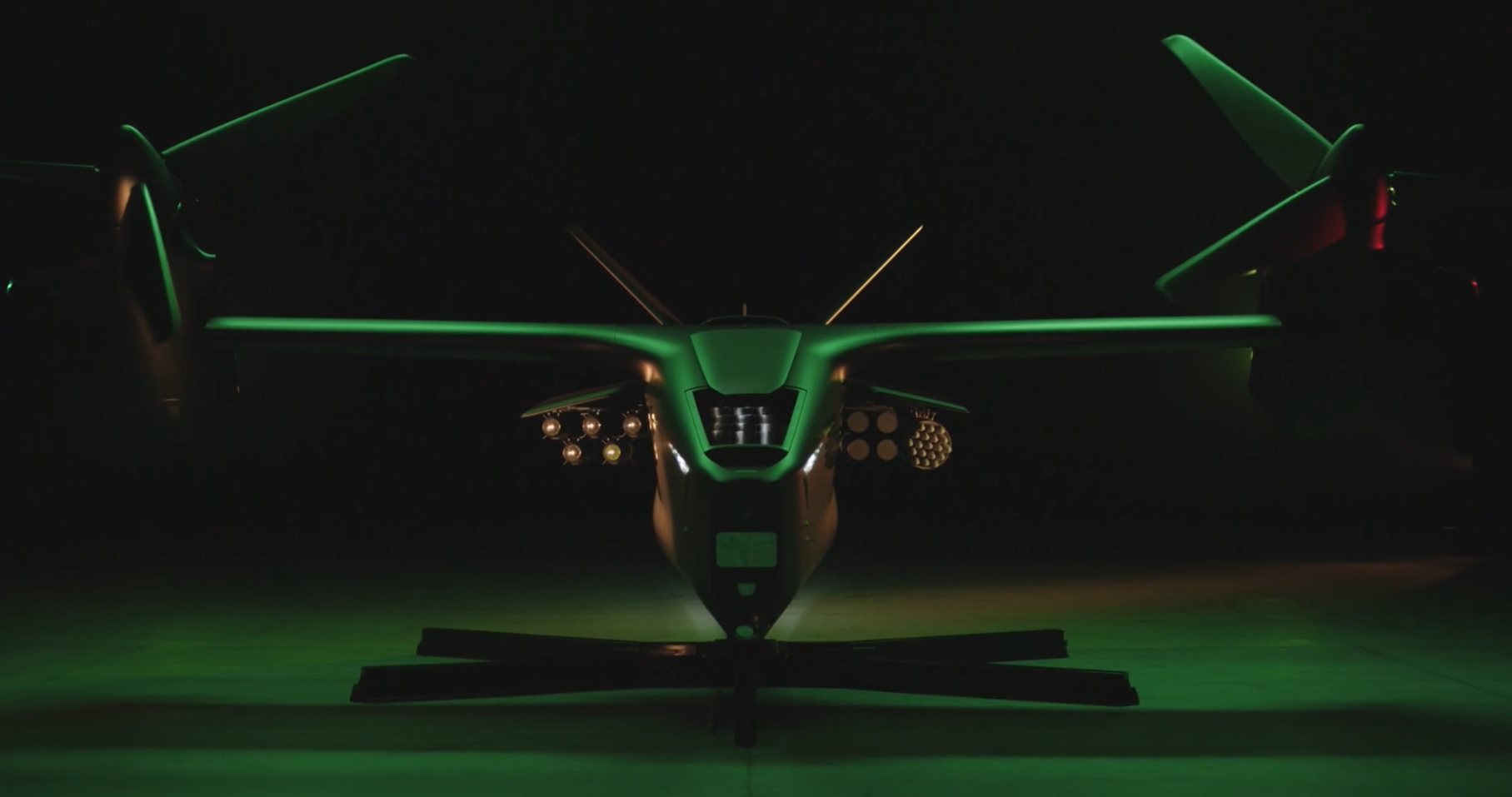 Anduril Unveils Thunder Autonomous Attack Rotorcraft Built with Archer Aviation to Support Apache Helicopters
-
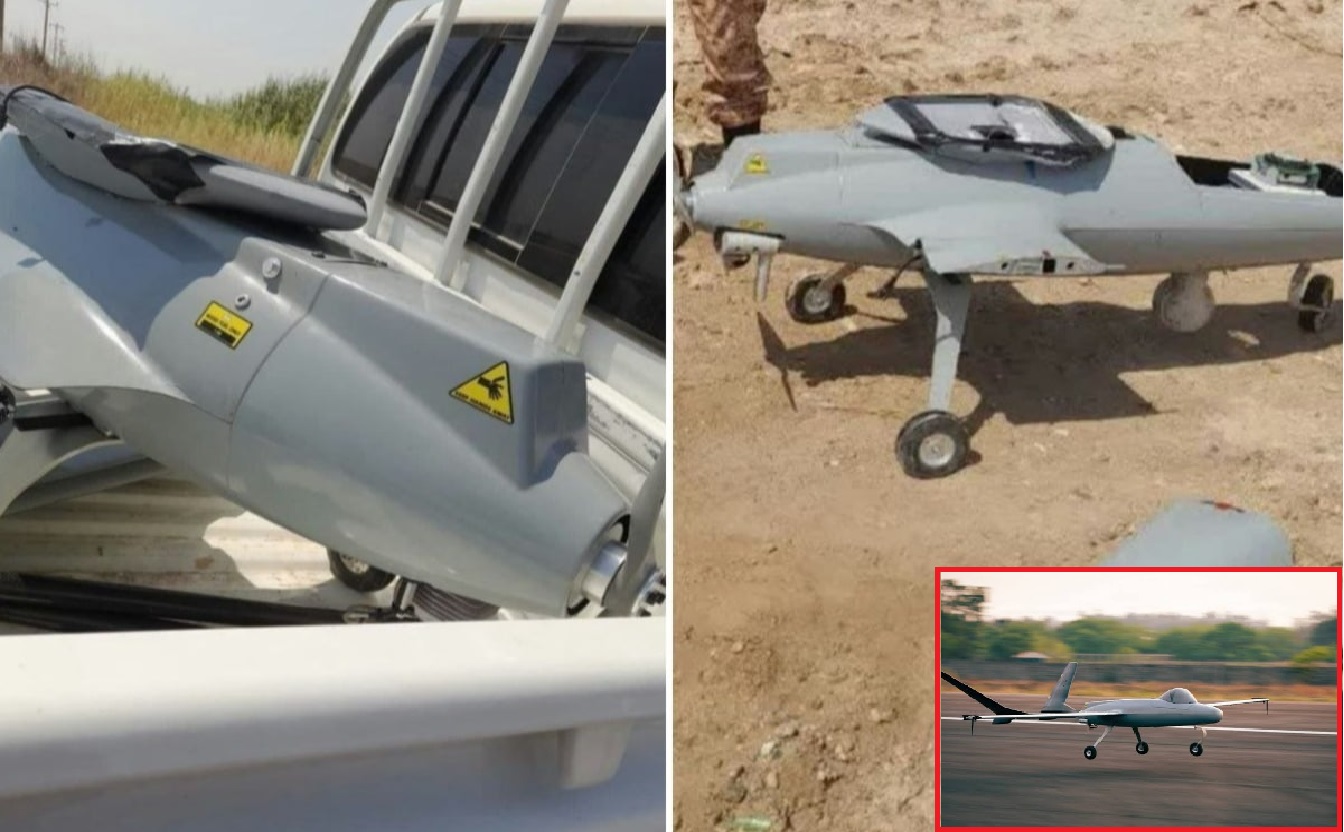 Iran Claims It Shot Down U.S.-Operated Polish-Built Tiguar-M Drone, Releases Images
-
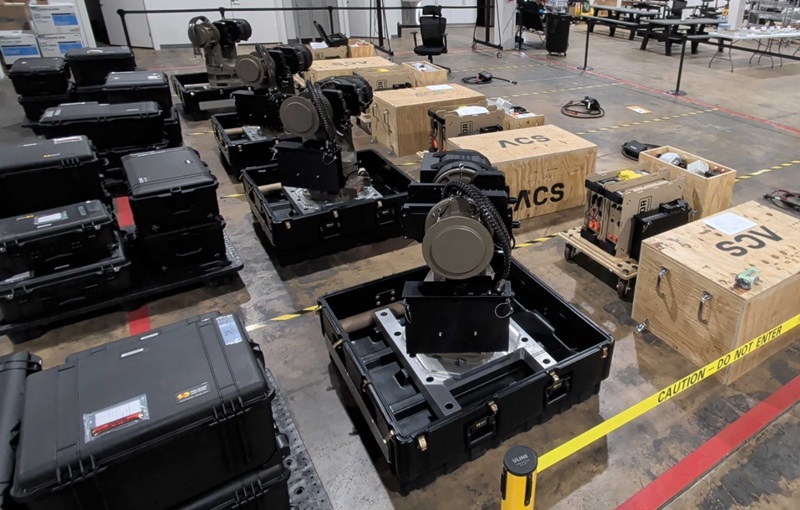 U.S. Marine Corps Selects AI-Powered Bullfrog Weapon Station for L-MADIS Counter-Drone Platform
-
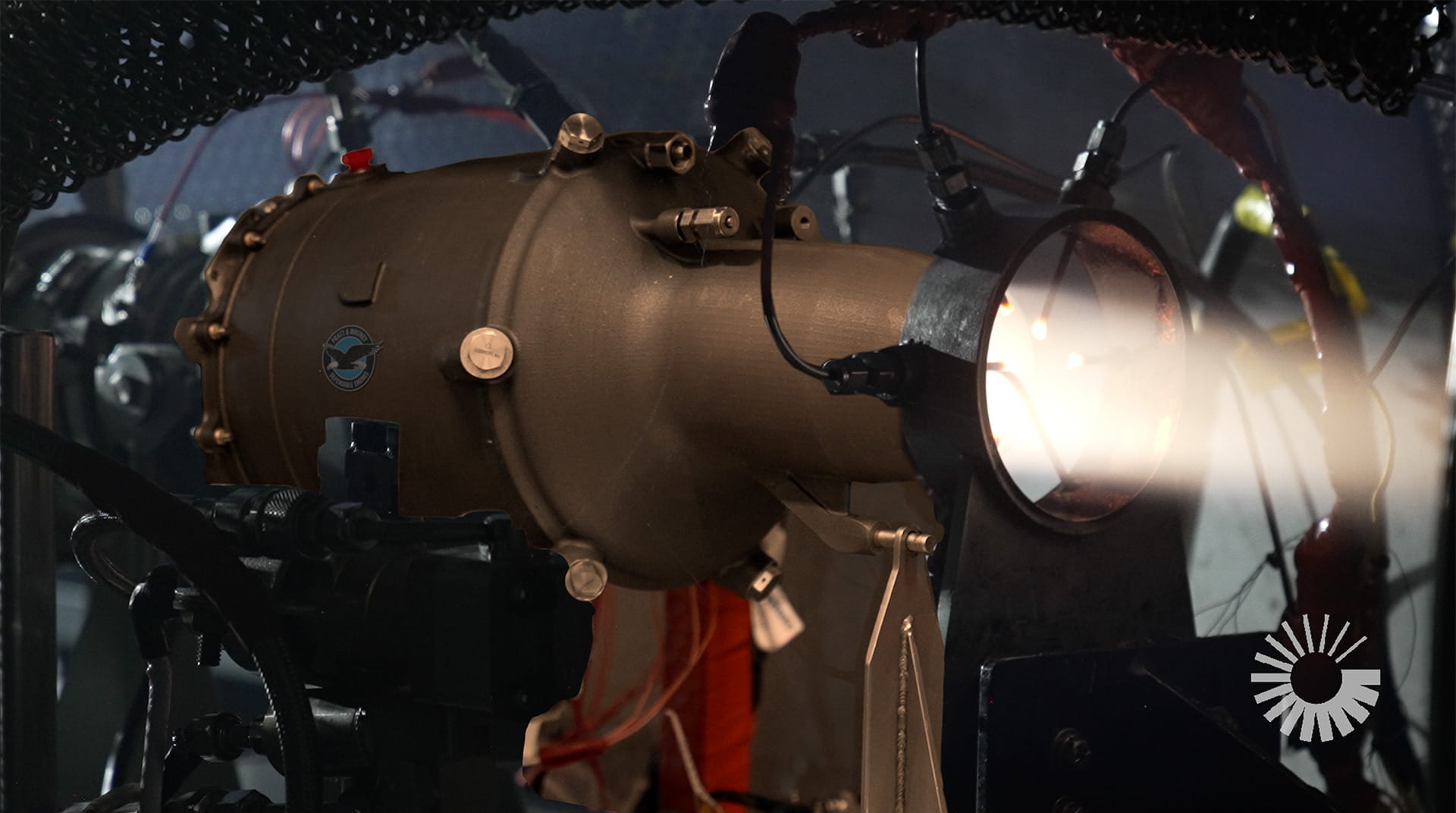 Pratt & Whitney Completes Testing of 3D-Printed TJ150 Engine for Military Applications
-
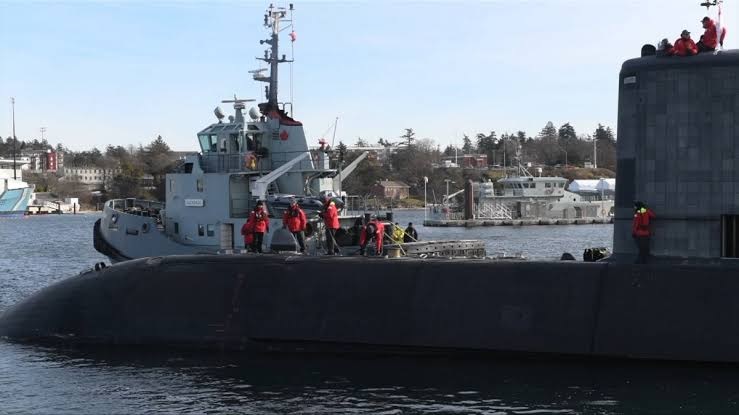 Canada Awards Babcock $1.1 Billion Six-Year Contract Extension to Support Victoria-Class Submarine Fleet
-
 Lockheed Martin Unveils MORFIUS X-Rotor High-Power Microwave System That Can Neutralize 50+ Drones in One Flight
-
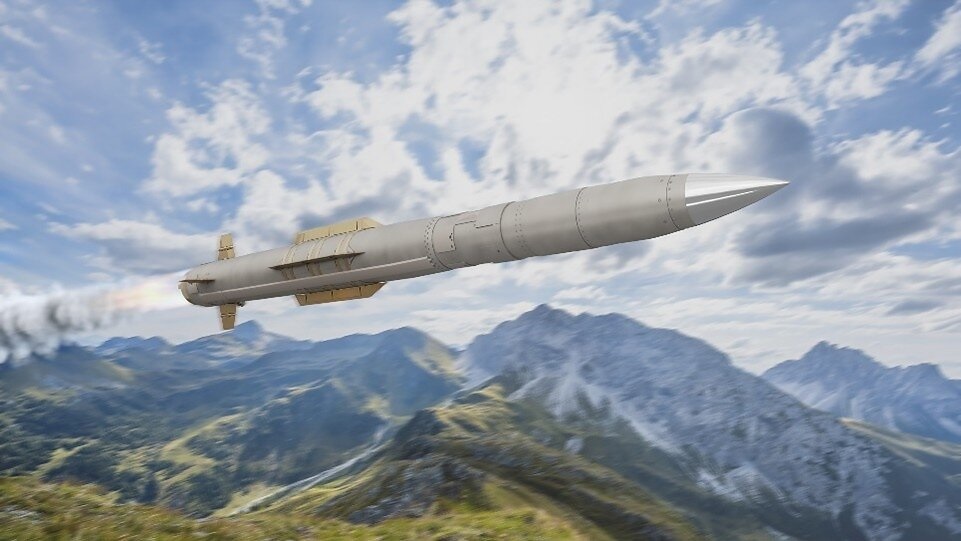 Lockheed Martin Unveils Lower-Cost PAC-3 ACE Interceptor for Patriot Air Defense System
