World
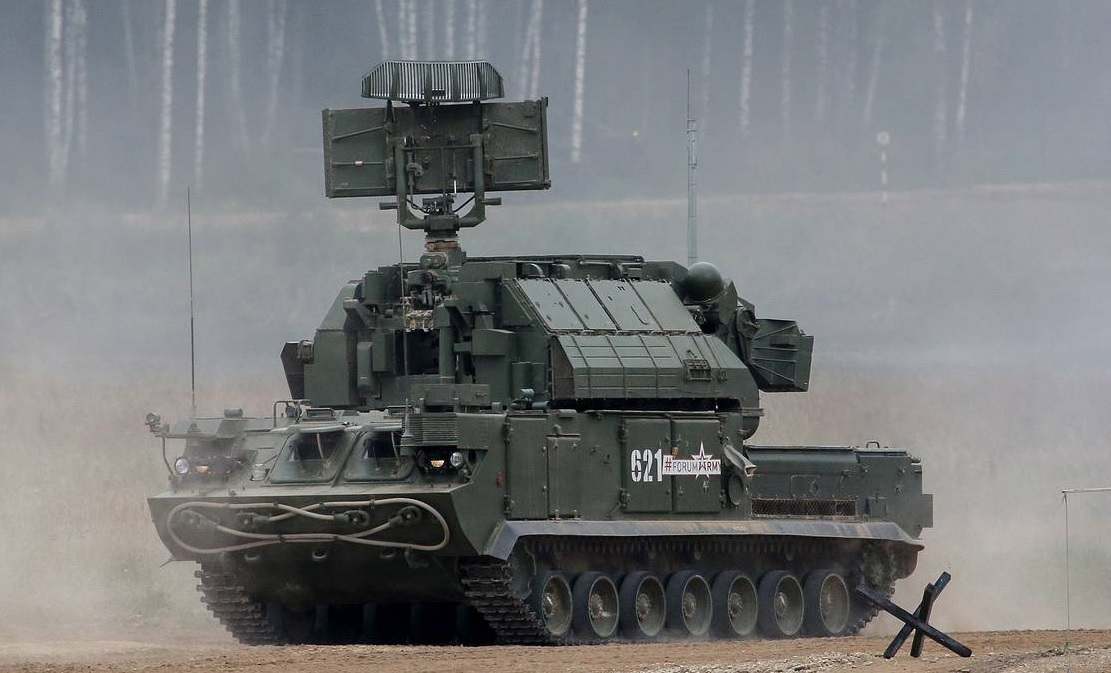
Mozyr, Belarus : Belarus has deployed a Tor short-range air defense missile system at the Mozyr Oil Refinery, a strategically critical energy facility located roughly 30 kilometers north of the Ukrainian border, according to satellite imagery and open-source analysis reviewed by investigative journalists. The deployment was identified by Schemes, the investigative unit of Radio Free Europe/Radio Liberty, through an examination of high-resolution Planet Labs satellite images. The imagery indicates that construction of a dedicated launch site for the air defense system began in January 2025, with the Tor system installed by August of that year. By January 2026, the system appeared fully emplaced and operational within the refinery’s perimeter. Satellite Evidence and Defensive Preparations Satellite images published by Schemes show a launcher consistent with the Tor family of surface-to-air missile systems positioned directly on the territory of the Mozyr refinery. The configuration of the site — including hardened pads, access roads, and prepared launch positions — strongly suggests a permanent or semi-permanent deployment, rather than a temporary exercise setup. Parallel reporting by the Belarusian monitoring group Belarusian Hajun indicates that defensive preparations intensified earlier in 2025. In January, Hajun documented the construction of firing positions, trench networks, and security checkpoints around the facility. These measures point to heightened concern over aerial attacks or sabotage, particularly amid the continuing war in neighboring Ukraine. Strategic Importance of the Mozyr Refinery The Mozyr Oil Refinery, located in the Gomel Region, is one of Belarus’s most important industrial assets. The facility specializes in the production of motor fuels, bitumen, and petrochemical products, with a significant portion exported abroad. It also plays a central role in processing Russian crude oil, making it a key link in the regional energy supply chain and a major source of state revenue. Given its proximity to the Ukrainian border and its economic and strategic importance, Mozyr has long been considered a high-value strategic target. The deployment of an advanced air defense system underscores Minsk’s intent to protect critical infrastructure from potential drone, missile, or aircraft threats as regional security tensions remain elevated. Tor Air Defense Systems in Belarusian Service Belarus has steadily expanded its Tor air defense inventory over the past decade, largely through procurement from Russia. In November 2025, Belarusian ground forces received what was reported to be their eighth battery of Tor-M2K surface-to-air missile systems. Initial contracts for the Tor systems were signed in 2015, with the first deliveries arriving in 2016. Under the original agreement, Belarus was to receive five batteries, though subsequent deliveries suggest that additional orders were placed later, reflecting a broader effort to modernize short-range air defense capabilities. The Tor-M2K variant is mounted on the Belarusian-designed MZKT-6922 wheeled chassis, providing high mobility and enabling rapid redeployment to defend key infrastructure or maneuvering ground units. Capabilities of the Tor System The Tor-M2K is designed to counter a wide range of aerial threats, including aircraft, helicopters, cruise missiles, precision-guided munitions, and unmanned aerial vehicles. Each combat vehicle carries 16 vertically launched 9M338K surface-to-air missiles using radio-command guidance. The system has a maximum engagement range of 16 kilometers and can intercept targets at altitudes of up to 10 kilometers. Its rotating launcher integrates two radar stations — one for target detection and tracking, and another for missile guidance. The guidance system can simultaneously direct up to four missiles at a single target, enhancing effectiveness against complex or saturation attacks. Regional Security Implications The deployment of a Tor air defense system at the Mozyr Oil Refinery reflects a broader trend of fortifying critical infrastructure across Belarus as the Ukraine war reshapes Eastern European security dynamics. Although Belarus is not a direct combatant, its close military alignment with Russia and its geographic position place it firmly within the region’s strategic calculations. By reinforcing air defenses around key economic assets, Minsk appears intent on deterring potential strikes and signaling its readiness to defend vital infrastructure against emerging aerial threats, particularly the increasing use of long-range drones and precision weapons in the conflict.
Read More → Posted on 2026-01-22 15:21:48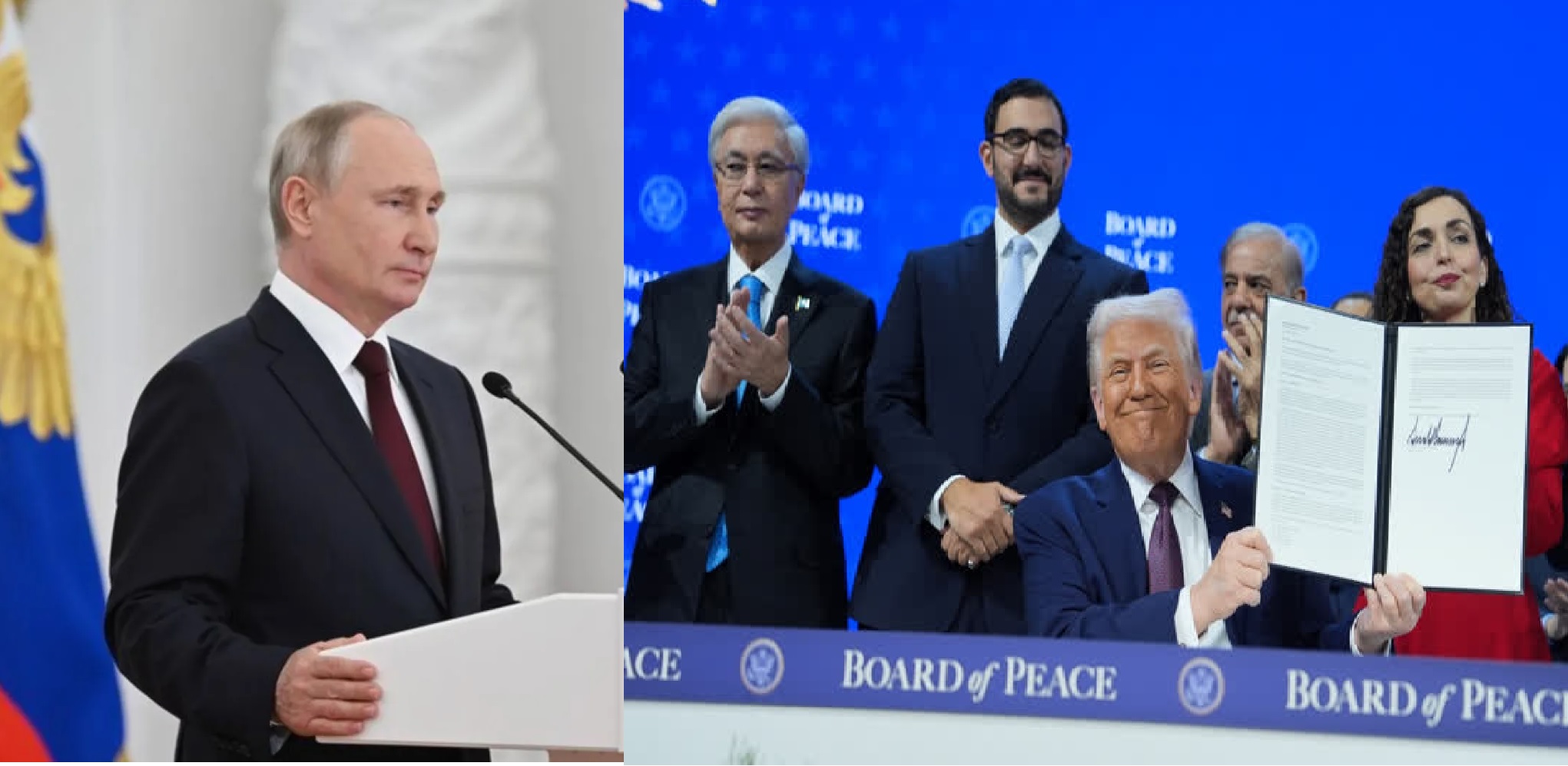
World
MOSCOW : Russia has thrown a major diplomatic wrench into a high-profile U.S. initiative for reshaping global conflict mediation, with President Vladimir Putin declaring that Moscow will not join President Donald Trump’s proposed “Board of Peace” unless the rights of the Palestinian people are explicitly guaranteed under existing United Nations resolutions. In a televised meeting of Russia’s Security Council late Wednesday, Putin reframed what Washington had portrayed as a diplomatic win into a conditional negotiation, making clear that Russia would not participate in any new international body that sidelines Palestinian sovereignty or bypasses the long-standing UN framework for resolving the Israeli-Palestinian conflict. The remarks effectively stalled the momentum of the U.S.-led proposal and repositioned Moscow not as a junior partner, but as a power demanding to set the terms of engagement. A Direct Rebuttal to Washington The White House had earlier suggested that Russia had already agreed in principle to join the Board of Peace, an initiative the Trump administration has promoted as a permanent, elite forum for managing major international crises. Putin contradicted that account, saying Russia is still reviewing the documents and has made no final commitment. “The key issue is whether this structure will contribute to a genuine, long-term settlement of the Palestinian-Israeli conflict,” Putin said. “That settlement must be based on the relevant decisions of the United Nations, and it must take into account the fundamental needs and wishes of the Palestinian people.” Russian diplomats interpreted the statement as a firm rejection of any arrangement that treats the Palestinian question as secondary or symbolic. By anchoring his position in UN Security Council resolutions, Putin signaled that Moscow will not endorse any initiative that legitimizes permanent occupation, unilateral annexation, or alternative frameworks outside international law. Turning Frozen Assets into Leverage Putin’s most provocative move came when he addressed the reported financial structure of the Board of Peace. According to officials familiar with the proposal, permanent membership requires a contribution of roughly $1 billion, ostensibly to fund peacekeeping, reconstruction, and mediation efforts. Russia, Putin said, is prepared to pay—using Russian sovereign assets currently frozen by the United States and its allies. “Considering Russia’s special and historic relationship with the Palestinian people, we could direct one billion dollars to the Peace Council from Russian assets that were frozen under the previous U.S. administration,” he said, smiling slightly as he made the point. The proposal places Washington in a politically awkward position. Accepting the funds would amount to an implicit acknowledgment that the frozen assets remain Russian property, undermining the legal rationale for their seizure. Rejecting them would risk casting the United States as obstructing funding that could be used for Gaza’s reconstruction and broader Middle East stabilization. One Moscow-based defense analyst described the move as “financial jiu-jitsu.” “He isn’t just asking for a seat at the table,” the analyst said. “He’s offering to pay for it with money the host already took from him.” Consulting the Global South Putin also made clear that Russia would not be rushed into a decision by Western diplomatic calendars, including upcoming high-level meetings tied to the World Economic Forum circuit. He said he had instructed the Foreign Ministry to consult first with Russia’s strategic partners, a phrase widely understood to include China, Iran, and several key Arab states. In a further signal of Moscow’s positioning, the Kremlin confirmed that Putin plans to meet Palestinian Authority President Mahmoud Abbas in Moscow in the coming days to discuss the proposal directly. The move underscores Russia’s insistence that any credible peace initiative must involve Palestinian leadership from the outset, rather than as an afterthought. Broader Strategic Stakes Analysts say the “Palestine First” stance serves multiple Russian objectives at once. It reinforces Moscow’s influence in the Arab world and across the Global South, where frustration with Western handling of the Gaza war and the broader Palestinian issue has grown sharply. It also allows the Kremlin to present itself as a defender of international law, contrasting UN-based legitimacy with what it portrays as Western “rules-based” flexibility. By tying participation in the Board of Peace to explicit guarantees for Palestinian rights, Putin has drawn a clear line: Russia will support multilateral peace mechanisms, but only on terms that align with established international resolutions. “Russia will not join any ‘Board of Peace’ unless the rights of the Palestinian people are fully guaranteed,” Putin said. With that declaration, Moscow has transformed a U.S. diplomatic initiative into a test case for the future of the Palestinian issue itself—and signaled that any global peace architecture without Palestine at its core will face stiff resistance from one of the world’s major powers.
Read More → Posted on 2026-01-22 15:17:44
World
MOSCOW : Russia is preparing to enter a new phase of its nuclear modernization drive, with plans to begin testing a next-generation intercontinental ballistic missile (ICBM) in 2026, a move that underscores Moscow’s determination to overhaul its strategic forces amid a rapidly deteriorating global arms-control environment. According to defense industry sources cited by the Russian newspaper Izvestia, the upcoming tests will focus on a new solid-fuel ICBM intended to replace the aging Topol-M missile, which has formed the backbone of Russia’s land-based nuclear deterrent since the early 2000s. The testing program is expected to include both silo-based and road-mobile variants, signaling a comprehensive renewal of Russia’s Strategic Rocket Forces rather than a limited upgrade. Although the Russian Ministry of Defense has not publicly confirmed the missile’s official designation, military analysts widely believe the program is linked to the long-rumored “Kedr” (Cedar) project, a system first mentioned in open sources in 2021. A Successor to the Post-Soviet Workhorse The Topol-M occupies a unique place in Russia’s strategic history. Entering service in December 2000, it was the first intercontinental ballistic missile developed entirely by the Russian Federation after the collapse of the Soviet Union. With an estimated range of approximately 11,000 kilometers and a fast boost phase intended to complicate interception, the missile was conceived during an era when Moscow was deeply concerned about emerging U.S. missile defense concepts. Over the past two decades, Topol-M systems have been deployed in both hardened silos and on mobile transporter-erector-launchers (TELs), giving Russia a survivable and flexible deterrent. However, after roughly 25 years of service, the missile’s propulsion systems, electronics, and countermeasures are approaching the limits of their operational lifespan, making replacement increasingly urgent. The planned successor is expected to inherit the Topol-M’s emphasis on survivability while incorporating modern guidance systems, improved solid-fuel motors, and enhanced resistance to interception. The Kedr Program and Its Design Philosophy The Kedr missile is reportedly being developed by the Moscow Institute of Thermal Technology (MITT), the same design bureau responsible for the Topol, Topol-M, and RS-24 Yars missile families. Unlike Russia’s heavy liquid-fueled RS-28 Sarmat, often described as a “super-heavy” ICBM, the new system is believed to prioritize mobility, rapid launch readiness, and concealment. Sources indicate that the 2026 test phase will evaluate both silo-deployed versions, intended for constant high-alert status, and road-mobile variants capable of dispersing across Russia’s vast territory. Such mobile systems are widely viewed as among the most difficult nuclear assets to detect and neutralize, particularly during a crisis. Hypersonic Warheads and Evolving Payloads One of the most closely watched aspects of the new missile program is its reported payload configuration. According to Izvestia, the missiles may be equipped with new guided hypersonic warheads, representing a further step in Russia’s effort to integrate maneuverable reentry vehicles across its strategic arsenal. Unlike traditional ballistic warheads, which follow largely predictable trajectories, hypersonic glide vehicles (HGVs) are designed to maneuver at speeds exceeding Mach 5, altering their flight path during the terminal phase. This capability is intended to reduce the effectiveness of existing U.S. missile defense systems by compressing reaction times and complicating interception. If confirmed, the deployment of such payloads on a standard ICBM would suggest that Russia is moving beyond experimental systems like the Avangard, toward broader operational deployment within its land-based nuclear forces. Strategic Timing and Global Implications The planned 2026 testing timeline carries significant strategic weight. It coincides with the expected expiration of the New START Treaty, the last remaining bilateral nuclear arms-control agreement between the United States and Russia. With no successor treaty currently in place and formal arms-control dialogue largely frozen, the introduction of a new generation of mobile, hypersonic-capable ICBMs could further strain global strategic stability. Western analysts note that mobile missile systems equipped with advanced countermeasures complicate verification and transparency, increasing uncertainty during periods of heightened tension. Russian officials, however, argue that modernization is a necessary response to U.S. missile defense developments and the aging of Soviet-era systems. “This is not simply a routine replacement,” said a Moscow-based defense analyst quoted in Russian media. “It is a signal that Russia intends to preserve a credible, modern nuclear deterrent for decades to come, regardless of sanctions, political pressure, or the collapse of arms-control frameworks.” Looking Beyond the Topol Era If testing proceeds as planned in 2026 and is followed by serial production later in the decade, the new missile system is expected to gradually replace remaining Topol-M units and operate alongside newer RS-24 Yars missiles. Together, these systems would form the core of Russia’s land-based nuclear forces well into the 2040s. For now, many technical details remain classified, and official confirmation from the Kremlin or the Ministry of Defense has yet to be issued. Nevertheless, the reported plans point clearly toward a post-Topol era, defined by greater mobility, advanced warheads, and intensifying strategic competition.
Read More → Posted on 2026-01-22 15:03:37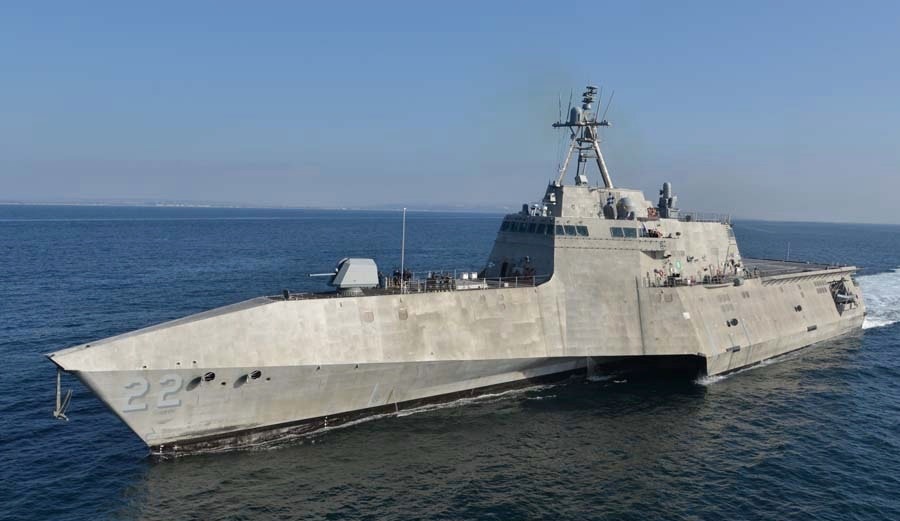
World
WASHINGTON / SAN DIEGO : BAE Systems has secured two U.S. Navy contracts worth a combined $98 million to modernize and maintain the littoral combat ship USS Kansas City (LCS 22) and the guided-missile destroyer USS Stockdale (DDG 106), reinforcing San Diego’s role as a key hub for Pacific Fleet sustainment operations. The work will be carried out by BAE Systems’ Maritime Solutions San Diego division and will support scheduled Docking Selected Restricted Availability (DSRA) periods for both vessels beginning in May 2026. DSRA maintenance periods are critical overhauls involving drydocking, structural preservation, system upgrades, and habitability improvements designed to extend a ship’s operational life and fleet readiness. Major Maintenance for USS Kansas City Under a $37 million contract, USS Kansas City, a 2,550-ton Independence-class littoral combat ship, will enter drydock at the San Diego shipyard for a comprehensive maintenance cycle. The scope of work includes underwater hull preservation to protect against corrosion, modernization of onboard ship systems, and refurbishment of crew living spaces. Commissioned in 2020, USS Kansas City is designed for operations in near-shore and contested littoral environments, with mission flexibility focused on surface warfare, mine countermeasures, and maritime security. The planned upgrades are intended to ensure the ship remains fully mission-capable as the Navy continues to refine the operational role of the Independence-class fleet. The vessel’s accommodations will also be improved for its core crew of 41 sailors, reflecting the Navy’s growing emphasis on crew habitability and endurance during extended deployments. Extensive Overhaul for USS Stockdale USS Stockdale, a 9,200-ton Arleigh Burke-class guided-missile destroyer, will undergo a more extensive maintenance period under a separate $61 million DSRA contract. Planned work includes underwater hull preservation, reconditioning of the superstructure, refurbishment of interior fuel and ballast tanks, and upgrades to crew living spaces. Commissioned in 2009, USS Stockdale is a multi-mission destroyer equipped for air defense, ballistic missile defense, surface warfare, and anti-submarine operations. The maintenance effort is aimed at sustaining the ship’s combat readiness and structural integrity as it continues to operate at a high operational tempo in the Indo-Pacific region. Strengthening Fleet Readiness Eric Icke, vice president and general manager of BAE Systems Maritime Solutions San Diego, said the contracts highlight the company’s long-standing partnership with the U.S. Navy. “Our team looks forward to executing the scheduled maintenance work aboard the Kansas City and Stockdale,” Icke said. “Working alongside Navy personnel and our subcontractor teammates, our shipyard team will apply our Navy ship repair expertise to ensure both ships return to the fleet fully capable of fulfilling national defense requirements.” BAE Systems’ San Diego shipyard is one of the Navy’s primary West Coast facilities for surface combatant maintenance, supporting cruisers, destroyers, amphibious ships, and littoral combat ships assigned to the Pacific Fleet. Strategic Importance The contracts come amid sustained demand for ship maintenance and modernization as the U.S. Navy faces increased operational commitments and seeks to keep both aging and newer vessels at peak readiness. With both ships scheduled to begin maintenance in May 2026, the work underscores the Navy’s focus on long-term sustainment as a core pillar of maritime strategy. Once completed, USS Kansas City and USS Stockdale are expected to return to service with enhanced reliability, improved crew conditions, and renewed operational capability, strengthening the Navy’s ability to project power and maintain stability across key maritime regions.
Read More → Posted on 2026-01-22 14:53:31
India
New Delhi : In a significant move aimed at reshaping how national progress and global leadership are evaluated, India on Monday ( 19 January 2026 ) launched the Responsible Nation Index (RNI), a new global ranking system that prioritises ethics, social welfare, environmental stewardship and international accountability over traditional measures such as economic size or military power. The index was unveiled at the Dr. Ambedkar International Centre in New Delhi by the World Intellectual Foundation (WIF), marking India’s entry into the global arena of international indices with a distinctly values-based framework. A Shift From Power to Responsibility Unlike conventional global rankings that focus primarily on GDP growth, military capability or geopolitical influence, the RNI assesses countries through a broader moral and humanitarian lens. It evaluates how nations translate governance, policy decisions and global engagement into outcomes that advance human well-being, sustainability and ethical responsibility. According to WIF, the index seeks to answer a fundamental question for the 21st century: What does it truly mean to be a successful nation in an interconnected and fragile world? Former President Kovind Highlights Ethical Governance Former President Ramnath Kovind, who was the chief guest at the launch, described the index as both timely and necessary. In his address, Kovind underscored that ethical governance, inclusive development and moral responsibility are no longer optional ideals but essential pillars for sustainable national and global progress. He noted that in an era marked by climate stress, inequality and geopolitical instability, nations must be judged not only by what they achieve for themselves, but also by how responsibly they act toward their citizens and the international community. Three Years of Research and Academic Collaboration The Responsible Nation Index is the outcome of three years of academic and policy research conducted by WIF, with substantial scholarly contributions from Jawaharlal Nehru University (JNU) and Indian Institute of Management Mumbai (IIM Mumbai). Researchers developed composite indicators covering ethical governance, social protection, environmental responsibility, global cooperation and long-term sustainability. WIF stated that the methodology links the real-world consequences of government actions to ethical and humanitarian values, rather than abstract power metrics. Global Rankings: Singapore Tops the Index In its inaugural edition, the RNI ranks Singapore first globally with an overall score of 0.61945, followed by Switzerland and Denmark. Several European nations dominate the top tier, reflecting strong performance in governance quality, social systems and environmental policies. India ranked 16th globally with a score of 0.551513, placing it ahead of several major powers, including France (17th), Japan (38th), the United States (66th), China (68th) and Russia (96th). The rankings underscore the index’s departure from power-centric evaluations. While the United States and China score highly on economic or military indices, their lower placement in the RNI reflects concerns related to social equity, global responsibility and ethical governance. Expert Panel Reimagines National Success The launch event also featured a high-level panel discussion titled “From Human Well-being to Global Leadership: Rethinking Responsibility, Prosperity, and Peace in the 21st Century.” The session was chaired by N.K. Singh, Chairman of the 15th Finance Commission. Panelists debated how traditional definitions of national success are increasingly inadequate in a world facing shared challenges such as climate change, pandemics and economic inequality. The discussion highlighted the need for global benchmarks that reward cooperation, restraint and long-term thinking. WIF: A New Global Conversation Begins Sudhanshu Mittal, Founder Secretary of the World Intellectual Foundation, said the RNI represents a fundamental shift in global evaluation frameworks. He described the index as an attempt to move beyond “power and performance” toward “responsibility and impact.” Mittal emphasised that the RNI links policy choices directly to ethical and humanitarian outcomes, arguing that responsible governance should be central to how nations are judged and how global leadership is defined. Toward a Responsibility-Centric World Order The programme concluded with the formal release of the Responsible Nation Index report, which WIF hopes will serve as a catalyst for international debate and policy reflection. Organisers said the index is intended not as a verdict, but as a tool for dialogue — encouraging governments, institutions and citizens to rethink priorities in an era of shared global risks. With the launch of the RNI, India has positioned itself at the forefront of a growing global conversation that challenges nations to measure success not only by what they accumulate, but by how responsibly they govern, cooperate and contribute to the common good.
Read More → Posted on 2026-01-22 14:44:34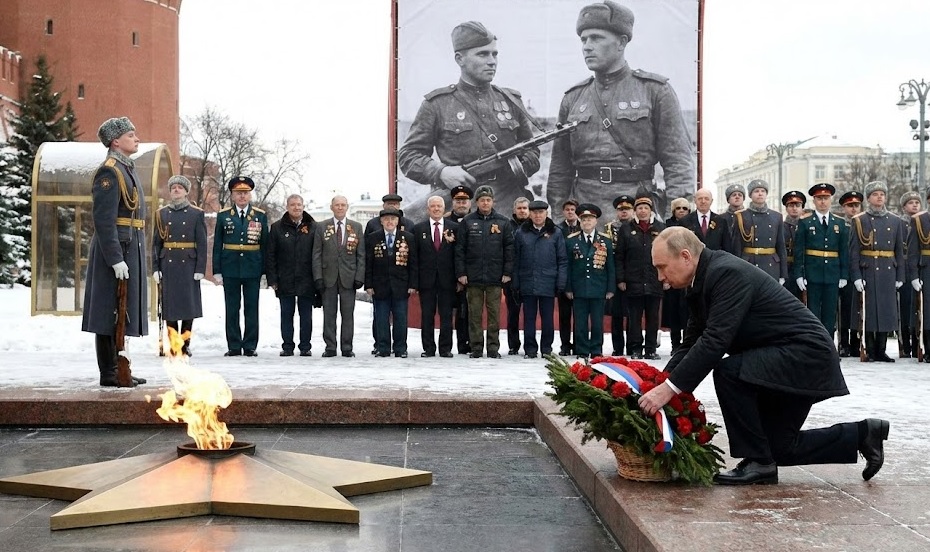
World
MOSCOW : Russian President Vladimir Putin has reignited a long-simmering historical and geopolitical debate, invoking the immense Soviet sacrifice of World War II to challenge Western portrayals of Russia as Europe’s foremost security threat. Speaking at a commemorative event honoring the defeat of Nazi Germany, Putin framed the legacy of 1945 as both a rebuke to what he called “distorted history” and a warning against contemporary Western policy toward Moscow. “Who stormed Berlin? The Americans? The British? The French? No — it was the Red Army,” Putin said, underscoring the scale of Soviet losses. He cited the Battle of Stalingrad, where more than a million Soviet soldiers and civilians were killed or wounded, and contrasted that toll with the significantly lower wartime casualties suffered by Britain and the United States. “Eighty percent of Nazi Germany’s military was crushed by the Soviet Union,” he added. “Don’t twist history just because it’s inconvenient now.” The remarks were not merely commemorative. Delivered amid continued confrontation between Russia and the NATO alliance, they formed part of a broader Kremlin effort to root modern Russian policy in the moral authority of the Second World War, a conflict known domestically as the Great Patriotic War. In Moscow’s telling, today’s Russia is not an aggressor but the heir to a state that bore the heaviest burden in liberating Europe from fascism. The Historical Record On the core historical facts, most professional historians broadly agree with the scale of the Soviet contribution, even if they reject the political conclusions drawn from it. The Eastern Front was the central theater of the European war. From the German invasion of the Soviet Union in June 1941 until the fall of Berlin in May 1945, the Red Army faced the bulk of Nazi Germany’s forces. Academic studies consistently estimate that roughly three-quarters — and possibly as much as four-fifths — of German military casualties occurred on the Eastern Front. Battles such as Stalingrad, Kursk, and Operation Bagration annihilated entire German army groups and irreversibly shifted the balance of the war well before Allied landings in Normandy in June 1944. The human cost was staggering. The Soviet Union lost an estimated 27 million people, including soldiers and civilians, through combat, starvation, occupation policies, and mass reprisals. No other Allied nation came close to that scale of loss. Britain lost roughly 450,000, while the United States lost about 420,000. These figures do not diminish the Western Allied campaigns, but they place the Soviet experience in a category of its own. For the Kremlin, these numbers are more than statistics. They form the emotional core of modern Russian identity and a powerful domestic narrative of resilience, sacrifice, and historical entitlement to security. History as Political Weapon Putin’s repeated emphasis on World War II serves a clear strategic purpose. By highlighting the Soviet role in saving Europe, Moscow seeks to cast current Western policies — NATO expansion, military aid to Ukraine, and economic sanctions — as acts of ingratitude or betrayal. In this narrative, Russia is once again encircled by hostile powers, much as it claims to have been in 1941. European and American officials reject this framing, arguing that historical sacrifice does not grant a permanent veto over the sovereignty and security choices of neighboring states. They point instead to Russia’s post-Cold War actions, from Georgia to Ukraine, as evidence that Moscow, not NATO, has destabilized the European security order. The clash, therefore, is not about the facts of 1945, but about what those facts mean in 2026. Is Russia Truly a Threat to Europe? At the heart of the debate lies a fundamental question: does modern Russia pose a genuine military threat to Europe, or has that danger been exaggerated for political effect? Those who argue the threat is overstated point to the limits of Russian power. Russia’s economy, while resilient, is far smaller than that of the combined European Union and United States. Years of intense fighting in Ukraine have consumed vast quantities of manpower and equipment, leaving the Russian military focused on regeneration, not expansion. From this perspective, the idea of Russian tank armies rolling toward Paris or Berlin appears implausible. Yet many Western defense analysts caution that this view misunderstands the nature of the risk. Russia does not need — and likely does not seek — a conventional invasion reminiscent of 1945. Instead, Moscow relies on asymmetric and hybrid warfare to weaken adversaries without triggering full-scale war. These methods include cyber operations, disinformation campaigns, political interference, energy leverage, and sabotage below the threshold of open conflict. Added to this is Russia’s nuclear arsenal, the largest in the world, providing Moscow with a powerful tool of strategic coercion. From this viewpoint, Russia is not a conquering army, but a strategic spoiler capable of imposing economic and political pain while avoiding direct confrontation. The Weight of the Past History shows that Russia’s relationship with Europe has never been simple. Imperial Russia helped defeat Napoleon, later clashed with Britain and France in Crimea, and the Soviet Union, while liberating Eastern Europe from Nazism, went on to impose decades of authoritarian control. The same Red Army that destroyed Hitler’s forces also installed regimes many Europeans experienced as another form of domination. This dual legacy complicates Putin’s argument. The memory of 1945 commands respect, but it does not erase the fears shaped by what followed. A Contested Legacy Putin’s invocation of World War II resonates deeply at home and finds sympathy abroad among those who believe Western leaders selectively remember history. In Europe, however, the lesson of the 20th century is not only about who won the war, but about the dangers of unchecked power and the importance of sovereign choice. The result is a profound disconnect. Moscow sees itself as a besieged heir to a heroic past. Many European capitals see a nuclear-armed state using that past to justify pressure on its neighbors. The Red Army did storm Berlin, and the Soviet Union did pay the highest price for victory over Nazism. Whether that history proves Russia is Europe’s savior — or a reason for enduring caution — remains the central, unresolved question shaping the continent’s security today.
Read More → Posted on 2026-01-22 14:32:50
World
ABU DHABI : In one of the most consequential defence procurement deals to emerge from the Middle East in recent years, UAE-based EDGE Group has signed a landmark agreement with the United Arab Emirates Ministry of Defence (MoD) to supply 168 advanced unmanned helicopters, dramatically expanding the country’s autonomous airpower and military logistics capabilities. Announced at the Unmanned Systems Exhibition & Conference (UMEX) and Simulation and Training Exhibition 2026 in Abu Dhabi, the contracts rank among the largest single global orders ever placed for rotary-wing unmanned aerial systems (UAS). The programme will be executed by ANAVIA, EDGE Group’s Swiss-based subsidiary specialising in high-performance unmanned helicopters, and covers the delivery of two distinct platforms: the HT-100 and the heavy-lift HT-750. A Major Leap in Autonomous Military Aviation The acquisition reflects a strategic shift by the UAE Armed Forces toward large-scale operational deployment of uncrewed systems, moving beyond intelligence collection into logistics, sustainment, and multi-domain combat support. Of the total order, 76 units will be the HT-100, a compact intelligence, surveillance, and reconnaissance (ISR) platform, while 92 units will be the HT-750, a significantly larger system designed to undertake missions traditionally reserved for manned helicopters. Defence analysts say the size and composition of the order signal a decisive move to reduce reliance on crewed rotary-wing aircraft for high-risk missions, particularly resupply operations in contested or austere environments. EDGE Group, which acquired a 52 percent majority stake in ANAVIA in November 2023, has positioned the deal as a cornerstone of its strategy to integrate European aerospace engineering with regional defence requirements. Industrial Execution and Strategic Significance Production of the helicopters will be carried out at ANAVIA’s facilities in Switzerland, where the company designs and manufactures advanced uncrewed aerial systems for both military and civil applications. While the UAE has prioritised localisation of defence manufacturing under its “Operation 300bn” industrial strategy, officials view the programme as a bridge between immediate capability needs and long-term domestic production ambitions. Jon Andri Jörg, Chief Executive Officer of ANAVIA, described the contracts as a defining moment for both the company’s growth and the future of unmanned aviation. “Our contracts with the UAE’s Ministry of Defence highlight our ongoing dedication to enabling advanced unmanned intelligence and logistics operations through the latest technology in autonomous systems,” Jörg said. “The global security landscape is evolving towards an increasingly unmanned future, and ANAVIA will continue to innovate in developing high-performance systems that deliver industry-leading capabilities, while supporting the UAE’s advanced technology ecosystem.” HT-100: Persistent Eyes Over the Battlefield The HT-100 is a mission-proven unmanned helicopter optimised for ISR missions in demanding operational environments. Its distinctive Flettner double-rotor configuration, which uses intermeshing rotors instead of a tail rotor, provides high lift efficiency, compact dimensions, and enhanced stability in high winds. Designed for day-and-night operations, the platform can remain airborne for up to six hours and operate at ranges approaching 600 kilometres, with secure data-link connectivity extending to roughly 200 kilometres. With a payload capacity of up to 65 kilograms, the HT-100 can carry electro-optical and infrared sensors, LiDAR systems, communications relays, or light cargo. For the UAE Armed Forces, the aircraft is expected to play a key role in border surveillance, maritime monitoring, artillery spotting, and rapid reconnaissance missions where endurance and reliability are critical. HT-750: Replacing Pilots in High-Risk Missions The larger HT-750 represents the most transformative element of the deal. Designed as a heavy-lift, multi-role unmanned helicopter, the platform is capable of carrying payloads of up to 750 kilograms, placing it among the most capable systems in its class worldwide. With a top speed of approximately 222 kilometres per hour and endurance of up to 15 hours, depending on payload configuration, the HT-750 is intended to conduct forward operating base resupply, ammunition and fuel transport, medical logistics, and potential combat support missions. Its capacity allows it to move substantial loads into areas where threat levels, terrain, or operational risk would otherwise endanger human pilots. Military planners view the HT-750 as a force multiplier, enabling sustained operations without exposing aircrews to hostile fire, harsh weather, or pilot fatigue. Reinforcing EDGE’s Global Standing The contracts further consolidate EDGE Group’s emergence as a major global defence player, particularly in the unmanned systems domain. Since its formation, the group has pursued an aggressive acquisition and partnership strategy, combining international technology with domestic investment to deliver end-to-end defence solutions. The unmanned helicopter programme is expected to unfold over multiple years, given the scale of the order, and may require ANAVIA to expand its manufacturing and systems integration capacity. While no official delivery timeline has been disclosed, industry sources suggest initial units could be fielded within two years, followed by phased deliveries. Shaping the Future of Warfare For the UAE Ministry of Defence, the deal represents more than a procurement milestone. It reflects a broader doctrinal evolution toward autonomy, resilience, and technological superiority, at a time when conflicts worldwide are increasingly defined by drones, uncrewed logistics, and persistent surveillance. As autonomous systems continue to reshape modern warfare, the UAE’s decision to field one of the world’s largest fleets of unmanned helicopters positions it at the forefront of a rapidly changing military landscape, where the balance between human operators and machines is being fundamentally redefined.
Read More → Posted on 2026-01-22 14:04:52
World
Jakarta / London : Indonesia and the United Kingdom have taken a decisive step in transforming their £4 billion Maritime Partnership Programme from a policy framework into an operational undertaking, following a concrete agreement covering two additional Arrowhead 140 frigate design licences. Announced on 21 January 2026 by Babcock International, the deal deepens defence-industrial ties between the two countries and reinforces Indonesia’s long-term naval modernisation strategy at a time of mounting maritime security pressures. The agreement represents the first binding contract to emerge from the Maritime Partnership Programme unveiled in late 2025, giving substance to a political understanding that had until now remained largely aspirational. By expanding the Arrowhead 140 programme, Jakarta is anchoring British naval design expertise within Southeast Asia while accelerating its own ambitions to field a more capable, resilient and domestically supported surface fleet. From Strategic Alignment to Industrial Delivery Under the new agreement, Indonesia will receive licences for two additional Arrowhead 140 frigate designs, supplementing the two licences originally concluded in 2021. A parallel Letter of Intent (LoI) outlines plans to construct a further pair of frigates domestically, bringing the Red White / Balaputradewa-class programme to at least four ships. The LoI was signed on behalf of President Prabowo Subianto and Babcock’s chief executive, signalling strong political endorsement and growing momentum in discussions with Indonesia’s Ministry of Defence. The timing is significant. The announcement comes only weeks after the launch of KRI Balaputradewa, Indonesia’s first domestically built Arrowhead 140–derived frigate and the largest principal surface combatant ever constructed in the country. Together, the developments underscore Jakarta’s determination to align naval capability growth with domestic industrial advancement. Maritime Pressures Driving Naval Modernisation For the world’s largest archipelagic state, naval modernisation is inseparable from sovereignty protection and economic security. Indonesia faces persistent grey-zone activity in and around the North Natuna Sea, as well as along key sea lines of communication linking the Malacca Strait with the Pacific Ocean. Recurrent incursions by foreign coast guard and fishing vessels into Indonesia’s exclusive economic zone (EEZ) have blurred the line between law-enforcement and military operations, placing sustained strain on naval forces. Within this environment, the Balaputradewa-class frigates are intended to provide a versatile and credible maritime presence. Designed for high-end combat roles—including task group escort and area air defence—as well as routine patrol and deterrence missions, the class is positioned as a cornerstone of Indonesia’s future surface fleet. By embedding the frigate programme within the wider Maritime Partnership Programme, Jakarta is framing naval modernisation not only as a tool of deterrence, but also as a means of protecting fisheries, securing trade routes, and safeguarding coastal communities. Beyond Minimum Essential Force The partnership aligns closely with Indonesia’s evolving defence planning philosophy. For years, force development was guided by the Minimum Essential Force (MEF) concept, aimed at restoring baseline readiness after decades of underinvestment. More recently, Jakarta has articulated a shift toward an Optimum Essential Force (OEF) objective, seeking a more integrated, networked and technologically advanced military by the end of the decade. Within this context, the Maritime Partnership Programme functions as more than a procurement mechanism. It is designed to combine capability acquisition with industrial and technological gains, channelling investment into domestic shipbuilding, supporting skills transfer in systems integration and complex programme management, and reinforcing Indonesia’s strategy of diversifying defence partnerships across Europe, Türkiye and the wider Indo-Pacific. Understanding the £4 Billion Figure Babcock’s £4 billion estimate does not represent the price of individual warships or a fixed contract for a specific number of frigates. Instead, it reflects the projected total value of the Indonesia–UK Maritime Partnership Programme over many years and across multiple sectors. The Arrowhead 140 element itself consists of phased design licence agreements, rather than a single shipbuilding contract. Actual construction costs—particularly for locally built frigates—will be negotiated separately, spread over several years, and shaped by decisions on combat systems, weapons integration, and local content requirements. To date, no official per-ship cost has been publicly disclosed, nor has a single value been assigned to the original licences, the additional licences, or a four-ship package. The £4 billion figure is best understood as an umbrella estimate, reflecting the long-term economic and industrial scale of the partnership rather than a guarantee tied solely to frigate construction. Beyond warship design, the partnership encompasses long-term industrial collaboration, technology transfer, workforce development, and support for domestic shipbuilding at PT PAL in Surabaya. It also extends into maritime security initiatives, including fisheries protection, coastal infrastructure, as well as training, sustainment, and lifecycle support for platforms delivered under the programme. Arrowhead 140 as a Global Frigate Family For the United Kingdom, the Indonesian agreement further consolidates Arrowhead 140 as an international frigate family, rather than a single national programme. The same core design underpins the Royal Navy’s Type 31 frigates and Poland’s future Miecznik-class, demonstrating the export potential of a common naval architecture adaptable to different operational requirements and industrial ecosystems. Derived from the Danish Iver Huitfeldt-class hull, Arrowhead 140 measures approximately 138–140 metres in length with a beam of around 20 metres and a displacement of 6,000–7,000 tonnes, depending on configuration. A combined diesel-and-diesel propulsion system enables speeds in excess of 28 knots and endurance suitable for sustained blue-water and littoral operations. Its open, modular architecture allows customer navies to integrate national sensors, weapons, and combat management systems, combining a proven hull and machinery package with a high degree of customisation. From an industrial perspective, the programme supports skilled employment in the UK, particularly at Rosyth, while reinforcing London’s ambition to remain a credible and enduring defence partner in the Indo-Pacific. Indonesia’s Adapted Frigate Concept Indonesia’s Arrowhead 140–derived frigates are being built by state-owned shipbuilder PT PAL, with adaptations tailored to the demands of Indonesia’s vast maritime environment. While detailed combat system specifications have not been fully disclosed, the design is expected to incorporate multifunction and surveillance radars, hull-mounted sonar, electronic warfare systems, and decoy launchers, providing layered situational awareness and survivability. A substantial midships section is reserved for a universal vertical launch system (VLS), reportedly intended to accommodate Turkish surface-to-air missiles, complemented by anti-ship missiles and twin triple torpedo launchers. Once fully equipped, the Balaputradewa-class is expected to rank among the most heavily armed and capable surface combatants in the current Indonesian Navy. A Partnership With Strategic Weight The first concrete agreement under the Indonesia–UK Maritime Partnership Programme marks a clear transition from political intent to tangible naval capability and industrial cooperation. With the Balaputradewa-class on track to form a four-ship core of Indonesia’s future surface fleet, the programme combines an export-proven European design with domestic construction, technology transfer, and nationally tailored combat systems. For Indonesia, the deal offers a pathway toward a credible blue-water presence and stronger maritime domain control. For the United Kingdom, it demonstrates how long-term defence partnerships and export-oriented shipbuilding can underpin domestic industry while extending strategic engagement in one of the world’s most geopolitically significant regions.
Read More → Posted on 2026-01-22 13:48:31
World
WASHINGTON : The US Army has finalized a $473 million contract with BAE Systems to manufacture 40 additional M109A7 Paladin self-propelled howitzer sets, including accompanying M992A3 Carrier Ammunition Tracked (CAT) vehicles, underscoring Washington’s continued emphasis on sustaining heavy artillery power within armored brigade combat teams rather than expanding overall force structure. BAE Systems confirmed the award on 21 January 2026 through its Combat Mission Systems business, noting that the agreement builds on the Army’s long-running Paladin modernization program. The contract covers not only new vehicle production but also technical support, post-production refurbishment, and welding compliance activities, reflecting a broader focus on readiness, safety, and lifecycle sustainment across the artillery fleet. Sustaining Heavy Artillery Capability Army officials have consistently framed the M109A7 program as a recapitalization effort designed to replace aging Paladin variants while keeping heavy cannon artillery viable in high-intensity conflict. Rather than increasing the number of howitzers in service, the latest procurement ensures that existing armored brigade combat teams retain a modern, reliable artillery system capable of operating alongside M1 Abrams tanks and Bradley infantry fighting vehicles. For BAE Systems, the contract also provides continuity for the US ground combat vehicle industrial base. Production of the Paladin A7 relies heavily on domestic suppliers and shared components with other armored platforms, reinforcing supply chain resilience as the Pentagon places renewed emphasis on surge capacity and compliance with evolving manufacturing standards. A Fundamentally Modernized Paladin The M109A7 represents a significant technical departure from earlier Paladin variants despite retaining the familiar silhouette. One of the most consequential upgrades is the replacement of legacy hydraulic gun drives with fully electric elevation and azimuth systems. Derived from technologies originally developed for the cancelled XM2001 Crusader and XM1203 Non-Line-of-Sight Cannon programs, the electric drives reduce maintenance demands, eliminate hydraulic fluid vulnerabilities, and improve system reliability. Manual backup controls remain in place to ensure continued operation under degraded or combat-damaged conditions. A full-stroke hydraulic rammer supports projectile loading, with optional semi-automatic functionality to sustain rates of fire while easing crew workload during prolonged missions. Mobility and Power for the Digital Battlefield Mobility upgrades are central to the Paladin A7’s role in armored formations. The howitzer is powered by a 600-horsepower Cummins diesel engine, identical to that used on Bradley vehicles, paired with an upgraded transmission and torsion bar suspension. This commonality simplifies logistics and maintenance across brigade fleets. Equally important is the redesigned onboard electrical architecture. Engine output is converted into up to 70 kilowatts of electrical power, distributed through both 600-volt and 28-volt direct current systems. This surplus supports digital fire control, onboard diagnostics, climate control, and future sensors, communications, or electronic warfare systems without external generators. With a combat weight of approximately 35.4 tonnes, the M109A7 reaches road speeds of about 61 kilometers per hour while maintaining cross-country mobility aligned with armored maneuver units. Survivability and Crew Protection Survivability enhancements are integrated throughout the platform. The all-welded aluminum hull and turret are fitted with Kevlar anti-spall liners, enhanced applied armor, and provisions for add-on and underbelly protection kits. An automatic fire suppression system and nuclear, biological, and chemical (NBC) protection are standard, while a gunner protection kit improves crew survivability. For close-in defense, the Paladin A7 mounts a 12.7 mm M2 heavy machine gun, optionally configured with a remotely operated weapon station. Combined with rapid shoot-and-scoot capability, these measures reduce vulnerability to counter-battery fire, loitering munitions, and drone-enabled targeting. The Ammunition Partner: M992A3 CAT Each Paladin A7 operates in tandem with the M992A3 Carrier Ammunition Tracked vehicle, which can transport up to 95 rounds of 155 mm ammunition under armor. Ammunition is transferred via an internal conveyor system without requiring crew members to dismount. Resupply is typically conducted away from firing positions, enabling sustained fire missions while minimizing exposure. Firepower and Precision The main armament remains the 39-caliber 155 mm M284 cannon mounted on the M182A1 gun cradle. With standard high-explosive ammunition, effective ranges extend to roughly 24 kilometers, increasing to around 30 kilometers with rocket-assisted projectiles. The system is fully compatible with the M982 Excalibur precision-guided munition, a GPS-guided round capable of near two-meter accuracy under optimal conditions. This precision reduces collateral damage, ammunition expenditure, and logistical burden in complex environments. Integrated digital fire control systems and Blue Force Tracker connectivity place the Paladin A7 within the Army’s networked fires architecture, enabling rapid mission processing and coordination with maneuver commanders. Strategic and International Implications Continued investment in Paladin production reflects broader US efforts to maintain credible conventional deterrence amid intensifying great-power competition. As potential adversaries expand long-range fires, counter-battery radars, and sensor networks, the Army emphasizes the need for protected, mobile, and precise cannon artillery capable of operating in contested environments. The program also carries international significance. Allied and partner nations, including Taiwan, have selected the M109A7, reinforcing interoperability with US forces and highlighting the enduring relevance of modern tube artillery in regional security planning. With the latest contract, the US Army signals that—even in an era dominated by long-range missiles and emerging technologies—heavy self-propelled howitzers like the M109A7 Paladin remain a cornerstone of land combat power, modernized through sustained, incremental investment in reliability, protection, and precision.
Read More → Posted on 2026-01-22 13:24:51
World
LONDON : The UK Ministry of Defence has awarded BAE Systems a £453.5 million contract for the full-scale production of a next-generation radar system for the Royal Air Force’s Eurofighter Typhoon fleet, a move that significantly strengthens Britain’s air combat and electronic warfare capabilities amid a deteriorating European security environment. The contract covers the production and integration of the ECRS Mk2 radar, an advanced active electronically scanned array (AESA) system designed to give Typhoon aircraft a decisive edge in contested airspace. The award follows several years of development, testing and risk-reduction work funded through sustained UK government investment and is described by defence officials as one of the most substantial upgrades to the Typhoon platform since it entered service. Once fielded, the ECRS Mk2 will be integrated across the RAF’s full fleet of Tranche 3 Typhoon aircraft, with entry into operational service expected before the end of the decade. A Step Change From Mk1 to Mk2 The ECRS Mk2 represents a major evolution from the earlier ECRS Mk1 radar currently being introduced on Typhoon aircraft. While the Mk1 focuses primarily on improving traditional radar performance — including greater detection range, faster target tracking and improved reliability over legacy mechanically scanned systems — the Mk2 is designed as a multi-role sensor and electronic warfare system. Unlike the Mk1, which is optimized mainly for air-to-air and air-to-ground sensing, the Mk2 incorporates advanced electronic attack and electronic protection functions. This allows the radar not only to detect and track multiple targets simultaneously but also to disrupt, deceive or suppress hostile radar and air-defence systems. The system can dynamically switch between surveillance, targeting and electronic warfare modes, providing pilots with greater flexibility in high-threat environments. Defence sources describe the Mk2 as a “sensor-effector,” blurring the traditional line between radar and electronic warfare equipment. The upgrade is particularly significant in the context of modern conflicts, where aircraft are increasingly required to operate inside dense, networked air-defence zones. Enhanced Capabilities for Modern Warfare The ECRS Mk2’s AESA architecture allows thousands of transmit-receive modules to be controlled electronically rather than mechanically, enabling near-instantaneous beam steering, greater resilience to jamming, and improved performance against low-observable targets. The radar is capable of detecting, identifying and tracking multiple airborne and surface targets at long range while maintaining a low probability of intercept, reducing the chance of detection by adversaries. In electronic warfare roles, the Mk2 can generate focused, high-power electronic effects to degrade or deny enemy sensors, offering Typhoon crews a powerful self-protection and force-multiplier capability. This is seen as particularly relevant as Russian and other state-level air-defence systems become more sophisticated and continue to proliferate across active conflict zones. The upgrade also enhances Typhoon’s ability to share data across NATO networks, improving interoperability with allied aircraft, ground forces, and command-and-control systems. Industrial Impact and UK Jobs The contract is expected to support around 1,300 skilled jobs across the UK defence sector, including approximately 400 roles at Leonardo and more than 120 positions at BAE Systems, with the majority of employment concentrated in Scotland and the North West of England. Leonardo UK will lead the design and manufacture of the radar hardware at its facilities in Edinburgh and Luton, while BAE Systems will oversee system integration and aircraft modification at its Lancashire sites. Under the current programme, the companies will deliver 38 ECRS Mk2 radars. The broader Typhoon programme supports more than 20,000 UK jobs annually and generates approximately £1.4 billion in exports each year, with total export sales exceeding £30 billion since the aircraft entered service. Strategic Context and Government Messaging Richard Hamilton, Managing Director for Air Operations at BAE Systems Air, described Typhoon as a cornerstone of the UK’s defence posture. “The Typhoon programme is a fundamental pillar of the UK’s national defence and security,” he said, noting the aircraft’s role at the heart of NATO air policing missions, particularly along Europe’s eastern flank. UK Defence Secretary John Healey framed the radar upgrade within the wider geopolitical context, describing the Typhoon fleet as the backbone of UK and NATO air defence. He highlighted the growing threat from Russian drone and missile activity and repeated violations of NATO airspace, adding that the ECRS Mk2 will help keep Britain secure at home and strong abroad for many years to come. Future-Proofing the Typhoon Fleet Defence analysts see the ECRS Mk2 radar as a critical step in keeping the Eurofighter Typhoon operationally relevant well into the 2030s, particularly as the UK advances development of its Global Combat Air Programme (GCAP). The radar is also viewed as a technology bridge, allowing advanced sensor fusion and electronic warfare techniques to mature ahead of the next generation of combat air platforms. With the £453.5 million production contract now in place, the UK has sent a clear signal that it intends to maintain Typhoon as a front-line, high-end combat aircraft capable of operating in the most demanding threat environments — a message aimed at allies, industry, and potential adversaries alike.
Read More → Posted on 2026-01-22 13:16:33
World
TROITSK, Russia : Russian scientists have revealed a laboratory-built plasma propulsion system that, if successfully matured, could compress the journey to Mars from nearly a year to little more than a month, potentially redrawing the roadmap for human interplanetary travel. The prototype engine was unveiled this week by researchers at the Troitsk Institute for Innovation and Fusion Research, a key scientific center operating under Rosatom. Unlike speculative propulsion concepts that exist largely on paper, the new system is already undergoing physical testing inside one of Russia’s largest space-simulation vacuum chambers, marking a decisive shift from theory to hardware. A Radical Departure From Chemical Rockets At the heart of the announcement is a high-power magnetic plasma accelerator, a form of electric propulsion that replaces explosive combustion with sustained electromagnetic acceleration. Instead of burning fuel for short, violent bursts of thrust, the engine ionizes hydrogen into plasma and uses powerful magnetic fields to hurl charged particles out of the exhaust at extreme velocities. According to Alexey Voronov, First Deputy Director for Science at the Troitsk institute, the limitations of chemical propulsion make it increasingly unsuitable for crewed deep-space missions. “A conventional flight to Mars can take eight months or more,” Voronov said. “That duration exposes astronauts to radiation levels that approach or exceed acceptable limits. Plasma propulsion changes the equation. A 30- to 60-day transit would allow a round-trip mission before radiation doses become critical.” Performance That Redefines Electric Propulsion Electric thrusters are not new; low-power ion engines already keep satellites in position and propel deep-space probes. What sets the Russian prototype apart is the combination of thrust and exhaust velocity. The engine produces a sustained thrust of roughly six newtons—modest by terrestrial standards, but exceptionally high for an electric system. In the frictionless vacuum of space, that continuous push allows a spacecraft to accelerate for weeks. The exhaust velocity, measured at approximately 100 kilometers per second, dwarfs the roughly 4.5 kilometers per second achieved by even the most advanced chemical rockets. Engineers describe the device as operating in a pulse-periodic mode, drawing about 300 kilowatts of power while maintaining magnetic field stability. The result is a propulsion system designed not for dramatic launch sequences, but for relentless, efficient acceleration once in orbit. The Nuclear Power Requirement That performance comes with a critical caveat: power. A 300-kilowatt plasma engine cannot realistically be supported by conventional solar arrays, particularly beyond Earth orbit. The solution, Rosatom officials say, lies in nuclear energy. The plasma accelerator is intended to pair with Russia’s “Zeus” nuclear space tug, a spacecraft concept built around a megawatt-class nuclear reactor capable of supplying continuous electrical power for months. In this configuration, the reactor feeds electricity to the engine, sustaining the magnetic fields that drive the plasma and enabling prolonged acceleration toward Mars or beyond. Rosatom has framed the project as a logical extension of Russia’s decades-long experience with compact nuclear reactors, including those used in icebreakers and remote terrestrial installations. From Vacuum Chamber to Deep Space For now, the engine remains firmly on the ground. It is mounted inside a cylindrical vacuum chamber at the Troitsk facility measuring roughly 14 meters in length and four meters in diameter, designed to replicate the near-perfect vacuum of interplanetary space. Testing through 2025 and 2026 will focus on refining magnetic confinement, improving electrode durability, and verifying long-duration operational stability. Engineers caution that plasma erosion, heat management, and reactor integration remain formidable challenges. Rosatom has set an ambitious target of 2030 for a flight-ready system, though officials acknowledge that timelines could shift as testing progresses. Strategic and Global Implications If the technology performs as advertised, it addresses two of the most persistent obstacles to human Mars missions. Shorter transit times dramatically reduce the mass of food, water, and life-support systems, lowering launch costs. More importantly, they cut astronauts’ exposure to cosmic radiation and microgravity, both of which pose serious long-term health risks. Internationally, the announcement positions Russia as a serious contender in advanced propulsion. While NASA and private firms such as Ad Astra Rocket Company are pursuing similar plasma-based concepts, Rosatom’s ability to integrate high-thrust electric engines with nuclear reactors gives it a distinctive edge. Whether the Troitsk prototype ultimately fulfills its promise remains uncertain. But by demonstrating hardware capable of sustained, high-power plasma propulsion, Russian scientists have moved the idea of a one-month trip to Mars from science fiction toward experimental reality.
Read More → Posted on 2026-01-21 18:14:21
World
WASHINGTON / BRUSSELS : President Donald Trump said he will not use military force to pursue U.S. ambitions over Greenland, even as his administration escalates economic pressure on Europe through a sweeping new tariff regime explicitly tied to the Arctic island. “I don’t have to use force, I won’t use force,” Trump said, addressing questions about Greenland during remarks that came alongside the announcement of a new round of tariffs on key European economies. The statement sought to temper international concern after Trump confirmed that acquiring Greenland remains his top strategic priority, framing the effort as a matter of negotiation and leverage rather than coercion. Tariffs as Leverage in a High-Stakes Negotiation Under the plan outlined by the White House, the United States will impose a 10 percent tariff beginning February 1 on imports from Denmark, Norway, Sweden, France, Germany, the United Kingdom, the Netherlands, and Finland—countries Trump described as central to Europe’s political and economic alignment with Denmark. The tariffs are scheduled to rise sharply to 25 percent on June 1 and, according to the president, will not be lifted until a deal is reached on Greenland. Trump has defined that deal in stark terms. Any agreement, he said, must constitute a “complete and total purchase of Greenland,” language that immediately drew criticism across Europe and reignited debate over sovereignty, international law, and the use of trade policy as a geopolitical weapon. The European Commission has yet to announce retaliatory measures, but senior officials in Brussels signaled that the bloc views the tariffs as unjustified and politically motivated. Privately, diplomats acknowledged that the explicit linkage between trade penalties and territorial acquisition marks an unprecedented escalation in transatlantic relations. The Tariff Playbook Returns Market analysts say the strategy fits a familiar pattern. In a detailed analysis published by The Kobeissi Letter, researchers described the current episode as the latest iteration of what they call President Trump’s “exact tariff playbook,” a sequence of announcements, threats, and delays designed to maximize pressure while stopping short of lasting economic damage. According to the report, Trump typically begins with a sudden, punitive threat—often announced late in the week or over a weekend—when markets are closed or illiquid. The uncertainty alone drives an initial selloff, even though the tariffs are not scheduled to take effect for several weeks. That lead time, analysts argue, is the true negotiating window. A similar pattern played out in October, when Trump threatened a 100 percent tariff on China with just three weeks’ notice. Equity futures slid sharply, but the standoff ultimately ended with a new trade deal and concessions from Beijing on rare earth exports, allowing Trump to declare victory without the tariffs ever being fully implemented. “This is not chaos,” the Kobeissi analysis argues. “It is by design.” Markets Brace for Volatility With the latest announcement coming over a holiday weekend, U.S. equity futures are expected to react only when trading resumes, potentially amplifying the emotional response. Strategists caution, however, that the impact may be less severe than past episodes, as investors have grown accustomed to Trump’s sequencing and increasingly look beyond the headline shock. Still, the stakes this time are higher. Unlike prior disputes centered on trade balances or export controls, the Greenland issue touches on sovereignty and national identity, making compromise politically sensitive for Denmark and its European partners. “Turbulence may be longer-lived,” the Kobeissi report notes, “because this is a bigger ask than previous trade war demands.” The Bond Market as a Brake One critical difference from earlier tariff cycles is the role of the U.S. bond market. During a previous flare-up in April 2025, a rapid rise in Treasury yields preceded a sudden 90-day tariff pause, which Trump later acknowledged was influenced by market stress. Analysts now believe the 10-year Treasury yield has become an informal red line for the White House. If yields rise sharply above the mid-4 percent range, investors expect the administration to soften its stance or delay implementation, particularly with midterm elections approaching. Higher borrowing costs threaten economic growth and undermine the very market confidence Trump often cites as a measure of success. A Strategy Built on Timing At the core of Trump’s approach is timing. By announcing tariffs weeks before they are due to take effect, he creates sustained pressure while preserving room to claim a negotiated win. In past trade wars, deals were frequently unveiled on or just before the date tariffs were set to begin, allowing markets to rebound and reset the cycle. Whether that formula can work again—this time over Greenland—remains uncertain. European leaders face domestic constraints that make concessions politically risky, and public opinion in Greenland itself has consistently opposed any transfer of sovereignty. A Test for Markets and Diplomacy For now, Trump’s declaration that he will not use military force has eased immediate fears of confrontation, but it has done little to calm economic and diplomatic tensions. Investors are bracing for renewed volatility, European officials are weighing their response, and global markets are once again being asked to price a negotiation conducted through shock and suspense. As one senior European diplomat put it privately, “This is not just a trade dispute. It is a test of how far economic pressure can be pushed in pursuit of geopolitical ambition.” Whether the episode ends in another last-minute deal—or marks a more prolonged rupture between Washington and its allies—may depend less on rhetoric than on markets, timing, and the limits of the tariff playbook itself.
Read More → Posted on 2026-01-21 17:40:41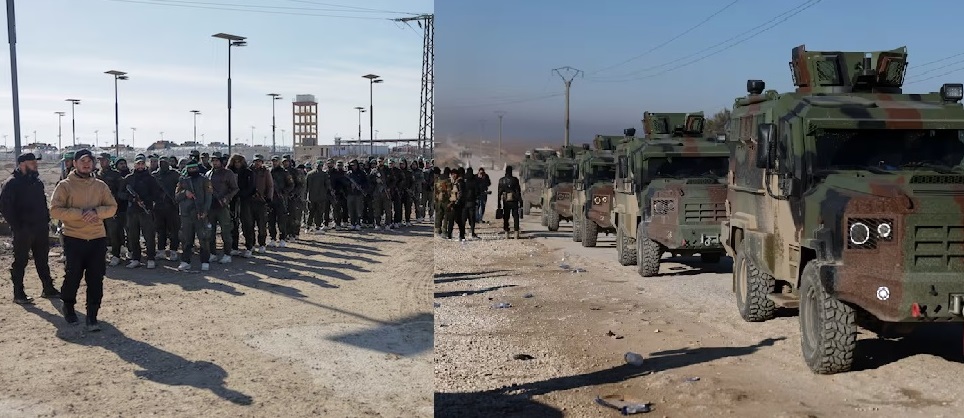
World
TAMPA / HASAKAH : The United States military has launched one of its largest and most urgent detainee relocation operations since the territorial defeat of ISIS, moving to transfer up to 7,000 captured militants from detention sites in northeastern Syria to fortified facilities inside Iraq. U.S. Central Command (CENTCOM) officials confirmed the operation began on January 21, reflecting growing concern that the collapse of local security arrangements could trigger a mass breakout and revive the extremist group’s operational capacity. The mission, overseen by United States Central Command, started with the transfer of 150 high-value ISIS fighters from a detention facility in Hasakah to Iraqi custody. Military planners say the initial movement represents only the first phase of a broader extraction that could unfold over weeks, depending on security conditions on the ground and coordination with Iraqi authorities. Security Vacuum in Northeastern Syria The accelerated timetable follows the sudden withdrawal of the Syrian Democratic Forces (SDF) from several detention sites, including areas surrounding the sprawling Al-Hol camp. Kurdish officials cited sustained clashes with Syrian government units, logistical exhaustion, and what they described as diminishing international support as reasons for pulling back from positions they had guarded since 2019. U.S. defense officials privately warned that the pullout created an immediate and dangerous vacuum. Al-Hol and adjacent detention facilities hold thousands of ISIS fighters and supporters, many of whom have attempted escapes, assassinations, and coordinated riots in recent years. Intelligence assessments circulated within CENTCOM reportedly concluded that even a limited breach could allow experienced operatives to reconstitute cells across Syria and Iraq within months. “Facilitating the orderly and secure transfer of ISIS detainees is critical to preventing a breakout that would pose a direct threat to the United States, our partners, and regional stability,” said Adm. Brad Cooper, CENTCOM’s commander, in a statement released Wednesday. Damascus Moves In as U.S. Strategy Shifts As the SDF withdrew, Syrian government forces were reported to have entered sections of the Al-Hol perimeter, marking a significant shift in control over one of the most sensitive sites in the post-ISIS landscape. The development underscores a broader geopolitical realignment underway in the region. U.S. diplomatic messaging has also evolved. According to regional reporting, U.S. Special Envoy for Syria Tom Barrack recently suggested that the strategic role of the SDF as long-term custodians of ISIS detainees had “expired,” signaling Washington’s increasing preference for managing the threat through state-to-state coordination with Iraq—and potentially Damascus—rather than reliance on non-state partners. The remarks have unsettled Kurdish leaders, who for nearly seven years served as the primary jailers of ISIS prisoners on behalf of the U.S.-led coalition, often at significant cost. Iraq Accepts a Central Role Iraq, which has historically resisted accepting large numbers of ISIS detainees from Syria, has now emerged as the cornerstone of the new containment strategy. Officials in Baghdad agreed to the transfers under expanded security guarantees, intelligence-sharing arrangements, and U.S. logistical support. Prime Minister Mohammed Shia' al-Sudani was reported to be near the Syrian border on Wednesday as the operation began, overseeing reinforced defensive lines and reviewing detention readiness. Iraqi security forces have spent months upgrading high-security prisons designed to hold senior ISIS commanders and foreign fighters considered too dangerous to remain in Syria’s deteriorating detention network. “We are closely coordinating with regional partners, including the Iraqi government, and we sincerely appreciate their role in ensuring the enduring defeat of ISIS,” Adm. Cooper said. The Scale of the Threat Despite losing its territorial “caliphate,” Islamic State remains an active insurgent force. In 2025 alone, U.S. and partner forces detained more than 300 ISIS operatives across Syria and Iraq and killed at least 20 senior and mid-level fighters, according to coalition data. Intelligence agencies continue to warn that detention facilities themselves have become strategic targets for the group. Al-Hol, once home to roughly 73,000 people at its peak, still houses an estimated 24,000 individuals. Among them are approximately 3,000 Iraqi nationals and thousands of hardline foreign ISIS affiliates concentrated in the heavily guarded “Annex,” which U.S. officials say will be prioritized in the current transfer operation. A High-Risk, High-Stakes Operation Military officials stress that the relocation effort is fraught with risk. Convoys must traverse contested terrain, detainees require constant aerial and ground security, and any disruption could spark coordinated escape attempts. Nevertheless, CENTCOM argues that the risks of inaction are far greater. With northeastern Syria’s security framework unraveling and regional alliances shifting, the detainee transfer marks a decisive moment in the post-ISIS campaign—one that places Iraq at the center of containment efforts and signals a new phase in how Washington manages one of the world’s most persistent extremist threats.
Read More → Posted on 2026-01-21 17:30:35
World
OTTAWA : In a development that has rattled diplomatic analysts and defence experts alike, the Canadian Armed Forces (CAF) have undertaken previously undisclosed contingency modelling of a hypothetical military invasion by the United States, according to multiple sources including The Globe and Mail and subsequent reporting. The exercise — described by officials as a worst-case scenario internal simulation — represents the first time in roughly a century that Ottawa has formally considered such a scenario, even as both governments stress its improbability. Senior officials, who spoke on condition of anonymity due to the sensitivity of the discussions, described a scenario in which U.S. forces execute a rapid southern offensive against Canada. Under the assumptions of the model, American units would swiftly seize key strategic positions — overwhelming conventional Canadian defensive capacities within two days to a week of hostilities commencing. Ottawa’s defence planners then shifted focus toward unconventional resistance measures rather than force-on-force engagement. Asymmetric Defence Scenario Rather than envisioning large formations of Canadian troops confronting the world’s largest military head-on, planners modelled a dispersed, irregular defence strategy. Under this concept, small autonomous units composed of military personnel and potentially trained civilians would disperse throughout urban centres and difficult terrain to conduct decentralised resistance operations. Tactics examined in the modelling include ambushes, sabotage of critical infrastructure, improvised explosive devices (IEDs), and drone-enabled harassment of occupying forces. These methods draw conceptual inspiration from asymmetric campaigns such as the Afghan mujahideen and later Taliban resistance to foreign intervention, where mobility, local knowledge, and attrition were leveraged against superior forces. Officials stressed that these measures were not framed as offensive operations, but as a last-resort strategy intended to impose politically unsustainable costs on an occupying power rather than achieve outright battlefield victory. Government Messaging: Improbable but Prudential Despite the sensational implications, defence and government sources have repeatedly underscored that a U.S. invasion of Canada remains highly unlikely in practical terms. Ottawa continues to regard Washington as its closest ally, bound by deep economic integration, intelligence sharing, and military cooperation frameworks, including NORAD. One senior defence expert described the exercise as standard military prudence — the modelling of unlikely but catastrophic scenarios to identify vulnerabilities and decision-making stress points — rather than a reflection of any imminent threat. Still, the very existence of such planning has drawn global attention, given the historic depth of trust between the two nations. Trump’s Rhetoric and Cross-Border Strain Analysts link the timing of the modelling in part to increasingly provocative rhetoric from U.S. President Donald Trump. In recent weeks, Trump has publicly referred to Canada as a potential “51st state”, amplifying nationalist imagery that many in Ottawa view as dismissive of Canadian sovereignty. On January 20, the President posted an AI-generated image on Truth Social depicting the U.S. flag draped over Canada and Greenland, a move that triggered concern within defence and diplomatic circles in both Ottawa and Copenhagen. While such statements are widely seen as symbolic political posturing, they have reinforced wariness among Canadian policymakers about complacency in long-term defence planning. Allied Support and Diplomatic Contingencies Within the scenario modelling, Ottawa also explored diplomatic fallback options. Should a hostile action ever materialise, officials considered the possibility of seeking urgent backing from other NATO members with significant military capabilities, including the United Kingdom and France. Such moves, analysts note, would be extraordinary, carrying profound implications for NATO unity and alliance politics. Canada’s NATO membership and its longstanding joint exercises, intelligence integration, and NORAD patrols are viewed by outside experts as powerful deterrents, making any invocation of collective defence against Washington extraordinarily unlikely. These mechanisms, they argue, are designed to reinforce cooperation, not confrontation. Historic Precedents and Public Reaction Canada’s exploration of asymmetric defence echoes early-20th-century contingency planning such as Defence Scheme No. 1, a now-defunct plan that once presumed potential conflict with the United States under vastly different geopolitical conditions. That plan was never implemented and was rendered obsolete by decades of peaceful integration and alliance-building. Public reaction inside Canada has ranged from disbelief to cautious approval. Some defence commentators argue the exercise reflects a broader era of global unpredictability, in which even the closest partners must quietly consider unthinkable contingencies. Others warn that public disclosure of such planning risks unnecessary mistrust without delivering tangible security benefits. Reaffirming Alliance and Monitoring Tensions Official statements continue to emphasise that dialogue with Washington remains strong, anchored in shared security interests and economic interdependence. Analysts caution that periodic friction over trade disputes, Arctic sovereignty, and defence burden-sharing does not equate to military hostility. As diplomatic engagements continue — including meetings on the sidelines of the World Economic Forum in Davos — both Ottawa and Washington are expected to publicly reaffirm their strategic partnership, even as defence planners quietly assess scenarios that, until recently, would have seemed unimaginable.
Read More → Posted on 2026-01-21 17:13:32
World
TOKYO : Japan on Tuesday marked a pivotal moment in its energy policy as Tokyo Electric Power Company (TEPCO) restarted Reactor No. 6 at the Kashiwazaki-Kariwa Nuclear Power Plant, the world’s largest nuclear facility by installed capacity. The restart ends nearly 15 years of dormancy for the reactor and underscores a decisive national shift away from the post-Fukushima nuclear freeze that reshaped Japan’s power system for more than a decade. When fully operational, Kashiwazaki-Kariwa’s seven reactors can generate 8.2 gigawatts of electricity—enough to power millions of homes. The return of Unit 6, a 1.35-gigawatt advanced boiling water reactor, is being closely watched as a bellwether for Japan’s broader nuclear revival. From Fukushima Shock to Nationwide Shutdown Japan’s nuclear retreat began abruptly in March 2011, when a magnitude-9.0 earthquake and tsunami triggered meltdowns at the Fukushima Daiichi Nuclear Power Plant. The disaster shattered public confidence, exposed regulatory failures, and prompted the government to shut down all 54 reactors nationwide for safety reviews—the first time a major industrial economy had gone completely nuclear-free overnight. In the years that followed, Japan overhauled its regulatory system, creating a more independent Nuclear Regulation Authority and imposing some of the world’s strictest safety standards, including higher tsunami defenses, hardened containment measures, and mandatory emergency response upgrades. These changes, combined with legal challenges and local opposition, meant restarts proceeded slowly and unevenly. For Kashiwazaki-Kariwa in particular, the path back was longer still. Despite not being directly affected by the Fukushima accident, the plant faced repeated delays over safety compliance and governance failures at TEPCO, including revelations of inadequate security protocols that stalled approvals for years. Why Japan Is Restarting Now The calculus shifted sharply in the early 2020s. Rising global energy prices, heightened geopolitical risk, and Japan’s heavy dependence on imported fossil fuels—especially liquefied natural gas (LNG) and oil—exposed deep vulnerabilities in the country’s energy security. Carbon-reduction targets added further pressure, as utilities struggled to balance climate commitments with reliable baseload power. Under former Prime Minister Fumio Kishida, Tokyo concluded that prolonged nuclear caution was no longer sustainable. In 2023, Kishida approved a sweeping policy pivot, calling for nuclear power to be used “to the maximum extent possible.” The new approach included extending reactor lifespans (potentially beyond 60 years), accelerating restarts of idled units, and preparing for next-generation reactor construction in the 2030s. With Reactor No. 6 back online, Japan has now restarted 15 reactors since the post-Fukushima shutdown. Another 11 units are slated for revival over the coming years, pending regulatory and local approvals. The government’s stated goal is for nuclear energy to supply nearly 30% of national electricity demand—roughly in line with pre-2011 levels. Germany’s Divergent Path Japan’s reboot stands in stark contrast to developments in Germany, which completed its nuclear phase-out, known as the Atomausstieg, on April 15, 2023. On that date, Germany permanently shut down its last three reactors, ending more than six decades of nuclear power generation. Technically, Germany still had a narrow window to reverse course. Several reactors could have remained operable until late 2024 or early 2025 before dismantling reached a point of no return. But successive governments pressed ahead with irreversible decommissioning, ensuring that no future pro-nuclear government could easily revive the plants. The decision traces back to policies championed by former Chancellor Angela Merkel, who ordered an accelerated nuclear exit in the aftermath of Fukushima. Germany now relies heavily on renewable energy, supplemented by fossil fuels and imports, and nuclear power is expected to remain at 0% of the energy mix for decades. Long-Term Consequences and Debate Energy and political analysts say the diverging strategies of Japan and Germany will be studied for decades. Japan is betting that stringent regulation, technological upgrades, and institutional reform can reconcile nuclear power with public safety and climate goals. Germany, by contrast, has accepted higher energy costs, grid instability risks, and greater exposure to external energy shocks in exchange for permanently eliminating nuclear power. Critics argue that Berlin’s decision has weakened Europe’s energy resilience and slowed emissions reductions, while supporters counter that it accelerated renewable deployment and eliminated the long-term risks associated with nuclear waste and accidents. In Tokyo, officials acknowledge lingering public skepticism but insist that the lessons of Fukushima have been internalized. “The restart of Kashiwazaki-Kariwa Unit 6 is not a return to the past,” one government official said. “It represents a fundamentally different nuclear policy, built on tougher oversight and a changed global energy reality.” As Reactor No. 6 ramps up generation, Japan’s energy reboot enters a decisive phase—highlighting how two advanced economies, confronted by the same nuclear disaster, ultimately chose sharply different futures.
Read More → Posted on 2026-01-21 17:03:09
World
Tehran / Moscow : Unverified claims circulating in Iranian strategic circles have triggered fresh international scrutiny after an analyst asserted that Iran has conducted what would be its first-ever test of an intercontinental ballistic missile (ICBM), allegedly with the consent and involvement of Russia. According to Prof. Mehdi Seif Tabrizi, an Iranian analyst whose remarks were shared on regional media platforms, the missile test reportedly achieved an estimated range of around 10,000 kilometers. The launch is said to have been conducted toward Siberia, a direction that—if accurate—would strongly suggest coordination with Moscow due to the airspace and impact-zone implications. Iranian authorities have not publicly acknowledged any such test, and there has been no confirmation from Russian officials. Western governments and independent monitoring organizations have likewise issued no verification as of now. A Claim That Crosses a Strategic Threshold By international definition, an intercontinental ballistic missile is any ballistic missile with a range exceeding 5,500 kilometers. A system approaching 10,000 kilometers would mark a dramatic leap beyond Iran’s currently acknowledged missile capabilities, which are generally assessed to top out at roughly 2,000 kilometers. Such a range would theoretically place most of Europe, large portions of North America, and significant areas of Asia within reach. ICBMs are also closely associated with nuclear delivery roles, even if not explicitly declared as such, making the allegation especially sensitive amid ongoing disputes over Iran’s nuclear intentions. Russian Dimension Raises Alarm The assertion that the test was conducted with Moscow’s consent has amplified concerns in Western capitals. Since 2023, Iran and Russia have steadily deepened military and technological cooperation, particularly in areas such as drones, missile components, satellite access, and air defense coordination. If Russia allowed Iranian testing toward Siberian territory—or provided technical assistance—it would suggest a qualitative shift from transactional cooperation to strategic weapons collaboration. Analysts note that such cooperation would carry major implications for arms control regimes, including the Missile Technology Control Regime (MTCR), which seeks to limit the spread of long-range delivery systems. Verification Gaps and Strategic Messaging No satellite imagery, infrared launch-detection data, or maritime and airspace warnings have surfaced publicly to corroborate the claim. Defense analysts caution that the announcement may serve a strategic signaling function rather than reflect a fully successful ICBM test. Iran has previously unveiled missiles with exaggerated performance claims, later revised downward by independent experts. At the same time, Tehran has demonstrated steady progress in solid-fuel motors, guidance systems, and space-launch vehicles—technologies that overlap with long-range missile development. Regional and Global Implications If independently verified, the test would represent a fundamental escalation in Iran’s strategic posture, potentially prompting accelerated missile defense deployments by NATO states and renewed pressure at the United Nations Security Council. For Russia, any confirmed role would deepen its confrontation with the West and raise questions about whether Moscow is deliberately enabling new long-range missile powers as a form of geopolitical leverage. Until independent confirmation emerges, the alleged test remains unproven. Still, the claim alone underscores how rapidly the Iran–Russia axis has become a focal point of global security anxiety—and how even unverified reports can reverberate across diplomatic and military planning rooms worldwide.
Read More → Posted on 2026-01-21 16:53:56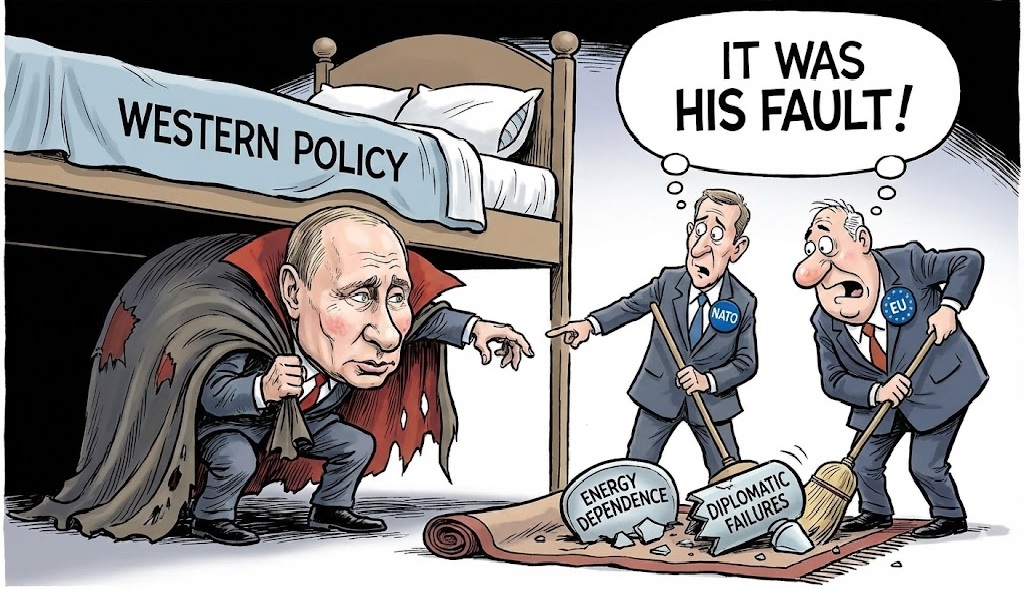
World
Washington / Brussels : More than three decades after the Cold War formally ended with the fall of the Berlin Wall (November 1989), Russia continues to occupy a central place in Western strategic imagination. The invocation of a looming “Russian threat” has repeatedly served as a powerful political tool for both Europe and the United States—first to justify NATO’s eastward expansion, later to rationalize unprecedented military support for Ukraine, and now, increasingly controversially, to frame Washington’s renewed interest in Greenland. Yet while the “Russia bogey” once united the transatlantic alliance, it is now exposing sharp fractures within it. Ukraine and the Era of Western Unanimity When Russia launched its full-scale invasion of Ukraine (February 2022), Western unity was striking. The United States, then led by Joe Biden, moved swiftly to coordinate sanctions and military assistance alongside Britain, France, and Germany. NATO’s leading European powers presented the war as an existential struggle against a revanchist Russia under Vladimir Putin, arguing that Moscow posed a direct threat to the European security order. This framing also underpinned accelerated militarization across Europe. Defense budgets rose sharply, NATO deployments expanded, and the long-standing policy of restraint—particularly in Germany—gave way to rearmament. In official narratives, these measures were unavoidable responses to Russian aggression. Behind the scenes, however, critics argued that the roots of the conflict ran deeper. Multiple rounds of NATO enlargement since the 1990s, they said, steadily eroded Russia’s sense of strategic security. Former Warsaw Pact members and Baltic states were incorporated into the alliance despite informal assurances given to Moscow after the dissolution of the Soviet Union (1991). From this perspective, Ukraine’s aspiration to join NATO represented a final red line. Missed Diplomacy and the Cost of War In March 2022, diplomatic channels briefly offered an alternative path. Negotiators from Kyiv and Moscow reportedly sketched a framework under which Russia would withdraw to positions held before the invasion, while Ukraine would pledge not to seek NATO membership in exchange for international security guarantees. Crimea would remain under Russian control, and parts of the Donbas would be subject to further negotiations. That deal never materialized. European leaders, particularly the then British Prime Minister Boris Johnson, reportedly urged Ukrainian President Volodymyr Zelensky to abandon talks, arguing that Russia could not be trusted and that Western backing would deliver a military victory. Nearly four years later, Ukraine controls less territory than it did in early 2022, its economy and infrastructure are deeply scarred, and the prospect of outright victory appears more distant than ever. For realist scholars, the episode underscores how ideological objectives—weakening Russia and reshaping Eastern Europe—often outweighed pragmatic conflict resolution. Greenland and a Fractured West The consensus that once defined Western policy toward Russia has notably failed to extend to President Donald Trump’s renewed push to bring Greenland under U.S. control. Trump has justified his position by citing Russian security threats in the Arctic, arguing that Denmark has failed to address NATO concerns over the strategically vital island. In a post on his Truth Social platform on January 20, Trump claimed NATO had warned Denmark for decades about the “Russian threat” in Greenland and asserted that Washington now had to act. The reaction in Europe was swift and openly dismissive. France’s Foreign Ministry mocked the logic in a series of analogies on social media, likening preemptive territorial acquisition to burning down a house to prevent a future fire. The response highlighted a growing skepticism in Europe toward Washington’s Arctic ambitions. NATO Expansion and Persistent Double Standards The irony has not gone unnoticed. France and other European powers long embraced speculative Russian threats to justify NATO enlargement and the transformation of Europe’s security architecture. **Anticipation—rather than evidence—**was often enough to legitimize expansion. Realist scholars such as John J. Mearsheimer have argued that Western governments remain committed to a “triple package” of NATO enlargement, European Union expansion, and democracy promotion. Ukraine, in this view, became the frontline of an ideological struggle aimed at dismantling what the West perceives as Russian imperialism. Moscow’s Unexpected Position on Greenland What complicates Trump’s narrative is Russia’s own stance. Far from signaling interest in Greenland, Moscow has gone out of its way to distance itself from any territorial ambitions there. On January 20, Russian Foreign Minister Sergei Lavrov stated that Greenland was not a “natural part” of Denmark but emphasized that Russia had no intention of interfering in its affairs. Putin himself addressed the issue last year in Murmansk, acknowledging that U.S. plans for Greenland were serious and historically rooted. He recalled American discussions dating back to the 18th century and failed 20th-century attempts to acquire the island, stressing that Greenland was strictly a matter between Washington and Copenhagen. Kremlin spokesman Dmitry Peskov went even further, suggesting that Trump could secure a place in history if he resolved the Greenland question—an unusually accommodating tone toward a U.S. territorial ambition. Beyond the Bogey The contrast between Western rhetoric and Russian statements exposes the limits of the “Russia bogey” as a universal justification. In Ukraine, it forged unity and sustained a costly war. In Greenland, it has instead revealed competing interests within the Western alliance and skepticism toward Washington’s motives. As Arctic ice melts and the region gains strategic and economic importance, Greenland’s future is increasingly tied to great-power rivalry. Yet the persistence of Russia as a geopolitical smokescreen risks obscuring the more fundamental drivers at play: power projection, resource access, and long-standing American ambitions in the High North. Three decades after the Cold War, the ghost of Russia still haunts Western strategy—but its utility, and its credibility, may finally be wearing thin.
Read More → Posted on 2026-01-21 16:34:53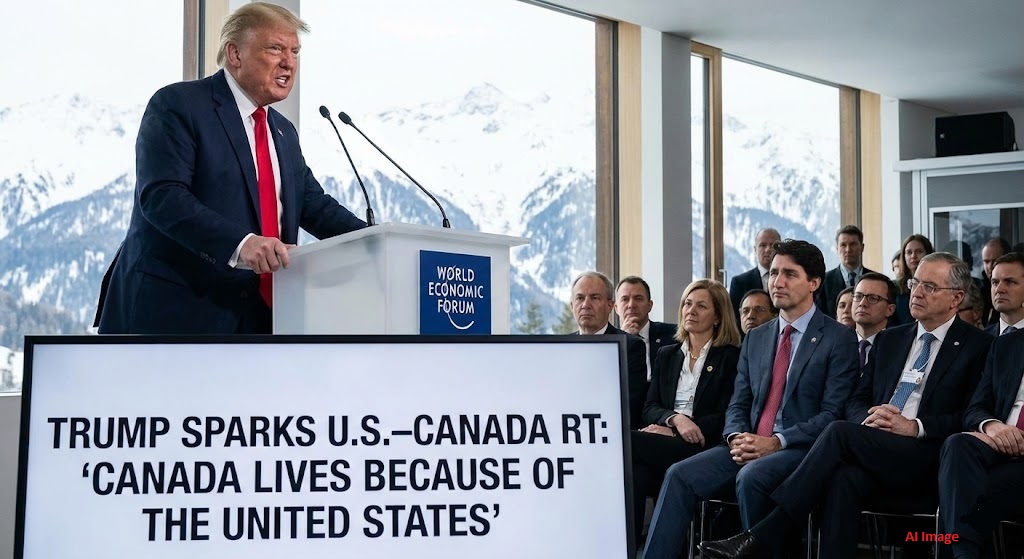
World
DAVOS, Switzerland : Diplomatic relations between the United States and Canada came under rare public strain this week after U.S. President Donald Trump delivered a sharp rebuke of Canadian leadership during a high-profile appearance at the World Economic Forum, declaring that “Canada lives because of the United States” and accusing Ottawa of benefiting from American security guarantees without sufficient gratitude. The remarks, delivered Wednesday on the sidelines of the annual gathering of global political and business leaders in Davos, were widely interpreted as a direct response to comments made a day earlier by Canadian Prime Minister Mark Carney, whose speech criticized the erosion of the post–Cold War international order and warned against the weaponization of economic interdependence. The exchange marked one of the most confrontational moments in U.S.–Canada relations in years, playing out on an international stage more commonly associated with consensus-building than open diplomatic sparring. Trump’s Davos Broadside Speaking before an audience of executives, diplomats, and heads of state at the World Economic Forum, President Trump framed Canada as a beneficiary of American military power, singling out a proposed U.S. missile defense initiative he calls the “Golden Dome.” “The Golden Dome is going to be defending Canada,” Trump said, arguing that the country would receive protection from advanced American missile defenses simply by virtue of geography. “Canada gets a lot of freebies from us. They should be grateful — but they’re not.” Trump went further, adopting an unusually personal tone toward the Canadian leader. Referring to Carney by his first name, the president told the audience he had watched the prime minister’s Davos address the previous day and found it lacking in appreciation for U.S. support. “Canada lives because of the United States,” Trump said. “Remember that, Mark, next time you make your statements.” The “Golden Dome” and Security Tensions Central to Trump’s comments is the administration’s push for the “Golden Dome,” a proposed, multi-layered missile defense system intended to counter emerging threats from hypersonic glide vehicles, intercontinental ballistic missiles, and advanced cruise missiles. While still largely conceptual, the system is envisioned as an evolution of existing U.S. missile defense architecture, with expanded coverage over North America. U.S. officials argue that such a shield would, by necessity, extend protection beyond American borders, including over Canadian territory. Trump has repeatedly framed this as evidence that allies benefit from U.S. defense spending without proportional contributions — a theme consistent with his long-standing criticism of allies in NATO and other security partnerships. Canadian officials, however, have historically emphasized that continental defense is not a one-sided arrangement, but a shared strategic enterprise. What Sparked the Clash Prime Minister Carney’s Davos speech on Tuesday did not mention Trump by name, but it carried pointed critiques of major powers that use trade, technology, and financial systems as instruments of coercion. He warned that the “rules-based international order” had suffered a “rupture,” language that many delegates interpreted as a rebuke of rising protectionism and unilateralism. Carney also addressed Arctic security and sovereignty, underscoring Canada’s alignment with Denmark and Greenland amid renewed U.S. strategic interest in the region. That stance appeared to clash directly with messages coming from the American delegation. By Wednesday, the president’s response left little doubt that he viewed the Canadian leader’s remarks as a challenge to U.S. policy — and to his own leadership. A Closer Look at the U.S.–Canada Defense Relationship Trump’s assertion that Canada “lives because of the United States” touches on a long-running debate over dependency versus partnership in North American security. From Washington’s perspective, the United States provides the overwhelming share of military power on the continent, including the nuclear deterrent that underpinned Western defense throughout the Cold War. American strategists have long assumed that any major attack on Canada would automatically trigger U.S. intervention, given the integrated nature of continental defense. From Ottawa’s perspective, however, security has never been a one-way street. Since 1958, the two countries have jointly operated the North American Aerospace Defense Command, a bi-national command responsible for monitoring and defending North American airspace. Canada’s geography provides critical early-warning radar coverage and airspace depth, assets that U.S. defense planners consider indispensable. Historical precedents also underscore reciprocity. During the September 11, 2001 attacks, Canada launched Operation Yellow Ribbon, diverting hundreds of U.S.-bound aircraft to Canadian airports to clear American skies. Earlier still, the 1940 Ogdensburg Agreement laid the foundation for modern continental defense cooperation, not as an act of charity, but as a shared response to global war. The Arctic and the Greenland Factor Adding another layer of complexity is the renewed strategic focus on the Arctic. U.S. officials in Davos, including Treasury Secretary Scott Bessent, described Greenland as “essential” to any future missile defense architecture, citing its location along potential missile trajectories from Eurasia to North America. Carney explicitly voiced support for Denmark and Greenland’s right to self-determination, a position that contrasts sharply with Trump’s rhetoric about U.S. strategic requirements in the Arctic. That divergence, diplomats say, likely sharpened tensions ahead of the president’s remarks. Diplomatic Fallout and What Comes Next Despite the heated language, officials on both sides were quick to stress that institutional ties between Washington and Ottawa remain strong. Privately, diplomats described the exchange as an extension of Trump’s negotiating style rather than a signal of imminent policy rupture. Still, the unusually blunt rhetoric at Davos underscored how shifts in global security, missile defense, and Arctic geopolitics are testing even the closest of alliances. As debates over burden-sharing, sovereignty, and strategic autonomy intensify, the public clash between the United States and Canada served as a reminder that no partnership — however longstanding — is immune to political friction.
Read More → Posted on 2026-01-21 16:04:10
World
DAVOS / WASHINGTON : The foundations of the U.S.-Led Global Financial Order are facing renewed scrutiny as Europe delivers its clearest signal yet that reliance on the U.S. Dollar is no longer viewed as sustainable. Surging U.S. Borrowing Costs, Record Federal Debt, and growing Political Risk in Washington are converging with a broader European reassessment of Dollar Dominance, raising the prospect of a Structural Shift in Global Capital Flows. At the center of the turbulence is the U.S. Treasury Market, long considered the Safest and Deepest Pool of Capital in the world. The yield on the 30-Year U.S. Treasury has climbed close to the 5 Percent Threshold, a level rarely seen in modern financial history. In bond markets, Higher Yields reflect Falling Prices, and falling prices signal something more troubling: investors demanding Significantly Higher Compensation to lend to the United States. Treasury Yields Flash A Warning The rise in Long-Dated Yields comes at a moment when U.S. Debt Issuance is accelerating. Federal Debt has climbed toward $39 Trillion, while Annual Deficits are approaching $2 Trillion, driven by higher Interest Costs, Military Spending, and Structural Budget Imbalances. For decades, these deficits were absorbed with little friction by Foreign Buyers, particularly in Europe and Asia, who viewed U.S. Treasuries as the Ultimate Risk-Free Asset. That assumption is now being questioned. Market participants note that the recent spike in yields has occurred despite expectations of Slower Economic Growth, an unusual combination that suggests Weakening Demand rather than Overheating Expansion. Traders describe the move as a “Buyers’ Strike,” in which global investors are stepping back from U.S. Debt rather than rushing toward it in uncertain times. Davos And The Return Of The Nixon Question The political signal accompanying the market stress was delivered at the World Economic Forum in Davos. Speaking to global leaders, European Commission President Ursula von der Leyen invoked the 1971 Decision by U.S. President Richard Nixon to sever the dollar’s link to gold — the so-called Nixon Shock. That unilateral move reshaped the Global Monetary System and entrenched Dollar Dominance, but it also embedded Long-Term Vulnerabilities. Von der Leyen’s message was pointed. Europe, she argued, cannot indefinitely anchor its Financial Stability to a Foreign Currency whose rules can be rewritten by another government in moments of crisis. The implication was unmistakable: Reducing Dependence on the U.S. Dollar is no longer a theoretical debate in Brussels, but an Emerging Strategic Necessity. From Rhetoric To Action What distinguishes the current moment from earlier European unease is the shift from Words to Concrete Steps. Denmark’s State Pension Fund has announced it will fully exit its holdings of U.S. Treasuries by the end of the month, citing declining Trust in the Long-Term Stability of the U.S. Economy. While the fund’s exposure — roughly $100 Million — is small in absolute terms, analysts describe the decision as a Symbolic Warning Shot rather than a financial shock in itself. Europe’s leverage is far greater than any single fund. European Institutions collectively hold around 40 Percent of All Foreign-Owned U.S. Treasuries, amounting to more than $3.5 Trillion. When Equities, Corporate Bonds, and other financial assets are included, Europe’s total exposure to the U.S. Financial System is estimated at between $10 Trillion and $12.5 Trillion. Even a modest reduction in New Purchases, or a decision to let Maturing Bonds Roll Off Without Reinvestment, would materially tighten Financing Conditions for Washington. Markets React: “Sell America” Gains Traction Financial markets have begun to price in this risk. U.S. Equity Markets have experienced sharp, sudden sell-offs, with estimates suggesting that between $1 Trillion and $1.25 Trillion in market value was erased in a single trading session during recent volatility. At the same time, Gold and Silver Prices have surged, reflecting a renewed Flight to Physical Stores of Value as confidence in Paper Assets weakens. The tone of U.S. Financial Commentary has shifted as well. Major outlets and influential analysts have openly discussed a “Sell America” Trade, a phrase that until recently would have sounded extreme. The concern is not about an imminent collapse, but about a Gradual Erosion of Trust — a far more dangerous process for a Debt-Dependent System. A Capital War Takes Shape Hedge fund founder Ray Dalio has described the current phase as a “Capital War,” in which the ability of the United States to fund itself cheaply collides with the growing reluctance of Foreign Investors to continue financing ever-larger deficits. In this framework, Capital Flows become a form of Geopolitical Leverage, and Reserve Currency Status is no longer guaranteed by history alone. China has already reduced its Treasury Exposure over the past decade, and India has pursued policies aimed at settling more trade in Local Currencies. If Europe follows a similar path — not by dumping existing holdings, but by Slowing or Halting New Purchases — the impact on U.S. Borrowing Costs could be profound. Higher yields would feed directly into Higher Interest Expenses, amplifying Deficit Pressures and increasing Long-Term Financial Risk. A Cracking Financial Order Europe’s stance does not yet amount to a Coordinated Exit from the Dollar System, nor does it signal the immediate rise of an Alternative Reserve Currency. The Euro itself faces Structural Constraints, and no single currency is ready to fully replace the dollar’s global role. What is changing, however, is the assumption that the Status Quo Is Immutable. For the first time in decades, Europe is openly questioning the foundations of the U.S.-Centric Financial Order rather than quietly adapting to it. Whether this moment marks a Tactical Warning designed to extract concessions, or the early stages of a genuine move toward a Multipolar Monetary System, remains uncertain. What is no longer in doubt is that Trust — the central pillar of any Reserve Currency — is being tested. As Yields Rise, Gold Rallies, and policymakers revisit the lessons of 1971, the global system is entering a phase of Reassessment. The Warning Shots have been fired, and the direction of the next move may determine the shape of Global Finance for a Generation.
Read More → Posted on 2026-01-21 15:35:51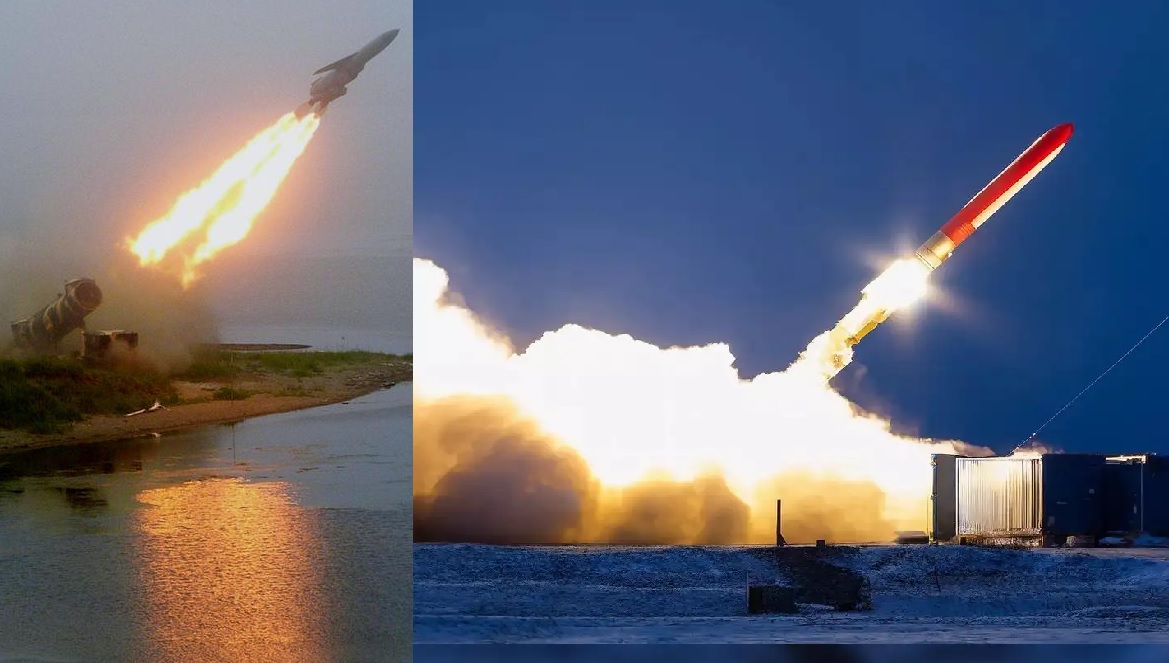
How Russia Builds Deadlier, More Lethal And Unique Weapons Than The U.S. On A Fraction Of The Budget
World
MOSCOW / WASHINGTON : A new wave of strategic assessments circulating through Western defense circles is forcing a reassessment of a long-held assumption in global security: that military power is proportional to military spending. While the United States continues to outspend Russia on defense by roughly six-to-one, analysts now warn that Moscow has quietly built a class of weapons whose lethality, survivability, and unpredictability challenge — and in some cases bypass entirely — America’s conventional military dominance. The United States is projected to spend close to $1 trillion on defense in the current fiscal year, maintaining a vast network of overseas bases, aircraft carrier strike groups, and expeditionary forces. Russia, by contrast, operates with a defense budget estimated at around $145 billion. Yet despite this disparity, Russian systems emerging since the mid-2020s are increasingly described by Pentagon planners as “strategic disruptors” rather than conventional arms. At the heart of this imbalance is what Russian military doctrine calls Asymmetric Deterrence — a deliberate strategy to avoid competing with the United States symmetrically and instead develop weapons designed to neutralize U.S. advantages directly. A Doctrine Built To Bypass, Not Compete Western militaries are optimized for global power projection: sustained air campaigns, naval dominance, and rapid deployment across continents. This capability comes at enormous financial and logistical cost. Russia’s armed forces, by contrast, are structured around a far narrower objective — preventing or punishing existential threats to the Russian state. That distinction has shaped procurement choices. Instead of funding large fleets of aircraft carriers or long-term counterinsurgency operations, Moscow has concentrated its limited resources on nuclear propulsion, hypersonic strike systems, and autonomous weapons — technologies that directly exploit gaps in existing U.S. missile defense and early-warning architectures. As one senior European defense official, speaking privately, summarized the dilemma:“The U.S. spends to control the world. Russia spends to make sure no one can control Russia.” The Burevestnik And The End Of Predictable Missile Defense The most controversial example of this approach is the 9M730 Burevestnik, known to NATO as Skyfall. First unveiled publicly by President Vladimir Putin, the missile represents a radical departure from traditional cruise missile design. Unlike conventional missiles limited by onboard fuel, the Burevestnik uses a compact nuclear reactor for propulsion, theoretically granting it unlimited range. Russian officials claim this allows the missile to loiter for extended periods, alter its flight path mid-mission, and approach targets from directions where U.S. radar coverage is weakest. Western intelligence assessments suggest the missile also incorporates advanced autonomous navigation, enabling erratic, non-linear maneuvers that defeat interception algorithms designed for predictable trajectories. A reported long-duration test flight in late 2025, covering intercontinental distances, convinced many skeptics within the U.S. defense establishment that the program had moved beyond the experimental phase. For missile defense planners, the implication is profound: systems built to counter ballistic arcs and fixed approach corridors may be irrelevant against a weapon that can circle the globe and strike without warning. Poseidon And The Weaponization Of The Deep Ocean If the Burevestnik challenges air and missile defense, the Poseidon nuclear torpedo challenges naval strategy itself. Also known as Status-6, Poseidon is an autonomous, nuclear-powered underwater vehicle designed to operate at extreme depths and speeds beyond the reach of conventional anti-submarine warfare. According to Russian sources, Poseidon can travel faster than 100 knots underwater and carry a nuclear warhead intended for coastal or harbor detonation. Western analysts believe its primary purpose is strategic deterrence, not battlefield use — a second-strike weapon designed to ensure that no adversary could escape catastrophic retaliation, even after neutralizing Russia’s land-based nuclear forces. The concept fundamentally alters the geography of nuclear deterrence. Instead of targeting cities via predictable missile paths, Poseidon exploits the relative opacity of the deep ocean, an environment where detection remains imperfect despite decades of NATO investment. Hypersonics And The Collapse Of Reaction Time Russia’s progress in hypersonic delivery systems has further unsettled Western planners. Weapons such as the Oreshnik missile are designed to strike at speeds exceeding Mach 10, compressing warning and response windows to mere seconds. Unlike traditional ballistic missiles, hypersonic systems can maneuver during flight, defeating interceptors that rely on forecast trajectories. Recent operational deployments, according to European military officials, demonstrated that targets at intermediate ranges could be struck before air defense systems completed threat classification. The result is not just faster weapons, but a breakdown in decision-making timelines — a factor many strategists consider more destabilizing than raw explosive power. How Russia Makes Its Money Go Further The question confronting U.S. lawmakers and defense planners is not whether America spends more, but why that spending has failed to prevent strategic erosion. One factor is Purchasing Power Parity. Due to lower labor costs, state-controlled defense industries, and domestic supply chains, Russia can achieve more per dollar than Western contractors operating under market pricing and regulatory constraints. Another is legacy inheritance. Russian weapons programs build directly on decades of Soviet-era research in nuclear physics, rocketry, and materials science, reducing the need for costly foundational R&D. In contrast, many U.S. programs must sustain aging platforms while simultaneously funding next-generation replacements. Finally, there is strategic focus. American defense spending supports a global posture — bases, logistics, personnel, and alliances — that consumes resources regardless of combat readiness. Russia’s spending is narrowly concentrated on systems intended to deter or overwhelm a technologically superior adversary. A Strategic Wake-Up Call For Washington Inside the Pentagon, the emerging consensus is not that Russia has surpassed the United States militarily, but that traditional metrics of power no longer tell the full story. Quantity and budget size, analysts warn, are increasingly poor indicators of strategic leverage in an era defined by autonomy, speed, and nuclear propulsion. As one U.S. defense analyst put it:“We built the most expensive military ever assembled. Russia built weapons designed to make that expense irrelevant.” The challenge now facing Washington is whether it can adapt its doctrine and spending priorities before asymmetric lethality becomes the dominant currency of global power — not just for Russia, but for any state willing to abandon conventional military competition altogether.
Read More → Posted on 2026-01-21 15:26:06Search
Top Trending in 24 Hours
-
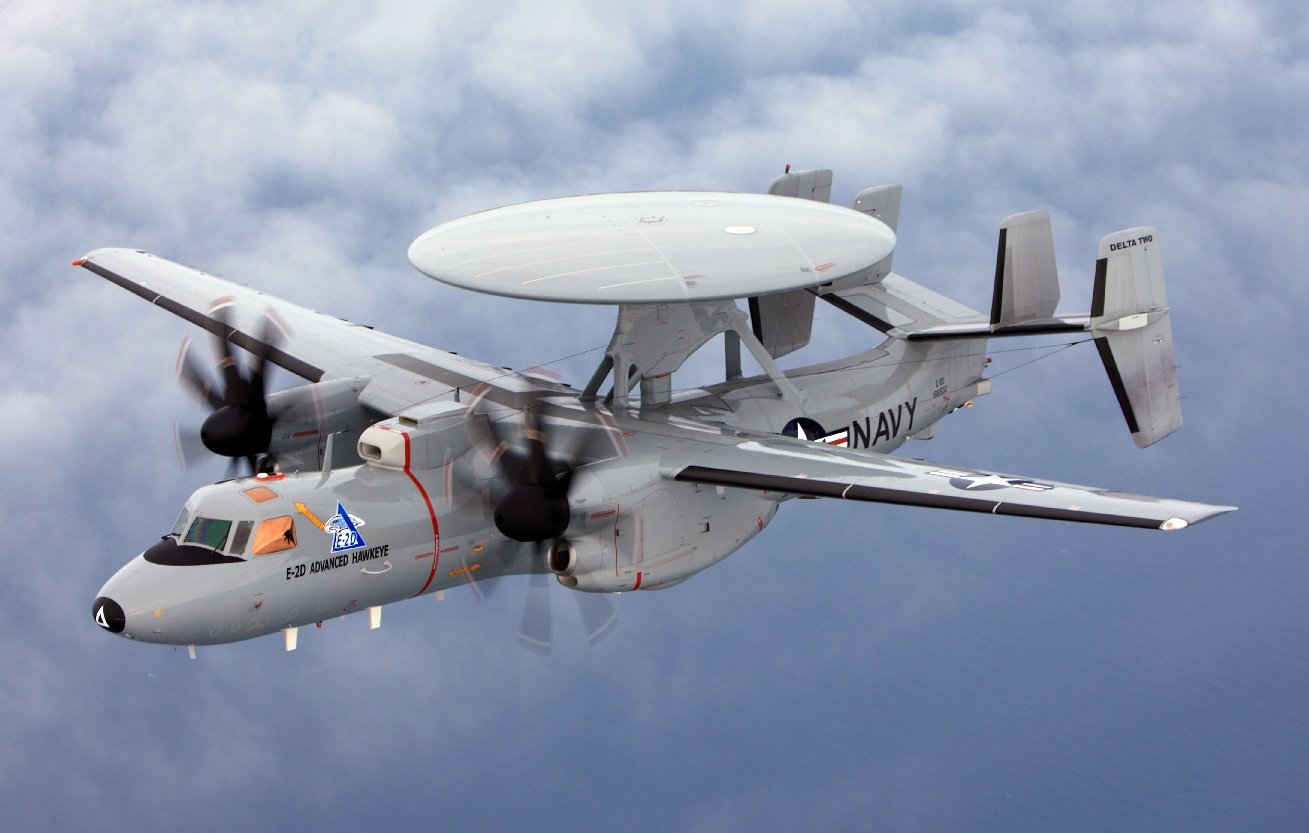 U.S. Navy Awards Northrop Grumman $1.2 Billion Deal for Three New E-2D Advanced Hawkeyes
-
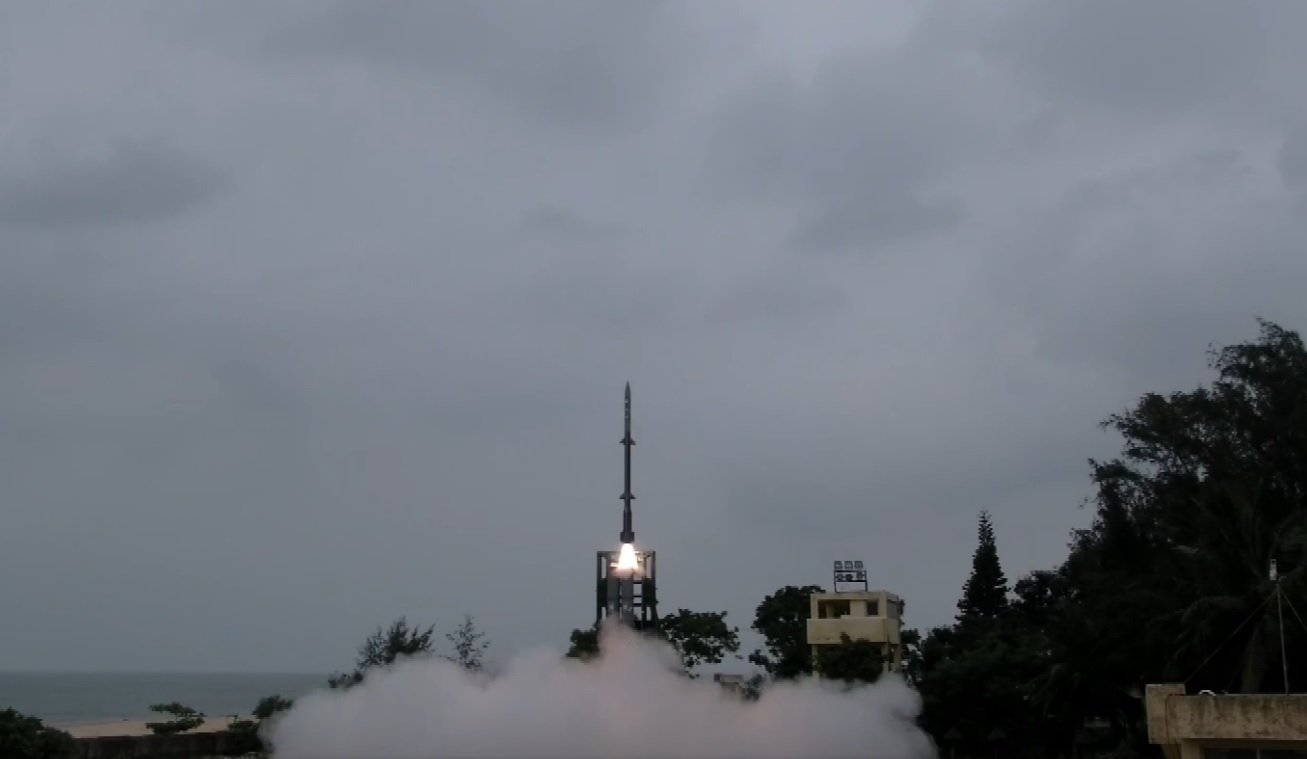 DRDO Successfully Conducts Maiden Flight Test of 150-km-Range Kusha M1 Air Defence Missile
-
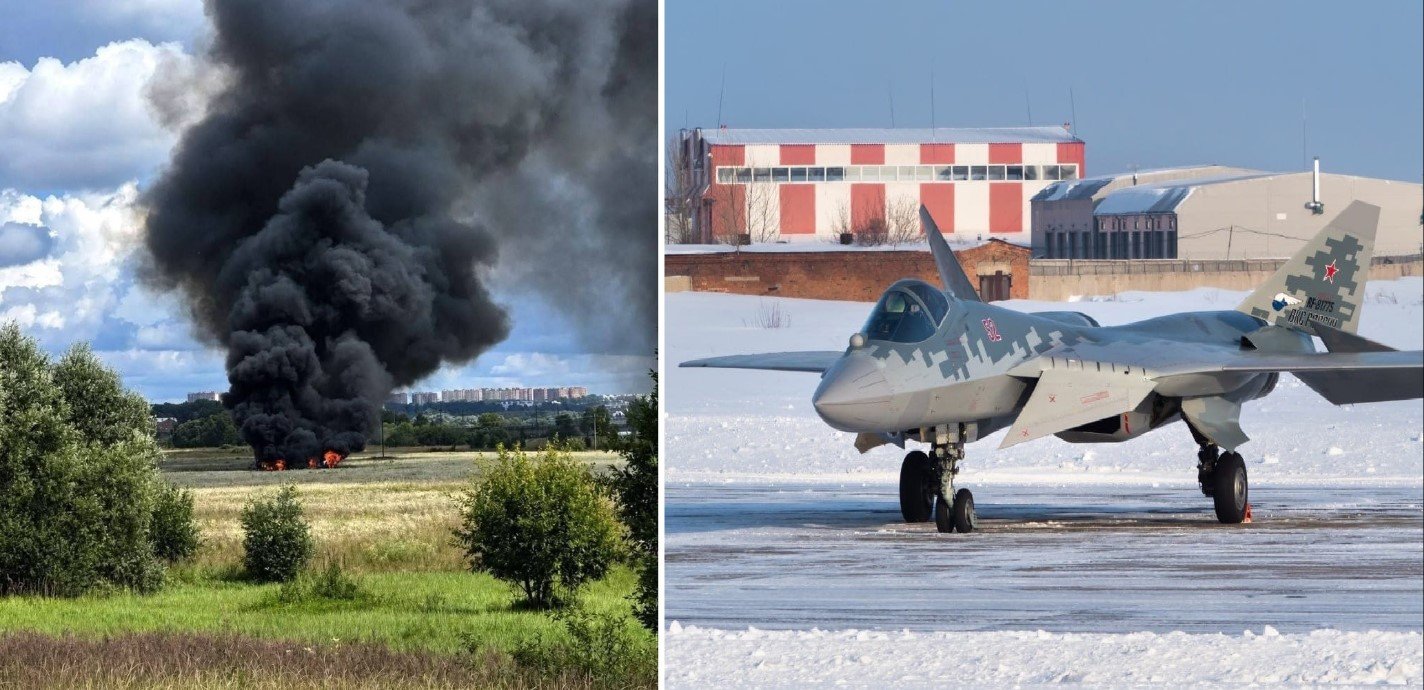 Russian Su-57 Stealth Fighter Crashes During Training Flight Near Moscow, Pilot Ejects Safely
-
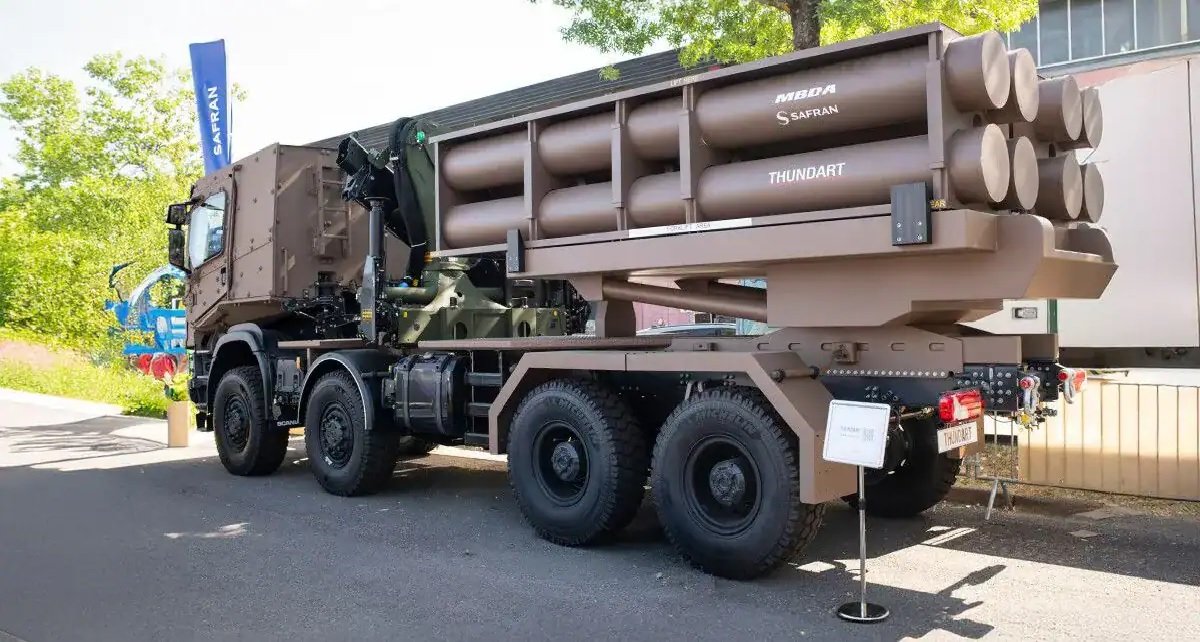 France's THUNDART Long-Range Rocket System May Undergo Prototype Combat Testing in Ukraine
-
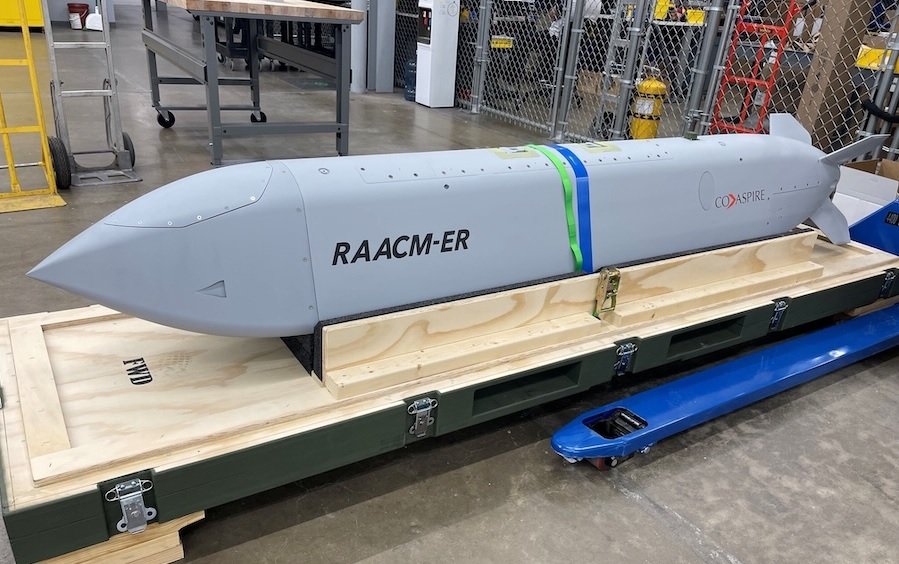 U.S. Navy Selects CoAspire to Build Ground-Launched CHAOS Cruise Missile Under $70 Million Program
-
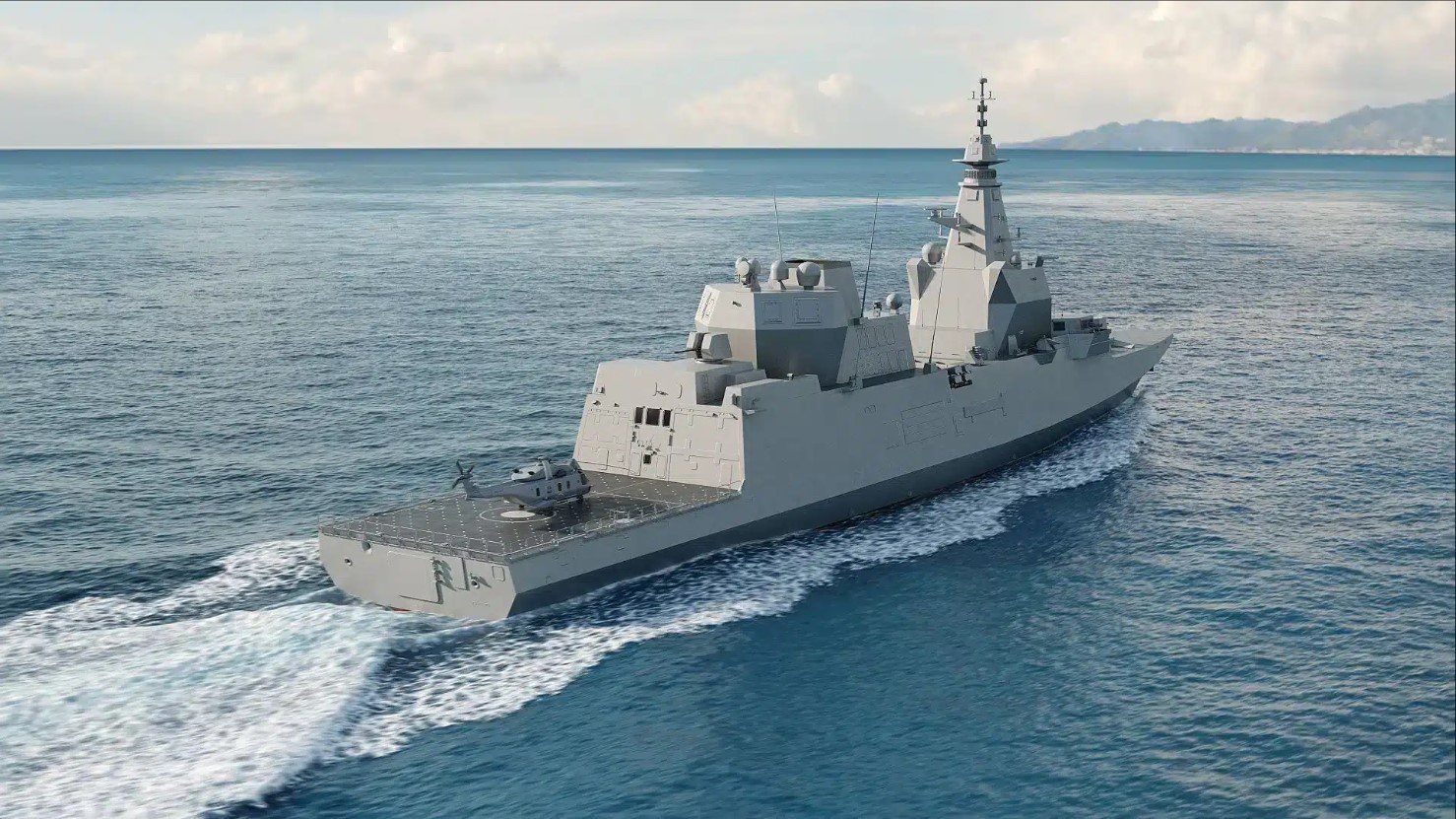 Portugal Orders Three FREMM EVO Frigates from Italy in €3.9 Billion Naval Deal
-
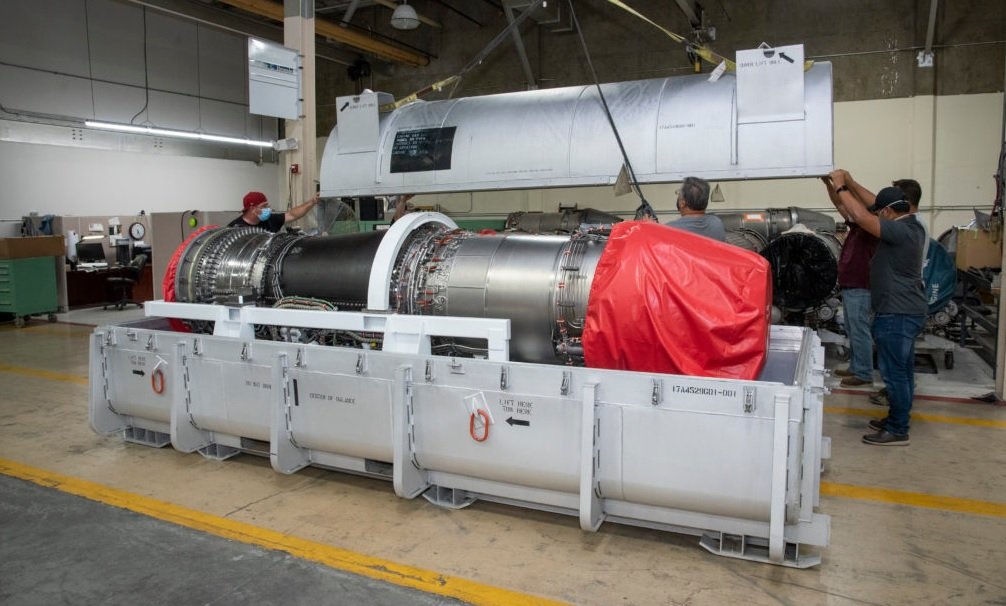 GE Aerospace and Magellan Aerospace Corporation Sign Strategic MoU for F414 Engine Sustainment in Canada
-
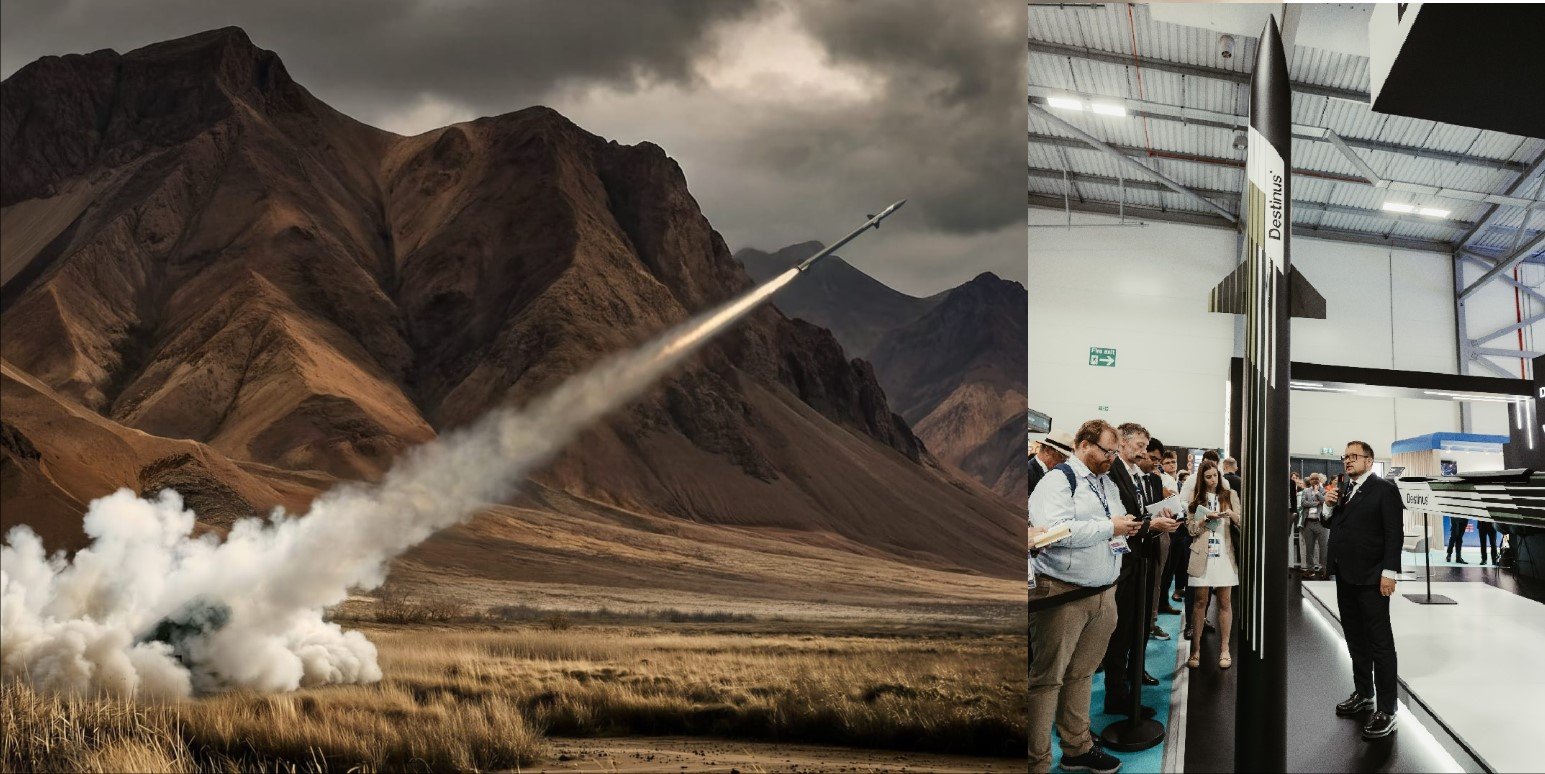 Destinus Unveils Vorexon Interceptor Concept to Defend Critical Sites from Artillery Threats
Top Trending in 4 Days
-
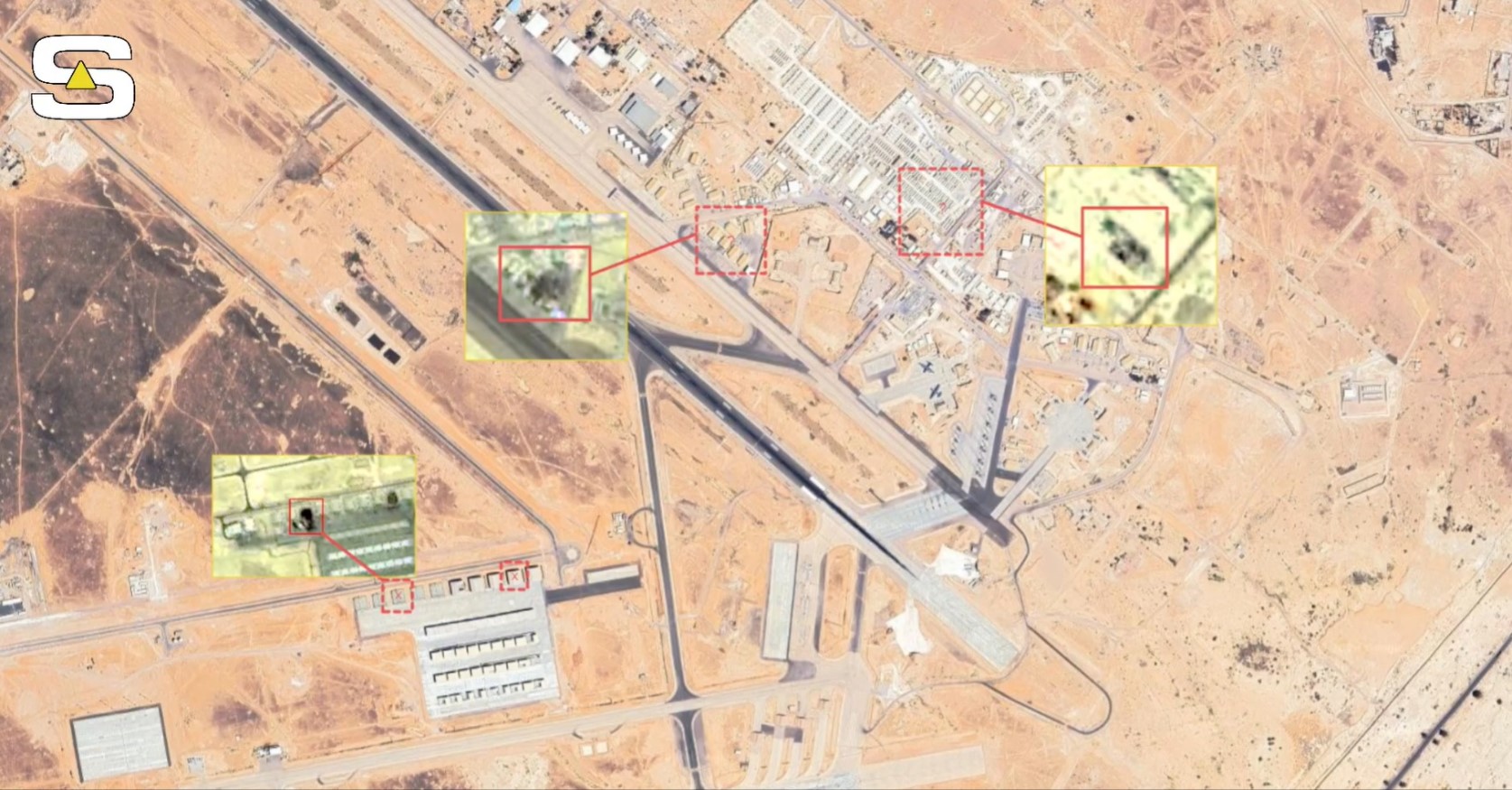 New Satellite Imagery Reveals Extensive Damage at Jordan's Muwaffaq al-Salti Air Base After Iranian Missile Strike
-
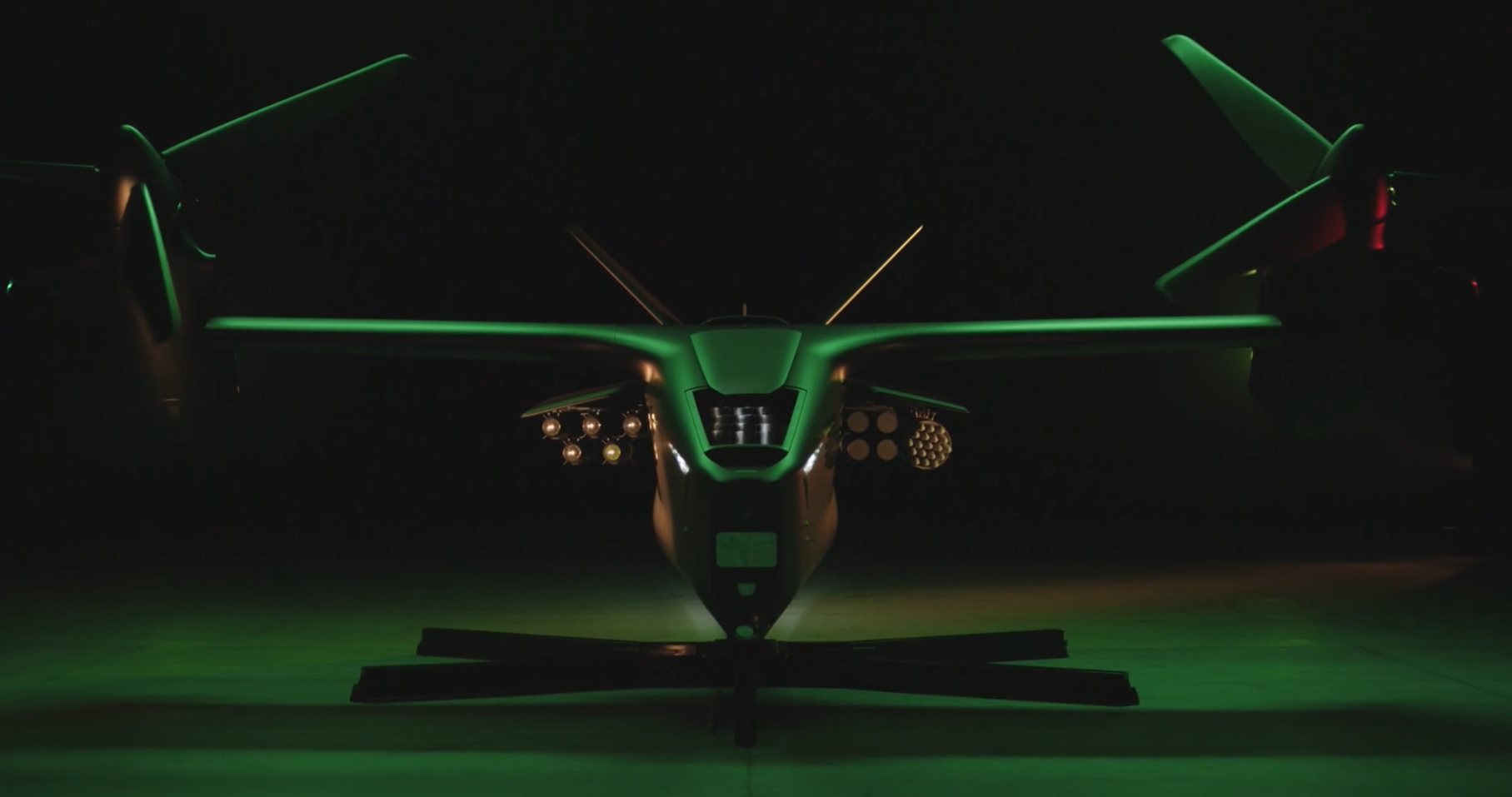 Anduril Unveils Thunder Autonomous Attack Rotorcraft Built with Archer Aviation to Support Apache Helicopters
-
 Iran Claims It Shot Down U.S.-Operated Polish-Built Tiguar-M Drone, Releases Images
-
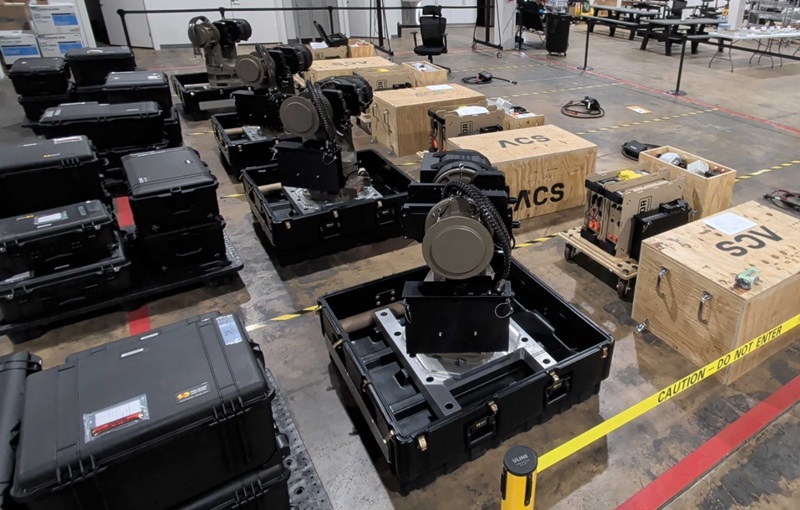 U.S. Marine Corps Selects AI-Powered Bullfrog Weapon Station for L-MADIS Counter-Drone Platform
-
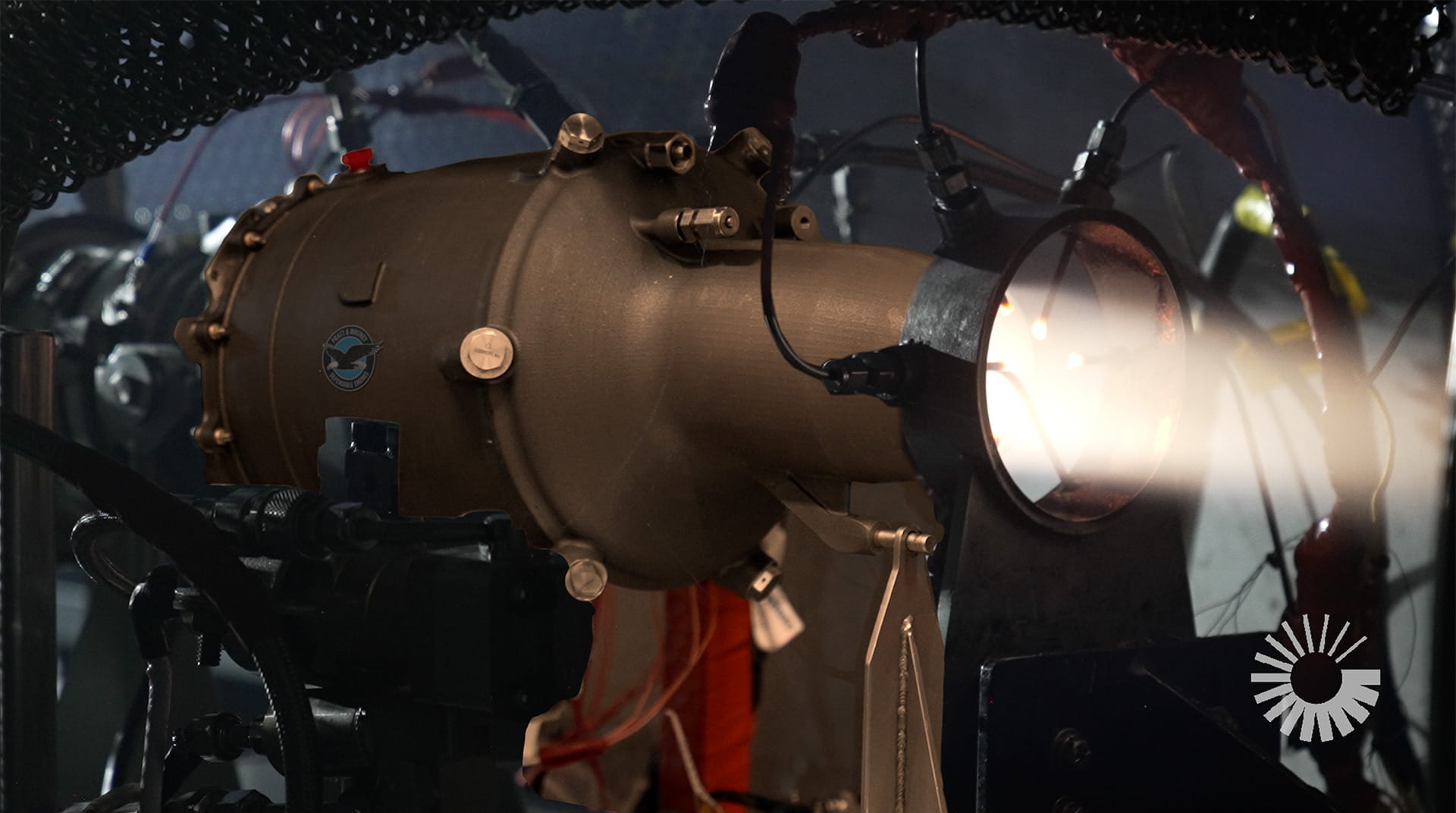 Pratt & Whitney Completes Testing of 3D-Printed TJ150 Engine for Military Applications
-
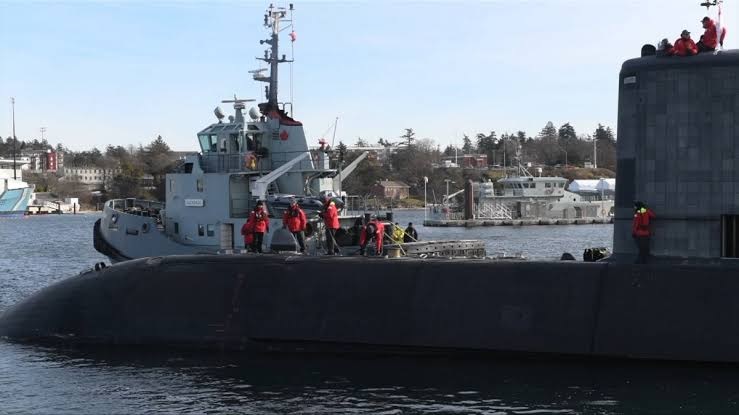 Canada Awards Babcock $1.1 Billion Six-Year Contract Extension to Support Victoria-Class Submarine Fleet
-
 Lockheed Martin Unveils MORFIUS X-Rotor High-Power Microwave System That Can Neutralize 50+ Drones in One Flight
-
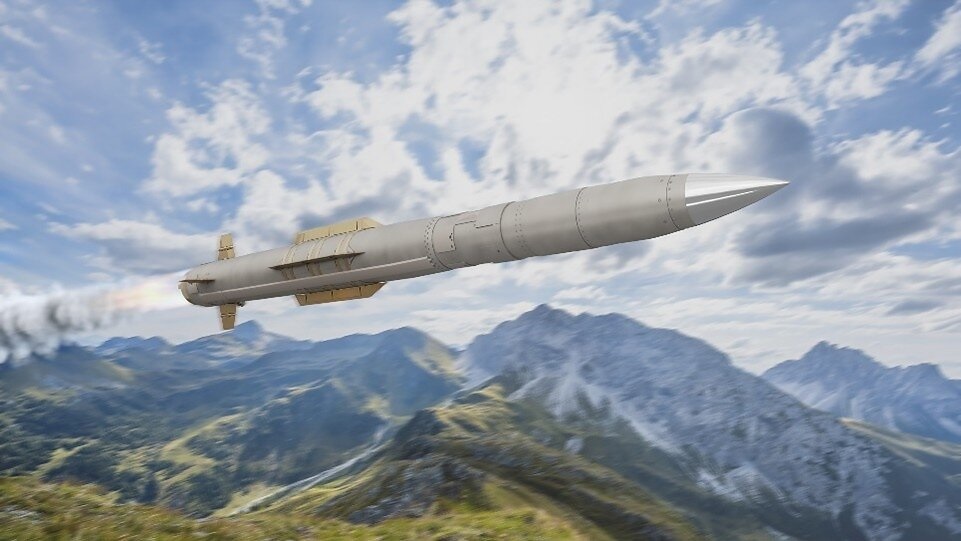 Lockheed Martin Unveils Lower-Cost PAC-3 ACE Interceptor for Patriot Air Defense System
