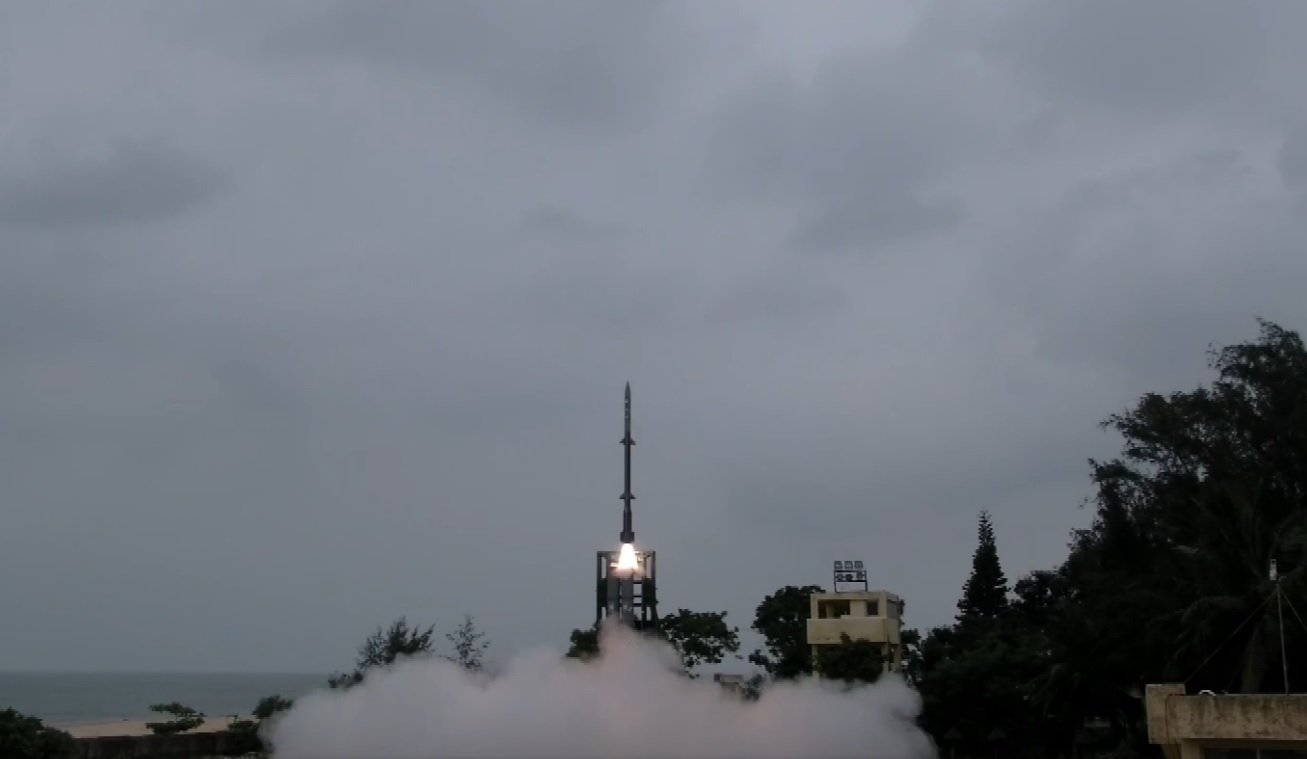
Gulf of Oman / Washington : Iran has ordered the temporary closure of airspace and maritime approaches around its strategically vital Jask naval base for live-fire military exercises, a move that coincides with the deployment of a U.S. RC-135 Rivet Joint intelligence aircraft to the region and renewed reports of imminent, targeted strikes against senior Iranian figures. The convergence of airspace restrictions, intelligence activity, and covert logistics has heightened fears that the standoff has moved beyond signaling into an active “shadow war” phase.
Jask Sealed Off in Sudden NOTAM Activation
According to a newly issued Notice to Airmen (NOTAM A0358/26), Iranian authorities on Tuesday activated a restricted operations zone centered on coordinates 25°50′N, 57°42′E, directly over and around the port of Jask. The restriction, effective from January 27 through Thursday, January 29, authorizes live gun firing and missile-related activity up to an altitude of 25,000 feet.
Jask occupies a unique position in Iran’s military and energy architecture. Built outside the Strait of Hormuz on the Gulf of Oman, the base allows Iran to deploy naval assets and export oil without routing traffic through the narrow Persian Gulf chokepoint. Military analysts note that closing this airspace for live fire effectively secures Iran’s eastern maritime “exit route” and signals readiness to employ coastal defense systems, including anti-ship missiles and air-defense batteries.
The timing is particularly notable. A separate NOTAM remains in place for the Bushehr region, home to Iran’s only nuclear power plant, beginning January 31. Taken together, the sequence suggests a phased defensive posture, activating restricted zones from the periphery toward the country’s strategic core.
U.S. Rivet Joint Arrival Alters Intelligence Picture
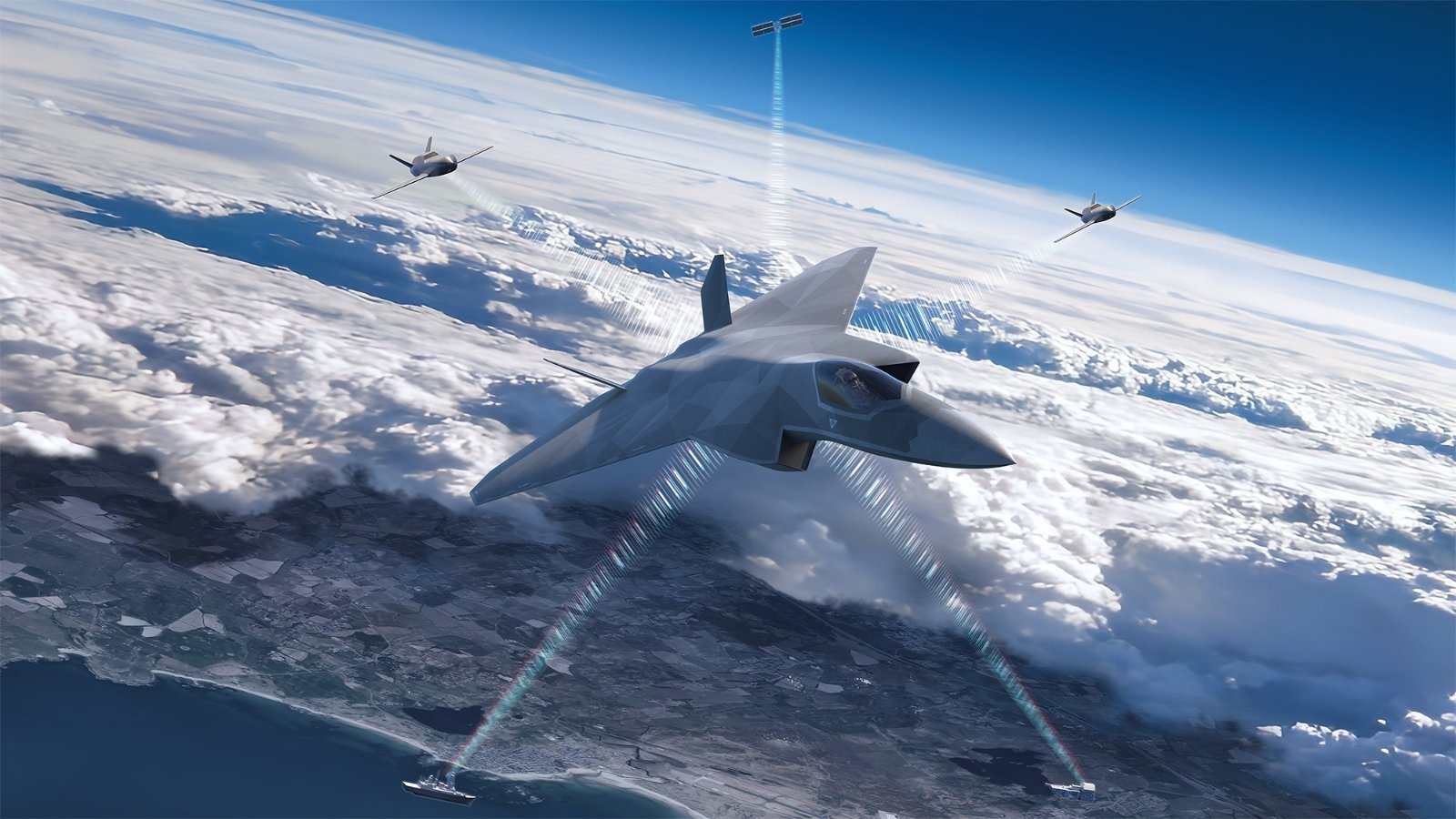
At the same time, flight-tracking data and regional aviation monitoring indicate the arrival of a U.S. Air Force RC-135 Rivet Joint, operating under the callsign “OLIVE 48.” Unlike training variants occasionally seen in the region, the RC-135 is a full-mission electronic intelligence aircraft designed to intercept, analyze, and geolocate communications, radar emissions, and electronic signals across vast areas.
Military specialists describe the platform as an “electronic vacuum cleaner,” capable of building detailed signal maps that can be used for targeting, battle-damage assessment, and command-and-control disruption. Its deployment comes amid reports from Middle East Eye citing U.S. officials who claim Washington is considering “specific strikes against Iranian leaders” in the near term.
While U.S. authorities have not publicly confirmed any assassination plans, the coincidence of the Rivet Joint’s arrival with such reports has fueled speculation that the aircraft’s mission includes identifying and tracking communications of high-value Iranian military or political figures.
Covert Logistics and the Cyprus Detour
Further intrigue surrounds a recent C-130J military transport flight originating in Kuwait and bound for Tel Aviv that reportedly executed a circuitous route via Cyprus, including what aviation observers describe as a “phantom landing.” Such maneuvers are often used to obscure sensitive cargo or personnel movements from public flight records.
Regional security sources suggest the aircraft may have been carrying specialized equipment or personnel linked to intelligence or strike coordination, possibly aimed at integrating Israeli air-defense or early-warning systems with U.S. assets stationed in the Gulf. Neither Kuwait, Israel, nor the United States has commented on the flight.
A Narrow Window and Rising Risk
The overlapping timelines have sharpened concerns. The Jask live-fire window runs through January 29, while the Bushehr restrictions begin January 31, creating a brief but critical period in which intelligence collection, covert positioning, and potential strikes could occur before Iran’s broader defensive closures take effect.
Iranian officials have framed recent military measures as defensive and deterrent, warning against any violation of their airspace or territorial waters. U.S. statements, for their part, have emphasized force protection and intelligence gathering amid heightened regional threats.
Assessment: From Posturing to Shadow Conflict
Security analysts increasingly argue that the region has moved beyond routine posturing. Iran’s rapid activation of live-fire zones around Jask points to an acute awareness of vulnerability along its Gulf of Oman coastline. The United States’ deployment of high-end signals intelligence assets suggests an effort to refine targeting and situational awareness at the highest levels. Israel’s quiet logistical activity, if confirmed, adds a third axis to the unfolding crisis.
The next 48 hours, corresponding to the duration of the Jask NOTAM, are widely seen as decisive. Any miscalculation involving surveillance aircraft, naval vessels, or missile tests over the Gulf of Oman could trigger a rapid escalation, potentially igniting a broader confrontation before the end of the week.
——— End of Article ———