TEHRAN / WASHINGTON : Iran has deployed multiple long-range armed unmanned aerial vehicles (UAVs) to monitor the U.S. Navy’s USS Abraham Lincoln Carrier Strike Group operating in the Gulf of Oman, according to defense and regional intelligence assessments cited by multiple security officials.
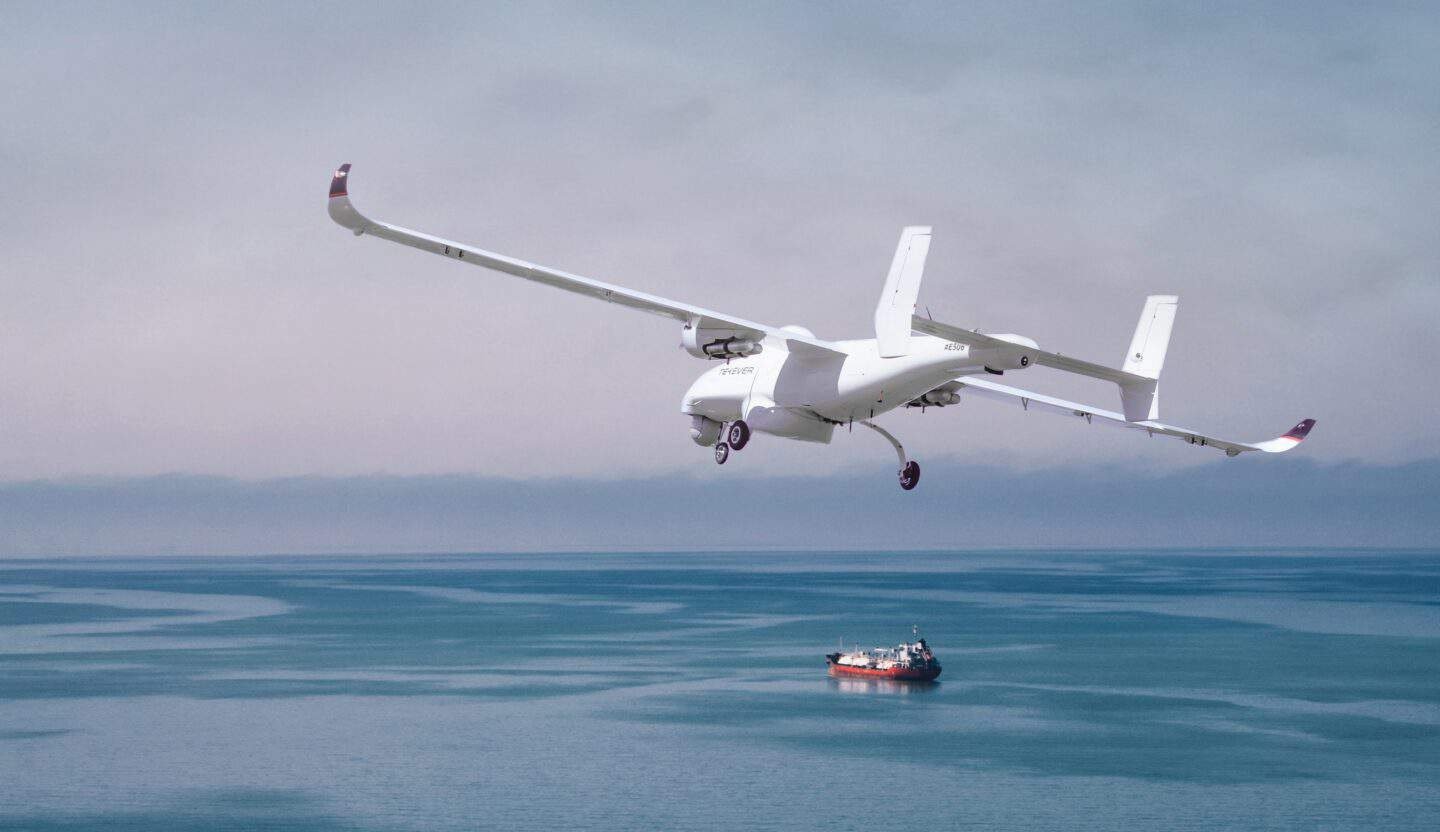
The drones identified are Shahed-149 “Gaza” unmanned combat aerial vehicles (UCAVs), operated by Iran’s Islamic Revolutionary Guard Corps (IRGC). Tracking data indicates the aircraft are operating over international waters near Oman, at a distance of more than 700 kilometers from Iran’s southern coastline, placing them well outside Iran’s traditional coastal defense zone.
Drone Capabilities and Configuration
The Shahed-149 Gaza is Iran’s largest operational combat drone and is classified as a medium-altitude, long-endurance (MALE) platform. Defense analysts estimate the aircraft has an operational range of up to 2,500 kilometers and an endurance of approximately 24 hours, enabling persistent surveillance missions far from Iranian territory.
According to intelligence reporting, each deployed drone is believed to be armed with up to eight laser-guided air-to-surface munitions, likely from the Sadid-series precision weapons. The drones are also equipped with electro-optical and infrared sensors capable of maritime surveillance and target tracking.
Officials familiar with the assessments say the drones are being used primarily for intelligence collection and tracking, rather than immediate strike preparation, with live positional data reportedly transmitted back to IRGC command centers.
U.S. Naval Posture
The USS Abraham Lincoln (CVN-72), operating with its escort destroyers and support vessels, is positioned in the Gulf of Oman rather than the Strait of Hormuz, a deployment intended to maintain freedom of navigation while reducing exposure to short-range coastal threats.
In response to the drone activity, U.S. naval forces have reportedly adjusted their defensive posture. This includes increased combat air patrols using carrier-based aircraft and heightened use of electronic warfare systems designed to detect, track, and potentially disrupt unmanned aerial platforms.
U.S. defense officials have not publicly confirmed specific rules of engagement but have reiterated that American forces retain the right to defend themselves against aerial threats operating near U.S. naval assets.
Strategic Context
The deployment underscores Iran’s expanding use of long-range unmanned systems to project surveillance and deterrence beyond the Persian Gulf. By operating armed drones at extended distances, Iran demonstrates an ability to monitor high-value naval targets in open waters, rather than relying solely on shore-based missiles, fast attack craft, or short-range drones.
Regional security analysts note that while the drones’ presence does not necessarily indicate imminent hostilities, their proximity to a U.S. carrier strike group increases operational risk and places additional pressure on command decision-making on both sides.
Current Status
As of the latest available information, the Shahed-149 drones remain airborne in the vicinity of the U.S. naval formation, conducting what Iranian officials have described as routine monitoring missions. U.S. officials characterize the activity as unsafe and destabilizing but have not reported any direct engagement.
Diplomatic channels between Washington and regional partners remain active as naval forces continue operations in the Gulf of Oman amid elevated regional tensions.
——— End of Article ———