OSLO : Norway is embarking on one of the most ambitious naval restructurings in its modern history, quietly reshaping the future of its maritime forces through a radical standardization program that could influence fleet design far beyond Scandinavia. Known as P1118 – the Standard Vessel Program, the initiative aims to replace a sprawling mix of aging patrol boats, minehunters, corvettes and support ships with just two highly modular vessel types, marking a fundamental shift in how the Royal Norwegian Navy (Sjøforsvaret) plans to fight, patrol and sustain operations in the decades ahead.
While public and political attention has largely focused on Norway’s high-profile investments in new frigates and the Type 212CD submarine program, naval planners and industry leaders increasingly describe P1118 as the true backbone of Norway’s future fleet. If executed as envisioned, it would collapse more than a dozen ship classes into a unified, flexible force of up to 28 vessels, optimized for operations from the Arctic to distant international waters.
A Fleet Overhaul Driven by Logistics and Geography
Norway’s current small-vessel fleet is widely regarded within defense circles as operationally capable but structurally inefficient. Decades of incremental procurement have left the Navy and Coast Guard operating 12 different ship classes, each with unique engines, combat systems, spare parts, training pipelines and maintenance requirements. Senior officers have long warned that this fragmentation drains readiness and budgets alike.
The P1118 program is designed as a corrective measure. Rather than replacing old ships on a one-for-one basis, the Navy intends to consolidate missions across two standardized hulls, sharing common propulsion systems, bridges, combat interfaces and support infrastructure.
Norway’s demanding maritime environment has been a key driver of the concept. The fleet must operate year-round in the High North, where rough seas, extreme cold and long distances place heavy demands on crews and equipment. At the same time, Oslo increasingly expects its smaller combatants to integrate seamlessly into NATO task groups, requiring flexibility well beyond traditional coastal patrol roles.
Two Hulls, Many Roles
Under current planning, the P1118 program will consist of two vessel types, each optimized for a different operational envelope but built around the same design philosophy.
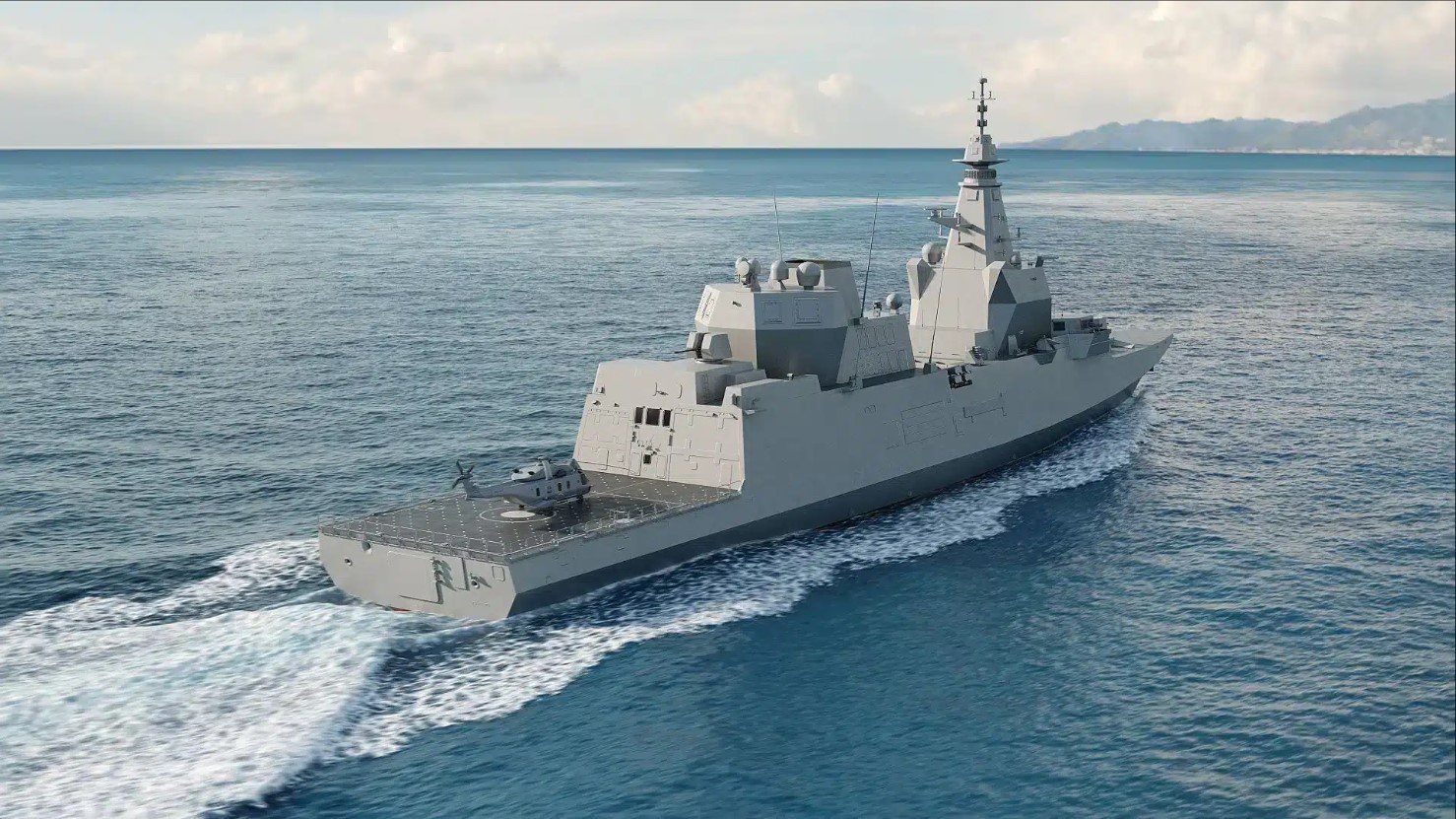
The Coastal Standard Vessel, approximately 57 meters in length, is intended primarily for operations in Norwegian littoral waters. Around 18 units are planned, replacing mine countermeasure vessels, patrol craft and smaller auxiliaries. Despite their size, these ships are expected to carry advanced sensors, unmanned systems and containerized mission payloads normally associated with much larger platforms.
The Offshore Standard Vessel, measuring roughly 96 meters, will form the expeditionary element of the program. With about 10 ships envisioned, this class is designed for sustained operations in the North Atlantic, Arctic regions and international deployments. Endurance, seakeeping and multi-role flexibility are central to the design.
Defense analysts in Oslo emphasize that the program is less about hull dimensions than about mission adaptability. The vessels are being designed from the outset as modular platforms, capable of switching roles rapidly without lengthy refits.
“This is not just about replacing steel with new steel,” one Norwegian defense analyst noted. “It is about building a fleet that behaves like a system rather than a collection of ships.”
Modularity at the Core
At the heart of P1118 is a standardized container-based mission concept, often referred to within the Navy as the “cube” system. Instead of permanently installed equipment, mission-specific capabilities will be housed in containerized modules that can be embarked, removed or exchanged as operational needs change.
In practice, this means a single vessel could alternate between mine countermeasures, mine laying, anti-submarine warfare, intelligence, surveillance and reconnaissance, surface patrol, or logistics support, depending on the modules embarked. Unmanned surface and underwater vehicles are expected to play a central role, reducing risk to crews while expanding operational reach.
The approach is intended to dramatically increase fleet availability while reducing life-cycle costs. Standardized modules can be upgraded independently of the hulls, allowing the Navy to adopt new technologies without redesigning ships.
Industry Competition Intensifies
The scale and long-term implications of the program have sparked intense interest from Norwegian industry, with major maritime players positioning themselves early.
The Ulstein Group, best known for its dominance in the offshore energy sector, has partnered with Larsnes Mek Verkstad to offer a design rooted in civilian shipbuilding experience. Their proposal adapts the distinctive inverted X-BOW hull form, a design proven in some of the world’s harshest sea conditions. Ulstein argues that superior seakeeping, reduced slamming and improved fuel efficiency are decisive advantages for Arctic operations.
Their concept emphasizes large aft mission decks, high bridges for situational awareness, and enhanced crew comfort—features increasingly recognized as force multipliers during long deployments. To control costs, hull construction would take place in Poland, while final outfitting, systems integration and sensitive military work would remain in Norway.
Kongsberg Maritime, meanwhile, confirmed its entry into the program’s prequalification phase in late January 2026. Unlike traditional shipbuilders, Kongsberg is positioning itself as the systems integrator, highlighting its extensive portfolio of combat systems, sensors, propulsion solutions and digital ship management tools already in service with hundreds of naval vessels worldwide.
Industry observers note that Kongsberg’s strength lies in reducing technical risk. By offering mature, combat-proven systems rather than bespoke solutions, the company aims to reassure defense planners wary of cost overruns and delays.
Green Propulsion and Silent Operations
Environmental and operational considerations are shaping the design as much as combat requirements. Norway has mandated that the P1118 vessels be prepared for a future without fossil fuels, reflecting both national climate policy and military operational needs.
Current design studies are exploring dual-fuel propulsion, including LNG and methanol, combined with battery-hybrid systems. For naval operations, the latter offers a critical tactical benefit: silent running. Battery-powered propulsion significantly reduces acoustic signatures, a key advantage in anti-submarine warfare and intelligence missions.
Naval planners stress that flexibility is essential. The ships must be able to adapt to evolving fuel technologies over their expected service life, which could extend well into the second half of the century.
NATO and Export Ambitions
Beyond national requirements, the Norwegian Ministry of Defence has been unusually open about the program’s export ambitions. Many NATO navies face similar challenges: aging minehunters, patrol vessels nearing obsolescence, and rising maintenance costs driven by fragmented fleets.
Oslo hopes the P1118 concept could evolve into a common Allied standard, mirroring the role played by the F-35 fighter program in airpower integration. Shared platforms would simplify training, logistics and interoperability across NATO, particularly in northern waters.
Several European navies are understood to be monitoring the program closely, though no formal partnerships have yet been announced.
Timeline and Strategic Impact
If current plans hold, construction of the first vessels will begin around 2027, with initial operational capability expected by 2030. Full fleet delivery would extend into the 2030s, aligning with the retirement of Norway’s remaining legacy small combatants.
Taken together, the P1118 Standard Vessel program represents more than a procurement effort. It signals a shift in naval thinking—away from specialized ships tied to single missions, toward adaptable platforms designed to evolve with technology and threats. For Norway, a nation defined by the sea, the success or failure of this quiet revolution could shape maritime security for generations to come.
——— End of Article ———