WASHINGTON / CARACAS : The Trump administration has sharply escalated pressure on Venezuela’s fragile interim leadership, warning that a “second wave” of U.S. military action is imminent unless Acting President Delcy Rodríguez accepts sweeping American demands that would fundamentally reshape the country’s oil sector, trade policy, and geopolitical alignment.
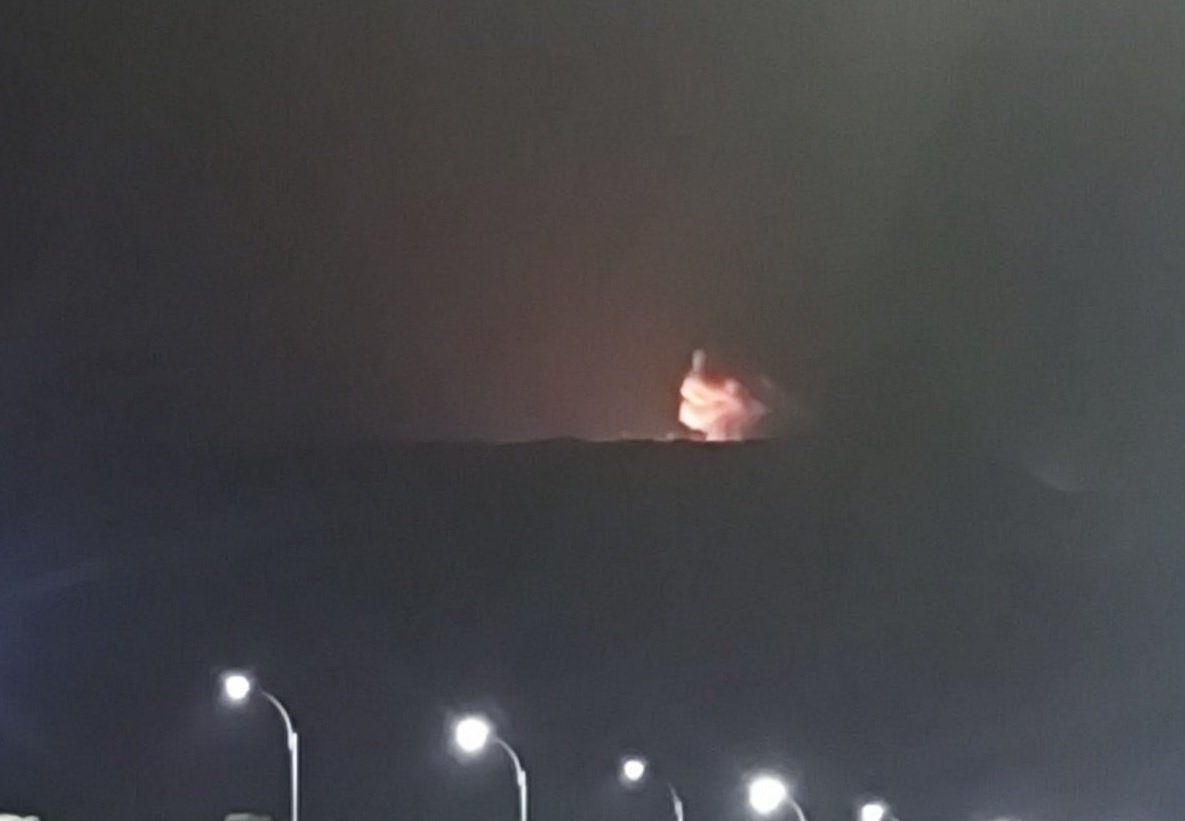
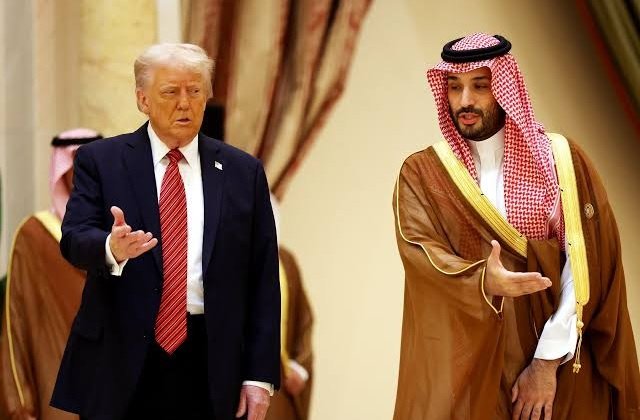
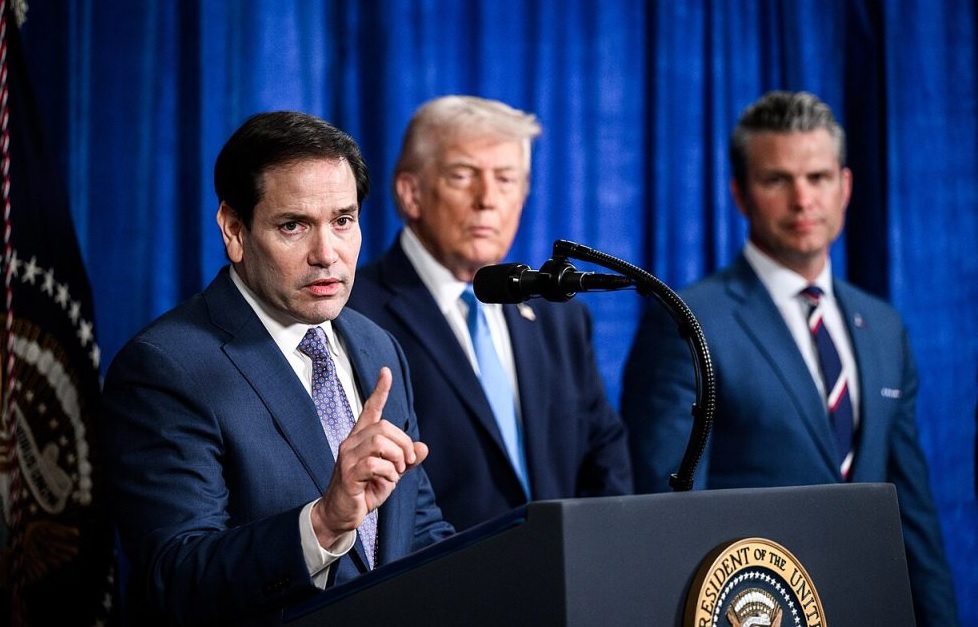
In testimony prepared for the Senate Foreign Relations Committee, Secretary of State Marco Rubio said the White House is prepared to use force again if Caracas fails to comply, framing the standoff as a final test of Washington’s leverage following last month’s U.S. special forces operation that removed former leader Nicolás Maduro from power. The remarks, delivered against a backdrop of heightened U.S. naval and air activity in the Caribbean, mark the clearest signal yet that the administration is willing to move beyond economic pressure and targeted raids toward a broader coercive campaign.
A Hard Ultimatum After Maduro’s Fall
U.S. officials describe the current moment as a narrow window to lock in long-term American influence over Venezuela’s vast energy wealth. According to senior administration officials briefed on the strategy, Washington believes the post-Maduro transition has left Caracas politically weak, economically desperate, and heavily dependent on external legitimacy.
Rubio told lawmakers that the interim government had already signaled conditional acceptance of parts of the U.S. framework, including opening Venezuela’s oil sector to American companies and prioritizing U.S. suppliers for imports. “The opportunity exists to reset Venezuela’s economy on transparent, market-based terms,” Rubio said, adding that failure to do so would have “consequences.”
Those consequences, he suggested, could include renewed military action designed to “ensure compliance and stability.”
What Washington Wants
At the core of the U.S. demands is control — not formal occupation, but structural dominance over how Venezuela earns and spends its money.
American officials want immediate and unrestricted access for U.S. energy firms to Venezuela’s oil fields, refineries, and export infrastructure, reversing years of nationalization and sanctions-era isolation. The administration is also demanding binding guarantees that oil revenues be channeled into purchases of U.S.-manufactured goods, ranging from industrial equipment and refined fuels to agricultural products and consumer staples.
U.S. negotiators are further seeking legal protections that would give American companies preferential treatment over competitors from China, Russia, and Iran, effectively realigning Venezuela’s economy away from its traditional anti-U.S. partners. Security cooperation clauses, according to officials familiar with the talks, would limit Caracas’s ability to host foreign military advisers or intelligence assets hostile to Washington.
Rubio framed the demands as pragmatic rather than punitive. “This is not about punishment,” he said. “It’s about ensuring Venezuela does not again become a platform for adversarial powers while its people continue to suffer.”
Rodríguez Pushes Back
Delcy Rodríguez, who assumed the role of acting president after Maduro’s capture, has publicly rejected the most far-reaching elements of the U.S. ultimatum, setting up a direct confrontation with Washington.
In a nationally broadcast address from the eastern port city of Puerto La Cruz, Rodríguez accused the United States of attempting to turn Venezuela into an economic protectorate. “Enough orders from Washington,” she said. “We are not a colony. Our oil is not a ransom payment, and our sovereignty is not negotiable.”
Her refusal, analysts say, is rooted as much in political survival as in ideology.
Why Caracas Is Resisting
Accepting the U.S. terms outright would likely destroy Rodríguez’s already fragile legitimacy at home. Senior Venezuelan military officers, many of whom tolerated the transition only to prevent chaos after Maduro’s removal, have reportedly warned that surrendering control of oil revenues to foreign dictates would cross a red line.
Nationalism also remains a powerful force. The requirement to recycle oil income exclusively into U.S. goods revives memories of earlier eras when foreign powers dictated Venezuela’s economic choices — a grievance that fueled the original Bolivarian movement.
There is also a strategic calculation. By resisting publicly, Rodríguez may be betting that Washington prefers coercion short of full-scale occupation. A broader U.S. military campaign could destabilize oil production, trigger regional backlash, and saddle the White House with responsibility for governing a deeply divided country.
The Military Option Back on the Table
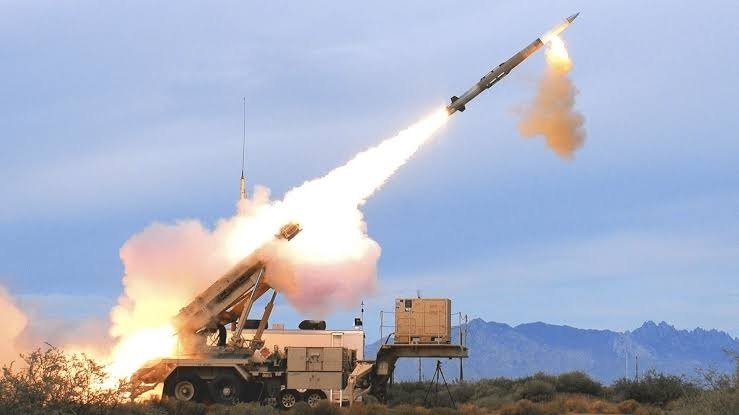
Despite diplomatic signaling, the Pentagon is quietly preparing for escalation. Defense officials say contingency plans now extend well beyond the narrow operation that removed Maduro. A “second wave”, according to officials familiar with the planning, would likely target critical infrastructure — command centers, energy logistics hubs, and financial nodes — to leave the interim government unable to function without U.S. support.
U.S. naval forces, including a carrier strike group operating in the region, have increased patrols, while surveillance flights over the Caribbean have intensified. Administration officials insist the posture is defensive, but the message to Caracas is unmistakable.
“We are prepared to ensure cooperation if other methods fail,” Rubio warned, signaling that patience in Washington is wearing thin.
A Narrowing Path Forward
With talks stalled and military pressure rising, Venezuela now stands at a crossroads. Compliance could stabilize the economy in the short term but at the cost of political autonomy. Defiance risks renewed U.S. strikes that could further fracture the state and plunge the country back into open conflict.
For now, Rodríguez is holding her line, appealing to sovereignty and domestic unity even as American warships loom offshore. Whether that stance can withstand the weight of U.S. power — or whether the crisis tips into a new phase of confrontation — may be decided in the coming weeks.
——— End of Article ———