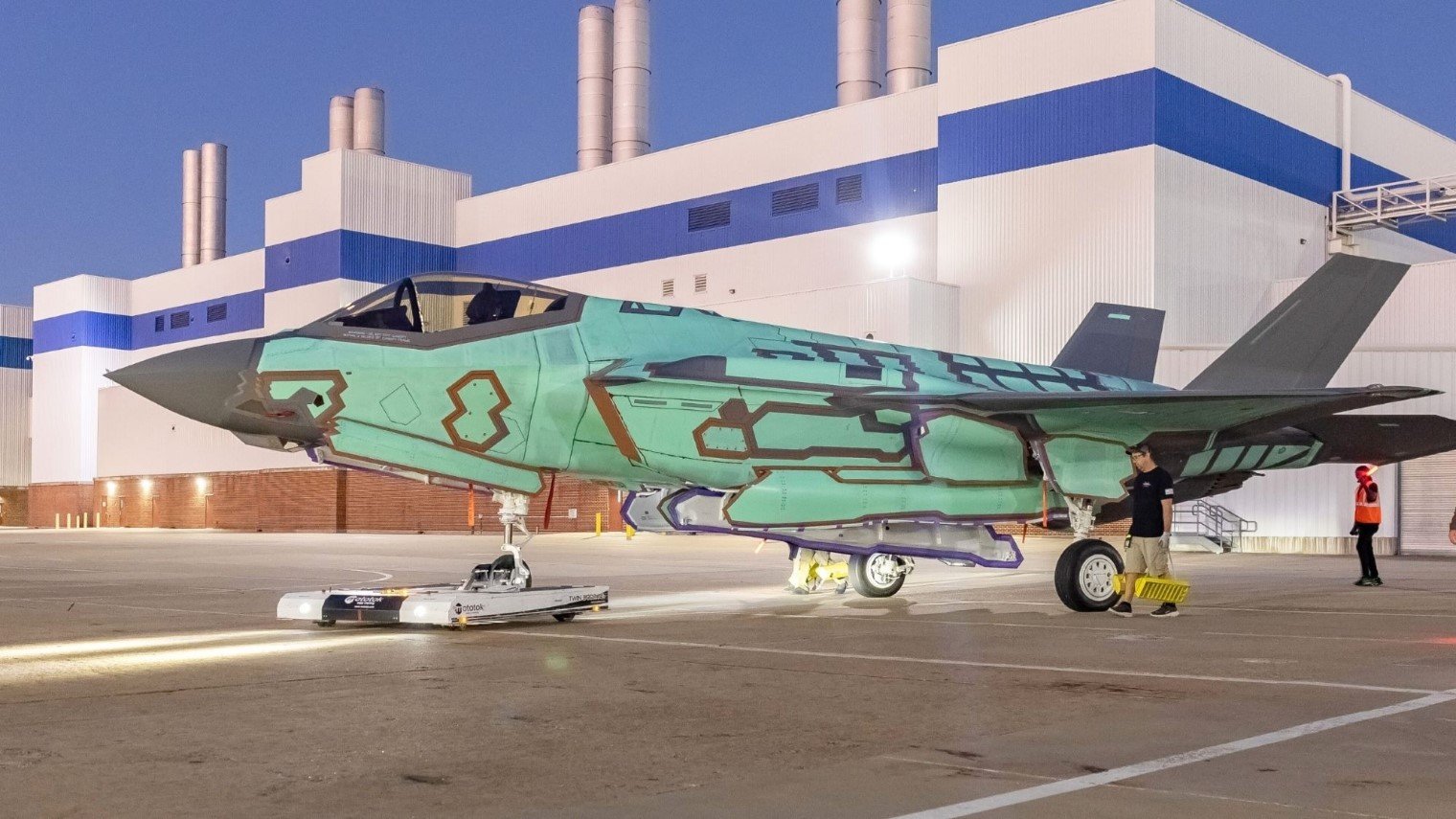
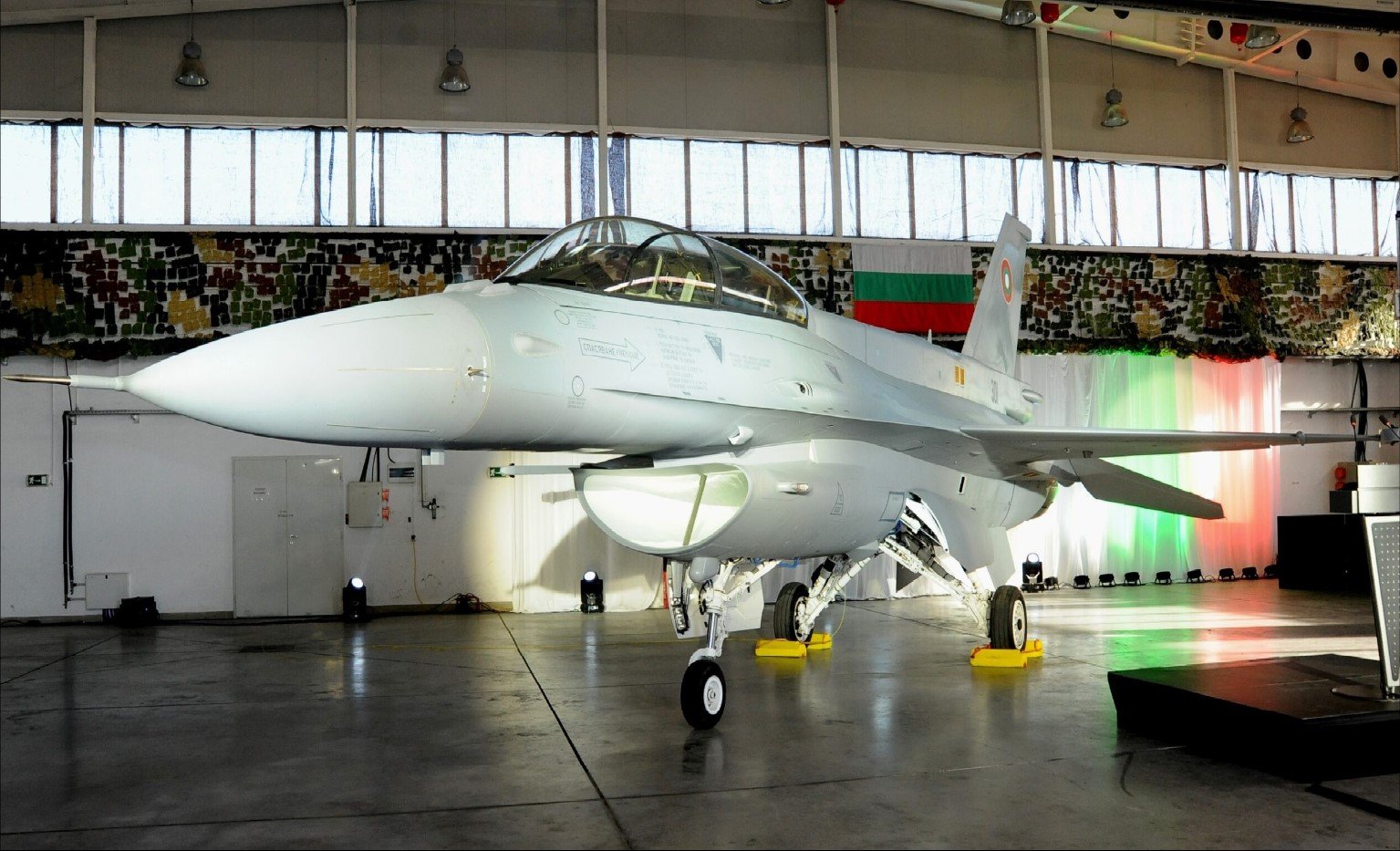
WASHINGTON / OTTAWA : The future shape of North American air defence is emerging as a point of friction between Washington and Ottawa, after the U.S. ambassador to Canada warned that the binational NORAD command would have to be reconfigured if Canada does not proceed with its planned purchase of 88 F-35 fighter jets.
In an exclusive interview with CBC News conducted at Luke Air Force Base in Arizona, U.S. Ambassador Pete Hoekstra said Canada’s hesitation over the full F-35 acquisition could force the United States to assume a larger operational role in defending Canadian airspace. “NORAD would have to be altered,” Hoekstra said, arguing that gaps left by a reduced Canadian fighter capability would inevitably be filled by U.S. aircraft.
Pressure on a Cornerstone Alliance
NORAD, the North American Aerospace Defense Command, has been a central pillar of U.S.–Canada defence cooperation for more than six decades. The integrated command structure allows the closest available aircraft—American or Canadian—to respond to airborne threats ranging from unidentified aircraft to missiles and drones.
Hoekstra said that if Canada ultimately limits its purchase to the 16 F-35s already on order, the United States would likely respond by expanding its own fleet and conducting more frequent patrols over Canadian territory. “If Canada is no longer going to provide that capability, then we have to fill those gaps,” he said.
U.S. fighter jets already operate in Canadian airspace under NORAD protocols. In recent years, American aircraft have been involved in responses to a bomb threat against a German airliner near Calgary and in the 2023 shootdown of a high-altitude balloon over Yukon that U.S. officials described as suspicious.
Interoperability at the Center of the Debate
At the heart of the dispute is interoperability. Hoekstra argued that the F-35, jointly developed and operated by the United States and NATO allies, is uniquely suited to NORAD’s integrated mission. He said a Canadian decision to instead procure Swedish-made Gripen fighter jets would also force a reassessment of the NORAD arrangement.
Choosing the Gripen, Hoekstra said, would mean opting for “an inferior product that is not as interchangeable, interoperable as what the F-35 is,” potentially complicating joint operations, shared maintenance systems, and real-time data integration across North America.
Despite the warning, the ambassador stressed that current defence ties remain strong, describing the relationship between the two countries as “awesome.” He acknowledged, however, that U.S. intervention over Canada would likely increase if Ottawa scales back its F-35 commitment.
Expert Caution and Political Pushback
The ambassador’s remarks prompted swift caution from Canadian defence experts, who warned against framing procurement debates as threats to the alliance itself. Andrea Charron, director of the Centre for Defence and Security Studies at the University of Manitoba, said public pressure risks weakening deterrence rather than strengthening it.
“Public sniping only benefits our adversaries and risks undermining the credibility of our shared deterrence,” Charron said. While acknowledging political disagreements, she emphasized that the NORAD partnership has endured for decades precisely because it transcends short-term disputes. “Political disputes come and go. NORAD’s mission does not,” she said.
Former national security adviser Vincent Rigby went further, characterizing Hoekstra’s comments as a deliberate political pressure tactic aimed at forcing the Canadian government’s hand. “This is clearly a political pressure tactic,” Rigby said, adding that while the remarks should not be dismissed, they should not be treated as definitive statements of U.S. policy. “It can’t be ignored, but neither should it be taken as gospel truth from either the administration or the Pentagon.”
Global Doubts About the F-35
Canada’s debate is unfolding amid broader international scrutiny of the F-35 program. In Denmark, defence committee chair Rasmus Jarlov has publicly expressed “second thoughts” about the aircraft, citing concerns over maintenance availability and supply-chain dependence on the United States.
Jarlov has warned that heavy reliance on U.S.-controlled parts and software gives Washington significant leverage. “They’re in for repairs about half the time or even more,” he said, arguing that access to spare parts could, in theory, ground an ally’s air force.
In Canada, public opinion appears divided. Polling by Ekos Politics has found strong support for including the Gripen in the country’s fighter fleet, reflecting concerns over cost, sovereignty, and dependence on U.S. systems. Defence analysts, however, caution that operating two different fighter types would place additional strain on personnel, training, and maintenance budgets.
Sovereignty, Security and Trust
Hoekstra also dismissed suggestions from some Canadians that the United States itself could be perceived as a threat, particularly in light of past remarks by President Donald Trump about Canada and Greenland. “That’s crazy,” the ambassador said. “We’re not a threat.”
Still, the controversy highlights a deeper tension between sovereignty and integration. For Canada, the fighter jet decision is not only about aircraft performance, but about autonomy, cost, and long-term strategic flexibility. For the United States, it is about maintaining a seamless, high-end defence shield across the continent.
As Ottawa weighs its final decision, the episode underscores how defence procurement choices can ripple far beyond budgets and runways—touching the core of one of the world’s most enduring military partnerships.
——— End of Article ———