World
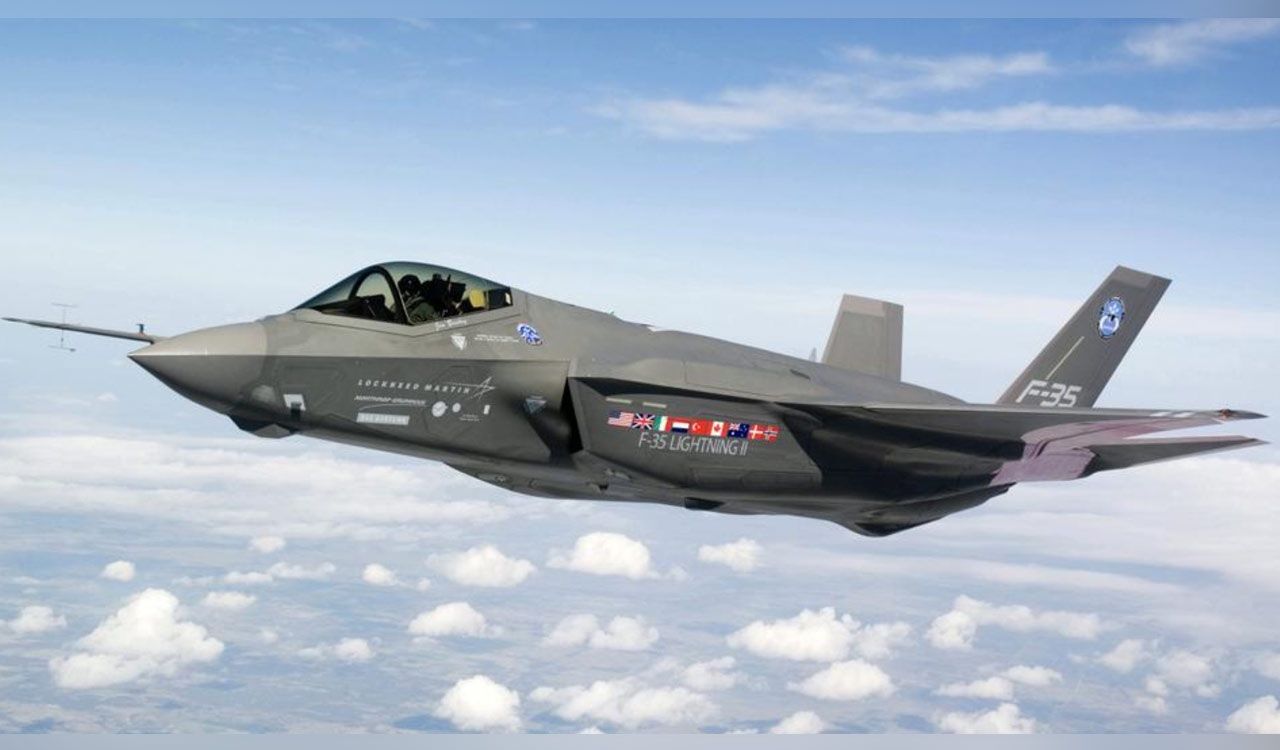
Washington — U.S. President Donald Trump is preparing to restore Turkey's access to the F-35 fighter jet program, reversing the decision his administration made in 2019 to remove Ankara from the multinational project, according to multiple reports and U.S. administration officials. The issue is expected to be discussed during Trump's meeting with Turkish President Recep Tayyip Erdogan on the sidelines of the NATO Heads of State and Government Summit in Ankara. Speaking to reporters after arriving in Turkey, Trump confirmed that his administration is reviewing the possibility of moving forward with the sale. "It's a decision we're going to make," Trump said. "We have a better relationship with Turkey, and Turkey has been in many ways much more loyal than other countries." Erdogan also expressed confidence before the bilateral meeting, saying Trump had previously promised to deliver five F-35 fighter jets and adding that he believes the U.S. president "always keeps his promises." Reversal of 2019 Decision Turkey was removed from the F-35 program in 2019 after purchasing the Russian-made S-400 air defense system. At the time, Washington argued that operating the S-400 alongside the F-35 could allow Russia to collect intelligence on the aircraft's advanced stealth and sensor capabilities, making the two systems incompatible. The United States also suspended Turkey's participation in the program and halted delivery of aircraft that Ankara had already paid for. Turkey had planned to acquire more than 100 F-35s and was also a manufacturing partner producing components for the fighter aircraft. The F-35 aircraft purchased by Turkey but never delivered remain in storage in the United States. Trump has repeatedly said he was dissatisfied with Turkey's removal from the program and has previously blamed earlier U.S. policies for contributing to Ankara's decision to purchase the Russian air defense system. Legal and Congressional Challenges Any effort to restore Turkey's participation would face significant legal and political hurdles. A U.S. law passed by Congress in 2020 prohibits the transfer of F-35 fighter jets to Turkey unless the administration certifies that Ankara no longer possesses the Russian S-400 air defense system. According to U.S. officials, national security teams led by Defense Secretary Pete Hegseth have spent several weeks examining legal options that could allow the administration to comply with U.S. law while moving forward with the sale. Vice President JD Vance recently confirmed that the administration is reviewing possible legal pathways after Trump directed officials to examine the issue. Officials said several options have been discussed to address the S-400 requirement. These include transferring the systems to a third party or rendering them permanently inoperable by removing essential components. Previous discussions about transferring the systems to Ukraine did not move forward. Administration officials also indicated that an initial agreement could begin with an exchange of letters between Trump and Erdogan to start the technical process, although they cautioned that no final decision has yet been made and the president's plans could still change. Israel Opposes the Move The reported policy shift has drawn opposition from Israeli Prime Minister Benjamin Netanyahu, who has urged the White House not to proceed with the sale. Netanyahu said supplying Turkey with F-35 fighter jets could affect the regional military balance, arguing that Israel's air superiority plays an important role in maintaining security in the Middle East. He also criticized Erdogan's statements toward Israel and raised concerns about Turkey's regional policies, including its positions regarding Greece and Cyprus. NATO Summit Context The F-35 discussions are taking place during the NATO summit in Ankara, where alliance members are addressing defense spending, support for Ukraine and broader security issues. Trump has continued to criticize European NATO members over defense spending, arguing that allies should increase their military contributions more quickly. He also expressed disappointment over what he described as limited NATO support during the recent U.S. conflict with Iran. Trump is expected to hold meetings with several leaders during the summit, including Ukrainian President Volodymyr Zelensky, as NATO continues discussions on the war in Ukraine and the alliance's future security priorities. While the administration appears to be moving toward restoring Turkey's access to the F-35 program, officials say the proposal must still overcome legal requirements, congressional restrictions and diplomatic concerns before any aircraft can be delivered. Source: nytimes
Read More → Posted on 2026-07-07 13:48:35
World
CHANGWON, South Korea — South Korea has unveiled its first domestically developed aviation engine prototypes for unmanned aircraft, marking a major milestone in the country's efforts to build an independent aircraft engine industry. The prototypes were revealed on July 6 during a ground test launch ceremony at Hanwha Aerospace's Changwon Plant 1 in South Gyeongsang Province. The event was attended by around 300 officials from the Defense Acquisition Program Administration (DAPA), the Agency for Defense Development (ADD), the Republic of Korea Air Force, and Hanwha Aerospace. Developed jointly by DAPA, ADD, and Hanwha Aerospace with support from domestic companies, the new engines include the 5,500-pound-force (lbf) class KTF5500 turbofan and the 1,400-horsepower class KTP1400 turboprop. Two Engines for Different Unmanned Aircraft The KTF5500 turbofan has been designed for low-observable unmanned combat aircraft, commonly referred to as loyal wingmen. These aircraft are intended to operate alongside manned fighter aircraft, including South Korea's KF-21 fighter, as part of manned-unmanned teaming operations. The KTP1400 turboprop is intended for medium-altitude unmanned reconnaissance aircraft, including platforms such as the MQ-105K. It is designed to support long-endurance surveillance missions and replaces previously imported Canadian-made engine components used in similar systems. Both engines have completed assembly and are now undergoing ground testing at Hanwha Aerospace's Changwon facility. During testing, specialized equipment and digital sensors are collecting real-time data on engine acceleration, deceleration, performance, and durability. First Long-Life Domestic Aviation Engines The new prototypes represent South Korea's first domestically developed long-life aviation engines capable of operating continuously for thousands of hours. Until now, the country's engine manufacturing experience had largely been limited to short-life, single-use missile engines. Hanwha Aerospace said it has invested nearly 2 trillion won over the past decade to establish the infrastructure and technologies required for aircraft engine development. Kim Jin-hyung, principal researcher at ADD, said the completion of the first domestic aircraft engine prototypes and the start of ground testing mark the beginning of South Korea's effort to secure indigenous aircraft engine technology. Reducing Dependence on Foreign Engine Suppliers South Korea has traditionally relied on foreign manufacturers to supply engines for many of its advanced aircraft, including the FA-50 light attack aircraft and the KF-21 fighter, which currently uses engines produced by General Electric. While imported engines provide proven performance, they can also affect defense exports because engine-producing countries often require approval before aircraft equipped with their engines can be sold to third-party nations. These controls are governed through export regulations and international frameworks such as the International Traffic in Arms Regulations (ITAR) and the Missile Technology Control Regime (MTCR). By developing domestic aircraft engines, South Korea aims to reduce reliance on foreign suppliers, increase flexibility in defense exports, and strengthen long-term maintenance, repair, and overhaul (MRO) capabilities. Domestic Development of Key Engine Technologies The program has also enabled South Korean engineers to develop several critical aircraft engine technologies domestically. These include precision casting techniques for heat-resistant turbine blades, advanced thermal barrier coating technologies that protect engine components from high operating temperatures, and other materials designed to improve engine durability and fuel efficiency. The localization of propulsion systems also supports the integration of domestically developed airframes, flight control systems, mission equipment, and engines into future unmanned aircraft. Future Engine Development Plans The newly unveiled prototypes form the first stage of South Korea's broader aircraft engine development roadmap. Later this year, the government and Hanwha Aerospace are expected to begin work on a 10,000-lbf-class turbofan engine for long-endurance unmanned aircraft and small passenger aircraft. The longer-term objective is to develop a 24,000-lbf-class aircraft engine for future advanced variants of the KF-21 fighter and other applications, including naval platforms. Between August this year and early 2027, the South Korean government is expected to review a 5.5 trillion won investment plan for the larger engine program. The plan aims to produce at least 1,500 engines by 2060. Kim Jong-ho, head of Hanwha Aerospace's Advanced Engine Business Team, said the company will use the experience and technologies it has accumulated to continue narrowing the technology gap with leading aviation engine manufacturers while advancing South Korea's goal of achieving self-reliance in aircraft engine development. The successful development of the KTF5500 and KTP1400 prototypes represents an important step in South Korea's efforts to strengthen its domestic aerospace industry and expand indigenous capabilities for future unmanned and manned aircraft programs. Source: asiae.co.kr
Read More → Posted on 2026-07-07 13:15:45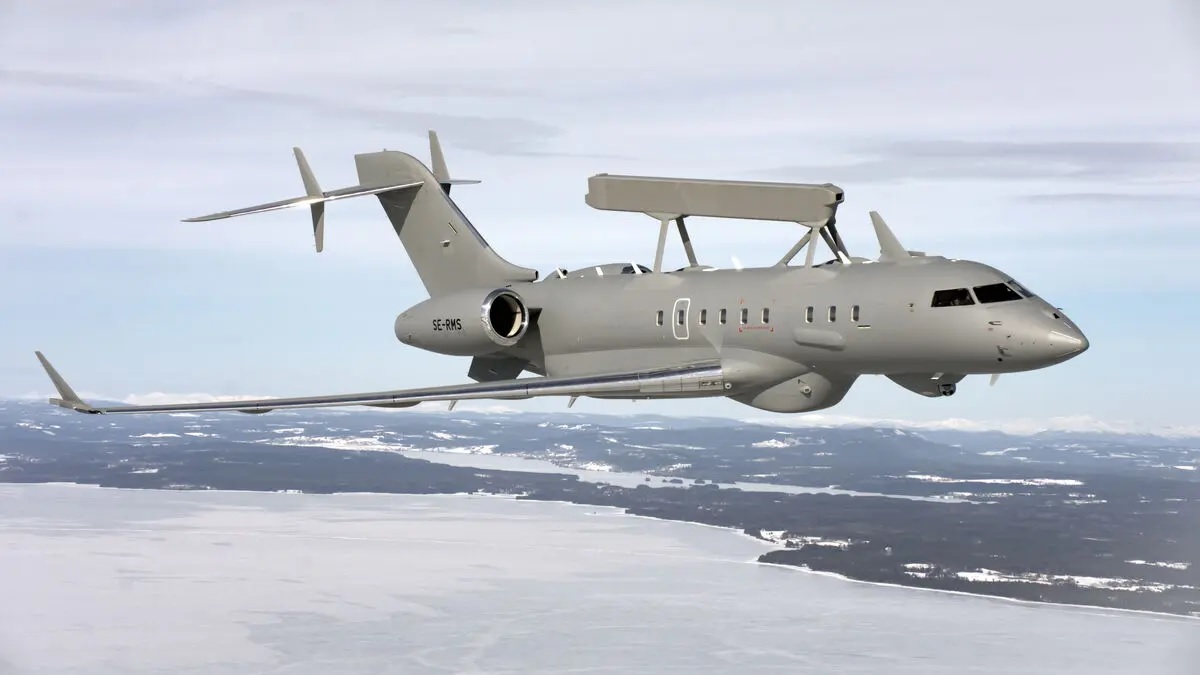
World
ANKARA, Turkey — NATO has announced plans to begin formal negotiations with Swedish defense company Saab for the acquisition of up to 10 GlobalEye Airborne Early Warning and Control (AEW&C) aircraft as part of the alliance's efforts to modernize its airborne surveillance capabilities. The announcement was made by NATO Secretary General Mark Rutte on July 7, 2026, during the NATO Summit Defence Industry Forum in Ankara. The proposed acquisition is intended to replace NATO's fleet of 14 Boeing E-3A Sentry Airborne Warning and Control System (AWACS) aircraft, which have been in service since the early 1980s and are based at Geilenkirchen Air Base. The procurement is part of NATO's initial Allied Future Surveillance and Control (iAFSC) project, which aims to provide the alliance with a next-generation airborne surveillance and command platform. Although NATO allies have signed a joint procurement agreement, Saab has confirmed that it has not yet received a signed contract or a formal purchase order. The next phase will focus on negotiations covering acquisition terms, delivery schedules, and industrial arrangements with the NATO Support and Procurement Agency. GlobalEye Selected After E-7 Wedgetail Plan Ended The selection of the GlobalEye follows NATO's earlier plan to acquire Boeing E-7A Wedgetail aircraft. The alliance had previously intended to purchase six E-7 aircraft, but several NATO member states withdrew from the program in late 2025 after the project lost its financial and strategic basis following indications that the previous U.S. administration planned to cancel the program. According to Saab President and CEO Micael Johansson, NATO's Supreme Headquarters Allied Powers Europe (SHAPE) evaluated available alternatives and concluded that the GlobalEye could address the alliance's future surveillance requirements. Johansson said the aircraft was selected based on affordability, operational capability, and the ability to deliver the platform within NATO's required timeframe. Swedish Prime Minister Ulf Kristersson described the decision as an important achievement for Sweden and confirmed that a letter of intent has already been signed by 11 participating NATO countries. GlobalEye Capabilities The Saab GlobalEye is based on the Bombardier Global 6000/6500 business jet platform and combines airborne surveillance, command, and control capabilities in a single aircraft. Unlike the E-3 Sentry, which uses a rotating radar dome mounted on a modified commercial airliner, the GlobalEye uses Saab's Erieye Extended Range (ER) active electronically scanned array (AESA) radar installed above the aircraft's fuselage. The aircraft is designed to conduct simultaneous surveillance across air, maritime, and land domains from a single platform. According to Saab, the Erieye ER radar offers long-range detection of up to approximately 550 kilometers and is capable of tracking low-observable targets, drones, and missiles while operating in environments affected by electronic jamming and ground clutter. The radar provides high update rates to improve situational awareness during operations. The platform also integrates additional sensors and a multi-domain command-and-control system, allowing operators to monitor multiple types of targets over large areas. Powered by the fuel-efficient Bombardier Global business jet, the GlobalEye can remain on station for missions lasting up to 11 hours. The aircraft can also operate from shorter runways and is expected to offer lower operating costs than larger legacy AWACS platforms. Production and Delivery Timeline NATO officials said the procurement supports the alliance's long-term modernization of its airborne early warning capability. Prime Minister Kristersson stated that GlobalEye aircraft will begin operating from Swedish bases by 2027. Saab is expanding production capacity at its Gothenburg facility to support future deliveries. Johansson said the company is investing in manufacturing to meet NATO's operational requirements. Saab has indicated that the first aircraft could be integrated into NATO's wider surveillance network around 2030, although final delivery schedules will depend on the outcome of contract negotiations. Growing International Interest The NATO procurement follows increasing international demand for the GlobalEye platform. France finalized a $1.3 billion agreement in December 2025 for two aircraft with options for additional units, while Canada opened negotiations in May 2026 for its own acquisition. Other NATO members, including Germany and Poland, have also expressed interest in the system. The joint procurement approach allows participating allies to share costs while developing a common airborne surveillance capability across the alliance. The proposed NATO fleet acquisition is estimated to be worth nearly $5 billion. However, the final number of aircraft, contract value, production schedule, and delivery timeline will be confirmed after negotiations between Saab and the NATO Support and Procurement Agency are completed. Source: saab.
Read More → Posted on 2026-07-07 13:02:22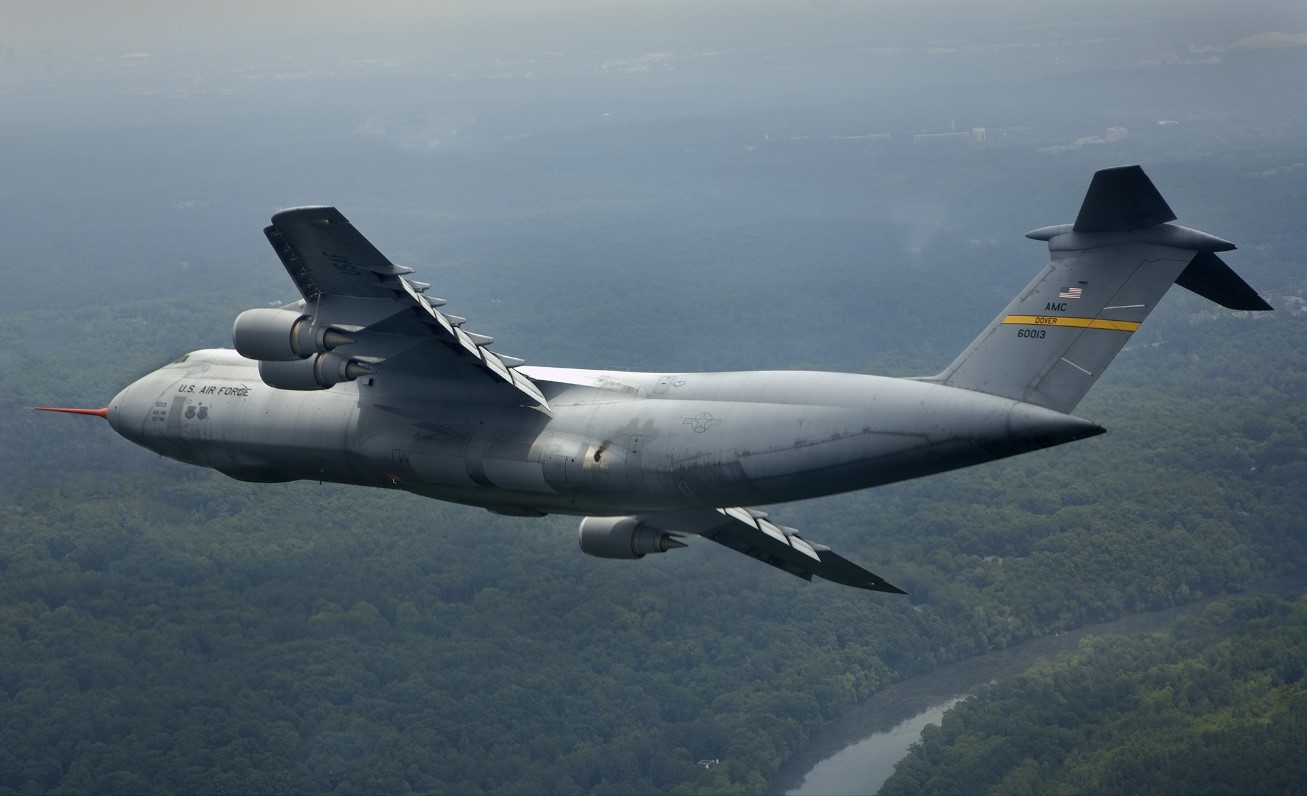
World
Marietta, Georgia — The U.S. Air Force has awarded Lockheed Martin a $142.9 million contract to maintain and update the software systems of the C-5M Super Galaxy, ensuring the Air Force's largest transport aircraft continues to operate safely and effectively in the coming years. Announced on July 6, 2026, the contract focuses on the aircraft's digital systems rather than physical upgrades. While the C-5M fleet has already received modernization improvements, including new General Electric engines and updated avionics hardware, the new agreement is aimed at sustaining the software that supports navigation, communications, flight instruments, and other mission-critical systems. The contract is structured as an indefinite-delivery, indefinite-quantity (IDIQ) agreement, allowing the Air Force to order software support services as required instead of committing to a fixed schedule of work. The contract has a maximum value of $142.9 million, with $19.3 million in fiscal year 2026 operations and maintenance funding initially obligated to begin the program. Software sustainment work will be carried out at Lockheed Martin facilities in Marietta, Georgia, and Greenville, South Carolina, with performance scheduled to continue through May 20, 2032. The contract is being managed by the C-5 Contracting Branch at Robins Air Force Base, Georgia. The Air Force awarded the contract to Lockheed Martin through a sole-source acquisition. As the original manufacturer of the C-5 aircraft and the company responsible for its modernization program, Lockheed Martin possesses the proprietary technical knowledge required to maintain and update the aircraft's software architecture. Software Sustainment Scope Under the agreement, Lockheed Martin will provide software sustainment services for the Air Force's fleet of 52 C-5M Super Galaxy aircraft. The work includes: Delivering routine software patches, updates, and cybersecurity improvements. Maintaining certification records to ensure the aircraft continues to meet current safety and performance requirements. Operating ground-based systems integration laboratories where software changes are tested before being installed on operational aircraft. Providing engineering and technical support to identify and resolve software issues before they affect flight operations. These updates help ensure the aircraft remains compatible with modern air traffic management systems, satellite navigation services, and military communication networks. Strategic Heavy Airlift Capability The C-5M Super Galaxy is the largest aircraft in the U.S. Air Force inventory and serves as one of its primary strategic airlifters. It is designed to transport oversized military equipment, vehicles, troops, and humanitarian cargo over intercontinental distances. Each aircraft can carry up to 281,000 pounds (127,460 kilograms) of cargo, enough to transport two M1 Abrams main battle tanks, three CH-47 Chinook helicopters, or 36 standard cargo pallets in a single mission. With its maximum payload, the aircraft has an unrefueled range of approximately 2,150 nautical miles. The current fleet of 52 C-5M aircraft is based at Dover Air Force Base, Delaware; Travis Air Force Base, California; Lackland Air Force Base, Texas; and Westover Air Reserve Base, Massachusetts. The aircraft has supported U.S. military operations since entering service in the 1970s, including strategic airlift missions during the 1973 Yom Kippur War and the 1991 Gulf War. It also continues to support humanitarian relief operations and global logistics missions. Today, the C-5M plays an important role in the Air Force's Agile Combat Employment (ACE) concept, which emphasizes dispersing personnel and equipment across multiple smaller and remote airfields to improve operational flexibility, particularly in the Indo-Pacific region. Service Life Through the 2040s The Air Force plans to keep the C-5M Super Galaxy in service into the 2040s. Although planning is underway for a Next-Generation Airlifter that will eventually replace both the C-5M Super Galaxy and the C-17 Globemaster III, procurement of the future aircraft is not expected to begin before 2038. Until that replacement program moves forward, maintaining the C-5M's software and avionics will remain essential for preserving the U.S. military's heavy airlift capability. The latest contract ensures the aircraft's digital systems continue to support safe, reliable, and efficient operations as the fleet remains a key part of the Air Force's global transportation network. Source: intellectia
Read More → Posted on 2026-07-07 12:46:03
World
HALIFAX, Nova Scotia — Canadian Prime Minister Mark Carney has announced that Germany's ThyssenKrupp Marine Systems (TKMS) has been selected as the preferred bidder for the Canadian Patrol Submarine Project (CPSP), marking a major milestone in Canada's effort to replace its aging submarine fleet. The project, expected to cost up to $100 billion over its full lifecycle, is the largest defence procurement program in Canadian history. Under the plan, Canada intends to acquire up to 12 Type 212CD diesel-electric submarines for the Royal Canadian Navy (RCN). TKMS was selected over South Korea's Hanwha Ocean, which had offered its KSS-III Batch-II submarine design following a competitive evaluation process. First Deliveries Planned by 2034 The announcement was made during Prime Minister Mark Carney's visit to Canadian Forces Base Halifax. To speed up the delivery schedule, TKMS, together with the governments of Germany and Norway, has agreed to defer some of their own submarine production slots. This arrangement is intended to allow Canada to receive its first four Type 212CD submarines by 2034, reducing the risk of a capability gap as the current fleet approaches retirement. Germany and Norway have already ordered the Type 212CD submarines. If Canada completes the purchase of all 12 vessels, the three NATO allies would operate a combined fleet of up to 24 submarines based on the same design. A common platform is expected to simplify training, maintenance, logistics, and operational cooperation. Replacing the Victoria-Class Fleet The Canadian Patrol Submarine Project was launched in 2021 to replace Canada's fleet of four Victoria-class submarines. Canada acquired the Victoria-class boats from the United Kingdom in 1998 after they had previously served as the Royal Navy's Upholder-class submarines. Over the years, the fleet has experienced technical problems and extended maintenance periods. According to the government, only one of the four submarines is currently operationally available for deployment. The new submarines are expected to strengthen Canada's underwater capabilities across the Atlantic, Pacific, and Arctic oceans. Type 212CD Capabilities The Type 212CD submarine is designed for long-endurance underwater operations and includes several features intended for modern naval missions. Its diesel-electric propulsion system is combined with a hydrogen fuel cell-based Air-Independent Propulsion (AIP) system, allowing the submarine to remain submerged for longer periods without surfacing. The design also incorporates a diamond-shaped hull that helps reduce acoustic and active sonar signatures, improving stealth during operations. The submarines are built to operate in under-ice Arctic conditions, including movement through first-year sea ice, supporting Canada's increasing focus on Arctic security. They are also designed to be fully compatible with NATO systems, allowing seamless integration with allied naval operations. Contract Negotiations Continue Although TKMS has been selected as the preferred supplier, a final contract has not yet been signed. The Canadian government and TKMS will now begin detailed negotiations covering areas such as contract terms, technology transfer, industrial participation, and overall project costs. The government has set a target to complete the negotiations and sign binding agreements by the end of 2027. Prime Minister Mark Carney said Hanwha Ocean's proposal was also highly competitive. If negotiations with TKMS do not produce an acceptable agreement on cost, technology transfer, or industrial benefits, Canada retains the option of selecting Hanwha Ocean as the reserve supplier. Support for Canadian Industry The submarine program will be carried out under Canada's Industrial and Technological Benefits Policy, which requires major defence projects to generate economic benefits within the country. The government expects a significant share of the project's long-term investment to support Canadian shipyards, technology companies, suppliers, and skilled jobs throughout the construction, maintenance, and operational life of the new fleet. Source: theguardian
Read More → Posted on 2026-07-07 11:38:48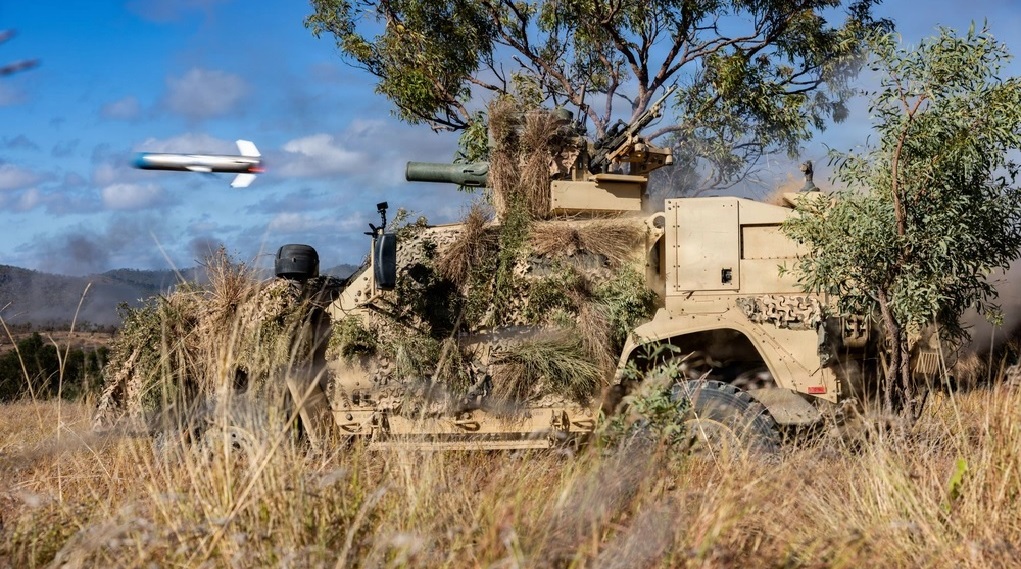
World
TOWNSVILLE, Australia — U.S. Marines tested mobile anti-armor capabilities during the multinational Exercise Southern Jackaroo 2026, carrying out a live-fire BGM-71 TOW anti-tank missile launch from a concealed position at the Townsville Field Training Area in Queensland on July 2, 2026. The live-fire event involved Marines from Weapons Company, 1st Battalion, 5th Marine Regiment, assigned to Marine Rotational Force-Darwin (MRF-D) 26. The missile fired was the BGM-71 TOW (Tube-launched, Optically-tracked, Wire-guided) anti-tank missile, a combat-proven precision-guided weapon designed to engage armored vehicles, fortified positions, and other hardened targets. Exercise Southern Jackaroo 2026, held from May 29 to July 3, 2026, brings together forces from the United States, the Australian Defence Force (ADF), and the Japan Self-Defense Force (JSDF). The exercise is focused on improving interoperability, combined arms integration, and coordination between allied militaries during joint operations. During the exercise, Marines mounted the TOW missile launcher on an Oshkosh Joint Light Tactical Vehicle (JLTV) to improve battlefield mobility. The vehicle operated from a concealed firing position using camouflage netting and natural vegetation to reduce its visual signature. Modern battlefields are increasingly monitored by drones, thermal sensors, and persistent surveillance systems, making concealment an important part of operational planning. The JLTV-mounted TOW system provides Marines with a mobile "shoot-and-scoot" capability. Instead of remaining at a fixed firing location, the vehicle can move across difficult terrain, establish a firing position, engage targets at stand-off range, and relocate quickly before potential counterfire. This approach supports infantry units operating in dispersed formations where mobility, protection, and rapid movement are key requirements. Southern Jackaroo 2026 includes a broad range of multinational training activities designed to improve cooperation between participating forces. U.S. Marines and Sailors from the 1st Battalion, 5th Marine Regiment and Combat Logistics Battalion 5 are training alongside the Australian Army's 3rd Brigade, as well as maneuver elements from the U.S. Army and the Japan Self-Defense Force. Throughout the month-long exercise, participating units have conducted force-on-force offensive and defensive operations, mortar live-fire training, mounted machine-gun gunnery, and simulated nighttime air assault missions using U.S. Army CH-47 Chinook helicopters. The exercise concludes with a Combined Arms Live Fire Exercise (CALFX), bringing together ground maneuver and supporting firepower in a coordinated training scenario. The integration of the JLTV-mounted TOW system reflects the U.S. Marine Corps' emphasis on highly mobile and low-signature combat capabilities under operational concepts such as Expeditionary Advanced Base Operations (EABO) and stand-in forces. These concepts focus on deploying small, agile units capable of operating in contested environments, supporting sea control, gathering battlefield information, and providing precision direct-fire support. Northern Australia continues to serve as an important training location for multinational exercises in the Indo-Pacific. Through the rotational deployment of Marine Rotational Force-Darwin 26, the United States maintains a regular military presence in the region while expanding cooperation with Australian and Japanese forces. By conducting complex live-fire training and combined operations from dispersed locations, the three countries continue to strengthen their ability to operate together across a range of military scenarios. Source: dvidshub
Read More → Posted on 2026-07-07 11:20:51
World
ANKARA, Turkey — Denmark, Finland, Germany, and Norway have signed a letter of intent to jointly procure up to five Northrop Grumman MQ-4C Triton high-altitude, long-endurance (HALE) unmanned aircraft to strengthen NATO's Intelligence, Surveillance and Reconnaissance (ISR) capabilities. The announcement was made on Tuesday during the NATO Summit Defence Industry Forum in Ankara. The new aircraft will become part of NATO's ISR Force and will complement the alliance's existing Alliance Ground Surveillance (AGS) fleet, which operates from Sigonella Air Base in Sicily, Italy. According to NATO Secretary General Mark Rutte, the agreement is part of a broader package of defence industry initiatives announced during the summit. The joint procurement is valued at approximately $2.7 billion and marks the first time NATO, as an alliance, is acquiring the MQ-4C Triton system. Designed for Long-Range Maritime Surveillance The MQ-4C Triton is a maritime surveillance aircraft developed from the RQ-4 Global Hawk. It is specifically designed for persistent intelligence, surveillance, and reconnaissance missions over large ocean areas. Unlike the standard Global Hawk, the Triton is built to operate in demanding maritime environments. It features a reinforced airframe, lightning protection, and advanced de-icing systems, allowing it to safely fly through harsh weather conditions and descend to lower altitudes when required to identify surface targets. The aircraft is capable of flying for more than 24 hours on a single mission while operating at altitudes of over 50,000 feet (15.2 kilometres). This allows it to monitor large maritime regions while remaining above most commercial air traffic and adverse weather. Advanced ISR Capabilities The MQ-4C Triton is equipped with the AN/ZPY-3 Multi-Function Active Sensor (MFAS) radar, providing 360-degree maritime surveillance and surface target tracking. It also carries high-definition electro-optical and infrared (EO/IR) sensors for day-and-night imaging. In addition to its imaging systems, the aircraft includes signals intelligence (SIGINT) capabilities that can detect and analyse electronic emissions. It can also serve as a secure communications relay, enabling information sharing between naval units operating across long distances. According to NATO, these capabilities will improve early threat detection, enhance maritime domain awareness, and help protect critical sea lines of communication. Focus on the Arctic and High North NATO said the new Triton fleet will play an important role in supporting operations in the Arctic and the High North, where long-range surveillance is essential because of the vast maritime areas and challenging operating conditions. The aircraft are expected to provide persistent monitoring of maritime activity and strengthen the alliance's ability to respond to security challenges in northern regions. Transatlantic Industrial Partnership The programme will be delivered through a transatlantic industrial consortium. Northrop Grumman will manufacture the MQ-4C Triton aircraft in the United States, while Airbus Defence and Space, together with other European defence companies, will provide the ground segment. Their responsibilities include command and control systems, data management services, infrastructure, and mission support. NATO said the arrangement builds on transatlantic industrial cooperation developed over the past decade to support a modern and integrated ISR capability. Existing Operational Service The MQ-4C Triton is already in operational service with the U.S. Navy, where it works alongside the P-8 Poseidon maritime patrol aircraft. The Navy's Unmanned Patrol Squadron 19 (VUP-19) achieved initial operational capability with the Triton in September 2023 during a deployment to Guam. The aircraft was later deployed to Sigonella Air Base in Italy for the first time in March 2024. Outside NATO, Australia is also procuring four MQ-4C Triton aircraft for its defence forces. NATO has not announced a delivery schedule or confirmed the final number of aircraft beyond the planned procurement of up to five systems. Once operational, the new fleet is expected to expand the alliance's maritime surveillance capability and strengthen intelligence sharing across member nations. Source: nato.int
Read More → Posted on 2026-07-07 10:56:53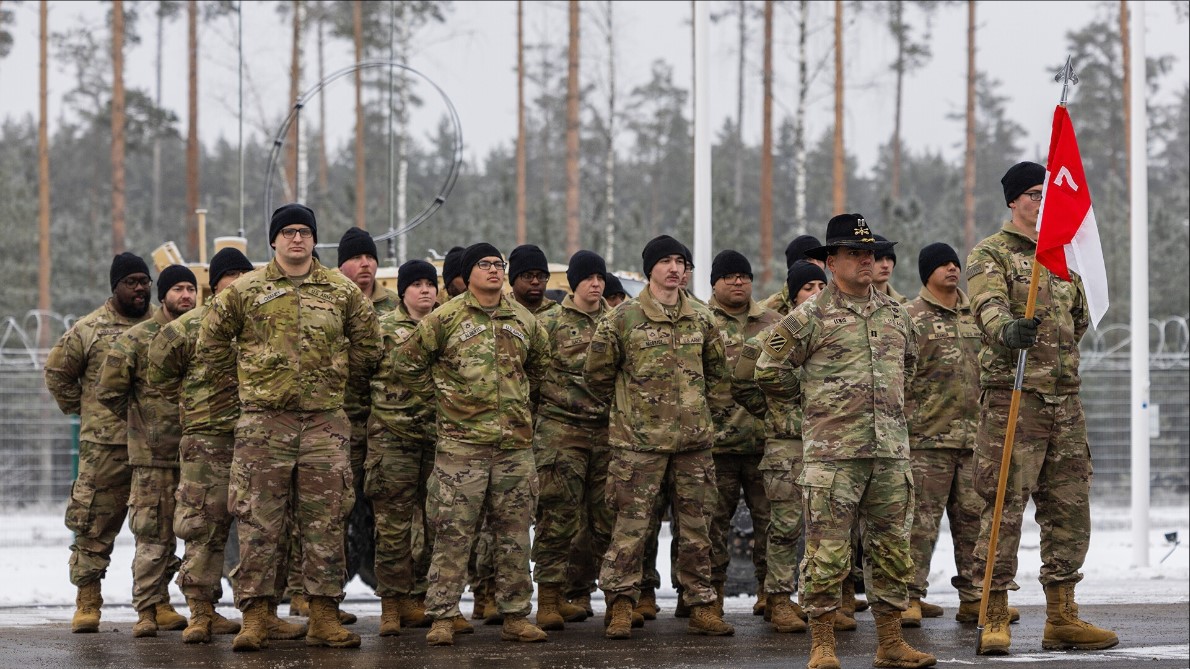
World
TALLINN, Estonia — The United States has significantly reduced its rotational military presence in Estonia, with the number of American troops in the country dropping from around 500–700 personnel to fewer than 100, according to Estonian broadcaster ETV. Estonian officials said a new U.S. rotational contingent is expected to arrive later this summer and remain until the end of the year, but there are currently no confirmed plans for a continued American military presence in Estonia beyond 2026. The reduction comes as the Pentagon conducts a six-month review of U.S. defense policy and force posture in Europe. The outcome of the review is expected to determine future deployments of American forces across the continent, including in the Baltic region. Current Troop Reduction The departing U.S. troops were stationed mainly at Tapa military base in northern Estonia, along with other military locations, including Camp Reedo in Võru. ETV reported that fewer than 100 American personnel remain in the country following the latest rotation. The U.S. military presence in Estonia is based on a bilateral defense agreement between Washington and Tallinn. Estonian Defence Minister Hanno Pevkur said the agreement remains unchanged despite the current reduction in troop numbers. Pevkur said he was informed during discussions with NATO's Supreme Allied Commander Europe and the Commander of U.S. Army Europe that the next U.S. rotational unit is expected to arrive during the summer and remain in Estonia until the end of the year. However, the size and composition of the upcoming deployment have not yet been decided, and no decisions have been made regarding the long-term presence of U.S. forces beyond this year. "The next rotation should still move to Estonia during the summer," Pevkur said, adding that future decisions will depend on the Pentagon's ongoing six-month review. Future Deployment Still Under Review According to ETV, the next U.S. rotation is also linked to the deployment of a new U.S. brigade to Poland, although the timeline for that deployment remains unclear. Previous U.S. rotations to Estonia have generally come from American brigades stationed in Poland or Romania. Pevkur noted that deploying a new brigade to Poland and establishing future rotations would be a longer process rather than something that could happen within a year. As a result, it remains unclear whether future U.S. rotations to Estonia would come from that brigade or another American unit. Estonian Officials Await Pentagon Decision Kalev Stoicescu, chairman of the Estonian Parliament's National Defence Committee, said decisions on the future of U.S. forces in Europe ultimately rest with the White House and are based on Washington's strategic interests. Stoicescu said that if the United States maintains military forces in Europe, they should continue to be positioned on NATO's eastern flank. No Major Announcement Expected at NATO Summit Pevkur said he does not expect any major announcements regarding the future of the U.S. military presence in Estonia during the upcoming NATO summit in Ankara. Until long-term decisions are made, Estonia will continue relying on its own defense capabilities and the NATO battlegroups rotating through the Baltic states. U.S. Rotational Presence in Estonia Under the current bilateral defense agreement between the United States and Estonia, U.S. troops have been stationed in the country on a rotational basis since 2022. Rotational deployments have typically consisted of between 500 and 700 personnel, with fewer than 100 American troops currently remaining in Estonia following the latest rotation. Part of Wider U.S. Force Adjustments in Europe The changes in Estonia are part of broader adjustments to U.S. military deployments across Europe. Lithuania has recently completed the withdrawal of more than 1,000 U.S. troops and their equipment after a scheduled rotational deployment. Meanwhile, the United States is planning to reduce its military presence in Germany by approximately 5,000 troops over the next six to twelve months, including a combat brigade and a missile unit previously planned for deployment in Europe. The Pentagon's ongoing defense review is expected to determine the future structure and distribution of U.S. forces across Europe, including decisions affecting NATO's eastern flank. Source: err.ee
Read More → Posted on 2026-07-06 16:20:48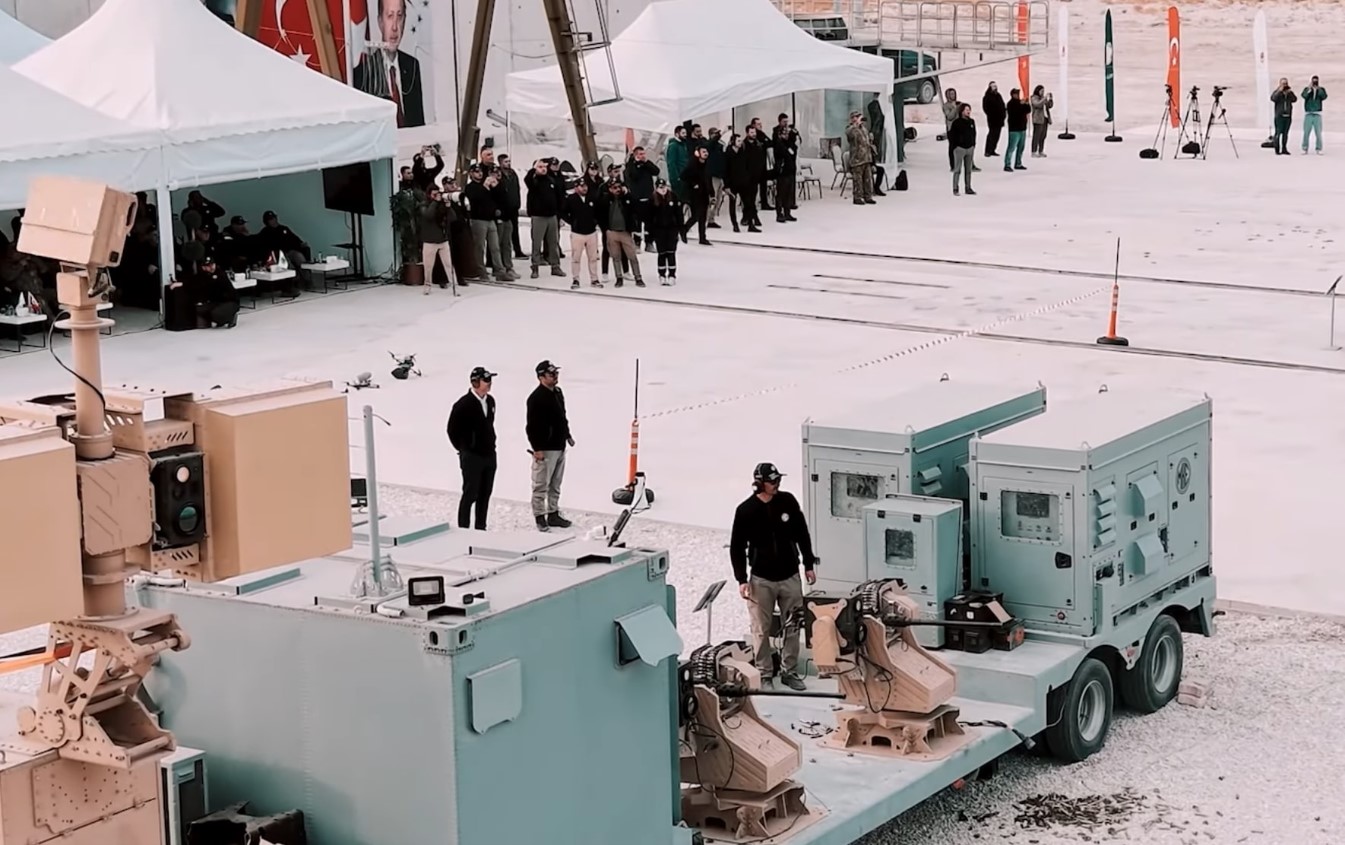
World
KONYA, Türkiye — Turkish defense company Makine ve Kimya Endüstrisi (MKE) has demonstrated its TOLGA Short-Range Air Defence (SHORAD) System during a live-fire event attended by an international delegation of 64 military attachés, government representatives, and civilian participants from 24 countries. The demonstration was held on July 3 at the Turkish Ministry of National Defense's Karapınar Firing Test and Evaluation Group Command in Konya. Representatives from NATO members and Gulf states, including the United States, Lithuania, Egypt, Qatar, and Romania, attended the event to observe the system's operational performance. During the live-fire demonstration, the TOLGA system was tested in seven operational scenarios designed to reflect modern aerial threats. The exercises included engagements against loitering munitions, drone swarms, and fixed-wing unmanned aerial vehicles (UAVs). According to MKE, the system successfully neutralized all designated targets, achieving a 100% success rate throughout the demonstration. The event also highlighted TOLGA's role as an inner-layer air defense system within larger integrated air defense networks, including Türkiye's planned "Steel Dome" architecture. The demonstration allowed international observers to assess the system's layered defense capabilities under realistic operational conditions. MKE General Manager İlhami Keleş said the infrastructure required for serial production of the TOLGA system has been completed. He stated that the system strengthens Türkiye's defense capabilities while also providing a competitive option for international customers. Modular Short-Range Air Defense System Developed under MKE's "Effective – Simple – Affordable" design philosophy, TOLGA is a modular short-range air defense system designed to counter drones, loitering munitions, cruise missiles, and other asymmetric aerial threats. Its modular architecture allows different sensors, weapons, and electronic warfare systems to operate together through a centralized command and control unit. The system integrates several domestically developed components, including the GÖKBÖRÜ AESA radar, electro-optical and infrared sensors, an Acoustic Detection System, electronic countermeasure (jammer) equipment, and 12.7 mm, 20 mm, and 35 mm weapon systems. These components are coordinated through a single command and control infrastructure that supports manual, semi-autonomous, fully autonomous, and remote operating modes. The sensor suite can detect and track aerial threats at ranges of up to 10 kilometers, enabling operators to respond to different types of airborne targets. Soft-Kill and Hard-Kill Defense Layers TOLGA uses a layered defense approach that combines electronic warfare with kinetic weapons. The first layer relies on the Electronic Countermeasure (Jammer) System to disrupt an incoming drone's command, telemetry, or satellite navigation links. This soft-kill capability can neutralize threats at distances of up to 10 kilometers without using ammunition. If electronic countermeasures are ineffective, such as against autonomous or fiber-optic-guided drones, the system switches to its hard-kill layer. This layer uses programmable fragmentation ammunition designed to release a dense cloud of metal fragments around the target to improve the probability of interception. The 35 mm weapon system provides engagements at ranges of up to 3,000 meters, while the 20 mm system is effective up to 1,000 meters. The 12.7 mm weapon system is intended for very short-range threats at distances of up to 300 meters. The hard-kill capability is further strengthened by the Dual PMT-76 Platform Machine Gun System mounted on the Mobile Vehicle Platform (MAP DUAL). MKE has also developed new 7.62 mm fragmented anti-drone ammunition that enables infantry personnel to engage low-altitude drones using standard service rifles without requiring additional weapon platforms. Future Capability Development MKE stated that future upgrades to the TOLGA system will include the integration of a Laser Weapon System and the ENFAL-17 missile, adding further engagement options against emerging aerial threats. The command and control unit, available in both mobile and fixed configurations, enables all sensors and weapon systems to be managed from a single command center, allowing the system to adapt to different operational environments and mission requirements. Source: edrmagazine
Read More → Posted on 2026-07-06 15:57:51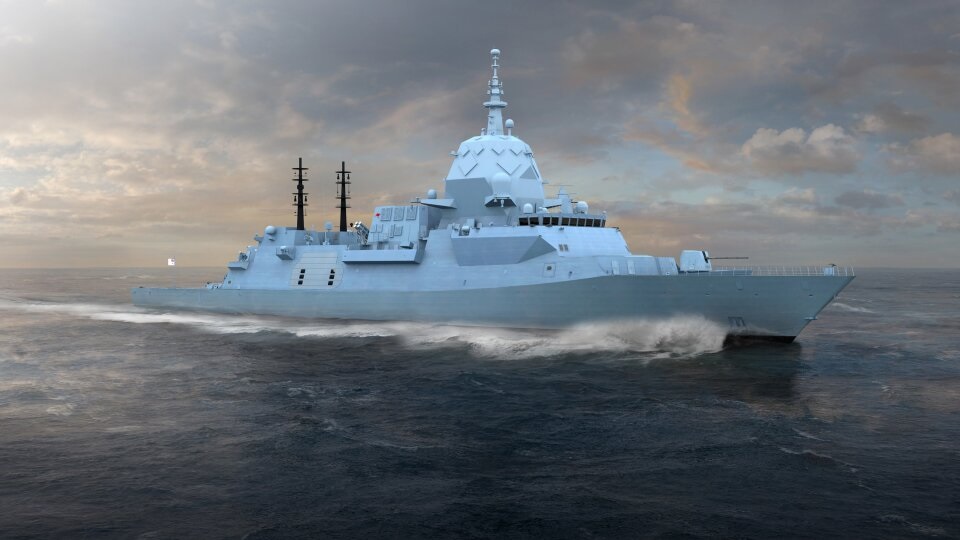
Rohde & Schwarz Australia Completes Key Design Review for Hunter Class Frigate Communications System
World
SYDNEY – Rohde & Schwarz Australia and BAE Systems Maritime Australia (BAESMA) have successfully completed the Preliminary Design Review (PDR) for the NAVICS Integrated Communications System (ICS) being developed for the Royal Australian Navy’s Hunter Class Frigate Program, marking an important milestone in the project's progress. The Preliminary Design Review confirms that the communications system design has reached a level of maturity where program requirements have been allocated to individual sub-systems and the overall system architecture has been established. The review also verified the design of internal and external interfaces that will enable the communications system to operate across the frigates. Rohde & Schwarz Australia and BAE Systems Maritime Australia are jointly delivering a multi-domain suite of internal and external communications for the first three Hunter class frigates. At the center of this capability is the NAVICS Integrated Communications System, which will act as the primary communications management system for the ships. NAVICS is designed to provide integrated and reliable communications while securely processing classified information within a multi-level security environment. The system supports coordination between onboard communications equipment and external communication networks, helping ensure secure information exchange during naval operations. Paul Chisholm, Head of Programs (Navy) at Rohde & Schwarz Australia, said the design package received positive feedback during the review process. "I’m proud to say the design deliverables were very well received, and good discussions were held with BAESMA and the Commonwealth on design direction for the next phase," Chisholm said. He added that completing the Preliminary Design Review reflects the company's commitment to meeting program requirements through close cooperation with BAE Systems Maritime Australia and successful integration planning. The next major milestone for the communications system will be the Critical Design Review (CDR), which is scheduled to take place during the second and fourth quarters of 2026. To support engineering, design and manufacturing activities for the Integrated Communications System, Rohde & Schwarz Australia has already doubled its workforce. The company expects additional recruitment as work on the Hunter Class Frigate Program continues. The program's industrial base has also expanded through additional supply contracts. Australian companies including STS Defence will supply configurable communication masts, while Sitep Australia will provide advanced UHF military satellite communications (UHF-MILSATCOM) antenna technology for the fleet. Gareth Evans, Managing Director of Rohde & Schwarz Australia, said the successful review reflected the long-standing partnership between Rohde & Schwarz Australia, BAE Systems Maritime Australia and the Australian Commonwealth. "This is an important step in the delivery of our Integrated Communications System for the Hunter Class Frigate Program," Evans said. "The working relationship between Rohde & Schwarz, BAESMA, and the Commonwealth has been extremely positive as we work together to achieve our common objectives for the Royal Australian Navy." The Hunter Class Frigate Program is one of Australia's largest naval modernization projects. It will deliver six advanced anti-submarine warfare frigates for the Royal Australian Navy based on the Type 26 Global Combat Ship design, adapted to meet Australian operational requirements. The vessels are being constructed by BAE Systems Maritime Australia at the Osborne Naval Shipyard in South Australia. David Shepherd, Managing Director of BAE Systems Maritime Australia, said the program extends beyond delivering new warships by supporting Australia's long-term naval shipbuilding capability. "Hunter is not only about delivering a Tier 1 warship optimised for Anti-Submarine Warfare to the Royal Australian Navy – it is also about regenerating Australia's sovereign shipbuilding capability," Shepherd said. He added that collaboration with suppliers, including Rohde & Schwarz Australia, plays an important role in supporting Australia's continuous naval shipbuilding and sustainment program. The Hunter class frigates are expected to begin entering service from 2032, providing the Royal Australian Navy with enhanced anti-submarine warfare capabilities while strengthening Australia's domestic defence industry and industrial workforce. Source: rohde-schwarz
Read More → Posted on 2026-07-06 14:35:35
World
BETHESDA, Md. — Lockheed Martin has signed a definitive agreement to acquire Ultra Maritime from private equity firm Advent International in a transaction valued at $3.45 billion, marking a significant expansion of the company's undersea warfare and anti-submarine warfare (ASW) capabilities. The acquisition will bring Ultra Maritime into Lockheed Martin's Rotary and Mission Systems business area once the transaction receives regulatory approvals and meets customary closing conditions. Ultra Maritime is a defense company specializing in advanced technologies for naval forces. Its products are used by the navies of the United States, the United Kingdom, Canada, and Australia, and include sonobuoys, towed sonar arrays, hull-mounted sonar systems, torpedo defense systems, radar solutions, and autonomous maritime sensing platforms designed to detect and counter underwater threats. Strengthening Maritime Defense Portfolio Lockheed Martin said the acquisition will strengthen its portfolio of undersea and anti-submarine warfare technologies by combining Ultra Maritime's specialized capabilities with its existing defense systems. The company plans to use Ultra Maritime's international presence and exportable ASW products to expand its offerings for current and next-generation naval platforms. The combination is expected to provide customers with a broader range of sonar and maritime sensing solutions. Stephanie C. Hill, president of Lockheed Martin Rotary and Mission Systems, said the acquisition reinforces the company's commitment to supporting the United States and allied nations with advanced undersea defense technologies. "Undersea superiority belongs to those who move fastest and work together best," Hill said. "By joining forces with Ultra Maritime, we're accelerating our commitment to deliver the most advanced undersea and anti-submarine warfare capabilities to our U.S. and allied partners across the globe." The agreement comes as many countries continue to invest in naval modernization and underwater defense capabilities, with increased focus on anti-submarine warfare and maritime security. Ultra Maritime's Growth Under Advent The transaction also marks the exit of Advent International after several years of investment in the business. Advent acquired British aerospace company Cobham in 2019 and later purchased Ultra Electronics in 2022. The businesses were combined to form the Cobham Ultra group, with Ultra Maritime becoming a key part of the maritime defense portfolio. According to Advent, Ultra Maritime underwent operational improvements, expanded manufacturing capacity, and advanced the development of autonomous maritime technologies during its ownership. Shonnel Malani, managing partner at Advent International and chairman of the board at Ultra Electronics, said the company has made significant progress since 2022. "When we invested in Ultra Maritime in 2022, we saw a business with mission-critical technology and a vital role in protecting allied nations from undersea threats, but one that had been underinvested and was not yet fully delivering for its customers," Malani said. "Over the past four years, we have changed that. Ultra Maritime is now a stronger, more innovative partner to allied navies, with improved execution, greater industrial capacity, and next-generation autonomous solutions that position it well for future warfare." Advent also said Ultra Maritime's revenue is expected to reach approximately $784 million in 2026, compared with $494 million in 2023, reflecting growth during its ownership. Transaction Details The $3.45 billion acquisition represents approximately 2.7% of Lockheed Martin's market capitalization, which is currently about $126 billion. The agreement follows a competitive sale process in which Lockheed Martin emerged as the leading bidder. Citi is serving as financial advisor for the transaction, while Hogan Lovells and Cadwalader are acting as legal counsel. The acquisition remains subject to regulatory approvals and customary closing conditions before it is completed. Once finalized, Ultra Maritime will be integrated into Lockheed Martin's Rotary and Mission Systems business, expanding the company's capabilities in undersea warfare and providing a broader range of solutions for allied naval customers. Source: lockheedmartin
Read More → Posted on 2026-07-06 13:54:14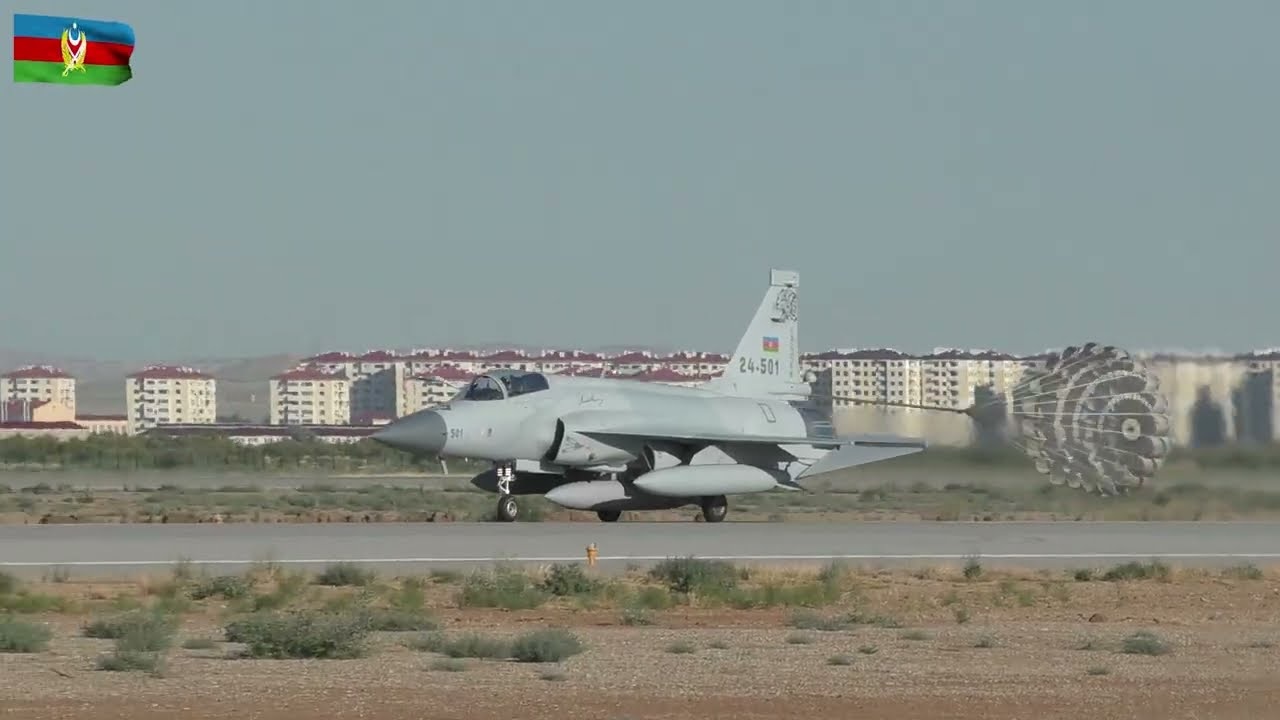
World
BAKU, Azerbaijan — Azerbaijan has deployed its newly inducted JF-17 Block III multirole fighter aircraft to Türkiye for the first overseas exercise involving the country's new fighter fleet. The aircraft are taking part in the multinational "Guardians of the Skies" air exercise alongside Azerbaijani Su-25 ground attack aircraft, marking an important step in the operational integration of the country's latest combat jets. The deployment was confirmed by Azerbaijan's Ministry of Defence (MoD) on July 6, which also released video footage showing the JF-17 Block III fighters in active service. The aircraft shown in the footage were two single-seat JF-17C Block III fighters carrying tactical numbers 24-501 and 24-502. They were seen taking off with three external fuel tanks and without carrying weapons. Analysis of the footage indicates the aircraft were operating from Nasosnaya Air Base, which has recently undergone infrastructure improvements, including the construction of 16 new aircraft shelters. The video also showed additional JF-17 fighters parked nearby, along with Su-25 attack aircraft that are normally based at Kyurdamir Air Base. 🇦🇿 Azerbaijan Deploys JF-17 Block III Fighters to Türkiye for First Overseas ExerciseAzerbaijan has officially deployed its JF-17 Block III multirole fighter jets, alongside Su-25 ground attack aircraft, to Türkiye to participate in the "Guardians of the Skies" air exercise.… pic.twitter.com/ppIhBwqSTY — Global Defense Insight (@Defense_Talks) July 6, 2026 The pilots' flight patches identified the aircraft as the JF-17C Block III variant. The fighters were painted in a two-tone grey camouflage scheme and carried Azerbaijan's standard national markings. Visible external features included an in-flight refuelling probe and a zigzag lightning bolt painted below the cockpit. The aircraft also displayed a "Jaguar" emblem and the word "Jaguar" in Latin script on their vertical tails, identifying the newly established squadron operating the fighters. The accompanying Su-25 aircraft carried a wolf graphic on their noses, representing the Su-25 Squadron. According to the Ministry of Defence, the "Guardians of the Skies" exercise began with medical examinations for flight crews, followed by safety briefings and technical inspections of the participating aircraft before flight operations commenced. The flying programme includes the JF-17C Block III, Su-25ML, Su-25, and L-39 training aircraft. During the exercise, pilots are conducting individual and formation flights, coordinated air operations, simulated combat missions, tactical manoeuvres, target identification and engagement, and missions designed to improve combat readiness and decision-making under different weather and tactical conditions. The deployment represents the first international operational activity for Azerbaijan's JF-17 Block III fleet since the aircraft entered service. The fighters were first publicly displayed during Azerbaijan's Victory Day parade in November 2025, with training continuing as part of the country's air force modernization programme. Azerbaijan became the fourth operator of the JF-17 Thunder after Pakistan, Myanmar, and Nigeria. The country signed a contract for up to 40 JF-17 Block III fighters in a deal reportedly valued at approximately $4.6 billion, with deliveries beginning in late 2025. The JF-17 Thunder is jointly developed by the Pakistan Aeronautical Complex (PAC) and China's Chengdu Aircraft Corporation (CAC). The Block III variant is the most advanced version of the aircraft and features an Active Electronically Scanned Array (AESA) radar, upgraded avionics, an advanced infrared missile warning system, and other capability improvements over earlier variants. For Azerbaijan, the Block III is currently the most advanced combat aircraft in its inventory and forms a key part of the country's ongoing air force modernization efforts. The exercise also reflects expanding defence cooperation between Azerbaijan, Türkiye, and Pakistan. Joint training provides participating air forces with an opportunity to improve interoperability, evaluate new equipment in multinational operations, and strengthen coordination during combined missions. As Azerbaijan continues to integrate the JF-17 Block III into operational service, the deployment to Türkiye marks the aircraft's first international exercise and an important milestone in the development of the country's modern fighter capability. Source: azernews
Read More → Posted on 2026-07-06 13:36:10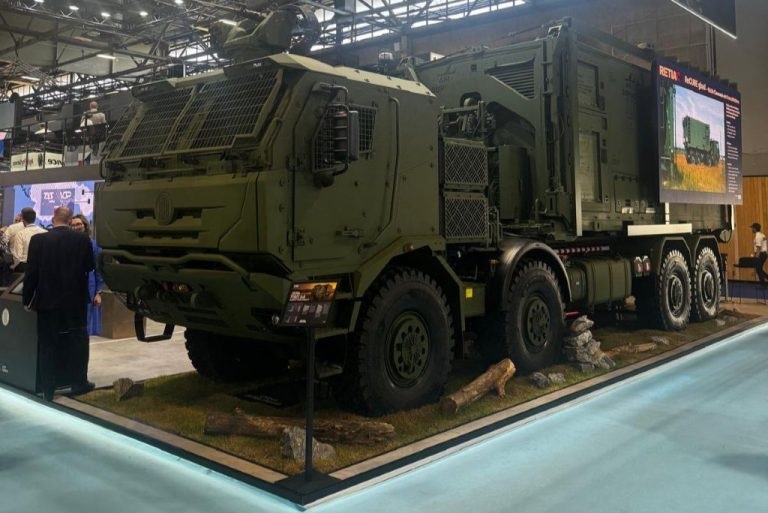
World
PRAGUE, Czech Republic — Israeli defense technology company Axon Vision has successfully integrated its AI-powered EDGE ClearSky system with RETIA's radar and the TSG command-and-control (C2) system, demonstrating a unified multi-sensor capability for detecting and tracking drone threats during trials in the Czech Republic. The demonstration brought together thermal imaging, artificial intelligence, radar detection, and command-and-control technologies into a single operational network. The integrated system is designed to provide operators with a unified real-time view of aerial threats instead of requiring them to monitor separate sensor displays. EDGE ClearSky is part of Axon Vision's EDGE AI family of computer vision and situational awareness solutions for defense and security applications. The system uses thermal sensing and onboard AI-powered real-time image processing to rapidly detect and identify aerial threats from armored platforms or fixed positions. By combining its visual intelligence with RETIA's radar data and the TSG command-and-control platform, the system creates a single operational picture for drone detection and tracking. The integration was demonstrated under open-field conditions designed to simulate operational environments. During the activity, the connected systems exchanged information in real time while operators evaluated the integrated setup against representative drone scenarios, including initial detection, continuous tracking, and dynamically moving targets. According to the companies, the integrated system operated in sync throughout the testing and maintained stable performance during the evaluation. The demonstration also highlighted the operational benefits of combining radar with electro-optical sensing for counter-unmanned aerial system (C-UAS) missions, where relying on a single sensor type may leave gaps in coverage. The demonstration reflects the growing demand for interoperable defense architectures capable of integrating data from multiple third-party sensors into a common operational picture. Such multi-sensor approaches are increasingly being adopted as military and security forces face a wider range of low-altitude drone threats, including first-person view (FPV) drones that have become more common in modern conflicts. Neri Zin, CEO of Axon Vision, said drone threats continue to present new operational challenges that require faster detection, improved situational awareness, and the ability to combine multiple sensing capabilities into a single operational picture. "The successful integration in the Czech Republic demonstrates the flexibility of our EDGE ClearSky system and its ability to work seamlessly with radar and command-and-control systems. Together with RETIA and TSG, we were able to show how multi-sensor fusion can enhance counter-drone capabilities," Zin said. The Czech demonstration also marks another step in Axon Vision's efforts to expand the integration of its AI-powered visual intelligence technology with third-party radar and command-and-control systems. Earlier in 2026, the company completed operational evaluations of EDGE ClearSky with a leading defense force, where the system was assessed against first-person view drone threats targeting maneuvering forces. Those evaluations demonstrated the system's ability to detect, track, and support AI-assisted analysis of drone flight paths, contributing to an automated detect-to-intercept process when connected with onboard weapon systems. The latest trials further strengthen cooperation between Axon Vision, Czech defense company RETIA, and TSG. The companies said they will continue developing layered, multi-sensor counter-drone solutions designed to improve situational awareness and support defense and security missions as drone threats continue to evolve. Source: edrmagazine
Read More → Posted on 2026-07-06 13:25:15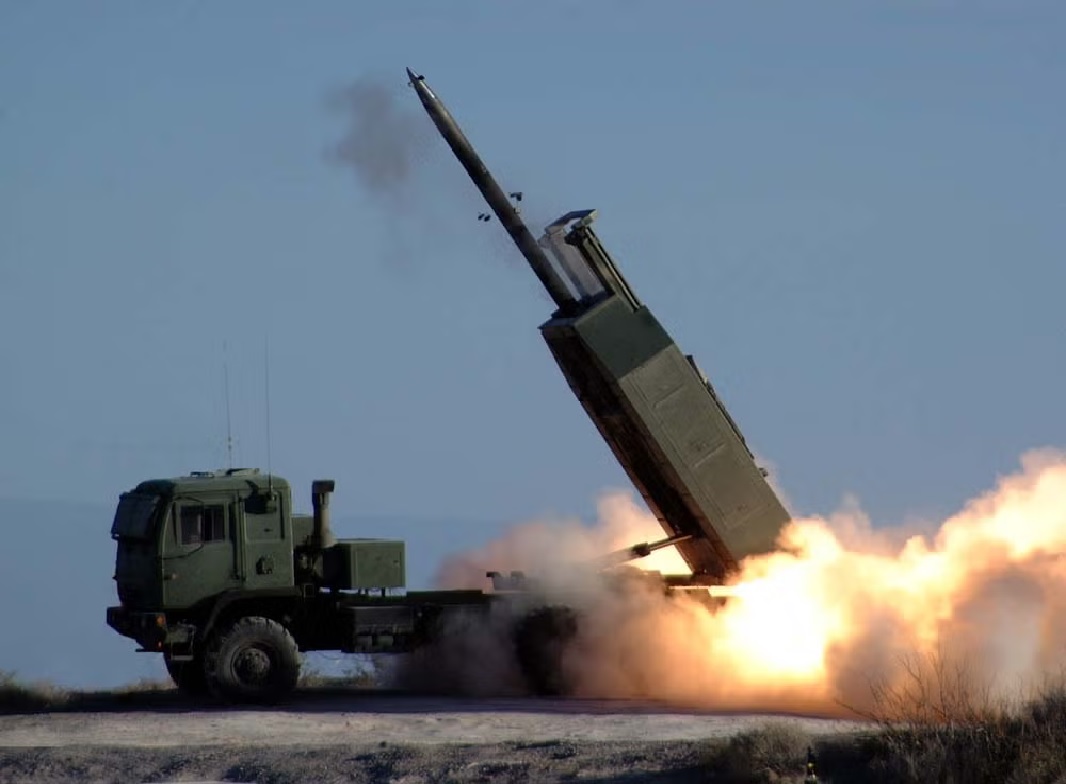
World
LONDON — The UK Ministry of Defence has announced plans to invest £190 million in the Precision Strike Missile (PrSM) programme as part of its 2026 Defence Investment Plan, providing the British Army with a new short-range ballistic missile capability and significantly expanding its long-range precision strike capacity. The investment will see the UK join the Precision Strike Missile programme alongside the United States and Australia. Developed by Lockheed Martin, the PrSM is intended to strengthen the British Army's ability to conduct precision strikes at greater distances and forms part of a broader effort to modernise the Army's long-range firepower. The missile procurement is included in the Defence Investment Plan's weapons and munitions programme, alongside other projects designed to increase stockpiles and provide the Armed Forces with a balanced mix of advanced and lower-cost strike capabilities. The 2026 Defence Investment Plan outlines £298 billion in defence funding over the next four years to implement the 2025 Strategic Defence Review. The plan is backed by an additional £15 billion in spending over the period and is intended to improve the Armed Forces' warfighting readiness while supporting the UK's long-term defence modernisation goals. PrSM to Expand British Army's Strike Range According to the Ministry of Defence, the Precision Strike Missile investment is expected to triple the British Army's ground-based strike range compared with existing capabilities. The PrSM is a next-generation surface-to-surface ballistic missile developed by Lockheed Martin. It is designed to replace older missile systems and will provide the British Army with a modern long-range precision strike capability as part of future land operations. The investment is included within an £11.1 billion allocation for munitions and weapons over the next four years. The Ministry of Defence said the funding will replenish stockpiles while creating a "high-low" mix of capabilities, combining advanced weapons with lower-cost systems to engage a wide range of targets more efficiently. Wider Investment in Land Warfare The Defence Investment Plan outlines a broader transformation of the British Army's land capabilities. Between 2030 and 2035, the Ministry of Defence plans to invest at least £36 billion in new land-domain capabilities. The funding will support long-range precision fires, autonomous systems, distributed surveillance, digital connectivity and networked military operations. The plan states that future land forces will expand long-range sense-and-fires systems by integrating rockets, missiles and drones to improve the Army's ability to conduct operations in the deep battlespace. Other major strike programmes included in the investment plan are: £1.4 billion for the Stratus missile programme. £770 million for the Deep Precision Strike programme in partnership with Germany. Funding for low-cost cruise missiles and one-way effectors, including the DART 250 drone, which is designed to strike infrastructure at significantly greater distances than current UK land-based rocket systems. Project ASGARD and Digital Targeting The Precision Strike Missile is also expected to become part of the Army's evolving digital targeting architecture through Project ASGARD, the British Army's digital targeting initiative. The programme is designed to combine surveillance systems, sensors, artificial intelligence, communications networks and precision weapons to reduce the time needed to identify, decide upon and engage targets. According to the Ministry of Defence, Project ASGARD aims to shorten the targeting process from hours to minutes by improving the speed at which battlefield information is shared and acted upon. Earlier this year, a prototype of ASGARD's Dismounted Data System (DDS) was tested during NATO Exercise Hedgehog in Estonia. The trial enabled tactical units to share targeting information and coordinate strikes more rapidly through digital networks. Project ASGARD will eventually become part of the Ministry of Defence's Digital Targeting Web, a programme backed by more than £1 billion and expected to be fully delivered by 2027. The network will integrate cyber, space and conventional surveillance capabilities with joint firepower across the British Army, Royal Navy and Royal Air Force. International Cooperation The UK's participation in the Precision Strike Missile programme strengthens defence cooperation with the United States and Australia in long-range ground-launched strike capabilities. The Ministry of Defence said the investment supports closer interoperability with allied forces while enhancing the British Army's future precision strike capability. Wider Defence Modernisation The Defence Investment Plan also includes major investments across other parts of the UK's armed forces. Key allocations include: £64 billion for the UK's nuclear enterprise, including the Dreadnought submarine programme, SSN-AUKUS submarines and a new sovereign nuclear warhead. £26 billion for upgrades to naval bases at Faslane, Portsmouth and Devonport. £5 billion for drone warfare and autonomous systems across all military services. The Ministry of Defence is also introducing a new defence offsets framework alongside its "Backing British" procurement strategy. Under the policy, overseas defence purchases are expected to generate industrial benefits for the UK. Officials estimate the four-year investment programme could support nearly 60,000 additional UK jobs by 2030. Overall, the £190 million investment in the Precision Strike Missile programme represents one element of the UK's wider defence modernisation strategy. Alongside new digital targeting systems, expanded long-range firepower and increased investment in munitions production, the programme is intended to strengthen the British Army's future precision strike capability while improving interoperability with key allies. Source: defence-industry
Read More → Posted on 2026-07-06 12:51:00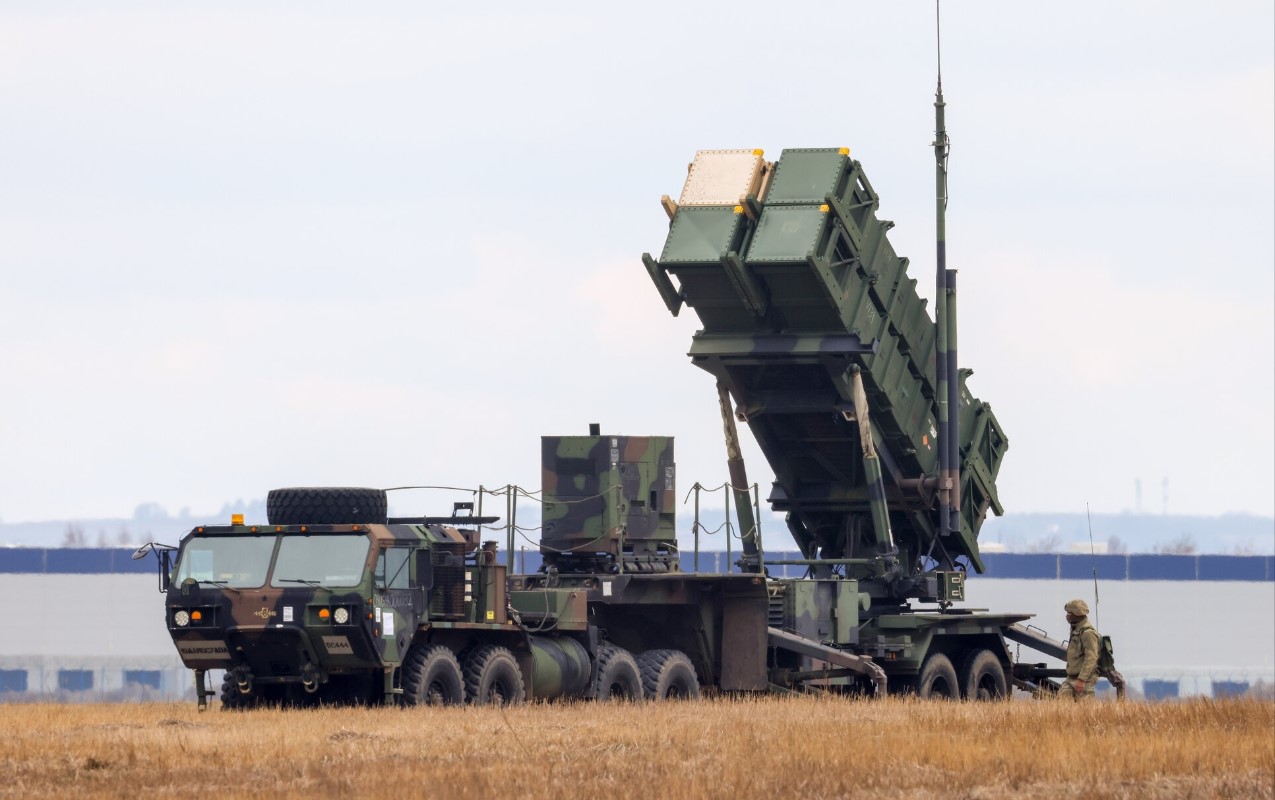
Ukraine Unable to Intercept Russian Ballistic Missiles During Massive Attack Due to Patriot Shortage
World
KYIV — During the night of July 6, beginning at 6:00 p.m. local time on July 5, Ukraine's air defenses were unable to intercept any Russian ballistic missiles during a large-scale Russian missile and drone attack due to a shortage of Patriot interceptor missiles for its Patriot air defense systems, according to the Ukrainian Air Force report. Russia launched a total of 419 aerial weapons during the coordinated overnight attack, with Kyiv as the primary target. The strike was one of the largest combined attacks reported in recent months. Ukrainian authorities said the attack killed at least 11 people and injured approximately 60 others. According to the Ukrainian Air Force, Russian forces launched 351 attack drones and 68 missiles from multiple directions, including Russia's Bryansk, Kursk, Oryol, and Vologda regions, the city of Novorossiysk, and Russian-occupied parts of Ukraine's Donetsk region. The drone wave included Shahed/Geran attack drones along with Gerbera, Italmas, and Parodiya decoy drones. The missile salvo consisted of 33 Kh-101 cruise missiles, 23 Iskander-M ballistic missiles and S-400 surface-to-air missiles used in a ground-attack role, six 3M22 Zircon/Onyx anti-ship missiles, and six Kalibr cruise missiles. Despite the scale of the attack, Ukrainian air defense units, supported by electronic warfare systems, intercepted or neutralized 363 incoming aerial targets, including 326 drones and 37 missiles. The Air Force reported that it destroyed 31 of the 33 Kh-101 cruise missiles and all six Kalibr cruise missiles, demonstrating a high interception rate against cruise missile threats. However, none of the ballistic missiles or anti-ship missiles were intercepted. As of the morning of July 6, officials confirmed that 29 ballistic and anti-ship missiles, along with 18 drones, had struck 34 locations across Ukraine. Air Force spokesperson Yurii Ihnat said the inability to intercept the ballistic missiles was caused by a shortage of Patriot interceptor missiles. He explained that ballistic missiles travel at much higher speeds and follow trajectories that require advanced air defense systems such as the U.S.-made Patriot to intercept. According to Ihnat, Russia has increasingly relied on ballistic missiles to exploit this gap in Ukraine's air defense network. He added that while Ukrainian forces achieved an almost 100% interception rate against cruise missiles, the shortage of Patriot interceptors significantly reduced their ability to counter ballistic missile attacks. Ihnat also noted that the shortage of Patriot interceptor missiles is not limited to Ukraine, describing it as part of a broader global supply challenge. The impact of the attack was felt most heavily in Kyiv, where residential buildings in the Podilskyi and Darnytskyi districts were damaged by missile strikes. In the capital's suburb of Vyshneve, emergency services evacuated around 600 residents because of the risk posed by unexploded ordnance. The shortage of Patriot interceptors has prompted renewed efforts by Ukraine to secure additional air defense ammunition from its international partners. Defence Minister Mykhailo Fedorov said Ukraine has already signed, and continues to sign, contracts for additional Patriot interceptor missiles. However, he said deliveries under those agreements are not expected to begin until next year. To address the immediate shortage, Ukraine has appealed to partner countries to urgently transfer Patriot interceptor missiles from their existing military stockpiles. Under the proposal, Ukraine would later replenish those countries' inventories using interceptor missiles delivered through its future procurement contracts. The overnight attack highlighted the continuing challenge posed by ballistic missile threats despite Ukraine's high interception rate against cruise missiles and drones. Ukrainian officials continue to emphasize the need for additional Patriot interceptor missiles to strengthen the country's ability to defend major cities and critical infrastructure against future ballistic missile attacks. Source: militarnyi
Read More → Posted on 2026-07-06 12:31:44Search
Top Trending in 24 Hours
-
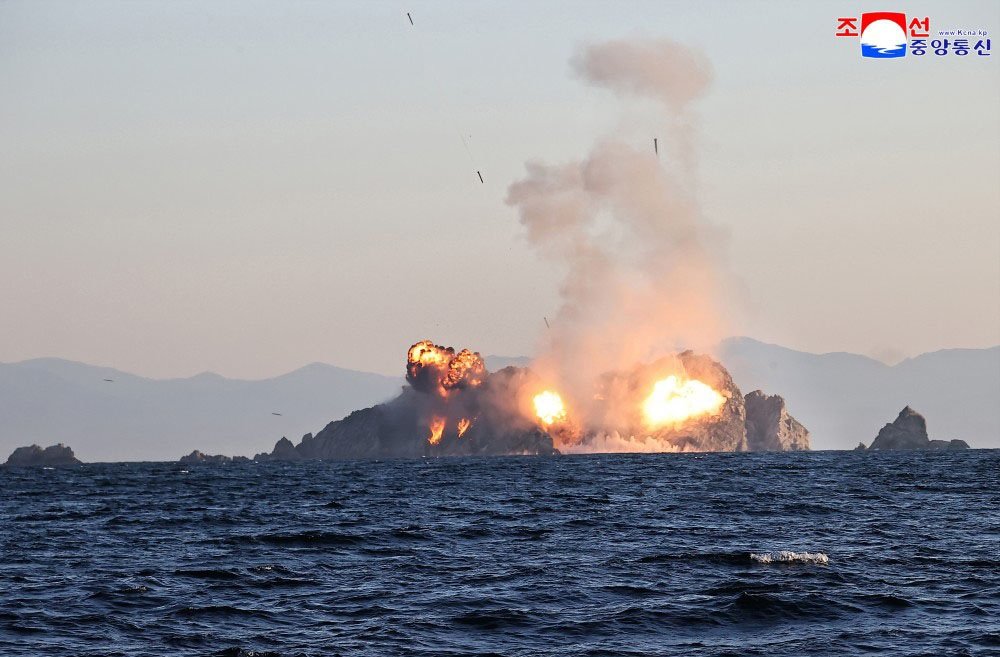 North Korea Fires Short-Range Ballistic Missile Toward Sea of Japan After Freedom Edge 26
-
 U.S. Army Awards $10.64 Million Contract to Ukrainian Drone Maker Skyeton for Raybird Systems
-
 India’s xTerra Robotics Launches Indigenous DHAV-Hy Wheeled-Legged Quadruped for Industrial Inspection
-
 U.S. Space Force Seeks Rapid-Response Satellites for Close-Range Orbital Inspections
-
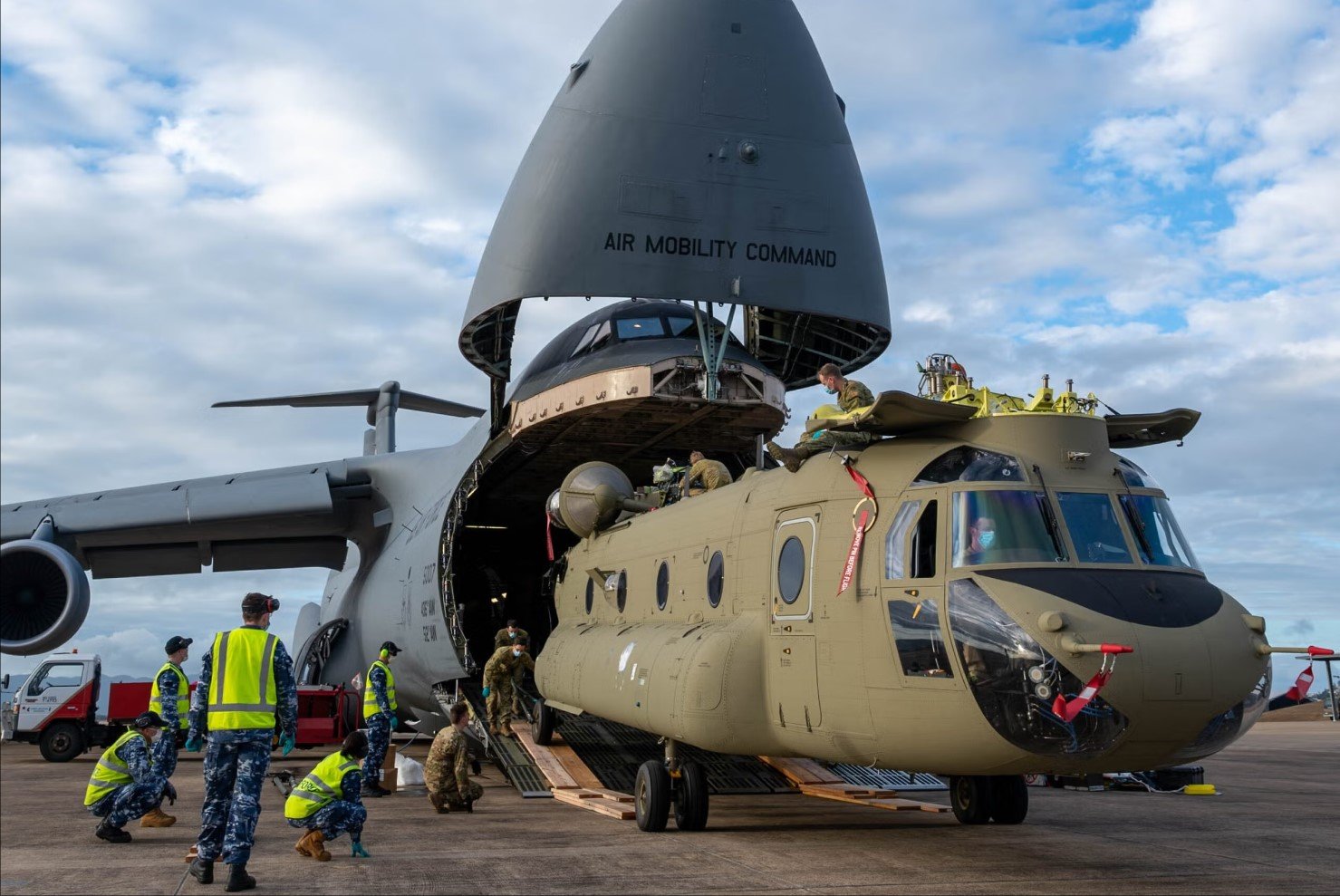 U.S. Delivers First CH-47F Chinook to Egypt Under 12-Helicopter Deal
-
 BEL Showcase X-Band Multi-Function Radar for QRSAM to Japanese Delegation
-
 U.S. Government Seizes Almasirah.net, Houthi-Linked News Website
-
 IRGC Experts Visit Bab El-Mandeb to Oversee Radar Installation and Tunneling, Houthi Sources Say
Top Trending in 4 Days
-
 Satellite Images Show Saudi Arabia Building Emergency Bypass Around Damaged East-West Oil Pipeline Station
-
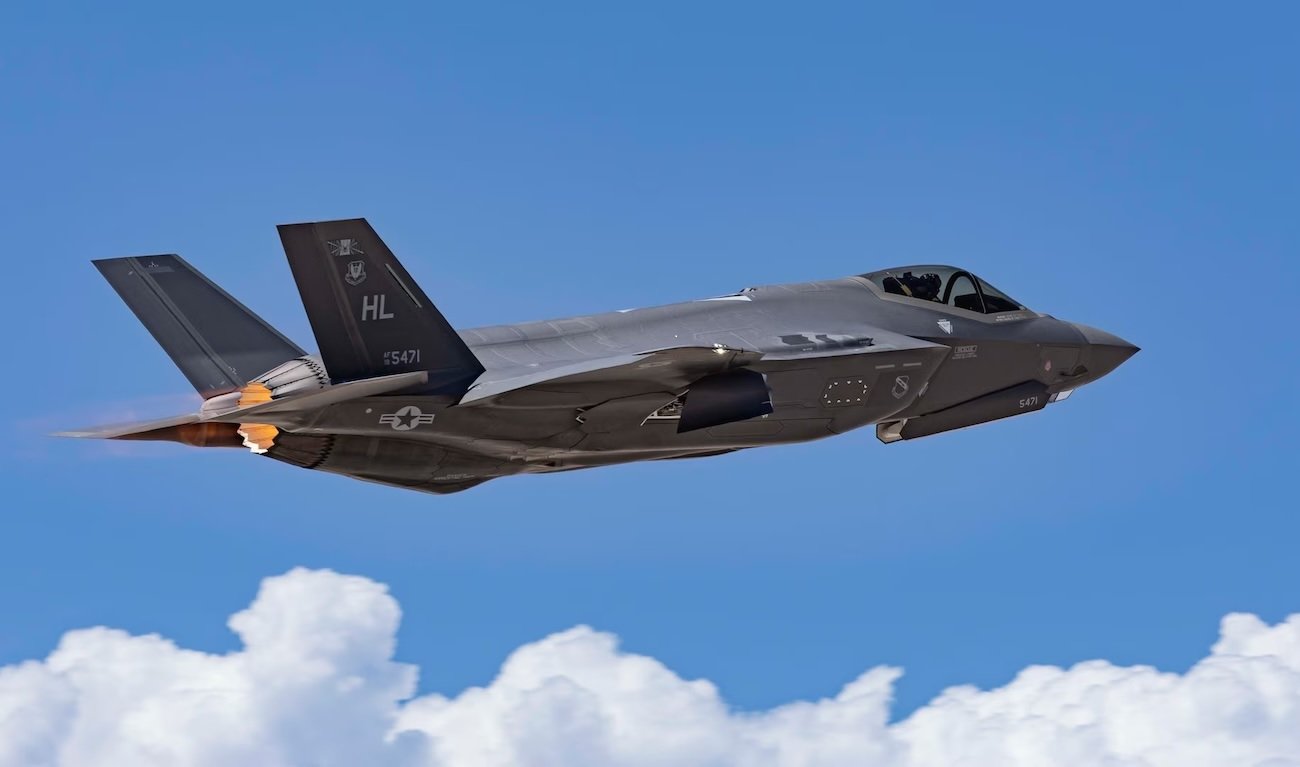 Sensitive F-35 Components Diverted to Hong Kong, Some Parts Missing
-
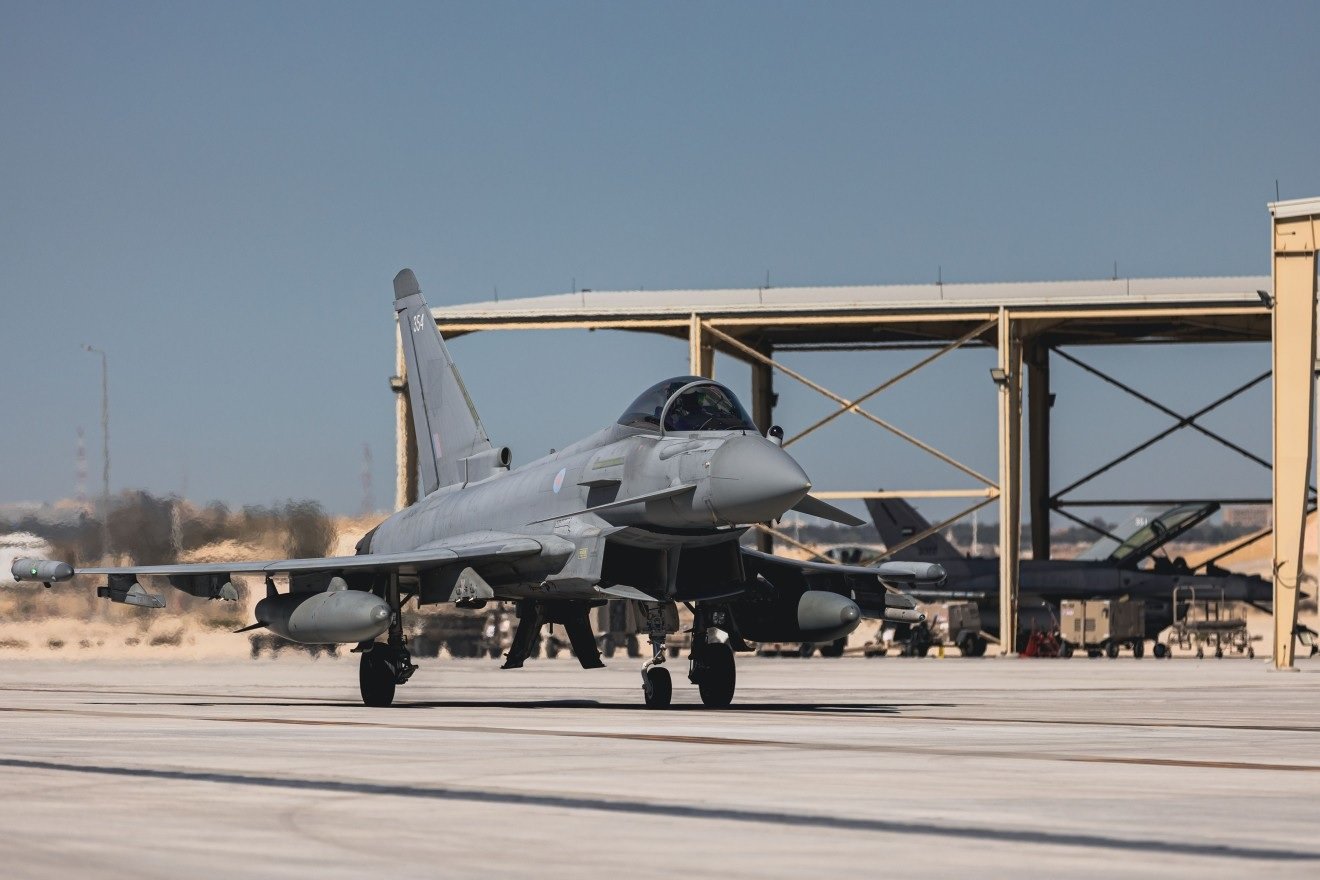 Italian Eurofighter Damaged in Houthi Attack on Saudi Arabia’s King Fahd Air Base
-
 U.S. Secures Permanent Military Rights in Greenland in Historic Security Pact with Denmark
-
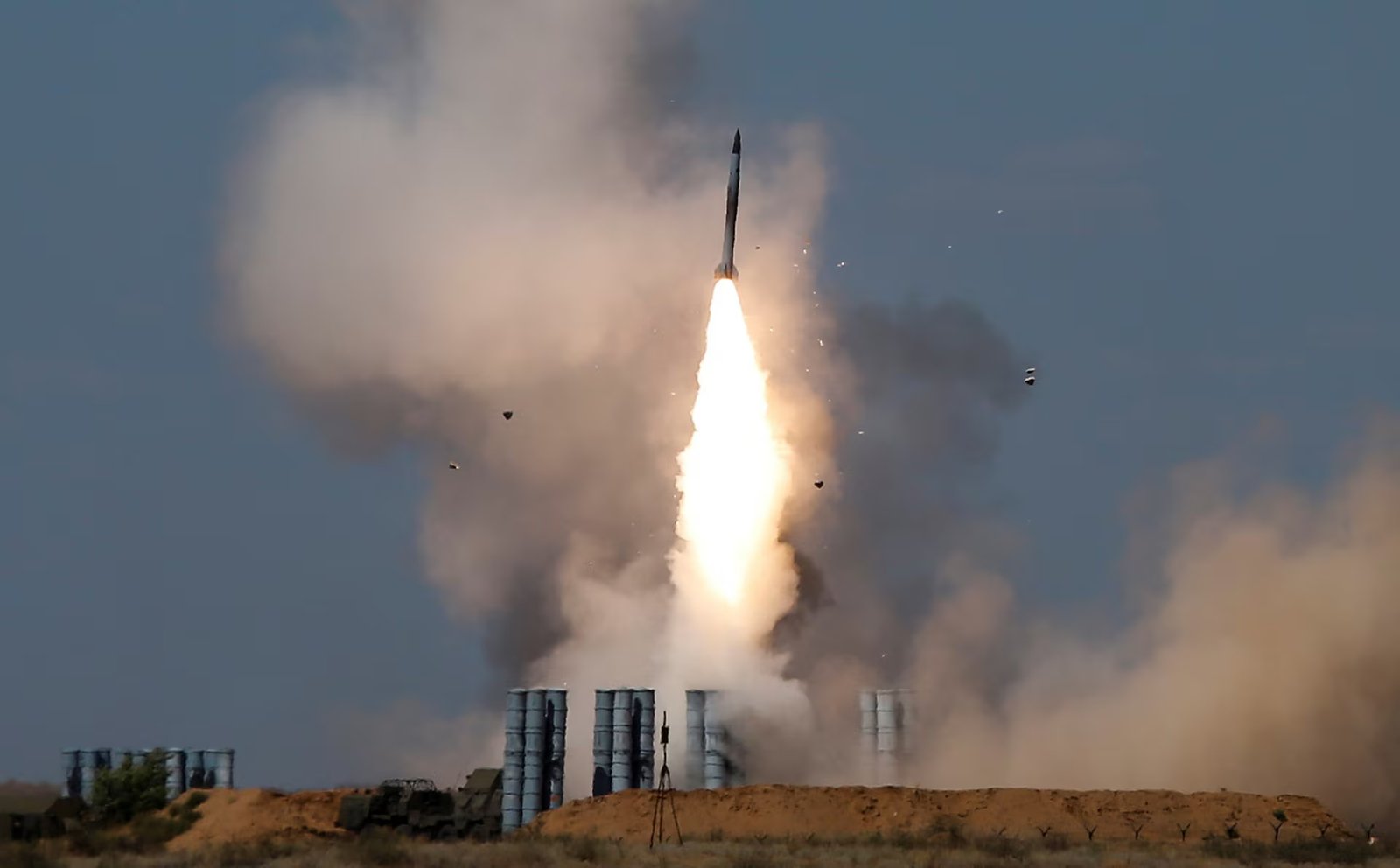 U.S. Approves Potential $2.68 Billion Air Defense Package for Ukraine Including S-300 Clone Missiles
-
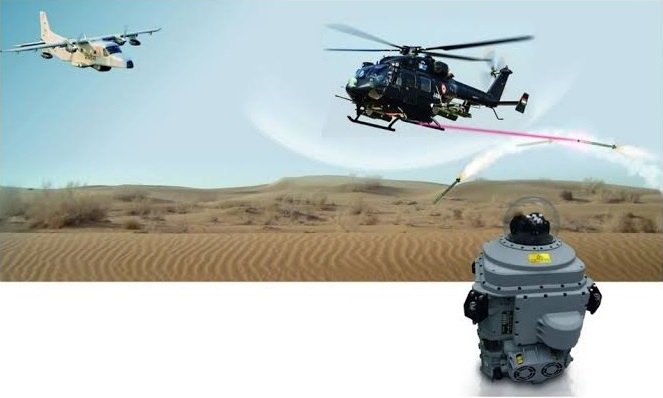 BEL Signs Export Deal with Elbit Systems for Directed Infrared Countermeasure Sub-Assemblies, Secures ₹648 Crore in Additional Orders
-
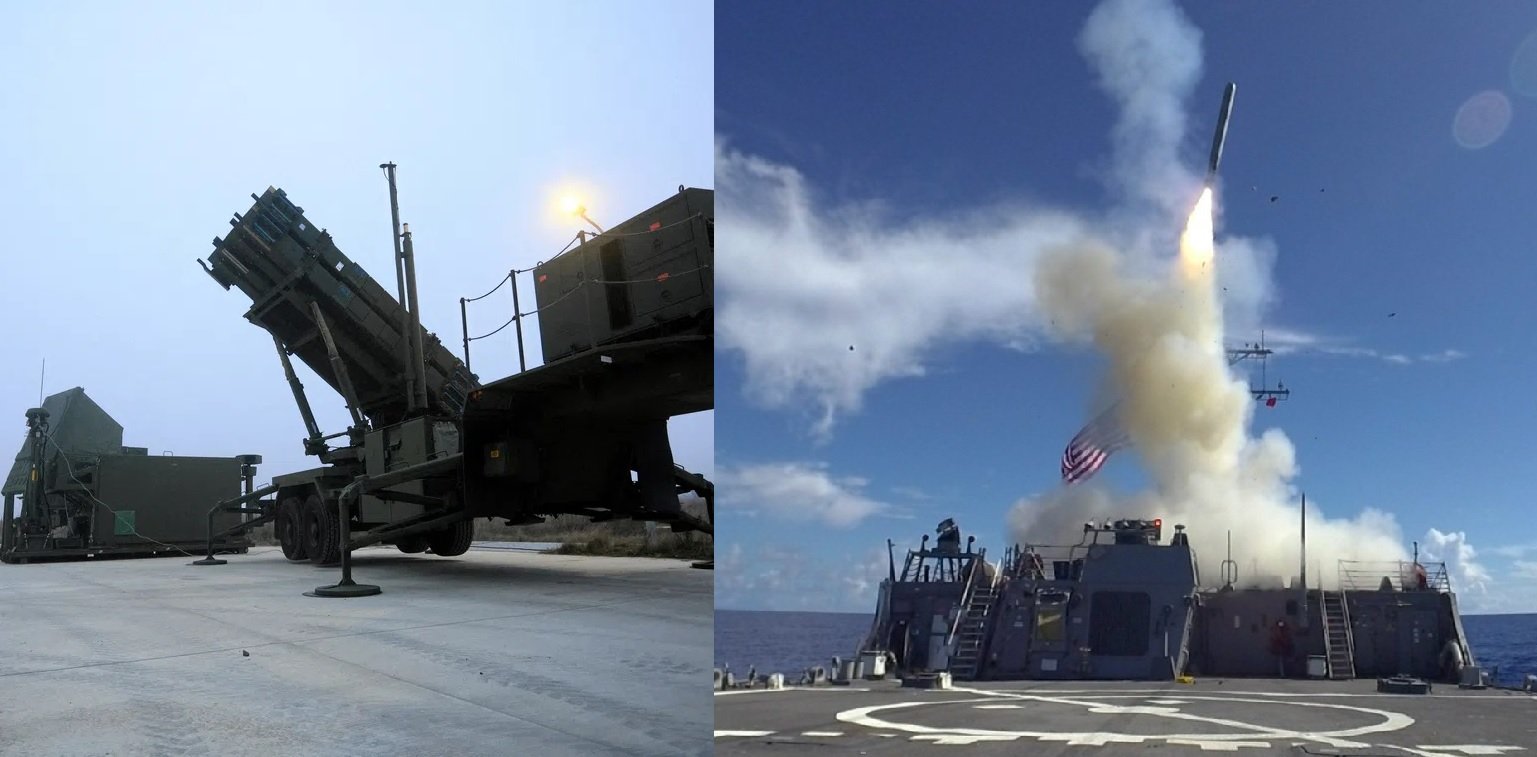 U.S. Warns Allies of Up to Five-Year Delays in Key Weapons Deliveries
-
 China Privately Urges Iran to Restrain Houthis After Saudi Appeal