World
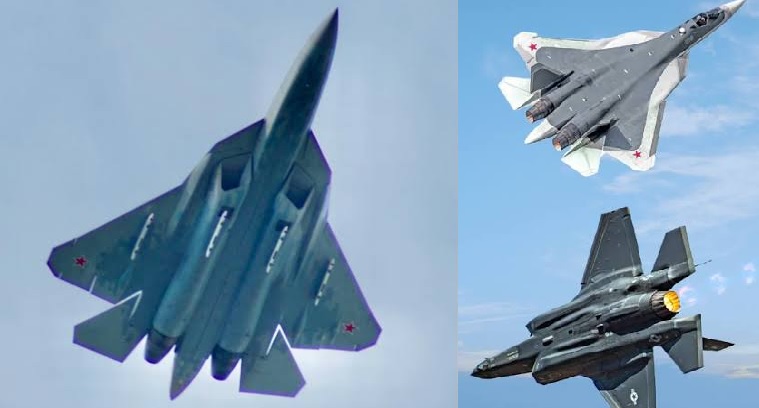
Moscow — Newly released footage from July 3 shows a Russian Aerospace Forces Su-57 fifth-generation fighter operating with an expanded air-to-air missile load, carrying four externally mounted R-77 series beyond-visual-range (BVR) missiles. The configuration indicates a shift toward homeland air defence missions, where increased firepower is prioritised over maintaining the aircraft's full stealth characteristics. The Su-57 is designed to carry weapons inside its internal weapons bays to preserve its low radar signature. It is estimated to accommodate up to six R-77M air-to-air missiles internally. With four additional R-77 missiles mounted externally, the aircraft's total BVR missile load reaches ten. Using external weapon stations increases the aircraft's missile capacity but also reduces its stealth advantage by increasing its radar signature. Military analysts say this configuration is more suitable for operations over Russian-controlled territory, where the aircraft is less likely to face long-range air-to-air threats and can focus on defending Russian airspace. The aircraft is considered well suited for intercepting cruise missiles and one-way attack drones because of its advanced sensor suite and long endurance. The Su-57 is equipped with the N036 Belka radar system, which includes five distributed Active Electronically Scanned Array (AESA) radars, along with an infrared search-and-track (IRST) system. These systems allow the fighter to detect and track low-observable aerial targets while remaining on patrol for extended periods. The footage does not clearly identify which version of the R-77 missile is being carried externally. Russia currently operates both the newer R-77M and the older R-77-1 variants. The R-77M was developed specifically for the Su-57 and features cropped control fins that allow it to fit inside the aircraft's internal weapons bays. It has a reported engagement range of up to 200 kilometres, supported by a dual-pulse solid rocket motor and aerodynamic improvements. The missile also incorporates an AESA radar seeker with an active phased-array antenna, improving resistance to electronic jamming. The older R-77-1 has a shorter reported range of about 110 kilometres and is generally carried externally on the Su-57 because its larger fin design is not compatible with the internal weapons bay. Although it offers lower performance than the R-77M, it is believed to be less expensive to produce, making it a practical option for external carriage during missions where stealth is not the primary requirement. The Su-57 has gradually expanded its operational role since entering combat-related service. According to a January 2023 assessment by the British Ministry of Defence, the aircraft had been launching long-range stand-off missiles into Ukraine since at least June 2022. Reports have also indicated that Su-57 fighters, together with MiG-31 interceptors, have employed the R-37M long-range air-to-air missile against Ukrainian aircraft while remaining inside Russian airspace. The latest configuration comes as Russia continues to strengthen its homeland air defence against long-range strike threats, including cruise missiles and drones targeting military facilities deep inside the country. Over the past three years, the Russian Aerospace Forces have increased the number of production-standard Su-57 fighters in service and continued to develop new operational concepts for the aircraft. The latest sighting suggests that, alongside its traditional stealth role, the Su-57 is also being employed as a heavily armed air defence platform capable of carrying a significantly larger beyond-visual-range missile load when mission requirements allow. Source: militarywatchmagazine
Read More → Posted on 2026-07-04 16:01:22
World
ANKARA — Turkish defense company Roketsan has successfully tested its Tayfun Block-3 ballistic missile against a moving unmanned surface vessel (USV) in the Black Sea, marking a significant milestone in Türkiye's missile development program. According to Türkiye's Presidency of Defense Industries (SSB) and Roketsan, the live-fire test demonstrated the missile's ability to detect, track and destroy a freely maneuvering maritime target using an integrated seeker head. Defense officials said the achievement represents the first successful engagement of a moving sea target by a Turkish ballistic missile. The test involved a seven-meter unmanned surface vessel designed to simulate a small, fast-moving fishing boat. Equipped with a live warhead, the Tayfun Block-3 locked onto the target during the terminal phase of flight and struck it directly after reaching hypersonic speed, destroying the vessel. The SSB said the trial marked the first time a Turkish ballistic missile had engaged and destroyed a freely maneuvering target at sea. It also confirmed the first successful integration of a seeker head into a Turkish ballistic missile, allowing it to track and engage moving maritime targets rather than relying only on pre-programmed land coordinates. Defense officials noted that only a limited number of countries have demonstrated similar ballistic missile seeker technology capable of engaging moving ships at sea. SSB President Haluk Görgün said the Block-3 version of the domestically developed Tayfun missile had expanded Türkiye's long-range precision strike capability. "The Block-3 version of the domestically developed Tayfun missile once again proved its success in the field by hitting a moving target with pinpoint accuracy. The Tayfun missile will make important contributions to our security architecture as one of the strategic capabilities strengthening our country's deterrence," Görgün said. Roketsan Chief Executive Murat İkinci said the successful test highlighted the company's progress in missile guidance technology. "Our Tayfun Block-3 missile, which hit a moving target at long range with a direct hit, once again showed the level our engineering capabilities have reached with seeker head integration. I thank all my colleagues who contributed to this critical success, which is a first in our country and has only a handful of examples in the world," İkinci said. In a statement posted on X, Roketsan said the Tayfun Block-3 combines hypersonic terminal speed with high strike precision and that the company will continue improving the capabilities of its missile systems to strengthen Türkiye's strategic deterrence. The Tayfun missile system is designed for long-range precision strikes against strategic targets. According to Roketsan, the system features a short launch preparation time, allowing rapid deployment and relocation of launch units to improve survivability on the battlefield. The company also said the missile has strong resistance to electronic warfare, including GPS jamming, and is capable of operating day and night in all weather conditions due to its low environmental sensitivity. Because the Tayfun Block-3 maintains hypersonic speed during the final phase of its flight while using an advanced seeker to track moving targets, it presents a more challenging target for conventional naval air defense systems. The successful Black Sea trial represents another step in Türkiye's effort to expand its indigenous missile capabilities and enhance the operational performance of the Tayfun missile family. Officials said the test validates both the missile's seeker integration and its ability to engage moving maritime targets under realistic operational conditions. Source: turkiyetoday
Read More → Posted on 2026-07-04 15:50:24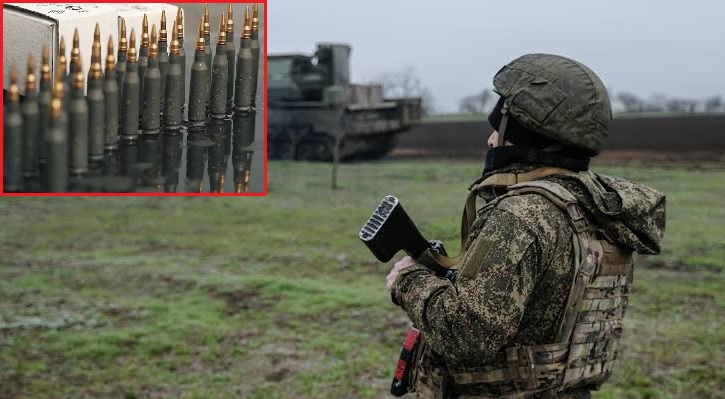
World
Moscow — Russia's state-owned defense conglomerate Rostec has announced that its subsidiary, High Precision Systems (Vysokotochnie Kompleksy), has started delivering a new anti-drone cartridge known as Mnogotochie to frontline military units. The announcement was made on July 3, with the company confirming that the first experimental batches are already being used by troops while full-scale serial production is now underway. The new ammunition is designed to improve the ability of infantry soldiers to engage small, fast-moving unmanned aerial vehicles (UAVs), including first-person view (FPV) drones, using standard-issue rifles already in service. According to Rostec, the project was developed to provide troops with an anti-drone capability without requiring dedicated interceptor weapons or changes to existing firearms. Mnogotochie is produced in two standard Russian military calibers. The SC 226 cartridge is chambered in 5.45×39mm for standard assault rifles, while the SC 228 version uses 7.62×54mm ammunition for machine guns and sniper rifles. Both cartridges are compatible with existing AK-pattern weapons and other standard platforms without modifications. They also function with rifles fitted with muzzle brakes and suppressors. The defining feature of the cartridge is its three-element projectile. Made from a special bronze-like alloy, the stacked elements separate evenly after leaving the barrel while continuing to spin due to the rifle's rifling. This provides greater aerodynamic stability than conventional shotgun buckshot, allowing the projectiles to spread in a controlled pattern while maintaining accuracy. According to Rostec, the multi-element design increases the probability of hitting an FPV drone by approximately 2.5 times compared with a conventional single-projectile rifle cartridge. The company states that the 5.45mm SC 226 is effective at distances between 100 and 150 meters, while the 7.62mm SC 228 can engage targets at ranges of up to 300 meters. To evaluate its effectiveness, the manufacturer carried out penetration tests intended to simulate the structure of commercial drones. Rostec said the 5.45mm cartridge penetrated a 25-millimeter pine board backed by a 0.8-millimeter steel plate at 50 meters, while the 7.62mm version achieved the same result at 100 meters. Bekhan Ozdoev, Industrial Director of the Rostec Armaments Cluster, said the ammunition received positive feedback following combat use and that production has now entered the serial manufacturing stage. One of the project's main objectives was to simplify production and military logistics. The cartridges use standard cartridge cases and conventional propellant, allowing them to be manufactured on existing ammunition production lines without significant retooling. This enables large-scale production while remaining compatible with weapons already issued to Russian forces. Rostec also said the ammunition was designed with urban operations in mind. Because each projectile separates into three lighter elements, they lose energy more quickly than a standard rifle bullet after traveling long distances. According to the company, the elements lose most of their damaging capability beyond 500 meters, reducing the potential risk to people and infrastructure when engaging drones over populated areas. By comparison, a conventional 7.62mm rifle round can retain dangerous kinetic energy for two to three kilometers. The introduction of Mnogotochie reflects the growing focus on countering small drones that have become a common feature of modern battlefields. Rather than relying solely on specialized air defense systems, militaries are increasingly developing ammunition that allows individual soldiers to engage low-flying UAVs with their standard service rifles. Russia is not the only country pursuing this approach. The U.S. Army has also developed and tested comparable multi-projectile anti-drone ammunition for 5.56mm and 7.62×51mm NATO rifles. In April 2026, soldiers from the XVIII Airborne Corps trained with the ammunition using unmodified M4 carbines, highlighting a similar effort to improve infantry protection against small drones without introducing new weapon systems. With serial production now underway, the Mnogotochie cartridge is expected to provide Russian frontline units with an additional option for countering low-flying UAVs while continuing to use their existing rifles and ammunition infrastructure. Source: sputniknews
Read More → Posted on 2026-07-04 14:35:50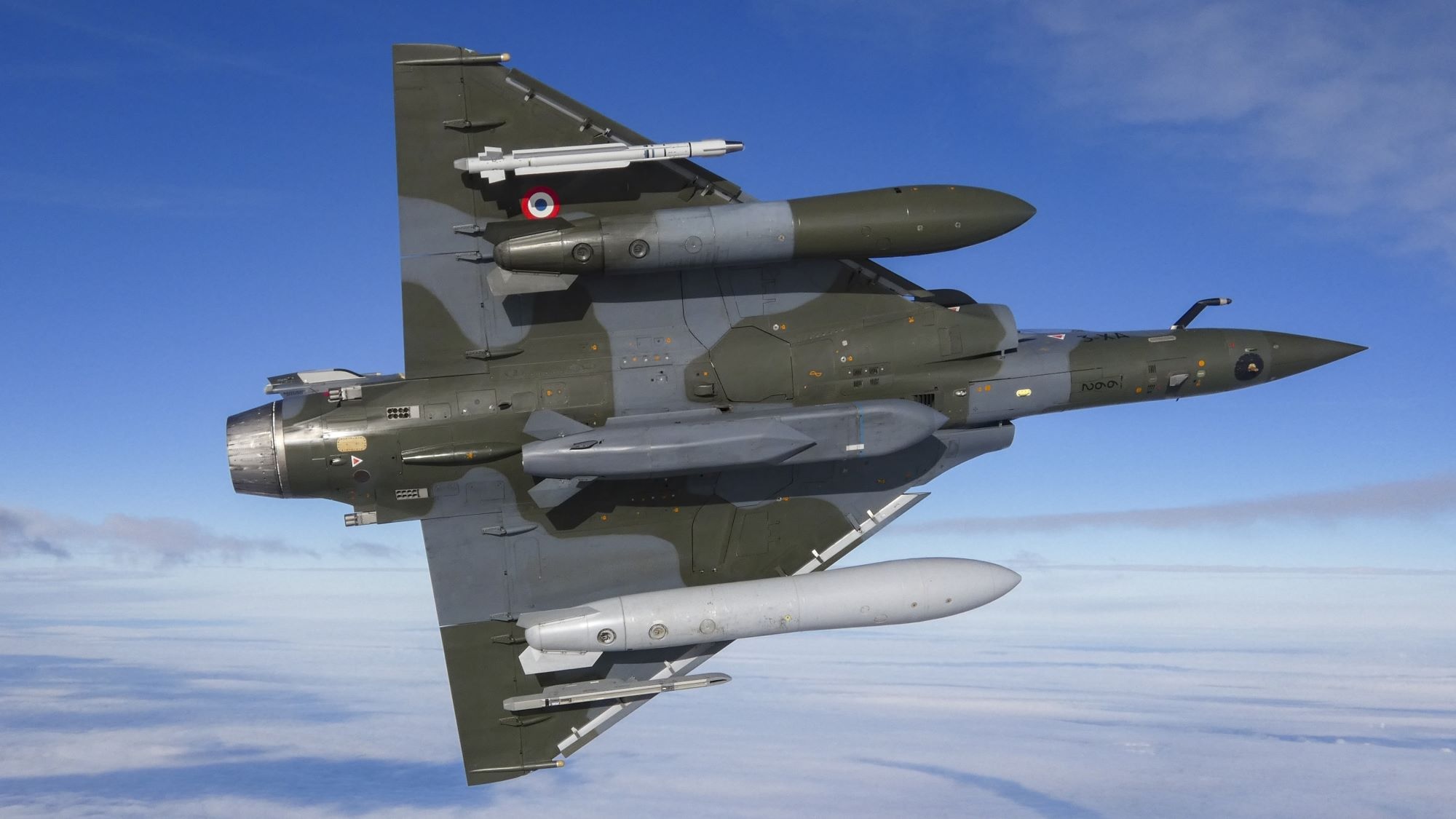
World
Paris — France has completed the mid-life modernization of its Mirage 2000D fighter-bomber fleet after the Directorate General of Armaments (DGA) delivered the 50th and final upgraded aircraft to the French Air and Space Force on June 16. The delivery marks the completion of the RMV (Rénovation Mi-Vie) program, which was launched in 2015 to extend the operational life of the strike aircraft until at least the mid-2030s. The RMV program upgraded 50 operational Mirage 2000D aircraft, while two additional aircraft were modernized as test platforms for the DGA Flight Test Centre. The program was designed to ensure the Mirage 2000D remains an effective strike platform as France continues expanding its Rafale fighter fleet. Dassault Aviation developed the upgrade kits and carried out the modernization of the first two prototype aircraft. The remaining aircraft were upgraded by the French Air Force's Industrial Aeronautics Service (SIAé) at the Clermont-Ferrand Aeronautical Industrial Workshop (AIA). The modernization work was coordinated with scheduled maintenance periods to reduce aircraft downtime and maintain fleet availability. The Mirage 2000D entered French service in the 1990s as a dedicated ground-attack aircraft and has supported operations in Afghanistan, Libya, the Sahel, and the Middle East. The RMV upgrade introduces several improvements to enhance its performance in modern operational environments. One of the main changes is a new digital cockpit equipped with multifunction displays, providing pilots with improved situational awareness and easier access to mission information. The aircraft's onboard electronics have also been upgraded to an open-architecture system, increasing computing power, improving data processing, and allowing better integration with command and control networks. Older equipment that had become difficult to maintain has also been replaced. The aircraft's self-defense capability has been strengthened through the replacement of the legacy MAGIC II air-to-air missiles with the newer MICA IR infrared-guided missiles. For ground attack missions, the upgraded Mirage 2000D can carry the CC422 gun pod fitted with a 30 mm DEFA 550 F3 cannon, providing additional capability for close air support and operations against lightly protected targets. The modernization also expands the aircraft's precision-strike options with the integration of GBU-48 and GBU-50 guided bombs, while retaining compatibility with the SCALP cruise missile. These additions provide greater flexibility across a wider range of strike missions. For targeting and reconnaissance, the upgraded aircraft now operates with the TALIOS targeting pod, replacing the older DAMOCLES system, and can also carry the ASTAC electronic reconnaissance pod for intelligence collection. Improvements have also been made to communications, mission planning, and data exchange systems. Following completion of the RMV program, all 50 upgraded Mirage 2000D aircraft are being based at Air Base 133 Nancy-Ochey. Consolidating the fleet at a single operating base is intended to simplify maintenance and operational management while supporting France's strike capabilities during the continued transition to the Rafale. In addition to upgrading the aircraft, the RMV program included modernization of simulators and mission planning tools used for pilot training and operational preparation. Although the RMV modernization program has now been completed, the French Air and Space Force is studying additional software and hardware improvements to address emerging threats, including drone swarms and loitering munitions. Future upgrades under consideration include the integration of low-cost precision weapons and artificial intelligence-assisted systems to maintain the Mirage 2000D's operational effectiveness through the remainder of its planned service life. With the completion of the RMV program, France has modernized its entire operational Mirage 2000D fleet, ensuring the aircraft will continue to provide strike and support capabilities alongside the growing Rafale fleet for years to come. Source: zona-militar
Read More → Posted on 2026-07-04 14:03:02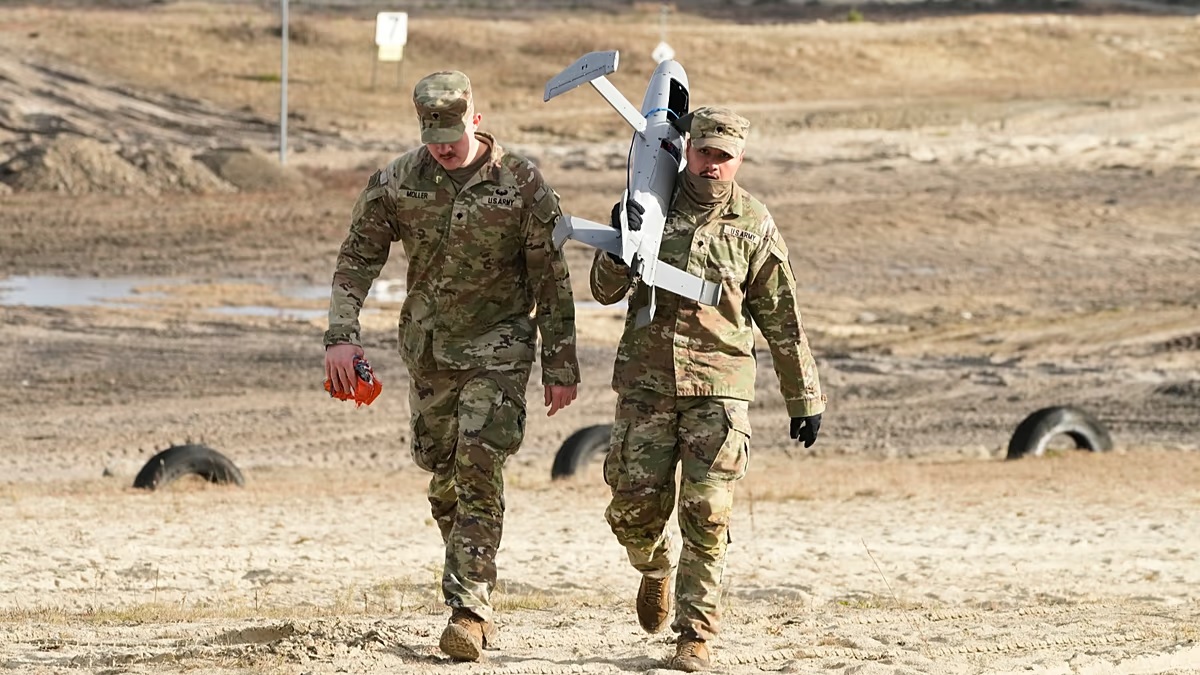
World
Ramstein Air Base, Germany — NATO is stepping up efforts to develop more affordable and effective ways to defend its airspace against the growing threat of uncrewed aerial systems (UAS). The issue was a key focus at the second AIRCOM Industry Day, held at Ramstein Air Base in Germany on June 30 and July 1, where military officials met with representatives from around 35 defence companies to discuss new counter-drone technologies. The discussions reflected NATO's growing concern over the increasing use of low-cost drones in modern warfare and the need to counter them without relying on expensive air defence measures. The event aimed to strengthen cooperation between the military and the defence industry to accelerate the development of practical and affordable counter-UAS capabilities. Recent incidents have highlighted the challenge. A drone crashed into a house in Romania, another entered Lithuanian airspace, and suspected drone activity temporarily disrupted operations at Munich Airport. These incidents have increased the alliance's focus on improving its counter-UAS capabilities. When a drone enters NATO airspace, the alliance activates Operation Eastern Sentry, which can involve scrambling fighter aircraft to identify, monitor and, if necessary, intercept the threat. While the response is operationally effective, it is also expensive. Many attack drones can be produced for less than €100,000, whereas a typical interception mission involving two fighter jets can cost more than €85,000 before any missiles are launched. Opening the event, Lieutenant General Guillaume Thomas, Deputy Commander of NATO's Allied Air Command (AIRCOM), said the large-scale use of drones in Russia's war against Ukraine has created new collective challenges for the alliance. He said NATO must stay ahead in three key areas: cost, by developing interceptors that are cheaper than the targets they destroy; production, by expanding manufacturing capacity to match large-scale drone deployments; and innovation, by speeding up the development and acquisition of new technologies. A major theme throughout the event was learning from Ukraine's battlefield experience. Dr. Ulrike Franke, Senior Policy Fellow at the European Council on Foreign Relations, said drones have fundamentally changed modern warfare by bringing mass to the battlefield. She said NATO must focus on affordable, large-scale solutions instead of relying on expensive systems to defeat low-cost drones. Franke also described close cooperation with Ukraine as a requirement for improving NATO's counter-drone capabilities. Providing frontline experience, Senior Lieutenant Oleksandr Vorobiov, deputy chief of air defence for Ukraine's 3rd Army Corps, identified radar detection as one of the biggest operational challenges. He said most radar systems currently used in Ukraine were designed to detect aircraft or monitor weather rather than identify small drones. As a result, small unmanned aircraft can disappear from radar screens for several seconds, making fully autonomous interceptor drones unreliable and requiring operators to take manual control during those periods. Vorobiov said improving reliable radar detection remains one of the most important requirements for future counter-drone systems. Although only defence companies from NATO member countries participated in the exhibition, Ukraine's combat experience remained a central reference throughout the event. Around 35 companies showcased technologies ranging from advanced radar systems and interceptor drones to artificial intelligence software and specialised counter-drone missiles. Among the exhibitors were MBDA, Hensoldt, Alta Ares, and Aselsan. MBDA presented a cost-effective counter-drone missile designed to defend against mass attacks by Shahed- and Geran-type drones. The missile is being integrated into Rheinmetall's Skyranger 30 air defence system, with the first systems planned for Germany's brigade in Lithuania. Deliveries are expected between 2027 and 2028. The Skyranger 30 uses a layered defence approach. Each vehicle carries nine interceptor missiles, allowing a six-vehicle battery to field 54 ready-to-fire interceptors. Smaller Class 1 drones, including quadcopters, are engaged using the system's 30 mm cannon, while the interceptor missile is designed to defeat larger threats such as Shahed-type drones. French company Alta Ares demonstrated AI-powered intelligence software together with two interceptor systems. One version is designed for short- and medium-range engagements with a range of up to 15 kilometres, while the second can engage targets at distances of up to 40 kilometres. Company representatives said their founders worked closely with Ukrainian military units during the early stages of the war to better understand operational requirements and develop AI-based solutions for drone operations. Alta Ares recently signed a memorandum of understanding with German drone manufacturer Quantum Systems to further develop these capabilities. Turkish defence company Aselsan highlighted reliability and the use of artificial intelligence as key lessons from the war in Ukraine. Company representatives said modern drone attacks leave only a few seconds for operators to react, making AI-assisted systems important for shortening decision-making time and improving response speed. Lieutenant Colonel Steffen Bott, project manager for the event, said the purpose of AIRCOM Industry Day is to connect military operational requirements with rapidly evolving technologies. He noted that while NATO and the military do not directly establish contracts with defence companies during the event, the military identifies operational needs and shares them with industry. He added that counter-UAS technologies are evolving much faster than traditional defence procurement processes, making closer cooperation between armed forces, start-ups and established defence companies increasingly important. The discussions at Ramstein Air Base reflected NATO's broader effort to work more closely with industry to develop affordable, reliable and effective counter-drone technologies. Military officials said faster cooperation between frontline operators and defence companies will be essential as drone threats continue to evolve and become more widespread. Source: euronews
Read More → Posted on 2026-07-04 13:42:45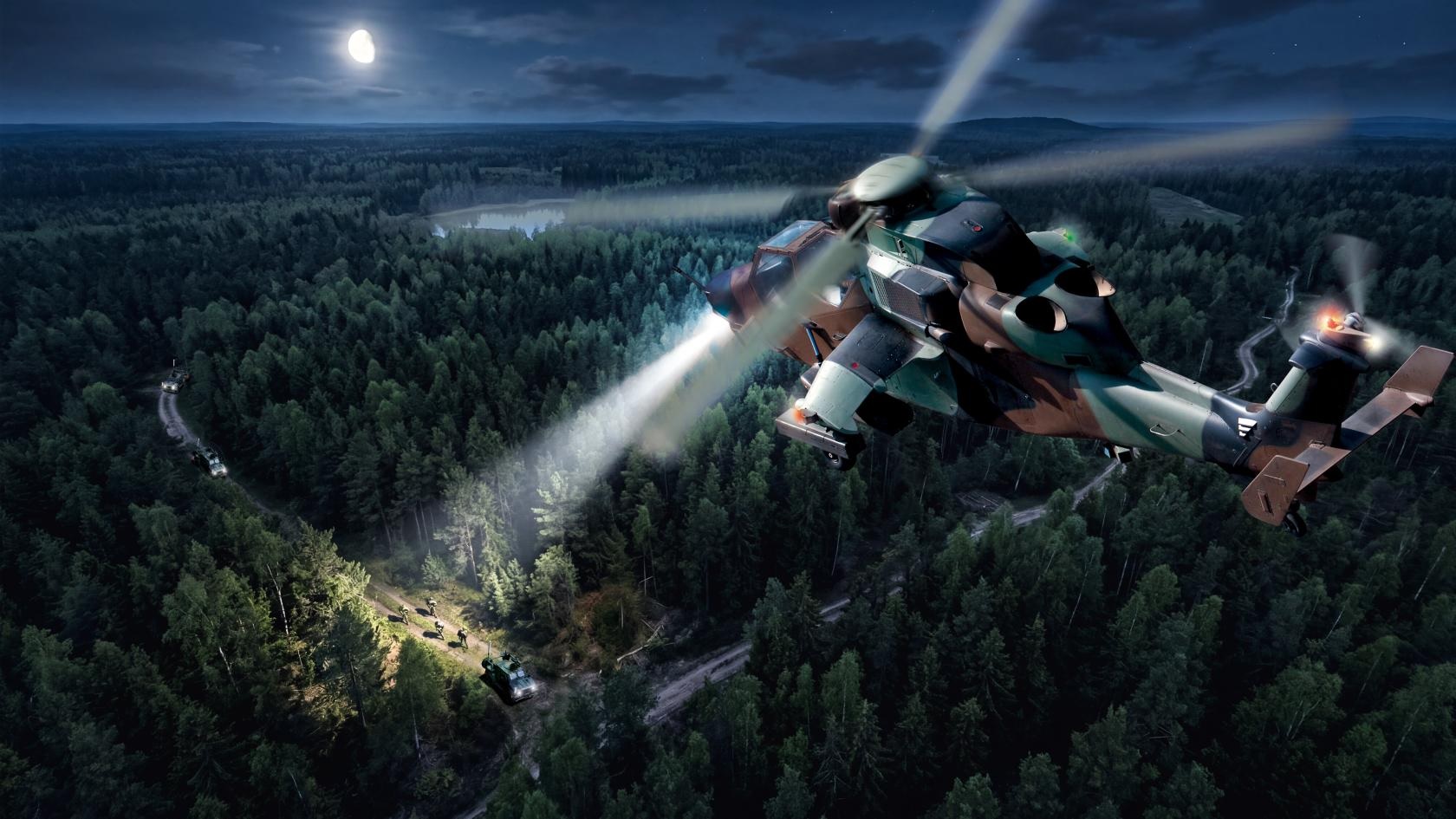
World
DOURDAN, France — Thales has introduced a new generation Search & Landing Light (SLL) for helicopters, designed to improve visibility and crew coordination during military, security, civil aviation, and search-and-rescue (SAR) operations. The new onboard illumination system uses a high-power LED optical unit and provides continuous 360-degree swiveling coverage while maintaining a compact, flush-mounted design that minimizes aerodynamic drag. According to Thales, the design allows helicopter crews to maintain full illumination around the aircraft without creating blind spots. The SLL features a software-defined, connected architecture that allows operators to configure the system for different mission requirements. It is designed to integrate with existing onboard avionics, including Forward-Looking Infrared (FLIR) sensors, multifunction displays, and helmet-mounted displays, helping improve situational awareness during complex operations. The lighting system can be controlled by the pilot, co-pilot, or hoist operator, depending on the phase of the mission. This flexible control arrangement allows different crew members to manage the lighting as operational needs change. For search-and-rescue (SAR) missions, particularly at night or in difficult terrain such as mountains, forests, or snow-covered areas, the SLL's 360-degree coverage allows crews to continuously illuminate survivors, rescue personnel, and landing zones without repeatedly repositioning the helicopter. This can help crews maintain visual contact throughout the rescue operation. During hoist operations, including maritime recovery and medical evacuation missions, the system provides stable and focused lighting over the rescue area. The hoist operator can independently adjust the light in real time to follow the movement of personnel or equipment, supporting operations in degraded visual conditions. For military night operations, including infiltration, exfiltration, and special operations, the SLL includes a dedicated covert mode. This operating mode is designed to reduce the helicopter's visual and infrared signature while still providing sufficient illumination for the crew to carry out the mission. Thales said the system has been developed to support a broad range of helicopter platforms used by military, security, emergency response, and civil aviation operators. Its software-based architecture also allows operators to tailor system functions to specific mission profiles without requiring major hardware changes. The company manages the complete development and production process for the SLL at its facility in Dourdan, France, including the design of the high-power LED optical unit, system integration, assembly, and final testing. "Helicopter crews operate in some of the most demanding environments, often making critical decisions in seconds and under extremely challenging conditions. Our new Search & Landing Light was developed with those operators in mind, giving them greater flexibility, enhanced mission effectiveness and the ability to adapt to a wide range of operational scenarios from a single system. It illustrates our commitment to delivering solutions that evolve with our customers' missions." said Nicolas Bonleux, Vice President of Aerospace Communications at Thales. According to Thales, the new Search & Landing Light (SLL) combines compact installation, full 360-degree illumination, integration with modern cockpit systems, and multiple operating modes in a single system intended to support demanding helicopter missions across military, emergency response, security, and civil aviation sectors. Source: thalesgroup
Read More → Posted on 2026-07-04 12:46:55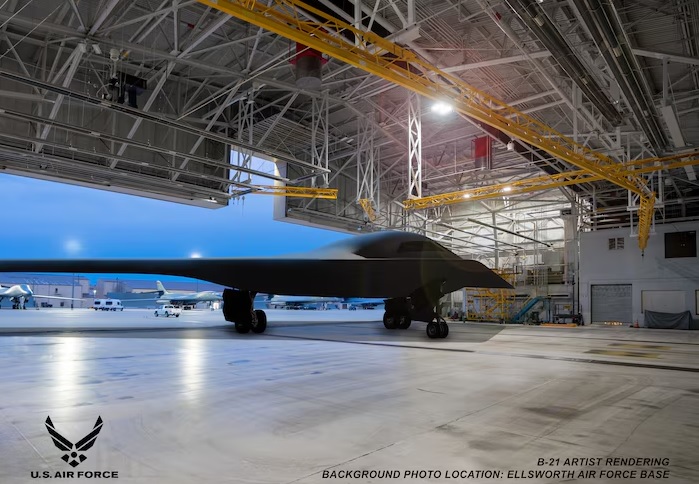
World
ELLSWORTH AIR FORCE BASE, S.D. — The U.S. Air Force has taken another step toward introducing the B-21 Raider into operational service after formally accepting the first two facilities built specifically for the next-generation stealth bomber at Ellsworth Air Force Base during a visit by Secretary of the Air Force Troy Meink on June 30 and July 1, 2026. During the visit, Meink reviewed the 28th Bomb Wing's ongoing B-1B Lancer operations and inspected progress on the base's transition to the B-21 Raider. Ellsworth has been selected as the Air Force's first main operating base and formal training unit for the new bomber and is undergoing an infrastructure modernization program valued at approximately $2 billion while continuing to support active B-1B missions. A key milestone during the visit was the official acceptance of the first completed B-21 support facilities: the $161 million Low Observable Restoration Facility and the $81 million Wash Rack and General Maintenance Hangar. These are the first completed projects in the larger construction effort designed to support future B-21 operations. "Taking ownership of these facilities is a step toward fielding advanced capabilities at scale," Meink said. "The infrastructure completed today is truly innovative, allowing us to preserve the technological edge and deliver the long-range deterrence our nation depends on." The Low Observable Restoration Facility has been designed to maintain the B-21 Raider's stealth characteristics. The climate-controlled building allows maintenance personnel to inspect, clean and repair the aircraft's radar-absorbent materials in a controlled indoor environment, helping reduce maintenance downtime while preserving its low-observable capabilities. The adjacent Wash Rack and General Maintenance Hangar will support routine inspections, aircraft washing, servicing and general maintenance required to keep the bomber ready for operations. Following the formal handover, teams from the 28th Bomb Wing began fitting out both facilities by installing secure information technology systems, communications equipment, furnishings and mission support equipment needed before the arrival of the first production B-21 aircraft. While preparing for the new bomber, Ellsworth continues to operate its fleet of B-1B Lancer aircraft. During the visit, Meink received updates on current B-1B operations and the challenges of maintaining today's long-range strike missions while building the infrastructure for the Air Force's future bomber force. Col. Jonathan Keller, commander of the 28th Bomb Wing, said the base is managing both missions simultaneously. "The base is actively flying the B-1 globally while simultaneously building the infrastructure for the next generation of airpower," Keller said. "Accepting the keys to our first B-21 facilities is exciting for our Airmen, our civil engineer teams and the community partners who support our long-range strike mission." Continuing B-1B operations during the transition is part of the Air Force's effort to avoid any gap in long-range strike capability as the B-21's infrastructure, training and sustainment systems are established. Developed by Northrop Grumman under the Long Range Strike Bomber program, the B-21 Raider is the Air Force's next-generation strategic stealth bomber. The engineering and manufacturing development contract, valued at $21.4 billion, was awarded in October 2015. The program uses digital engineering and advanced manufacturing techniques intended to reduce development risks and simplify future software and hardware upgrades. The Air Force plans to acquire at least 100 B-21 Raiders, which will gradually replace the B-1B Lancer and B-2 Spirit fleets while operating alongside the modernized B-52J Stratofortress. The aircraft is designed to penetrate heavily defended airspace and features open mission systems architecture, secure network connectivity and the ability to integrate with other military platforms, including fifth-generation fighters, collaborative combat aircraft and space-based systems. According to recent program updates, the first B-21 aircraft is expected to arrive at Ellsworth in 2027, with one of the test aircraft currently flying at Edwards Air Force Base planned to relocate there to support testing and early operational activities. Ellsworth is the first installation in the Air Force's phased B-21 basing plan. After South Dakota, future main operating bases are planned at Whiteman Air Force Base, Missouri, and Dyess Air Force Base, Texas. The completion of the first dedicated B-21 facilities marks an important stage in preparing Ellsworth for the aircraft's arrival while ensuring the Air Force can continue current B-1B operations during the transition to its next-generation strategic bomber fleet. Source: af.mil
Read More → Posted on 2026-07-04 12:39:25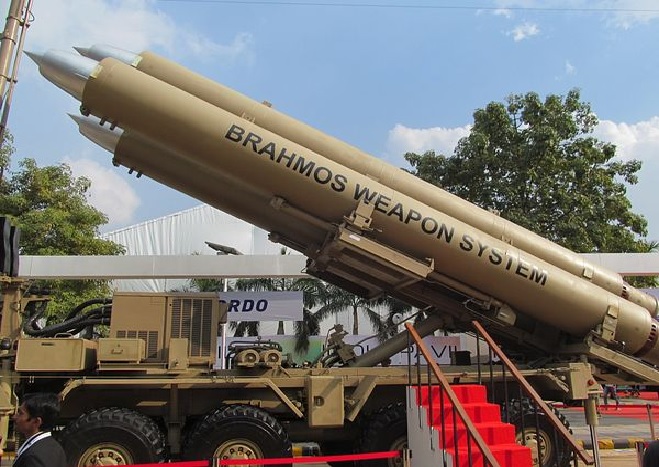
World
NEW DELHI — Indonesia has approached India to procure a second battery of the BrahMos supersonic cruise missile system, expanding on the agreement reached earlier this year for the purchase of one battery. Jakarta has also requested a favourable line of credit from New Delhi to support the proposed acquisition. According to reports, the potential defence deal is estimated to be worth around $300 million (approximately ₹2,500 crore) and is expected to be one of the key issues discussed during Prime Minister Narendra Modi's visit to Indonesia from July 6 to 8. The visit will be Modi's first bilateral trip to Indonesia since the two countries upgraded their relationship to a Comprehensive Strategic Partnership in 2018. After holding talks with Indonesian President Prabowo Subianto in Jakarta, the Prime Minister will continue his three-nation tour with visits to Australia and New Zealand, concluding on July 11. During a media briefing in New Delhi, Rudrendra Tandon, Secretary (East) in India's Ministry of External Affairs (MEA), said defence cooperation remains an important part of bilateral relations but declined to comment on the status of the proposed missile deal. "Defence cooperation is an important part of the relationship with Indonesia. But I don't think we need to get into the details of this at this juncture, particularly because we have not departed from here and all these are at preparatory stages," Tandon said. Indonesia confirmed its first BrahMos missile agreement with India in March 2026 as part of its military modernisation programme aimed at strengthening maritime defence. The initial contract covered one missile battery, including launchers, radars and missiles, with estimates placing its value between $200 million and $350 million, depending on the final configuration. The agreement made Indonesia the second export customer for the BrahMos missile after the Philippines. The BrahMos missile is jointly developed by India's Defence Research and Development Organisation (DRDO) and Russia's NPO Mashinostroyeniya under a partnership established in 1998. The export version has a range of about 290 kilometres and travels at Mach 3, making it the world's only operational supersonic cruise missile available for export. It is designed for coastal defence, anti-ship missions and ground attack operations, and can be launched from land, sea, air and submarine platforms. In May 2026, Defence Secretary Rajesh Kumar Singh said the BrahMos agreement with Indonesia was in its final stages, while India had already signed a separate BrahMos export deal with Vietnam. These developments reflect increasing interest among Southeast Asian countries in strengthening their defence capabilities through the Indian missile system. Apart from defence, economic cooperation is expected to feature prominently during Prime Minister Modi's visit. Government sources said both countries are likely to sign several Memorandums of Understanding (MoUs) covering healthcare, pharmaceuticals, education, space cooperation, critical minerals and natural resources. One of India's main priorities is securing long-term access to critical minerals by establishing joint ventures with Indonesian companies to develop nickel processing facilities. Indonesia holds some of the world's largest nickel reserves, making it an important supplier for stainless steel production and electric vehicle (EV) battery manufacturing. India currently imports more than 80% of its ferronickel requirements from Indonesia and relies entirely on imports for EV battery-grade materials. Securing additional supplies has become increasingly important as India expands its clean energy and electric mobility sectors. At present, Chinese companies control around 75% of Indonesia's nickel refining capacity, making diversification of supply chains a strategic priority for New Delhi. According to the International Energy Agency's Global Minerals Outlook 2024, global nickel demand is expected to increase from around 3 million metric tonnes in 2023 to 5–6 million metric tonnes by 2040, driven by growing demand for electric vehicles and clean energy technologies. Indonesia is projected to account for 44% of global refined nickel production by 2040, further strengthening its importance in global supply chains. India and Indonesia currently have bilateral trade worth around $23 billion, and both governments are working to expand trade and investment through stronger economic cooperation and discussions on a preferential trade agreement. Officials are also expected to discuss maritime security and broader strategic cooperation in the Indo-Pacific region during the upcoming meetings. The proposed acquisition of a second BrahMos missile battery, along with planned agreements on critical minerals and technology cooperation, reflects the continued expansion of India-Indonesia strategic and economic ties. Source: theprint
Read More → Posted on 2026-07-04 12:12:42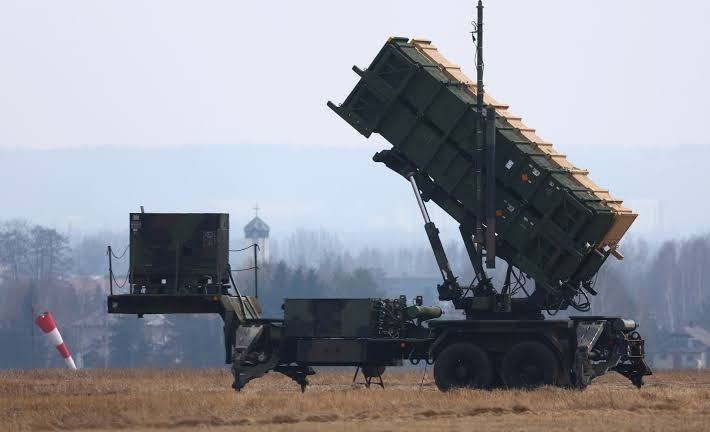
World
KYIV — Ukraine has begun the process of purchasing about 100 U.S.-made Patriot interceptor missiles through a European Union-backed loan worth around $1 billion, the Ministry of Defence said on July 2, as Kyiv works to replenish stocks used against continuing Russian missile attacks. The purchase will be financed through an EU loan mechanism and forms part of Ukraine's effort to secure a longer-term supply of Patriot interceptors instead of relying only on emergency transfers from partner countries. Officials said maintaining stocks of anti-ballistic missiles has become increasingly difficult after repeated large-scale Russian strikes. The issue became more pressing following the overnight attack on July 1-2, when Russian forces launched nearly 500 strike drones and 77 missiles, including 25 ballistic or hypersonic missiles, at targets across Ukraine. Ukrainian air defence units intercepted more than 90% of the cruise missiles and Shahed-type drones, the ministry said, but added that shortages of Patriot interceptors continue to limit the country's ability to engage ballistic missiles. Ukraine is also seeking immediate deliveries while the new procurement moves forward. Defence Minister Mykhailo Fedorov has sent official letters to nearly 40 partner nations requesting transfers of Patriot missiles from their active inventories this month. Under the proposal, countries providing missiles now would later receive replacements through future deliveries already contracted by Kyiv. "The protection of Ukrainian skies depends on fast decisions," the ministry said, urging partners to use existing international procurement and financing mechanisms, including the Prioritized Ukraine Requirements List (PURL) and JUMPSTART, to speed up deliveries. The planned purchase adds to agreements signed earlier this year. In April, Ukraine concluded what the ministry described as a record contract for hundreds of PAC-2 Patriot missiles with German support. Deliveries under that agreement are scheduled over the coming years. Ukraine has also started receiving Patriot missiles directly from European partner stockpiles for the first time this year, rather than depending only on U.S. deliveries. The ministry said operational changes based on NATO's "After Action Review" standard have more than doubled the effectiveness of Patriot batteries against highly manoeuvrable Russian Iskander ballistic missiles, though it did not provide further operational details. President Volodymyr Zelenskyy has said Ukraine is seeking licences to manufacture Patriot systems domestically or through joint ventures with European defence companies. Discussions with the United States on local production have continued, while Ukrainian officials are also seeking decisions on air-defence financing, additional system allocations and production arrangements ahead of the upcoming NATO summit. No delivery timeline for the new batch of roughly 100 Patriot interceptors has been announced. Source: businessinsider.
Read More → Posted on 2026-07-04 11:43:19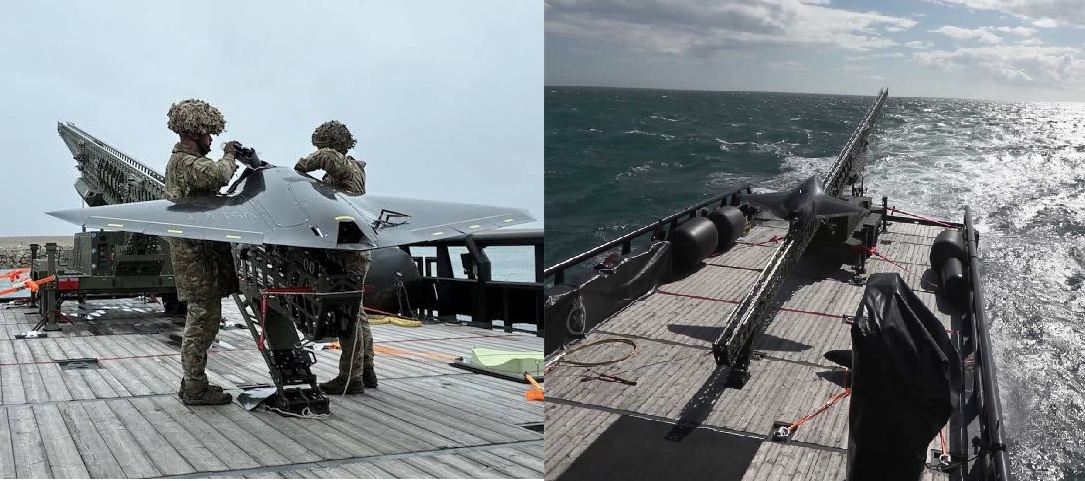
World
London — The Royal Navy has completed the first at-sea launch of the British-built Nyan One-Way Effector (OWE) autonomous strike drone from the experimental vessel XV Patrick Blackett, during trials off the south coast of England. The launch was carried out while the ship was underway as part of Exercise Neptune Reach under Project VANTAGE, a tri-service programme bringing together the Royal Navy, British Army and Royal Air Force to evaluate maritime strike drones for operational use. A catapult launcher was fitted to the deck of XV Patrick Blackett for the trial. The launcher accelerated the drone to speeds of up to 55 metres per second, after which the aircraft flew autonomously to a pre-programmed target area. Personnel from 26 Regiment Royal Artillery, 744 Naval Air Squadron, and the ship's crew supported the launch. UK Tests Indigenous Nyan One-Way Effector Drone The Royal Navy and British Army have successfully conducted the first extensive trials of the Nyan One-Way Effector (OWE) Uncrewed Air System, a domestically developed precision-strike drone designed for both maritime and land… pic.twitter.com/LsHU1PxEp6 — Global Defense Insight (@Defense_Talks) July 4, 2026 The Royal Navy said flight data from the test is now being reviewed. Further trials could be conducted from the aircraft carrier HMS Queen Elizabeth. The Nyan One-Way Effector is built by Callen-Lenz, a subsidiary of BAE Systems. The autonomous strike drone has a 2.9-metre wingspan, is powered by a small turbojet engine, and has an estimated range of more than 150 kilometres. It is built mainly from carbon fibre and includes a low-observable exhaust nozzle intended to reduce detection by air defence systems. The estimated unit cost is under £100,000. Callen-Lenz Chief Executive Matt Foster said the company has already produced more than 1,000 Nyan drones. The system provides a lower-cost precision strike option than traditional naval missiles and has a range exceeding several legacy anti-ship weapons. The drone had already completed land-based trials before the maritime launch. During Exercise Spring Storm in Estonia in May 2026, British Army units from the Royal Artillery used the system alongside NATO forces to demonstrate deep-fire support during field exercises. The sea trial forms part of the UK's Hybrid Navy programme, which combines crewed warships with autonomous vessels and drone systems. The concept is included in the UK's Defence Investment Plan, which allocates more than £5 billion over the next four years for autonomous systems and drone technologies. Minister for Defence Readiness and Industry Luke Pollard said Britain is moving forward with the Hybrid Navy concept by bringing Army and Navy expertise together to field ship-launched strike drones. Lieutenant Commander David Burton, the Royal Navy's Maritime One-Way Effectors capability sponsor, said the trial moves the programme from land-based experimentation into maritime operations. Under Project VANTAGE, the service is working to integrate one-way strike drones with crewed naval platforms to expand operational reach and increase the tempo of operations. The Nyan builds on one-way effector technology already fielded by the British Army. Project VANTAGE is focused on adapting those capabilities for use at sea through a common approach across the Royal Navy, British Army and Royal Air Force. Source: forcesnews.
Read More → Posted on 2026-07-04 11:28:42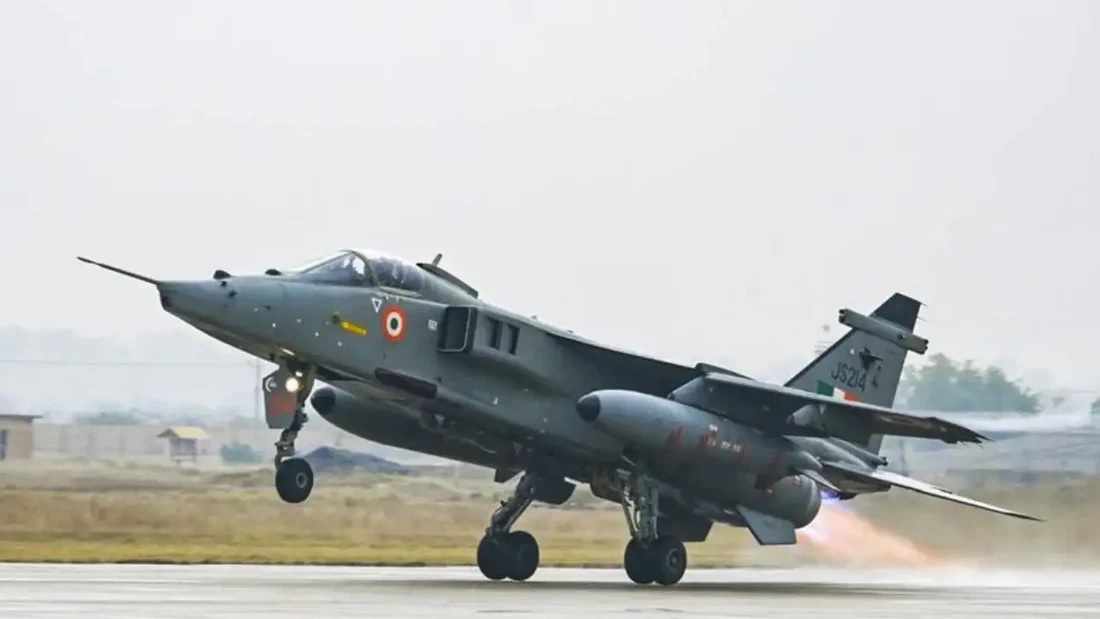
World
LONDON — The United Kingdom has transferred nine retired SEPECAT Jaguar aircraft to the Indian Air Force (IAF), while Britain's Ministry of Defence (MoD) continues to hold 42 retired Jaguars nearly 20 years after the Royal Air Force (RAF) withdrew the type from service. The figures were disclosed in a written parliamentary answer released on July 3 by UK Minister for Defence Readiness and Industry Luke Pollard, responding to a question from Conservative MP Ben Obese-Jecty on the remaining Jaguar GR1 and T2 aircraft in the MoD inventory. Pollard said nine Jaguars had already been transferred to India, including five GR1 variants and four T2 variants. He also confirmed the Ministry of Defence still holds 42 Jaguar airframes. Of those, 13 are GR1 aircraft and none are T2s. The parliamentary response did not identify the remaining 29 aircraft by variant, though they are understood to include later GR3 models and T4 trainers. None of the aircraft retained by the UK are flight-capable. Most of those airframes are used as ground instructional aircraft at RAF Cosford, where engineering technicians train on aircraft maintenance and systems after the Jaguar's retirement from RAF service in 2007. India is now the only country operating the Jaguar. Built under licence by Hindustan Aeronautics Limited since the early 1980s, the aircraft, known as the Shamsher, remains in service with about 120 aircraft across six IAF squadrons based at Ambala, Gorakhpur and Jamnagar. The fleet continues to perform the deep-penetration strike role as the Indian Air Force operates with 29 fighter squadrons, below its authorised strength of 42. With Jaguar production and component manufacturing closed for years, India has relied on retired aircraft from former operators to maintain the fleet. The latest transfer follows reports in mid-June that former RAF Jaguars were prepared for shipment from a British port. The consignment included the nine aircraft along with more than 150 categories of spare parts and components. India has sourced retired Jaguars before. France transferred 31 aircraft free of charge in 2018, while Oman supplied retired airframes, Rolls-Royce Adour engines and thousands of spare parts after withdrawing the type from service. A proposal to replace the Jaguars' engines with Honeywell powerplants was later dropped after costs were estimated at nearly $16 million per aircraft. The aircraft transferred from the UK will be dismantled for serviceable components, including avionics, landing gear and hydraulic systems. Those parts will support the IAF's DARIN-III upgrade programme, which adds updated cockpit displays and improved weapons integration to the remaining operational fleet. Indian defence officials plan to begin retiring the Jaguar fleet around 2029. The upgraded DARIN-III aircraft are expected to remain in service into the mid-2030s while indigenous fighters, including the Tejas Mk1A, gradually replace them in the deep-strike role. Source: ukdefencejournal.org.uk.
Read More → Posted on 2026-07-04 11:18:17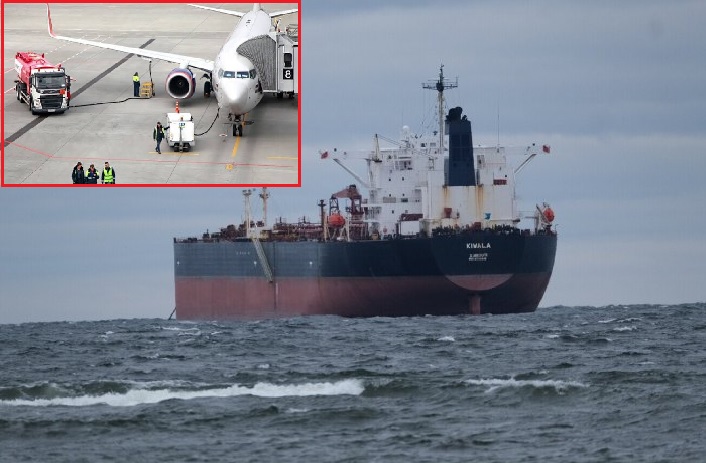
World
Singapore / Tokyo — Russia is preparing to import at least 200,000 barrels of jet fuel originating from Japan through a network of intermediary traders, as domestic fuel supplies remain under pressure after repeated Ukrainian strikes on Russian energy infrastructure. The cargo is scheduled to load at the Japanese port of Chiba during the first half of July. Rather than sailing directly to Russia, the shipment will first head to South Korea, where it is expected to be transferred to another tanker, likely through a ship-to-ship operation off Yeosu, before continuing to Russia. The final destination inside Russia has not been disclosed. Three sources familiar with the arrangement told Reuters the transaction is being handled through intermediary traders. Russia's Energy Ministry did not respond to requests for comment. South Korea's Ministry of Trade, Industry and Energy declined to comment, while Japan's Ministry of Economy, Trade and Industry did not immediately respond. The import follows months of disruption to Russia's refining sector after Ukrainian drone strikes targeted oil refineries, storage sites and other energy facilities across the country. Reports indicate about one-third of Russia's refining capacity has been knocked out, reducing domestic fuel production and tightening supplies. The fuel shortage has already led Moscow to impose restrictions on some fuel purchases. Russian farmers have also warned that limited fuel availability could affect harvesting operations if supplies do not improve. Among the facilities struck over the past year were the Moscow Oil Refinery, energy infrastructure in the Rostov region, and the Kristall oil storage facility in Engels, part of the Rosrezerv system. The Engels site stores aviation fuel used by Russia's strategic aviation, including aircraft based at the nearby Engels-2 air base. Russia has traditionally exported refined petroleum products, but export volumes have fallen sharply this year. Data from Kpler shows Russian jet fuel exports are averaging about 13,000 barrels per day in 2026, with most cargoes shipped to Turkey. That compares with roughly 30,000 barrels per day exported during 2025. Ship-tracking data from Kpler shows a similar route was used in February 2022, when about 22,000 barrels of jet fuel were shipped from Yeosu to Vladivostok in Russia's Far East. The planned shipment from Japan reflects Russia's effort to supplement domestic aviation fuel supplies while parts of its refining sector remain offline. Officials in Moscow have not publicly commented on the reported cargo. Source: Reuters.
Read More → Posted on 2026-07-04 11:03:27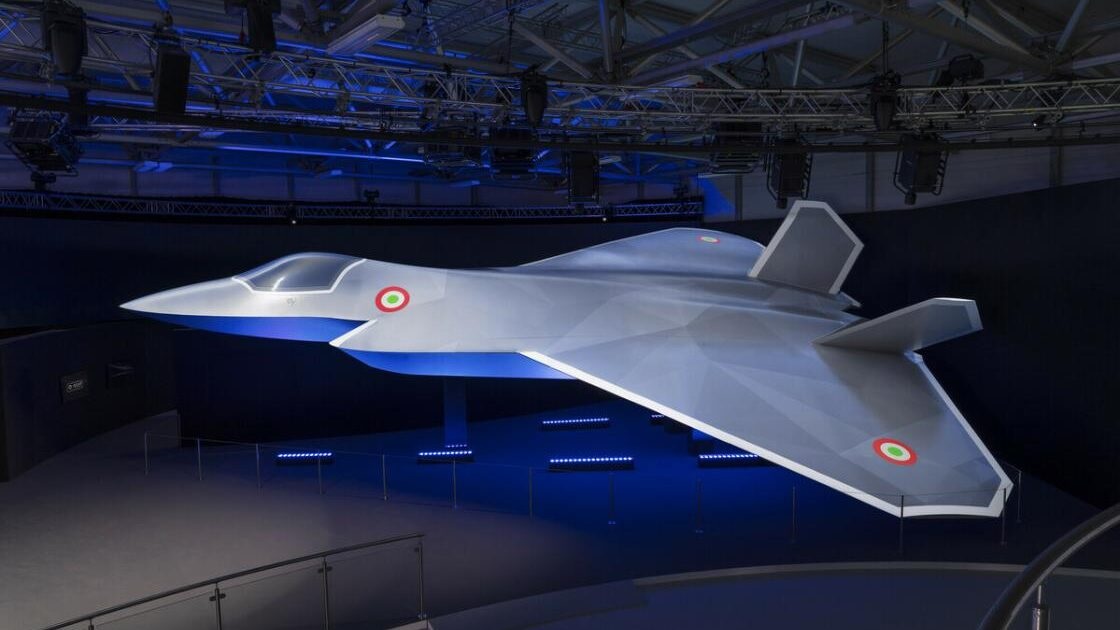
World
LONDON — The governments of the United Kingdom, Italy and Japan have awarded a £4.6 billion ($6.14 billion) development contract to Edgewing, advancing the next phase of the Global Combat Air Programme (GCAP) and funding work on the three nations' planned sixth-generation fighter aircraft through the end of 2027. The 18-month contract, which began on July 1, 2026, was placed by the GCAP Agency, the trinational organisation overseeing the programme. It covers completion of the advanced concept and assessment phase, establishes the aircraft's final capability requirements and funds detailed engineering, design and testing activities. The award follows a £686 million bridging contract issued to Edgewing in April 2026, allowing development work to continue while the larger agreement was being finalised. Funding for the latest contract is provided jointly by the UK, Italy and Japan. Edgewing serves as the programme's prime contractor and design authority. The company is headquartered in Britain and was created by BAE Systems, Leonardo, and Japan Aircraft Industrial Enhancement Co. Ltd. (JAIEC), a consortium involving Mitsubishi Heavy Industries, to manage development of the future combat aircraft. "This contract represents the trust placed in us by all three nations and our GCAP Agency partners," Edgewing Chief Executive Marco Zoff said. He described the company as the first engineering prime formed by three countries to work on behalf of their national defence industries under a single customer. GCAP Agency Chief Executive Masami Oka said the agreement enables the agency and Edgewing to continue work across all areas of the programme. He said the project supports shared development costs, technology cooperation and highly skilled jobs across the three partner nations, adding that the long-term funding provides greater certainty for the programme. The announcement coincides with the UK government's new Defence Investment Plan, which commits an additional £8.6 billion to GCAP over the next four years, resolving earlier questions over Britain's long-term funding profile for the project. The aircraft under development will replace the Eurofighter Typhoon in UK and Italian service and the Mitsubishi F-2 in Japan. Entry into service remains planned for 2035. Preliminary specifications released by BAE Systems indicate the aircraft will be three to four metres longer than the Typhoon, giving it greater internal fuel capacity, longer range and the ability to carry a larger payload. The platform will integrate digital engineering, artificial intelligence and data fusion technologies. It is also being developed to operate alongside autonomous drones during combat missions. Work on the aircraft's mission systems is being carried out by the GCAP Electronics Evolution (G2E) consortium, which is responsible for advanced sensors, secure communications and electronic warfare systems. A separate propulsion consortium, including Rolls-Royce and Japan's IHI Corporation, is developing the next-generation engine. GCAP was formally launched in 2022, with the international government organisation established in late 2023. The latest contract moves the programme through its concept phase and into more detailed design work. The award also follows the reported collapse of the rival Franco-German Future Combat Air System (FCAS) programme in June 2026 after prolonged industrial disagreements between its partners. Saudi Arabia and Canada have expressed interest in joining or observing GCAP, while executives from Leonardo have said Germany could also become a future partner. Any expansion of the programme would require unanimous approval from the United Kingdom, Italy and Japan. Source: Gov.uk.
Read More → Posted on 2026-07-04 10:54:58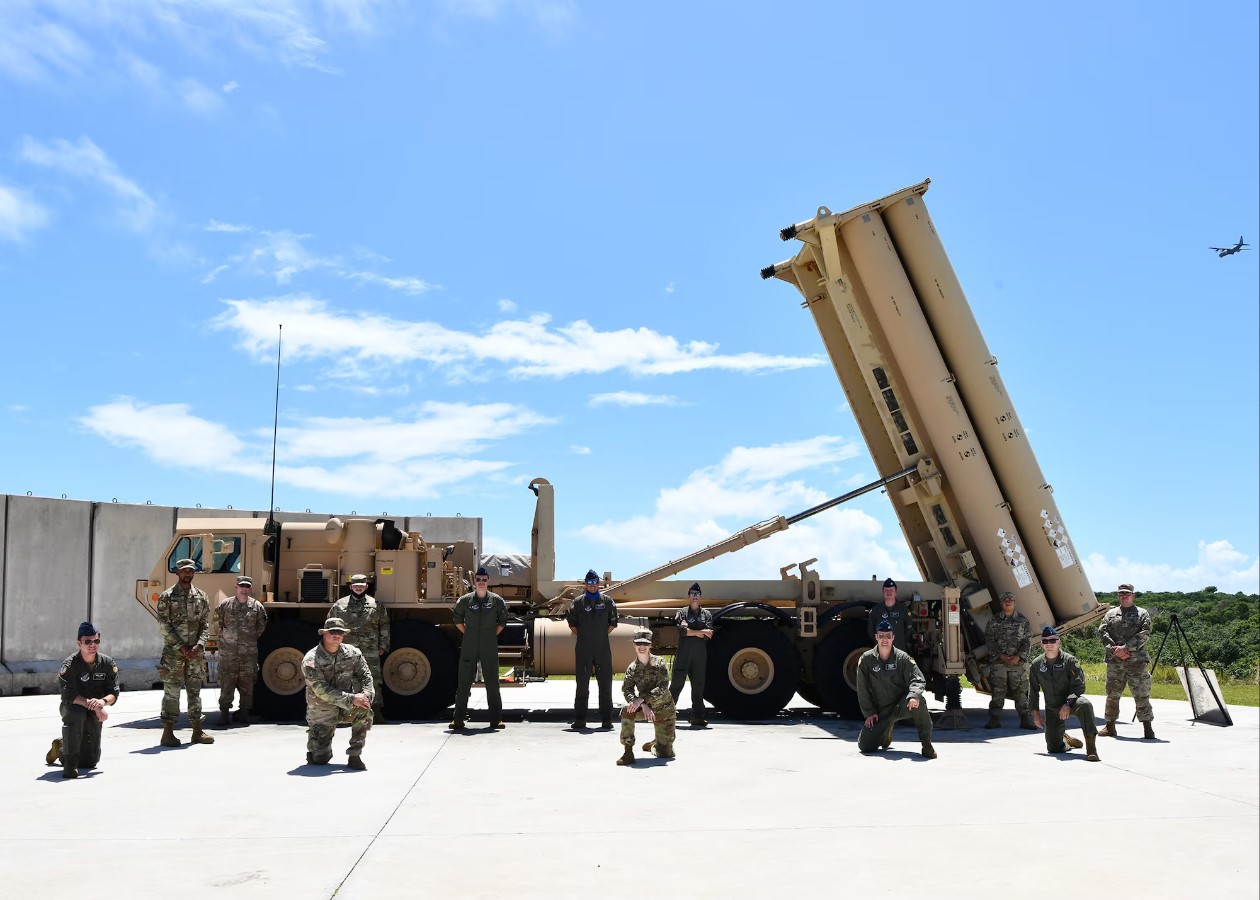
World
WASHINGTON — The U.S. Army has opened competition for a new command-and-control software package that will integrate Guam's air and missile defence network, issuing a Request for Solutions Brief to industry for a prototype known as the Battle Manager Suite. The solicitation, released on June 25 by the Army's Portfolio Acquisition Executive for Fires, seeks software capable of connecting more than 20 existing defence programs and prototypes operated by the Army, Navy, Air Force, Marine Corps and the Missile Defense Agency into a single operational network. The Battle Manager Suite will combine data from multiple radars and sensors to provide commanders with a common operating picture in real time. It must detect and track ballistic missiles, cruise missiles and drones, then recommend the most appropriate interceptor or weapon available for each threat. Guam remains one of the U.S. military's most important positions in the western Pacific. The island hosts Andersen Air Force Base and Naval Base Guam and lies closer to Beijing than Hawaii. It is considered a likely target in any future conflict involving Taiwan and is also within range of Chinese and North Korean missile systems. The effort supports the Fiscal Year 2022 National Defense Authorization Act, which directed the Pentagon to establish a 360-degree Enhanced Integrated Air and Missile Defense capability for Guam. The Army created the Guam Defense System Joint Project Office in February 2024 to manage the program, under the leadership of Lt. Gen. Robert A. Rasch Jr. The Pentagon is using an Other Transaction Agreement (OTA) under 10 U.S. Code Section 4022 rather than a traditional acquisition process. Under the terms of the solicitation, proposals must include substantial participation from non-traditional defence companies, nonprofit research institutions, or provide outside investment covering at least one-third of the prototype's development cost. Competition is limited to U.S. companies cleared to handle SECRET-level information. Initial submissions are due by 4:00 p.m. Eastern on July 15. Selected companies will be invited to demonstrate their systems in mid-August before the Army issues a formal Request for Prototype Proposal. A contract award is scheduled for the first quarter of fiscal year 2027, between October and December 2026. The contract includes a one-year base period with four one-year option periods, allowing work to continue for as long as five years if all options are exercised. The solicitation also tells companies not to rely heavily on artificial intelligence when preparing proposals. The government said submissions will be screened using AI-detection tools, and extensive AI-generated content may be treated as evidence that the bidder does not have sufficient technical understanding of the requirement. The Battle Manager Suite is also expected to support work beyond Guam. Defense Secretary Pete Hegseth has identified the Guam Defense System as a proving ground for the Golden Dome homeland missile defence initiative announced by the Trump administration in May 2025. The program is intended to defend the United States against ballistic, hypersonic and cruise missile threats using layered defences, including space-based tracking sensors and interceptors. The Congressional Budget Office has estimated Golden Dome could cost as much as $1.2 trillion. Program officials have said the joint engagement coordination and sensor fusion architecture developed through Guam's Battle Manager Suite could be transferred to the larger national missile defence program. The wider Guam Defense System is still dealing with management issues. A Government Accountability Office report published in May 2025 found the Pentagon had not established a clear plan for transferring operational responsibilities between military services. The report also said the Guam Defense System Joint Project Office was staffed at only 45% of its required level by mid-2025, contributing to delays from the program's original 2024 schedule. Hardware testing continues while the software competition moves forward. During Exercise Valiant Shield 2026, U.S. forces are conducting live-fire tests of the Army's Patriot air defence system and the Marine Corps' Medium-Range Intercept Capability on Guam as work continues to integrate the island's air and missile defence architecture. Source: Defence-Blog.
Read More → Posted on 2026-07-03 15:04:34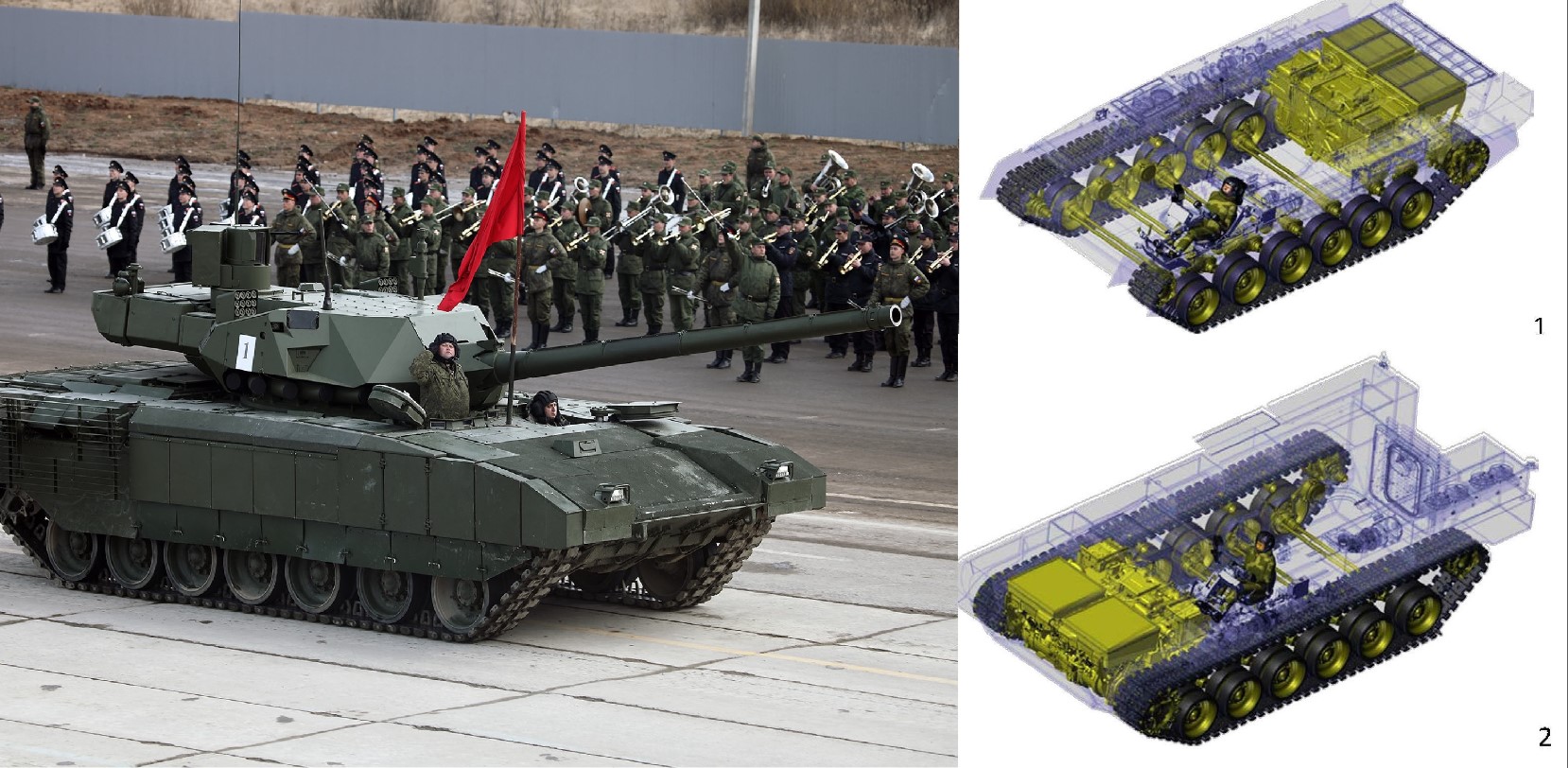
World
MOSCOW — Russia's T-14 Armata main battle tank underwent major design changes during development after engineering constraints forced the program to move away from its original compact configuration, resulting in the larger seven-road-wheel vehicle now associated with the platform. Early concept presentations showed the Armata on a six-road-wheel chassis with a smaller hull. During development, engineers incorporated the Motor-Transmission Unit (MTU) from the canceled T-95 (Object 195) program into the new platform. The size of that powerpack required a larger hull, and the final design shifted to a seven-road-wheel chassis to accommodate the internal components. The T-95 project had been canceled before the Armata program moved forward. UKBTM, the Ural Design Bureau of Transport Machine-Building, carried over elements from the earlier project while developing the new tank under its parent company, Uralvagonzavod (UVZ). Reports on the program say the preliminary images shown during the approval stage differed from the final vehicle that entered prototype production. Once physical prototypes were built, the original compact layout could no longer accommodate the large MTU and the chassis had to be redesigned. Engine selection became another issue during development. One option was the 6TD opposed-piston diesel engine. After the breakup of the Soviet Union, production facilities for the engine remained in Ukraine, leaving Russia without direct access to it for the Armata program. Another alternative was the gas turbine engine used in the T-80 series. Development priorities inside Russia's armored vehicle industry favored other programs, while competition between different tank designs affected decisions on future powerplant selection. The production vehicle uses the A-85-3, also known as the 12N360, an X-shaped 12-cylinder multi-fuel diesel engine. The complete Motor-Transmission Unit weighs about 5,150 kg, while the engine itself weighs roughly 1,550 kg. The engine is rated at about 1,500 horsepower, although part of that output is consumed by onboard systems including cooling fans, compressors and auxiliary pumps required to operate the powerpack. Its size had a direct effect on the overall dimensions of the tank. The larger engine compartment increased the vehicle's length and contributed to the adoption of the seven-road-wheel chassis instead of the six-wheel layout shown in early concepts. The T-14 also introduced an unmanned turret, with the crew placed inside a protected armored compartment in the hull rather than beneath the turret. The tank remains the only Russian main battle tank built around that configuration. Production of the Armata has remained limited, and public information on the number of tanks in operational service is still limited. Development of the platform has involved repeated changes from its original concept as engineering requirements, engine availability and internal design decisions evolved during the program. Source: Btvt.
Read More → Posted on 2026-07-03 14:55:52Search
Top Trending in 24 Hours
-
 North Korea Fires Short-Range Ballistic Missile Toward Sea of Japan After Freedom Edge 26
-
 U.S. Army Awards $10.64 Million Contract to Ukrainian Drone Maker Skyeton for Raybird Systems
-
 India’s xTerra Robotics Launches Indigenous DHAV-Hy Wheeled-Legged Quadruped for Industrial Inspection
-
 U.S. Space Force Seeks Rapid-Response Satellites for Close-Range Orbital Inspections
-
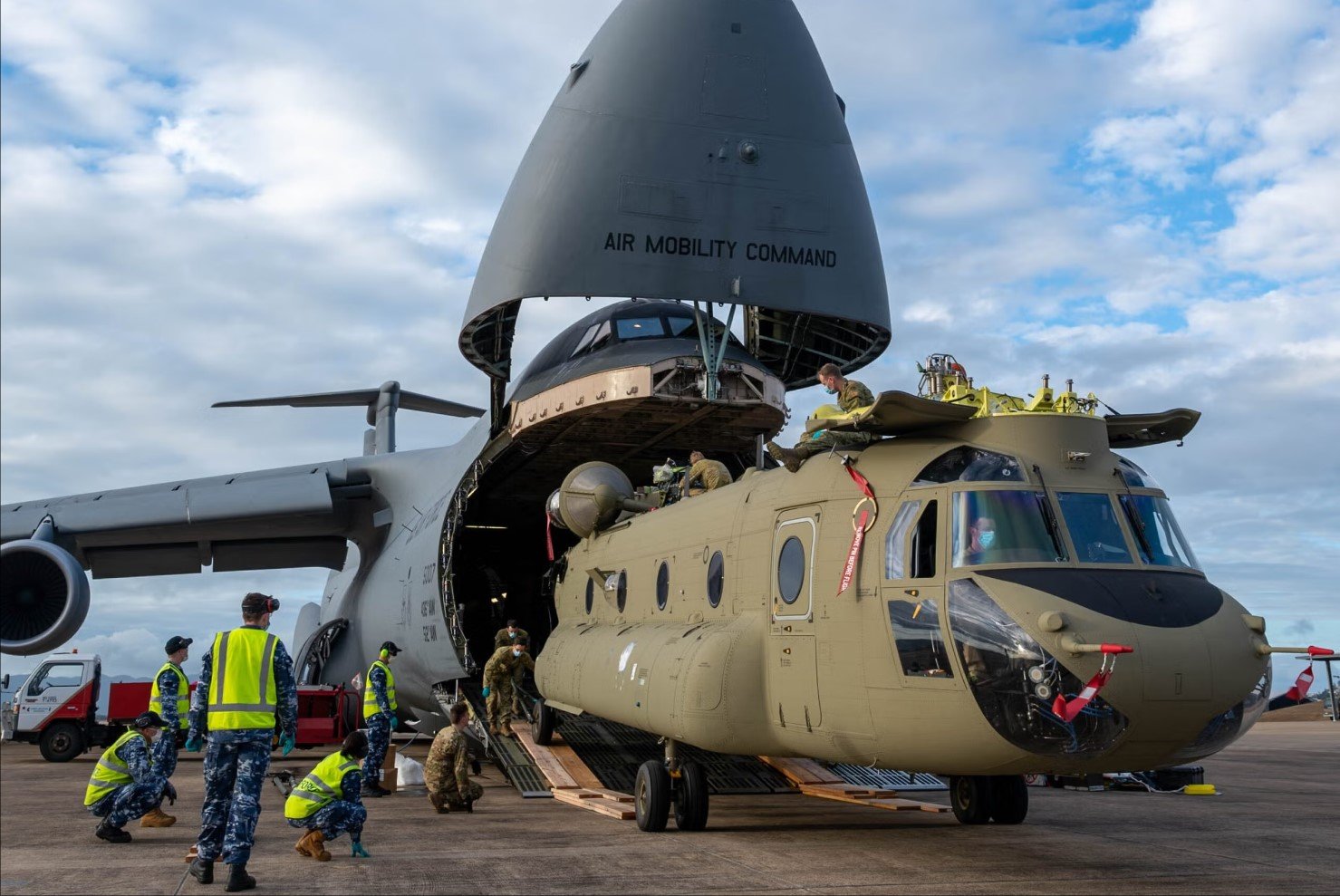 U.S. Delivers First CH-47F Chinook to Egypt Under 12-Helicopter Deal
-
 BEL Showcase X-Band Multi-Function Radar for QRSAM to Japanese Delegation
-
 U.S. Government Seizes Almasirah.net, Houthi-Linked News Website
-
 IRGC Experts Visit Bab El-Mandeb to Oversee Radar Installation and Tunneling, Houthi Sources Say
Top Trending in 4 Days
-
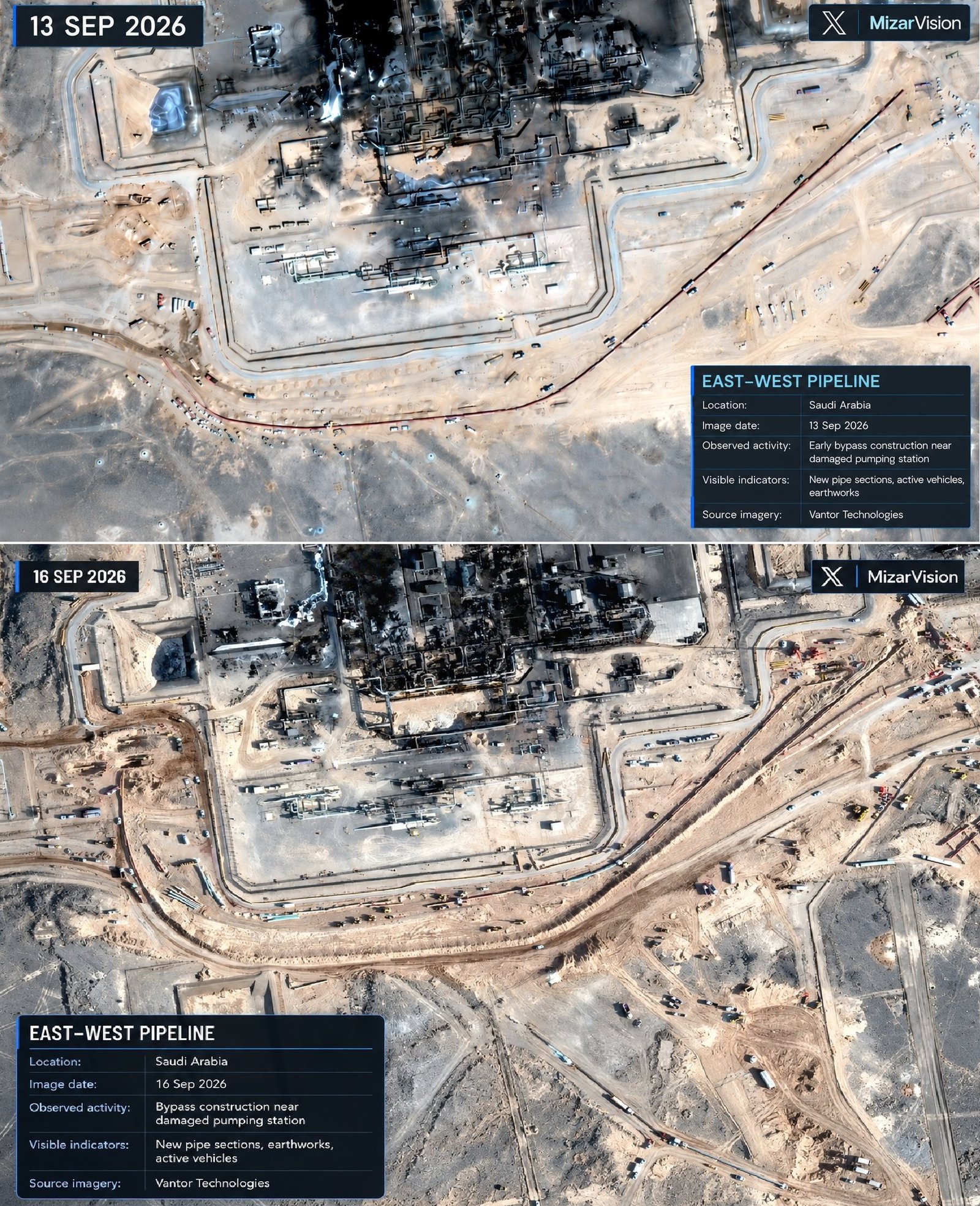 Satellite Images Show Saudi Arabia Building Emergency Bypass Around Damaged East-West Oil Pipeline Station
-
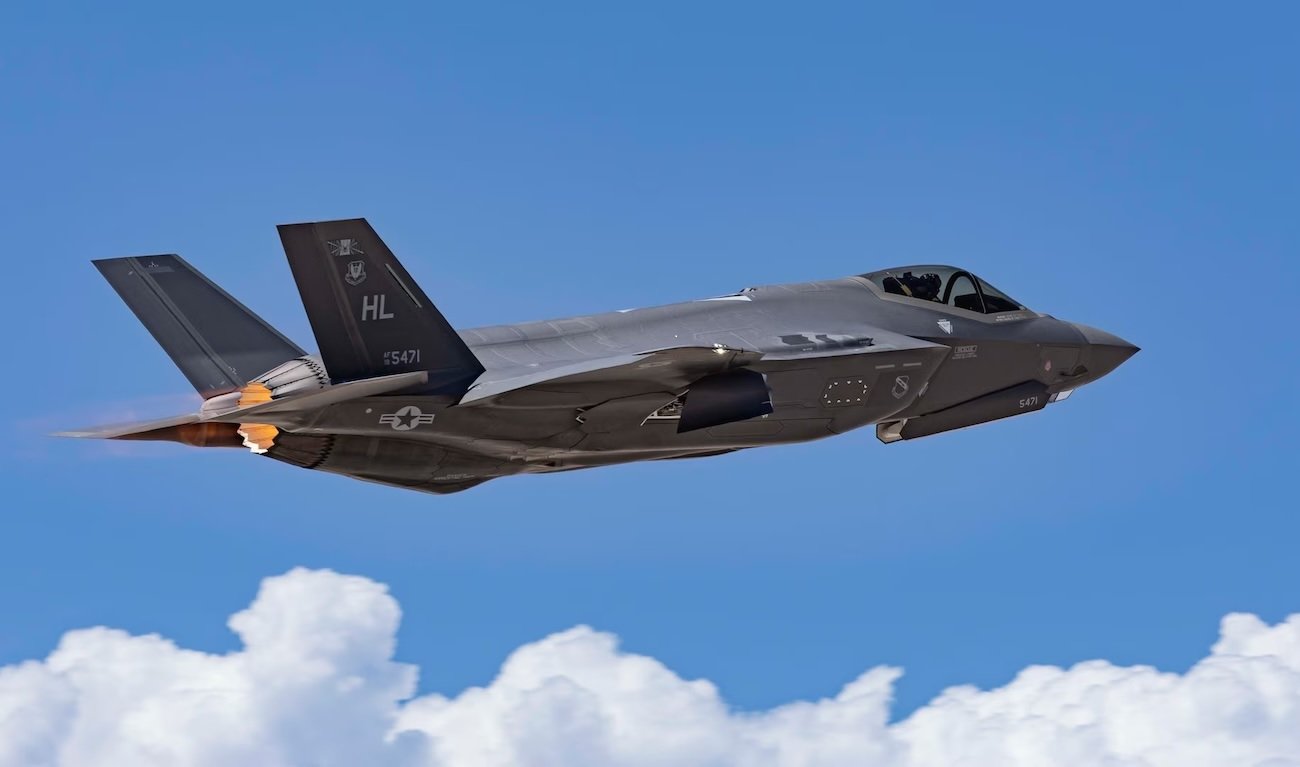 Sensitive F-35 Components Diverted to Hong Kong, Some Parts Missing
-
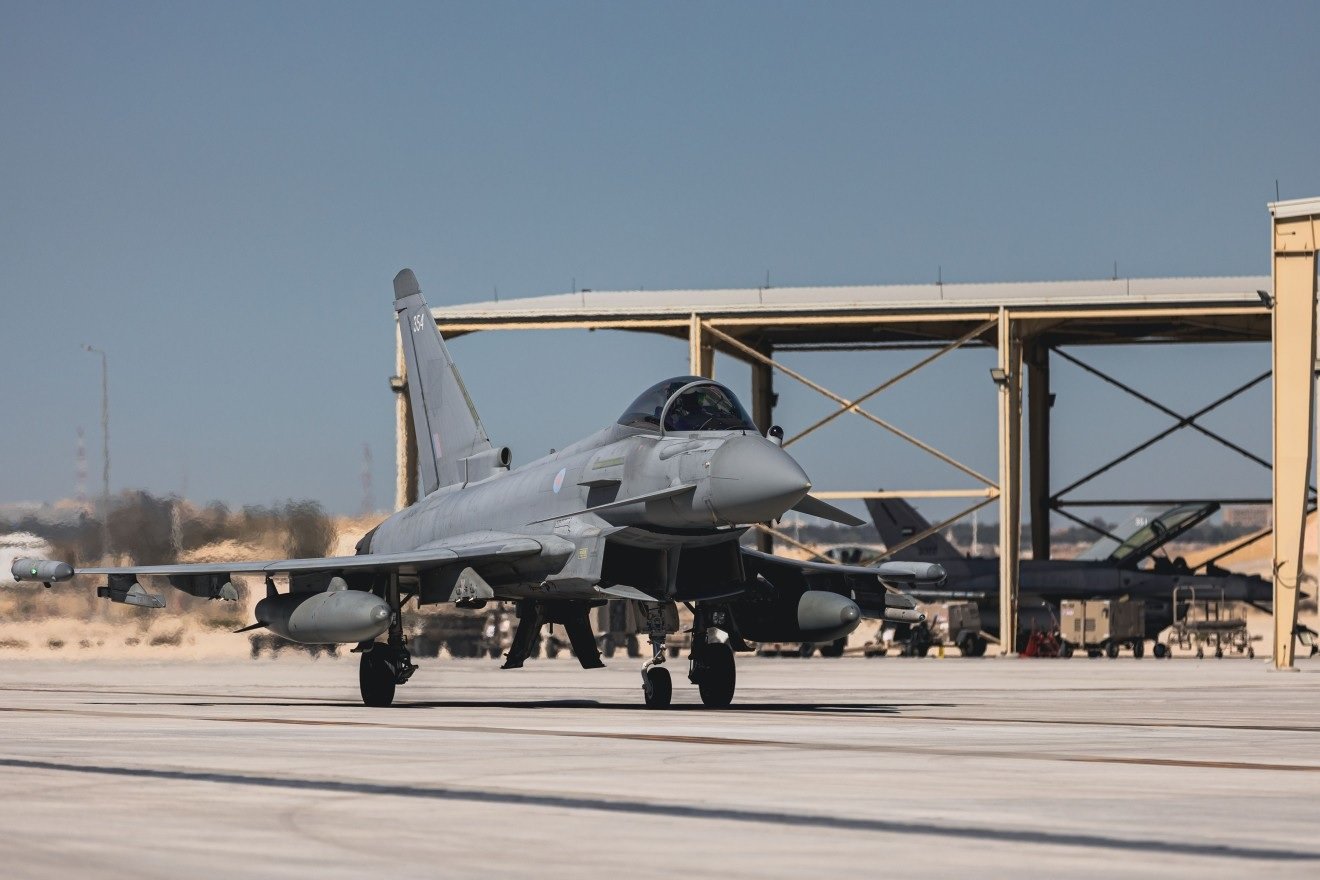 Italian Eurofighter Damaged in Houthi Attack on Saudi Arabia’s King Fahd Air Base
-
 U.S. Secures Permanent Military Rights in Greenland in Historic Security Pact with Denmark
-
 U.S. Approves Potential $2.68 Billion Air Defense Package for Ukraine Including S-300 Clone Missiles
-
 BEL Signs Export Deal with Elbit Systems for Directed Infrared Countermeasure Sub-Assemblies, Secures ₹648 Crore in Additional Orders
-
 U.S. Warns Allies of Up to Five-Year Delays in Key Weapons Deliveries
-
 China Privately Urges Iran to Restrain Houthis After Saudi Appeal