
World
JERUSALEM — Israel has lifted a temporary restriction that blocked additional U.S. aerial refueling aircraft from landing at Ben Gurion Airport after senior American military officials raised concerns over the decision. The issue was resolved following discussions between U.S. and Israeli officials, allowing U.S. military operations to continue while introducing measures to reduce pressure on civilian airport operations. The dispute began when Israel's Transport Ministry, led by Transport Minister Miri Regev, introduced a directive limiting the number of U.S. aerial refueling aircraft parked at Ben Gurion Airport to 20. At the time, between 33 and 34 American tanker aircraft were stationed at the airport. According to Israeli authorities, the restriction was intended to address a shortage of aircraft parking stands ahead of the peak summer travel season. The Israel Airports Authority warned that the continued presence of additional military aircraft could create significant parking constraints, potentially affecting civilian operations and placing up to 50,000 passenger flight bookings at risk of cancellation. The proposed limit prompted an immediate response from senior officials at U.S. Central Command (CENTCOM), who asked Israel to reverse the decision. U.S. officials said the refueling aircraft remain essential for supporting ongoing regional operations and maintaining deterrence capabilities amid continued tensions involving Iran. American officials also emphasized that Ben Gurion Airport remains the preferred operating location for these aircraft because of its advanced infrastructure, established logistics support, and proximity to hotels and other facilities required by flight crews. The U.S. position received support from the Israel Defense Forces (IDF). A senior Israeli military official described the tanker fleet as a strategic asset that plays an important role in joint U.S.-Israel military preparations and said the aircraft should be allowed to operate according to U.S. operational requirements. Following discussions between the two governments, Transport Minister Miri Regev cancelled the landing restriction on July 15, just one day after it was reportedly introduced. Israeli officials said the disagreement did not represent a broader dispute between the allies, and Prime Minister Benjamin Netanyahu also discussed the matter directly with U.S. representatives to ensure continued coordination. As part of the agreed solution, U.S. refueling operations will continue without interruption. However, to reduce congestion at Ben Gurion Airport, only around 20 tanker aircraft will remain parked there. The remaining U.S. aircraft will be relocated to Israeli Air Force bases and other military facilities in coordination with Israel's Defense Ministry. The large U.S. military presence at Ben Gurion Airport dates back to the regional military buildup that began before the conflict with Iran in February 2026. At its peak, approximately 75 U.S. refueling and cargo aircraft were stationed at the airport to support American operations and regional contingency planning. Earlier this month, the United States began returning some of those aircraft to their home bases after diplomatic efforts temporarily reduced regional tensions. However, the Pentagon recently paused further withdrawals following renewed regional escalation, keeping the refueling fleet in Israel to maintain rapid response capability if required. The agreement allows Israel to address growing civilian aviation demands during the busy summer travel season while ensuring that U.S. military aircraft continue to support operational requirements. The outcome also reflects the close coordination between Washington and Jerusalem in balancing civilian airport operations with ongoing defense cooperation. Source : israelnationalnews
Read More → Posted on 2026-07-15 14:07:51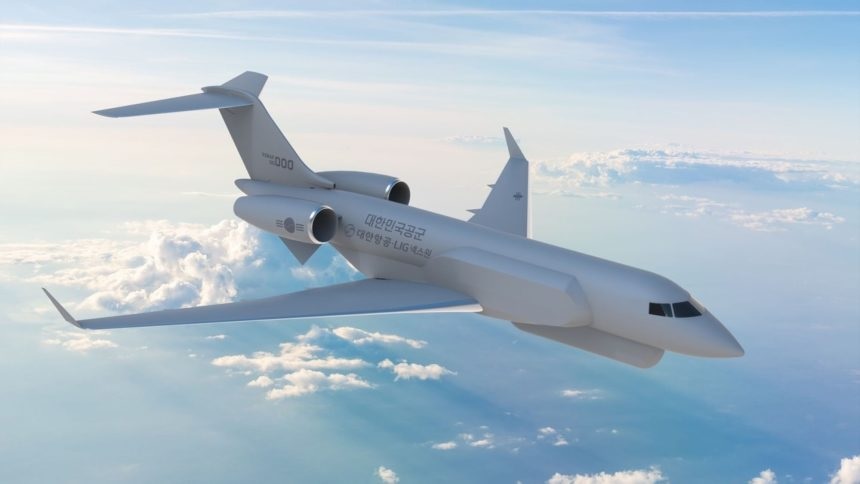
World
Seoul, South Korea — South Korea is expanding its airborne electronic warfare capabilities with the procurement of two Bombardier Global 6500 aircraft that will be converted into dedicated electronic warfare platforms for the Republic of Korea Air Force (ROKAF). Bombardier Defense announced on July 14, 2026, that Korean Air has formalized the purchase of the Canadian-built business jets. The aircraft will be extensively modified to carry advanced electronic warfare systems for Stand-Off Jammer (SOJ) missions, allowing them to disrupt enemy radar, communications, and other electromagnetic systems while operating outside hostile airspace. Part of South Korea's Block-I Electronic Warfare Program The acquisition is a key element of South Korea's Defense Acquisition Program Administration (DAPA) Block-I Electronic Warfare System Development Project, which aims to introduce the new electronic warfare aircraft into service by 2034. In wartime operations, the aircraft will support air missions by suppressing or disrupting adversary air-defense networks, creating safer operating conditions for friendly aircraft entering defended airspace. South Korean defense company LIG Nex1 is serving as the program's prime contractor and system integrator under a contract worth approximately 1.56 trillion won (about $1.1 billion). The company will develop and integrate the aircraft's specialized electronic warfare mission systems, including high-performance antennas capable of transmitting powerful radio-frequency jamming signals. According to program details, the jamming systems are expected to provide an operational range of at least 200 kilometers (124 miles), allowing coverage across the Korean Peninsula during missions. Korean Air will carry out the structural modifications to the Global 6500 aircraft and oversee the installation of LIG Nex1's mission equipment before delivery to the Republic of Korea Air Force. Selection Followed Competitive Evaluation The Global 6500 was selected after a competitive bidding process. The Bombardier Defense team, working with Korean Air and LIG Nex1, was chosen over a competing proposal submitted by Korea Aerospace Industries (KAI) and Hanwha Systems. Following the selection, Korean Air became responsible for purchasing the aircraft from Bombardier and managing their conversion into operational electronic warfare platforms. Global 6500 Selected for Special Mission Operations Bombardier Defense says the Global 6500 is well suited for military special mission roles because of its combination of range, endurance, speed, and operating altitude. The aircraft can fly above normal commercial airline traffic while maintaining high cruising speeds and an endurance exceeding 10 hours, making it suitable for long-duration electronic warfare operations. Its airframe is also designed to accommodate major structural modifications required for installing large mission systems, external sensors, antennas, and specialized electronic equipment. Michael Anckner, Vice-President of Worldwide Sales at Bombardier Defense, said: "The Global 6500 aircraft is in demand around the world because of its performance and versatility, and we're extremely proud that it was chosen for two very advanced, yet different defense missions in South Korea." He added that the aircraft's structure is highly adaptable for integrating advanced external sensors required for specialized military missions. Beyond electronic warfare, the Global 6500 family has been adapted for a range of defense roles, including airborne early warning and control (AEW&C), intelligence, surveillance and reconnaissance (ISR), multi-role special missions, medical evacuation, and head-of-state transport. The aircraft platform has also been used as the basis for systems such as Saab's GlobalEye airborne surveillance aircraft. Common Platform with AEW&C Fleet The latest procurement builds on South Korea's earlier decision to select the Global 6500 for its Airborne Early Warning & Control (AEW&C) program in October 2025. That separate program involves four Global 6500 aircraft being modified by an international team led by L3Harris Technologies, with participation from Israel Aerospace Industries (IAI) ELTA Systems, Bombardier, and Korean Air. With both the AEW&C and electronic warfare programs using the same aircraft platform, the Republic of Korea Air Force is expected to benefit from greater fleet commonality. Operating a common airframe can simplify pilot training, maintenance training, reduce logistical requirements, and improve long-term sustainment compared with maintaining different aircraft types for separate missions. Expanding South Korea's Airborne Electronic Warfare Capability The addition of the two Global 6500 electronic warfare aircraft represents another step in South Korea's broader military modernization efforts. Once operational, the aircraft will provide the Republic of Korea Air Force with dedicated stand-off electronic attack capabilities designed to disrupt enemy radar and communication networks while remaining outside heavily defended airspace. Combined with the upcoming AEW&C fleet based on the same platform, the Global 6500 will become an important part of South Korea's growing special mission aircraft capability. Further details regarding the modification schedule and delivery timeline have not been publicly released, although the Block-I Electronic Warfare Project is expected to field the aircraft by 2034. Source : bombardier
Read More → Posted on 2026-07-15 11:07:25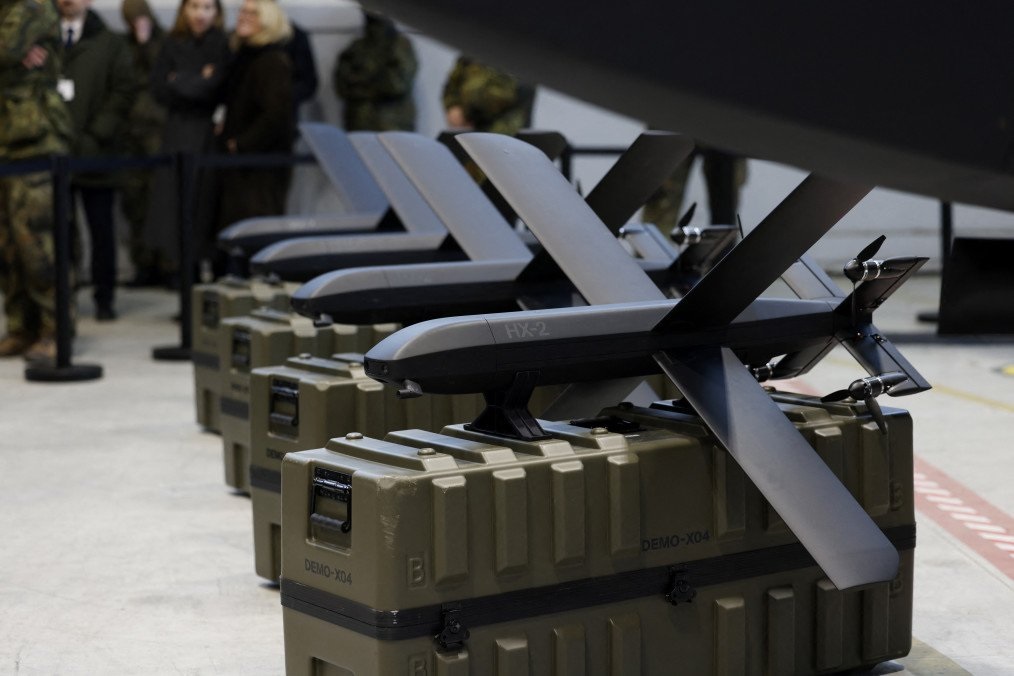
World
MARTINSBURG, West Virginia — European defense technology company Helsing has selected Martinsburg, West Virginia, as the location for its first manufacturing facility in the United States. The company will invest $50 million in the new plant, which will manufacture the HX-2 artificial intelligence-enabled strike drone as part of Helsing's global network of Resilience Factories focused on high-volume military production. The facility will be built in Berkeley County and marks a significant expansion of the Munich-based company's presence in the U.S. defense market. The announcement was made in coordination with West Virginia Governor Patrick Morrisey, who said the state was selected after a competitive nationwide search. Governor Morrisey said the investment reflects West Virginia's skilled workforce, dependable infrastructure, and business-friendly environment. He added that the state's ability to move projects forward quickly played an important role in Helsing's decision. The project is expected to create at least 60 full-time jobs, with an average annual salary of $125,000, making it one of the highest-paying manufacturing investments announced in the region in recent years. To support the workforce needed for the facility, the state will partner with Blue Ridge Community and Technical College and West Virginia Advance to develop customized training programs tailored to Helsing's manufacturing requirements. Once fully operational, the Martinsburg plant is expected to produce more than 2,000 HX-2 drones per month. Helsing plans to achieve initial operating capability by November, with full-rate production expected within one year. The HX-2 is a software-defined loitering munition designed for modern battlefield operations. The drone has an operational range of up to 100 kilometers (62 miles) and can reach speeds of 220 kilometers per hour. It weighs 12 kilograms and can carry a payload of up to 4.5 kilograms, including armor-penetrating shaped charges designed to engage armored vehicles and artillery. One of the system's key features is its onboard artificial intelligence. The HX-2 can navigate using visual landmarks and continue missions even when GPS signals and continuous data links are disrupted by electronic warfare, allowing it to operate in contested environments. The drone has already been deployed in combat. Helsing has delivered thousands of HX-2 drones to Ukrainian forces, where the system has been used on the front lines. The HX-2 has also been evaluated by the U.S. Army during the Project Flytrap exercise in Lithuania, where allied forces tested advanced unmanned systems. The new manufacturing facility supports broader U.S. efforts to strengthen the country's defense industrial base by expanding domestic production capacity for advanced military systems. Establishing production within the United States is expected to improve supply chain resilience while supporting future requirements of U.S. and allied armed forces. Dr. Jennifer McArdle, General Manager of Helsing US, said modern deterrence depends not only on advanced technology but also on the ability to manufacture it rapidly and at scale. "Modern deterrence requires advanced technology and the ability to produce it at speed, at scale, and in sustained volumes," McArdle said. "West Virginia stood out for its skilled workforce, speed to build, manufacturing heritage, and commitment to strengthening the U.S. industrial base. We are excited to build in Appalachia." The West Virginia announcement comes during a period of rapid growth for Helsing. One day before announcing the new U.S. facility, the company revealed it had secured $1.8 billion in new funding, increasing its total valuation to $18 billion and making it one of Europe's largest defense technology startups. The Martinsburg facility represents Helsing's first manufacturing operation in the United States and expands the company's production network as demand for AI-enabled defense technologies and unmanned systems continues to grow among NATO allies and partner nations. Source : helsing.ai
Read More → Posted on 2026-07-14 15:51:51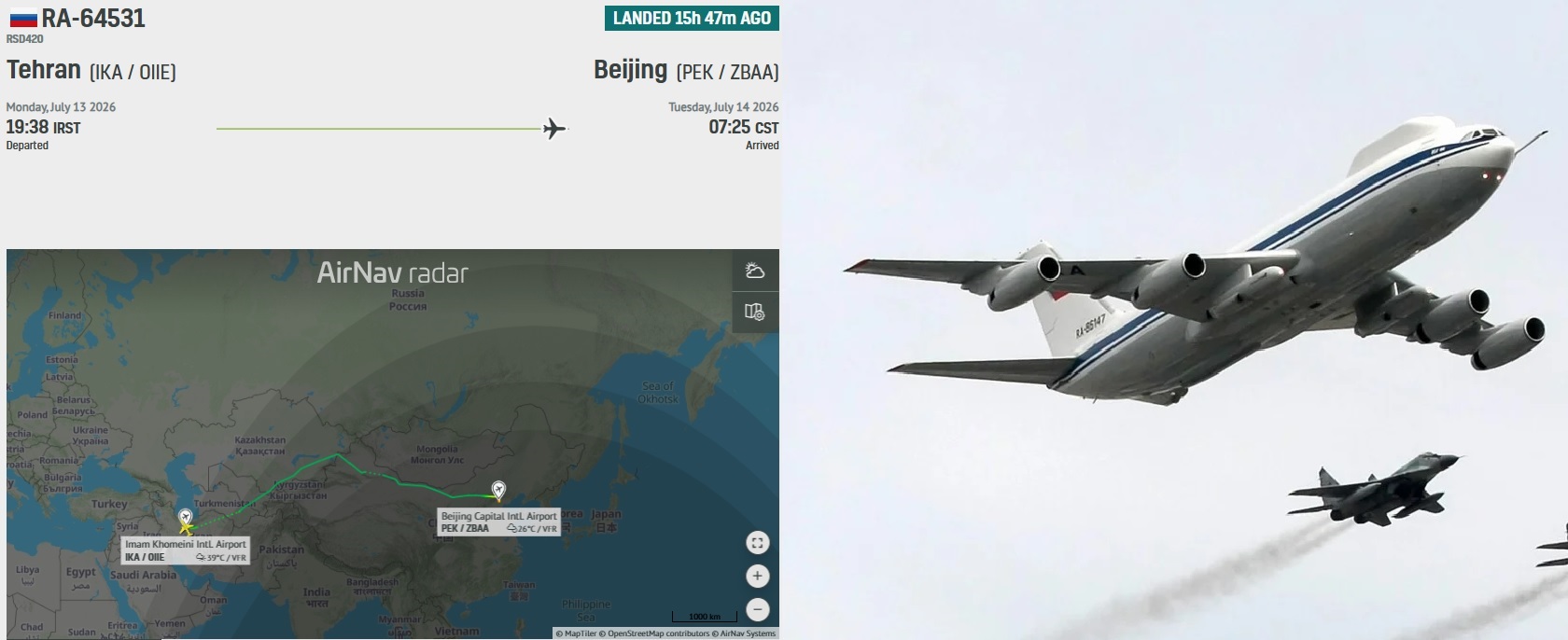
World
MOSCOW/TEHRAN — A Russian Tu-214PU airborne command post aircraft made a brief visit to Tehran on July 13, just hours before the United States launched a large-scale military operation against Iranian targets, according to publicly available flight-tracking data. The purpose of the Russian aircraft's visit has not been officially disclosed by either Moscow or Tehran. Russian Tu-214PU Arrives in Tehran Flight tracking data from AirNav Radar and Flightradar24 showed that the Tu-214PU, bearing registration RA-64531 and operating under the callsign RSD420, departed Moscow's Vnukovo Airport and arrived at Imam Khomeini International Airport in Tehran at approximately 07:35 a.m. Kyiv time on July 13. The aircraft remained in the Iranian capital for around 12 hours before departing at 07:08 p.m. Kyiv time. It then continued east and landed at Beijing Capital International Airport at 02:25 a.m. Kyiv time on July 14. The flight was visible through publicly available ADS-B flight tracking systems, with the aircraft traveling over the Caspian Sea before reaching Tehran. Neither Russian nor Iranian authorities have announced the purpose of the visit. Specialized Airborne Command Post The Tu-214PU is a specialized version of the Tu-214 aircraft designed to serve as an airborne command-and-control platform for the Russian government. It is operated by the Rossiya Special Flight Squadron, which transports senior Russian government officials and operates aircraft configured for state missions. Built at the S. P. Gorbunov Kazan Aviation Plant, the aircraft completed its first flight on December 28, 2018, and entered service with the Rossiya fleet during the summer of 2019. The aircraft is equipped with secure communication systems, satellite communication antennas, relay equipment, encryption units, electromagnetic pulse (EMP) protection, and anti-jamming capabilities. These systems allow government and military leaders to maintain secure communications even if ground-based infrastructure becomes unavailable during emergencies. Although it is often informally referred to as a "doomsday plane", the Tu-214PU is primarily intended to provide secure command and communication capabilities. Unlike Russia's Il-80 airborne command aircraft, it is not considered the country's primary airborne nuclear command platform. U.S. Launches Retaliatory Strikes Across Iran The Russian aircraft's departure from Tehran came only hours before the U.S. Central Command (CENTCOM) began military strikes against Iranian targets. According to CENTCOM, the operation started at approximately 11:45 p.m. Kyiv time on July 13 (about 10:15 p.m. Eastern Time) and continued for more than five hours, ending around 05:15 a.m. Kyiv time on July 14. The United States said it used precision-guided munitions to strike military facilities in Bushehr, Chabahar, Jask, Konarak, Abu Musa, and Bandar Abbas. CENTCOM stated that the operation targeted coastal defense systems, missile launchers, unmanned aerial vehicle (UAV) facilities, and maritime assets. According to the U.S. military, the objective was to reduce Iran's ability to carry out further attacks against commercial shipping operating through the region's strategic sea lanes. The command also said that more than 50,000 U.S. service members remain on combat readiness across the Middle East. Strait of Hormuz Attack Triggered Escalation The latest military escalation followed an attack on commercial shipping in the Strait of Hormuz. On July 13, the United Arab Emirates Ministry of Defence reported that Iranian cruise missiles struck two Emirati oil tankers, Mombasa and Al Bahiyah, while they were transiting the southern shipping lane through Omani territorial waters. The missile strikes caused fires aboard both vessels. One Indian crew member aboard the Mombasa was killed, while eight crew members were injured, including six Indian nationals and two Ukrainian nationals. Officials said four of the injured suffered serious wounds. The Islamic Revolutionary Guard Corps (IRGC) claimed responsibility for the attack. Iranian military officials said the tankers had allegedly disabled their navigation systems, ignored repeated warnings, and entered what Iran described as a prohibited area. Russia-Iran Defense Cooperation The Tehran visit also comes amid expanding Russia-Iran defense cooperation. The two countries signed a 20-year Comprehensive Strategic Partnership Treaty in January 2025, strengthening cooperation across defense, security, and other strategic sectors. Open-source flight records indicate that the same Tu-214PU aircraft also made a visit to Iran earlier in 2026 during another period of heightened regional tensions. Neither Moscow nor Tehran has confirmed whether the July 13 flight was connected to the subsequent U.S. military operation. Source : ndtv / airnavradar
Read More → Posted on 2026-07-14 15:27:48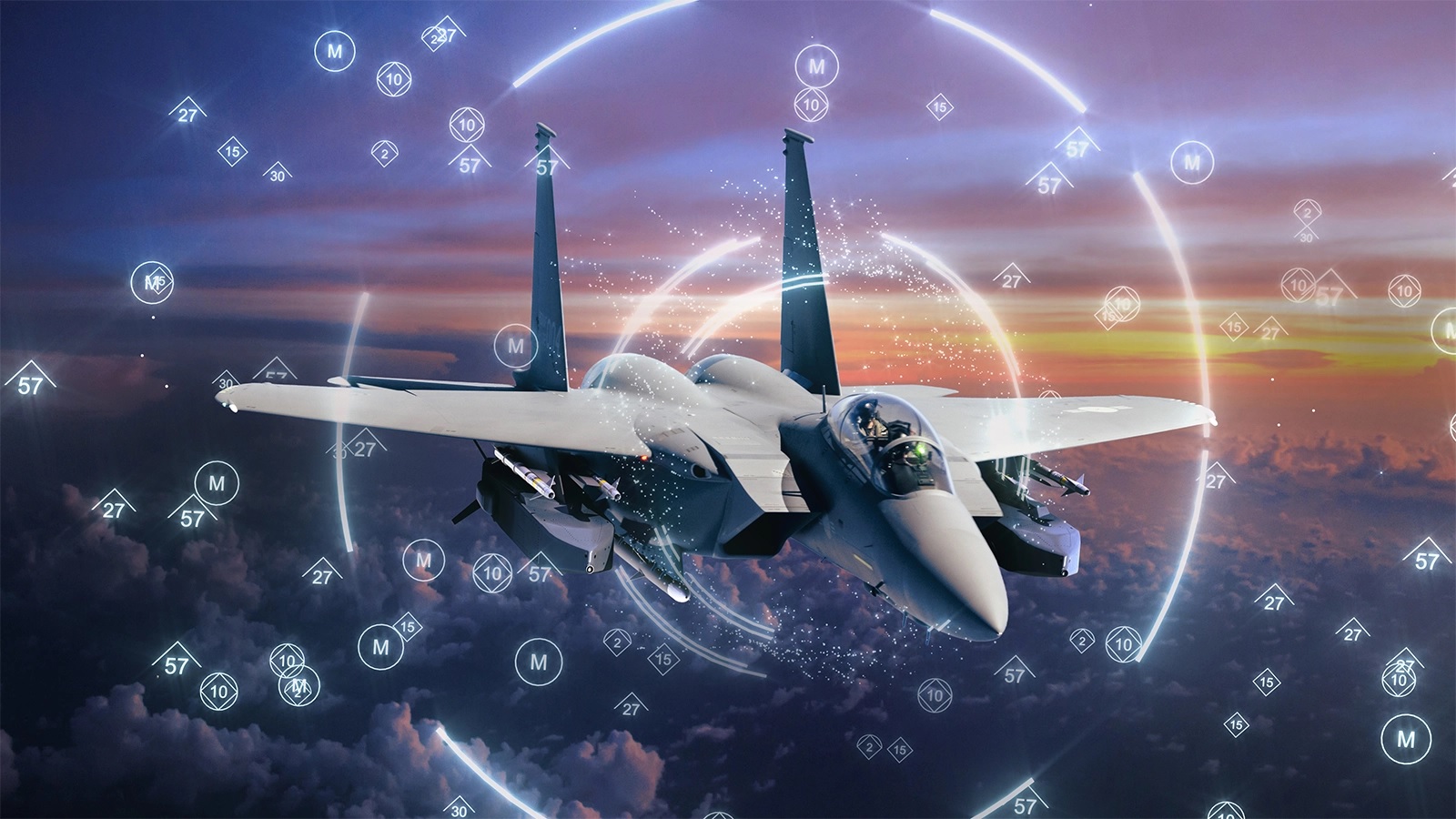
World
NASHUA, N.H. — BAE Systems has been awarded a contract by Boeing to provide its AN/ALQ-250 Eagle Passive Active Warning Survivability System (EPAWSS) for the Republic of Korea Air Force (ROKAF) fleet of 59 F-15K Slam Eagle fighter aircraft. The contract supports South Korea's long-term effort to modernize its F-15K fleet and improve its ability to operate against current and emerging air defense threats. The agreement is part of a Foreign Military Sales (FMS) program managed through South Korea's Defense Acquisition Program Administration (DAPA). The broader modernization project is expected to keep the F-15K fleet operational through 2037 while improving interoperability with U.S. and allied forces. EPAWSS to Strengthen Electronic Warfare Capabilities The AN/ALQ-250 EPAWSS is an all-digital electronic warfare suite designed to replace the F-15K's legacy radar warning receivers. The system provides pilots with 360-degree threat awareness, allowing them to detect, identify, and respond to hostile radar emissions and missile launches from any direction. EPAWSS automatically manages electronic countermeasures, including the deployment of defensive systems such as chaff and flares, reducing pilot workload while improving aircraft survivability in electronically contested environments. The system is designed to operate effectively in dense electromagnetic environments where multiple radar and electronic signals are present. Part of a Broader F-15K Modernization Program The electronic warfare upgrade is one element of South Korea's larger approximately $3.1 billion F-15K modernization program, which is scheduled to continue through 2037. Earlier in 2026, Boeing received a U.S. contract worth up to $2.8 billion to lead the design and integration of avionics and mission system upgrades for the aircraft. The first upgraded aircraft, commonly referred to as the F-15K+, is expected to be delivered by late 2028. In addition to EPAWSS, the modernization package includes: AN/APG-82(V)1 Active Electronically Scanned Array (AESA) radar New mission computers Common Missile Warning System (CMWS) Updated avionics and mission systems These upgrades are intended to improve target detection, tracking, and overall mission effectiveness while enabling closer operational compatibility with South Korea's F-35A stealth fighter fleet. The upgraded F-15Ks are expected to continue performing long-range strike missions and carrying large weapon payloads alongside newer aircraft. Proven System Already in U.S. Service Rather than adopting a new or experimental system, South Korea is procuring an electronic warfare suite that has already completed testing and entered full-rate production. EPAWSS is currently being installed on the U.S. Air Force's F-15EX Eagle II and is also being retrofitted onto existing F-15E Strike Eagle aircraft. BAE Systems says the system is designed for future growth through regular software and firmware updates, allowing new capabilities to be introduced over time. Company Statement Phillip Casalegno, F-15 International Program Director at BAE Systems, said the company is working closely with Boeing, the Republic of Korea Air Force, and regional industry partners throughout the program. "We are working closely with Boeing, the ROKAF and regional industry teams to deliver the most technically advanced EW system for the F-15K aircraft upgrade. Our focus is on providing allies with EW capabilities needed to support regional stability and security." The EPAWSS systems for South Korea's fleet will be designed and manufactured at BAE Systems' facilities in Nashua, New Hampshire, and Austin, Texas. F-15K Fleet Remains a Key Part of South Korea's Air Force South Korea originally acquired 61 F-15K Slam Eagle fighter jets through procurement programs launched in 2002 and 2008. Following two aircraft losses in separate accidents, the operational fleet now consists of 59 aircraft. The F-15K remains one of the Republic of Korea Air Force's primary long-range strike platforms. It is capable of carrying a wide range of precision-guided weapons, including TAURUS KEPD 350 cruise missiles, SLAM-ER stand-off missiles, Harpoon anti-ship missiles, and various guided bombs. The latest EPAWSS contract represents another step in South Korea's effort to extend the service life of its existing fighter fleet while improving electronic warfare capability, survivability, and interoperability with allied air forces. Source : baesystems
Read More → Posted on 2026-07-14 14:55:01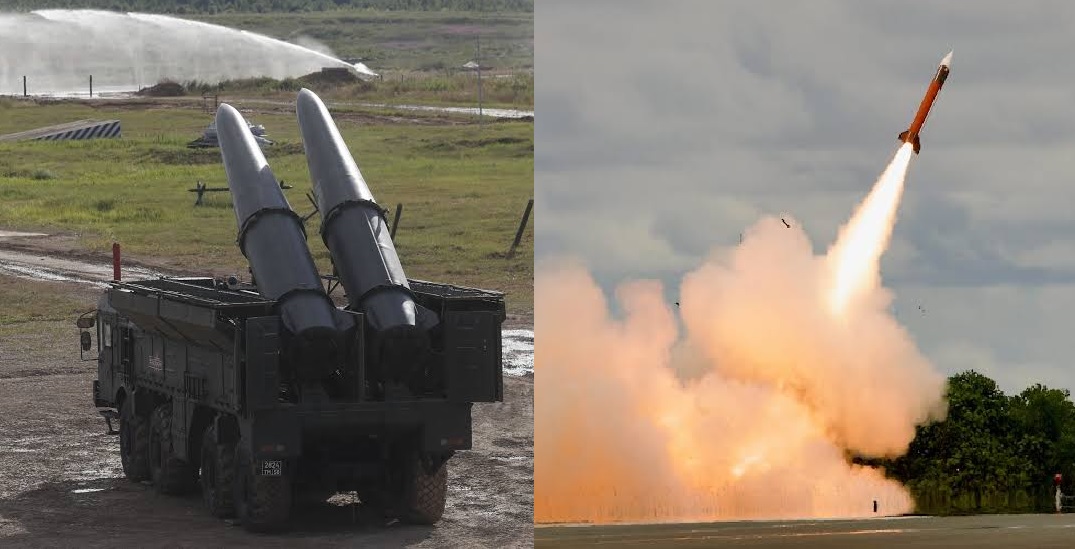
World
KYIV, Ukraine— Ukraine's air defense forces intercepted multiple Russian aerial threats during an overnight attack that included ballistic missiles, guided missiles, and large numbers of drones, according to the Air Force Command of the Armed Forces of Ukraine. The Ukrainian Air Force said the attack began at 6:00 p.m. on July 13 and continued overnight into July 14. According to the military, Russia launched 8 Iskander-M ballistic missiles, 2 Kh-59/69 guided air-to-ground missiles, and 135 strike and other unmanned aerial vehicles (UAVs) from multiple directions. According to the official statement, Ukrainian air defenses shot down or suppressed five Iskander-M ballistic missiles, both Kh-59/69 guided missiles, and 108 enemy UAVs. The intercepted drones included Shahed, Gerbera, Italmas, Banderol loitering munitions, Parody decoy drones, and other UAV types. The interceptions took place across northern, southern, eastern, and central regions of Ukraine. The reported interceptions come after Ukrainian officials acknowledged earlier this month that the country's air defenses had been unable to intercept Russian ballistic missiles during a previous large-scale attack because of a shortage of PAC-3 interceptor missiles for the Patriot air defense system. The latest operation marks the first officially reported successful interception of Russian ballistic missiles since those concerns were raised. According to the Ukrainian Air Force, the drones were launched from Orel, Kursk, Bryansk, Millerovo, and Primorsko-Akhtarsk in Russia, as well as from Russian-controlled areas of Donetsk and Hvardiiske in occupied Crimea. The Kh-59/69 guided missiles were launched from airspace over occupied Crimea. The Air Force reported that ballistic missile impacts and strikes by 25 attack UAVs were recorded at 17 locations, while debris from intercepted weapons fell at 10 additional locations. Information regarding two ballistic missiles was still being verified at the time of the update. Ukraine said the attack was repelled by fighter aircraft, anti-aircraft missile forces, electronic warfare units, unmanned systems units, and mobile fire groups of the Ukrainian Defense Forces. Ukraine Seeks Additional Patriot Interceptors The overnight attack comes as Ukraine continues efforts to strengthen its air defense capabilities against Russia's growing use of ballistic missiles. On July 9, President Volodymyr Zelensky announced that Ukraine would receive a shipment of PAC-3 interceptor missiles for its Patriot air defense systems from the United States in the coming days. Ballistic missiles remain among the most difficult aerial threats to intercept because of their high speed and flight trajectory. Ukraine currently relies primarily on Patriot air defense systems equipped with PAC-3 interceptors to defend against such attacks. Earlier in July, Ukraine's Ministry of Defense announced that the country had taken a step toward purchasing approximately 100 Patriot interceptor missiles using financing from a European Union loan. During a joint press conference with President Volodymyr Zelensky on the sidelines of the NATO summit in Ankara on July 8, U.S. President Donald Trump said the United States could consider granting Ukraine a license to manufacture missiles for the Patriot air defense system. The following day, Polish Minister of National Defense Władysław Kosiniak-Kamysz said Poland would cooperate with Ukraine on the production and maintenance of PAC-3 interceptor missiles. Polish officials also stated that the country had previously supplied five PAC-3 interceptor missiles to Ukraine following consultations within NATO. Clarification on the Official Statement The official statement issued by the Air Force Command of the Armed Forces of Ukraine refers to "Iskander-M/S-400 ballistic missiles." However, this wording appears to be technically inaccurate. The Iskander-M is a short-range ballistic missile, whereas the S-400 is a long-range air defense system, not a ballistic missile. Referring to the S-400 as a ballistic missile is therefore technically incorrect. At the time of publication, the Air Force Command of the Armed Forces of Ukraine had not issued any clarification or correction regarding the terminology used in its official statement. Source : Air Force Command of the Armed Forces of Ukraine
Read More → Posted on 2026-07-14 14:12:06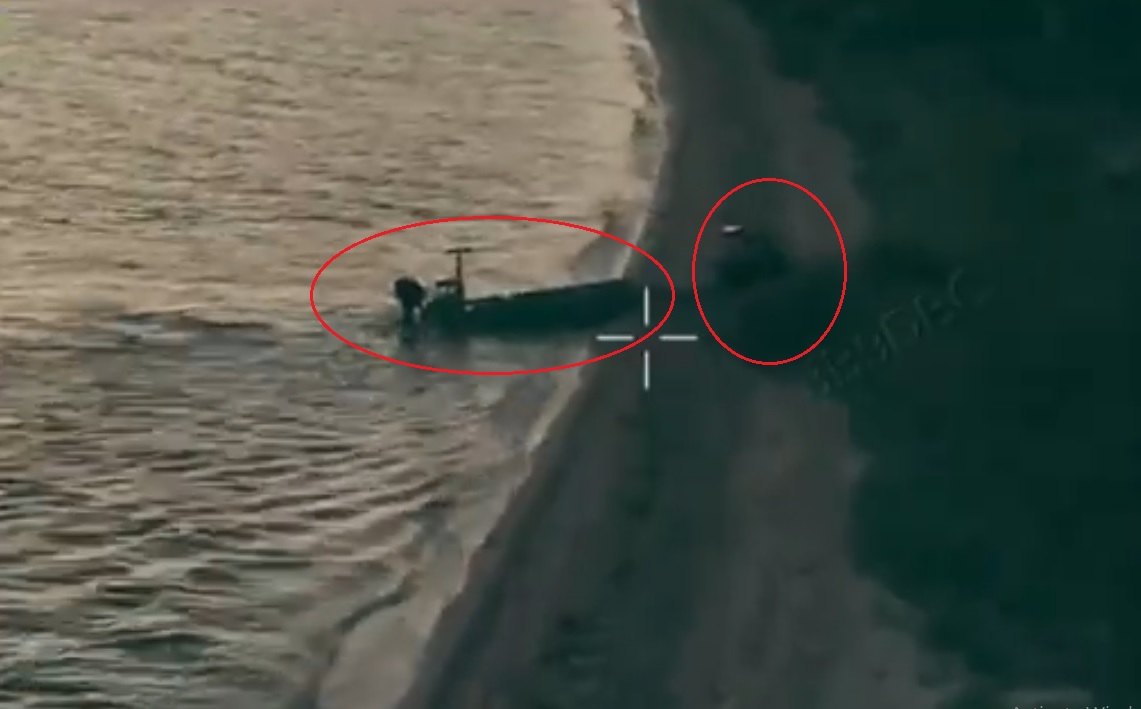
World
MYKOLAIV REGION, Ukraine — Ukrainian forces have carried out what military officials describe as the world's first known combat operation in which an unmanned surface vessel (USV) transported and deployed an armed unmanned ground vehicle (UGV) onto enemy-held territory. The mission took place on the Russian-occupied Kinburn Spit in Ukraine's southern Mykolaiv region. According to the 123rd Separate Territorial Defense Brigade, the operation was conducted by its 1st Unmanned Systems Battalion, marking a new step in the integration of different unmanned systems for frontline combat missions. Unmanned Boat Delivered Armed Ground Robot to Occupied Shore During the operation, operators remotely guided an unmanned maritime platform across the Black Sea to the occupied coastline of the Kinburn Spit. After reaching shore, the vessel successfully unloaded an armed ground robot, which then continued its assigned combat mission behind Russian positions under remote control. The brigade described the mission as the first known combat operation of its kind, stating that the robotic system was delivered by sea, landed on occupied Ukrainian territory, and employed to complete its assigned task. No soldiers. Just machines.Ukraine has carried out the world's first known combat mission in which a sea drone transported and deployed an armed ground robot behind Russian lines on the occupied Kinburn Spit. pic.twitter.com/zyJdFXWxVb — Ivan Khomenko (@KhomenkoIv60065) July 13, 2026 The operation was overseen by Colonel Oleh Makukha, commander of the 123rd Separate Territorial Defense Brigade, while Major Denys Hipik, commander of the 1st Unmanned Systems Battalion, directly coordinated the mission. In its official statement, the brigade said the operation reflects a growing focus on using unmanned systems for high-risk combat tasks in order to reduce the exposure of military personnel to enemy fire. Likely Use of the Ukrainian-Made Rys Ground Robot The Ukrainian military did not officially identify the unmanned ground vehicle used during the mission. However, footage released by the brigade indicates that it was likely the Rys (Lynx) robotic platform developed by the Ukrainian company Roboneers. The vehicle used in the operation appeared to be equipped with a PKT 7.62mm machine gun, a weapon commonly integrated into Ukrainian robotic combat platforms. The Rys family of unmanned ground vehicles is currently employed by Ukrainian forces in several roles, including: Logistics and supply transport Casualty evacuation Engineering support Direct combat support Some variants can also be fitted with specialized equipment for mine-laying and demining operations. The base version of the Rys platform is designed to carry payloads of up to 150 kilograms, while the larger Rys PRO variant can transport up to 300 kilograms. The system can also be equipped with the ShaBlya remote weapon station for armed missions. Kinburn Spit Remains a Highly Contested Area The Kinburn Spit is one of the most heavily contested coastal areas in southern Ukraine. Russian forces maintain extensive surveillance networks in the area using drones, observation systems, and artillery coverage, making conventional amphibious landings particularly dangerous. Using an unmanned surface vessel to transport an armed ground robot allows Ukrainian forces to carry out missions in these heavily defended coastal areas without placing soldiers directly at risk during the initial landing. Part of Ukraine's Expanding Use of Robotic Systems The latest operation reflects Ukraine's continued expansion of robotic systems across battlefield operations. In June 2026, Ukraine's 115th Mechanized Brigade reported using an armed unmanned ground vehicle to provide fire support while clearing Russian positions in the village of Novoplatonivka in the Kharkiv region. The Ministry of Defense has also reported a growing use of unmanned ground vehicles for logistics and casualty evacuation missions, highlighting the increasing role of robotic systems across different military tasks. A New Tactical Application for Sea Drones While Ukrainian sea drones have been widely used throughout the war against Russian naval forces—primarily for strike missions and attacks on maritime targets—the Kinburn Spit operation represents a different application. Instead of serving as a weapon itself, the unmanned surface vessel acted as a transport platform, delivering an armed ground robot directly onto occupied coastline. This effectively turned the maritime drone into an unmanned landing craft capable of inserting robotic systems into contested territory. The mission demonstrates how different categories of unmanned platforms can be combined to conduct operations in areas where conventional troop landings would face significant risks from surveillance, artillery, and drone attacks. According to the 123rd Separate Territorial Defense Brigade, the operation represents "the first known combat mission of this format in the world," reflecting Ukraine's ongoing efforts to integrate maritime and ground robotic systems into coordinated battlefield operations. Source : united24media
Read More → Posted on 2026-07-13 14:22:04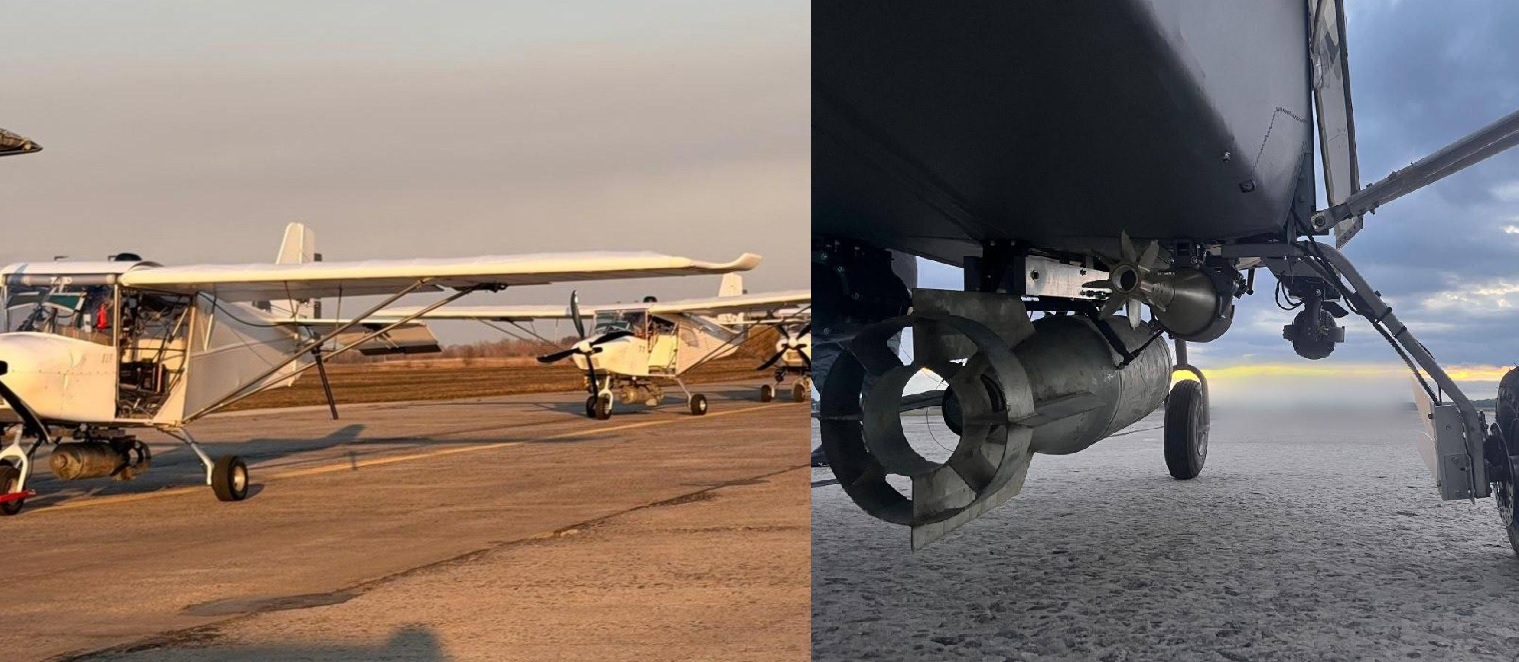
World
KYIV — Ukraine has reportedly carried out its first coordinated mass strike using a squadron of converted civilian light aircraft operating as remotely piloted bombers, targeting an underground Russian logistics facility in the occupied Crimean city of Armyansk. The operation was disclosed by Serhii Sternenko, a Ukrainian civil activist who advises Ukraine's Defense Ministry on drone warfare. Sternenko shared photographs showing at least ten modified aircraft equipped with Soviet-designed high-explosive bombs and described the images as historic. "Tonight the planes flew and bombed an underground logistics hub in Armyansk, that is, Crimea," Sternenko wrote while posting the photographs. Neither Ukraine's military nor the Defense Ministry has officially confirmed the operation, the number of aircraft involved, or the extent of the reported damage. Independent battle damage assessments have also not been released. Underground Logistics Hub Targeted The reported strike targeted an underground logistics facility in Armyansk, a city located near the Perekop Isthmus, the narrow land corridor connecting Crimea with mainland territory controlled by Russian forces. The area plays an important role in Russian military logistics, serving as a key route for transporting troops, fuel, ammunition, and military equipment into Crimea. Its importance has increased after repeated Ukrainian strikes damaged other transport links, including the Kerch Bridge. Underground logistics sites are designed to protect military supplies from aerial surveillance and conventional air attacks by placing storage and distribution facilities below ground. Civilian Aircraft Converted Into Remote-Controlled Bombers The aircraft used in the reported operation are based on the Skyranger Swift and Nynja ultralight aircraft, both of which are normally sold as commercial kits for recreational aviation. To convert them for military use, Ukrainian engineers remove the cockpit controls and install camera systems, communication equipment, and remote-control electronics. The modifications allow operators on the ground to fly the aircraft remotely while carrying aerial bombs beneath the fuselage. Unlike smaller commercial drones, these aircraft can transport much heavier payloads over longer distances while remaining significantly cheaper than purpose-built military strike drones. Aircraft Capabilities The Skyranger family is typically powered by Rotax 912 engines producing either 80 or 100 horsepower. Depending on configuration, the aircraft can carry payloads of up to approximately 330 kilograms (730 pounds). Models fitted with larger fuel tanks are capable of flying for around three hours at speeds approaching 160 kilometers per hour (100 mph). Commercial kits for these aircraft cost tens of thousands of dollars, making them a relatively low-cost platform compared with military unmanned aircraft systems that can cost several million dollars. Program Expanded From Individual Missions Ukraine has been using converted civilian light aircraft for long-range strike missions since at least April 2024. During that period, images emerged showing a downed Skyranger-based aircraft carrying an OFAB-100-120 bomb, a Soviet-designed 100-kilogram aerial bomb originally developed for combat aircraft such as the Su-25 and MiG-29. The weapon contains approximately 42 kilograms of high explosive. Around the same time, a modified Aeroprakt A-22 Foxbat light aircraft configured for one-way attack missions was reportedly used to strike a military production facility in Russia's Tatarstan region. Over the following two years, the program evolved from one-way attack aircraft into reusable remotely piloted bombers. By early 2025, Ukrainian units were reportedly using the aircraft for nighttime strikes, dropping payloads of up to 250 kilograms against Russian infrastructure, including oil pumping facilities in the Bryansk region. According to reports from Ukrainian units, some aircraft are capable of carrying combinations of aerial bombs and mortar shells on multiple hardpoints before returning to base after completing their missions. Larger Coordinated Operations Previous confirmed sightings of these converted bomber aircraft generally involved a single aircraft operating independently. The appearance of at least ten modified aircraft in photographs shared after the reported Armyansk strike suggests Ukraine has expanded production and assembly of the platforms and may now be capable of conducting coordinated squadron-level operations using converted civilian aircraft. While Ukrainian authorities have not officially confirmed operational details, the reported strike reflects Ukraine's continued use of commercially available technology adapted for military purposes. The approach aims to provide long-range strike capability at significantly lower cost than conventional military aircraft or advanced unmanned systems. Source : Valhalla / defence-blog
Read More → Posted on 2026-07-13 11:43:12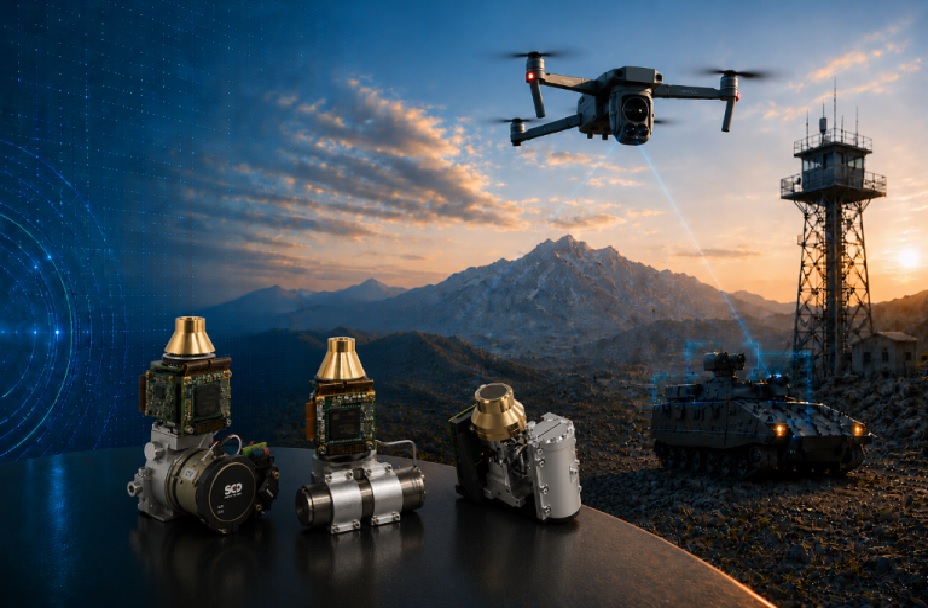
World
Haifa, Israel — Israeli infrared technology company Semi Conductor Devices (SCD) has secured three multi-million-dollar contracts from international defense customers for the supply of its High Operating Temperature (HOT) High-Definition (HD) Mid-Wave Infrared (MWIR) detectors. The detectors will be integrated into a range of defense and security systems, including next-generation counter-unmanned aerial systems (C-UAS), long-range surveillance platforms, border protection networks, homeland security systems, armored fighting vehicles (AFVs), and critical infrastructure protection. The new contracts reflect growing demand for advanced infrared sensing technologies that support continuous operation, long-range target detection, and reliable performance in demanding environments. HOT MWIR Technology Reduces Cooling Requirements SCD's fourth-generation HOT MWIR technology enables infrared detectors to operate at higher temperatures while maintaining high thermal sensitivity and image quality. Operating at higher temperatures reduces the cooling requirements of the detector, allowing system designers to develop lighter and more efficient payloads while improving overall reliability and operational availability. When combined with long-life cooling systems and integrated detector assemblies, the technology provides a longer mean time between failures and lowers maintenance requirements. These advantages are particularly important for platforms that require continuous operation, such as counter-drone systems, armored vehicles, border surveillance networks, and infrastructure protection systems. The high-definition MWIR detectors also provide improved capability to detect, classify, and track small or distant targets under challenging operating conditions, supporting faster and more accurate situational awareness. Vertically Integrated Manufacturing Supports Large Programs SCD manufactures its infrared detectors through a fully integrated production process that includes semiconductor manufacturing, detector fabrication, Dewar packaging, optical integration, cooled detector assembly, and long-life cooling technologies. According to the company, this manufacturing approach enables it to produce and deliver thousands of cooled MWIR detectors every month, providing the production capacity required for large-scale defense programs while maintaining supply continuity. SCD, headquartered at Leshem Industrial Park near Misgav in northern Israel, has more than four decades of experience in infrared detector technology and serves defense, homeland security, and industrial customers worldwide. The company also operates a U.S. subsidiary in Colorado Springs. CEO Highlights Demand for Reliable Production Kobi Zaushnizer, Chief Executive Officer of SCD, said customers are increasingly evaluating manufacturers not only on technical performance but also on their ability to provide stable, long-term production. "These orders reflect the growing demand for mature, production-ready HOT MWIR technology. Today's customers are looking beyond detector performance. They need a trusted partner with the proven ability to deliver advanced technology at scale, while maintaining the quality, reliability, and supply continuity required for long-term defense programs." Zaushnizer added that the new contracts strengthen SCD's position as a technology and manufacturing leader in the global infrared detector market. Recent Business Activity The latest contracts follow several recent developments for the company. Earlier this month, SCD signed a separate multi-million-dollar agreement with an Asian government space agency to supply space-qualified short-wave infrared (SWIR) and MWIR detectors for satellite imaging payloads. In June 2026, the company also expanded its infrared sensing portfolio with new modules designed for guided weapons, autonomous systems, and loitering munitions operating in highly dynamic environments. The latest orders further expand SCD's role in supplying infrared detector technologies for defense, surveillance, border security, and homeland security applications worldwide. Source : edrmagazine
Read More → Posted on 2026-07-13 11:25:48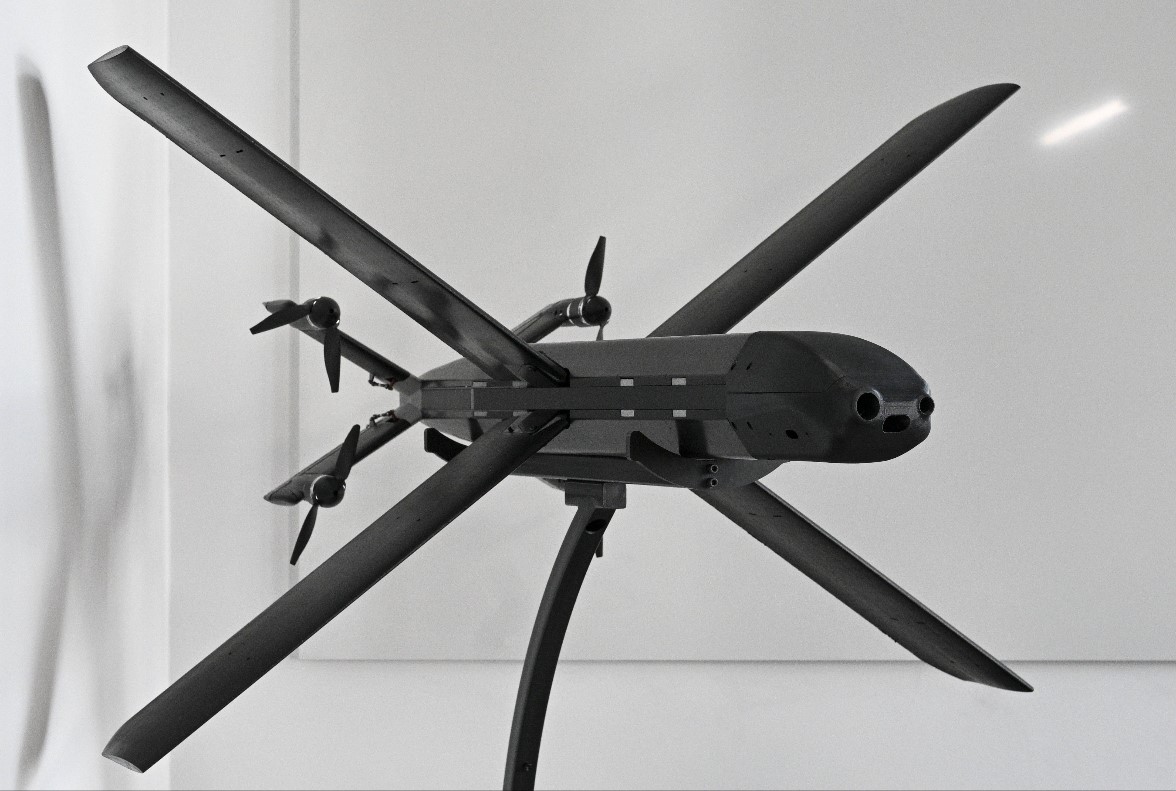
World
MUNICH — German defense technology company Helsing SE is mass-producing artificial intelligence-powered strike drones for Ukraine at a highly secured and undisclosed manufacturing facility in southern Germany, reflecting Europe's growing focus on software-driven and autonomous defense systems. According to a report published by The New York Times on July 11, the factory operates under strict security due to concerns over potential sabotage. The exact location has not been made public, and the site carries no company branding. Employees undergo extensive background checks, sign non-disclosure agreements (NDAs), and many previously worked in Germany's automotive industry. The facility is designed as a "Resilience Factory," allowing production to continue even under security threats. Helsing says the factory can be dismantled and relocated within 24 hours if necessary. HX-2 AI Strike Drone The factory's primary product is the HX-2 loitering munition, also known as the HX-2 Karma. The lightweight drone weighs about 12 kilograms (26 pounds) and is built using rigid black foam and composite materials. Designed for precision strikes, the HX-2 carries an armor-penetrating warhead capable of engaging heavy artillery, armored vehicles, and other military targets. Each drone costs approximately €17,500, making it significantly less expensive than many traditional precision-guided weapons. The HX-2 can travel at speeds exceeding 200 km/h and has an operational range of up to 100 kilometers. AI Navigation Designed for Electronic Warfare A key feature of the HX-2 is its onboard artificial intelligence system. Integrated with Helsing's Altra reconnaissance-strike software, the drone uses machine vision, visual image recognition, and stored terrain maps to navigate without relying on GPS. This enables the drone to continue operating in environments where GPS signals and communications are disrupted by electronic warfare systems. Although the drone can independently navigate toward its target, a human operator remains responsible for authorizing the final strike. Helsing says soldiers typically require about one week of training to operate the system. The Altra software also supports coordinated swarm operations, allowing a single operator to manage multiple drones during a mission. Production Expanding for Ukraine The Resilience Factory has an initial production capacity of more than 1,000 HX-2 drones per month. Thousands of Helsing drones have already been delivered to Ukraine and have reportedly been used in combat since late 2024. In addition to earlier deliveries, Helsing agreed in early 2025 to supply 6,000 additional HX-2 drones to Ukraine. The agreement followed previous deliveries of around 4,000 HF-1 loitering munitions, a related lower-cost drone developed in cooperation with Ukrainian manufacturers. Germany has funded many of these systems. Helsing co-founder and co-CEO Gundbert Scherf, a former adviser to Germany's Defense Ministry, said the HX-2 has achieved a mission success rate of around 70% during operations in Ukraine. Battlefield video collected after missions is used by engineers to improve the drone's software and adapt it to evolving battlefield conditions. A Different Approach to Defense Manufacturing Founded in Munich in 2021, Helsing was established by Torsten Reil, Gundbert Scherf, and Niklas Köhler. The company initially focused on artificial intelligence software for military applications before expanding into the design and production of autonomous defense systems. Helsing states that it supplies its products only to democratic governments. The company has expanded rapidly with venture capital backing. It raised a major funding round led by Prima Materia, the investment firm founded by Spotify co-founder Daniel Ek, and has since been reported to be valued at around $18 billion following a $1.2 billion funding round. Its workforce includes engineers and specialists recruited from technology companies including Apple, Tesla, and Palantir. Shift Toward AI and Autonomous Systems Helsing's production model reflects a broader change in defense procurement, where governments are increasingly investing in lower-cost, software-defined autonomous systems alongside traditional military platforms. Instead of relying solely on long development programs for expensive aircraft, tanks, and other major weapons, companies such as Helsing are focusing on rapidly produced systems that can be continuously updated using operational data. The Russia-Ukraine war has accelerated demand for these technologies, with battlefield feedback helping developers improve software performance through regular updates. The trend is also reflected in government spending. The United States has proposed significant funding for AI-enabled and unmanned military capabilities as part of its future defense planning, while the European Union has launched programs supporting artificial intelligence defense technologies. Future Development Beyond the HX-2, Helsing is developing the CA-1 Europa, an autonomous unmanned combat aerial vehicle (UCAV) intended to operate as an AI-enabled combat aircraft. The carbon-fiber aircraft is expected to have an operational range of up to 1,800 kilometers, with deployment targeted around 2029. The company also plans to establish additional production facilities across Europe as demand for autonomous defense systems continues to grow. Source : nytimes
Read More → Posted on 2026-07-12 15:31:53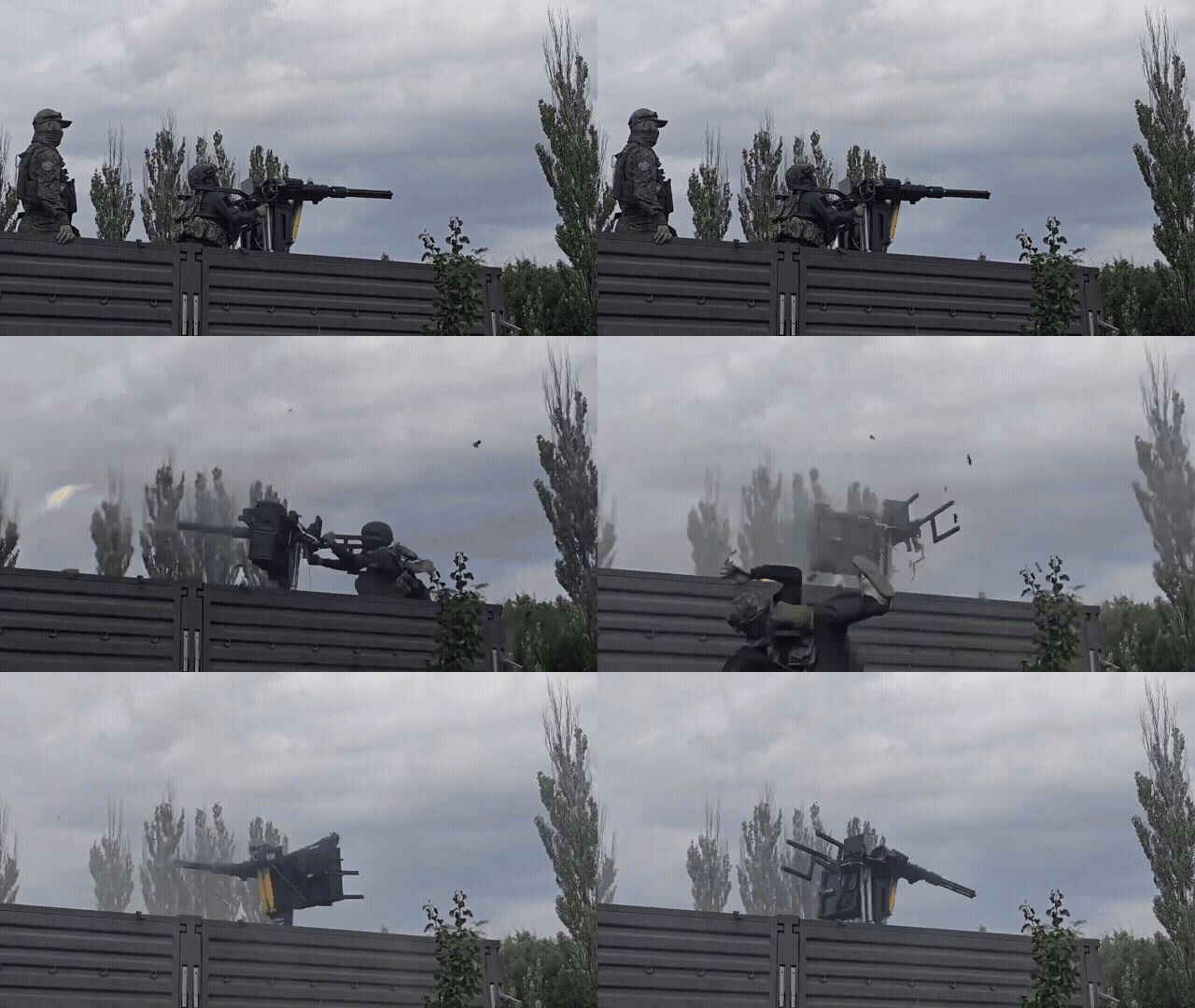
World
MOSCOW, Russia — A Russian mobile air defense training exercise involving a repurposed YakB-12.7 heavy machine gun ended with the operator losing control of the weapon after it was fired from an improvised rotating mount, according to recently circulated video footage. The footage shows the YakB-12.7, originally designed for the Mi-24 "Hind" attack helicopter, being used in a ground-based anti-drone role. Moments after firing begins, the weapon and its mount rotate violently, causing the operator to lose control while nearby personnel move away from the area. There has been no official confirmation of fatalities or injuries resulting from the incident. Aircraft Weapon Repurposed for Ground Defense The Yakushev-Borzov YakB-12.7 is a four-barreled, gas-operated rotary heavy machine gun chambered in 12.7×108mm ammunition. Developed by the Soviet Union in 1973, it was designed specifically for the Mi-24 attack helicopter and is capable of firing between 4,000 and 5,000 rounds per minute. The weapon forms the primary armament of the USPU-24 (Unified Machine Gun Installation) mounted beneath the nose of the Mi-24. In helicopter service, it is installed in the specially engineered VSPU-24 turret, which is designed to absorb the weapon's significant recoil and firing forces while maintaining stability during operation. Russian mobile air defense groups have increasingly adapted helicopter-mounted weapons such as the YakB-12.7 for use on trucks and static firing positions as part of efforts to counter Ukrainian FPV and kamikaze drones. Improvised Mount Lost Stability During Firing Analysis of the training footage indicates that the machine gun was installed on a rotating turret with the weapon positioned offset from the turret's axis of rotation. Such a configuration left the firing platform unable to properly counter the forces generated by the weapon. The YakB-12.7 produces extremely high recoil and torque because of its high cyclic firing rate. Once the trigger was pulled, the uneven distribution of force caused the entire mount to rotate rapidly, pulling the weapon out of the operator's control. The improvised mounting system lacked several features normally required for weapons of this class, including: A heavily stabilized base A locking mechanism to prevent rotation Recoil dampening equipment Proper counterweights to balance the system Without these engineering measures, the rotating stand acted as a pivot instead of a stable firing platform. Frontline Adaptation Reflects Equipment Challenges The incident highlights the engineering difficulties involved in adapting aircraft weapons for ground combat roles. Military analysts have noted that Russian frontline units have increasingly relied on locally produced or improvised equipment to meet operational requirements. Reported shortages of standardized machine gun mounts have led mechanics, engineers and military personnel to assemble field-built solutions designed to fill immediate tactical needs. While such adaptations can provide additional capabilities against drone threats, they may not always incorporate the engineering standards required to safely manage high-recoil weapon systems. Historical Examples Show Importance of Stabilization Military engineering has previously demonstrated that off-center weapon placement can be successful when supported by dedicated stabilization systems. One Cold War-era West German experimental tank project featured an off-center main gun, but engineers incorporated a turret locking mechanism that secured the turret before firing. The vehicle's crew was also positioned in a separate protected capsule isolated from the rotating components. By comparison, the improvised Russian mounting system shown in the training exercise did not include comparable locking mechanisms, stabilizers or counterbalancing measures, resulting in the loss of control when the YakB-12.7 was fired. The incident highlights the importance of proper mounting design, recoil management, and stabilization when adapting high-rate-of-fire aircraft weapons for ground-based anti-drone operations. Source : Btvt
Read More → Posted on 2026-07-12 14:28:41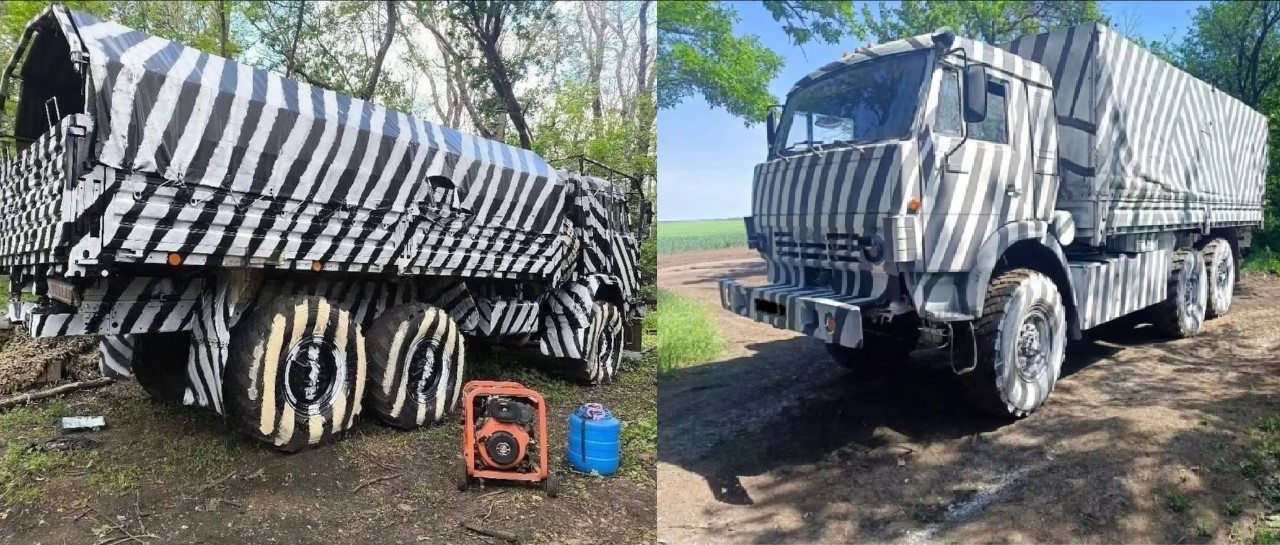
World
Russian forces have begun painting military logistics vehicles with bold black-and-white zebra-like patterns in an effort to reduce detection by artificial intelligence-assisted Ukrainian strike drones, reflecting the growing role of AI and counter-AI technologies in the war. Recent images shared on social media show Ural and KAMAZ military trucks operating in Russian-held areas of Ukraine with high-contrast striped and swirling paint schemes. The vehicles have been seen as Ukraine continues to expand drone strikes against Russian logistics targets located as far as 200 kilometers behind the front line. The camouflage is based on the concept of "dazzle camouflage," a technique designed to interfere with visual recognition rather than conceal an object completely. Designed to Confuse AI Target Recognition According to defense experts, many AI-assisted drone targeting systems rely on computer vision models trained using large databases of labeled images of military equipment. These systems identify vehicles by recognizing common visual features such as shape, color, markings, and structural details. The unusual black-and-white patterns are intended to alter the vehicle's visual appearance enough that it no longer matches the images the AI was trained to recognize. Todd E. Humphreys, an aerospace and AI expert at the University of Texas at Austin, said the camouflage pushes the vehicle "out of distribution," meaning its appearance falls outside the data used to train the AI model. Branka Marijan of the Centre for International Governance Innovation explained that the contrasting paint breaks up the vehicle's outline and edges, making it more difficult for computer vision systems to classify it correctly. Geert De Cubber, an autonomous systems specialist at the Military Academy of Belgium, also noted that if the camouflage pattern is unfamiliar to the AI system, it can reduce recognition performance until the software is updated with new training data. Ukrainian Drones Continue to Target Logistics Routes Ukraine has increasingly targeted Russian logistics vehicles using long-range attack drones, including the U.S.-made Hornet loitering munition. The drone reportedly costs around $6,000 per unit and uses an AI-assisted targeting system during the final stage of flight. Under its operating process, a human operator selects the target before launch, after which the onboard AI helps maintain target lock during the terminal attack phase. Ukrainian officials have emphasized that human operators remain responsible for authorizing final strikes. James Patton Rogers, a drone warfare researcher at Cornell University, said logistics vehicles remain among the most important targets in the conflict because they transport ammunition, fuel, and other supplies needed to support frontline operations. Experts Say the Benefit May Be Temporary While the new camouflage may initially affect AI recognition systems, experts believe its effectiveness could decline as drone software is updated. Humphreys said human operators can still recognize the disguised vehicles without much difficulty, while AI systems can be retrained using thousands of new images of zebra-painted trucks. Once those images become part of the training database, the camouflage is likely to lose much of its advantage. Experts also note that the paint scheme mainly affects optical recognition. Nick Reynolds, a research fellow in land warfare at the Royal United Services Institute, said the camouflage offers little protection against drones equipped with thermal imaging because it does not hide the vehicle's engine heat signature. A spokesperson for Ukraine's Brave1 defense technology initiative said Russian forces continue testing new camouflage methods, but Ukrainian developers are adapting their systems in response to maintain targeting effectiveness. A Century-Old Camouflage Technique The concept behind dazzle camouflage dates back to 1917 during World War I. British artist Norman Wilkinson developed the technique for naval ships, using bold geometric patterns to make it harder for German submarine commanders to estimate a vessel's speed, direction, and distance through periscopes. Unlike traditional camouflage, the purpose was not to hide ships but to confuse observers. Today, the same principle is being adapted to challenge machine-learning algorithms instead of human vision. Part of Russia's Broader Deception Efforts The zebra-style paint is the latest example of Russia using low-cost visual deception during the conflict. In 2023, satellite imagery showed Russian strategic bombers at Engels-2 Air Base covered with automobile tires. Former U.S. Central Command Chief Technology Officer Schuyler Moore said the altered appearance could affect computer vision systems used by autonomous weapons. Russia has also painted two-dimensional outlines of aircraft and submarines on airfield surfaces in an effort to mislead image-recognition systems and draw attacks away from actual military assets. Experts say the continued use of such methods reflects the ongoing competition between AI-enabled targeting systems and countermeasures designed to reduce their effectiveness. As both sides introduce new technologies and update existing systems, visual camouflage is expected to remain one element of a broader effort to improve survivability on the battlefield. Source : twz / rferl
Read More → Posted on 2026-07-12 14:05:13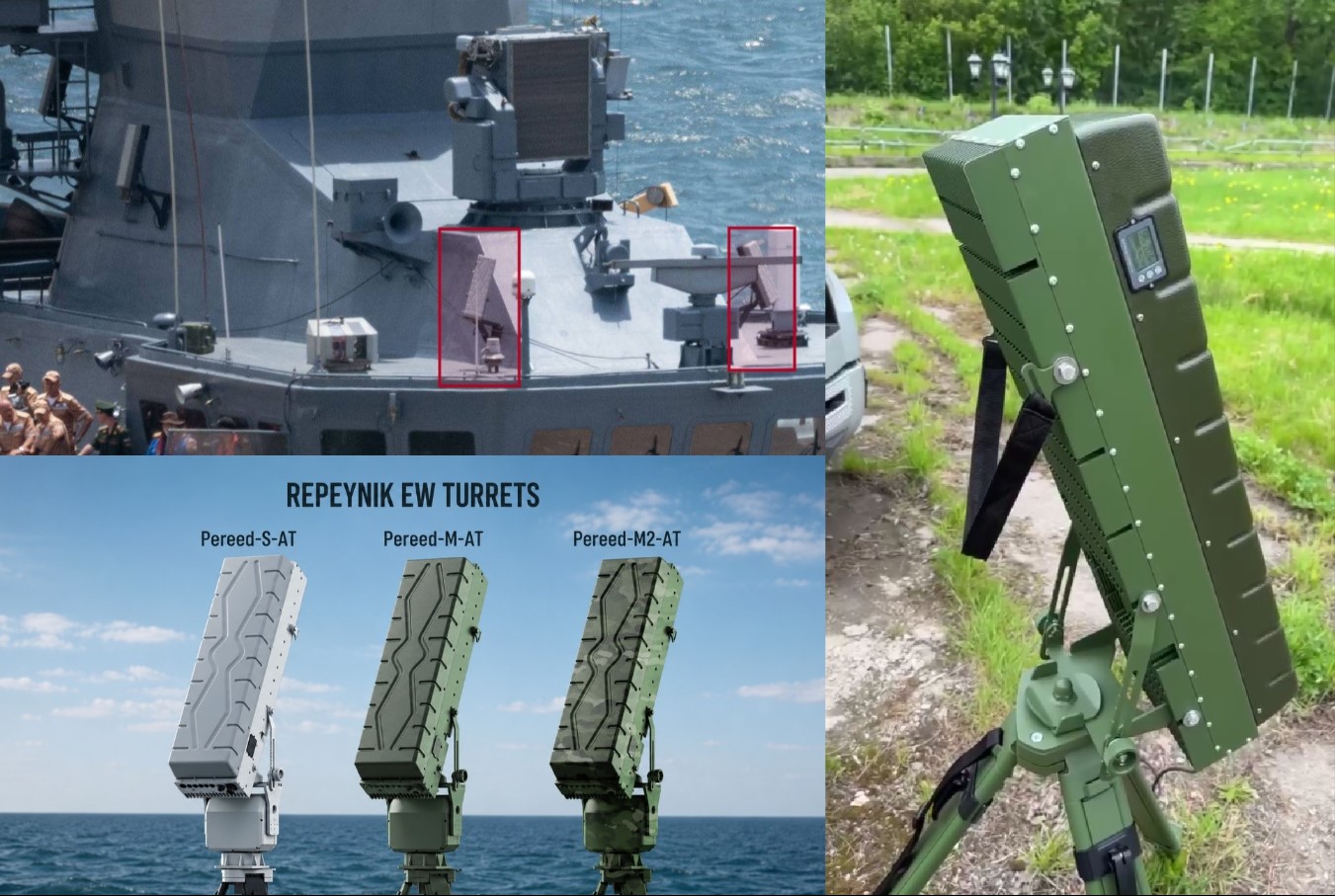
World
Moscow — The Russian Navy has started equipping several surface warships with the Pereyed-M electronic warfare (EW) system as part of efforts to strengthen protection against the growing threat posed by small unmanned aerial vehicles (UAVs). Recent images shared on Russian military-affiliated social media channels show the Pereyed-M system installed on four warships: the Project 1164 guided-missile cruiser Varyag, the Project 20380 corvette Steregushchiy, the Project 1155 large anti-submarine ship Udaloy, and the Project 11540 guard ship Neustrashimy. The installations indicate that the Russian Navy is expanding the use of dedicated counter-drone electronic warfare systems across different classes of surface combatants. Designed to Counter Small UAV Threats The Pereyed-M complex is designed to defend ships against small drones, including first-person view (FPV) drones and reconnaissance quadcopters. The system combines target detection with automated electronic jamming to disrupt incoming UAVs before they can reach a vessel. At the center of the system is the Repeynik radar, a compact radar that was first introduced in 2022. According to available technical information, the radar can detect small radar cross-section targets, including commercial quadcopters, at ranges of up to 15 kilometers and altitudes of up to 5,000 meters. The radar provides 360-degree coverage and can track targets moving at speeds of up to 200 kilometers per hour. Once a drone is detected, the system automatically directs a self-aiming electronic warfare turret toward the target. The turret jams the drone's control and video transmission links at ranges of approximately 2.5 kilometers. The jammer operates across a broad range of frequencies, including bands that have reportedly been used to avoid standard electronic countermeasures. Adaptation for Naval Operations The Repeynik radar was originally developed as a portable system for ground forces. Earlier descriptions of the equipment stated that it could be carried by a single soldier in modular sections and assembled in about five minutes using battery power. The installations on Russian warships suggest that the system has been adapted for naval use. While the exact modifications have not been publicly detailed, the shipboard version appears to be integrated into the vessels' superstructures and is likely connected to onboard power systems rather than relying on portable batteries. Response to Increasing Drone Threats The deployment of the Pereyed-M system comes as Russia continues to adapt its naval defenses to counter the increasing use of drones in maritime operations. During 2026, Ukrainian forces have expanded the use of both airborne UAVs and unmanned surface vessels in long-range attacks against Russian naval assets, including operations conducted far from the front line. One reported incident involved a drone strike on the Project 20380 corvette Boiky while the vessel was undergoing repairs near St. Petersburg, highlighting the vulnerability of ships to small drone attacks. Conventional naval air-defense systems are primarily designed to intercept aircraft and missiles, making smaller, low-flying drones more difficult to engage. Electronic warfare systems such as Pereyed-M are intended to complement existing defenses by detecting and disrupting these smaller aerial threats. The appearance of the Pereyed-M system on multiple ship classes suggests that the Russian Navy is introducing dedicated counter-drone electronic warfare capability as part of a broader effort to improve the protection of its surface fleet against unmanned aerial threats. Source: defence-blog
Read More → Posted on 2026-07-12 12:12:43
World
WASHINGTON — U.S. Central Command (CENTCOM) announced that American forces carried out a third round of military strikes against Iranian military targets on the night of July 11, following an attack by Iran's Islamic Revolutionary Guard Corps (IRGC) on the Cyprus-flagged commercial container ship M/V GFS Galaxy in the Strait of Hormuz. According to CENTCOM, U.S. forces struck approximately 140 Iranian military targets during the latest operation. The strikes were conducted using precision-guided munitions launched from land- and sea-based fighter aircraft, uncrewed aerial systems, and U.S. naval vessels. CENTCOM said the operation was intended to hold Iranian forces accountable for the attack on the commercial vessel and reduce Iran's ability to target civilian mariners and merchant ships operating in the Strait of Hormuz. M/V GFS Galaxy Attacked in Strait of Hormuz The M/V GFS Galaxy, a Cyprus-flagged container ship, was attacked while transiting the Strait of Hormuz. According to CENTCOM, the vessel suffered an onboard fire and sustained significant damage to its engine room, leaving it unable to continue its scheduled voyage. India's Ministry of External Affairs said the ship had 11 Indian crew members on board. Ten of them were rescued in a joint operation coordinated with Omani authorities, while one civilian crew member remains missing. Iranian state media said the IRGC targeted the vessel because it allegedly traveled through an unapproved route and switched off its tracking systems, which Iran claimed endangered maritime security. Following the incident, Iran announced that the Strait of Hormuz was closed until further notice and warned against further retaliation. Military Targets Hit CENTCOM said the latest operation targeted military infrastructure linked to Iran's capability to conduct attacks against commercial shipping. According to the command, the strikes hit: Missile and drone launch sites Naval capabilities and military assets Ammunition storage facilities Military communication networks Coastal surveillance locations The U.S. military said the strikes were limited to military targets and were intended to degrade capabilities used in attacks against civilian shipping in the Strait of Hormuz. More Than 300 Targets Struck This Week The July 11 operation marked the third round of U.S. strikes against Iranian military infrastructure this week. CENTCOM stated that across the three nights of operations, more than 300 Iranian military targets have been struck at the direction of the Commander in Chief. The command said the operations were aimed at reducing Iran's ability to threaten commercial vessels and civilian mariners navigating the strategic waterway. CENTCOM also noted that Iran had been given another opportunity to comply with a previously established Memorandum of Understanding but did not do so. Commercial Shipping Continues Despite the recent military exchanges and Iran's declaration regarding the Strait of Hormuz, CENTCOM said commercial shipping through the international maritime corridor is continuing. According to the command, U.S. forces have supported the safe transit of more than 800 commercial vessels through the strait since early May. Those transits included the movement of approximately 400 million barrels of crude oil. The Strait of Hormuz remains one of the world's most important maritime routes, with roughly one-fifth of globally traded oil and natural gas passing through the waterway. Diplomatic Efforts Continue The latest military actions came shortly after diplomatic discussions between the foreign ministers of Iran and Oman, who met on Saturday to discuss the administration and security of the Strait of Hormuz. As of CENTCOM's latest update, no information has been released regarding Iranian casualties from the strikes. The command said commercial vessel transits are continuing and that U.S. forces remain engaged in supporting the safe movement of international shipping through the region. Source: Centcom.mil / Centcom on x
Read More → Posted on 2026-07-12 11:20:54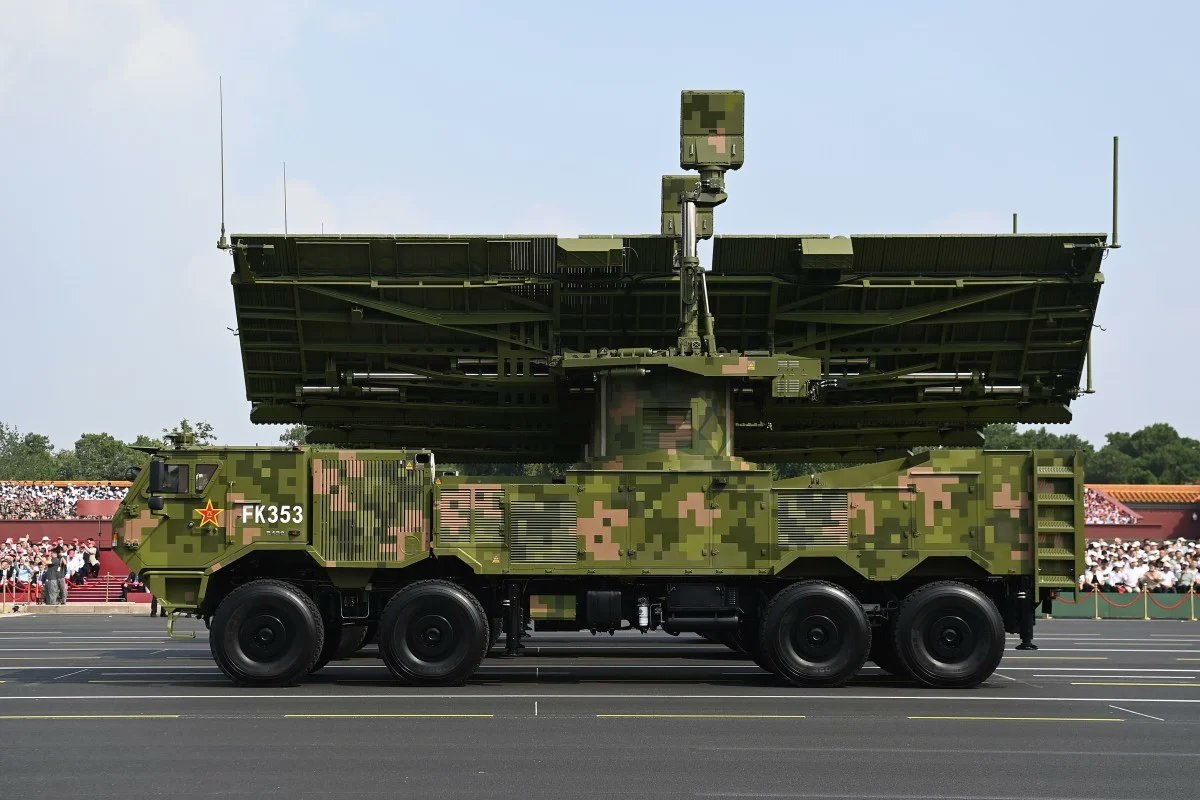
World
BEIJING — Chinese defense scientists have published new research outlining advances in high-power microwave (HPM) technology, including a system capable of generating up to 100 gigawatts (GW) of output. According to the study, the technology could provide a lower-cost method of disrupting or damaging low Earth orbit (LEO) satellite networks compared with conventional anti-satellite (ASAT) weapons. The findings were published this month in the peer-reviewed journal High Power Laser and Particle Beams. The paper was authored by a research team led by Zhang Jun from the College of Advanced Interdisciplinary Studies at the National University of Defense Technology (NUDT), offering a rare public look at China's military research in pulsed-power systems. The researchers wrote that China's pulsed-power technology has advanced rapidly in recent years due to sustained national strategic requirements. "Pulsed-power drivers for HPM generation have transitioned from laboratory prototypes to practical applications, evolving progressively from 'functional' to 'high-performance' and 'durable' systems," the paper states. 100-Gigawatt High-Power Microwave System According to the study, a single pulsed-power driver cannot independently produce sufficient energy because of insulation and engineering limitations. To address this, the NUDT team developed a system that synchronizes multiple compact pulsed-power modules into one integrated platform. The researchers said this approach allows each module to operate at maximum efficiency while improving the overall power-to-weight ratio. "Synchronizing multiple compact pulsed-power modules enables each unit to operate at peak efficiency while maximizing its power-to-weight ratio," the team wrote. Using this design, the researchers said they developed a 100GW-class ultra-high-power pulsed-power system capable of producing tens of gigawatts while remaining within practical size and weight limits. The paper also notes that the system could be further scaled to higher output levels in the future. New Power System for Extreme Conditions The study also describes supporting technologies developed alongside the HPM system. Among them is a lithium-ion capacitor hybrid power system, which the researchers say allows rapid activation while providing stable electrical output. According to the paper, the system can operate in temperatures as low as minus 40 degrees Celsius, making it suitable for use in cold-weather and polar environments. The publication also describes all-solid-state pulsed-power systems designed for different operational requirements. According to the researchers, Chinese institutions have developed multiple gigawatt-class HPM systems, and some have already been delivered to military users. Potential Impact on Low Earth Orbit Satellites High-power microwave weapons generate intense electromagnetic pulses that can interfere with or damage electronic systems. According to the paper, microwave pulses of around 1 gigawatt are generally considered capable of causing severe electronic interference or permanent hardware damage to satellites operating in low Earth orbit. The researchers state that a 100GW-class system could pose a significant threat to large satellite constellations, including SpaceX's Starlink, particularly if such networks are being used for military purposes. The paper also notes that using directed microwave energy for anti-satellite missions could offer a lower-cost alternative to traditional kinetic anti-satellite missiles while avoiding the creation of orbital debris. Broader Research in High-Power Microwave Technology The publication also references other Chinese developments in the field. Earlier in 2026, researchers at the Northwest Institute of Nuclear Technology in Xi'an reported the development of the TPG1000C system, which they said can continuously generate 20 gigawatts of output for up to one minute. The reported system weighs about five tonnes and is approximately four meters long. China has also displayed mobile ground-based HPM systems, including the Hurricane 2000 and Hurricane 3000, at the Zhuhai Air Show. These systems are designed primarily for shorter-range missions such as counter-drone operations. Future Development The NUDT researchers said future work will focus on improving beam control precision while reducing the size, weight, and manufacturing cost of HPM systems. The paper also states that China's research in pulsed-power technology has expanded significantly in recent years, with the researchers describing the country's work in the field as being among the world's leading efforts. The publication provides one of the most detailed public descriptions to date of China's ongoing research into high-power microwave technology and its potential military applications, particularly in electronic warfare and operations involving low Earth orbit satellite systems. Source: scmp
Read More → Posted on 2026-07-11 15:58:45Search
Top Trending in 24 Hours
-
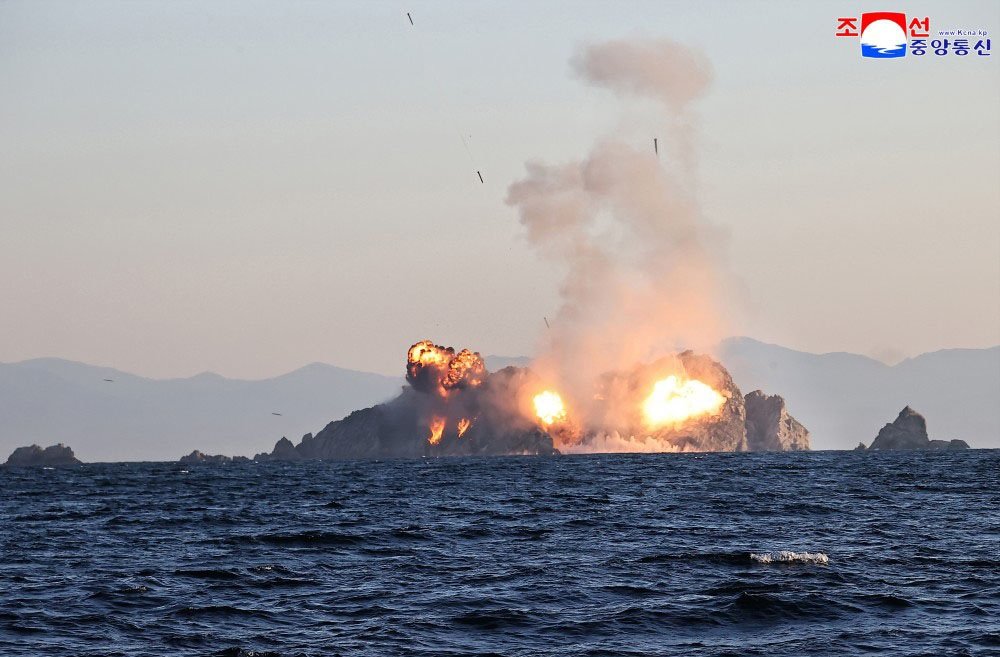 North Korea Fires Short-Range Ballistic Missile Toward Sea of Japan After Freedom Edge 26
-
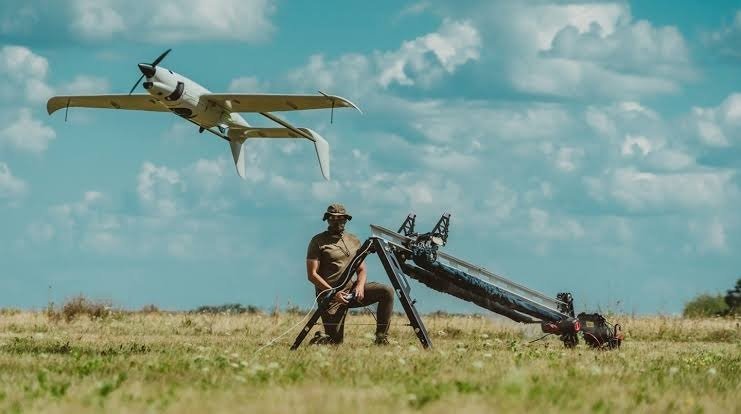 U.S. Army Awards $10.64 Million Contract to Ukrainian Drone Maker Skyeton for Raybird Systems
-
 India’s xTerra Robotics Launches Indigenous DHAV-Hy Wheeled-Legged Quadruped for Industrial Inspection
-
 U.S. Space Force Seeks Rapid-Response Satellites for Close-Range Orbital Inspections
-
 BEL Showcase X-Band Multi-Function Radar for QRSAM to Japanese Delegation
-
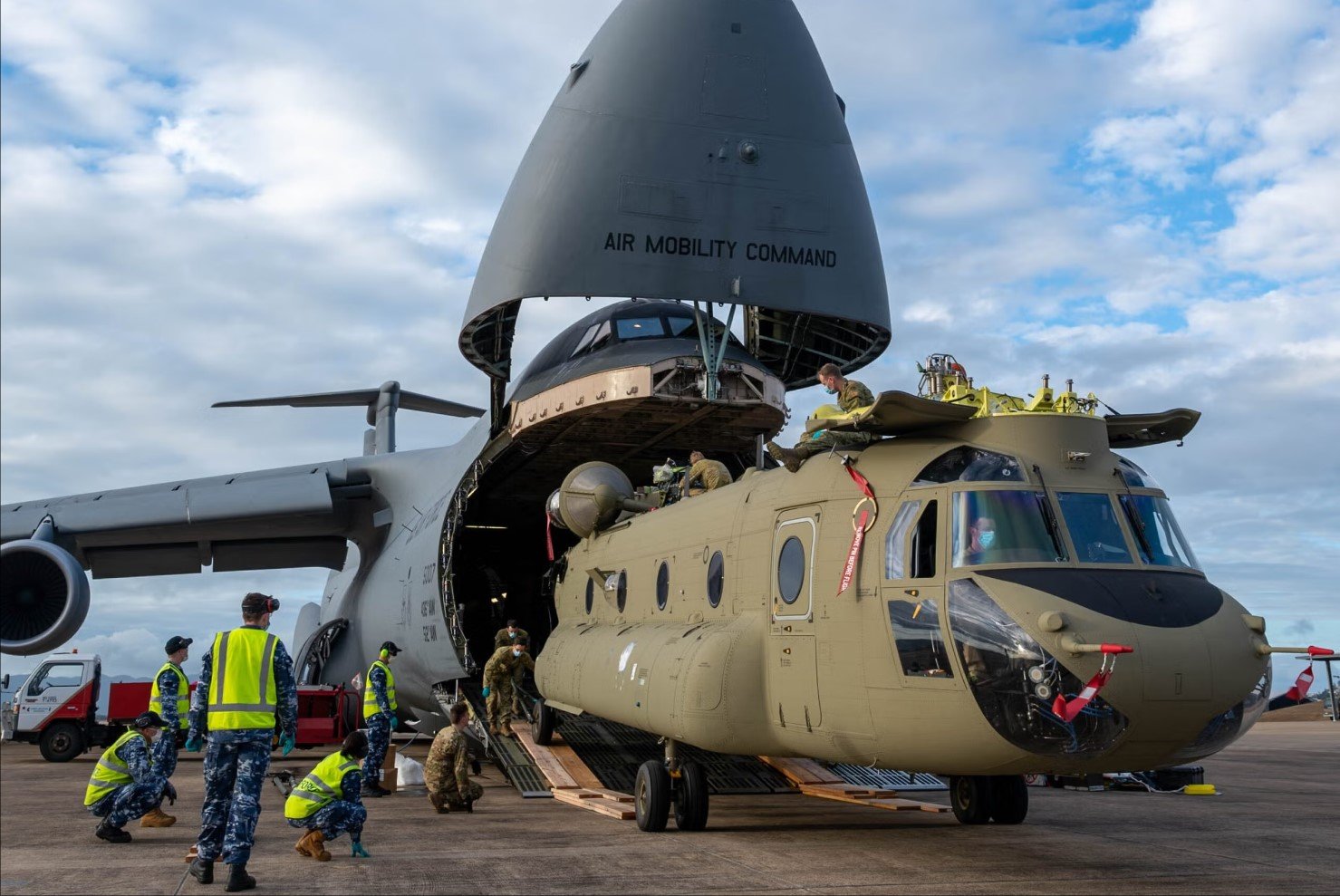 U.S. Delivers First CH-47F Chinook to Egypt Under 12-Helicopter Deal
-
 U.S. Government Seizes Almasirah.net, Houthi-Linked News Website
-
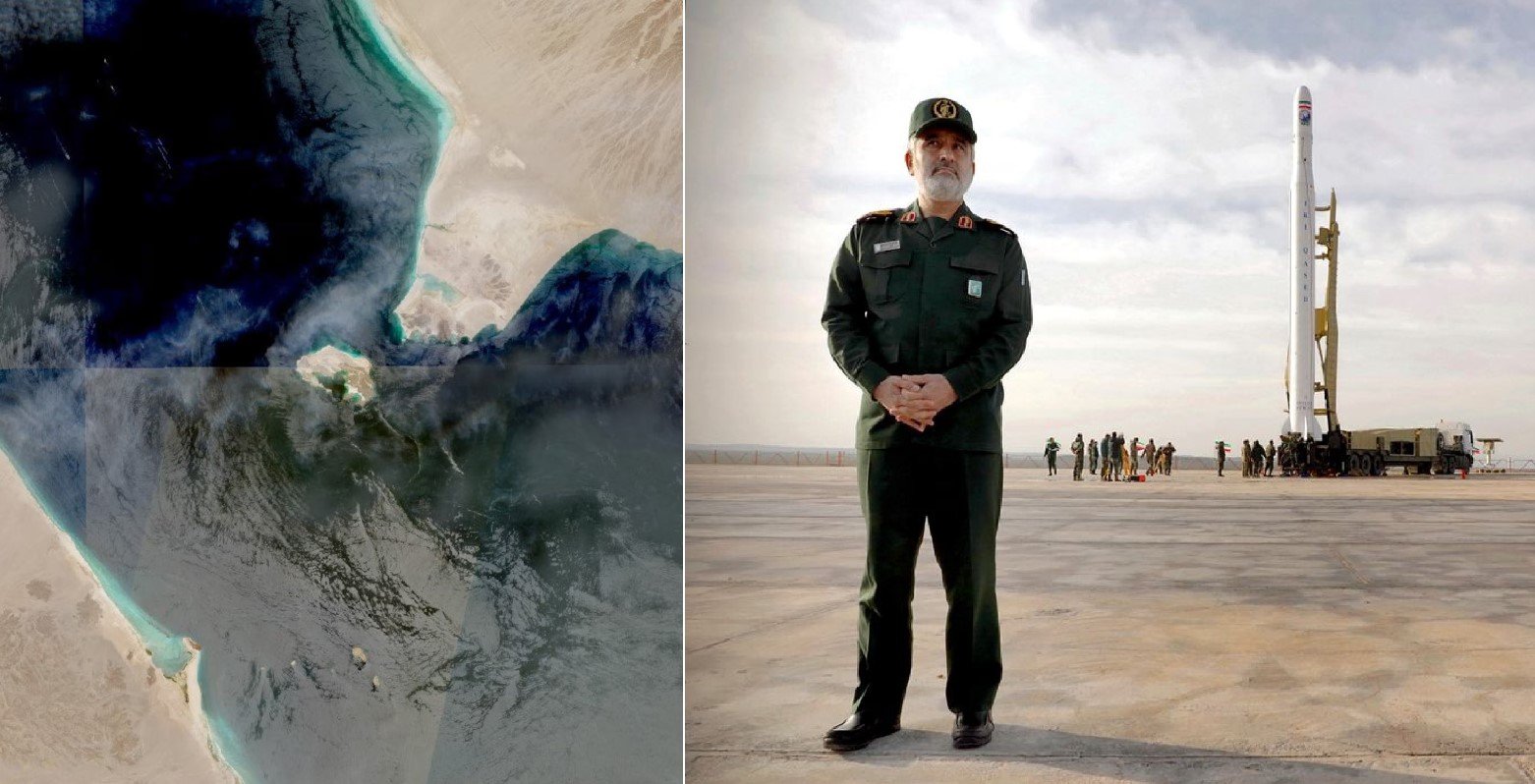 IRGC Experts Visit Bab El-Mandeb to Oversee Radar Installation and Tunneling, Houthi Sources Say
Top Trending in 4 Days
-
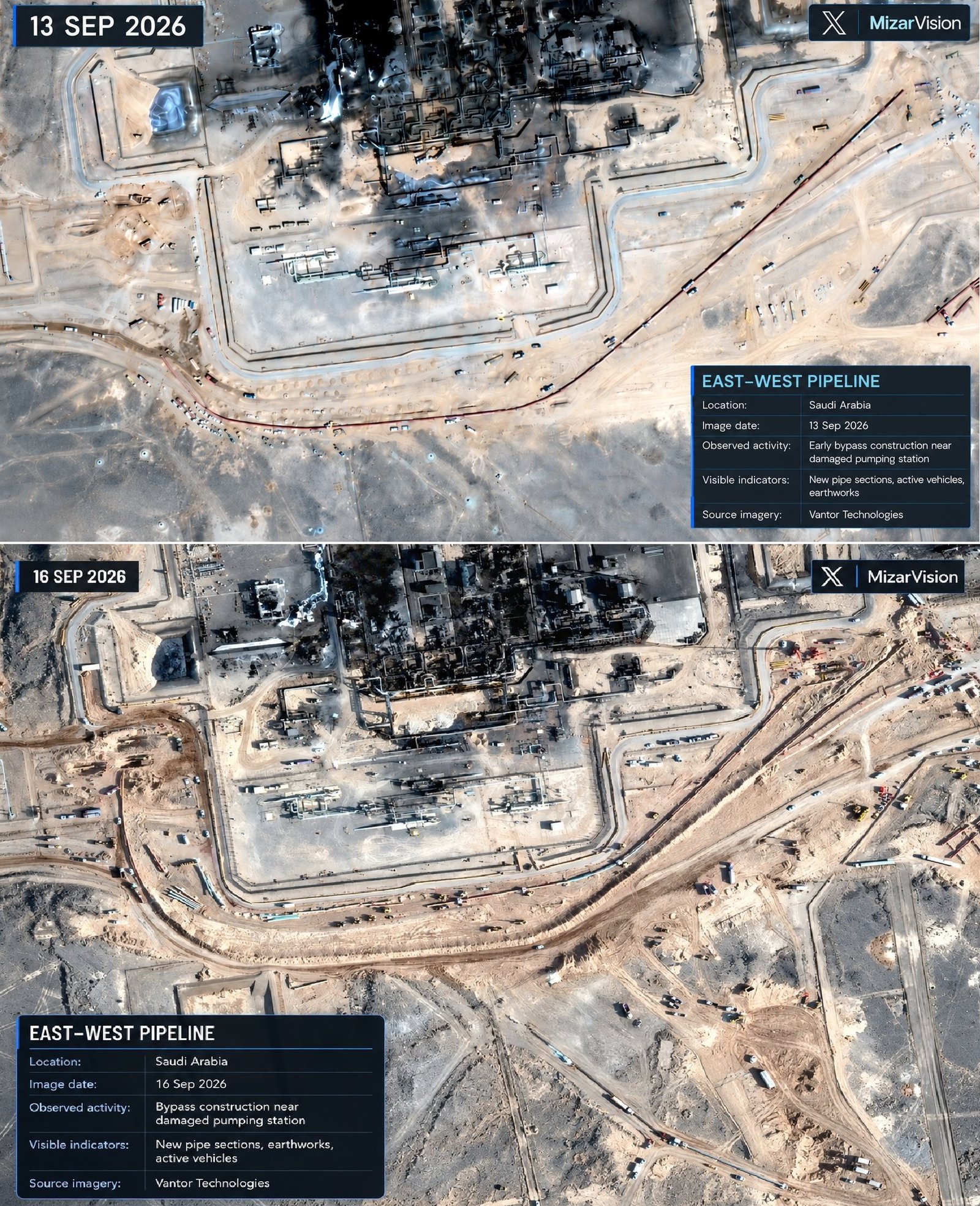 Satellite Images Show Saudi Arabia Building Emergency Bypass Around Damaged East-West Oil Pipeline Station
-
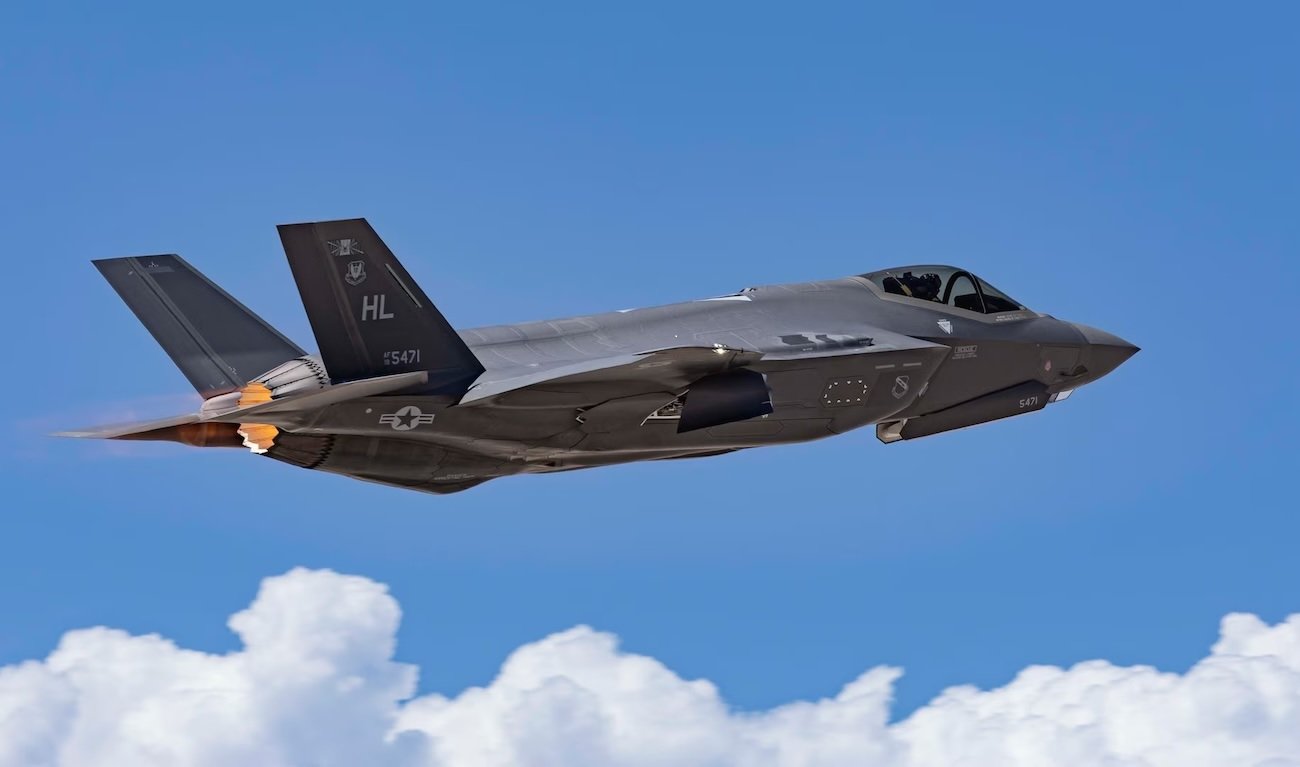 Sensitive F-35 Components Diverted to Hong Kong, Some Parts Missing
-
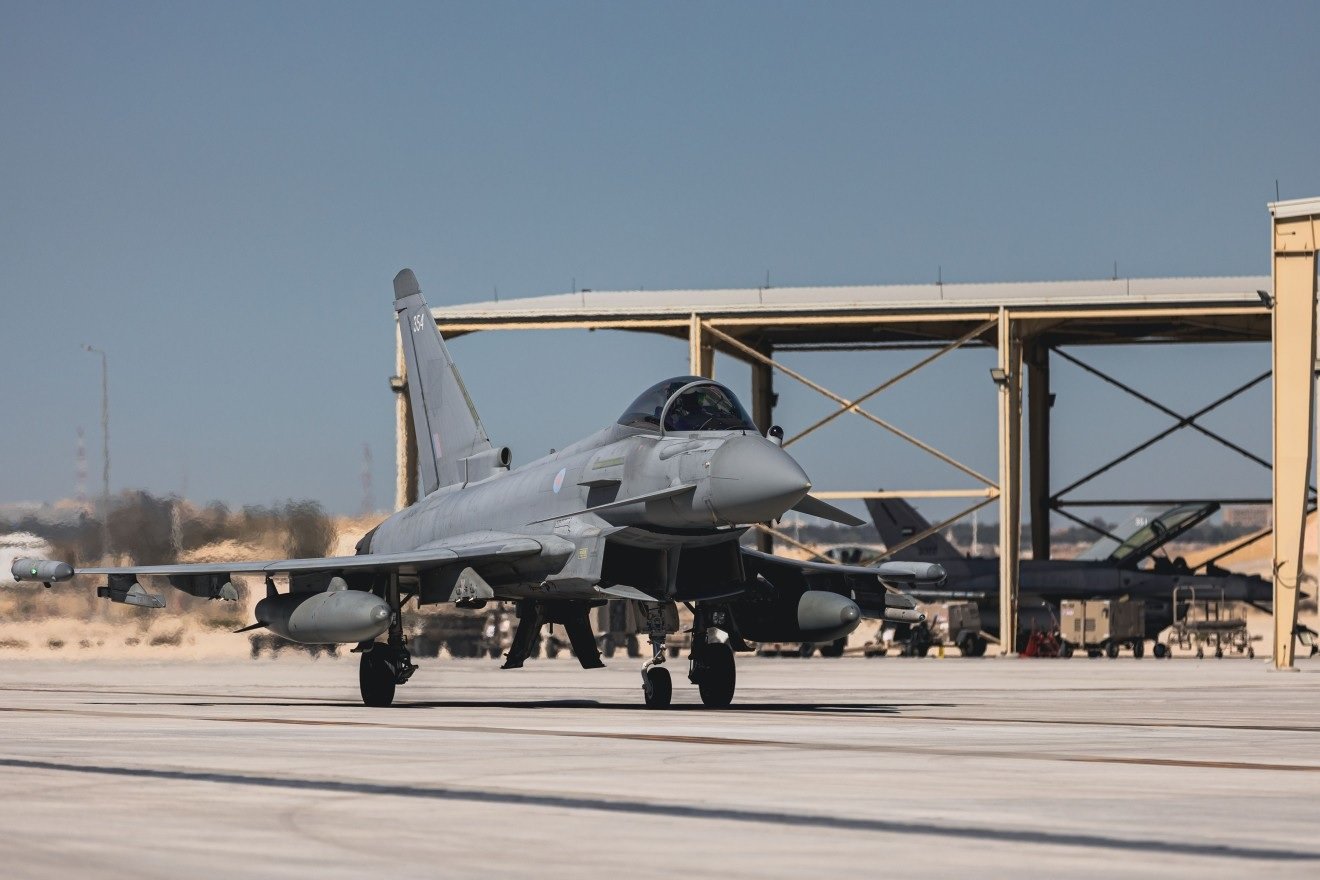 Italian Eurofighter Damaged in Houthi Attack on Saudi Arabia’s King Fahd Air Base
-
 U.S. Secures Permanent Military Rights in Greenland in Historic Security Pact with Denmark
-
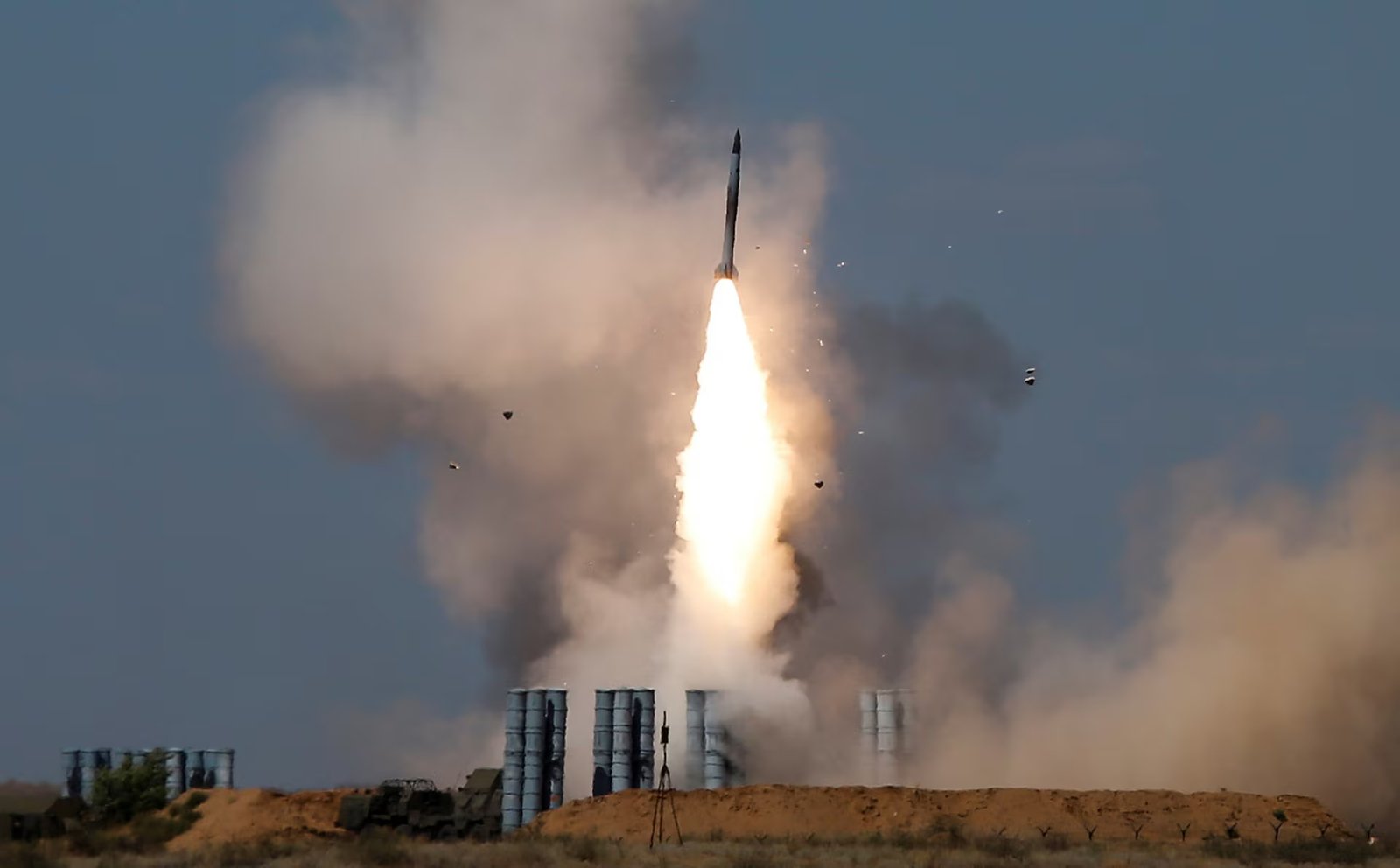 U.S. Approves Potential $2.68 Billion Air Defense Package for Ukraine Including S-300 Clone Missiles
-
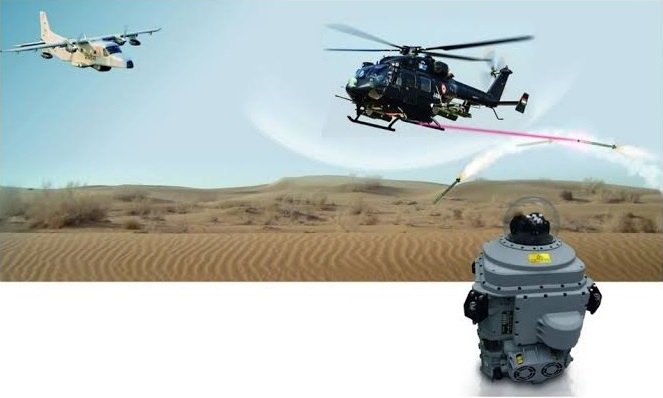 BEL Signs Export Deal with Elbit Systems for Directed Infrared Countermeasure Sub-Assemblies, Secures ₹648 Crore in Additional Orders
-
 China Privately Urges Iran to Restrain Houthis After Saudi Appeal
-
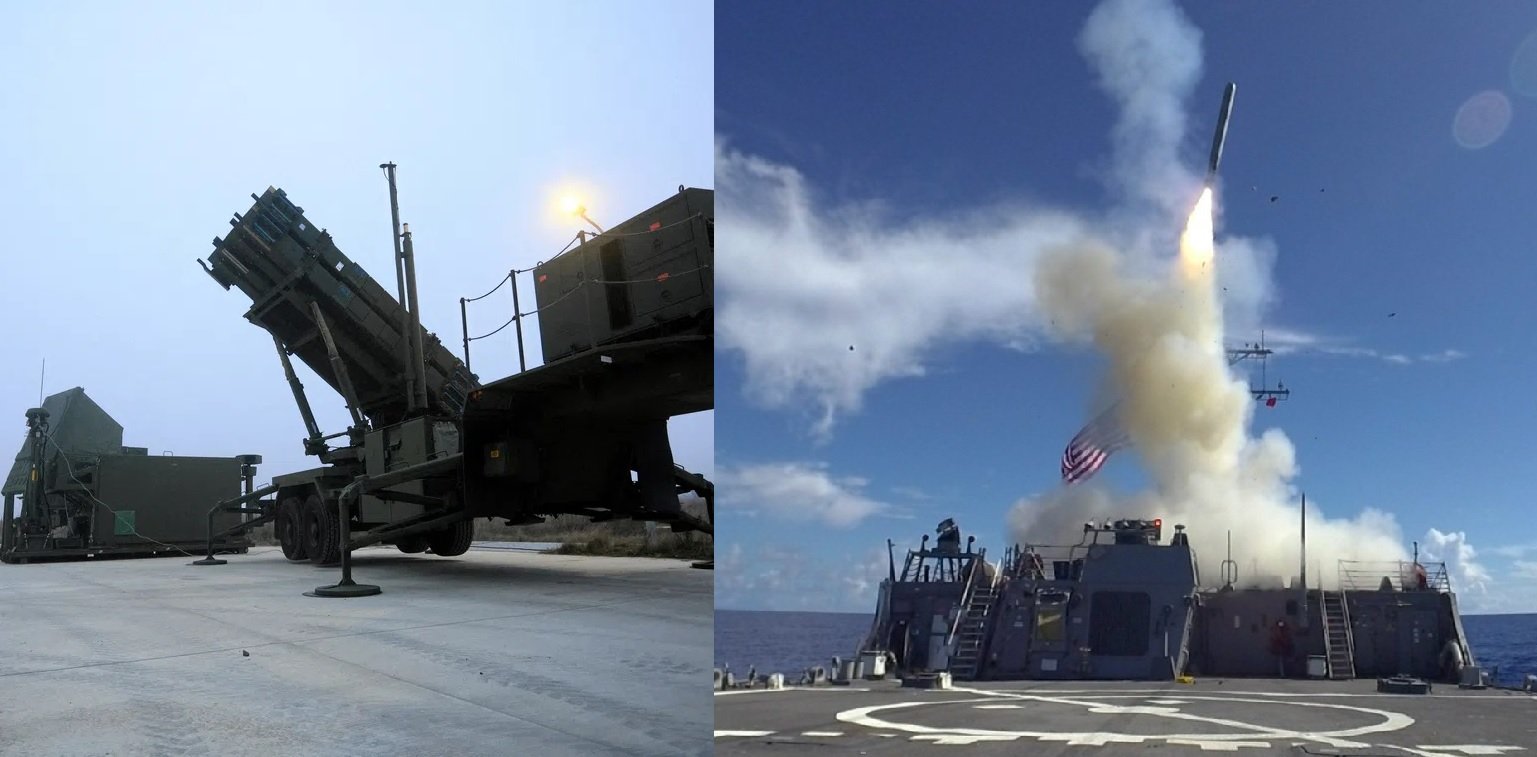 U.S. Warns Allies of Up to Five-Year Delays in Key Weapons Deliveries