Ukraine Unable to Intercept Russian Ballistic Missiles During Massive Attack Due to Patriot Shortage
World
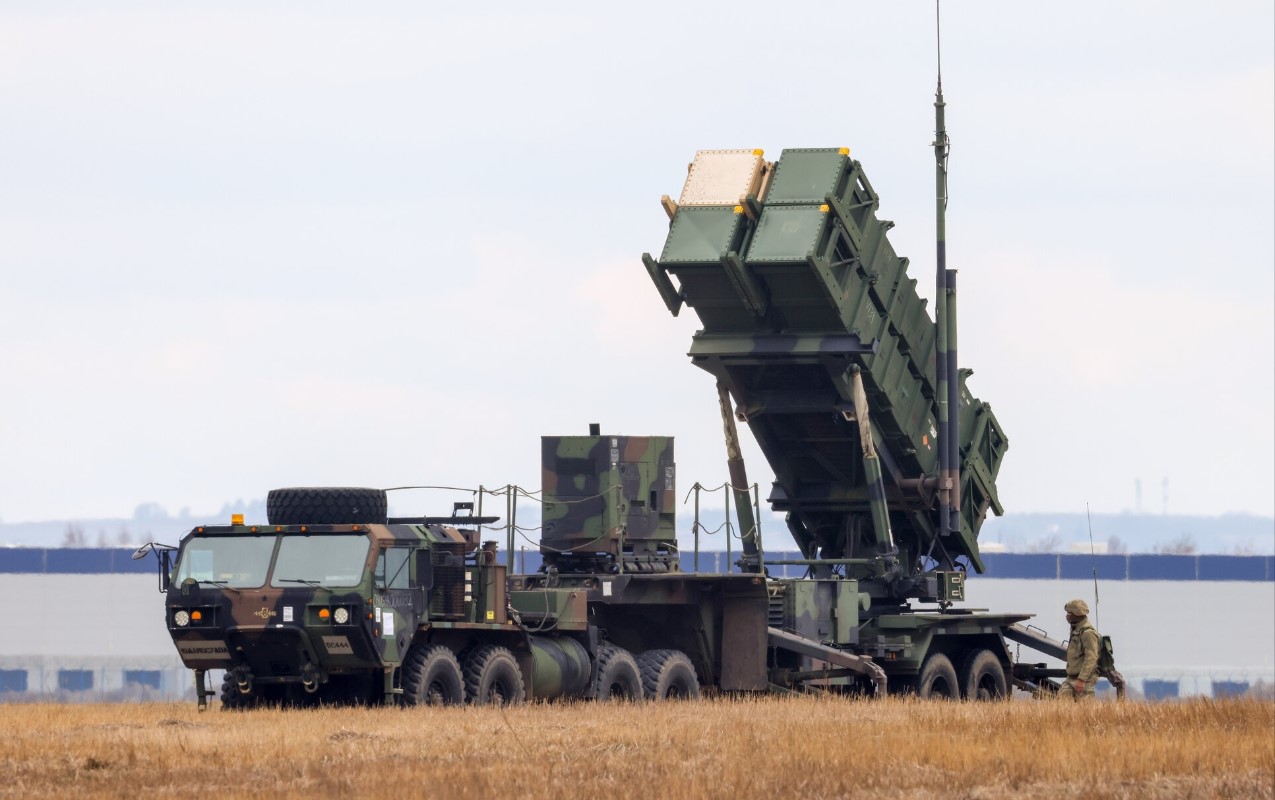
KYIV — During the night of July 6, beginning at 6:00 p.m. local time on July 5, Ukraine's air defenses were unable to intercept any Russian ballistic missiles during a large-scale Russian missile and drone attack due to a shortage of Patriot interceptor missiles for its Patriot air defense systems, according to the Ukrainian Air Force report. Russia launched a total of 419 aerial weapons during the coordinated overnight attack, with Kyiv as the primary target. The strike was one of the largest combined attacks reported in recent months. Ukrainian authorities said the attack killed at least 11 people and injured approximately 60 others. According to the Ukrainian Air Force, Russian forces launched 351 attack drones and 68 missiles from multiple directions, including Russia's Bryansk, Kursk, Oryol, and Vologda regions, the city of Novorossiysk, and Russian-occupied parts of Ukraine's Donetsk region. The drone wave included Shahed/Geran attack drones along with Gerbera, Italmas, and Parodiya decoy drones. The missile salvo consisted of 33 Kh-101 cruise missiles, 23 Iskander-M ballistic missiles and S-400 surface-to-air missiles used in a ground-attack role, six 3M22 Zircon/Onyx anti-ship missiles, and six Kalibr cruise missiles. Despite the scale of the attack, Ukrainian air defense units, supported by electronic warfare systems, intercepted or neutralized 363 incoming aerial targets, including 326 drones and 37 missiles. The Air Force reported that it destroyed 31 of the 33 Kh-101 cruise missiles and all six Kalibr cruise missiles, demonstrating a high interception rate against cruise missile threats. However, none of the ballistic missiles or anti-ship missiles were intercepted. As of the morning of July 6, officials confirmed that 29 ballistic and anti-ship missiles, along with 18 drones, had struck 34 locations across Ukraine. Air Force spokesperson Yurii Ihnat said the inability to intercept the ballistic missiles was caused by a shortage of Patriot interceptor missiles. He explained that ballistic missiles travel at much higher speeds and follow trajectories that require advanced air defense systems such as the U.S.-made Patriot to intercept. According to Ihnat, Russia has increasingly relied on ballistic missiles to exploit this gap in Ukraine's air defense network. He added that while Ukrainian forces achieved an almost 100% interception rate against cruise missiles, the shortage of Patriot interceptors significantly reduced their ability to counter ballistic missile attacks. Ihnat also noted that the shortage of Patriot interceptor missiles is not limited to Ukraine, describing it as part of a broader global supply challenge. The impact of the attack was felt most heavily in Kyiv, where residential buildings in the Podilskyi and Darnytskyi districts were damaged by missile strikes. In the capital's suburb of Vyshneve, emergency services evacuated around 600 residents because of the risk posed by unexploded ordnance. The shortage of Patriot interceptors has prompted renewed efforts by Ukraine to secure additional air defense ammunition from its international partners. Defence Minister Mykhailo Fedorov said Ukraine has already signed, and continues to sign, contracts for additional Patriot interceptor missiles. However, he said deliveries under those agreements are not expected to begin until next year. To address the immediate shortage, Ukraine has appealed to partner countries to urgently transfer Patriot interceptor missiles from their existing military stockpiles. Under the proposal, Ukraine would later replenish those countries' inventories using interceptor missiles delivered through its future procurement contracts. The overnight attack highlighted the continuing challenge posed by ballistic missile threats despite Ukraine's high interception rate against cruise missiles and drones. Ukrainian officials continue to emphasize the need for additional Patriot interceptor missiles to strengthen the country's ability to defend major cities and critical infrastructure against future ballistic missile attacks. Source: militarnyi
Read More → Posted on 2026-07-06 12:31:44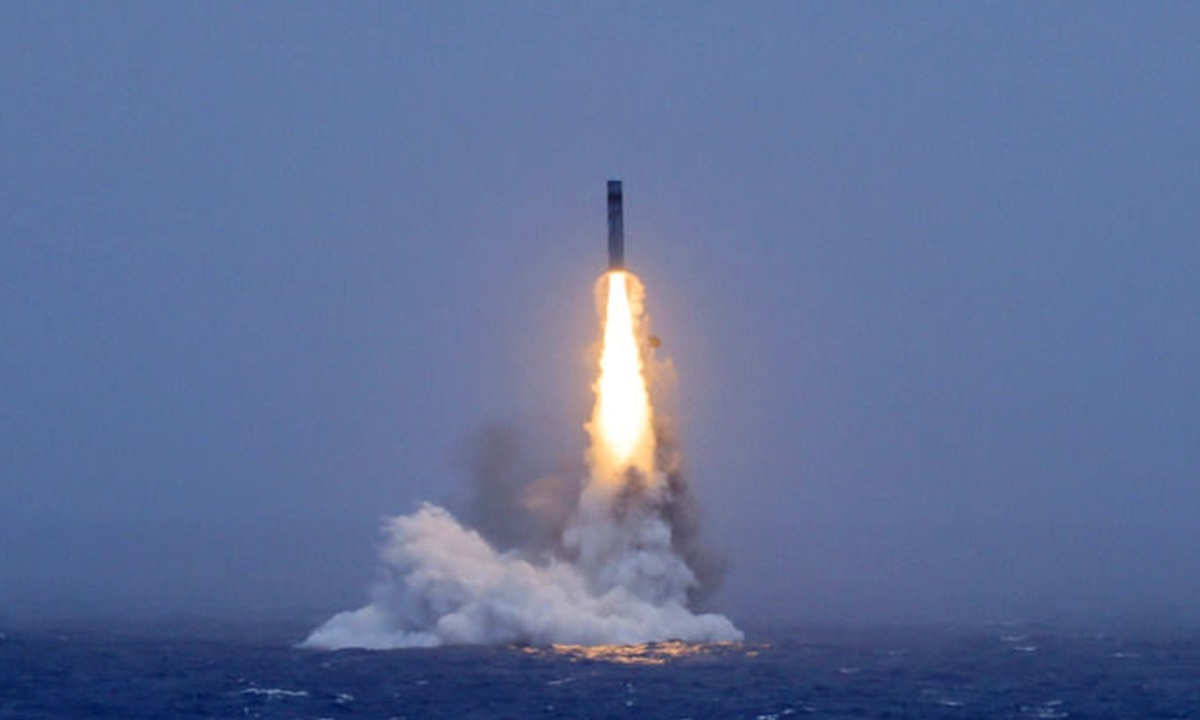
World
Beijing — China has conducted its first publicly acknowledged submarine-launched ballistic missile (SLBM) test into the Pacific Ocean, marking a significant step in the operational development of the sea-based component of its nuclear deterrent. According to Reuters, the launch was carried out on July 6 at 12:01 p.m. (0401 GMT) using a nuclear-powered ballistic missile submarine (SSBN). The missile carried a non-nuclear dummy warhead and struck a designated impact area in international waters after China provided advance notification to relevant regional governments. China said the launch was part of routine military training and did not involve a nuclear payload. The test follows China's September 2024 launch of a land-based intercontinental ballistic missile (ICBM), when a DF-31-class missile traveled approximately 11,000 kilometers from Hainan to an impact area near French Polynesia. Together, the two long-range missile launches demonstrate China's continued efforts to strengthen different elements of its strategic deterrent. Focus on Sea-Based Operational Readiness The July 2026 launch primarily assessed the operational procedures required for a sea-based strategic deterrent rather than testing a nuclear warhead. A submarine-launched ballistic missile operation requires coordination across multiple stages, including secure transmission and authentication of launch orders, precise underwater navigation, missile launch procedures, and long-range flight tracking. Successfully completing the exercise demonstrated China's ability to conduct an end-to-end submarine-launched ballistic missile operation under realistic conditions. Ballistic missile submarines play an important role in nuclear deterrence because they can remain concealed at sea, providing a potential retaliatory capability even if land-based missile forces are attacked. Type 094 Submarines Form the Core of China's Sea-Based Deterrent China's current sea-based nuclear force is built around six operational Type 094 Jin-class nuclear-powered ballistic missile submarines. International defense analysts and the U.S. government have identified the Type 094 fleet as China's first credible sea-based nuclear deterrent. Each submarine is assessed to carry JL-2 or the newer JL-3 submarine-launched ballistic missiles. China is also developing the next-generation Type 096 ballistic missile submarine, which is expected to feature improved stealth characteristics, longer patrol endurance, and the ability to carry future multiple independently targetable reentry vehicle (MIRV)-capable submarine-launched missiles. The introduction of the JL-3 missile has expanded the operational flexibility of China's submarine fleet. With a reported range exceeding 10,000 kilometers, the missile allows submarines to remain in waters closer to China while still being capable of reaching distant targets. Earlier generations of Chinese submarine-launched ballistic missiles required submarines to patrol much farther into the Pacific Ocean, increasing their exposure to anti-submarine warfare (ASW) networks operated by countries including the United States, Japan, and Australia. The longer-range JL-3 reduces that requirement by allowing launches from protected waters closer to China's coastline. This supports what defense analysts commonly describe as a "bastion" strategy, in which ballistic missile submarines operate within protected patrol areas covered by surface warships, maritime patrol aircraft, underwater sensor networks, and land-based air defense systems. Regional Reactions The missile launch occurred on the same day Australian Prime Minister Anthony Albanese and Fijian Prime Minister Sitiveni Rabuka signed the Ocean of Peace Alliance in Suva, a mutual defense agreement aimed at strengthening security cooperation between Australia and Fiji. Several regional governments responded to China's missile test. Australia described the launch as destabilizing and expressed concern about China's expanding military capabilities and limited transparency surrounding its strategic modernization. New Zealand noted that the missile's impact area was located within the South Pacific Nuclear Free Zone established under the 1986 Treaty of Rarotonga. Japan also expressed concern over China's growing strategic military activities and warned against ballistic missile operations that could affect regional security. Although China notified several governments before the launch, helping reduce the risk of misunderstandings during the exercise, the test nevertheless generated political concern across the Pacific region. Part of China's Broader Nuclear Modernization China continues to maintain its official No First Use nuclear policy, under which it states it will not be the first to use nuclear weapons in a conflict. At the same time, the country is modernizing all three components of its nuclear forces. China was estimated to possess more than 600 operational nuclear warheads in 2024, with projections indicating the stockpile could exceed 1,000 warheads by 2030. Its modernization program includes expanded solid-fuel intercontinental ballistic missile silo fields, additional road-mobile missile units, theatre nuclear-capable delivery systems, and enhanced missile warning capabilities supported by TJS/Huoyan-1 infrared satellites and large phased-array radar systems. Following a series of land-based ICBM launches conducted during 2024, the July 2026 submarine-launched ballistic missile test adds an important maritime element to China's strategic readiness exercises. The launch demonstrates China's continued efforts to improve the operational capability of its sea-based nuclear force while expanding the survivability and flexibility of its overall nuclear deterrent through land, sea, and air-based delivery systems. Source: Reuters
Read More → Posted on 2026-07-06 12:16:57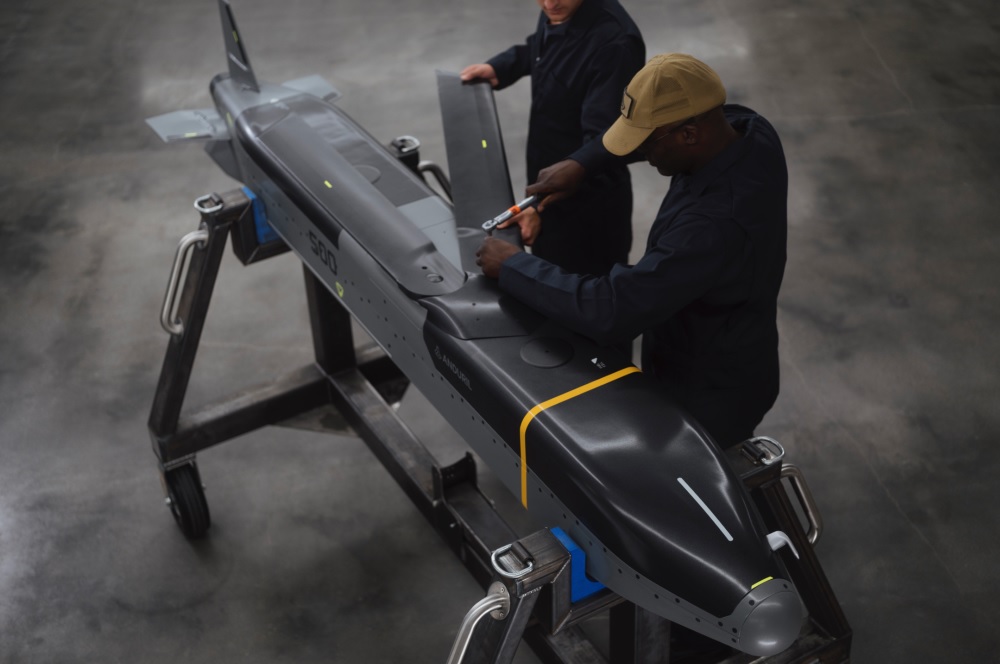
World
BYDGOSZCZ, Poland — Poland has taken another step toward expanding its domestic missile production capabilities after Polska Grupa Zbrojeniowa (PGZ) signed an agreement with U.S. defense technology company Anduril Industries to manufacture the Barracuda cruise missile at Military Aviation Works No. 2 (WZL Nr. 2) in Bydgoszcz. The agreement was signed on Monday in the presence of Prime Minister Donald Tusk and Deputy Prime Minister and Minister of National Defence Władysław Kosiniak-Kamysz. It builds on a memorandum of understanding signed by PGZ and Anduril in October 2025, under which the two companies agreed to cooperate on autonomous air systems and prepare for the production of the Barracuda missile in Poland. According to Poland's Ministry of National Defence, the new agreement will enable PGZ companies to carry out the assembly, production and operational support of the Barracuda cruise missile. The partners also plan to develop a Polish version of the missile in a later stage of the program using components supplied by companies within the PGZ group. The production program marks a significant change for WZL Nr. 2, a facility that has traditionally specialized in the maintenance, repair and overhaul of military aircraft and helicopters, including Soviet-designed platforms operated by the Polish Armed Forces. The transition to cruise missile manufacturing will require new production equipment, workforce training and updated quality assurance processes as the plant expands into advanced weapons production. Introduced by Anduril in 2024, the Barracuda family of autonomous cruise missiles was designed to support affordable, high-volume manufacturing. The company says the missiles use a simplified design that allows faster production while reducing manufacturing costs compared with conventional cruise missiles. The Barracuda-500, the largest version in the family, carries a warhead weighing more than 45 kilograms and has a range exceeding 926 kilometers (575 miles). Approximately 70 percent of the missile is made from commercially available off-the-shelf components, and Anduril says it can be assembled in around 30 hours using only 10 common hand tools. The company estimates the design reduces production costs by about 30 percent while cutting manufacturing time by around 50 percent compared with similar cruise missiles. The Barracuda family includes the 100, 250 and 500 variants, which share more than 90 percent of their components. This common design allows different variants to be produced on the same assembly lines by the same workforce, simplifying manufacturing and logistics. The missile is designed for launch from a wide range of platforms, including F-16, F-35, F-15 and F/A-18 fighter aircraft, bombers and helicopters. It can also be deployed from C-130 and C-17 transport aircraft using the Rapid Dragon palletized launch system. For ground operations, the missile can be fired from standard 20-foot shipping containers capable of carrying up to 16 missiles, with launch operations integrated through Anduril's Lattice software. Speaking during the signing ceremony, Prime Minister Donald Tusk said Poland is well prepared to strengthen defense cooperation with the United States and other NATO allies. He said the partnership demonstrates mutual trust and reinforces the long-term Polish-American alliance while supporting efforts to improve the defense capabilities of Poland, Europe and the North Atlantic Alliance. Defence Minister Władysław Kosiniak-Kamysz said the agreement strengthens Poland's growing defense industry and confirmed that the rotation of U.S. troops in Poland will resume after a temporary pause. He said the process would continue over the coming weeks following confirmation from U.S. Deputy Ambassador to Poland Stephanie Holmes and the U.S. military attaché. The Barracuda program forms part of Poland's wider defense modernization strategy. The country plans to spend 5 percent of its gross domestic product on defense by 2030, one of the highest targets within NATO. Alongside investments in systems such as HIMARS, F-35 fighter aircraft, South Korean tanks and artillery, and the domestically developed Borsuk infantry fighting vehicle, Warsaw is also seeking to expand its own defense manufacturing capabilities. The program also reflects a broader effort by NATO countries to increase missile production capacity. In May 2026, the U.S. Department of Defense signed a framework agreement with Anduril under the Low-Cost Containerized Missiles program for the delivery of at least 3,000 surface-launched Barracuda-500M missiles over three years, with the first deliveries expected in the first half of 2027. With production set to begin at WZL Nr. 2, Poland is expanding its role in the manufacture of advanced precision weapons while strengthening cooperation with the United States and supporting the long-term development of its domestic defense industry. Source: xyz.pl
Read More → Posted on 2026-07-06 11:58:58
Ukraine Tests VATAG Heavy Unmanned Ground Vehicle in Rough Terrain, Highlights Autonomous Operations
World
KYIV— Ukrainian robotics company VATAG has released new field-test footage showing its heavy unmanned ground vehicle (H-UGV) operating across rough, plowed terrain, providing one of the clearest demonstrations of the platform's real-world mobility and autonomous capabilities since its public debut in 2025. The video, published on the company's official Facebook page, shows the 8×8 wheeled vehicle traveling over uneven off-road terrain while using onboard optical tracking systems. According to the company, the platform can reach speeds of up to 47 km/h (29 mph), while the newly released footage shows the vehicle operating at speeds of around 42 km/h (26 mph) during testing. The VATAG heavy UGV was first introduced at the Brave1 Defense Tech Valley summit in Kyiv on September 16, 2025. The latest trials demonstrate the system in operational conditions rather than as a static exhibition vehicle, highlighting its ability to transport cargo across terrain where conventional trucks may face significant difficulties or increased risk. Heavy Logistics Platform VATAG is designed primarily as a heavy robotic logistics platform intended to reduce risks to personnel operating in frontline environments. The vehicle is capable of carrying more than 2,000 kilograms (4,410 pounds) of cargo, including ammunition, equipment, supplies, or wounded personnel. The platform features armor protection for its hull and chassis designed to withstand shrapnel and mine threats. Its hybrid propulsion system combines fuel-efficient operation with a near-silent electric drive mode, allowing the vehicle to operate with a reduced acoustic signature during missions. In addition to transportation, the hybrid power system enables the vehicle to function as a mobile power source capable of recharging frontline communications and electronic equipment. Modular Combat Configuration Although developed primarily for logistics, the VATAG platform also serves as the basis for armed variants using the same 8×8 chassis and control architecture. This approach allows different mission configurations without requiring separate vehicle designs or operator training systems. The combat version is equipped with a proprietary remote-controlled weapon station (RCWS). The standard configuration mounts a 25mm automatic cannon, comparable to the M242 Bushmaster, while the universal weapon module can also be configured with: A cannon of up to 30mm A 40mm Mk19 automatic grenade launcher A 12.7mm heavy machine gun Anti-tank guided missile (ATGM) systems For surveillance and engagement, the vehicle uses a multispectral optical targeting system capable of automatic target detection and tracking, supported by fire planning and fire-control algorithms. Autonomous Navigation in GPS-Denied Environments Autonomous operation is a central feature of the VATAG platform. Since satellite navigation can be disrupted by electronic warfare, the vehicle is designed to operate in GPS-denied environments. Using machine vision, lidar, and onboard sensor arrays, the vehicle can independently navigate routes, detect and avoid obstacles, and maneuver without continuous operator input. The system also supports convoy mode, allowing multiple VATAG vehicles to operate in a follow-the-leader configuration to transport supplies with minimal human supervision. To improve reliability during electronic warfare, the platform uses redundant multi-channel communications that can automatically switch frequencies if interference or jamming is detected. Civilian Applications Beyond defense use, VATAG has also demonstrated the platform's commercial potential. Earlier this year, the company displayed a civilian transport version at the Ukrainian Pavilion during CES 2026 in Las Vegas. The civilian configuration is intended for industries including mining, forestry, and emergency response, where autonomous cargo transport across difficult terrain can reduce risks to human operators. The project reflects a broader trend among Ukrainian defense technology companies to adapt battlefield-developed robotic systems for commercial applications while continuing to expand unmanned capabilities for military logistics and support missions. The newly released field-test footage provides further evidence of the VATAG platform's operational performance, demonstrating its mobility, autonomous navigation, and modular design in realistic off-road conditions.
Read More → Posted on 2026-07-06 11:49:06
World
Brussels — The NATO Communications and Information Agency (NCIA) has awarded a contract to a consortium led by European defense companies Thales and Leonardo to provide a next-generation secure deployable communication and information system for the Allied Special Operations Forces Command (SOFCOM). The contract marks the first phase of a wider NATO program aimed at modernizing communication capabilities for Special Operations Forces and improving the alliance's ability to operate in demanding environments. Following the announcement on Monday, Thales shares rose 1.6% on the Paris stock exchange, while Leonardo gained 3.9% in Milan trading. Six Deployable Headquarters to Receive New Systems Under the agreement, the consortium will deliver equipment and training for six Deployable Points of Presence for Special Operations Component Commands (DPOP SOCC). The deployable headquarters are designed specifically for NATO Special Operations Forces and will provide secure communication and information systems that can be rapidly deployed during operations. Built on classified and resilient networks, the systems are intended to maintain reliable connectivity and support command and control in challenging operational environments. The DPOP SOCC units will also serve as the foundation of NATO's future secure communication and information architecture for special operations missions. New Capabilities for Deployed Forces The systems will include deployable IT infrastructure, resilient communications and high-performance computing capabilities to support operations in the field. According to Thales and Leonardo, the equipment has been designed with a reduced physical and electromagnetic footprint, helping lower its detectability during deployment. One of the main additions is the ability to share Full Motion Video (FMV) in real time between deployable systems. The companies said this is the first time such a capability will be introduced in a NATO deployable communications program. The new communication architecture will also provide a secure multi-domain environment for exchanging mission data while meeting NATO requirements for cybersecurity, interoperability and network resilience. Long-Term Support and Upgrades Thales and Leonardo will manage the systems throughout their operational life, allowing future upgrades as technology and operational requirements evolve. The consortium will also provide training and technical support to help ensure the systems are successfully introduced into service under NCIA's leadership. The project is being delivered through a wider European industrial partnership. While Thales and Leonardo lead the program, it also includes technologies and industrial contributions from the United Kingdom and Germany. Company Executives Welcome the Agreement Alexandre Bottero, Vice President of Networks and Infrastructure Systems at Thales, said the project combines the expertise of both companies to deliver a modular and upgradeable solution for NATO Special Operations Forces. "Thales brings end-to-end expertise in secure information and communication systems, deep knowledge of NATO's reference architecture, and a long track record of delivering projects to the Alliance," Bottero said. "By combining this expertise with Leonardo's capabilities, we are harnessing the best of European industry in a modular, upgradable, and field-proven system." Antonio Levato, Senior Vice President of Air and Land Systems at Leonardo Electronics, said the company's experience in delivering regimental and divisional command post capabilities in Italy supports the development of modular NATO-ready systems based on fixed and expandable shelters. He added that close cooperation with operational users has helped shape the design, combining Leonardo's deployable command post expertise with Thales' experience in NATO secure communications. Strengthening NATO Special Operations The contract forms part of NATO's broader effort to improve secure communications and command capabilities for Special Operations Forces, which often operate in dispersed locations and complex environments. By introducing deployable, secure and interoperable communication systems, the program is expected to improve information sharing, situational awareness and operational coordination across NATO special operations units while providing a platform that can be upgraded as future requirements emerge. Source: thalesgroup
Read More → Posted on 2026-07-06 11:34:00
World
KYIV — Ukrainian forces launched five FP-5 "Flamingo" cruise missiles during the night of July 4 in an apparent strike targeting the Votkinsk Machine Building Plant in Russia's Udmurtia region, according to open-source monitoring reports and defense analysts. The Votkinsk Machine Building Plant is a state-owned defense facility that manufactures missiles for Russia's Iskander operational-tactical missile system, making it an important part of the country's missile production infrastructure. According to Russian-linked monitoring reports and subsequent open-source analysis, all five cruise missiles were intercepted before reaching the facility. A-50U Airborne Early Warning Aircraft Played Key Role An after-action review published by the OSINT community CyberBoroshno, based on data processed by the OCHI AI system, concluded that the successful interceptions were enabled primarily by the timely deployment of a Russian A-50U airborne early warning and control (AWACS) aircraft rather than by ground-based air defense systems alone. According to the analysis, the Russian Aerospace Forces launched the A-50U at approximately 12:40 a.m. local time. The aircraft reportedly conducted patrols over the Ulyanovsk, Samara and Bashkortostan regions, providing radar coverage across areas where ground-based radar systems have limited visibility. Military analysts note that airborne early warning aircraft are designed to detect low-flying aircraft and cruise missiles over long distances, particularly in areas where rivers, forests and uneven terrain reduce the effectiveness of ground-based radar networks. Missile Flight Path and Interceptions Data reconstructed by the OCHI AI system indicates the FP-5 Flamingo missiles were airborne from approximately 1:10 a.m. until around 3:00 a.m. According to the analysis, the missiles followed a route commonly associated with previous long-range Ukrainian strikes. They initially traveled through a corridor toward the Volgograd region before continuing along the Volga River. The first interceptions reportedly occurred near the Engels-Balakovo area. The remaining missiles continued toward Ulyanovsk before turning through the Chuvashia region, using the surrounding terrain in an apparent effort to reduce the likelihood of radar detection. As the missiles returned toward the Volga River valley near Kazan, Russian fighter aircraft reportedly intercepted additional targets. The final missile, which reached the vicinity of the Votkinsk Machine Building Plant, was reportedly destroyed by a ground-based surface-to-air missile system. OCHI AI Analysis According to CyberBoroshno, the OCHI AI system reconstructed the attack using more than 32,145 open-source reports. After filtering duplicate and inaccurate information, analysts used 688 verified data points to determine the reported missile routes and interception locations. The analysis states that the route through the Volga River corridor and the Chuvashia region has been used previously because the terrain can reduce the effectiveness of ground-based radar coverage. However, analysts noted that repeated use of the same approach may have made the route more predictable for Russian air defense planning. Strategic Assessment The assessment concludes that the July 4 operation highlighted the importance of Russia's airborne early warning capability in defending against long-range cruise missile attacks. The A-50U's radar reportedly enabled Russian forces to detect low-flying missiles over areas where ground radar coverage is less effective, allowing interceptors to engage the targets before they reached their intended destination. The report also notes that airborne early warning aircraft remain an important component of Russia's integrated air defense network for detecting and tracking long-range threats. According to estimates cited by the monitoring group In Factum, the Russian Aerospace Forces currently operate about five combat-ready A-50 and A-50U aircraft. The group estimates that Russia's original fleet consisted of approximately 10 aircraft, with three reportedly destroyed by Ukrainian forces and two others believed to be undergoing long-term maintenance or otherwise non-operational. These estimates have not been independently verified. Neither the Ukrainian government nor the Russian Ministry of Defense has released a detailed official operational account confirming all aspects of the reported missile routes, interception sequence or aircraft deployment. The reported timeline and analysis are based on open-source intelligence assessments published by CyberBoroshno using data from the OCHI AI system.
Read More → Posted on 2026-07-05 16:10:09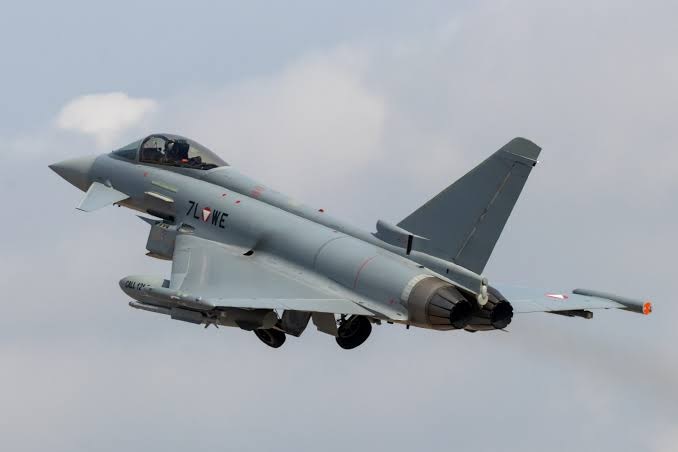
World
LONDON — The Eurofighter Typhoon program is facing a range of production, logistics and competitive challenges as partner nations work to sustain the aircraft while also investing in next-generation fighter programs. Developed through a partnership between the United Kingdom, Germany, Italy and Spain, the Eurofighter was designed to share development costs, manufacturing work and industrial benefits among the four countries. While that approach helped secure long-term political and industrial support, it has also created a complex production and maintenance structure that is becoming more difficult to manage as demand increases. The aircraft's manufacturing and supply chain are spread across the four partner nations. As a result, disruptions such as budget delays, export restrictions or industrial issues in one country can affect production and maintenance across the entire program. Industry observers note that these supply chain constraints have contributed to delays in spare parts availability, affecting fleet readiness for several operators. The program also faces challenges because the Eurofighter fleet consists of multiple production standards. Tranche 1, Tranche 2 and Tranche 3 aircraft differ in avionics, sensor integration and weapons compatibility, creating a mixed fleet that requires different maintenance, software support and upgrade paths. This has increased sustainment costs and made long-term fleet management more complex. Modernization efforts have also progressed at different speeds among partner nations. The United Kingdom's integration of the ECRS Mk2 radar and Germany's specialized Eurofighters equipped with the Saab Arexis electronic warfare system have experienced delays. Analysts attribute these delays primarily to differences in national funding decisions, procurement schedules and changing defense priorities rather than technical limitations. Unlike some newer fighter programs that operate through a unified digital logistics network, Eurofighter support is managed through separate national systems. Defense analysts say this approach increases lifecycle costs and reduces efficiency because maintenance, software management and logistics are coordinated through multiple national frameworks instead of a single integrated system. Despite these challenges, production is expanding to meet new requirements. Germany recently ordered 20 Tranche 5 Eurofighters to strengthen its combat fleet while maintaining domestic production lines. The program has also secured new export business after Türkiye signed an agreement in late 2025 to acquire 20 newly built Eurofighters along with second-hand aircraft. However, experts note that each new operator introduces additional maintenance requirements, software configurations and logistics demands, placing further pressure on an already complex support network. The Eurofighter has also faced increasing competition in the international fighter market from the U.S. F-35. In several recent procurement competitions, countries selected the fifth-generation aircraft over the Typhoon, citing its stealth capabilities and broader future growth potential despite comparable acquisition costs. The shift in procurement priorities is also visible among Eurofighter partner nations. The United Kingdom has decided not to purchase additional Eurofighters and plans to retire older Typhoon aircraft earlier than originally scheduled while expanding its F-35A fleet. Germany has also adjusted its acquisition strategy. Alongside new Eurofighter orders, Berlin has committed to purchasing 35 F-35 aircraft to support its NATO nuclear-sharing mission. Following the end of the Franco-German Future Combat Air System (FCAS) project in June 2026, reports indicate Germany is evaluating the possibility of expanding its F-35 fleet further while continuing to operate upgraded Eurofighters. The aircraft's international profile was also affected by developments in the Middle East. In 2025, the Qatar Emiri Air Force confirmed plans to phase out its fleet of 24 Eurofighters, which had entered service beginning in 2022. Several of those aircraft are expected to be transferred to Türkiye. Attention also focused on the 2024 "Zilzal-II" multinational air exercise held in Qatar, where reports indicated Eurofighters performed below expectations during simulated engagements against Pakistan Air Force-operated Chinese-built J-10CE fighters. Defense analysts note that military exercises are conducted under specific rules of engagement and do not necessarily represent actual combat performance, but the reported results prompted discussion about the Typhoon's competitiveness against modern fighter platforms. Looking ahead, Eurofighter partner nations are increasingly focusing on sixth-generation aircraft development. The United Kingdom, Italy and Japan are jointly developing the Global Combat Air Programme (GCAP), while Germany is exploring the possibility of joining the initiative following the termination of the FCAS project. Analysts say future multinational defense programs could benefit from lessons learned during the Eurofighter program, particularly in areas such as supply chain integration, common logistics systems, upgrade coordination and long-term sustainment planning. The Eurofighter Typhoon remains a key combat aircraft for several European air forces, but the program's experience illustrates the operational and industrial challenges involved in managing a large multinational defense project while adapting to changing military requirements and growing competition from newer fighter platforms. Source: militarywatchmagazine
Read More → Posted on 2026-07-05 15:44:14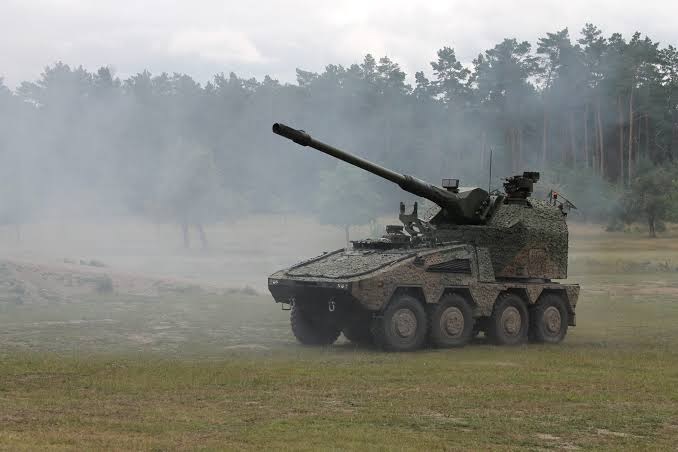
World
Berlin — The German-made RCH 155 self-propelled artillery system has officially achieved "combat proven" status following its operational use in Ukraine, according to Nicholas Drummond, an advisor to defense manufacturer KNDS. Drummond announced the milestone on the social media platform X, confirming that the system has successfully completed combat testing. I’m pleased to announce that two new words can now be used to describe the Boxer RCH155: “combat proven.” pic.twitter.com/isCWBlMjOk — Nicholas Drummond (@nicholadrummond) July 5, 2026 Although Drummond did not disclose where the testing took place, Ukraine is currently the only country operating the RCH 155 in an active conflict. Other customers, including Germany, the United Kingdom, Switzerland and Qatar, have placed orders for the system but are still awaiting deliveries. Ukraine first announced plans to acquire the RCH 155 in September 2022 with an initial order for 18 systems. The order was later expanded to 54 units, and production began in January 2023. While deliveries took longer than originally expected, KNDS used the additional time to introduce improvements based on operational feedback from Ukrainian forces using other Western artillery systems on the battlefield. Following these refinements, Germany officially handed over the first RCH 155 to Ukraine in January 2025, making Ukraine the launch operator of the system. The RCH 155 combines the GTK Boxer 8×8 wheeled armored vehicle with the fully automated Artillery Gun Module (AGM), which uses the same 155mm/L52 gun technology as the German PzH 2000 self-propelled howitzer. The unmanned turret significantly reduces crew requirements, allowing the system to operate with just two personnel—a commander and a driver/operator. The automated module carries 30 fused artillery rounds and 144 modular propellant charges. One of the RCH 155's key features is its ability to fire while moving. According to KNDS, it is the only artillery system currently capable of engaging targets without stopping, allowing crews to conduct rapid "shoot-and-scoot" operations and quickly change position to reduce the risk of counter-battery fire. The vehicle weighs just under 40 tonnes, including the 12.5-ton AGM module, and is powered by an 815-horsepower MTU diesel engine. It can exceed road speeds of 100 km/h, providing high operational mobility. The system can fire up to nine rounds per minute with a standard firing range of around 40 kilometers. Using Very Long Range Artillery Projectiles (V-LAP), its maximum range extends to approximately 54 kilometers. The RCH 155 is also compatible with precision-guided munitions such as VULCANO and EXCALIBUR, enabling more accurate engagement of long-range targets. The howitzer also supports Multiple Round Simultaneous Impact (MRSI), allowing up to five projectiles fired along different trajectories to strike the target at nearly the same time. This capability increases effectiveness against fortified positions and time-sensitive targets. The system's operational experience in Ukraine comes as several European countries move forward with large procurement programs. In late 2025, the German parliament approved a framework agreement for up to 500 RCH 155 systems, including a firm order for 80 units. In May 2026, the United Kingdom signed a contract worth nearly £1 billion to acquire 72 RCH 155 systems to replace older artillery platforms and strengthen the British Army's long-range fire support capabilities. The combat experience gained in Ukraine is expected to provide valuable operational data for KNDS as production continues for international customers. The company has stated that lessons learned from battlefield use have already been incorporated into the system's design, supporting further improvements before additional deliveries begin. Source: X
Read More → Posted on 2026-07-05 15:34:32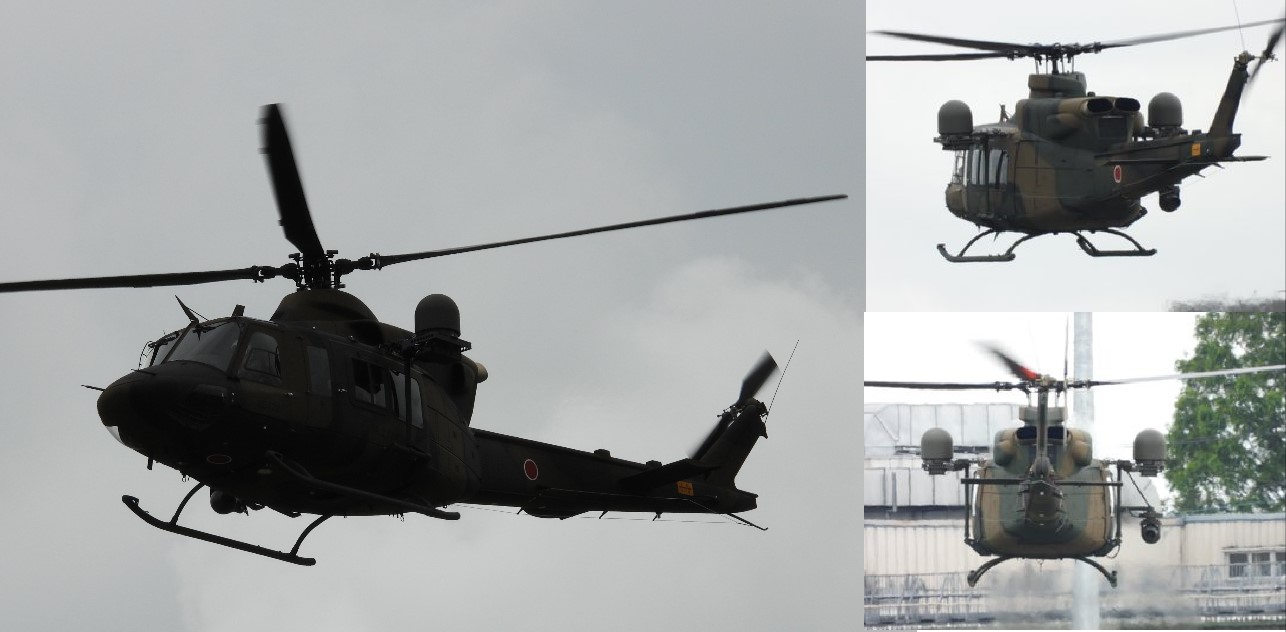
World
TOKYO — A Japan Ground Self-Defense Force (JGSDF) UH-2 utility helicopter has been photographed in flight with a previously unseen roof-mounted antenna configuration, drawing attention from military aviation observers and open-source analysts. The images, shared on the social media platform X by aviation photographer nobita0114, show the helicopter fitted with two large dome-shaped antennas mounted on top of the cabin. The configuration has not previously been seen on publicly photographed UH-2 flights, leading to discussion over the possible purpose of the modification. The exact role of the antenna system has not been confirmed. Aviation observers have suggested two possible explanations based on the aircraft's external appearance, but no official information has been released by Japanese authorities. One assessment is that the paired dome antennas could support a signals intelligence (SIGINT) role. Similar twin-antenna arrangements are used on some military aircraft to detect, locate and triangulate radar or radio transmissions by comparing signals received through antennas mounted at separate positions. Another view, shared within the Japanese aviation community, is that the modification is more likely intended for satellite communications or high-speed data relay rather than intelligence collection. Users posting under the X handles asura0998822 and chageimgur provided additional context after examining the photographs on July 4 and 5, 2026. According to asura0998822, the same UH-2 airframe had been photographed on the ground with the antenna installation in January 2026. The approximately six-month period between the initial ground sighting and the recent flight photographs suggests the equipment underwent an extended testing and certification process before airborne evaluation. chageimgur suggested the antenna domes could be part of a satellite communications and data relay system referred to as HeliSAT. According to the analysis, such a system could improve the transmission of aerial information collected during disaster response operations. The JGSDF currently operates a system known as HeliTele, which uses a stabilized sensor turret mounted beneath helicopters to capture live video over disaster areas. The footage can be transmitted to military commanders and, during major national emergencies, shared with civilian television broadcasters. If the newly observed antenna system is related to satellite communications, it could improve the range and reliability of those data links, although this has not been officially confirmed. The same analysis also noted that as unmanned aerial systems continue to mature, drones could increasingly perform aerial observation missions, allowing helicopters such as the UH-2 and UH-60JA to focus on transport, rescue and other missions requiring crewed aircraft. This remains an opinion expressed by the analyst and has not been announced as JGSDF policy. The UH-2 is the JGSDF's newest utility helicopter and is a military version of the Subaru Bell 412EPX, developed jointly by Subaru Corporation and Bell Textron. The aircraft is intended to replace Japan's aging fleet of UH-1J helicopters, which had an average service age of about 22 years when UH-2 deliveries began in 2022. Compared with the older UH-1J, the UH-2 features a four-blade composite main rotor instead of a two-blade rotor and is powered by twin Pratt & Whitney Canada PT6T-9 engines, providing improved payload capacity and flight performance. The helicopter is designed for utility transport, disaster relief and operations across Japan's mountainous terrain and remote islands. As of now, Japan's Ministry of Defense, the Japan Ground Self-Defense Force, and Subaru Corporation have not issued any official statement explaining the purpose of the newly installed antenna system. Because externally similar antenna housings can support different types of equipment, the function of the modification cannot be confirmed from photographs alone. The helicopter remains under observation by aviation analysts, and the purpose of the new antenna installation is expected to become clearer only if official information is released or additional details emerge during future testing. Source: defence-blog
Read More → Posted on 2026-07-05 15:05:27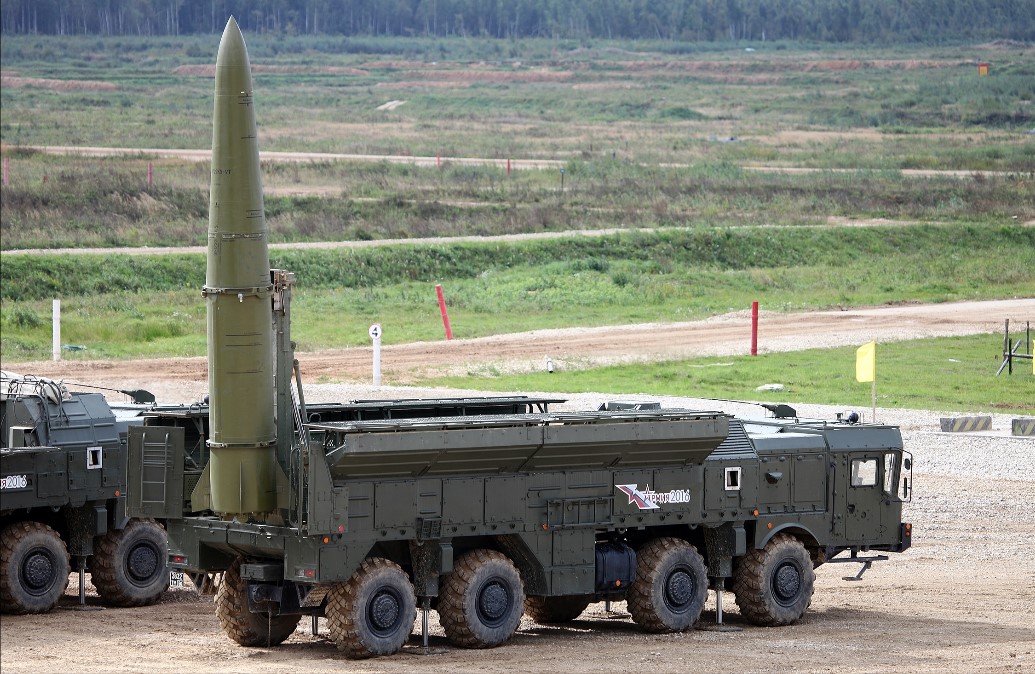
World
Moscow — Russia has equipped the 9M723 short-range ballistic missile used by the Iskander-M missile system with a new autonomous guidance system known as Kometa-M12R-VT, according to the Russian military monitoring Telegram channel "Colonel of the General Staff." The main upgrade is a 12-element multi-channel digital Controlled Reception Pattern Antenna (CRPA) installed in the missile's nose section. According to the report, the antenna receives satellite navigation data during the initial and mid-course stages of flight, improving navigation accuracy and increasing resistance to electronic warfare (EW) interference. Components of the Kometa-M12R-VT 12-element antenna system used on the 9M723 Iskander-M ballistic missile. Photo: Telegram/"Colonel of the General Staff". During the terminal phase of flight, the missile switches to the Kometa-R8 tail guidance system. This unit is fitted with two four-element heat-resistant ARP-4T antenna arrays designed to operate under the high-temperature conditions encountered during the final stage of the missile's flight. The report states that the previous version of the guidance system was designated Kometa-MP12, where "M" stands for "modernized" and "P" refers to "rocket." According to the author of the Telegram post, the new "VT" designation likely indicates a high-temperature or heat-resistant modification. The author also states that effectivealy suppressing the 12-element antenna system within its operating frequency range could require the simultaneous operation of more than 11 high-power electronic warfare systems, although this assessment has not been independently verified. Kometa Guidance Technology Used Across Multiple Weapons The Kometa guidance system is also used on several other Russian precision-guided weapons. In April 2024, reports indicated that Russia began upgrading Unified Planning and Correction Modules (UMPK) used on aerial glide bombs by fitting them with 12-channel Kometa CRPA antennas to improve resistance to Ukrainian electronic warfare. By March 2025, Russia had reportedly equipped domestically assembled Shahed-type kamikaze drones with larger 16-element CRPA antennas. The report also notes that Russian forces had previously used Chinese-made eight-element round CRPA antennas, which were identified in January 2025, as part of efforts to improve navigation performance in electronically contested environments. Ukraine Targets Kometa Production Facilities According to the report, Ukrainian Defense Forces have sought to counter these guidance systems not only by improving their own electronic warfare capabilities but also by targeting facilities involved in their production. One of those facilities is VNIIR-Progress in Cheboksary, located in Russia's Chuvash Republic. The plant manufactures GNSS receivers and antennas that support GLONASS, GPS and Galileo satellite navigation systems used by the Russian military. The report states that on June 10, 2026, Ukrainian forces launched an attack on the facility using FP-5 Flamingo cruise missiles. The continued introduction of Kometa guidance systems on ballistic missiles, glide bombs and drones reflects Russia's ongoing efforts to improve the resistance of its precision-guided weapons to electronic warfare, while Ukraine continues targeting the industrial facilities involved in producing these navigation components. Source: militarnyi
Read More → Posted on 2026-07-05 13:53:40
World
CAIRO — Egypt has officially inaugurated its new State Strategic Command Headquarters, known as "The Octagon," in the country's New Administrative Capital, with President Abdel Fattah el-Sisi leading the opening ceremony on Saturday. The ceremony was attended by senior military and civilian officials, including Defense Minister Lieutenant General Ashraf Salem Zaher and Chief of Staff Ahmed Khalifa. Wearing a military uniform, President Sisi signed the official charter and raised the Armed Forces flag to formally commission the new headquarters. The inauguration also featured an 11-gun salute, a motorcycle procession, and aerial demonstrations by the Egyptian Air Force. Defense Headquarters Compared With the Pentagon Egyptian officials describe The Octagon as the world's largest defense headquarters complex. According to official figures, the facility covers 22,000 acres with a total floor area of approximately 50.5 million square feet, making it substantially larger than the United States Pentagon, which occupies about 583 acres with approximately 6.5 million square feet of floor space. Feature The Octagon (Egypt) The Pentagon (United States) Land Area 22,000 acres 583 acres Floor Area 50.5 million sq ft 6.5 million sq ft Staff Capacity Significantly larger capacity across 13 integrated strategic and logistical zones Approximately 23,000 employees Located east of Cairo in the New Administrative Capital, the complex serves as the central headquarters for Egypt's Ministry of Defense and the country's strategic military command. Egypt UNVEILS WORLD’S LARGEST DEFENSE HQTHE OCTAGON bigger than the US PENTAGONPresident Abdel Fattah el-Sisi PERSONALLY inaugurates Strategic Command Center in military uniform pic.twitter.com/N8p0xsivdY — RT (@RT_com) July 4, 2026 Eight-Octagon Design The headquarters derives its name from its architectural layout, which consists of eight interconnected octagonal buildings surrounding two central ministerial structures. The outer buildings represent different branches of the Egyptian Armed Forces and sovereign state institutions, while the two central buildings serve as the main political leadership and strategic command centers. The complex is connected through secure corridors and fortified underground networks designed to support protected movement and uninterrupted operations. The architecture also incorporates Pharaonic-inspired pillars, reflecting elements of ancient Egyptian design. Integrated Strategic Command Center According to Egyptian officials, The Octagon is designed as a centralized strategic command center that coordinates military operations, government ministries, intelligence organizations, and other state institutions during national emergencies. The headquarters includes: Encrypted high-speed fiber-optic communications and secure fifth- and sixth-generation communication technologies. Artificial intelligence and cloud-enabled data systems for real-time operational information management. Independent power generation, water supply, cooling systems, and residential facilities designed to maintain operations during exceptional circumstances. Six specialized operational centers, including a unified strategic data center, a telecommunications network control center, and an emergencies and safety center. According to officials, the integrated design is intended to improve coordination between civilian and military institutions while supporting faster decision-making during security and crisis situations. Part of the New Administrative Capital Project During the inauguration, President Sisi said the new headquarters strengthens the state's ability to manage national challenges and exceptional circumstances while supporting stability. Defense Minister Lieutenant General Ashraf Salem Zaher said the headquarters integrates civilian governance, intelligence, and military command functions under a unified strategic framework to improve coordination on national security matters. The opening of The Octagon is part of Egypt's broader plan to relocate key government institutions and strategic facilities to the New Administrative Capital, a major development project east of Cairo that is intended to serve as the country's new administrative and governmental center.
Read More → Posted on 2026-07-05 13:37:02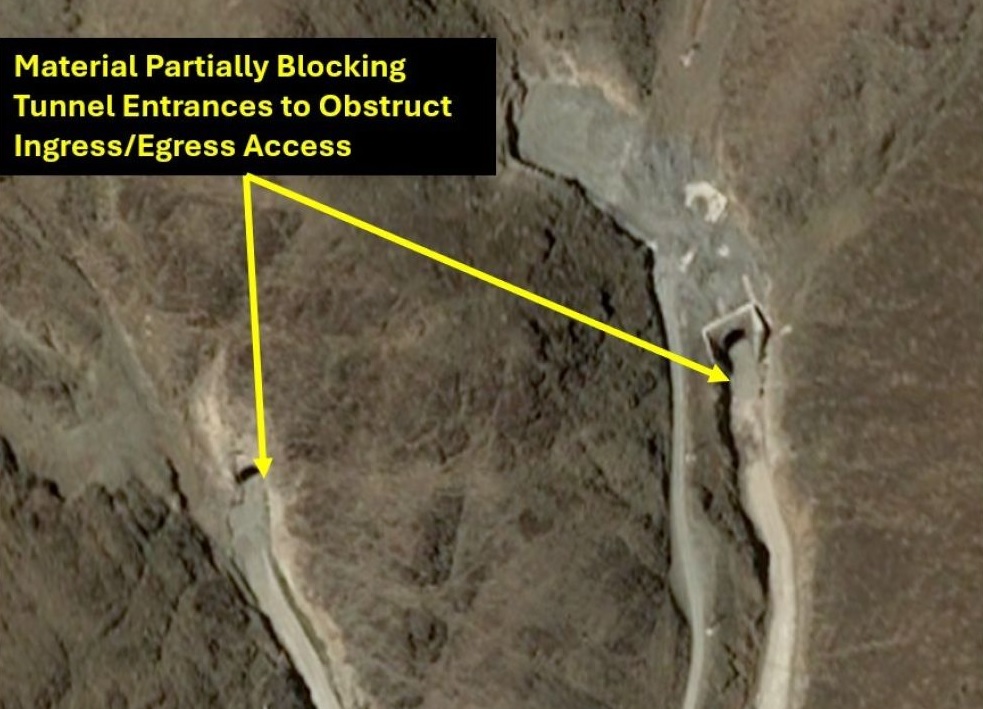
World
WASHINGTON — New satellite imagery indicates that construction activity has resumed at Iran's underground Pickaxe Mountain tunnel complex near the Natanz nuclear facility, while no major repair work has been observed at the country's main nuclear sites damaged during U.S. and Israeli strikes last year, according to a report by the Washington-based Institute for Science and International Security (ISIS). The latest imagery, provided by Vantor Tech in late June and analyzed by the institute, shows vehicles and construction crews working to reinforce tunnel entrances at the site, also known as Kuh-e Kolang Gaz La, located about one mile south of the main Natanz nuclear facility. According to the institute, the ongoing work appears inconsistent with the terms of the June 17 U.S.-Iran memorandum of understanding (MOU), which requires Iran to maintain the status quo of its nuclear program and refrain from construction at nuclear-related sites while negotiations continue. Recent satellite imagery from late June 2026, of the Natanz Nuclear Complex and the nearby Pickaxe Mountain facility, Fordow, and Esfahan, were provided to the Institute by @vantortech. At Natanz, little activity can be seen. The access points to the below ground enrichment… pic.twitter.com/on6isIGhNA — Inst for Science (@TheGoodISIS) July 2, 2026 No Major Repairs at Natanz, Fordo or Isfahan Despite the renewed activity at Pickaxe Mountain, the report found no evidence that Iran has started major repairs at the country's three principal nuclear facilities—Natanz, Fordo and Isfahan—which sustained heavy damage during the June 2025 conflict involving the United States and Israel. At Natanz, underground uranium enrichment halls remain inaccessible. Satellite images show damaged tunnel entrances, destroyed electrical infrastructure and cooling systems that have not yet been repaired. The report also found no significant reconstruction work at the Fordo uranium enrichment plant or the Isfahan Nuclear Technology Center. Tunnel entrances at both sites remain sealed with earth, indicating that large-scale restoration has not yet begun. Activity Continues at Pickaxe Mountain The Pickaxe Mountain complex has been under construction since at least 2020 and is built deep inside a granite mountain near Natanz. The International Atomic Energy Agency (IAEA) has never been granted access to the site, and its exact purpose has not been officially confirmed. ISIS analysts, including senior fellow Spencer Faragasso, assess that the underground complex is large enough to potentially house a new uranium enrichment facility, although no independent verification has confirmed that assessment. Satellite imagery indicates that construction activity has continued since the April ceasefire that halted the U.S.-Israeli conflict with Iran. Recent images show workers reinforcing tunnel entrances, while some portals have been partially filled with dirt to restrict vehicle access. A smaller internal tunnel complex has also been completely sealed. The institute said the contents of the sealed tunnels remain unknown, noting they could potentially contain equipment or material relocated from other nuclear facilities, although there is no public confirmation of what is stored inside. Most of the Pickaxe Mountain complex does not appear to be operational, according to the analysis. Defensive Measures at Fordo The report also noted that Iran has introduced additional defensive measures at the Fordo facility. Satellite images taken in May show earthen and rocky barriers constructed near blocked tunnel entrances. Defense analysts believe these obstacles are intended to make potential ground operations against the site more difficult. According to the IAEA's previous assessments, most of Iran's approximately 440-kilogram stockpile of uranium enriched to 60% is believed to be stored at the Isfahan facility, with smaller quantities located at Natanz and Fordo. Missile Infrastructure Also Being Restored Alongside activity at nuclear-related sites, Iran has continued rebuilding parts of its underground missile infrastructure damaged during the 2025 conflict. According to previous defense assessments cited in the report, Iran has restored access to 50 of 69 tunnel entrances across 18 underground missile facilities since the April ceasefire. Damaged access roads have also been repaired to restore logistical movement. Peace Talks Continue The latest satellite findings come as the United States and Iran continue negotiations under the June 2026 memorandum of understanding aimed at reducing regional tensions and maintaining the current status of Iran's nuclear program. Israel is not a party to the agreement and has publicly criticized the diplomatic framework, arguing that it does not provide sufficient guarantees regarding the permanent dismantling of Iran's nuclear program. The Institute for Science and International Security said continued satellite monitoring remains an important tool for assessing developments at Iran's nuclear facilities, particularly at locations where international inspectors have not been granted access. Source: timesofisrael / isis
Read More → Posted on 2026-07-05 12:23:30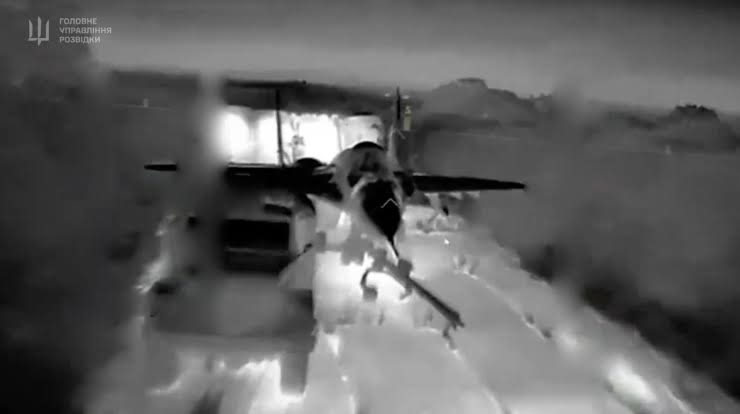
World
Kyiv — Ukraine's Main Directorate of Intelligence (GUR) says its Unmanned Systems Department carried out a drone strike on Belbek Airfield near Sevastopol in occupied Crimea during the night of June 25–26, 2026. According to the agency, the operation destroyed a MiG-29 fighter jet and a ground support vehicle that was servicing the aircraft at the time. The GUR released video footage of the strike and estimated the damage at tens of millions of dollars. The reported losses have not been independently verified, and Russia has not publicly commented on the incident. Aircraft Reportedly Originated From Ukraine's Pre-2014 Fleet While the GUR identified the destroyed aircraft as a Russian MiG-29, information from historical records indicates the fighter was originally part of the Ukrainian Air Force before Russia's annexation of Crimea in 2014. The aircraft was identified as a MiG-29 Izdeliye 9-13 that had served with Ukraine's 204th Tactical Aviation Brigade, which was based in Crimea before the peninsula came under Russian control. According to available information, the fighter was among several aircraft seized by Russian forces after the annexation. The aircraft, along with three L-39 trainer aircraft, was never returned to Ukraine. Reports indicate the MiG-29 had remained grounded for approximately 12 years. At the time it was seized in 2014, the aircraft had reportedly been on Quick Reaction Alert duty and was still armed with two R-27ER1 air-to-air missiles. Some reports have suggested that many of the Ukrainian drone operators involved in today's Unmanned Systems Forces were children when Crimea was annexed in 2014 and therefore may not have known the aircraft had originally belonged to Ukraine's own air force. Belbek Remains a Key Russian Air Base Belbek Airfield is one of Russia's main military aviation bases in Crimea. It is home to the 38th Fighter Aviation Regiment, which primarily operates Su-27SM and Su-27SM3 fighter aircraft. Since late 2023, the base has also hosted MiG-31 interceptor aircraft. Located about 300 kilometers (186 miles) from Ukraine's mainland coast, the airfield has repeatedly been targeted by Ukrainian long-range drone and missile strikes despite Russian efforts to strengthen its defenses through hardened aircraft shelters and camouflage. The MiG-29, known by NATO as the Fulcrum, is a Soviet-designed twin-engine fighter that remains in Russian service for air defense and patrol missions. BREAKING: Due to a strategic mistake, the Ukrainian Unmanned Systems Forces targeted and destroyed the MiG-29s of the Ukrainian Air Force's 204th Tactical Aviation Brigade at Belbek AB, Crimea. These MiG-29s alongside three L-39s had been seized by Russians after take-over of… pic.twitter.com/k617GsEXW4 — Babak Taghvaee - The Crisis Watch (@BabakTaghvaee1) July 4, 2026 Part of a Continuing Campaign Against Military Targets in Crimea The latest strike is part of Ukraine's continuing campaign targeting Russian military infrastructure across occupied Crimea. Previous reported attacks on Belbek include: December 17–18, 2025: Ukraine's Security Service (SBU) said it destroyed a weapons-loaded MiG-31, two Nebo-SVU early-warning radars, a 92N6 radar, and a Pantsir-S2 air defense system. Ukraine estimated the damage at around $300 million, although the figures were not independently verified. December 19–20, 2025: The SBU reported another strike on Belbek that damaged two Su-27 fighters and destroyed one aircraft that was fully armed while positioned on a taxiway before a planned combat sortie. Other Operations Across Crimea Belbek is one of several military sites targeted by Ukrainian forces in Crimea. In December 2025, the GUR reported striking a MiG-29 at Kacha Airfield together with an Irtysh radar complex near Simferopol. However, independent aviation analysts questioned that claim, noting that Kacha has historically operated helicopters and amphibious aircraft rather than MiG-29 fighters. Some analysts suggested the aircraft may have been a decoy placed to attract attacks, although this has not been confirmed. Unlike Kacha, Belbek has long served as an operational fighter base, although the exact extent of damage from the June 2026 strike has not been independently verified. Continued Pressure on Russian Military Infrastructure Ukraine has continued targeting military facilities across Crimea throughout 2026. Satellite imagery released in early July showed damage to six of seven hardened aircraft shelters at Saky Airfield. Ukrainian strikes have also targeted bridges linking Crimea with mainland Russia and fuel infrastructure, contributing to reported fuel supply disruptions on the peninsula. Russian forces have responded by conducting military exercises that simulated a possible Ukrainian amphibious landing in Crimea. However, many military analysts consider a large-scale amphibious assault unlikely because of the significant personnel, equipment, and logistical support such an operation would require. The latest operation at Belbek reflects Ukraine's continuing effort to target aircraft, radar systems, air defense assets, and support infrastructure at Russian military bases in Crimea. Ukrainian officials say these operations are intended to reduce Russia's ability to conduct air operations from the peninsula, while independent verification of specific battlefield damage remains limited. Source: defence-blog / pravda
Read More → Posted on 2026-07-05 11:42:18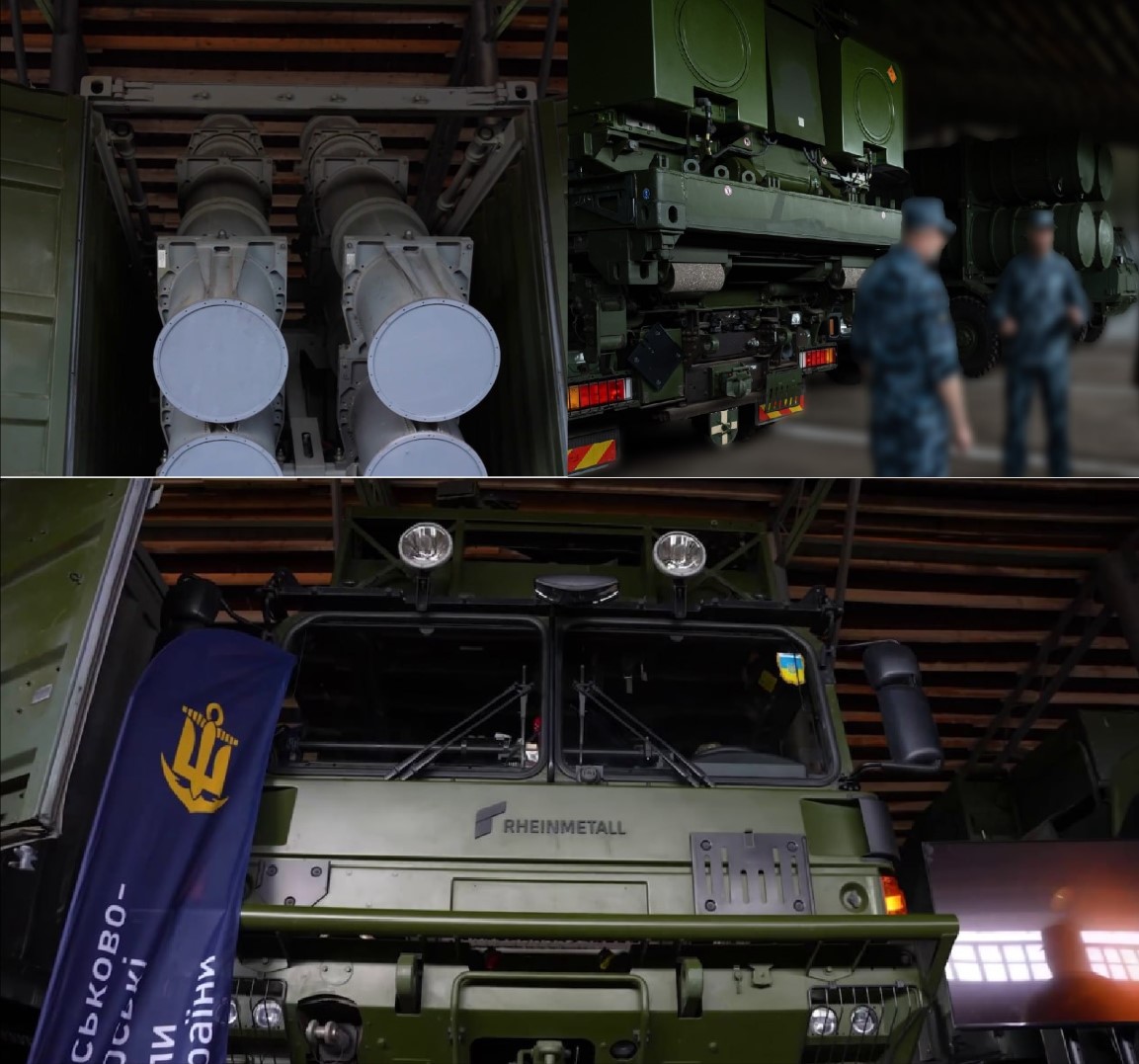
Ukraine Displays Harpoon and NSM Coastal Missile Launchers for First Time During Navy Event in Odesa
World
Odesa, Ukraine — Ukraine has publicly displayed its Harpoon, Naval Strike Missile (NSM), RBS-15, and domestically produced Neptune coastal missile systems during President Volodymyr Zelenskyy's working visit to Odesa Oblast, providing the first official visual confirmation of several Western-supplied launchers in Ukrainian service. The missile systems appeared in official photos and video released following Zelenskyy's coordination meeting with the command of the Ukrainian Navy on July 4. During the meeting, Zelenskyy and senior Navy commanders discussed regional security, protection against Russian missile and drone attacks, maritime threats in the Black Sea, and Ukraine's long-range strike capabilities. Harpoon Coastal Launcher Displayed Publicly Ukraine publicly revealed its land-based Harpoon coastal defense launcher for the first time. The footage shows a containerized launcher configuration with four transport-launch canisters mounted inside a standard shipping container on a truck chassis. The United States and Denmark announced the transfer of Harpoon anti-ship missiles to Ukraine in the spring of 2022, and the system entered operational service later that year. However, the launcher configuration had not previously been shown publicly. The Harpoon, developed by Boeing, continues to receive upgrades. In 2025, Boeing completed testing of the Harpoon Block II Update, designed to extend the missile's service life and improve its operational capabilities. NSM Makes First Official Appearance The official footage also showed the Naval Strike Missile (NSM) coastal defense launcher for the first time. Developed by Norway's Kongsberg Defence & Aerospace, the NSM had been the subject of media reports since 2022, but Ukrainian authorities had not officially confirmed receiving or operating the system before its appearance during the Odesa visit. The launcher shown in the footage is painted solid green and mounted on a truck equipped with a multilift hook-loading system. This differs from the camouflaged Jelcz truck chassis used by the Polish Navy, which operates the only other NSM Coastal Defense System in Europe. Ukrainian officials have not confirmed which country supplied the system. The NSM is a precision-guided subsonic cruise missile with a reported range of 200 to 300 kilometers. It uses an inertial navigation system with GPS updates and an imaging infrared seeker to engage both naval and land targets. RBS-15 and Neptune Also Shown The display also included the RBS-15 coastal anti-ship missile system, marking its first public appearance in Ukrainian service. The launcher identified in the footage is mounted on a Sisu SK242 truck chassis previously used by the Finnish Navy. Earlier this year, the Ukrainian Navy confirmed that the RBS-15 was used during an April 2026 strike against the Russian Syvash offshore drilling platform, marking the missile system's combat debut. Launchers for Ukraine's domestically developed Neptune anti-ship missile were also displayed. The Neptune has a reported range of 280 kilometers and remains part of Ukraine's coastal defense force. Diverse Coastal Defense Arsenal The public display confirms that the Ukrainian Navy is operating a range of coastal anti-ship missile systems, including the Harpoon, NSM, RBS-15, and Neptune. The systems include both Western-supplied and domestically developed weapons used for coastal defense operations in the Black Sea region. Ukrainian authorities did not disclose the number of launchers or missiles in service. However, the official footage provided the first public view of several coastal missile launchers that had not previously been shown by Ukraine. Source: militarnyi
Read More → Posted on 2026-07-05 11:22:55
World
Brussels — France has secured approval for €15.1 billion in loans from the European Union's €150 billion Security Action for Europe (SAFE) defense fund, falling €1.1 billion short of the €16.2 billion it requested after several projects involving British participation failed to meet the program's eligibility requirements. The SAFE lending mechanism, adopted by the European Union in 2025 under the ReArm Europe initiative, is designed to strengthen Europe's defense industrial base by providing low-cost, long-term loans for joint defense procurement and capability development. The program aims to help EU member states increase defense production and address capability gaps through cooperative investments. The funding shortfall is linked to eligibility rules that France strongly supported during negotiations over the SAFE program. Under those rules, at least 65% of the value of a funded defense project must originate from the EU single market, Norway, Iceland, or Ukraine. Companies from other countries can contribute up to 35% unless their home country has both a security and defense partnership with the EU and has agreed to make a financial contribution to the SAFE program. At present, Canada is the only non-EU country that satisfies both conditions. The rules significantly affected projects involving the United Kingdom. Although London signed a security and defense partnership agreement with the EU last year, negotiations over a financial contribution to the SAFE program failed. France had initially pushed for the UK to contribute more than €6 billion to participate fully in the scheme. The proposed contribution was later reduced to around €2 billion, but no agreement was reached, leaving the UK outside the program's full eligibility framework. As a result, the European Commission excluded several UK-linked projects from France's approved funding package. Among the affected programs are projects involving MBDA, the European missile manufacturer jointly owned by Airbus, the UK's BAE Systems, and Italy's Leonardo. The company jointly produces the Storm Shadow/SCALP long-range cruise missile through its British and French operations. The missile has been supplied to Ukraine and remains one of Europe's key jointly developed precision-strike weapons. Defense companies including MBDA and Thales had previously argued for greater flexibility in the SAFE rules, noting that many advanced European defense programs rely on integrated supply chains that include British technology and industrial expertise. British officials also proposed that pan-European defense companies be treated as EU entities for the purposes of SAFE eligibility, but the proposal was not adopted. Despite the reduction in approved funding, French officials have maintained support for the procurement criteria. According to officials, the SAFE program was created to strengthen Europe's defense industry by prioritizing European manufacturers and production within the eligible countries. A senior EU diplomat said the outcome demonstrates the challenge of balancing the EU's goal of strengthening its strategic industrial base with the practical realities of multinational defense manufacturing, where many major programs depend on long-established cross-border partnerships. The case highlights the interconnected nature of Europe's defense industry, particularly in projects developed jointly by EU and UK companies following Brexit. It also underscores the policy trade-offs involved in applying strict local-content requirements while maintaining collaboration on major defense programs. France remains one of the largest beneficiaries of the SAFE program despite the €1.1 billion reduction, with its approved €15.1 billion allocation representing a significant share of the defense fund. More broadly, 18 EU member states initially expressed interest in SAFE loans totaling approximately €127 billion, reflecting growing European efforts to expand defense investment, increase industrial capacity, and improve military readiness through joint procurement. Source: Financial Times
Read More → Posted on 2026-07-05 10:53:45Search
Top Trending in 24 Hours
-
 India’s xTerra Robotics Launches Indigenous DHAV-Hy Wheeled-Legged Quadruped for Industrial Inspection
-
 U.S. Army Awards $10.64 Million Contract to Ukrainian Drone Maker Skyeton for Raybird Systems
-
 U.S. Space Force Seeks Rapid-Response Satellites for Close-Range Orbital Inspections
-
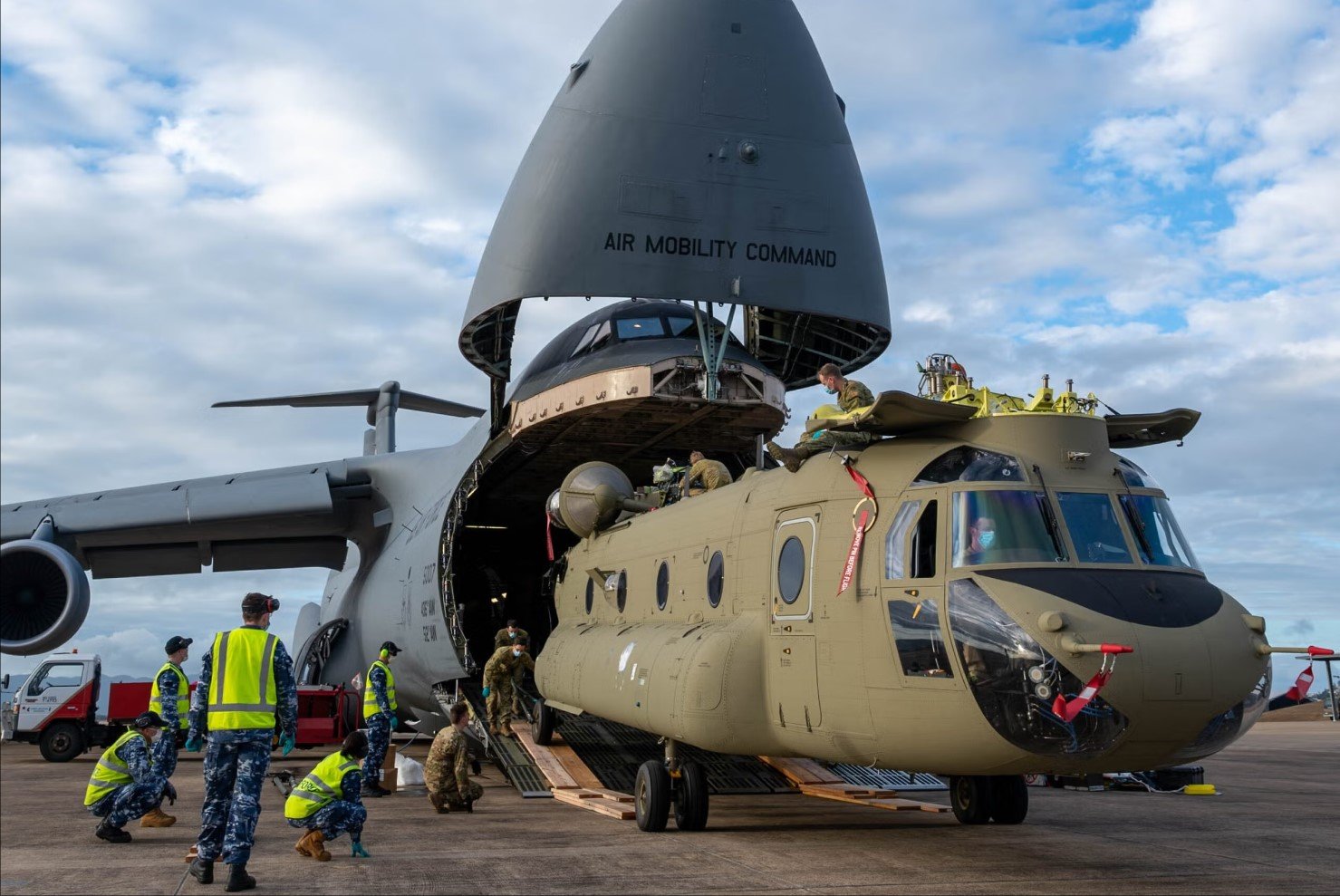 U.S. Delivers First CH-47F Chinook to Egypt Under 12-Helicopter Deal
-
 BEL Showcase X-Band Multi-Function Radar for QRSAM to Japanese Delegation
-
 IRGC Experts Visit Bab El-Mandeb to Oversee Radar Installation and Tunneling, Houthi Sources Say
-
 Ukraine Reports First Use of Fire Point’s FP-7 Tactical Ballistic Missile inMoscow-Region Strikes on Oil Refinery
Top Trending in 4 Days
-
 Sensitive F-35 Components Diverted to Hong Kong, Some Parts Missing
-
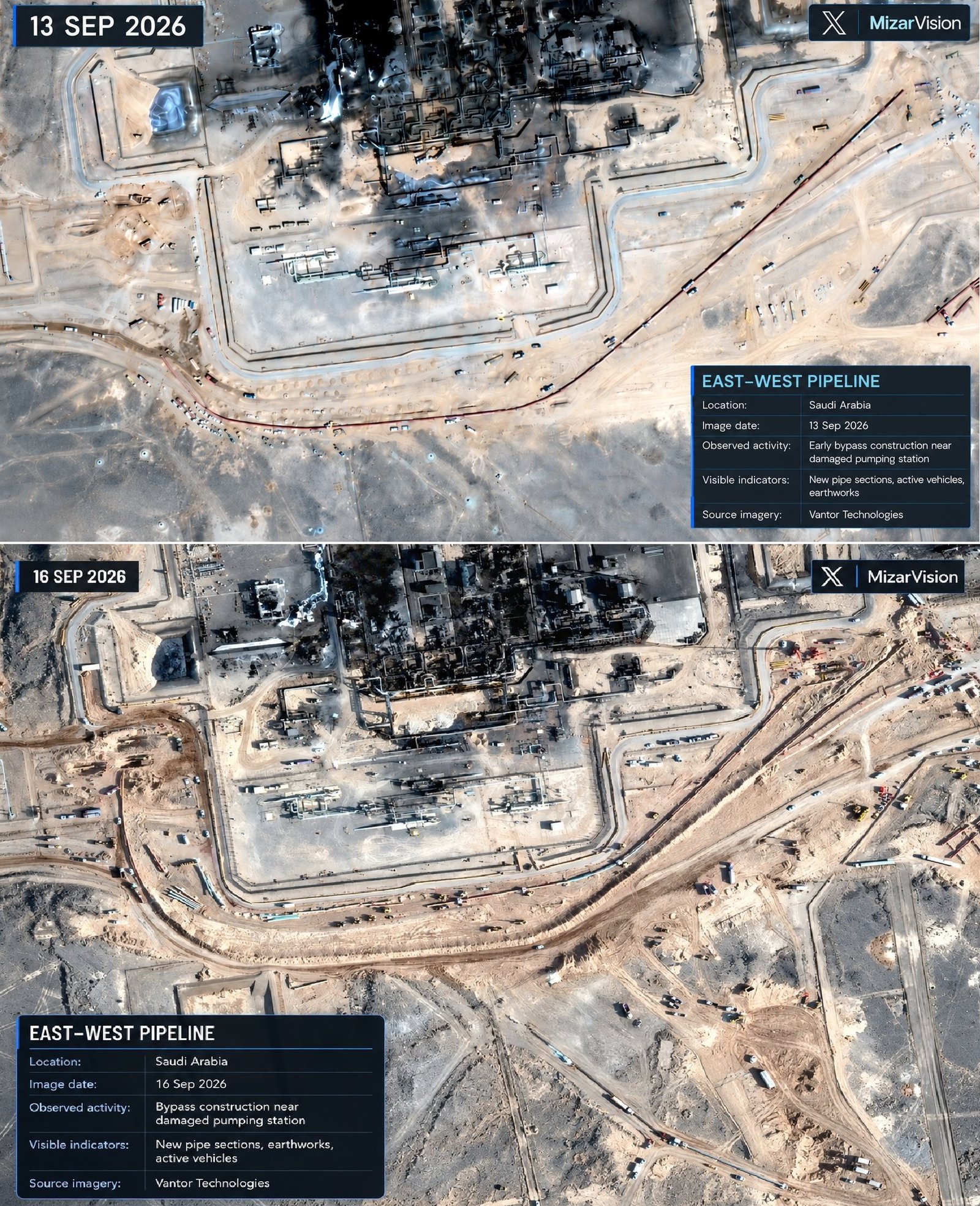 Satellite Images Show Saudi Arabia Building Emergency Bypass Around Damaged East-West Oil Pipeline Station
-
 Italian Eurofighter Damaged in Houthi Attack on Saudi Arabia’s King Fahd Air Base
-
 U.S. Secures Permanent Military Rights in Greenland in Historic Security Pact with Denmark
-
 U.S. Approves Potential $2.68 Billion Air Defense Package for Ukraine Including S-300 Clone Missiles
-
 BEL Signs Export Deal with Elbit Systems for Directed Infrared Countermeasure Sub-Assemblies, Secures ₹648 Crore in Additional Orders
-
 U.S. Warns Allies of Up to Five-Year Delays in Key Weapons Deliveries
-
 China Privately Urges Iran to Restrain Houthis After Saudi Appeal