World
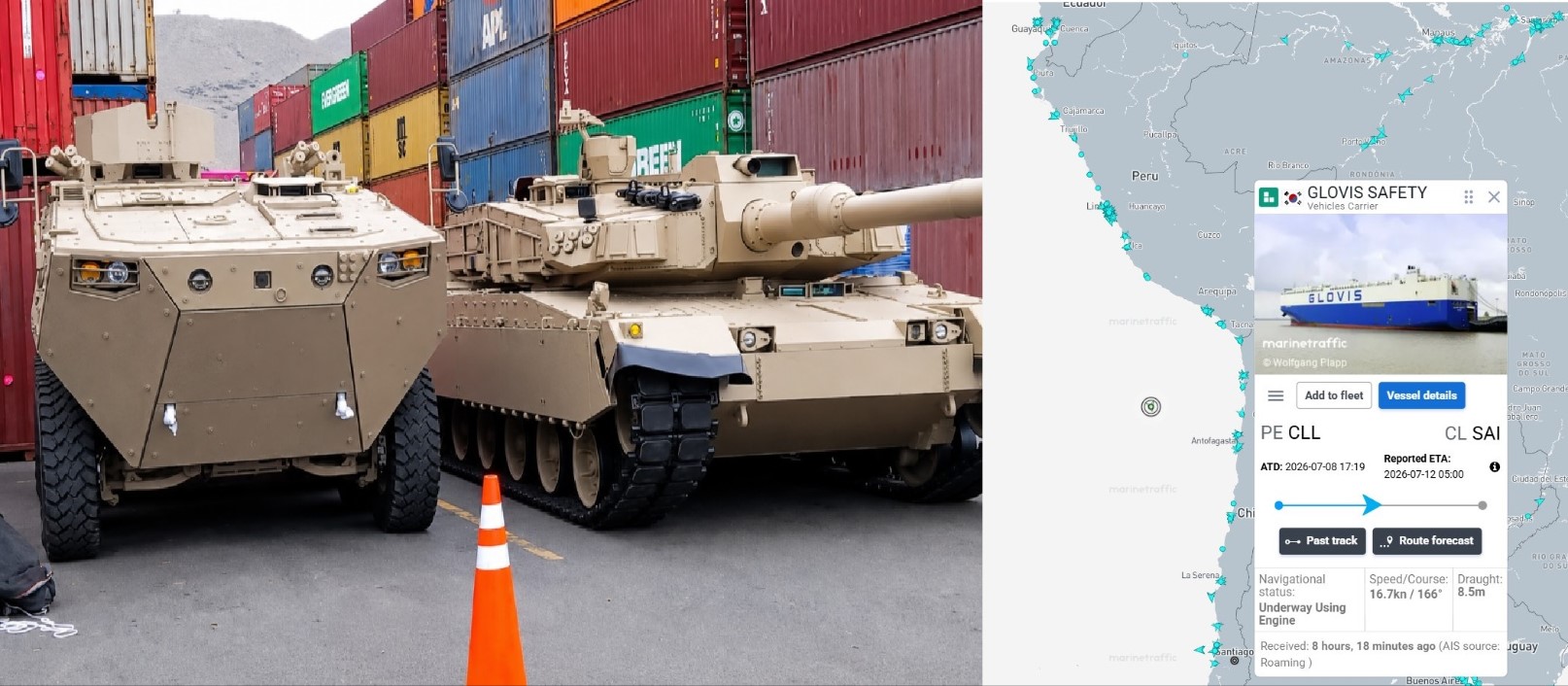
LIMA, Peru — The first batch of South Korean K2 Black Panther main battle tanks and K808 8×8 armored personnel carriers has arrived in Peru, marking a significant step in the country's armored force modernization program. The shipment reached the Port of Callao this week aboard the South Korean vehicle carrier GLOVIS SAFETY, according to vessel-tracking data and images shared by defense observers. The cargo includes at least two K2 Black Panther main battle tanks and six K808 armored personnel carriers (APCs). The delivery comes before the signing of the final implementation contract between Peru and South Korea and is intended to support testing and evaluation of the vehicles under local operating conditions. Early Delivery Ahead of Final Contract The arrival follows a strategic framework agreement signed on December 9, 2025, between South Korean defense manufacturer Hyundai Rotem and Peru's state-owned defense company FAME S.A.C. The agreement, valued at more than $1.4 billion, outlines Peru's planned acquisition of 54 K2 Black Panther tanks and 141 K808 armored personnel carriers, making it South Korea's largest land defense export to Latin America. While the framework agreement defines the scope of the program, the final implementation contract—which will establish delivery schedules, pricing, and legal terms—remains under negotiation. Reports previously indicated that the agreement was expected to be finalized between June and July 2026. Sending a limited number of vehicles before the full contract is a common practice in international defense procurement. It allows the customer to conduct operational trials before proceeding with larger deliveries. Testing in Peru's Operational Environment The newly delivered vehicles will undergo a series of field evaluations by the Peruvian Army. Planned testing includes cold-start trials, crew training, maintenance assessments, and high-altitude mobility tests in the Andes Mountains. The evaluations are intended to determine how the vehicles perform in Peru's diverse terrain and climate while allowing military personnel to gain experience operating and maintaining the platforms. The K2 Black Panther is expected to replace Peru's aging fleet of Soviet-era T-54 and T-55 tanks, which have been in service since the 1970s. K2 Black Panther Capabilities Developed by South Korea's Agency for Defense Development and manufactured by Hyundai Rotem, the K2 Black Panther is powered by a 1,500-horsepower diesel engine. The tank is equipped with an advanced hydropneumatic suspension system that allows the hull height to be adjusted to suit different terrain conditions. It can reach road speeds of up to 70 km/h. Its primary armament is a 120 mm smoothbore gun fitted with a domestically developed automatic loader, enabling the tank to maintain a high rate of fire while moving over uneven terrain and reducing crew workload during combat operations. The combination of high mobility and adjustable suspension is designed to support operations in challenging environments, including mountainous regions such as those found in Peru. K808 Armored Personnel Carriers Alongside the tanks, Peru received six K808 8×8 armored personnel carriers, which are designed for infantry transport and battlefield mobility. The standard K808 can travel at speeds of up to 100 km/h on roads and approximately 8 km/h in water during amphibious operations. Images of the newly arrived vehicles indicate possible design changes compared with standard K808s used by the South Korean Army. Defense observers have referred to the vehicles as a possible K808-PE configuration, citing differences in the front hull design and turret arrangement. The modifications may have been made to meet the Peruvian Army's operational requirements, climate, and equipment standards. However, Hyundai Rotem and the Peruvian Army have not officially confirmed the specifications or designation of the vehicles. Technology Transfer and Local Production A key element of the Peru-South Korea defense partnership is technology transfer and local industrial participation. Under the broader program, South Korean partners plan to invest approximately $270 million to establish a specialized armored vehicle assembly facility in Peru. According to the planned production schedule, fully assembled vehicles will be imported for training and operational use between 2026 and 2028. Beginning in 2029, production is expected to transition to licensed assembly in Peru. The long-term objective is to achieve 30 percent local content in the manufacturing process, strengthening Peru's domestic defense industry while supporting maintenance and future production capabilities. Part of Peru's Armored Modernization Peru has relied on older armored platforms, including the T-54, T-55, and M113 armored personnel carriers, for decades. The introduction of the K2 and K808 is intended to improve the army's mobility, protection, and operational capability. The current shipment provides Peru with the opportunity to evaluate the South Korean platforms under local conditions before the full acquisition program moves forward. As of now, neither the Peruvian government nor Hyundai Rotem has announced the signing date for the final implementation contract or confirmed the timeline for future deliveries. However, the arrival of the first K2 tanks and K808 armored vehicles represents an important milestone in the defense partnership between Peru and South Korea. Source: X
Read More → Posted on 2026-07-11 15:46:55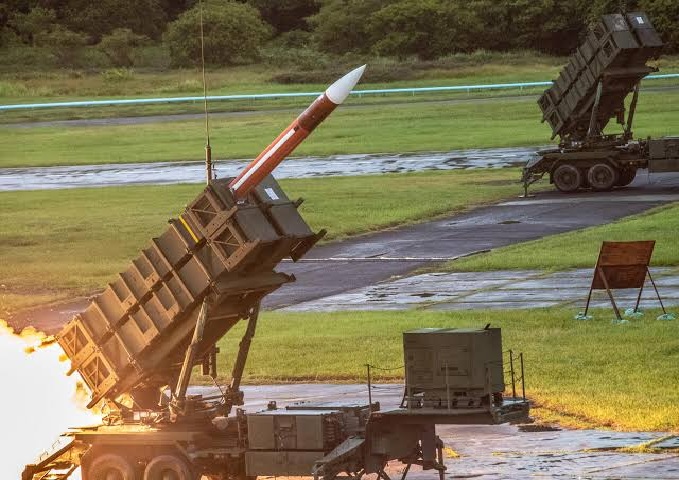
World
WASHINGTON — Ukraine is unlikely to establish domestic production of Patriot air defense missiles for several years, even if the United States grants permission to manufacture them, according to Charles Freeman, a retired American diplomat and former Assistant to the U.S. Secretary of Defense. Speaking to Russian state news agency RIA Novosti, Freeman said the complexity of the Patriot program and the time required to build production capacity mean that local manufacturing would not provide a near-term solution for Ukraine's air defense needs. Freeman noted that even in the United States, where the Patriot system is already in full-scale production, manufacturing a single Patriot system can take about two years. He said this illustrates the significant industrial, technical, and logistical challenges involved in establishing similar production capabilities in another country. According to the report, the United States also currently has no spare Patriot systems available for transfer to Ukraine, and that situation is not expected to improve in the coming years due to existing production commitments and global demand. The discussion comes after recent political talks during the NATO summit, where the possibility of allowing Ukraine to manufacture Patriot interceptors under a U.S. license received attention. U.S. President Donald Trump has indicated support for the idea of licensing domestic production, but defense experts say obtaining a license would be only the first step in a lengthy process. Ukrainian lawmaker Yehor Chernev has said that while legal and administrative work could begin relatively quickly, building a functioning production line would likely require at least 18 to 24 months for an initial pilot phase, with additional time needed before complete missiles could be produced. Even if major components were supplied from abroad, assembling and certifying the production process would remain a complex undertaking. Freeman also pointed to intellectual property and technology transfer as major challenges. The Patriot system is manufactured by RTX (formerly Raytheon) together with Lockheed Martin. Any domestic production in Ukraine would require agreements covering proprietary technologies, manufacturing rights, and technical standards, and it remains unclear under what conditions such approvals could be granted. Production of Patriot interceptors, including the PAC-3 Missile Segment Enhancement (PAC-3 MSE) variant, depends on a highly specialized global supply chain. Industry data shows that manufacturing a PAC-3 MSE interceptor takes around 24 months, while production of its solid-fuel rocket motor can require approximately 30 months because of limited manufacturing capacity and specialized components. Defense analysts also note that establishing Patriot production in Ukraine would require construction of certified manufacturing facilities, training a skilled workforce, integrating secure supply chains, and importing highly specialized components. Any production facility would also require significant air defense protection because it could become a potential target during the ongoing conflict. Germany's experience highlights the long timelines involved in Patriot-related manufacturing. After receiving political approval for a Patriot production line in 2024, manufacturing is not expected to begin until 2027. The Patriot air defense system has become one of Ukraine's most important assets for intercepting Russian ballistic missiles, cruise missiles, and drones. However, available systems remain limited, while demand from the United States and allied countries continues to exceed current production capacity. Although domestic Patriot production could strengthen Ukraine's defense industry over the long term, defense officials and analysts agree that it would not address the country's immediate air defense requirements. For the foreseeable future, Ukraine is expected to remain dependent on Patriot systems and interceptor supplies provided by its Western partners. Source: bostonherald
Read More → Posted on 2026-07-11 14:24:56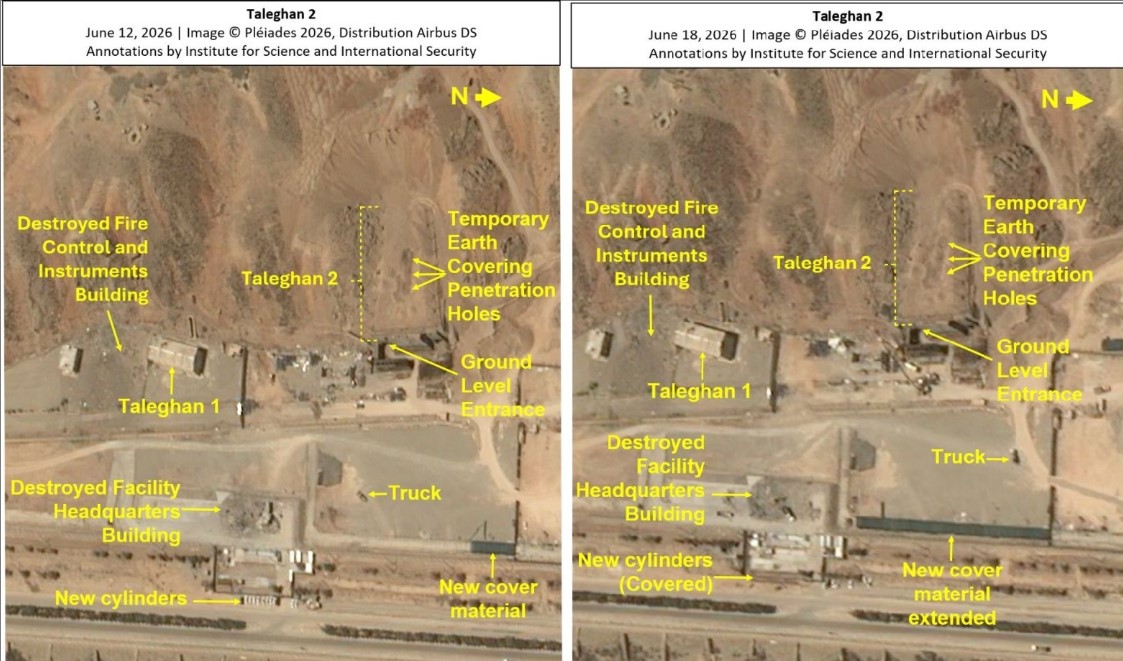
World
TEHRAN/WASHINGTON — Newly released commercial satellite imagery analyzed by CNN in collaboration with the Institute for Science and International Security (ISIS) indicates that Iran may have begun repairing and rebuilding several nuclear-related facilities damaged during U.S. and Israeli airstrikes earlier this year. The imagery, captured between June and early July 2026, has raised questions about whether the observed reconstruction work is consistent with a 14-point Memorandum of Understanding (MoU) signed between the United States and Iran in late June. Repair Activity Seen at Parchin and Pickaxe Mountain According to the analysis, one of the most significant developments has been observed at the Taleghan 2 facility inside the Parchin military complex, southeast of Tehran. The site has long been associated by Western analysts with nuclear weapons-related research, although Iran has consistently denied pursuing nuclear weapons. Satellite images show workers excavating around three bomb impact points created during earlier airstrikes. Initial cleanup involved placing temporary dirt coverings and protective screening over the damaged areas. Later images show steel reinforcing mesh installed before fresh concrete was poured to strengthen the hardened roof. Construction equipment, including cranes and concrete mixing trucks, was also visible operating at the site. Another location showing increased activity is Pickaxe Mountain, an underground facility located near Iran's Natanz uranium enrichment complex. The imagery shows construction vehicles regularly entering and leaving tunnel entrances. Analysts also identified a newly built security wall around the site, while tunnel portals appear to have been extended and covered with gravel and sand as part of ongoing engineering work. Military Bases Also Show Signs of Repairs Beyond nuclear-related locations, the satellite imagery also indicates repair work at several Iranian military facilities affected during previous strikes. At Tabriz Air Base, analysts observed that a runway crater caused by earlier attacks had been filled with concrete. Additional repair work has also been reported at several missile storage facilities and military bases. However, the latest available imagery does not show visible reconstruction work at Iran's major uranium enrichment facilities, including Natanz, Fordow, and Isfahan, which were also targeted during the conflict. Questions Over Compliance With U.S.-Iran Memorandum The reconstruction activity has drawn attention because it appears to have taken place while a 14-point Memorandum of Understanding (MoU) between Washington and Tehran was still in effect. The agreement, signed in late June 2026 following weeks of military tensions, reportedly included Iranian commitments not to develop or acquire nuclear weapons and to maintain the status quo at its nuclear facilities during the negotiation period. According to the CNN and Institute for Science and International Security analysis, repair work at locations such as Taleghan 2 appears to have started while the agreement remained active. Analysts cited in the report said such activity could raise questions about whether the work was consistent with the commitments outlined in the memorandum. The diplomatic arrangement later broke down after U.S. President Donald Trump stated that the agreement was no longer in effect, followed by additional U.S. military strikes against Iran earlier this week. Satellite Analysis Highlights Ongoing Recovery Efforts The imagery suggests that while earlier strikes disrupted operations at several nuclear-related facilities, Iran has begun clearing debris and restoring damaged infrastructure at selected locations. The Institute for Science and International Security said its assessment of the commercial satellite images points to substantial reconstruction work, particularly at the Taleghan 2 facility, including repairs to damaged structures and reinforcement of impacted areas. Experts also note that commercial satellite imagery provides valuable insight into activity at restricted sites, but it cannot by itself determine the exact purpose of construction work. They say independent verification by inspectors from the International Atomic Energy Agency (IAEA) would be necessary to fully assess the condition of Iran's nuclear facilities and any implications for its nuclear program. Iran continues to maintain that its nuclear program is intended solely for peaceful purposes, while several Western governments have expressed concerns over activities they believe could support nuclear weapons development. The latest satellite imagery adds new information to ongoing international discussions about Iran's nuclear activities and compliance with previous agreements. Source: CNN / isis-online
Read More → Posted on 2026-07-11 13:46:12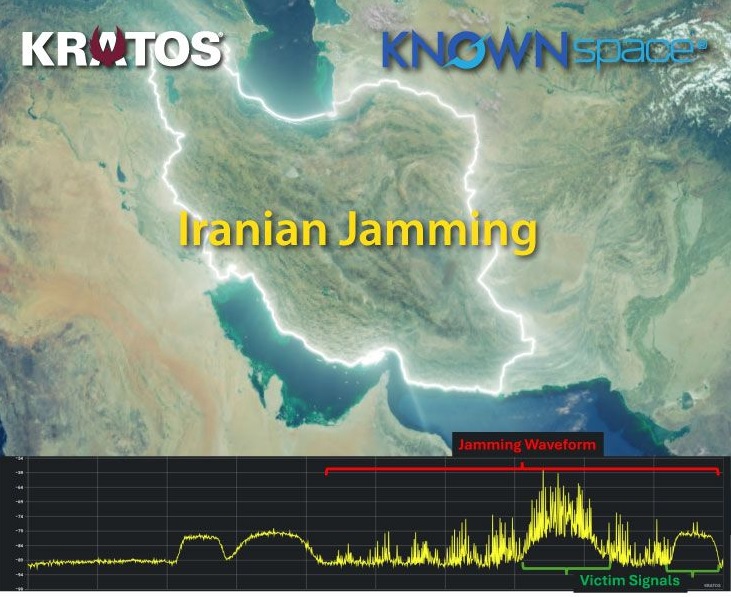
World
COLORADO SPRINGS, Colo. — Kratos Defense and Security Solutions has reported that its KnownSpace global sensor network detected a new wave of radio frequency (RF) jamming activity originating from Tehran early Wednesday morning, marking the first recorded Iranian electromagnetic interference (EMI) since such activity went quiet earlier this month. According to Kratos, the interference began at approximately 4:00 a.m. local time. The detection came shortly after the announcement that the recent regional ceasefire had ended, a development that analysts say could lead to increased electromagnetic interference (EMI) activity as regional tensions rise. The company said the latest jamming event had a limited immediate impact. The interference affected one satellite transponder and lasted for about one hour before the signal ended. Despite its short duration, Kratos said the event indicates that Iranian RF jamming infrastructure remains operational. The company assessed that the interference patterns are consistent with efforts to disrupt satellite communications (SATCOM) used by U.S., Israeli, and other allied military and civilian operators. How the Jamming Was Detected The activity was detected through the KnownSpace Global Sensor Network, a commercially operated space domain awareness system designed to monitor the radio frequency environment around satellites. Kratos operates more than 190 passive RF sensors across over 19 locations worldwide. Because satellite coverage over the Middle East also extends to these sensor sites, the network can monitor uplink and downlink radio frequency activity occurring within Iran without requiring sensors inside the country. To determine the source of the interference, Kratos analyzes signal spillover between adjacent satellites. When a jammer transmits energy toward a satellite's uplink frequency, a small portion of that signal spreads to nearby satellites. By measuring differences in signal arrival time and frequency across multiple satellites, analysts can geolocate the origin of the transmission, allowing Kratos to identify Tehran as the source of the jamming activity. RF jamming generally works by transmitting noise or unmodulated tones on the same frequency used by legitimate satellite communications. This interference can reduce signal quality or prevent receivers from processing the intended communications. Previous Monitoring of Iranian RF Activity KnownSpace provides continuous monitoring of geostationary satellite communications and is used to detect, locate, and analyze interference events. Kratos has previously used the network to monitor Iranian RF jamming campaigns affecting commercial communications satellites, with earlier geolocation results frequently pointing to areas near Tehran. Earlier in 2026, the company reported multiple RF interference events linked to Iranian sources. Those incidents involved several jamming techniques, including high-power modulated transmissions, bandwidth-matched interference, and sweeping signal patterns that affected multiple satellites. Continued Monitoring Kratos said it is continuing to monitor the electromagnetic spectrum to determine whether the latest one-hour interference was an isolated event or the beginning of a broader jamming campaign. The company noted that systems such as KnownSpace support both commercial and defense users by providing independent space domain awareness and tracking satellite communication interference without relying solely on classified monitoring systems. Source: Kratos Defense and Security Solutions
Read More → Posted on 2026-07-11 11:15:01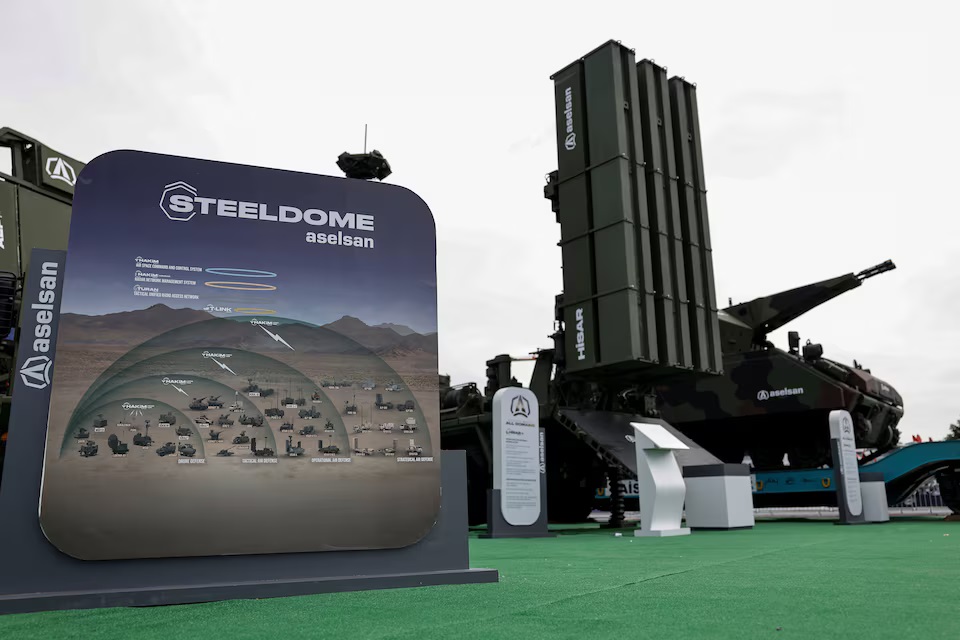
World
ISTANBUL — Turkish defense company ASELSAN has signed a contract worth approximately €1.47 billion ($1.68 billion) with Türkiye's Presidency of Defense Industries (SSB) to expand the serial production of the country's national air defense systems under the Steel Dome (Çelik Kubbe) program. The agreement, announced on Friday, July 10, is an addition to ASELSAN's ongoing serial production projects for air defense systems. According to the company's disclosure to Türkiye's Public Disclosure Platform (KAP), the contract is valued at €1,470,500,012.38. The new production agreement is expected to further strengthen Türkiye's multi-layered Steel Dome air defense architecture by increasing the manufacturing capacity of key air defense systems. ASELSAN CEO Highlights Steel Dome Expansion ASELSAN CEO Ahmet Akyol said the agreement will support the continued expansion of Türkiye's national air defense network. "We continue to strengthen the Steel Dome. With the support of our state, we will continue producing in high volumes and working resolutely for the security of our country," Akyol said. The contract follows Türkiye's continued investment in domestic defense production as the country expands its indigenous air and missile defense capabilities. Steel Dome Air Defense Architecture Steel Dome is Türkiye's integrated, multi-layered air defense system designed to detect, assess, and intercept a wide range of aerial threats across different altitudes and engagement ranges. The architecture combines multiple air defense systems into a single coordinated network. Its layered structure includes: Low-altitude defense: Systems such as Korkut, Hisar-A, Goker, and Gokberk are designed to counter threats including drone swarms and loitering munitions. Medium-altitude defense: Hisar-O provides protection against conventional aerial threats. Long-range defense: The Siper air defense missile system forms the upper layer of the architecture. The Steel Dome architecture reached its planned layered configuration after the long-range Siper air defense system entered service with the Turkish Armed Forces (TAF). Integrated Network and AI-Supported Command System Steel Dome connects air defense weapons, radar systems, electro-optical sensors, communications modules, and command-and-control centers through a unified network. This allows operational data to be shared in real time, creating a common air picture for military operators. The network is coordinated through Hakim, Türkiye's first domestically developed upper-level air command-and-control system, supplied by ASELSAN. Hakim processes real-time operational data and uses artificial intelligence-supported software to assist commanders in evaluating threats and coordinating responses. The system is designed to ensure that existing sensors, interceptor systems, and future air defense platforms operate together within a fully integrated command structure. ASELSAN Shares Rise After Contract Announcement Following the announcement, ASELSAN shares, traded on Borsa Istanbul under the ticker ASELS, rose on strong trading volume. The stock opened Friday's session near the previous closing price of ₺358.75 before initially declining to around ₺357.50. After the contract was disclosed, the shares moved higher as investor activity increased. The €1.47 billion agreement represents one of ASELSAN's largest recent production contracts and supports the continued expansion of Türkiye's domestically developed air defense capabilities through the Steel Dome program. Source: turkiyetoday
Read More → Posted on 2026-07-10 15:39:25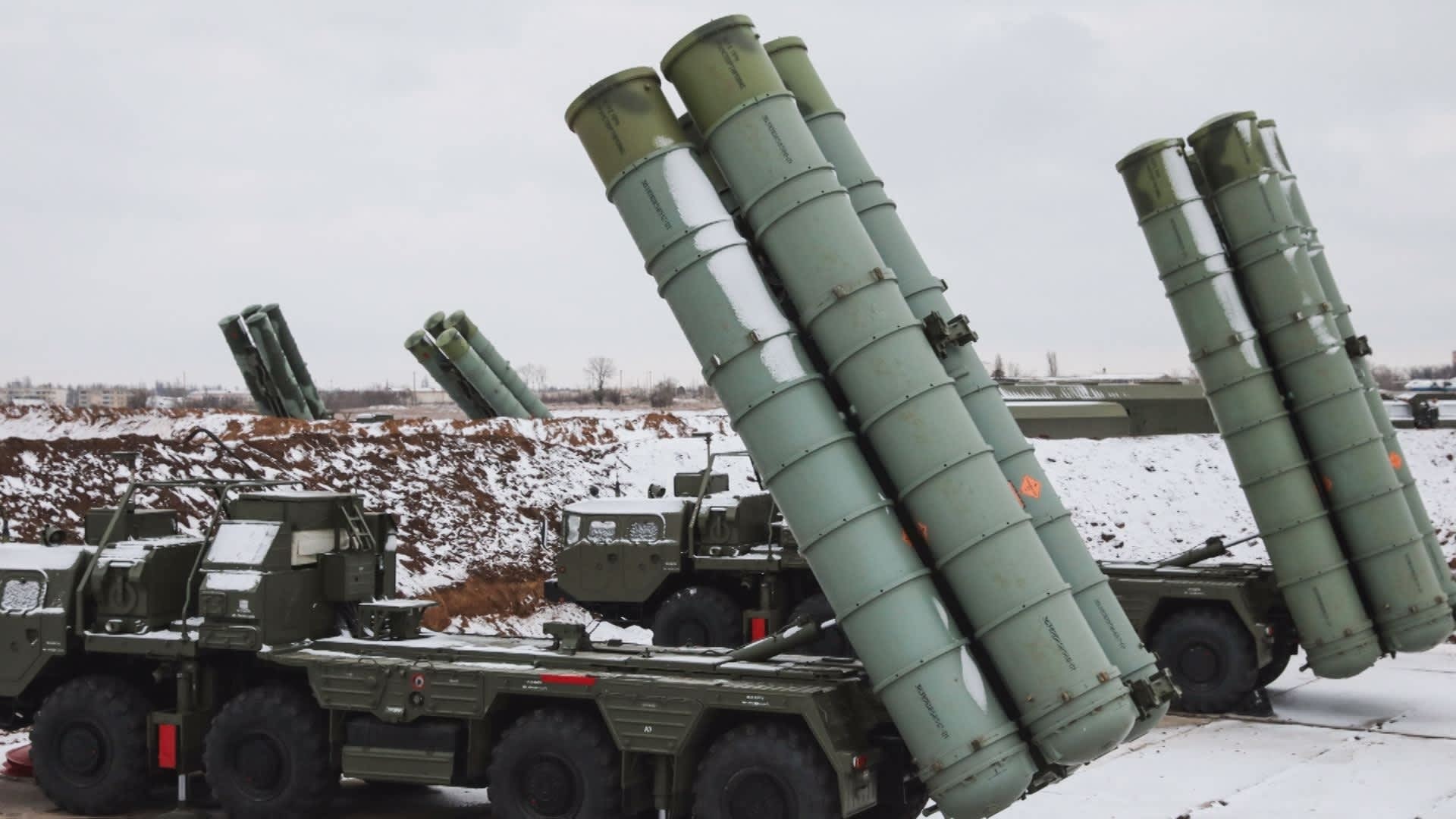
World
ANKARA, Türkiye — Türkiye has asked Russia for permission to transfer its Russian-made S-400 air defense missile systems to a third country, according to Turkish officials and media reports, in a move aimed at helping resolve a long-running dispute with the United States over the Russian weapons system. The request was made in recent weeks, just months after President Recep Tayyip Erdoğan proposed returning the S-400 systems to Russia, an idea that did not gain support, according to Turkish officials familiar with the discussions. Turkish newspaper Hürriyet reported that Türkiye could announce plans to resell the S-400 systems to an unnamed Gulf country as early as Friday. The report said the proposed transfer is intended to encourage the United States to lift sanctions imposed on Ankara and support efforts to restore defense cooperation, including a possible return to the F-35 fighter jet program. Kremlin Confirms Contacts With Türkiye MOSCOW confirmed on Friday that it is in contact with Türkiye regarding the future of the S-400 systems. Asked whether Türkiye had requested Russia's permission to transfer the missile systems to another country, Kremlin spokesperson Dmitry Peskov said: "I can say one thing here: this is an extremely sensitive issue. However, we have been in contact with the Turkish side on this matter, and we will continue to maintain contact with them on this issue." Peskov did not comment further on the reported proposal or whether Russia would approve such a transfer. Background to the Dispute Türkiye purchased the Russian S-400 air defense system despite objections from the United States and other NATO allies. In 2020, Washington imposed sanctions on Türkiye under the Countering America's Adversaries Through Sanctions Act (CAATSA) and removed the country from the multinational F-35 fighter jet procurement and manufacturing program, citing concerns over the deployment of the Russian-made air defense system. The S-400 issue has remained one of the main points of disagreement between Ankara and Washington in recent years. Report Says Transfer Could Support F-35 Talks According to Hürriyet, transferring the S-400 systems to a third country could help address U.S. concerns that led to the sanctions and Türkiye's removal from the F-35 program. The newspaper reported that the potential buyer would be an unnamed Gulf nation but did not identify the country. Neither Turkish authorities nor the Kremlin have confirmed the identity of any prospective buyer. Russia's approval would likely be required before any transfer could proceed, although neither Moscow nor Ankara has publicly discussed the terms of any possible agreement. No agreement has been announced, and discussions between the two countries remain ongoing. Source: bloomberg
Read More → Posted on 2026-07-10 15:11:27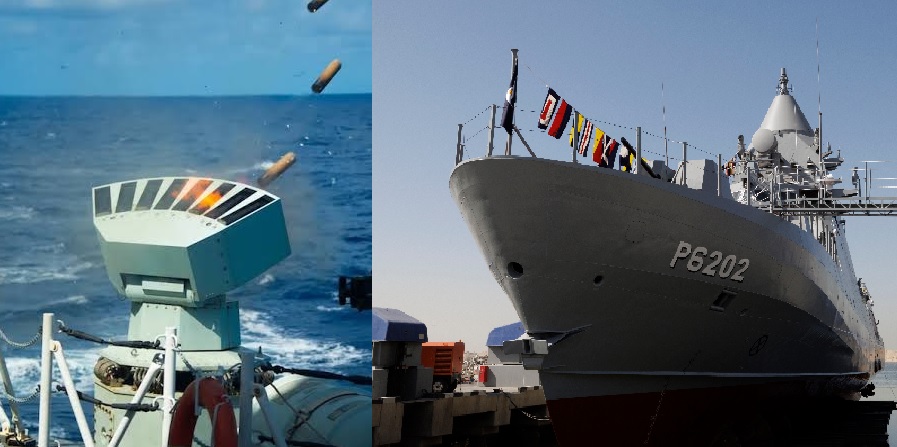
World
DÜSSELDORF, Germany — German defense company Rheinmetall has received its first order from the Kuwaiti Naval Forces to supply its Multi Ammunition Softkill System (MASS), marking the first delivery of the naval decoy launcher system to Kuwait. The systems will be installed on eight new Al Dorra-class guided-missile boats as part of Kuwait's largest naval shipbuilding program in more than 15 years. According to Rheinmetall, the order for the MASS launchers is valued in the low double-digit million-euro range, while the accompanying contract for Omnitrap decoy ammunition is worth a high single-digit million-euro range. The total contract value was booked in the second quarter of 2026. The contract also includes system integration and verification activities. Deliveries are scheduled to begin in the second quarter of 2026 upon receipt of the order and are expected to be completed in the second quarter of 2029. MASS to Equip Eight Al Dorra-Class Vessels Under the agreement, Rheinmetall will equip all eight Al Dorra-class guided-missile boats with the MASS decoy launcher system. The vessels are described by the company as versatile open-sea stealth patrol vessels. The Al Dorra-class boats are being built by Abu Dhabi Ship Building (ADSB) on behalf of the United Arab Emirates-based EDGE Group, which serves as the prime contractor for the project. The procurement represents Rheinmetall's first delivery of the MASS system to Kuwait and supports the country's ongoing naval modernization efforts. Omnitrap-ER Decoy Ammunition Included In addition to the launcher systems, the Kuwaiti Armed Forces have ordered Omnitrap-ER decoy ammunition. According to Rheinmetall, the latest generation of Omnitrap decoys features an extended range and an improved trajectory, enabling the precise deployment of decoys against state-of-the-art imaging radar and infrared-guided threats. Designed to Counter Modern Naval Threats Rheinmetall states that the Multi Ammunition Softkill System (MASS) is designed to protect ships and boats against a wide range of threats, including anti-ship missiles and laser-guided weapons. The system deploys multispectral decoys from a single fully computerized, trainable launcher. These decoys provide protection across multiple wavelength ranges, including: Radar Ultraviolet Electro-optical sensors Lasers Infrared According to the company, the system is designed for operations on the high seas, coastal waters, and rivers. Modular System for Different Naval Platforms Rheinmetall says the modular design of MASS allows it to be installed on a wide range of naval platforms, from offshore patrol vessels to frigates. The system can be integrated into existing command and weapon control systems with minimal effort or operated as a standalone solution, providing flexibility for different vessel types. The contract marks Rheinmetall's first supply of the MASS decoy launcher system to Kuwait and expands the deployment of the company's naval soft-kill protection system as the Kuwaiti Naval Forces prepare to introduce their new Al Dorra-class guided-missile boats into service. Source: rheinmetall
Read More → Posted on 2026-07-10 14:24:38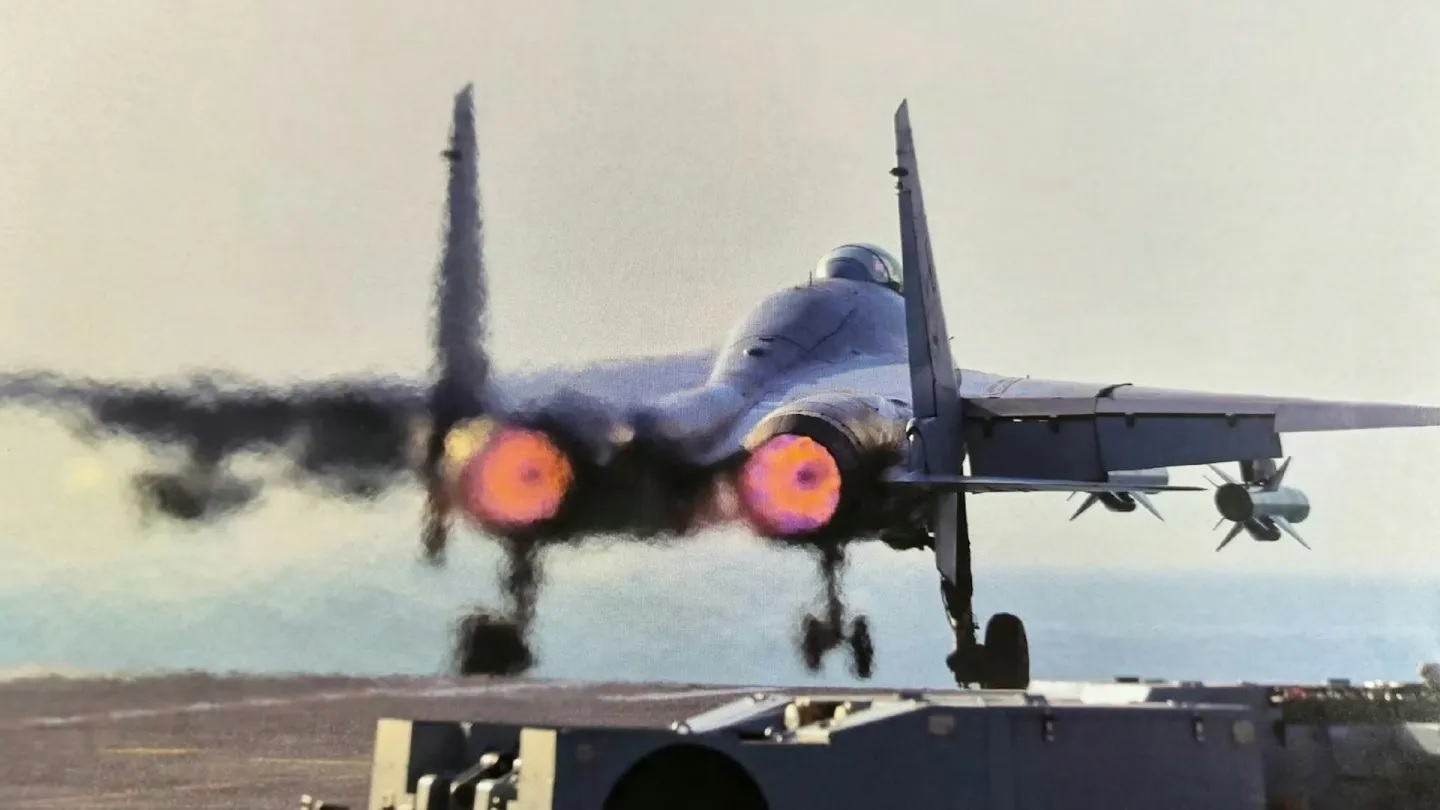
World
SHANGHAI, China — A newly released image has provided the clearest evidence so far of a Chinese J-15T carrier-based fighter launching from the aircraft carrier Fujian while carrying four YJ-83K anti-ship missiles. The photograph shows the aircraft in full afterburner moments before leaving the flight deck, highlighting the increased payload capability made possible by China's first aircraft carrier equipped with an electromagnetic aircraft launch system (EMALS). The image marks the first known visual confirmation of a J-15T taking off with four heavy anti-ship missiles. The four YJ-83K missiles together weigh approximately 6,400 pounds (around 2,900 kilograms), excluding any additional stores that may not be visible in the image. Earlier images of the J-15T prototype had shown the aircraft carrying only a single YJ-83K training round. Heavier Payload Made Possible by EMALS The J-15T was developed to operate from the Fujian, the People's Liberation Army Navy (PLAN) first aircraft carrier equipped with catapult-assisted takeoff but arrested recovery (CATOBAR) operations using an electromagnetic aircraft launch system (EMALS). China's previous aircraft carriers, Liaoning and Shandong, use short takeoff but arrested recovery (STOBAR) operations with ski-jump ramps. While effective, the ski-jump launch method limits the maximum takeoff weight of carrier-based aircraft, restricting the amount of fuel and weapons they can carry. With EMALS, the J-15T can launch with significantly heavier payloads, allowing the aircraft to make better use of its full carrying capacity. Besides carrying more weapons, the additional launch weight could also be used for extra fuel, increasing operational range, or for different mission-specific weapon configurations. Previously, the heaviest strike load publicly observed on STOBAR-operated J-15 fighters consisted of two YJ-83K anti-ship missiles along with four air-to-air missiles. Air-defense configurations typically included four PL-12 medium-range and two PL-8B short-range air-to-air missiles. The newly observed four-missile configuration represents a notable increase in strike payload compared with previous J-15 operations from ski-jump carriers. 空母福建のカタパルト発進するJ-15Tと空母山東のスキージャンプ発進するJ-15の比較 pic.twitter.com/2SrUkIZdU8 — OedoSoldier (@OedoSoldier) September 22, 2025 Comparison of a STOBAR J-15 carrier launch and a CATOBAR J-15T launch from Fujian YJ-83K Anti-Ship Missile The YJ-83K is a radar-guided, turbojet-powered, subsonic anti-ship missile widely used by China. It is broadly comparable in role to the U.S. AGM-84 Harpoon. According to available specifications, the missile has: An estimated range of about 112 miles (180 kilometers) A 360-pound (163-kilogram) semi-armor-piercing high-explosive warhead A sea-skimming flight profile, cruising at approximately 65 to 100 feet before descending to around 16 to 24 feet during the terminal attack phase A launch weight of roughly 1,600 pounds (725 kilograms) per missile With four YJ-83K missiles onboard, the J-15T carries a substantial anti-ship strike load during catapult-assisted launches. Upgraded J-15T Variant The J-15T is an upgraded version of China's carrier-based J-15 fighter, designed specifically for CATOBAR operations while retaining compatibility with STOBAR operations when required. One of the major changes in production aircraft is the introduction of domestically produced WS-10H turbofan engines, replacing the Russian-built AL-31F engines used on earlier J-15 variants. The aircraft is also capable of carrying other weapons, including PL-10 short-range and PL-15 medium-range air-to-air missiles, depending on mission requirements. Reports have also shown the J-15T carrying a buddy refueling pod and, in some images, larger anti-ship missile configurations during testing. Benefits for Other Carrier Aircraft The increased launch capability provided by Fujian's electromagnetic catapults is expected to benefit more than just the standard J-15T strike fighter. The J-15DT, a two-seat electronic warfare variant designed for a mission similar to the U.S. Navy's EA-18G Growler, requires higher takeoff weights because it carries multiple external electronic warfare and jamming pods. CATOBAR operations allow the aircraft to launch with heavier mission equipment and fuel loads. Reports have also suggested that a CATOBAR version of the two-seat J-15S may be developed as either a carrier trainer or a multirole strike aircraft. If introduced, it would also benefit from the increased launch performance provided by the Fujian's EMALS. Expanding China's Carrier Aviation Capabilities The newly released image highlights how the combination of the J-15T and the Fujian's electromagnetic catapult system is expanding the operational capabilities of China's carrier aviation. By allowing carrier-based fighters to launch with heavier fuel and weapon loads than was possible from ski-jump carriers, the CATOBAR system provides greater flexibility for strike, air-defense, and electronic warfare missions. The image offers the strongest visual evidence to date that the J-15T is beginning to operate with substantially heavier combat payloads from China's newest aircraft carrier. Source: The War Zone
Read More → Posted on 2026-07-10 14:02:10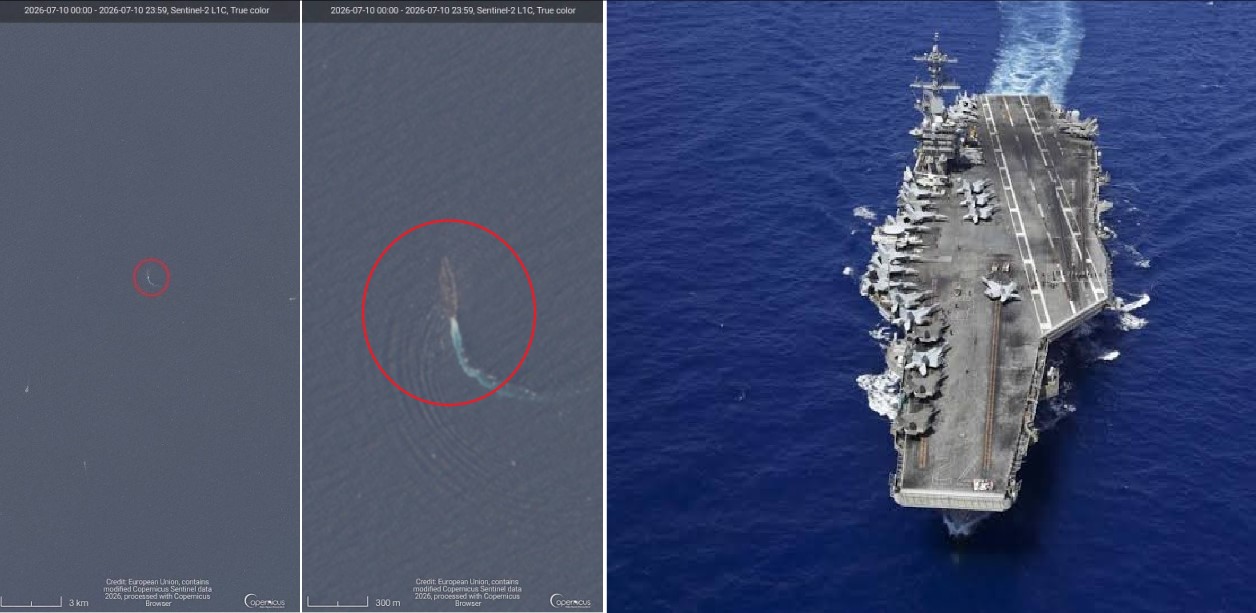
World
Open-source satellite imagery shared by MoloMonitor on Friday morning shows the U.S. Navy aircraft carrier USS Abraham Lincoln (CVN-72) sailing north in the Gulf of Oman, with no escort vessels visible in the immediate area of the image. According to MoloMonitor, the carrier's approximate location was 23°00′59.7″N 60°04′07.3″E. The position places the vessel in waters where analysts note it is within range of certain Iranian coastal missile systems. The latest imagery marks a change from earlier satellite observations. Images from July 5 had indicated that the carrier had moved into the Arabian Sea, roughly 207 kilometers south of its current reported position. The new imagery suggests the ship has since returned to the Gulf of Oman. The USS Abraham Lincoln is a Nimitz-class nuclear-powered aircraft carrier and has been deployed in the Middle East for more than 200 consecutive days. It was redirected from the South China Sea to the U.S. Central Command (CENTCOM) area of responsibility in late January 2026. During the deployment, it has supported Operation Epic Fury and served as the flagship of Carrier Strike Group 3 (CSG-3). The carrier is capable of displacing about 104,300 long tons, measures more than 1,090 feet (332 meters) in length, and can operate up to 90 fixed-wing and rotary-wing aircraft. It is currently embarked with Carrier Air Wing 9 (CVW-9), including F-35C Joint Strike Fighters assigned to Marine Fighter Attack Squadron 314. The absence of escort ships in the satellite image has drawn attention because U.S. Navy aircraft carriers typically operate as part of a carrier strike group that includes guided-missile destroyers and other support vessels. However, satellite imagery provides only a snapshot of a specific location and time, and escort ships may be operating beyond the captured frame or at a greater distance. The U.S. Navy has not issued an official statement regarding the carrier's precise location or its current escort configuration.
Read More → Posted on 2026-07-10 13:49:58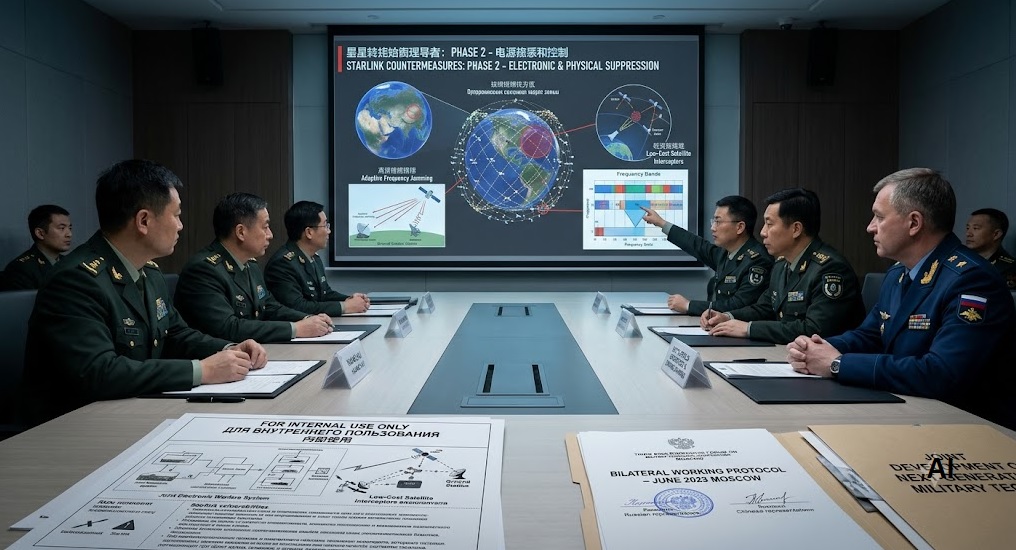
World
A joint investigation by The Insider, Der Spiegel, and Le Monde has revealed classified documents outlining an extensive military-technical cooperation program between Russia and China, including a proposed multi-layered strategy to counter SpaceX's Starlink satellite communications network. The investigation is based on documents obtained by journalists, including four presentations delivered at the Third China-Russia Forum on Military-Technical Cooperation held in Guangzhou, China, in November 2023, and a signed bilateral working protocol following negotiations in Moscow in June 2023. According to the report, the Guangzhou forum was a regularly scheduled bilateral meeting that had never been publicly disclosed. Five Areas of Military Cooperation According to the leaked documents, Russia and China discussed cooperation across five major defense sectors: Space weapons and satellite destruction capabilities Integrated air and missile defense systems Autonomous loitering munitions operating in swarm mode Next-generation combat armored vehicles Military aviation The documents suggest that both countries are seeking to expand cooperation by combining Russian operational experience with Chinese industrial and technological capabilities. Presentation Focused on Countering Starlink One of the presentations obtained by investigators was dedicated entirely to measures aimed at countering Starlink, the satellite communications network operated by SpaceX. The presentation was delivered by Huang Hui and Ren Jie, researchers from the China Aerospace Science and Technology Corporation (CASC), China's primary state-owned space contractor responsible for the Long March launch vehicle family and a significant portion of the country's military satellite infrastructure. The document, classified for internal use, describes Starlink as having evolved beyond a commercial broadband system into communications infrastructure supporting military operations. It highlights the constellation's distributed architecture, arguing that the absence of a central relay node makes it difficult to disable through conventional means. According to the presentation, Starlink's large number of satellites in low Earth orbit and its use of radio spectrum create what the authors describe as a "space blockade," which they argue limits opportunities for competing satellite systems. Three-Level Proposal Against Starlink The presentation outlines a three-level approach for Russia and China to counter the Starlink network. Legal and Diplomatic Measures The first level proposes coordinated legal and diplomatic efforts aimed at slowing Starlink's expansion. According to the documents, Russia and China would argue that the growing number of satellites in low Earth orbit increases the risk of orbital collisions. The proposal recommends forming an international coalition to seek regulatory restrictions on further deployment of the Starlink constellation through international regulatory organizations. Frequency Competition and Electronic Countermeasures The second level focuses on radio spectrum and orbital resources. The documents propose that Russia and China jointly apply for frequency bands and orbital slots required for future Starlink expansion in an effort to complicate further deployment through international regulatory processes. The presentation also recommends creating a joint electronic countermeasure architecture using power suppression and adaptive interference technologies to selectively disrupt Starlink communications in specific geographic areas. It proposes integrating Chinese and Russian counter-satellite programs under common technical standards. Cyber Operations and Physical Countermeasures The third level combines cyber and physical measures. According to the presentation, researchers propose cyber operations targeting civilian Starlink user terminals through methods including spoofed access, malware infection, and exploitation of software vulnerabilities. The stated objective is to spread malicious code through the network and cause what the document describes as "network paralysis." The presentation also discusses developing low-cost interceptor systems based on a "one-against-many" concept. According to the authors, the goal would be to create weapons inexpensive enough to destroy satellites faster than SpaceX could replenish the constellation through continued launches. The document further recommends expanding cooperation with other interested countries in what it describes as a technical alliance against Starlink. Secret Military Negotiations in Moscow The investigation also reveals previously undisclosed negotiations held in Moscow in June 2023. According to the signed working protocol, a Chinese military delegation led by Colonel Tong Xiaofeng, Deputy Director of the Bureau of Technical Cooperation under China's Central Military Commission, met with representatives from Rosoboronexport, Almaz-Antey, and NPO Almaz. The Russian delegation included senior officials such as Andrey Kovalev, Deputy Director of Rosoboronexport's Research and Technology Department, and Pavel Sozinov, General Designer of Almaz-Antey. During the visit, the Chinese delegation also toured the Tikhomirov Research Institute of Instrument Making (NIIP) in Zhukovsky, which develops radar systems including the Belka radar used on Russia's Su-57 fighter aircraft. Joint Air and Missile Defense Program According to the protocol, both countries agreed to cooperate on the development of an integrated low-altitude air defense and terminal-phase ballistic missile defense system. The proposed system is intended to intercept medium-range ballistic missiles, maneuvering warheads, and hypersonic missiles. The technical objectives outlined in the documents include intercepting ballistic missiles with ranges of up to 4,000 kilometers, engaging maneuvering targets capable of 25g lateral acceleration, and intercepting hypersonic threats at altitudes of up to 40 kilometers. The protocol also calls for joint research into cross-domain missile defense technologies, coordinated use of ground, air, and electronic warfare assets, and automated control of multi-role missile systems. It states that Russia would provide a draft contract and commercial proposal to China by August 2023, with negotiations continuing later that year in Beijing. Exchange of Battlefield Experience and Technology The investigation also describes discussions held during the Fourth China-Russia Forum on Military-Technical Cooperation, which took place in Yekaterinburg in December 2024. According to a presentation by Li Rong of the PLA Academy of Military Sciences, China proposed a structured exchange in which Russia would provide battlefield data and operational experience gained during the war in Ukraine. The documents state that China has developed approximately 160 types of loitering munitions produced by more than 50 manufacturers, but lacks large-scale combat experience in their operational use. In return, China proposed providing artificial intelligence technologies and mass-production capabilities to jointly develop a new generation of autonomous swarm drones. The documents also discuss expanding cooperation on supply chains affected by international sanctions. According to the presentation, China would provide microchips and electronic components, while Russia would supply raw materials and other components that are more difficult for China to obtain. Additional Areas of Cooperation Other presentations reviewed during the investigation examined lessons from the war in Ukraine for future armored vehicle development. According to the documents, Chinese researchers analyzed the destruction of Russian armored vehicles using anti-tank guided weapons, drones, and precision strike systems. The findings were presented as a basis for developing future armored combat vehicles equipped with artificial intelligence, active protection systems, unmanned turrets, and integrated drone swarm capabilities. A separate presentation from the Aviation Industry Corporation of China (AVIC) outlined proposals for expanding cooperation in military aviation through joint laboratories, technology sharing, intellectual property cooperation, and collaborative research. The findings, published by The Insider in partnership with Der Spiegel and Le Monde, describe a structured and expanding military partnership between Russia and China spanning space, missile defense, drones, armored vehicles, aviation, and advanced military technologies. Source: Insider
Read More → Posted on 2026-07-10 12:42:12
World
STOCKHOLM — Swedish satellite communications company Ovzon has completed three High North Expeditions during 2025 and 2026, validating the performance of its Ovzon 3 satellite and mobile satellite terminals nearly 1,300 kilometers (800 miles) inside the Arctic Circle. The tests demonstrated reliable satellite communications in extreme northern environments on both land and at sea. The Arctic has become an increasingly important region for the Nordic countries, Europe, the United States, Canada, and NATO due to its growing strategic and operational significance. To evaluate the capabilities of its satellite network in these demanding conditions, Ovzon carried out a series of progressively more challenging expeditions beyond the coverage range typically associated with many geostationary satellite systems. During the expeditions, the company tested the Ovzon 3 satellite together with its Ovzon T6 and Ovzon T7 mobile satellite terminals across multiple operational scenarios. According to Ovzon, the trials confirmed consistent functionality and high-speed connectivity at extreme northern latitudes, where satellite communications often become more difficult because of satellite viewing angles and harsh environmental conditions. The testing showed that the satellite system maintained reliable communications throughout the expeditions, supporting operations in remote Arctic locations where conventional satellite services can face limitations. Tom Hopkins, Chief Operating Officer at Ovzon, said each expedition extended the company's operational reach farther into the Arctic while providing additional confidence in the satellite's capabilities. "Each expedition has taken us further north and given us greater confidence in what Ovzon 3 can do in the Arctic. The results speak for themselves – reliable, high-speed connectivity at latitudes where most satellite systems simply cannot deliver. This is exactly what NATO forces operating in the High North need. We intend to keep pushing the boundaries," Hopkins said. Ovzon Chief Executive Officer Per Norén said the company views the Arctic as an important long-term operational focus. "The Arctic matters – strategically, operationally, and for Ovzon as a company. What we have demonstrated across these three expeditions is not just that our technology works here, but that we are committed to the High North for the long term. We see significant demand from NATO nations for resilient communications in this region, and we are ready to deliver," Norén said. Ovzon's satellite communications offering is provided through its SATCOM-as-a-Service platform, which combines high-throughput satellite capacity, mobile satellite terminals, gateway services, and operational support. The services are designed for customers that require secure, reliable, and mobile communications, including defense, national security, and public safety organizations. The company's Ovzon T6 terminal is a rugged, laptop-sized broadband system, while the Ovzon T7 is an ultra-small, lightweight terminal designed for low-power operation. According to the company, both terminals performed successfully during the Arctic expeditions under demanding environmental conditions. The latest testing builds on earlier demonstrations, including a December 2024 trial that showed low-latency control of unmanned platforms using the Ovzon 3 satellite, as well as a 2025 overland expedition conducted more than 480 kilometers (300 miles) inside the Arctic Circle. Commercial operations for the Ovzon 3 satellite began in July 2024. Ovzon is headquartered in Sweden, operates offices in both Sweden and the United States, and is listed on Nasdaq Stockholm. The completion of the three High North Expeditions provides additional operational validation of the Ovzon 3 satellite system and its mobile terminals for communications in remote Arctic environments, where NATO members continue to increase their focus on resilient connectivity and operations.
Read More → Posted on 2026-07-10 12:18:02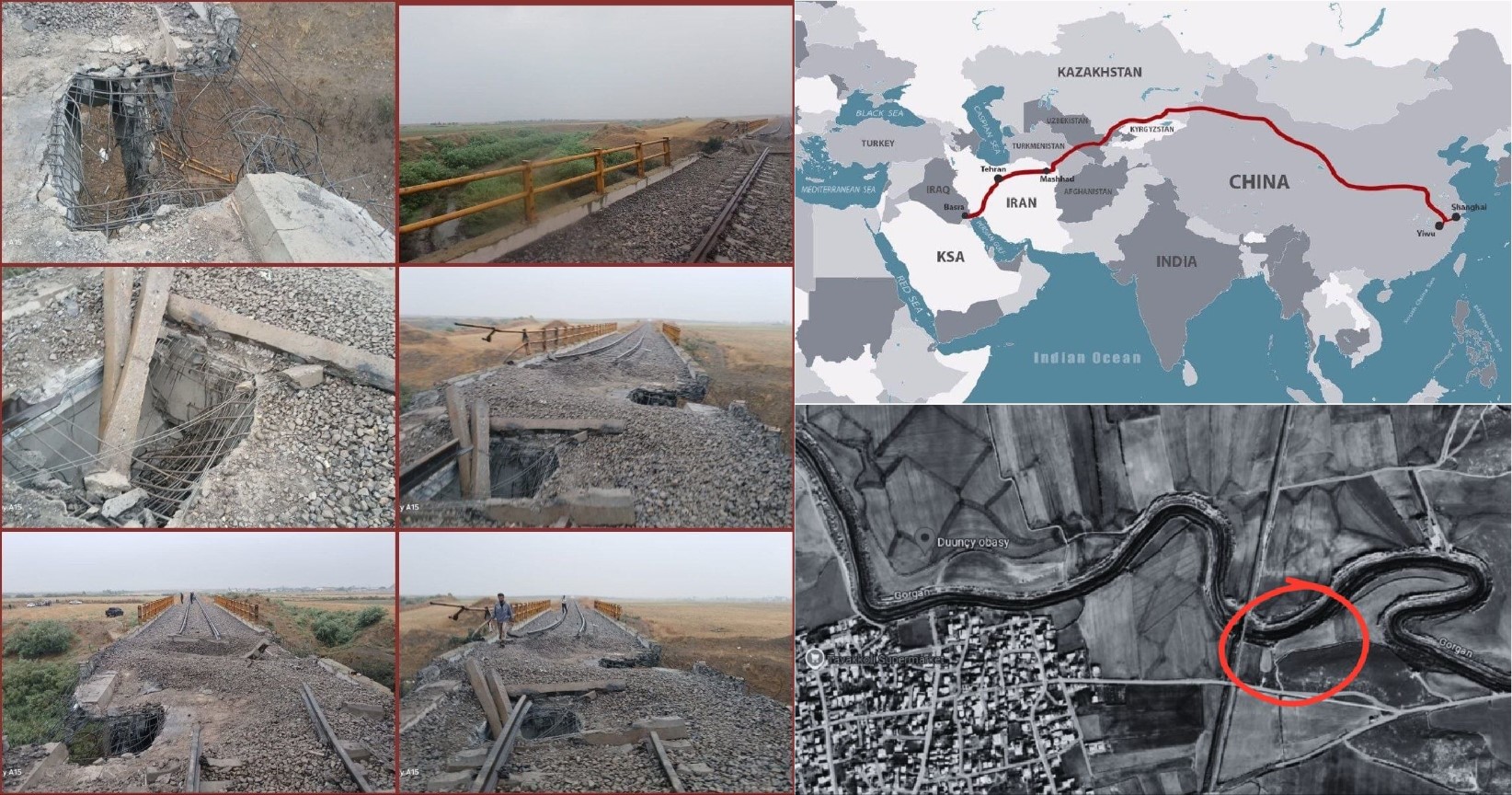
World
GORGAN, Iran — United States forces carried out an overnight cruise missile strike on the Aq Tekeh Khan railway bridge in Iran's northeastern Golestan province, targeting a key section of the country's overland transport network connecting Iran with China and Russia. According to Iranian state media and the Islamic Revolutionary Guard Corps (IRGC) Neynava Corps, the bridge in the Aqqala district was hit by a US cruise missile. Iranian officials reported no casualties, while emergency teams were deployed to assess the damage. The strike marks a notable change in the current US military campaign against Iran. Since the collapse of the recent ceasefire, most US operations had focused on military facilities in southern Iran near the Strait of Hormuz. The attack on the Aq Tekeh Khan bridge, located close to the Turkmenistan border, extends operations deep into northern Iran and targets infrastructure with significant logistics and transportation value. Key Transport Link for China and Russia The Aq Tekeh Khan railway bridge is part of the China–Kazakhstan–Turkmenistan–Incheh Borun railway corridor, an important overland route linking the Chinese city of Xi'an with Tehran. The railway also forms part of the broader International North-South Transport Corridor (INSTC) and supports China's Belt and Road Initiative. The corridor has become increasingly important for trade between Iran, China, and Russia. Over the past year, at least 65 freight trains traveled from China to Iran along this route. Rail traffic increased significantly after the US Navy blockade of Iranian Gulf ports earlier this year, with Iranian authorities relying more heavily on land transportation to reduce dependence on maritime routes through the Strait of Hormuz. Russia has also used the same railway corridor for cargo shipments to Iran since late October 2025, making the route strategically important for regional trade and logistics. Passenger Rail Services Affected Following the strike, passenger rail services between Tehran and the northeastern city of Mashhad were disrupted. Iranian authorities redirected stranded passengers to road transportation while damage assessments and recovery work continued. The IRGC's Neynava Corps confirmed the attack and stated that no deaths or injuries were reported. Change in US Military Operations The attack represents one of the deepest reported US strikes inside Iranian territory during the current conflict. Before this operation, US Central Command had stated that its military actions were aimed at reducing Iran's ability to threaten maritime navigation around the Strait of Hormuz by targeting military facilities in southern Iran. The latest strike, however, focused on transportation infrastructure that plays a major role in Iran's international trade network. The renewed fighting follows the collapse of a ceasefire agreement reached last month. After the ceasefire ended, US President Donald Trump announced that the agreement was over, while the United States revoked a license that had allowed Iranian oil sales. US Central Command has since reported conducting strikes against more than 90 Iranian targets. In response, Iran's IRGC said it carried out retaliatory attacks against US military bases in Kuwait and Bahrain. Previous Railway Infrastructure Strikes Iran's railway network has faced similar attacks in recent months. During strikes on April 7, US and Israeli forces targeted six railway bridges across Tehran, Alborz, Qom, Isfahan, Zanjan, and East Azerbaijan provinces. Iranian authorities restored several of those damaged crossings within days. The Yahyaabad railway bridge in Kashan reopened three days after the attack, while another railway bridge near Qom was repaired in less than 40 hours. Iranian officials have indicated that repair work on the Aq Tekeh Khan bridge is expected to begin quickly based on previous restoration efforts. Strategic Importance The Aq Tekeh Khan bridge serves as a critical connection for rail freight moving between Iran, China, Russia, and Central Asia. As maritime routes have faced increasing disruption during the conflict, the railway has become an important alternative for international cargo transport. Damage to the bridge is expected to affect rail logistics on one of Iran's main overland trade corridors while authorities continue to assess the full impact on freight operations and passenger services. Source: timesofisrael
Read More → Posted on 2026-07-09 15:33:32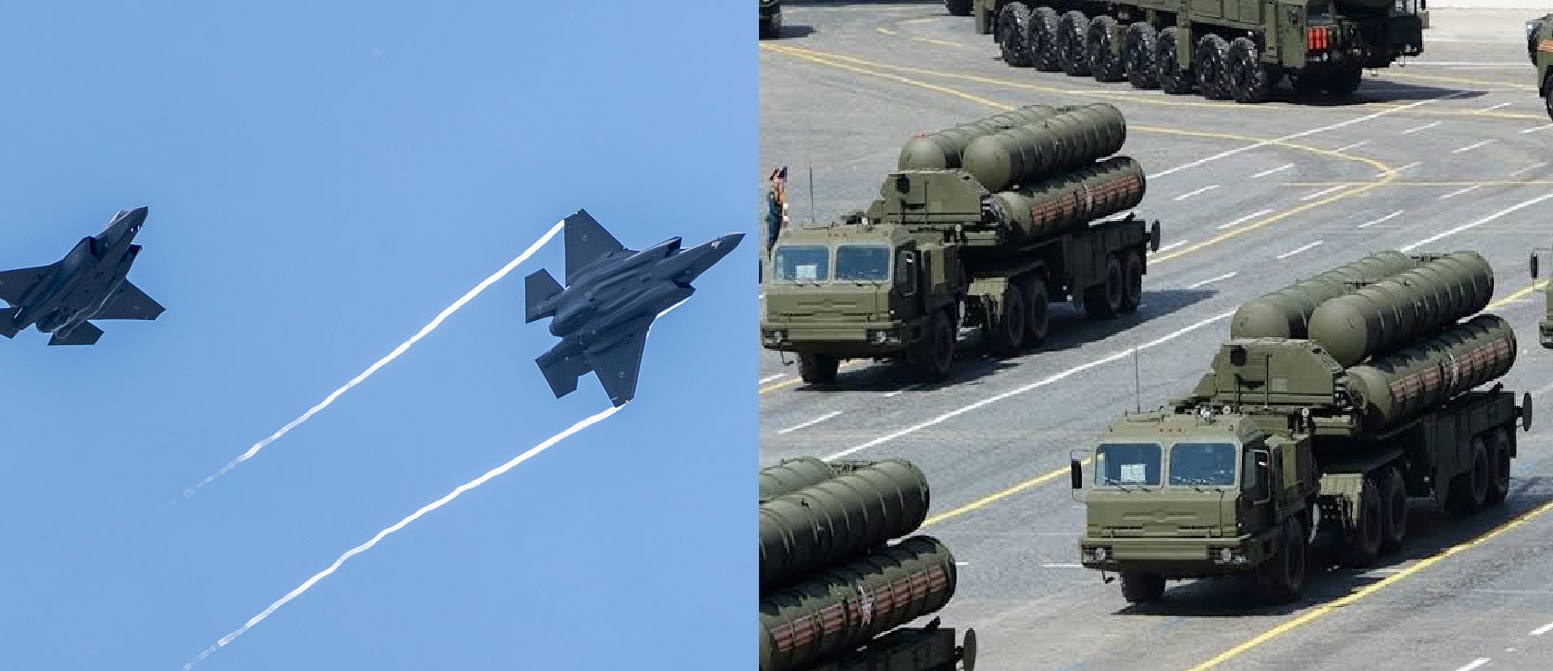
World
ANKARA — Turkish President Recep Tayyip Erdoğan has dismissed objections from Israel and Greece over Turkey's possible return to the F-35 fighter jet program, saying such concerns will not influence Ankara's defense decisions as negotiations with the United States continue. Speaking to reporters after the NATO summit, Erdoğan said opposition from Israeli Prime Minister Benjamin Netanyahu and Greek Prime Minister Kyriakos Mitsotakis "has no place in my world," making clear that Turkey's defense policies will be determined by its own national interests. His remarks come as Turkey is in line to receive an initial batch of six F-35A stealth fighter jets if U.S. President Donald Trump approves lifting the 2019 ban on F-35 sales to Ankara. The aircraft are the same six jets that were originally built for Turkey before the country was removed from the F-35 program. Turkey was suspended from the multinational F-35 program in 2019 after acquiring Russia's S-400 air defense system. The United States argued that operating the S-400 alongside the F-35 could pose risks to the aircraft's sensitive technology, leading to Turkey's removal from the program and the suspension of aircraft deliveries. A key issue in the ongoing negotiations remains the future of Turkey's S-400 system. Asked whether Ankara would give up the Russian-made air defense system to secure the F-35 deal, Erdoğan declined to provide a direct answer. Instead, he told reporters to "keep watching" as discussions with Washington continue. The proposed transfer would mark Turkey's return to the F-35 program if approved. During the NATO summit, Trump said he was taking a positive approach toward reconsidering the sale and indicated that the United States was prepared to review the restrictions imposed on Turkey. However, the deal still faces significant legal and political hurdles in Washington. U.S. officials, including Vice President JD Vance and Defense Secretary Pete Hegseth, are reviewing the proposed sale to ensure it complies with U.S. law. Even if the White House supports the move, the proposal is expected to face opposition in Congress, where lawmakers have previously raised national security concerns over Turkey's defense relationship with Russia. Israel has also continued to oppose Turkey's return to the F-35 program. Israeli officials have argued that supplying advanced stealth fighters to Turkey could affect the regional military balance. Turkey has rejected those concerns, with its Foreign Ministry describing Israel's campaign against the proposed sale as disinformation. Turkey was originally one of the international partners in the F-35 program and had planned to acquire more than 100 aircraft. Its participation ended after the S-400 purchase triggered U.S. sanctions and its removal from the program. Despite the remaining obstacles, Erdoğan expressed confidence that the negotiations could lead to an agreement. He said he hopes that once the F-35s are delivered to Turkey, it will demonstrate that the United States has fulfilled its commitment. For now, no final decision has been announced on lifting the restrictions or completing the transfer of the six aircraft, and the outcome will depend on the ongoing negotiations and the required approvals in Washington. Source: saudigazette / timesofisrael
Read More → Posted on 2026-07-09 10:49:01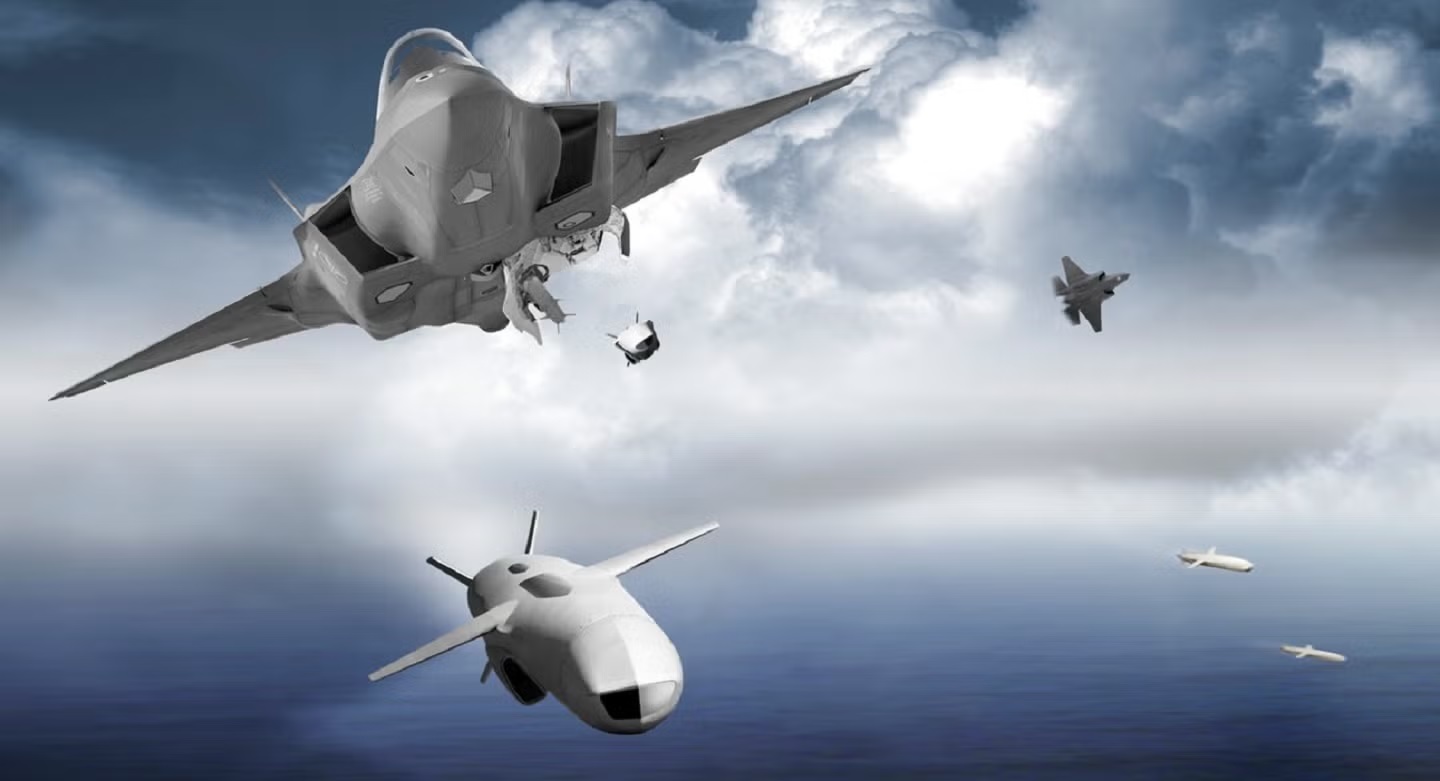
World
OTTAWA — On July 8, 2026, Canada has officially confirmed the acquisition of Kongsberg Defence & Aerospace's Joint Strike Missile (JSM) under an approximately CAD 800 million contract, making it the sixth country to select the advanced air-to-surface missile for its fighter fleet. Prime Minister Mark Carney announced the procurement during the 2026 NATO Summit in Ankara, Türkiye, stating that the long-range missiles will be integrated into the Royal Canadian Air Force's (RCAF) future F-35A Lightning II fighter aircraft as part of Canada's ongoing air force modernization program. Canada Confirmed as Previously Undisclosed Customer The announcement resolves the identity of the customer behind a NOK 4.7 billion (approximately USD 480 million / CAD 680 million) contract that Kongsberg announced on June 30, 2026. At that time, the Norwegian company revealed it had signed an agreement with a new sixth international customer, but did not disclose the country's name or the number of missiles included in the order. With Canada's confirmation, the Joint Strike Missile (JSM) has now been selected by Norway, Japan, Australia, Germany, the United States, and Canada. Designed for the F-35A The Joint Strike Missile (JSM) is a long-range, stealth air-to-surface precision-guided missile developed by Kongsberg Defence & Aerospace. It is specifically designed to fit inside the internal weapons bay of the F-35A Lightning II, allowing the aircraft to retain its low-observable characteristics during missions. The missile is derived from Kongsberg's Naval Strike Missile (NSM) and is designed to engage both land and maritime targets while providing extended stand-off strike capability in contested environments. Internal carriage allows F-35 operators to carry the missile without increasing the aircraft's radar signature. Supporting Canada's Future Fighter Fleet Canada is acquiring the JSM to equip its future F-35A fleet under the Future Fighter Capability Project, strengthening the Royal Canadian Air Force's (RCAF) long-range precision strike capability. In a statement released by Kongsberg, Eirik Lie, Chief Executive Officer of KONGSBERG, said: "We are pleased to welcome Canada as the sixth country to select the JSM. The acquisition of the Joint Strike Missile can fundamentally improve the operational range and effectiveness of Canada's fighter fleet. In addition to delivering world-class defence technology, KONGSBERG is committed to contributing to industrial growth in the country." Industrial Benefits for Canada Alongside the missile procurement, Kongsberg announced that it will make investments in Canada under the country's Industrial and Technological Benefits (ITB) Policy. According to the company, these investments are intended to build long-term industrial capacity by supporting job creation, developing dual-use technologies, and strengthening Canada's defence industry through collaboration between industry and academic institutions. Part of Broader Defence Modernization The missile purchase forms part of Canada's wider defence modernization efforts announced during the NATO Summit. Along with the JSM acquisition, the Canadian government outlined several new defence initiatives, including progress on its future submarine program and additional investments aimed at strengthening Canada's military capabilities and meeting NATO commitments. Prime Minister Carney stated that the JSM contract will provide the Royal Canadian Air Force with a modern long-range strike capability for its future fighter fleet while supporting Canada's broader defence objectives within NATO. Delivery Details Yet to Be Announced While Canada has confirmed the acquisition, neither the Canadian government nor Kongsberg has disclosed the number of Joint Strike Missiles (JSMs) included in the contract or the delivery schedule. Kongsberg has already begun serial deliveries of the missile to earlier customers, including Norway and Japan, while Canada's missiles are expected to be integrated as the Royal Canadian Air Force receives its future F-35A aircraft. Source: pm.gc.ca / kongsberg
Read More → Posted on 2026-07-09 10:32:42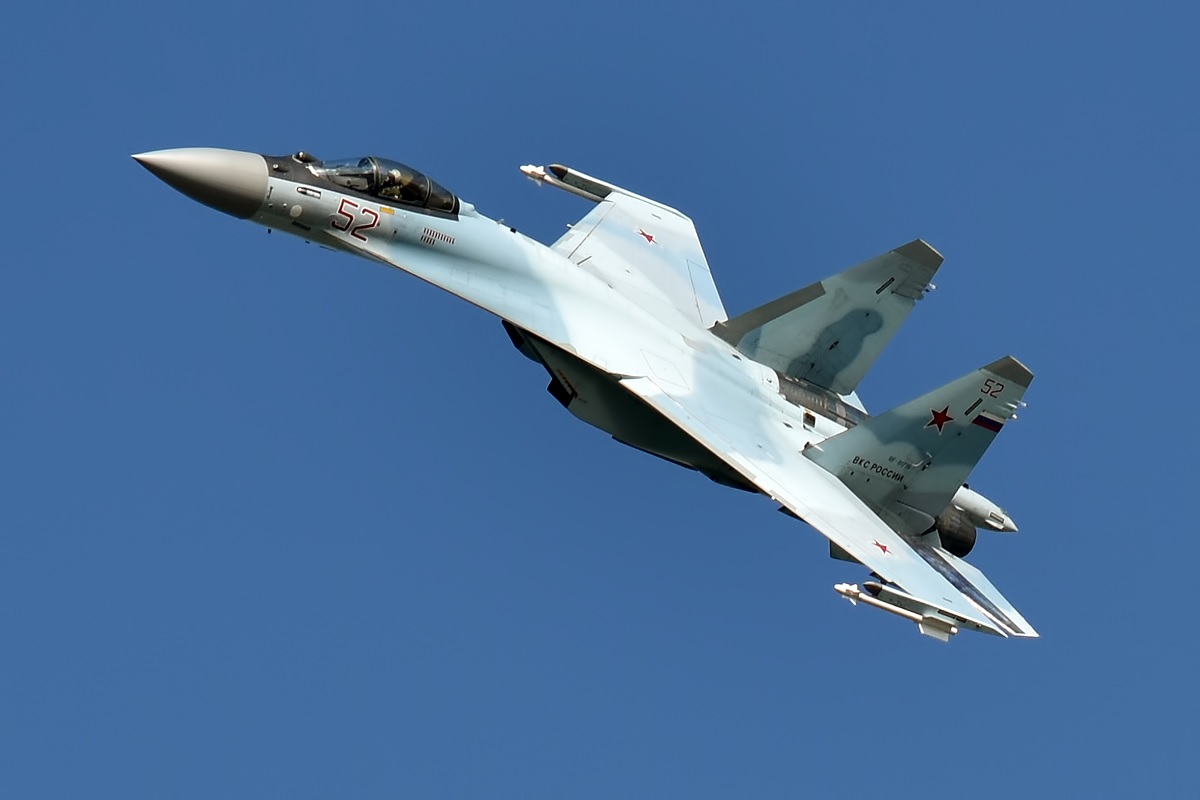
World
KYIV, Ukraine — The Ukrainian Air Force said Ukrainian defenders shot down a Russian Su-35 multirole fighter jet on Tuesday, July 8. The announcement was made on the Ukrainian Air Force's official X account, which posted: "Today we took down yet another russian air terrorist! Glory to Ukraine! Stay tuned!" The Air Force did not disclose the location of the incident or provide additional operational details. Following the Ukrainian announcement, Russian military commentators also acknowledged the reported loss. Oleksii Zemtsov, who runs the Voevoda Veshchaet Telegram channel, identified the downed aircraft as a Su-35. He claimed the pilot survived, evaded capture, and returned to Russian-held positions. According to Zemtsov, the pilot is expected to receive a new Su-35. Some open-source intelligence (OSINT) monitoring channels initially debated whether the downed aircraft was a Su-34 fighter-bomber. However, subsequent reports aligned with the Ukrainian Air Force's assessment that the aircraft was a Su-35. The Sonyashnyk Telegram community, which is closely associated with Ukrainian military aviators, described the downed pilot as a "persistent thorn" in Ukraine's defense operations. The Su-35 is a Russian 4++ generation multirole fighter developed as an advanced modernization of the Su-27 family. It is designed for air superiority, escort missions, and strikes against ground and naval targets. The aircraft is equipped with thrust-vectoring engines for high maneuverability and can reach speeds of up to Mach 2.25 (about 2,400 km/h). It is capable of carrying air-to-air missiles, air-to-surface missiles, and guided aerial bombs. Russia has regularly used Su-35 fighters during its full-scale invasion of Ukraine, including for missile and guided bomb strikes. Ukraine has previously reported downing Su-35 aircraft, including one in Russia's Kursk region on June 7 last year.
Read More → Posted on 2026-07-08 16:14:42Search
Top Trending in 24 Hours
-
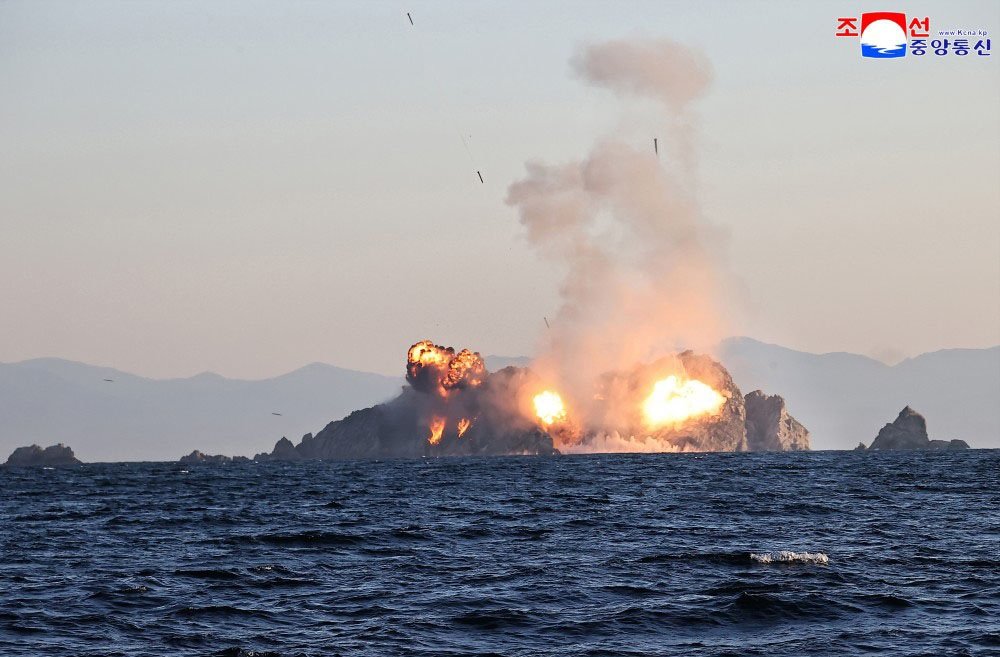 North Korea Fires Short-Range Ballistic Missile Toward Sea of Japan After Freedom Edge 26
-
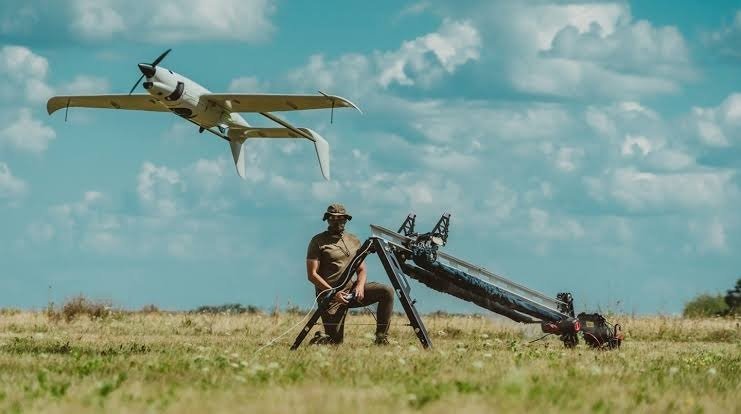 U.S. Army Awards $10.64 Million Contract to Ukrainian Drone Maker Skyeton for Raybird Systems
-
 India’s xTerra Robotics Launches Indigenous DHAV-Hy Wheeled-Legged Quadruped for Industrial Inspection
-
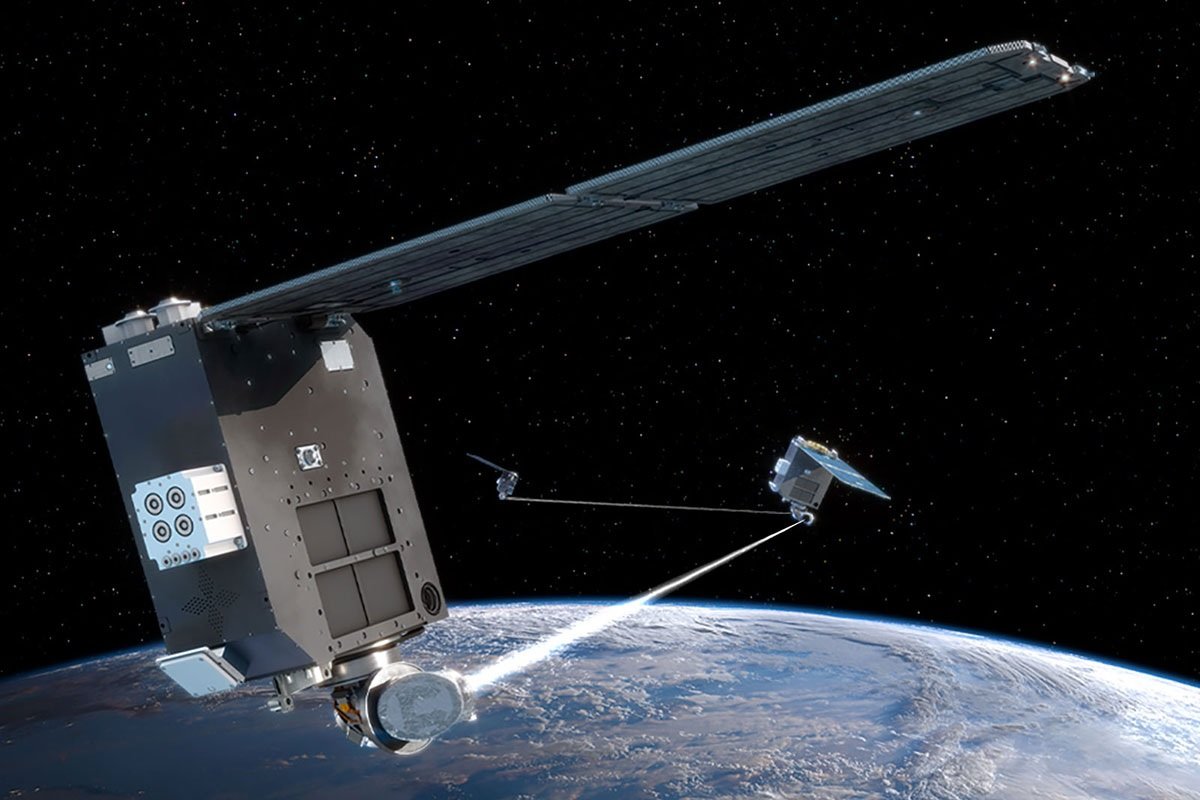 U.S. Space Force Seeks Rapid-Response Satellites for Close-Range Orbital Inspections
-
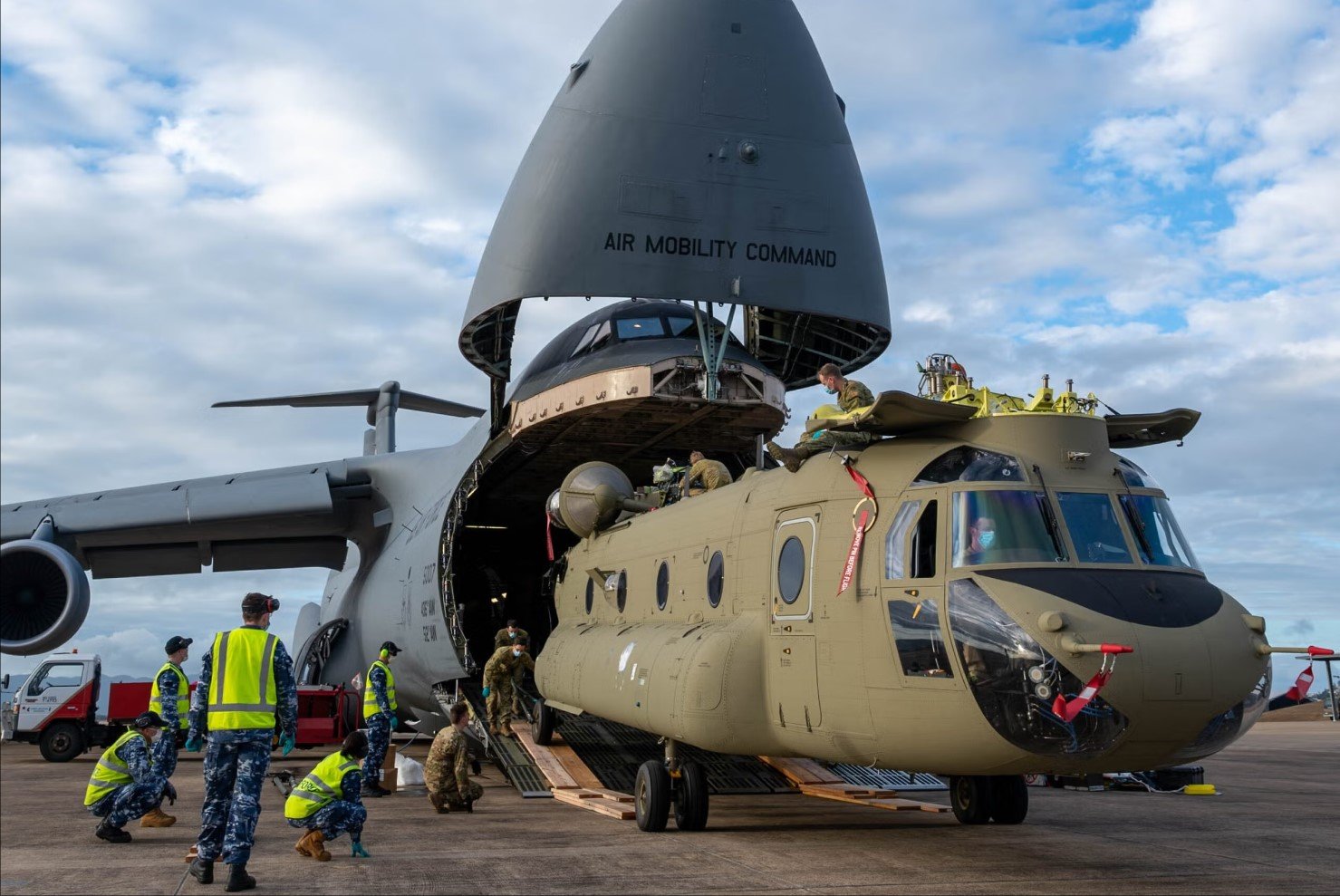 U.S. Delivers First CH-47F Chinook to Egypt Under 12-Helicopter Deal
-
 BEL Showcase X-Band Multi-Function Radar for QRSAM to Japanese Delegation
-
 U.S. Government Seizes Almasirah.net, Houthi-Linked News Website
-
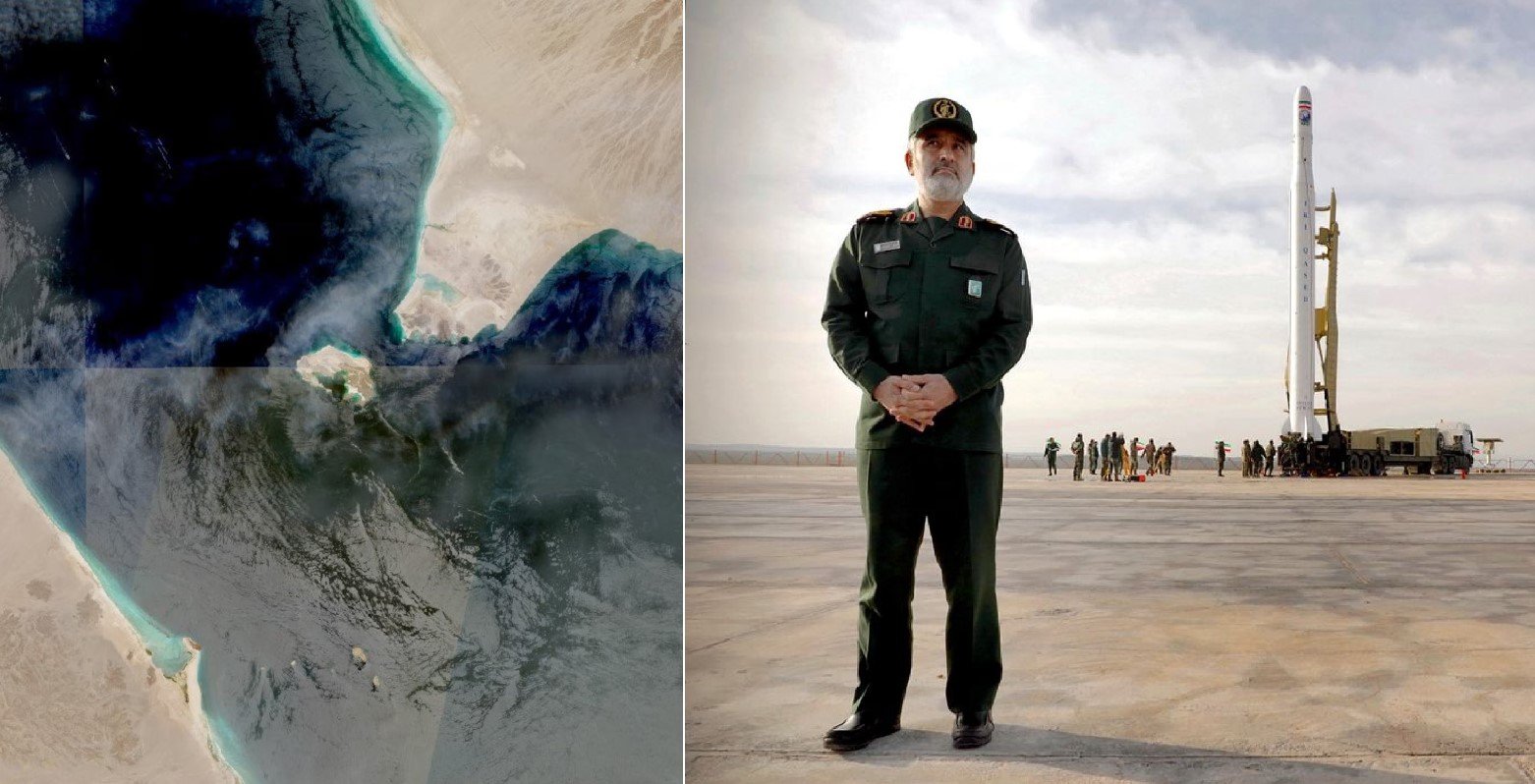 IRGC Experts Visit Bab El-Mandeb to Oversee Radar Installation and Tunneling, Houthi Sources Say
Top Trending in 4 Days
-
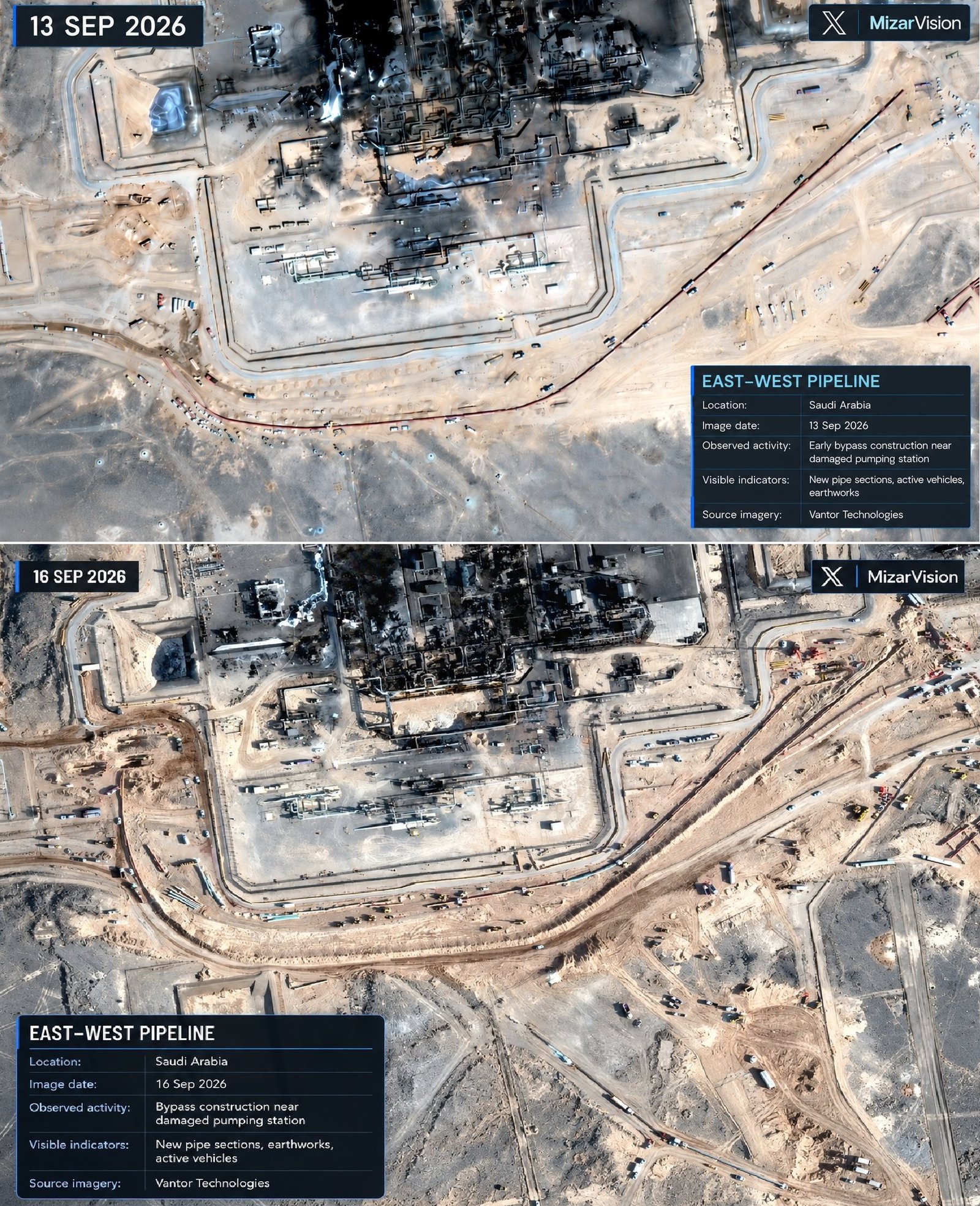 Satellite Images Show Saudi Arabia Building Emergency Bypass Around Damaged East-West Oil Pipeline Station
-
 Sensitive F-35 Components Diverted to Hong Kong, Some Parts Missing
-
 Italian Eurofighter Damaged in Houthi Attack on Saudi Arabia’s King Fahd Air Base
-
 U.S. Secures Permanent Military Rights in Greenland in Historic Security Pact with Denmark
-
 U.S. Approves Potential $2.68 Billion Air Defense Package for Ukraine Including S-300 Clone Missiles
-
 BEL Signs Export Deal with Elbit Systems for Directed Infrared Countermeasure Sub-Assemblies, Secures ₹648 Crore in Additional Orders
-
 U.S. Warns Allies of Up to Five-Year Delays in Key Weapons Deliveries
-
 China Privately Urges Iran to Restrain Houthis After Saudi Appeal