World
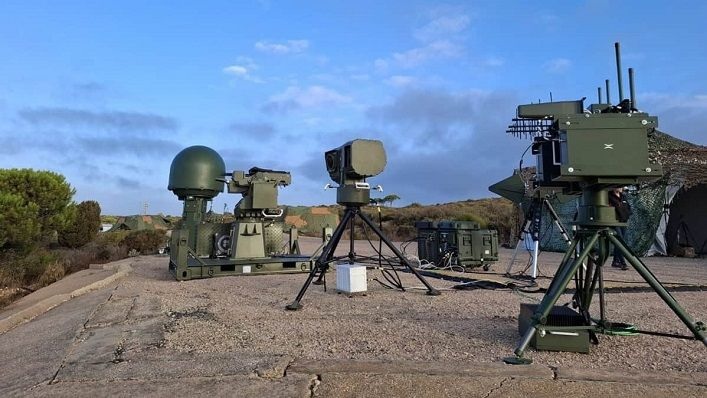
KYIV, Ukraine — Ukraine's nationwide Pokrova electronic warfare (EW) network is now powered predominantly by the domestically developed Lima electronic warfare system, according to a senior commander from the country's Night Watch EW unit. In an interview with the Ukrainian defense publication Militarnyi, the commander, known by the call sign "Alkhimik," said the integration of Lima systems into the Pokrova network has increased rapidly over the past two years. "By the end of 2024, Lima accounted for 85%. By the beginning of 2025 — 95%," Alkhimik said. He added that in some frontline sectors facing heavy Russian unmanned aerial vehicle (UAV) activity, Lima systems now represent as much as 98% of the electronic warfare coverage. Pokrova Electronic Warfare Network Pokrova is Ukraine's nationwide strategic electronic warfare system, which became operational in early 2024. The network supports all branches of the Ukrainian Armed Forces and is designed to counter aerial threats using electronic warfare rather than relying solely on conventional air defense interceptors. The system primarily operates through GPS and GLONASS spoofing, interfering with the satellite navigation signals used by Russian drones and missiles. By transmitting false navigation data, Pokrova causes incoming weapons to lose accurate positioning, deviate from their intended flight paths, crash in open areas, or turn back before reaching their targets. This electronic warfare layer complements traditional air defense systems by disrupting threats before kinetic interception becomes necessary. Lima Forms the Core of the Network The Lima electronic warfare system, developed by Ukrainian defense company Cascade Systems, serves as the primary component of the Pokrova network. According to the manufacturer, Lima differs from conventional electronic warfare stations that rely mainly on broad radio-frequency jamming. Instead, it combines multiple digital techniques, including: Active signal jamming GPS and GLONASS spoofing Targeted cyberattacks against navigation receivers These methods are intended to interfere with the guidance systems used by drones, cruise missiles, and other precision-guided weapons. When Lima successfully disrupts a weapon's satellite navigation, the munition is supplied with false coordinate data, causing it to calculate an incorrect position and steer away from its intended target. Response to Russian Navigation Upgrades Ukraine has continued upgrading Lima as Russian forces introduced more resistant navigation systems. In early 2025, Russian forces began equipping drones and UMPK-guided glide bombs with 12-element Kometa Controlled Reception Pattern Antenna (CRPA) systems designed to reduce the effects of conventional jamming by filtering interference. Images of the antenna were published in April 2025 by the Colonel GSh Telegram channel. According to Ukrainian sources, Cascade Systems responded by developing Lima Quant, an upgraded version that combines standard spoofing techniques with additional high-frequency signals intended to disrupt the newer Kometa antennas. Deployment of Lima systems began in July 2024, while expansion to help protect civilian infrastructure started in October 2025. Cascade Systems has delivered more than 400 Lima units, according to the company. Reported Operational Performance Cascade Systems reported that during the first quarter of 2026, Lima systems diverted 33 cruise missiles and more than 10,000 drones. Alkhimik also stated that in areas protected by Lima, the system has successfully neutralized 58 of 59 Russian Kh-47M2 Kinzhal aeroballistic missiles launched at those locations since deployment. He further said that Lima has neutralized more than 98% of Russian guided aerial bombs entering its protected coverage areas. These figures are based on statements from Ukrainian military officials and the system's manufacturer and have not been independently verified. How GPS Spoofing Reduces Accuracy Weapons that rely on satellite navigation continuously receive GPS or GLONASS updates to maintain flight accuracy. When those satellite signals are disrupted or replaced with false coordinates, the weapon must rely on its internal Inertial Navigation System (INS). While INS allows continued flight, its accuracy gradually decreases without satellite corrections, causing navigation errors to accumulate over longer distances. As a result, drones or missiles may miss their intended targets by significant margins. Lower-Cost Layer of Air Defense According to Ukrainian officials, each Lima unit costs approximately 3 million hryvnia (around €58,000, or about US$68,000, depending on exchange rates and system configuration). Protecting a major city may require 30 to 100 units, a cost significantly lower than maintaining comparable coverage using interceptor missiles alone. Ukrainian military officials describe the Pokrova network as an additional defensive layer that allows expensive air defense interceptors to be reserved for threats that cannot be disrupted electronically. Alkhimik's latest comments indicate that Lima has become the dominant electronic warfare system within Ukraine's Pokrova network, making up more than 90% of the nationwide capability and forming a central part of the country's approach to countering Russian drones and precision-guided weapons through electronic warfare. Source: militarnyi
Read More → Posted on 2026-07-08 14:36:42
World
ANKARA — U.S. President Donald Trump privately assured NATO leaders that the United States intends to remain a member of the alliance during a closed-door meeting at the NATO summit in Ankara on Wednesday, according to a source familiar with the discussions. The private remarks contrasted with several public statements Trump made earlier in the day regarding defense spending, Spain, Iran, and Greenland. According to the source, who spoke to Reuters on condition of anonymity, Trump told NATO leaders, "We want to remain with you." The source also said Trump told allied leaders that the United States is prepared to continue selling weapons to NATO member countries regardless of how those weapons are ultimately used. The White House did not immediately comment on Trump's remarks during the private meeting. Different Tone Behind Closed Doors During the closed-door session, Trump did not repeat several issues that had featured prominently in his public comments earlier on Wednesday. According to the source, he did not renew his criticism of NATO member Spain, did not discuss the termination of an interim ceasefire arrangement with Iran, and did not raise the issue of Greenland, which has previously caused disagreements within the alliance. The meeting brought together leaders of NATO member states as part of the NATO summit in Ankara, where discussions focused on collective security, defense spending, and other strategic issues. Public Remarks Earlier in the Day Before the private leaders' session, Trump publicly criticized Spain over its defense spending and its position on the conflict involving Iran. He described Spain as a "terrible partner" and said he had instructed U.S. Treasury Secretary Scott Bessent to halt trade ties with the country. Trump also said earlier that an interim ceasefire understanding with Iran was "over" and indicated that additional U.S. military strikes could take place later on Wednesday. In separate remarks, he again stated that Greenland should be under U.S. control because of its strategic importance, an issue that has previously created tensions between the United States and Denmark, a NATO ally. Defense Spending Remains a Key Summit Issue Defense spending remained one of the central topics at the Ankara summit. Trump has repeatedly argued that the United States carries a disproportionate share of NATO's defense burden and has called on European allies to increase their military spending. NATO leaders have continued discussions on strengthening the alliance's defense capabilities and increasing investment in military readiness as member states work to address shared security challenges. The summit continues with further meetings among alliance leaders on regional security, defense cooperation, and future NATO priorities. Source: reuters
Read More → Posted on 2026-07-08 14:06:20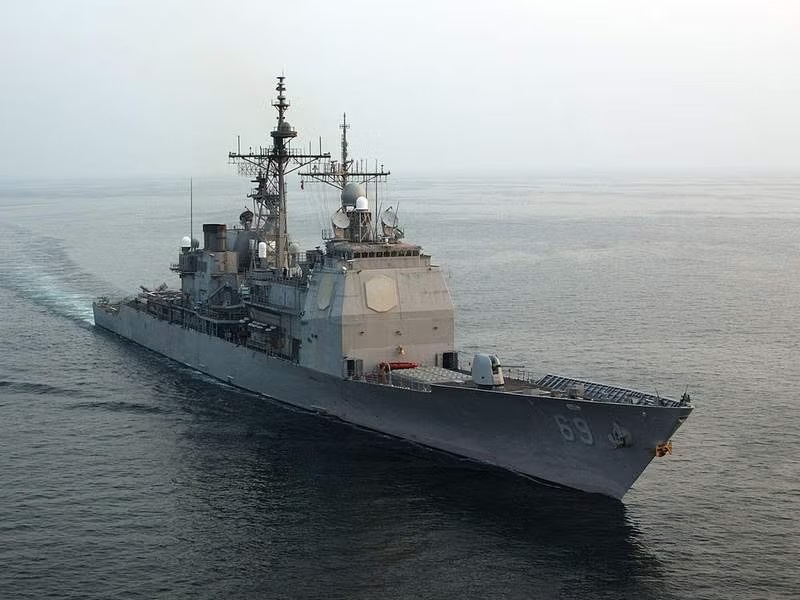
World
WASHINGTON — The U.S. Navy is moving ahead with the retirement of its remaining Ticonderoga-class guided-missile cruisers, ending the service of the Navy's only cruiser class after more than four decades. Built between 1980 and 1994, the ships have served as a key component of U.S. carrier strike groups, providing long-range air defence and precision strike capabilities. The Navy originally commissioned 27 Ticonderoga-class cruisers, but 20 have already been retired. The remaining seven ships are scheduled to leave service by 2030, with USS Gettysburg, USS Chosin, and USS Cape St. George receiving service-life extensions through 2029 to support the transition. The retirement marks a major change in the composition of the U.S. surface fleet, as the Navy shifts toward a force centred on Arleigh Burke-class destroyers while it continues development of future large surface combatants. Key Role in Carrier Strike Groups The Ticonderoga-class cruisers have long served as the primary air-defence ships for U.S. carrier strike groups. Each vessel is equipped with 122 Mk 41 Vertical Launch System (VLS) cells, allowing them to carry a large mix of missiles for different missions. The launch cells can fire Tomahawk land-attack cruise missiles as well as SM-2, SM-3, and SM-6 surface-to-air missiles, enabling the ships to conduct long-range strike missions while also providing layered air and missile defence for the fleet. With the retirement of the entire class, the Navy will lose more than 1,200 VLS cells from its surface fleet. Their primary replacement, the Arleigh Burke Flight III destroyer, carries 96 Mk 41 VLS cells, resulting in lower missile capacity per ship. The reduction in missile capacity comes as the Navy continues to support high operational demands. Recent operations, including Red Sea missions against Houthi forces and the opening phase of Operation Epic Fury in early 2026, required the launch of hundreds of Tomahawk missiles, increasing pressure on available missile inventories. The Navy is also preparing for the future retirement of its Ohio-class guided-missile submarines (SSGNs), each capable of carrying 154 Tomahawk missiles, which will further reduce overall long-range strike capacity. Aging Fleet and Modernization Challenges The decision to retire the cruisers follows years of growing maintenance challenges as the ships aged beyond three decades of service. Many vessels have experienced corrosion, structural fatigue, hull cracks, mechanical wear, and increasing maintenance requirements. Navy officials have also identified aging radar systems approaching obsolescence against modern missile threats. Another factor has been the ships' relatively low level of automation. Each cruiser typically requires a crew of 300 to 400 sailors, making them more expensive to operate than newer warships with comparable capabilities. $3.7 Billion Modernization Program Fell Short The future of the Ticonderoga-class was debated for more than a decade. In 2010, the Navy proposed retiring several cruisers early, but Congress rejected the plan because of concerns that removing them would reduce air-defence protection for carrier strike groups. Congress instead directed the Navy to implement the Cruiser Modernization Program, which aimed to extend the service lives of 11 selected cruisers through upgrades to structural components, electronics, and combat systems. However, the program experienced major delays and cost overruns. According to the Government Accountability Office (GAO), modernization costs reached approximately $3.7 billion, around 200 percent above initial estimates. The GAO also reported that about $1.84 billion was spent modernizing four cruisers, including USS Vicksburg and USS Cowpens, that were later decommissioned or scrapped before returning to operational deployment. Former Chief of Naval Operations Admiral Michael Gilday said the aging cruisers were showing significant material deterioration, including structural cracks and increasing maintenance issues, while older radar systems were becoming less suitable against evolving missile threats. Final Ships and Disposal Plans As the remaining cruisers leave service, several retired ships are being used in fleet training. During RIMPAC 2026, the former USS Mobile Bay is scheduled to participate in a SINKEX (sinking exercise), where it will be targeted by friendly forces to evaluate weapons systems and operational tactics. Other retired cruisers, including the former USS Vella Gulf and USS Antietam, are also expected to be disposed of through similar exercises. Future Surface Combatants The retirement of the Ticonderoga class leaves the U.S. Navy without a dedicated cruiser class for the first time in decades. Earlier plans to replace the cruisers through the CG(X) next-generation cruiser program were cancelled in 2010. The Navy has since shifted its focus to the DDG(X) program, which is intended to develop a future large surface combatant. However, the program is expected to face development delays and high costs, with the first ships unlikely to enter service until the 2030s. Until then, Arleigh Burke-class destroyers will continue to perform the Navy's primary air-defence and long-range strike missions. The transition also comes as other navies continue expanding their large surface combatant fleets, including China's Type 055 destroyers, while North Korea has indicated plans to develop heavily armed destroyers later this decade. Source: militarywatchmagazine
Read More → Posted on 2026-07-08 13:28:42
World
BELFORT, France — The Bourgogne–Franche-Comté region is strengthening its role in France's defence industry by helping local companies connect with national defence supply chains. On July 2, the third edition of the "Defence Market Opportunities Discovery Day" was held at the 1st Artillery Regiment military base in Bourogne, near Belfort, bringing together around 400 participants from across the defence and industrial sectors. The event was organised by the Bourgogne–Franche-Comté Region and the Grand Belfort Agglomeration in partnership with the French Senate's Committee on Foreign Affairs, Defence and Armed Forces. It was also supported by regional organisations including AER BFC, ADNFC, and French Tech BFC. The initiative focused on helping regional start-ups, small and medium-sized enterprises (SMEs), and mid-sized companies establish direct links with major defence contractors, procurement officials from the French Ministry of Armed Forces, and the Directorate General of Armaments (DGA). A major feature of this year's event was the expansion of business engagement. More than 600 targeted business-to-business (B2B) meetings were organised, allowing participating companies to present their expertise directly to defence buyers. The companies showcased capabilities in areas including advanced manufacturing, maintenance services, and dual-use technologies that can support both civilian and military applications. Alongside the B2B meetings, the programme included expert-led roundtable discussions and workshops covering defence market opportunities, financing options, procurement processes, and the operational requirements of the French armed forces. To provide participants with a better understanding of military needs, the 1st Artillery Regiment and the 35th Infantry Regiment conducted live equipment demonstrations. The event comes as France continues to expand its defence industrial base under the Military Programming Law (LPM) 2024–2030, which allocates €413 billion for defence spending over the period. The programme aims to strengthen military capabilities while increasing industrial production capacity across the country. For Bourgogne–Franche-Comté, which has a strong manufacturing tradition, the defence sector is being viewed as an opportunity to diversify industrial activity as other sectors, including automotive manufacturing, face changing market conditions. Regional authorities see greater participation in defence programmes as a way to support long-term business growth, employment, and innovation. Jérôme Durain, President of the Bourgogne–Franche-Comté Region, said local industries have an important role in supporting France's defence capabilities. "At a time when the global context demands a collective effort towards sovereignty, it is here — in our factories and workshops — that it is built. Our companies possess the expertise and agility required to meet the needs of our armed forces." Damien Meslot, President of the Grand Belfort Agglomeration and Mayor of Belfort, said the defence sector offers long-term opportunities for regional businesses. "We see defence as a concrete and sustainable diversification opportunity for local businesses. Our role is to connect them directly with prime contractors and ensure they can position themselves within strategic value chains." Cédric Perrin, Senator for the Belfort territory and Chairman of the French Senate's Defence Committee, said the defence industry can contribute to regional economic development. "The defence economy must serve as a lever for diversification, innovation, and employment across Bourgogne–Franche-Comté." The Discovery Day reflects France's broader effort to strengthen its defence industrial ecosystem by increasing the participation of regional manufacturers and technology companies. As defence production requirements continue to grow, initiatives that connect local businesses with national procurement programmes are expected to play an increasingly important role in supporting industrial capacity, innovation, and supply chain resilience. Source: edrmagazine
Read More → Posted on 2026-07-08 13:06:16
World
TEHRAN — Iran's Islamic Revolutionary Guard Corps (IRGC) said on Wednesday that its air defence systems shot down a US MQ-9 Reaper drone over Khormoj in Bushehr province, following a new round of military exchanges between Iran and the United States. According to Iranian state media, including Press TV, the drone was intercepted after approaching the southern province. Earlier Iranian reports also claimed that US drones were brought down over Isfahan and Jam County during the same period. The United States has not confirmed the claims, and US officials had not commented at the time of writing. The announcement came hours after the US Central Command (CENTCOM) said American forces carried out precision strikes against more than 80 Iranian military targets. According to CENTCOM, the operation targeted air defence systems, command-and-control facilities, coastal surveillance radars, surface-to-air missile sites, and more than 60 IRGC fast attack boats in response to recent Iranian attacks on commercial vessels in the Strait of Hormuz. Iran also announced retaliatory missile and drone strikes against around 85 US military sites across the region. Iran's semi-official Tasnim news agency reported that the targets included Salman Port, the US Navy's Fifth Fleet headquarters in Bahrain, and Ali Al-Salem Air Base in Kuwait. Following the reported attacks, authorities in Bahrain and Kuwait activated air raid sirens and issued public safety advisories. The latest developments mark a further escalation in tensions between the two countries over security in the Strait of Hormuz, a strategically important shipping route for global oil trade. No independent verification has confirmed Iran's claim of downing the US MQ-9 Reaper drone or the reported scale of the retaliatory strikes. The situation remains fluid as both sides continue to issue statements. Source: economictimes
Read More → Posted on 2026-07-08 12:42:46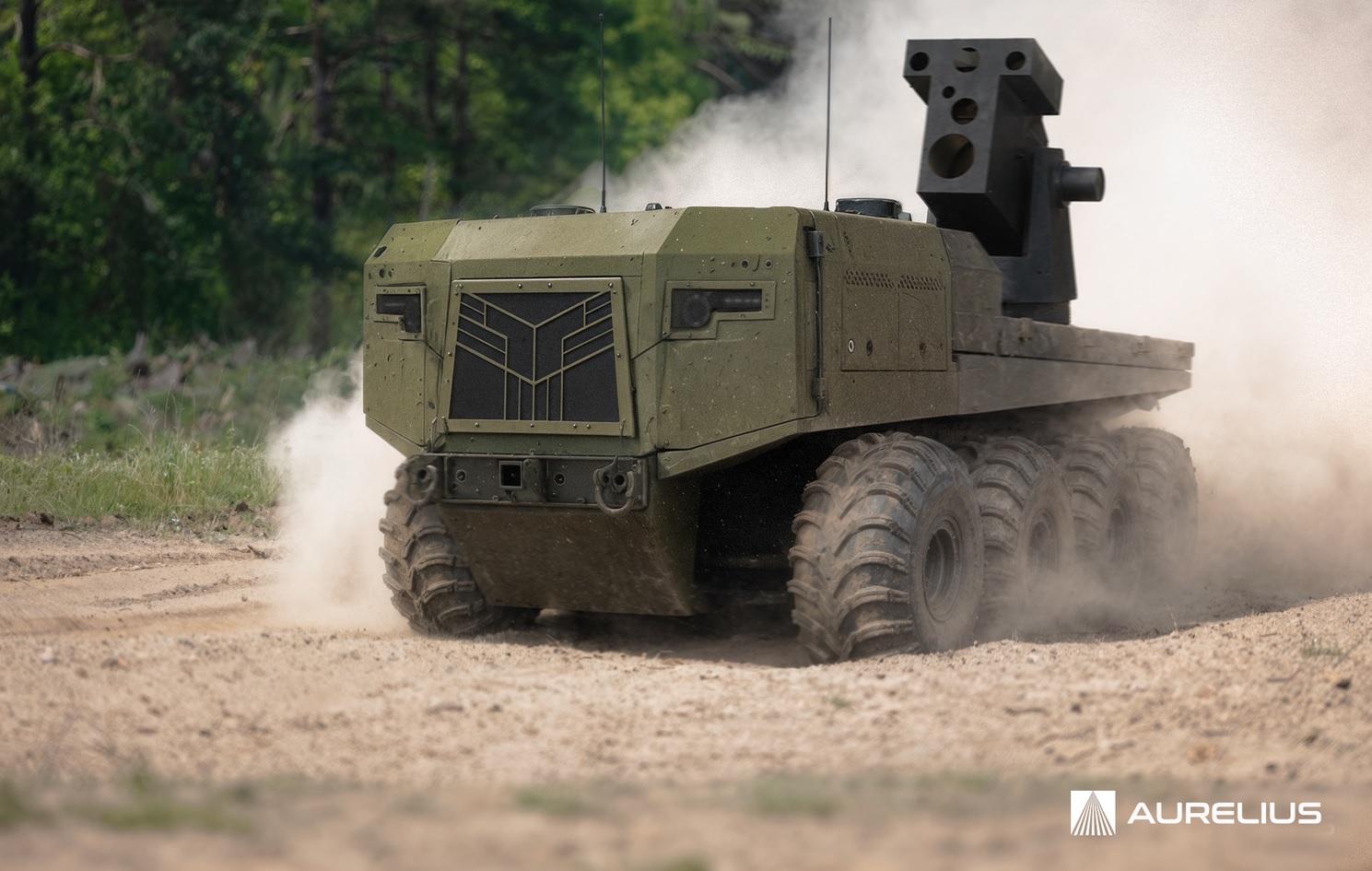
World
San Francisco — Aurelius Systems has announced a strategic partnership with American Rheinmetall to integrate its Archimedes directed-energy platform onto robotic combat vehicles, aiming to provide mobile and autonomous protection against the growing threat of battlefield drones. The collaboration combines Aurelius Systems' AI-enabled laser-based counter-unmanned aerial system (C-UAS) technology with American Rheinmetall's unmanned ground vehicle (UGV) platforms used for automated supply distribution. The integrated system is intended to protect logistics convoys and forward supply missions while reducing the need to expose personnel to high-risk environments. The companies said the partnership is focused on accelerating the deployment of counter-drone capabilities that can operate alongside robotic vehicles delivering ammunition, fuel, medical supplies, and other critical equipment to troops operating at the tactical edge. Archimedes Directed-Energy Platform At the center of the partnership is Archimedes, Aurelius Systems' autonomous directed-energy platform designed to detect, track, identify, and defeat unmanned aerial systems using a high-power laser. The system combines advanced sensors, artificial intelligence, and directed-energy technology to autonomously detect, track, and engage aerial threats. It is built as a compact low-SWaP-C (Size, Weight, Power and Cost) platform, allowing integration onto mobile vehicles while reducing the logistical burden compared with traditional missile-based air defense systems. Unlike interceptor-based systems that require reloads, directed-energy systems can repeatedly engage drone targets as long as sufficient electrical power is available, making them suitable for countering multiple small drones. Integration With American Rheinmetall Robotic Vehicles American Rheinmetall will integrate the Archimedes system onto its robotic combat vehicle platforms developed for autonomous logistics missions. These unmanned ground vehicles are designed to transport supplies to frontline units, operate in contested environments, and support autonomous or remotely controlled missions. By integrating the Archimedes laser system, the vehicles are expected to gain organic counter-drone protection while continuing supply operations in areas where unmanned aerial threats are increasingly common. The integrated capability is intended to help maintain operational freedom of movement and keep supply routes open during military operations. Demonstrations and Testing The announcement follows several recent demonstrations of the Archimedes platform. Last month, Aurelius displayed the integrated system during the Reindustrialize 2026 conference in Detroit, where the laser platform was mounted on a robotic combat vehicle developed in partnership with American Rheinmetall and Harbinger. Earlier, Archimedes participated in the Technology Readiness Experimentation (T-REX) 26-2 event at Camp Atterbury, Indiana, hosted by the Office of the Under Secretary of War for Research and Engineering. During the trials, Aurelius stated that the system successfully tracked and engaged more than 20 quadcopter drones, including over five previously unseen drone models supplied by the U.S. Army to evaluate its autonomous tracking and targeting capabilities. Addressing Battlefield Drone Threats The partnership comes as military forces increasingly face attacks from low-cost commercial and military drones targeting personnel, logistics convoys, and critical infrastructure. Mobile counter-drone systems integrated directly onto unmanned logistics vehicles allow supply platforms to defend themselves without relying solely on external air-defense assets. Directed-energy weapons also reduce the need to carry large numbers of interceptor missiles, helping lower operating costs and logistical requirements. Neither Aurelius Systems nor American Rheinmetall announced a deployment schedule or production timeline for the integrated system. However, the partnership represents another step toward integrating autonomous ground vehicles with directed-energy counter-drone technology for future battlefield logistics operations. Source: aureliussystems
Read More → Posted on 2026-07-08 12:03:44
World
A Russian-linked recruitment network operating through Telegram has expanded its sabotage recruitment campaign beyond Ukraine into several European Union countries, according to an investigation by independent news outlet Vot Tak. The investigation found that recruiters are offering payments ranging from $1,500 to $3,000 for attacks targeting NATO-related assets, Ukrainian organizations, transportation infrastructure, and other facilities across Europe. The investigation indicates that what initially focused on recruiting individuals for sabotage inside Ukraine has increasingly shifted toward operations in EU member states during the spring of 2026. Recruiters Present Illegal Tasks as Part-Time Jobs According to Vot Tak, recruiters advertise what appear to be legitimate part-time jobs, describing them as "easy work," "simple technical work," or flexible side jobs with stable payments. After establishing contact, recruiters reportedly inform applicants that the assignments involve illegal activities. They then provide detailed price lists outlining payments for different sabotage missions and explain the methods required to complete them. One recruiter using the Telegram alias "Jan Pol" allegedly told an undercover journalist that the work was "illegal" before sending instructions and payment offers for various assignments. The investigation also identified other recruiter aliases, including "Sasha," "Smitt," "Moroz," and "Maks," who allegedly coordinated assignments in different countries. Poland Among Primary Targets According to the investigation, Poland became one of the main countries targeted after the network expanded its activities into the European Union. Recruiters allegedly offered payments of up to $3,000 to carry out arson attacks against: Locomotives Mobile communication base stations Vehicles with Ukrainian license plates Humanitarian aid collection points Ukrainian organizations and volunteer centres Before approving an attack, recruiters instructed recruits to conduct reconnaissance by collecting addresses, filming potential targets, and submitting the footage for approval. If the target was accepted, recruits were instructed to record the attack using the Timestamp Camera application, which embeds time and location data into videos. Payment was reportedly made through cryptocurrency or bank transfer after handlers verified the footage. Latvia: Ukrainian Community Office Targeted In Latvia, investigators found that recruiters offered $3,000 to attack the headquarters of the Viche Confederation of Ukrainian Communities in Riga. According to Vot Tak, recruiters supplied photographs of the building and previously recorded reconnaissance footage. They instructed recruits to carry out an arson attack and submit video evidence before receiving payment. Lithuania: NATO Equipment and Disinformation Assignment The investigation found that recruits in Lithuania were offered $1,500 to set fire to a NATO military vehicle. An additional $500 was reportedly offered for obtaining or staging video material claiming that Ukrainian drones were being launched from Lithuanian territory. According to Vot Tak, this proposal was made only days before Russia's Foreign Intelligence Service publicly claimed that Ukraine was preparing drone launches from the Baltic states. Czech Republic Operations In the Czech Republic, recruiters allegedly sought individuals willing to purchase electric igniters, devices commonly used in pyrotechnics but also capable of serving as components in improvised explosive devices. Approximately one month after these communications, an arson attack occurred at a defence facility in Pardubice that manufactures drones for Ukraine. While investigators have not confirmed a direct connection between the Telegram communications and the incident, Vot Tak noted that the timing has drawn attention from investigators examining possible Russian intelligence involvement. Recruitment Network Uses Layered Structure The investigation describes a structured recruitment system designed to reduce exposure for organizers. Initial advertisements are distributed through thousands of Telegram job-search groups by temporary accounts that often remain active for only a few days before being deleted. After initial contact, potential recruits are transferred to handlers who explain the assignments, approve targets, and arrange payments. To verify completed operations, recruits are instructed to: Conduct reconnaissance before the attack. Record the entire operation using the Timestamp Camera app. Submit the footage to handlers. Receive payment, typically in cryptocurrency, after verification. Massive Online Recruitment Campaign Researchers cited by Vot Tak estimate that more than 20 million recruitment advertisements linked to sabotage have appeared on Telegram since the beginning of 2026. On May 12 alone, approximately 10,000 nearly identical advertisements in Russian and Ukrainian were identified across Telegram channels and job groups. Most advertisements promoted flexible, well-paid work before directing interested users to recruiters. According to the investigation, these advertisements appeared not only in Eastern Europe but also in Russian-language Telegram groups serving users in Germany, Poland, the United States, the United Arab Emirates, Thailand, and more than 20 other countries. Foreign Phone Numbers and Older Telegram Accounts The investigation found that many of the accounts distributing recruitment advertisements were registered using foreign phone numbers rather than Russian or Ukrainian numbers. Most were linked to numbers from India, Iran, and several Arab countries. Researchers also found evidence that another branch of the network purchases older Telegram accounts, sometimes more than ten years old, to bypass platform spam filters and increase the credibility of recruitment messages. According to Vot Tak, recruiters were willing to purchase established Telegram accounts for relatively small amounts before repurposing them for recruitment activities. Recruitment Previously Focused on Ukraine The investigation notes that until late 2025, most sabotage assignments targeted locations inside Ukraine. However, by the spring of 2026, standard recruitment materials had expanded to include operations across several European countries. The Security Service of Ukraine (SBU) told Vot Tak that it considers the recruitment effort part of what it describes as the Russian intelligence operation known as "Sabotage Noise," which Ukrainian authorities say has been active since 2023. According to the SBU, more than 1,400 Russia-directed sabotage-related crimes have been documented in Ukraine since the operation began, including approximately 800 cases during 2025. Recent Arrest Highlights Ongoing Threat The investigation comes as European security agencies continue monitoring suspected sabotage activities linked to Russian intelligence. On July 7, 2026, two individuals were detained at the Serbia-Hungary border after intelligence shared by German security services and allied agencies. According to intelligence officials and German newspaper BILD, authorities discovered an explosive device during a search of their luggage. Investigators believe the suspects were travelling to Germany to carry out a sabotage attack against a defence-industry facility involved in military assistance to Ukraine. Officials described the pair as suspected "disposable agents" allegedly recruited for a single operation. Investigation Highlights Growing Cross-Border Recruitment The Vot Tak investigation concludes that Telegram has become a significant platform for recruiting individuals willing to conduct sabotage operations through offers of quick payments and anonymous communication. While Ukrainian authorities have documented numerous cases of Telegram-based recruitment inside Ukraine, the investigation suggests that similar methods are now increasingly being directed toward targets across the European Union. At the time of publication, Vot Tak reported that official requests for comment sent to intelligence agencies in Poland, Lithuania, Latvia, the Czech Republic, and the United States had not received detailed responses regarding the scale of the recruitment activity in their respective countries. Source: vot-tak.tv
Read More → Posted on 2026-07-08 11:53:07
World
ANKARA — The United Kingdom and the Netherlands have signed a £2.4 billion ($3.2 billion) agreement to jointly build eight next-generation amphibious transport ships, marking a significant step in defence and naval cooperation between the two NATO allies. The agreement was signed on July 7 by UK Prime Minister Keir Starmer and Dutch Prime Minister Rob Jetten during a meeting of NATO leaders in Ankara. Under the agreement, the new ships will be based on a Dutch design and built in UK shipyards with participation from Dutch industry. Each country will receive four vessels, creating a common platform for the Royal Navy and the Royal Netherlands Navy to strengthen their combined amphibious operations. New Ships Designed for Modern Operations The new amphibious transport ships will each measure 160 metres in length and displace around 15,000 tonnes. They are designed to transport troops, military vehicles, equipment, and drones for a wide range of military operations. The vessels will feature flight decks capable of operating both current and future long-range drones and autonomous systems, supporting the Royal Navy's transition toward a hybrid fleet that combines conventional warships with uncrewed technologies. The design is understood to be derived from Damen Naval's Enforcer Landing Platform Dock (LPD) family. The ships are also expected to replace the Royal Navy's aging Albion-class landing platform dock vessels. Strengthening UK-Netherlands Military Cooperation The programme builds on more than 50 years of cooperation through the UK-Netherlands Amphibious Force, Europe's longest-running integrated military force. With both navies operating the same class of ships, British and Dutch forces will be able to train, deploy and operate together more effectively. The partnership is also intended to improve NATO's ability to respond rapidly to future crises while supporting joint development of autonomous and uncrewed technologies. Prime Minister Keir Starmer said the agreement goes beyond shipbuilding. "This partnership is not just about building ships, it is also about delivering long-term security for both the UK and The Netherlands, ensuring we are able to stay ahead of the threats of tomorrow." He added that combining Britain's shipbuilding expertise with Dutch naval design and maritime experience would deliver advanced platforms for both countries' amphibious forces while strengthening NATO. Starmer also said the programme would create and sustain skilled jobs in UK shipyards. UK Defence Secretary Dan Jarvis said the common fleet would strengthen defence cooperation between the two countries. "Our forces will operate the same equipment and deploy on exercises together, so if they need to, we can fight and win together. In close partnership, we are responding to the threats we face to make our nations and Europe safer." Support for UK Shipbuilding Industry The £2.4 billion programme is expected to support hundreds of highly skilled jobs across the UK shipbuilding industry. Navantia UK, which owns the Harland & Wolff shipyard, has indicated it is prepared to support construction of the new vessels. Chief Executive Donato Martinez said the Belfast shipyard provides the UK with a sovereign capability to build amphibious ships. He noted that the facility has received more than £98.5 million in investment and is now among Europe's most advanced shipbuilding sites. He added that the company is fully committed to supporting the programme. Part of the UK's Wider Naval Modernisation The agreement forms part of the UK's broader Defence Investment Plan, which aims to transform the Royal Navy into a more technologically advanced hybrid force by integrating traditional warships with autonomous surface and undersea systems. The partnership also follows the recent UK-Norway agreement to build five Type 26 frigate vessels in British shipyards. Beyond amphibious operations, the UK and the Netherlands plan to use the new ships to help protect critical undersea infrastructure and strengthen deterrence in the North Atlantic and High North regions as NATO and Joint Expeditionary Force (JEF) partners. Construction and delivery schedules for the eight amphibious transport ships have not yet been announced. The agreement establishes a common fleet for both navies while expanding long-term industrial cooperation and interoperability between the two countries. Source: gov.uk
Read More → Posted on 2026-07-08 11:13:18
World
ANKARA, Türkiye — NATO allies announced a series of new multinational space initiatives during the NATO Summit Defence Industry Forum held in Ankara on July 7, marking a significant step in the alliance's efforts to strengthen military space capabilities, improve satellite integration, and enhance resilience against emerging threats. The announcements included the launch of the Hybrid Alliance Layered Operations in Space (HALO) initiative, Canada's entry into the STARLIFT program, Spain's participation in the Alliance Persistent Surveillance from Space (APSS) initiative, and Türkiye's plans to expand its national satellite and military space capabilities. Eight NATO Allies Launch HALO Initiative Eight NATO member countries—Canada, Denmark, Finland, Germany, the Netherlands, Norway, Sweden, and Türkiye—officially launched HALO (Hybrid Alliance Layered Operations in Space). The multinational project is designed to improve the connectivity and integration of sovereign, nationally owned and controlled military satellites into a networked mega-constellation. Rather than relying on separate national satellite fleets, HALO aims to create a connected architecture that allows allied satellites to operate together while remaining under national ownership. According to NATO, the initiative is intended to strengthen alliance resilience in space while improving military capabilities through faster communications, intelligence sharing, and missile tracking. The planned network is expected to support: High-speed military communications Enhanced intelligence collection and sharing Improved missile tracking capabilities NATO Deputy Secretary General Radmila Šekerinska said individual satellite constellations operated independently by member states face challenges such as cyberattacks, electronic jamming, physical attacks, higher development costs, limited coverage, and slower transmission of large volumes of data. HALO is intended to address these limitations through a more integrated multinational approach. Canada Becomes 15th Member of STARLIFT Canada formally joined NATO's STARLIFT multinational initiative, becoming its 15th participating nation. STARLIFT is exploring the development of a network of launch capabilities across allied spaceports to enable NATO members to launch space assets at short notice when operational requirements arise. According to NATO, expanding launch options across the alliance will improve the ability to respond more quickly to developments affecting space operations. Isar Aerospace Secures Access to Canadian Launch Infrastructure During the forum, German launch company Isar Aerospace signed a contract with Maritime Launch Services of Canada. The agreement provides Isar Aerospace with access to launch infrastructure and services at Spaceport Nova Scotia, supporting the company's preparations for future orbital launches and improving launch readiness for European and allied payloads. Spain Joins NATO's APSS Program Spain became the 19th country to join NATO's Alliance Persistent Surveillance from Space (APSS) initiative. NATO describes APSS as the largest multinational investment in space-based capabilities in the alliance's history. The initiative combines satellite data from participating nations to improve persistent surveillance and intelligence support. As part of its contribution, Spain will provide imagery from its Atlantic Constellation satellites to strengthen coastal surveillance and expand the alliance's shared space-based monitoring capabilities. Türkiye Announces Expansion of National Space Capabilities As host of the 2026 NATO Summit Defence Industry Forum, Türkiye announced several new investments aimed at expanding its national space infrastructure. Following the operational success of the IMECE Earth observation satellite, Türkiye plans to develop two additional high-resolution Earth observation satellites to strengthen regional surveillance capabilities. The country also announced investments in: Low Earth Orbit (LEO) satellites for secure military communications Early Warning Radar Systems to enhance battlefield connectivity and situational awareness According to NATO, these developments are intended to support Türkiye's national defence capabilities while contributing to broader alliance security objectives. Strengthening NATO's Space Cooperation The announcements made during the Defence Industry Forum reflect NATO's continued focus on expanding cooperation in space through multinational programs. Initiatives such as HALO, STARLIFT, and APSS are designed to improve interoperability among allied nations by integrating national capabilities, expanding launch options, and increasing access to space-based communications, surveillance, intelligence, and missile tracking. By combining national resources through joint programs, NATO aims to improve operational resilience while reducing the limitations associated with independently operated satellite systems. The alliance expects these initiatives to progress through further development and implementation in the coming months. Source: nato.int
Read More → Posted on 2026-07-08 10:58:39
World
WASHINGTON — The United States carried out a new round of airstrikes against Iran late on July 7 and into the early hours of July 8, 2026, targeting more than 80 military sites in response to Iranian attacks on commercial vessels in the Strait of Hormuz, according to the U.S. Central Command (CENTCOM). The operation represents one of the largest U.S. military actions since the current conflict began and comes amid renewed tensions over maritime security in the Gulf. Background The latest military action followed attacks on three commercial vessels transiting the Strait of Hormuz. U.S. officials said the attacks violated the existing ceasefire arrangements and endangered civilian shipping in one of the world's most important maritime trade routes. Washington said the operation was intended to protect international commerce and preserve freedom of navigation through the strategic waterway. More Than 80 Military Targets Struck CENTCOM said U.S. forces targeted more than 80 Iranian military sites using precision-guided weapons. According to the military, the targets included: Air-defense systems Command-and-control centers Coastal radar installations Anti-ship missile batteries Drone launch facilities More than 60 Islamic Revolutionary Guard Corps (IRGC) naval boats operating in and around the Strait of Hormuz The U.S. military said the strikes were designed to degrade Iran's ability to threaten commercial shipping and regional maritime security rather than target civilian infrastructure. Why the United States Responded Washington said the strikes were launched after Iranian forces attacked three commercial ships sailing through the Strait of Hormuz, including a Qatari liquefied natural gas (LNG) tanker. U.S. officials described the incidents as a direct threat to international shipping and said the response was intended to deter further attacks on civilian maritime traffic. The Strait of Hormuz carries a significant share of the world's seaborne crude oil and liquefied natural gas exports, making security in the waterway critical for global energy markets. Additional U.S. Measures Alongside the military operation, Washington announced additional economic measures by revoking a license that had allowed limited Iranian oil sales. U.S. officials said the decision was taken in response to the shipping attacks and was intended to increase economic pressure on Tehran while limiting revenue that could support further military operations. Iran Condemns the Strikes Iran condemned the U.S. operation, accusing Washington of violating previous understandings and escalating the conflict. Iranian military leaders warned that the country would deliver what they described as a "crushing response" and rejected U.S. military actions in and around the Strait of Hormuz. Iranian media reported explosions in southern parts of the country, including areas near Bandar Abbas, Qeshm Island and Sirik, although authorities did not immediately release verified casualty or damage figures. Iranian Retaliatory Action Following the U.S. operation, Iran announced missile and drone attacks against U.S. military facilities in Bahrain and Kuwait. Authorities in both Gulf states activated air-defense systems after the attacks were detected. Officials continued to assess the situation, and no independently verified casualty figures were immediately available. Regional and Global Impact The latest exchange has renewed concerns about security in the Gulf and the future of shipping through the Strait of Hormuz. Oil prices rose as markets reacted to the renewed military confrontation and the possibility of further disruption to global energy supplies. Shipping companies also reviewed transit plans through the region amid heightened security concerns. Current Situation According to CENTCOM, the latest round of strikes has concluded, but U.S. forces remain prepared to respond to any further threats against commercial shipping or regional security. Iran has vowed further retaliation, while governments across the Middle East continue to monitor the situation closely. The latest exchange has raised fresh doubts over the durability of the ceasefire and the prospects for renewed diplomatic negotiations between Washington and Tehran.
Read More → Posted on 2026-07-08 10:50:42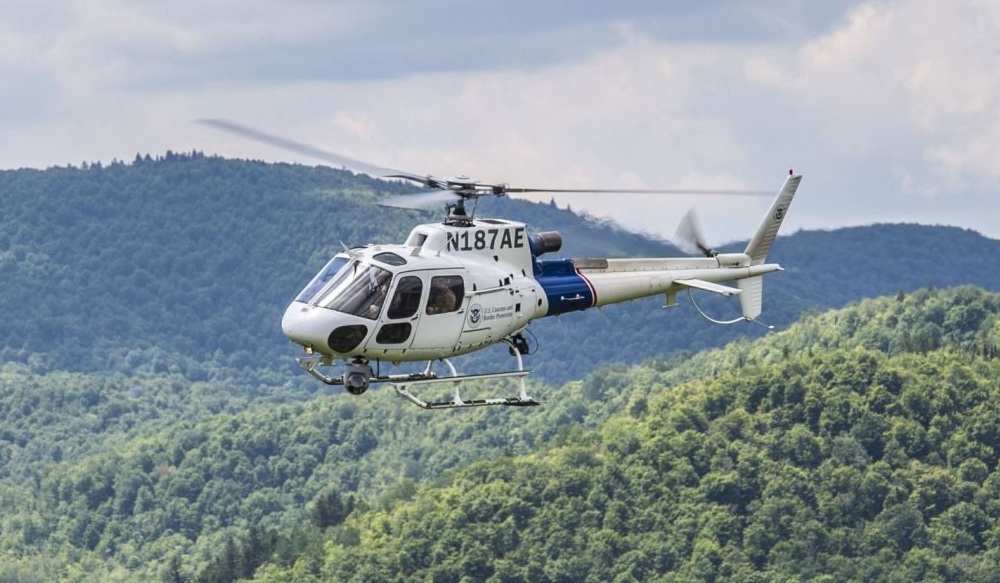
World
COLUMBUS, Mississippi — Airbus has signed a contract with U.S. Customs and Border Protection (CBP) Air and Marine Operations (AMO) to supply 10 H125 light single-engine helicopters, expanding the agency's aviation fleet for homeland security, law enforcement, border security, and public safety missions across the United States. The acquisition is part of CBP's ongoing fleet modernization program, which aims to provide aircrews with modern, reliable, and multi-role aircraft capable of operating in demanding environments. The new helicopters will strengthen the agency's rotary-wing fleet and support rapid response operations along U.S. borders and at ports of entry. The Airbus H125 is one of the most widely used light single-engine helicopters in the world and has an established role in airborne law enforcement operations across North America. The aircraft is designed to perform in a wide range of weather and environmental conditions, making it suitable for homeland security missions that require reliable performance in challenging operating environments. For CBP Air and Marine Operations, the H125 provides good external visibility and multi-mission flexibility, allowing crews to carry out routine aerial patrols, surveillance, and more complex tactical operations using the same platform. The helicopter is also designed to deliver these capabilities while maintaining relatively low operating costs. The 10 helicopters will be equipped with several standard safety systems, including a dual-channel Full Authority Digital Engine Control (FADEC) system, an onboard engine data recorder, and a dual hydraulic flight control system. These features are intended to reduce pilot workload and improve operational safety during demanding missions. The aircraft will be manufactured at Airbus' helicopter production facility in Columbus, Mississippi, supporting domestic production for the U.S. government order. Commenting on the agreement, Bart Reijnen, Head of the North America Region for Airbus Helicopters, said the expansion of the H125 fleet reflects the long-standing collaboration between Airbus and U.S. Customs and Border Protection. He said the selection demonstrates the agency's confidence in the H125 for critical public safety missions and added that Airbus will continue providing aircraft support and services to help maintain mission readiness. Air and Marine Operations, the aviation and maritime law enforcement branch of CBP, uses helicopters and fixed-wing aircraft to support border security, law enforcement, surveillance, search operations, and emergency response missions throughout the United States. The addition of the new H125 helicopters will increase the agency's operational capacity while supporting its long-term goal of maintaining a modern and effective aviation fleet. The H125 continues to be widely used by government agencies, law enforcement organizations, emergency medical services, utility operators, and commercial customers worldwide due to its versatility and ability to operate in diverse environments. The latest order further expands its role within CBP's airborne operations as the agency continues to modernize its aviation capabilities. Airbus has not announced a delivery timeline for the helicopters. The final delivery schedule and aircraft configuration will be coordinated with U.S. Customs and Border Protection as part of the contract implementation. Source: m.in.investing
Read More → Posted on 2026-07-07 15:54:23
World
ANKARA, Turkey — Finland, Norway and Latvia have signed a Statement of Intent to cooperate on the development and potential joint procurement of the Patria TRACKX armoured tracked vehicle during the 2026 NATO Summit in Ankara, marking a new step in multinational defence cooperation aimed at improving land mobility and interoperability among European allies. The agreement establishes a framework for the three countries to share information on the ongoing development of the TRACKX platform and the results of field trials. It also allows the participating nations to explore future joint procurement opportunities and coordinate additional product development. Finnish Minister of Defence Antti Häkkänen signed the agreement on behalf of Finland. Focus on Arctic and All-Terrain Mobility Patria TRACKX is a next-generation armoured tracked vehicle developed to operate in demanding environments, including deep snow, marshlands and Arctic terrain. The vehicle has been developed under the multinational Future Highly Mobile Augmented Armoured Systems (FAMOUS) programme, which is co-funded by the European Defence Fund (EDF). The TRACKX programme is intended to provide European armed forces with a modern replacement for ageing tracked vehicle fleets such as the M113 and MT-LB. Designed for the 13-to-18-ton weight class, the vehicle has an empty weight of 12 tonnes and can carry a payload of up to 3.5 tonnes. It accommodates a crew of up to 10 soldiers in a protected compartment fitted with blast-attenuating seats and can be equipped with a 12.7 mm machine gun. The vehicle also features wide rubber tracks, a low centre of gravity and an independent adjustable hydropneumatic suspension for each road wheel, providing improved mobility across difficult terrain while maintaining stability and crew protection. Based on the CAVS Cooperation Model The TRACKX initiative follows the cooperation model used in the Common Armoured Vehicle System (CAVS) programme based on the Patria 6×6 wheeled armoured vehicle. According to Patria, the CAVS programme has demonstrated that jointly defining military requirements, coordinating procurement and sharing life-cycle support can accelerate vehicle deliveries, improve interoperability and strengthen supply security among NATO and European partner nations. The TRACKX cooperation is expected to apply the same approach by allowing participating countries to coordinate development, testing and future procurement while reducing long-term support costs. Officials Highlight Multinational Cooperation Patria President and CEO Panu Routila said Europe and allied nations require a new level of mobility that cannot be delivered by individual countries acting alone. He said multinational cooperation and joint procurement provide an effective way to transform shared operational requirements into deployable capability while improving interoperability. Routila also said the agreement demonstrates that all-terrain mobility has become a strategic capability area for both NATO and European defence, supporting the renewal of ageing armoured vehicle fleets with a European-developed platform. Jussi Järvinen, Executive Vice President of Patria's Protected Mobility business area, said the success of the CAVS programme has shown the benefits of multinational cooperation. He said the Statement of Intent reflects strong interest in establishing a common tracked vehicle platform to improve interoperability, joint operational capability and life-cycle efficiency. Järvinen added that TRACKX is designed to provide high mobility, protection, situational awareness and operational range across a wide range of operating environments. Serial Production Planned From 2027 Patria expects TRACKX to enter serial production between 2027 and 2028, with the goal of enabling national procurement programmes from 2027 onward as participating countries finalize their requirements. Alongside the trilateral agreement, Sweden continues to participate in TRACKX technology development and pre-series procurement activities through a separate cooperation agreement with Finland. Patria said this parallel effort supports technology development and helps prepare the vehicle for future procurement. Supporting NATO and European Defence A broader multinational programme led by Finland is currently being organized around the TRACKX platform. According to the Finnish Ministry of Defence, improving protected operational mobility in Arctic regions remains a key national security priority. The programme is also expected to support the Eastern Flank Watch (EWF) initiative, which focuses on strengthening security, readiness and operational mobility for the easternmost member states of the European Union. The Statement of Intent reflects continuing efforts by Finland, Norway and Latvia to enhance defence cooperation through common capability development, coordinated procurement and improved interoperability across NATO and European partner forces. Source: patriagroup
Read More → Posted on 2026-07-07 15:10:17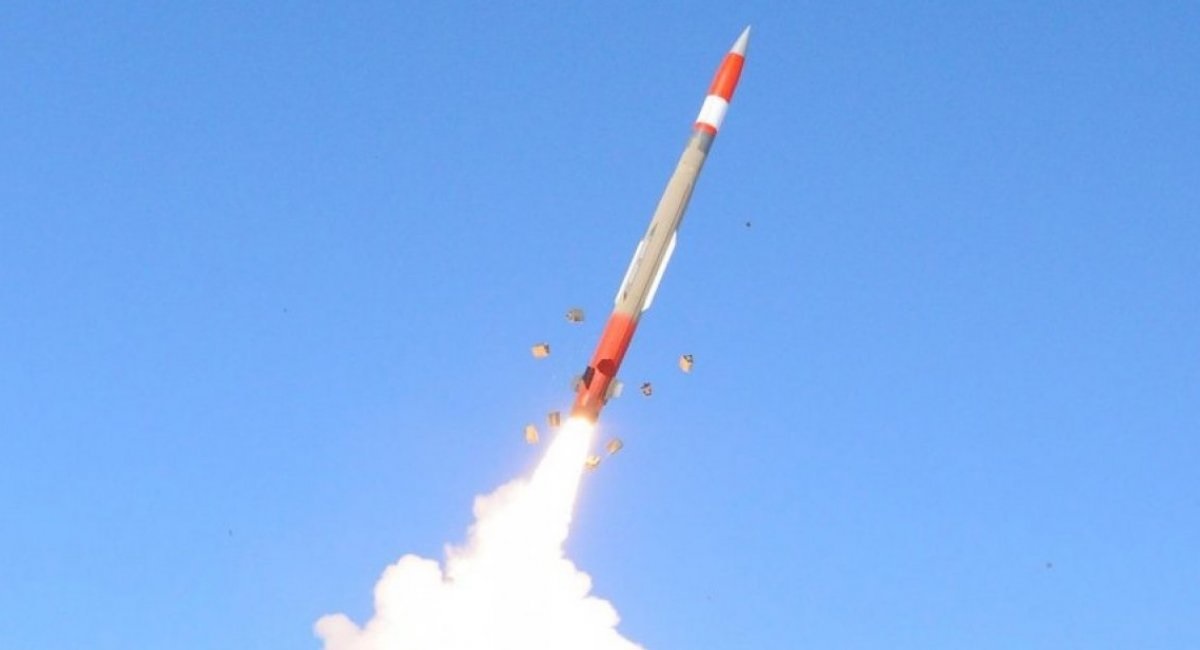
World
ANKARA, Türkiye — The United States, Germany, the Netherlands, Poland and Sweden have signed a joint agreement to explore the establishment of a dedicated maintenance facility in Europe for Lockheed Martin's PAC-3 air defense missiles, marking a new step in expanding NATO's regional missile support infrastructure. The agreement was announced on Tuesday during a defense industry event held alongside the NATO summit in Ankara. U.S. Undersecretary of Defense for Acquisition and Sustainment Michael Duffey said the proposed facility is intended to improve the availability of PAC-3 missiles, reduce repair times and strengthen operational readiness for NATO allies. The host country for the maintenance facility has not yet been selected. According to Duffey, the project is being developed in partnership with Lockheed Martin and the participating European nations. Speaking to reporters, Duffey also said the United States is not ruling out future production of PAC-3 missiles outside its borders. "We leave open the opportunity for production beyond the U.S. borders, absolutely," Duffey said when asked whether PAC-3 interceptors could eventually be manufactured outside the U.S. PAC-3 missiles are the most advanced interceptor used in the Patriot air defense system and require regular maintenance to remain operational. Demand for Patriot systems has increased significantly in recent years, particularly in Ukraine, where they have been used to intercept Russian tactical ballistic missiles since the start of Russia's full-scale invasion in 2022. The maintenance initiative forms part of broader efforts by the United States and European allies to expand defense industrial capacity in Europe while easing pressure on U.S. defense manufacturers. Europe Expanding Patriot Missile Production Efforts to increase missile production in Europe are already underway for other Patriot interceptors. In 2024, Germany, the Netherlands and Spain signed a €5.1 billion (approximately $5.98 billion) contract to procure up to 1,000 PAC-2 missiles. The missiles will be produced at a new MBDA facility in Schrobenhausen, southern Germany, through COMLOG, a joint venture between MBDA and Raytheon. The new production facility is expected to double global manufacturing capacity for PAC-2 interceptors, which are designed to counter tactical ballistic missile threats. Production is scheduled to begin at the end of 2026, with the first deliveries expected in early 2027. MBDA will also provide maintenance support for the PAC-2 missile inventory. AMRAAM Co-Production Plans Progress At the same time, the United States and several NATO members are moving closer to establishing co-production of Raytheon's AIM-120 AMRAAM missiles in Europe. The initiative involves Belgium, Canada, Finland, Germany, the Netherlands, Norway and Britain. Participating countries are funding feasibility studies to qualify European suppliers for key missile components. The AIM-120 AMRAAM is used by NASAMS air defense systems and F-16 fighter aircraft and remains in high demand, including by Ukraine. However, officials have not announced which European country could host a future AMRAAM production facility or when a final agreement may be reached. Supporting NATO Supply Chains The new maintenance and production initiatives are intended to strengthen NATO's defense industrial base by improving regional support for critical air defense systems. They also align with U.S. President Donald Trump's call for European allies to assume a greater role in their own defense by increasing defense spending and expanding industrial capabilities within Europe. The projects come as the United States faces growing pressure on its defense manufacturing sector. In June, President Trump invoked the Defense Production Act to address constraints affecting munitions production and defense supply chains after concerns that ongoing military support for Ukraine and operations related to the conflict with Iran had placed significant demands on U.S. weapons stockpiles. Defense officials say expanding maintenance and production capabilities in Europe could reduce pressure on Lockheed Martin and Raytheon facilities in the United States, allowing the companies to increase domestic production while helping European allies maintain more resilient and reliable missile supply chains. Source: reuters
Read More → Posted on 2026-07-07 14:41:32
World
WASHINGTON, D.C. — The U.S. Missile Defense Agency (MDA) has awarded L3Harris Technologies Integrated Systems L.P., doing business as Aeromet, an indefinite-delivery/indefinite-quantity (IDIQ) contract worth up to $499.57 million to continue operating and maintaining the specialized aircraft and airborne sensor systems used during U.S. missile defense flight tests. The contract, announced on July 6, 2026, will support the agency's Flight Test Airborne Sensors (ABS) program from September 15, 2026, through September 14, 2036. The work will be performed by L3Harris' Aeromet division in Tulsa, Oklahoma, which specializes in aircraft equipped with advanced tracking and imaging sensors for missile testing missions. Under the agreement, Aeromet will provide aircraft operations and maintenance, sustain airborne sensor systems, conduct mission planning and execution, and carry out engineering upgrades to keep the aircraft and equipment ready for future missile defense test campaigns. Supporting U.S. Missile Defense Flight Tests The aircraft supported under the program are known as HALO (High Altitude Observatory) aircraft. These specialized platforms operate at high altitudes during missile defense tests and carry electro-optical and infrared sensors designed to collect detailed imagery and tracking data throughout an interceptor engagement. During a missile defense test, engineers require more than confirmation that an interceptor reached its target. The HALO aircraft record high-quality visual and infrared data, track missile flight paths, and capture information needed to determine whether an interceptor successfully struck its target and how the system performed during each phase of the engagement. The aircraft function as airborne observation platforms and flying laboratories, providing information that complements data collected by ground-based radars and other tracking systems. Critical Data for System Evaluation The information collected during flight tests plays an important role in evaluating missile defense systems. Engineers use the data to assess interceptor performance, identify technical issues, validate test results, and support decisions on future upgrades and development. According to the Missile Defense Agency, airborne observations provide details that cannot always be obtained through ground-based sensors or satellites alone. The combination of optical imagery, infrared recordings, and precision tracking data helps provide a more complete understanding of each missile interception test. The data also contributes to decisions regarding continued development, modernization, and operational readiness of U.S. missile defense capabilities designed to protect the homeland, deployed forces, and allied partners against ballistic missile threats. Follow-On to Earlier Contract The new agreement succeeds a previous 2021 Airborne Sensors contract awarded to Aeromet, which was valued at approximately $172.7 million and runs through September 2026. While covering largely the same mission, the new contract significantly increases both the funding ceiling and the performance period, extending support for another ten years. The Missile Defense Agency has already issued an initial task order worth $22.17 million, with $5 million in fiscal year 2026 research, development, test and evaluation funding obligated at the time of award. The contract was awarded through a competitive procurement process, with L3Harris serving as the sole bidder. Flexible Long-Term Support The IDIQ contract structure allows the Missile Defense Agency to issue task orders as future missile defense testing requirements evolve rather than funding all work at once. This approach provides flexibility to schedule aircraft operations, sensor maintenance, modernization efforts, and engineering upgrades based on upcoming flight test campaigns. The long-term agreement indicates the agency expects continued demand for airborne flight-test support as missile defense testing and system development continue into the 2030s. L3Harris Technologies, formed through the 2019 merger of L3 Technologies and Harris Corporation, is one of the largest U.S. defense contractors. Its Aeromet division has provided specialized airborne sensor support for the Missile Defense Agency for several years, supporting the collection of technical data used to evaluate and improve U.S. missile defense systems. Source: defence-blog
Read More → Posted on 2026-07-07 14:22:18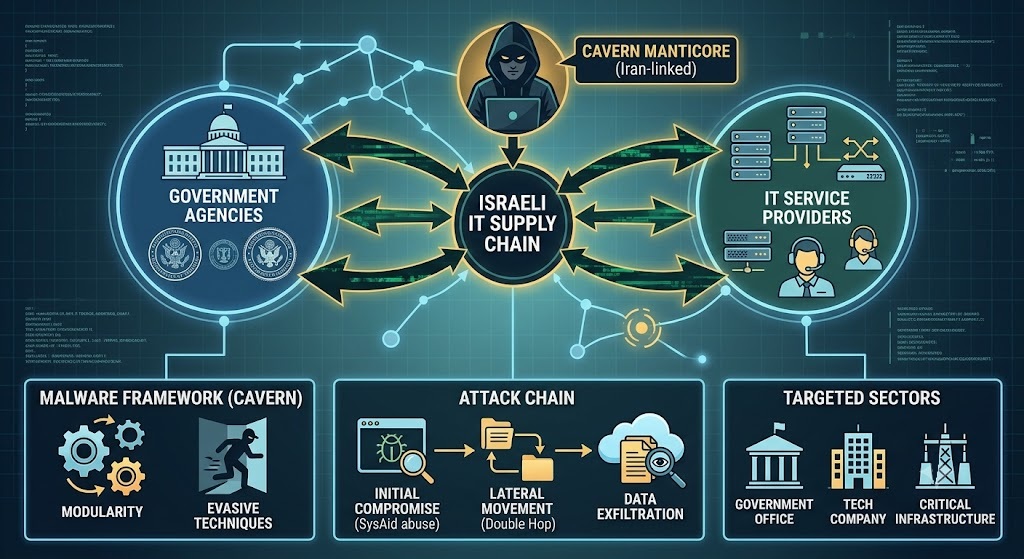
World
Researchers identify a new Iran-linked cyber espionage group using a modular malware framework to target Israeli government and IT organizations through trusted service providers. Researchers at Check Point Research (CPR) have identified a new Iran-linked cyber threat group named "Cavern Manticore", which has been conducting espionage operations against Israeli government agencies and information technology organizations. According to the company's latest research, the group has been active since early 2026 and is primarily focused on cyber intelligence gathering rather than destructive attacks. The report states that Cavern Manticore has technical overlaps with other Iranian threat groups linked to Iran's Ministry of Intelligence and Security (MOIS), including MuddyWater and Lyceum. Researchers say the group's operations mainly target Israeli government and IT sectors, with a strong emphasis on exploiting trusted IT service providers to gain access to their intended victims. IT Supply Chain Used as an Entry Point According to Check Point Research, Cavern Manticore frequently gains initial access by abusing existing Remote Monitoring and Management (RMM) software already deployed within targeted organizations. Instead of directly attacking government networks, the group compromises IT service providers and then uses those trusted connections to reach government systems. Researchers documented cases in which the attackers moved through multiple organizations before reaching their final targets. In several intrusions, the attackers first compromised one IT provider, then moved to another service provider before accessing a government environment. One observed incident involved the misuse of a legitimate software deployment feature in SysAid, an IT service management platform. Researchers emphasized that SysAid itself was not compromised, and no SysAid vulnerability was exploited. Instead, the attackers had already gained access to the victim's environment and abused an existing software deployment capability to install malware on another system. The deployment process included a compromised version of the legitimate disk usage utility WinDirStat, which was used to load malicious code through a technique known as DLL side-loading. Modular "Cavern" Framework At the center of the campaign is a modular command-and-control (C2) framework called Cavern. According to Check Point, every observed component of the framework is built using Microsoft's .NET platform but compiled into different output formats. Researchers identified three compilation methods: Standard .NET Framework (IL-only) Mixed-Mode C++/CLI Native AOT The report says this uncommon combination makes malware analysis significantly more difficult because investigators must use different analysis tools and metadata reconstruction techniques depending on the sample. The framework consists of two main components: Cavern Agent, which acts as a persistent backdoor and manages communication with attacker-controlled servers. Cavern Modules, which are downloaded only when required to perform specific tasks. Researchers said each module runs inside a separate AppDomain, allowing it to be removed from memory after completing its task, reducing forensic evidence on compromised systems. Wide Range of Post-Exploitation Capabilities Once inside a network, Cavern Manticore can deploy additional modules that expand its access and intelligence-gathering capabilities. According to the report, these modules allow attackers to: Browse local file systems. Access SQL databases. Perform LDAP and Active Directory queries. Conduct network reconnaissance. Establish SOCKS5 and WebSocket tunnels for lateral movement within compromised networks. Researchers also observed the attackers adapting to restricted environments by using legitimate Windows features when standard file transfer methods were unavailable. These included browser-based remote desktop technologies and remote printing functions to move sensitive information outside victim networks. Low Detection Rates Check Point said many of the observed malware samples recorded zero or very low detection rates on VirusTotal, highlighting the framework's ability to avoid traditional malware detection. Rather than relying on heavy code obfuscation, the malware uses different .NET compilation formats as an anti-analysis technique, making reverse engineering more complex while remaining difficult for security tools to classify. Links to Other Iranian Threat Groups Based on infrastructure usage, technical characteristics, and targeting patterns, Check Point Research assesses that Cavern Manticore shares technical similarities with other Iranian MOIS-linked cyber groups, including MuddyWater and Lyceum. The researchers said the operation reflects an ongoing focus on cyber espionage targeting Israeli government and technology organizations through trusted third-party IT providers. Security Implications According to Check Point, the campaign highlights the importance of protecting IT supply chains and closely monitoring the use of remote management software within enterprise environments. The researchers recommend organizations strengthen monitoring of Remote Monitoring and Management (RMM) tools, review software deployment processes, and improve segmentation between service providers and sensitive internal systems to reduce the risk of similar supply chain attacks. Check Point Research said it continues to monitor Cavern Manticore's activity and has published technical indicators of compromise (IOCs) to help organizations identify and respond to related threats. Source: checkpoint
Read More → Posted on 2026-07-07 14:04:28Search
Top Trending in 24 Hours
-
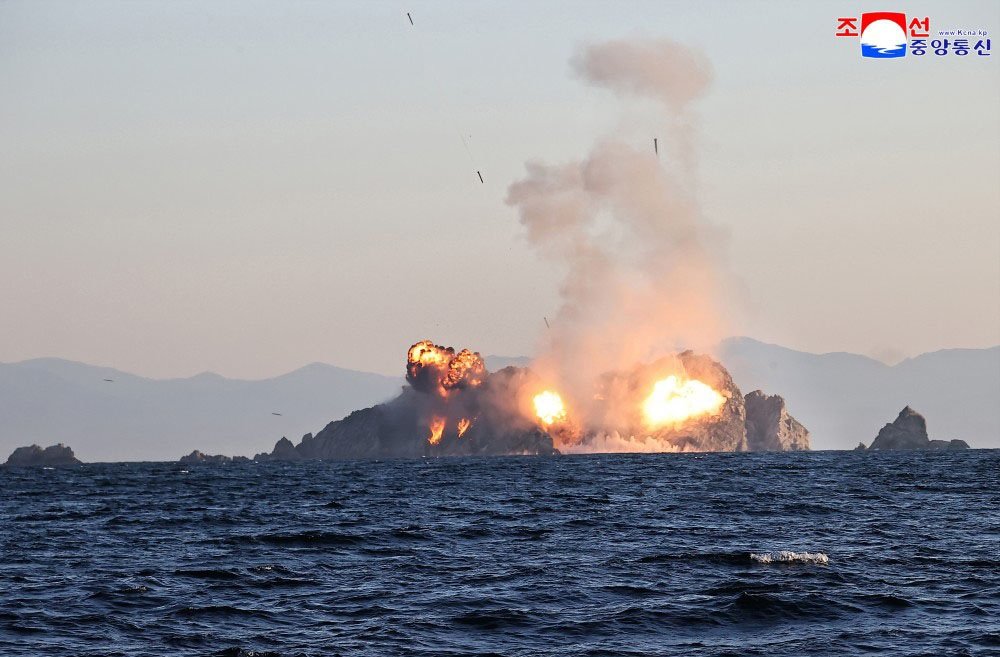 North Korea Fires Short-Range Ballistic Missile Toward Sea of Japan After Freedom Edge 26
-
 U.S. Army Awards $10.64 Million Contract to Ukrainian Drone Maker Skyeton for Raybird Systems
-
 India’s xTerra Robotics Launches Indigenous DHAV-Hy Wheeled-Legged Quadruped for Industrial Inspection
-
 U.S. Space Force Seeks Rapid-Response Satellites for Close-Range Orbital Inspections
-
 BEL Showcase X-Band Multi-Function Radar for QRSAM to Japanese Delegation
-
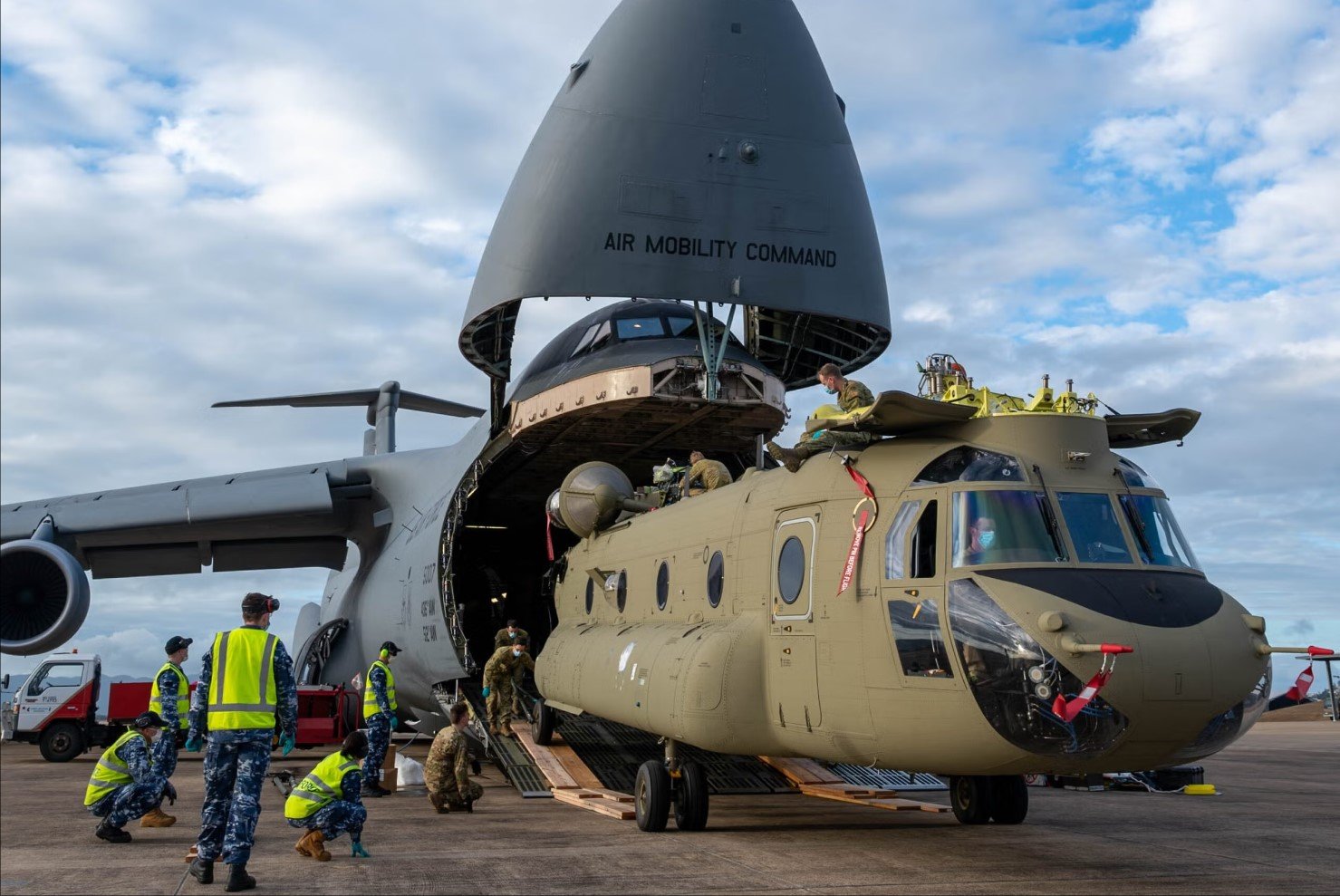 U.S. Delivers First CH-47F Chinook to Egypt Under 12-Helicopter Deal
-
 U.S. Government Seizes Almasirah.net, Houthi-Linked News Website
-
 IRGC Experts Visit Bab El-Mandeb to Oversee Radar Installation and Tunneling, Houthi Sources Say
Top Trending in 4 Days
-
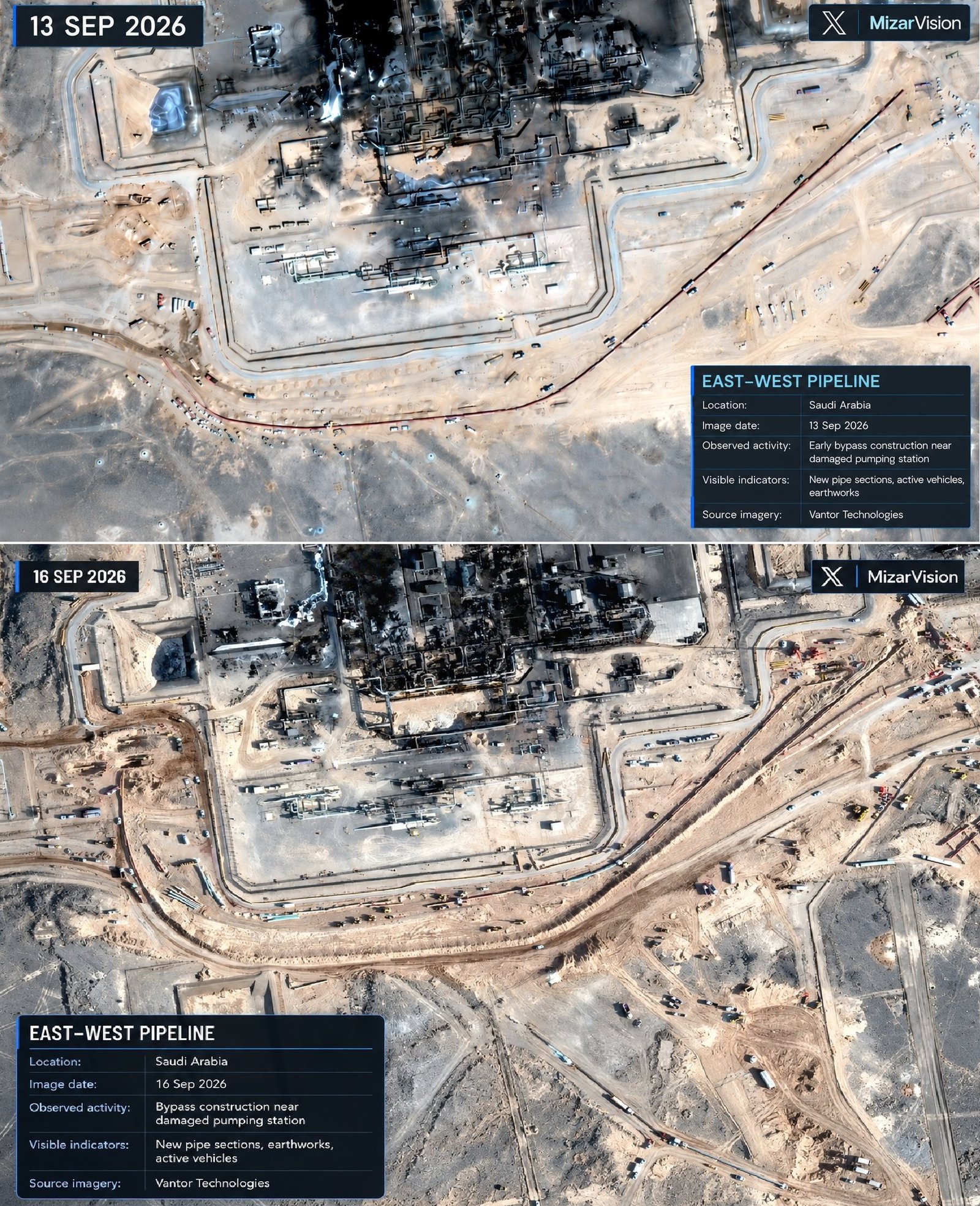 Satellite Images Show Saudi Arabia Building Emergency Bypass Around Damaged East-West Oil Pipeline Station
-
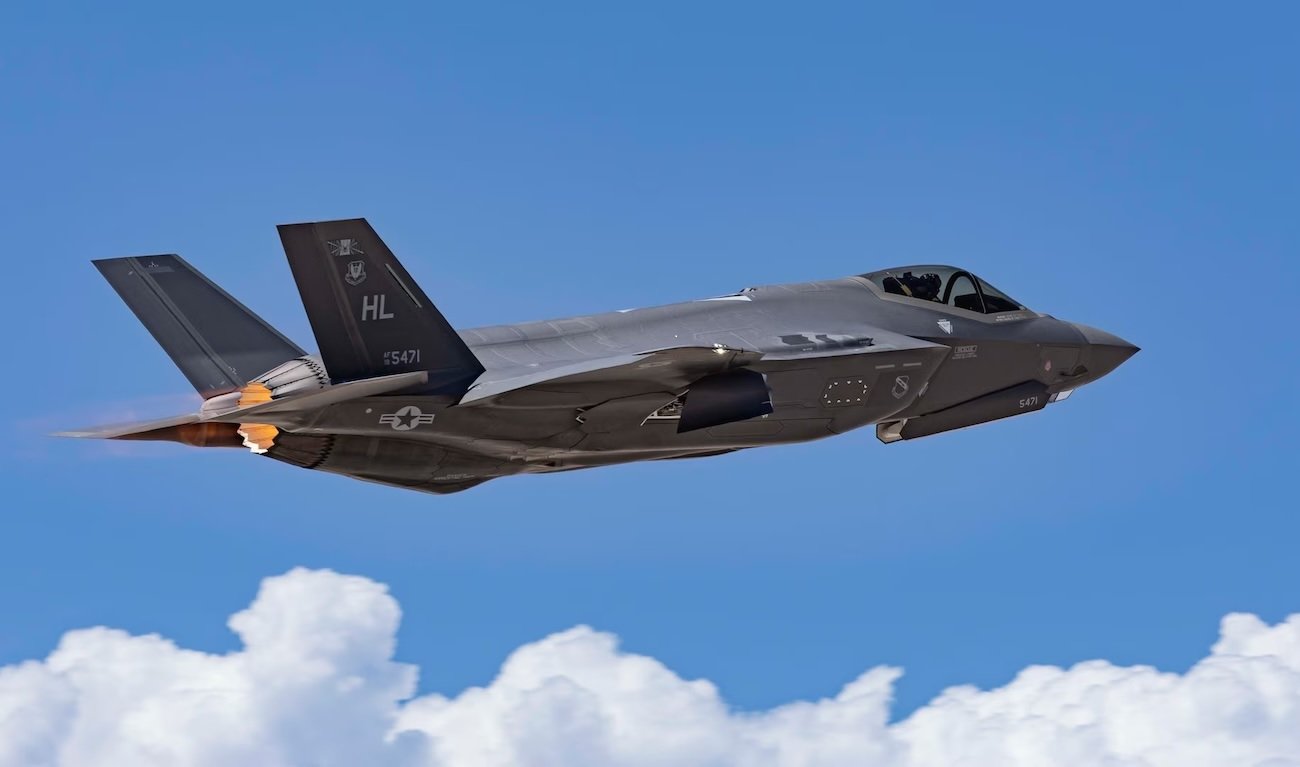 Sensitive F-35 Components Diverted to Hong Kong, Some Parts Missing
-
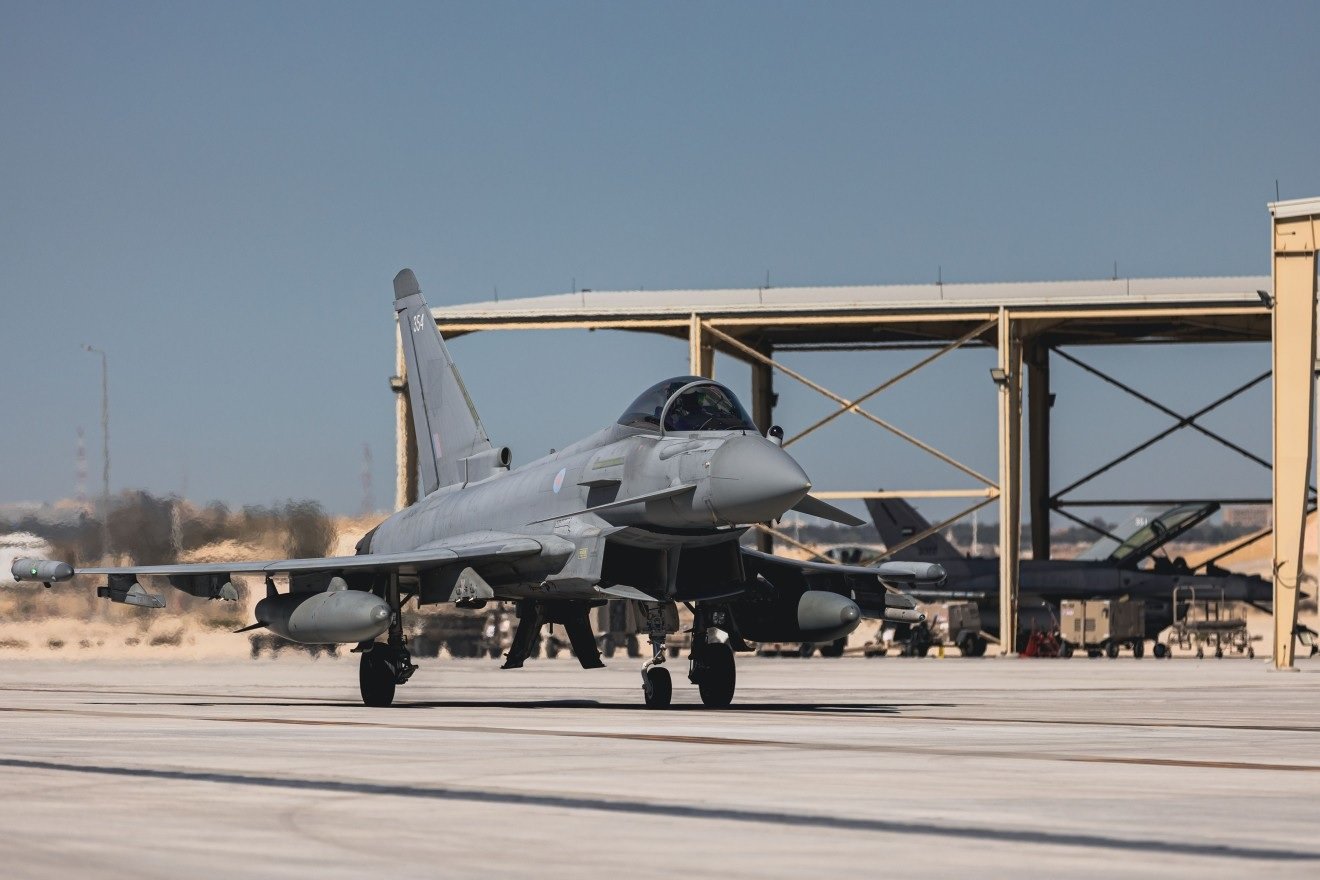 Italian Eurofighter Damaged in Houthi Attack on Saudi Arabia’s King Fahd Air Base
-
 U.S. Secures Permanent Military Rights in Greenland in Historic Security Pact with Denmark
-
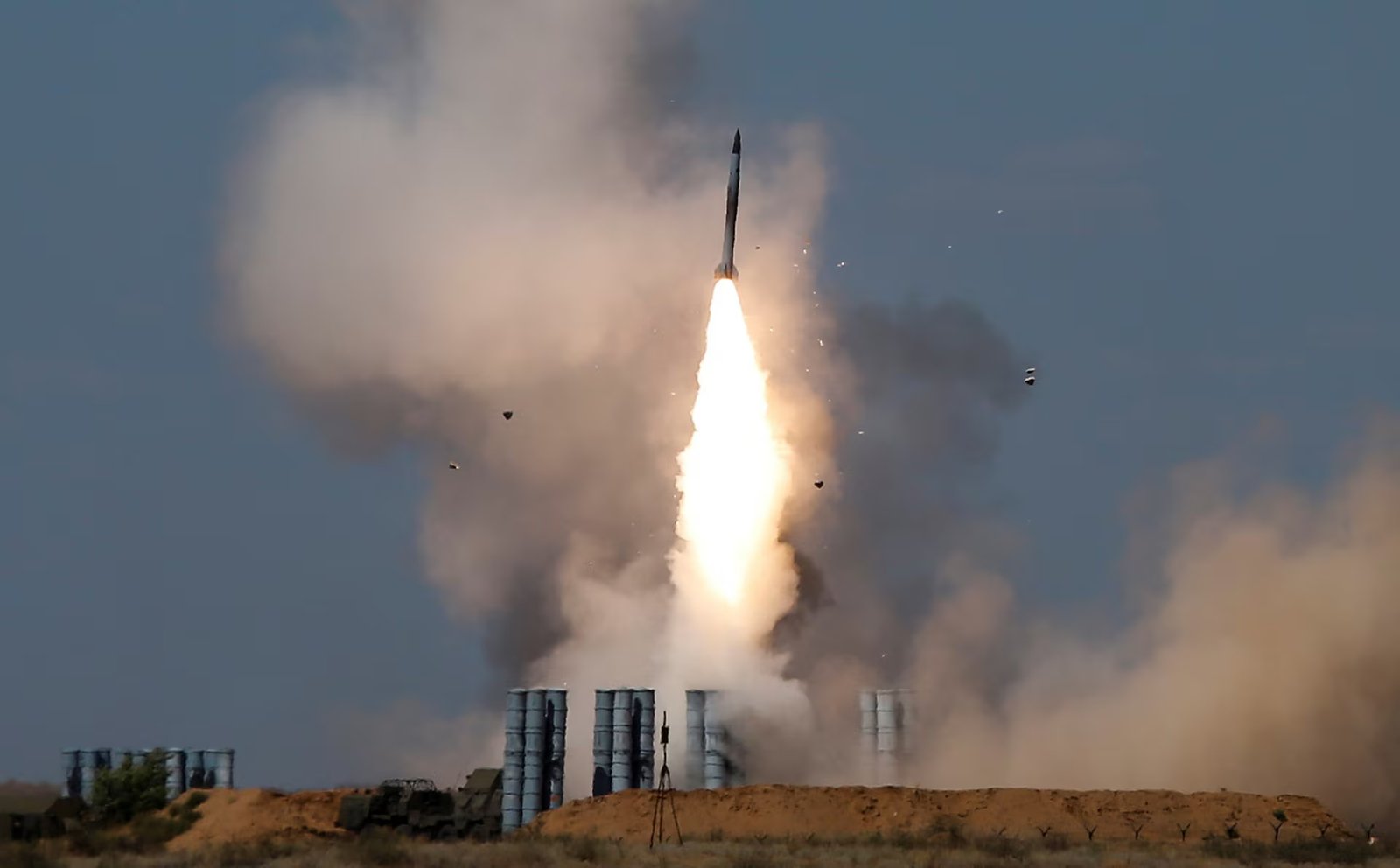 U.S. Approves Potential $2.68 Billion Air Defense Package for Ukraine Including S-300 Clone Missiles
-
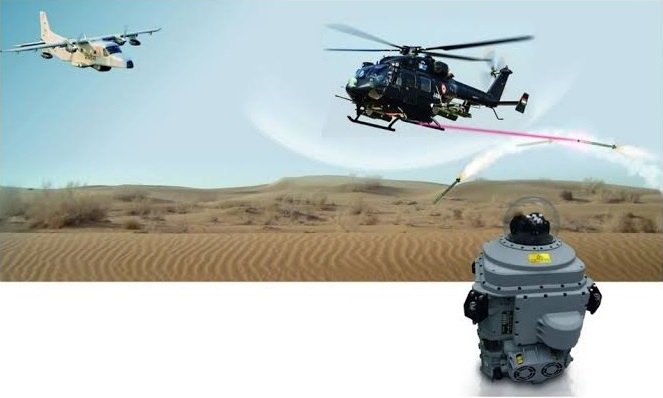 BEL Signs Export Deal with Elbit Systems for Directed Infrared Countermeasure Sub-Assemblies, Secures ₹648 Crore in Additional Orders
-
 China Privately Urges Iran to Restrain Houthis After Saudi Appeal
-
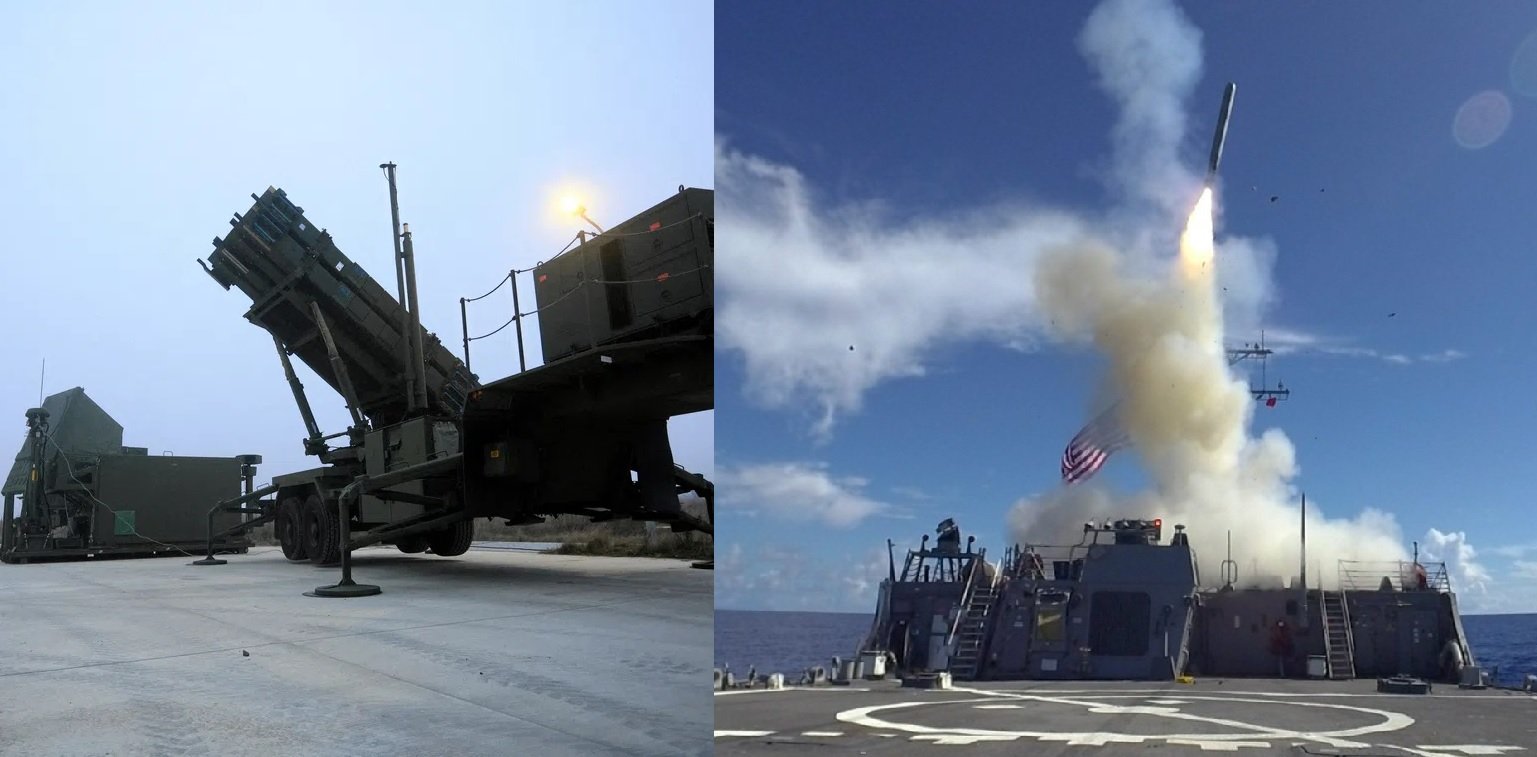 U.S. Warns Allies of Up to Five-Year Delays in Key Weapons Deliveries