
World
KYIV, Ukraine — March 15, 2026 : U.S.-based robotics company Foundation has deployed two of its Phantom MK-1 humanoid robots to Ukraine for operational testing under combat conditions, marking one of the first instances of a humanoid robotic system being evaluated on an active battlefield. The delivery occurred in February 2026 and is intended to collect real-world performance data from frontline environments. Ukraine has increasingly served as a testing environment for emerging military technologies during the ongoing conflict. The Phantom MK-1 units are currently being used in a limited operational role supporting frontline reconnaissance and logistical tasks while developers monitor system performance and reliability in real combat settings. Robot Design and Technical Specifications The Phantom MK-1 is a bipedal humanoid robot designed specifically for defense and high-risk operational tasks. The platform stands approximately 5 feet 9 inches (175 cm) tall and weighs roughly 175–180 pounds (around 79–80 kg). Its structure consists of a black steel chassis with a tinted visor covering the facial area, giving it a human-like silhouette. The robot’s movement is powered by a system of around 20 synchronized electric motors, enabling it to walk at speeds of up to 4 miles per hour (6.4 km/h) or approximately 1.7 meters per second. The platform uses cycloidal actuators for joint movement and balance control. The system can carry a standard payload of up to 44 pounds (20 kg), allowing it to transport supplies, equipment, or tools. Developers say the robot’s thermal signature and general physical footprint resemble that of a human soldier, which could make it more difficult to distinguish from personnel on infrared surveillance systems. Foundation states that the Phantom platform is designed to function in environments hazardous to humans, including areas contaminated by chemical, biological, or radiological hazards, and it can operate continuously without fatigue. Weapon Handling Demonstrations During internal demonstrations and testing, the Phantom MK-1 successfully operated several firearm types, including a revolver, semi-automatic pistol, shotgun, and an M-16 rifle. These demonstrations were conducted primarily to evaluate the robot’s ability to manipulate human-designed tools. Foundation co-founder Mike LeBlanc, a former U.S. Marine Corps veteran with 14 years of service and multiple deployments to Iraq and Afghanistan, said the engineering goal is to develop a platform capable of using the same equipment and weapons available to human infantry. Despite these demonstrations, the units currently deployed in Ukraine are not authorized to autonomously use lethal force. Operational Role in Ukraine The two Phantom MK-1 robots assigned to Ukraine are currently operating in support roles rather than direct combat functions. Their primary tasks include: Frontline reconnaissance in confined spaces Logistical resupply missions Exploration of bunkers, trenches, and underground positions These environments are often difficult for aerial drones to access due to limited space, obstacles, or signal interference. The humanoid design allows the robot to move through spaces built for humans while interacting with standard equipment and infrastructure. Data gathered during these operations will be used to improve system mobility, sensor performance, and operational software. Artificial Intelligence and Control System The Phantom MK-1 integrates an AI-assisted control architecture built around a camera-first perception system. The robot uses visual sensors to interpret its surroundings and translate commands into physical actions. Foundation says the platform incorporates large language model-based task-to-motion software, allowing operators to issue high-level commands that the system converts into movement sequences. However, the robot remains human-supervised, and critical operational decisions are controlled by operators. Under current U.S. Department of Defense policies, any automated system capable of engaging targets must receive explicit authorization from a human operator before the use of force. U.S. Military Contracts and Government Interest Foundation has secured approximately $24 million in research funding through Small Business Innovation Research (SBIR) Phase 3 contracts with multiple branches of the U.S. military, including the U.S. Army, U.S. Navy, and U.S. Air Force. The Phase 3 designation allows the company to operate as an approved military supplier for certain defense programs. The company is also preparing for additional trials with the U.S. Marine Corps. These tests will focus on “methods of entry” operations, in which the robot could carry and place explosives on doors or barriers to assist troops during building breach operations. Foundation has also confirmed preliminary discussions with the U.S. Department of Homeland Security regarding potential border security and patrol applications. Mechanical and Operational Limitations Despite its advanced design, the Phantom MK-1 still faces several technical constraints identified during testing and demonstrations. Battery endurance remains one of the primary limitations. The current power system provides approximately two to three hours of operational time before the robot requires recharging. The system’s reliance on around 20 coordinated motors for walking and balance introduces additional mechanical complexity. Engineers note that a malfunction in a single actuator could disrupt the robot’s stability. During public demonstrations, some units reportedly experienced balance issues and falls. Cybersecurity specialists have also raised concerns regarding software vulnerabilities. If a robotic system were captured or its communication links compromised, adversaries could potentially analyze or exploit the technology for intelligence purposes. Researchers have also highlighted challenges related to AI reliability in unpredictable environments, including the possibility of inaccurate sensor interpretation or decision errors in complex battlefield conditions. Development of the Phantom MK-2 Foundation is currently working on an upgraded model known as the Phantom MK-2, which is scheduled for introduction in April 2026. The next-generation system is expected to incorporate several improvements, including: Consolidated electronics architecture Full water resistance Larger battery packs for longer operational duration Increased payload capacity of up to 176 pounds (80 kg) The company plans to use feedback collected from the Ukraine deployment to refine the design and expand the robot’s operational capabilities for future military applications. Ongoing Evaluation No official performance assessment from the Ukrainian field trials has been released so far. Testing remains ongoing as engineers collect operational data from the frontline environment. The results of these evaluations are expected to inform future development of humanoid robotic systems intended to assist soldiers in hazardous battlefield tasks while expanding the role of automated technologies in modern military operations.
Read More → Posted on 2026-03-15 15:35:29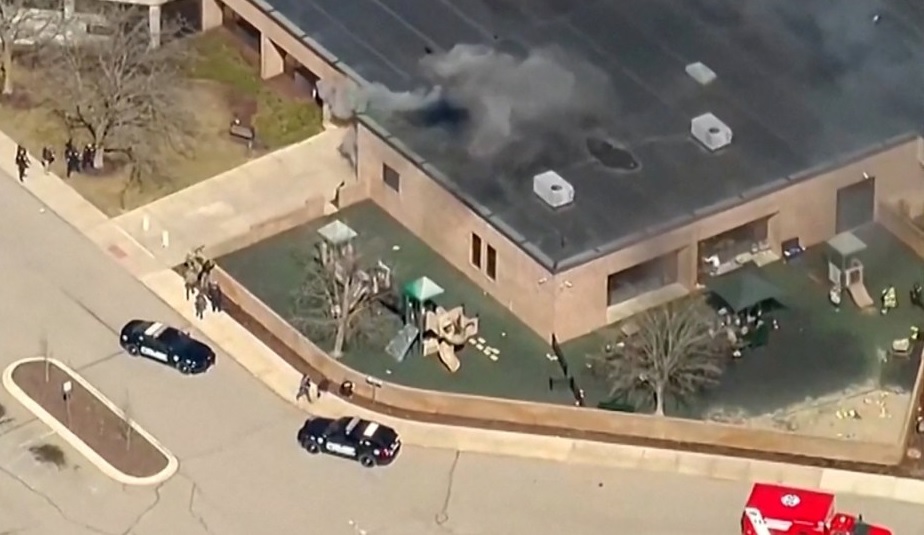
World
WEST BLOOMFIELD, Michigan — March 15, 2026 : Israeli military officials said Sunday that the brother of the man who carried out a vehicle-ramming attack on a synagogue in Michigan earlier this month was a Hezbollah commander killed in an Israeli airstrike in Lebanon. Authorities in the United States continue to investigate the incident as a targeted act of violence against the Jewish community. According to the Israel Defense Forces (IDF), intelligence analysis determined that Ibrahim Mohamad Ghazali served as the leader of a Hezbollah weapons team within the Badr unit, part of the organization’s southern command responsible for launching rockets toward Israel. The IDF said Ibrahim was killed in an airstrike conducted on March 5, 2026, in the town of Mashgharah in Lebanon’s Beqaa Valley. Israeli officials stated the strike targeted a Hezbollah “military structure” where weapons were stored and operatives were present. The IDF confirmed Ibrahim’s role within the group but did not provide details about the intelligence used to identify him and did not reference the deaths of other family members in its public statement. Israeli authorities also did not directly link the Michigan synagogue attacker to Hezbollah. However, a Hezbollah official speaking anonymously to The New York Times denied that Ibrahim or his relatives were affiliated with the group. The official said the attack in Michigan was motivated by anger over the deaths of family members killed in the Israeli strike. Airstrike in Lebanon Kills Four Relatives The March 5 airstrike struck a residential home in Mashgharah shortly after sunset during Ramadan, when family members had gathered to break their fast. According to a local Lebanese official and community sources in Michigan, four relatives of the Michigan attacker were killed. Those killed were identified as Ibrahim Mohamad Ghazali, Kassim (Qassem) Mohamad Ghazali, and Ibrahim’s two children, Ali and Fatima. Ibrahim’s wife was severely injured in the strike and remains hospitalized. Local authorities in Mashgharah confirmed the deaths. The town’s mayor stated that the Ghazali family was not known to be affiliated with any political organization and noted that the community includes residents from several religious backgrounds, including Shia Muslims, Sunnis, Druze, and Christians. Reports from Lebanese officials indicated that Kassim Ghazali worked as a soccer coach and personal trainer, while Ibrahim was employed as a school bus driver. A local journalist later told CBS News that both brothers had reportedly been members of a Hezbollah rocket unit operating in southern Lebanon. Vehicle-Ramming Attack at Temple Israel One week after the airstrike, Ayman Mohamad Ghazali, a 41-year-old Lebanese-born naturalized U.S. citizen, carried out a vehicle-ramming attack at Temple Israel, a Reform synagogue in West Bloomfield Township, a suburb of Detroit. On March 12, Ghazali drove a truck through the synagogue’s entrance and into an interior hallway. Surveillance footage and law enforcement reports indicated that he had waited in the parking lot for more than two hours before carrying out the attack. The truck eventually became lodged inside the building. Security personnel exchanged gunfire with Ghazali, and the vehicle’s engine compartment caught fire. Authorities later confirmed that Ghazali died at the scene from a self-inflicted gunshot wound. Temple Israel is one of the largest Reform synagogues in the United States and includes an early childhood education center. At the time of the attack, approximately 140 people were inside the synagogue complex, including 106 children aged five and younger and more than 30 staff members. No children, teachers, or synagogue staff were injured. One security officer was struck by the vehicle and briefly knocked unconscious but did not suffer life-threatening injuries. During the evacuation and fire response, roughly 30 responding law enforcement officers were treated at local hospitals for smoke inhalation. Materials Found in the Vehicle Investigators from the Federal Bureau of Investigation (FBI) and local police said the truck contained containers of flammable liquid along with fireworks valued at approximately $2,250. Authorities said Ghazali had purchased the fireworks from a store in Livonia, Michigan, two days before the attack. The FBI is leading the investigation and classified the incident as a targeted attack against the Jewish community. Background of the Attacker Ayman Mohamad Ghazali was born in Lebanon and immigrated to the United States in May 2011 on an IR-1 immigrant visa, which is issued to spouses of U.S. citizens. He applied for naturalization in 2015 and became a U.S. citizen in February 2016. Ghazali lived in Dearborn Heights, Michigan, a Detroit-area suburb with a large Lebanese-American community. He had worked at Hamido, a Mediterranean restaurant, but had reportedly been absent from work in recent weeks. Court records indicate he was divorced and had at least one child. According to community members, Ghazali had become increasingly withdrawn after learning about the deaths of his relatives in Lebanon. U.S. investigators previously flagged Ghazali in government databases because of connections to individuals linked to Hezbollah, although officials said he was not believed to be a member of the group. He had reportedly been questioned multiple times during reentry to the United States after overseas travel. Events Leading Up to the Attack Investigators examining Ghazali’s digital activity found that he had shared images online showing children killed in Israeli strikes shortly before the attack. Shortly before driving to the synagogue, Ghazali placed a phone call to his ex-wife regarding their children that she considered concerning. She contacted police and requested a welfare check. Authorities say Ghazali then drove to Temple Israel and remained parked outside for more than two hours before carrying out the attack. Community and Government Response Local religious leaders and officials condemned the incident. Imam Hassan Qazwini, a Muslim leader in Michigan who met with Ghazali days before the attack, said Israeli actions abroad did not justify violence against a synagogue in the United States. Michigan Governor Gretchen Whitmer described the event as an act of antisemitism targeting a place where young children were present. U.S. Senator Elissa Slotkin praised the synagogue’s security personnel and emergency responders for preventing greater casualties. Rabbi Arianna Gordon of Temple Israel thanked security staff, teachers, and law enforcement officers for carrying out a rapid evacuation of the building. Cassi Cohen, the synagogue’s director of strategic development, said staff locked themselves inside offices after hearing a loud crash. Parents were notified of the incident while children were evacuated safely. Allison Jacobs, a parent whose child attended the center, said she received a message confirming her child was safe shortly after the evacuation. Steven Ingber, chief executive of the Jewish Federation of Detroit, said the incident occurred during a period of heightened security concerns for Jewish institutions. Broader Regional Context The attack occurred during a period of increased military tensions involving Israel and Hezbollah. Hezbollah began launching hundreds of rockets and drones toward Israel on March 2, according to Israeli officials, following U.S.–Israeli missile strikes on Iran on February 28. Israel has since carried out extensive airstrikes and ground operations in southern Lebanon targeting Hezbollah infrastructure and personnel. U.S. federal authorities had previously issued warnings about potential threats linked to the regional conflict, including possible attacks targeting Jewish institutions. As a result, synagogues and Jewish community facilities across the United States and internationally have increased security measures. The FBI continues to review Ghazali’s digital communications, travel history, and personal contacts while investigators also examine the broader circumstances surrounding the Lebanon airstrike and its possible influence on the attack in Michigan.
Read More → Posted on 2026-03-15 14:51:31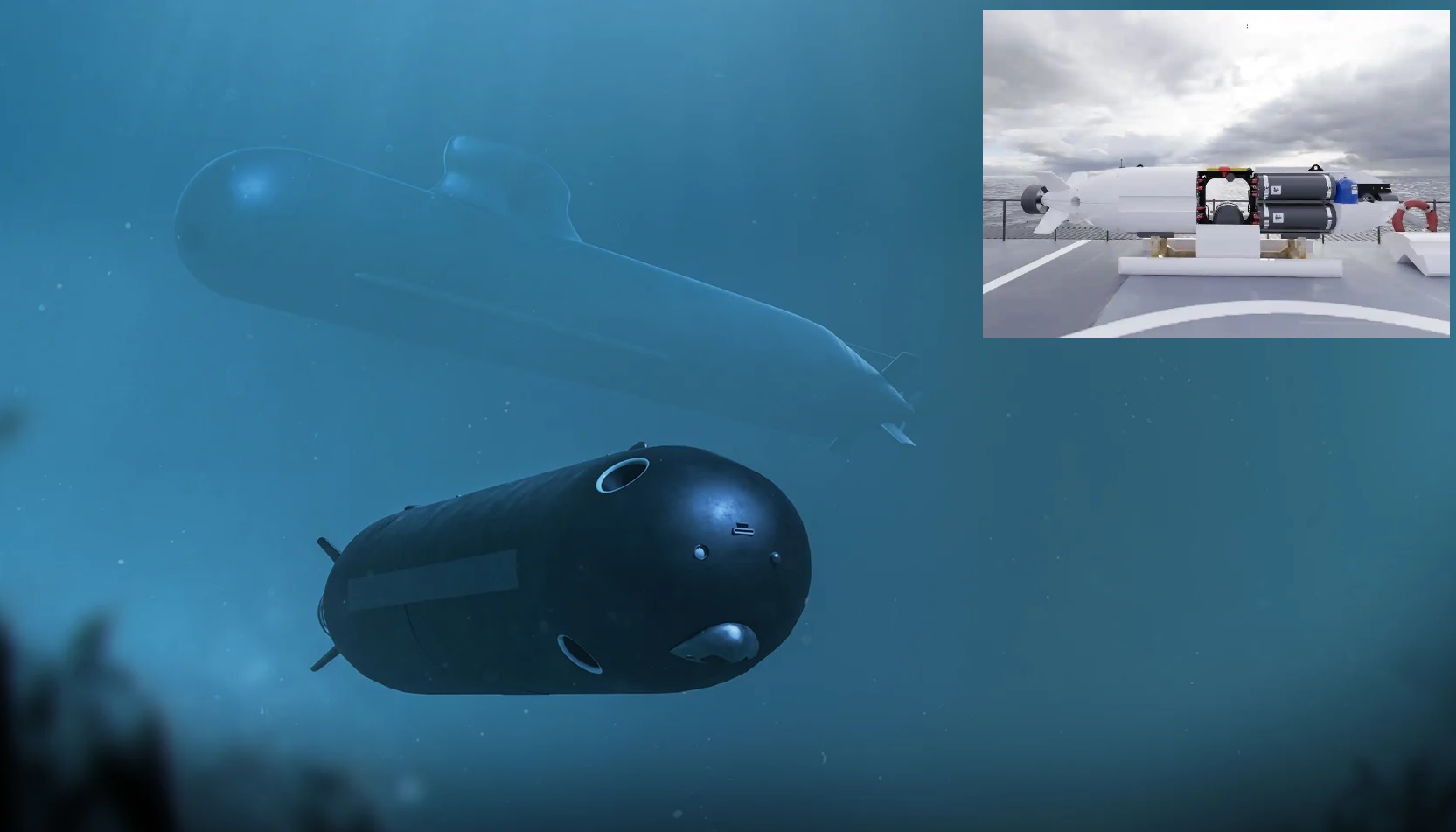
World
STOCKHOLM — March 15, 2026 : Swedish defense company Saab AB has confirmed that its Large Uncrewed Underwater Vehicle (LUUV) demonstrator, developed for the Swedish Defence Materiel Administration (FMV), remains on schedule to begin sea trials with the Swedish Navy during the summer of 2026. The program originates from a contract awarded in August 2025 valued at SEK 60 million (approximately $6.9 million or €5.5 million) to Saab’s naval shipbuilding division Saab Kockums. The contract covers the design, construction, and testing of an advanced undersea autonomous platform, which Saab has designated as the Autonomous Ocean Drone (AOD). The LUUV demonstrator is intended to explore the operational role of large autonomous underwater vehicles in future naval operations while also validating industrial production timelines and integration with existing naval platforms. Demonstrator Designed to Evaluate Operational Roles The AOD project has been structured as a technology and operational demonstrator. According to Rear Admiral Fredrik Lindén, FMV’s Director Naval Systems, the program aims to support two parallel objectives: verifying that Saab can deliver the platform within schedule while simultaneously evaluating how such vehicles perform in operational conditions. The system will initially operate without weapons, focusing instead on intelligence gathering and undersea monitoring missions. Planned mission roles include: Intelligence, Surveillance and Reconnaissance (ISR) in contested maritime environments Seabed security missions, including monitoring of subsea communications cables and power infrastructure Anti-Submarine Warfare (ASW) tasks using passive acoustic sensors to detect and classify underwater vessels These missions reflect a growing focus among European navies on protecting critical underwater infrastructure, particularly communications cables and energy networks located on the seabed. Platform Dimensions, Endurance and Propulsion The Autonomous Ocean Drone is categorized as a Large Uncrewed Underwater Vehicle rather than an extra-large UUV, balancing endurance and payload capacity with deployability from submarines. Key specifications include: Length: 7 meters Diameter: 1.4 meters Displacement: approximately 6.5 tonnes Propulsion: high-density lithium-ion battery system Range: more than 600 nautical miles Patrol speed: approximately 4 knots The propulsion system is designed for long-endurance underwater patrol missions, enabling the vehicle to remain submerged for extended periods while conducting surveillance or seabed mapping operations. For maneuverability, the AOD incorporates tunnel thrusters positioned at both the bow and stern, allowing precise low-speed navigation and station-keeping. This capability is intended to support payload placement operations on the seabed or close-range inspection tasks. Communication with operators occurs through a deployable mast equipped with satellite communications, enabling the drone to transmit mission data and receive instructions when surfaced. Autonomous Ocean Core AI Control System A central component of the AOD is Saab’s Autonomous Ocean Core, an artificial intelligence-driven autonomy engine designed to manage navigation, mission planning, and platform control. According to Peter Karlström, the software functions as both the autopilot and AI control system for the vehicle. The architecture is designed to be platform-agnostic, allowing it to integrate with various propulsion systems and control mechanisms. The system is built on an open architecture framework, enabling operators to add mission modules, autonomy features, and navigation algorithms through standardized interfaces. Saab describes the structure as similar to an “app-store model,” allowing capabilities to be added or updated as new software becomes available. While Autonomous Ocean Core has previously been used on surface vessels such as the CB90 fast assault craft, the AOD project represents its first integration into a fully underwater autonomous platform. Modular Payload Bay and Sensor Configuration The vehicle includes a modular internal payload bay, accessed through an amidships hatch. Saab has described the configuration as a “pickup-truck style” payload space, designed to accommodate a range of mission-specific equipment. The payload bay incorporates a weight-compensation system, allowing the drone to deploy hardware onto the seabed while maintaining stability and buoyancy control. This capability enables the placement of equipment such as remote sensor nodes or specialized payloads used in surveillance or special operations. The baseline ISR sensor suite includes several integrated sonar and navigation systems: Multi-aperture sidescan sonar for seabed imaging Intercept pulse sonar for detection of sonar emissions Forward-looking collision-avoidance sonar Flank array passive sonar primarily for anti-submarine detection Multibeam echo sounder for seabed mapping Doppler Velocity Log integrated with an Inertial Measurement Unit (DVL/IMU) for navigation The suppliers of these sensors have not been publicly disclosed. Integration with Future Swedish Submarines A major objective of the demonstrator is to test how LUUVs could operate alongside crewed submarines in future naval operations. The AOD’s dimensions and weight were specifically designed to fit the multi-mission portal of the Swedish Navy’s upcoming Blekinge-class submarine, also known as the A26 submarine program. These submarines are scheduled to enter service around 2030, and their design includes a large mission hatch that enables the deployment and recovery of underwater vehicles. This configuration would allow submarines to launch and recover LUUVs while remaining submerged, extending the reach of underwater surveillance missions without exposing the host submarine. Development Roadmap and Future Product Line Following initial sea trials in Swedish waters in mid-2026, Saab and the Swedish Navy plan to integrate the demonstrator into naval exercises over the next several years. These exercises will focus on refining concepts of operation (CONOPS) and establishing procedures for operating large autonomous underwater vehicles alongside conventional naval assets. The demonstrator will also serve as a platform for continuous software development, allowing Saab to gradually increase the level of autonomy and operational capability of the system. Saab has not yet announced a timeline for launching a full production version of the Autonomous Ocean Drone. According to company officials, the decision will depend on the results of the demonstration program as well as operational requirements identified by naval customers. The LUUV project is part of a broader effort by FMV and the Swedish Navy to explore larger autonomous undersea systems capable of operating in coordination with submarines and other naval platforms, reflecting a growing global focus on uncrewed maritime systems.
Read More → Posted on 2026-03-15 14:37:30
World
WASHINGTON — March 15, 2026 : The United States Army has awarded a major enterprise contract valued at up to $20 billion to defense technology firm Anduril Industries to integrate artificial intelligence-enabled software, autonomous systems, and sensor networks into a unified operational capability. The long-term agreement is intended to support evolving military operational requirements by consolidating multiple existing procurement efforts under a single contractual framework. The contract, identified as W9128Z-26-D-A001, was issued by the U.S. Army Contracting Command at Aberdeen Proving Ground in Maryland. It is structured as a firm-fixed-price enterprise contract with a total potential value ceiling of $20 billion over ten years. Contract Duration and Structure The agreement includes a five-year base period followed by an optional five-year ordering period, with an estimated completion date of March 12, 2036. The total value represents the maximum potential spending ceiling rather than guaranteed funding. Under the framework, funding levels, work locations, and the specific technologies delivered will be determined through individual task orders issued throughout the life of the contract. This structure allows the Army to expand or adjust procurement as operational requirements evolve. Lattice AI Command-and-Control Platform At the center of the contract is Anduril’s proprietary Lattice platform, an open-architecture, artificial intelligence-enabled command-and-control system designed to integrate data from multiple military systems into a unified operational network. Lattice aggregates and analyzes information from a wide range of sources, including: Battlefield sensors Unmanned aerial systems Ground robotic platforms Radar and surveillance systems Autonomous vehicles and drones The system uses artificial intelligence to fuse these inputs into a common operational picture, enabling real-time object identification, target tracking, situational awareness, and decision support for military operators. The platform is designed to operate across strategic, operational, and tactical levels, providing connectivity with hundreds of existing Army and joint military systems. Hardware, Infrastructure, and Autonomous Systems In addition to the Lattice software environment, the contract covers a broad range of integrated hardware and digital infrastructure supplied by Anduril. These systems include: Autonomous drones such as the Ghost-X, ALTIUS, and Roadrunner platforms Counter-drone interceptor technologies Distributed sensor networks Data platforms and computing infrastructure Integration software and mission systems The agreement also includes technical support services, system maintenance, and operational integration assistance to ensure that deployed systems remain operational and can be rapidly adapted to mission needs. Consolidation of Procurement Efforts Prior to this agreement, the Department of Defense managed more than 120 separate procurement actions to obtain Anduril’s commercial technologies. The new enterprise contract consolidates these efforts into a single acquisition vehicle. Army officials state that this consolidation is intended to: Eliminate pass-through charges associated with subcontracting structures Reduce administrative and procurement overhead Establish pre-negotiated terms, pricing structures, and volume discounts Shorten acquisition timelines for deploying software and digital systems to operational units By streamlining procurement procedures, the Army aims to accelerate the deployment of software-defined defense capabilities. Counter-Unmanned Aerial System Focus A central objective of the enterprise agreement is improving U.S. military capabilities against unmanned aerial systems (UAS). The effort is closely linked to work led by the Joint Interagency Task Force 401, an Army-led organization focused on counter-UAS interoperability. Officials say the Lattice platform will function as a foundational command-and-control backbone for counter-drone operations. The system will allow military units and federal agencies to share sensor data, coordinate responses, and track or intercept hostile drones across multiple operational environments. The architecture is designed to support both overseas military operations and homeland defense missions, addressing interoperability challenges that have historically affected joint counter-UAS efforts. Statements from Defense Officials According to Brig. Gen. Matt Ross, director of the Joint Interagency Task Force 401, the enterprise contract establishes a unified operational framework for counter-drone capabilities. Ross stated that the agreement “establishes a common framework for counter-UAS interoperability and provides a foundational command-and-control capability.” Gabe Chiulli, chief technology officer within the Department of Defense Office of the Chief Information Officer, emphasized the growing role of software in modern warfare. He said the military must be able to acquire and deploy digital capabilities rapidly, noting that enterprise contracting models support this objective. Industry and Defense Technology Context Anduril Industries was founded in 2017 by entrepreneur Palmer Luckey and is headquartered in Costa Mesa, California. The company focuses on autonomous defense technologies, including drones, sensor networks, counter-drone systems, and AI-driven command-and-control platforms. The enterprise contract represents one of the largest technology-focused agreements issued by the U.S. Army in recent years. It reflects a broader shift within the Pentagon toward incorporating venture-backed defense technology firms and software-centric development models alongside traditional defense contractors. Army officials noted that the contract does not eliminate future competition. The service continues to evaluate emerging technologies and encourages industry participation through procurement channels such as SAM.gov and the Army’s Open Solicitation process. Under the enterprise framework, Anduril will deliver capabilities through individual task orders as requirements emerge throughout the contract period, allowing the Army to scale the deployment of AI-enabled systems as operational needs evolve.
Read More → Posted on 2026-03-15 14:05:03
World
BAGHDAD — March 15, 2026 : Iraq’s federal Oil Ministry has requested the Kurdistan Regional Government (KRG) to allow the immediate resumption of crude oil exports through the northern pipeline to Turkey, as the country seeks alternative export routes following the disruption of southern shipments caused by Iran’s closure of the Strait of Hormuz. The request comes as Iraq attempts to stabilize government revenues that depend heavily on oil exports. Crude sales account for roughly 90 percent of the federal government’s income, making the restoration of export capacity a priority for Baghdad amid the ongoing regional crisis. Federal Plan to Restore Exports Through the Northern Corridor According to officials from the Oil Ministry, the federal government has proposed exporting up to 500,000 barrels per day (bpd) through the northern route that connects Iraq’s oil fields to Turkey’s Mediterranean port of Ceyhan. The proposed export volumes include 300,000 bpd from the federally controlled Kirkuk oil fields and 200,000 bpd from fields located within the Kurdistan Region. Production in several Kurdish-operated fields has remained suspended after militia attacks targeting energy infrastructure in recent months. The Kirkuk–Ceyhan pipeline, which stretches roughly 970 kilometers, serves as Iraq’s main northern export corridor. The pipeline runs from northern Iraq through the Kurdistan Region before crossing into Turkey and terminating at the Ceyhan export terminal on the Mediterranean coast. Under current conditions, crude produced in the Kirkuk fields—normally capable of producing around 350,000 barrels per day—has largely been redirected to domestic refineries such as the Baiji refinery complex, following the halt of southern maritime exports. Within the Kurdistan Region, the pipeline infrastructure is operated by the Kurdistan Pipeline Company, which connects Kurdish oil fields and federal infrastructure to the main Iraq–Turkey pipeline system at the border. Hormuz Closure Forces Iraq to Seek Alternative Export Routes The federal government’s request follows Iran’s closure of the Strait of Hormuz, a key maritime chokepoint through which the majority of Iraq’s southern oil exports normally pass. The closure has effectively halted shipments from Iraq’s southern export terminals in the Persian Gulf, which historically handle the majority of the country’s crude exports. Since early March 2026, the disruption has significantly reduced Iraq’s overall export capacity and placed pressure on the federal budget, which relies primarily on oil revenues. With southern exports suspended, Baghdad is attempting to restore shipments through the northern corridor in order to maintain access to international markets. Kurdistan Regional Government Rejects Immediate Restart Despite the federal request, the Kurdistan Regional Government’s Ministry of Natural Resources has formally declined to authorize the restart of pipeline exports under current conditions. In its response, the Kurdish ministry said several financial and administrative disputes with Baghdad must be resolved before exports can resume. The KRG stated that these issues are linked to broader economic arrangements between the federal and regional governments rather than the technical operation of the pipeline itself. A senior Kurdish official speaking to the Kurdish news outlet Rudaw stated that the Kurdistan Region supports the principle of restarting exports, noting that the northern pipeline remains the only stable route currently available for Iraqi crude to reach international markets. However, the official said the regional government cannot proceed while restrictions affecting Kurdish trade remain in place. Financial Dispute Over Access to U.S. Dollars The primary disagreement centers on Baghdad’s implementation of a new digital customs and financial monitoring system that affects trade conducted in the Kurdistan Region. Under the federal system, traders must pay federal taxes in advance before gaining access to U.S. dollars at the official exchange rate provided through Iraq’s central banking system. Officials in Erbil argue that the system has not yet been integrated with the Kurdistan Region’s own financial and customs platforms. As a result, traders operating in the region are currently unable to access dollars through the official federal mechanism. KRG officials describe the situation as a “dollar embargo” that restricts the region’s commercial activity and cross-border trade. The Kurdish government has stated that it will not authorize the export of either regional or federally produced crude through the pipeline until the financial dispute is addressed. Digital Customs System at the Center of the Dispute The dispute is linked to the federal government’s adoption of the ASYCUDA digital customs platform, which is intended to modernize tax collection and improve oversight of cross-border trade. However, the system has not yet been fully synchronized with the Kurdistan Region’s existing administrative infrastructure. This technical gap has created difficulties for merchants and businesses operating in Kurdish territory who rely on access to dollars at the official government rate. Baghdad maintains that the customs system is a nationwide policy intended to standardize revenue collection and financial oversight. Federal officials have indicated that the issues raised by the Kurdistan Region could be addressed separately while oil exports resume. Negotiations Continue Without Immediate Agreement The Iraqi Oil Ministry has reiterated that restoring exports through the northern pipeline is necessary to protect the national economy and comply with provisions of Iraq’s constitution and federal budget law. Federal authorities have called for the immediate restart of exports while negotiations continue on the financial and administrative disputes. As of mid-March 2026, no agreement has been reached between Baghdad and the Kurdistan Regional Government. Discussions are ongoing regarding technical arrangements, financial mechanisms, and the broader economic relationship between the federal government and the Kurdistan Region. Until a resolution is reached, Iraq remains without its primary alternative export route while southern oil shipments remain suspended due to the regional conflict affecting the Strait of Hormuz.
Read More → Posted on 2026-03-15 13:52:06
World
BENGALURU — March 14, 2026 : Indian aerospace startup Cingularity Aerospace has progressed development of its high-altitude tactical unmanned aircraft platform known as “Tango Charlie,” a multipurpose drone designed for intelligence, surveillance, and reconnaissance (ISR) and other tactical roles. The program is being developed in collaboration with the Indian Space Research Organisation (ISRO) and the Indian Army as part of broader efforts to expand indigenous unmanned aerial capabilities. Development Program and Operational Concept The Tango Charlie drone is designed for operations in high-altitude environments of up to 22,000 feet, making it suitable for missions in mountainous regions. The platform supports ISR missions and other tactical tasks through a modular design that allows the integration of multiple payload types. Development of the drone has been carried out through collaborative innovation programs involving the Indian Army and ISRO. Sensors, avionics, and several electronic subsystems were contributed through these partnerships. The aircraft reportedly incorporates approximately 85% indigenous components, while certain structural materials such as carbon-fiber composites are imported. The UAV was publicly displayed during Aero India 2023, where it attracted attention for its payload capacity and high-altitude operating profile. Airframe and Performance Characteristics The Tango Charlie features a tandem-wing configuration, with a wingspan of approximately 6 meters and an overall length of around 4 meters. The design includes retractable landing gear and is capable of takeoff and landing from unprepared surfaces, including roads or temporary pathways. According to available technical data, the drone is designed to carry a payload up to twice its own structural weight, allowing it to support a variety of mission equipment and potential weaponized configurations depending on operational requirements. Performance parameters include a maximum speed of about 250 kilometers per hour and endurance of up to 20 hours in certain configurations. The platform also incorporates AI-enabled vision systems designed for situational awareness, target recognition, and automated area scanning during surveillance missions. The service ceiling allows operations in high-altitude conditions typical of mountainous border regions. X-61 “Tango Charlie” ISR UAV Testing Parallel to the development of the larger Tango Charlie platform, Cingularity Aerospace has also advanced work on a related tactical UAV designated the X-61 Intelligence, Surveillance, and Reconnaissance (ISR) drone. The X-61 completed Autonomous Take-Off and Landing (ATOL) and Return-to-Launch (RTL) flight trials on January 16, 2025, conducted at the Aeronautical Test Range (ATR) in Chitradurga, Karnataka. The tests verified the drone’s autonomous flight control capabilities and navigation systems. The X-61 is a smaller tactical UAV designed with a delta-wing airframe, forward canards, vertical tail, and fixed tricycle landing gear. The current prototype measures 2.9 meters in length, 1.4 meters in height, and has a wingspan of 2.4 meters. The baseline aircraft has an all-up weight of approximately 51 kilograms and is powered by a 550 cc internal-combustion piston engine. Flight testing data indicates a cruising speed of about 38 meters per second, with a stall speed of approximately 22 meters per second and an operational range of roughly 1000 kilometers. The X-61 development program is being conducted with support from the Indian Navy’s Weapons and Electronics Systems Engineering Establishment (WESEE). Additional variants are under development, with planned future versions increasing total weight and payload capacity to around 110-130 kilograms. Future testing phases are expected to include deck-operation trials at INS Hansa in Goa, conducted with the Naval Flight Test Squadron. Potential Military Applications The Indian Army is evaluating the Tango Charlie platform for possible deployment along the Line of Actual Control (LAC), where long-endurance surveillance systems capable of operating in high-altitude and GPS-challenged environments are required. Integration of satellite communication (SATCOM) systems and anti-spoofing navigation technology—developed with ISRO participation—allows the UAV to operate in areas affected by electronic warfare or GPS interference. Such capabilities are considered important for persistent monitoring of remote mountainous terrain and for supporting military situational awareness along contested border regions. Company Background Cingularity Aerospace, headquartered in Bengaluru and established in 2014, focuses on the development of indigenous unmanned aerial platforms for ISR, tactical operations, and related applications. The company’s ongoing UAV programs form part of broader Indian initiatives aimed at expanding domestic capabilities in unmanned aviation and defense technology.
Read More → Posted on 2026-03-14 17:22:43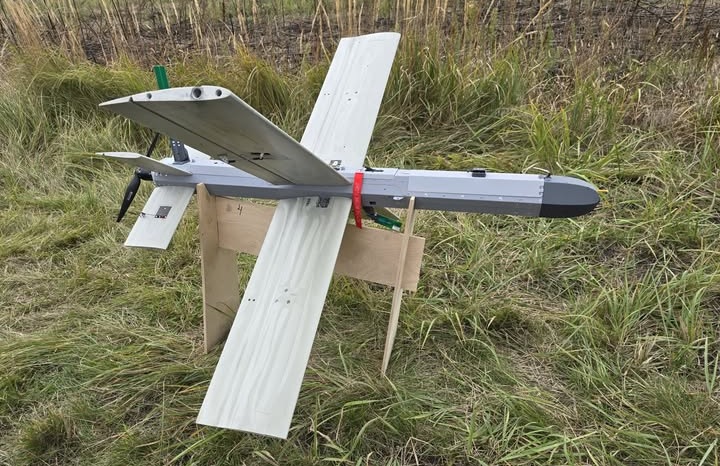
World
TOKYO — March 14, 2026 : The Japanese government is examining the potential acquisition of Ukrainian-developed attack drones as part of a broader effort to strengthen the country’s coastal defense network and accelerate the modernization of its unmanned military capabilities. According to diplomatic and government sources cited by Kyodo News, Tokyo is considering establishing a formal bilateral defense equipment transfer framework with Ukraine that would allow the procurement of combat-tested unmanned aerial systems while ensuring strict protection of classified military technologies. The initiative was originally proposed by Kyiv, which has been seeking deeper defense-industrial cooperation with Japan as part of its international partnerships. Interest in Combat-Proven Drone Technology Japanese defense planners are particularly interested in Ukrainian drones because of their operational experience in high-intensity warfare and their ability to operate effectively in environments saturated with electronic warfare (EW) systems. Officials from Japan’s Ministry of Defense note that Ukraine has rapidly improved its drone platforms throughout the ongoing conflict with Russia, repeatedly refining designs and software based on battlefield feedback. A representative of the ministry stated that Japan currently has limited operational experience with large-scale drone warfare, while Ukrainian developers have been able to improve the survivability, range, and electronic warfare resistance of their systems through continuous combat deployment. Ukrainian long-range strike drones, including systems such as the Lyutyi platform, have been used to conduct deep-strike operations against Russian energy infrastructure and logistics hubs. Combined operations conducted by Ukraine’s Special Operations Forces (SOF), the Security Service of Ukraine (SSU), and the Main Intelligence Directorate (HUR) have demonstrated the ability of these drones to reach strategic targets far behind Russian front lines, including facilities such as the Tamanneftegaz oil terminal. Japanese officials view these operational lessons as valuable for rapidly strengthening their own unmanned capabilities. Alternative Procurement Options Considered During its evaluation process, Tokyo has also examined the possibility of acquiring unmanned systems from Israel, which is one of the world’s leading drone manufacturers. However, government sources indicated that purchasing systems from Ukraine may be viewed as a less politically sensitive option. The assessment comes amid sustained international criticism of Israel’s military operations in the Gaza Strip, which has influenced procurement considerations in some countries seeking to avoid potential diplomatic complications. Integration Into Japan’s SHIELD Defense Concept The proposed acquisition is closely linked to Japan’s evolving defense strategy and its fiscal year 2026 defense budget, which begins in April. The Ministry of Defense has allocated 277.3 billion yen (approximately $1.7 billion) for the development and procurement of unmanned systems. The funding supports the establishment of a new operational concept known as Synchronized, Hybrid, Integrated and Enhanced Littoral Defense (SHIELD). The SHIELD framework is designed to create a multi-domain defensive network aimed at protecting Japan’s remote and strategically important islands from potential amphibious or naval attacks. The system envisions large-scale deployment of reconnaissance drones, strike drones, surveillance platforms, and autonomous maritime systems. Defense planners intend for these unmanned assets to operate as a layered defensive architecture integrating air, surface, and underwater domains. Approximately 100 billion yen of the unmanned systems budget is specifically dedicated to drone-based coastal defense components, with operational implementation targeted for fiscal year 2027. Ukrainian Offer of Naval Drone Technology Ukraine has also offered Japan access to its rapidly evolving naval drone technologies, which have played a significant role in the Black Sea conflict. By late 2025, Ukrainian forces were deploying upgraded versions of the Sea Baby unmanned surface vehicle. Some variants have been equipped with 122-millimeter rocket launchers, expanding their capabilities beyond traditional explosive attack missions. These naval drones have been used extensively against Russian naval assets operating in the Black Sea. Ukrainian officials believe the technology could be adapted to help Japan defend its extensive maritime approaches and island chains. In a February 2026 interview with Kyodo News, Ukrainian President Volodymyr Zelenskyy described potential defense cooperation with Japan as a “historic step,” emphasizing Ukraine’s experience in producing relatively low-cost unmanned systems capable of countering larger and more technologically advanced adversaries. Potential Technology Exchange Ukraine has indicated that it is interested in technological reciprocity as part of any defense cooperation agreement. Japan possesses advanced missile and air defense manufacturing capabilities, including systems produced domestically under United States licensing arrangements. Ukrainian officials have suggested that joint production arrangements or knowledge exchanges involving air defense technologies could help strengthen Ukraine’s heavily strained air defense network, which continues to face sustained missile and drone attacks. Adjusting Japan’s Defense Export Policies To facilitate such cooperation, Japan is moving toward easing its historically strict defense equipment export restrictions. Earlier in March 2026, the ruling coalition submitted a policy proposal under the leadership of Prime Minister Sanae Takaichi that would allow the export of lethal military equipment in principle under certain conditions. The proposal includes provisions allowing the Japanese government to designate certain partner countries for exceptional defense cooperation if it aligns with Japan’s national security interests. Ukraine could potentially receive such status under a specialized defense equipment transfer agreement. If approved, the revised rules could take effect as early as April 2026, creating a legal pathway for Japan to import Ukrainian combat drones while potentially exporting certain defense technologies in return. Strategic Implications Japan’s evaluation of Ukrainian drones reflects a broader effort to adapt to evolving security challenges in the Indo-Pacific region. The Russia–Ukraine war has demonstrated the growing role of unmanned systems in modern warfare, particularly in coastal defense, long-range strike operations, and asymmetric maritime conflict. Japanese defense officials view the rapid innovation cycle seen in Ukraine’s drone industry as an important model for accelerating the development and deployment of unmanned systems within Japan’s defense architecture. Discussions between Tokyo and Kyiv remain at an exploratory stage, and no final procurement decision has yet been announced. However, officials involved in the evaluation process indicate that the lessons learned from Ukraine’s battlefield experience are playing an increasingly significant role in Japan’s evolving defense planning.
Read More → Posted on 2026-03-14 17:14:37
World
HUNTSVILLE, Alabama — March 14, 2026 : On March 13, 2026 the U.S. Missile Defense Agency (MDA) has awarded Raytheon, an RTX business, a $266.91 million contract modification for the continued production of Standard Missile-3 (SM-3) Block IB interceptors. The modification provides funding for the procurement and delivery of 23 additional interceptors and includes one-time costs required to restart the SM-3 Block IB production line. The award was announced on March 12, 2026, and definitizes two previously issued undefinitized contract actions associated with SM-3 Block IB manufacturing. According to the Missile Defense Agency, the procurement ensures that the interceptor system remains available for ongoing U.S. operational deployments and missile defense missions conducted with allied nations. Contract Scope and Financial Details Under the contract modification, the Missile Defense Agency will procure 23 SM-3 Block IB All-Up Rounds (AURs). All-Up Rounds are fully assembled interceptors delivered ready for operational use, allowing them to be directly integrated into operational missile defense inventories without additional assembly or system integration. With the addition of these interceptors, the total number of missiles covered under this specific production contract increases to 78 units. Financially, the modification raises the value of the specific production effort from approximately $1.099 billion to $1.366 billion. As a result, the overall definitized value of the broader contract associated with the SM-3 interceptor program increases from about $1.95 billion to approximately $3.31 billion. The contract also includes one-time restart costs for the SM-3 Block IB production line, which had previously been expected to wind down. The effort is fully funded at the time of award using Fiscal Year 2024 and Fiscal Year 2025 missile procurement appropriations. Manufacturing Locations and Program Timeline The majority of the manufacturing work will be performed in Tucson, Arizona, where Raytheon produces key missile components and conducts major portions of the interceptor’s assembly and manufacturing process. Additional integration, testing, and program activities will take place in Huntsville, Alabama, a major center for U.S. missile defense engineering and program management. Work under the contract modification is scheduled to continue through May 2030, covering the production, assembly, and delivery of the interceptors included in the procurement. SM-3 Interceptor System Overview The Standard Missile-3 (SM-3) family serves as the primary upper-tier interceptor within the United States’ Aegis Ballistic Missile Defense (BMD) system, which is designed to defend against short- to intermediate-range ballistic missile threats. The SM-3 interceptor is derived from the RIM-156 Standard Missile-2 (SM-2) Block IV and is optimized for exo-atmospheric engagements, intercepting ballistic missiles during the midcourse phase of flight when the target is traveling through space outside the Earth’s atmosphere. The interceptor can be launched from both Aegis-equipped U.S. Navy warships and land-based Aegis Ashore installations, forming a key component of the United States’ layered ballistic missile defense architecture. Within this layered defense structure, the SM-3 provides upper-tier ballistic missile interception, working alongside lower-tier missile defense systems such as the SM-2 and SM-6, which provide air defense and terminal-phase missile interception capabilities. Flight Profile and Hit-to-Kill Interception After launch from an Aegis combat system platform, the SM-3 interceptor uses a multi-stage rocket booster to accelerate the missile into space. Once the interceptor reaches the exo-atmospheric engagement environment, it deploys a Lightweight Exo-Atmospheric Projectile (LEAP) kinetic kill vehicle. Unlike conventional missile defense interceptors that rely on explosive warheads, the SM-3 uses kinetic hit-to-kill technology. The kill vehicle separates from the booster stage and uses onboard sensors and guidance systems to track the incoming ballistic missile. The interceptor destroys the target by direct collision at extremely high velocity, relying on the kinetic energy generated by the impact rather than an explosive detonation. Block IB Technical Improvements The SM-3 Block IB variant incorporates several technical upgrades compared with earlier versions of the interceptor. One of the most significant improvements is the integration of an advanced Forward Looking Infrared (FLIR) seeker, which enhances the interceptor’s ability to detect and track ballistic missile warheads in space. The missile also features an upgraded seeker system and improved guidance software designed to improve target tracking and engagement accuracy. These upgrades increase the interceptor’s ability to distinguish between actual ballistic missile warheads and potential decoys, a critical requirement during exo-atmospheric interception where objects travel through space without atmospheric drag. Strategic Role in U.S. Missile Defense The SM-3 interceptor remains a central element of the United States’ Aegis Ballistic Missile Defense system, which is designed to protect U.S. military forces, allied territories, and critical infrastructure from ballistic missile threats. The decision to restart and expand SM-3 Block IB production follows earlier plans to phase out procurement of the interceptor variant. However, recent operational expenditures and sustained demand for ballistic missile defense interceptors have led the Missile Defense Agency to continue production in order to maintain operational inventories. The additional interceptors procured under this contract will support future deployments of Aegis-equipped naval vessels, land-based Aegis Ashore missile defense sites, and cooperative missile defense operations with allied nations.
Read More → Posted on 2026-03-14 17:04:26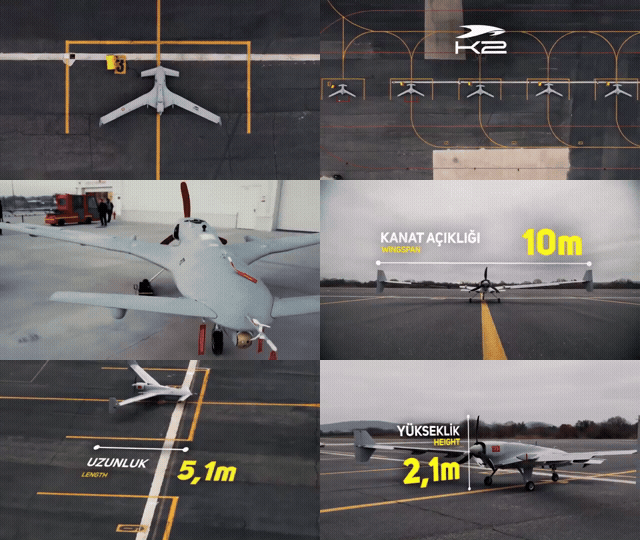
World
ISTANBUL — March 14, 2026 : Turkish defense manufacturer Baykar has unveiled a new long-range loitering munition platform known as the K2 Kamikaze Unmanned Aerial Vehicle (UAV). The system was revealed on March 14, 2026 through company statements and a promotional video following recent multi-sortie test flights conducted over the Saros Gulf from Baykar’s Flight Training and Test Center in Keşan, located in Edirne Province. The K2 is designed as a long-range strike loitering munition with advanced autonomous functions and artificial intelligence-supported mission systems. Developed using indigenous resources, the platform is intended to provide extended-range strike capability while maintaining operational flexibility and resistance to electronic warfare conditions. Technical Specifications and Mission Profile According to Baykar, the K2 represents the largest kamikaze UAV in its specific class and is designed for strategic-range missions involving high-value or hardened targets. The aircraft has a maximum take-off weight of approximately 800 kilograms and carries a 200-kilogram warhead, which allows it to engage reinforced structures or critical infrastructure targets. The platform is capable of exceeding 2,000 kilometers in operational range, giving it deep-strike capability far beyond the immediate battlefield. Performance characteristics include speeds exceeding 200 kilometers per hour and endurance of more than 13 hours, enabling extended loitering time before target engagement. The K2 utilizes both Line-of-Sight (LOS) and Beyond-Line-of-Sight (BLOS) communications, the latter supported through satellite data links for long-distance command and control. Artificial Intelligence Navigation and Targeting A key element of the K2 system is its onboard artificial intelligence architecture designed to operate in contested electronic warfare environments. The drone incorporates GPS-independent navigation capability, allowing it to continue missions in areas where satellite navigation signals are degraded or jammed. Instead of relying solely on satellite positioning, the platform employs visual terrain navigation. Using an electro-optical/infrared (EO/IR) gimbal combined with a fuselage-mounted night-vision camera, the system scans terrain features below the aircraft. Artificial intelligence algorithms analyze these visual inputs to estimate position and guide navigation without reliance on GNSS signals. The targeting system is capable of identifying coordinates for strike missions while also supporting visual lock-on functionality, enabling the UAV to track and engage moving targets with precision. Autonomous Swarm Operations Testing conducted at Baykar’s Keşan Flight Training and Test Center demonstrated the K2’s capability to operate in coordinated multi-vehicle formations. During trials over the Saros Gulf, five UAVs performed autonomous swarm flights, maintaining formation and adjusting positions without direct human control. The drones communicated with one another to sustain several formation patterns including V-shape, line, wall, and Turan configurations. Such coordinated formations are intended to enable multiple UAVs to approach defended targets simultaneously, increasing the likelihood of penetrating conventional air defense systems. Airframe Design and Flight Characteristics The K2 features a tailless aerodynamic configuration with swept wings, combined with lifting canards and wingtip rudders. This configuration is designed to enhance lift, maneuverability, and aerodynamic efficiency during long-range missions. The aircraft also incorporates short take-off and landing (STOL) capability, allowing it to operate from short or unprepared airstrips rather than requiring fully developed airbase infrastructure. This feature provides flexibility for deployment from dispersed or austere locations. Unlike traditional single-use loitering munitions, the K2 includes landing gear and a reusable design framework. If a mission does not require weapon release, the aircraft can return to base, land, and be prepared for subsequent surveillance or strike operations. Testing and Demonstration Flight testing took place across two days at Baykar’s test facilities in Keşan, with sorties conducted over the nearby Saros Gulf. Demonstrations included swarm flight operations, autonomous navigation, and formation maneuvering among multiple aircraft. The public unveiling included a promotional video showing the aircraft in flight accompanied by “Waltz No. 2” by the composer Dmitri Shostakovich. Baykar has not yet provided details regarding production timelines, operational deployment, or export availability. Integration within Baykar’s UAV Portfolio The K2 expands Baykar’s existing family of unmanned systems, which includes the combat-proven Bayraktar TB2, the high-altitude Bayraktar Akıncı, the naval-capable Bayraktar TB3, and the jet-powered unmanned combat aircraft Bayraktar Kızılelma. Within this lineup, the K2 introduces a long-range loitering munition platform designed to combine extended endurance, heavy payload capacity, autonomous swarm operation, and resistance to electronic warfare environments. Baykar has not released further information regarding procurement plans or integration with Turkish military units. The company also did not announce potential export customers at the time of the system’s unveiling.
Read More → Posted on 2026-03-14 16:44:37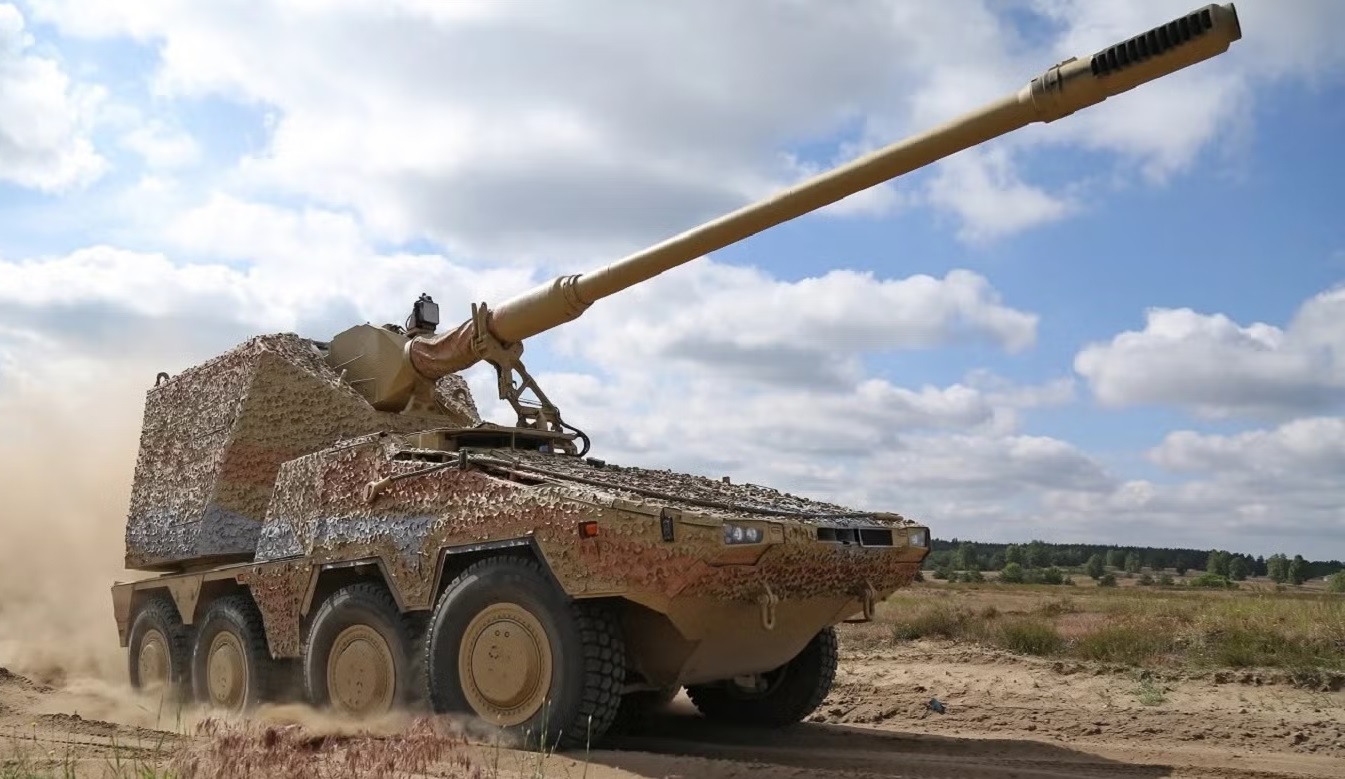
World
LONDON — March 14, 2026 : The United Kingdom has awarded a £53 million contract for the production of 37 artillery weapon assemblies for the British Army’s future RCH 155 Remote Controlled Howitzer systems, forming a key step in the long-term replacement of AS90 self-propelled howitzers previously transferred to Ukraine. The contract was placed by the Organisation for Joint Armament Cooperation (OCCAR) on behalf of the UK Ministry of Defence and awarded to ARTEC GmbH, the joint venture responsible for the Boxer armored vehicle program. The agreement focuses on the long-lead manufacturing of critical components for the RCH 155’s artillery gun module. Contract Scope and Weapon System Components The £53 million contract covers the production of 37 core artillery weapon assemblies, which include several major elements of the RCH 155’s main gun system. These components consist of the artillery barrel, muzzle brake, breech mechanism, recoil system, and gun trunnions used to mount the weapon within the turret structure. These assemblies will form the core of the unmanned Artillery Gun Module (AGM) integrated into the RCH 155 platform. The system is designed to deliver modernized indirect fire capabilities for the British Army as part of the Mobile Fires Platform (MFP) program. The RCH 155 combines the drive module of the Boxer 8×8 armored vehicle with an automated artillery turret equipped with a 155 mm L/52 gun. The system is designed to fire up to eight rounds per minute and can reach strike distances of up to 70 kilometers depending on the ammunition used. Unlike conventional tracked self-propelled artillery systems, the RCH 155 is a wheeled platform capable of traveling at speeds up to 100 kilometers per hour. It can also fire while moving at low speeds, a capability intended to improve survivability against counter-battery detection and enemy artillery responses. The vehicle operates with a reduced crew of two personnel, with most functions automated through the unmanned artillery module. Replacement for AS90 Systems Donated to Ukraine The procurement of the RCH 155 forms part of the British Army’s broader modernization of its artillery capabilities. The program was accelerated after the UK transferred its AS90 self-propelled artillery systems to Ukraine to support Kyiv’s defense operations. Following the transfer of the AS90 fleet, the British Army introduced a temporary capability bridge by acquiring 14 Archer wheeled artillery systems from Sweden. These Archer systems currently serve as the Army’s interim long-range artillery capability until the RCH 155 platform enters service. Early Demonstrator Vehicles and Development Timeline The current contract builds upon a previous £52 million agreement signed in December 2025 covering three RCH 155 Early Capability Demonstrator vehicles. These demonstrator systems will be used for joint testing, evaluation, and operational assessment by the United Kingdom and Germany under the Trinity House Agreement, a bilateral defense cooperation framework signed in October 2024. According to current planning, the British Army intends to field its first RCH 155 artillery demonstrator by 2028. The system will undergo testing and validation before decisions are made regarding full-scale production and wider procurement for operational units. Domestic Industrial Investment and Gun Barrel Manufacturing A major portion of the contract will support the expansion of domestic defense manufacturing capacity in the United Kingdom. Approximately £30 million of the contract value will be invested in developing Rheinmetall’s large-caliber barrel production facility in Telford, England, known as the Gun Hall. The site will manufacture artillery and tank barrels using British steel and advanced production technologies. The Gun Hall facility is scheduled to begin production in 2027 and will manufacture gun barrels for systems including the RCH 155 artillery platform and the Challenger 3 main battle tank. The project is expected to create around 100 highly skilled manufacturing jobs in Telford and support additional employment across the wider UK defense supply chain. The establishment of this facility will also restore the United Kingdom’s sovereign capability to manufacture large-caliber gun barrels, a capability that had been lost in 2016. Additional Artillery Production Capacity In parallel with the RCH 155 program, the UK Ministry of Defence is working to re-establish further artillery production capabilities within the country. Plans are underway to resume manufacturing of 155 mm and 105 mm artillery barrels at the Sheffield Forgemasters facility. Initial production will support existing systems including the AS90 self-propelled howitzer and the L119 towed light gun. These initiatives are intended to strengthen the UK’s domestic defense industrial base while supporting long-term artillery modernization. UK–Germany Production Arrangement The RCH 155 program also reflects a division of industrial responsibilities between the United Kingdom and Germany. Under the production framework, the UK will manufacture the Boxer armored vehicle chassis locally, with production already underway for other British Army Boxer variants. The UK will also produce artillery gun barrels through the Telford facility. Germany will manufacture the unmanned Artillery Gun Module, which integrates the 155 mm L/52 gun and automated firing system. The cooperative production structure is designed to support shared development, testing, and cost efficiencies while strengthening European defense industrial collaboration. Mobile Fires Platform Modernization Program The RCH 155 forms the centerpiece of the British Army’s Mobile Fires Platform (MFP) initiative, which aims to replace aging artillery systems and deliver a modernized long-range indirect fire capability. The program focuses on wheeled artillery platforms capable of rapid deployment, improved automation, and extended firing range compared to previous systems. Once fully developed and approved for production, the RCH 155 is expected to become the British Army’s primary self-propelled artillery platform for long-range ground fire support operations.
Read More → Posted on 2026-03-14 16:15:40
World
WASHINGTON — March 14, 2026 : The United States Army has deployed approximately 10,000 Merops AI-powered interceptor drones to the Middle East as part of a broader effort to counter Iranian one-way attack drones and reduce the cost burden of air defense operations during the ongoing conflict involving U.S. and Israeli forces against Iran. U.S. Army Secretary Dan Driscoll confirmed that the systems were transferred to the region within five days after the start of joint U.S.–Israeli military operations against Iran on February 28, 2026. The deployment reflects a rapid adaptation by the Pentagon to Iran’s extensive use of low-cost unmanned aerial vehicles in regional attacks. Cost Imbalance in Drone Warfare The decision to deploy the Merops interceptor system is closely linked to the growing cost disparity between offensive drones and traditional air defense interceptors. Iran and its regional partners have widely used Shahed-type one-way attack drones, which are relatively inexpensive to manufacture. Estimates place their production cost at approximately $20,000 to $50,000 per unit. In contrast, defending against these drones with conventional missile-based systems has proven significantly more expensive. Advanced interceptors used in systems such as the Patriot air defense system can cost around $4 million per missile, while other high-tier interceptors deployed in layered air defense networks are similarly costly. The Merops interceptor offers a lower-cost alternative. Each unit currently costs between $14,000 and $15,000, according to U.S. Army officials. With larger production orders and expanded manufacturing capacity, the cost could decline to between $3,000 and $5,000 per drone, potentially reversing the financial imbalance that has characterized recent drone engagements. Development Under Project Eagle The Merops system was developed under Project Eagle, a defense technology initiative supported by Eric Schmidt, the former chief executive of Google. The program focuses on scalable counter-drone technologies designed to defeat large numbers of slow-moving unmanned aircraft. Project Eagle’s approach emphasizes rapid production, low unit cost, and mobility. The Merops system is built around a propeller-driven interceptor drone that can be transported and deployed with minimal logistical requirements. The system is compact enough to be carried by a single soldier or transported in the rear of a midsize pickup truck, enabling flexible deployment across dispersed operational locations. Technical Characteristics of the Merops Interceptor The Merops interceptor is designed to engage and destroy incoming drones through autonomous targeting and interception. The drone can reach maximum speeds of approximately 173 to 186 miles per hour, allowing it to rapidly close the distance to slow-moving targets such as Shahed-style drones. It is equipped with onboard artificial intelligence that enables it to identify, track, and intercept hostile drones even in environments where GPS or communications signals are jammed. Sensors integrated into the system can include thermal, radar, and radio-frequency detection technologies, allowing the interceptor to locate and pursue aerial targets with minimal human control. During engagement, the interceptor can destroy the target through direct kinetic impact or by detonating a small onboard explosive payload. The drone is also designed with a recovery mechanism. If it fails to intercept its target, the system can deploy a parachute for controlled descent, allowing it to be recovered and reused. Operational Experience in Ukraine Before its deployment to the Middle East, the Merops interceptor was tested and operationally deployed in Ukraine beginning in 2024. During combat operations against Russian forces, the system proved effective in countering Shahed-type drones used by Russia. Ukrainian forces reportedly used the interceptors to destroy more than 1,000 incoming drones, providing operational data that helped refine the system’s targeting algorithms and flight control software. The battlefield experience in Ukraine played a significant role in the U.S. Army’s decision to expand the program and deploy the drones to other theaters facing similar threats. In addition to Ukraine, elements of the system have also been distributed to NATO member states such as Poland and Romania to strengthen counter-drone defenses along the alliance’s eastern flank. Rapid Deployment to the Middle East The transfer of 10,000 interceptor drones to the Middle East occurred as the United States and Israel intensified military operations targeting Iranian military infrastructure. Iran has relied heavily on mass drone attacks as part of its strategy in the current conflict, using relatively inexpensive unmanned aircraft to overwhelm air defenses and force opponents to expend high-value interceptors. The Merops deployment provides an additional defensive layer intended to intercept these drones before they reach critical infrastructure, military installations, or naval forces. According to U.S. defense officials, the Merops system can become operational within days of arriving in theater, allowing rapid integration into existing air defense networks. Integration with Other Counter-Drone Systems The Merops deployment is part of a broader U.S. effort to expand counter-UAS (unmanned aerial system) defenses in the region. Alongside the interceptor drones, the United States has also deployed additional counter-drone technologies, including: Bumblebee counter-drone systems, manufactured by Perennial Autonomy, which use explosive quadcopters designed to collide with hostile drones. The U.S. Army acquired these systems under a $5.2 million contract awarded in January 2026. Coyote interceptor drones, produced by RTX Corporation, which are already used by U.S. forces for short-range drone defense. These systems operate alongside traditional air defense platforms such as Patriot missile batteries and other layered air defense systems, allowing commanders to reserve high-cost missiles for more advanced threats such as ballistic or cruise missiles. Strategic Implications U.S. defense officials describe the deployment of the Merops interceptor as part of a broader shift toward low-cost, scalable air defense solutions designed for modern drone warfare. The increasing use of inexpensive attack drones by multiple actors has forced militaries to reconsider the economics of air defense. By introducing relatively inexpensive interceptor drones capable of autonomous operation, the U.S. military aims to create a more sustainable defensive architecture against large-scale drone attacks. The Middle East deployment marks the largest operational rollout of the Merops system to date, and it represents one of the most significant examples of combat technology developed in Ukraine being integrated into U.S. military operations elsewhere.
Read More → Posted on 2026-03-14 16:06:01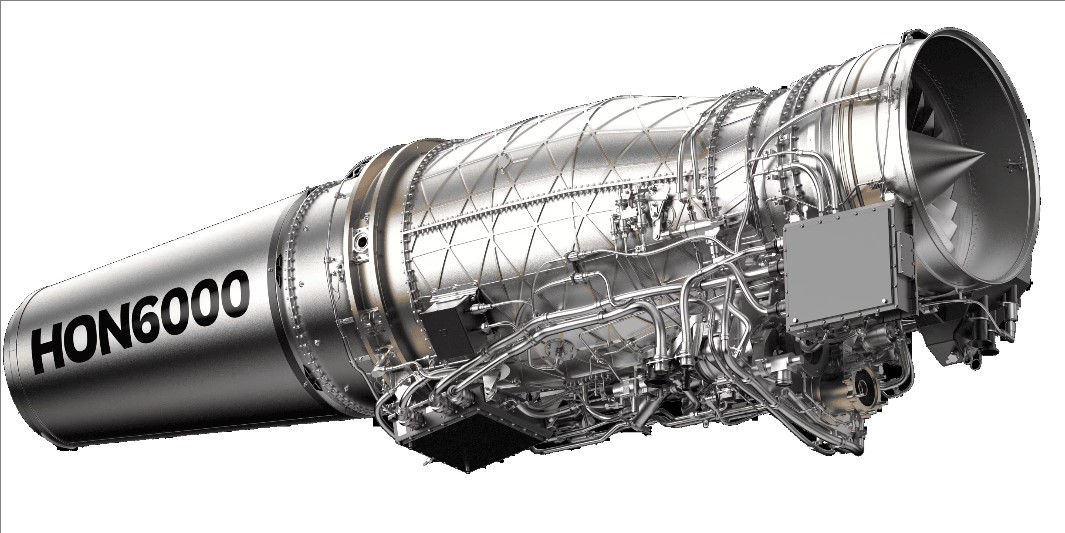
World
PHOENIX — March 14, 2026 : On March 6, 2026 Honeywell Aerospace has introduced the HON6000, a new high-performance turbofan engine developed to power uncrewed aerial platforms, particularly medium-sized Collaborative Combat Aircraft (CCA). The propulsion system is designed to support autonomous aircraft operating alongside crewed fighter jets in contested environments, reflecting the growing emphasis on uncrewed combat systems within modern air forces. The HON6000 is also intended for use in light combat aircraft and advanced jet trainer platforms. Honeywell said the engine was developed to meet operational requirements associated with the U.S. Air Force’s expanding fleet of autonomous aircraft designed to operate as force multipliers for crewed fighters. Engine Design and Performance Characteristics Honeywell stated that the HON6000 was engineered to deliver high efficiency, durability, and affordability—key performance parameters identified by the United States Air Force for future CCA platforms. According to the company, the engine features the highest power-to-weight ratio in its thrust class, providing the thrust output and responsiveness necessary for autonomous aircraft to perform coordinated operations with crewed fighters. These capabilities include maintaining formation flight, executing precise mission timing, and operating reliably in demanding combat environments. The HON6000 is based on Honeywell’s established turbine engine architecture. The design incorporates technology derived from roughly 150,000 turbine propulsion engines and auxiliary power units (APUs) produced by the company during the past five decades. By using a proven engineering foundation, Honeywell aims to increase reliability while reducing development risk and operating costs. The engine also integrates digital health and usage monitoring systems, allowing operators to track engine condition and maintenance requirements in real time. This capability is intended to support predictive maintenance and improve fleet availability for large numbers of unmanned aircraft. Position Within Honeywell’s Uncrewed Propulsion Portfolio The HON6000 expands Honeywell’s propulsion portfolio for autonomous combat aircraft. It is positioned as a medium-class engine, complementing the company’s smaller SKYSHOT1600 turbofan engine, which was previously developed for compact collaborative combat platforms. The SKYSHOT1600 engine was recently selected by the U.S. Air Force to support prototype designs for smaller CCA aircraft. With the addition of the HON6000, Honeywell now offers propulsion systems tailored to multiple size classes of collaborative combat aircraft. Together, the two engines are intended to address propulsion requirements for a wide range of uncrewed aircraft configurations currently under development for the U.S. military and allied forces. Role of Collaborative Combat Aircraft Collaborative Combat Aircraft are a central component of the U.S. Air Force’s Next‑Generation Air Dominance family of systems. These autonomous platforms are designed to operate as “loyal wingmen” for crewed fighter aircraft. In operational concepts currently under development, CCAs will accompany fighters into contested airspace and perform missions that would otherwise expose human pilots to elevated risk. Planned mission roles include: Air-to-air combat operations Precision strike missions Forward reconnaissance and intelligence collection Electronic warfare tasks Drawing enemy fire or heat-seeking missiles away from crewed aircraft By performing these tasks, CCAs are expected to increase combat capacity while reducing the exposure of crewed aircraft and pilots to hostile defenses. Affordability and Attritable Operations A key requirement of the CCA concept is large-scale production at lower cost compared with traditional fighter aircraft. Because these uncrewed systems may be used in high-risk missions, they are designed as “attritable” platforms, meaning they can be lost in combat without the strategic or financial consequences associated with losing crewed aircraft. Honeywell said the HON6000 was designed with low acquisition and ownership costs in mind to support this concept. The company stated that the engine’s simplified architecture and use of proven technologies allow it to meet affordability targets necessary for mass production of collaborative combat aircraft. The approach reflects a broader shift in military aviation toward distributed force structures that combine a smaller number of advanced crewed aircraft with larger fleets of autonomous systems. U.S. Air Force Collaborative Combat Aircraft Program The U.S. Air Force has accelerated development of CCAs as part of its broader effort to expand combat capacity while managing costs. On April 24, 2024, the Air Force selected General Atomics and Anduril Industries to develop aircraft prototypes for Increment 1 of the CCA program. The two companies are currently advancing prototype designs identified as the YFQ‑42A and the YFQ‑44A. These aircraft have undergone early testing activities that include flight trials, weapons integration efforts, and validation of artificial-intelligence-based autonomous control systems. The Air Force plans to field an operational fleet of collaborative combat aircraft before the end of the decade, with current projections indicating a force of up to 1,000 active CCA platforms. Industry Context The introduction of the HON6000 reflects increasing demand within the defense sector for propulsion systems specifically designed for autonomous aircraft. As air forces expand investment in uncrewed combat platforms, engine manufacturers are developing propulsion systems optimized for high endurance, simplified maintenance, and lower life-cycle costs. Honeywell described the HON6000 as a “ready-now” propulsion solution designed to meet the unique autonomy, affordability, and operational requirements of medium-sized collaborative combat aircraft and other uncrewed aerial systems. The company released details of the engine on March 6, 2026, positioning the HON6000 as a propulsion option for next-generation autonomous aircraft expected to enter service later this decade.
Read More → Posted on 2026-03-14 15:54:26
World
TAIPEI — March 14, 2026 : Taiwan’s Ministry of National Defence (MND) is preparing a significant revision of its air and missile defense strategy, citing operational lessons from the ongoing U.S.–Iran conflict that began in late February 2026. Taiwanese defense officials say the war has exposed vulnerabilities in modern air defense systems when confronted with large-scale missile and drone attacks, prompting Taipei to accelerate development of new layered defenses, low-cost interception technologies, and passive countermeasures. The Ministry confirmed it will present a special report to Taiwan’s legislature on March 16 outlining proposed reforms. The report is expected to cover new interception technologies, drone defense capabilities, and structural changes to Taiwan’s integrated missile defense architecture designed to address emerging threats from the Chinese mainland. Development of the “Taiwan Shield” Air Defense Network At the center of the revised strategy is the development of a layered air defense architecture known as the “Taiwan Shield,” or T-Dome, intended to integrate early warning sensors, missile interceptors, and automated command systems into a unified defensive network. Taiwan has already established long-range early warning radar facilities and a multi-dimensional surveillance system to detect incoming threats at extended distances. Defense planners are now preparing to expand this network through the acquisition of additional mobile radar platforms designed to improve tracking coverage and system redundancy. The interceptor layer of the T-Dome system will combine domestic and foreign air defense systems. A key component will be the Tian Kung IV (Sky Bow IV) mid-tier anti-ballistic missile system developed by Taiwan’s National Chung-Shan Institute of Science and Technology (NCSIST). The indigenous system is intended to provide interception capability against ballistic missile threats within the mid-course phase. Taiwan’s domestic systems will be integrated with existing U.S.-supplied platforms, including MIM-104 Patriot batteries equipped with PAC-3 anti-ballistic missiles, as well as the NASAMS short-range air defense system designed to intercept cruise missiles, aircraft, and unmanned aerial vehicles. To coordinate these multiple systems, the Ministry plans to introduce artificial intelligence–assisted battlefield management software aimed at reducing command decision times and improving response speed during large-scale attacks involving simultaneous missile and drone launches. Lessons Drawn from the U.S.–Iran Conflict Taiwanese defense officials say the ongoing conflict between the United States and Iran has provided a real-world example of how modern air defense networks can be stressed by large volumes of relatively inexpensive weapons. According to the Ministry’s internal assessment, Iranian strike tactics — including coordinated launches of ballistic missiles, cruise missiles, and one-way attack drones such as the Shahed-136 — have demonstrated the effectiveness of “multi-wave, multi-missile” strike strategies against advanced defense systems. The MND believes these tactics resemble the type of saturation attacks that could be employed by the People’s Liberation Army (PLA) in a potential Taiwan Strait conflict. Chinese military doctrine has long emphasized the use of large missile inventories and coordinated strike packages to overwhelm enemy defenses. Officials noted that U.S. and Israeli air defense networks in the Middle East have faced rapid depletion of interceptor stockpiles when responding to high volumes of incoming threats. Many modern interceptors, particularly anti-ballistic missiles such as the PAC-3, are expensive and typically launched in pairs to ensure a successful interception. This creates what defense planners describe as a cost-asymmetry problem, where defending forces expend highly expensive missiles against significantly cheaper attacking weapons. Concerns Over Missile Stockpile Sustainability The sustainability of missile defense inventories has become a major concern in Taiwan’s defense planning. Analysts within the Ministry say that a prolonged conflict involving thousands of incoming weapons could rapidly exhaust existing interceptor stocks. The issue was raised publicly on March 5 by Li Wenzhong, vice chairman of Taiwan’s Forward Auxiliary Association, who warned that much of the current procurement strategy risks preparing Taiwan’s military to “fight yesterday’s war rather than tomorrow’s.” Li pointed specifically to the Patriot PAC-3 missile system, which forms a central pillar of Taiwan’s current air defense network. While the interceptor is capable of destroying ballistic missiles with high precision, its cost and launch doctrine — typically firing two missiles per target — make it poorly suited for defending against large numbers of low-cost drones or cruise missiles. He warned that employing such high-value interceptors against inexpensive threats could quickly drain Taiwan’s air defense reserves during a large-scale conflict with the PLA, which maintains one of the world’s largest inventories of ballistic and cruise missiles. Development of Low-Cost Interception Systems In response to these concerns, Taiwan’s Ministry of National Defence confirmed plans to develop and procure lower-cost interception weapons capable of engaging long-range rockets, cruise missiles, and drones. These systems will be based on existing missile technologies but adapted to reduce manufacturing costs and enable large-scale production. Officials say the objective is to create a defensive layer capable of absorbing large attack volumes without exhausting high-value interceptor stocks. Taiwan also plans to expand its capabilities for countering unmanned aerial systems. The Ministry intends to integrate commercially available technologies into military drone defense networks through international industrial cooperation. A procurement strategy based on small-batch acquisition and rapid testing cycles will be used to allow continuous refinement of new technologies before large-scale deployment. Expansion of Passive Defensive Measures Alongside active interception systems, Taiwan is also increasing investment in passive defense mechanisms intended to complicate enemy targeting and reduce the effectiveness of incoming weapons. Planned acquisitions include: Physical decoys designed to mimic military installations False electronic targets to mislead guided weapons Satellite positioning jamming systems capable of disrupting navigation signals Threat signal generators designed to confuse radar-guided munitions Defense officials believe these measures could reduce the number of successful strikes by forcing attackers to expend additional weapons on false targets. Hypersonic Threats and Future Challenges The Ministry’s assessment also notes that the U.S.–Iran conflict has revealed new challenges for missile defense systems, including the appearance of hypersonic glide vehicles, which travel at extremely high speeds and maneuver during flight. Reports from the Middle East indicate that some advanced missile defense systems have struggled to intercept such weapons, highlighting the limitations of existing architectures designed primarily for traditional ballistic missile trajectories. Taiwanese analysts note that the People’s Liberation Army possesses more advanced hypersonic strike capabilities than those observed in Iranian operations, further complicating Taiwan’s defensive planning. Strategic Sustainability Remains a Concern Despite the planned upgrades to Taiwan’s air defense architecture, defense officials acknowledge that sustaining missile defenses during a prolonged conflict remains uncertain. The ongoing Middle East war has reportedly forced the United States to relocate interceptor systems and missiles from overseas bases to replenish stocks used in the conflict. Taiwanese analysts say this highlights the logistical challenges faced even by large military powers when confronting sustained missile attacks. For Taiwan, which relies heavily on U.S.-origin air defense technology and maintains significantly smaller stockpiles, maintaining operational defenses during extended hostilities with the PLA remains a central strategic challenge. The Ministry’s upcoming legislative report is expected to outline how the proposed Taiwan Shield architecture, combined with low-cost interceptors and passive defenses, could improve the island’s resilience against large-scale missile and drone attacks in a future Taiwan Strait crisis.
Read More → Posted on 2026-03-14 15:34:51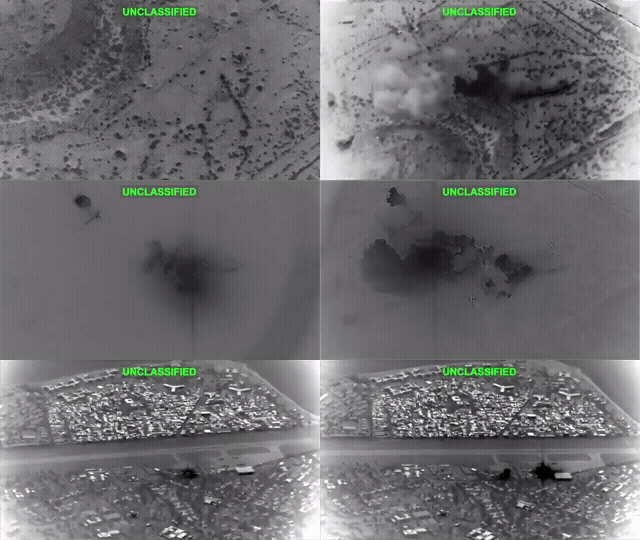
World
WASHINGTON — March 14, 2026 : On March 13, 2026, U.S. Air Force strategic bombers carried out targeted airstrikes on Iran’s Kharg Island in the northern Persian Gulf, destroying extensive Iranian military infrastructure stationed on the island while avoiding its critical oil export facilities, according to U.S. officials. A senior U.S. military official told The New York Times that the operation eliminated all identified military installations on the island. The strikes focused on facilities used to store anti-ship missiles, cruise missiles, and Iranian naval mines, as well as other military infrastructure supporting Iran’s defensive and maritime strike capabilities in the Persian Gulf. According to the official, the list of targets included air defense systems, ammunition bunkers, missile storage facilities, communications infrastructure, and the island’s airfield. U.S. Central Command later confirmed that more than 90 military targets were struck during the operation. President Donald Trump released unclassified black-and-white night-vision footage of the bombing raid on social media. The video shows multiple explosions occurring across different locations on the island during the strike. Open-source intelligence analysts later geolocated the footage and confirmed that the impacts corresponded to several key military facilities on Kharg Island. Analysts verified damage at air defense sites, ammunition storage areas, missile depots, communications infrastructure, and sections of the island’s airfield. Kharg Island is located in the northern Persian Gulf approximately 15 nautical miles (about 28 kilometers) from the Iranian mainland and roughly 55 kilometers northwest of Bushehr. The island functions as Iran’s primary offshore oil export hub and handles about 90 percent of the country’s crude oil exports. The island hosts large crude storage facilities and subsea pipeline connections to major offshore oil fields. Its historical export loading capacity has been estimated at up to seven million barrels per day. Despite the scale of the strikes, U.S. forces deliberately avoided the oil export terminals located on the island. President Trump said the energy infrastructure was spared “for reasons of decency,” but warned that the decision could change if Iran interferes with commercial shipping through the Strait of Hormuz. Following the strikes, Iranian state media and local officials reported that at least 15 explosions were heard on the island. Authorities stated that none of the oil export infrastructure was damaged and that crude export operations are continuing normally. Iran’s joint military command issued a warning following the attack, stating that it could target oil, economic, and energy infrastructure across the Middle East belonging to companies that have American ownership or cooperate with the United States. At the same time, the United States has begun reinforcing its military presence in the region. Approximately 2,200 Marines from the 31st Marine Expeditionary Unit, along with the amphibious assault ship USS Tripoli, have been ordered to deploy to the Middle East to join naval forces already operating in the Arabian Sea. U.S. officials said the strikes on Kharg Island were conducted as part of the ongoing military exchanges between the United States and Iran and were directed specifically at military assets stationed on the island.
Read More → Posted on 2026-03-14 14:43:19
World
RIYADH — March 2026 — Five U.S. Air Force aerial refueling aircraft were damaged during an Iranian ballistic missile strike targeting Prince Sultan Air Base, a major U.S. military installation located southeast of the Saudi capital. The incident was first reported by the The Wall Street Journal, citing two unnamed U.S. officials familiar with the situation. According to the officials, the aircraft were struck while parked on the ground at the base during the missile attack. The planes sustained structural damage but were not destroyed, and repair work has begun to return them to operational status. No casualties or injuries among U.S. or Saudi personnel were reported in connection with the strike. Aircraft and Operational Role Open-source military assessments indicate that the damaged aircraft are likely Boeing KC‑135 Stratotanker tankers. These aircraft form a critical component of U.S. air operations by providing mid-air refueling support to combat aircraft operating across the Middle East. Refueling tankers stationed at Prince Sultan Air Base support missions involving aircraft such as the Boeing F‑15E Strike Eagle, Lockheed Martin F‑35 Lightning II, and the Northrop Grumman B‑2 Spirit. By extending the range and endurance of these aircraft, tanker operations enable long-distance strike missions and continuous air patrols over the region. U.S. Central Command (United States Central Command) has not released an official public statement detailing the extent of the damage or the expected timeline for returning the aircraft to service. Impact on U.S. Tanker Fleet in the Region The strike adds to recent losses within the U.S. aerial refueling fleet supporting the regional military campaign known as Operation Epic Fury. With the five aircraft damaged at Prince Sultan Air Base, the number of U.S. refueling planes lost or damaged during the current conflict has reached at least seven. Earlier in the week, two Boeing KC-135 Stratotanker tankers were involved in a mid-air collision over western Iraq. One of the aircraft crashed following the collision, killing all six crew members on board. The second tanker, which sustained heavy damage, declared an emergency and landed safely in Israel. However, some reports circulating in regional and open-source media have suggested that the tanker incident may have been linked to Iranian missile activity in the area. U.S. military officials have not confirmed those claims and have continued to describe the event as a mid-air collision between the two aircraft. Strategic Importance of Prince Sultan Air Base Prince Sultan Air Base functions as a key logistical and operational hub for U.S. forces deployed in the Middle East. The installation hosts fighter aircraft, surveillance platforms, and aerial refueling units that support coalition air operations across the region. Since the start of large-scale U.S. and Israeli strikes against Iranian targets on February 28, the base has been targeted multiple times by Iranian drones and missiles. In an earlier attack on the same installation, a U.S. service member later died from severe injuries sustained during the strike. The recent missile attack highlights the continued vulnerability of forward-deployed support infrastructure that sustains U.S. air operations in the region, particularly assets such as tanker aircraft that are essential for maintaining long-range combat missions.
Read More → Posted on 2026-03-14 14:07:54Search
Top Trending in 24 Hours
-
 President Trump Pauses Plans to Expand U.S. Strikes on Iran Amid Concerns Over Air Defense Missile Stocks
-
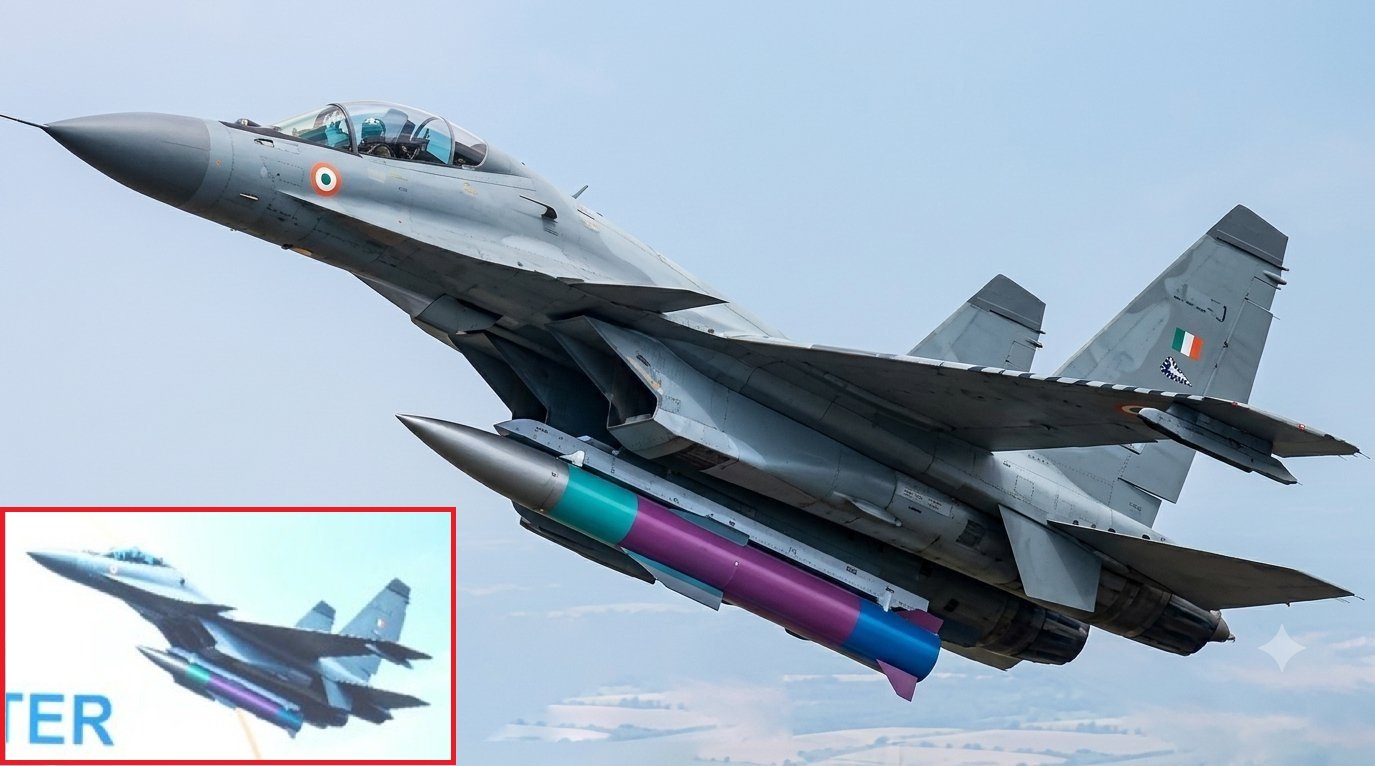 DRDO Developing Long-Range Air-Launched Ballistic Missile for Su-30MKI, Rudram-4 Seen as Likely Candidate
-
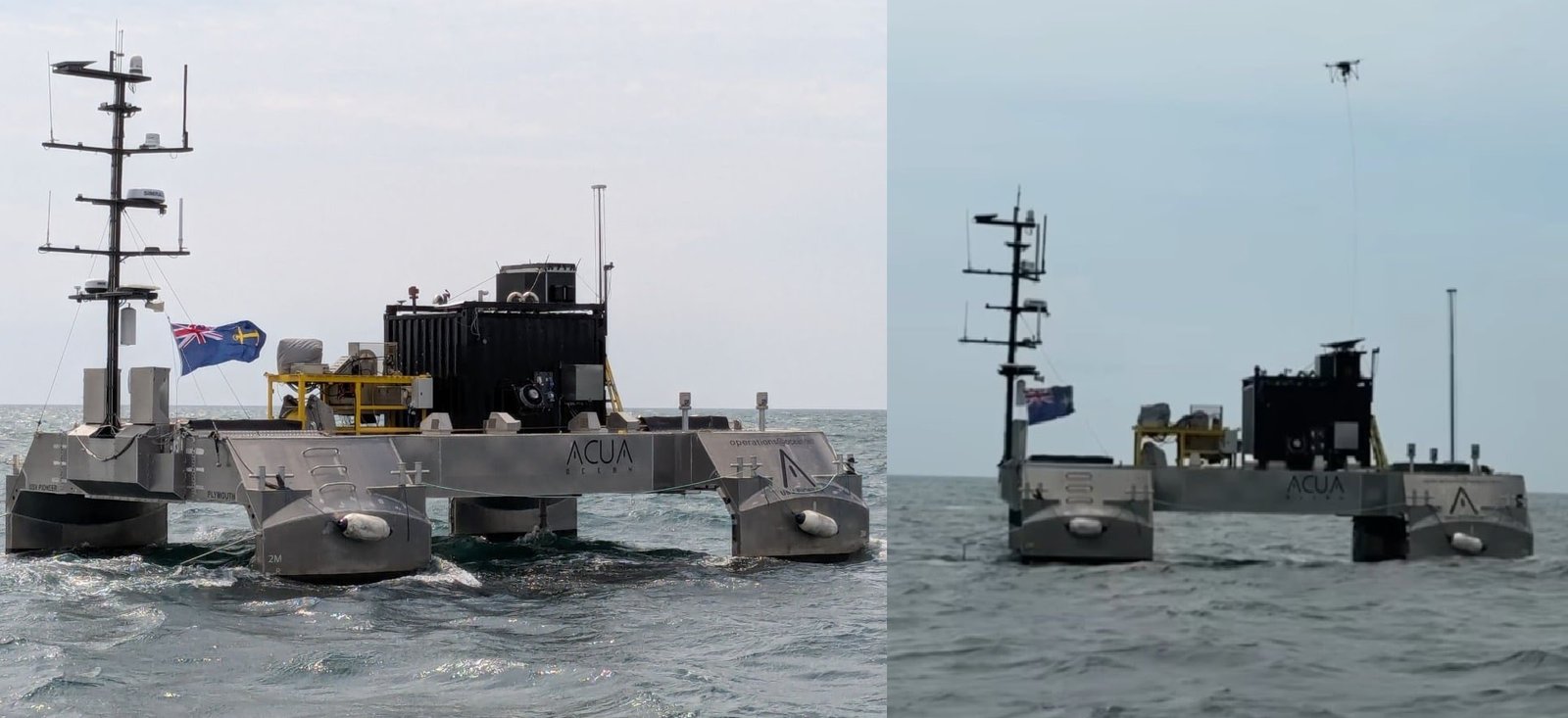 ACUA Ocean, Teledyne FLIR Demonstrate Autonomous Drone Launch and Recovery From Uncrewed Vessel for UK Royal Navy
-
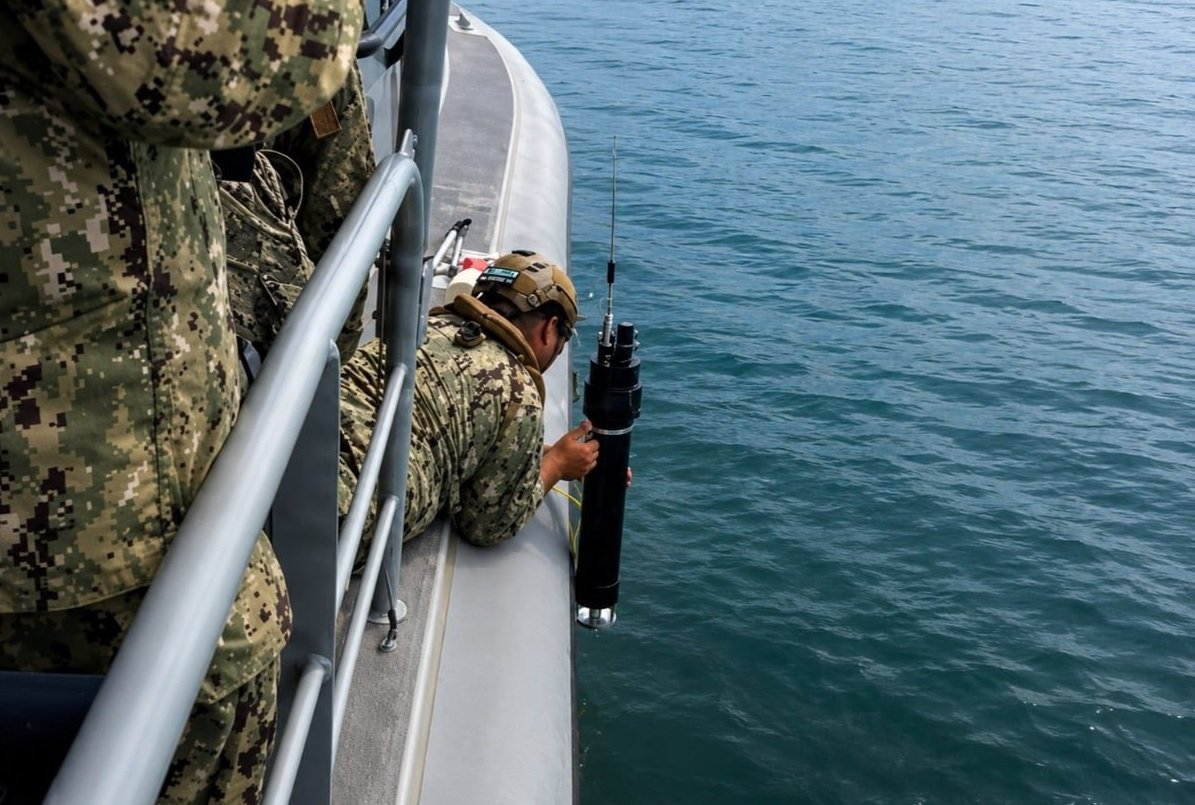 U.S. Army, Navy and Space Force Successfully Test Maritime Version of ‘Hammer of the Gods’ EW System During Project Convergence 2026
-
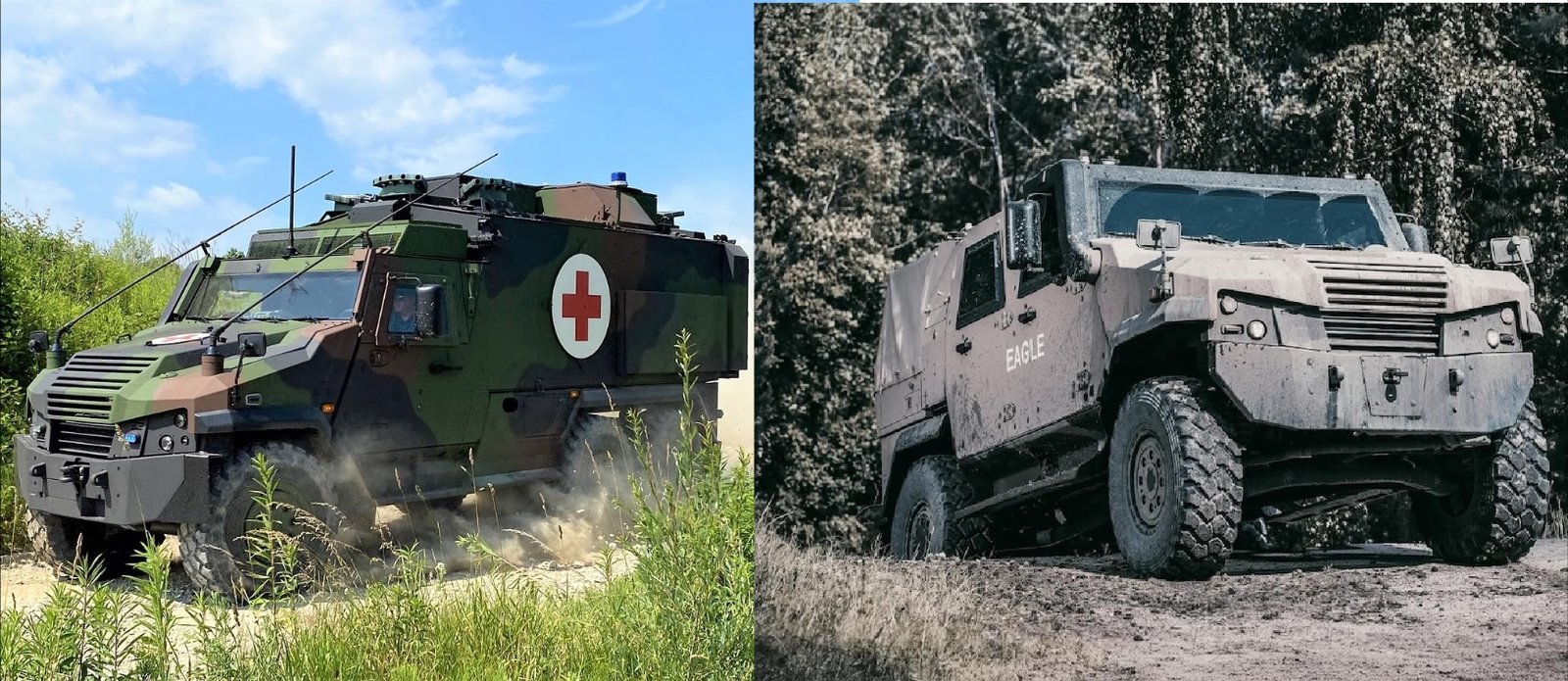 Allison Transmission to Supply Automatic Transmissions for Nearly 3,000 German EAGLE V Armored Vehicles Ordered by Germany
-
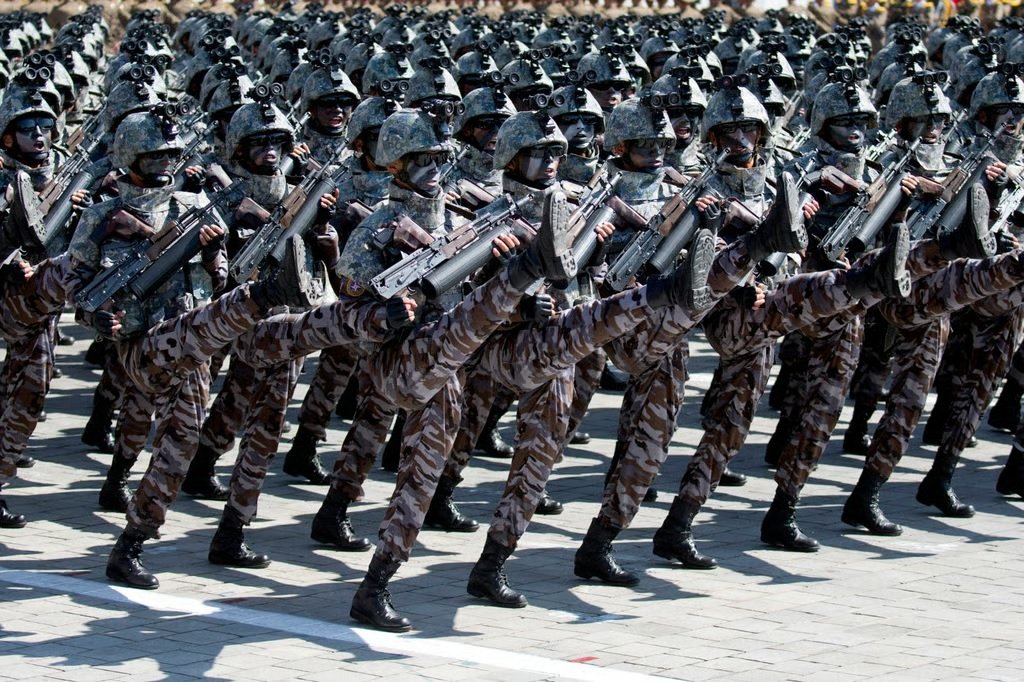 North Korea Preparing Largest Military Deployment Abroad With 30,000 Troops for Russia, Zelensky Says
-
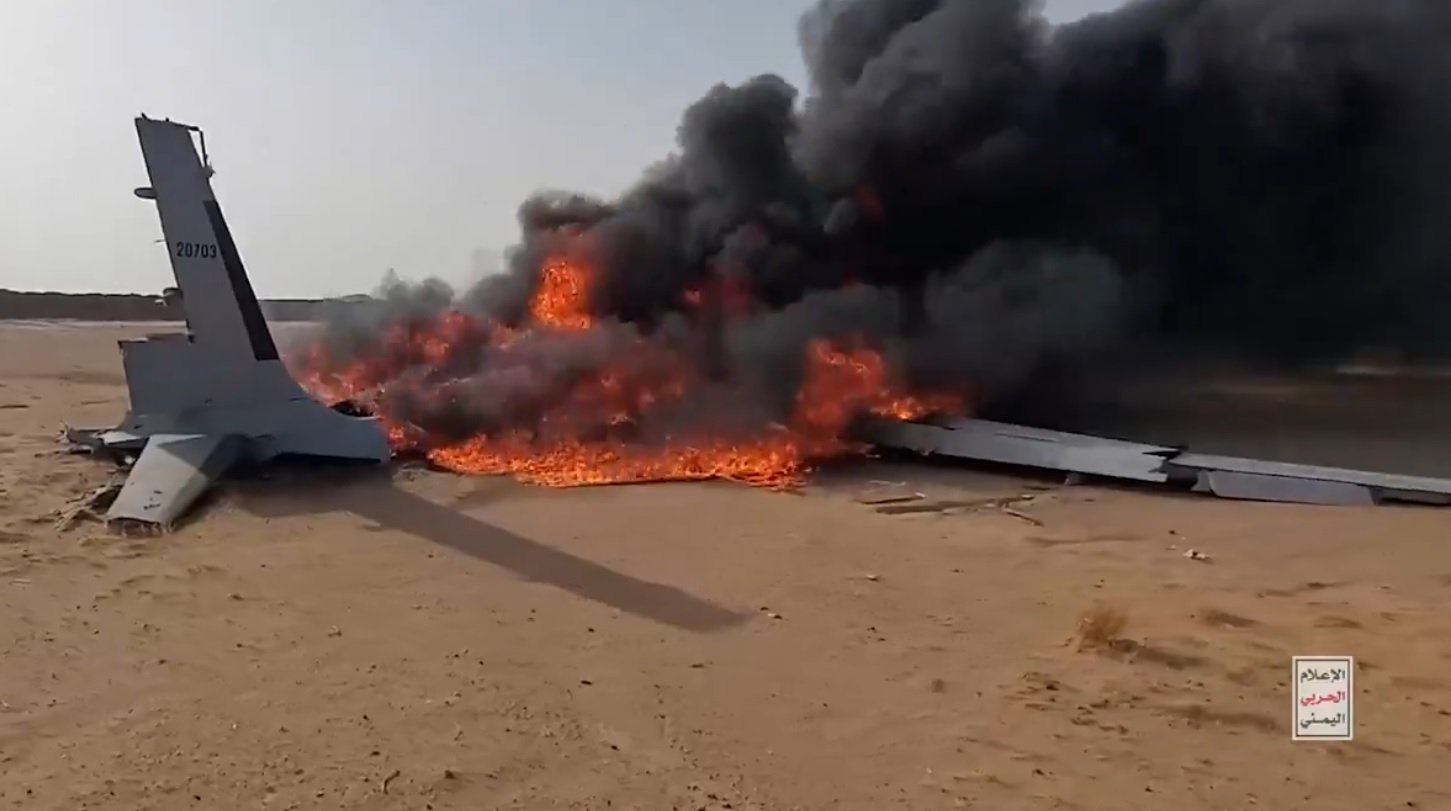 Houthis Claim to Have Shot Down Saudi-Operated Bayraktar Akıncı Drone Over Northern Yemen, Release Video of Crash
-
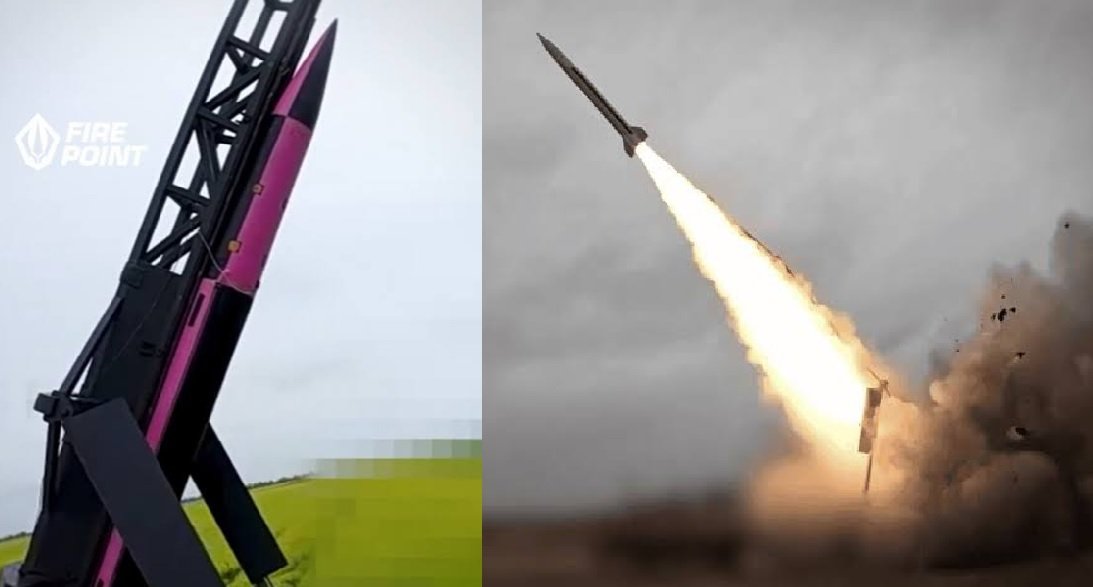 Ukraine, European Allies Target Mid-2027 Prototype for Freyja Missile Defense System
Top Trending in 4 Days
-
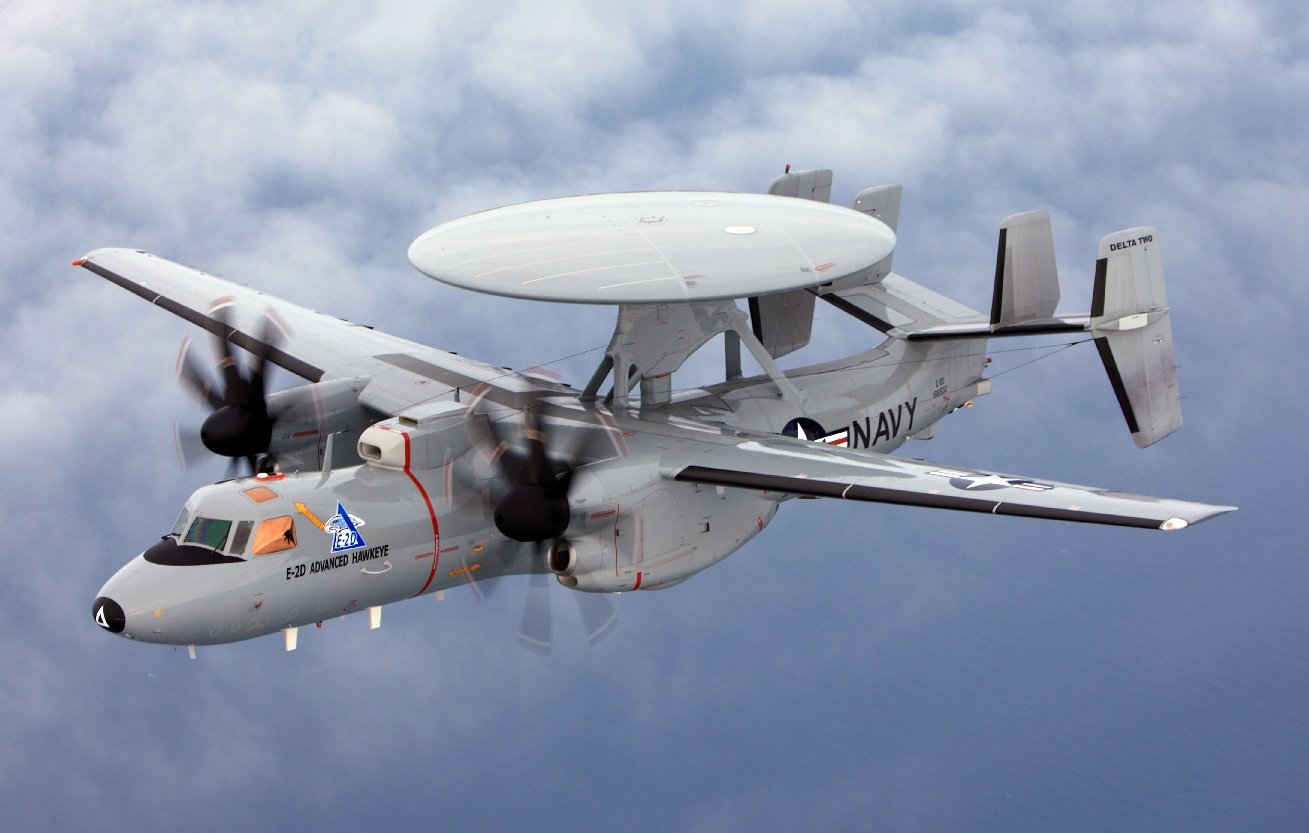 U.S. Navy Awards Northrop Grumman $1.2 Billion Deal for Three New E-2D Advanced Hawkeyes
-
 U.S. Airstrikes Target IRGC Missile Base Near Taft as Overnight Strikes Hit Central Iran
-
 Kuwait and Bahrain Reportedly Launch First Joint Direct Airstrikes on Iran Since War Began : Report
-
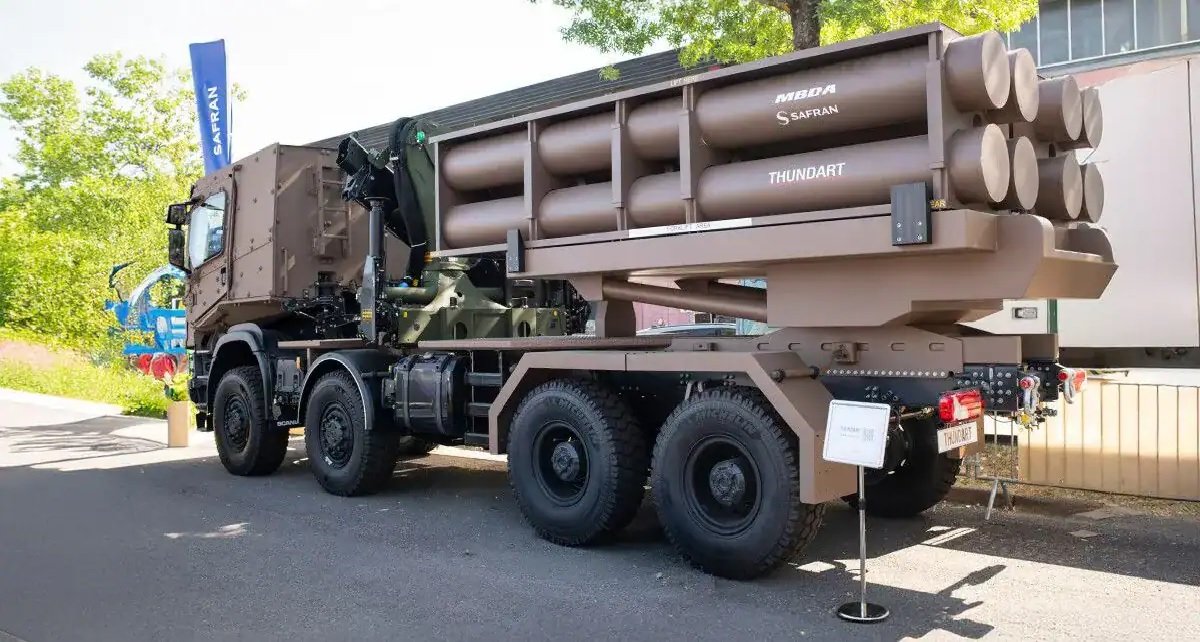 France's THUNDART Long-Range Rocket System May Undergo Prototype Combat Testing in Ukraine
-
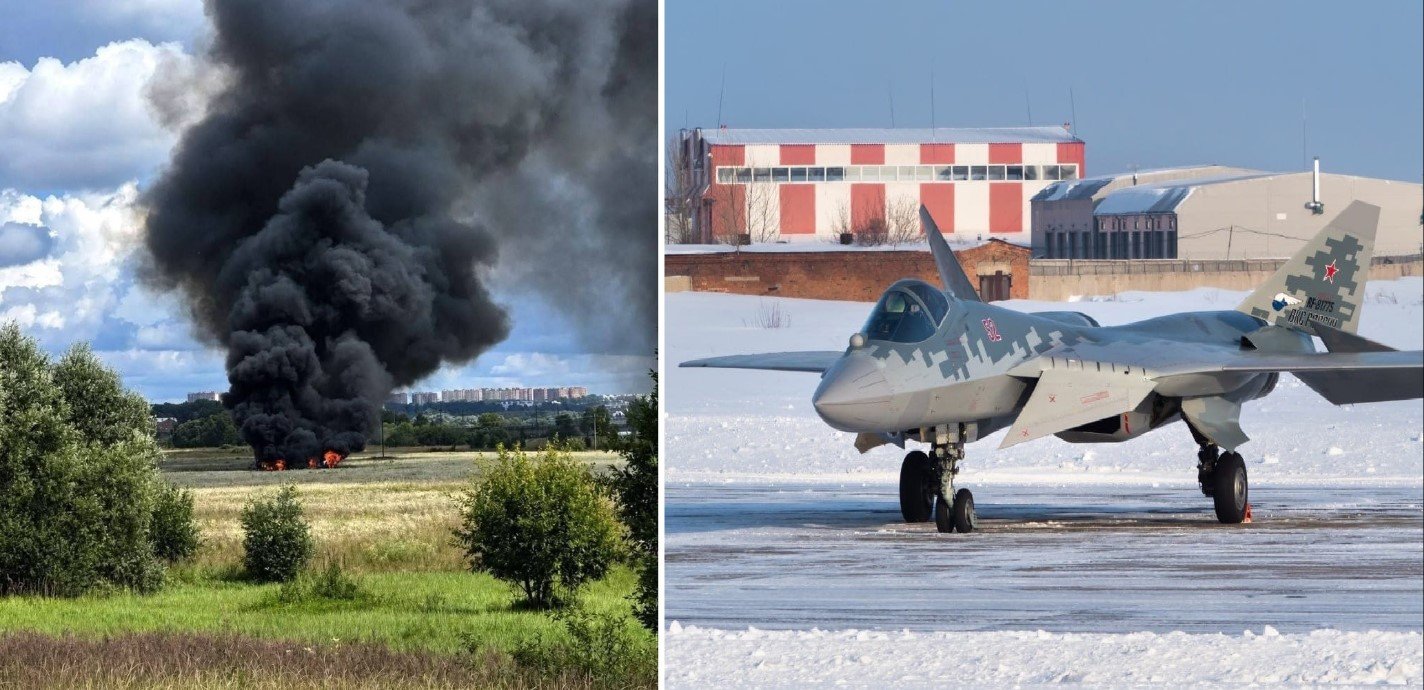 Russian Su-57 Stealth Fighter Crashes During Training Flight Near Moscow, Pilot Ejects Safely
-
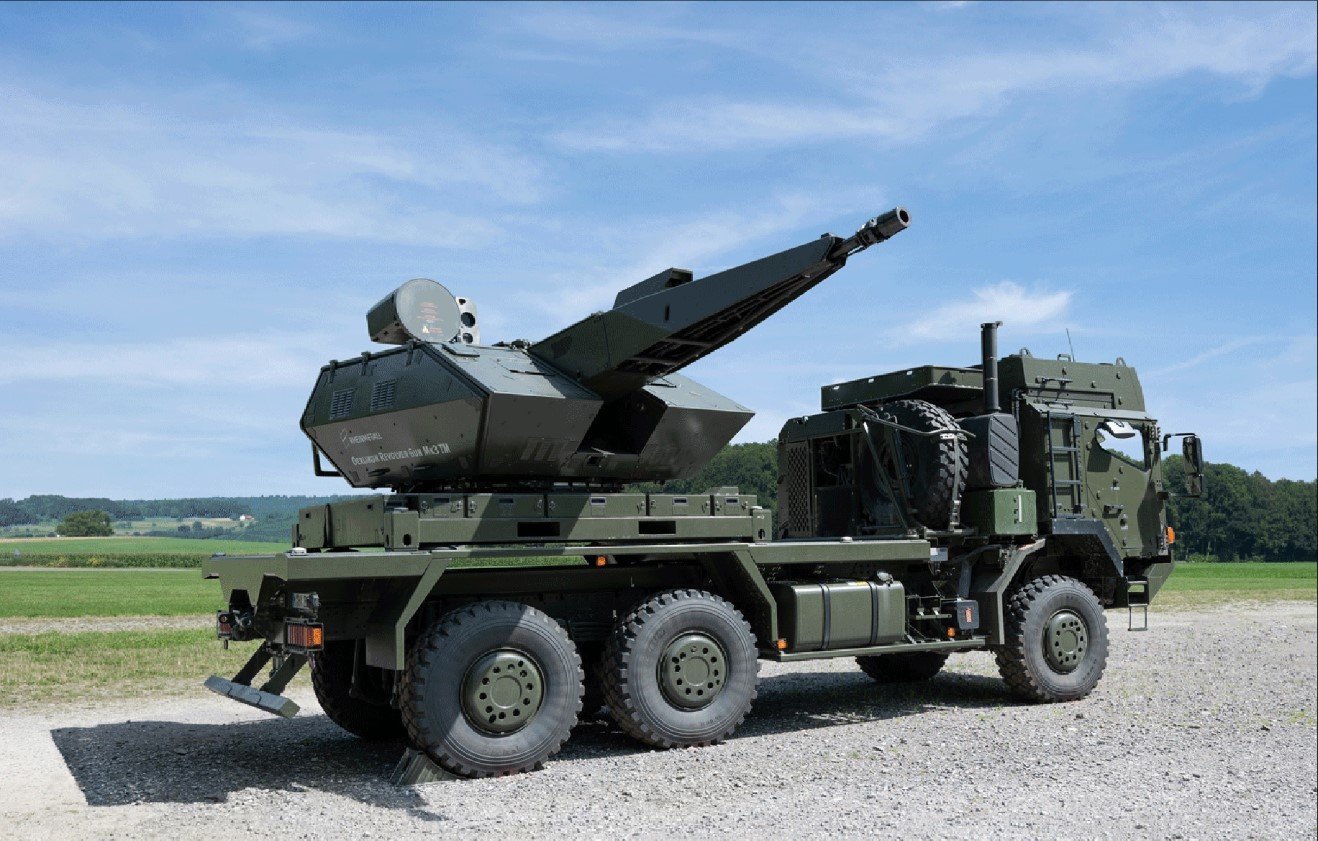 China Imposes Dual-Use Export Ban on 14 European Entities After EU's Russia Sanctions
-
 U.S. Department of War Awards Oracle Up to $6.99 Billion Enterprise Software Deal
-
 Australia Commits Additional AUD 4.6 Billion to Expand Osborne Shipyard for AUKUS Submarines