World
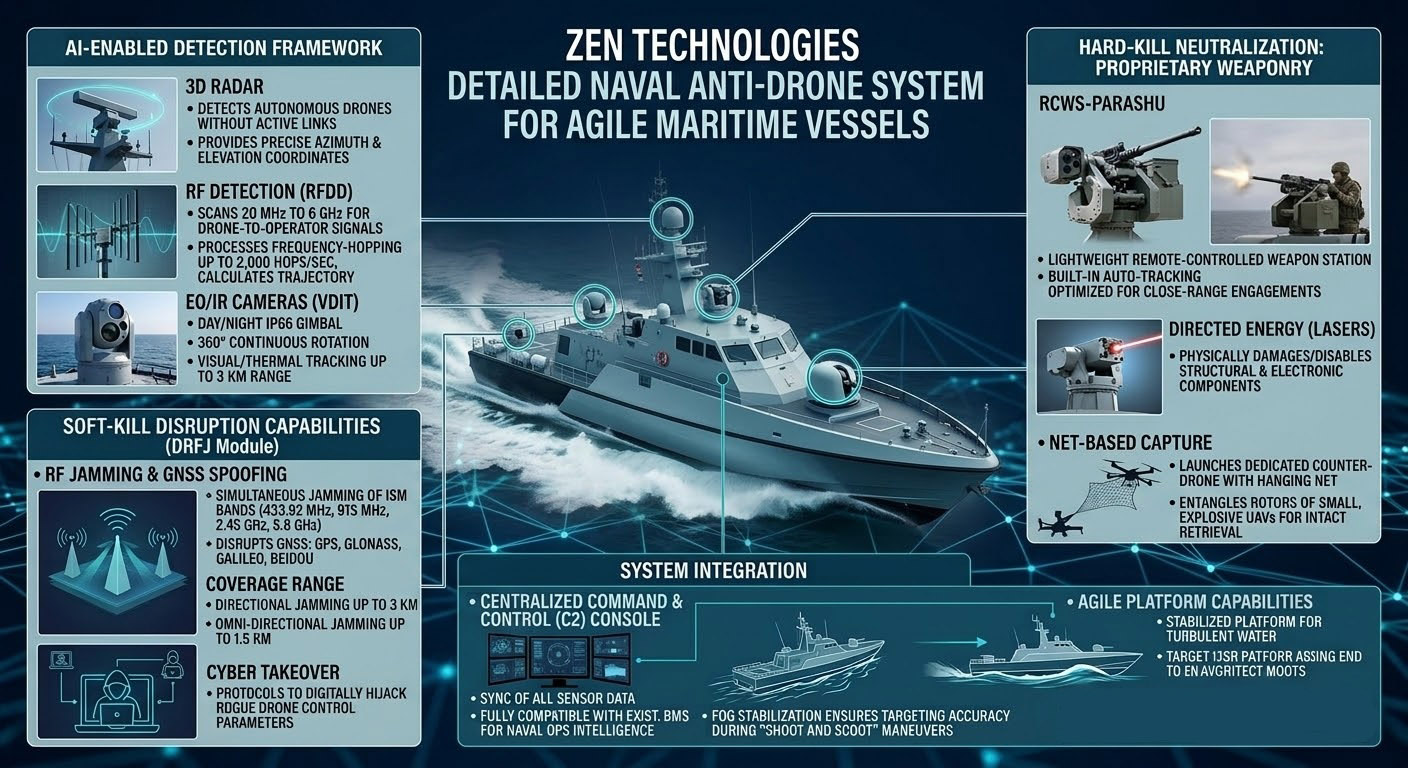
HYDERABAD, India — March 11, 2026 : Indian defense technology company Zen Technologies has detailed the architecture and operational capabilities of its Naval Anti-Drone System, a maritime counter-UAV solution designed for deployment on fast attack craft and patrol vessels operating in complex coastal and open-sea environments. The system combines artificial intelligence-based detection, electronic warfare disruption, and kinetic interception capabilities into a compact defense architecture tailored for agile maritime platforms. According to the company, the system has been engineered specifically for vessels where space, weight, and stability constraints limit the integration of conventional large-scale air defense systems. AI-Enabled Detection and Command Integration At the core of Zen Technologies Naval Anti-Drone System is an AI-enabled multi-sensor detection and tracking framework designed to identify and classify unmanned aerial vehicles (UAVs) in real time. Sensor data is processed and synchronized through a centralized Command and Control (C2) console, allowing operators to maintain continuous situational awareness of the surrounding airspace. The command interface is compatible with existing naval battlefield management systems, enabling integration with wider maritime operational networks and intelligence feeds. The detection architecture incorporates three primary subsystems: 3D Radar Surveillance : The radar component uses an X-band 2D/3D radar configuration capable of detecting and tracking small aerial objects, including autonomous drones operating without active communication signals. The radar system provides spatial positioning information including azimuth, range, and elevation, allowing early identification of incoming UAV threats. Because it operates independently of radio-frequency communication links, the radar module is designed to detect drones that rely on pre-programmed flight paths or autonomous navigation. Radio Frequency Detection and Direction Finding : The Radio Frequency Detection and Direction Finding (RFDD) module scans electromagnetic spectrum bands between 20 MHz and 6 GHz, identifying drone control links and telemetry signals transmitted between UAVs and their operators. The system is designed to process complex frequency-hopping communication signals at speeds of up to 2,000 hops per second, enabling it to identify modern encrypted or adaptive drone control networks. By analyzing these signals, the RFDD module calculates the direction of arrival and predicts the trajectory of incoming UAV threats. Electro-Optical and Infrared Tracking : Visual confirmation and target tracking are performed by a combined Electro-Optical/Infrared camera module known as VDIT. The camera system supports both daylight and thermal imaging and carries an IP66 environmental rating, allowing continuous operation in maritime weather conditions. Mounted on a stabilized platform, the camera system provides 360-degree continuous rotation and maintains target tracking at distances of up to 3 kilometers, enabling operators to visually confirm radar and RF-detected targets. Electronic Warfare and Soft-Kill Countermeasures Once a drone threat is confirmed, Zen Technologies Naval Anti-Drone System can employ electronic disruption techniques to neutralize the UAV without physical destruction. This capability is provided by the Drone RF Jammer (DRFJ) module, which performs targeted electromagnetic interference against drone control and navigation systems. RF Jamming and GNSS Signal Disruption : The DRFJ module simultaneously disrupts the most commonly used drone communication frequencies, including the industrial, scientific, and medical (ISM) bands at 433.92 MHz, 915 MHz, 2.45 GHz, and 5.8 GHz. In addition to communication jamming, the system interferes with satellite navigation signals from major Global Navigation Satellite Systems (GNSS), including: GPS (United States) GLONASS (Russia) GALILEO (European Union) BEIDOU (China) By interfering with positioning signals and control links simultaneously, the system can cause hostile drones to lose navigation stability, alter course, or enter fail-safe landing modes. Jamming Coverage : The electronic warfare module provides 360-degree azimuth coverage and 70-degree elevation coverage around the host vessel. Directional jamming can be applied to targets at distances of up to 3 kilometers, while omnidirectional disruption covers a range of approximately 1.5 kilometers. Cyber Takeover Capability : In addition to jamming, the system incorporates digital exploitation protocols designed to take control of a hostile drone’s command interface. Through this cyber takeover mechanism, operators can override external commands and assume control of the UAV’s flight parameters. This capability allows forces to redirect or safely land captured drones, enabling intelligence analysis or forensic examination of recovered systems. Hard-Kill Neutralization Systems If electronic countermeasures are insufficient or if the drone carries explosive payloads requiring immediate neutralization, Zen Technologies Naval Anti-Drone System integrates multiple kinetic interception methods. RCWS-Parashu Remote Weapon Station : One of the primary hard-kill options is the RCWS-Parashu, a lightweight remote-controlled weapon station developed by Zen Technologies. The system supports 7.62 mm or 5.56 mm caliber smart ammunition and includes automated target tracking algorithms optimized for engaging small aerial targets at close ranges. Operators control the system remotely through the C2 console, reducing crew exposure during engagements. Directed Energy Laser System : Zen Technologies Naval Anti-Drone System also integrates directed-energy laser weapons capable of damaging drone airframes or disabling onboard electronics. Laser engagement provides a precise interception method that does not rely on conventional ammunition. Directed energy systems are particularly suited for countering small UAVs due to their rapid response time and low collateral risk. Net-Based Capture Mechanism : For certain threat scenarios, Zen Technologies Naval Anti-Drone System deploys a dedicated counter-drone equipped with a suspended net system. The interceptor UAV approaches the hostile drone and releases the net, which entangles the target’s propellers and causes it to lose lift. This method allows the drone to be captured intact, enabling intelligence recovery while neutralizing potential explosive payloads. Stabilized Operations on High-Speed Maritime Platforms The system has been designed specifically for installation on fast attack craft, patrol boats, and other agile maritime vessels where space and weight limitations restrict the deployment of larger air defense systems. Because small vessels experience significant motion in open water, Zen Technologies integrated Fiber Optic Gyro (FOG) stabilization across the system’s optical sensors and hard-kill weapon platforms. FOG stabilization compensates for vessel pitch, roll, and yaw, ensuring that the radar, cameras, and weapon systems maintain targeting accuracy during high-speed maneuvers or rough sea conditions. According to the company, the system’s detection, tracking, and interception capabilities remain operational whether the vessel is stationary or conducting rapid maneuvering operations. System Role in Maritime Drone Defense The increasing use of small unmanned aerial systems in maritime conflict environments has created new protection requirements for naval vessels, particularly smaller patrol and coastal security craft that traditionally operate without integrated air defense systems. By combining sensor fusion, electronic warfare disruption, and multiple interception methods within a compact platform, Zen Technologies Naval Anti-Drone System is designed to provide layered protection against reconnaissance drones, loitering munitions, and small explosive-laden UAVs. Zen Technologies stated that the architecture allows modular upgrades as drone technologies evolve, enabling additional sensors or countermeasure modules to be integrated into the system in the future.
Read More → Posted on 2026-03-11 17:48:18
World
TAIPEI — March 2026 — Combat losses of U.S. unmanned aerial vehicles during ongoing military operations in the Middle East are expected to place additional pressure on American production capacity and could affect export delivery timelines for allies, including Taiwan’s pending acquisition of MQ-9B SkyGuardian drones. Military analysts and defense sources in Taipei indicate that the U.S. Department of Defense is likely to prioritize replacing equipment lost in current operations before accelerating deliveries tied to foreign military sales agreements. Drone Losses During Iran Operations Since the beginning of U.S.-led military operations against Iran in late February 2026, the United States has lost multiple MQ-9 Reaper drones during combat missions. Available reporting indicates that at least 11 MQ-9 Reapers have been destroyed, representing equipment losses valued at more than $330 million. These losses follow an earlier pattern of drone attrition in the Middle East. Beginning in October 2023, U.S. forces operating against Ansar Allah (Houthi) forces in Yemen also experienced sustained MQ-9 losses, with more than 10 aircraft destroyed during those operations. Imagery and video material released from Iran has shown wreckage identified as downed MQ-9 Reapers. Additional footage has indicated losses of Israeli Heron unmanned aerial vehicles, which perform intelligence, surveillance, and reconnaissance missions similar to the MQ-9. Israel has operated alongside the United States during portions of the ongoing regional military campaign. The cumulative attrition of these systems has increased demand for replacement aircraft within U.S. inventories. Taiwan’s MQ-9B Procurement Program Taiwan approved the purchase of four MQ-9B SkyGuardian drones in 2020 as part of a broader effort to expand long-range intelligence and reconnaissance capabilities. The Republic of China Ministry of National Defence allocated 21.7 billion New Taiwan Dollars (approximately $684 million) for the program, with funding distributed between 2022 and 2029. When including associated equipment and support infrastructure, the procurement represents an average cost exceeding $171 million per aircraft. The original delivery schedule projected the first drones arriving in 2025. However, production and logistical adjustments shifted the timeline to 2026–2027. Under the revised schedule: Two MQ-9B aircraft are planned for delivery in the third quarter of 2026 Two additional units are scheduled to arrive in 2027 According to Taiwan’s Ministry of National Defence budget submissions to the legislature, the MQ-9B fleet will serve several operational roles. During peacetime, the aircraft will conduct maritime surveillance, land-based monitoring, and intelligence collection around Taiwan and its surrounding waters. In wartime conditions, the drones are intended to support tactical reconnaissance missions, providing real-time imagery transmission and battlefield surveillance to support operational decision-making. The system is also expected to assist with tracking adversary movements and supporting defensive coordination across Taiwan’s armed forces. Operational Survivability Concerns The operational losses experienced by MQ-9 aircraft in the Middle East have prompted renewed discussion among analysts regarding the platform’s survivability in heavily contested environments. The MQ-9 family was originally designed for long-endurance intelligence and strike missions in low-to-medium threat environments. Recent engagements in Yemen and the Iran conflict have demonstrated that the aircraft can be vulnerable when operating within range of modern air defense systems or advanced electronic warfare capabilities. Defense observers in Taiwan note that the Taiwan Strait environment would likely involve integrated air defense networks and dense electronic warfare activity, conditions that could limit the operational freedom of large unmanned systems such as the MQ-9B. These considerations have led some analysts to question the degree of impact such drones could have during a high-intensity conflict scenario. Impact on U.S. Defense Supply Chains The ongoing Middle East conflict has also produced broader logistical effects across U.S. military supply chains. Due to the high rate of munition expenditure and equipment attrition during current operations, the United States has reportedly requested that several allied countries return surface-to-air missile stocks originally provided under defense cooperation agreements. The aim is to replenish U.S. inventories while production capacity expands. South Korea has experienced several adjustments related to these logistical shifts. Reports indicate withdrawals or redeployments involving: Patriot air defense systems THAAD missile defense batteries guided aerial bombs AH-64 Apache attack helicopters, which were removed from South Korea in early January 2026. Defense analysts have linked some of these movements to preparations for U.S. operations in the Middle East. Existing Arms Delivery Backlogs The current operational demands are compounding pre-existing delays within the U.S. Foreign Military Sales (FMS) program, which had already accumulated significant delivery backlogs prior to the Iran conflict. According to data released by the Taiwan Arms Sales Backlog Tracker in December 2025, undelivered U.S. defense equipment destined for Taiwan had reached a total value of more than $21.45 billion. Japan has also experienced delays. In January 2026, Japan’s Board of Audit reported that military equipment valued at approximately 1.1 trillion yen (about $6.9 billion) purchased from the United States more than five years earlier remained undelivered under the FMS framework. These delays reflect broader constraints affecting the U.S. defense industrial base, including production capacity limits and the need to meet urgent operational requirements. Official Position From Taiwan Despite the operational losses in the Middle East and concerns about supply chain pressures, Taiwan’s defense authorities state that the MQ-9B acquisition program remains formally unchanged. Statements released by Taiwan’s Ministry of National Defence and the Republic of China Air Force in early March 2026 indicated that no official notification has been received from the United States regarding changes to the delivery schedule. According to these briefings, the first two MQ-9B aircraft are still expected to arrive in 2026, consistent with the previously revised procurement timeline. Taiwanese officials also noted that no U.S. request has been made to redirect or reprioritize equipment allocated to Taiwan. Outlook While official schedules remain unchanged, the combination of combat equipment losses, operational demands, and existing foreign military sales backlogs is expected to continue placing pressure on U.S. defense production capacity. For Taiwan and other U.S. defense clients, the pace at which American industry can replenish equipment lost in active operations may play a significant role in determining the timelines for future arms deliveries.
Read More → Posted on 2026-03-11 16:36:38
World
TAIPEI — March 11, 2026 : Taiwan is on course to establish the world’s highest density of land-based anti-ship missiles, as the island accelerates production of its indigenous Hsiung Feng missile family while simultaneously receiving U.S.-supplied Harpoon coastal defense systems. The buildup forms a central pillar of Taiwan’s asymmetric defense strategy aimed at deterring a potential amphibious invasion by creating a heavily fortified coastal missile network. The expansion is being implemented under Taiwan’s Sea Air Combat Power Improvement Plan, which significantly increased funding for domestic missile manufacturing. According to defense officials cited by Taiwan’s Liberty Times, mass production of the Hsiung Feng II and Hsiung Feng III anti-ship missile series is proceeding on schedule and is expected to conclude by December 2025. Domestic Missile Production Expands Taiwan’s missile manufacturing effort is led by the National Chung-Shan Institute of Science and Technology (NCSIST), the country’s primary state-run defense research and production organization. Under the special defense budget allocated for the program, NCSIST has maintained steady production of multiple missile variants designed to strengthen Taiwan’s coastal strike capability. By the end of this year, Taiwan’s military inventory is projected to exceed 1,000 domestically produced anti-ship missiles, primarily from the Hsiung Feng II and Hsiung Feng III families. Production is divided between two main assembly lines. One line manufactures the Hsiung Feng II subsonic missile along with its extended-range derivative, the Hsiung Sheng, producing approximately 131 missiles annually. A second production line manufactures the Hsiung Feng III supersonic anti-ship missile and its extended-range variant, yielding roughly 70 missiles per year. The Hsiung Feng II serves as a medium-range subsonic anti-ship missile designed for coastal defense and surface-to-surface engagements, while the Hsiung Feng III is a supersonic missile intended to penetrate modern naval air defenses. The extended-range versions of both systems are designed to increase engagement distances against hostile naval forces operating in waters surrounding Taiwan. Officials stated that NCSIST has met several production targets ahead of schedule, allowing Taiwan’s missile inventory to expand more rapidly than initially projected when the Sea Air Combat Power Improvement Plan was approved. Planned Technology Upgrades Alongside the ongoing production program, Taiwan’s Ministry of National Defense plans to continue manufacturing upgraded versions of the Hsiung Feng missile series under the regular defense budget. An estimated 232 additional upgraded Hsiung Feng II and Hsiung Feng III missiles are scheduled to be produced in the coming years. These modernized variants will incorporate improved electronic components and updated chipsets designed to enhance guidance precision while increasing resistance to electronic warfare measures, including jamming and signal interference. The upgrades are intended to ensure the missile systems remain effective against increasingly sophisticated naval air defense systems and electronic warfare capabilities deployed by potential adversaries. U.S. Harpoon Coastal Defense Acquisition Taiwan’s domestic missile inventory is being supplemented by a large procurement of U.S.-manufactured coastal defense systems centered on the RGM-84L-4 Harpoon Block II anti-ship missile. Under the acquisition program, Taiwan is purchasing 100 Harpoon Coastal Defense Systems, which collectively include 400 Harpoon Block II missiles, launch vehicles, radar trucks, and associated support equipment. Deliveries began in late 2024, when the first batch of missiles and associated launch systems arrived in Taiwan. According to the current delivery schedule, Taiwan is expected to receive 32 systems and 128 missiles by 2026, while the remaining units will be delivered in subsequent phases. Full delivery of the 400 Harpoon missiles and all supporting equipment is projected to be completed by 2028, at which point the systems are expected to be fully operational across Taiwan’s coastal defense network. Inventory Expected to Exceed 1,400 Missiles When the domestically produced Hsiung Feng missiles are combined with the Harpoon missiles being delivered from the United States, Taiwan’s land-based anti-ship missile inventory is projected to surpass 1,400 missiles. Defense officials state that this concentration of coastal strike weapons would represent the densest deployment of land-based anti-ship missiles in the world. The missile buildup is part of Taiwan’s broader asymmetric warfare doctrine, often described as a “porcupine” strategy. The concept emphasizes deploying large numbers of mobile and survivable defensive systems capable of imposing significant costs on any amphibious invasion force. Establishment of Littoral Combatant Command To coordinate the rapidly expanding missile arsenal, Taiwan’s military plans to establish a new Littoral Combatant Command in July 2026. The command will integrate existing coastal missile formations with newly established Harpoon-equipped units. The new structure will oversee the current Hai Feng brigades, which operate Taiwan’s indigenous anti-ship missile systems, and will unify command and control over all ground-launched anti-ship missile forces into a single operational framework. Military planners expect the centralized command structure to improve targeting coordination, operational planning, and deployment flexibility across Taiwan’s coastal defense units. Layered Missile Defense Network Taiwan’s coastal defense concept relies on the combined deployment of both indigenous and U.S.-supplied missile systems to create a layered strike capability. The Hsiung Feng III, with its supersonic speed, is designed to reduce interception time for naval air defense systems, while the Hsiung Feng II, Hsiung Sheng, and Harpoon Block II missiles provide additional subsonic strike options with different engagement profiles and ranges. By fielding a combination of supersonic and subsonic anti-ship missiles launched from multiple mobile platforms along Taiwan’s coastline, military planners aim to enable multi-vector saturation attacks against hostile naval task forces approaching the island. Officials state that the integration of these missile systems is intended to complicate the operational planning of any naval force attempting to operate within Taiwan’s coastal waters, particularly in the context of a potential amphibious assault scenario. The ongoing expansion of Taiwan’s anti-ship missile capabilities, supported by both domestic production and U.S. arms transfers, is expected to remain a central element of the island’s coastal defense posture over the coming decade.
Read More → Posted on 2026-03-11 16:21:04
World
CANBERRA — March 11, 2026 : The Australian Government has announced a $176 million investment to acquire 40 additional Bluebottle uncrewed surface vessels (USVs) for the Royal Australian Navy, significantly expanding the country’s autonomous maritime surveillance capabilities. The contract has been awarded to Sydney-based maritime robotics company Ocius Technology and will increase the Navy’s operational Bluebottle fleet from 15 to 55 vessels, creating one of the world’s largest sovereign-operated fleets of autonomous surface vessels. The procurement forms part of a five-year contract beginning in early 2026 and establishes a formal Program of Record for the Bluebottle capability within Australia’s defense structure. The program supports the maritime priorities outlined in the National Defence Strategy introduced by the government of Prime Minister Anthony Albanese. Deputy Prime Minister and Defence Minister Richard Marles said the Bluebottle fleet will provide persistent monitoring of Australia’s maritime approaches. According to Marles, the vessels will strengthen the country’s ability to protect national security interests while accelerating the integration of autonomous systems into naval operations. Expansion of Australia’s Autonomous Maritime Fleet The Bluebottle is an Australian-designed and manufactured autonomous surface vessel developed through collaboration between the Royal Australian Navy and Ocius Technology. Initial research and development for the platform was funded through the Defence Innovation Hub, a program designed to support emerging defense technologies developed by Australian industry. With the acquisition of 40 new vessels, the Royal Australian Navy will expand its operational fleet to 55 Bluebottle USVs, significantly increasing the Navy’s ability to conduct intelligence, surveillance, and reconnaissance (ISR) operations across Australia’s vast maritime domain. These autonomous platforms are intended to monitor large ocean areas for extended periods while operating alongside crewed naval vessels, aircraft, and other unmanned systems as part of a networked maritime force structure. The vessels will be used primarily to monitor Australia’s northern maritime approaches, a region considered strategically important for national security and maritime border protection. Vessel Design and Technical Capabilities The Bluebottle USV is a long-endurance autonomous platform measuring approximately 6.8 meters in length, depending on the variant. The vessel uses a hybrid renewable energy system combining solar, wind, and wave power, allowing it to conduct long-duration missions with minimal logistical support. This energy system enables the platform to operate for extended deployments with theoretically indefinite endurance under favorable environmental conditions. The vessel can carry payloads weighing up to 300 kilograms, allowing it to support a range of mission packages and sensor configurations. Onboard systems can provide approximately 150 watts of electrical power for surveillance equipment and mission payloads. Bluebottle USVs are capable of operating either fully autonomously or under remote supervision, and can be integrated into coordinated maritime operations with other naval assets. The platform is designed to support multiple mission types including: Surface surveillance Sub-surface monitoring Maritime domain awareness Environmental monitoring Border security patrols The vessels have already been deployed by the Royal Australian Navy in operational environments, including support for Operation Resolute, Australia’s maritime border protection mission. Operations have been conducted from facilities such as HMAS Coonawarra in Darwin, where Bluebottle vessels have been active since mid-2024. Integration of Anti-Submarine Warfare Systems The Bluebottle platform is also designed to support anti-submarine warfare (ASW) and undersea surveillance missions through the integration of advanced sonar payloads. In 2022, Ocius Technology signed a teaming agreement with Thales Australia to develop scalable USV capabilities for maritime surveillance and ASW operations. The collaboration focuses on integrating the BlueSentry thin-line towed array sonar, a lightweight sonar system designed for unmanned platforms. The operational potential of this integration was demonstrated during the Autonomous Warrior 2023 exercise, where Bluebottle vessels equipped with BlueSentry sonar systems conducted cooperative operations with unmanned surface vessel units to track and isolate a submarine simulator. During the demonstration, the vessels successfully detected and tracked a Saab AUV62 submarine training target, validating the platform’s capability to perform complex undersea warfare tasks. Although the Australian government has not officially confirmed the sonar systems that will be installed on the newly procured fleet, defense analysts consider the BlueSentry system to be the most likely configuration. Strategic Context and Government Objectives The acquisition aligns with Australia’s broader defense strategy to strengthen maritime surveillance and improve situational awareness across its extensive ocean territory. Defence Industry Minister Pat Conroy stated that the Bluebottle fleet will enhance monitoring of Australia’s northern approaches at a time when maritime activity and regional security challenges are increasing. According to Conroy, the accelerated development and deployment of autonomous systems will be a key component of Australia’s future defense posture, particularly as naval forces adapt to evolving technological and geopolitical conditions. Economic and Industrial Impact In addition to strengthening defense capabilities, the program is expected to generate economic benefits for Australia’s domestic defense industry. The $176 million contract will support 50 new jobs at Ocius Technology’s advanced manufacturing facility in Sydney. Production will also be supported by a secondary manufacturing site in the Hunter region of New South Wales, expanding the local industrial base involved in autonomous maritime technologies. The government stated that the program will involve Australian supply-chain partners and small-to-medium enterprises, providing additional industrial opportunities as production of the vessels increases. International Interest in the Bluebottle Platform The Bluebottle USV has also attracted international attention, with the platform exported to allied partners including the United States and used in operations with the Royal New Zealand Navy. The Australian Government views the program as an example of sovereign defense innovation, combining domestic manufacturing, renewable-powered autonomous technology, and naval operational requirements. With the expanded fleet scheduled for delivery over the next five years, the Bluebottle program will play an increasing role in Australia’s maritime surveillance architecture and the Royal Australian Navy’s integration of unmanned systems into future naval operations.
Read More → Posted on 2026-03-11 16:04:17
World
PARIS — March 11, 2026 : French defense manufacturers ArianeGroup and Thales Group have publicly presented the first visual renderings and technical outline of the FLP-T 150 long-range rocket artillery system, a program intended to replace the French Army’s aging Lance‑Roquettes Unitaire (LRU) launchers and restore a domestically developed deep-strike capability. The unveiling precedes a scheduled development milestone. Initial flight tests of the guided munition are planned during the first half of 2026, followed by official demonstration firings overseen by the French defense procurement authority, the Direction générale de l’armement (DGA), which are expected to take place in May 2026 as part of the selection process for France’s next-generation rocket artillery system. Program Objective and Operational Role The FLP-T 150 program forms part of France’s broader effort to rebuild long-range artillery capabilities after years of limited investment in rocket artillery. The French Army currently operates a very small number of LRU systems—modernized versions of the American M270 Multiple Launch Rocket System (MLRS)—which are approaching the end of their operational life. Only nine LRU launchers remain in service. These systems provide a maximum strike range of approximately 70 kilometers, significantly below the distances now considered necessary for modern high-intensity conflict. French military planners have therefore defined a requirement for a next-generation rocket artillery platform capable of engaging targets at distances of at least 150 kilometers, allowing ground forces to strike command posts, logistics hubs, and air defense assets located deep behind opposing front lines. The FLP-T program also supports the French Army’s goal of fielding a fully operational division capable of high-intensity combat by 2027, a force structure requirement outlined in recent defense planning. Launcher Design and Platform Architecture The FLP-T 150 is designed as a high-mobility multiple rocket launcher system mounted on a heavy tactical vehicle platform. The launcher is integrated on the Mercedes‑Benz Zetros 8×8 military truck chassis. France has previously procured large numbers of this vehicle type as part of broader logistics modernization efforts. The trucks were ordered through French defense company Arquus in partnership with Daimler Truck, with approximately 7,000 units planned for delivery across several French military vehicle programs. The FLP-T launcher module is installed behind an armored driver cabin and consists of a rectangular containerized launch structure. Key structural characteristics include: Payload configuration:The launcher contains eight rocket launch cells arranged in two rows of four within a single container module. Containerized ammunition system:Rockets are stored and transported inside standardized launch containers designed for rapid replacement. Hydraulic elevation system:The launch container is raised and positioned using a hydraulic actuator, allowing the rockets to be fired along a calculated ballistic trajectory. Rapid reload capability:Entire launch containers can be swapped using support vehicles, simplifying field reloading and reducing turnaround time between firing missions. This architecture differs from several other contemporary rocket artillery systems. The American M142 HIMARS, for example, uses a single six-rocket pod, while South Korea’s K239 Chunmoo employs two separate six-rocket pods mounted side-by-side. The FLP-T 150 instead utilizes a single integrated eight-cell container, giving it a distinct configuration among modern launcher systems. Guided Munition and Strike Characteristics The long-range guided rocket used by the FLP-T 150 is primarily developed by ArianeGroup, drawing on the company’s experience in high-velocity aerospace propulsion and ballistic guidance systems. The munition follows a high-arc ballistic flight profile, reaching significant altitude before descending toward the target at high terminal velocity. Maintaining accuracy during this trajectory requires continuous guidance and trajectory correction. According to the companies involved in development, the munition is designed to achieve precision accuracy measured in single-digit meters. The rocket incorporates: Advanced inertial navigation systems Satellite navigation support In-flight trajectory correction The design also includes electronic warfare resilience, allowing the munition to maintain targeting precision even when satellite navigation signals such as GPS are degraded or intentionally jammed. ArianeGroup’s work on the system draws on technological expertise developed during the production of the Ariane launch vehicle family used for commercial space missions, as well as France’s strategic nuclear deterrent missile program, including the M51 submarine‑launched ballistic missile. ITAR-Free Design and Export Considerations One of the defining characteristics of the FLP-T 150 program is its complete independence from United States components. The system has been designed to avoid any parts subject to International Traffic in Arms Regulations (ITAR). These export control regulations apply to many U.S. defense technologies and can restrict international sales or third-party transfers. By ensuring the launcher and its munitions are entirely European-built, the program aims to guarantee both operational sovereignty for France and export flexibility for potential international customers. Procurement Plan and Program Value The FLP-T program represents a significant artillery modernization investment for France. Current planning outlines: Estimated program value: approximately €600 million Initial procurement target: at least 13 launchers Planned delivery timeline: by 2030 These systems are expected to form the foundation of France’s future long-range artillery capability. Competing Systems in the French Evaluation Process The DGA’s planned demonstration trials in May 2026 will compare the FLP-T 150 with several alternative systems developed by domestic and international suppliers. France has encouraged competition among national defense companies in order to maintain industrial sovereignty. Two additional French programs are currently competing: Thundart, developed by MBDA and Safran, which uses guidance technology derived from the AASM Hammer precision air-to-ground weapon and is designed for a similar 150-kilometer strike range. Foudre, a rocket artillery proposal developed by French defense contractor Turgis & Gaillard. France has also examined foreign rocket artillery systems during earlier stages of its evaluation process. These included the American M142 HIMARS, the multinational EuroPULS launcher developed from the Israeli PULS system, and GMARS, a German-American artillery project. In addition, the Indian Pinaka multi‑barrel rocket launcher was previously considered as a possible option tied to industrial cooperation with India following its procurement of the Dassault Rafale fighter aircraft. Upcoming Development Milestones The next stage of the FLP-T 150 program will involve guided rocket flight tests scheduled for early 2026. These tests will validate propulsion performance, guidance accuracy, and trajectory control before the system proceeds to the DGA demonstration trials planned for May 2026. The outcome of these trials will determine whether the FLP-T 150 proceeds toward full production as France’s next operational long-range rocket artillery system.
Read More → Posted on 2026-03-11 15:54:03
World
WASHINGTON — March 11, 2026 — Boeing has secured a $289 million contract with Israel to supply up to 5,000 GBU-39/B Small Diameter Bombs (SDB I) through a Direct Commercial Sale (DCS) agreement. According to reporting from Bloomberg News citing individuals familiar with the transaction, deliveries under the contract are expected to begin in approximately 36 months, reflecting current production timelines for the precision-guided munition. The agreement provides new insight into current unit pricing, production capacity, and international demand for the GBU-39/B platform, a widely used precision glide bomb designed for high-accuracy strikes with reduced collateral damage. Contract Structure and Pricing Unlike a traditional U.S. government-to-government Foreign Military Sale (FMS), the transaction was executed as a Direct Commercial Sale between Boeing and Israel, allowing direct negotiations between the manufacturer and the customer. Under the agreement, Israel negotiated a unit price of approximately $57,800 per bomb, placing the total value of the order at about $289 million for 5,000 weapons. The negotiated price is lower than the U.S. Air Force’s projected procurement cost of roughly $67,000 per unit, illustrating pricing differences that can arise between domestic procurement programs and direct commercial agreements. The 36-month lead time associated with the Israeli order aligns broadly with current U.S. Air Force procurement timelines for the system. GBU-39/B Small Diameter Bomb Overview The GBU-39/B, also designated Small Diameter Bomb Increment I (SDB I), is a 250-pound precision-guided glide bomb developed to provide extended-range strike capability while enabling aircraft to carry a larger number of munitions per sortie. The weapon uses GPS guidance combined with an inertial navigation system (INS) to maintain accuracy during flight. Its design allows aircraft to strike targets at distances exceeding 40 miles, depending on release altitude and speed. One of the system’s key features is compatibility with the BRU-61/A carriage, which allows four SDBs to be mounted in the space normally occupied by a single 2,000-pound bomb. This configuration significantly increases the number of targets an aircraft can engage during a single mission. The munition is designed for day-and-night, all-weather operations and employs a low-yield penetrating warhead intended to limit collateral damage compared with larger conventional bombs. Integration with Israeli Aircraft Israel has previously integrated the GBU-39/B into several aircraft in its inventory. The munition is known to be compatible with Israeli Air Force F-15I, F-16I, and F-35I fighter aircraft, enabling precision strike missions against a wide range of targets. The current purchase represents at least the third confirmed Israeli acquisition of the weapon system. A Foreign Military Sale approved in 2008 included 1,000 units, and additional quantities have been delivered through U.S. military assistance packages in subsequent years. The newly reported contract is separate from other recent U.S. military aid or Foreign Military Sales notifications involving different munitions. Production Capacity and Manufacturing Expansion The GBU-39/B production line has historically been sustained by international orders and Foreign Military Sales, which helped maintain continuous manufacturing even during periods of lower U.S. domestic procurement. Prior to the recent increase in demand, the production line operated at a Minimum Sustaining Rate (MSR) of approximately 750 bombs per year. Boeing is now increasing output to at least 2,500 bombs annually to accommodate growing orders from both the United States and international partners. Despite the increase, the 2,500-unit production rate represents only about 25 percent of the manufacturing line’s total capacity, indicating significant room for further expansion if future demand requires it. U.S. Air Force Procurement Programs The recent surge in demand for the Small Diameter Bomb is closely linked to large U.S. Air Force procurement programs. In September 2024, the Air Force awarded Lot 20, a 10-year Indefinite Delivery, Indefinite Quantity (IDIQ) contract valued at $6.9 billion covering production and sustainment of SDB munitions. While the contract was initially structured without foreign participation, subsequent delivery orders incorporated Foreign Military Sales allocations for Bulgaria, Japan, and Ukraine. The Lot 21 production award, expected to be finalized in March 2026, is anticipated to include a 12-month lead time for initial deliveries to U.S. forces. Industry tracking suggests that Lot 21 may also include thousands of additional bombs for international customers, potentially including Canada, Norway, and South Korea. Global Use and Procurement The GBU-39/B has been adopted by a growing number of allied air forces as part of precision-strike modernization programs. In addition to the United States and Israel, operators or procurement partners include Saudi Arabia, Australia, Italy, the Netherlands, Japan, and several NATO countries. According to U.S. Air Force program documentation, planned total U.S. procurement for the SDB I family has historically exceeded 24,000 units, with ongoing sustainment, modernization, and international sales supporting the program. Delivery Timeline Specific details regarding delivery schedules, integration support, or additional equipment associated with the Israeli purchase have not been publicly disclosed. The agreement’s 36-month delivery lead time reflects the current production backlog as Boeing expands output to meet increasing demand from both U.S. military programs and international customers. The contract remains separate from ongoing military operations or other U.S. support packages, according to individuals familiar with the transaction.
Read More → Posted on 2026-03-11 15:37:41
World
BROWNSVILLE, TEXAS — March 11, 2026 : The United States government has announced plans for the construction of the first major new oil refinery built in the country in approximately five decades. The facility will be developed at the Port of Brownsville in South Texas under a project led by America First Refining, with investment support from India-based Reliance Industries. The announcement was made by Donald Trump, who described the initiative as the largest energy investment agreement ever associated with a refinery project in the United States. The project includes a long-term supply and product distribution arrangement valued at approximately $300 billion over two decades. Construction of the refinery is scheduled to begin in the second quarter of 2026. Project Location and Development Structure The refinery will be built at the Port of Brownsville, a strategic Gulf Coast port located near the U.S.–Mexico border. The project is being organized by the American development company America First Refining. According to the announcement, the facility will be designed specifically to process American light shale crude oil produced from domestic shale formations. The refined products will include gasoline, diesel, jet fuel, and petrochemical feedstocks intended for both domestic use and export markets. Groundbreaking is planned for the second quarter of 2026. Federal and state officials indicated that the project is expected to generate thousands of jobs in South Texas during construction and operational phases. The refinery has been described by the administration as being engineered to operate with modern environmental controls and efficiency standards, with officials referring to it as potentially “the cleanest refinery in the world.” Structure of the $300 Billion Agreement While the project has been publicly characterized as a $300 billion energy deal, industry disclosures indicate that the figure represents the total economic value of a 20-year offtake agreement linked to the refinery’s operations rather than the direct construction cost alone. Under the agreement: The facility will purchase approximately 1.2 billion barrels of American shale crude oil over a 20-year period. The refinery will produce and distribute roughly 50 billion gallons of refined petroleum products during that time. The initial capital investment provided by Reliance Industries is expected to be in the hundreds of millions of dollars, with additional financing likely to come from project partners and lenders. The offtake arrangement ensures long-term demand for U.S. shale oil while establishing predictable refining output for international markets. First Major U.S. Refinery Since the 1970s No major new oil refinery of comparable scale has been built in the United States since the 1970s. The last major facility to break ground was the Marathon Oil Garyville Refinery, developed when Richard Nixon was serving as U.S. president. At the time, global crude oil prices were approximately $3 per barrel, highlighting the scale of economic change in the global energy market since the previous refinery construction wave. In the decades that followed, the United States expanded refining capacity largely through upgrades and expansions of existing facilities rather than building entirely new refineries. Role of Reliance Industries The primary foreign investor in the Brownsville project is Reliance Industries, controlled by the Ambani family, which holds a 50.39 percent promoter stake in the company. Reliance operates the Jamnagar Refinery Complex, widely recognized as the largest single-site refinery complex in the world with a combined refining capacity of approximately 1.24 million barrels per day. Participation in the Brownsville refinery provides Reliance with an operational presence in U.S. shale refining while expanding its global refining footprint beyond its flagship Jamnagar operations. The investment also diversifies the company’s crude supply exposure by allowing processing of U.S. shale crude, rather than relying primarily on oil shipments from the Persian Gulf. Strategic Context: Strait of Hormuz Disruptions The project announcement comes amid disruptions affecting energy shipping routes in the Strait of Hormuz, a critical global oil transit corridor. Ongoing military tensions involving Iran have contributed to instability in the region, with maritime risks affecting insurance coverage and tanker traffic through the strait. The waterway normally carries a large share of globally traded crude oil. Shipping risks have been compounded by reports of extensive defensive deployments by the Islamic Revolutionary Guard Corps, which maintains multiple operational commands responsible for maritime defense in the area. The instability has increased costs and operational uncertainty for energy shipments originating from the Gulf. U.S. Energy Security Considerations Despite being one of the world’s largest crude oil producers, the United States has historically relied on both domestic and foreign refining infrastructure to convert crude oil into finished petroleum products. Disruptions affecting maritime shipping routes such as the Strait of Hormuz have highlighted the vulnerability of global supply chains that depend on long-distance crude transport. The Brownsville refinery is expected to strengthen domestic refining capacity by processing U.S.-produced shale crude directly within the country, reducing reliance on overseas refining facilities. Officials state that expanding domestic refining infrastructure helps ensure stable production of gasoline, diesel, jet fuel, and petrochemical feedstocks using American oil resources. India’s Multi-Aligned Energy Strategy Reliance’s participation in the U.S. project coincides with India’s broader energy policy approach under Prime Minister Narendra Modi, which emphasizes diversified energy partnerships rather than alignment with a single supplier bloc. India continues to import large volumes of discounted crude oil from Russia, accounting for more than 40 percent of its total crude imports in recent months. On March 7, Indian officials rejected the characterization of a U.S. 30-day waiver allowing continued Russian oil purchases as “permission,” stating publicly that India’s energy decisions are determined independently. At the same time, India maintains logistical access to Iranian crude supplies through infrastructure connected to the Chabahar Port, a port development project supported by New Delhi to maintain trade routes into Central Asia. India’s international partnerships also include participation in the Quadrilateral Security Dialogue, defense cooperation with Israel, and economic ties with Gulf states hosting approximately 10 million Indian expatriate workers. Next Steps Further technical details about the Brownsville refinery — including its final refining capacity, engineering specifications, and environmental compliance framework — are expected to be released by America First Refining and Reliance Industries in the coming weeks. If completed as planned, the facility would represent the first entirely new large-scale refinery built in the United States in approximately half a century while linking American shale production with international refining investment from India.
Read More → Posted on 2026-03-11 15:26:49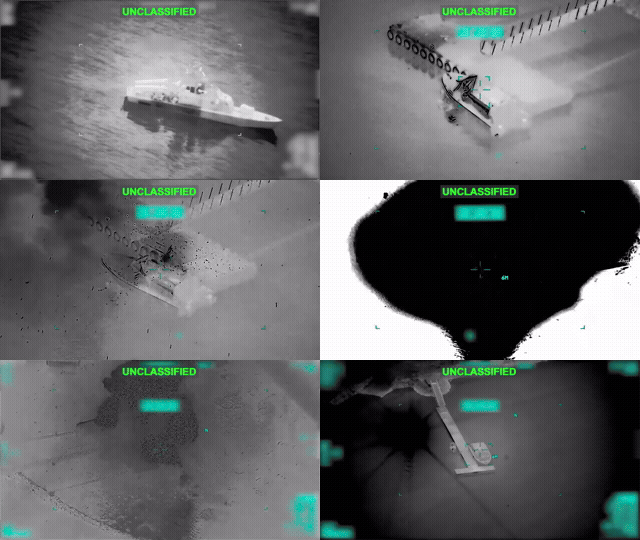
World
MANAMA, Bahrain / WASHINGTON — March 11, 2026 : U.S. Central Command (CENTCOM) announced that American military forces destroyed multiple Iranian naval vessels operating near the Strait of Hormuz on March 10, including 16 vessels identified as minelayers. The action followed U.S. intelligence assessments indicating that Iranian forces had begun preparing to deploy naval mines in the strategically significant waterway, raising concerns about potential disruption to global oil shipments. In an official statement, CENTCOM said the vessels were neutralized in international waters near the entrance to the Strait of Hormuz. The command also released a 34-second video through its official account on the social media platform X showing several vessels being struck by projectiles and exploding after impact. According to the statement, “U.S. forces eliminated multiple Iranian naval vessels, March 10, including 16 minelayers near the Strait of Hormuz.” The command did not disclose which specific U.S. military assets carried out the strikes. Intelligence Reports of Mine Deployment U.S. officials said the operation followed intelligence indicating that Iranian naval units were preparing to lay sea mines in the strait. Sources familiar with the intelligence assessments reported that several dozen mines had already been placed in the waterway in recent days, although the mining effort was described as limited at the time of the strike. Officials stated that the vessels targeted during the operation were associated with mine-laying activity. U.S. Secretary of Defense Pete Hegseth said American forces conducted precision strikes against vessels identified as inactive mine-laying platforms. Despite the reported losses, U.S. officials noted that Iran still retains the majority of its small-boat fleet capable of conducting similar operations. Intelligence estimates indicate that approximately 80 to 90 percent of Iran’s small attack boats and minelayers remain operational, meaning additional mining activity remains possible. Operation Described as Preemptive Measure U.S. officials described the action as a preventive measure aimed at protecting maritime navigation and global energy supply routes. The operation was reportedly authorized by President Donald Trump following intelligence assessments that mining operations in the strait could expand if not disrupted. President Trump addressed the situation in a post on Truth Social, stating that any mines placed in the Strait of Hormuz must be removed immediately. He added that U.S. naval assets stationed in the region are equipped to detect and inspect for naval mines in order to keep the waterway open to commercial shipping. CENTCOM did not provide details regarding the number of Iranian vessels destroyed beyond confirming that 16 were identified as minelayers, nor did the command disclose the current status of mines believed to have been placed in the strait. Strategic Importance of the Strait of Hormuz The Strait of Hormuz is widely regarded as the world’s most important maritime energy chokepoint. At its narrowest point, the waterway is approximately 21 miles (34 kilometers) wide and serves as the primary transit route for oil and liquefied natural gas exports from the Persian Gulf to global markets. Roughly one-fifth of the world’s crude oil supply passes through the strait each day. Oil shipments moving through the waterway originate primarily from major regional producers including Saudi Arabia, Iraq, the United Arab Emirates and Kuwait, with much of the supply destined for markets in Asia, Europe and North America. Analysts estimate that disruption of traffic in the strait could strand nearly 15 million barrels per day of crude oil production and approximately 4.5 million barrels per day of refined petroleum products. Several Gulf producers rely almost entirely on the strait for maritime exports, and in many cases there are limited or no alternative shipping routes. Because of its strategic role in global energy markets, threats to navigation in the strait have historically led to volatility in global oil prices and heightened military activity in the Persian Gulf region. Context of Ongoing Regional Conflict The reported U.S. strikes occur amid the ongoing conflict involving the United States, Israel and Iran that began on February 28. During previous periods of tension in the region, Iran has threatened to close or disrupt the Strait of Hormuz and has used naval mines during the Iran-Iraq War in the 1980s. Western military planners have long considered mining operations one of Iran’s primary asymmetric naval capabilities in the Persian Gulf. Small vessels equipped to deploy mines can operate quickly and in large numbers, potentially complicating efforts to secure maritime shipping lanes. U.S. intelligence agencies and military forces continue monitoring Iranian naval activity in the Persian Gulf and the Gulf of Oman. Officials indicated that the attempted deployment of mines may be part of a broader Iranian strategy aimed at affecting maritime traffic and energy exports moving through the region. Limited Independent Verification As of March 11, Iranian authorities had not publicly confirmed the reported destruction of the vessels or the alleged mine-laying activity. Independent verification of the incident has also been limited, with the video released by CENTCOM remaining the primary publicly available documentation of the strikes. CENTCOM did not provide additional operational details about the engagement or the forces involved. U.S. officials said monitoring and maritime security operations in the region remain ongoing as naval forces continue to assess potential threats to commercial shipping.
Read More → Posted on 2026-03-11 14:34:04
World
WASHINGTON — March 11, 2026 : Iran has begun deploying naval mines in the Strait of Hormuz, according to recent U.S. intelligence assessments cited by officials familiar with the matter. The development comes amid the ongoing regional conflict involving the United States, Israel, and Iran, and raises concerns about potential disruption to one of the world’s most critical maritime energy corridors. Initial Mine Deployment Observed According to two individuals familiar with U.S. intelligence who spoke with CNN, Iranian forces have laid a limited number of naval mines in recent days in waters near the Strait of Hormuz. Intelligence sources indicate that the deployment currently involves only a few dozen mines. Despite the limited scale of the initial placement, analysts assess that Iran retains the capability to expand the operation significantly. U.S. intelligence estimates suggest that Iran possesses an inventory of approximately 5,000 to 6,000 naval mines, including domestically produced models as well as systems originally derived from Russian and Chinese designs. Iran’s mine deployment activities are believed to be conducted primarily by the naval arm of the Islamic Revolutionary Guard Corps (IRGC), which operates alongside Iran’s conventional navy. According to U.S. intelligence assessments, the IRGC still maintains operational control over approximately 80% to 90% of its fleet of small boats and specialized mine-laying vessels. Geography of the Strait and Operational Implications The Strait of Hormuz represents one of the most strategically important maritime chokepoints in the global energy supply network. At its narrowest point, the strait measures roughly 21 miles (34 kilometers) across. However, commercial shipping traffic does not utilize the full width of the waterway. International maritime traffic is concentrated within designated shipping lanes that are approximately two miles wide in each direction. These narrow corridors are used by oil tankers and commercial vessels transiting between the Persian Gulf and the Gulf of Oman. Because of the restricted navigation channels, military analysts assess that the deployment of a relatively small number of naval mines within the shipping corridor could disrupt vessel movement. Estimates suggest that placing several hundred mines within the two-mile-wide shipping lane could significantly affect maritime transit through the strait without requiring Iran to deploy its full mine inventory. Potential Impact on Global Energy Supply The Strait of Hormuz serves as a primary export route for crude oil produced in several Gulf states. Approximately one-fifth of the world’s total crude oil supply passes through the waterway each day, making it a critical component of global energy trade. Even limited mine deployment could have economic effects beyond the immediate military implications. Maritime analysts note that naval mines do not necessarily need to detonate to influence shipping activity. The confirmed presence of mines in a commercial shipping route typically leads to increased insurance premiums for tankers and commercial vessels. Shipping companies may delay or reroute shipments to avoid potential hazards, and insurers may increase war-risk premiums for vessels transiting the area. Such measures can temporarily reduce the volume of oil transported through the strait even if no ships are damaged. U.S. Military Actions in Response In response to intelligence indicating Iranian mine-laying preparations, the United States military has taken steps to counter potential threats in the area. U.S. Central Command (CENTCOM) reported that American forces recently conducted strikes against Iranian vessels operating near the Strait of Hormuz. According to CENTCOM, the strikes destroyed 16 Iranian vessels identified as mine-laying boats. U.S. officials stated that the operation was intended to reduce Iran’s ability to deploy additional mines in the waterway. The strikes are part of broader U.S. military operations taking place during the current regional conflict, which has involved air and naval engagements across several areas of the Middle East. U.S. Government Position U.S. President Donald Trump addressed the intelligence findings publicly and called for the immediate removal of any naval mines placed in the Strait of Hormuz. According to statements from the administration, failure to clear the waterway could result in additional military action by the United States. At the same time, U.S. officials indicated that the removal of mines and the restoration of safe shipping routes would be considered a step toward reducing tensions in the region. Ongoing Monitoring of the Strait U.S. intelligence agencies and military forces continue to monitor maritime activity in and around the Strait of Hormuz. Officials have not released detailed information regarding the exact locations of the mines or whether commercial shipping routes have been formally altered. The situation remains under observation as the broader conflict between the United States, Israel, and Iran enters its second week, with developments in the Strait of Hormuz being closely watched by global energy markets and international maritime operators.
Read More → Posted on 2026-03-11 14:22:51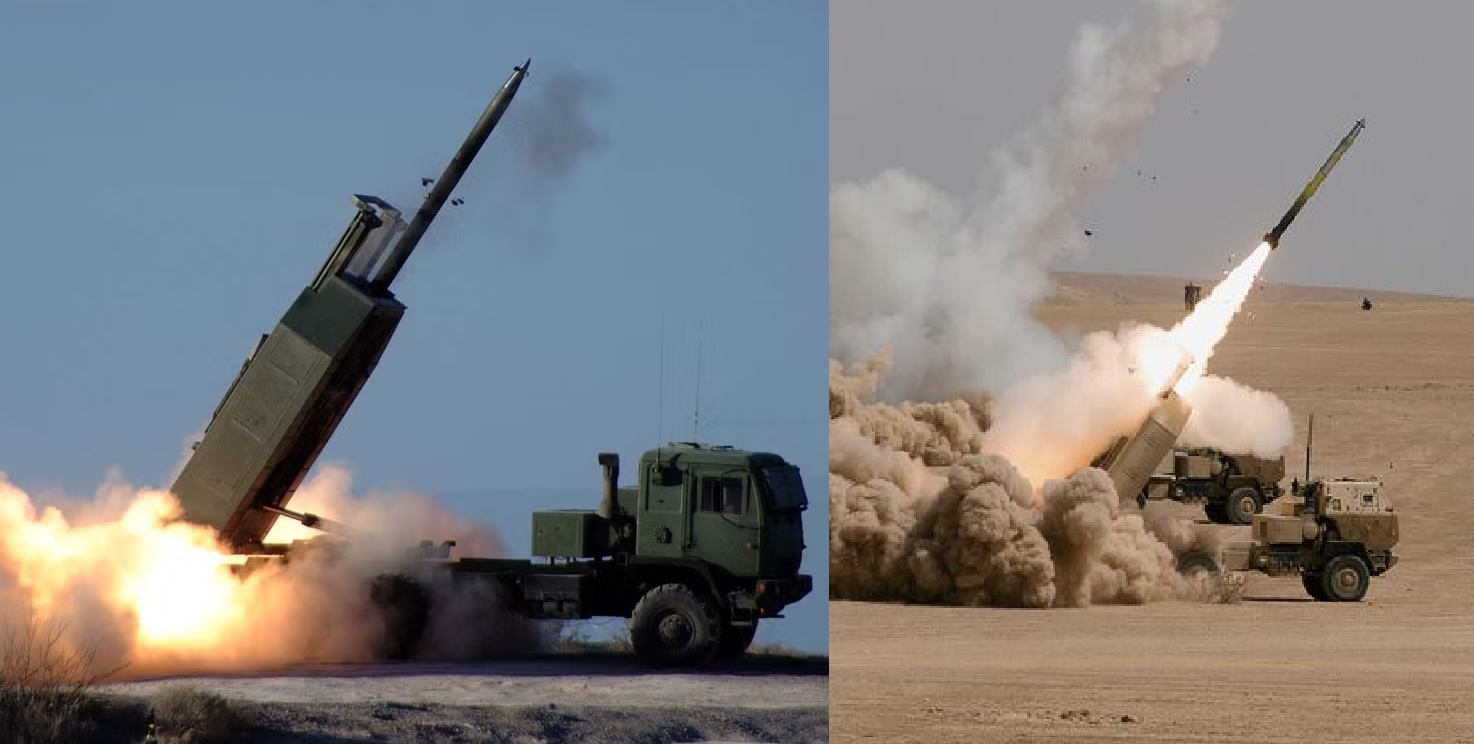
World
WASHINGTON — March 11, 2026 — The U.S. Department of State has approved a potential $930 million Foreign Military Sale (FMS) to the Government of Sweden for M142 High Mobility Artillery Rocket Systems (HIMARS) and associated equipment, according to a notification submitted to the U.S. Congress on March 10. The package is intended to strengthen Sweden’s artillery capabilities and improve operational interoperability with allied forces within NATO. The notification was issued through the Defense Security Cooperation Agency (DSCA), the U.S. agency responsible for administering Foreign Military Sales. Officials stated that the proposed transfer is consistent with U.S. foreign policy and national security objectives and is designed to enhance the defensive capacity of a NATO ally contributing to political stability and economic security in Europe. HIMARS Launchers and Strike Systems The central component of Sweden’s request is the acquisition of 20 M142 High Mobility Artillery Rocket Systems, a truck-mounted precision-strike platform developed by Lockheed Martin. The system is designed for rapid deployment and mobility, enabling forces to conduct precision engagements against targets at medium and extended ranges while maintaining the ability to reposition quickly after launch. To support the launchers, Sweden has requested a range of guided rocket pods and missile systems designed for both mid-range and longer-range strike missions. The munitions package includes: 35 M31A2 Guided Multiple Launch Rocket System (GMLRS) unitary pods, equipped with insensitive munitions propulsion systems. 35 M30A2 GMLRS alternative warhead pods designed for area effects. 35 M403 extended-range GMLRS alternative warhead pods, which provide increased engagement distances. 35 M404 extended-range GMLRS unitary pods, offering longer-range precision strike capability. 20 M57 Army Tactical Missile System (ATACMS) pods, capable of engaging targets at significantly greater ranges than standard rocket munitions. These weapons systems are intended to expand Sweden’s ability to conduct precision fires against strategic targets while supporting combined operations with allied forces. Fire Control and Communication Systems The package also includes 24 International Field Artillery Tactical Data Systems (IFATDS). This automated command-and-control system enables digital fire-control coordination between artillery units and higher command elements, allowing targeting information and firing solutions to be processed and transmitted rapidly across the battlefield network. Secure communications and navigation equipment are also included. Among these are AN/PRC-158 and AN/PRC-160 tactical radios, which provide encrypted communications between units operating in dispersed environments. The sale also includes Defense Advanced GPS Receivers (DAGR) to support accurate navigation and targeting functions. Additional equipment in the package includes simple key loaders for secure communications management and low-cost reduced-range practice rocket pods intended for training and operational familiarization. Logistics, Training, and Technical Support Beyond the primary hardware, the Foreign Military Sale incorporates a comprehensive logistics and support framework intended to ensure operational readiness and integration into Sweden’s existing military structure. The support elements include spare parts, specialized tool kits, testing equipment, and contractor logistics support. The package also provides integration support services, technical publications, and interactive electronic technical manuals to assist Swedish personnel in maintaining and operating the systems. Training programs and associated training equipment are also included. These programs will provide Swedish operators and maintenance personnel with instruction on system operation, maintenance procedures, and tactical employment of the HIMARS platform and its associated munitions. Transportation services, program management support, and additional technical assistance are also part of the proposed agreement. Strategic Context and NATO Integration According to the U.S. government, the proposed sale is intended to improve Sweden’s artillery and mid-range fire capabilities while strengthening operational interoperability with U.S. and allied forces. Standardized equipment such as HIMARS and associated missile systems enables allied militaries to coordinate fire missions more effectively during combined operations. Sweden’s acquisition of the HIMARS platform would represent the first procurement of the system by the Swedish armed forces. Officials indicated that Sweden is expected to encounter no significant difficulties integrating the systems and associated support infrastructure. The principal contractor for the potential sale is Lockheed Martin, headquartered in Grand Prairie, Texas, which manufactures the HIMARS launcher and related missile systems. Under the U.S. Foreign Military Sales process, State Department approval and congressional notification authorize the proposed transaction but do not constitute a finalized contract. Final agreements, delivery timelines, and implementation details will be determined through subsequent negotiations and managed by the Defense Security Cooperation Agency.
Read More → Posted on 2026-03-11 14:11:28
World
MEUDON, France — March 11, 2026 : French defence technology company Thales Group has introduced SkyDefender, a new multi-layer, multi-domain Integrated Air and Missile Defence (IAMD) system designed to provide protection against a wide spectrum of aerial threats across land, sea, and space domains. The company announced that SkyDefender integrates a network of advanced sensors, interceptors, and command systems to detect, track, and neutralize threats ranging from small unmanned aerial vehicles to ballistic and hypersonic missiles. The system is built with an open and modular architecture that allows integration with existing air defence systems and platforms operated by allied forces. According to Thales, the system incorporates advanced cybersecurity protections and artificial intelligence through cortAIx, the company’s AI accelerator. This AI capability supports threat detection, data processing, and decision-support functions while enabling proactive protection against cyber intrusions targeting defence networks. Multi-Layer Defence Structure SkyDefender is structured around three operational layers designed to address threats at different ranges, from close-range drone attacks to long-range missile launches. Short-Range Protection The first defensive layer is based on ForceShield, a system designed to protect deployed forces, critical infrastructure, and sensitive sites against lower-altitude and short-range threats. ForceShield creates a defensive bubble capable of countering threats such as drones, low-flying aircraft, and surface-level aerial threats within short distances. The system integrates sensors, command nodes, and interceptors to provide rapid response against emerging targets. Medium-Range Theatre Defence For theatre-level air defence, SkyDefender integrates the SAMP/T NG (Next Generation) system developed by Eurosam, a joint venture between Thales Group and MBDA. The SAMP/T NG interceptor system offers an engagement range of up to 150 kilometres and is supported by the Ground Fire radar, developed by Thales, which provides 360-degree coverage and a detection range of approximately 350 kilometres. The programme is managed under the supervision of the Organisation Conjointe de Coopération en matière d'Armement (OCCAR), which oversees several European defence procurement initiatives. Long-Range Detection and Early Warning The outer defensive layer focuses on long-range surveillance and early missile warning capabilities. SkyDefender incorporates advanced radar systems including SMART-L MM and UHF long-range radars, both developed by Thales. These sensors can detect and track high-altitude targets, including ballistic missiles and fighter aircraft, at distances of up to 5,000 kilometres. The system also integrates space-based early warning capabilities developed by Thales Alenia Space. Satellites positioned in geostationary orbit carry infrared sensors capable of detecting missile launches shortly after ignition. These sensors provide early detection and estimate the launch location before the projectile enters the coverage area of ground-based radars. When combined with long-range UHF radar networks on the ground, the architecture enables continuous surveillance, early launch detection, and trajectory tracking of long-range missile threats. Command and Control Integration All components of SkyDefender are coordinated through the SkyView command and control (C2) system. SkyView integrates sensor data, threat analysis, and interceptor coordination across the entire defence network. The system includes SkyView Alliance, a capability designed to ensure interoperability with NATO and allied multi-domain defence networks, allowing integration with existing command infrastructures and operational platforms. The open architecture of SkyDefender enables the system to connect with a wide range of sensors and weapon systems from multiple manufacturers, including legacy air defence platforms already in service with many armed forces. Open Architecture and Industrial Cooperation Thales stated that SkyDefender’s modular design allows countries to adopt individual components or full system packages depending on operational requirements. The architecture also enables future upgrades as air and missile threats evolve. Development and deployment of the system remain open to partnerships with other defence manufacturers and industrial players, allowing integration of additional sensors, interceptors, and command systems developed by partner companies. According to the company, SkyDefender is available for global deployment immediately. Company Background Thales Group is a multinational technology company specializing in defence, aerospace, cybersecurity, and digital systems. The group invests approximately €4.5 billion annually in research and development, focusing on fields including artificial intelligence, cybersecurity, quantum technologies, and cloud computing. Thales employs more than 85,000 people in 65 countries and reported €22.1 billion in revenue in 2025, reflecting its role as one of the major defence technology providers in Europe and globally.
Read More → Posted on 2026-03-11 13:47:57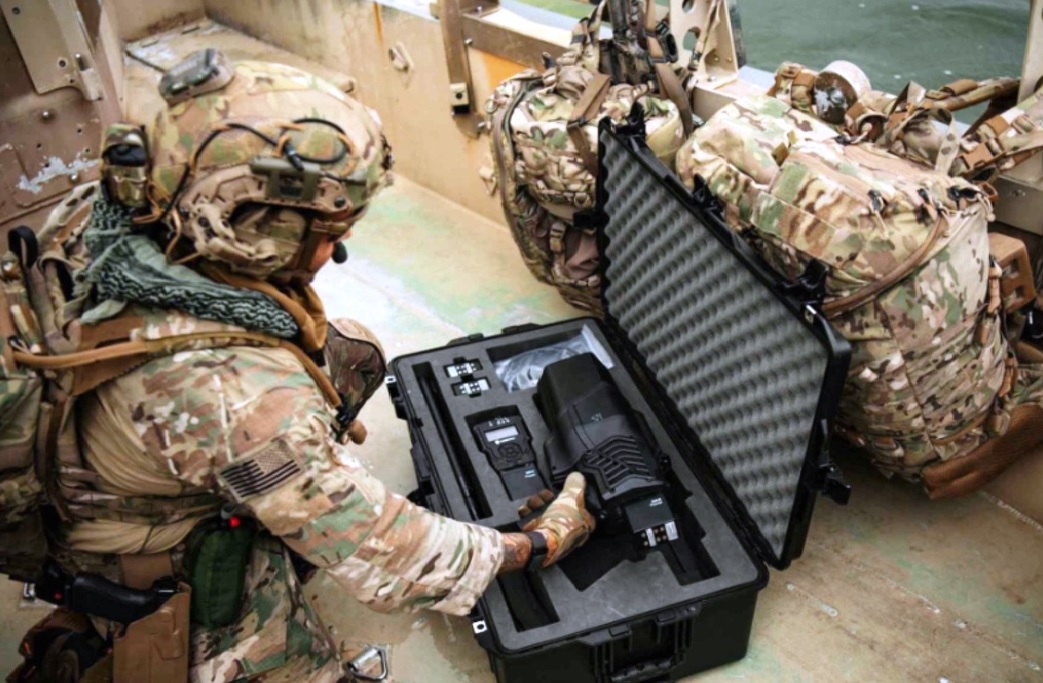
World
SYDNEY — March 11, 2026 : Australian defense technology company DroneShield has established a new manufacturing capability within the European Union dedicated to producing counter-uncrewed aerial systems (C-UAS). The facility represents the company’s first production line located outside Australia and marks a significant expansion of its global manufacturing footprint. The new manufacturing initiative is aimed at supporting growing European demand for counter-drone technologies as regional governments increase investment in air defense and security systems. The production line will focus on assembling and delivering DroneShield’s counter-UAS equipment for military, law-enforcement, and critical infrastructure customers across Europe. European Production Operations DroneShield’s European manufacturing effort is being implemented through collaboration with an experienced regional contract manufacturer. Under the agreement, the partner organization is responsible for complete turnkey production of the systems. Manufacturing activities at the facility include several stages of system development and integration. These processes involve printed circuit board (PCB) assembly, precision machining of mechanical components, cable and wire harness assembly, and final system integration. Completed systems will also undergo comprehensive testing and validation before delivery to customers. According to the company, production of the European-assembled counter-drone systems has already begun. The first locally manufactured units are expected to be delivered to customers beginning in mid-2026. To support the production line, DroneShield is also developing a supply chain primarily composed of European Union-based suppliers. The localized sourcing strategy is intended to strengthen supply chain resilience, reduce logistical delays, and ensure continuity of deliveries for regional customers. Response to European Defense Procurement Trends DroneShield stated that the establishment of an EU manufacturing presence reflects shifting procurement priorities across Europe. Governments across the region have increased defense spending and are emphasizing domestic or regional production capabilities for critical defense technologies. The company specifically cited the influence of the ReArm Europe Plan and the Readiness 2030 initiative, which are designed to strengthen European defense preparedness and industrial capacity. These initiatives promote sovereign defense capabilities, regional industrial participation, and scalable local manufacturing. By establishing a production presence inside the European Union, DroneShield aims to position itself more competitively in defense procurement programs that increasingly require regional industrial participation and secure supply chains. DroneShield Chief Executive Officer Oleg Vornik said the company’s decision reflects the evolving security environment across Europe and the growing focus on counter-drone preparedness. He stated that establishing manufacturing capabilities within the EU allows DroneShield to support European sovereign capability requirements while maintaining reliable delivery timelines for customers. The company expects the facility to support both new system deliveries and future sustainment requirements for European users. Expansion of Global Manufacturing Capacity The European production line forms part of DroneShield’s broader plan to significantly expand its manufacturing output to meet rising global demand for counter-drone systems. According to the company, total annual production capacity across its global operations is projected to increase substantially over the next two years. DroneShield estimates that its combined production capability will grow from approximately $500 million in 2025 to around $2.4 billion by the end of 2026. The expansion reflects accelerating demand for technologies designed to detect, track, and defeat small unmanned aircraft systems. Military forces, law enforcement agencies, and operators of critical infrastructure have increasingly sought counter-UAS solutions to address the threat posed by inexpensive commercial drones and improvised unmanned platforms. Growing European Market Presence DroneShield’s decision to establish manufacturing within the European Union follows a period of operational growth in the region. In 2025, the company secured a $61.6 million contract with a European military customer, representing its largest defense order in the European market to date. The new EU production capability is expected to support fulfillment of existing contracts while positioning the company for additional procurement opportunities as European governments continue to expand counter-drone defenses. DroneShield indicated that localized manufacturing will also support long-term maintenance, upgrades, and logistical support for its expanding European customer base. The facility is expected to serve as a key element in the company’s strategy to strengthen regional industrial partnerships while meeting the growing demand for counter-UAS technologies.
Read More → Posted on 2026-03-11 13:30:09
World
TEHRAN — March 11, 2026 : Iran has introduced a modified variant of its Shahed-101 loitering munition equipped with an electric propulsion system, marking a technical adjustment aimed at reducing the drone’s acoustic signature during flight. The development was identified through analysis of recently circulated imagery was first highlighted on March 10 by Mohammed al-Basha. The Shahed-101 is a compact fixed-wing loitering munition designed for one-way strike missions. The drone is part of Iran’s broader family of expendable unmanned aerial systems and is intended for relatively low-cost precision attacks against a variety of targets. Propulsion Changes and Configuration The most significant modification in the newly observed variant is the propulsion system. Earlier Shahed-series drones, including previous Shahed-101 models, typically used a small gasoline piston engine driving a rear-mounted pusher propeller. In contrast, the new configuration replaces the gasoline engine with an electric motor powered by an internal battery pack. The propulsion layout has also changed from a rear pusher configuration to a nose-mounted tractor propeller that pulls the aircraft forward. This electric propulsion system significantly reduces the drone’s acoustic output during flight. The quieter profile is particularly relevant during the terminal approach phase of a mission, when detection by ground personnel or acoustic sensors is more likely. Lower noise levels may allow the drone to approach targets with reduced warning time. Airframe Design and Materials Aside from the propulsion modification, the drone retains the overall airframe architecture associated with the Shahed-101 platform. The aircraft features a cylindrical fuselage constructed primarily from composite materials and carbon fiber. These materials reduce structural weight and contribute to lower radar reflectivity. The wings are straight and fixed, mounted toward the rear portion of the fuselage, while an X-shaped tail assembly provides directional stability and control, particularly during low-altitude flight. The Shahed-101 measures approximately 1.6 to 2.5 meters in length, with some assessments placing the upper dimension closer to 3.5 meters depending on configuration. The wingspan is generally estimated at around 2.5 to 3 meters. Launch Mechanism and Deployment The drone continues to use a rocket-assisted launch system similar to earlier Shahed models. A small solid-fuel rocket booster is mounted beneath the fuselage to provide the initial acceleration required for takeoff. After launch from a rail, catapult, or mobile launch rack, the booster separates shortly after ignition. Once separation occurs, the onboard electric motor sustains forward flight and guides the drone along a pre-programmed route toward its target. This launch method allows the system to be deployed from dispersed locations with limited logistical infrastructure. Mobile launch racks and simple ground rails can be used to deploy multiple drones in rapid succession. Performance and Technical Specifications Open-source technical assessments place the Shahed-101 within the following capability ranges, depending on payload configuration and flight profile: The drone’s launch weight is estimated between 26 and 45 kilograms, with some analyses suggesting the operational weight typically falls in the 35 to 45 kilogram range when fully configured. The munition carries a warhead weighing approximately 5 to 9 kilograms, most commonly around 8 kilograms. The warhead is cylindrical and designed to produce a combination of shaped-charge penetration and fragmentation effects. In terms of flight performance, the drone can reach maximum speeds between 150 and 200 kilometers per hour, although it generally cruises closer to 120 km/h during most of its flight profile. Operational altitudes can reach up to 3,000 meters. Range estimates vary. Some sources suggest a theoretical maximum range of up to 1,500 kilometers, while operational assessments more commonly place the effective strike range between 600 and 800 kilometers, depending on payload weight and mission parameters. Operational Context The Shahed-101 was first reported to have entered production in Iran around 2024 and has since appeared in multiple operational theaters. Variants of the system have been documented in conflicts and military activities involving Ukraine, Israel, Syria, and Iraq. The drone is typically used for attacks on lightly protected infrastructure, logistical routes, and radar systems positioned behind frontline areas. Its relatively small size and simple construction allow it to be produced in large quantities using commercially available components. Role Within Iran’s Drone Arsenal Within Iran’s expanding unmanned systems portfolio, the Shahed-101 serves as a smaller companion platform to larger loitering munitions such as the Shahed-131, Shahed-136, and the jet-powered Shahed-238. Military analysts generally categorize the Shahed-101 as a platform suited for mid-range strike roles, positioned between small tactical drones and larger long-range one-way attack systems. The relatively low production cost of these drones enables saturation tactics in which multiple units are launched simultaneously. Such attacks can complicate air defense responses by forcing defenders to track and intercept numerous incoming targets. The electric-powered modification does not fundamentally change the drone’s structural design but instead focuses on reducing acoustic detectability while maintaining the platform’s existing operational profile. Analysts note that this adjustment reflects a continuing trend in the incremental evolution of low-cost unmanned strike systems.
Read More → Posted on 2026-03-11 13:20:08
World
WASHINGTON / SEOUL — March 10, 2026 : United States officials confirmed on Tuesday that the U.S. Army has begun relocating components of its Terminal High Altitude Area Defense (THAAD) missile defense system from South Korea to the Middle East as Washington moves to reinforce regional air defense networks amid the ongoing conflict with Iran. According to officials speaking to The Washington Post on March 10, the redeployment involves key elements of the THAAD system currently stationed on the Korean Peninsula. The confirmation follows earlier reports from South Korean government sources indicating that U.S. military planners were evaluating the withdrawal of either interceptor stocks or full operational components of the system. The redeployment forms part of a broader effort by the United States to reinforce missile defense capabilities across the Middle East, where Iranian missile and drone attacks have intensified following the launch of U.S. and Israeli military operations against Iran on February 28, 2026. Patriot Systems Also Prepared for Transfer South Korean government officials confirmed on March 9 that MIM-104 Patriot long-range air defense systems stationed in South Korea have also been prepared for redeployment to the Middle East. Satellite tracking and open-source flight monitoring data show U.S. Air Force C-17 Globemaster III heavy transport aircraft arriving at Osan Air Force Base, one of the primary hubs for U.S. military logistics on the Korean Peninsula. The aircraft are expected to transport Patriot launchers, interceptors, radar components, and support equipment to forward locations in the Middle East. Officials have not publicly disclosed the final destination of the systems, though previous redeployments from South Korea were directed to U.S. facilities in the Gulf region. Previous Redeployments in 2025 The current movement follows earlier U.S. air defense redeployments carried out between March and October 2025, when the U.S. Army transferred two Patriot batteries and approximately 500 personnel from South Korea to reinforce defenses at Al Udeid Air Base in Qatar, the largest U.S. military installation in the Middle East. Those Patriot systems were later used during Iranian missile strikes against the base on June 23, 2025. While U.S. officials initially reported high interception rates, later assessments suggested the performance of the defenses was lower than initially claimed. Losses of Air Defense Assets in the Middle East Western analysts say the current redeployment reflects the scale of Iranian missile and drone operations in the region. Unconfirmed Western reports indicate that U.S. planners began transferring interceptor stocks from South Korea even before the February 28 start of U.S. and Israeli strikes on Iranian targets. The objective was to replenish missile defense inventories across Middle Eastern bases where interceptors were being consumed at a high rate. In addition to interceptor shortages, several high-value radar systems have reportedly been damaged or destroyed during the current hostilities. Satellite imagery published in early March showed damage to a THAAD AN/TPY-2 radar deployed at Muwaffaq Salti Air Base in Jordan, reportedly struck during Iranian missile attacks in the opening phase of the conflict. Another radar associated with regional deployments in the United Arab Emirates has also reportedly been lost. Each AN/TPY-2 radar system is estimated to cost several hundred million dollars and represents a critical component of the THAAD architecture, providing long-range missile detection and tracking. Strategic Importance of THAAD Deployment in South Korea South Korea currently hosts the only permanent overseas deployment of U.S. Army THAAD systems, installed in Seongju, North Gyeongsang Province, in 2016. Beyond its role in defending against North Korean ballistic missiles, the system’s AN/TPY-2 radar provides long-range detection capabilities that can monitor missile activity deep inside mainland China. The radar is believed to be capable of tracking ballistic missiles at distances approaching 3,000 kilometers. South Korean defense analyst and retired navy captain Yoon Sukjoon previously described the deployment as an important element of U.S. strategic monitoring capabilities in East Asia, allowing early tracking of missile launches across the region. The potential removal of radar or interceptor components from the Korean Peninsula has therefore raised questions about regional surveillance coverage and missile defense readiness. South Korean Government Response South Korean President Lee Jae-myung addressed the issue on March 10, acknowledging that Seoul has raised concerns with Washington over the redeployment of missile defense assets. Lee stated that the South Korean government opposes reductions in local air defense coverage but emphasized that decisions regarding U.S. military equipment ultimately remain under U.S. operational control. South Korean Foreign Minister Cho Hyun confirmed that consultations are ongoing between the U.S. military and South Korean authorities regarding the Patriot redeployments but declined to provide further operational details. Lee also stated that South Korea’s deterrence posture against North Korea remains intact despite the redeployment discussions. Interceptor Inventory Constraints The redeployment is also linked to growing pressure on the U.S. Army’s stockpile of THAAD interceptor missiles. Defense analysts estimate that the U.S. military began 2025 with approximately 600 THAAD interceptors in its inventory. During the June 13–25, 2025 conflict with Iran, more than 150 interceptors were launched while defending Israeli territory, despite only a single THAAD system being deployed at that time. With two THAAD systems currently operating in the Middle East — one in Israel and another in Jordan — and Iranian missile strike volumes increasing since late February 2026, analysts estimate that the remaining U.S. inventory may have fallen to around 200 interceptors or fewer. This depletion has created pressure on U.S. planners to shift interceptor stocks from other operational theaters to maintain defenses at Middle Eastern bases. Production and Replenishment Challenges Rebuilding interceptor inventories could take considerable time. Current production rates for THAAD interceptors are relatively limited, and analysts estimate that replenishing wartime expenditure levels could require 18 months or longer, depending on industrial capacity and defense procurement funding. The ongoing conflict has therefore highlighted broader challenges within the U.S. defense industrial base regarding the ability to sustain high-intensity missile defense operations across multiple theaters simultaneously. Strategic Trade-Offs Across Regions The redeployment of THAAD and Patriot systems from South Korea illustrates the interconnected nature of U.S. military commitments worldwide. While the Korean Peninsula remains a critical security priority due to North Korea’s missile and nuclear programs, the immediate demand for missile defense systems in the Middle East has forced U.S. planners to redistribute limited resources. U.S. Forces Korea has declined to comment on specific details regarding the transfers or their timeline, citing operational security considerations. As the conflict with Iran continues, the shifting deployment of missile defense assets may influence both Middle Eastern air defense capacity and the broader strategic balance in Northeast Asia.
Read More → Posted on 2026-03-10 18:07:41
World
World — March 10, 2026 : Recent conflicts in the Middle East and South Asia have provided analysts with rare operational data to evaluate the performance of two of the world’s most advanced air-defense systems: the Russian-developed S-400 Triumf and the United States’ Terminal High Altitude Area Defense (THAAD). Military engagements including Iran’s missile and drone strikes against U.S.-allied facilities in early March 2026 and India’s Operation Sindoor during the May 2025 India-Pakistan confrontation have allowed defense experts to compare the operational behavior of the two systems in real combat environments. While both systems represent different strategic doctrines—THAAD focused primarily on high-altitude ballistic missile interception and the S-400 designed as a multi-layered air defense network—their performance during these conflicts has highlighted differences in versatility, radar survivability, and response to complex saturation attacks. Performance Against Saturation Attacks Saturation attacks involve launching large numbers of missiles, drones, and other aerial threats simultaneously to overwhelm a defender’s tracking systems and interceptor inventory. During Iranian retaliatory strikes in early March 2026, several facilities linked to U.S. missile defense infrastructure in the Middle East were targeted. Among the most significant incidents was damage reported to AN/TPY-2 X-band radars, which are essential sensor components supporting THAAD operations. Satellite imagery analyzed by multiple international media outlets showed that radar installations at Muwaffaq Salti Air Base in Jordan and a site near Al-Ruwais in the United Arab Emirates were struck during Iranian missile and drone attacks. These radars are valued at hundreds of millions of dollars and serve as the primary detection and fire-control sensor for THAAD batteries. Defense analysts noted that the concentration of drones, cruise missiles, and ballistic projectiles in the Iranian strike package created a complex engagement environment. When the radar nodes were damaged, the local THAAD coverage was significantly degraded because the interceptor system relies heavily on the AN/TPY-2 for target tracking and engagement guidance. In contrast, India’s S-400 Triumf system was employed during Operation Sindoor, launched by India on May 7, 2025, following a terrorist attack in Pahalgam in Jammu and Kashmir. During the confrontation with Pakistan, Indian forces faced coordinated drone swarms, loitering munitions, and missile launches. According to operational assessments cited by Indian defense analysts, the S-400 system engaged large numbers of incoming threats simultaneously. The architecture of the system allows engagement of up to 80 targets at once, using multiple interceptor types. Long-range 40N6 missiles were used for distant targets, while 9M96 series missiles were employed against maneuvering aerial threats such as drones or cruise missiles. Radar Systems and Detection Capabilities The effectiveness of long-range air defense systems depends heavily on their sensor networks. THAAD primarily relies on the AN/TPY-2 radar, an advanced X-band radar capable of detecting ballistic missile launches at ranges exceeding 1,000 kilometers. The radar provides extremely precise tracking data, enabling THAAD interceptors to perform hit-to-kill engagements against ballistic missiles in the terminal phase of flight. However, the reliance on a single high-value radar unit introduces a vulnerability. If the radar is destroyed or disabled, the battery’s interception capability is significantly reduced. Analysts noted that the loss of radar coverage during the March 2026 strikes demonstrated the operational risk of concentrating sensor functionality in one node. The S-400 system uses a distributed radar network that includes several mobile sensors. The 91N6E “Big Bird” long-range surveillance radar provides detection ranges of up to 600 kilometers, while the 92N6E engagement radar supports missile guidance and target illumination. Additional supporting radars allow tracking of low-observable aircraft, cruise missiles, and drones. The use of multiple radar systems provides redundancy, reducing the likelihood that a single strike could disable the entire battery. During Operation Sindoor, these radars enabled Indian air-defense operators to track and engage numerous aerial threats simultaneously without reported loss of sensor capability. Mobility and Survivability Mobility has become a key factor in modern air defense operations, particularly as satellite imagery and long-range precision weapons make fixed military positions easier to identify. THAAD components—including launchers, radar units, and fire-control centers—are transportable, but once deployed they typically remain in semi-static positions to defend strategic infrastructure such as air bases, ports, and population centers. During the March 2026 Middle East attacks, these fixed deployments reportedly allowed Iranian forces to identify radar positions through reconnaissance and target them with missile strikes. The S-400 system was designed with higher tactical mobility. Launch vehicles, radar units, and command systems are mounted on mobile transporter vehicles capable of rapid redeployment. Military doctrine surrounding the system emphasizes “shoot-and-scoot” operations, where units can relocate after engagements to avoid counter-battery strikes. Indian defense officials stated that S-400 batteries involved in Operation Sindoor were able to redeploy within approximately five to ten minutes, helping them maintain operational capability during the conflict. Interception Range and Engagement Records THAAD interceptors are optimized specifically for ballistic missile defense. They intercept targets during the terminal phase of flight at altitudes ranging from 40 to 150 kilometers, using kinetic energy rather than explosive warheads. The intercept range of a THAAD battery is typically between 150 and 200 kilometers, depending on the trajectory of the incoming missile. The S-400 offers a broader engagement envelope across multiple threat types. Its interceptor inventory includes: 40N6 missile — maximum range of approximately 400 km against aircraft and high-value airborne targets 48N6DM missile — range of about 250 km 9M96E and 9M96E2 missiles — designed for shorter-range engagements against maneuvering targets such as drones or cruise missiles Although the S-400’s ballistic missile interception altitude is lower than THAAD’s maximum exo-atmospheric capability, it provides extensive coverage against aircraft and cruise missiles. During Operation Sindoor in August 2025, Indian Air Force leadership confirmed that an S-400 battery achieved an engagement at approximately 314–315 kilometers, destroying a Pakistani Saab 2000 Erieye airborne early warning and control aircraft. The engagement was conducted using the 40N6 interceptor and is considered the longest recorded surface-to-air kill involving an airborne target. Indian military sources also reported that the system was involved in the destruction of multiple Pakistani fighter aircraft during the conflict. Strategic Integration Another major difference between the two systems lies in how they are integrated into broader air defense networks. THAAD is primarily designed to integrate into the U.S. ballistic missile defense architecture, working alongside systems such as Patriot, Aegis Ballistic Missile Defense, and early warning satellites. Its primary mission is protecting high-value assets from ballistic missile attacks rather than managing diverse aerial threats simultaneously. The S-400 operates as part of a broader layered air defense network in India. It is integrated with the country’s Integrated Air Command and Control System (IACCS), allowing data sharing between multiple sensor and interceptor platforms. This network includes indigenous Akash surface-to-air missiles, MRSAM (Medium Range Surface-to-Air Missile) systems developed with Israel, and other radar platforms. The integration creates a layered defensive architecture capable of addressing drones, cruise missiles, aircraft, and ballistic threats. Indian Air Force Chief Air Chief Marshal Amar Preet Singh described the S-400 system as a “game-changer” during Operation Sindoor, stating that it significantly restricted Pakistani aircraft operations and enhanced interception effectiveness across the defense network. Procurement and Deployment India signed a $5.43 billion agreement with Russia in 2018 for five S-400 regiments, each consisting of multiple launch batteries, radar units, and command systems. The system has been inducted into Indian service under the name “Sudarshan Chakra.” The THAAD system, produced by the United States, is deployed by the U.S. military and several allied nations. Individual THAAD batteries—including radar, interceptors, and launch systems—are estimated to cost approximately $500 million, with interceptors themselves costing several million dollars each. Comparative Assessment Defense analysts reviewing operational data from the 2025 and 2026 conflicts note that the two systems are designed for different missions. THAAD remains one of the most advanced systems for high-altitude ballistic missile interception, particularly in defending strategic assets against long-range missile threats. The S-400, by contrast, is structured as a multi-role air defense system, capable of engaging a wide spectrum of aerial threats while maintaining radar redundancy and mobility. Operational experiences from the Middle East strikes and Operation Sindoor have therefore provided analysts with practical insights into how specialized ballistic missile defense systems and multi-layered air defense networks perform under real combat conditions.
Read More → Posted on 2026-03-10 17:50:19Search
Top Trending in 24 Hours
-
 President Trump Pauses Plans to Expand U.S. Strikes on Iran Amid Concerns Over Air Defense Missile Stocks
-
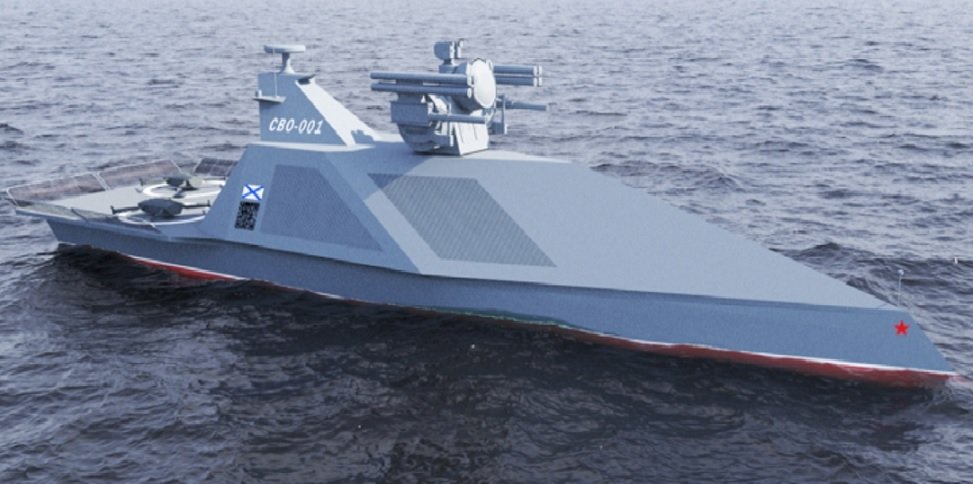 Russia Builds 500-Ton Unmanned Warship For Anti-Submarine Warfare, Plans New 9,500-Ton Warship, Navy Chief Says
-
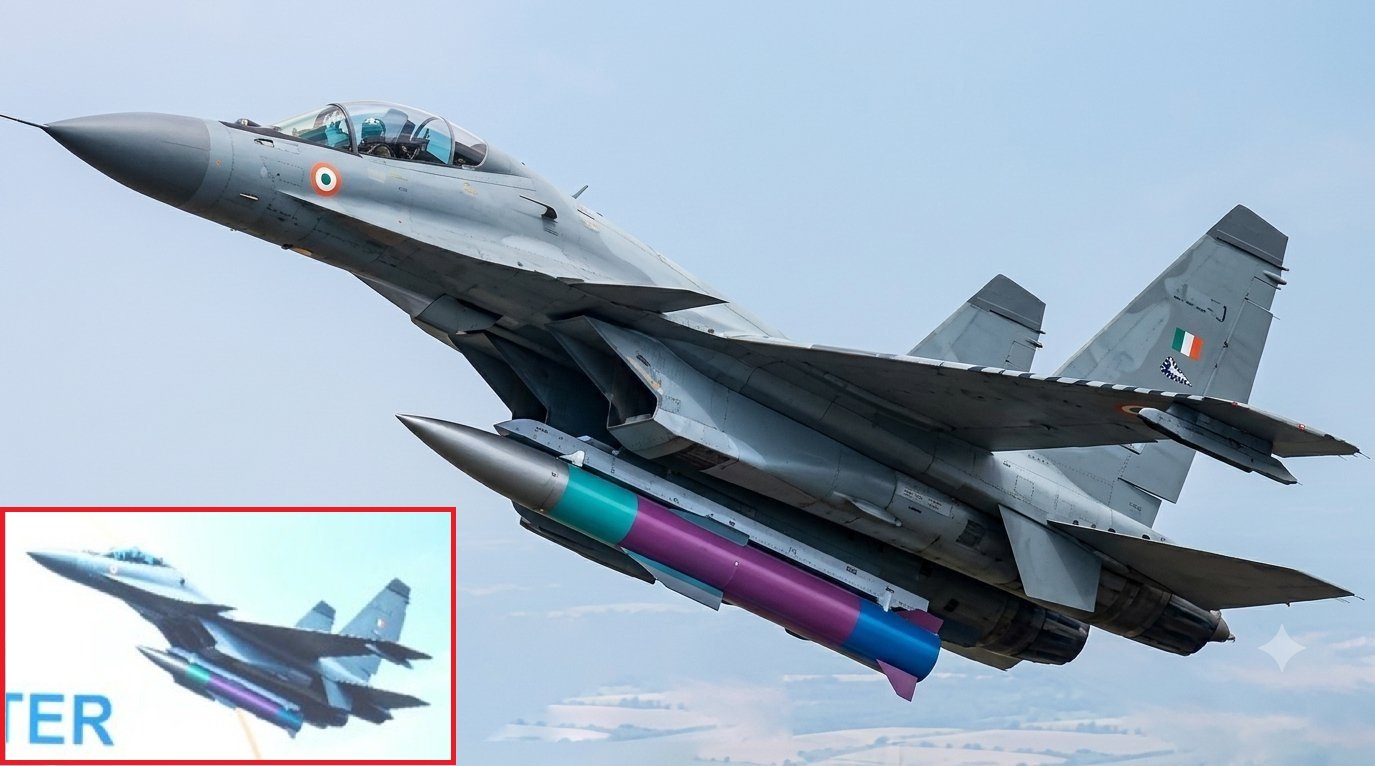 DRDO Developing Long-Range Air-Launched Ballistic Missile for Su-30MKI, Rudram-4 Seen as Likely Candidate
-
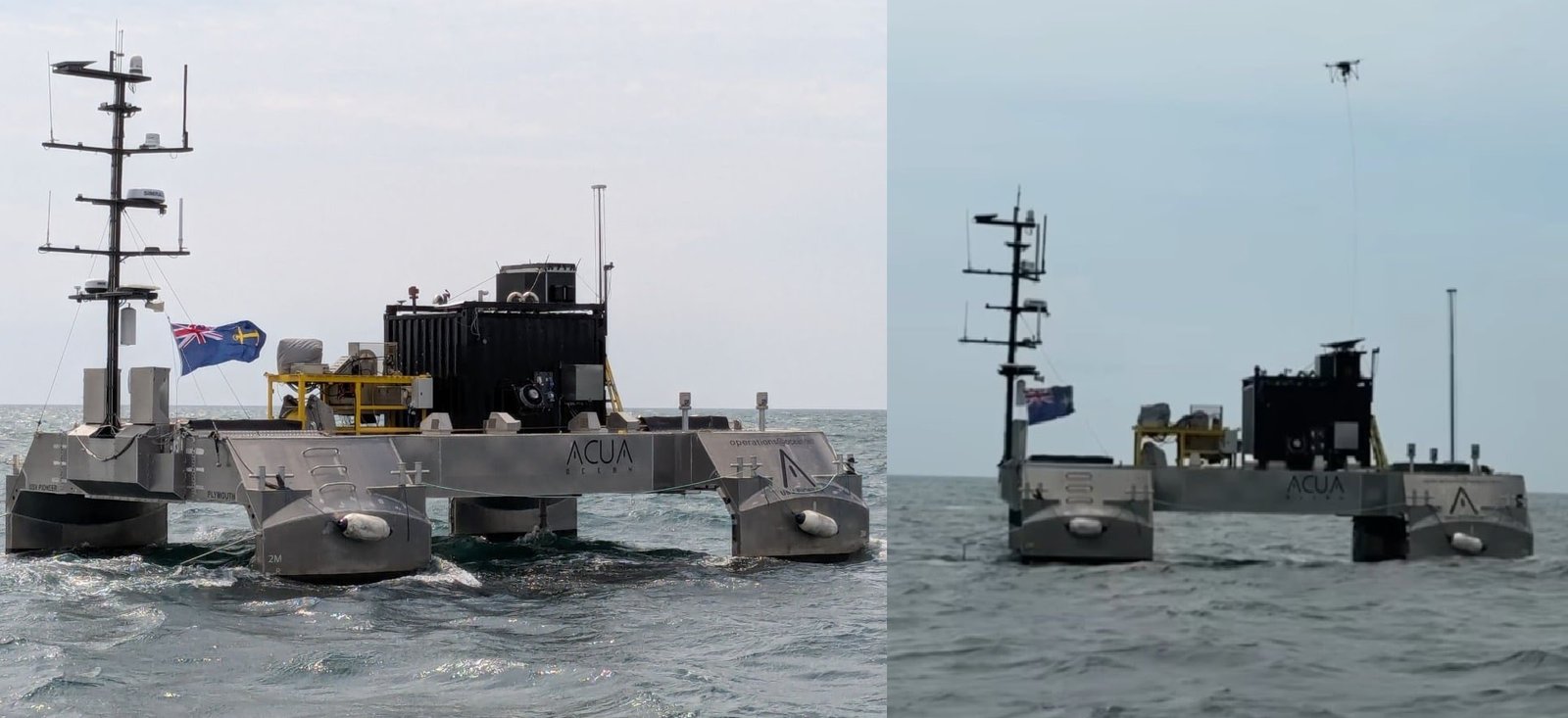 ACUA Ocean, Teledyne FLIR Demonstrate Autonomous Drone Launch and Recovery From Uncrewed Vessel for UK Royal Navy
-
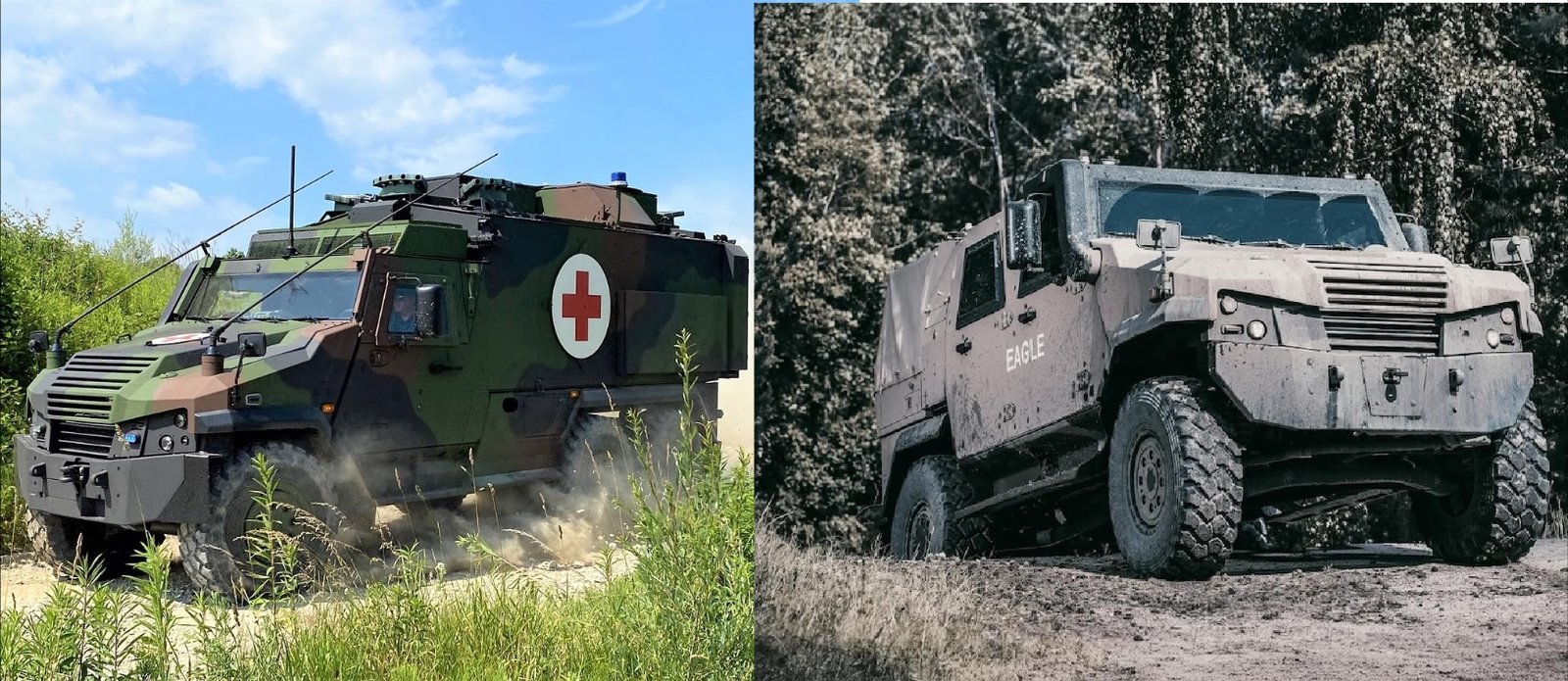 Allison Transmission to Supply Automatic Transmissions for Nearly 3,000 German EAGLE V Armored Vehicles Ordered by Germany
-
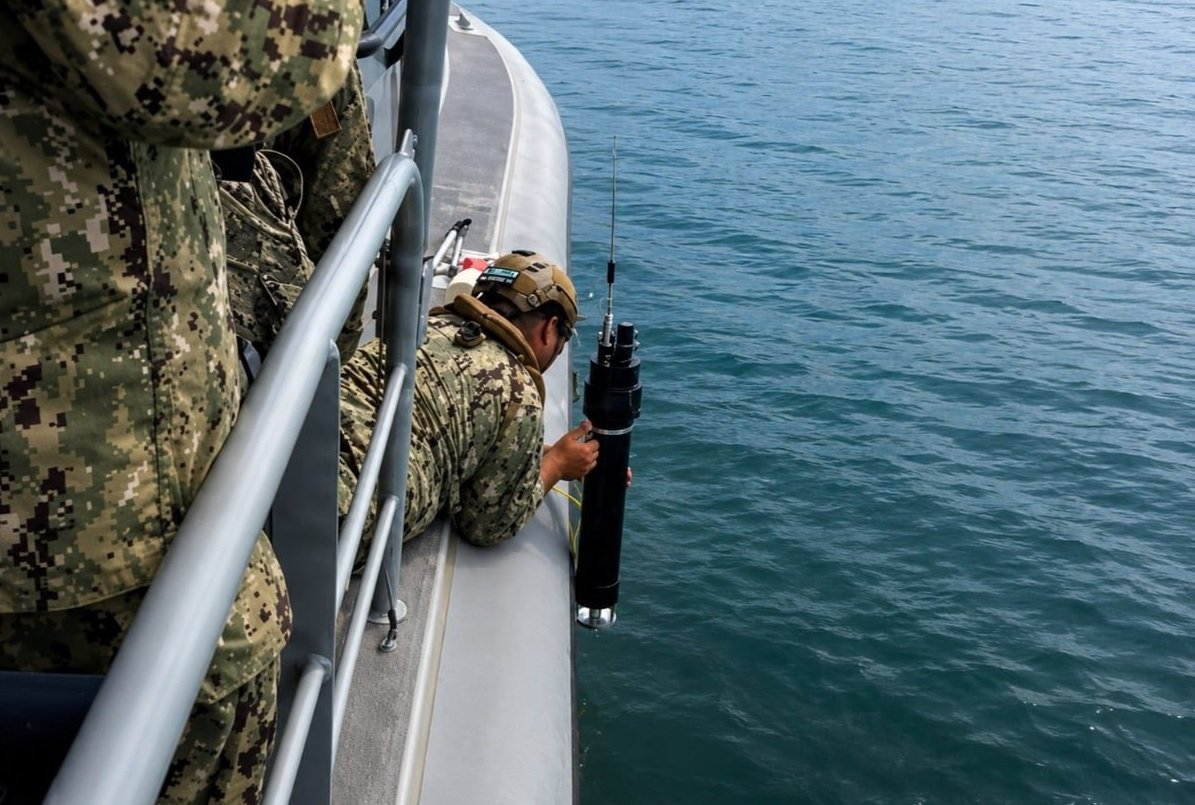 U.S. Army, Navy and Space Force Successfully Test Maritime Version of ‘Hammer of the Gods’ EW System During Project Convergence 2026
-
 North Korea Preparing Largest Military Deployment Abroad With 30,000 Troops for Russia, Zelensky Says
-
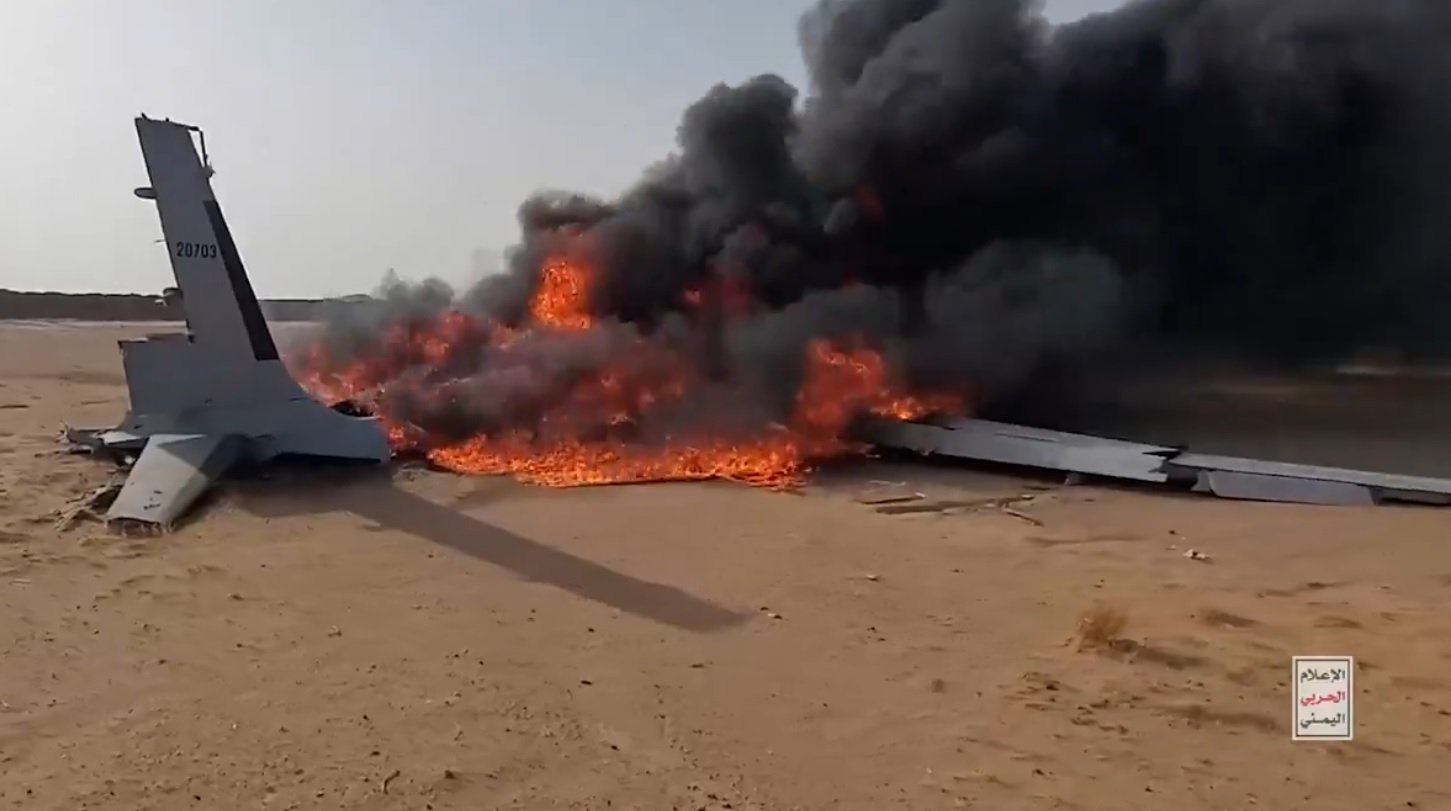 Houthis Claim to Have Shot Down Saudi-Operated Bayraktar Akıncı Drone Over Northern Yemen, Release Video of Crash
Top Trending in 4 Days
-
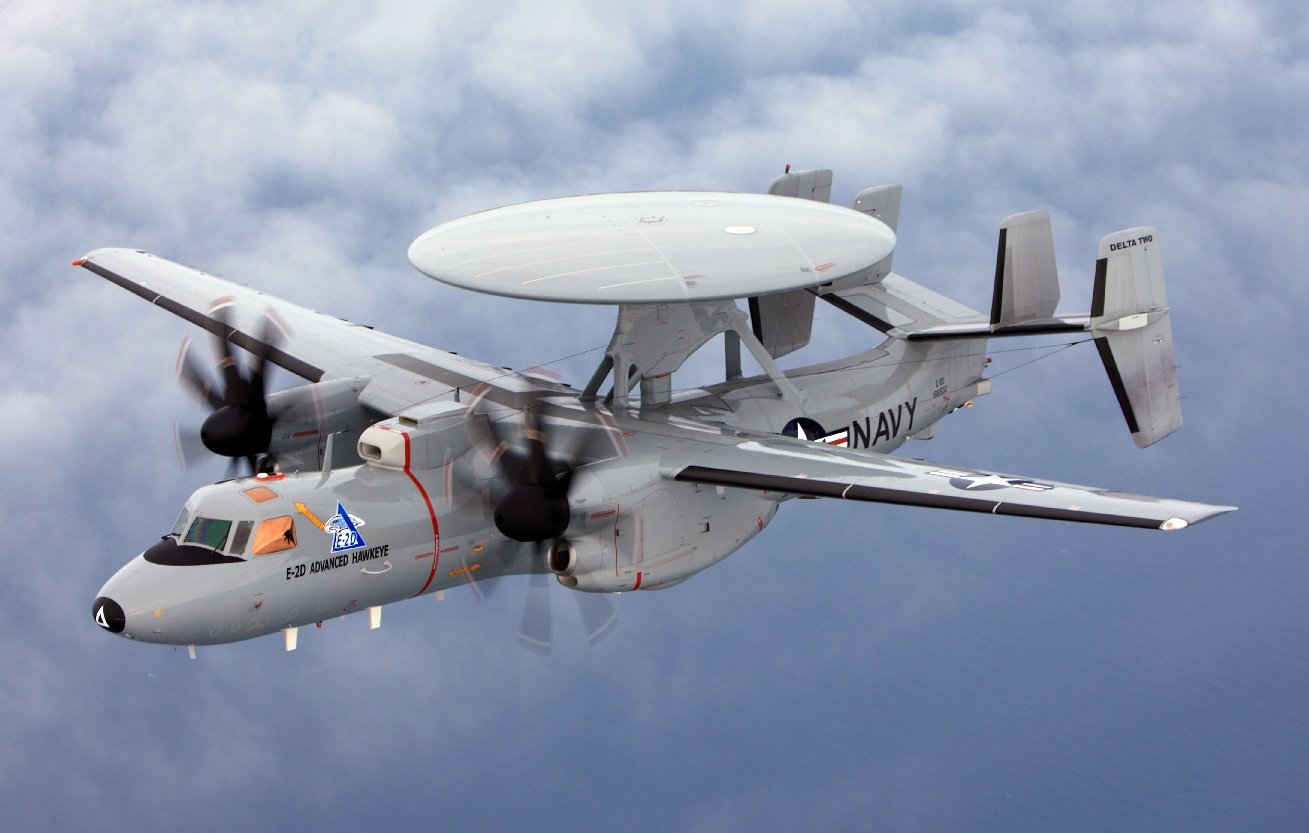 U.S. Navy Awards Northrop Grumman $1.2 Billion Deal for Three New E-2D Advanced Hawkeyes
-
 U.S. Airstrikes Target IRGC Missile Base Near Taft as Overnight Strikes Hit Central Iran
-
 Kuwait and Bahrain Reportedly Launch First Joint Direct Airstrikes on Iran Since War Began : Report
-
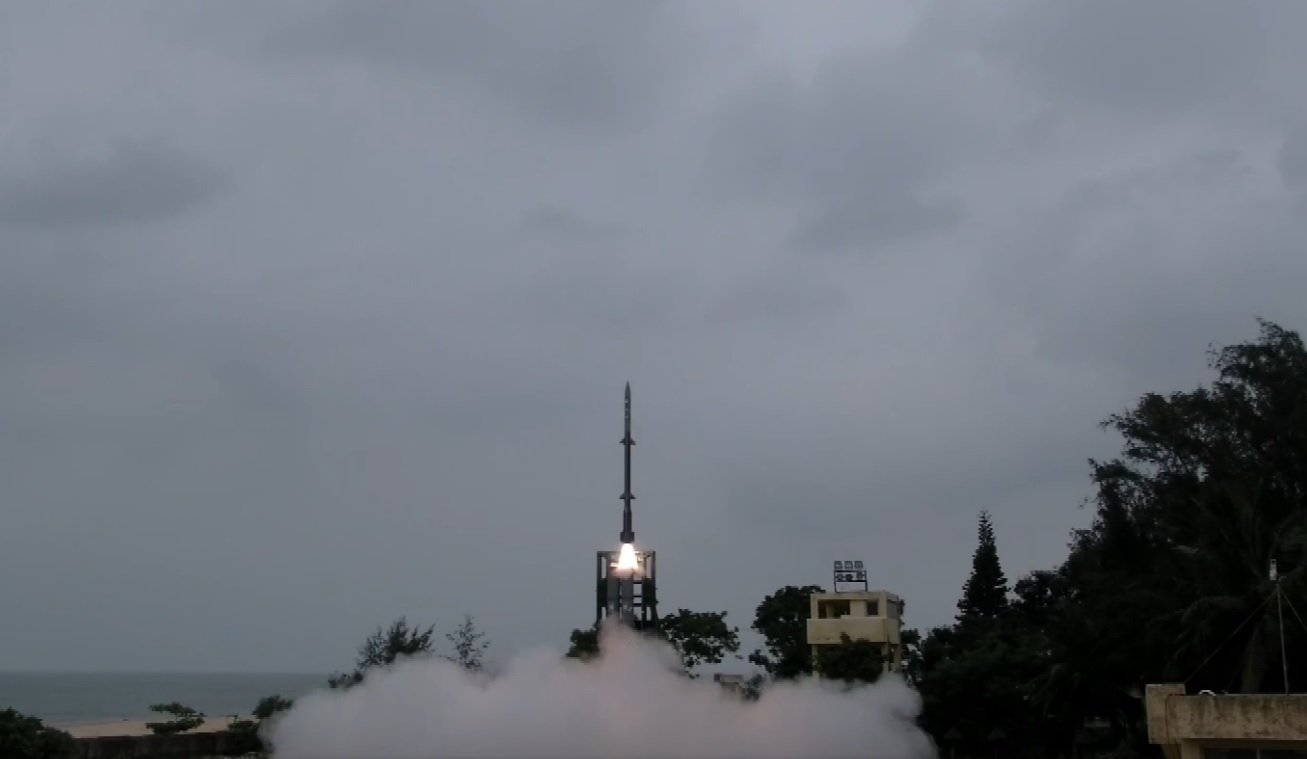 DRDO Successfully Conducts Maiden Flight Test of 150-km-Range Kusha M1 Air Defence Missile
-
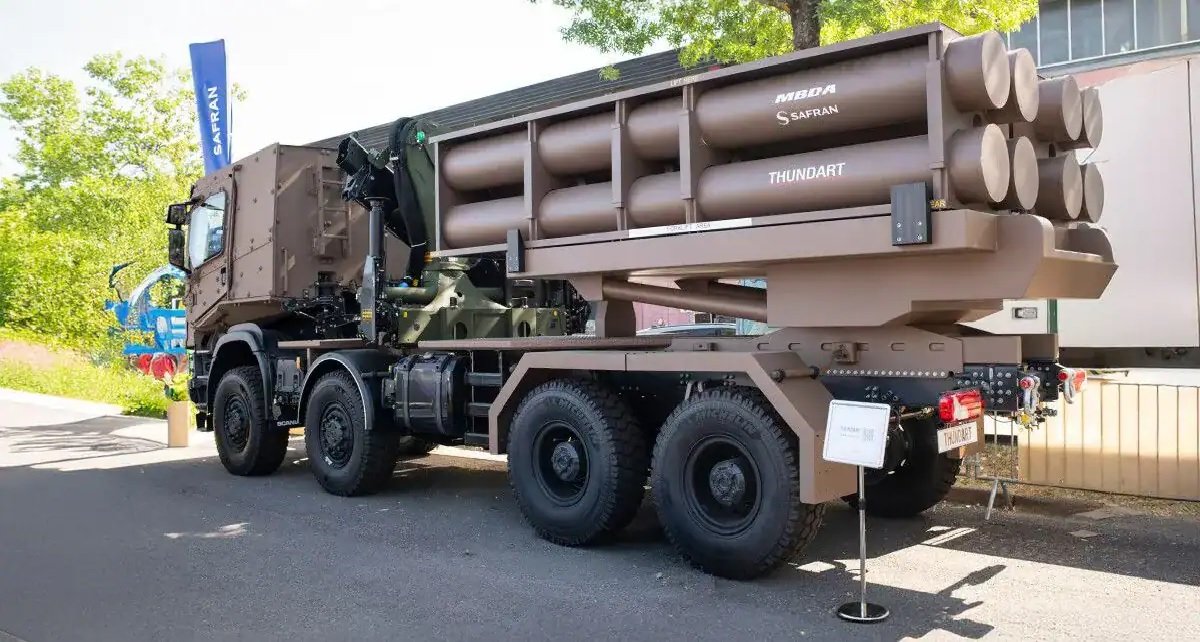 France's THUNDART Long-Range Rocket System May Undergo Prototype Combat Testing in Ukraine
-
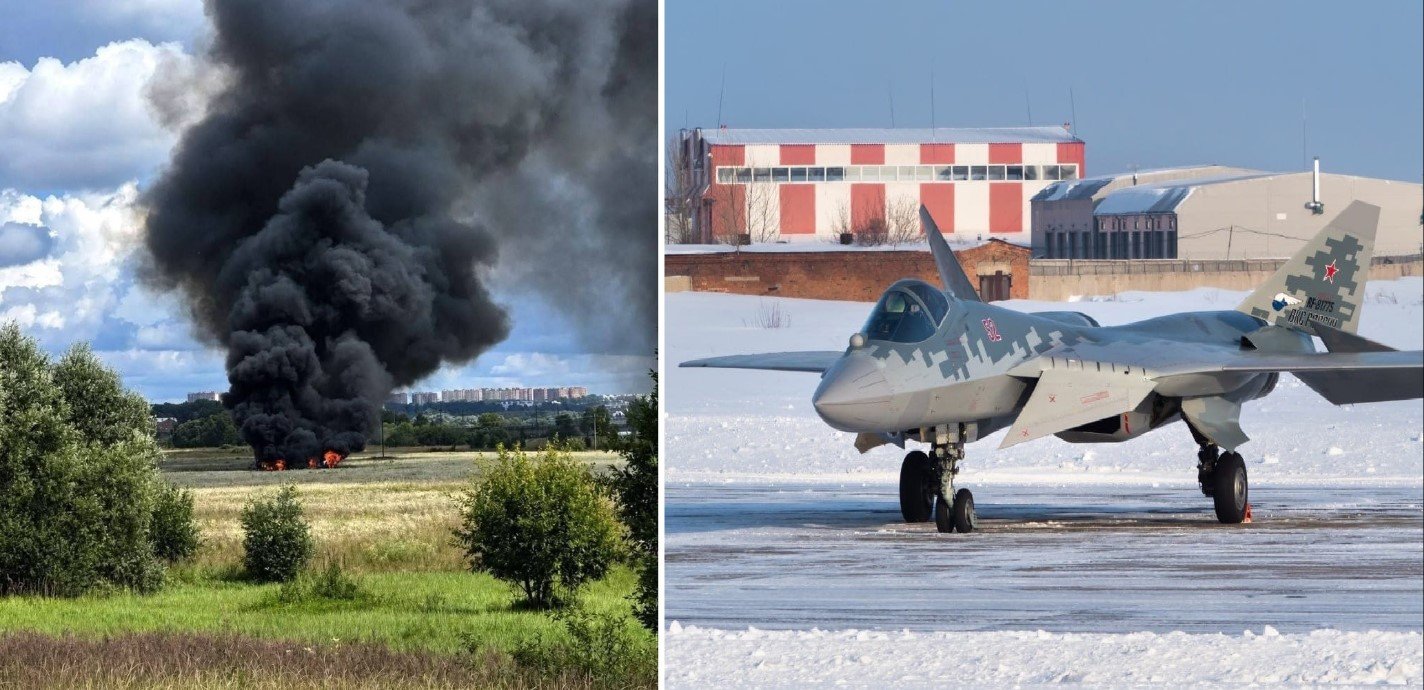 Russian Su-57 Stealth Fighter Crashes During Training Flight Near Moscow, Pilot Ejects Safely
-
 U.S. Department of War Awards Oracle Up to $6.99 Billion Enterprise Software Deal
-
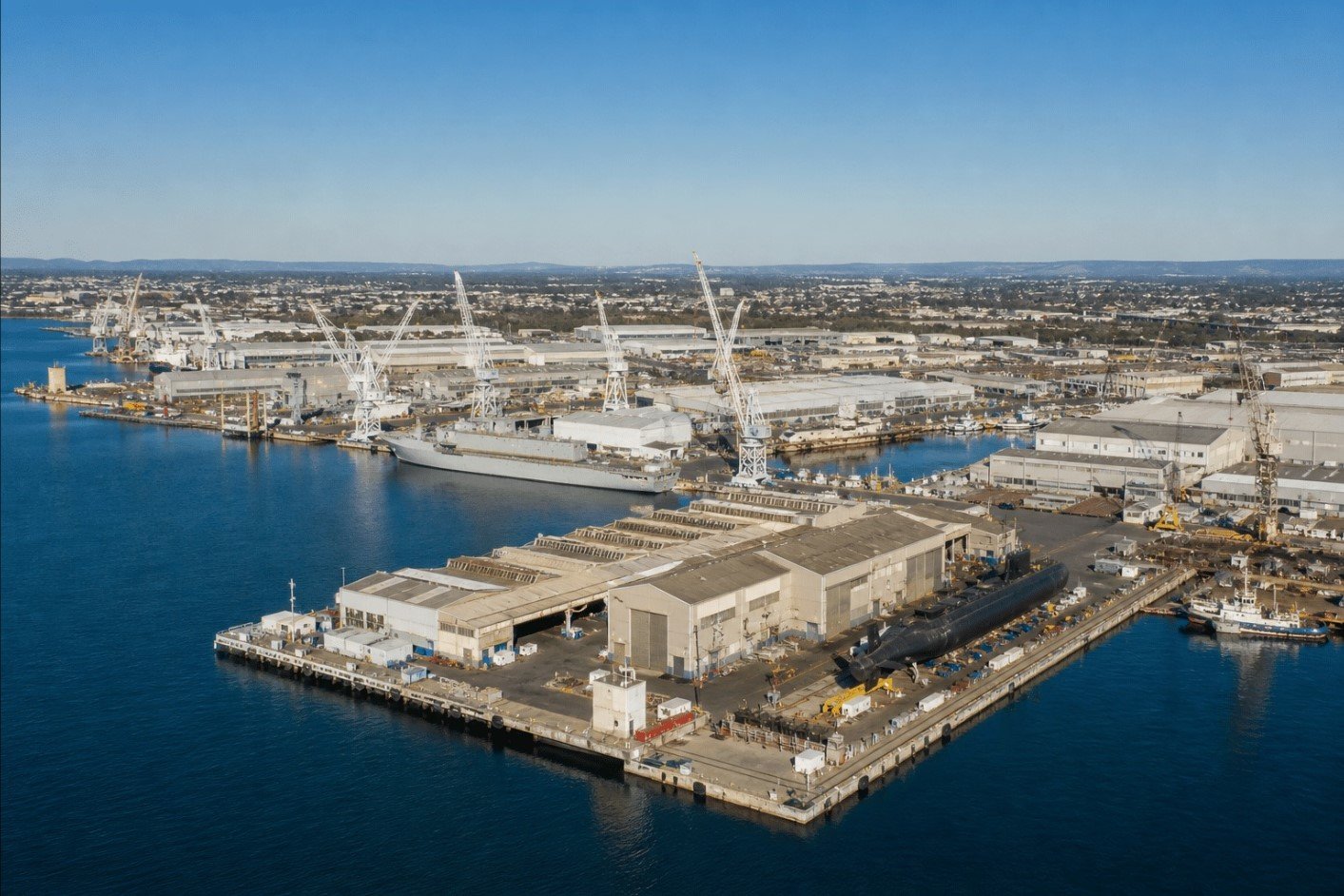 Australia Commits Additional AUD 4.6 Billion to Expand Osborne Shipyard for AUKUS Submarines