
World
KYIV — March 18, 2026 : Ukrainian defense technology company ROBONEERS has introduced a new remotely controlled combat module, designated the SHABLYA K-2, designed to provide close-range fire support for infantry units operating in complex battlefield environments. The system represents the latest development in the company’s SHABLYA series of remote weapon stations and is currently undergoing the codification process required for formal induction into Ukraine’s Defense Forces. System Design and Role The SHABLYA K-2 is engineered as a compact, remotely operated combat module optimized for integration on unmanned ground vehicles (UGVs) and stationary defensive positions. Its primary role is to enhance infantry capabilities during close-quarters engagements by delivering consistent and controlled suppressive fire. The module introduces a twin-weapon configuration built around two 5.45 mm Kalashnikov AK-74 assault rifles. This dual-gun arrangement is intended to increase fire density at short distances, improving the system’s effectiveness in target suppression scenarios. Available imagery indicates that each rifle is fed using standard 30-round magazines, ensuring compatibility with widely available ammunition supplies. Fire Control and Operational Flexibility The SHABLYA K-2 incorporates a remote control architecture that allows operators to adjust firing modes based on tactical requirements. The system supports three selectable configurations: Independent firing from the left rifle Independent firing from the right rifle Simultaneous firing from both rifles This flexibility enables operators to manage ammunition consumption while maintaining the desired level of firepower during engagements. Optics and Targeting Systems To support target acquisition and situational awareness, the module is equipped with a three-channel optical suite. The system includes: A wide-angle daytime camera, which provides general battlefield awareness and terrain observation.A narrow-angle daytime camera, designed for precise aiming and engagement of targets.A thermal imaging device, enabling operations during nighttime or in low-visibility conditions such as smoke, fog, or adverse weather. This combination allows continuous operation across varying environmental conditions and improves the operator’s ability to identify and track targets in real time. Power Architecture and Platform Integration ROBONEERS designed the SHABLYA K-2 with a flexible power and integration framework to support deployment across multiple platforms. The module can operate using power supplied directly from a host ground robotic system or from an external battery source within a voltage range of 20 to 60 volts. In addition to its primary power input, the system includes a built-in backup power source to maintain operational continuity in case of disruptions. The module is also compatible with unified digital networks used by ground platforms, allowing stable communication with control units and enabling real-time transmission of operational data. Development Lineage and Compatibility The SHABLYA K-2 is a new modification within the broader SHABLYA family of remotely controlled turrets developed by ROBONEERS. Earlier variants in the series have been configured to support heavier weapon systems, including machine guns and automatic grenade launchers. Recent updates to the SHABLYA platform have expanded compatibility with domestically produced Ukrainian weapon systems, including the AGL-53 automatic grenade launcher and the MG-50 QCB machine gun. The K-2 variant reflects a shift toward lighter, more compact configurations tailored for close-range infantry support and robotic deployment. Industrial Cooperation and Partnerships The introduction of the SHABLYA K-2 follows a series of international cooperation agreements aimed at expanding ROBONEERS’ technological and industrial capabilities. In late February 2026, the company signed a memorandum of cooperation with Latvian underwater technology manufacturer SUBmerge Baltic and defense-focused firm Baltic Forces. The agreement outlines collaboration in integrating ROBONEERS’ engineering solutions with specialized underwater and maritime systems. The partnership is focused on joint research and development initiatives and potential future projects in the maritime domain. No transfer of technology is included under the terms of the memorandum. In parallel, ROBONEERS also signed a separate cooperation agreement with Latvian company NATRIX, which develops unmanned ground vehicles used in logistics and reconnaissance roles. Broader Capabilities ROBONEERS continues to develop a range of robotic and combat support systems, including unmanned ground platforms designed for reconnaissance, assault operations, logistics support, and casualty evacuation. The SHABLYA K-2 expands the company’s portfolio by addressing the requirement for lightweight, remotely operated fire support systems suited for close-combat environments. As the system progresses through codification, it is expected to be evaluated for operational deployment within Ukraine’s Defense Forces, where remotely controlled combat modules and robotic systems are increasingly integrated into frontline operations.
Read More → Posted on 2026-03-18 16:47:59
World
KYIV / LONDON — March 18, 2026 : Ukraine has deployed more than 200 military counter-drone specialists to the Middle East to assist partner nations in defending against Iranian-designed Shahed-type loitering munitions. The deployment, confirmed by Volodymyr Zelenskyy during an address to the British Parliament on March 17, forms part of a broader international effort to strengthen regional air defense against low-cost unmanned aerial threats. According to Ukrainian and European reporting, a total of 201 specialists are already deployed, with an additional 34 personnel on standby for rapid deployment if required. Deployment Scope and Timeline Ukrainian counter-drone teams are currently operating in multiple Gulf states. Active deployments include the United Arab Emirates, Qatar, and Saudi Arabia, while additional units are en route to Kuwait. Ukrainian personnel have also reportedly supported defensive measures linked to U.S. military installations in Jordan as part of the initial rollout phase. The deployment was formalized following a rapid sequence of diplomatic and military coordination. On March 2, the United Kingdom signaled plans to involve joint British and Ukrainian expertise in supporting Middle Eastern partners. After consultations with the United States, European allies, and countries neighboring Iran, Zelenskyy publicly confirmed the initiative on March 8. The first teams departed the following day. The Ukrainian government stated that formal operational agreements have been concluded with multiple partner nations. The initiative follows defense assistance requests from at least 11 countries, including the United States. Strategic Context and International Coordination The deployment reflects growing concern among Middle Eastern states over the increasing use of Iranian-designed one-way attack drones across regional conflicts. Shahed-type UAVs have been widely employed due to their relatively low cost, long range, and ability to evade traditional air defenses. Speaking before British lawmakers, Zelenskyy emphasized that the mission is intended to prevent the expansion of drone-based attacks in the region. The address was attended by Mark Rutte, underscoring the broader NATO-linked coordination surrounding the effort. Ukrainian officials described the deployment as part of a wider framework of defense cooperation, including a previously proposed “drone deal” with the United States. The initiative is designed to combine operational support, training, and long-term defense-industrial collaboration. Ukrainian Operational Experience and Tactics Ukrainian forces have accumulated extensive combat experience countering Shahed-type drones during the ongoing war with Russia. Variants such as the Shahed-136—also produced in Russia under the designation Geran-2—have been used extensively against Ukrainian infrastructure. These systems typically feature a range of up to 2,500 kilometers, cruising speeds around 185 km/h, and warheads of approximately 50 kilograms. More recent variants incorporate radio-beacon navigation antennas to improve performance in electronically contested environments. In response, Ukrainian units have developed layered counter-drone tactics. These include the use of radar-linked detection systems, electronic warfare measures, and increasingly, interceptor drones designed specifically to destroy incoming UAVs at low cost. Combat units such as the Ukrainian drone group Wild Hornets have documented engagements against advanced Shahed variants, contributing to the refinement of interception techniques now being exported to partner countries. Nature of Assistance and Training While full operational details remain undisclosed, defense analysts indicate that Ukrainian support in the Middle East is likely structured across three main areas. First, mobile air defense teams equipped with interceptor drones are expected to be deployed to protect critical infrastructure and military installations. Second, Ukrainian personnel are providing training programs for local forces, focusing on detection, tracking, and neutralization of low-altitude UAV threats. Third, assistance is being offered in establishing integrated command-and-control systems to coordinate responses to mass drone attacks. Initial reports suggest Ukrainian teams have already participated in defensive operations, including intercepting incoming drones targeting infrastructure in the United Arab Emirates. Defense Economics and Equipment Procurement A key factor driving the cooperation is the cost imbalance between traditional air defense systems and low-cost drones. Interceptor missiles used by systems such as the Patriot can cost several million dollars per launch, while Shahed-type drones are estimated at approximately $50,000 per unit. Ukraine has addressed this challenge by developing high-speed interceptor drones costing between $800 and $3,000. These systems are capable of engaging hostile UAVs at significantly lower cost while maintaining high interception effectiveness. Several Middle Eastern countries—including Saudi Arabia, the UAE, Qatar, and Kuwait—are currently in discussions with Ukrainian manufacturers to procure such systems. Ukraine’s defense industry has scaled production capacity to approximately 2,000 interceptor drones per day and has indicated it can supply up to 1,000 units daily to partner nations if agreements are finalized. Among the systems under consideration are interceptor models developed by Ukrainian groups such as Wild Hornets, as well as platforms reportedly associated with developers like General Cherry and Skyfall. Expanding Defense Cooperation The deployment marks one of the first large-scale international applications of Ukraine’s battlefield-developed counter-drone capabilities. Ukrainian Unmanned Systems Forces and specialized military units are providing the deployed personnel. Officials in Kyiv indicated that further deployments and additional agreements with partner countries are under preparation. The initiative is expected to expand as regional demand grows for cost-effective solutions to counter unmanned aerial threats. The program reflects a broader shift toward distributed, low-cost air defense systems, with Ukraine positioning itself as a key provider of operational expertise and technology in countering modern drone warfare.
Read More → Posted on 2026-03-18 16:28:05
World
HAIFA, Israel — March 18, 2026 : Elbit Systems has secured contracts from the Israeli Ministry of Defense (IMOD) for the development and supply of airborne high-power laser (HPL) systems designed for integration on combat aircraft and helicopters, marking a significant step in the company’s expansion into directed-energy technologies. The contracts, obtained during 2025 and publicly disclosed on March 17, 2026 by President and CEO Bezhalel Machlis, were announced alongside the release of Elbit’s full-year financial results, which showed record annual revenue of $7.94 billion, representing a 16.3 percent increase compared to 2024. Airborne High-Power Laser Development Elbit Systems is serving as the prime contractor for airborne HPL programs that include podded laser systems for fighter jets such as the F-16 Fighting Falcon and F-15 Eagle, as well as a separate high-power laser configuration for helicopters. Conceptual renderings released by the company show a centerline-mounted pod configuration on the F-15 platform. The systems are designed to intercept a wide range of aerial threats, including drone swarms, rockets, and ballistic missiles. According to company officials, the airborne configuration enables simultaneous engagement of multiple targets while reducing reliance on traditional kinetic interceptors. Operating at altitude provides several operational advantages compared to ground-based systems. These include reduced interference from weather conditions such as clouds, dust, and atmospheric turbulence, as well as extended detection and engagement ranges. The elevated operating environment also allows interception of threats at greater distances from national borders and populated areas. Machlis stated that the system remains in advanced stages of development and is expected to reach operational maturity in the future. He noted that the technology could also support additional applications beyond defensive interception. Elbit has prior experience in directed-energy systems as a supplier to Rafael Advanced Defense Systems for the ground-based Iron Beam program. Earlier testing milestones included successful airborne laser interception demonstrations conducted in 2021 using a modified civilian aircraft platform. Financial Performance and Market Expansion Elbit Systems reported full-year 2025 revenue of $7.9386 billion, up from $6.8279 billion in 2024. The company’s order backlog increased by $5.5 billion to reach a record $28.1 billion, providing long-term revenue visibility. Approximately 72 percent of this backlog originates from international customers. Quarterly revenue exceeded $2 billion for the first time in the company’s history, reaching $2.15 billion in Q4 2025. Profitability metrics included GAAP net income of $534 million and non-GAAP net income of $598 million. GAAP earnings per share were reported at $11.39, with non-GAAP EPS at $12.75. Regional revenue distribution showed Israel accounting for 32.1 percent of total sales, followed by Europe at 27 percent and North America at 20.9 percent. European sales surpassed $2 billion for the first time, with the company identifying the region—particularly Germany—as a primary growth driver. To support expanding demand, Elbit invested more than $500 million in research and development, including programs focused on artificial intelligence integration across its platforms. The company is also increasing capital expenditures to expand production capacity. Operational Environment and Supply Chain Adjustments Elbit’s recent growth has been influenced by heightened defense demand linked to regional conflicts, including Israel’s ongoing military operations such as Operation Roaring Lion and broader tensions involving Iran and Hezbollah. The company reported increased operational pressures associated with these conditions. These include supply chain disruptions caused by attacks on commercial shipping in the Red Sea, particularly by Houthi forces, which have led to higher transportation costs and shipment delays. Workforce availability has also been affected by the mobilization of reservists for the Israel Defense Forces (IDF). In addition, Elbit cited external challenges such as restrictions from certain countries, as well as protests and security incidents affecting some of its global facilities. To address these issues, the company is restructuring its supply chain and increasing vertical integration with support from the Israeli government. Machlis stated that capacity expansion and reduced dependency on external suppliers are central to the company’s long-term strategy. Outlook for Directed Energy Systems The airborne HPL programs are expected to position the Israeli Air Force as a potential first operator of airborne laser-based interception systems. Elbit Systems anticipates that directed-energy solutions will contribute to a new revenue stream as development progresses and systems reach operational deployment. With over 20,000 employees operating across multiple regions, Elbit continues to expand its global footprint while focusing on advanced technologies to address evolving aerial threat environments.
Read More → Posted on 2026-03-18 16:13:15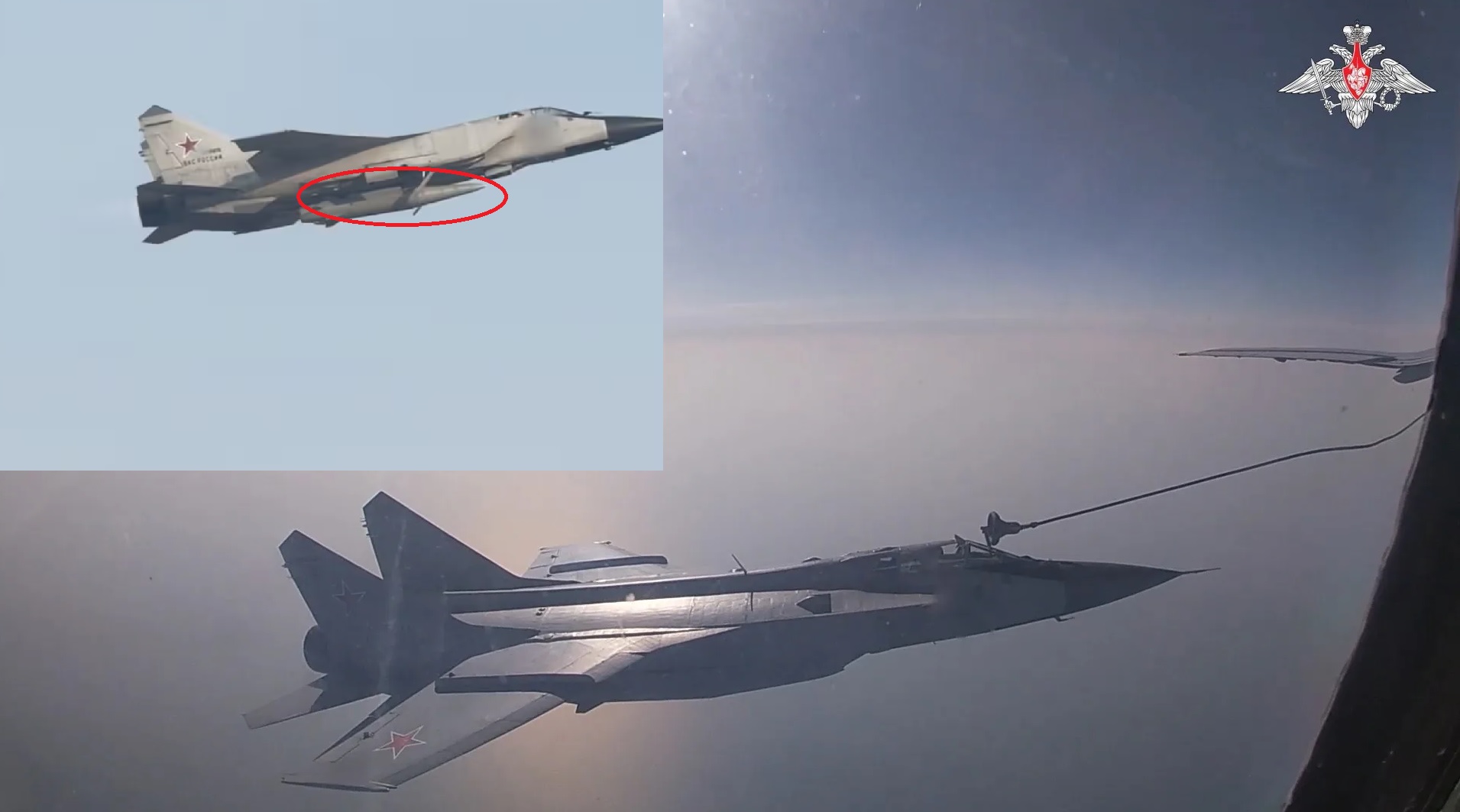
World
MOSCOW / SEOUL — March 18, 2026 : The Russian Aerospace Forces (VKS) have carried out a scheduled long-range aviation training mission involving MiG-31I strike aircraft equipped with Kh-47M2 Kinzhal air-launched ballistic missiles over neutral waters of the Sea of Japan, according to official statements released on March 17. The exercise included coordinated operations with Il-78 aerial refuelling tankers, enabling participating aircraft to extend their operational range and maintain prolonged presence in the maritime corridor linking Japan, the Korean Peninsula, and the wider Pacific Ocean. Russian authorities stated that the flight was conducted in accordance with international airspace regulations and did not violate national boundaries. Operational Profile and Flight Activity During the mission, MiG-31I crews practiced in-flight refuelling procedures, a capability integrated into the modified aircraft beginning in 2023. This enhancement allows the platform to conduct extended-duration patrols and launch operations from greater stand-off distances, including missions originating from bases located deep within Russian territory. Flight tracking and regional monitoring indicate that the formation operated over the Sea of Japan before adjusting its route along approaches near western Japan, including areas adjacent to Shimane Prefecture, prior to returning toward Russian airspace. The aircraft operated as part of a broader long-range aviation framework supported by tanker assets and, in some instances, additional escort aircraft. MiG-31I Platform and Capabilities The MiG-31I is a specialized strike adaptation of the MiG-31 interceptor, designed to carry the Kh-47M2 Kinzhal missile. The baseline MiG-31, introduced into service in 1982, remains the fastest combat aircraft in sustained operational use, capable of cruising at approximately Mach 2.35 and reaching altitudes above 20 kilometers. The aircraft measures 22.7 meters in length, has a wingspan of 13.5 meters, and a maximum takeoff weight of approximately 46,200 kilograms. It is powered by two D-30F6 turbofan engines and is configured in the Kinzhal-carrying role to transport a single missile mounted under the fuselage. Russian defense planning has emphasized expansion of the MiG-31I fleet through the refurbishment and modernization of stored interceptor airframes. Aircraft assigned to this role operate within Russia’s Strategic Aviation Command and share tanker support infrastructure with Tu-22M3, Tu-95MS, and Tu-160 strategic bombers. Kinzhal Missile System The Kh-47M2 Kinzhal is an air-launched aeroballistic missile derived from the ground-based 9K720 Iskander-M system. It follows a semi-ballistic trajectory and incorporates maneuvering capabilities during flight, particularly in the terminal phase, which are designed to complicate interception by conventional air defense systems. Russian sources report that the missile can reach speeds of up to Mach 10 and achieve a range exceeding 2,000 kilometers when launched from a high-speed, high-altitude platform such as the MiG-31. The system is capable of carrying either a conventional or nuclear payload, with an estimated warhead weight of approximately 480 kilograms. Combat Use and Tactical Developments The MiG-31I and Kinzhal combination has been employed operationally in the Ukrainian theater, targeting high-value infrastructure and air defense assets. In May 2023, Kinzhal missiles launched from MiG-31I aircraft were credited by Russian sources with successfully striking a U.S.-produced MIM-104 Patriot air defense system. Subsequent operational assessments by Ukrainian and Western officials in October 2025 indicated that updated flight profiles and terminal maneuvering patterns had increased the difficulty of intercepting incoming Kinzhal missiles. These developments have been associated with evolving Russian strike tactics, including the use of long-endurance patrols supported by aerial refuelling prior to missile launch. Regional Air Defense Context The training activity took place amid ongoing adjustments to U.S. and allied air defense deployments in East Asia. Since late February 2026, the United States has redeployed multiple MIM-104 Patriot and Terminal High Altitude Area Defense (THAAD) batteries from South Korea to the Middle East in response to operational demands linked to regional conflict involving Iran. The redeployments have been conducted using U.S. Air Force C-17 transport aircraft operating from bases such as Osan Air Base. South Korean officials have acknowledged the movement of these systems, noting concerns regarding the temporary reduction in local air defense coverage. Japan and South Korea continue to rely on Patriot systems for point and area defense against missile threats, while additional layered capabilities remain in place, particularly in Japan. The combination of reduced interceptor availability in parts of the region and the demonstrated deployment of long-range, high-speed strike systems has introduced new planning considerations for regional defense authorities. Strategic Implications The March 2026 exercise highlights the integration of high-speed interceptor platforms with long-range aeroballistic missile systems, supported by aerial refuelling to extend operational reach. It also reflects continued growth in the number of MiG-31I aircraft available for such missions as modernization programs convert legacy airframes to the Kinzhal carrier configuration. Russian officials described the flight as part of routine training activity. However, the location of the patrol and the capabilities demonstrated during the mission underscore the evolving operational dynamics in the Asia-Pacific region.
Read More → Posted on 2026-03-18 15:47:19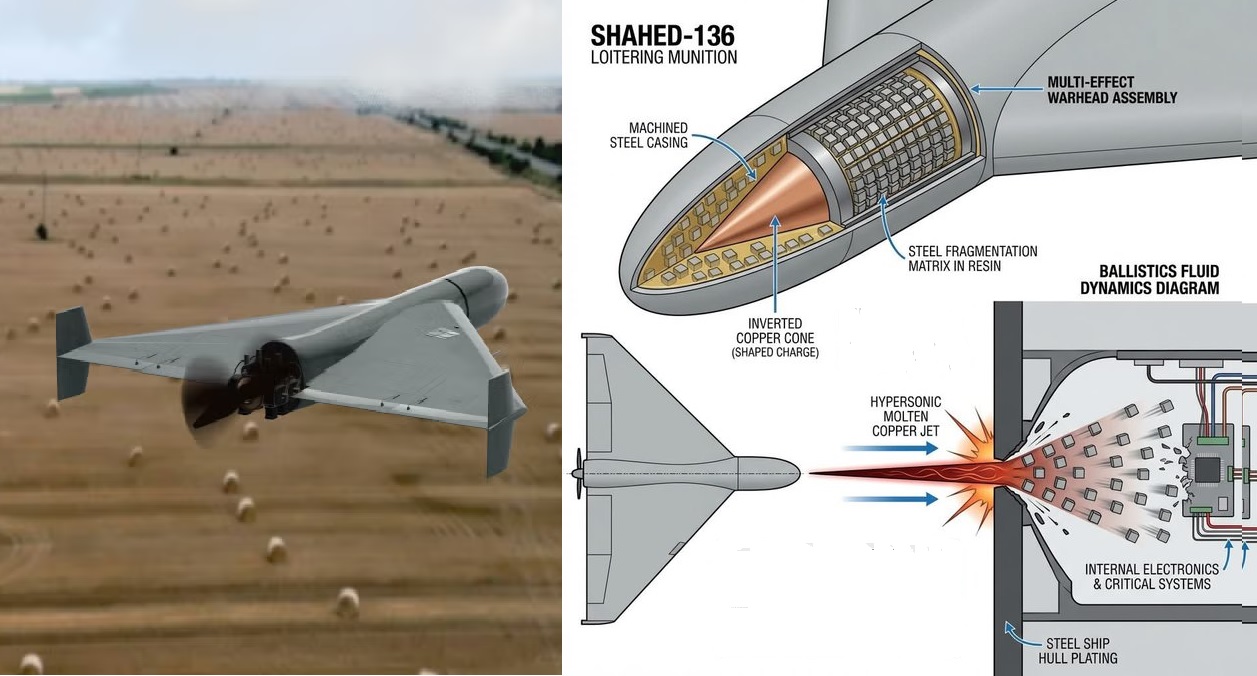
World
WASHINGTON — March 18, 2026 : Technical assessments of the Iranian-developed Shahed-136 loitering munition indicate that its operational effectiveness is derived less from overall explosive mass and more from a multi-effect warhead design that concentrates energy for targeted penetration and internal damage. The system, developed by Iran’s HESA and fielded by Russian forces under the designation Geran-2, has been widely analyzed for its ability to engage high-value targets using relatively low-cost platforms. Defense analysts note that the munition demonstrates how engineered warhead physics can produce effects disproportionate to unit cost, particularly against armoured structures and critical infrastructure. Warhead Architecture and Internal Composition Technical diagrams show that the Shahed-136 incorporates a multi-effect warhead assembly housed within a machined steel casing. The internal configuration consists of two primary elements arranged sequentially to maximise impact efficiency. At the forward section is an inverted copper cone designed to function as a shaped charge. Positioned directly behind it is a steel fragmentation matrix embedded in a resin binder. This dual-layer configuration allows the munition to combine armour penetration with internal system disruption in a single strike sequence. The warhead assembly is engineered to direct explosive energy forward rather than dispersing it radially. This directional focus enables concentrated force application at the point of impact, improving effectiveness against hardened targets such as steel hulls, armoured vehicles, and reinforced infrastructure. Impact Sequence and Ballistic Mechanism The operational mechanics of the warhead follow a three-stage sequence governed by principles of ballistics and fluid dynamics. Upon detonation, the explosive force collapses the inverted copper cone inward, forming a hypersonic molten metal jet. This jet concentrates both thermal and kinetic energy into a narrow stream capable of penetrating thick armour, including steel plating used in naval vessels. Following the initial breach, the steel fragmentation matrix is propelled through the penetration channel. Once inside the target, the fragments disperse and interact with internal components, damaging electronics, wiring systems, and other critical subsystems. This sequential effect allows the munition to neutralize targets by targeting internal vulnerabilities rather than relying solely on external blast damage. Platform Specifications and Configuration Variants The Shahed-136 has a maximum takeoff weight of approximately 200 kilograms, with a length of 3.5 metres and a wingspan of 2.5 metres. It is powered by an MD-550 piston engine in a rear-mounted pusher configuration, enabling a maximum speed of about 185 kilometres per hour. Operational range is estimated at up to 2,500 kilometres, supported by a guidance system that combines GNSS navigation with inertial backup systems. This allows the platform to operate over extended distances with limited reliance on continuous external control. The baseline warhead mass is approximately 50 kilograms. However, documented variants—particularly those associated with Russian production—have been reported with warhead weights reaching up to 90 kilograms. These variants may incorporate shaped-charge, high-explosive fragmentation, or combined-effect payloads. Additional modifications include reinforced steel nose sections to improve penetration, as well as the integration of incendiary or thermobaric effects in certain configurations. Cost Structure and Production Trends Cost estimates for the Shahed-136 vary depending on production source and configuration. Iranian export pricing for assembly kits supplied to Russia in 2022 ranged between approximately $193,000 and $370,000 per unit. Subsequent localization of production within Russia has reduced unit costs significantly. Estimates for domestically produced units in 2025 are approximately $70,000, with earlier analytical ranges suggesting potential costs between $20,000 and $50,000 depending on manufacturing scale, component sourcing, and batch size. This cost structure contributes to the system’s operational utility, enabling deployment in large numbers while maintaining economic efficiency relative to the value of potential targets. Operational Use and Strategic Implications The Shahed-136 has been employed in multiple operational environments, including the Russia–Ukraine conflict and maritime-related engagements in the Red Sea region. In these contexts, it has demonstrated the ability to engage both stationary and semi-mobile targets, including infrastructure and armoured vessels. Its effectiveness is often linked to coordinated use in salvos, which can complicate air defense responses and increase the probability of successful target engagement. The combination of range, cost efficiency, and warhead design allows the system to be used against a range of targets, including ships, armoured vehicles, and hardened facilities. Evolving Role of Low-Cost Precision Systems Ongoing production of the Shahed-136 includes incremental improvements to navigation systems, electronic counter-countermeasures, and warhead configurations. The integration of multi-effect warhead designs reflects a broader trend in loitering munitions toward precision-focused lethality. Defense assessments indicate that such systems are reshaping operational cost dynamics by enabling relatively inexpensive platforms to threaten high-value assets. The use of shaped-charge physics combined with internal fragmentation mechanisms allows these munitions to achieve targeted effects without requiring large payloads or complex delivery systems. As a result, low-cost loitering munitions are increasingly viewed as a significant component of modern strike capabilities, particularly in scenarios where cost efficiency and scalable deployment are key operational considerations.
Read More → Posted on 2026-03-18 15:35:33
World
PARIS — March 18, 2026 : Orange Business has formally entered the European counter-unmanned aerial systems (C-UAS) sector with the launch of its new platform, Orange Drone Guardian, a network-based anti-drone solution delivered entirely under a subscription “as-a-service” model. The system was introduced on March 17 during the Orange Business Summit 2026 in Paris and is positioned as the first offering of its kind in Europe. The service is designed to detect, identify, and classify unauthorized drones operating in low-altitude airspace, initially across France, with plans for expansion into additional European markets. It is targeted at operators of vital importance (OIV), operators of essential services (OES), major event organizers, and public institutions responsible for securing critical infrastructure. Addressing Civilian Counter-Drone Constraints The launch comes amid a growing operational gap in Europe, where civilian infrastructure operators are increasingly exposed to unauthorized drone activity but lack the legal authority to deploy jamming systems or kinetic countermeasures. Orange Drone Guardian is structured as a detection and command-and-control (C2) solution rather than a neutralization system. It provides early-warning capabilities and continuous situational awareness, enabling operators to generate accurate and legally actionable drone tracks. These can be used to initiate site-level safety procedures, manage airspace risks, and coordinate with authorized government responders for intervention. By focusing on shortening detection timelines and improving operational clarity, the system aims to reduce the risk of incidents involving small drones near sensitive sites. Telecom Infrastructure as a Sensor Network A central component of the system is its deployment model, which leverages existing telecommunications infrastructure instead of requiring customers to install dedicated sensor networks. Orange Business utilizes the nationwide footprint of TOTEM, which operates more than 27,000 tower sites across France and Spain, including approximately 19,700 in France alone. These towers and associated rooftops serve as elevated platforms for hosting detection sensors. This approach extends line-of-sight coverage, improves observation geometry in dense urban environments, and distributes sensing capabilities across a wide area. It also reduces capital expenditure and deployment time for customers, who can access the system via subscription without building their own infrastructure. Sovereign Data Processing and Secure Architecture The platform is built on a sovereign digital architecture designed to ensure secure, low-latency data processing. Sensor data is transmitted through Orange’s managed connectivity network to a secure operations center in France, staffed continuously by specialized personnel. Data processing and storage are handled within the Cloud Avenue SecNum environment, hosted in an eco-responsible data center in Grenoble. This platform received the SecNumCloud 3.2 certification from ANSSI in July 2025, indicating compliance with stringent national cybersecurity and data sovereignty requirements. The system integrates a full sensor-to-C2 chain adapted for civilian use, enabling continuous monitoring of low-altitude airspace, including in environments with significant electromagnetic interference and structural density. Real-Time Surveillance and Operational Integration Orange Drone Guardian delivers persistent, wide-area surveillance and a continuously updated operational picture of drone activity. Information is distributed in real time to security teams and decision-makers across multiple sites. The system is optimized for complex urban settings, where signal interference and physical obstructions can limit conventional detection methods. By combining distributed sensors with centralized processing, it enhances detection reliability and tracking accuracy. Importantly, the platform does not include built-in hard-kill or soft-kill capabilities. Instead, it supports coordination with authorized authorities, enabling structured escalation and response procedures within existing legal frameworks. Scalable Design and Future Capabilities The architecture of Orange Drone Guardian is designed to remain open and scalable, allowing integration of additional sensor technologies and software modules over time. Planned enhancements include the use of artificial intelligence for data fusion and track correlation, as well as digital twin technologies to model protected areas, analyze line-of-sight constraints, and identify likely drone ingress routes. The platform is also positioned to incorporate future 5G radio-sensing capabilities, reflecting a shift toward network-centric detection systems where telecommunications infrastructure contributes directly to sensing functions. Expansion of Orange’s Defense and Security Portfolio The launch represents the first major product from the Orange Business Defense & Security division, established in June 2025. According to company officials, the solution draws on Orange’s broader infrastructure, including approximately 45,000 kilometers of terrestrial fiber networks, more than 2,500 satellite antennas, and 450,000 kilometers of submarine cables. Nassima Auvray, Director of Defense & Security at Orange Business, stated that the platform is intended to address the protection needs of sensitive sites through a combination of sovereign infrastructure, scalable deployment, and integrated service delivery. Aliette Mousnier-Lompré, CEO of Orange Business, described the system as part of a wider strategy to provide secure and resilient digital solutions for enterprises operating in complex environments. Multi-Site Coverage for Critical Infrastructure By combining distributed sensing, secure data transport, trusted cloud processing, and centralized operational oversight, Orange Drone Guardian is designed to support protection across multiple locations simultaneously. The service is applicable to a range of environments, including logistics hubs, industrial facilities, ports, airports, dense urban zones, and large public events. Its subscription-based model enables organizations to access nationwide surveillance capabilities without significant upfront investment. With this launch, Orange Business is positioning telecommunications infrastructure as a dual-use asset—serving both connectivity and security functions—while addressing a growing demand for scalable, legally compliant counter-drone solutions in Europe.
Read More → Posted on 2026-03-18 15:29:21
World
ULM, Germany — March 18, 2026 : German defense and sensor technology company HENSOLDT has entered into a long-term supply agreement with European semiconductor manufacturer United Monolithic Semiconductors (UMS) for the delivery of 900,000 gallium nitride (GaN) components by 2030. The agreement is aimed at strengthening supply chain reliability while enabling the expansion of radar system production amid rising global demand for advanced sensor technologies. Supply Agreement and Production Strategy Under the terms of the agreement, UMS will supply a steady volume of GaN semiconductor components over the coming years. The deal provides HENSOLDT with long-term visibility over the availability of critical high-frequency components, reducing exposure to supply chain disruptions that have affected the global semiconductor sector in recent years. The agreement forms part of HENSOLDT’s broader industrial strategy to scale up series production of radar systems. The company is seeking to align component availability with increasing order volumes, particularly in the air defense and security sectors, where demand for sensor-based solutions has grown significantly. Christian Ladurner, Chief Financial Officer of HENSOLDT, stated that securing component supply is essential to maintaining production continuity. He noted that the company is expanding manufacturing capacity while ensuring that key inputs remain consistently available to meet customer requirements. Technology Integration and Radar Applications The GaN semiconductor components will be integrated into transmit and receive modules used in HENSOLDT’s radar systems. These components function as high-frequency amplifiers, a critical element in modern radar architecture. The primary application of the supplied components will be within the Spexer radar family, a series of radar systems designed for surveillance and security operations. The use of GaN technology enables improvements in detection range, target resolution, and energy efficiency compared to earlier semiconductor materials. Both companies confirmed that the components are being jointly developed and tested to meet system-specific requirements before deployment. This collaborative approach is intended to ensure compatibility with HENSOLDT’s radar platforms and to optimize performance under operational conditions. Market Context and Demand Drivers The agreement reflects broader trends in the global defense and security market, where demand for high-performance radar and sensor systems has increased due to evolving threat environments and modernization programs. Air defense systems, in particular, require advanced radar capabilities for detection, tracking, and targeting. By securing a multi-year supply of GaN components, HENSOLDT aims to mitigate risks associated with component shortages while maintaining the ability to meet production schedules. The arrangement also supports the company’s efforts to expand output without delays linked to semiconductor availability. Xavier Crosnier, Chief Executive Officer of UMS, emphasized the longstanding partnership between the two companies. He stated that the agreement enables UMS to contribute its industrial GaN capabilities to support HENSOLDT’s production growth and supply chain resilience objectives. Company Profiles HENSOLDT is a European defense technology company specializing in sensor solutions, electronic systems, and software for applications across air, land, sea, cyber, and space domains. Headquartered in Taufkirchen near Munich and listed on the Frankfurt Stock Exchange (MDAX), the company reported revenue of €2.46 billion in the 2025 financial year and employs approximately 9,500 personnel. United Monolithic Semiconductors (UMS) is a European provider of high-frequency semiconductor technologies, with operations in Villebon-sur-Yvette, France, and Ulm, Germany. The company focuses on gallium arsenide (GaAs) and gallium nitride (GaN) technologies, delivering components for defense, telecommunications, industrial, and space applications through both custom development and standard product offerings. Outlook The long-term agreement between HENSOLDT and UMS establishes a structured supply framework for critical semiconductor components through the end of the decade. It supports HENSOLDT’s objective of increasing radar production capacity while maintaining operational continuity in a market characterized by rising demand and supply chain sensitivity.
Read More → Posted on 2026-03-18 15:11:35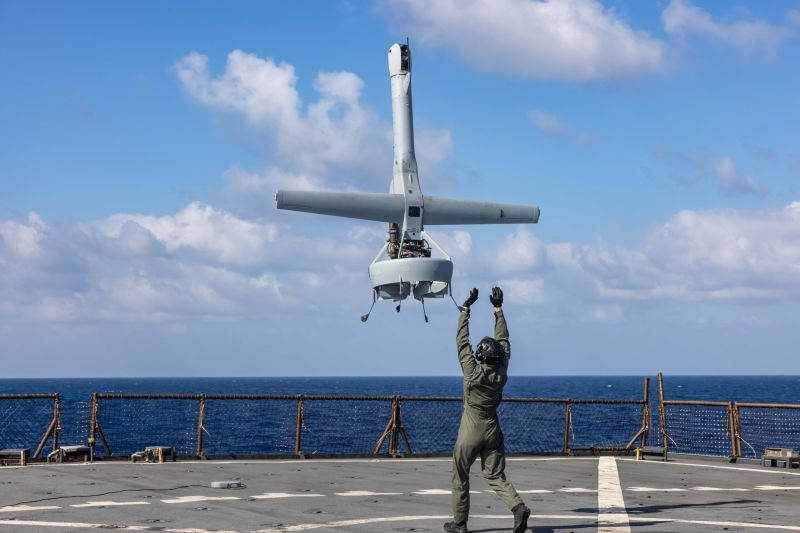
World
DEN HELDER, Netherlands — March 18, 2026 : The Royal Netherlands Navy has formally introduced a new layer of maritime surveillance capability with the operational deployment of MQ-35A V-BAT uncrewed aerial systems, following a fast-tracked procurement of 12 platforms from U.S.-based defense technology company Shield AI. The acquisition, confirmed by the Dutch Ministry of Defence, is intended to enhance the Navy’s Intelligence, Surveillance, and Reconnaissance (ISR) capacity by enabling real-time data collection and improved situational awareness across maritime operations. The systems are being integrated across multiple vessels to support distributed and flexible deployment at sea. Operational Testing and Shipborne Integration Initial operational trials of the V-BAT system were conducted aboard the amphibious transport ship HNLMS Johan de Witt during the NATO-led Cold Response exercise off the coast of Norway. The trials focused on validating shipborne deployment procedures, environmental constraints, and real-time operational utility. During testing, naval operators successfully received live video feeds from the airborne systems, enabling monitoring of surface contacts and analysis of maritime traffic routes. The trials also emphasized safe launch and recovery procedures, particularly addressing the variability of air turbulence across different helicopter decks. As a result, standardized protocols now require precise environmental measurements prior to each deployment. Following successful trials, control stations and support equipment for the 12 drones are being installed across eight Royal Netherlands Navy vessels, allowing broader fleet-level integration. Accelerated Procurement via NATO Framework The procurement process was completed on an accelerated timeline through the NATO acquisition framework, which enabled direct purchasing from the manufacturer without extended tender procedures. This approach reduced delivery timelines compared to conventional defense procurement cycles and allowed rapid fielding of the capability. System Design and Technical Characteristics The MQ-35A V-BAT is a vertical take-off and landing (VTOL) uncrewed aerial system powered by a single-engine, ducted-fan propulsion system using heavy fuel. Its design combines endurance with a compact logistical footprint, making it suitable for deployment from naval platforms with limited space. The system requires a launch and recovery area of approximately 5 by 5 meters and can be stored in a small number of transportable crates on a ship’s helicopter deck. After vertical takeoff, the aircraft transitions into horizontal flight for sustained operations. The V-BAT has a maximum takeoff weight of approximately 73 kilograms and can carry payloads of up to 18 kilograms. It supports a range of mission systems, including electro-optical and infrared sensors, radar systems, and synthetic aperture radar (SAR) payloads. Operational endurance exceeds 12 to 13 hours, with the ability to operate at altitudes of up to approximately 18,000 feet. This endurance allows extended surveillance missions without frequent recovery cycles. Autonomous Capabilities and Electronic Warfare Resilience A defining feature of the V-BAT system is its integration of Shield AI’s autonomous software, which enables operation in environments where GPS signals are denied or communications are disrupted. This capability allows the drone to continue executing missions without reliance on continuous satellite connectivity. The platform has been operationally deployed in Ukraine, where it demonstrated resilience against electronic warfare (EW) measures that typically degrade or disable conventional drone systems. Its ability to maintain functionality in contested environments was a key factor influencing the Dutch Ministry of Defence’s procurement decision. Role in Maritime Operations The V-BAT systems are equipped with radar and high-resolution camera payloads designed to support reconnaissance, target identification, and maritime domain awareness. Data collected during missions is transmitted to naval operators, improving decision-making processes and operational planning. By extending surveillance coverage beyond the horizon and reducing reliance on crewed aviation assets, the system supports a broader shift toward unmanned and distributed ISR capabilities within naval operations. Ongoing Development and Future Integration Shield AI is continuing to work with the Royal Netherlands Navy and the Materiel and IT Command (COMMIT / JIVC) to further develop both software and hardware components of the system. The collaboration is focused on maintaining system relevance through updates that address evolving operational requirements and emerging threats. The deployment of the V-BAT fleet forms part of the Netherlands’ broader effort to modernize its naval capabilities and strengthen ISR coverage across its maritime forces.
Read More → Posted on 2026-03-18 14:57:32
World
ISLAMABAD / NEW DELHI — March 18, 2026 : Turkish-origin unmanned combat aerial vehicles (UCAVs), particularly the Bayraktar Akıncı and Bayraktar TB2 developed by Baykar, have been promoted in recent years as cost-effective force multipliers. However, operational data gathered from multiple conflicts indicates that these platforms face consistent limitations when deployed in contested airspace protected by layered air defense systems. Deployment and Positioning in Pakistan Pakistan has inducted Turkish drone platforms, including the Bayraktar Akıncı and Bayraktar TB2, as part of efforts to expand its unmanned strike and surveillance capabilities. The Akıncı, categorized as a high-altitude long-endurance (HALE) UCAV, offers extended endurance exceeding 24 hours and the ability to carry guided munitions and air-launched weapons. The TB2, a smaller tactical drone, is designed for reconnaissance and light strike missions. Despite these capabilities, available combat data suggests that both platforms face survivability challenges in environments where air defenses are integrated and technologically advanced. Sudan Conflict: Repeated Losses Against Short-Range Air Defenses In the ongoing conflict in Sudan, multiple reports from 2025 through early 2026 indicate that the Rapid Support Forces (RSF) successfully intercepted several Bayraktar Akıncı drones operated by the Sudanese Armed Forces (SAF). Reported incidents include: July 2025: Downing near El Fasher August 2025: Interception over Nyala, South Darfur September 2025: Engagement in West Kordofan October 2025: Additional losses near El Fasher January 2026: Further reported downings over Nyala and nearby areas RSF air defense operations involved a combination of man-portable air-defense systems (MANPADS), short-range surface-to-air missile systems such as the Chinese FB-10A, and layered defensive networks incorporating electronic warfare tools, including systems identified as Groza-S and FK-2000. The Akıncı drones in these cases were reportedly used for reconnaissance and precision strike missions. The repeated interceptions highlight vulnerabilities when operating at altitudes and speeds within engagement envelopes of short- and medium-range air defense systems. The TB2 platform has also seen reduced operational effectiveness in Sudan as defensive networks evolved, although detailed loss figures specific to TB2 units remain limited in publicly available reporting. Russia–Ukraine Conflict: Decline After Initial Success During the early phase of the Russia-Ukraine War, Bayraktar TB2 drones were used effectively by Ukrainian forces for targeting convoys, logistics columns, and naval assets. However, as Russian forces deployed layered air defense systems—including platforms such as Pantsir-S1, Buk, and Tor—alongside electronic warfare measures, the operational role of TB2 drones declined significantly by late 2022 and into 2023. Ukrainian officials indicated that continued use in contested airspace led to increased losses, prompting a shift toward reconnaissance roles conducted from safer stand-off distances. This transition reflected broader constraints linked to detectability, speed, and susceptibility to electronic interference. India–Pakistan Context: Operation Sindoor During a reported India–Pakistan confrontation referred to as Operation Sindoor in May 2025, Pakistani forces deployed a mix of unmanned systems, including Turkish-origin drones and loitering munitions. Indian air defense systems—including the S-400, Akash, and Barak-8—operating within an integrated network framework, intercepted these aerial platforms. The defense architecture, supported by electronic warfare and centralized command systems, neutralized a large number of incoming drones. Reports indicate that several hundred drones were intercepted during the engagement. The outcomes were attributed to the effectiveness of layered detection, tracking, and engagement systems against aerial platforms with limited survivability features in high-threat environments. Technical Characteristics and Limitations Defense assessments of the Bayraktar Akıncı and TB2 platforms highlight several structural and performance-related constraints: Radar Visibility:The Akıncı, with a wingspan of approximately 20 meters and length of 12.2 meters, has a relatively large radar cross-section. It lacks stealth shaping or radar-absorbing features, making it detectable by conventional surveillance radars. The TB2, while smaller, also remains visible to modern radar systems. Speed and Mobility:Both platforms operate at moderate speeds. The Akıncı’s cruising speed is approximately 250 km/h, with a maximum near 360 km/h. These speeds are significantly lower than jet-powered aircraft, reducing their ability to evade radar-guided interceptors or missile systems. Maneuverability:Due to design constraints associated with endurance and payload capacity, these drones have limited maneuverability. This reduces their ability to evade incoming threats once detected and tracked. Electronic Warfare Vulnerability:Both systems are susceptible to jamming and electronic interference, particularly in environments where adversaries deploy integrated electronic warfare capabilities alongside kinetic air defenses. Cost Considerations:The Akıncı is estimated to cost approximately $30 million per unit, while the TB2 is valued at around $5 million. In high-threat environments, the cost-to-survivability ratio becomes a key factor, particularly when facing lower-cost interception systems such as MANPADS. Operational Role and Constraints Analysis across Sudan, Ukraine, and South Asia indicates that Turkish UCAVs are more effective in permissive or low-threat environments where adversaries lack integrated air defense systems. In such contexts, these platforms can conduct surveillance, targeting, and precision strikes with relative efficiency. In contrast, in contested airspace characterized by layered air defenses, radar coverage, and electronic warfare integration, both the Akıncı and TB2 face increased attrition risks and reduced operational effectiveness. Available combat data from multiple theaters suggests that while Turkish UCAV platforms provide operational advantages in specific scenarios, their performance is constrained in environments with advanced and coordinated air defense networks. These findings are consistent across different regions and conflict types, indicating a broader limitation tied to platform design, speed, and survivability in modern air defense conditions.
Read More → Posted on 2026-03-18 14:51:41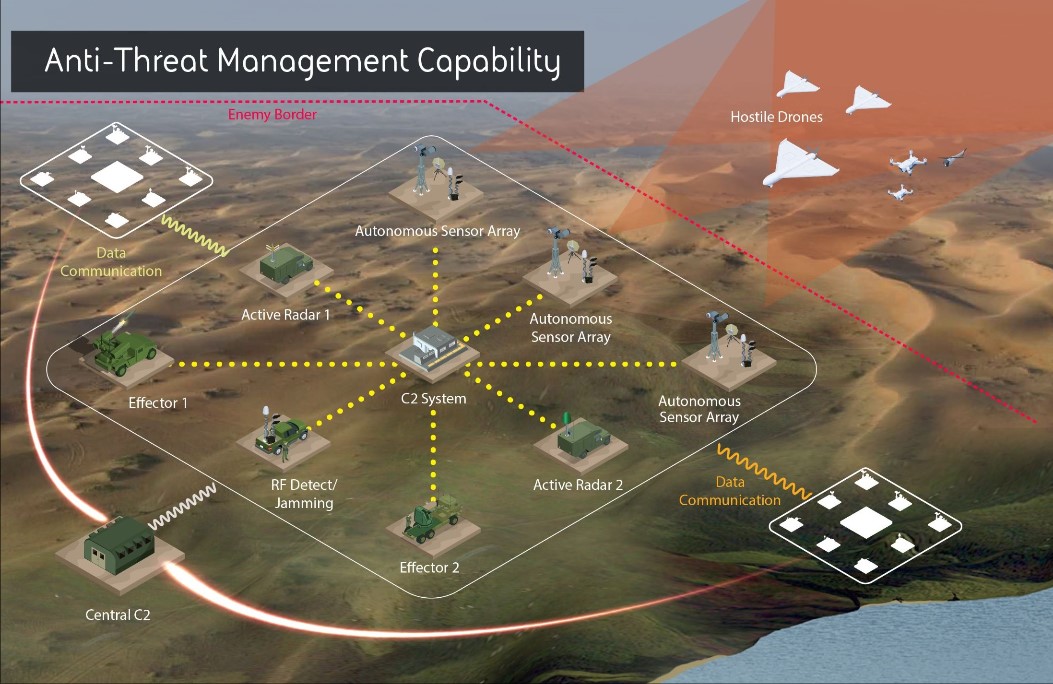
World
LONDON — March 18, 2026 : UK-based BAE Systems is progressing the development of a new multi-domain counter-uncrewed aerial system (C-UAS) designed to address the growing threat posed by hostile drones across military and civilian environments. The program, known as the BAE Systems Anti Threat System (BATS), combines software-driven command and control, electronic warfare capabilities, and kinetic countermeasures within a single, scalable architecture. The initiative, launched in October 2025, is being developed under an accelerated timeline in response to increasing demand from defense and civil security customers. Initial system testing is expected to begin in April 2026, followed by live-fire trials scheduled for early summer. These evaluations are intended to validate the system’s ability to detect, classify, and neutralize drone threats across different operational scenarios. Cost-Efficient Approach to Countering Drone Threats A central objective of the BATS program is to address the cost imbalance associated with countering low-cost drones using high-value missile interceptors. Current air defense systems often rely on expensive surface-to-air missiles to neutralize relatively inexpensive uncrewed aerial systems, creating sustainability challenges in prolonged operations. BATS is designed to introduce multiple response layers, enabling operators to deploy more cost-effective countermeasures depending on the threat profile. These include electronic warfare techniques such as jamming and disruption, as well as low-cost kinetic interceptors currently under development. The system is intended to protect a wide range of targets, including national borders, critical infrastructure, airports, urban environments, and deployed military assets, while preserving traditional air defense inventories. Software-Defined Architecture and Decision Support At the core of BATS is a software-defined command-and-control (C2) decision engine that integrates data from multiple sensors into a unified operational picture. Rather than functioning as a standalone weapon system, BATS operates as an open-architecture platform capable of incorporating both existing and future counter-drone technologies. Sensor inputs—ranging from radar and radio frequency detectors to electro-optical systems—are fused into a central data environment. The system processes this information in real time to identify and classify aerial threats, assess intent, and recommend appropriate responses. Depending on operational settings and rules of engagement, BATS can either provide decision support to human operators or enable automated responses through connected effectors. This sensor-to-effector integration allows continuous monitoring and rapid mitigation, improving situational awareness and response times in complex threat environments. Electronic Warfare Integration and System Resilience BATS incorporates advanced electronic warfare capabilities supported by recent corporate developments within BAE Systems. In late 2024, the company acquired Kirintec, a UK-based specialist in cyber and electromagnetic activities (CEMA), enhancing its ability to deliver electronic jamming and spectrum-based countermeasures against drones. In February 2026, BAE Systems also entered into a partnership with Frankenburg Technologies to develop low-cost, mass-producible kinetic interceptors. These interceptors are designed to integrate directly into the BATS ecosystem, providing an additional layer of defense alongside electronic warfare tools. The system is engineered for operational flexibility and resilience. It can be deployed for localized point defense or scaled to provide wide-area coverage. Command-and-control functions can be hosted on-premise, at the tactical edge, or via cloud-based infrastructure. To maintain effectiveness in contested electromagnetic environments, BATS includes fallback communication protocols using secure, high-bandwidth military networks if local spectrum access is disrupted or degraded. Multi-Domain Development and Operational Scope Development of BATS involves collaboration across BAE Systems’ air, land, and maritime divisions, reflecting the need for integrated responses to drone threats that can emerge across multiple domains simultaneously. The system is designed to interoperate with existing air defense and command networks, allowing seamless integration into current operational frameworks while supporting future upgrades. Andrea Thompson, Group Managing Director of BAE Systems’ Digital Intelligence business, emphasized the importance of adaptability in countering rapidly evolving drone technologies. She noted that uncrewed systems continue to develop new operational behaviors, payload configurations, and tactics at a pace that challenges traditional defense systems, necessitating a software-led and modular approach. Testing Timeline and Future Deployment Following initial software validation and integration testing scheduled for April, the BATS program will proceed to live-fire trials in early summer 2026. These trials will assess the system’s end-to-end performance, including detection accuracy, decision-making speed, and the effectiveness of integrated countermeasures. Upon successful completion of testing, BAE Systems is expected to position BATS for deployment with military customers and civil authorities. The system is intended to support both defense operations and domestic security requirements, particularly in protecting critical infrastructure and managing airspace security in urban environments. While detailed technical specifications remain limited at this stage, BATS is being developed as a modular, scalable, and interoperable platform capable of adapting to evolving uncrewed threats, including hybrid and increasingly autonomous drone systems.
Read More → Posted on 2026-03-18 14:16:25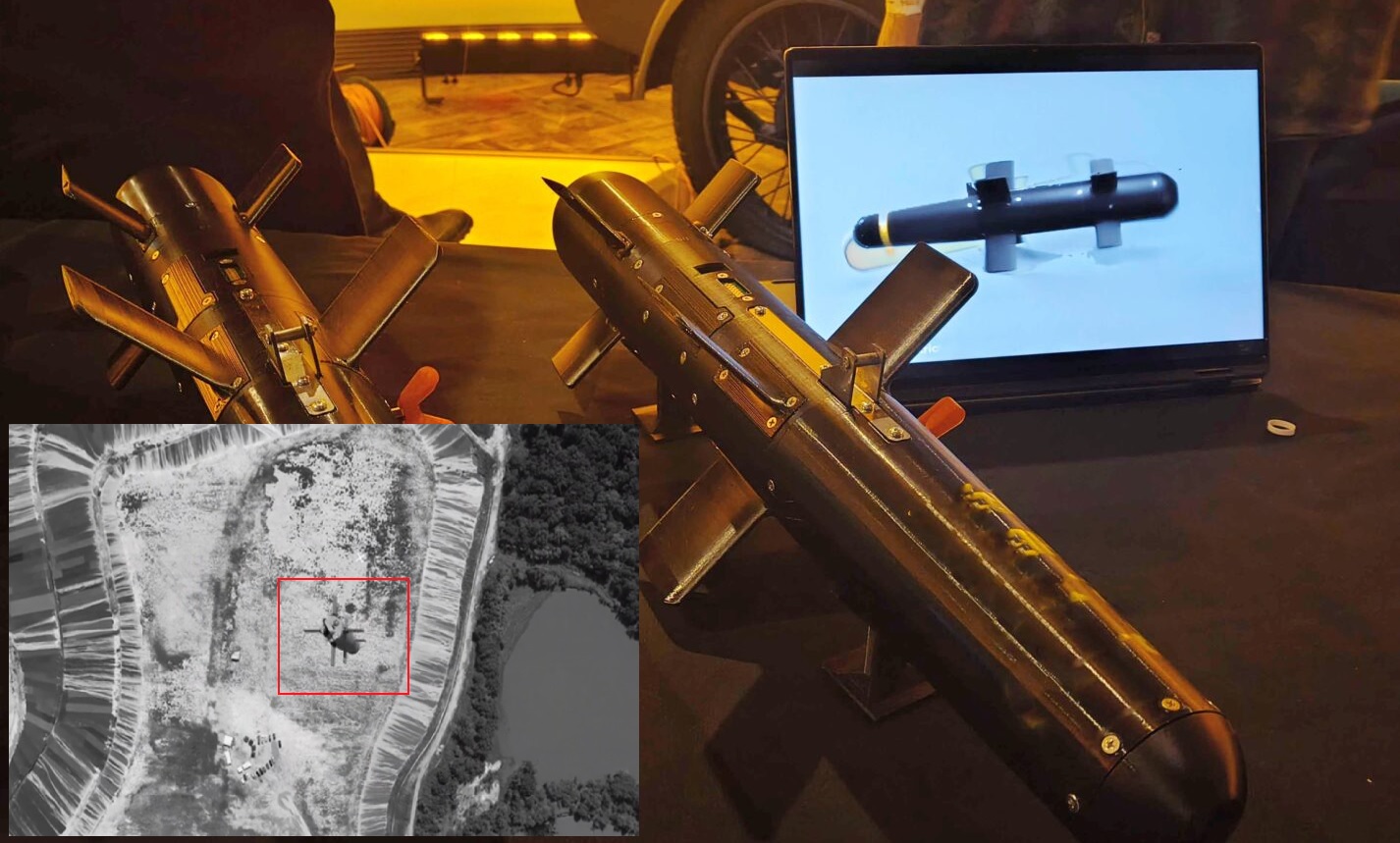
World
KYIV — March 17, 2026 : Ukrainian-Estonian defense startup Deftak has introduced a new family of AI-guided drone munitions designed for precision strike roles, presenting the system publicly during the Arsenal of Talents defense technology exhibition in Kyiv. Company representatives disclosed technical and development details to the Ukrainian defense outlet Militarnyi, outlining the system’s architecture, testing progress, and planned deployment pathway. System Design and Guidance Technology The newly presented munition is designed as a guided payload for unmanned aerial vehicles (UAVs), differing from conventional unguided bombs or projectiles that follow fixed ballistic trajectories after release. Deftak’s system incorporates an active guidance mechanism that enables continuous trajectory correction during flight. The munition is built around three primary onboard components: processing electronics, an optical targeting camera, and a high-explosive warhead. These elements are supported by proprietary software packages responsible for flight control and machine vision processing. Using computer vision algorithms, the munition can identify, track, and navigate toward a designated target point autonomously. This approach allows the system to function without reliance on satellite-based navigation such as GPS. As a result, the munition is capable of maintaining targeting accuracy in environments affected by electronic warfare (EW), including GPS jamming. According to the developers, the optical tracking system enables terminal-phase autonomy, meaning the munition does not require continuous external communication links once it has locked onto a target. Testing and Operational Performance Deftak confirmed that the guided munition has already undergone combat testing on multirotor drone platforms. During these trials, the system demonstrated the ability to operate effectively from higher-altitude release points while maintaining precision targeting capability. The company stated that the munition achieved consistent performance in GPS-denied conditions, validating its design focus on resilience against electronic interference. However, no specific data regarding range, circular error probable (CEP), or warhead weight has been publicly disclosed. Photographs released from the exhibition show a compact munition design featuring a visible forward-facing camera module, control surfaces for in-flight maneuvering, and an integrated warhead section. Platform Integration and Development Roadmap While initial deployment has focused on multirotor UAVs, Deftak is actively working to expand compatibility with additional aerial platforms. Integration efforts are currently underway to adapt the munition for use with fixed-wing unmanned systems, which would extend operational range and deployment flexibility. In parallel, the company is developing a laser-guided variant of the munition. This version is intended to engage targets designated by external laser sources, including ground teams, forward observers, or other drones equipped with laser designators. The addition of laser guidance is expected to provide an alternative targeting method for coordinated operations. The munition’s modular design is intended to support adaptation across different drone types and mission profiles, particularly for short- to medium-range strike roles. Procurement and Industrial Plans Deftak is in the process of preparing formal supply agreements with the Ministry of Defense of Ukraine, alongside completing the required codification procedures for official military adoption. Codification is a necessary step for integration into the Armed Forces’ inventory and procurement system. The company indicated that serial production is expected to begin following the completion of government testing and approval processes. Investment and Cost Structure Development of the guided munition system has been supported by external funding. In 2025, Deftak secured approximately €600,000 investment from Darkstar, a European defense-focused investment fund. According to the investor, the system’s primary advantage lies in its cost efficiency. The munition is estimated to be up to ten times less expensive than traditional guided weapon systems while delivering comparable precision performance. This cost profile is intended to enable scalable production and widespread deployment. Deftak’s engineering team includes specialists with prior experience at major technology companies, including Google, Facebook, and EPAM. The company plans to use the available funding to expand manufacturing capacity and support large-scale supply to Ukrainian defense forces. Operational Context The development of Deftak’s guided drone munitions is part of a broader effort within Ukraine’s defense sector to produce domestically developed, cost-effective precision strike capabilities. The system is positioned for tactical UAV operations in contested environments where electronic warfare is prevalent. Following completion of trials and formal adoption procedures, the munition is expected to enter service as a low-cost precision strike option integrated with existing and future Ukrainian drone platforms.
Read More → Posted on 2026-03-17 18:14:38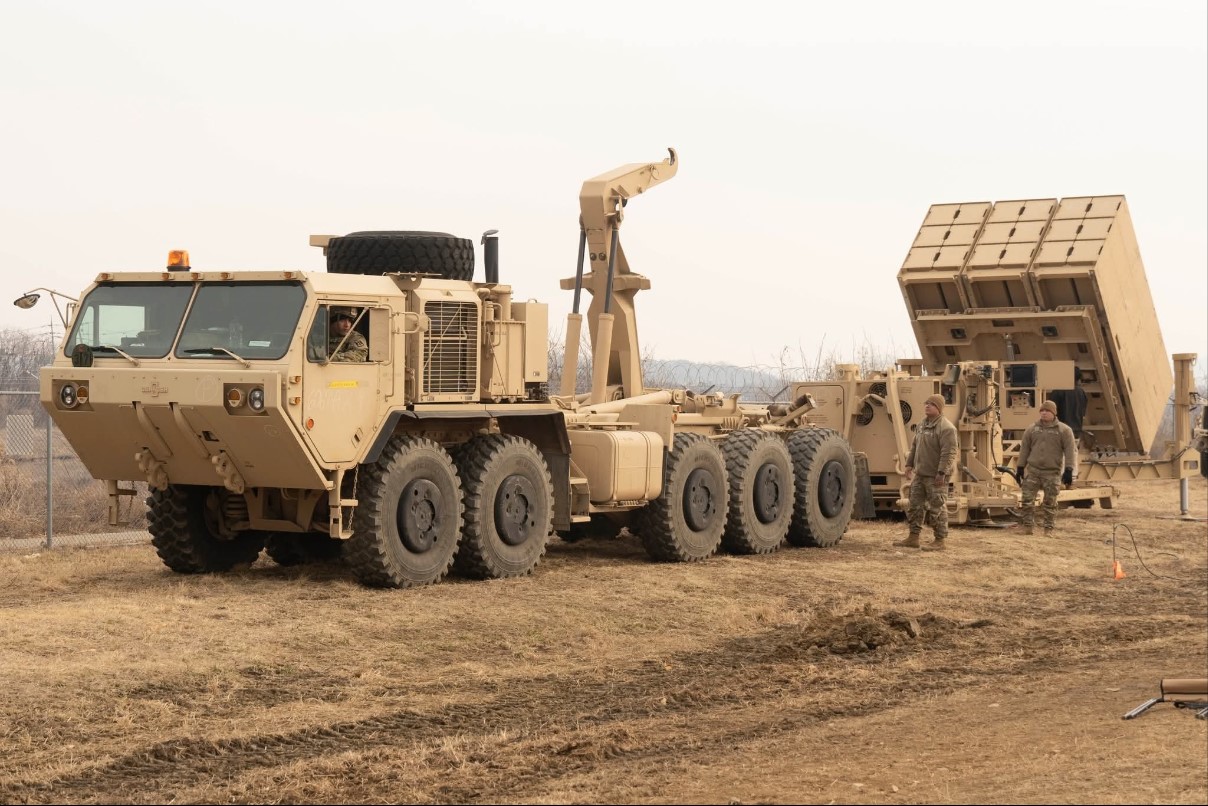
World
CAMP HUMPHREYS, South Korea — March 17, 2026 : The United States Army’s 35th Air Defense Artillery Brigade deployed the Indirect Fire Protection Capability Increment 2 (IFPC Inc 2) system to Camp Humphreys on March 16 as part of the ongoing Freedom Shield 2026 exercise, according to confirmation from Eighth Army. The deployment forms part of a broader effort to evaluate next-generation, network-integrated air and missile defense systems under operational conditions. Freedom Shield 2026, conducted from March 9 to March 19, is an annual combined defensive exercise between the United States and the Republic of Korea, supported by United Nations Command. The exercise incorporates live, virtual, and field-based training across multiple domains, including ground, air, naval, cyber, space, and information operations, with a focus on improving interoperability and readiness against evolving regional threats. Deployment and Operational Context The IFPC Inc 2 system was deployed to a training site within Camp Humphreys to support testing of layered air defense concepts against complex, multi-vector threats. The system is designed to counter a range of aerial threats, including subsonic cruise missiles, unmanned aerial systems (UAS), rockets, artillery, and mortars, while providing protection to critical infrastructure and forward-deployed forces. The deployment follows earlier joint drills conducted on March 11 at Osan Air Base, where Echo Battery, 6th Battalion, 52nd Air Defense Artillery Regiment coordinated with the 7th Air Force. These drills integrated Patriot and Avenger air defense systems to establish a layered defense framework aimed at improving response time, engagement coordination, and coverage against simultaneous threats. Role Within Layered Air Defense Architecture The IFPC Inc 2 system is intended to address a capability gap between short-range air defense (SHORAD) systems and higher-tier systems such as the Patriot and Terminal High Altitude Area Defense (THAAD). According to a March 2026 report by the Congressional Research Service, the system provides an intermediate layer capable of engaging low-altitude and low-signature threats that are not optimally handled by existing systems. Operationally, the layered architecture demonstrated during Freedom Shield 2026 consists of three primary tiers. The long-range layer is provided by the MIM-104 Patriot system, which is capable of intercepting ballistic missiles, cruise missiles, and aircraft at extended ranges and is supported by the AN/MPQ-65 radar for multi-target tracking. The IFPC Inc 2 serves as the medium-range layer, focusing on cruise missiles and drone threats. The short-range layer is provided by the Avenger system, mounted on High Mobility Multipurpose Wheeled Vehicles (HMMWV), using FIM-92 Stinger missiles for close-in defense against low-altitude targets. System Design and Interceptor Capabilities The IFPC Inc 2 is built on an open system architecture and employs the “Enduring Shield” launcher, mounted on a Family of Medium Tactical Vehicles (FMTV) chassis. This modular design allows the system to integrate multiple interceptor types depending on mission requirements. The system is compatible with the AIM-9X Sidewinder missile, which uses an imaging infrared seeker and has an engagement range of approximately 20 to 30 kilometers. The launcher utilizes an All-Up-Round Magazine (AUR-M) capable of carrying up to 18 AIM-9X interceptors, enabling rapid reload and sustained operations without direct handling of individual munitions. In addition, the IFPC Inc 2 can deploy the AGM-114L Longbow Hellfire missile, adapted for air defense roles. This flexibility allows the system to address a diverse threat set using different engagement profiles. Target detection and tracking are supported by 360-degree surveillance radars such as the AN/MPQ-64 Sentinel, which can identify and track low-flying aerial threats, including small drones and cruise missiles, at ranges of several tens of kilometers. Integration With Integrated Battle Command System A central component of the IFPC Inc 2’s operational effectiveness is its integration into the U.S. Army’s Integrated Battle Command System (IBCS). The IBCS connects sensors, command nodes, and launchers into a unified digital network, enabling real-time data sharing across the battlespace. The system operates on an “any-sensor, best-shooter” principle, allowing a radar or sensor to detect a target and transmit tracking data to the most appropriate interceptor system, regardless of its location. This approach reduces reliance on individual systems, shortens reaction times, and improves interceptor allocation during high-density or saturation attacks. Strategic and Operational Significance The deployment of the IFPC Inc 2 during Freedom Shield 2026 reflects an ongoing shift toward countering increasingly complex and layered aerial threats in the Indo-Pacific region. The system is designed to improve defense against simultaneous attacks involving drones, cruise missiles, and indirect fire systems, which present challenges to traditional air defense structures. Recent operational experiences, including high-intensity engagements involving combined drone and missile salvos, have highlighted the importance of managing interceptor costs and availability. By assigning lower-cost interceptors to high-volume, lower-altitude threats, the IFPC Inc 2 helps preserve more advanced and limited systems such as Patriot for high-priority targets, including ballistic missiles. The exercise at Camp Humphreys and Osan Air Base demonstrates how integrated, layered defenses supported by real-time data sharing can enhance resilience and effectiveness in contested environments. U.S. and South Korean forces continue to evaluate these systems to refine operational concepts and maintain a coordinated defense posture on the Korean Peninsula. No additional details regarding specific test outcomes or interceptor usage during the exercise were released by Eighth Army.
Read More → Posted on 2026-03-17 18:06:35
World
GIFU, JAPAN — March 17, 2026 : The Japan Air Self-Defense Force (JASDF) has conducted the first flight of its new Kawasaki EC-2 stand-off jammer (SOJ) electronic warfare aircraft, marking a key milestone in Japan’s effort to expand its airborne electromagnetic warfare capabilities. The flight took place at Gifu Air Base under the oversight of the JASDF Air Development and Test Command. The EC-2, developed by Kawasaki Heavy Industries, is a dedicated electronic attack platform derived from the domestically produced C-2 military transport aircraft. The program is intended to replace the aging EC-1 electronic warfare aircraft, which has been in service since 1986 and was based on the earlier C-1 airframe. Program Background and Development Development of the EC-2 began around fiscal years 2020–2021 as part of Japan’s broader modernization of electromagnetic spectrum operations. The Japanese Ministry of Defense allocated approximately ¥41.4 billion for the program. The aircraft undergoing testing is converted from the first production C-2 airframe (serial number 18-1203), which has been extensively modified to accommodate electronic warfare systems. The program remains in the testing and integration phase, with development scheduled for completion by the end of fiscal year 2026 (March 2027). Entry into operational service is planned for fiscal year 2027. The JASDF intends to procure a total of four EC-2 aircraft. Once operational, they are expected to be assigned to the Electronic Warfare Operations Group (Denshi Sakusengun) based at Iruma Air Base. Stand-Off Jamming Role and Operational Concept The EC-2 is designed to perform stand-off electronic attack missions, operating outside the engagement range of enemy surface-to-air missile (SAM) systems. This approach allows the aircraft to disrupt adversary systems without entering contested airspace. Its mission set includes interference with radar systems, communications networks, missile guidance channels, and tactical data links. By degrading or denying these capabilities, the EC-2 is intended to support friendly aircraft conducting strike and counter-air missions in contested environments while reducing their exposure to integrated air defense systems. Airframe Modifications and External Features To support its electronic warfare role, the EC-2 incorporates significant structural modifications compared to the baseline C-2 transport aircraft. These include a large bulbous nose radome that houses primary jamming antennas, as well as multiple external fairings along the fuselage and tail. A dorsal fairing positioned behind the cockpit and three large tail-mounted fairings contain additional antenna arrays and electronic surveillance receivers. These structures enable multi-directional signal interception and transmission across a wide frequency spectrum. The aircraft’s external configuration reflects its role as a high-power electronic warfare platform, with emphasis on sensor coverage and transmission capability rather than aerodynamic efficiency. Electronic Warfare Systems and Architecture At the core of the EC-2’s capabilities is an advanced electronic warfare suite derived from the J/ALQ-5 system previously used on the EC-1. The upgraded system integrates modern radio frequency measurement equipment, signal processing units, and high-output jamming transmitters. The aircraft uses a unified airborne architecture that connects multiple subsystems, allowing it to detect, analyze, and jam multiple electromagnetic signals simultaneously. This enables concurrent operations against various types of emitters, including surveillance radars, fire-control radars, and communication systems. Specific technical details such as transmitter power levels, frequency coverage, and system performance remain classified. Platform Advantages and Power Generation The choice of the C-2 airframe provides significant advantages for the EC-2 mission. With a maximum takeoff weight of approximately 120 metric tons and powered by two General Electric CF6-80C2K1F high-bypass turbofan engines, the aircraft offers substantial onboard electrical generation capacity and cooling capability. These characteristics are critical for sustained high-power electronic warfare operations. The larger platform also enables extended mission endurance and the ability to carry multiple high-energy systems simultaneously. The base C-2 platform has a range of approximately 7,600 kilometers with a 20-ton payload, supporting long-duration loiter missions required for stand-off jamming operations. Specifications (EC-2 / Base C-2 Platform) Length: 43.9 meters Wingspan: 44.4 meters Height: 14.2 meters Powerplant: 2 × General Electric CF6-80C2K1F turbofan engines Maximum Speed: Approximately Mach 0.82 (~1,000 km/h) Range: Approximately 7,600 km (with payload-dependent variation) Capability Assessment and Role in JASDF Modernization While official comparisons with other electronic warfare aircraft have not been released, the EC-2 represents a substantial capability increase over the EC-1 due to its higher power output, extended endurance, and ability to operate across multiple frequency bands simultaneously. The platform is expected to play a central role in Japan’s future electromagnetic operations, including electronic attack and electromagnetic intelligence collection. It will complement other air and missile defense systems by targeting adversary sensors and networks. Testing and Next Steps Flight testing will continue at Gifu Air Base and other facilities to validate system performance, integration, and operational effectiveness. This phase will focus on verifying the functionality of the jamming suite, electromagnetic compatibility, and mission system coordination. The EC-2 program forms part of Japan’s broader effort to strengthen its capabilities in the electromagnetic domain, particularly in response to evolving regional security challenges.
Read More → Posted on 2026-03-17 17:45:18
World
LONDON / TEHRAN — March 17, 2026 : Iran continues to generate approximately $140 million per day in crude oil revenue, sustaining exports despite ongoing U.S. and Israeli military strikes targeting elements of its military infrastructure, according to a detailed analysis by the Financial Times based on satellite imagery and maritime tracking data. The report indicates that Iran is exporting between 1.5 million and 1.6 million barrels of crude oil per day through the Strait of Hormuz. These volumes remain broadly consistent with the country’s average export levels over the past year, reflecting limited disruption to its core energy operations amid the current regional conflict. Export Operations Continue at Kharg Island Data from energy analytics firms Kpler and Vortexa, cited in the report, show that export activity remains concentrated at Kharg Island, Iran’s primary oil export terminal, which handles roughly 90 percent of the country’s crude shipments. Since the escalation of military strikes in late February 2026, at least 13 Very Large Crude Carriers (VLCCs) have loaded oil at the facility. In total, approximately 24 million barrels of Iranian crude have transited the Strait of Hormuz during this period. On March 14, U.S. forces conducted strikes on military installations located on Kharg Island. However, oil infrastructure at the site—including 55 storage tanks and associated underwater pipeline systems—was not targeted. Satellite imagery reviewed in the aftermath of the strikes confirmed that commercial loading operations continued without interruption. U.S. Approach Focused on Market Stability The continuation of Iranian exports reflects a calibrated U.S. approach to sanctions enforcement during the ongoing conflict. With regional shipping routes disrupted and some Gulf producers facing constraints in moving crude through the Strait of Hormuz, a full halt in Iranian exports could contribute to a significant global supply shortfall. Global oil prices have recently risen above $100 per barrel, increasing the risk of further volatility. U.S. Treasury Secretary Scott Bessent stated that Washington is currently allowing Iranian oil shipments to proceed in order to maintain adequate global supply. “Iranian ships are already coming out and we’ve let them do that. We want the world to be well supplied,” Bessent said, according to the report. Iranian crude is typically sold at a discount of around $10 per barrel relative to the Brent benchmark, a pricing strategy designed to offset sanctions-related risks for buyers. This discounted pricing, combined with elevated global oil prices, contributes to the estimated daily revenue figure. China Dominates Iranian Oil Purchases More than 90 percent of Iran’s crude exports are currently directed to China, where shipments are primarily received by smaller, independent refineries. These facilities are known for processing discounted crude from sanctioned sources, including Iran and Russia. To sustain exports under sanctions, Iran relies in part on a network of aging oil tankers often referred to as a “shadow fleet.” These vessels frequently operate without Western insurance coverage and may disable transponders to limit traceability. However, maritime tracking data cited in the analysis indicates a recent increase in the use of tankers officially owned by the National Iranian Oil Company (NIOC) for loading operations at Kharg Island. Analysts attribute this shift to a reduction in participation by some shadow fleet operators due to elevated risks associated with military activity in the region. Sustained Flows Amid Regional Disruption The persistence of Iranian oil exports comes amid broader disruptions to energy flows in the Gulf linked to the ongoing conflict. Despite these challenges, Iran has maintained steady shipment levels through the Strait of Hormuz, underscoring the resilience of its export infrastructure. The Financial Times analysis notes that Iran had previously increased export capacity ahead of the conflict, at times reaching volumes of up to 4 million barrels per day. Current export levels represent a sustained, though reduced, flow under wartime conditions. No official statements have been issued by the U.S. State Department or Iran’s Oil Ministry regarding the reported export volumes or the current enforcement posture. The findings are based on independent tracking data, satellite imagery, and shipping analytics. The continued flow of Iranian oil highlights the balance being maintained between military operations in the region and the need to avoid destabilizing global energy markets.
Read More → Posted on 2026-03-17 17:27:45
World
COPENHAGEN / SKRYDSTRUP — March 17, 2026 : Ukrainian defense manufacturer Fire Point is moving forward with the construction of a solid rocket fuel production facility in Denmark, with initial operations scheduled to begin in 2026 and full-scale production expected in 2027. The project represents a significant step in expanding Ukraine-linked defense manufacturing capacity داخل a NATO member state. The facility is being built بالقرب من Skrydstrup Air Base in southern Denmark, which hosts the Royal Danish Air Force’s fleet of F-35 fighter aircraft. The location is considered strategically relevant due to its proximity to established military infrastructure and logistics networks. Facility Scope and Production Capabilities According to Fire Point Chief Executive Officer and Chief Technology Officer Iryna Terekh, the plant will serve as a multi-functional production site. In addition to manufacturing solid rocket propellant, the facility will produce engine casings and structural components, and will carry out final assembly of rocket engines. Terekh stated in an interview with Defender Media that the company is currently working through regulatory procedures, including environmental and waste management approvals, as construction progresses. She noted that while compliance processes in Denmark are more complex than in Ukraine, they remain manageable within the project’s timeline. She also indicated that European regulatory systems are adapting to the accelerated timelines associated with wartime production requirements. Accelerated Regulatory Framework To facilitate the project, the Danish government introduced temporary emergency measures in September 2025, suspending more than 20 laws and regulatory requirements for projects deemed critical to national defense or conducted under emergency conditions. These exemptions apply across multiple sectors, including spatial planning, construction, energy and forestry management, environmental protection, pollution control, and water resource management. In addition, Fire Point has been granted an exemption from compliance with an executive order governing major accident risks related to hazardous substances. The legislative changes provide Danish authorities with expanded flexibility to streamline approvals and reduce administrative delays for defense-related industrial projects. Integration with Defense Programs The solid rocket fuel produced at the Danish facility is intended to support several Ukrainian missile programs as well as potential applications within Denmark’s defense systems. For Ukraine, the propellant will be used in the booster stages of the Flamingo cruise missile, as well as in solid-propellant engines for Fire Point’s operational-tactical ballistic missile systems. These include the FP-7 missile, which has already undergone two flight tests—one in late February 2026 and another on March 14, 2026—and the FP-9 missile, which is scheduled to begin flight testing in early summer 2026. Danish defense authorities are also evaluating the use of locally produced propellant for the PULS multiple-launch rocket systems acquired from Israeli defense company Elbit Systems. If adopted, this approach could enable domestic production of munitions, reducing reliance on external supply chains and improving logistical efficiency. Strategic and Industrial Context The Denmark-based facility forms part of Fire Point’s broader strategy to address bottlenecks in the production of solid rocket propellant while maintaining other elements of missile manufacturing within Ukraine. The company has focused on developing indigenous missile technologies, including the Flamingo cruise missile, which has a reported range exceeding 3,000 kilometers, along with the FP-series ballistic systems. The project also marks the first known instance of a Ukrainian defense manufacturer establishing this type of production capability داخل a NATO member state, reflecting increasing defense-industrial cooperation between Ukraine and European partners. Construction of the facility is ongoing, with regulatory clearances advancing in parallel, as Fire Point prepares to bring the first phase of the plant online in 2026.
Read More → Posted on 2026-03-17 17:16:58Search
Top Trending in 24 Hours
-
 President Trump Pauses Plans to Expand U.S. Strikes on Iran Amid Concerns Over Air Defense Missile Stocks
-
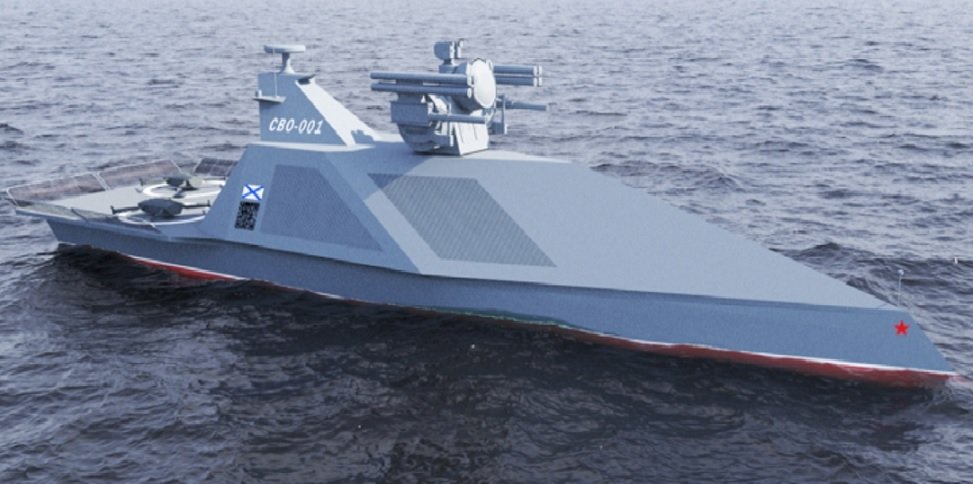 Russia Builds 500-Ton Unmanned Warship For Anti-Submarine Warfare, Plans New 9,500-Ton Warship, Navy Chief Says
-
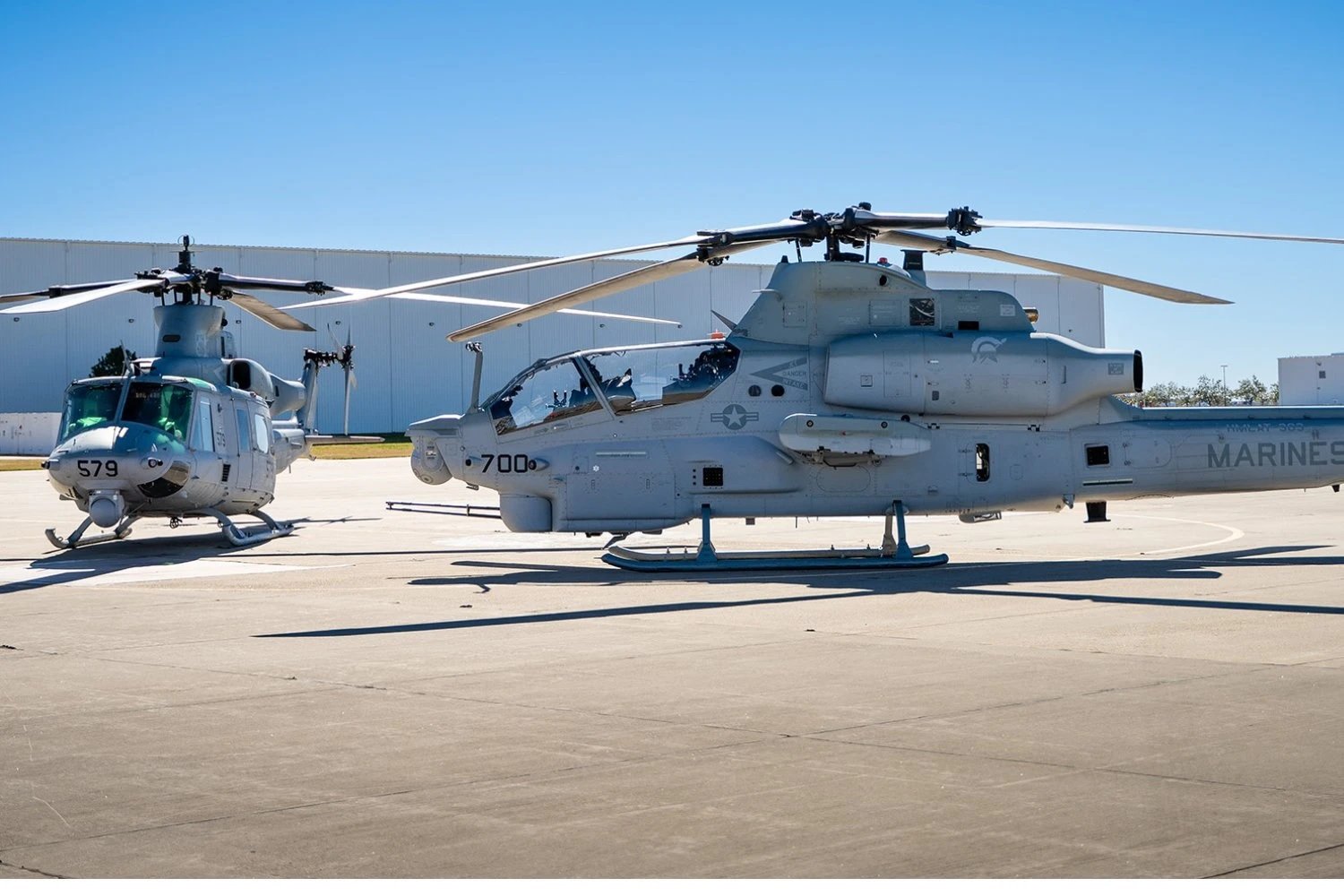 U.S. Awards Bell Textron $33.64 Million Contract for Next Phase of Marine Corps AH-1Z and UH-1Y Helicopter Upgrades
-
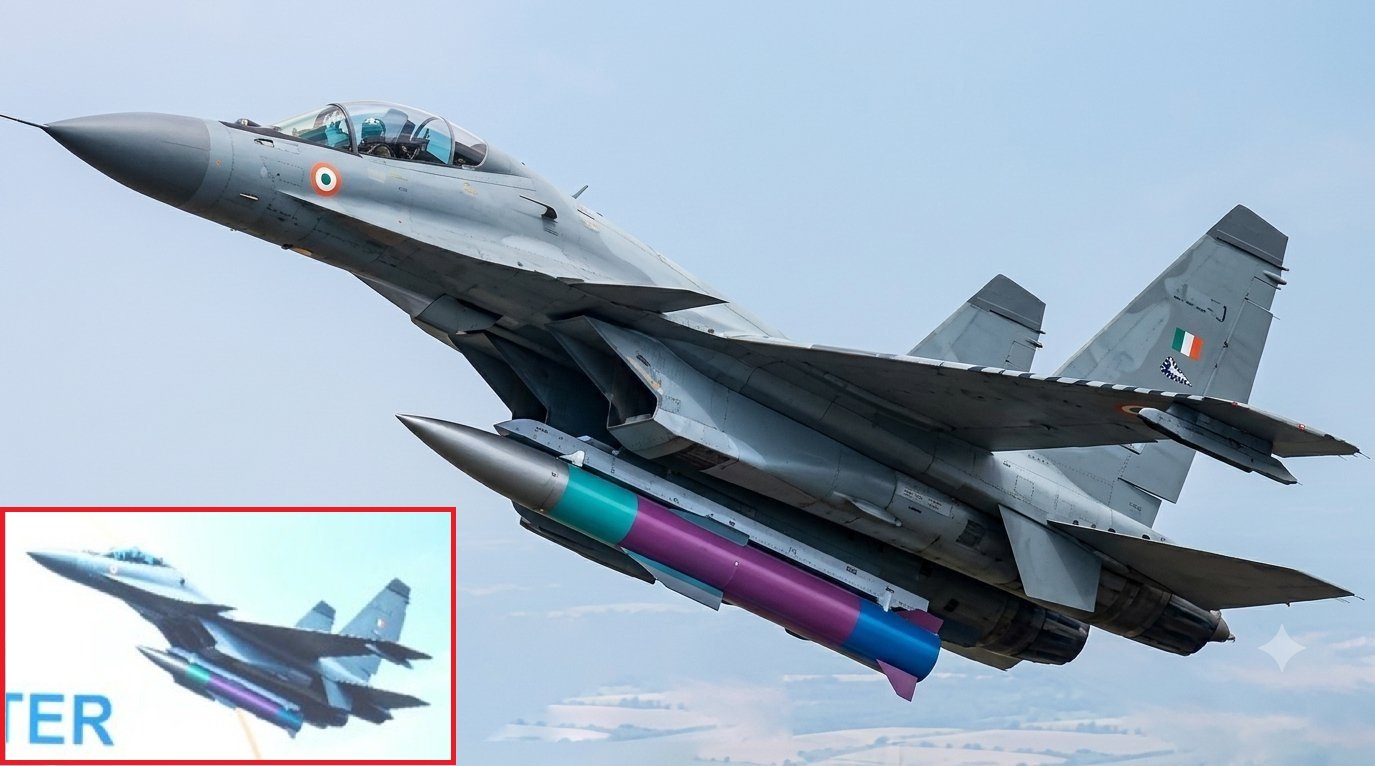 DRDO Developing Long-Range Air-Launched Ballistic Missile for Su-30MKI, Rudram-4 Seen as Likely Candidate
-
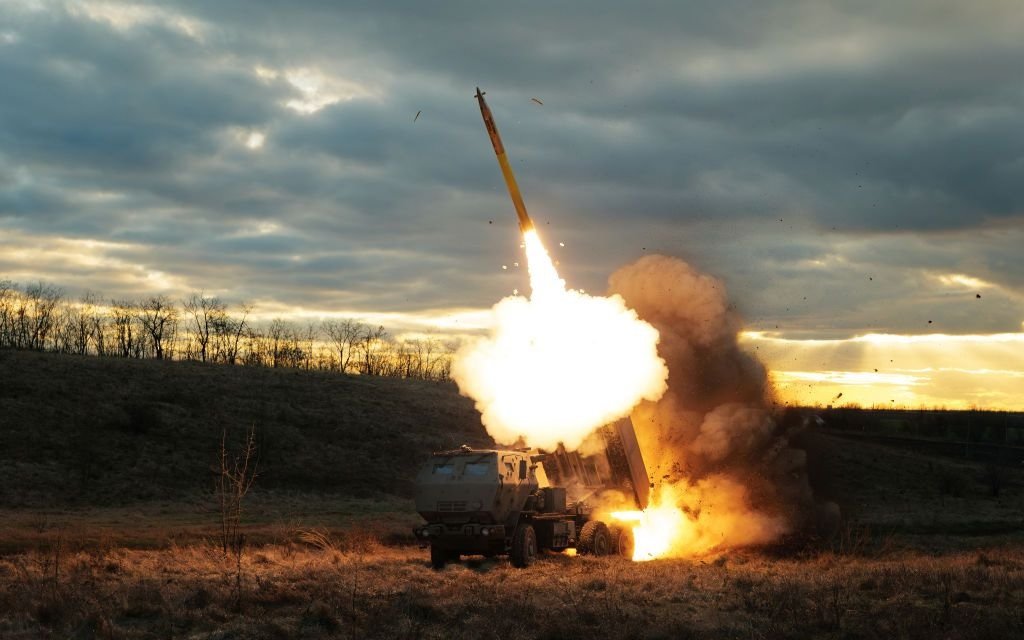 U.S. Military Selectively Intercepts Iranian Missiles to Preserve Shrinking Air Defense Stocks : Report
-
 Unreleased Footage Reveals Why Lindsey Graham Dropped Plan to Push Trump on Hezbollah Strikes
-
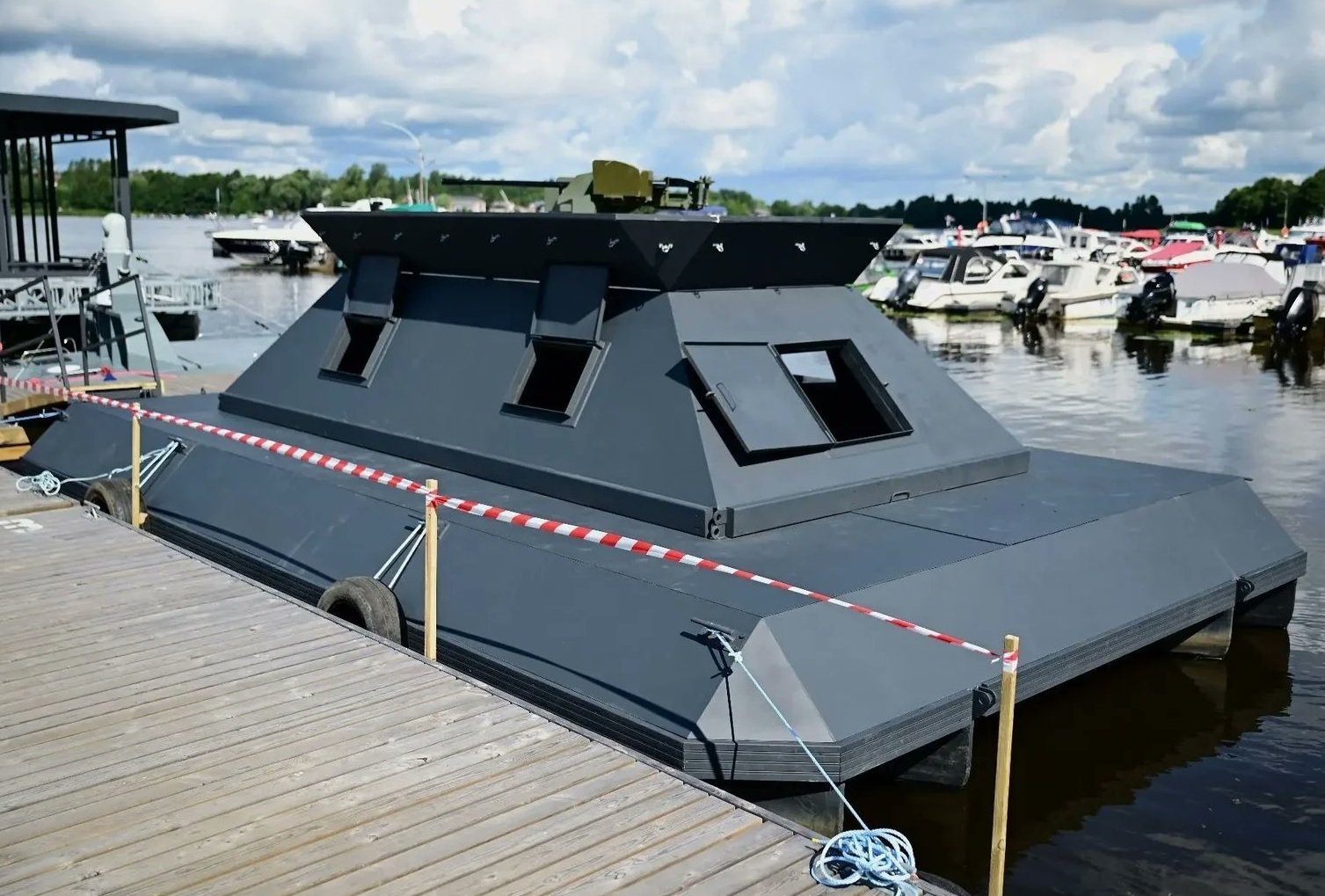 Russia Unveils Experimental Plot-40 Floating Defense Platform to Counter Drone and USV Threats
-
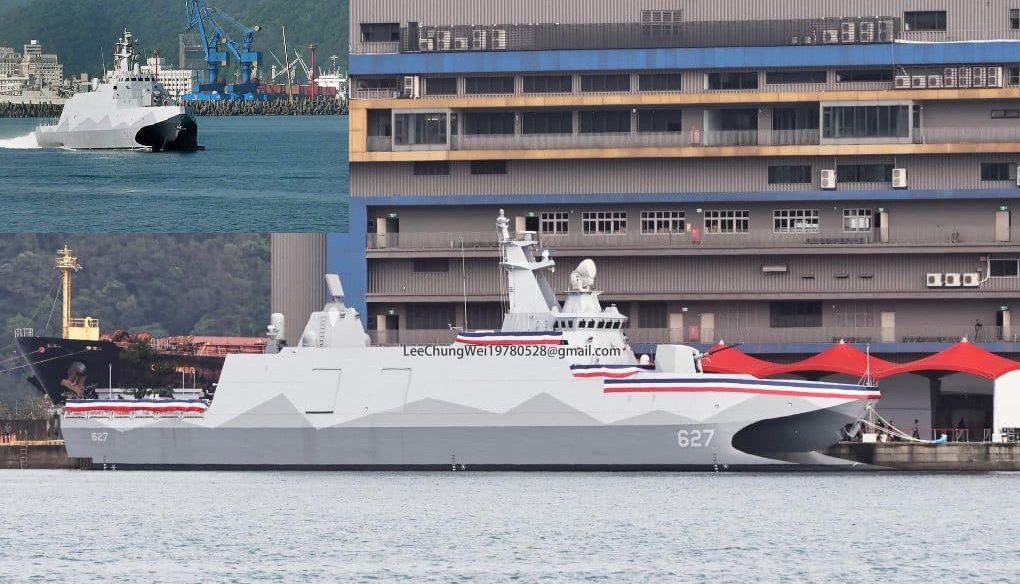 Taiwan Commissions First Batch 2 Tuo Chiang-Class Corvette with New Leonardo Radar
Top Trending in 4 Days
-
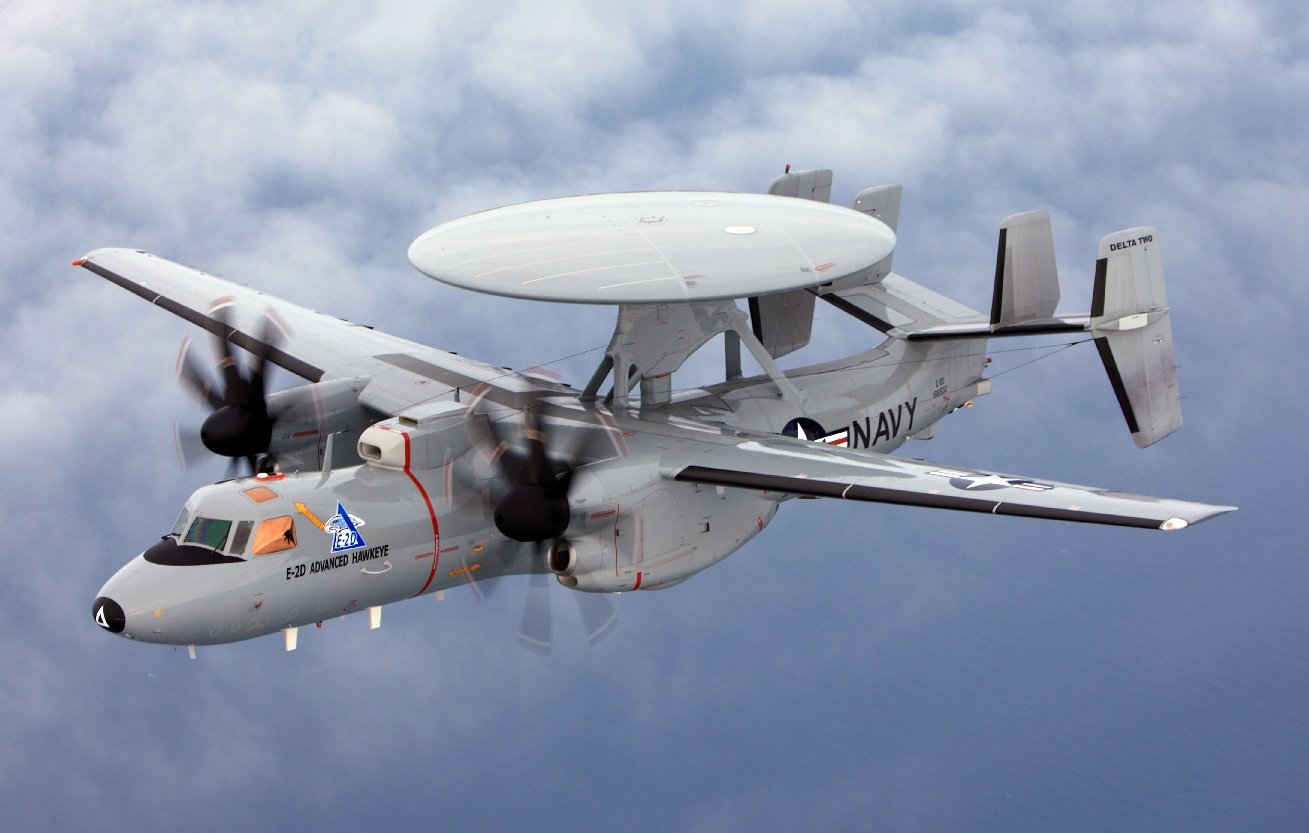 U.S. Navy Awards Northrop Grumman $1.2 Billion Deal for Three New E-2D Advanced Hawkeyes
-
 U.S. Airstrikes Target IRGC Missile Base Near Taft as Overnight Strikes Hit Central Iran
-
 Kuwait and Bahrain Reportedly Launch First Joint Direct Airstrikes on Iran Since War Began : Report
-
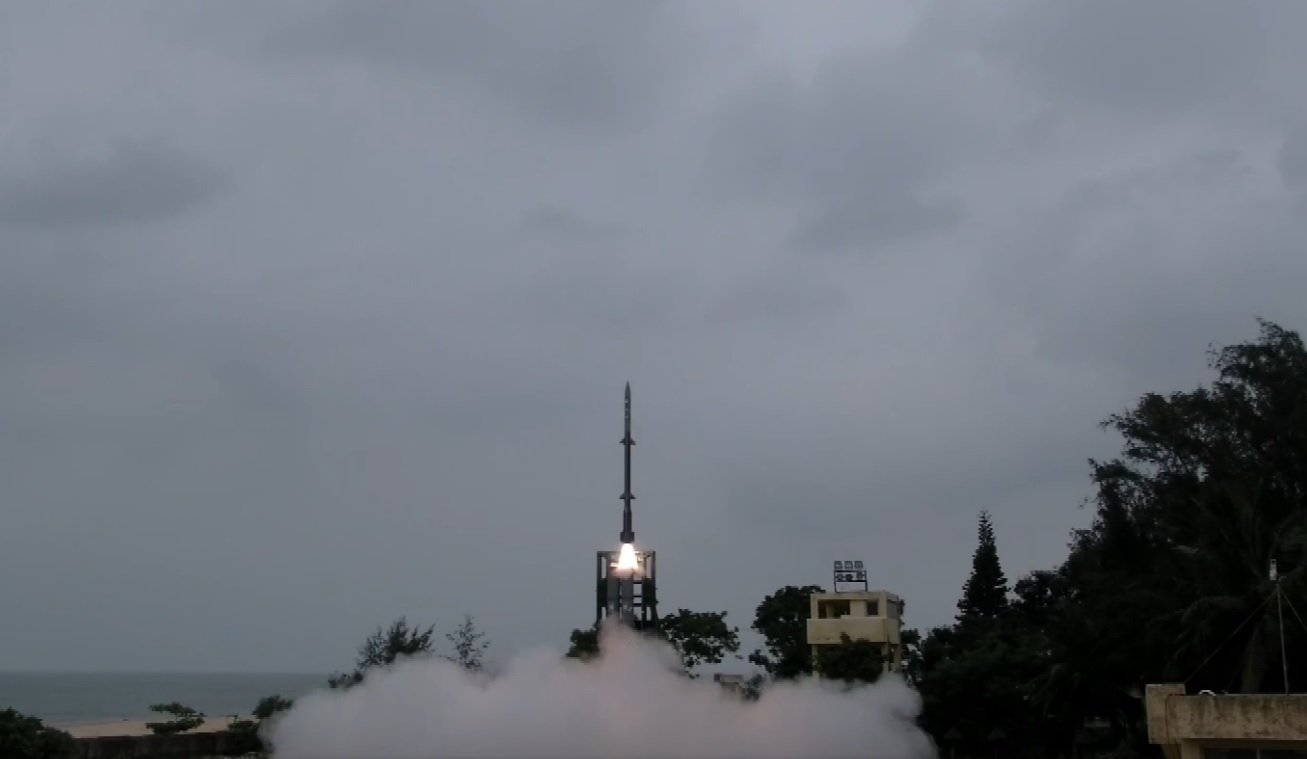 DRDO Successfully Conducts Maiden Flight Test of 150-km-Range Kusha M1 Air Defence Missile
-
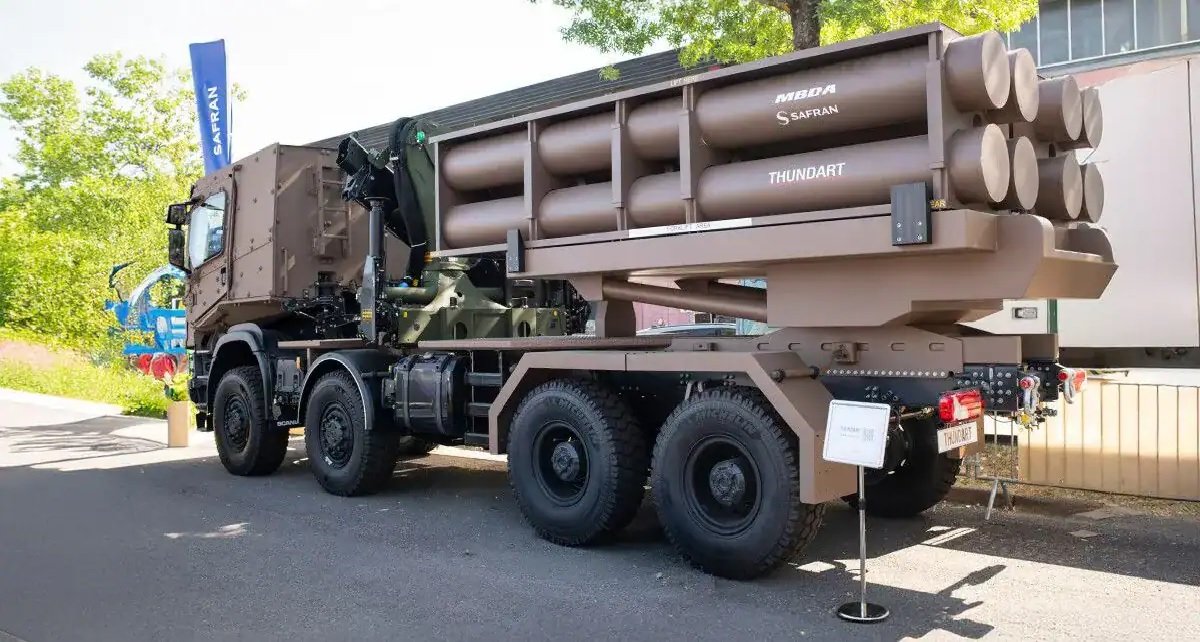 France's THUNDART Long-Range Rocket System May Undergo Prototype Combat Testing in Ukraine
-
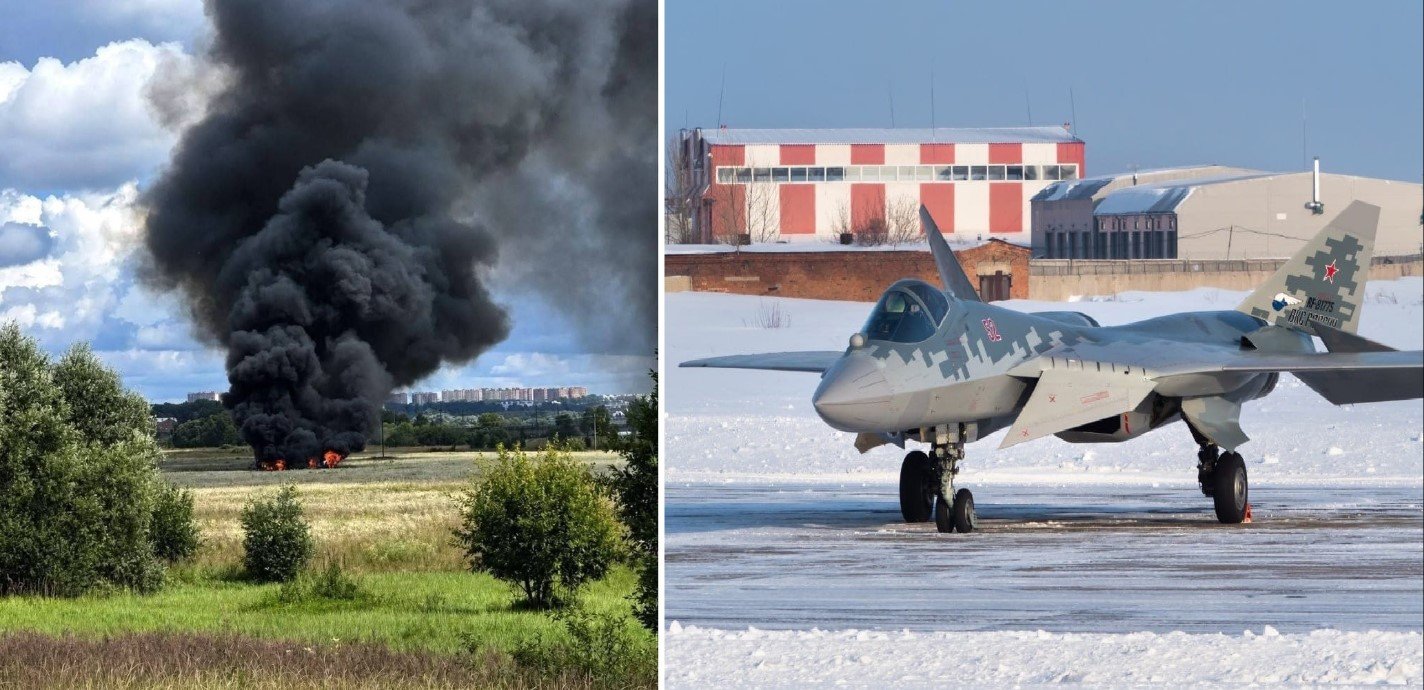 Russian Su-57 Stealth Fighter Crashes During Training Flight Near Moscow, Pilot Ejects Safely
-
 Australia Commits Additional AUD 4.6 Billion to Expand Osborne Shipyard for AUKUS Submarines
-
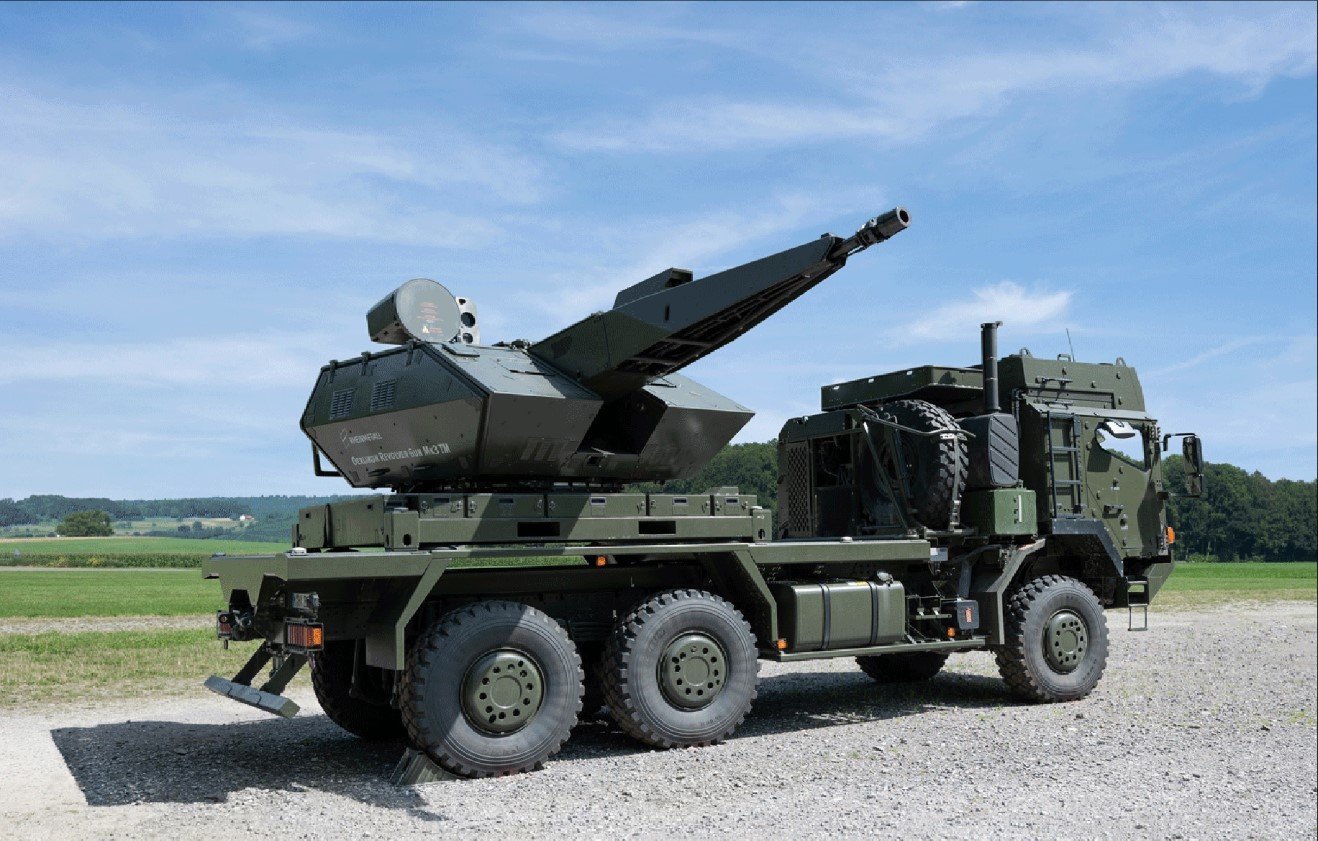 China Imposes Dual-Use Export Ban on 14 European Entities After EU's Russia Sanctions