World
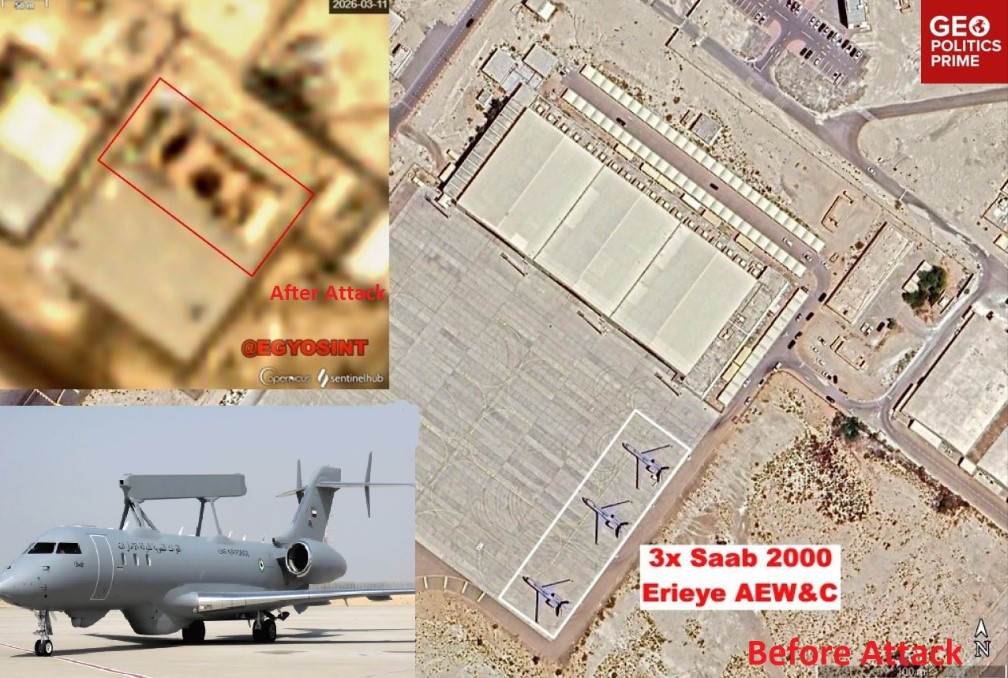
Abu Dhabi — March 16, 2026 : The United Arab Emirates has lost one of its Saab GlobalEye airborne early warning and control (AEW&C) aircraft following Iranian drone and missile attacks targeting Al Dhafra Air Base earlier in March 2026. Satellite imagery released in mid-March indicates that the aircraft was destroyed after several reinforced aircraft shelters at the base were struck during the attacks. Open-source satellite analysis shows heavy structural damage and burn marks on multiple hangars previously used to house GlobalEye aircraft and other large platforms. Defense observers report that the aircraft was likely destroyed by a Shahed-series loitering munition, a system estimated to cost approximately $20,000. The GlobalEye aircraft itself is valued at roughly $460 million to $500 million per unit, though total system costs including mission equipment, support, and integration can approach or exceed $1 billion. The strikes formed part of a broader wave of Iranian attacks targeting sites in the United Arab Emirates during the escalation in early March. Recorded attacks occurred on March 10 and March 13, when drones, cruise missiles, and ballistic missiles were launched toward several locations. Al Dhafra Air Base, located south of Abu Dhabi, was among the primary targets. The facility hosts assets from the UAE Air Force and Air Defence and is also used by United States and French forces operating in the Gulf region. Satellite imagery released on March 15 and March 16 shows that at least three large hangars designed for high-value aircraft sustained visible damage. These shelters had previously been associated with the storage and maintenance of the UAE’s GlobalEye aircraft. Additional platforms reportedly present in the affected area included C-235 transport aircraft, MQ-9 Reaper unmanned aerial vehicles, and MQ-4C Triton high-altitude surveillance drones. The UAE Ministry of Defence confirmed that air defence systems intercepted a large number of incoming missiles and drones during the attacks. However, officials have not issued a formal statement specifying aircraft losses or confirming the destruction of a GlobalEye platform. Defense reporting and open-source imagery analysis nonetheless indicate that at least one aircraft from the fleet was destroyed during the strike. UAE GlobalEye Fleet Prior to the incident, the UAE operated a fleet of five GlobalEye aircraft. The type represents the most advanced airborne early warning and surveillance platform currently deployed in the Middle East. These aircraft form a central component of the UAE’s integrated air defence and surveillance architecture. The GlobalEye system is based on the Bombardier Global 6000 long-range business jet and integrates Saab’s Erieye ER extended-range radar. The platform combines multiple sensor systems capable of detecting and tracking air, surface, and ground targets while operating at high altitude. The aircraft provides long-range surveillance coverage exceeding 550 kilometers for certain aerial targets and can remain airborne for more than 11 hours depending on mission configuration. GlobalEye aircraft also serve as airborne command and control nodes. The platform supports coordination of fighter aircraft, naval assets, and ground-based air defence systems through its integrated communication and battle management systems. Acquisition History The UAE was the launch customer for the GlobalEye program. The procurement was carried out through several contracts with Saab over nearly a decade. The initial agreement was signed during the Dubai Air Show in November 2015 for two aircraft with a value of approximately $1.27 billion. The contract included the aircraft, mission systems, training, and associated support services. In February 2017, the UAE exercised an option to acquire a third aircraft under the original agreement. A further expansion of the fleet was approved in December 2020 when the UAE signed a follow-on contract valued at approximately $1.018 billion for two additional GlobalEye aircraft. Deliveries occurred in several stages over the following years. The first aircraft was delivered in April 2020, followed by the second in September 2020. The third aircraft was delivered in 2021. The fourth and fifth aircraft were delivered in 2024, completing the UAE’s five-aircraft fleet less than ten years after the initial contract. In January 2024, Saab and the UAE signed a three-year in-service support agreement valued at approximately $190 million. The contract covers maintenance services, logistics support, training, and operational sustainment for the fleet through 2026. Impact and Operational Considerations The destruction of one aircraft reduces the UAE GlobalEye fleet from five aircraft to four remaining operational platforms. No official information has been released regarding the operational impact on UAE airborne surveillance coverage or command capabilities. Military analysts note that AEW&C platforms such as GlobalEye play a critical role in managing modern air operations. These aircraft extend radar coverage far beyond ground-based sensors and allow commanders to coordinate fighter aircraft, missile defense systems, and maritime forces across large areas. At present, neither the UAE government nor Saab has announced any plans to replace the destroyed aircraft or to expand the fleet further. The remaining aircraft continue to operate under the existing support and maintenance contract signed in 2024. Broader Context The strike on Al Dhafra Air Base highlights the growing role of low-cost unmanned systems in modern conflicts. Iranian strike waves during the escalation included ballistic missiles, cruise missiles, and multiple types of unmanned aerial vehicles, including loitering munitions. Although UAE air defenses intercepted the majority of incoming threats during the March attacks, several weapons reached infrastructure at Al Dhafra. The resulting damage to aircraft shelters demonstrates the vulnerability of high-value air assets when targeted by relatively inexpensive drone systems. As of March 16, 2026, UAE authorities have not released additional details regarding damage assessments, repair efforts at the base, or potential procurement decisions related to the GlobalEye fleet.
Read More → Posted on 2026-03-16 15:01:44
World
BRUSSELS / KYIV — March 16, 2026 : Belgian defense manufacturer John Cockerill Defense has proposed a modernization program for the Ukrainian Armed Forces’ fleet of Leopard 1 tanks, centered on replacing the original turret with the company’s modular Cockerill 3105 turret system. The proposal was presented during the Brussels European Defence Exhibition & Conference 2026, held from March 12 to March 14 in Brussels. The proposed upgrade aims to convert Ukraine’s Cold War–era Leopard 1 platforms into modern fire-support vehicles with improved fire control, guided missile capability, and extended engagement range. According to company representatives speaking during the exhibition, the modernization concept follows successful field trials conducted in Ukraine using a prototype vehicle equipped with the new turret. Prototype Testing in Ukraine A prototype Leopard 1 tank fitted with the Cockerill 3105 turret was delivered to Ukraine in May 2025 for technical and operational evaluation. According to information presented at BEDEX 2026, the test platform remains in Ukraine and has completed its initial assessment phase. Company officials stated that the vehicle is expected to be deployed to an operational combat unit, marking the first potential front-line use of the upgraded configuration. The results of these trials form the basis for the proposal to upgrade the Ukrainian Armed Forces’ entire Leopard 1 fleet. Ukraine currently operates Leopard 1 tanks supplied by several European partners, including Germany, Denmark, and the Netherlands. The modernization proposal is intended to extend the service life of these vehicles while improving their combat capabilities without requiring a new tank platform. Cockerill 3105 Turret System The Cockerill 3105 is a modular, lightweight turret designed for installation on legacy armored vehicle chassis. The system integrates a high-pressure 105 mm rifled cannon compatible with standard NATO ammunition used by the Leopard 1. The gun is paired with an automatic loading mechanism located in the turret bustle, capable of holding between 12 and 16 rounds. The autoloader removes the need for a dedicated human loader, reducing the tank’s crew from four personnel to three. The turret is operated by the commander and gunner, who are positioned at the level of the tank hull rather than inside the turret structure itself. Both crew members have access to identical stabilized sighting systems, allowing hunter-killer engagement capability where the commander can designate targets while the gunner engages another. Fire Control and Optical Systems The turret incorporates a fully digital fire-control system and advanced optical sensors. According to the manufacturer, the system can detect targets at distances of up to 18 kilometers during daytime conditions and 15 kilometers at night. The weapon system supports high elevation angles, allowing the tank to perform indirect fire missions in addition to conventional direct engagement. Company representatives described the indirect-fire capability as uncommon among Western tank platforms. Guided Missile Integration The 105 mm cannon is also capable of firing the Falarick 105 guided anti-tank missile. The missile was originally developed in the 2010s by Ukraine’s Luch Design Bureau in cooperation with John Cockerill. Falarick uses laser beam-riding guidance and is designed to be launched directly from the tank gun barrel. The missile can engage armored vehicles, fortifications, and low-flying helicopters at distances of up to approximately 5 kilometers. The tandem hollow-charge warhead is reported to be capable of penetrating at least 550 millimeters of armor behind explosive reactive armor (ERA). Protection and Structural Design The Cockerill 3105 turret is constructed from welded ballistic aluminum and can be fitted with modular armor packages. With additional protection kits installed, the turret is rated to STANAG 4569 Level 5, which provides resistance against 25 mm autocannon or sub-caliber ammunition. Secondary armament typically includes a 7.62 mm coaxial machine gun and a 12.7 mm heavy machine gun mounted externally. The turret is approximately 3.5 tons lighter than the original Leopard 1 turret, which may improve vehicle mobility without requiring modifications to the engine or transmission. Integration with Leopard 1 Hull Installation of the turret requires an adapter ring to interface with the Leopard 1 hull, along with integration of the electronic control systems. According to the manufacturer, the modification involves relatively limited structural changes to the existing chassis. Despite the improvements in firepower and fire-control systems, the modernization does not significantly increase the protection level of the Leopard 1 hull itself, which remains comparatively thin by modern main battle tank standards. Analysts note that the upgrade focuses primarily on enhancing long-range engagement capability and situational awareness rather than heavy armor protection. Fleet Modernization Proposal The proposal from John Cockerill Defense would allow Ukraine to upgrade its Leopard 1 fleet into modernized fire-support platforms capable of using advanced optics, guided missiles, and automated loading systems. The company positions the Cockerill 3105 as a flexible turret system suitable for multiple tracked and wheeled vehicles. Similar configurations have been proposed for other legacy tanks, including the M60 Patton family. Discussions regarding the potential modernization program, including cost and production timelines, are continuing between the Belgian manufacturer and the Ukrainian Ministry of Defense. If adopted, the upgrade would represent a significant attempt to extend the operational relevance of Leopard 1 tanks currently in Ukrainian service.
Read More → Posted on 2026-03-16 14:42:26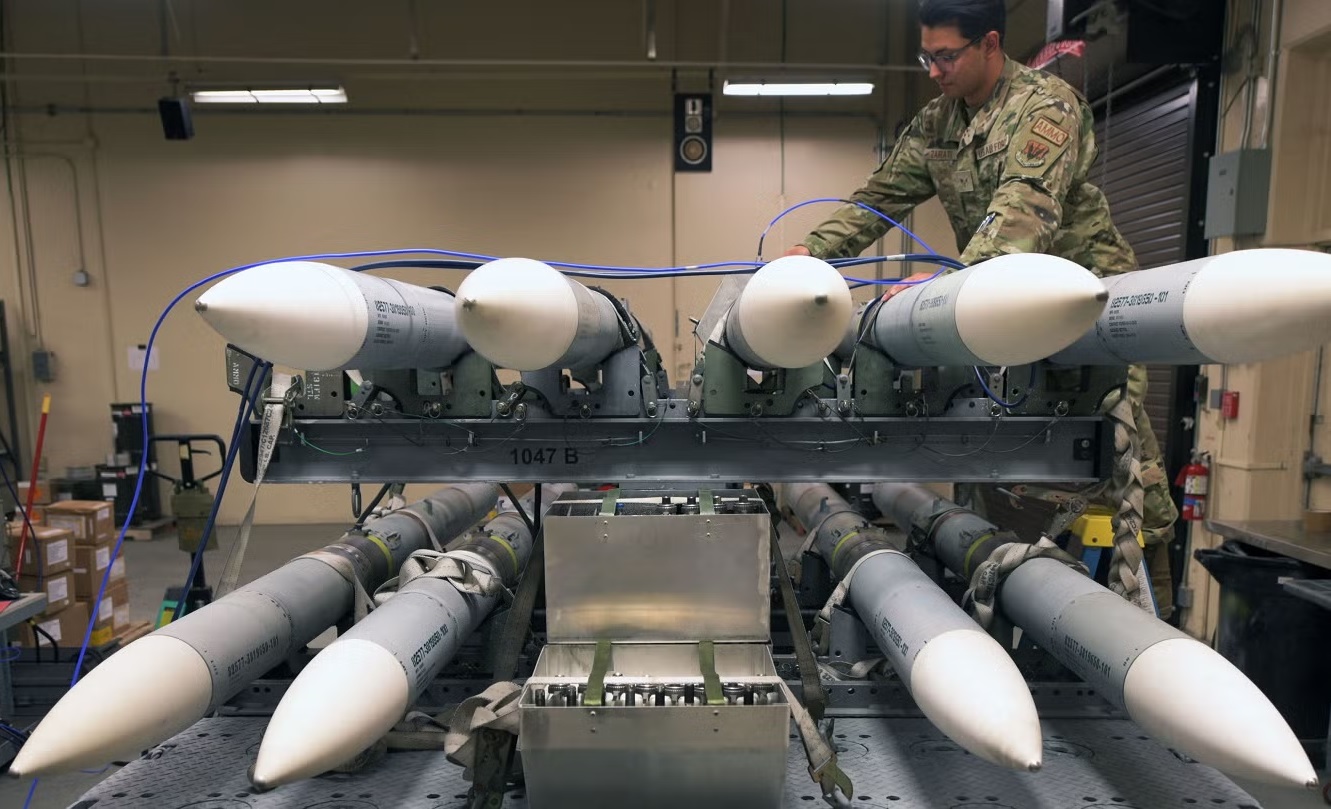
World
VILNIUS — March 16, 2026 : The Lithuanian Armed Forces have taken delivery of a new shipment of missiles and ammunition valued at more than €5.7 million, according to the Lithuanian Ministry of National Defence. The equipment arrived at national defence warehouses this week and forms part of the country’s continuing effort to expand its military readiness and replenish key munitions stocks. The shipment includes AIM-120B AMRAAM air-defence missiles, Spike LR2 anti-tank guided missiles, and 5.56×45 mm NATO BALL ammunition used by infantry units. Lithuanian officials stated that the delivery supports both air defence operations and ground combat capabilities. Reinforcement of Medium-Range Air Defence The AIM-120B AMRAAM (Advanced Medium-Range Air-to-Air Missile) interceptors included in the shipment are intended for use with Lithuania’s NASAMS (National Advanced Surface-to-Air Missile System) air defence network. NASAMS provides medium-range protection against aircraft, cruise missiles, and other aerial threats. According to the Ministry of National Defence, the missiles will support Lithuania’s existing NASAMS units and future system expansions. Lithuania continues to expand its NASAMS inventory through several procurement phases signed in 2017, 2023, and 2024. A new NASAMS battery is scheduled to enter service later in 2026, which will further strengthen the country’s layered air defence coverage. The AMRAAM family of missiles forms the core interceptor for these systems, enabling medium-range engagement capability. Minister of National Defence Robertas Kaunas stated that the latest delivery is part of a broader effort to ensure adequate ammunition stocks and maintain operational readiness within the Lithuanian Armed Forces. “We continue strengthening our air defence capability and investing in ammunition top-ups,” Kaunas said. “The AMRAAM missiles are used for medium-range air defence with the NASAMS, of which Lithuania will have a new battery in the course of this year.” Anti-Tank Capability for Ground Forces The shipment also includes Spike LR2 anti-tank guided missiles, which provide precision engagement capability against armored targets and fortified positions. The Spike LR2 represents a fifth-generation anti-tank guided missile developed by Rafael Advanced Defense Systems. These missiles are integrated with Lithuania’s Vilkas Infantry Fighting Vehicles (IFVs), which serve as the primary armored platform for mechanized units of the Lithuanian Army. Integration of Spike LR2 missiles allows the vehicles to engage main battle tanks, armored vehicles, buildings, and other high-value targets at extended ranges during maneuver operations. Lithuania previously received additional Spike LR2 missile deliveries in 2025, with batches valued at approximately €6 million each as part of the country’s ongoing anti-armor capability development. Standard NATO Ammunition Supply The delivery also includes 5.56×45 mm NATO BALL ammunition, the standard small-arms caliber used by Lithuanian infantry units. The ammunition supports rifles such as the Heckler & Koch G36, which is widely used across Lithuanian ground forces. Maintaining supplies of NATO-standard ammunition ensures interoperability with allied forces deployed in Lithuania and across the Baltic region. The Lithuanian Armed Forces regularly replenish these stocks to support training, operational readiness, and joint exercises with allied militaries. Broader Modernization Efforts The recent delivery forms part of Lithuania’s wider defense modernization and logistics program aimed at expanding military capabilities and stockpiling essential munitions. In 2026, Lithuania expects to receive several additional defence systems, including: The first battery of the HIMARS multiple launch rocket system Additional NASAMS air defence systems Giraffe short-range air surveillance radars The country’s first Twinvis passive radar systems Lithuania has increased defence procurement in recent years as part of broader security planning within the Baltic region. The government is preparing to allocate nearly 6% of its GDP to national defence in 2026, one of the highest defence spending levels among NATO member states. Minister Kaunas said that the latest delivery reflects Lithuania’s continued effort to maintain sufficient supplies and modern equipment for its armed forces. “We are not losing pace: plenty of additional ammunition will be purchased to ensure excellent supply for the Lithuanian Armed Forces,” he said. The newly delivered missiles and ammunition have been transferred to Lithuanian Armed Forces logistics warehouses, where they will be distributed to operational units as part of ongoing readiness and modernization initiatives.
Read More → Posted on 2026-03-16 14:27:52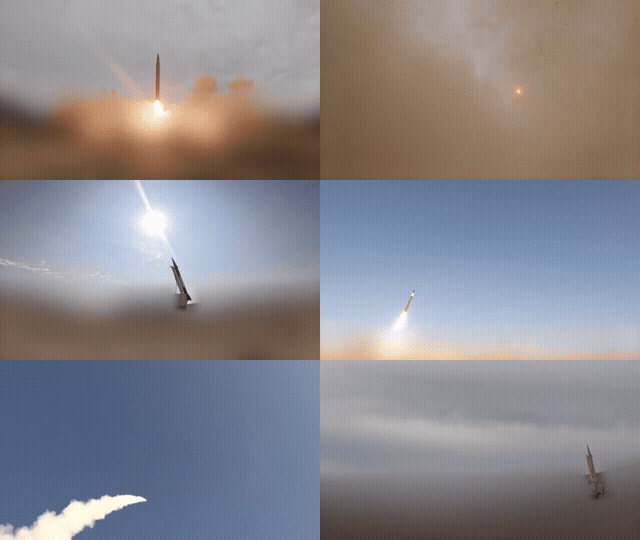
World
TEHRAN / JERUSALEM — March 16, 2026 : Iran’s Islamic Revolutionary Guard Corps (IRGC) announced on Monday that it has deployed the Sejjil medium-range ballistic missile (MRBM) during the latest wave of missile strikes against Israeli military targets, marking the first confirmed use of the solid-fuel system in the current Iran-Israel conflict. According to the IRGC statement, the missile was launched as part of the 54th wave of strikes under Operation True Promise 4, targeting Israeli air command centers, defense industrial facilities, troop concentrations, and other military infrastructure. Iranian state media reported that the Sejjil was launched alongside several other ballistic missile systems, including the Khorramshahr, Kheibar Shekan, Qadr, and Emad missiles. The conflict between Iran and Israel began on February 28, 2026, following joint U.S. and Israeli strikes on Iranian military infrastructure. Since then, Iran has conducted multiple waves of missile and drone attacks targeting Israeli territory and regional military installations. Sejjil Missile System: Technical Characteristics The Sejjil is a two-stage, solid-propellant medium-range ballistic missile developed domestically by Iran’s Aerospace Industries Organization, operating under the Iranian Ministry of Defence. Open-source assessments and Iranian disclosures indicate the missile has the following characteristics: Dimensions and Mass Length: Approximately 18 meters Diameter: Around 1.25 meters Launch weight: Approximately 23,600 kilograms Operational Range Estimated range: 2,000–2,500 kilometers This range allows the missile to strike targets across the Middle East from launch locations inside Iran, including all of Israel, as well as parts of Türkiye, Saudi Arabia, the United Arab Emirates, and several U.S. military installations in the region. Payload Capacity Payload: Approximately 700 kilograms Possible warhead configurations include: Conventional high-explosive warheads Fragmentation warheads designed for area effects Penetrator warheads intended for hardened infrastructure Guidance and Flight Control Recent variants are believed to incorporate: Improved inertial navigation systems (INS) Jet vane control systems during the boost phase to stabilize trajectory and improve accuracy Solid-Fuel Propulsion and Operational Advantages The Sejjil differs from many of Iran’s earlier ballistic missile systems, such as the Shahab-3, which rely on liquid-propellant engines. Liquid-fuel ballistic missiles typically require extended fueling procedures before launch, often taking several hours. During this preparation period, missiles and support vehicles remain stationary, making them more vulnerable to detection by satellite reconnaissance, airborne surveillance, and preemptive strikes. In contrast, solid-propellant missiles like the Sejjil are stored fully fueled, enabling immediate launch once authorization is given. This propulsion design provides several operational advantages: Rapid Launch Capability Solid-fuel missiles significantly reduce the time between launch authorization and firing. Instead of requiring lengthy fueling procedures, launch preparation can occur within minutes, allowing faster response during active conflict. Improved Mobility Sejjil missiles are deployed using road-mobile transporter-erector-launcher (TEL) vehicles. These platforms allow missile units to disperse across large geographic areas and operate from concealed launch sites. Greater Survivability Mobile solid-fuel missile systems can relocate frequently, launch quickly, and move again before enemy reconnaissance assets can track or target them. This mobility complicates pre-launch interception strategies often described as “left-of-launch” operations, where adversaries attempt to destroy missiles before they are fired. Why the Sejjil Represents a More Capable System Military analysts note that the Sejjil represents a technological advancement over many earlier Iranian ballistic missiles, primarily because of its propulsion system and operational readiness. Most of Iran’s earlier long-range missiles—including the Shahab series—are based on liquid-fuel technology derived from earlier Soviet and North Korean designs. While capable of long ranges, those missiles require substantial ground support infrastructure and longer preparation times. The Sejjil’s solid-fuel architecture provides several advantages over these earlier systems: Faster launch readiness, enabling rapid strike capability Reduced logistical footprint, as no fueling vehicles are required at launch sites Lower detection risk, due to shorter preparation time Higher survivability for launch units, thanks to mobility and rapid relocation These characteristics make the Sejjil particularly suited for mobile launch operations during sustained conflict, where launch sites may be under constant surveillance. However, analysts also note that Iran’s stockpile of solid-fuel MRBMs is believed to be smaller than its inventory of liquid-fueled systems, meaning these missiles may be used selectively. Missile Trajectory and Defensive Countermeasures Despite its improved propulsion and readiness characteristics, the Sejjil follows a traditional ballistic flight path, which allows early detection by missile defense radars. Israel’s missile defense network includes the Arrow-2 and Arrow-3 systems, designed to intercept medium-range ballistic missiles during the exo-atmospheric and high-altitude phases of flight. Iranian strike tactics frequently involve simultaneous launches of multiple missile types, combining systems such as the Sejjil, Khorramshahr, and Kheibar Shekan. Analysts say this strategy is intended to increase pressure on interceptor inventories and complicate radar tracking and engagement sequencing. Reported Impacts in Central Israel Israeli emergency services reported impacts in several locations in central Israel, including areas near Tel Aviv, following the latest missile wave. Authorities said fragments and possible sub-munitions caused damage to residential buildings, vehicles, and infrastructure. Injuries were reported in several urban areas, including Ramat Gan and Bnei Brak, primarily from shrapnel and debris. Strategic Context of the Deployment The use of the Sejjil comes as Israeli forces continue to conduct airstrikes against Iranian military infrastructure, particularly in western Iran. Analysts suggest the deployment of more advanced missile systems may reflect efforts by Iran to maintain a credible strike capability during prolonged military operations, while improving the survivability and responsiveness of its missile forces. As the conflict enters its third week, both sides continue to employ increasingly advanced weapons systems, with missile and air operations expanding across multiple areas of the region.
Read More → Posted on 2026-03-16 14:15:54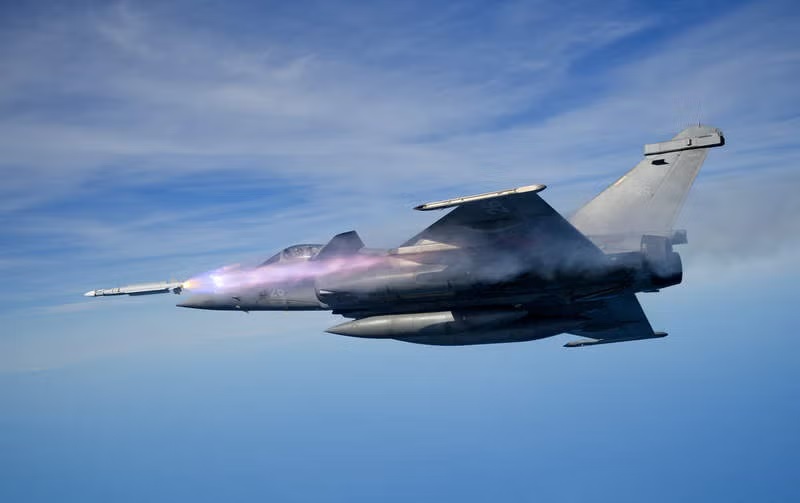
World
PARIS — March 16, 2026 : The French government has initiated an urgent high-level response after a rapid decline in national stocks of MBDA MICA air-to-air missiles used by Rafale fighter jets deployed in the Middle East. French Defence Minister Sébastien Lecornu has scheduled a crisis meeting for March 17, 2026 to coordinate measures aimed at stabilizing missile supplies and sustaining ongoing operational commitments. The issue has emerged following weeks of high-tempo air defense operations conducted by the French Air and Space Force to intercept drones and cruise missiles launched toward the United Arab Emirates. French combat aircraft stationed at Al Dhafra Air Base in Abu Dhabi have been actively engaged in defensive missions since the escalation of regional hostilities on February 28, 2026. Government officials have described the situation internally as a significant strain on strategic missile reserves, as advanced air-to-air weapons have been used repeatedly against relatively low-cost unmanned aerial systems. Operational Deployment in the UAE France maintains a permanent military presence in the UAE under a bilateral defence agreement designed to support regional security and protect critical infrastructure. Approximately 900 French military personnel are stationed across two key facilities in Abu Dhabi: the naval installation at Mina Zayed Naval Base and the air component operating from Al Dhafra Air Base. The French air contingent at Al Dhafra has operated continuously since 2016 with a standing deployment of six Dassault Rafale multirole fighter aircraft. As regional tensions increased in late February 2026, France reinforced this presence. On March 4, 2026, an additional six Rafale aircraft from Escadron de Chasse 1/7 “Provence” were deployed to the UAE, doubling the available French fighter force in theatre. The mission profile assigned to these aircraft focuses primarily on air defense operations, including the interception of Iranian-supplied drones—particularly the widely used Shahed drone family—as well as cruise missiles launched toward Emirati territory. According to defence officials, French fighters have intercepted dozens of aerial threats during recent engagements. MICA Missile Usage and Strategic Impact The Rafale’s primary interception weapon for short- and medium-range engagements is the MBDA MICA air-to-air missile, produced by the European missile manufacturer MBDA. The MICA missile exists in two variants—an infrared-guided version and an active radar-guided version—allowing Rafale aircraft to engage airborne targets under different combat conditions. French officials report that the Rafale fleet operating from Al Dhafra has maintained a high interception success rate against incoming drones and cruise missiles using these missiles. However, the large number of engagements has resulted in a rapid consumption of missile stocks. The imbalance between the cost of advanced air-to-air missiles and the relatively inexpensive unmanned targets has been identified as a major factor contributing to the depletion. Shahed-type drones are comparatively low-cost systems, while MICA missiles are sophisticated precision weapons designed for high-value aerial combat scenarios. Procurement Limits and Production Delays The current shortage has also been influenced by historical procurement levels and industrial production constraints. Deliveries of MICA missiles from MBDA’s manufacturing facility in Selles-Saint-Denis in central France are currently running approximately two years behind schedule, according to reporting by the French newspaper La Tribune. The delays have created tension between several institutions involved in France’s defence procurement structure. These include the French military leadership represented by the État-Major des Armées (General Staff), the procurement authority Direction générale de l’armement (DGA), and MBDA as the industrial manufacturer. Military officials have reportedly raised concerns regarding the slow pace of developing affordable counter-drone alternatives. MBDA, for its part, has indicated that increasing production capacity requires formal contractual commitments and financial guarantees from the government before manufacturing can be expanded. Government Crisis Meeting To address the situation, the French government has scheduled a coordination meeting involving senior representatives from the Ministry of the Armed Forces, the General Staff, the DGA, and MBDA leadership. The discussions will focus on accelerating missile production, prioritizing delivery schedules, and identifying temporary solutions to maintain operational readiness while replenishing national stocks. Officials are expected to push for faster industrial output and possible adjustments to procurement frameworks in order to prevent further depletion during ongoing operations. Interim Measures Under Consideration Among the options being evaluated is the potential reintroduction of the R550 Magic 2 missile, a short-range infrared air-to-air missile that was officially withdrawn from French service in 2020. Although retired, surplus Magic 2 stocks still exist within France and may provide a temporary supplement to current missile inventories. The system has already returned to operational use in another theatre. Ukrainian forces operating Dassault Mirage 2000-5F fighters supplied by France have employed Magic 2 missiles against Russian-supplied drones, including Shahed-type systems, with reported interception effectiveness approaching 98 percent in certain engagements. France is also evaluating the possibility of reacquiring additional Magic 2 missiles from countries that previously operated the system. Potential sources include several nations where the missile was exported during earlier decades. European operators include Greece, which used the weapon on Mirage 2000 fighters, and Romania, where the missile was integrated on MiG-21 LanceR aircraft before their retirement. Other countries that have maintained Magic 2 inventories include Morocco, Peru, and Brazil. Long-Term Counter-Drone Strategy Beyond the immediate crisis response, French defence planners are developing new solutions designed specifically to counter large numbers of low-cost unmanned aerial vehicles. These capabilities are expected to be incorporated into the future Rafale F5 standard currently under development by Dassault Aviation. Announced during the Paris Air Show 2025, the Rafale F5 upgrade aims to integrate lighter and more economical interception tools, including guided 68-millimeter rockets mounted in multi-tube launch pods. These weapons are intended to provide a cost-effective method of engaging swarms of drones without relying on expensive air-to-air missiles. The Rafale F5 configuration is currently planned to enter service around 2035. However, the present strain on missile inventories may lead defence planners to accelerate development and integration timelines for these systems. Strategic Implications The depletion of MICA missile stocks highlights a broader challenge faced by modern air forces confronting large-scale drone warfare: balancing the use of advanced high-value munitions against increasingly inexpensive aerial threats. French authorities are expected to prioritize both the rapid replenishment of existing missile inventories and the development of lower-cost interception solutions to ensure that the Rafale fleet can sustain extended air defense operations in future conflicts.
Read More → Posted on 2026-03-16 14:06:42
World
MEUDON, France — March 16, 2026 : French defense technology company Thales Group has been selected by Swiss aircraft manufacturer Pilatus Aircraft Ltd to supply an advanced radio management system for a fleet of Pilatus PC-7 trainer aircraft operating in Europe. The selection, announced on March 15, 2026, aims to modernize communications capabilities across the turboprop training fleet and support evolving operational requirements for military pilot training. According to Thales, the new radio management system is designed to enhance mission performance and operational reliability for training aircraft used by European armed forces. The system will provide resilient and flexible communication capabilities, enabling student pilots and instructors to maintain secure and uninterrupted contact during increasingly complex training missions. Communications Upgrade for Training Aircraft The radio management system is engineered to meet modern military communications standards and to integrate with existing avionics and mission systems installed on the PC-7 fleet. The platform supports advanced cockpit connectivity and is intended to ensure continuous communications in demanding operational environments. Key features of the system include full compliance with military standards, allowing integration with complex operational networks and mission architectures used by armed forces. The hardware is designed for mission-critical reliability, ensuring stable communications even in high-stress or degraded conditions. The system’s architecture also provides flexibility for different operational scenarios, ranging from basic pilot instruction to advanced tactical training. Pilatus selected the Thales solution based on its ability to meet military end-user requirements while offering improved reliability and adaptability compared with conventional communication technologies. Industry Collaboration and System Development Engineering teams from Pilatus and Thales collaborated closely to develop a radio management system tailored specifically for the PC-7 training programme. The joint development effort focused on creating an efficient interface that reduces pilot workload while maintaining high communication clarity during flight operations. “Pilatus Aircraft Ltd’s and Thales’s engineering teams worked very closely together to develop the radio management system most suited to this programme,” said Nicolas Bonleux, Vice-President of Aerospace Communications at Thales. “Together, we have come up with a system offering a high level of efficiency, which will enable these aircraft to carry out extremely demanding missions.” The contract further strengthens the existing partnership between Pilatus and Thales in the field of military aviation technology and training aircraft modernization. Expansion of Thales Communications Portfolio The programme also reflects the continued integration of Cobham Aerospace Communications into the Thales avionics portfolio following Thales’ acquisition of the company in April 2024. The integration expanded Thales’ capabilities in cockpit connectivity, audio-radio systems, and secure communications technologies used in military aircraft. Thales designs and manufactures audio-radio communication systems compliant with NATO standards and used across a range of military platforms. These systems are intended to provide secure voice communications and reliable connectivity in defence applications. Role of the PC-7 Fleet in European Training The Pilatus PC-7 remains widely used for basic military pilot training due to its turboprop configuration, low operating costs, and suitability for initial flight instruction. Several European countries operate the aircraft, including the Netherlands, Austria, and Switzerland. Recent procurement decisions have also expanded the programme with orders for the updated Pilatus PC-7 MKX variant. European commitments include eight aircraft for the Netherlands, twenty-three for France, and eighteen for Belgium, with deliveries scheduled to begin in 2027. While the specific operator associated with the current radio management system contract was not disclosed, the upgrade ensures that existing PC-7 training fleets remain compatible with modern digital airspace requirements and evolving military communication standards. The integration of the Thales radio management system is expected to support future training operations by providing enhanced communication resilience and adaptability across a range of mission profiles used by European air forces.
Read More → Posted on 2026-03-16 13:52:57
Indra’s Counter-UAS System in Lithuania Attracts Interest from Northern and Eastern European Nations
World
ŠIAULIAI, Lithuania / MADRID — March 16, 2026 : Spanish defence technology company Indra has reported increasing interest from Northern and Eastern European countries in its counter-unmanned aerial systems (C-UAS) technology currently deployed with the Spanish Armed Forces in Lithuania. International military delegations have recently visited the operational site at Šiauliai Air Base to observe the system in operation and exchange technical and operational experience with the Spanish contingent stationed there. The deployment forms part of NATO’s eastern flank security posture amid growing concerns over drone activity near regional borders. Operational Protection for the Vilkas Tactical Air Detachment The counter-drone system is currently providing continuous surveillance and protective coverage for the Vilkas Tactical Air Detachment operating in Lithuania. The unit consists of approximately 200 personnel, 11 McDonnell Douglas F/A-18 Hornet fighter aircraft, and one Airbus A400M Atlas tanker aircraft deployed to support NATO air operations in the region. According to Spanish defence officials, the system creates a “surveillance and protection bubble” around the operational area. Its primary role is to monitor and counter frequent incursions by unauthorized unmanned aerial systems and unidentified balloons originating from areas associated with Russian and Belarusian territory. The system is operated by the “Lobo” Tactical Unit of the Spanish Air and Space Force, which maintains continuous monitoring of the protected airspace and coordinates responses to potential aerial threats. Deployment Decision and Operational Integration Spain’s Spanish Ministry of Defence decided in December to reinforce protection for its Lithuanian mission by deploying Indra’s specialized counter-drone technology. Since the deployment, the system has maintained round-the-clock coverage over the area where Spanish forces operate. Engineers from Indra are deployed alongside Spanish military personnel to support system operation, technical maintenance, and demonstrations for visiting delegations. These demonstrations allow partner nations to evaluate system performance under operational conditions and assess potential integration with national defence architectures. Development Under the ARACNE Programme The counter-UAS technology deployed in Lithuania is part of the ARACNE development programme, a joint initiative between Indra and the Spanish defence technology group EM&E Group. The programme focuses on continuously improving counter-drone capabilities to address evolving operational environments that combine electronic warfare, unmanned systems, and kinetic threats. The system deployed with Spanish forces is modular and scalable, allowing it to be adapted to different operational scenarios and defence infrastructures. Key technological components include multispectral detection and integrated command-and-control architecture. The system combines multiple sensor types, including radiofrequency sensors, 3D radar systems, and electro-optical and thermal imaging cameras for identification and tracking. Artificial intelligence is integrated into the system to assist operators in analysing sensor data and supporting rapid decision-making during threat detection and engagement. Layered Counter-Drone Response The system provides a layered response capability designed to address a range of unmanned aerial threats. Soft-kill measures include electronic countermeasures such as radiofrequency jamming, which can disrupt the communication links or navigation systems of hostile drones. Hard-kill capabilities are also integrated to allow the physical neutralization of aerial threats when required. This layered structure enables the system to manage the full engagement cycle, from detection and classification of aerial objects to the application of countermeasures. Another central feature is the unified command-and-control architecture, which allows the integration of sensors and effectors from multiple manufacturers within a single operational framework. This design enables interoperability with existing national air defence systems and facilitates coordinated responses across different platforms. Regional Security Context and “Drone Wall” Initiative The interest from Northern and Eastern European nations coincides with broader regional efforts to strengthen surveillance and air defence along NATO’s eastern borders. The European Union has recently proposed the development of a large-scale counter-drone monitoring network, often referred to as a “drone wall.” The initiative would extend across more than 3,000 kilometres of border areas in Eastern Europe and is intended to enhance early detection and response capabilities against unmanned aerial threats. According to Indra, the effectiveness of such a large-scale defence network depends on the ability to integrate data from multiple surveillance systems and sensors. The company states that its architecture is designed to fuse information from diverse platforms while maintaining a coordinated command structure. Previous Operational Deployments While the current deployment in Lithuania represents a key operational environment, the technology has previously been used in both military and civilian security operations. During a European Union mission in Mali, the system was deployed to protect Spanish forces and secure the Koulikoro military base against potential unmanned threats. The technology has also been integrated into maritime operations during Operation Atalanta in the Horn of Africa, where it was used to enhance protection for naval units operating in the region. In civilian security roles, the system has been deployed during major international events. It was used during the 2022 NATO Madrid Summit to secure airspace for more than 30 international delegations. During the 2024 APEC Summit, the system detected 94 unauthorized drones, of which 61 were neutralized. The technology was also deployed during the 2026 presidential transition in Chile to secure the inauguration of José Antonio Kast. Indra’s Role in European Air Defence Indra remains a major contributor to European air defence technology, particularly through its Lanza 3D Radar family of radar systems and the AirDef command-and-control platform. The company states that the ongoing visits by Baltic and Nordic defence delegations demonstrate growing demand for counter-drone systems capable of operating in harsh climatic conditions and environments characterized by high-intensity electronic warfare. According to Indra, the modular architecture of its counter-UAS system allows it to be integrated into different national defence networks while supporting coordinated airspace protection across NATO’s eastern flank.
Read More → Posted on 2026-03-16 13:30:52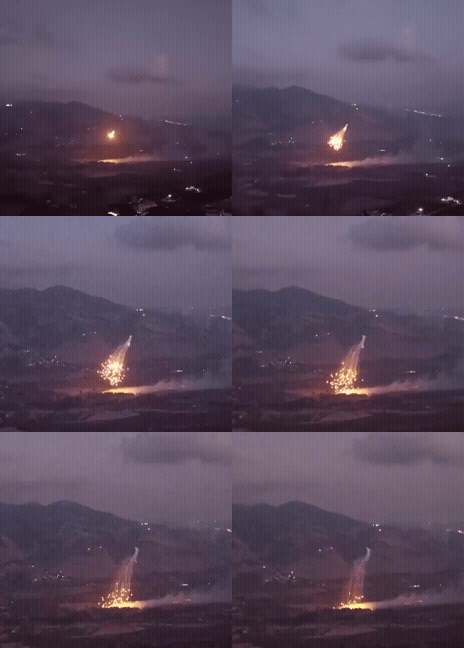
World
BEIRUT — March 15, 2026 : Footage released by regional media outlets and reviewed by multiple verification groups shows artillery airbursts consistent with white phosphorus munitions over the town of Khiam in southern Lebanon during Israeli military operations earlier this month. Lebanese state media reported that the shells struck the town and the nearby Tal Nahas area on March 8 as part of ongoing cross-border hostilities. Lebanon’s National News Agency (NNA) stated that Israeli artillery units fired a series of shells that dispersed burning fragments over parts of Khiam. The town lies roughly five kilometers north of the Blue Line separating Lebanon and Israel and has been one of the areas affected by the recent escalation along the frontier. Visual analysis of the footage indicates airburst detonations above ground level, a common delivery method for certain smoke-producing artillery rounds. White phosphorus munitions contain phosphorus in its white allotrope form, a pyrophoric chemical that ignites immediately upon contact with oxygen. When a shell bursts, the substance burns at temperatures that can reach approximately 1,300°C and produces dense white smoke composed largely of phosphorus pentoxide. Airburst rounds typically disperse burning fragments over a wide area, often between about 125 and 250 meters depending on the altitude of detonation and the projectile’s design. The burning material continues to react while oxygen is present. In artillery systems, white phosphorus is commonly loaded into 155 mm smoke shells such as the M825-series rounds used by several NATO-standard artillery platforms. Similar compounds are also deployed in mortar ammunition, grenades, and vehicle-mounted smoke launchers. Inside the shell, the material is usually packed around felt wedges or other carriers that scatter outward after detonation, creating smoke and light while spreading burning fragments across the target area. The primary military purpose of these munitions is obscuration. White phosphorus produces one of the densest and fastest-forming smoke screens available for battlefield use, allowing forces to conceal troop movements, mask armored vehicles from optical and infrared sensors, and obscure defensive positions. The rounds are also used to mark targets for follow-up artillery or air strikes and to illuminate terrain during night operations. Although the substance can ignite fires and cause burn injuries if it comes into contact with people or structures, many armed forces classify these rounds as smoke or illumination munitions rather than dedicated incendiary weapons. Human Rights Watch reported that it had verified images showing similar white phosphorus airbursts above residential areas in southern Lebanon earlier in the month. According to the organization, at least seven images taken on March 3 show airburst munitions over the town of Yohmor, with civil defense personnel responding to fires affecting rooftops and vehicles. White phosphorus can cause severe thermal and chemical injuries when burning particles contact human tissue. The substance is fat-soluble and may continue burning until the chemical is consumed or deprived of oxygen. The combustion also produces dense smoke that can irritate respiratory systems and reduce visibility in surrounding areas. Unburned fragments can remain active and may reignite if exposed to air after being extinguished. International humanitarian law does not prohibit white phosphorus itself. However, its use is regulated under Protocol III of the 1980 Convention on Certain Conventional Weapons (CCW), which restricts the use of air-delivered incendiary weapons against concentrations of civilians. Many militaries argue that white phosphorus rounds fall outside the protocol’s primary definition of incendiary weapons because their principal design purpose is smoke generation and target marking. Israel is not a signatory to Protocol III, though customary international humanitarian law still requires combatants to distinguish between military targets and civilian areas during operations. White phosphorus munitions are held in the arsenals of numerous countries, including the United States, Israel, Russia, Syria, Turkey, and several NATO member states. The United States manufactures and distributes M825-series 155 mm white phosphorus shells and has historically used similar rounds for battlefield smoke generation. Israel also maintains stockpiles of 155 mm white phosphorus artillery ammunition and has previously employed the rounds in military operations in Gaza and Lebanon. The Israel Defense Forces (IDF) state that smoke shells containing white phosphorus are used in accordance with international law and that internal guidelines limit their use in densely populated areas except under specific operational circumstances. Israeli officials said they could not confirm details related to the reported shelling in Khiam. The reported use of these munitions occurred during continuing Israeli military operations in southern Lebanon along several axes near the border region. As of March 15, Lebanese authorities have not released independent casualty figures specifically attributed to the shells used in Khiam. International monitoring organizations continue to track the use of white phosphorus because of the potential risks posed by burning fragments, smoke exposure, and residual phosphorus contamination in populated areas.
Read More → Posted on 2026-03-15 17:23:26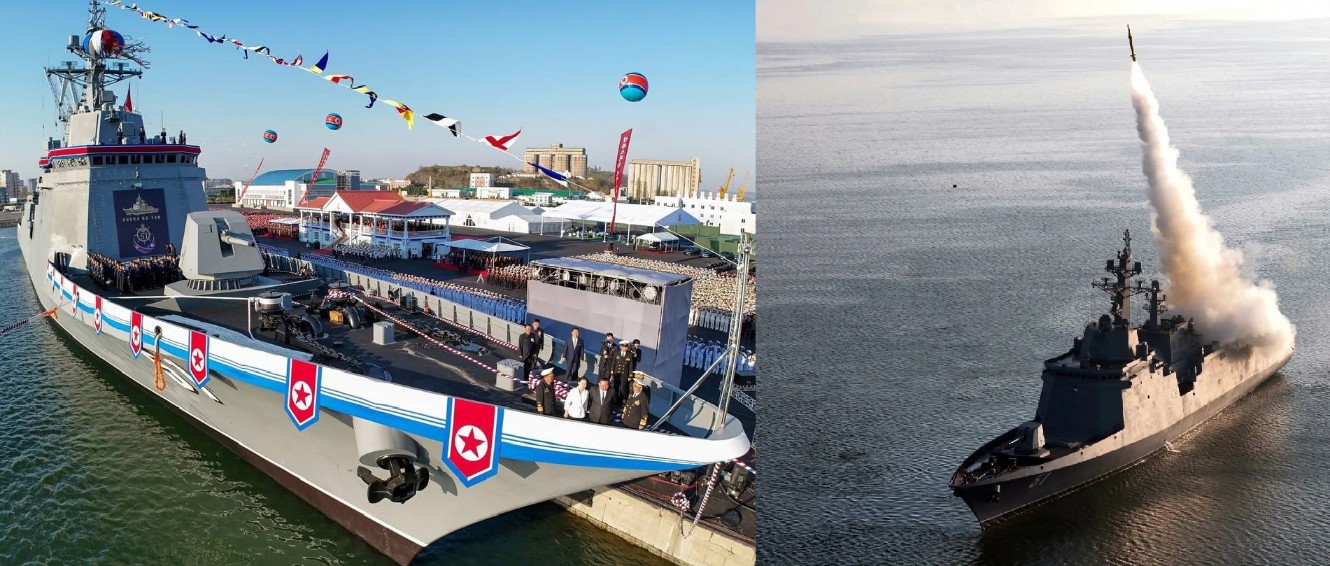
World
PYONGYANG / WASHINGTON — March 15, 2026 : North Korean shipyards have surpassed the United States in the annual construction rate of ocean-going surface combat ships, according to recent defense data, marking a notable development in global naval production trends. The increase is tied to a new national shipbuilding program under North Korea’s current Five-Year Plan, which prioritizes rapid expansion of the country’s destroyer fleet. Under this program, North Korea launched two destroyers in 2025 and has scheduled the launch of two additional vessels each year through the remainder of the decade. If this production tempo is maintained, the Korean People’s Navy is expected to field a total of 12 operational destroyers by 2030. The construction rate contrasts with current U.S. production levels. The United States Navy continues to build Arleigh Burke-class destroyers at an average pace of approximately 1.6 vessels per year. While the class remains one of the most capable multi-role destroyer designs currently in service, production output has remained relatively stable rather than increasing. Diverging Shipbuilding Industrial Trends The difference in destroyer production reflects broader structural trends within the shipbuilding industries of both countries. In the United States, the civilian shipbuilding sector has experienced a long-term contraction over several decades. Although military shipbuilding has remained comparatively stable, the total number of surface combatants produced annually has declined significantly from Cold War levels. Workforce shortages, supply chain limitations, and competing priorities across the U.S. naval shipbuilding industrial base have also affected production capacity. North Korea’s situation differs markedly. Until the early 2020s, the country had only a limited capability to construct modern surface combatants. Naval development was historically concentrated on submarines, coastal patrol vessels, and small missile boats. The current destroyer program represents a shift toward building larger ships capable of operating farther from the Korean Peninsula. Introduction of the Choe Hyon-Class Destroyer The expansion of North Korea’s surface fleet is centered on the Choe Hyon-class destroyer, a new design displacing approximately 5,000 tons. The first vessel of the class was launched in April 2025 at the Nampo Shipyard, followed by a second unit later the same year. Each of the initial ships is equipped with 74 vertical launch system (VLS) cells, arranged in two primary categories. The design includes 32 larger launch cells intended for oversized missiles and 42 standard cells configured for surface-to-air and anti-ship missiles. Defense analysts note that the larger launch cells appear capable of accommodating ballistic missiles. Beyond its missile armament, the Choe Hyon class incorporates phased-array radar systems, electronic warfare equipment, and anti-submarine warfare capabilities. The vessels represent the first North Korean surface combatants designed specifically for sustained operations in open-ocean environments rather than coastal waters. Future variants of the destroyer are expected to carry an expanded missile payload. Official program plans indicate that later ships will remove the main naval gun, allowing additional missile launch cells to be installed in its place. Development of an 8,000-Ton Destroyer North Korea is also developing a significantly larger destroyer design. In early March 2026, Chairman Kim Jong Un confirmed that work is underway on an 8,000-ton heavy destroyer class intended to complement the Choe Hyon program. The new vessels will be roughly 60 percent larger than the existing 5,000-ton ships. Unlike traditional destroyers, the design will not include a conventional naval gun. Instead, the available space will be dedicated entirely to missile launch systems. Defense analysts estimate that each of these larger ships could carry well over 120 VLS cells, giving them a missile capacity substantially greater than that of the initial Choe Hyon class. The heavy destroyer program forms part of the broader plan to procure ten additional destroyers over the next five years. Comparison with U.S. Destroyer Production The United States Navy continues to rely on the Arleigh Burke-class destroyer as the backbone of its surface fleet. The latest Flight III variant of the class displaces roughly 9,700 tons and carries 96 vertical launch cells. Although technologically advanced, the U.S. shipbuilding program has not expanded its production rate in recent years. Current procurement levels average 1.6 destroyers annually, a figure that reflects both industrial constraints and broader naval budgeting priorities. While the United States still maintains a much larger fleet overall, the North Korean program represents a rare case where annual production rates temporarily exceed those of the U.S. Navy. Strategic and Operational Implications North Korea’s destroyer program also introduces new operational capabilities for the Korean People’s Navy. The Choe Hyon class is designed with oversized missile launchers that are reportedly intended for ballistic missile deployment. North Korean state statements indicate that the ships are expected to support the deployment of nuclear-capable missile systems. These features give the vessels a potential role beyond traditional naval warfare. Analysts note that such platforms could support long-range strike missions and contribute to North Korea’s strategic deterrence architecture. The emergence of these destroyers also represents a broader transformation of North Korea’s naval posture. Historically focused on coastal defense and submarine operations, the Korean People’s Navy is now developing a limited blue-water surface fleet capable of operating across wider areas of the Pacific. Broader Defense Manufacturing Developments The rapid progress of the destroyer program reflects wider changes in North Korea’s defense manufacturing sector. Recent developments in missile systems, artillery, and electronic warfare technologies indicate improvements in the country’s ability to produce more advanced military equipment. Some analysts have also pointed to the performance of North Korean-origin systems observed in the Russia-Ukraine conflict, where certain weapons reportedly demonstrated greater range, accuracy, or electronic countermeasure capabilities than older Russian designs used in the same theater. Regional Security Context North Korea and the United States technically remain in a state of war since the Korean War ended with an armistice rather than a peace treaty in 1953. As a result, the expansion of North Korea’s destroyer fleet has drawn attention among defense planners monitoring naval developments in the Pacific. Sustained operations by these ships could potentially affect maritime routes, regional military logistics, and the security of forward bases and naval forces operating in the region. As of March 15, 2026, the U.S. Department of Defense and the U.S. Navy have not issued an official response specifically addressing North Korea’s destroyer production program. However, discussions within the U.S. Congress regarding shipbuilding capacity and industrial resilience continue to highlight concerns about production rates relative to potential adversaries.
Read More → Posted on 2026-03-15 17:10:35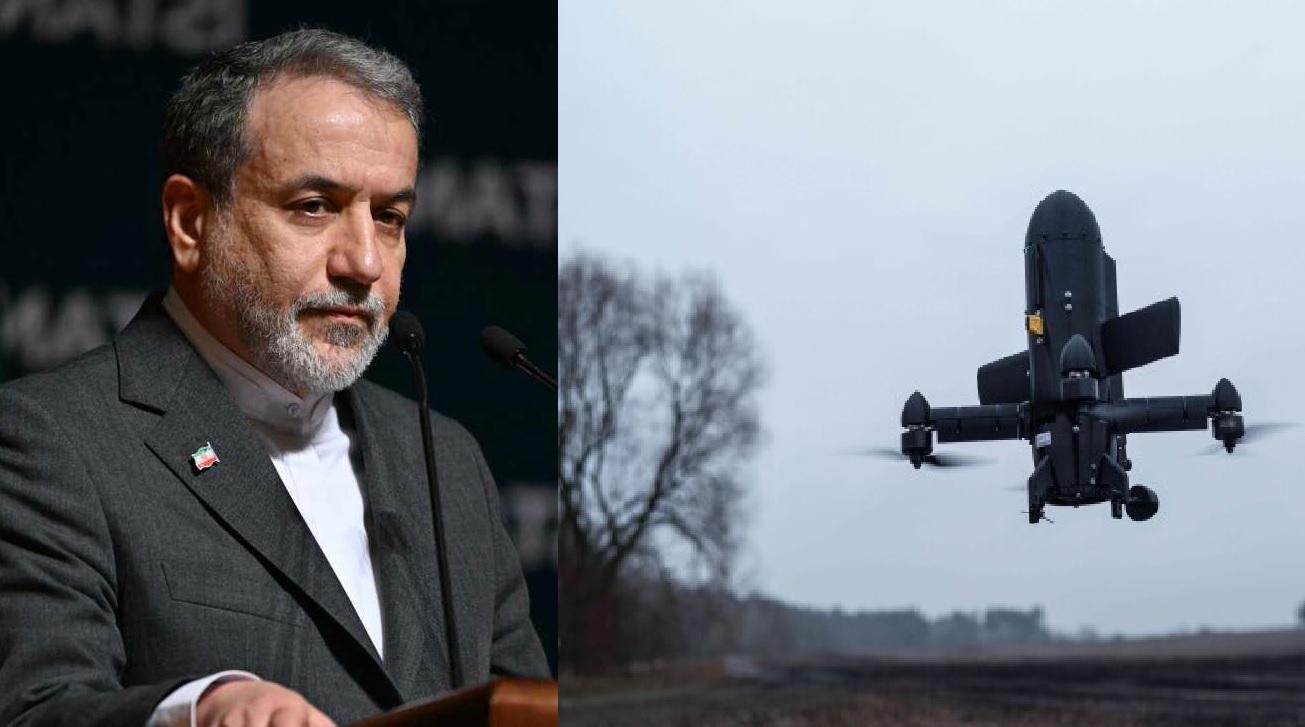
World
TEHRAN — March 15, 2026 : A senior Iranian parliamentary official has stated that Ukraine could be considered a legitimate military target for Iran, accusing Kyiv of providing drone-related support to Israel amid ongoing regional tensions involving Iran, the United States, and Israel. Ebrahim Azizi, head of the National Security and Foreign Policy Commission in Iran’s parliament, made the statement on March 14 in a post on the social media platform X. In his message, Azizi argued that Ukraine’s alleged involvement in providing drone assistance to Israel amounts to participation in the conflict and therefore justifies potential retaliation under international law. “By providing drone support to the Israeli regime, failed Ukraine has effectively become involved in the war and, under Article 51 of the United Nations Charter, has turned its entire territory into a legitimate target for Iran,” Azizi wrote. Article 51 of the United Nations Charter recognizes the inherent right of individual or collective self-defense if an armed attack occurs against a member state. Ukrainian Deployment of Interceptor Drone Teams The statement from the Iranian lawmaker followed reports of Ukrainian counter-drone initiatives in the Middle East. In early March, Ukrainian President Volodymyr Zelenskyy confirmed that Ukraine had dispatched a team of specialists along with interceptor drone systems to Jordan. According to Zelenskyy, the deployment was carried out in response to a request from the United States to help protect American military installations from Iranian drone attacks. The sequence of events described by Ukrainian officials unfolded as follows: March 5, 2026: The United States requested counter-drone assistance from Ukraine. March 9, 2026: A Ukrainian team of specialists departed for Jordan along with interceptor drone systems. The deployment involved Ukrainian anti-drone experts and interceptor platforms designed specifically to counter loitering munitions and unmanned aerial vehicles such as Iranian-designed Shahed drones. Jordan hosts several U.S. military facilities that have faced threats from Iranian-aligned drone and missile attacks during the broader escalation involving Iran and U.S. forces in the region. Ukraine’s Experience With Shahed-Type Drones Ukraine’s growing role in counter-drone operations stems from its extensive operational experience intercepting Iranian-designed Shahed drones used by Russian forces during the ongoing Russia–Ukraine war. Since 2022, Russia has conducted large numbers of strikes against Ukrainian infrastructure using Shahed-type loitering munitions supplied by Iran. In response, Ukrainian engineers and military units have developed a range of countermeasures, including low-cost interceptor drones, electronic warfare techniques, and layered air-defense strategies. These developments have drawn international interest from governments seeking cost-effective solutions to counter small unmanned aerial threats. International Requests for Counter-Drone Assistance Ukrainian officials have stated that Kyiv has received 11 requests for security assistance related to countering Iranian-designed drones and similar aerial threats. According to statements by President Zelenskyy, these requests have come from: European countries The United States Countries geographically neighboring Iran In addition to requests for operational assistance, several Persian Gulf states have expressed interest in acquiring Ukrainian interceptor drone systems. Countries reported to have shown interest include: Qatar United Arab Emirates Kuwait Saudi Arabia Ukrainian officials indicated that these governments are evaluating Ukrainian systems developed during the war to intercept low-cost attack drones. No Confirmed Israeli Requests Despite Iranian claims that Ukraine is assisting Israel, there have been no publicly confirmed requests from the Israeli government for Ukrainian drone systems, counter-drone support, or military assistance. The Ukrainian deployments described by Kyiv have focused on supporting defensive operations in Jordan and potentially assisting countries concerned about Iranian drone threats. No publicly available evidence has been presented by Iranian authorities confirming that Ukraine has directly delivered interceptor drones or other military systems to Israel. U.S. Response to Ukrainian Assistance The issue of Ukrainian support was also addressed by U.S. President Donald Trump during an interview with Fox News Radio. When asked about Ukraine’s potential role in defending U.S. facilities from Iranian drones, Trump said that the United States did not require Ukrainian assistance. “No, we do not need their help in defending against drones. We know more about drones than anyone. We actually have the best drones in the world,” Trump stated. The comments came amid ongoing military tensions between the United States and Iran in the Middle East, which have included strikes on Iranian facilities and retaliatory Iranian drone and missile attacks targeting U.S. interests. Ukrainian Government Response Ukraine has rejected Tehran’s claims that its actions justify treating the country as a military target. Heorhii Tykhyi, spokesperson for Ukraine’s Ministry of Foreign Affairs, described Azizi’s statement as “absurd.” Tykhyi noted that Iran has supplied drones and military technology to Russia, which have been used extensively in attacks against Ukrainian territory. According to the Ukrainian official, Iran’s reference to self-defense under international law is inconsistent given its role in providing weapons used in strikes on Ukraine since the start of Russia’s full-scale invasion in February 2022. Tykhyi compared Tehran’s argument to “a serial killer citing the criminal code to justify his crimes,” emphasizing Ukraine’s position that Iran lacks credibility in invoking Article 51. Broader Geopolitical Context Iran has maintained close military and political ties with Russia since the start of the Ukraine war, including the provision of Shahed-series drones and related technical support. At the same time, regional tensions involving Iran, Israel, and the United States have intensified in 2026, with multiple drone and missile exchanges reported across the Middle East. Within this broader context, Ukraine’s counter-drone expertise—developed through years of defending against Iranian-designed drones used by Russian forces—has increasingly attracted interest from countries facing similar threats. However, as of March 2026, Ukrainian officials maintain that their deployments in the region are limited to defensive counter-drone cooperation with partner countries and protection of U.S. installations in Jordan, rather than direct involvement in Israel’s military operations.
Read More → Posted on 2026-03-15 16:50:28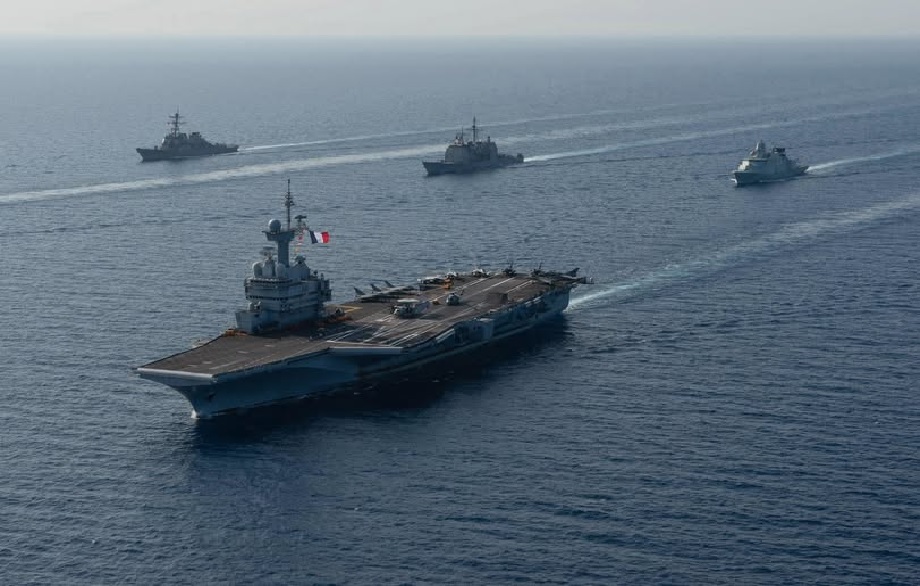
World
PARIS / WASHINGTON — March 15, 2026 : France is preparing a significant naval deployment toward the Strait of Hormuz following a public appeal from Donald Trump for allied countries to contribute maritime forces to secure the strategic shipping route. The move comes amid escalating tensions in the Persian Gulf and growing disruptions to commercial shipping through one of the world’s most critical energy corridors. U.S. Appeal for Allied Naval Participation On March 14, 2026, President Trump called on major economies that rely on oil shipments passing through the Strait of Hormuz to deploy naval assets alongside the United States to ensure the waterway remains open and secure. In a post on Truth Social, Trump said that several countries affected by Iran’s restrictions on maritime traffic should contribute ships to the effort. The U.S. president specifically mentioned France, China, Japan, South Korea, and the United Kingdom as countries that could participate in the security initiative. Trump stated that the United States would provide substantial military support but emphasized that safeguarding the strait should be a shared responsibility among nations that depend on energy shipments through the route. U.S. officials have indicated that the United States Navy is preparing to begin escort operations for commercial oil tankers transiting the strait. The escort missions are expected to start once operational conditions allow, though officials have not announced a precise timeline. Earlier remarks by Scott Bessent confirmed that the U.S. government was evaluating coordinated escort operations with potential coalition partners. Recent military activity near the strait has also included operations by United States Central Command, which reported precision strikes against Iranian maritime assets involved in mine-laying activities near key shipping lanes. French Naval Deployment Plans France has emerged as one of the first countries to respond with concrete military preparations. According to officials in Paris, the French Navy is preparing to deploy approximately ten warships toward the wider Middle East maritime region, including the Mediterranean, the Red Sea, and the Persian Gulf. The deployment could involve elements of France’s carrier strike group centered on the aircraft carrier Charles de Gaulle (R91), along with additional surface combatants and support vessels. The ships are expected to operate across multiple maritime zones to strengthen security coverage and support allied operations aimed at maintaining freedom of navigation. French President Emmanuel Macron has described the planned deployment as a defensive measure designed to support maritime security and coordinate with international partners. French officials have emphasized that the mission will focus on safeguarding shipping routes and stabilizing the security environment rather than engaging in offensive military operations. Paris has also referenced the possibility of integrating elements of the deployment with existing European maritime security frameworks, including Operation Aspides, which currently focuses on protecting commercial vessels from threats in the Red Sea region. Iranian Restrictions and Regional Escalation The naval mobilization follows Iranian actions affecting maritime traffic through the Strait of Hormuz. Iranian authorities have indicated that while the strait remains technically open, access is restricted for vessels belonging to countries involved in military strikes against Iran or those supporting such operations. The restrictions come amid the broader conflict involving U.S. and Israeli military operations targeting Iranian military infrastructure. Recent strikes have reportedly included attacks on facilities connected to Iranian naval and missile capabilities. U.S. operations have also targeted military infrastructure near Kharg Island, though American officials have stated that direct strikes on oil export infrastructure have largely been avoided in an effort to limit escalation and reduce global energy market disruptions. Iranian officials have warned that attacks on its energy infrastructure could prompt retaliatory actions against regional energy assets connected to the United States and its allies. Strategic Importance of the Strait of Hormuz The Strait of Hormuz is widely regarded as one of the most important maritime passages in global energy trade. Approximately one-fifth of the world’s oil shipments pass through the narrow waterway connecting the Persian Gulf with the Gulf of Oman and the Arabian Sea. Disruptions to shipping through the strait have already had measurable economic effects. Oil markets have reacted to the increased security risks, with global crude prices rising significantly as insurers, shipping companies, and energy traders reassess the safety of transit routes through the region. Reports from maritime monitoring groups indicate that more than 150 commercial oil tankers have been delayed or diverted due to the security situation, while shipping firms are awaiting clearer guidance regarding naval escort operations. International Responses and Ongoing Discussions Although France has begun preparations for naval deployment, other countries named in the U.S. appeal have taken more cautious positions. The United Kingdom has confirmed that it is discussing possible responses with allies while evaluating maritime security requirements. China has called for de-escalation and diplomatic engagement, describing itself as supportive of regional stability. Japan has indicated that its threshold for participation in military operations in the region remains high due to constitutional and political constraints. South Korea has not publicly confirmed any plans to deploy additional naval forces. As of March 15, no formal multinational naval coalition has been officially announced. However, diplomatic discussions among affected countries are ongoing, and further contributions could be announced if maritime security conditions continue to deteriorate. France’s planned deployment therefore represents one of the earliest operational responses to the U.S. request for allied participation in securing the Strait of Hormuz and maintaining international energy shipping through the strategic waterway.
Read More → Posted on 2026-03-15 16:37:42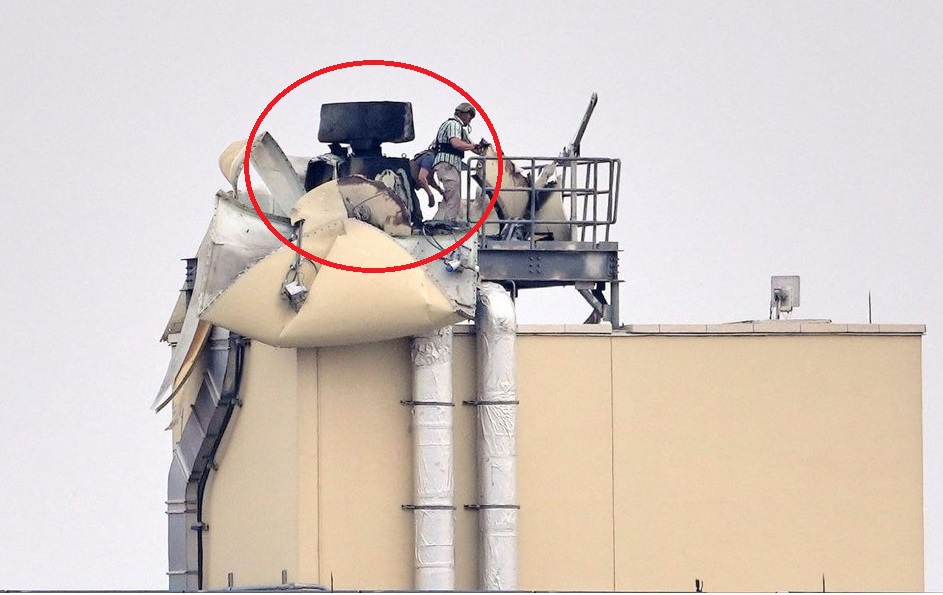
World
BAGHDAD, IRAQ — March 15, 2026 : A strike involving a one-way attack drone or rocket damaged a key air-defense sensor at the United States Embassy compound in Baghdad, according to images and reports that emerged following the incident on March 14. The attack destroyed a rooftop-mounted Saab Giraffe-1X 3D multi-mission surveillance radar, a system used as part of the embassy’s short-range air-defense and early-warning network. Footage and photographs circulating after the strike show the burned and twisted remains of the radar installation on the roof of the embassy complex located inside Baghdad’s fortified Green Zone. Debris removal operations were visible in the aftermath as personnel cleared fragments of the damaged radome and associated equipment from the site. Initial reports from Iraqi security sources and open-source analysts indicate that the attack likely involved a low-cost Iranian-type loitering munition, possibly from the Shahed-136 family, launched by Iran-aligned militia groups. Other reporting suggests that a rocket may also have been involved in the strike. The munition impacted near a helipad area inside the embassy compound and directly struck the radar installation, causing localized fire and rendering the system non-operational. No casualties were reported, and embassy personnel were accounted for following standard protective procedures. Radar System Destroyed in Strike The destroyed system was identified as the Saab Giraffe-1X, a compact 3D Active Electronically Scanned Array (AESA) radar designed for short-range air and surface surveillance. The radar operates in the X-band and provides continuous 360-degree monitoring of the surrounding airspace, allowing operators to detect and track aerial threats such as rockets, artillery shells, mortar rounds, and small unmanned aerial systems. The system has an instrumented detection range of up to approximately 75 kilometres for larger aerial targets, while smaller drones are detected at shorter distances depending on size and altitude. The radar features elevation coverage exceeding 70 degrees, enabling it to track steep ballistic trajectories typical of mortar and rocket fire. Technical characteristics of the Giraffe-1X include a scan rate of about 60 rotations per minute, allowing rapid updates of the air picture and near-instantaneous detection of fast-moving threats. The radar can simultaneously track more than 100 aerial targets and approximately 200 surface targets, providing situational awareness capability for defensive systems. Designed as a lightweight and deployable sensor platform, the radar weighs less than 300 kilograms and requires approximately 2.3 kilowatts of power during operation. Its compact size allows it to be mounted on rooftops, towers, or mobile platforms, making it suitable for installations in confined environments such as diplomatic facilities or forward operating bases. Role in the Embassy’s Air-Defense Network At the U.S. Embassy in Baghdad, the Giraffe-1X served as part of the compound’s Counter-Rocket, Artillery, and Mortar (C-RAM) defense architecture. In this role, the radar functioned as a primary sense-and-warn sensor, continuously scanning the surrounding area for incoming projectiles or unmanned aircraft. When a threat is detected, the radar calculates the object’s trajectory, determines its likely point of origin, and estimates the projected impact location. This information is then transmitted to defensive systems within the C-RAM network. The radar also provides engagement-quality targeting data to interceptor systems, including automated gun-based defense platforms such as the Phalanx close-in weapon system, which can fire bursts of ammunition to intercept rockets, artillery shells, mortars, or drones before they reach protected areas. Beyond projectile detection, the radar supports counter-unmanned aerial system (C-UAS) operations, identifying and tracking low-flying drones that may approach the compound. It also provides short-range air surveillance to support broader force protection and situational awareness for security personnel. Reports indicate that a single Giraffe-1X unit was installed on the embassy rooftop to serve as a central sensor node for the compound’s defensive network. The destruction of the rooftop unit temporarily removed a key element of the embassy’s local detection capability. Impact on Defensive Operations With the radar destroyed, the C-RAM node linked to the rooftop system is currently non-operational, according to reports from security officials. Replacement of the radar would require the delivery, installation, and calibration of a new unit before the sensor can resume full operational capability. Large facilities such as the Baghdad embassy typically operate layered defensive systems that may include secondary radar sensors, portable counter-battery systems, and other surveillance technologies deployed within or near the compound. The embassy compound in Baghdad, one of the largest diplomatic facilities operated by the United States, has faced repeated rocket and drone attacks over the past decade from armed groups aligned with Iran. Defensive upgrades, including C-RAM systems and counter-drone sensors, have been installed over time to protect personnel and infrastructure. Procurement and Deployment of the Radar The Giraffe-1X radar system is manufactured by the Swedish defense company Saab and has been adopted by several militaries for air-defense, counter-drone, and battlefield surveillance roles. The U.S. Army has procured the system for security-cooperation partners, with deliveries scheduled to begin in 2026 under a contract valued at approximately $46 million awarded in the third quarter of 2025. The radar is intended for use in forward-deployed environments and force-protection roles where compact and rapidly deployable surveillance systems are required. Regional Security Context The strike occurred amid escalating tensions across the Middle East involving the United States, Israel, and Iran. Iranian officials and media outlets have described ongoing attacks across the region as part of “Operation True Promise 4.” Despite the damage to the radar installation, there were no reported casualties from the strike on the Baghdad embassy, and operations within the diplomatic compound continued following the incident. Security assessments and repair planning are expected to determine the timeline for restoring the damaged air-defense sensor capability.
Read More → Posted on 2026-03-15 16:16:56
World
BERRECHID, MOROCCO — March 15, 2026 : Metlonics Morocco, the local subsidiary of the Indian manufacturing company Metlonics, has produced 20 armored hulls for the Wheeled Armoured Platform (WhAP) 8×8 program at the Tata Advanced Systems Limited (TASL) manufacturing facility in Berrechid, near Casablanca. The production forms part of the ongoing industrial supply chain supporting the local assembly of WhAP armored combat vehicles for the Royal Moroccan Armed Forces (FAR). The hull manufacturing activity supports the broader production program being executed at the Tata Advanced Systems Maroc plant, a defense manufacturing facility covering approximately 20,000 square meters. The facility, inaugurated in September 2025, represents the largest defense manufacturing site in Morocco and the first overseas armored vehicle production plant established by an Indian private defense company. Serial production began three months ahead of schedule as part of Morocco’s effort to build domestic defense manufacturing capacity. Program Status and Initial Deliveries The WhAP production program reached its first delivery milestone in December 2025, when Tata Advanced Systems Limited delivered the first five completed WhAP 8×8 armored vehicles to the Royal Moroccan Armed Forces. These deliveries are part of a procurement agreement signed in September 2024 between Morocco’s Ministry of National Defense and Tata Advanced Systems Limited. Under the contract, 150 WhAP 8×8 armored combat vehicles will be delivered over a three-year period, with local manufacturing and assembly carried out in Morocco. The vehicles are being produced and integrated at the Berrechid facility operated as Tata Advanced Systems Maroc, established through cooperation between Morocco’s Administration of National Defense, India’s Ministry of Defence, and Tata Advanced Systems Limited. Vehicle Configuration and Combat Systems The WhAP 8×8 vehicles ordered by Morocco are configured for infantry combat roles and will be equipped with the UT30MK2 unmanned turret developed by Elbit Systems. The UT30MK2 remote turret mounts a 30-mm automatic cannon, a coaxial 7.62-mm machine gun, and can be configured to carry anti-tank guided missiles. The system integrates stabilized electro-optical targeting sensors that enable day-and-night combat capability while allowing the crew to operate the weapon system from inside the armored hull. Platform Design and Technical Characteristics The Wheeled Armoured Platform (WhAP) is an eight-wheeled amphibious armored combat vehicle jointly developed by Tata Advanced Systems Limited and India’s Defence Research and Development Organisation (DRDO). The vehicle features a modular monocoque hull design that enhances structural strength, crew survivability, and protection against mines and improvised explosive devices. The platform is powered by a 600-horsepower diesel engine producing approximately 2400 Nm of torque. It includes independent suspension, a central tyre inflation system, and the ability to continue mobility even with damaged tires. The internal layout accommodates a driver, crew members, and up to 11 infantry soldiers, enabling the transport of a full infantry squad. The WhAP platform’s modular architecture allows integration of multiple mission variants, including infantry fighting vehicles, armored personnel carriers, command vehicles, reconnaissance platforms, ambulance variants, mortar carriers, and CBRN-protected configurations. Industrial Localization and Moroccan Production The participation of Metlonics Morocco in producing armored hulls is part of the program’s industrial localization strategy. The company was established in early 2025 to manufacture structural components for the WhAP production line in Berrechid. The program currently has an estimated 35 percent local integration rate, with plans to increase local content to approximately 50 percent in future production batches through technology transfer, workforce training, and expansion of Moroccan suppliers. The production program is expected to generate approximately 90 direct jobs and about 250 indirect jobs within Morocco’s defense manufacturing supply chain. Strategic Context The WhAP production program forms part of Morocco’s broader defense modernization and industrial development strategy, aimed at expanding domestic manufacturing capacity and supporting long-term sustainment of military equipment. Morocco remains one of the largest defense spenders in Africa, with military expenditure estimated at approximately $5.5 billion in 2024, according to the Stockholm International Peace Research Institute (SIPRI). The Berrechid manufacturing facility is also expected to support future export opportunities for the WhAP platform in Africa after completion of the Moroccan procurement program.
Read More → Posted on 2026-03-15 15:46:54
World
KYIV, Ukraine — March 15, 2026 : U.S.-based robotics company Foundation has deployed two of its Phantom MK-1 humanoid robots to Ukraine for operational testing under combat conditions, marking one of the first instances of a humanoid robotic system being evaluated on an active battlefield. The delivery occurred in February 2026 and is intended to collect real-world performance data from frontline environments. Ukraine has increasingly served as a testing environment for emerging military technologies during the ongoing conflict. The Phantom MK-1 units are currently being used in a limited operational role supporting frontline reconnaissance and logistical tasks while developers monitor system performance and reliability in real combat settings. Robot Design and Technical Specifications The Phantom MK-1 is a bipedal humanoid robot designed specifically for defense and high-risk operational tasks. The platform stands approximately 5 feet 9 inches (175 cm) tall and weighs roughly 175–180 pounds (around 79–80 kg). Its structure consists of a black steel chassis with a tinted visor covering the facial area, giving it a human-like silhouette. The robot’s movement is powered by a system of around 20 synchronized electric motors, enabling it to walk at speeds of up to 4 miles per hour (6.4 km/h) or approximately 1.7 meters per second. The platform uses cycloidal actuators for joint movement and balance control. The system can carry a standard payload of up to 44 pounds (20 kg), allowing it to transport supplies, equipment, or tools. Developers say the robot’s thermal signature and general physical footprint resemble that of a human soldier, which could make it more difficult to distinguish from personnel on infrared surveillance systems. Foundation states that the Phantom platform is designed to function in environments hazardous to humans, including areas contaminated by chemical, biological, or radiological hazards, and it can operate continuously without fatigue. Weapon Handling Demonstrations During internal demonstrations and testing, the Phantom MK-1 successfully operated several firearm types, including a revolver, semi-automatic pistol, shotgun, and an M-16 rifle. These demonstrations were conducted primarily to evaluate the robot’s ability to manipulate human-designed tools. Foundation co-founder Mike LeBlanc, a former U.S. Marine Corps veteran with 14 years of service and multiple deployments to Iraq and Afghanistan, said the engineering goal is to develop a platform capable of using the same equipment and weapons available to human infantry. Despite these demonstrations, the units currently deployed in Ukraine are not authorized to autonomously use lethal force. Operational Role in Ukraine The two Phantom MK-1 robots assigned to Ukraine are currently operating in support roles rather than direct combat functions. Their primary tasks include: Frontline reconnaissance in confined spaces Logistical resupply missions Exploration of bunkers, trenches, and underground positions These environments are often difficult for aerial drones to access due to limited space, obstacles, or signal interference. The humanoid design allows the robot to move through spaces built for humans while interacting with standard equipment and infrastructure. Data gathered during these operations will be used to improve system mobility, sensor performance, and operational software. Artificial Intelligence and Control System The Phantom MK-1 integrates an AI-assisted control architecture built around a camera-first perception system. The robot uses visual sensors to interpret its surroundings and translate commands into physical actions. Foundation says the platform incorporates large language model-based task-to-motion software, allowing operators to issue high-level commands that the system converts into movement sequences. However, the robot remains human-supervised, and critical operational decisions are controlled by operators. Under current U.S. Department of Defense policies, any automated system capable of engaging targets must receive explicit authorization from a human operator before the use of force. U.S. Military Contracts and Government Interest Foundation has secured approximately $24 million in research funding through Small Business Innovation Research (SBIR) Phase 3 contracts with multiple branches of the U.S. military, including the U.S. Army, U.S. Navy, and U.S. Air Force. The Phase 3 designation allows the company to operate as an approved military supplier for certain defense programs. The company is also preparing for additional trials with the U.S. Marine Corps. These tests will focus on “methods of entry” operations, in which the robot could carry and place explosives on doors or barriers to assist troops during building breach operations. Foundation has also confirmed preliminary discussions with the U.S. Department of Homeland Security regarding potential border security and patrol applications. Mechanical and Operational Limitations Despite its advanced design, the Phantom MK-1 still faces several technical constraints identified during testing and demonstrations. Battery endurance remains one of the primary limitations. The current power system provides approximately two to three hours of operational time before the robot requires recharging. The system’s reliance on around 20 coordinated motors for walking and balance introduces additional mechanical complexity. Engineers note that a malfunction in a single actuator could disrupt the robot’s stability. During public demonstrations, some units reportedly experienced balance issues and falls. Cybersecurity specialists have also raised concerns regarding software vulnerabilities. If a robotic system were captured or its communication links compromised, adversaries could potentially analyze or exploit the technology for intelligence purposes. Researchers have also highlighted challenges related to AI reliability in unpredictable environments, including the possibility of inaccurate sensor interpretation or decision errors in complex battlefield conditions. Development of the Phantom MK-2 Foundation is currently working on an upgraded model known as the Phantom MK-2, which is scheduled for introduction in April 2026. The next-generation system is expected to incorporate several improvements, including: Consolidated electronics architecture Full water resistance Larger battery packs for longer operational duration Increased payload capacity of up to 176 pounds (80 kg) The company plans to use feedback collected from the Ukraine deployment to refine the design and expand the robot’s operational capabilities for future military applications. Ongoing Evaluation No official performance assessment from the Ukrainian field trials has been released so far. Testing remains ongoing as engineers collect operational data from the frontline environment. The results of these evaluations are expected to inform future development of humanoid robotic systems intended to assist soldiers in hazardous battlefield tasks while expanding the role of automated technologies in modern military operations.
Read More → Posted on 2026-03-15 15:35:29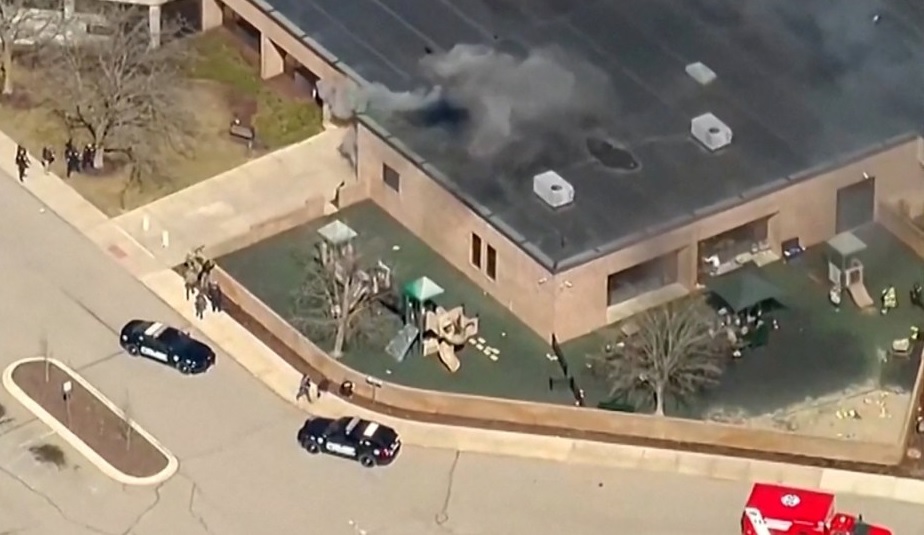
World
WEST BLOOMFIELD, Michigan — March 15, 2026 : Israeli military officials said Sunday that the brother of the man who carried out a vehicle-ramming attack on a synagogue in Michigan earlier this month was a Hezbollah commander killed in an Israeli airstrike in Lebanon. Authorities in the United States continue to investigate the incident as a targeted act of violence against the Jewish community. According to the Israel Defense Forces (IDF), intelligence analysis determined that Ibrahim Mohamad Ghazali served as the leader of a Hezbollah weapons team within the Badr unit, part of the organization’s southern command responsible for launching rockets toward Israel. The IDF said Ibrahim was killed in an airstrike conducted on March 5, 2026, in the town of Mashgharah in Lebanon’s Beqaa Valley. Israeli officials stated the strike targeted a Hezbollah “military structure” where weapons were stored and operatives were present. The IDF confirmed Ibrahim’s role within the group but did not provide details about the intelligence used to identify him and did not reference the deaths of other family members in its public statement. Israeli authorities also did not directly link the Michigan synagogue attacker to Hezbollah. However, a Hezbollah official speaking anonymously to The New York Times denied that Ibrahim or his relatives were affiliated with the group. The official said the attack in Michigan was motivated by anger over the deaths of family members killed in the Israeli strike. Airstrike in Lebanon Kills Four Relatives The March 5 airstrike struck a residential home in Mashgharah shortly after sunset during Ramadan, when family members had gathered to break their fast. According to a local Lebanese official and community sources in Michigan, four relatives of the Michigan attacker were killed. Those killed were identified as Ibrahim Mohamad Ghazali, Kassim (Qassem) Mohamad Ghazali, and Ibrahim’s two children, Ali and Fatima. Ibrahim’s wife was severely injured in the strike and remains hospitalized. Local authorities in Mashgharah confirmed the deaths. The town’s mayor stated that the Ghazali family was not known to be affiliated with any political organization and noted that the community includes residents from several religious backgrounds, including Shia Muslims, Sunnis, Druze, and Christians. Reports from Lebanese officials indicated that Kassim Ghazali worked as a soccer coach and personal trainer, while Ibrahim was employed as a school bus driver. A local journalist later told CBS News that both brothers had reportedly been members of a Hezbollah rocket unit operating in southern Lebanon. Vehicle-Ramming Attack at Temple Israel One week after the airstrike, Ayman Mohamad Ghazali, a 41-year-old Lebanese-born naturalized U.S. citizen, carried out a vehicle-ramming attack at Temple Israel, a Reform synagogue in West Bloomfield Township, a suburb of Detroit. On March 12, Ghazali drove a truck through the synagogue’s entrance and into an interior hallway. Surveillance footage and law enforcement reports indicated that he had waited in the parking lot for more than two hours before carrying out the attack. The truck eventually became lodged inside the building. Security personnel exchanged gunfire with Ghazali, and the vehicle’s engine compartment caught fire. Authorities later confirmed that Ghazali died at the scene from a self-inflicted gunshot wound. Temple Israel is one of the largest Reform synagogues in the United States and includes an early childhood education center. At the time of the attack, approximately 140 people were inside the synagogue complex, including 106 children aged five and younger and more than 30 staff members. No children, teachers, or synagogue staff were injured. One security officer was struck by the vehicle and briefly knocked unconscious but did not suffer life-threatening injuries. During the evacuation and fire response, roughly 30 responding law enforcement officers were treated at local hospitals for smoke inhalation. Materials Found in the Vehicle Investigators from the Federal Bureau of Investigation (FBI) and local police said the truck contained containers of flammable liquid along with fireworks valued at approximately $2,250. Authorities said Ghazali had purchased the fireworks from a store in Livonia, Michigan, two days before the attack. The FBI is leading the investigation and classified the incident as a targeted attack against the Jewish community. Background of the Attacker Ayman Mohamad Ghazali was born in Lebanon and immigrated to the United States in May 2011 on an IR-1 immigrant visa, which is issued to spouses of U.S. citizens. He applied for naturalization in 2015 and became a U.S. citizen in February 2016. Ghazali lived in Dearborn Heights, Michigan, a Detroit-area suburb with a large Lebanese-American community. He had worked at Hamido, a Mediterranean restaurant, but had reportedly been absent from work in recent weeks. Court records indicate he was divorced and had at least one child. According to community members, Ghazali had become increasingly withdrawn after learning about the deaths of his relatives in Lebanon. U.S. investigators previously flagged Ghazali in government databases because of connections to individuals linked to Hezbollah, although officials said he was not believed to be a member of the group. He had reportedly been questioned multiple times during reentry to the United States after overseas travel. Events Leading Up to the Attack Investigators examining Ghazali’s digital activity found that he had shared images online showing children killed in Israeli strikes shortly before the attack. Shortly before driving to the synagogue, Ghazali placed a phone call to his ex-wife regarding their children that she considered concerning. She contacted police and requested a welfare check. Authorities say Ghazali then drove to Temple Israel and remained parked outside for more than two hours before carrying out the attack. Community and Government Response Local religious leaders and officials condemned the incident. Imam Hassan Qazwini, a Muslim leader in Michigan who met with Ghazali days before the attack, said Israeli actions abroad did not justify violence against a synagogue in the United States. Michigan Governor Gretchen Whitmer described the event as an act of antisemitism targeting a place where young children were present. U.S. Senator Elissa Slotkin praised the synagogue’s security personnel and emergency responders for preventing greater casualties. Rabbi Arianna Gordon of Temple Israel thanked security staff, teachers, and law enforcement officers for carrying out a rapid evacuation of the building. Cassi Cohen, the synagogue’s director of strategic development, said staff locked themselves inside offices after hearing a loud crash. Parents were notified of the incident while children were evacuated safely. Allison Jacobs, a parent whose child attended the center, said she received a message confirming her child was safe shortly after the evacuation. Steven Ingber, chief executive of the Jewish Federation of Detroit, said the incident occurred during a period of heightened security concerns for Jewish institutions. Broader Regional Context The attack occurred during a period of increased military tensions involving Israel and Hezbollah. Hezbollah began launching hundreds of rockets and drones toward Israel on March 2, according to Israeli officials, following U.S.–Israeli missile strikes on Iran on February 28. Israel has since carried out extensive airstrikes and ground operations in southern Lebanon targeting Hezbollah infrastructure and personnel. U.S. federal authorities had previously issued warnings about potential threats linked to the regional conflict, including possible attacks targeting Jewish institutions. As a result, synagogues and Jewish community facilities across the United States and internationally have increased security measures. The FBI continues to review Ghazali’s digital communications, travel history, and personal contacts while investigators also examine the broader circumstances surrounding the Lebanon airstrike and its possible influence on the attack in Michigan.
Read More → Posted on 2026-03-15 14:51:31Search
Top Trending in 24 Hours
-
 President Trump Pauses Plans to Expand U.S. Strikes on Iran Amid Concerns Over Air Defense Missile Stocks
-
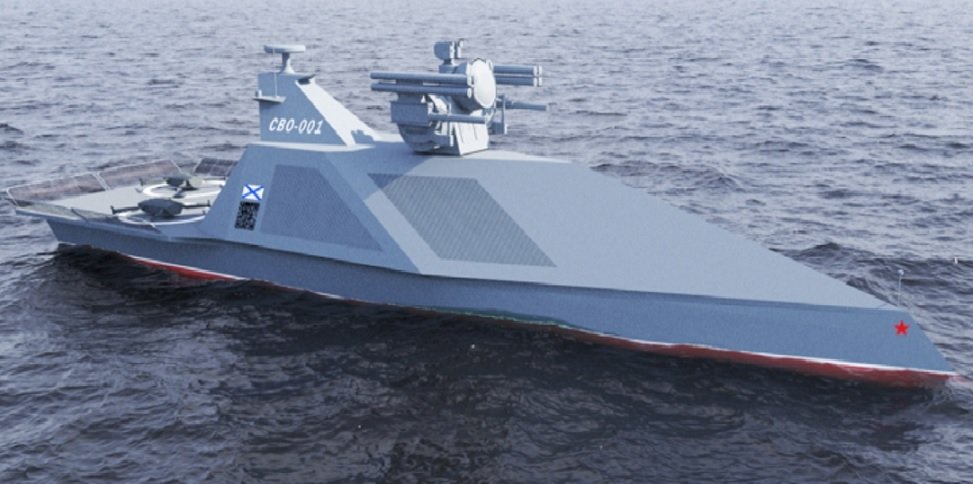 Russia Builds 500-Ton Unmanned Warship For Anti-Submarine Warfare, Plans New 9,500-Ton Warship, Navy Chief Says
-
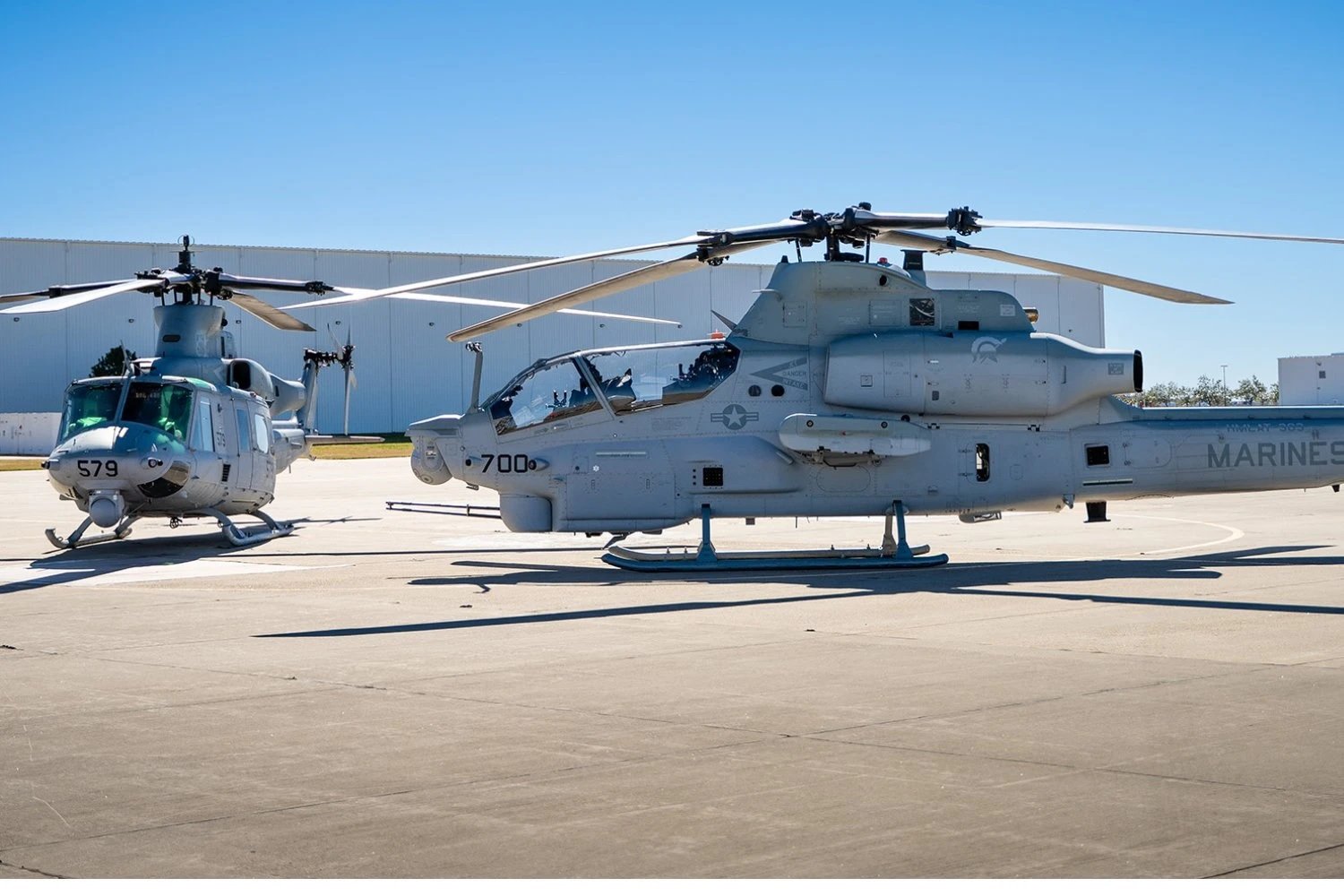 U.S. Awards Bell Textron $33.64 Million Contract for Next Phase of Marine Corps AH-1Z and UH-1Y Helicopter Upgrades
-
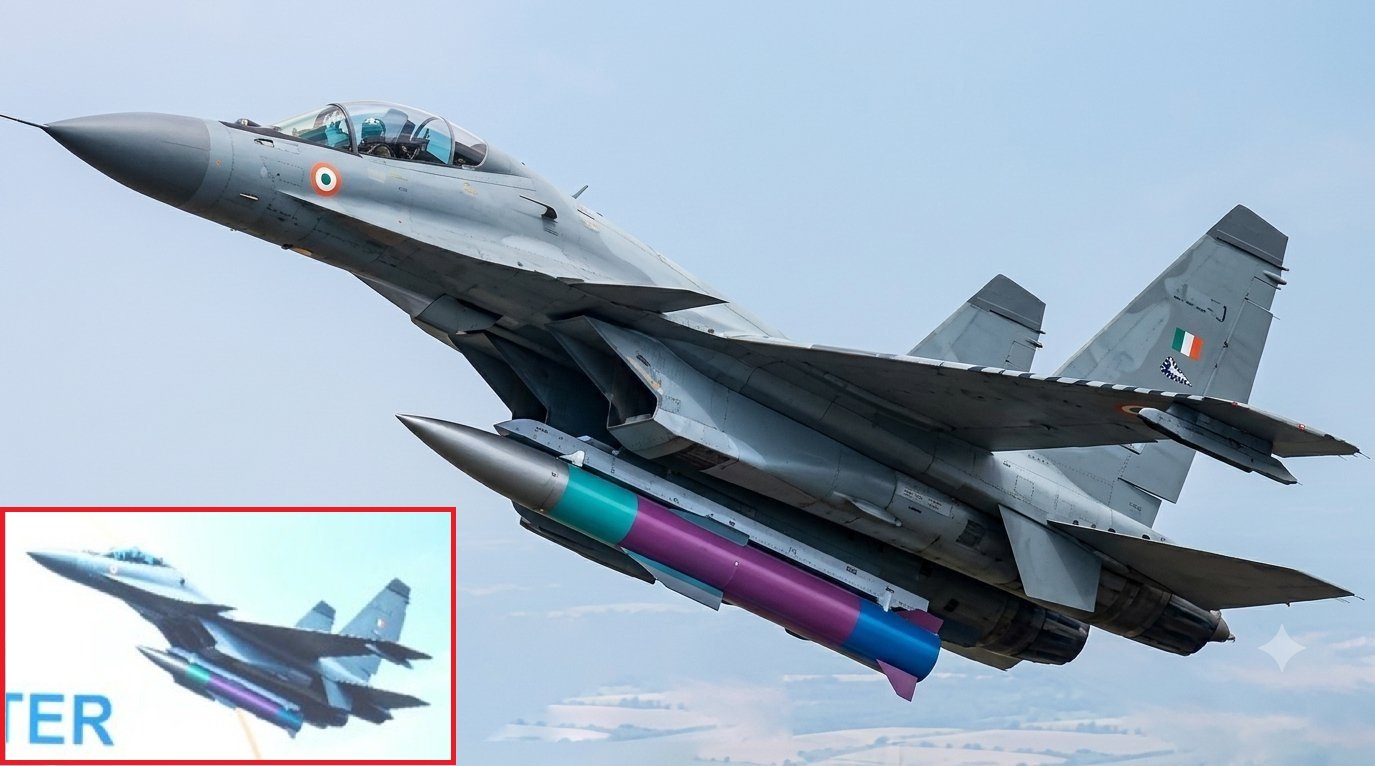 DRDO Developing Long-Range Air-Launched Ballistic Missile for Su-30MKI, Rudram-4 Seen as Likely Candidate
-
 Unreleased Footage Reveals Why Lindsey Graham Dropped Plan to Push Trump on Hezbollah Strikes
-
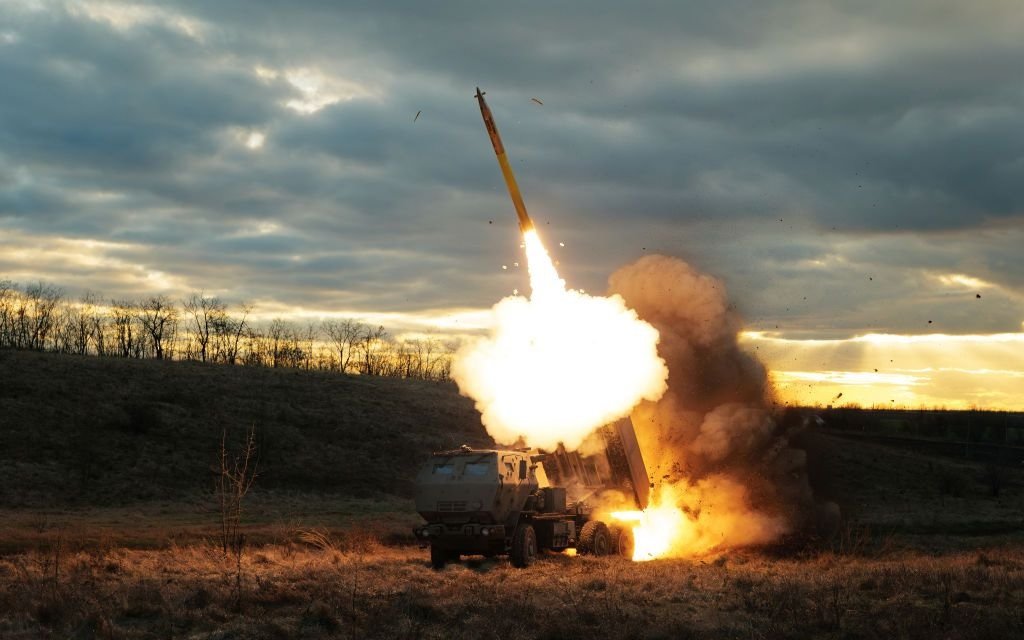 U.S. Military Selectively Intercepts Iranian Missiles to Preserve Shrinking Air Defense Stocks : Report
-
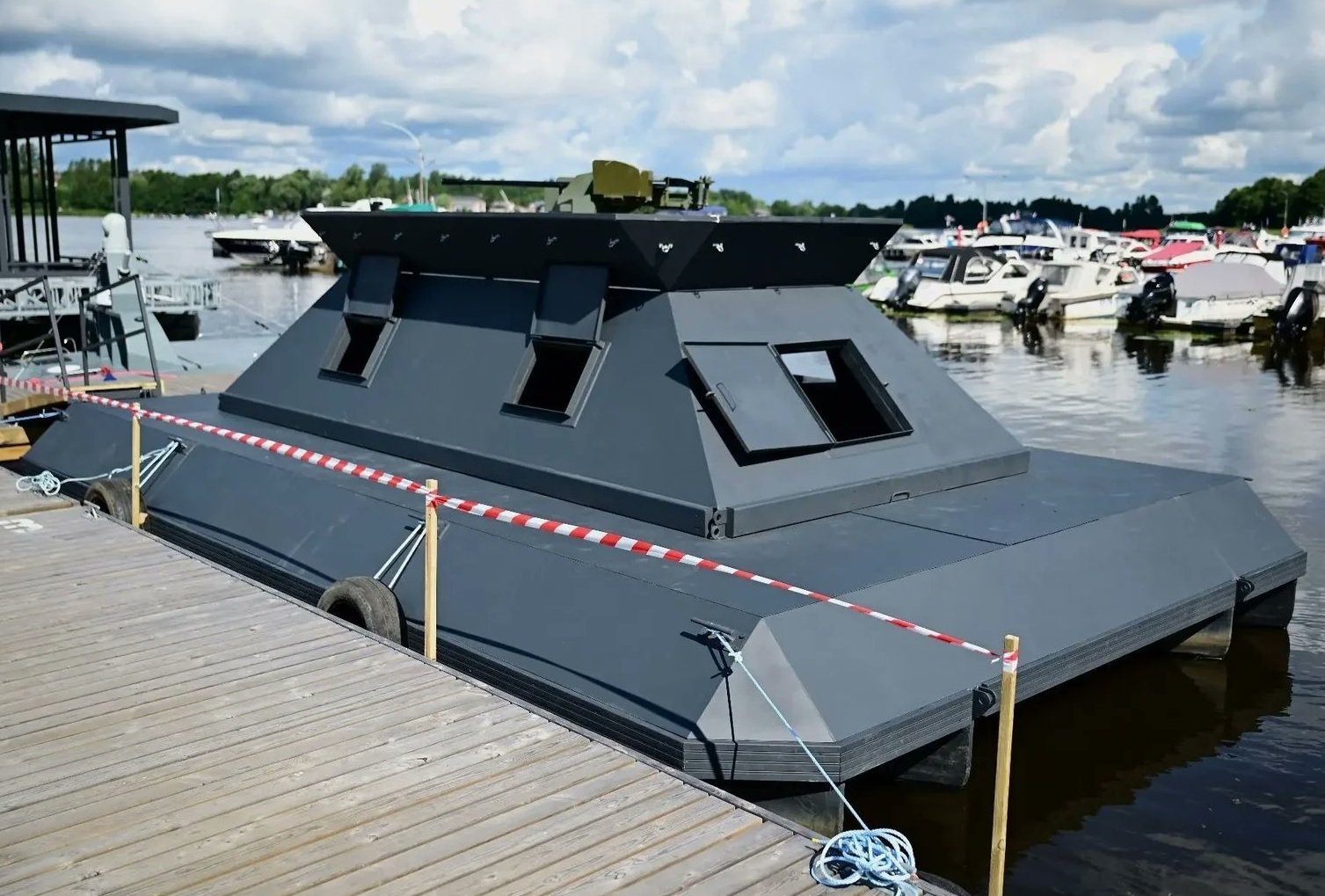 Russia Unveils Experimental Plot-40 Floating Defense Platform to Counter Drone and USV Threats
-
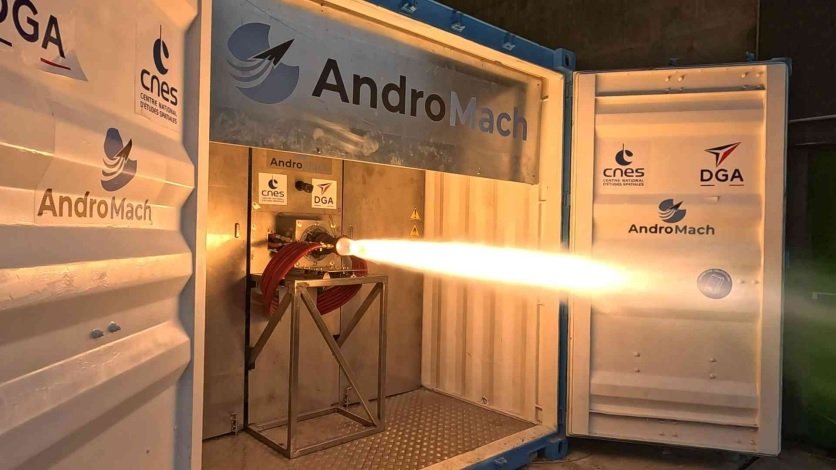 French Startup AndroMach Successfully Tests Reusable Rocket Engine 21 Times for Hypersonic Drone
Top Trending in 4 Days
-
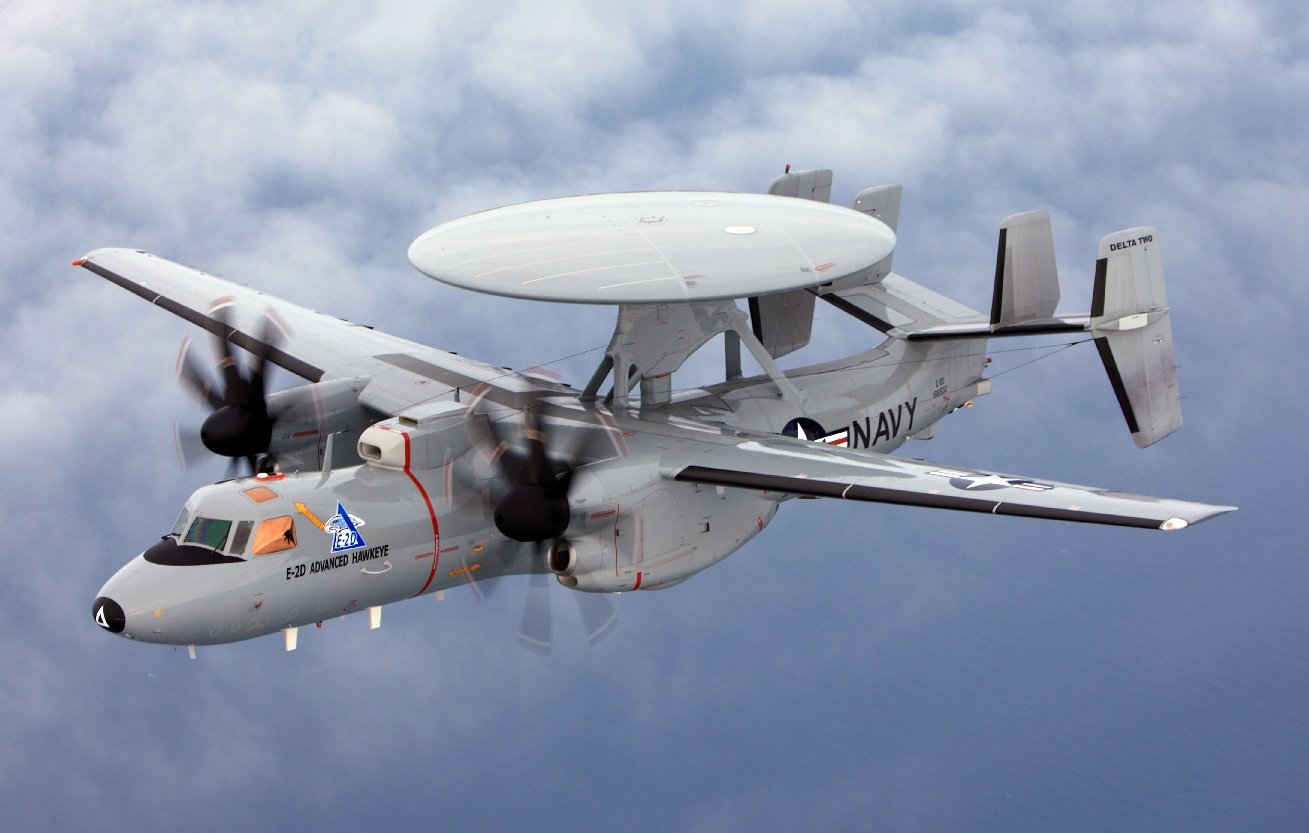 U.S. Navy Awards Northrop Grumman $1.2 Billion Deal for Three New E-2D Advanced Hawkeyes
-
 U.S. Airstrikes Target IRGC Missile Base Near Taft as Overnight Strikes Hit Central Iran
-
 Kuwait and Bahrain Reportedly Launch First Joint Direct Airstrikes on Iran Since War Began : Report
-
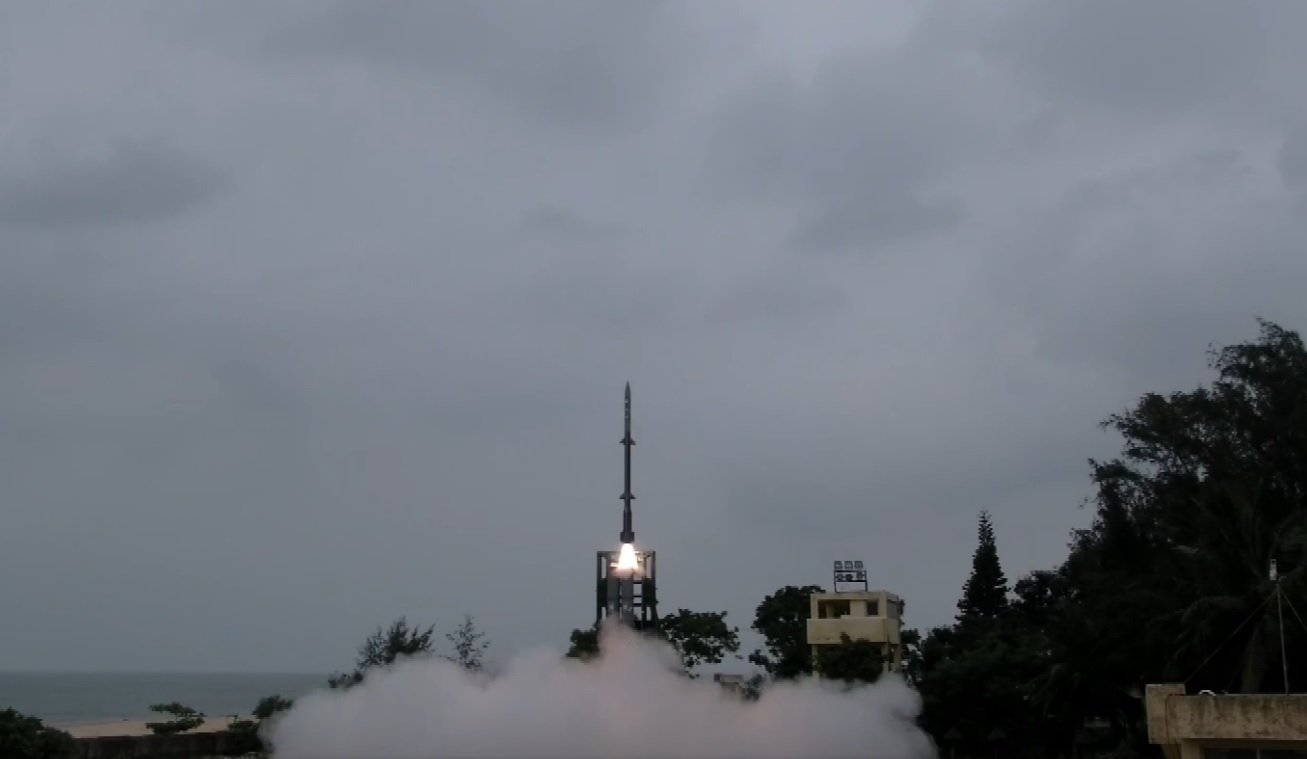 DRDO Successfully Conducts Maiden Flight Test of 150-km-Range Kusha M1 Air Defence Missile
-
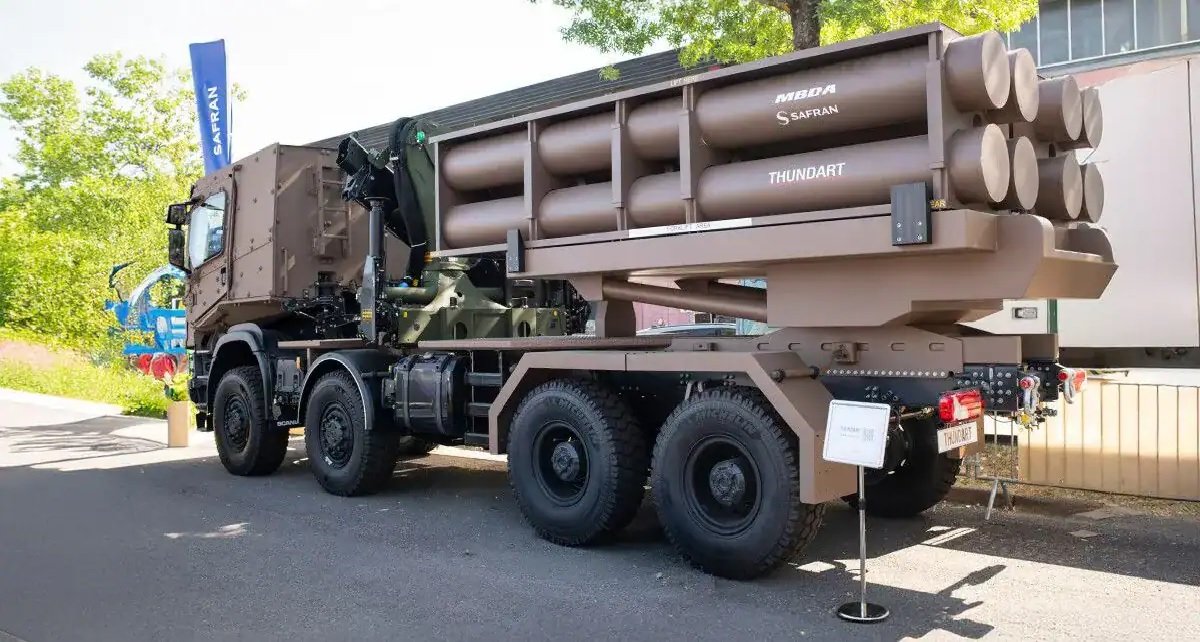 France's THUNDART Long-Range Rocket System May Undergo Prototype Combat Testing in Ukraine
-
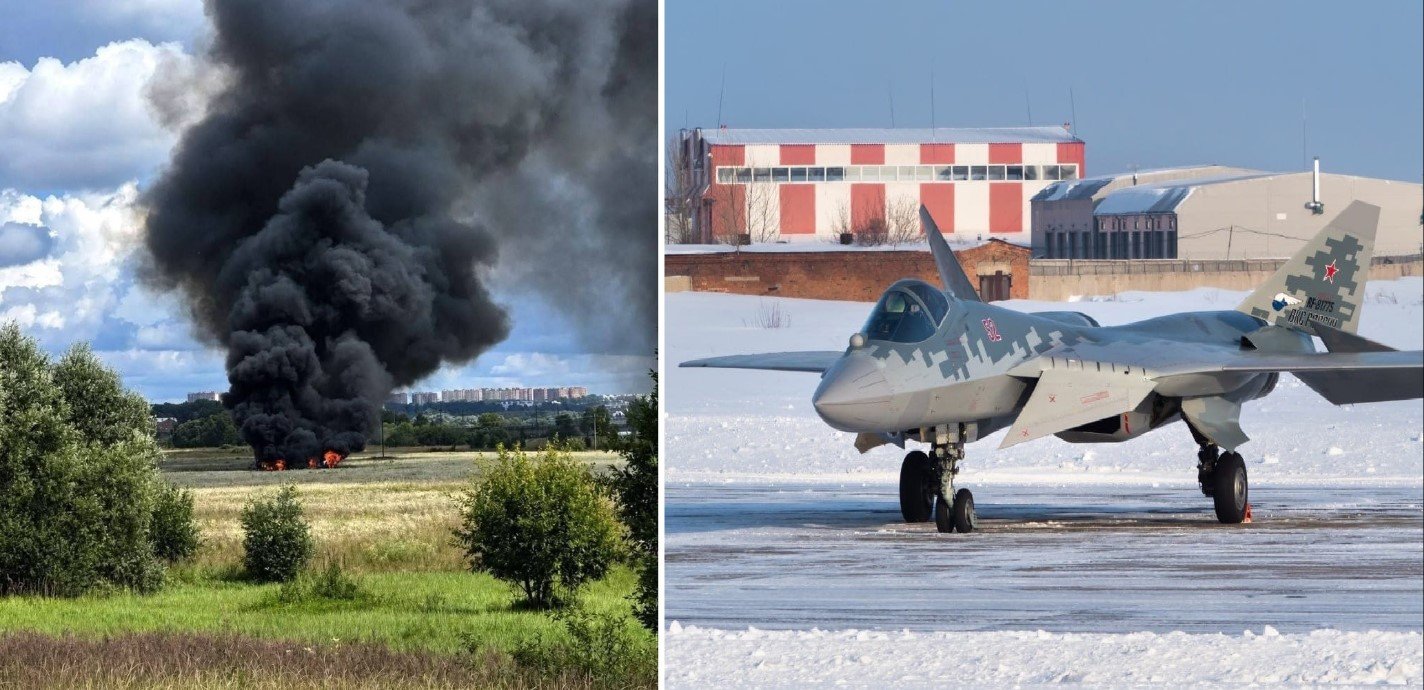 Russian Su-57 Stealth Fighter Crashes During Training Flight Near Moscow, Pilot Ejects Safely
-
 Australia Commits Additional AUD 4.6 Billion to Expand Osborne Shipyard for AUKUS Submarines
-
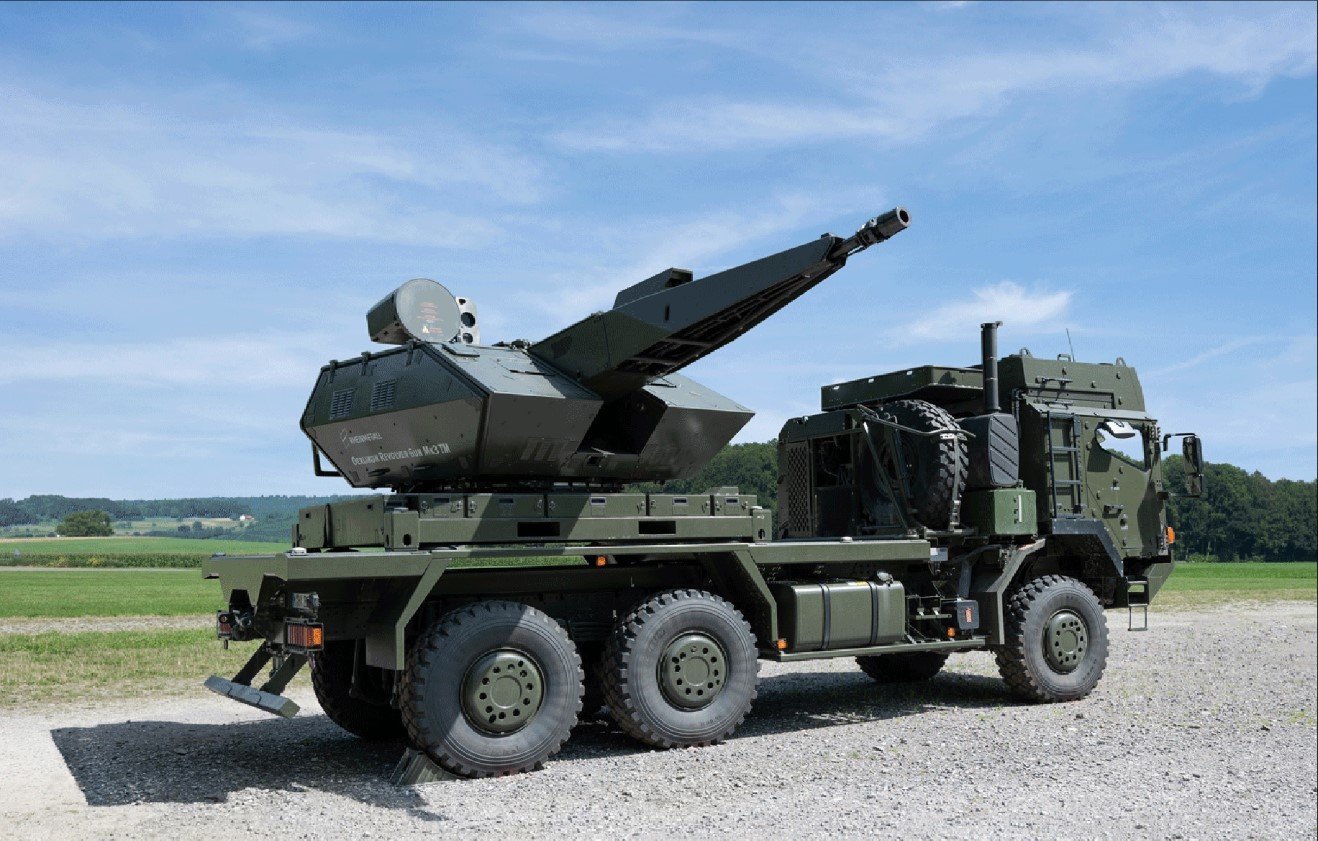 China Imposes Dual-Use Export Ban on 14 European Entities After EU's Russia Sanctions