WASHINGTON — March 15, 2026 : The United States Army has awarded a major enterprise contract valued at up to $20 billion to defense technology firm Anduril Industries to integrate artificial intelligence-enabled software, autonomous systems, and sensor networks into a unified operational capability. The long-term agreement is intended to support evolving military operational requirements by consolidating multiple existing procurement efforts under a single contractual framework.
The contract, identified as W9128Z-26-D-A001, was issued by the U.S. Army Contracting Command at Aberdeen Proving Ground in Maryland. It is structured as a firm-fixed-price enterprise contract with a total potential value ceiling of $20 billion over ten years.
Contract Duration and Structure
The agreement includes a five-year base period followed by an optional five-year ordering period, with an estimated completion date of March 12, 2036. The total value represents the maximum potential spending ceiling rather than guaranteed funding.
Under the framework, funding levels, work locations, and the specific technologies delivered will be determined through individual task orders issued throughout the life of the contract. This structure allows the Army to expand or adjust procurement as operational requirements evolve.
Lattice AI Command-and-Control Platform
At the center of the contract is Anduril’s proprietary Lattice platform, an open-architecture, artificial intelligence-enabled command-and-control system designed to integrate data from multiple military systems into a unified operational network.
Lattice aggregates and analyzes information from a wide range of sources, including:
-
Battlefield sensors
-
Unmanned aerial systems
-
Ground robotic platforms
-
Radar and surveillance systems
-
Autonomous vehicles and drones
The system uses artificial intelligence to fuse these inputs into a common operational picture, enabling real-time object identification, target tracking, situational awareness, and decision support for military operators.
The platform is designed to operate across strategic, operational, and tactical levels, providing connectivity with hundreds of existing Army and joint military systems.
Hardware, Infrastructure, and Autonomous Systems
In addition to the Lattice software environment, the contract covers a broad range of integrated hardware and digital infrastructure supplied by Anduril.
These systems include:
-
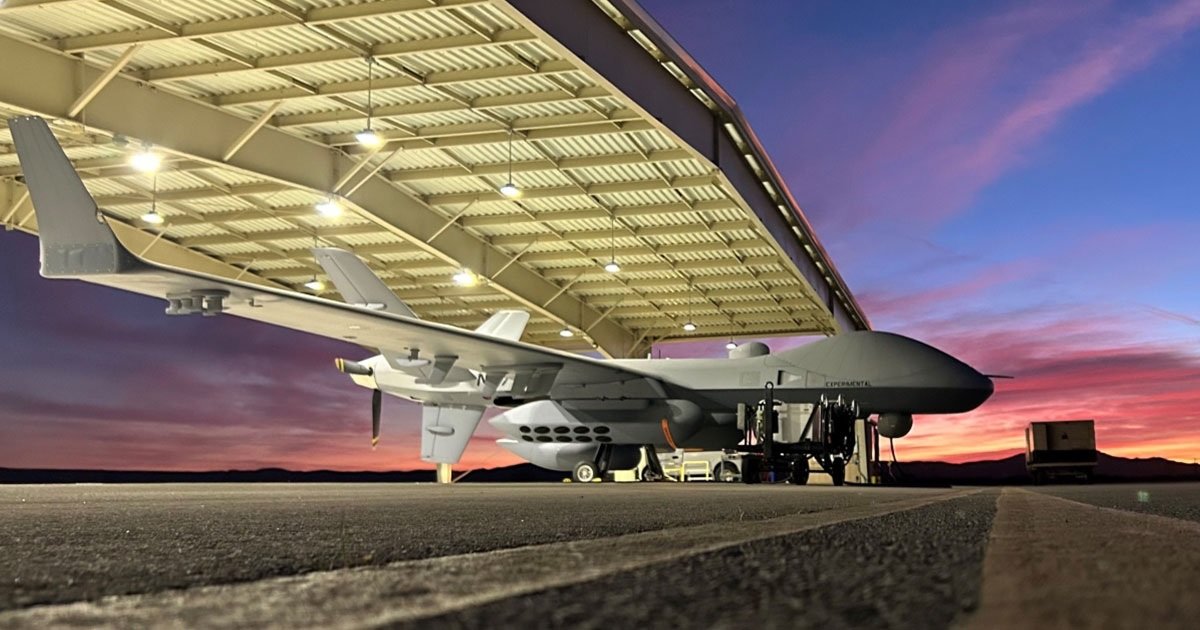
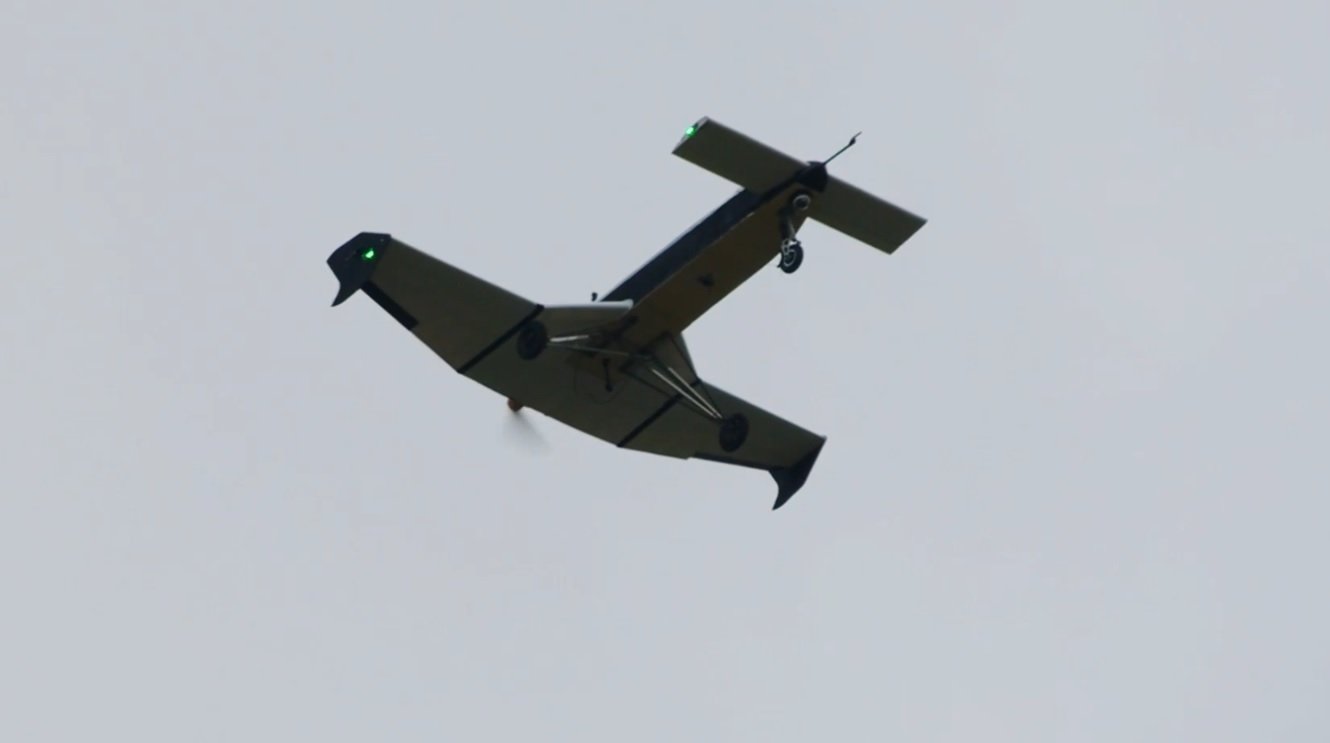
Autonomous drones such as the Ghost-X, ALTIUS, and Roadrunner platforms
-
Counter-drone interceptor technologies
-
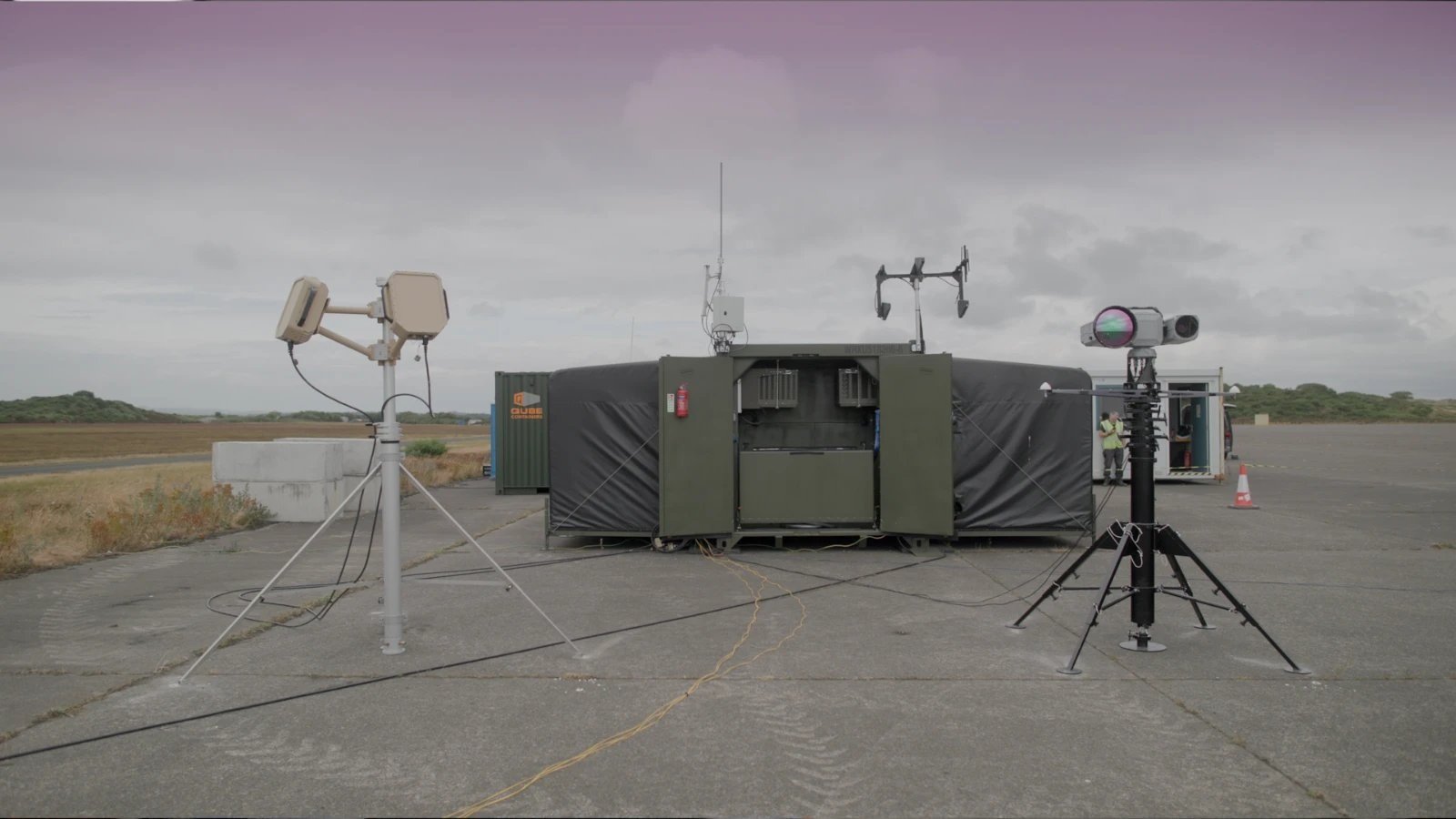
Distributed sensor networks
-
Data platforms and computing infrastructure
-
Integration software and mission systems
The agreement also includes technical support services, system maintenance, and operational integration assistance to ensure that deployed systems remain operational and can be rapidly adapted to mission needs.
Consolidation of Procurement Efforts
Prior to this agreement, the Department of Defense managed more than 120 separate procurement actions to obtain Anduril’s commercial technologies. The new enterprise contract consolidates these efforts into a single acquisition vehicle.
Army officials state that this consolidation is intended to:
-
Eliminate pass-through charges associated with subcontracting structures
-
Reduce administrative and procurement overhead
-
Establish pre-negotiated terms, pricing structures, and volume discounts
-
Shorten acquisition timelines for deploying software and digital systems to operational units
By streamlining procurement procedures, the Army aims to accelerate the deployment of software-defined defense capabilities.
Counter-Unmanned Aerial System Focus
A central objective of the enterprise agreement is improving U.S. military capabilities against unmanned aerial systems (UAS). The effort is closely linked to work led by the Joint Interagency Task Force 401, an Army-led organization focused on counter-UAS interoperability.
Officials say the Lattice platform will function as a foundational command-and-control backbone for counter-drone operations. The system will allow military units and federal agencies to share sensor data, coordinate responses, and track or intercept hostile drones across multiple operational environments.
The architecture is designed to support both overseas military operations and homeland defense missions, addressing interoperability challenges that have historically affected joint counter-UAS efforts.
Statements from Defense Officials
According to Brig. Gen. Matt Ross, director of the Joint Interagency Task Force 401, the enterprise contract establishes a unified operational framework for counter-drone capabilities.
Ross stated that the agreement “establishes a common framework for counter-UAS interoperability and provides a foundational command-and-control capability.”
Gabe Chiulli, chief technology officer within the Department of Defense Office of the Chief Information Officer, emphasized the growing role of software in modern warfare. He said the military must be able to acquire and deploy digital capabilities rapidly, noting that enterprise contracting models support this objective.
Industry and Defense Technology Context
Anduril Industries was founded in 2017 by entrepreneur Palmer Luckey and is headquartered in Costa Mesa, California. The company focuses on autonomous defense technologies, including drones, sensor networks, counter-drone systems, and AI-driven command-and-control platforms.
The enterprise contract represents one of the largest technology-focused agreements issued by the U.S. Army in recent years. It reflects a broader shift within the Pentagon toward incorporating venture-backed defense technology firms and software-centric development models alongside traditional defense contractors.
Army officials noted that the contract does not eliminate future competition. The service continues to evaluate emerging technologies and encourages industry participation through procurement channels such as SAM.gov and the Army’s Open Solicitation process.
Under the enterprise framework, Anduril will deliver capabilities through individual task orders as requirements emerge throughout the contract period, allowing the Army to scale the deployment of AI-enabled systems as operational needs evolve.
——— End of Article ———