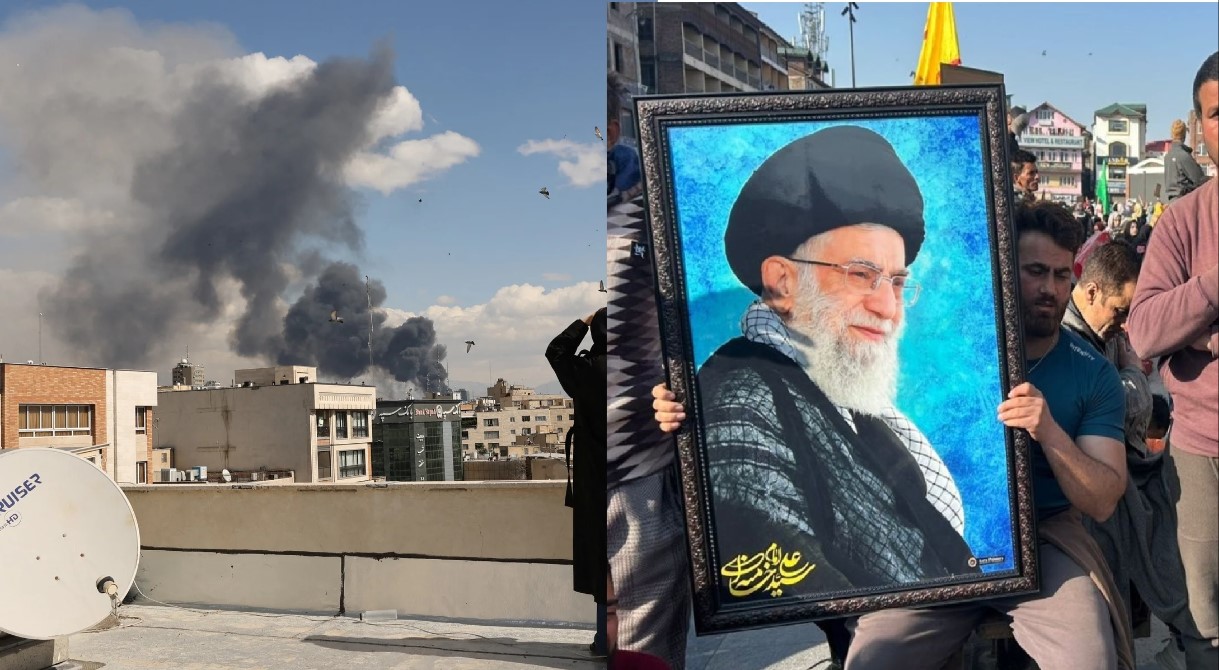
TEHRAN, — March 1, 2026 : Iranian state television has confirmed the death of Supreme Leader Ayatollah Ali Khamenei, who was killed on February 28 in a joint United States–Israel airstrike targeting his office within his residential compound in Tehran. He was 86.
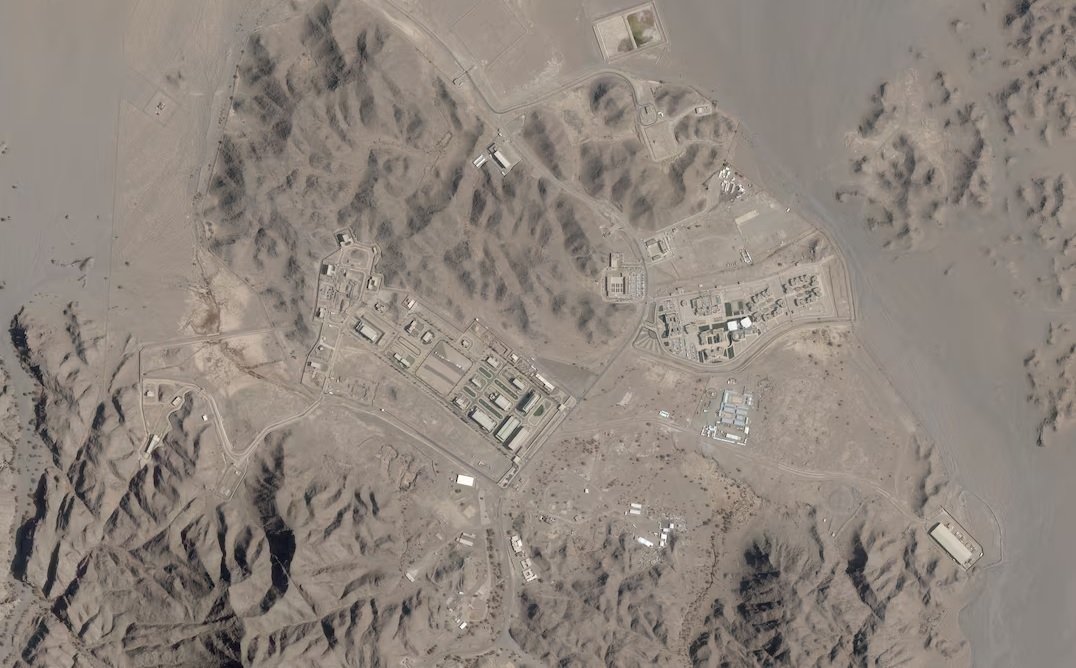
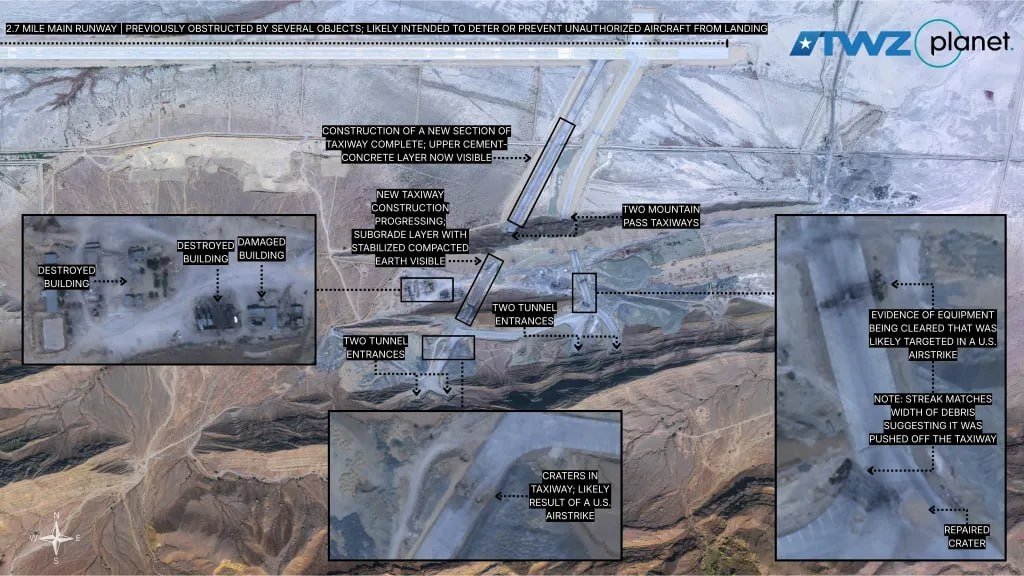
State media outlets, including Fars News Agency and ISNA, reported that Khamenei was at his office carrying out official duties at the time of the strike. Satellite imagery released following the attack showed extensive structural damage to multiple buildings inside the secured compound. Iranian authorities have not disclosed the specific weapon systems used or provided full details regarding additional casualties.
The strike formed part of coordinated military operations launched on February 28 by the United States and Israel. Officials from both countries stated that the operation targeted senior Iranian leadership figures and strategic sites. U.S. President Donald Trump announced the strike hours before Iranian state confirmation, describing it as based on precise intelligence.
According to reports from Fars, several individuals were killed in the attack in addition to Khamenei, including senior military officials and family members. Among those reported dead was Mohammad Pakpour, identified as a commander within the Islamic Revolutionary Guard Corps.
The Iranian government declared a 40-day national mourning period and announced a seven-day public holiday. State institutions have lowered flags and suspended regular programming in observance.
Formation of Interim Leadership Council
Following confirmation of Khamenei’s death, Iranian authorities activated Article 111 of the Constitution, which provides procedures for the temporary exercise of the Supreme Leader’s powers in the event of death or incapacitation.
ISNA reported the immediate formation of a three-member interim Leadership Council. The body consists of cleric Alireza Arafi as the jurist member, President Masoud Pezeshkian, and Chief Justice Gholam-Hossein Mohseni-Ejei.
The Expediency Discernment Council confirmed Arafi’s appointment to the interim body. The council will collectively exercise the constitutional powers of the Supreme Leader until a permanent successor is selected.
Under the Constitution, the responsibility for appointing a new Supreme Leader rests with the Assembly of Experts, an 88-member clerical institution. The Assembly is expected to convene in the coming weeks to deliberate on succession.
Profile of Alireza Arafi
Arafi, 67, has held several senior religious and institutional positions within Iran’s clerical establishment. He previously headed Iran’s nationwide Islamic seminary system and is a current member of the Guardian Council. He also serves as a member of the Assembly of Experts.
From 2008 to 2018, Arafi served as president of Al-Mustafa International University, an institution overseeing religious education and outreach activities abroad. Iranian sources had previously identified him as a potential successor to Khamenei.
Operational Context and Ongoing Monitoring
The February 28 strikes reportedly targeted multiple military installations, air defense systems, and government facilities across Tehran. Satellite assessments indicated concentrated damage within the Supreme Leader’s secured residential and administrative complex.
Iranian authorities have not released comprehensive casualty figures beyond confirmed senior officials. No additional technical details regarding the strike platforms or munitions have been disclosed.
Regional governments and international observers are continuing to monitor developments, particularly the internal transition process and any potential geopolitical consequences arising from the operation.
The interim Leadership Council will manage state affairs during the transitional period until the Assembly of Experts elects a permanent Supreme Leader in accordance with constitutional procedures.
——— End of Article ———