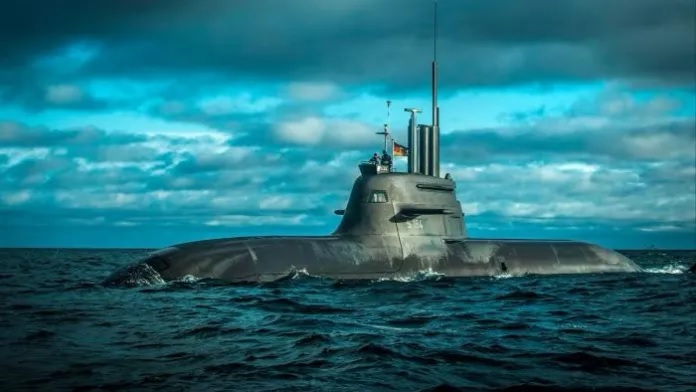
NEW DELHI, February 26, 2026 : The Indian Navy has concluded cost negotiations with Germany’s ThyssenKrupp Marine Systems (TKMS) for the construction of six advanced diesel-electric submarines under Project 75 India (P-75I), marking a major step in one of India’s largest conventional submarine acquisition programmes.
The negotiations were finalised between the Ministry of Defence (MoD), state-owned Mazagon Dock Shipbuilders Limited (MDL), and TKMS following prolonged commercial and technical discussions. The proposal will now undergo financial vetting and inter-ministerial consultations before being placed before the Prime Minister-led Cabinet Committee on Security (CCS) for final approval.
Project Valuation and Financial Framework
The Cost Negotiation Committee has finalised the project valuation in the range of ₹66,000 crore to ₹70,000 crore, equivalent to approximately $8–9 billion. The negotiated figure represents a substantial reduction from an earlier commercial bid submitted by MDL and TKMS that reportedly exceeded ₹1.2 lakh crore.
Project 75(I) received Acceptance of Necessity (AoN) in 2018 with an initial estimated cost of around ₹43,000 crore. The revised valuation reflects expanded requirements including transfer of technology (ToT) provisions, lifecycle support packages, integration of advanced combat systems, and the effects of global inflation.
Defence officials are targeting CCS clearance within the current quarter, which would allow formal contract signing in the early part of the 2025–26 financial year.
Design and Technical Characteristics
The six submarines will be constructed in India and will be based on an advanced variant of TKMS’s Type 214 design, derived from the broader Type-214/Type-218 next-generation lineage. The configuration has been modified to meet specific Indian Navy operational requirements.
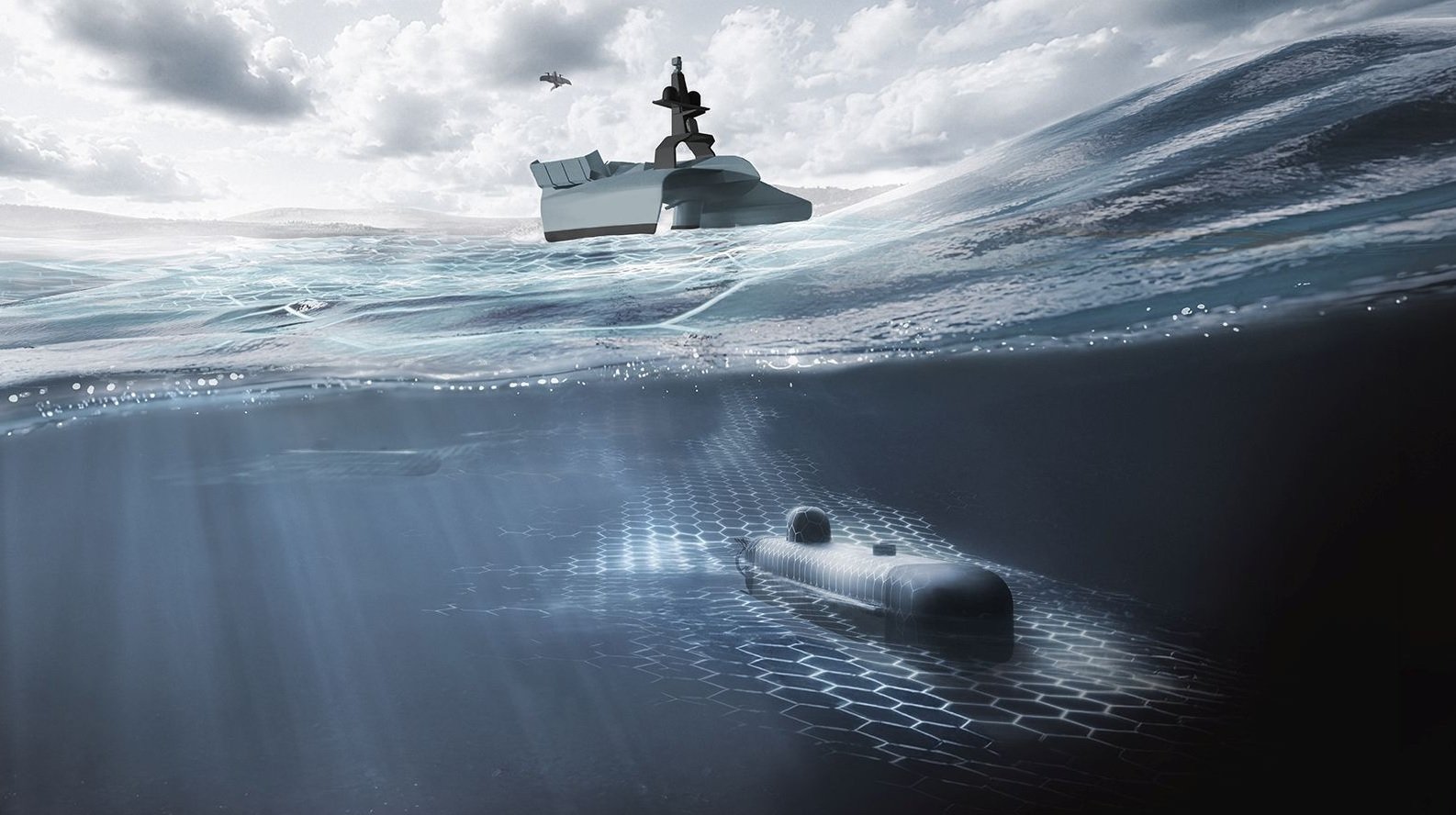
A central feature of Project 75(I) is the integration of fuel-cell-based Air Independent Propulsion (AIP) technology. The AIP system enables submarines to remain submerged for up to three weeks without surfacing, significantly enhancing underwater endurance and reducing detection risk compared to conventional diesel-electric submarines.
The submarines will incorporate advanced combat management systems, modern sensor suites, heavyweight torpedoes, and missile systems including land-attack capability. They will also feature stealth enhancements and acoustic quieting technologies designed for anti-surface and anti-submarine warfare roles.
No additional details on specific weapon configurations have been disclosed.
Indigenous Construction and Technology Transfer
All six submarines will be built at MDL’s Mumbai shipyard under the Strategic Partnership model of the Ministry of Defence. MDL previously constructed the Scorpène-class (Kalvari-class) submarines for the Indian Navy and will act as the Indian strategic partner for this programme.
TKMS will serve as the design authority and technology partner, providing engineering support, technical consultancy, and transfer of critical technologies, including the AIP system.
The programme mandates indigenous content starting at 45 percent for the first submarine, increasing to 60 percent by the sixth vessel. The phased indigenisation approach is intended to expand domestic capability in modular submarine construction, systems integration, and defence supply chain development.
Programme Structure and Timeline
Project 75(I) provides for the acquisition of six advanced conventional submarines under the Strategic Partnership framework. The first submarine is scheduled for delivery seven years after contract signing, with subsequent submarines planned at the rate of one per year.
TKMS and MDL emerged as the only compliant bidder in the programme. A competing bid from Larsen & Toubro in partnership with Spain’s Navantia was disqualified in January 2025. Formal negotiations with the TKMS-MDL team began in 2025 after approval from the CCS to proceed with commercial discussions.
Role in Fleet Modernisation
The Indian Navy currently operates a combination of conventional and nuclear-powered submarines, including ageing Kilo-class submarines of Russian origin, German HDW submarines, and the French-designed Kalvari-class vessels built under Project 75.
Project 75(I) is intended to replace older conventional submarines expected to retire in the 2030s and to enhance underwater capability with improved endurance, stealth, and combat effectiveness.
The programme also forms part of India’s broader submarine modernisation roadmap and is expected to serve as a transitional phase toward Project-76, which envisions the development of future conventional submarines based on a fully indigenous design.
The advancement of the TKMS-MDL agreement effectively replaces an earlier proposal to procure three additional Scorpène-class submarines, which was placed on hold in favour of the more advanced P-75(I) configuration.
With cost negotiations completed and approval processes underway, Project 75(I) is entering its final pre-contract stage within India’s long-term submarine acquisition framework.
——— End of Article ———