LONDON, March 1, 2026 — UK Defence Secretary John Healey has confirmed that British military personnel stationed in Bahrain and Cyprus were not injured following Iranian missile and drone strikes conducted across parts of the Middle East. The incidents occurred amid heightened regional tensions after coordinated United States and Israeli operations targeting Iranian infrastructure and senior leadership in Tehran.
The Ministry of Defence stated that all UK service members in the affected areas have been accounted for and remain safe.
Missiles Fired Toward Cyprus
According to Healey, two Iranian missiles were launched in the general direction of Cyprus, which hosts British Sovereign Base Areas including RAF Akrotiri and Dhekelia. British Forces Cyprus maintains a significant presence on the island, with thousands of personnel stationed there.
UK military intelligence assessments indicate that the missiles were “almost certain” not intended to strike the British bases directly. A source familiar with the situation reported that the projectiles either fell short or landed in the sea before reaching the island.
Healey stated that while there was no direct threat to British installations, the launches demonstrate the broader risks posed by the current regional escalation. A spokesperson for the Cypriot government said there was no indication of a direct threat to the country. Cyprus President Nikos Christodoulides confirmed that Prime Minister Keir Starmer had communicated clearly that Cyprus was not a target.
British Personnel Near Strike Zone in Bahrain
The most immediate proximity to Iranian strikes involved UK personnel in Bahrain. Approximately 300 British service members are currently stationed in the country. Healey confirmed that some were located just a few hundred yards from sites struck by Iranian missiles and drones.
No British bases were directly hit, and there were no UK casualties reported. The Defence Secretary emphasized that the safety of UK Armed Forces personnel remains the Ministry of Defence’s highest priority.
Defensive Air Operations in the Region
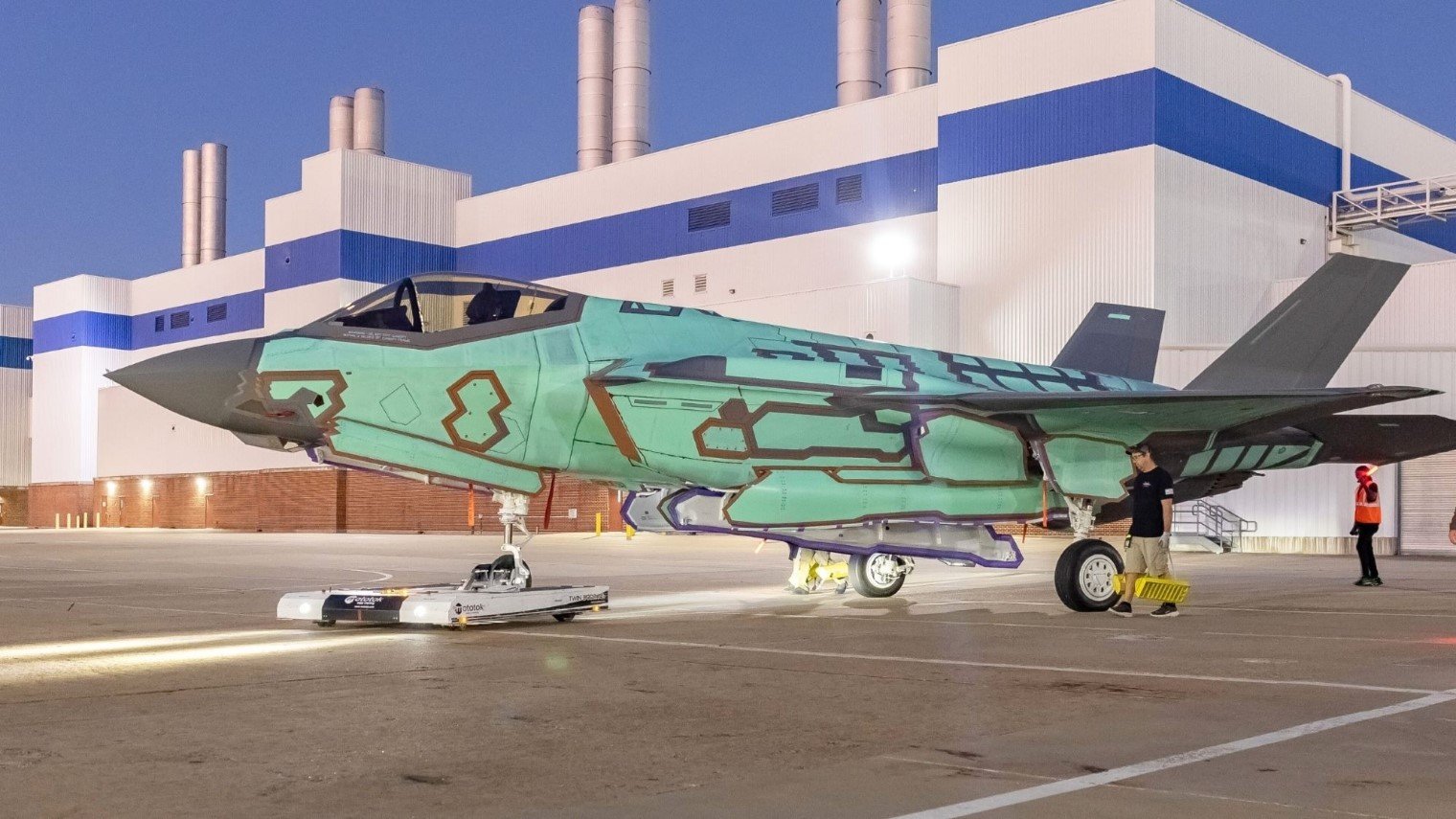
British aircraft, including Typhoon and F-35 jets operated by the Royal Air Force, are conducting defensive patrols across Middle Eastern airspace. These missions include monitoring potential threats and intercepting aerial targets when necessary.
A British unit based in Iraq reportedly intercepted an Iranian drone heading toward a coalition installation housing UK personnel. Healey reiterated that UK forces are operating strictly in a defensive capacity and are not participating in offensive US or Israeli strikes against Iran.
The United Kingdom continues to coordinate with allies, including the US Air Force, as part of broader regional security commitments.
Background and Previous Deployments
During a previous escalation in 2024, UK aircraft participated in regional air defence operations, intercepting approximately 38 Iranian drones and missiles aimed at Israel. At that time, the UK deployed four Eurofighter Typhoon jets to Qatar under the joint UK–Qatari No. 12 Squadron arrangement.
The current escalation follows large-scale US-Israeli strikes conducted on February 28, 2026, which killed Iran’s Supreme Leader Ayatollah Ali Khamenei and targeted multiple military sites. Iran subsequently launched missile and drone attacks across several locations in the Middle East, including areas near US and UK facilities.
Government Position
Healey reiterated the UK government’s longstanding position that Iran must not be permitted to obtain nuclear weapons. He also echoed Prime Minister Starmer’s call for all parties to halt missile activity and reduce the risk of further escalation.
Airspace across parts of the region remains restricted as military operations continue. UK officials stated that British troops and civilians in the Middle East remain at elevated risk, and protective measures are under continuous review.
——— End of Article ———