JERUSALEM — March 1, 2026 : The Israeli Air Force (IAF) has confirmed the destruction of an Iranian Shahab-3 medium-range ballistic missile (MRBM) system and associated launch infrastructure during ongoing air operations under Operation Lions Roar. The campaign, launched on February 28, 2026, is being conducted in coordination with the United States, which is operating in parallel under the name Operation Epic Fury.
The operation began following the collapse of nuclear negotiations between the United States and Iran in Geneva. Israeli Prime Minister Benjamin Netanyahu announced the start of Operation Lions Roar, stating that the objective is to address threats linked to Iran’s nuclear program and long-range strike capabilities. U.S. forces simultaneously conducted strikes on designated targets in Tehran, Isfahan, and additional locations.
Strike Confirmation and Operational Scope
In a statement published on its official X account, the IAF said the Israel Defense Forces (IDF) are continuing strikes against Iran’s missile arrays and air defense systems. According to the statement, the strikes are intended to enhance the Air Force’s operational freedom and prevent missile launches that pose risks to Israel and other regional areas.
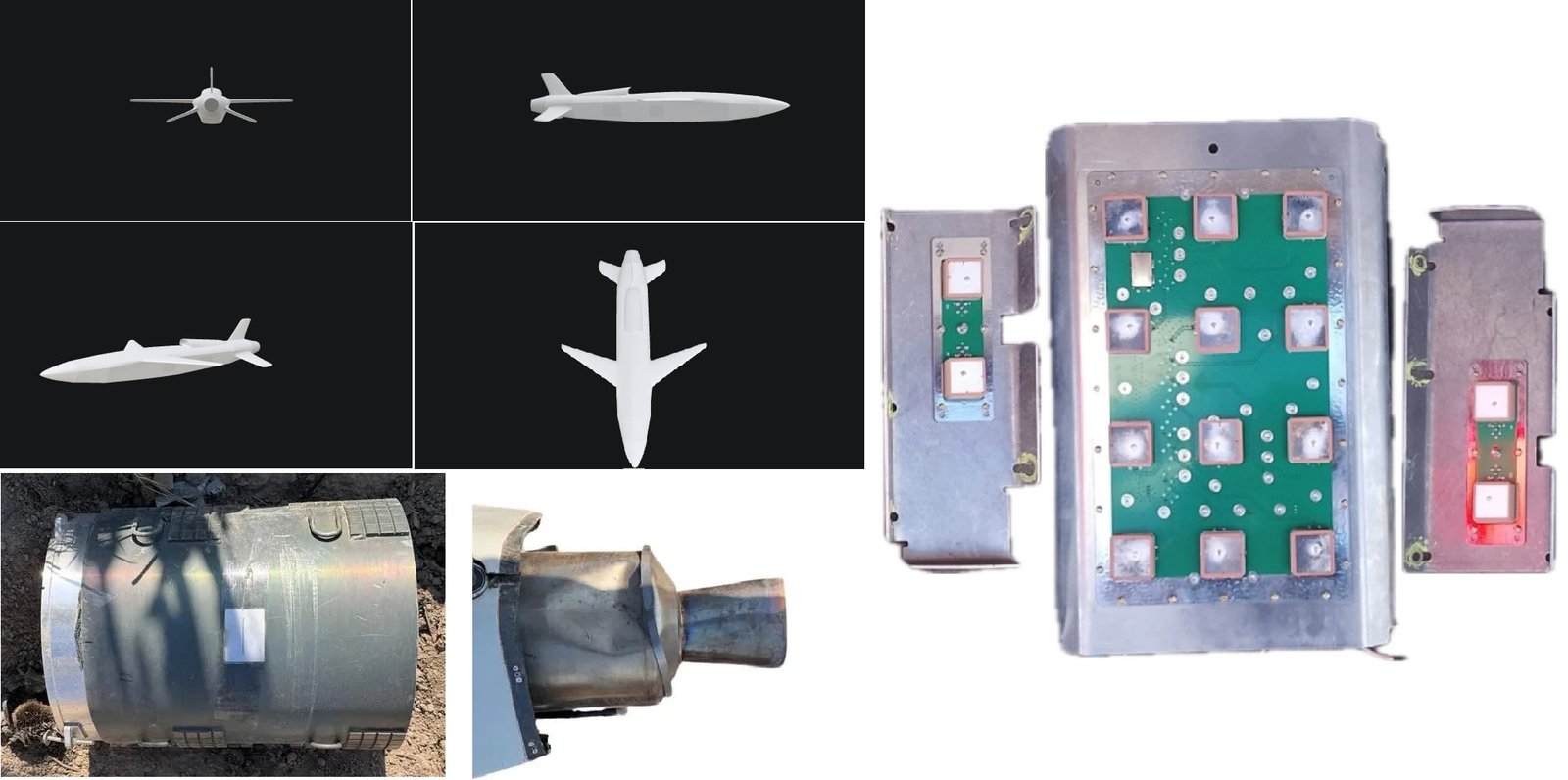
Operational imagery and a 3D rendering of the destroyed missile system were released by the IAF. The material shows a ballistic missile mounted on a six-axle transporter erector launcher (TEL), consistent with known Shahab-3 configurations. The strike reportedly included suppression of Iranian air defense systems in the vicinity to reduce risks to follow-on missions and maintain air superiority.
The IDF reported that dozens of military targets were struck during the initial phase of the campaign, including missile launchers, air defense batteries, and facilities described as linked to nuclear infrastructure. Explosions were reported in Tehran and other Iranian cities following the strikes. Iranian authorities closed national airspace and issued a Notice to Airmen (NOTAM) after the attacks.
Israeli forces employed F-16I Sufa aircraft during long-range strike missions. The aircraft were armed with RAMPAGE stand-off missiles, designed for precision engagement of high-value ground targets from extended distances. Additional footage released by the Israeli military showed strikes on ballistic missile launch systems in western Iran identified as operational threats.
Technical Identification of the Missile System
Defense analysts from the Army Recognition Group conducted an independent assessment of the released imagery and technical data. The evaluation concluded that the destroyed system matches the Shahab-3 family or an evolved derivative such as the Ghadr variant.
According to the assessment, the missile has a reported range between 800 and 1,650 kilometers and carries a warhead weighing approximately 640 kilograms. These specifications correspond with extended-range Shahab-3 variants that achieve increased reach through reduced payload weight and structural refinements.
The Shahab-3 is a single-stage, liquid-fueled MRBM derived from the North Korean Nodong design. Introduced in the early 2000s, the system has undergone incremental modifications, including improvements in structural materials, propulsion efficiency, and reentry vehicle configuration. The missile features a slender cylindrical fuselage and a conical reentry vehicle.
Analysts noted that the airframe shown in the IAF imagery is narrower than Iran’s Khorramshahr ballistic missile, which is based on the Musudan lineage and requires a heavier multi-axle launch platform. The absence of the larger dimensions and platform associated with the Khorramshahr system supports the identification of the destroyed asset as belonging to the Shahab-3 family.
Operational and Strategic Considerations
Liquid-fueled missile systems such as the Shahab-3 require fueling and erection shortly before launch. This process creates a detectable preparation window, making them vulnerable to surveillance and pre-emptive strikes. By targeting launchers and support infrastructure before missile deployment, Israeli forces aim to reduce the number of systems available for sustained ballistic operations.
Iran’s medium-range missile inventory forms a central component of its deterrence posture. With a maximum range of approximately 1,650 kilometers, the Shahab-3 enables Iranian forces to target Israeli territory and other regional locations without forward deployment. The destruction of launch infrastructure limits Iran’s capacity to conduct large-scale retaliatory salvos.
Israeli defensive systems were activated following the initial offensive phase amid reports of Iranian retaliatory missile activity. Tehran designated its response as Operation True Promise 4. Israeli multi-layered missile defense systems, including Arrow and David’s Sling, were placed on alert to intercept incoming threats.
Defense assessments indicate that sustained attrition of liquid-fueled MRBMs could increase Iran’s reliance on solid-fueled systems such as the Sejjil. Solid-fueled missiles require shorter launch preparation times but are assessed to exist in smaller operational numbers compared to legacy liquid-fueled platforms.
Ongoing Campaign
Operation Lions Roar continues to focus on ballistic missile infrastructure, air defense networks, and facilities identified as contributing to Iran’s long-range strike capabilities. The long-term impact of the campaign will depend on the scale of launcher and infrastructure destruction, the survivability of dispersed missile units, and Iran’s capacity to regenerate production while under sustained military pressure.
Israeli officials have stated that operations will proceed based on evolving intelligence assessments. The coordinated campaign represents a targeted effort to degrade missile capabilities assessed as posing direct risks to Israel and regional security.
——— End of Article ———