World
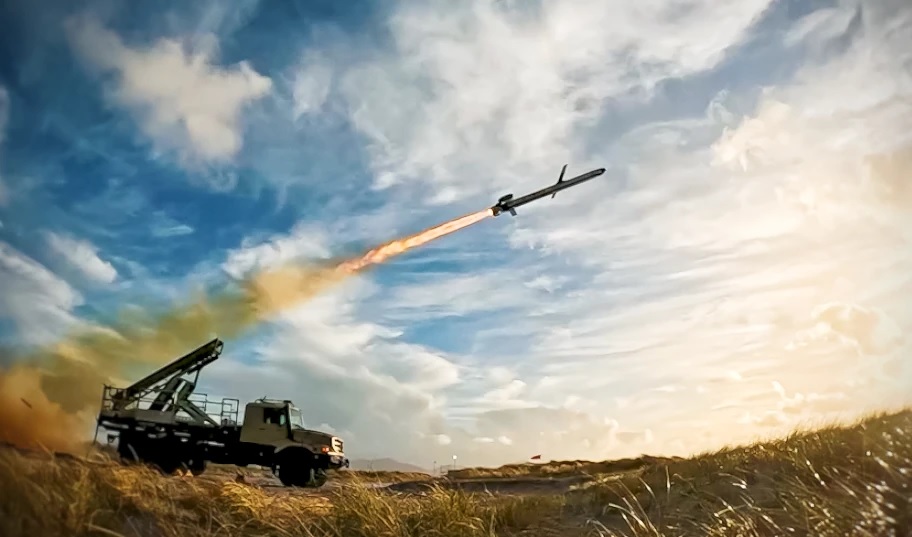
London, — June 20, 2026 : European missile manufacturer MBDA has announced the successful test launches of its new CROSSBOW cruise missile, developed under the UK Ministry of Defence's Project Brakestop. The program aims to provide Ukraine with an affordable, mass-produced long-range strike capability that is entirely free of U.S. components and navigation data. Although announced publicly in June 2026, the flight tests were conducted at the Ministry of Defence's Hebrides range in Scotland between December 2025 and February 2026. According to MBDA, the missile progressed from development to successful flight trials in approximately nine months. Modular Design and Production MBDA developed CROSSBOW in cooperation with small and medium-sized enterprises across the UK and Europe. The missile features a modular design that combines military and commercial off-the-shelf subsystems, helping reduce costs and support large-scale production. The company has stated it is prepared to begin and expand production as early as 2026. CROSSBOW Specifications CROSSBOW is designed to operate in contested environments where GPS signals may be jammed or degraded. Instead of relying on U.S. satellite positioning systems, it uses an image-based visual navigation system developed by MBDA. Key specifications include: Length: 5.3 meters Wingspan: 3 meters Speed: High subsonic Range: More than 800 kilometers Payload: Up to 300 kilograms Propulsion: Turbojet engine Launch Platform: Mobile ground launchers Project Brakestop Project Brakestop was launched by the UK Ministry of Defence to develop low-cost, mass-producible, long-range strike systems for Ukraine. The program requires weapons to contain no U.S. components or navigation data, allowing the UK to retain full control over export and operational decisions. The Ministry of Defence has set a target cost of approximately £400,000 (€475,000) per missile, excluding the warhead, and a production capacity of at least 20 missiles per month. Other Competitors Project Brakestop initially attracted interest from 27 companies before being narrowed to three finalists. TigerShark (MGI Engineering) is a high-speed autonomous strike system developed using advanced composite materials and aerodynamic technologies. SkyLance (Rotron Aerospace) is a propeller-driven long-range strike system designed to maximize range, fuel efficiency, and payload capacity. Both systems have also completed flight trials. Next Phase The UK Ministry of Defence will continue evaluating all three designs during 2026 before selecting at least one system for serial production. According to current plans, the first deliveries to Ukraine are expected before the end of 2026.
Read More → Posted on 2026-06-20 16:36:13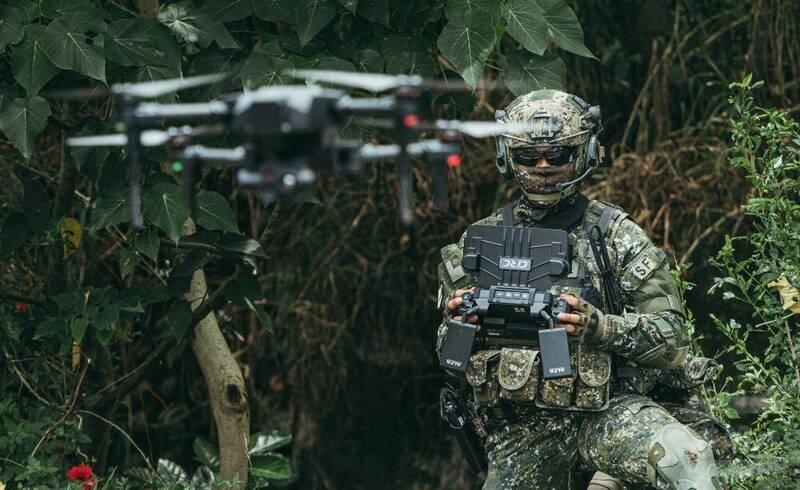
World
Taipei, — June 20, 2026 : Taiwan is preparing to activate a new unmanned systems battalion in the Penghu Archipelago as early as July, expanding its drone capabilities as part of a broader defense modernization program. The move comes amid growing regional tensions, including a recent incident involving Chinese law enforcement vessels near Taiwan-controlled Taiping Island in the South China Sea. New Drone Battalion to Strengthen Offshore Defenses The new battalion will be stationed in Penghu County, a strategically located island group in the Taiwan Strait approximately 45 kilometers from Taiwan’s main island and about 150 kilometers from mainland China. Formed by upgrading an existing drone squadron, the unit will operate under the Republic of China Army’s Penghu Defense Command in Magong. It is expected to focus on enhancing early warning capabilities, surveillance coverage, and response options in areas closer to potential threats. The Penghu battalion will become Taiwan’s fourth dedicated unmanned systems battalion. Army Chief of Staff Lieutenant General Chen Chien-yi previously announced plans to establish such units across all five of Taiwan’s operational areas, covering northern, central, southern, and eastern Taiwan, as well as the outlying islands. Taiwan’s military established the first three battalions in April 2026, accelerating efforts to integrate unmanned systems into frontline operations. Expanding Asymmetric Warfare Capabilities The battalions are a key element of Taiwan’s strategy to strengthen asymmetric defense capabilities. Their primary role will be to improve early warning networks and support anti-blockade operations in strategically important maritime areas. Taiwanese troops are currently receiving training on first-person-view (FPV) drones, which have gained prominence in modern warfare due to their flexibility and cost-effectiveness. These systems are expected to operate alongside more advanced platforms, including U.S.-made ALTIUS loitering munitions. Defense officials have stated that the combination of long-range reconnaissance drones and beyond-visual-range strike systems will help military units identify and track targets more effectively while coordinating with coastal defense and anti-ship missile forces. The objective is to shorten response times and improve the effectiveness of Taiwan’s defensive kill-chain network. Strategic Importance of Penghu Penghu occupies a critical position in the Taiwan Strait and serves as an important forward operating area for surveillance and rapid-response missions. Its location allows Taiwan to monitor maritime activity along one of the region’s most sensitive waterways and provides a platform for deploying unmanned systems closer to potential areas of concern. The new battalion is expected to expand Taiwan’s ability to monitor developments in surrounding waters and respond quickly to emerging situations. The deployment also aligns with Taiwan’s broader investment in domestically developed and imported drone technologies aimed at improving reconnaissance, maritime surveillance, strike support, and overall defense resilience. Chinese Vessels Enter Restricted Waters Near Taiping Island Taiwan’s drone expansion comes shortly after an incident in the South China Sea involving Chinese law enforcement vessels. According to Taiwan’s Coast Guard Administration, two Chinese vessels—Sansha Zhifa 301 and Sansha No. 2—entered the 3.2-nautical-mile prohibited zone surrounding Taiping Island, also known as Itu Aba, on June 11. Authorities said the vessels entered the restricted area at approximately 8:28 a.m. and moved closer to the island before being intercepted and escorted away by Taiwanese coast guard units. The vessels reportedly remained in the area for about 15 minutes. Taiwan described the incident as the first recorded entry of Chinese law enforcement vessels into restricted waters surrounding the Taiwan-controlled island and condemned the action as a violation of its sovereignty and maritime jurisdiction. Broader Regional Context The incident occurred amid ongoing disputes over maritime boundaries and competing territorial claims in the South China Sea. Beijing has recently criticized Taiwan’s ruling Democratic Progressive Party (DPP) over issues related to maritime negotiations between Japan and the Philippines. Because those discussions involve exclusive economic zones (EEZs) that overlap with areas near Taiwan and the South China Sea, China views them as affecting its territorial claims. Regional analysts believe the deployment of Chinese government vessels near Taiping Island may be part of broader efforts to increase administrative presence in contested waters through maritime law enforcement activities. Taiping Island remains claimed by multiple parties, including Taiwan, China, the Philippines, and Vietnam. Continuing Defense Modernization Taiwan continues to advance its military modernization efforts through the expansion of unmanned systems across its armed forces. The activation of the Penghu battalion will further strengthen surveillance, reconnaissance, and rapid-response capabilities in strategically important areas. While no timeline has been announced for the remaining planned battalions, the establishment of the Penghu unit highlights Taiwan’s ongoing focus on integrating drone technology into its defense strategy amid evolving security challenges in the Taiwan Strait and the South China Sea.
Read More → Posted on 2026-06-20 16:31:02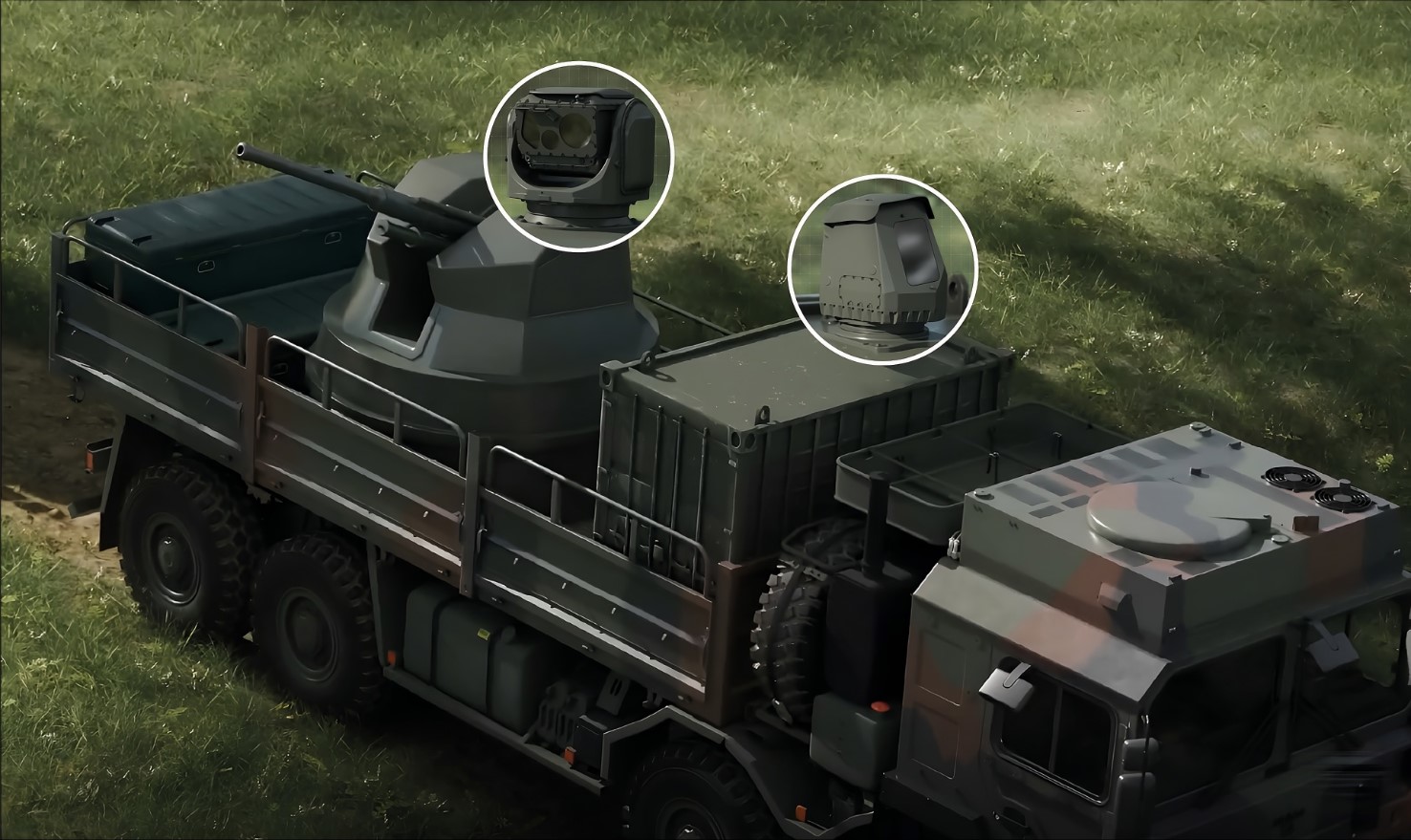
World
ARIS, — June 20, 2026 : Safran Electronics & Defense has unveiled Land OmniGuard, a new vehicle-mounted counter-drone system designed to protect mobile ground forces from increasingly complex unmanned aerial threats. Introduced at Eurosatory 2026, the system combines passive surveillance, advanced optronics, embedded artificial intelligence, and resilient navigation technologies to detect, identify, track, and support the neutralization of hostile drones in operational environments. Land OmniGuard has been developed as a fully integrated end-to-end solution capable of operating while on the move. The system is designed to maintain continuous situational awareness without emitting active radar signals, reducing the risk of revealing the vehicle’s position to enemy intelligence, electronic warfare units, or anti-radiation weapons. Passive Detection and Surveillance At the core of Land OmniGuard’s detection capability is the VAMPIR NG infrared search-and-track sensor. Originally developed for long-range naval surveillance and later enhanced with artificial intelligence, the sensor continuously scans surrounding airspace using thermal signatures rather than active transmissions. This passive approach enables discreet detection of aerial threats while maintaining operational security in contested environments. By relying on infrared tracking instead of radar emissions, the system remains effective even in areas affected by localized electronic warfare and anti-radiation loitering munitions. The stabilized long-range sensor maintains image quality during vehicle movement, allowing operators to monitor potential threats without interrupting mobility. AI-Powered Identification and Tracking Once a potential target is detected by VAMPIR NG, tracking information is automatically transferred to Safran’s PASEO optronic system. PASEO uses high-definition stabilized sensors and embedded machine-learning algorithms to identify, classify, and track aerial objects. The system analyzes target characteristics such as geometry, aspect ratio, movement patterns, and velocity to determine the nature of the detected object. According to Safran, this capability enables the system to distinguish between recreational quadcopters, military fixed-wing drones, and non-threatening objects such as birds. After classification, the software calculates threat vectors in real time and selects the most appropriate response. Land OmniGuard can then provide targeting data directly to electronic or kinetic effectors, including directional radio-frequency jammers and remotely operated weapon stations. By automating much of the detection-to-engagement process, the system reduces operator workload and accelerates decision-making during high-density drone attacks. Navigation in GNSS-Denied Environments To maintain accurate tracking and synchronization between the vehicle, sensors, and target, Land OmniGuard incorporates the GEONYX inertial navigation system. The navigation solution is designed for environments where Global Navigation Satellite Systems (GNSS), including GPS, may be degraded, spoofed, or jammed. Using a hemispherical resonator gyro, GEONYX provides precise real-time positioning without relying on external radio signals. Safran reported that production of the GEONYX navigation system has increased sevenfold between 2022 and 2026, reflecting growing military demand for resilient navigation technologies capable of operating in signal-denied environments. Integrated Counter-Drone Protection Mounted on tactical land vehicles, Land OmniGuard supports the complete counter-drone operational chain, including threat detection, identification, classification, tracking, target designation, and guidance for neutralization measures. The integration of VAMPIR NG, PASEO, GEONYX, and embedded artificial intelligence creates a unified system capable of protecting deployed forces and mobile units against a wide range of unmanned aerial threats. The passive architecture also helps maintain operational security while conducting surveillance and engagement missions. First Contract Secured Safran confirmed that Land OmniGuard has already secured its first contract from a leading European air defense company. While the customer was not identified, the contract marks the first commercial adoption of the new counter-drone solution. The company said the system was developed in response to the growing diversity, frequency, and unpredictability of drone threats encountered by military forces in modern operational theaters. Land OmniGuard expands Safran’s counter-drone portfolio, which also includes electronic warfare solutions such as Skyjacker. The system reflects the growing emphasis on mobile, resilient air defense capabilities as armed forces seek effective protection against rapidly evolving unmanned aerial threats.
Read More → Posted on 2026-06-20 16:20:27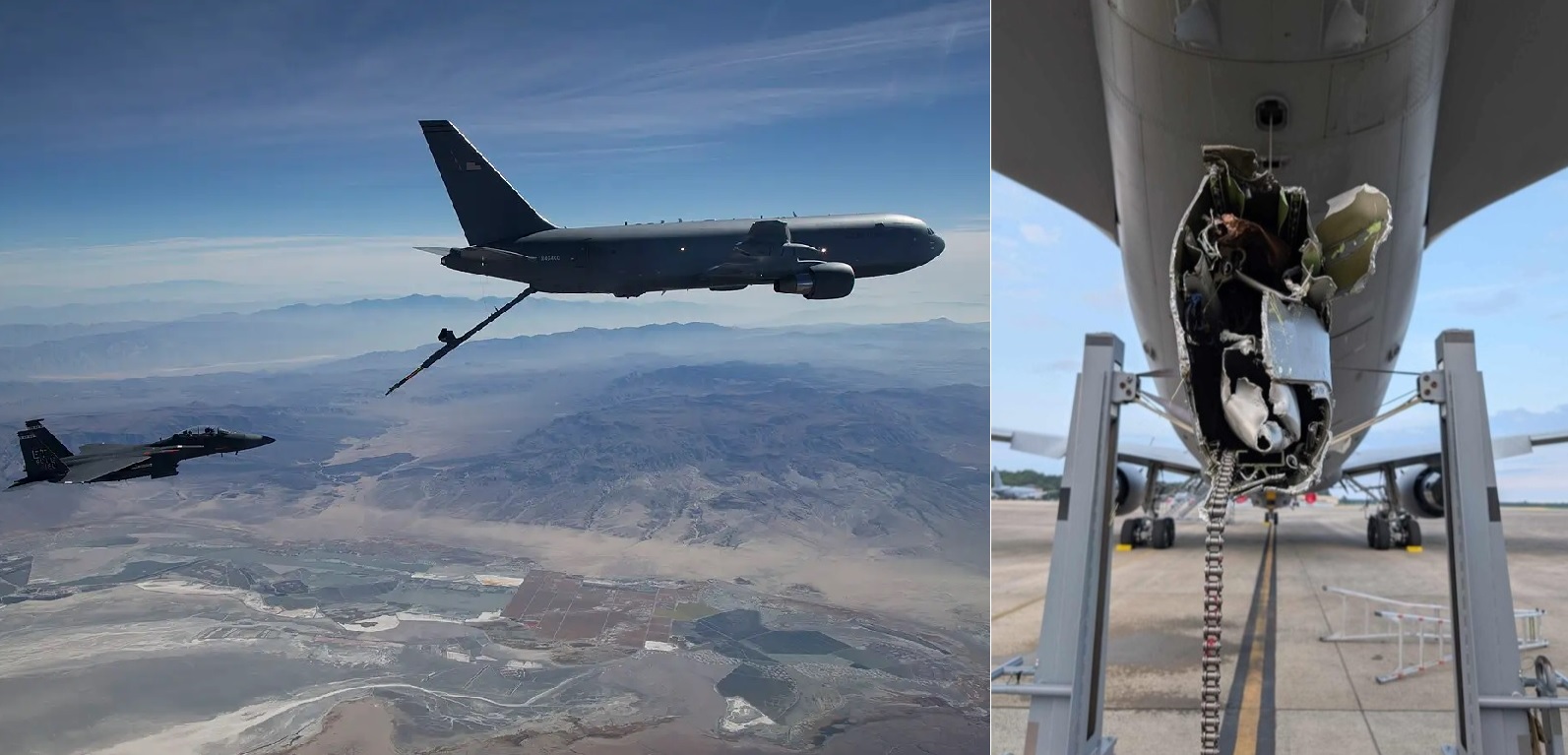
World
WASHINGTON, D.C. — June 20, 2026 : A known design deficiency in the U.S. Air Force’s KC-46A Pegasus aerial refueling tanker contributed to a July 2025 midair accident that resulted in the loss of the aircraft’s refueling boom and nearly $10 million in damages, according to a declassified Air Force Accident Investigation Board report released on June 12, 2026. The incident is the latest in a series of refueling mishaps linked to the KC-46A’s long-documented “stiff boom” issue, a Category 1 deficiency that the Air Force considers capable of causing major equipment damage or the loss of an aircraft. Since 2022, four nozzle-binding incidents have been associated with the problem, including two cases in which the boom separated from the tanker during flight. Training Mission Ends in Major Mishap The accident occurred on July 8, 2025, during a routine aerial refueling training mission approximately 100 miles off the coast of Virginia. A KC-46A assigned to the 22nd Air Refueling Wing at McConnell Air Force Base, Kansas, was conducting refueling operations with F-22A Raptor fighters from Joint Base Langley-Eustis, Virginia. According to the report, the refueling sequence experienced difficulties from the beginning. An F-22 student pilot with only 13 flight hours in the aircraft made several unsuccessful attempts to establish contact with the tanker, resulting in multiple aborted refueling attempts and emergency breakaways before a successful connection was achieved. Once connected, the fighter aircraft moved forward toward the tanker after the pilot failed to sufficiently reduce engine thrust to compensate for the KC-46A’s known boom resistance. The aircraft approached the inner limit of the boom’s telescoping tube, creating a potentially hazardous situation. To prevent a collision, the boom operator initiated a disconnect procedure. However, the nozzle became stuck inside the F-22’s fuel receptacle in a condition known as nozzle binding, setting the stage for the accident. Boom Torn Off and Lost in Atlantic Ocean As the F-22 executed an emergency breakaway maneuver, the bound boom remained trapped in the fighter’s receptacle. The resulting forces caused the boom to suddenly release and enter an unrecoverable fly-up condition. The boom then struck the KC-46A’s fuselage and tail section before breaking apart. The detached aft portion, including the telescoping tube and U-tail assembly, fell into the Atlantic Ocean and was not recovered. The accident caused extensive damage to the tanker, including: Structural separation of boom components Damage to the tail section A hole in the fuselage Ruptured shock absorber Torn hydraulic lines and electrical wiring Damage to the auxiliary power unit The Air Force estimated the total damage at $9,979,567. Despite the severity of the incident, both aircraft landed safely and no injuries were reported. The KC-46A diverted to Seymour Johnson Air Force Base, while the F-22 returned safely to base. Investigation Points to Crew Actions and Aircraft Deficiency The Accident Investigation Board, led by Col. Kevin E. White, determined that the primary cause of the mishap was manual control inputs made by the boom operator that generated radial forces, causing the nozzle to bind within the F-22’s receptacle. Investigators also concluded that the student pilot’s failure to properly account for the KC-46A’s stiff boom characteristics was a substantial contributing factor. However, the report also acknowledged the role of the tanker’s long-standing mechanical deficiency. The KC-46A’s boom requires greater force than expected to move during refueling operations, making it more difficult for receiving aircraft to maintain a stable position. Pilots often need to apply additional thrust to remain connected, increasing the risk of sudden forward movement if adjustments are not made quickly. Recurring Problem Across the KC-46 Fleet The Air Force has documented the stiff boom issue since at least 2018, and it remains one of the most significant unresolved deficiencies affecting the KC-46A program. The July 2025 mishap marked: The fourth nozzle-binding incident linked to the boom deficiency since 2022 The second case in less than a year in which a KC-46A boom was completely torn off during flight A previous investigation into a similar 2022 incident reached a different conclusion. In that case, investigators found that limitations in the KC-46A boom control system played a direct role in the event and attributed the operator’s actions largely to the aircraft’s design characteristics rather than human error. Readiness Concerns Continue The latest accident comes amid broader concerns about the operational readiness of the KC-46A fleet. A Government Accountability Office (GAO) report released in June 2026 found that the tanker failed to meet Air Force availability and mission-capability targets for six consecutive fiscal years, from FY2019 through FY2025. In addition to the boom telescope deficiency, Air Force units have reported: Electrical component failures Sensor inaccuracies Structural airframe cracks Other reliability-related issues affecting fleet availability As a result, the Air Force continues to rely heavily on its aging KC-135 Stratotanker fleet to support global aerial refueling operations. Boeing Working on Corrective Measures The KC-46A Pegasus, based on the Boeing 767 commercial aircraft platform, is the Air Force’s primary replacement for the KC-135. Each aircraft has an estimated unit cost of approximately $239 million, and more than 100 aircraft have been delivered. To address the boom issue, Boeing is developing a Boom Telescope Actuator Redesign (BTAR) intended to reduce stiffness and improve boom performance. The modification is expected to begin entering service in late fiscal year 2027, with additional hardware and software improvements planned through 2028. Until those upgrades are fielded, the Air Force and Boeing will continue implementing corrective actions while working to improve the tanker’s reliability, availability, and operational effectiveness.
Read More → Posted on 2026-06-20 16:12:14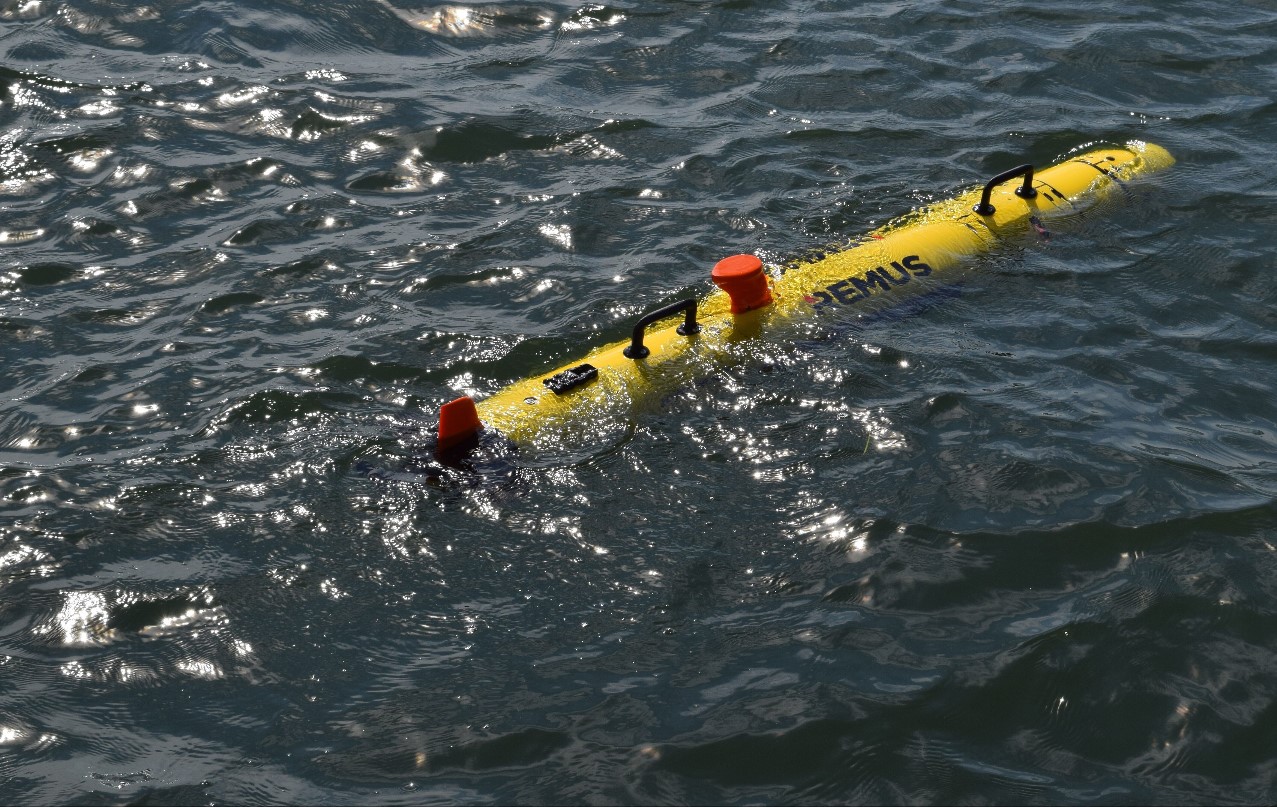
World
POCASSET, Massachusetts, — June 20, 2026 : Huntington Ingalls Industries (HII) has delivered the first REMUS 130 unmanned underwater vehicle (UUV) to an undisclosed U.S. ally, marking the introduction of the latest generation of the REMUS family of autonomous underwater systems. The REMUS family has more than 25 years of operational history and is used by the U.S. Navy, allied militaries, government agencies, research institutions, and commercial operators. More than 750 REMUS vehicles have been delivered worldwide and are currently operated in over 30 countries, including by 14 NATO navies. The REMUS 130 is the third-generation evolution of the REMUS 100 series. It combines the reliability and ease of operation of earlier REMUS platforms with upgraded electronics, open-architecture interfaces, and greater payload flexibility. “The delivery of the first REMUS 130 represents an important step in the continued evolution of the REMUS family,” said Duane Fotheringham, president of the Unmanned Systems group in HII’s Mission Technologies division. “For decades, customers have relied on REMUS vehicles for their durability, ease of operation and proven performance. REMUS 130 builds on that legacy with a highly capable, modular platform that delivers greater flexibility, interoperability and value while leveraging common architecture across the REMUS fleet.” The REMUS 130 features a compact, two-person-portable design, weighing approximately 107 pounds (48.5 kg) and measuring 80 inches (2.03 m) in length. It can operate at depths of up to 100 meters (330 feet), reach speeds of up to 5 knots, and provide up to 10 hours of endurance with a maximum range of approximately 55 kilometers (29 nautical miles). The vehicle is powered by 1.5 kWh field-swappable lithium-ion battery modules, allowing rapid battery replacement and increased operational availability. It is built on the same technology foundation as the larger REMUS 300 and REMUS 620 platforms. A key feature of the REMUS 130 is its open-architecture design, which enables the rapid integration of commercial, government, and customer-developed payloads. This modular approach helps reduce lifecycle costs while allowing the vehicle to adapt to changing mission requirements. The UUV integrates HII’s Odyssey Autonomous Control System (ACS), which supports collaborative autonomy, sensor fusion, advanced navigation, and multi-vehicle coordination. The system is already deployed on REMUS platforms operating in more than 30 countries. The REMUS 130 is equipped with advanced navigation, processing, and communication systems, including high-frequency acoustic communications, Wi-Fi connectivity, and integrated side-scan sonar for high-resolution underwater imaging. The platform is designed to support a wide range of missions, including mine countermeasures, harbor clearance, search and recovery operations, oceanographic research, environmental monitoring, seabed mapping, and offshore energy infrastructure inspection. The delivery expands HII’s portfolio of autonomous maritime systems as demand continues to grow for adaptable and cost-effective unmanned underwater capabilities.
Read More → Posted on 2026-06-20 15:57:58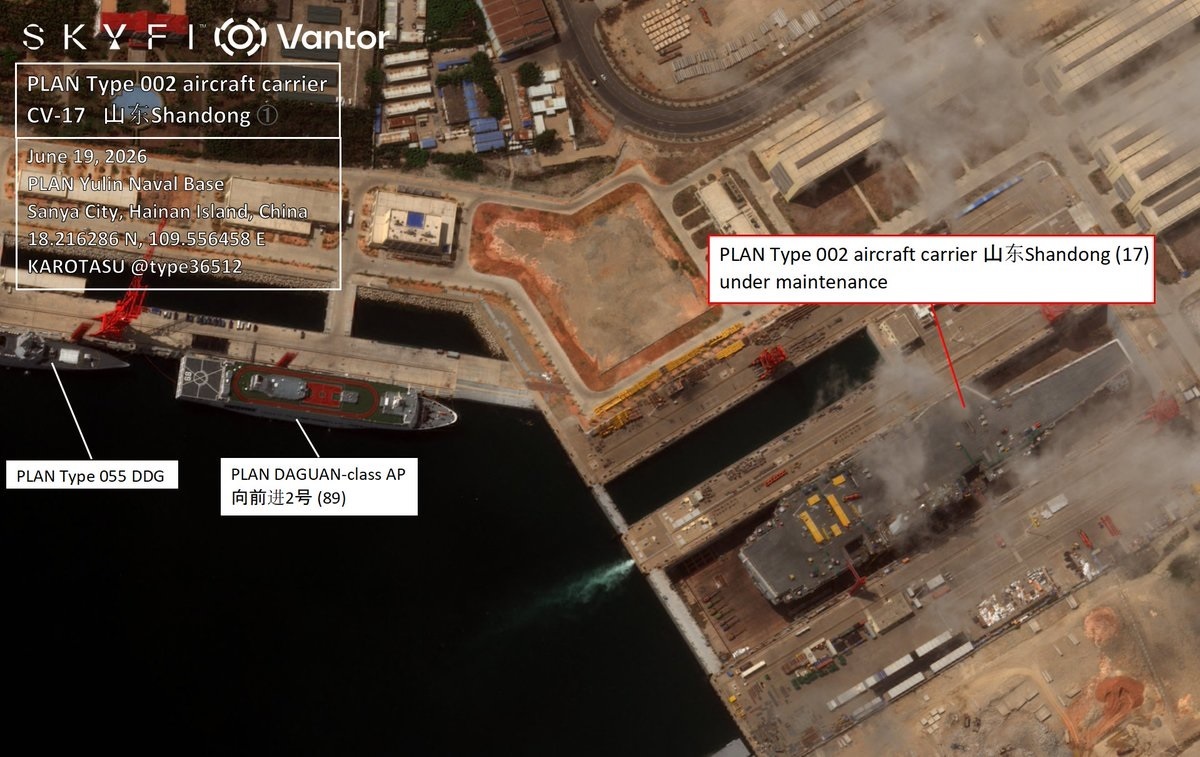
World
BEIJING, — June 20, 2026 : Newly released high-resolution satellite imagery captured on June 19 shows the Chinese People’s Liberation Army Navy (PLAN) aircraft carrier Shandong (CV-17) continuing an extended maintenance period at Yulin Naval Base on Hainan Island. The carrier has remained in dry dock since January 20, 2026, marking approximately five months of continuous maintenance work. The images confirm that the Type 002 aircraft carrier, China’s first domestically built carrier, remains positioned inside Yulin’s large carrier-capable dry dock. The prolonged maintenance period highlights the PLAN’s growing ability to conduct major carrier overhauls and sustainment activities at facilities located in the South China Sea rather than relying exclusively on northern shipyards. Dry Dock Activity and Supporting Vessels Satellite imagery of the naval complex in Sanya provides a detailed view of the maintenance operation. Shandong remains stationed inside the primary dry dock, which was specifically designed to accommodate large naval vessels, including aircraft carriers. A secondary dry dock located adjacent to the carrier facility has been completely drained of water and was empty at the time the imagery was taken. Several important naval assets were also observed at nearby berths supporting the maintenance effort. Among them was Integrated Support Ship Forward 2 (Hull 89), a Daguan-class (Type 032) auxiliary vessel commonly used to provide accommodation, logistics, and technical support for carrier crews and maintenance personnel during extended repair periods. Also berthed nearby was a Type 055 guided-missile destroyer, one of the PLAN’s most advanced surface combatants. Displacing approximately 13,000 tons and equipped with 112 vertical launch cells, the Type 055 serves as a key escort vessel within Chinese carrier strike groups and represents a significant concentration of naval capability at the southern base. First Carrier Maintenance at Yulin’s Purpose-Built Facility The ongoing work represents the first known use of Yulin’s purpose-built carrier dry dock for a Chinese aircraft carrier. Construction of the facility began in 2017 and was completed around 2022 as part of broader efforts to expand naval infrastructure on Hainan Island. Measuring roughly 370–375 meters in length, the dock is capable of accommodating vessels significantly larger than the 304.5-meter-long Shandong. Until now, major carrier maintenance and overhaul work for China’s aircraft carriers had largely been conducted at the Dalian Shipyard in northern China, where both Liaoning and Shandong were originally built. The availability of a southern maintenance facility allows the PLAN to service aircraft carriers much closer to their primary operating areas in the South China Sea. This reduces transit requirements and improves the navy’s ability to maintain operational readiness in strategically important waters. Scope of Maintenance The exact nature of the work being performed on Shandong has not been officially disclosed. However, comprehensive carrier maintenance periods of this duration typically involve extensive inspections and refurbishment activities. Such work may include hull cleaning and repairs, propulsion system inspections, maintenance of arresting gear and aircraft handling equipment, flight deck resurfacing, sensor servicing, and upgrades to onboard systems. Earlier satellite imagery from February 2026 showed visible activity on the flight deck, including the removal of deck markings, suggesting ongoing refurbishment efforts. Analysts have also noted recent reports in Chinese state media regarding efforts to integrate the new J-35 fifth-generation stealth fighter into the air wings of existing carriers, including Liaoning and Shandong. Extended dry-dock periods can provide opportunities for deck modifications and system adjustments needed to support new aircraft types. Expanding Carrier Sustainment Capabilities Commissioned in December 2019, Shandong serves as the PLAN’s second aircraft carrier and its first domestically built carrier. The vessel has participated in numerous training exercises and deployments across the South China Sea and the western Pacific since entering service. The use of Yulin Naval Base for long-term carrier maintenance is viewed as a significant step in expanding China’s carrier sustainment infrastructure. By conducting major maintenance closer to operational theaters, the PLAN can reduce dependence on northern shipyards and improve fleet availability. China currently operates three aircraft carriers—Liaoning, Shandong, and Fujian—while reports indicate that a fourth, nuclear-powered carrier is under development. As the carrier fleet expands, facilities such as the Yulin dry dock are expected to play an increasingly important role in supporting maintenance, repairs, and long-term operational readiness. While the timeline for Shandong’s return to sea remains unclear, satellite imagery indicates that maintenance work continues at the Hainan facility. Observers are expected to monitor future imagery for indications that the carrier is preparing to undock and begin post-maintenance sea trials.
Read More → Posted on 2026-06-20 14:32:10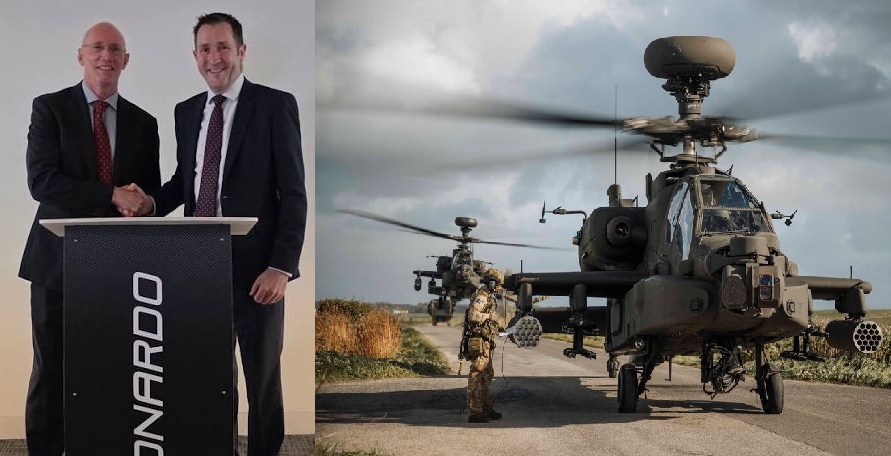
World
LONDON, — June 20, 2026 : The UK Ministry of Defence (MOD), through its National Armaments Director (NAD) Group, has awarded Leonardo (UK) Ltd a contract valued at up to £70 million to provide critical consumable spare parts for the UK Armed Forces’ fixed-wing and rotary-wing aircraft fleet. The agreement, known as the Aircraft Consumables Commodities (ACC) contract, begins with an initial value of £27 million over three years and includes options for four additional one-year extensions. If all options are exercised, the total value of the contract will reach £70 million over seven years. The contract covers the procurement, management, and supply of approximately 11,000 NATO Stock Numbers (NSNs), which include a wide range of consumable items required for aircraft maintenance and operational readiness. These components range from small hardware items such as blind rivets, washers, and cable ties to specialized consumables including face masks. The ACC contract supports several key UK military aircraft platforms, including the Eurofighter Typhoon fighter jet, Apache and Chinook helicopters, and A400M Atlas and C-17 Globemaster III transport aircraft. Many of these platforms are currently supporting operational commitments, including deployments in the Middle East and NATO-related missions. A major feature of the new agreement is the introduction of a depot-level management system designed to improve efficiency across the military aviation supply chain. Under the arrangement, Leonardo will manage inventory through a hybrid approach that combines proactive stock control for frequently used components with a demand-based procurement process for less frequently required items. The company will be responsible for spare parts forecasting, inventory modelling, procurement planning, stock management, maintenance support, and obsolescence management. The integrated approach is intended to improve component availability, reduce supply chain complexity, and enhance support for operational aircraft fleets. The programme is expected to sustain approximately 75 skilled jobs across the United Kingdom, with most work taking place in Edinburgh, Coningsby, and Bristol. The contract supports both the operational requirements of the UK Armed Forces and the wider defence industrial base. The agreement was signed by John Farrow, Director Logistic Support & Commodities (LSC), and Wayne Smith MBA BEng, Leonardo Electronics UK Sales Director. By securing long-term access to essential consumable spares and consolidating supply chain management under a single contractor, the ACC contract aims to maintain the airworthiness, availability, and mission readiness of the UK's military aircraft fleet while supporting ongoing defence operations and future force requirements.
Read More → Posted on 2026-06-20 14:23:13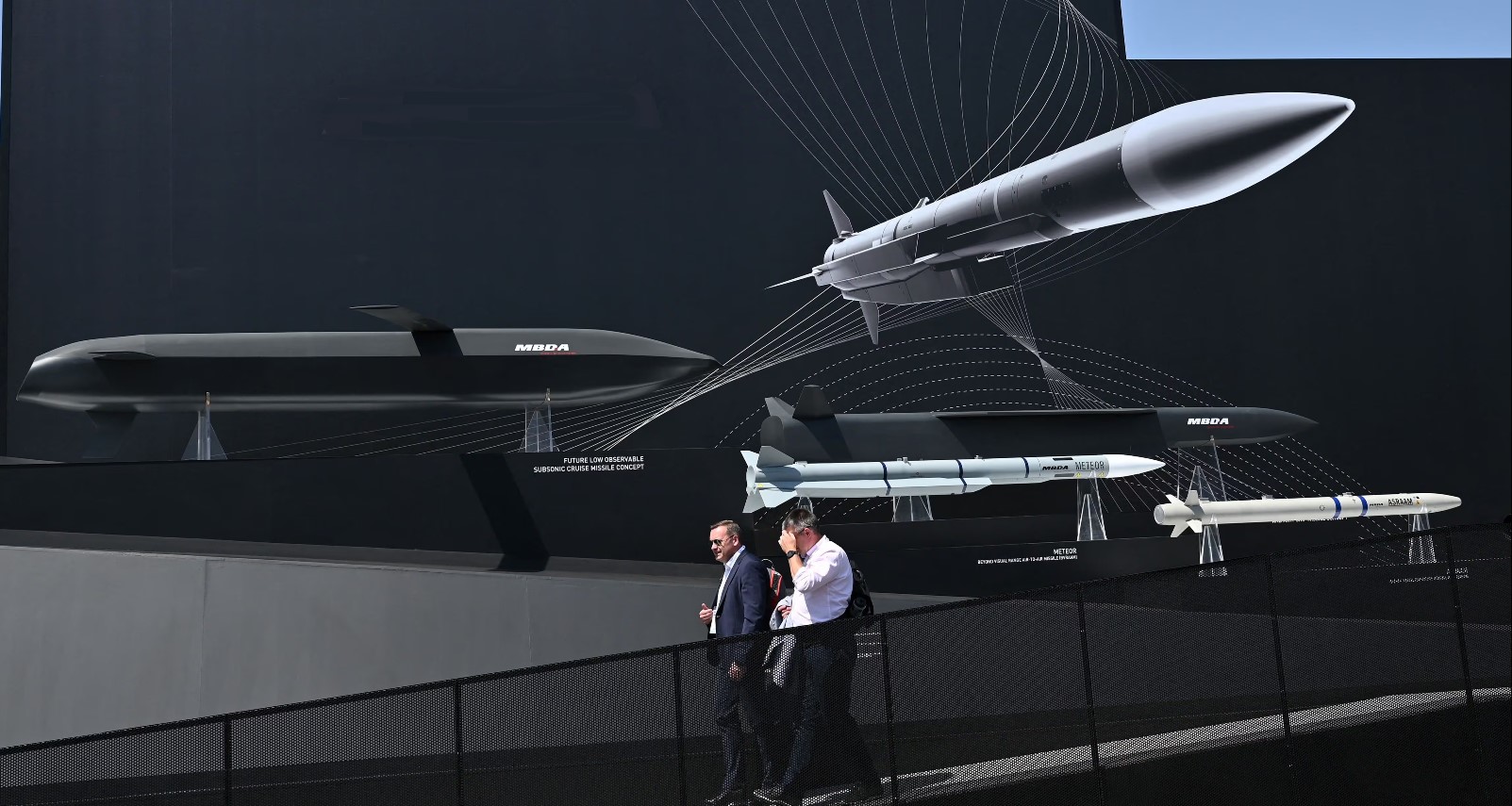
World
Brussels, Belgium, — June 20, 2026 : Six European nations have formally moved their joint long-range strike cooperation from the planning phase into active development, launching eight separate weapon programs under the European Long-Range Strike Approach (ELSA). The initiative includes the development of a ground-launched cruise missile with a range exceeding 2,000 kilometers, alongside several other deep-strike and air-defense suppression capabilities. According to Aviation Week, defense ministers from Germany, France, Poland, Italy, Sweden, and the United Kingdom signed the agreement on June 18, marking a major milestone after nearly two years of collaborative planning. The participating countries concluded that several capability areas had reached sufficient maturity to transition into dedicated development programs, now organized as ELSA Implementation Groups (EIGs). The ELSA framework was established to strengthen Europe's sovereign deep-strike capabilities, reduce dependence on U.S. military assets in key mission areas, and address capability gaps highlighted by recent conflicts, particularly the war in Ukraine. The initiative is also intended to reinforce European defense-industrial cooperation and support NATO's long-term deterrence and defense requirements. Eight ELSA Implementation Groups Established Under the agreement, development efforts will be divided into eight specialized implementation groups, with at least one lead nation assigned to oversee each project's development and procurement activities. The eight capability areas include: Airborne Early Warning Systems Long-Range Anti-Radar Missiles for Suppression of Enemy Air Defenses (SEAD) Long-Range Air-to-Ground Missiles European Multiple Launch Rocket Systems (Euro Multi Missile Launcher) Ground-Launched Missiles with ranges of 300–500 kilometers Ground-Launched Missiles with ranges of 500–2,000 kilometers Ground-Launched Missiles with ranges exceeding 2,000 kilometers Low-Cost Long-Range Strike Weapons with ranges greater than 500 kilometers Officials stated that the implementation groups will enable focused development while allowing additional European partners to participate in future phases of the program. France Proposes MdCN for Over-2,000 km Missile Requirement For the long-range missile category exceeding 2,000 kilometers, France has proposed adapting its Missile de Croisière Naval (MdCN), also known as SCALP Naval, as the foundation for the future ground-launched system. Developed by MBDA, the MdCN is currently a sea-launched cruise missile used by the French Navy. In its existing configuration, the missile offers a range of up to 1,000 kilometers. French officials believe the platform's mature design and proven technologies could allow a relatively rapid transition to a ground-launched variant capable of meeting ELSA's extended-range requirements. The missile incorporates stealth features designed to reduce detectability and improve survivability in contested environments. It flies at very low altitudes, typically between 30 and 40 meters above the terrain, using terrain-following flight profiles to minimize exposure to enemy air-defense networks. For navigation and targeting, the MdCN combines inertial navigation, satellite guidance, active radar homing, and infrared guidance systems, providing multiple layers of precision targeting capability. Although the missile is not currently in serial production, MBDA has stated that its production facilities are prepared to resume manufacturing upon receiving orders. United Kingdom Leads Low-Cost Long-Range Strike Effort While France is focusing on the longest-range missile category, the United Kingdom is taking a leading role in the development of the Low-Cost Long-Range Strike Weapons project. Known internally as the OWE 500+ (One-Way Effector 500+), the effort seeks to develop autonomous strike systems capable of engaging targets at ranges beyond 500 kilometers. The concept emphasizes affordability and mass production, with participating nations targeting a unit cost below €100,000. The objective is to create expendable, drone-like strike systems that can be produced in large quantities and rapidly replenished during prolonged conflicts. By simplifying design requirements and expanding manufacturing participation across multiple European countries, the program aims to establish a resilient and scalable production base. Supporting Broader European Strike Capabilities In addition to missile development, ELSA will support complementary projects across the long-range strike ecosystem. These include airborne early warning platforms, anti-radar weapons designed to suppress enemy air defenses, and advanced rocket artillery systems. Among the supporting efforts is the Thundart rocket artillery program being developed by MBDA and Safran, which is intended to provide a strike capability at ranges of approximately 150 kilometers. Such national programs are expected to contribute technologies and operational experience that can support wider ELSA objectives. The participating nations view the initiative as a long-term effort to enhance Europe's ability to conduct deep precision strikes using sovereign technologies while strengthening industrial cooperation across the continent. With the establishment of the ELSA Implementation Groups, development activities are expected to accelerate during the coming years, with participating countries aiming to field new long-range strike systems and supporting capabilities during the 2030s.
Read More → Posted on 2026-06-20 14:02:59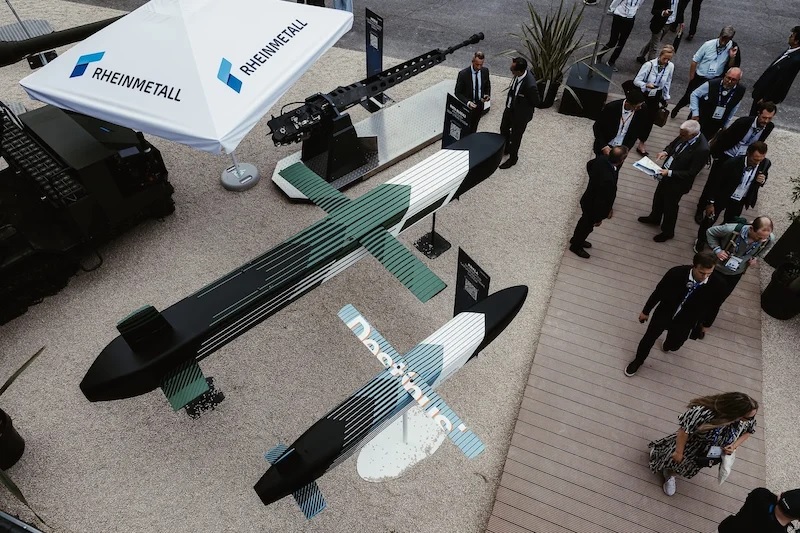
World
PARIS, — June 20, 2026 : Rheinmetall Destinus Strike Systems has announced plans to accelerate development of its Ruta Block 3 deep-strike cruise missile while commencing serial production of the Kryla and Ruta Block 2 cruise missile systems. The announcement follows presentations made by the company during the Eurosatory 2026 defense exhibition in Paris. The joint venture, established between Germany's Rheinmetall AG and the Netherlands-based Destinus Group BV, aims to expand Europe's long-range precision-strike capabilities through a fully European industrial and supply chain framework. Rheinmetall holds a 51 percent stake in the partnership, while Destinus owns the remaining 49 percent. The company stated that its missile portfolio is designed to provide NATO and European armed forces with scalable strike capabilities across different operational ranges and mission requirements. Final assembly, integration, and testing activities will take place at Rheinmetall's facility in Unterlüß, Germany, with initial delivery readiness targeted for later in 2026. European Industrial Partnership The joint venture combines Destinus' expertise in cruise missile design, propulsion systems, autonomous navigation technologies, and operationally validated architectures with Rheinmetall's industrial manufacturing capabilities, warhead production, booster rocket motor development, qualification processes, and large-scale system integration. According to the companies, the program is built around a 100 percent European value chain intended to strengthen supply security and reduce dependency on non-European suppliers. The long-term objective is to achieve full NATO qualification, allowing the systems to be offered across NATO and European Union member states. Destinus currently produces more than 2,000 cruise missiles annually and contributes key technologies including the T150 and T220 turbojet engines used within the company's missile family. Ruta Block 3 Deep-Strike Missile The centerpiece of the joint venture's future roadmap is the Ruta Block 3 cruise missile, which is being developed as a strategic deep-strike weapon capable of engaging high-value and hardened targets at long distances. Powered by the in-house Destinus T220 turbojet engine, Ruta Block 3 is designed to fly at subsonic speeds of approximately Mach 0.8 while maintaining low-altitude, terrain-following flight profiles. The missile is expected to have a range exceeding 2,000 kilometers and carry a conventional precision warhead weighing up to 250 kilograms. The system incorporates low-observable shaping and advanced autonomous navigation designed to operate in GNSS-denied environments. Terminal guidance will be provided through electro-optical and infrared (EO/IR) systems, with additional guidance capabilities currently under development. A key feature of the missile is its containerized launch architecture. Ruta Block 3 is launched from standard 40-foot ISO containers, allowing deployment from mobile platforms such as Rheinmetall HX trucks, maritime vessels, and fixed installations. The company states that the system can transition from transport configuration to firing readiness in approximately two minutes. Flight testing of Ruta Block 3 is scheduled to begin in 2027 in Ukraine, where earlier variants of the Ruta family have already undergone operational validation and testing. Kryla Enters Serial Production While Ruta Block 3 remains under development, Rheinmetall Destinus Strike Systems is beginning serial production of the Kryla cruise missile to meet near-term operational requirements. Kryla is a compact, cost-efficient cruise missile equipped with a 50-kilogram warhead and optimized for massed saturation attacks. Unlike the Ruta family, Kryla can be launched from both standard shipping containers and existing Multiple Launch Rocket Systems (MLRS), allowing military operators to add cruise missile capabilities to current artillery launcher fleets without major modifications. The missile offers a range of more than 800 kilometers and supports coordinated strikes using time-on-target attack profiles, enabling multiple missiles to reach targets simultaneously. Ruta Block 2 Production Underway The company is also beginning serial production of Ruta Block 2, which serves as the immediate predecessor to the Block 3 variant. Ruta Block 2 carries a 250-kilogram warhead and is intended for precision engagements against hardened and high-value targets. The missile has a range exceeding 700 kilometers and utilizes low-altitude terrain-following flight combined with EO/IR terminal guidance and AI-assisted target recognition. The design incorporates foldable wings and control surfaces that allow storage within sealed launch canisters. Like the future Block 3 system, Ruta Block 2 is launched exclusively from containerized platforms and supports salvo-launch operations from both land-based and maritime platforms. Expanding European Strike Capabilities The combined portfolio of Kryla, Ruta Block 2, and Ruta Block 3 is intended to provide layered long-range strike options covering a wide range of operational scenarios. By utilizing standardized container-based launch systems across much of the portfolio, the company aims to simplify deployment and integration across existing military platforms. Officials from Rheinmetall and Destinus stated that the partnership is focused on rapidly increasing European production capacity for long-range precision-strike systems while supporting NATO and national defense requirements. Production activities at Rheinmetall's German facilities are expected to expand through 2026 and 2027, while Ukraine continues to contribute to testing, development, and component manufacturing activities associated with the Ruta missile family. The initiative represents a broader effort by European defense industries to increase sovereign production capacity and strengthen long-range strike capabilities through industrial cooperation and scalable manufacturing.
Read More → Posted on 2026-06-20 13:46:24
World
WASHINGTON, — June 20, 2026 : New economic and military assessments released following the June 16 peace agreement that ended the 108-day conflict between the United States and Iran indicate that the war imposed substantial financial costs on the U.S. government, taxpayers, and consumers. According to the Iran War Cost Tracker maintained by researchers at Brown University, the United States incurred an estimated $113.3 billion in direct military expenditures during the conflict, known as Operation Epic Fury, which lasted from February 28 to June 16, 2026. Military Expenditures and Pentagon Funding Requests The Brown University estimate closely aligns with early Pentagon projections provided to Congress during the initial stages of the conflict. In a March briefing, U.S. defense officials stated that the first six days of military operations cost approximately $11.3 billion, while continuing operations averaged around $1 billion per day. The Department of Defense's latest official estimate, released in mid-May, placed direct operational costs at approximately $29 billion. However, that figure did not include the cost of repairing nearly a dozen U.S. military installations in the Middle East that sustained damage from Iranian missile and drone strikes during the conflict. To address war-related expenditures and replenish depleted inventories, the Pentagon has requested an additional $80 billion in supplemental funding from Congress. Defense officials said the funding is necessary to restore ammunition stockpiles, cover personnel expenses, maintain naval operations, and support ongoing domestic missions, including security operations along the U.S.-Mexico border. Military analysts note that the conflict required extensive deployment of U.S. naval strike groups, long-range bomber missions, air defense assets, intelligence platforms, and precision-guided munitions, contributing significantly to operational costs. Broader Economic Impact on the United States Beyond direct military spending, the conflict generated wider economic consequences across the United States. According to Moody’s Analytics, the total financial impact on American taxpayers and consumers has reached at least $132 billion. The estimate incorporates military expenditures as well as indirect economic effects, including higher fuel costs, inflationary pressures, increased borrowing costs, and disruptions in global energy markets. A major contributor to rising costs was the disruption of oil shipments through the Strait of Hormuz, one of the world's most important energy transit routes. Iran's blockade and associated regional tensions pushed crude oil prices above $120 per barrel in March. Following the peace agreement, oil prices have fallen to approximately $80 per barrel, though they remain above pre-conflict levels. Fuel Prices and Consumer Costs The increase in energy prices translated directly into higher costs for American households. Moody’s Analytics estimates that Americans paid approximately $60 billion more for gasoline and diesel fuel during the conflict, equivalent to roughly $460 per household. Before the war began, the national average gasoline price was below $3.00 per gallon. During the conflict, prices climbed to a peak of $4.56 per gallon before easing to around $4.00 per gallon following the ceasefire. Diesel prices experienced a similar increase, rising from approximately $3.76 per gallon to a high of $5.69 per gallon. The rise in diesel costs increased transportation and logistics expenses throughout supply chains. Higher fuel costs also affected other sectors of the economy. Airline ticket prices increased by nearly 27 percent, while average 30-year mortgage rates climbed to 6.52 percent, reflecting broader inflationary and financial market pressures associated with the conflict. Human Cost of the Conflict The war resulted in casualties across several countries involved directly or indirectly in the fighting. According to available estimates: Iran: Approximately 3,500 people were killed during U.S. and Israeli military operations. Lebanon: Parallel Israeli military operations resulted in approximately 3,700 deaths. United States: 13 U.S. service members were killed. Israel: 26 people were killed. Gulf States: U.S.-aligned regional partners also reported casualties, although specific figures have not been publicly released. The conflict involved extensive air strikes, missile attacks, naval operations, and regional military engagements across multiple theaters in the Middle East. Reconstruction and Post-War Development Plans The June 16 memorandum of understanding signed by the United States and Iran formally ended hostilities and established a framework for post-conflict negotiations and reconstruction efforts. As part of the agreement, both sides outlined a proposed $300 billion reconstruction and development plan for Iran, aimed at rebuilding damaged infrastructure, restoring economic activity, and supporting long-term stability. Officials have not yet disclosed the specific funding mechanisms for the reconstruction initiative. The extent of potential U.S. financial participation and the role of international partners remain under review by policymakers and lawmakers. Ongoing Review of Total Costs While Brown University and Moody’s Analytics have released independent estimates of the conflict's economic impact, the U.S. administration has not yet published a final comprehensive accounting of war-related expenditures. Congress is expected to review the Pentagon’s supplemental funding request in the coming months as defense officials seek resources to replenish military inventories, repair damaged infrastructure, and maintain readiness following the conclusion of Operation Epic Fury. Researchers and government agencies continue to assess both the direct and indirect costs of the conflict, with final figures expected to evolve as reconstruction, military replenishment, and economic recovery efforts progress.
Read More → Posted on 2026-06-20 13:33:00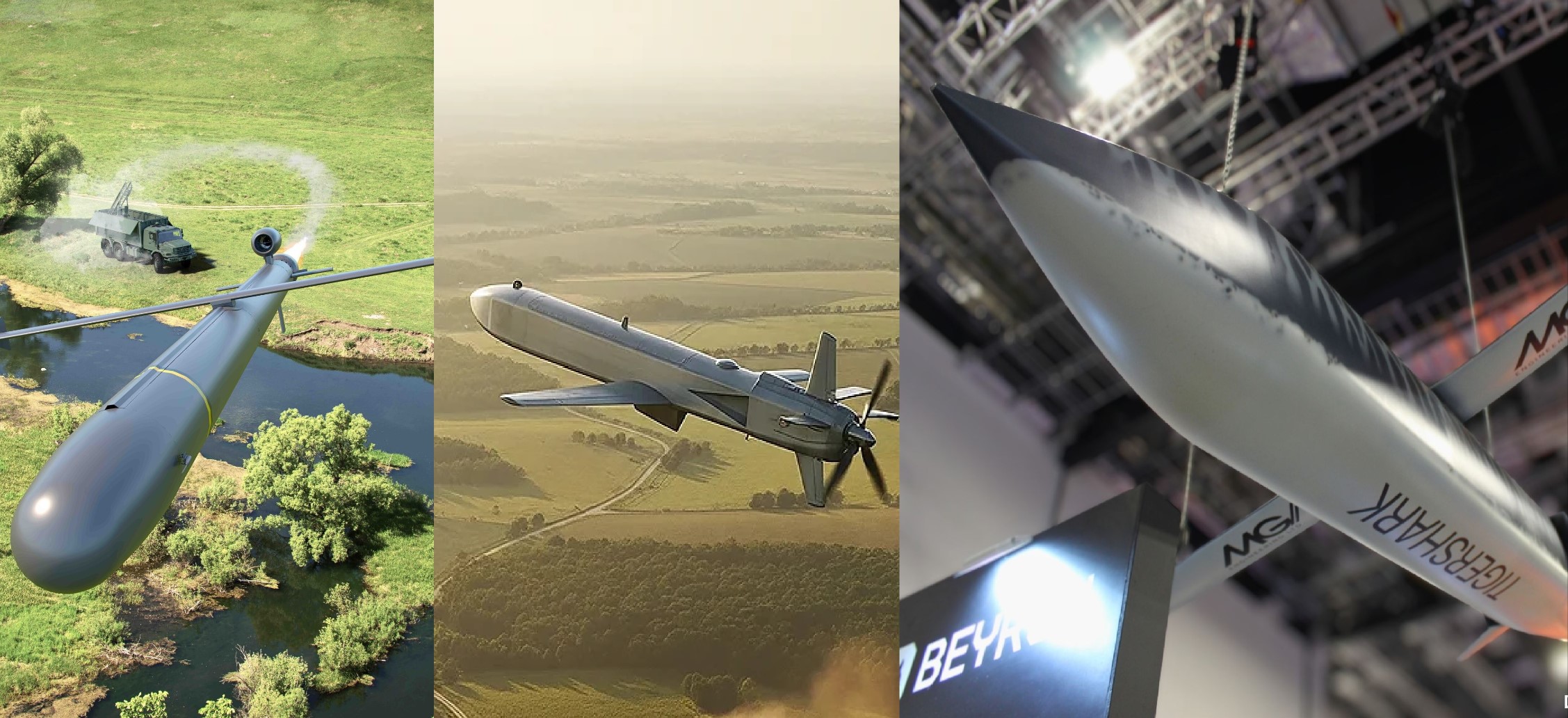
World
London, — June 20, 2026 : The United Kingdom has unveiled three prototype long-range cruise missile systems developed specifically for Ukraine under Project Brakestop, a Ministry of Defence (MoD) initiative aimed at delivering affordable, rapidly producible strike weapons free from American export restrictions. The project, launched in November 2024, seeks to provide Ukraine with sovereign long-range strike capabilities while reducing dependence on systems that contain U.S.-origin components. British officials confirmed that all three missile designs successfully completed spring trials at the MoD’s Hebrides testing range in Scotland, with at least one system expected to enter Ukrainian service by the end of 2026 following additional testing and refinement. Developed to Avoid Export Restrictions Project Brakestop was created in response to delays and restrictions affecting the delivery and operational use of Western long-range weapons, including the U.S.-supplied ATACMS and the UK’s Storm Shadow cruise missile. British officials noted that Storm Shadow relies on American guidance technologies and mapping data, making its deployment subject to U.S. approval processes and export regulations under the International Traffic in Arms Regulations (ITAR) framework. By eliminating all American components and data dependencies, the new missiles provide the United Kingdom with full authority over export decisions and combat employment. According to Armed Forces Minister Louise Sandher-Jones, the program serves both as a capability enhancement for Ukraine and as a test of Britain's sovereign defense manufacturing capacity and industrial resilience. Three Companies Advance to Final Testing Project Brakestop attracted proposals from 27 companies, with three British manufacturers selected to develop operational prototypes under the supervision of the MoD’s Task Force Kindred. MBDA UK – Crossbow MBDA UK, the manufacturer of Storm Shadow, developed the Crossbow missile. The system incorporates a proprietary visual navigation technology designed to operate independently of external guidance inputs. The company stated that sovereignty, operational flexibility, and freedom from foreign restrictions were key design requirements throughout development. Reports indicate Crossbow can carry a warhead of up to 300 kilograms and strike targets at ranges reaching approximately 800 kilometers. Rotron Aerospace – SkyLance Rotron Aerospace developed the SkyLance, a propeller-driven long-range missile designed to maximize operational range while maintaining lower production costs. The company successfully completed a flight test of the system on May 12, 2026. While the propeller-driven configuration sacrifices some speed compared with conventional cruise missiles, it offers increased endurance and extended reach for deep-strike missions. MGI Engineering – TigerShark MGI Engineering, founded by former Formula One technical director Mike Gascoyne, developed the TigerShark missile using engineering methods adapted from aerospace and motorsport industries to accelerate development. The missile is designed to operate autonomously in GPS-denied environments and incorporates a navigation system provided by Auterion. The company has confirmed that the system uses no American data or U.S.-origin components. TigerShark is designed to deliver a payload of approximately 200 to 300 kilograms against targets located more than 500 to 750 kilometers away. Focus on Rapid Production Unlike traditional cruise missile programs that prioritize complex and highly specialized engineering, Project Brakestop was structured around rapid, scalable manufacturing. The Ministry of Defence established a requirement for production rates of at least 20 missiles per month, while participating manufacturers stated that output could potentially increase to 40 units monthly within months of receiving production orders. The estimated cost of each missile is approximately £400,000 (€475,000), significantly lower than the cost of existing Western cruise missiles such as Storm Shadow, which can exceed £2 million per unit. Specification Project Brakestop Missiles Storm Shadow Estimated Unit Cost ~£400,000 (€475,000) £2,000,000+ Warhead Weight 225–300 kg 450 kg US Components None Yes Production Rate 20+ per month Lower, more complex production Designed for Deep-Strike Operations All three Brakestop missiles are ground-launched systems intended to engage high-value targets deep behind enemy lines. While their warheads are smaller than Storm Shadow’s 450-kilogram payload, officials noted that a 225-300 kilogram warhead remains capable of inflicting significant damage against military infrastructure, command centers, logistics hubs, and other strategic targets. The missiles are designed to strike targets at distances exceeding 500 kilometers, providing Ukraine with an additional long-range precision-strike capability. Further Testing Planned The program follows a rapid development model often described as a "fail fast, learn fast" approach, allowing designers to refine systems more quickly than traditional procurement programs. Follow-on contracts worth approximately £15 million have reportedly been awarded for additional development work, including improved missile variants, launch systems, and support equipment. British officials expect further overseas testing to continue throughout 2026. If development proceeds as planned, at least one of the three missile systems is expected to be transferred to Ukraine before the end of the year, providing Kyiv with a new domestically controlled Western long-range strike option while strengthening the UK's sovereign missile manufacturing capability.
Read More → Posted on 2026-06-20 12:40:13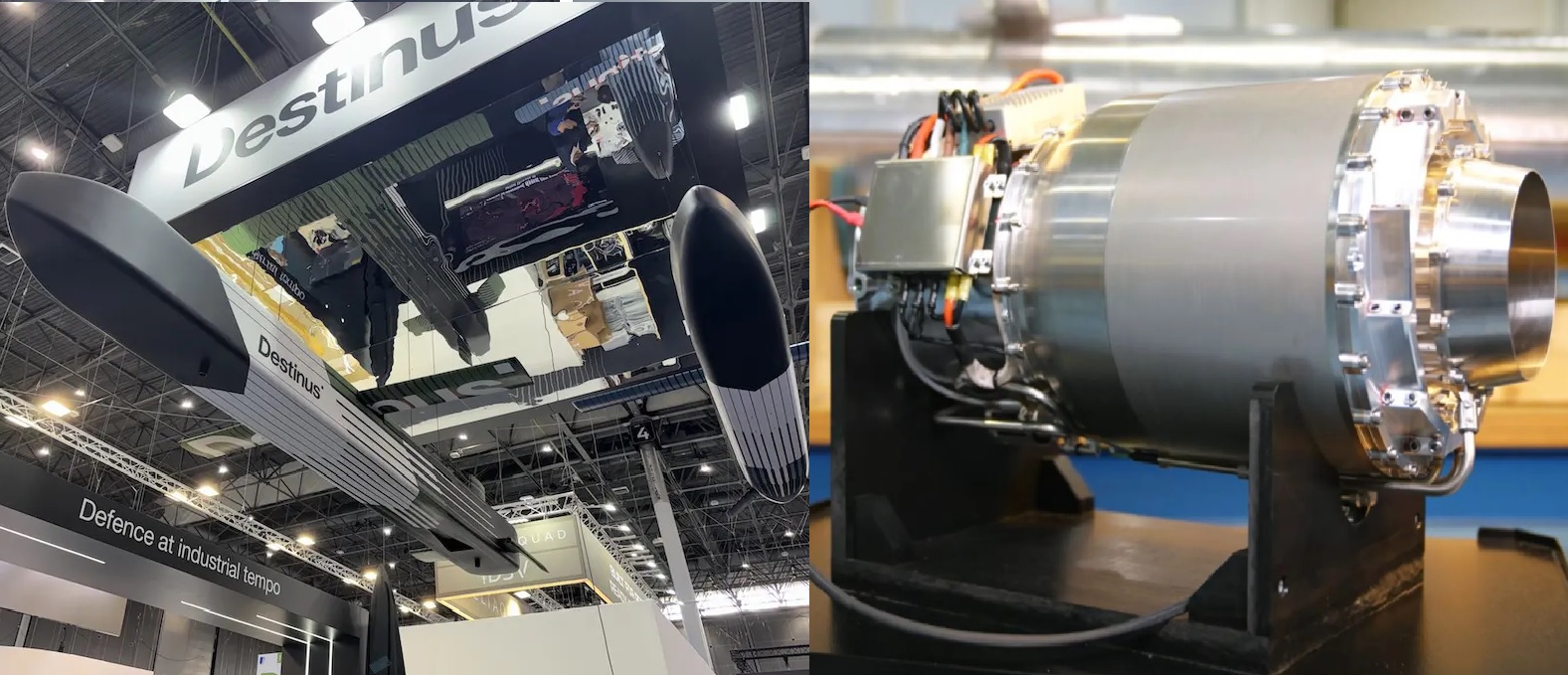
World
AMSTERDAM, Netherlands — June 20, 2026 : European defense technology company Destinus has announced the production of its 1,000th T150 turbojet engine, marking a significant milestone in the company's effort to establish large-scale, in-house propulsion manufacturing for cruise missile systems in Europe. The T150 engine, developed and produced entirely within Europe, serves as the primary propulsion system for Destinus' Ruta B1 and Ruta B2 cruise missiles. The achievement reflects the company's transition from prototype development to sustained industrial-scale production and supports ongoing operational deployments as well as future manufacturing expansion plans. Expanding European Propulsion Production The production of the 1,000th T150 engine addresses a longstanding challenge in European missile manufacturing, where reliance on external propulsion suppliers has often limited production rates and supply chain flexibility. To reduce these constraints, Destinus launched the T150 program with the goal of designing a turbojet engine from the ground up while establishing a dedicated manufacturing ecosystem that includes tooling, testing infrastructure, supply chain management, and quality control. “Producing one engine is engineering. Producing a thousand is industrial capability,” said Sidney Berndt, Chief Manufacturing Officer at Destinus. “The T150 was built from scratch. The design, tooling, test infrastructure, supply chain, and quality control were all developed and are owned by Destinus.” According to the company, the production system has been designed to support the manufacturing of thousands of missile systems annually while maintaining qualification-driven and repeatable production standards. T150 Engine Specifications The T150 is a compact turbojet engine developed for cruise missile and unmanned aerial vehicle applications. The engine weighs 17.5 kilograms and generates a maximum thrust of 1,500 Newtons (150 kgf). The engine measures 530 millimeters in length and 245 millimeters in diameter and incorporates an overhang rotor design optimized for compact missile integration. Destinus reports a specific fuel consumption of 0.12 kg/h/N, supporting efficient long-range operations. The company stated that the vertically integrated manufacturing model provides greater control over production schedules, quality standards, and component availability while reducing dependence on external suppliers. Supporting the Ruta Missile Family The T150 currently powers the Ruta family of deep-strike cruise missiles. Ruta Block 1 is already in serial production and offers a range exceeding 300 kilometers with a 150-kilogram payload. The missile uses terrain-following navigation and is designed to operate in environments where satellite navigation signals may be degraded or unavailable. Ruta Block 2 expands the system's range to between 450 and 700 kilometers while carrying a 250-kilogram warhead. The missile incorporates booster-assisted canister launch capability, foldable wings, low-altitude terrain-following flight profiles, and electro-optical/infrared terminal guidance supported by AI-assisted target recognition technologies. The company noted that Ruta Block 2 has undergone flight testing, including testing activities conducted in Ukraine. Rheinmetall Partnership to Increase Production Capacity The engine production milestone comes as Destinus prepares to expand manufacturing through its planned Rheinmetall Destinus Strike Systems joint venture with German defense contractor Rheinmetall. The partnership, announced in 2026, combines Destinus' missile system architecture and technology with Rheinmetall's large-scale industrial manufacturing capabilities. Rheinmetall is expected to hold a 51 percent stake in the joint venture, with Destinus holding 49 percent. The collaboration will focus on serial production of cruise missiles and ballistic rocket artillery systems. Initial manufacturing of Ruta Block 1 and Ruta Block 2 missiles is planned at Rheinmetall's Unterlüß facility in Germany, with deliveries expected before the end of 2026 and continuing into 2027. The partners aim to provide NATO and European Union member states with certified long-range strike systems that can be launched from standard shipping containers, mobile ground launchers, and multiple launch rocket system (MLRS) platforms. Development of Ruta B3 and T220 Engine Continues Following the production milestone, Destinus is advancing development of its next-generation Ruta B3 cruise missile and the accompanying T220 turbojet engine. The Ruta B3 is designed as a long-range deep-strike weapon capable of engaging high-value targets in contested environments. While the current Ruta B1 and Ruta B2 variants offer ranges of approximately 300 kilometers and 700 kilometers respectively, the new Ruta B3 is intended to achieve a range of up to 2,000 kilometers while carrying a 250-kilogram-class warhead. To support these extended-range requirements, Destinus is developing the higher-capacity T220 turbojet engine, which will complement the existing T150 and expand the company's propulsion portfolio. Industrial Growth and Strategic Significance Destinus currently produces more than 2,000 cruise missile systems annually in Europe. The company says its vertically integrated production model, including in-house engine manufacturing, is essential for increasing output while maintaining supply chain resilience. With the T150 reaching its 1,000th production unit and the Rheinmetall partnership expected to increase manufacturing capacity further, Destinus is positioning itself to support growing European demand for long-range strike capabilities and domestically produced defense systems. The company stated that the T150 and future T220 engines will form a common propulsion family supporting multiple cruise missile variants, contributing to Europe's broader efforts to strengthen defense-industrial self-reliance and sustain military production at an industrial scale.
Read More → Posted on 2026-06-20 12:22:14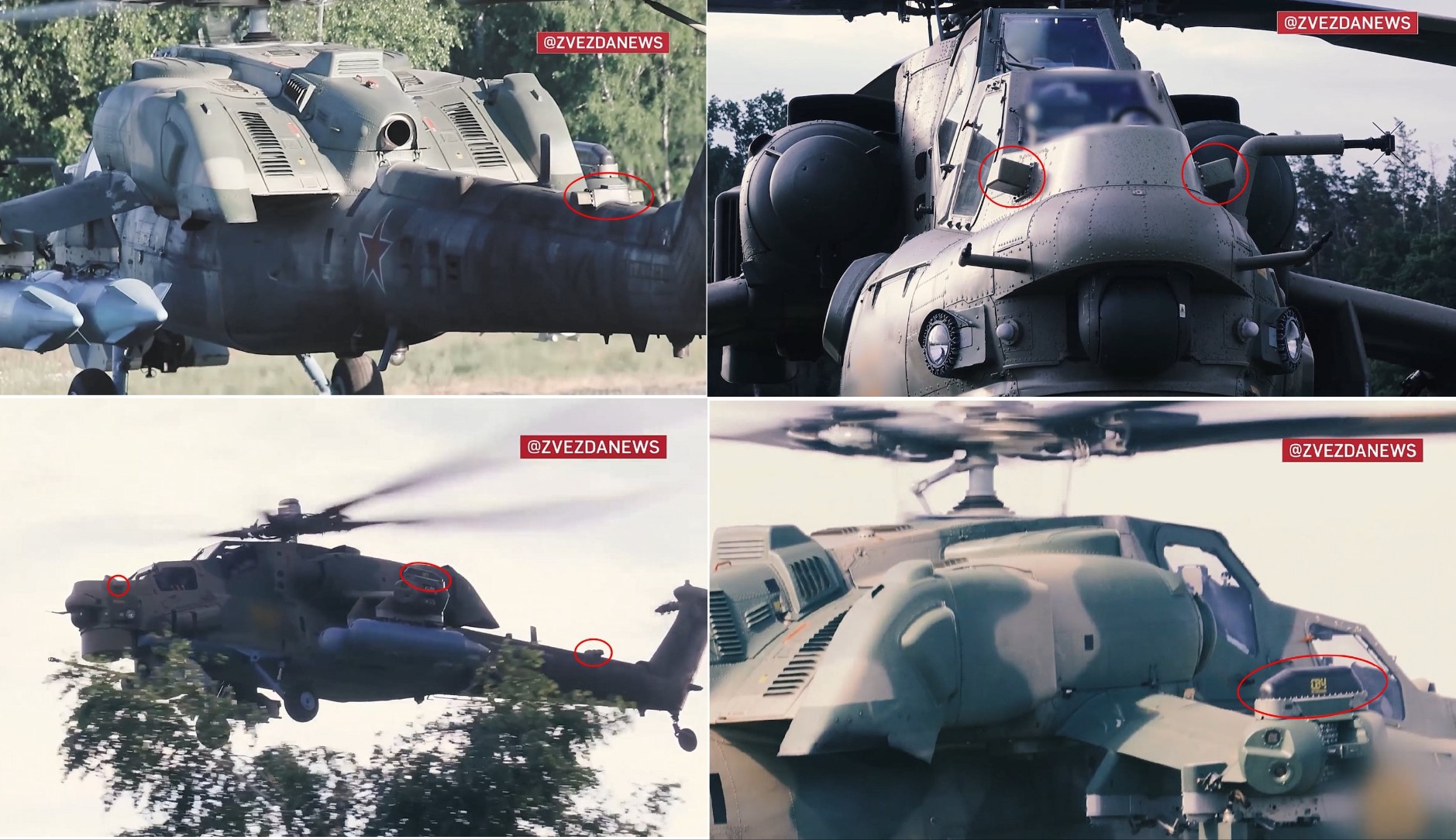
World
Moscow, — June 20, 2026 : Recent footage released by the Russian Ministry of Defense indicates that Russia has equipped its Mi-28NM attack helicopters with new electronic warfare (EW) systems designed to counter unmanned aerial systems (UAS) operating on the battlefield in Ukraine. The upgrades were identified by Israeli defense analyst Guy Plopsky, who examined images from official Russian Ministry of Defense footage showing Mi-28NM operations over Ukraine. The footage reveals new antenna housings installed on the sides of the nose, the tops of the stub-wing weapon pods, and the tail boom—features not previously seen on standard production aircraft. According to Plopsky, the installations are likely part of an electronic countermeasures (ECM) system intended for counter-drone operations. Their placement across multiple sections of the airframe suggests broad coverage around the helicopter, potentially allowing it to detect or jam threats approaching from different directions. It remains unclear whether the housings contain only jamming equipment, drone-detection sensors, or a combination of both. Jamming systems disrupt radio-frequency control links or GPS signals used by drones, while detection systems provide early warning of approaching threats. The Mi-28NM, NATO reporting name "Havoc," is the most advanced version of Russia’s Mi-28 attack helicopter. It features the N025 mast-mounted radar, third-generation thermal imaging systems, upgraded VK-2500P engines, and a range of weapons including a 30mm 2A42 cannon, rockets, air-to-air missiles, Ataka and Vikhr anti-tank missiles, and the LMUR guided missile. Recent versions of the helicopter have also been integrated with Russian reconnaissance drones such as the Korsar and Forpost and can launch loitering munitions from airborne positions. Russian forces have used the Mi-28NM extensively in Ukraine for close air support missions and stand-off strikes using guided weapons. However, attack helicopters remain vulnerable to FPV drones, loitering munitions, and modified commercial quadcopters due to their low-altitude operating profile near front-line areas. The new modifications appear to be a response to these battlefield threats. Russia has introduced similar electronic warfare systems on tanks and armored vehicles during the conflict to counter drone attacks. It is not yet known whether the Mi-28NM upgrades are part of a fleet-wide modernization program or field modifications applied to specific aircraft. The Russian Ministry of Defense has not released technical details regarding the system. The Mi-28NM already operates with the L370V28 Vitebsk self-defense suite, which includes radar warning, laser warning, missile-approach warning, and directional infrared countermeasure systems. The newly observed equipment appears intended to strengthen protection against unmanned aerial threats as drone warfare continues to shape military operations in Ukraine.
Read More → Posted on 2026-06-20 12:08:27
World
JOINT BASE ANDREWS, Maryland — June 20, 2026 : The U.S. Air Force has officially unveiled the VC-25B Bridge aircraft, a modified Boeing 747-8 that will serve as an interim presidential transport while the military awaits delivery of the next-generation Air Force One fleet. The aircraft, assigned U.S. Air Force serial number 25-3300, arrived at Joint Base Andrews following a previously undisclosed nighttime flight on June 4, 2026. President Donald Trump formally presented the aircraft on June 19, revealing a new red, white, dark blue, and gold paint scheme based on a design selected during his first presidential term. The new livery replaces the light blue and white color scheme that has been used on presidential aircraft for more than 60 years. Interim Role for the Presidential Fleet The VC-25B Bridge was introduced to help reduce operational pressure on the Air Force’s aging VC-25A fleet, which currently performs presidential airlift missions. The two VC-25A aircraft, heavily modified Boeing 747-200s, entered service in 1990 and require increasing levels of maintenance. The aircraft's arrival follows a recent presidential mission flown by VC-25A tail number 92-9000, which returned President Trump from the G7 Summit in France. While the VC-25A fleet will remain in service, the Bridge aircraft is expected to provide additional operational flexibility until the next-generation VC-25B aircraft enter service. Background and Modifications The aircraft was originally built in 2012 as a Boeing Business Jet 747-8KB and operated by the Qatar Amiri Flight for the House of Thani. Qatar donated the aircraft to the U.S. government in 2025, allowing the Air Force to pursue an accelerated interim airlift capability. Modification work was carried out by L3Harris in Texas at an estimated cost of nearly $400 million. To speed up delivery, the Air Force retained much of the aircraft’s existing VIP interior, which already included conference rooms, private accommodations, and multiple galleys. The upgrades focused on integrating secure communications systems, self-defense countermeasures, and other mission equipment required for presidential operations. Flight testing was completed in early May 2026. Delays in the Permanent VC-25B Program The Bridge aircraft was acquired as delays continued to affect Boeing’s Air Force One replacement program. The contract for two purpose-built VC-25B aircraft was awarded in 2018 and was originally valued at approximately $3.9 billion. Originally expected to deliver aircraft in 2024, the program has faced schedule delays and cost increases, with deliveries now projected for mid-2028 and overall costs exceeding $5 billion. Commissioning and Future Operations The VC-25B Bridge has entered a series of commissioning and certification flights designed to verify mission systems and operational readiness before entering presidential service. To prepare for operations on the Boeing 747-8 platform, Air Force crews trained using a leased Atlas Air 747-8F cargo aircraft and former Lufthansa passenger variants. A full-scale interior mock-up has also been available to White House personnel since January 2026 for familiarization and mission planning. President Trump said the aircraft will make its first major public appearance during the July 4 military flyover over Washington, D.C., alongside F-22 Raptor and F-35 Lightning II fighter aircraft as part of the United States' 250th-anniversary celebrations. Once operational, the VC-25B Bridge will support presidential airlift requirements until the permanent VC-25B fleet enters service later this decade.
Read More → Posted on 2026-06-20 11:43:00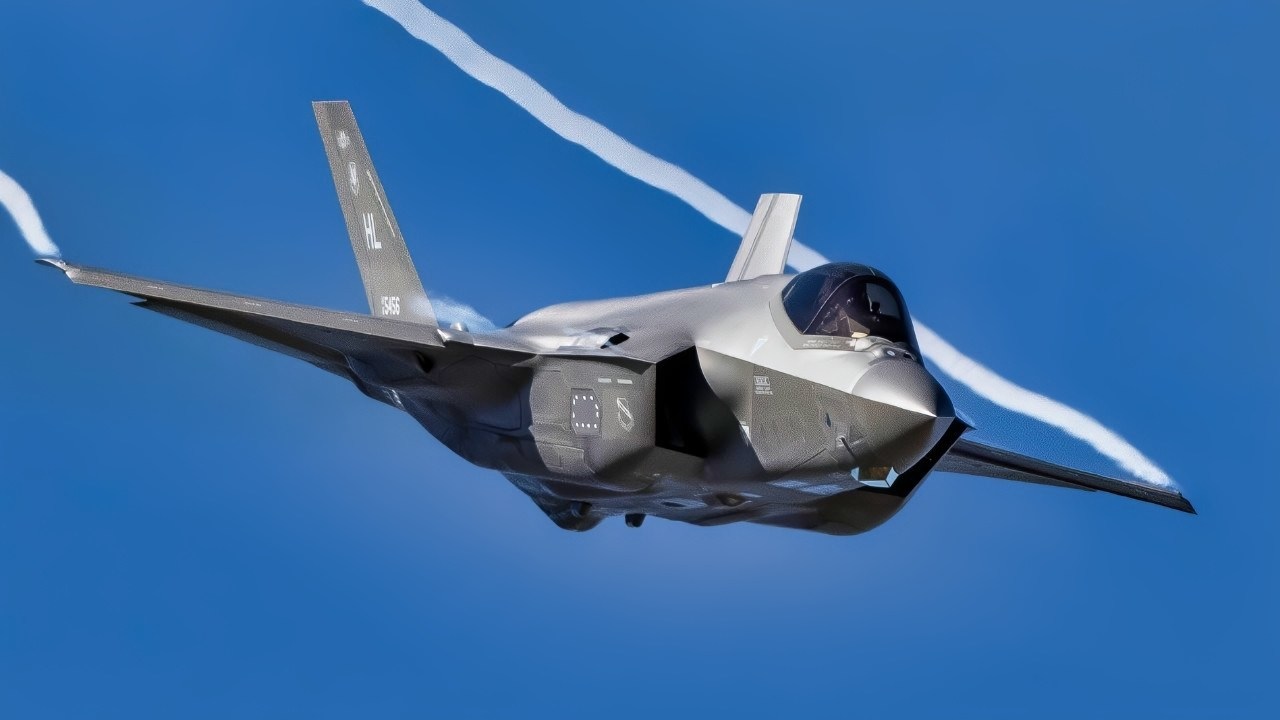
World
CANBERRA, — June 19, 2026 : The Royal Australian Air Force (RAAF), in partnership with the United States Air Force, has successfully completed the first joint Weapon Fill Measurement Vehicle (WFMV) flight test on an F-35A Lightning II, marking a significant advancement in allied weapons integration and certification efforts. The world-first test was conducted in late April 2026 by RAAF No. 75 Squadron. During the mission, an F-35A was flown with a specialized test weapon mounted on the aircraft to collect engineering data on weapon behavior under operational flight conditions. Supporting Future Weapons Integration The primary objective of the flight test was to gather detailed data on the flight environment experienced by weapons carried on the F-35A. The information will support current and future weapons certification programs by providing engineers with a better understanding of aerodynamic loads, vibration levels, and other factors affecting weapon performance during flight. Defense officials expect the data to help reduce the time required to certify new weapons for operational use. Accelerating the certification process will allow advanced capabilities to be introduced to frontline squadrons more efficiently. Enhancing Combat Readiness The initiative supports efforts to strengthen combat readiness and maintain the operational effectiveness of allied F-35 fleets. Faster weapons integration is considered increasingly important as Australia and its partners continue to adapt to evolving security requirements across the Indo-Pacific region. The F-35A Lightning II is Australia's primary fifth-generation multirole fighter aircraft and forms a key element of the Royal Australian Air Force's air combat capability. Australia is acquiring a total of 72 F-35A aircraft, which are operated from major bases including Williamtown and Tindal. Joint Australia-U.S. Collaboration The flight test brought together several specialized organizations from both countries. Australian participants included: Air Warfare Engineering Squadron Aircraft Research and Development Unit (ARDU) No. 75 Squadron Air Combat Systems Program Office (ACSPO) U.S. participants included: U.S. Air Force Seek Eagle Office (AFSEO) U.S. 96th Range Support Squadron (96 RANSS) The activity was conducted under the Aircraft Stores Compatibility Project Arrangement (ASC PA), a long-standing bilateral agreement between Australia and the United States. The arrangement facilitates weapons testing, engineering cooperation, data sharing, and the reduction of duplicated certification efforts. Strengthening Allied Interoperability The successful completion of the WFMV flight test demonstrates the growing level of technical cooperation between Australia and the United States in the field of advanced air combat systems. The project is expected to support future weapons integration programs while improving interoperability between allied air forces operating the F-35. Results from the test are currently being analyzed and will contribute to ongoing certification activities. The data gathered during the mission is expected to play an important role in advancing future weapons capabilities for F-35 operators and improving the aircraft's overall operational effectiveness.
Read More → Posted on 2026-06-19 16:45:59Search
Top Trending in 24 Hours
-
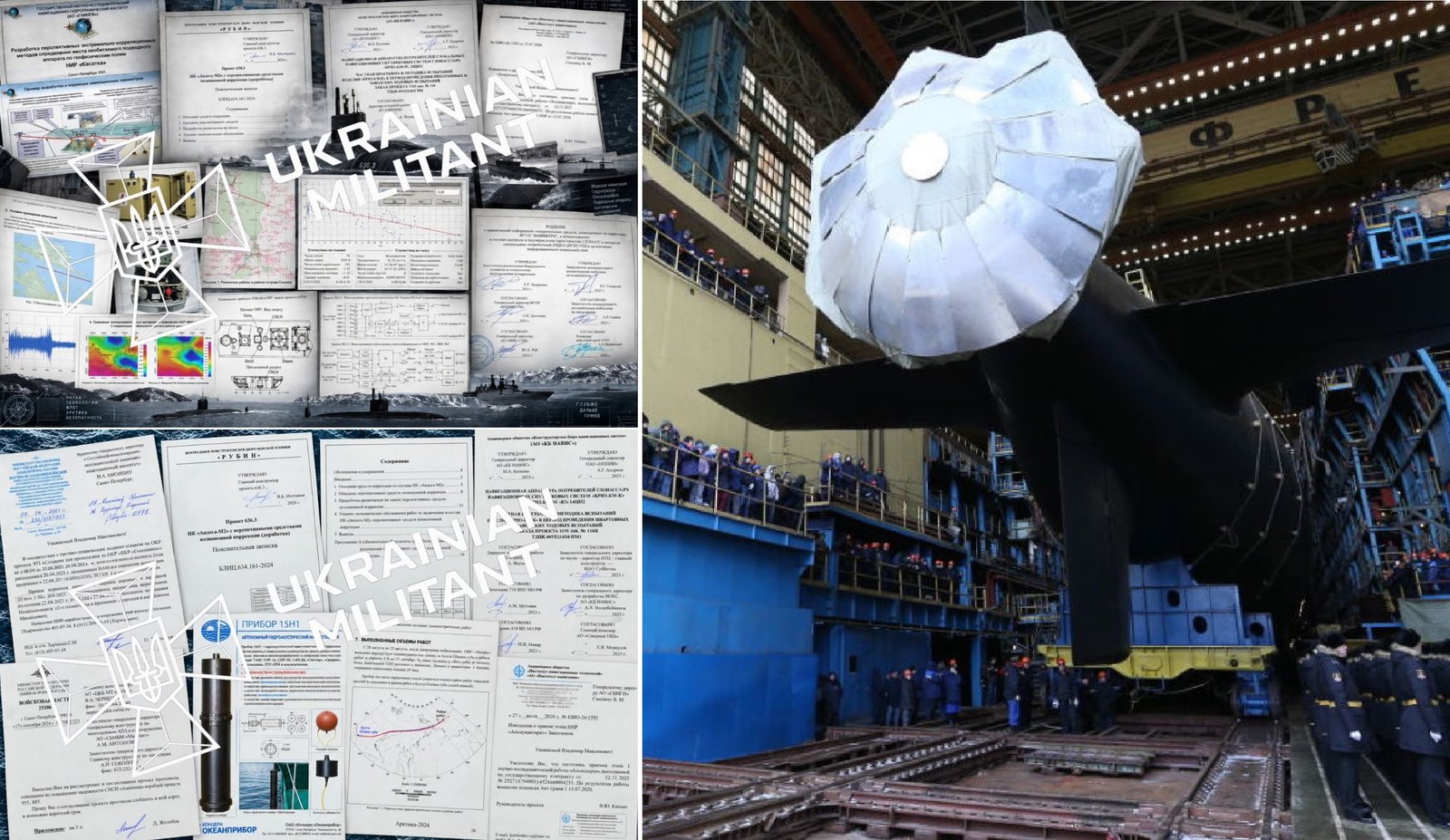 Ukrainian Hackers Expose Highly Classified Russian Naval Data in "Operation Poseidon"
-
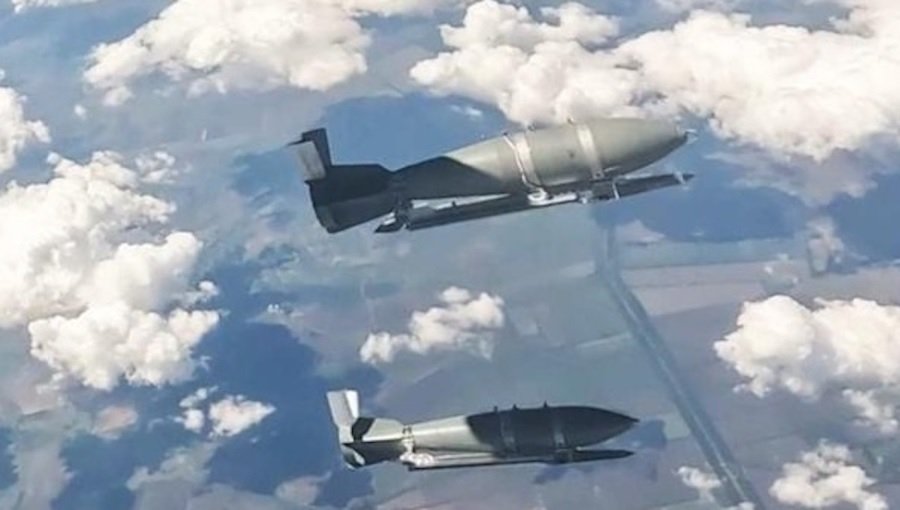 Russia’s Glide Bomb Use in Ukraine Surpasses Recent U.S. Bombing Rate During Epic Fury in Iran, Remains Below 2003 Iraq Peak
-
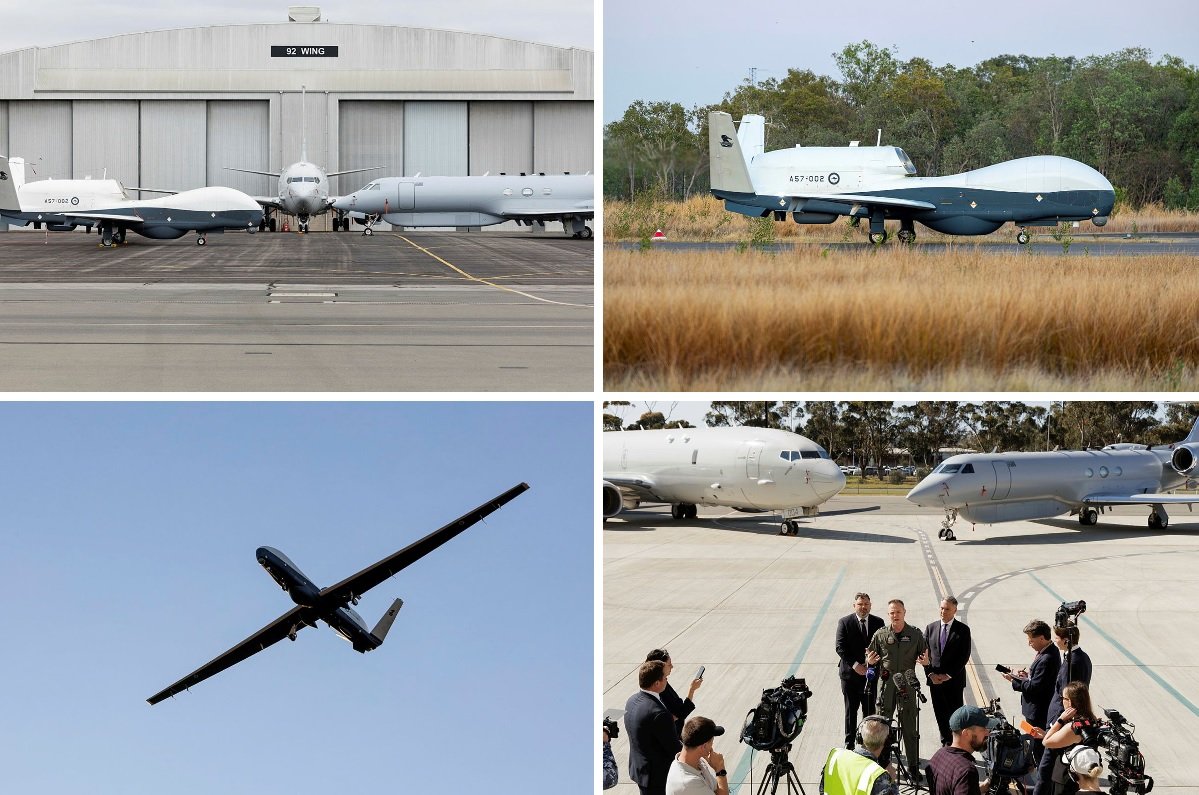 Australia’s MQ-4C Triton and MC-55A Peregrine Reach Initial Operational Capability
-
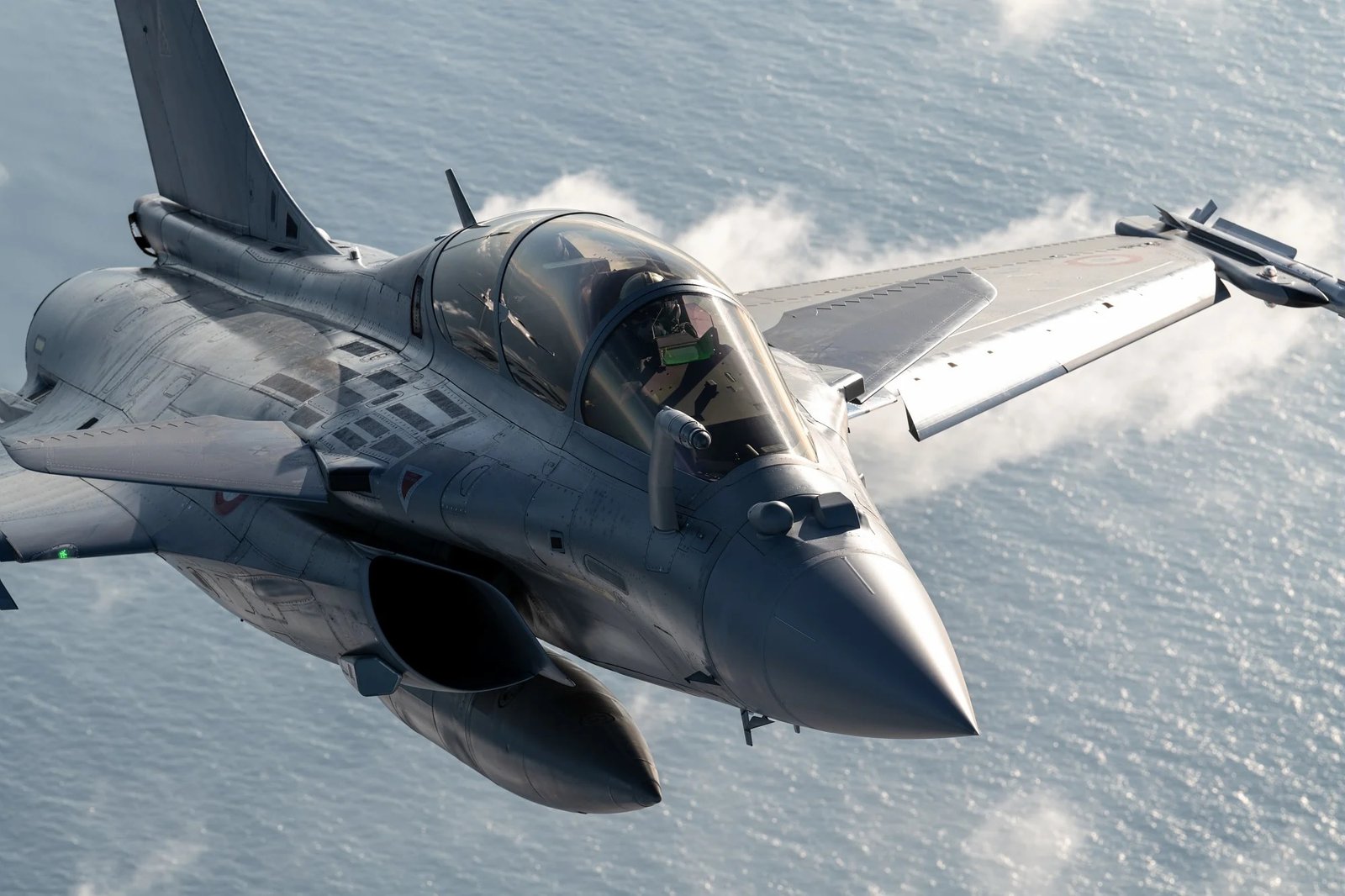 Dassault Aviation Flight-Tests Two Sovereign AI Algorithms on Rafale Fighter
-
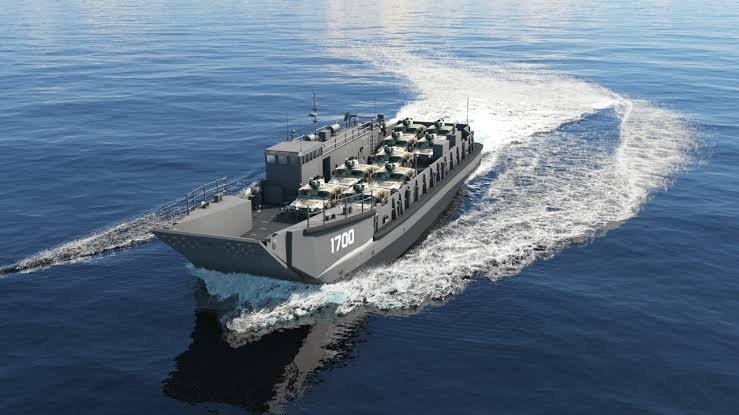 Indian Navy Issues RFI for Six Next-Generation LCU Mk V Vessels Under 'Make in India'
-
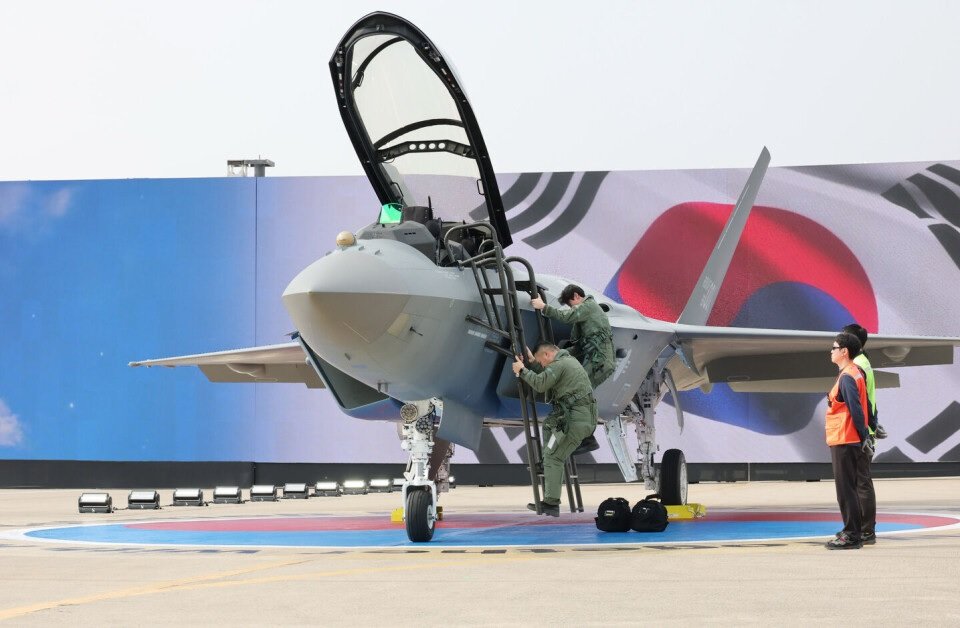 South Korea Delivers First Production KF-21 Boramae Fighter to Air Force
-
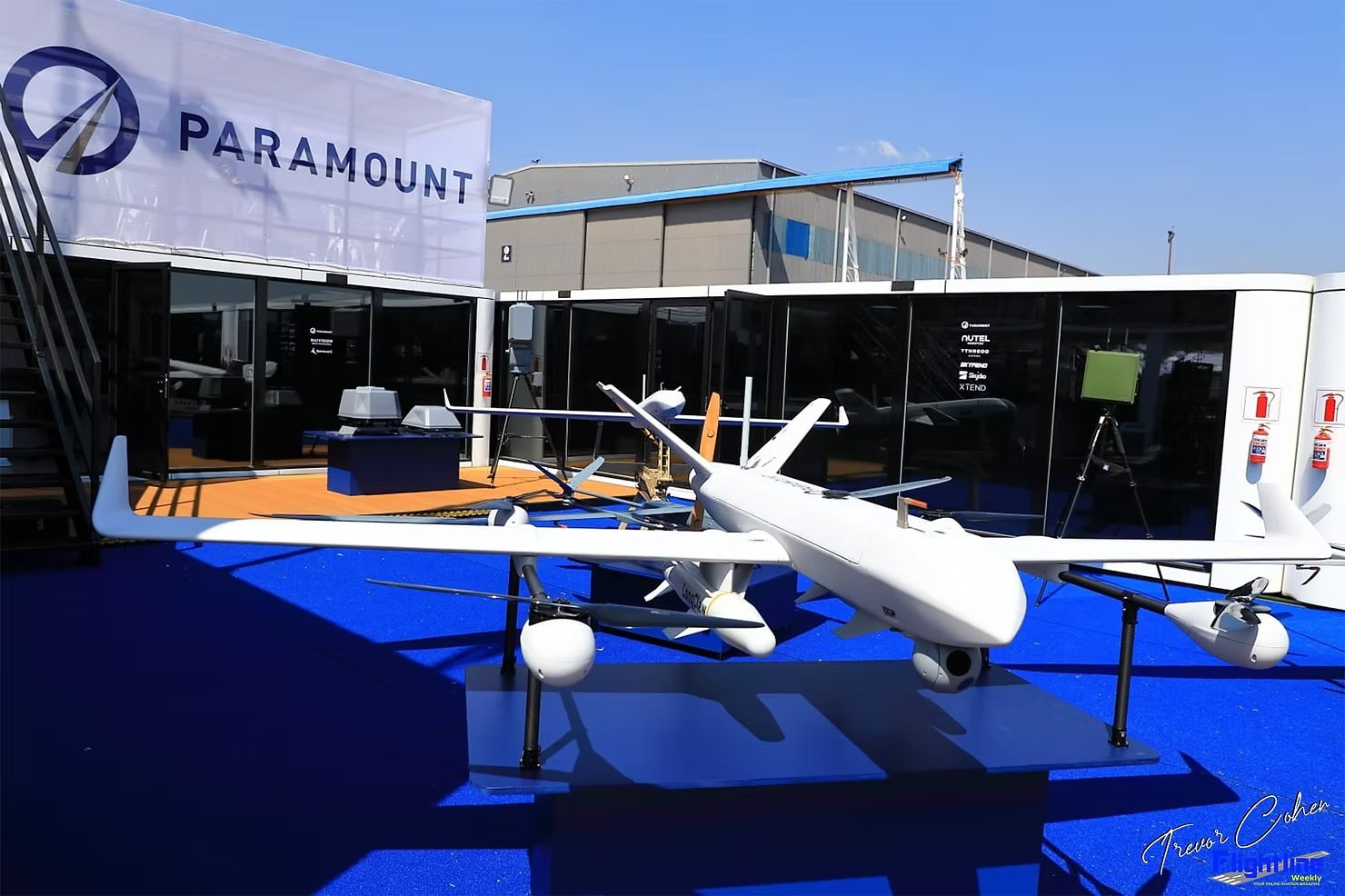 South African Firm Paramount Unveils V-Raven, a Reusable VTOL Drone for the African Battlefield
-
 Pentagon Selects Katalyst Space to Demonstrate Robotic Orbital Solar Power System
Top Trending in 4 Days
-
 Sensitive F-35 Components Diverted to Hong Kong, Some Parts Missing
-
 U.S. Secures Permanent Military Rights in Greenland in Historic Security Pact with Denmark
-
 U.S. Approves Potential $2.68 Billion Air Defense Package for Ukraine Including S-300 Clone Missiles
-
 U.S. Warns Allies of Up to Five-Year Delays in Key Weapons Deliveries
-
 U.S. Iran War Cost Hits $43.6 Billion as Missile Interceptor Stocks Come Under Pressure
-
 BEL Showcases New-Generation Head-Up Display, Potentially Linked to Tejas Mk2
-
 India’s xTerra Robotics Launches Indigenous DHAV-Hy Wheeled-Legged Quadruped for Industrial Inspection
-
 U.S. Army Awards $10.64 Million Contract to Ukrainian Drone Maker Skyeton for Raybird Systems