World
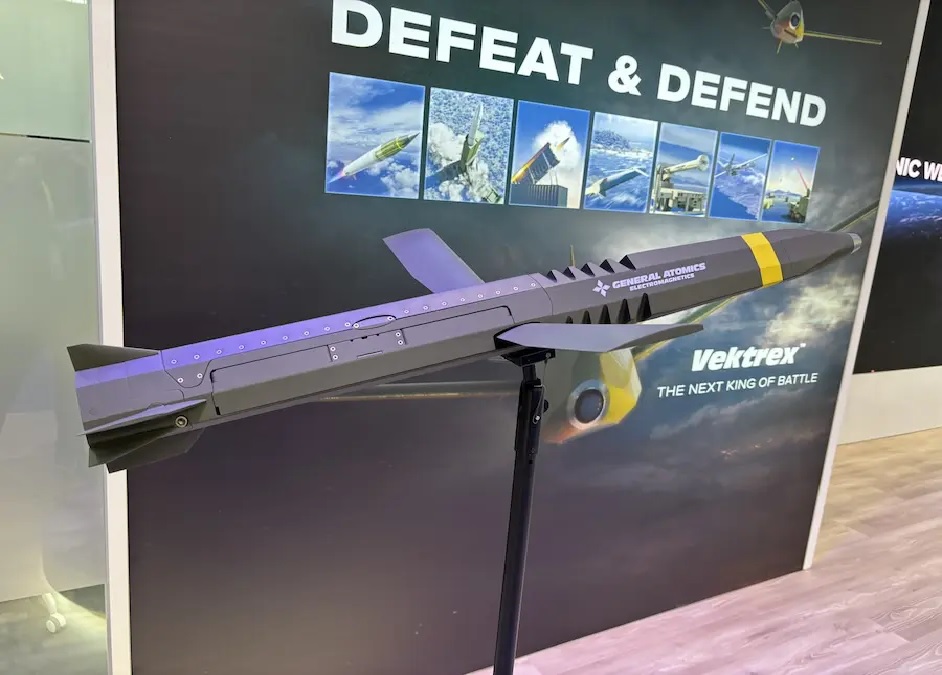
PARIS, — June 18, 2026 : Rheinmetall and General Atomics Electromagnetic Systems (GA-EMS) have signed a Memorandum of Understanding (MoU) at the Eurosatory 2026 defense exhibition in Paris to explore cooperative large-scale production of the Vektrex 155 mm precision-guided munition, a maneuvering artillery projectile designed to enhance long-range strike capabilities for allied armed forces. The transatlantic agreement establishes a framework for collaboration between the two companies as governments increasingly seek to modernize artillery forces, expand long-range precision-fire capabilities, and replenish munitions stockpiles depleted by ongoing military commitments and heightened security requirements. Focus on Long-Range Precision Fires The Vektrex munition has been developed to provide precision strike capability in highly contested environments, including areas where GPS signals may be degraded, disrupted, or denied. The projectile utilizes a glide-based aerodynamic design with deployable wings that significantly extends its operational range compared to conventional artillery ammunition. According to the companies, Vektrex can achieve engagement distances of approximately 120 kilometers, depending on the artillery system and propellant configuration used. This represents a range increase of two to three times over traditional 155 mm artillery projectiles. The munition is designed for compatibility with existing 39-caliber and 52-caliber 155 mm artillery systems already in service with NATO and partner nations. This interoperability enables military operators to field the capability without requiring new launchers, specialized propellants, or major changes to logistics and support infrastructure. By extending the reach of current artillery platforms, Vektrex is intended to provide a lower-cost standoff strike option compared to tactical missile systems while maintaining precision engagement capabilities at extended ranges. Industrial Cooperation and Production Expansion The MoU was signed by Scott Forney, President of GA-EMS, and Roman Köhne, Chief Executive Officer of Rheinmetall’s Weapon and Ammunition Division. Under the agreement, the companies will evaluate opportunities for distributed co-production across allied defense industries. The initiative combines General Atomics’ expertise in precision-strike munition design, guidance technologies, and scalable manufacturing with Rheinmetall’s extensive experience in munitions production and its NATO-compliant manufacturing infrastructure. The partnership is intended to strengthen industrial capacity for advanced artillery ammunition while improving supply-chain resilience and accelerating production timelines. The companies also aim to support greater industrial participation among allied nations through multinational manufacturing networks. Addressing Growing Demand Demand for long-range precision fires has increased significantly in recent years as armed forces seek to improve battlefield survivability and engage targets from greater stand-off distances. At the same time, governments have prioritized expanding defense industrial capacity to ensure sustained production of critical munitions during prolonged operations. “Operational demand continues to outpace traditional guided-munition manufacturing output,” said Scott Forney. “This collaboration helps allied industry expand long-range strike capability while leveraging artillery systems already deployed across coalition forces.” Roman Köhne highlighted the importance of scalable and resilient production networks for modern defense requirements. “European and allied armed forces require long-range strike capabilities that integrate rapidly, scale efficiently, and remain sustainable through resilient multinational industrial networks,” Köhne said. “This MoU enables both companies to align advanced artillery technologies with established manufacturing infrastructure to support evolving operational requirements.” Supporting Artillery Modernization The agreement aligns with broader efforts among NATO members and partner countries to modernize land-force capabilities while maximizing the effectiveness of existing weapon systems. Rather than requiring entirely new artillery platforms, Vektrex is designed to enhance the performance of fielded systems through increased range and precision. GA-EMS noted that the munition is produced using manufacturing processes aligned with U.S. military specifications and NATO standards, while Rheinmetall’s established production facilities provide the capability for large-scale series manufacturing in Europe. The companies stated that combining General Atomics’ guidance and aerodynamic technologies with Rheinmetall’s manufacturing footprint could provide a scalable pathway for modernizing artillery forces while ensuring sustained munition availability for extended operations. Eurosatory 2026 Announcement The announcement was made during Eurosatory 2026, one of the world's largest international defense and security exhibitions, held in Paris from June 15 to 19. The event brings together defense manufacturers, military organizations, and government representatives from around the world to showcase new technologies and explore industrial partnerships. The Rheinmetall-GA-EMS agreement reflects ongoing transatlantic cooperation in the defense sector and highlights increasing efforts to expand precision-guided munition production capacity to meet current and future operational requirements across NATO and allied forces.
Read More → Posted on 2026-06-18 17:14:54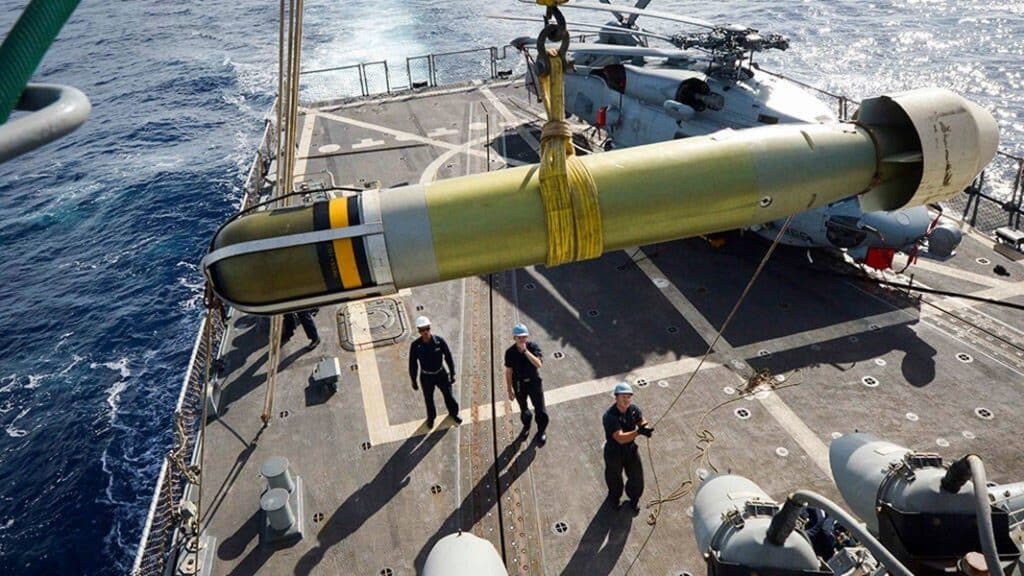
World
WASHINGTON, — June 18, 2026 : The U.S. Navy has awarded General Dynamics Mission Systems (GDMS) a $116.6 million contract modification to continue the production of sonar assembly kits and associated equipment for the MK 54 lightweight torpedo, the Navy’s primary anti-submarine warfare (ASW) weapon. The contract, announced on June 17, exercises options under an existing agreement and will support production of sonar assemblies, test equipment, and instrumentation subsystems through April 2029. Funding for the effort is being provided through Navy weapons procurement accounts across multiple fiscal years. Work under the contract will be carried out at several facilities across the United States. The majority of production, approximately 62 percent, will take place in Canonsburg, Pennsylvania, while additional manufacturing and support activities will be conducted in Salt Lake City, Utah; Andover, Massachusetts; Bloomington, Indiana; Manassas, Virginia; and Port Orchard, Washington. Supporting the Navy’s Primary Anti-Submarine Weapon The MK 54 lightweight torpedo serves as the U.S. Navy’s standard lightweight torpedo and is deployed from a range of platforms, including surface combatants, helicopters, and maritime patrol aircraft such as the P-8A Poseidon. It is designed to engage submarines operating in both deep-water and shallow-water environments. The latest contract focuses on the sonar section of the MK 54 Mod 1 variant, which is responsible for detecting, classifying, and tracking underwater targets. The sonar system plays a critical role in distinguishing submarine contacts from ocean background noise, clutter, and countermeasures such as decoys. The Mod 1 upgrade incorporates a higher-resolution sonar array and an advanced processor group that improves target detection and tracking performance. The upgraded processing architecture utilizes Advanced Processor Build (APB) software, sharing computing algorithms with the Navy’s larger MK 48 heavyweight torpedo, which is launched from submarines. According to Navy program information, these enhancements are intended to improve performance against quieter and more sophisticated submarine threats operating in increasingly complex underwater environments. Evolution of the MK 54 Mod 1 Program Development of the MK 54 Mod 1 began in 2007 as part of a long-term modernization effort aimed at maintaining the torpedo’s effectiveness against evolving undersea threats. The program was structured into multiple increments. Increment 1 introduced Advanced Processor Build 5 software along with hardware upgrades designed to improve target detection, classification, and tracking capabilities. The Navy achieved initial operational capability (IOC) for the Mod 1 configuration in 2023, and full-rate production began in April 2023. The earlier MK 54 Mod 0 variant entered service in 2004 and remained in production until 2020. Operational assessments conducted by the Pentagon’s Director of Operational Test and Evaluation (DOT&E) concluded that the MK 54 Mod 1 Increment 1 is operationally effective. Earlier evaluations also identified reliability and availability factors that continue to be addressed through ongoing refinements and modernization efforts. Strategic Importance in an Evolving Undersea Environment The contract comes as the U.S. Navy continues to invest in anti-submarine warfare capabilities amid changes in the global undersea security environment. Recent assessments by the U.S. Office of Naval Intelligence (ONI) indicate that China currently operates approximately 60 submarines, with projections suggesting the fleet could expand to around 70 submarines by 2027 and approximately 80 vessels by 2035. Naval intelligence officials have also highlighted a gradual transition within the People’s Liberation Army Navy (PLAN) toward a larger number of quieter, nuclear-powered submarines. By 2035, analysts project that as many as half of China’s submarine fleet could be nuclear-powered. Rear Adm. Michael Brookes, commander of the Office of Naval Intelligence, has previously stated that China's expanding undersea force could present a credible challenge to U.S. maritime operations in the Indo-Pacific region over the coming decades. In response, the Navy continues to prioritize investments in undersea surveillance systems, submarine readiness, and advanced anti-submarine weapons such as the MK 54. Widely Used by Allied Navies The MK 54 torpedo is also used by numerous U.S. allies and partners, making it an important element of NATO and allied anti-submarine warfare operations. Several countries have acquired the weapon directly or invested in conversion programs to upgrade existing torpedo inventories. Australia has procured additional MK 54 torpedoes through previous acquisition programs, while Canada has pursued conversion kits and conducted testing aboard vessels such as HMCS Regina. India has also integrated the MK 54 into its anti-submarine warfare inventory for use aboard P-8I maritime patrol aircraft and MH-60R Seahawk helicopters. Other operators include Norway, New Zealand, and several NATO member nations through Foreign Military Sales (FMS) programs. The widespread adoption of the MK 54 supports interoperability between allied forces and enables partner navies to operate common anti-submarine warfare systems alongside U.S. forces. Continued Modernization Effort The latest contract modification ensures the continued supply of updated sonar components and associated equipment for the U.S. Navy and allied operators. By sustaining production of the Mod 1 sonar assemblies, the Navy aims to maintain the effectiveness of a proven weapon system while incrementally improving its ability to counter increasingly capable submarine threats. With production scheduled to continue through 2029, the contract represents part of the Navy’s broader strategy of modernizing existing anti-submarine warfare capabilities while leveraging advancements in sonar technology, signal processing, and open-architecture software to meet future operational requirements.
Read More → Posted on 2026-06-18 16:32:38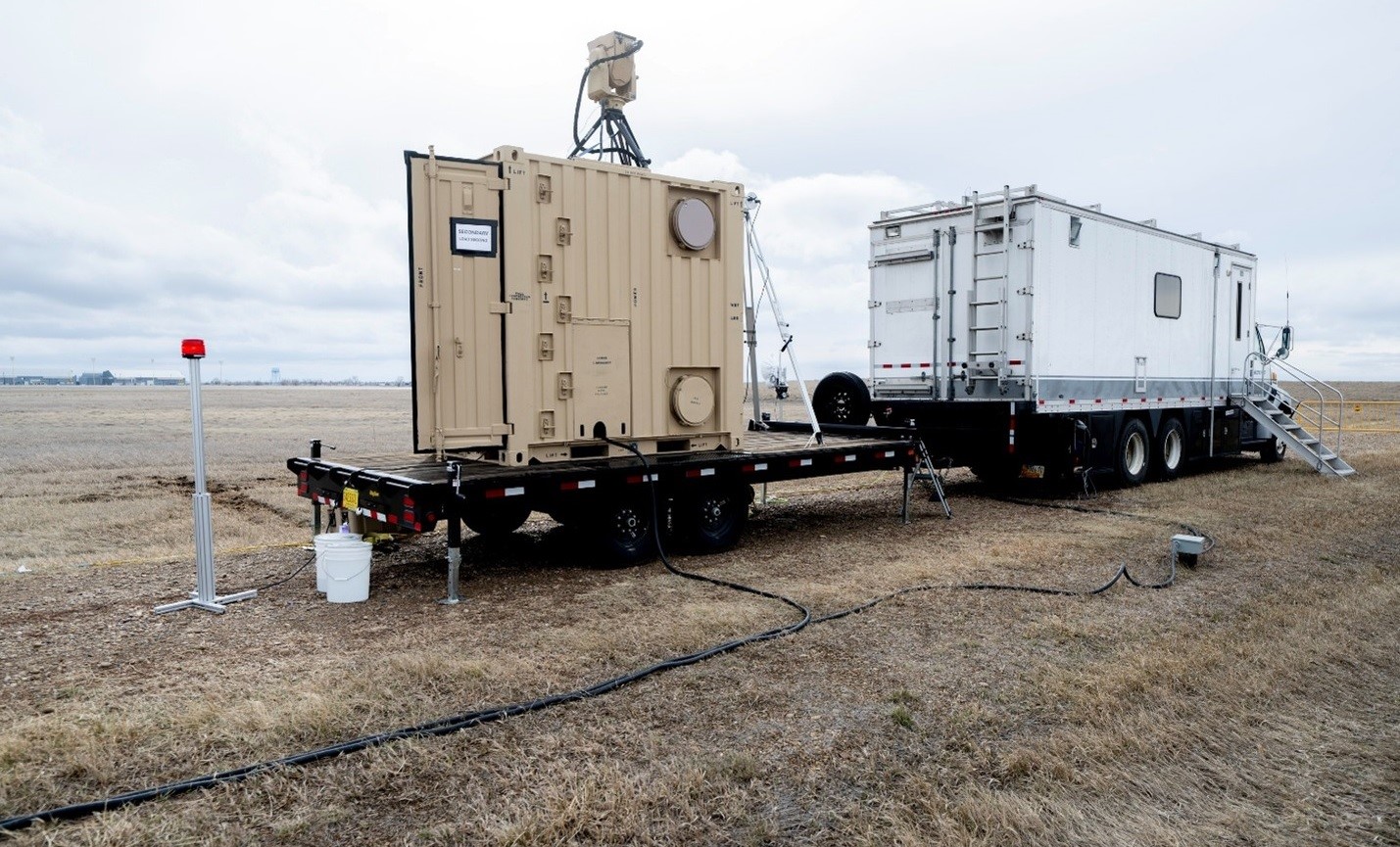
World
WASHINGTON, — June 18, 2026 : The U.S. Naval Research Laboratory (NRL) has successfully demonstrated a dual-use directed-energy laser system capable of wirelessly transmitting power over long distances while rapidly transitioning to counter unmanned aerial threats without interrupting ongoing operations. The field test represents a significant advancement in expeditionary energy and defense technologies, demonstrating that a single directed-energy platform can perform both remote power delivery and counter-unmanned aerial systems (C-UAS) missions. The capability could help military forces support remote operations while reducing reliance on traditional fuel-based logistics. The demonstration was sponsored by the Office of the Under Secretary of Defense for Acquisition and Sustainment (OUSD(A&S)) and funded through the Operational Energy Capability Improvement Fund (OECIF). The effort brought together the U.S. Naval Research Laboratory, Boeing, and the U.S. Army’s DEVCOM Ground Vehicle Systems Center (GVSC), with additional participation from personnel across the Navy, Marine Corps, and Army. Field Demonstration and System Configuration During the evaluation, researchers deployed a trailer-mounted laser system across an airfield to demonstrate both wireless power transmission and counter-drone operations. The operational setup included: Power Source: Standard military vehicle-based power generation. Transmission System: A currently fielded U.S. Marine Corps directed-energy laser system. Receiving System: High-efficiency solar receivers positioned at a remote site representing a forward operating base. The system successfully transmitted power from a military vehicle to the remote receivers located miles away. The demonstration showed how future military installations could receive electricity without relying solely on diesel generators or vulnerable fuel supply routes. Once power transmission was established, the team redirected the same laser beam to engage a simulated aerial drone threat. After successfully completing the counter-UAS engagement, the system returned to wireless power transmission without being taken offline. “This was not just a laboratory exercise; we were building the pieces for what this capability could actually look like on the battlefield,” said Alex Grede, Ph.D., an electrical engineer at NRL. “We demonstrated that the same laser used to beam power remotely can immediately transition to counter a drone threat, giving Marines and soldiers greater flexibility without changing their operational footprint.” Building on Previous Power-Beaming Research The demonstration builds upon years of research into wireless energy transfer technologies. NRL scientists previously contributed to the Defense Advanced Research Projects Agency (DARPA) Persistent Optical Wireless Energy Relay (POWER) program, which successfully transmitted more than 800 watts of power over 8.6 kilometers (5.3 miles) at White Sands Missile Range, New Mexico. However, unlike earlier demonstrations that focused on achieving maximum distance and power-transfer records under controlled conditions, the latest trial prioritized operational performance in realistic environments. Researchers intentionally conducted testing during high winds, snowfall, and atmospheric interference approaching whiteout conditions to evaluate how the system would perform under conditions likely to be encountered during military operations. “We wanted to prove this could work where warfighters actually operate, not just in ideal conditions,” said Justin Lorentzen, a research physicist at NRL. “Testing in wind, snow, and real atmospheric interference gives us the data we need to improve the system and move it toward a true operational capability.” Reducing Battlefield Logistics Risks The project was designed with expeditionary military operations in mind, particularly for units operating in remote and contested environments. Forward-deployed forces often depend on fuel-powered generators that require continuous resupply. These fuel convoys can be vulnerable to attack, increasing operational risks and logistical demands. Wireless power transmission offers a potential alternative by enabling remote facilities, sensors, vehicles, and future military systems to receive electricity from distant power sources without the need for frequent fuel deliveries. The ability to combine energy delivery and air-defense functions into a single platform could further reduce the equipment and personnel required to sustain forward operations. Grede noted that the Army is currently among the services most likely to field the technology first because of its potential value in distributed and expeditionary operations. “We can take the expertise we’ve built at NRL and help accelerate capability development across the joint force,” he said. Field Repair and Operational Simplicity In addition to validating the system’s power-transfer and defensive capabilities, researchers also assessed its maintainability during field deployment. During the demonstration, engineers successfully repaired a critical system component on-site without requiring a dedicated workshop or specialized maintenance equipment. The repair validated the platform’s ability to remain operational in expeditionary environments where technical support resources may be limited. “You can’t have a system that takes months to repair or months to train someone to use,” said Lt. Cmdr. Brian Di Salvo, Military Deputy for NRL’s Radar Division. “This system showed both repairability and simplicity of operation, qualities that matter when you’re talking about real deployment with young operators in the field.” Next Phase of Development The dual-use laser system remains a proof-of-concept prototype, and NRL has not announced a timeline for procurement or operational deployment. The next phase of testing will involve active-duty Marines, Soldiers, and Sailors, who will evaluate the system in realistic operating scenarios and provide direct user feedback. The goal is to ensure future versions of the technology meet operational requirements and can be effectively employed by military personnel in the field. The demonstration also supports NRL’s broader directed-energy research portfolio, which includes previous wireless power transmission experiments such as the Space Wireless Energy Laser Link (SWELL) conducted aboard the International Space Station. Strategic Significance The successful demonstration highlights the potential of directed-energy technologies to address two critical military requirements simultaneously: delivering power to remote locations and defending forces against emerging drone threats. By enabling a single laser system to transmit energy across long distances while retaining the ability to immediately engage hostile unmanned aircraft, the technology could help improve logistics resilience, reduce dependence on fuel convoys, and enhance operational flexibility for U.S. military forces operating in contested environments. The mid-June 2026 demonstration marks another step toward the development of future expeditionary energy systems designed to support more resilient, self-sustaining, and adaptable military operations.
Read More → Posted on 2026-06-18 16:24:32
World
HELSINKI, — June 18, 2026 : Finland's parliament has approved legislation that removes the country's decades-old ban on the presence of nuclear weapons on its territory, marking a significant change in national defense policy as the country continues to integrate into NATO following its accession to the alliance in April 2023. The legislation was passed on Wednesday by a vote of 125 in favor and 61 against, while 13 lawmakers were absent. The bill repeals provisions contained in Finland's Nuclear Energy Act, which had prohibited the import, production, possession, transport, supply, and detonation of nuclear explosives since the late 1980s. The reform also includes amendments to the Finnish Criminal Code, creating exceptions that allow the transport, supply, and possession of nuclear weapons when connected to Finland's military defense, NATO collective defense obligations, or defense cooperation activities. The legislation now awaits formal approval by President Alexander Stubb before entering into force. Strengthening NATO Integration Finnish officials said the legislative changes are intended to align Finland's legal framework with NATO's deterrence and defense policies. Defense Minister Antti Häkkänen described the measure as a "historic reform," stating that it will enable Finland to fully utilize NATO's deterrence capabilities and strengthen both national and allied security. According to the government, the amendments were developed following extensive studies and consultations with NATO partners. The legislation does not authorize Finland to manufacture or detonate nuclear weapons and maintains compliance with the Nuclear Non-Proliferation Treaty (NPT). Finnish leaders have also stated that there are currently no plans to permanently station nuclear weapons in the country during peacetime. Potential Role in NATO Nuclear Sharing The removal of the ban creates the legal framework for Finland to potentially participate in NATO's nuclear-sharing arrangements in the future. The United States currently maintains nuclear-sharing agreements with several NATO members, including Germany, Italy, Belgium, the Netherlands, and Turkey. Under such arrangements, U.S. nuclear weapons can be stored in host countries, while local air forces are trained to deliver them in the event of a major conflict. Finland is widely viewed as a potential candidate for such an arrangement. In December 2021, Helsinki signed a contract to acquire 64 F-35A Lightning II fighter jets, which are capable of performing nuclear delivery missions and are designed to carry B61-series nuclear gravity bombs internally. On April 1, 2025, U.S. Chairman of the Joint Chiefs of Staff Gen. Dan Caine indicated that Washington was open to expanding nuclear-sharing agreements and identified Finland and Poland as leading candidates for future participation. If a nuclear-sharing agreement were established, U.S. Air Force B61 nuclear bombs could potentially be stored in Finland, with Finnish personnel receiving training for nuclear delivery missions under NATO procedures. French Nuclear Cooperation Discussed In addition to possible cooperation with the United States, Finnish Prime Minister Petteri Orpo recently referred to discussions regarding participation in a French-led nuclear deterrence framework. French President Emmanuel Macron has advocated expanding France's nuclear deterrence role within Europe and has proposed deploying French nuclear assets to allied countries as part of a broader European security strategy. However, defense analysts note that significant challenges exist. France's nuclear arsenal consists of approximately 290 warheads, and French nuclear weapons are not currently integrated with Finland's future F-35 fleet. Implementing such a framework would likely require the deployment of French Rafale fighter aircraft to Finnish bases and additional infrastructure, making the option more complex and time-consuming than a U.S.-led arrangement. Strategic Impact in Northern Europe Finland's accession to NATO significantly altered the alliance's strategic geography by adding approximately 1,340 kilometers (830 miles) of border with Russia, more than doubling NATO's direct land border with the country. The possibility of nuclear-capable aircraft operating from Finnish territory has drawn attention because of Finland's proximity to the Arctic region and several key Russian military, industrial, and population centers. Military analysts note that F-35A fighters equipped with B61-12 or B61-13 nuclear bombs could reach targets deep inside Russian territory while benefiting from the aircraft's stealth characteristics. Such capabilities could influence regional deterrence calculations and broader NATO defense planning. Russian Response Russian officials have repeatedly criticized Finland's legislative changes and deeper integration into NATO's security structures. Earlier this year, Kremlin spokesman Dmitry Peskov warned that removing the nuclear weapons ban could increase tensions in Europe. He stated that the deployment of nuclear weapons on Finnish territory would be viewed by Moscow as a direct security threat and would prompt a response. Opponents of the legislation within Finland have also expressed concerns that allowing nuclear weapons on Finnish territory could increase security risks and potentially make the country a target during a major conflict. Supporters, however, argue that the reform strengthens deterrence while preserving Finland's long-standing policy of not developing its own nuclear weapons. The parliamentary vote represents one of the most significant defense policy changes undertaken by Finland since joining NATO and reflects the country's continuing efforts to adapt its security framework to the evolving European security environment.
Read More → Posted on 2026-06-18 16:15:31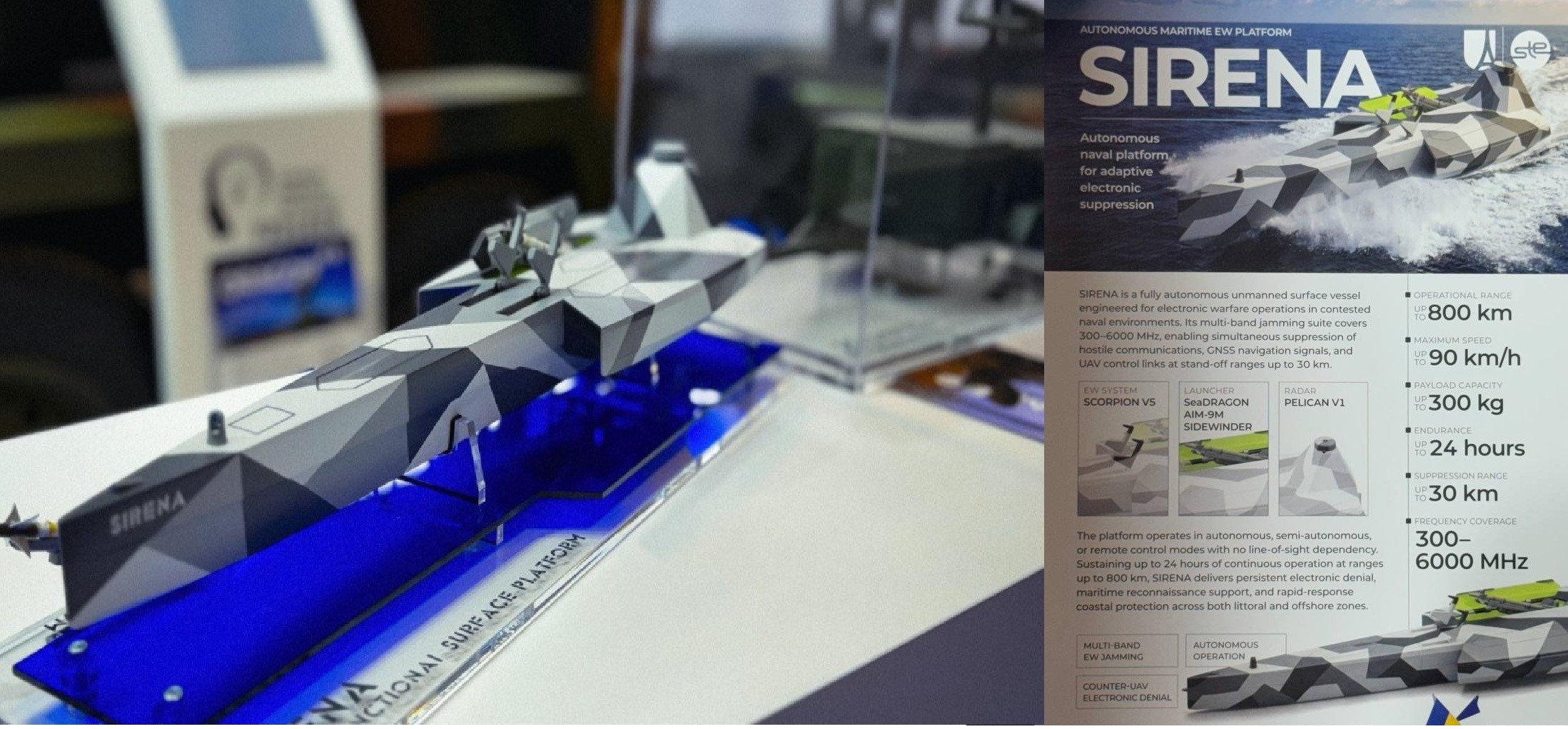
World
PARIS, — June 18, 2026 : Ukraine has unveiled a new unmanned surface vessel (USV) named SIRENA at the Eurosatory 2026 defense exhibition in Paris, showcasing a multi-role maritime platform that combines electronic warfare, reconnaissance, and air defense capabilities within a single autonomous system. The SIRENA trimaran was presented by Ukraine’s state-owned defense trade enterprise SpetsTechnoExport in cooperation with the Center of Innovative Technologies Program. Designed specifically for operations in confined and contested maritime environments, the platform is intended to support coastal defense, surveillance, electronic warfare, and counter-air missions. Multi-Role Maritime Platform Developed to address evolving maritime security requirements, the SIRENA integrates advanced sensors, electronic warfare equipment, and missile-based air defense systems on an unmanned vessel. The platform is capable of conducting reconnaissance missions, disrupting enemy systems, and engaging aerial threats while operating without exposing personnel to frontline risks. According to information presented at the exhibition, the vessel can operate autonomously, semi-autonomously, or through remote control, providing flexibility for different mission profiles. It does not require a direct line-of-sight connection with its command center, allowing it to operate deep inside contested maritime zones. Performance and Endurance The SIRENA has been engineered for long-range and extended-duration missions. Key specifications include: Maximum speed of 90 km/h (56 mph). Operational range of up to 800 kilometers (500 miles). Continuous endurance of up to 24 hours at sea. Payload capacity of up to 300 kilograms (660 pounds). Autonomous, semi-autonomous, and remote-control operating modes. These characteristics enable the platform to conduct prolonged coastal surveillance, electronic suppression missions, and maritime patrol operations. Advanced Electronic Warfare System A central feature of the SIRENA is its integrated Scorpion V5 electronic warfare system, designed to disrupt enemy communications and navigation networks. The system operates across a frequency spectrum ranging from 300 MHz to 6,000 MHz (6 GHz) and can simultaneously interfere with multiple categories of targets, including: Military communication networks. GNSS navigation signals. Autopilot and navigation systems. Drone command-and-control links. Exhibition representatives stated that the Scorpion V5 is particularly effective against unmanned aerial threats, including Shahed-type loitering munitions. The system can reportedly conduct electronic suppression at distances of up to 30 kilometers, providing a protective electronic shield for maritime operations. Radar and Air Defense Capability Beyond electronic warfare, the SIRENA is designed to function as an active air defense platform. The vessel is equipped with the Pelican V1 radar, which provides target detection, tracking, and situational awareness. The radar works in conjunction with the vessel’s weapon system to identify and engage aerial threats. For kinetic engagements, the trimaran carries the SeaDRAGON launcher, which is configured to fire AIM-9M Sidewinder air-to-air missiles adapted for naval deployment. This capability allows the unmanned vessel to engage hostile aircraft, helicopters, and drones operating in the vicinity of maritime forces or coastal infrastructure. The combination of radar-guided detection, electronic warfare effects, and missile-based interception gives the platform a layered approach to countering aerial threats. Designed for Contested Maritime Environments Representatives of the Center of Innovative Technologies Program stated that the SIRENA was specifically developed for operations in areas where traditional naval assets may face elevated risks from drones, missiles, or electronic attack. Its trimaran configuration provides stability for carrying radar, electronic warfare equipment, and missile systems while maintaining high-speed maneuverability. The vessel's modular architecture also offers flexibility for future upgrades and mission-specific payloads. Continued Development of Ukrainian Unmanned Systems The introduction of the SIRENA reflects Ukraine's ongoing investment in autonomous maritime technologies and unmanned warfare capabilities. The system builds upon the country's growing experience in developing uncrewed surface vessels for reconnaissance, strike, and support missions. At Eurosatory 2026, detailed information and renderings of the platform highlighted the integration of the Pelican V1 radar, Scorpion V5 electronic warfare suite, and SeaDRAGON launcher with AIM-9M Sidewinder missiles, demonstrating a multi-domain approach that combines sensing, electronic attack, and air defense functions on a single unmanned vessel. The SIRENA's combination of long-range operation, electronic warfare capabilities, and missile armament positions it as a versatile platform for coastal defense, reconnaissance, and maritime security operations in increasingly contested littoral environments.
Read More → Posted on 2026-06-18 15:56:37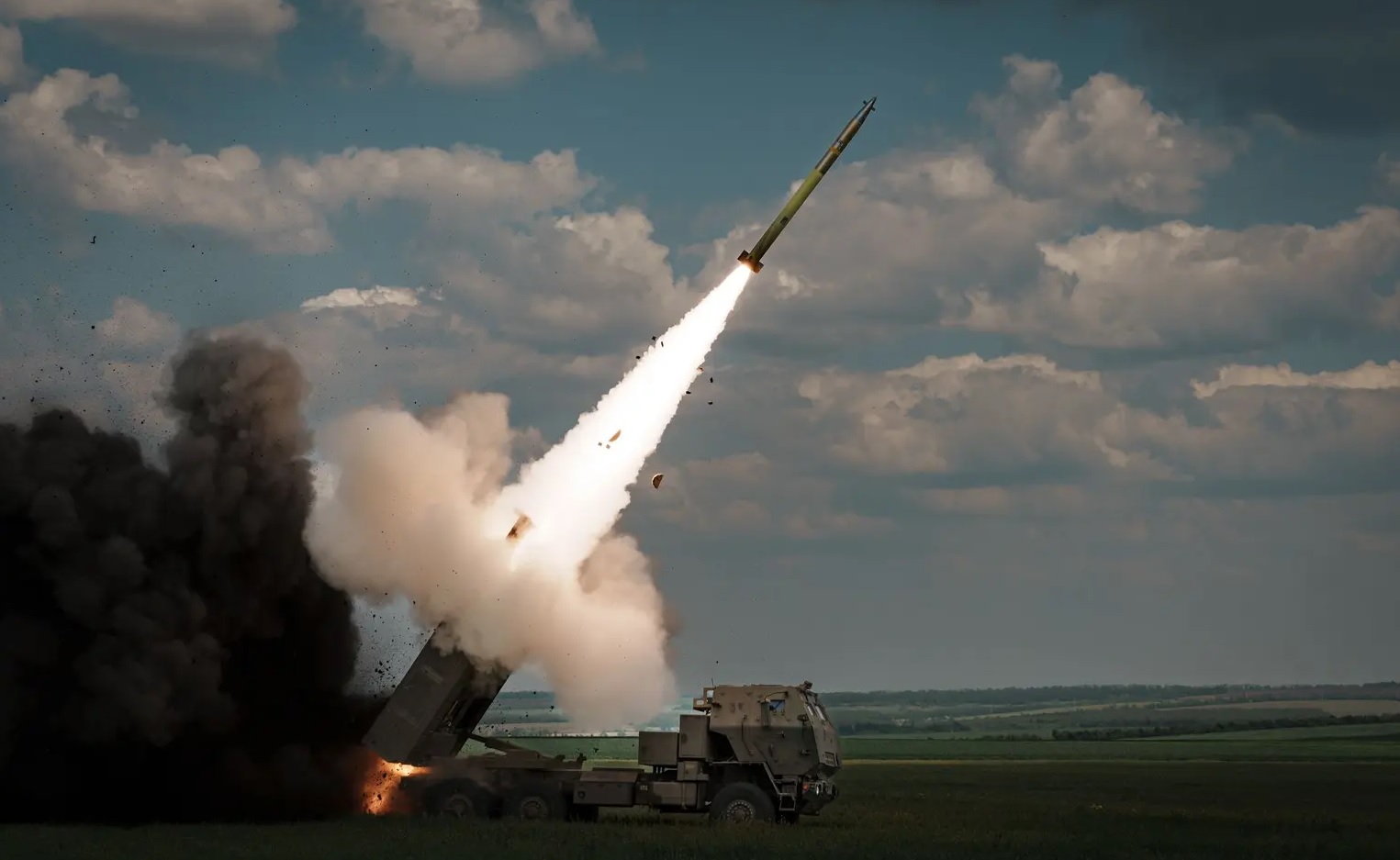
World
BRUSSELS/STOCKHOLM, — June 18, 2026 : Sweden has allocated 1.1 billion Swedish kronor (approximately $108 million) to the Prioritised Ukraine Requirements List (PURL) initiative, a NATO-coordinated program that enables the rapid procurement of American-made military equipment for Ukraine. The funding was announced during a meeting in Brussels and forms part of a broader effort involving Norway and Canada, which are also contributing to a joint defense package aimed at strengthening Ukraine’s defense capabilities. Funding to Support Rapid Weapons Procurement The PURL initiative allows allied and partner nations to finance the acquisition of high-priority U.S. defense equipment requested by Ukraine. By utilizing established procurement channels and available inventories, the program helps reduce delays associated with traditional weapons production and procurement processes. The latest funding package is expected to support the procurement of several key defense capabilities, including: Advanced air defense systems for the protection of urban areas and critical infrastructure. Interceptor missiles for countering aerial threats. Artillery ammunition to support ongoing military operations. The initiative is designed to ensure that urgently needed equipment reaches Ukraine more quickly than through standard procurement procedures. Sweden’s Fourth Contribution Under PURL The latest transfer marks Sweden’s fourth contribution to the PURL framework. With this allocation, Sweden’s cumulative support through the initiative has reached approximately $543 million. Previous Swedish contributions included a $100 million package announced in February 2026, as well as earlier funding commitments made during 2025. Part of Broader Military Assistance The new allocation is part of Sweden’s wider military assistance strategy for Ukraine. Sweden has established a long-term military support framework worth SEK 80 billion (approximately $7.5–8 billion) covering the 2026–2027 period. Since the start of Russia’s full-scale invasion in 2022, Sweden’s total military assistance to Ukraine has reached approximately SEK 128 billion. Role of the PURL Initiative Launched in 2025, the PURL initiative serves as a coordinated procurement mechanism through which allied countries fund the acquisition of U.S.-produced military equipment based on Ukraine’s prioritized operational requirements. The program has facilitated the delivery of critical military capabilities, including air defense interceptors, missile systems, ammunition, and other defense equipment required to support Ukraine’s military operations. The initiative operates through cooperation between NATO, the United States, Ukraine, and contributing partner nations, ensuring that funding is directed toward priority military requirements identified by Ukraine. Several countries, including Germany, the Netherlands, Norway, Canada, and other NATO allies, have participated in PURL funding packages since the program’s establishment. Calls for Accelerated Support The funding announcement coincided with a recent meeting of the Ukraine Defense Contact Group, commonly known as the Ramstein format, where allied nations discussed ongoing military assistance for Ukraine. The meeting highlighted the importance of accelerating defense deliveries, particularly air defense systems and interceptor missiles, as Ukraine continues to face sustained aerial threats. Continued International Coordination Sweden’s latest contribution is being coordinated alongside funding efforts by Norway and Canada, supporting the continued acquisition of priority military equipment through the PURL framework. Details of the specific weapon systems to be procured under the new funding package were not disclosed. The funds will be directed toward equipment identified through established NATO procurement channels based on Ukraine’s operational requirements. The latest allocation reflects continued multinational efforts to accelerate the delivery of critical defense capabilities while maintaining long-term military support for Ukraine through coordinated procurement mechanisms.
Read More → Posted on 2026-06-18 15:45:49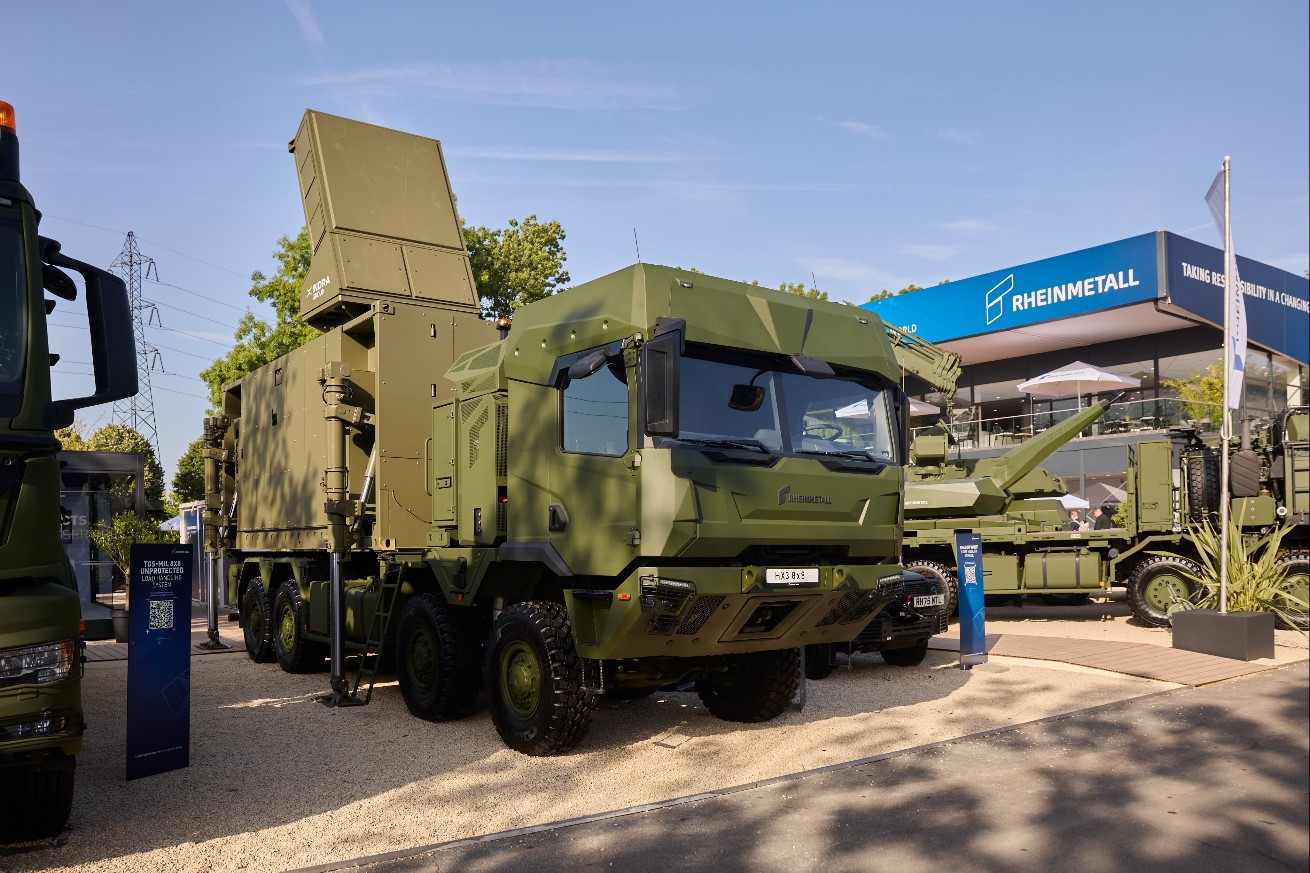
World
PARIS, — June 18, 2026 : Spanish defense and technology company Indra Group has officially unveiled its new Multimission Terrestrial Radar (MTR) family at the Eurosatory 2026 defense exhibition in Paris. The radar systems were presented mounted on a Rheinmetall HX 8x8 military truck, demonstrating a highly mobile configuration designed to support modern military operations in rapidly changing battlefield environments. The MTR family represents a new generation of fully digital, multifunction radar systems based entirely on Active Electronically Scanned Array (AESA) technology. Developed to support high-intensity military operations, the radar combines multiple battlefield functions into a single platform, including counter-battery artillery localization, air surveillance, and coastal surveillance. Designed for Multi-Mission Operations According to Indra, the MTR family enables armed forces to perform a wide range of surveillance and target-detection tasks without deploying multiple specialized radar systems. This approach reduces logistical requirements while increasing operational flexibility. The radar employs a fully digital architecture with 4D tracking capabilities, allowing it to detect, track, and analyze the trajectories of projectiles with high precision. The system is designed to identify and monitor a broad range of threats, including artillery rounds, rockets, drones, and high-speed missiles. To enhance performance, the MTR utilizes Gallium Nitride (GaN) semiconductor technology. GaN-based transmitters provide greater power output, improved efficiency, and enhanced reliability, particularly in demanding operational conditions and extreme environments. Rapid Deployment and High Mobility One of the key design features of the MTR radar family is mobility. Modern battlefields increasingly rely on extensive sensor networks capable of detecting and targeting radar emissions. To reduce vulnerability to counter-fire and enemy targeting, the MTR has been engineered for rapid deployment and redeployment. Mounted on the Rheinmetall HX 8x8 truck, the system can be quickly moved, set up, and relocated within minutes, allowing operators to maintain operational effectiveness while minimizing exposure to hostile detection systems. The collaboration between Indra and Rheinmetall combines advanced sensor technology with a proven military mobility platform, creating a solution suitable for forces requiring fast repositioning and continuous battlefield coverage. Two Configurations for Different Mission Requirements The MTR family is offered in two primary variants designed to meet different operational requirements. MTR 5 The MTR 5 is the medium-range version of the system and is primarily intended for counter-battery operations. It is capable of detecting and tracking incoming artillery rounds, rockets, projectiles, and drones. The radar can calculate the origin and predicted impact point of enemy fire, enabling rapid threat warning and supporting counter-battery responses. The system can also provide targeting information to interception and air defense systems. In addition to counter-battery missions, operators can switch the radar to perform air surveillance or coastal surveillance tasks. The MTR 5 includes an integrated control position, allowing it to operate independently or as part of a larger radar network. MTR 10 The MTR 10 is the longer-range variant optimized for air surveillance missions. It is designed to operate directly with Air Command and Control (AirC2) systems and can be used to reinforce existing air surveillance networks or fill coverage gaps. The radar is also designed for integration with Ground-Based Air Defence (GBAD) systems. It can support operations within a Surface-to-Air Missile Operations Centre (SAMOC) and contribute to weapon system command and control activities. By linking with air defense networks, the MTR 10 provides enhanced situational awareness and supports coordinated responses against airborne threats. Integration with Air Defence Command Systems Both the MTR 5 and MTR 10 are fully integrated with Indra's Ground-Based Air Defence Command and Control systems, including the SBAMD-AIRDEF SAMOC architecture. This integration allows radar data to be rapidly processed and distributed across command networks, enabling faster decision-making and improving coordination between surveillance, command, and weapon systems. Developed for Evolving Threat Environments According to Juan José Rodríguez, Business Development Manager for Land Systems at Indra, the MTR radar family was specifically designed to address the changing nature of modern warfare. He stated that contemporary military operations require greater precision in target detection and engagement, while the increasing concentration of battlefield sensors demands highly mobile radar systems capable of remaining in constant movement to improve survivability. Part of Indra’s Broader Defense Portfolio At Eurosatory 2026, Indra also showcased several other defense technologies, including the NEMUS AESA radar for vehicle protection, the ARACNE counter-drone system, electronic warfare solutions, and capabilities associated with the Dragon 8x8 program. As a European leader in radar technology, Indra has developed a broad portfolio of surveillance and air-defense systems used by NATO and national armed forces. The MTR family builds upon this experience by introducing a multifunction AESA radar capable of supporting land, air, and coastal operations from a single platform. First International Presentation of the Full MTR Family The unveiling at Eurosatory 2026, held in Paris from June 15–19, marks the first international defense exhibition appearance of the complete AESA MTR radar family. With its combination of AESA technology, GaN electronics, 4D tracking capabilities, network integration, and high mobility, the MTR platform is intended to provide armed forces with a flexible and interoperable sensor solution capable of detecting, tracking, and responding to modern battlefield threats across multiple operational domains.
Read More → Posted on 2026-06-18 14:48:07
World
ROCKVILLE, Md., — June 18, 2026 : Quantum Space has been awarded a contract by the U.S. Department of Defense’s Operational Energy Capability Improvement Fund (OECIF) to develop and demonstrate an orbital fuel depot designed to refuel satellites in space. The project will be built on the company’s Ranger spacecraft platform and aims to extend the operational life of satellites by replenishing their fuel supplies after launch. The contract represents a significant step in the evolution of military space logistics, moving orbital refueling from a long-term concept toward operational testing. The initiative is intended to address a longstanding challenge facing both military and commercial satellite operators: the limited lifespan imposed by onboard fuel reserves. Addressing Satellite Fuel Limitations Most satellites rely on a fixed amount of propellant carried at launch. Once that fuel is exhausted, satellites lose the ability to maneuver, conduct station-keeping operations, avoid space debris, or reposition to support mission requirements, even when their communications, surveillance, and other onboard systems remain functional. For military spacecraft, this limitation can create operational vulnerabilities. Predictable fuel depletion can reduce flexibility and potentially allow adversaries to estimate when critical assets may become less capable of maneuvering. As a result, the U.S. Space Force has increasingly focused on developing maneuverable and sustainable space architectures capable of supporting long-duration operations. Chris DePuma, who leads OECIF’s Operational Energy and Combat Power portfolio, said the award advances a capability that has been discussed for years within defense planning efforts. “For years, in-space refueling has been a concept on our capability roadmaps. Today, we are investing to make it an operational reality,” DePuma said. “By removing traditional fuel constraints, we are not just keeping our vital assets ready—we are unlocking entirely new mission sets and novel operations.” Ranger Platform to Serve as Refueling Depot Quantum Space plans to integrate the refueling depot directly into its Ranger spacecraft platform. The company’s approach differs from some industry competitors by combining logistics and spacecraft capabilities within a single operational architecture. The Ranger platform is designed to operate across multiple orbital regions, including Low Earth Orbit (LEO), Geostationary Orbit (GEO), and cislunar space, the region between Earth and the Moon. Key capabilities of the Ranger platform include: Propellant Capacity: Ability to carry more than 4,000 kilograms of storable propellant in larger configurations. Single-Fuel Multimode Propulsion: A patented system that combines high-thrust chemical propulsion and efficient electric propulsion using a single fuel type. Modular Architecture: Designed for up to 15 years of operation and capable of being refueled itself. Multi-Orbit Operations: Capability to maneuver between different orbital regimes without extensive redesign. Under current plans, Quantum Space intends to deliver the fuel-transfer vehicle to the U.S. Space Force by 2028, supporting future in-space logistics and refueling operations. Expanding Space Logistics Infrastructure Quantum Space Chief Executive Officer Jim Bridenstine, who previously served as NASA Administrator, described the contract as an important step toward establishing long-term space logistics infrastructure. “It extends the life of high-value assets and creates operational options that fixed architectures simply cannot provide,” Bridenstine said. Quantum Space Co-founder Ben Reed, a former NASA official who managed robotic satellite servicing initiatives, said the technologies required for orbital refueling have matured sufficiently for operational deployment. “The time for a shift from demonstrations toward operational depots is now,” Reed said. “The technologies are mature, the mission need is urgent, and Quantum Space possesses capital for delivery.” Growing Role in Defense Space Programs The OECIF award adds to Quantum Space’s expanding portfolio of defense contracts. The company previously secured a position on the U.S. Space Force’s Andromeda Program, an indefinite-delivery/indefinite-quantity (IDIQ) contract vehicle with a shared ceiling value of $6.2 billion focused on developing constellations of maneuverable and refuellable spacecraft. Quantum Space also reports active contracts and proposals with organizations including the U.S. Space Force, the Department of Defense, DARPA, and the Air Force Research Laboratory. Industry Competition in Orbital Refueling The orbital servicing and refueling sector has attracted growing interest from government and commercial operators seeking to increase satellite longevity and flexibility. Several companies are pursuing similar technologies, including: Northrop Grumman, which received a $70 million Space Force contract for its Elixir refueling payload. Astroscale, which is developing the APS-R orbital tanker for geostationary orbit operations. Additional industry efforts involving propellant transfer and on-orbit servicing technologies. The growing number of programs reflects increasing interest in creating a sustainable orbital logistics network capable of supporting military, civil, and commercial missions. Manufacturing Expansion and Public Listing Plans To support future production requirements, Quantum Space announced in May 2026 plans to establish a 25,000- to 40,000-square-foot manufacturing facility in Tulsa, Oklahoma. The facility will focus on producing large propulsion tanks and precision components for the Ranger spacecraft fleet. The company is also pursuing a public market listing through a merger with Inflection Point Acquisition Corp. VI. The transaction is expected to value the combined company at more than $1 billion, with some filings indicating an estimated valuation of approximately $1.2 billion upon completion. The deal includes a $300 million PIPE investment and is expected to close during the fourth quarter of 2026, after which the company plans to trade on Nasdaq under the ticker QSPC. Development Phase Continues Despite securing multiple government contracts, Quantum Space remains in a growth and development phase. Financial projections associated with the planned merger forecast tens of millions of dollars in future revenue while also anticipating continued operational losses as the company expands manufacturing and advances spacecraft development. The Ranger platform remains under active development, with its initial pathfinder mission still ahead. Quantum Space has indicated that successful demonstrations of orbital refueling could help shape future satellite designs by enabling longer operational lifetimes, increased maneuverability, and more resilient space architectures. As the U.S. Space Force continues to prioritize in-space servicing, refueling, and logistics capabilities, the OECIF-funded demonstration is expected to contribute to broader efforts aimed at establishing sustained and flexible operations across Earth orbit and beyond.
Read More → Posted on 2026-06-18 14:32:56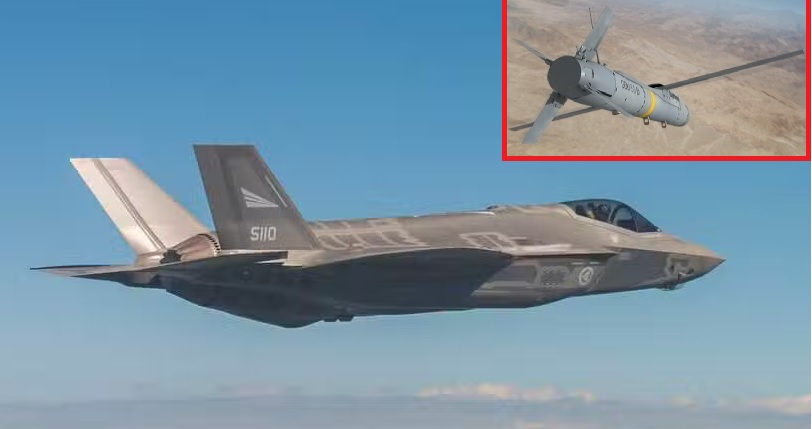
World
HELSINKI, — June 18, 2026 : Finland has approved the procurement of GBU-53/B Small Diameter Bomb II (SDB II) glide bombs from the United States to equip its future fleet of F-35A multirole fighter aircraft, further expanding the capabilities of the Finnish Air Force under the country's HX Fighter Programme. Finnish Minister of Defence Antti Häkkänen authorized the Finnish Defence Forces Logistics Command to acquire the advanced precision-guided munitions as part of the broader weapons package associated with Finland's F-35 acquisition. The procurement supplements an earlier order placed through the U.S. Foreign Military Sales (FMS) program under a contract signed in 2023. The acquisition is linked to Finland's approximately $9.4 billion HX Fighter Programme, under which the country is purchasing 64 Lockheed Martin F-35A Lightning II aircraft to replace its aging fleet of F/A-18 Hornet fighters. Deliveries of the first Finnish F-35As are expected to begin in late 2026. Advanced Precision Strike Capability The GBU-53/B Small Diameter Bomb II, also known as StormBreaker, is manufactured by Raytheon, a subsidiary of RTX. The weapon is designed to provide precision air-to-ground strike capability against both stationary and moving targets under a wide range of operational conditions. The glide bomb features a tri-mode seeker that combines imaging infrared guidance, millimeter-wave radar, and semi-active laser guidance. It also incorporates GPS-aided inertial navigation, a two-way datalink, and advanced target-tracking capabilities, allowing it to engage targets in adverse weather, darkness, smoke, dust, and other challenging battlefield environments. The SDB II carries a 105-pound (48-kilogram) multi-purpose warhead, weighs approximately 204 pounds (93 kilograms), and measures around 69 inches (176 centimeters) in length. The weapon belongs to the 250-pound class of precision-guided munitions. The bomb can strike stationary targets at ranges of up to 60 nautical miles (111 kilometers) and moving targets at distances of approximately 40 nautical miles (74 kilometers), depending on launch conditions. Enhancing the F-35 Weapon Package One of the key advantages of the StormBreaker is its compact size, which allows multiple weapons to be carried internally by stealth aircraft. The F-35A can carry up to eight SDB II glide bombs inside its internal weapons bays, enabling the aircraft to maintain its low-observable characteristics while significantly increasing the number of targets it can engage during a mission. This provides a substantial increase in payload flexibility compared to larger 1,000-pound or 2,000-pound class weapons. The procurement adds a capability that was not previously available within the Finnish Air Force's F-35 armament package. The weapon's ability to engage moving targets in difficult weather conditions supports its use in Multi-Domain Operations, enabling coordination across air, land, sea, and other operational domains. U.S.-Approved Procurement Package The sale of the Raytheon-manufactured glide bombs received approval from the United States Congress and is being executed under the Letter of Offer and Acceptance (LOA) framework associated with the FMS program. Beyond the weapons themselves, the procurement package includes: Technical manuals and documentation Spare parts and maintenance accessories Transportation and logistics services Manufacturer and supplier training programs Repair, maintenance, and long-term support services The purchase supplements Finland's previous F-35 weapons procurement and expands the range of precision-strike options available to the future fighter fleet. Supporting Finland's Defence Modernization Finland selected the F-35A Lightning II as the winner of the HX Fighter Programme in 2021. The aircraft are being acquired in the advanced Block 4 configuration, which will provide access to a growing range of sensors, weapons, and software upgrades throughout their service life. The integration of the GBU-53/B StormBreaker forms part of Finland's broader effort to modernize its air combat capabilities and strengthen interoperability with allied forces. As a NATO member, Finland continues to expand defence cooperation with the United States through advanced weapons procurement and capability development programs. The acquisition ensures that Finland's future F-35 fleet will be equipped with an additional precision-guided munition capable of engaging a wide variety of targets while operating in complex and demanding environments.
Read More → Posted on 2026-06-18 14:20:47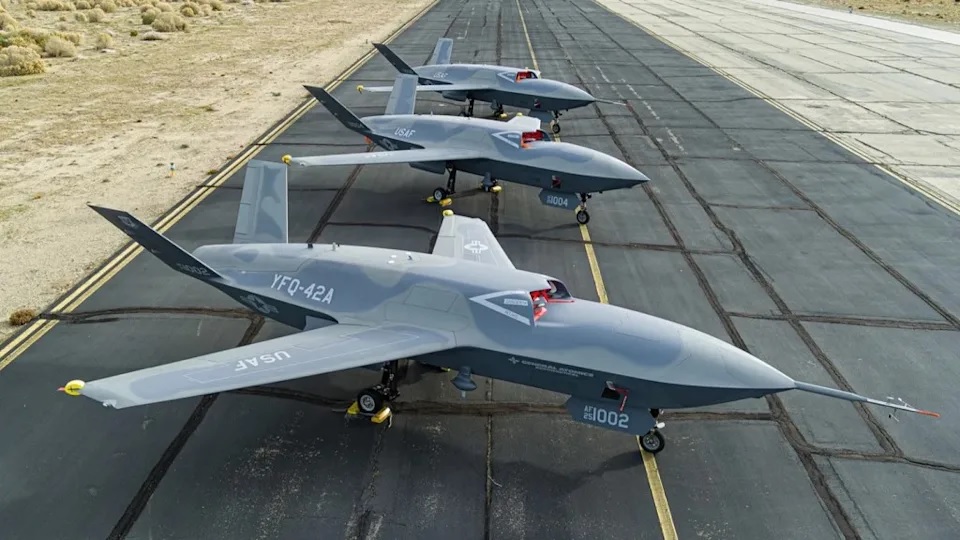
World
WASHINGTON, D.C., — June 18, 2026 : The U.S. Air Force has awarded engineering, manufacturing development (EMD), and production contracts to General Atomics Aeronautical Systems Inc. (GA-ASI) and Anduril Industries for the first increment of its Collaborative Combat Aircraft (CCA) program, advancing plans to field semi-autonomous unmanned aircraft that operate alongside crewed fighter jets. The decision was announced four months ahead of schedule after both aircraft successfully met mission requirements during testing. The Air Force aims to acquire approximately 1,000 Collaborative Combat Aircraft, with Increment 1 serving as the foundation of the program. Aircraft Move Into Production The aircraft developed by General Atomics and Anduril have transitioned from prototype to production status and will now be designated FQ-42A and FQ-44A, replacing their previous YFQ-42A and YFQ-44A prototype designations. The YFQ-42A completed its first flight in August 2025, while the YFQ-44A conducted its maiden flight in October 2025. Both aircraft recently completed flight test campaigns with the Air Force’s Experimental Operations Unit. According to the Air Force, the systems demonstrated readiness for full-scale manufacturing. The service is targeting a unit cost of approximately $30 million or less per aircraft, roughly one-third the cost of an F-35. Secretary of the Air Force Troy Meink said the accelerated transition to manufacturing will help the service field combat-ready semi-autonomous aircraft more quickly. The Air Force plans to procure more than 150 combat-capable CCAs by the end of the decade. Program Background The CCA program is designed to provide affordable unmanned aircraft that can operate alongside platforms such as the F-35 Lightning II and F-15EX Eagle II. These aircraft are expected to perform missions including air-to-air combat, strike operations, electronic warfare, reconnaissance, surveillance, and sensor sharing. In early 2024, the Air Force awarded initial design contracts to Anduril, Boeing, General Atomics, Lockheed Martin, and Northrop Grumman. In April 2024, General Atomics and Anduril were selected to continue into detailed design and prototype development. Mission Autonomy Contracts Alongside the aircraft production awards, the Air Force awarded baseline six-year mission autonomy production contracts to: Anduril Industries General Atomics Lockheed Martin Northrop Grumman RTX Collins Aerospace Shield AI The Air Force is separating aircraft production from autonomy software development, allowing software from multiple vendors to be integrated across different aircraft platforms. All autonomy software must comply with the Autonomy Government Reference Architecture (A-GRA), an open government-owned standard designed to ensure compatibility and rapid software updates. Competition for AI Mission Software To accelerate operational capability, the Air Force awarded additional competitive contracts to Anduril, RTX Collins Aerospace, and Shield AI. The three companies will participate in a six-month development phase to advance their mission autonomy software. After evaluation, a second six-month phase will follow, with the Air Force selecting a primary mission autonomy provider for Increment 1 by summer 2027. Secretary Meink said the competitive approach allows the Air Force to adopt the best-performing autonomy software while avoiding dependence on a single vendor. Future Operations and Increment 2 The Air Force plans to use Collaborative Combat Aircraft as force multipliers that can conduct high-risk missions, perform electronic warfare, share sensor data, and support coordinated operations with crewed aircraft. Air Force Chief of Staff Gen. Ken Wilsbach said the capability will help maintain the service’s tactical advantage in contested environments. With Increment 1 production now underway, the Air Force has indicated that development of CCA Increment 2 will begin in Fiscal Year 2026, focusing on expanded mission applications and additional technologies.
Read More → Posted on 2026-06-18 14:06:01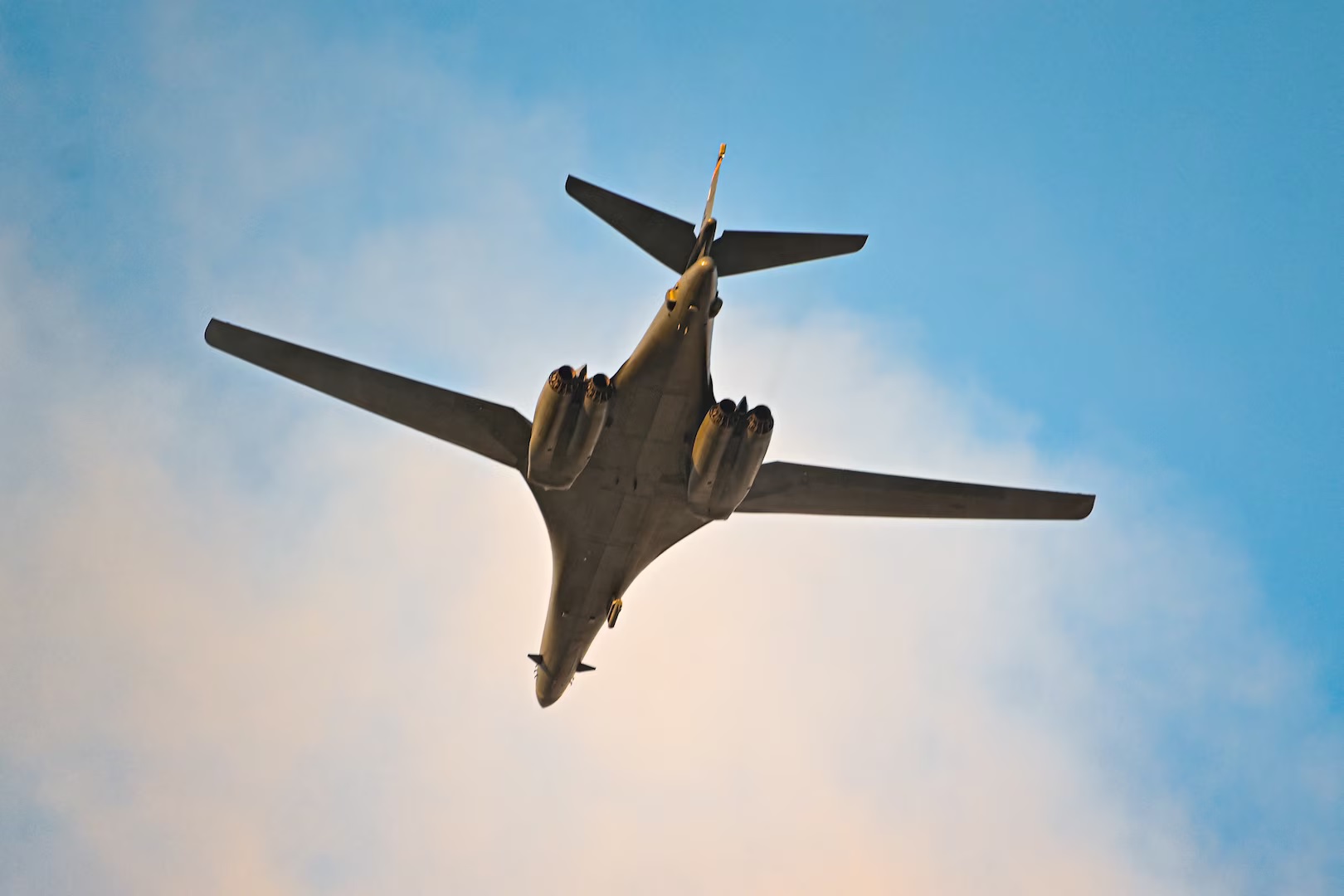
World
DALLAS, Georgia, — June 18, 2026 : The U.S. Defense Logistics Agency (DLA) has awarded Top Flight Aerostructures Inc. two indefinite-delivery/indefinite-quantity (IDIQ) contracts worth more than $76 million to manufacture critical wing components for the U.S. Air Force’s B-1B Lancer bomber fleet. The contracts, managed by DLA Weapon Support in Oklahoma City, include a maximum-value award of $53.08 million for the production of trailing edge assemblies and a second contract valued at up to $23.4 million for wing tip components. Both contracts were awarded through a competitive procurement process that received two bids. Funded through Defense Working Capital Funds, the agreements consist of three-year base periods with no option years and are scheduled for completion by June 17, 2029. Top Flight Aerostructures to Support Long-Term Fleet Sustainment Top Flight Aerostructures, headquartered in Dallas, Georgia, specializes in the manufacture and repair of aerospace composite structures and adhesively bonded aircraft components. Founded in 2005, the company operates a 40,000-square-foot production facility west of Atlanta and supports multiple military aviation programs through the production of structural panels, fairings, wing assemblies, and other aircraft components. The newly awarded contracts will support the continued sustainment of the Air Force’s aging B-1B fleet by ensuring a stable supply of replacement wing structures that are subject to significant operational stress throughout the aircraft’s service life. Critical Components for Variable-Sweep Wings The B-1B Lancer features a variable-sweep wing design that allows pilots to adjust wing geometry during flight. The wings can extend to approximately 15 degrees during takeoff and landing to maximize lift and sweep back to 67.5 degrees during high-speed flight to reduce aerodynamic drag. This design enables the bomber to achieve speeds of up to Mach 1.25 while carrying heavy payloads. However, the repeated movement of wing structures generates substantial mechanical stress on key components, particularly the trailing edges and wing tips. These parts play an essential role in maintaining lift, stability, and overall aerodynamic performance. Over time, repeated wing sweeps, environmental exposure, and operational loads can lead to fatigue, corrosion, cracking, and structural wear, requiring periodic replacement to maintain airworthiness. The challenge is amplified by the aircraft’s size. The B-1B has a maximum takeoff weight of approximately 477,000 pounds (216,000 kilograms), placing considerable loads on wing structures during flight operations. Aging Fleet Requires Continued Structural Maintenance The B-1B fleet remains one of the oldest bomber forces in U.S. service. Originally developed by Rockwell International, the aircraft entered operational service during the 1980s. Boeing became the program's primary contractor after acquiring Rockwell’s defense business in 1996. The final B-1B was delivered in May 1988, making the youngest aircraft in the current inventory approximately 38 years old. The Air Force originally acquired 100 B-1B bombers, although the active fleet today consists of roughly 45 aircraft following the retirement of 17 heavily worn airframes in 2021. Some aircraft have also undergone extensive structural repairs and restoration efforts to maintain fleet readiness. Over the past several decades, B-1Bs have supported combat and deterrence missions across multiple theaters, including operations over Iraq, Afghanistan, Libya, and Syria. The high operational tempo and sustained deployments have accelerated structural fatigue beyond what was originally anticipated when the aircraft was designed primarily for Cold War nuclear deterrence missions. Maintenance efforts have increasingly focused on critical load-bearing structures, including wing pivot assemblies and other major airframe components affected by long-term operational stress. Air Force Plans to Keep B-1B in Service Through 2037 The U.S. Air Force plans to operate the B-1B fleet through at least 2037 as the next-generation B-21 Raider gradually enters service and assumes a larger share of the long-range strike mission. To support continued operations, budget documents outline approximately $342 million in modernization funding for the B-1 program between fiscal years 2027 and 2031. In addition, the fiscal year 2026 budget includes $50.26 million for the development of a new External Heavy-Stores Pylon program, which is intended to restore the bomber’s ability to carry modern stand-off and hypersonic weapons on external hardpoints. Continued Role in U.S. Strike Operations Despite its age, the B-1B remains a key component of U.S. conventional strike capabilities. The aircraft can carry up to 75,000 pounds (34,000 kilograms) of weapons internally across three bomb bays, making it the Air Force’s largest conventional payload carrier. The bomber also serves as the operational platform for the Long-Range Anti-Ship Missile (LRASM) and regularly participates in Bomber Task Force deployments across Europe and the Indo-Pacific region. The contracts awarded to Top Flight Aerostructures are part of ongoing sustainment efforts designed to maintain fleet readiness and ensure the continued availability of critical structural components. By establishing a reliable production source for high-wear wing assemblies, the agreements support the Air Force’s strategy of keeping the B-1B operational until the B-21 Raider is fielded in sufficient numbers to assume its missions.
Read More → Posted on 2026-06-18 14:00:06
World
ASTON, Pennsylvania, — June 17, 2026 : The U.S. Department of Defense has awarded Alloy Surfaces Company a $300 million contract modification to continue production of advanced infrared decoy flares used to protect American military aircraft from heat-seeking missile threats. The award, announced on June 12, increases the total value of the underlying contract (W15QKN-21-D-0014) to $328.8 million and extends production through March 30, 2031. The contract was issued by the U.S. Army Contracting Command in Newark, New Jersey, and supports the continued manufacture of a range of specialized infrared countermeasure decoys that are deployed across multiple U.S. military aircraft platforms. Advanced Infrared Countermeasure Production Under the contract, Alloy Surfaces will produce several infrared decoy flare variants, including the M211, MJU-49, MJU-50A/B, MJU-51A/B, MJU-52A/B, MJU-64/B, MJU-66/B, and the newer XM-219 model. These decoys are designed to protect aircraft from infrared-guided missiles by generating heat signatures that closely resemble those produced by jet engines and helicopter exhaust systems. When released from an aircraft, the flares create an alternative heat source intended to attract incoming missile seekers away from the aircraft itself. According to U.S. procurement documents, the effectiveness of these systems is based on Alloy Surfaces’ proprietary ignition chemistry and specialized payload materials. The technology produces a burn spectrum that closely matches engine heat signatures, making it difficult for modern infrared missile seekers to distinguish between the flare and the aircraft. Due to the unique performance requirements of these countermeasures, Alloy Surfaces remains the sole qualified manufacturer for several of the flare variants covered under the contract. As a result, the procurement received only one bid during the solicitation process. Protecting Aircraft Against MANPADS The decoys are primarily intended to counter Man-Portable Air Defense Systems (MANPADS) and other infrared-guided missile threats. MANPADS are shoulder-fired missile systems that rely on heat-seeking sensors to track aircraft engines rather than radar emissions. Because these missiles do not require radar guidance, pilots often receive little or no warning before an attack. Infrared decoy flares therefore serve as one of the most important defensive measures available to aircrews operating in contested environments. MANPADS have been widely used in conflicts around the world and continue to pose a significant threat to helicopters, transport aircraft, and low-flying combat aircraft due to their mobility, relatively low cost, and ease of deployment. The flare systems produced by Alloy Surfaces are integrated into a variety of U.S. military platforms, including transport aircraft, fighter jets, special operations aircraft, and rotary-wing aircraft. These systems provide an additional layer of protection against both surface-to-air and air-to-air infrared-guided missiles. Evolving Threat Environment The contract expansion comes as military planners assess emerging threats on modern battlefields, particularly the increasing use of unmanned systems. Recent reports from the conflict in Ukraine indicate that some Shahed-type attack drones have been observed carrying MANPADS and air-to-air missiles, introducing a new airborne threat to helicopters and other low-flying aircraft. Previously, Ukrainian helicopter crews operating Mi-8 and Mi-24 aircraft had successfully engaged Shahed drones using onboard machine guns because the drones lacked dedicated anti-aircraft weaponry. The reported integration of heat-seeking missiles onto low-cost unmanned platforms represents a significant shift in aerial warfare. Defense analysts note that such developments could expand the range of platforms capable of launching infrared-guided attacks, creating additional challenges for military aircraft operating near frontline areas. The growing availability of inexpensive missile technology and its adaptation to unmanned systems has increased the importance of advanced aircraft survivability equipment, including modern flare countermeasures and electronic warfare systems. Long-Term Supply Chain Support All work under the contract will be performed at Alloy Surfaces’ facility in Aston, Pennsylvania. The company, a subsidiary of Chemring Group, has supplied infrared countermeasure materials to the U.S. military for decades and specializes in pyrophoric and pyrotechnic technologies used in aircraft protection systems. The latest contract modification ensures continued production of critical countermeasure inventories for U.S. armed forces and allied operators through the end of the decade. It also supports the Department of Defense’s broader efforts to maintain aircraft survivability against increasingly sophisticated infrared-guided threats. By extending production through 2031, the Pentagon is securing a long-term supply of specialized decoy flares that remain an essential component of aircraft self-protection systems in modern combat environments.
Read More → Posted on 2026-06-17 17:15:52
World
CANBERRA, — June 17, 2026 : British defense technology company OpenWorks Engineering has been selected to provide its Vision Guard surveillance system for evaluation under the Australian Defence Force’s (ADF) Project Land 156, a major AU$1.3 billion counter-drone modernization program aimed at strengthening Australia's ability to detect and defeat unmanned aerial threats over the next decade. The selection marks an important step for OpenWorks Engineering, a company widely known for its SkyWall net-based drone capture systems, as it expands its focus beyond drone defeat technologies into advanced detection and surveillance solutions. Under the Land 156 program, Vision Guard will undergo assessment alongside a range of sensors, effectors, and command-and-control systems being considered for future ADF counter-unmanned aerial systems (C-UAS) capabilities. Australia Accelerates Counter-Drone Capability Development Project Land 156 is one of Australia’s most significant defense acquisition initiatives focused on countering the rapidly growing threat posed by unmanned aerial systems. The program is being delivered through an accelerated procurement approach that uses rolling contracts, continuous demonstrations, and ongoing technology evaluations to rapidly introduce new capabilities into service. Leidos Australia, serving as the program’s systems integration partner, is working with government and industry participants to develop a layered and distributed defense architecture capable of addressing a broad spectrum of drone threats, ranging from commercial quadcopters to increasingly sophisticated and weaponized unmanned systems. To date, more than 120 drone detection and defeat technologies have reportedly been introduced or assessed through the Land 156 framework. The program’s flexible structure allows the Australian Defence Force to continuously evaluate, replace, and upgrade technologies as operational requirements evolve and new threats emerge. Vision Guard Designed for Dismounted Infantry Operations OpenWorks Engineering describes Vision Guard as the smallest and lightest intelligent optics system within its product portfolio. The system has been specifically developed to provide dismounted infantry units with a portable early-warning capability against small drones. Unlike traditional surveillance systems that require operators to manually scan the sky, Vision Guard offers a panoramic staring capability, continuously monitoring a wide area and automatically searching for aerial threats. The system utilizes the company’s proprietary artificial intelligence and data fusion software to detect, track, and identify Class 1 unmanned aerial systems, including small commercial and military drones, at extended ranges. Designed around strict Size, Weight, and Power (SWaP) requirements, the entire system, including supporting sensors, can be carried in a standard military backpack. OpenWorks states that Vision Guard can be fully deployed in less than two minutes, enabling infantry units to establish surveillance positions quickly during operations. The system is also optimized for low-light environments, supporting covert observation missions and forward-deployed troops operating in challenging conditions. Modular Sensor Integration and Network Connectivity A key feature of Vision Guard is its modular architecture, allowing operators to tailor sensor configurations based on mission requirements and terrain conditions. The system can integrate both active and passive wide-area sensors, including radar systems and acoustic detection panels, enhancing its ability to identify drone threats across different operational environments such as urban areas, open terrain, and coastal regions. Once a drone is detected, Vision Guard automatically generates alerts and transmits information to operators through handheld tablets or existing military command networks. The system supports integration through established military interfaces, including ATAK (Android Team Awareness Kit), SAPIENT, and Cursor on Target (COT) protocols. According to the company, onboard processing and low-bandwidth requirements enable compatibility with wireless military networks while reducing the burden on deployed communications infrastructure. Enhancing Tactical Independence for Frontline Troops The portable nature of Vision Guard is intended to provide frontline units with greater operational independence by allowing them to carry their own drone detection capability. Traditionally, drone surveillance and warning functions have often relied on larger radar vehicles, fixed installations, or higher-echelon assets positioned far from frontline forces. By contrast, Vision Guard allows small units to independently monitor airspace around their positions and receive immediate warning of approaching threats. This capability is increasingly viewed as critical as drones become a routine feature of modern battlefields, where even small commercial systems can conduct reconnaissance, direct artillery fire, or deliver payloads against military personnel and equipment. Operational Experience and International Deployments Vision Guard enters the Australian evaluation process with an established operational track record. OpenWorks Engineering stated that the system is already in service with several customers across Europe and the United States. Most recently, Vision Guard participated in Project Vanaheim in Germany, a joint U.S.-U.K. experimentation initiative focused on improving interoperability between allied counter-drone systems. During the exercise, the system was deployed at the platoon level to support defensive positions against simulated drone threats, demonstrating its ability to provide rapid detection, tracking, and identification of small unmanned aerial systems while remaining highly portable. The system has also been demonstrated in various operational environments, including coastal and forward observation scenarios. Evaluation Process Continues Selection for evaluation under Project Land 156 does not guarantee a production contract. Vision Guard will continue to undergo testing and assessment alongside competing technologies as the Australian Defence Force refines its future counter-drone requirements. The program’s ongoing evaluation process reflects a broader trend across military forces worldwide, where rapid drone proliferation has increased demand for integrated detection, tracking, and defeat capabilities. While kinetic and electronic countermeasures remain important, military planners increasingly view early detection and situational awareness as essential elements of effective counter-drone defense. For OpenWorks Engineering, inclusion in the Land 156 program represents an opportunity to demonstrate how lightweight, AI-enabled surveillance systems can contribute to future battlefield protection and enhance the survivability of frontline infantry forces operating in increasingly drone-contested environments.
Read More → Posted on 2026-06-17 16:59:25
World
LONDON/OTTAWA, — June 17, 2026 : The United Kingdom and Canada have announced extensive new sanctions targeting Russia’s military-industrial complex, maritime logistics network, financial infrastructure, and procurement channels used to support its ongoing military operations in Ukraine. The coordinated measures were unveiled on the sidelines of the G7 Leaders’ Summit in France and represent one of the most comprehensive sanctions actions taken by the two countries this year. The packages collectively target hundreds of individuals, entities, vessels, financial institutions, and companies involved in supporting Russia’s defense sector, energy exports, and sanctions-evasion mechanisms. Focus on Russia’s Shadow Fleet and Energy Exports A key objective of the new sanctions is to disrupt Russia’s so-called shadow fleet, a network of aging oil tankers and liquefied natural gas (LNG) carriers used to transport Russian energy products while bypassing Western restrictions. The UK government announced sanctions against more than 20 additional oil tankers and several LNG vessels connected to Russia’s sanctioned Arctic LNG 2 project. British officials stated that these vessels play a significant role in exporting millions of tonnes of LNG and generating revenue for the Russian economy. With the latest additions, the total number of shadow fleet and Russian LNG vessels sanctioned by the UK has surpassed 600 ships. Among the vessels specifically targeted is the Cameroon-flagged tanker SMYRTOS. British authorities have also recently detained a shadow fleet tanker in the English Channel, with its captain facing charges related to violations of Western sanctions. Canada introduced similar measures aimed at weakening Russia’s maritime logistics capabilities. The Canadian sanctions package includes vessels involved in transporting Russian oil and LNG to third countries, as well as some ships reportedly linked to arms transfers. In addition, Canada sanctioned several companies providing maritime services and insurance support to the shadow fleet, including Maritime Mutual, Soglasie Insurance Company, and Nova Shipmanagement. Financial Networks and Cryptocurrency Systems Targeted Both countries have expanded sanctions against financial institutions and alternative payment systems that Russia has increasingly relied upon to conduct international transactions outside traditional banking channels. According to Vladyslav Vlasiuk, Ukraine’s presidential sanctions policy envoy, disrupting banking networks and cryptocurrency payment platforms remains a critical component of efforts to restrict Russia’s ability to finance military operations. The UK sanctions package targets the A7 Network, a cryptocurrency platform registered in Kyrgyzstan but established with Russian backing through the sanctioned Promsvyazbank. The platform has reportedly been used for cross-border payments outside conventional financial systems. British authorities also sanctioned an entity in Nigeria accused of assisting the network in evading restrictions. The UK additionally imposed sanctions on Yandex Bank and Wildberries Bank, the financial divisions of major Russian technology companies. Other sanctioned institutions include Rosgosstrakh, Balance Insurance, Eurofinance Mosnarbank, and Vyatich Bank. Canada’s measures focus on several key components of Russia’s domestic financial system, including the Moscow Exchange, St. Petersburg Stock Exchange, and Absolut Bank. The Canadian package also targets alternative payment and cryptocurrency-related entities, including Grinex LLC, Old Vector LLC, and TengriCoin CJSC. Measures Against Military Procurement Networks A major part of the sanctions campaign is aimed at disrupting the international procurement networks that supply Russia with critical technologies and dual-use goods. The UK announced sanctions against a covert procurement network allegedly operated by officers from Russia’s Main Directorate of the General Staff (GRU). The network was reportedly centered around a front company known as LLC Neptune Co Ltd, which was involved in acquiring Western technologies and components for Russia’s defense sector. British authorities sanctioned 10 GRU officers along with several associated companies linked to the procurement network. The sanctions also extend to suppliers located in third countries that are accused of providing military-related or dual-use equipment to Russia. Among the companies sanctioned are: Shenzhen Huaxin Antenna Technology, a manufacturer of antennas and telecommunications equipment. ComNav Technology, a producer of satellite navigation systems. SHTRAL Technology and SHTRAL Makine, manufacturers of CNC machine tools. The UK government stated that these measures are intended to restrict Russia’s access to technologies that can support weapons production and military modernization efforts. Canada Expands Measures Against Individuals and Organizations Canada’s sanctions package covers 162 individuals, entities, vessels, and assets connected to Russia’s military activities and sanctions-evasion networks. The measures also include organizations accused of participating in Russian state-backed disinformation campaigns, broadening the scope beyond military and financial targets. Prime Minister Mark Carney announced the sanctions following a meeting with Ukrainian President Volodymyr Zelenskyy during the G7 summit, reaffirming Canada’s commitment to supporting Ukraine and maintaining pressure on Russia. Growing International Pressure The latest sanctions reflect a broader effort by G7 countries and their partners to limit Russia’s ability to generate revenue, obtain critical technologies, and access international financial systems. The UK package alone adds approximately 70 new sanctions designations, bringing the total number of UK sanctions imposed under its Russia regime in 2026 to nearly 500 individuals and entities. UK Prime Minister Keir Starmer said the measures are designed to target “the vessels, the money, and the actors” supporting Russia’s war economy. British and Canadian officials stated that continued coordination with G7 partners remains essential to maintaining economic pressure on Moscow. The sanctions are expected to further complicate Russia’s access to international shipping services, financial networks, insurance providers, and technology supply chains as Western governments continue efforts to support Ukraine and restrict resources available to Russia’s defense sector.
Read More → Posted on 2026-06-17 16:53:43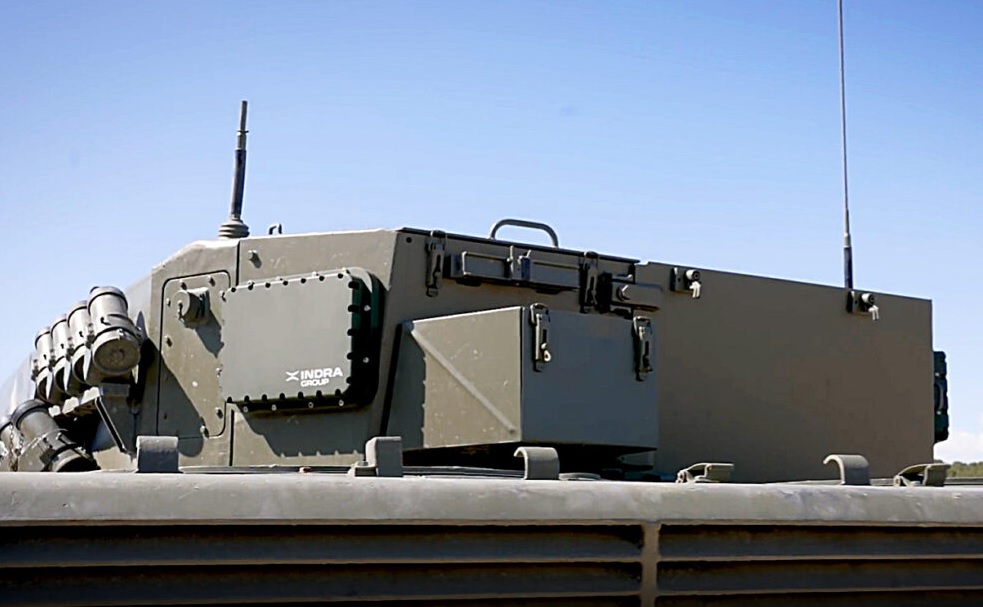
World
MADRID, — June 17, 2026 : Spanish technology company Indra Group has signed a strategic agreement with German defense contractor Rheinmetall to integrate the NEMUS Active Electronically Scanned Array (AESA) radar into the modular architecture of Rheinmetall’s StrikeShield Active Protection System (APS). The collaboration is aimed at improving the survivability of armored vehicles and main battle tanks against a growing range of modern battlefield threats. The agreement marks a significant step in the ongoing cooperation between the two defense companies and is expected to strengthen European armored vehicle protection capabilities through the integration of advanced radar and active protection technologies. NEMUS Radar Designed for Multi-Threat Detection Indra’s NEMUS (New Generation Multi-Mission Sensor) radar is a fully digital AESA system designed to detect, identify, and track a wide spectrum of threats using a single hardware architecture. The radar can detect extremely slow-moving targets, including drones traveling at speeds as low as 10 meters per second, while also tracking high-speed threats exceeding 2,000 meters per second, such as kinetic-energy projectiles and anti-tank munitions. The radar's ability to handle both low-speed and high-speed threats enables it to support multiple operational roles, including Active Protection Systems (APS), Counter-Unmanned Aerial Systems (C-UAS), Short-Range Air Defense (SHORAD), and Intelligence, Surveillance, Target Acquisition and Reconnaissance (ISTAR) missions. Designed for installation on mechanized platforms, NEMUS features a compact and lightweight architecture. When multiple antenna units are mounted around a vehicle turret, the system provides full 360-degree coverage, allowing continuous monitoring of surrounding airspace and ground threats. According to Indra, each radar element can simultaneously track more than 20 targets, enabling the system to address increasingly complex battlefield environments, including drone swarms and coordinated missile attacks. Anti-Jamming and All-Weather Performance The NEMUS radar incorporates advanced electronic protection measures to operate effectively in contested electromagnetic environments. The system is equipped with anti-jamming capabilities and can distinguish genuine threats from false targets generated through electronic warfare techniques. The radar is also designed to maintain performance under harsh environmental conditions, including extreme heat, heavy rainfall, and freezing temperatures. These features allow the system to support military operations across diverse climates and operational theaters. Integration with Rheinmetall’s StrikeShield APS Under the agreement, the NEMUS radar will provide precise detection and tracking information to Rheinmetall’s StrikeShield Active Protection System. Once a threat is identified, StrikeShield processes the data, performs fire-control calculations, selects the most appropriate countermeasure, and automatically neutralizes the threat before it reaches the vehicle. StrikeShield operates on a hard-kill protection principle, designed to defeat incoming threats such as anti-tank guided missiles (ATGMs), rocket-propelled grenades (RPGs), and other anti-armor weapons milliseconds before impact. The system combines active protection technologies with modular passive armor in a hybrid architecture. Its scalable design allows integration on a wide range of platforms, from lighter armored vehicles to heavy main battle tanks. Rheinmetall states that StrikeShield’s distributed architecture minimizes its electronic warfare signature, reducing the likelihood of detection while also limiting collateral damage to nearby infantry and civilian infrastructure. This makes the system suitable for both conventional battlefield operations and urban combat environments. Successful Testing on Leopard Tanks The integration agreement follows several years of joint development activities and validation programs conducted by Indra and Rheinmetall. These efforts included multiple live-fire trials intended to mature the technology and verify operational performance. A key milestone was achieved in May 2025, when Indra successfully tested the NEMUS radar on Leopard battle tanks at the Spanish Army’s Armored Units Instruction Center in Zaragoza. The tests demonstrated the radar’s ability to detect and track drones, micro-drones, anti-tank missiles, grenade-launcher projectiles, and supersonic threats. The successful trials confirmed the radar’s suitability for integration into active protection systems and future armored vehicle modernization programs. Support for European Armored Vehicle Programs The agreement further strengthens Indra’s position as a supplier of advanced radar technologies for active protection systems and opens opportunities for the NEMUS radar family to be incorporated into major European defense initiatives. The technology is being considered for future armored vehicle modernization efforts, including the FAMOUS, MARTE, and AURIGA programs. Indra is also participating in the European Defence Agency’s DARTBRAKER project, which focuses on developing active protection technologies for next-generation military platforms. The growing demand for layered vehicle protection systems across Europe has increased interest in technologies capable of countering emerging threats such as loitering munitions, drone swarms, precision-guided missiles, and advanced anti-tank weapons. Expanding Strategic Cooperation The radar integration agreement is part of a broader strategic partnership between Indra and Rheinmetall. In March 2026, the companies signed a Memorandum of Understanding (MoU) to expand cooperation across European and Latin American defense markets. The partnership extends beyond vehicle protection systems and includes discussions involving German commercial vehicle manufacturer MAN regarding modernization programs for Spanish military artillery support vehicles and bridge-laying trucks. The potential project has been valued at approximately €3 billion. The finalization of the NEMUS-StrikeShield agreement also coincided with the first official day of Josep Maria Recasens as Chief Executive Officer (CEO) of Indra Group. Strengthening Vehicle Survivability The integration of NEMUS into StrikeShield reflects a wider trend within the defense industry toward combining advanced sensors, active protection systems, and intelligent threat-processing capabilities to improve vehicle survivability. By combining Indra’s radar expertise with Rheinmetall’s experience in protection systems and platform integration, the two companies aim to provide armored forces with enhanced protection against current and future battlefield threats while supporting the modernization of military vehicle fleets across Europe and beyond.
Read More → Posted on 2026-06-17 16:09:23Search
Top Trending in 24 Hours
-
 Ukrainian Hackers Expose Highly Classified Russian Naval Data in "Operation Poseidon"
-
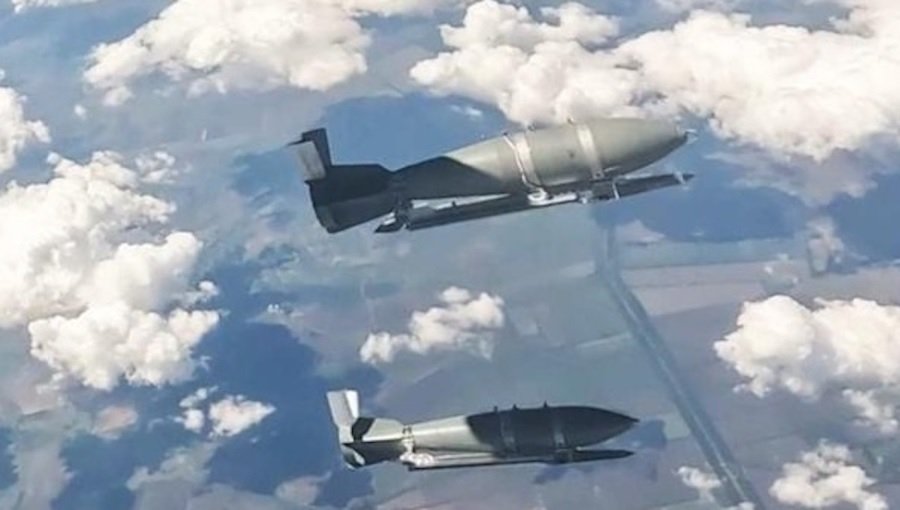 Russia’s Glide Bomb Use in Ukraine Surpasses Recent U.S. Bombing Rate During Epic Fury in Iran, Remains Below 2003 Iraq Peak
-
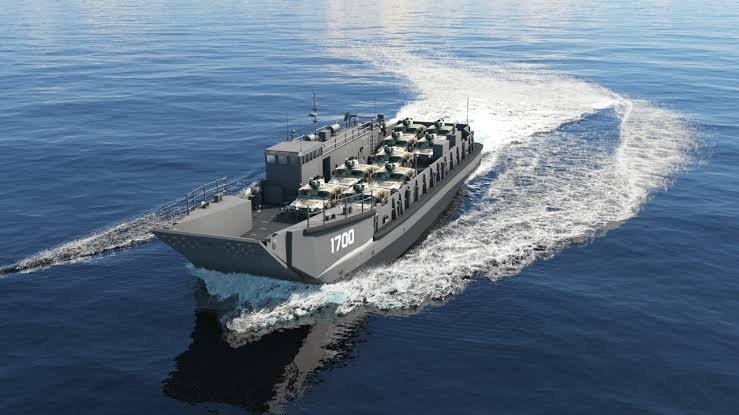 Indian Navy Issues RFI for Six Next-Generation LCU Mk V Vessels Under 'Make in India'
-
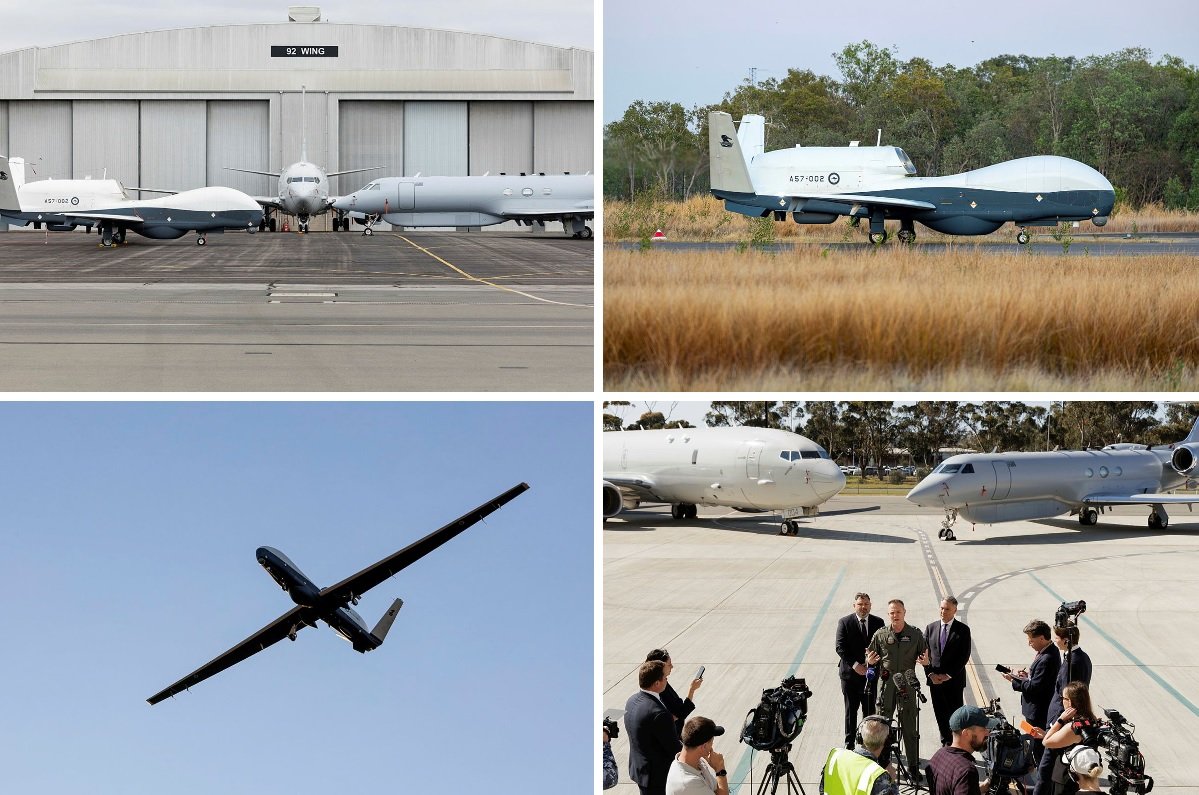 Australia’s MQ-4C Triton and MC-55A Peregrine Reach Initial Operational Capability
-
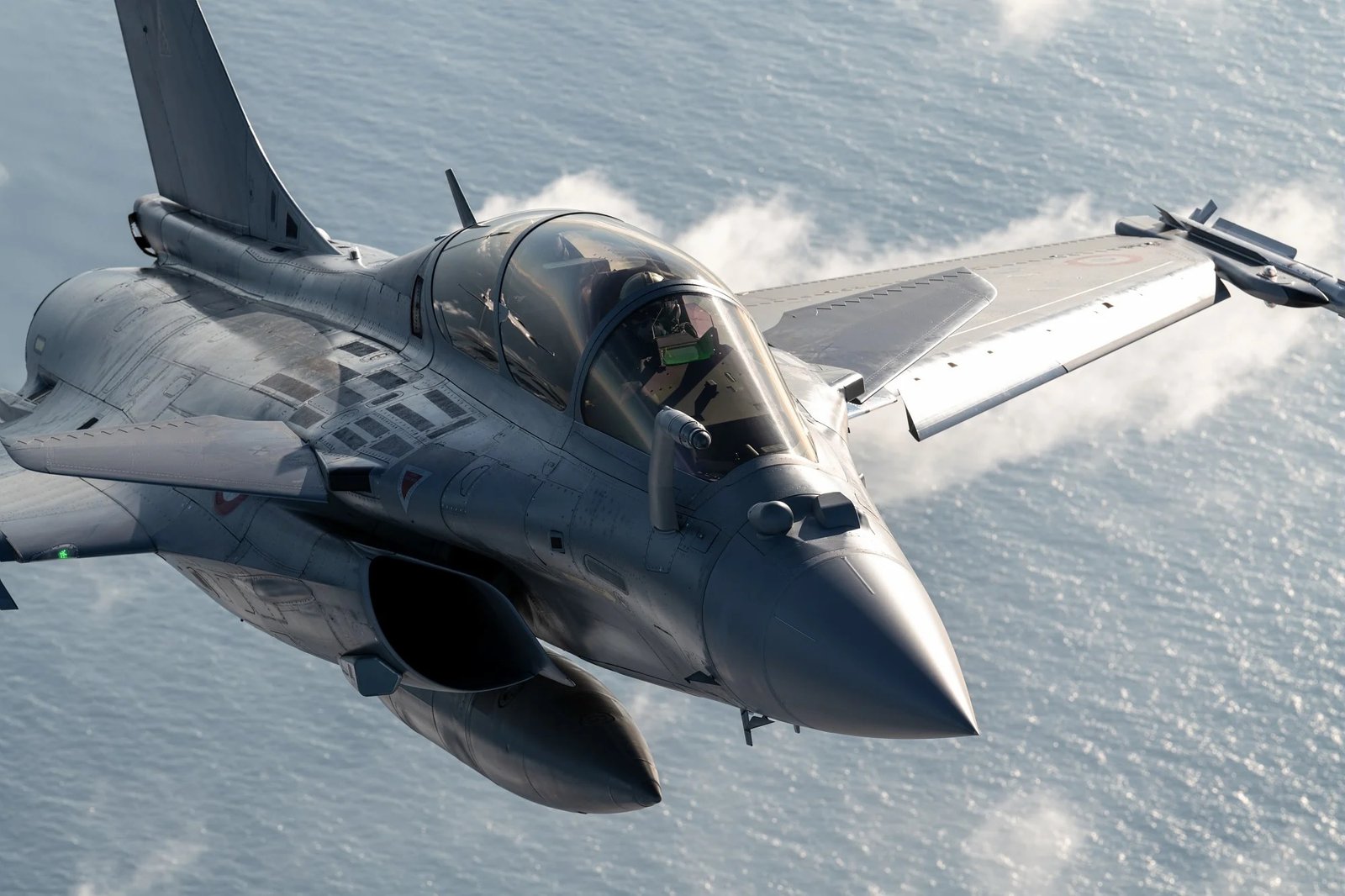 Dassault Aviation Flight-Tests Two Sovereign AI Algorithms on Rafale Fighter
-
 New Satellite Imagery Reveals Rapid Progress at Japan’s Mageshima Island Military Base
-
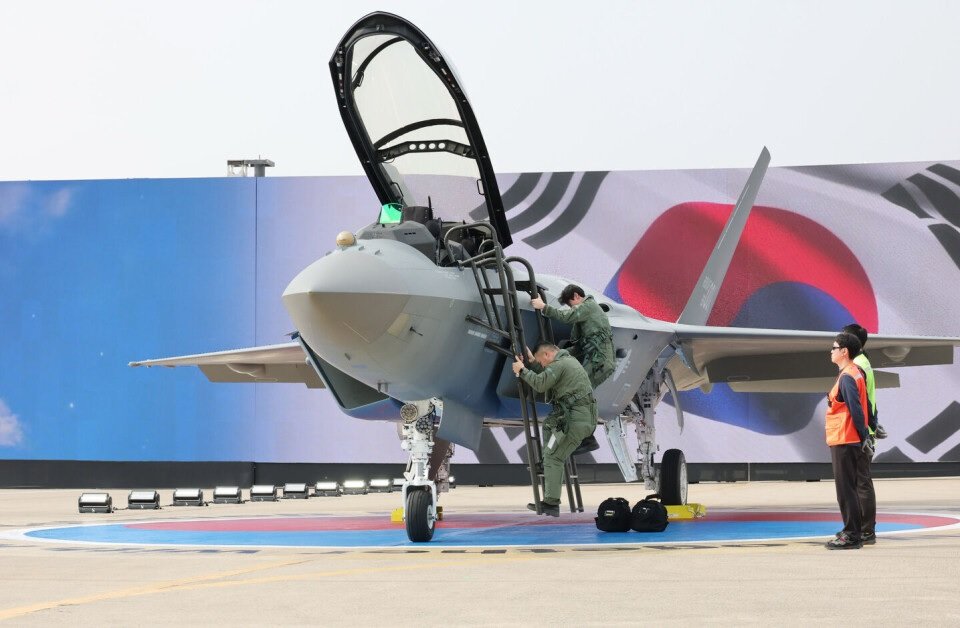 South Korea Delivers First Production KF-21 Boramae Fighter to Air Force
-
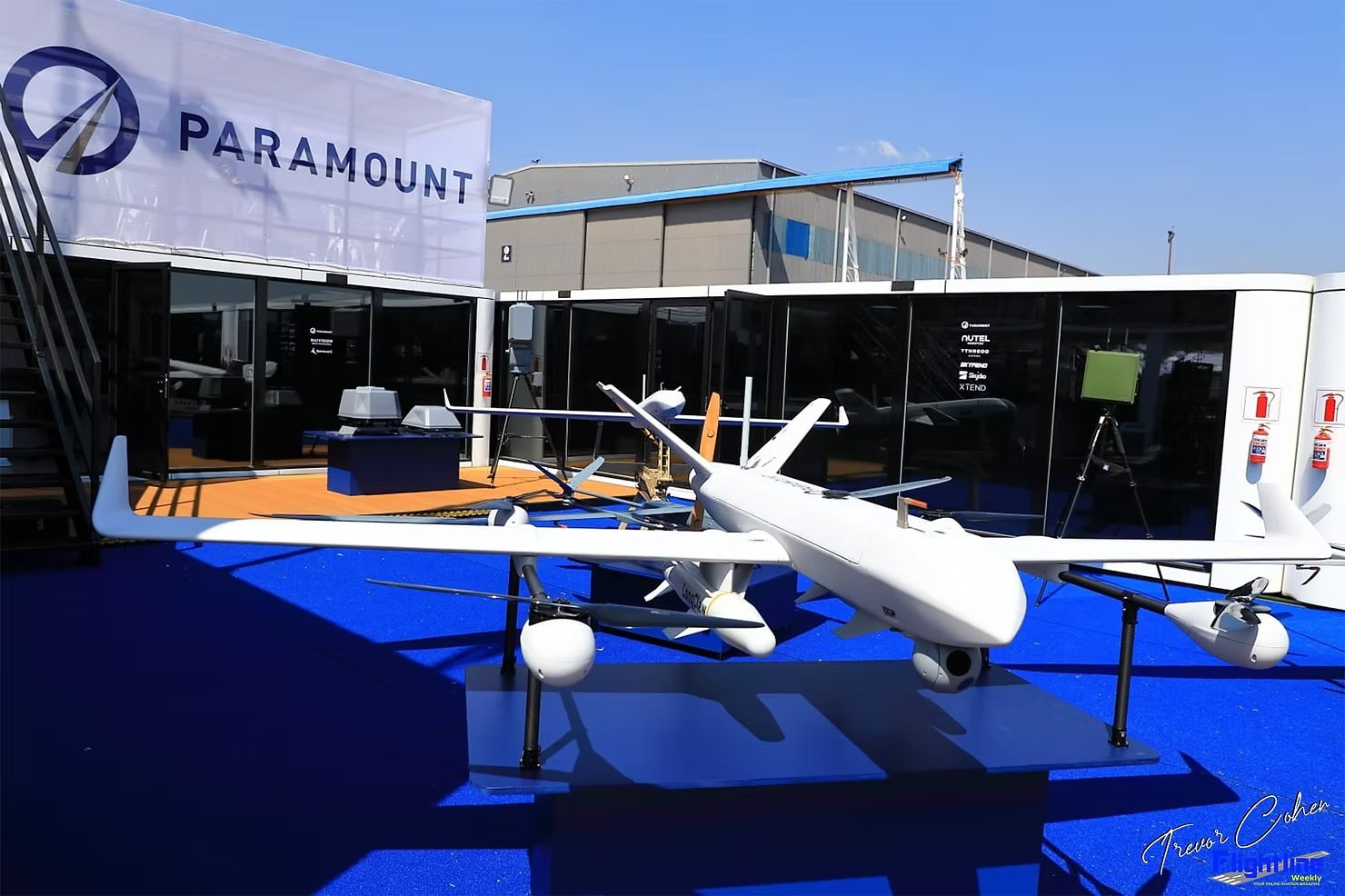 South African Firm Paramount Unveils V-Raven, a Reusable VTOL Drone for the African Battlefield
Top Trending in 4 Days
-
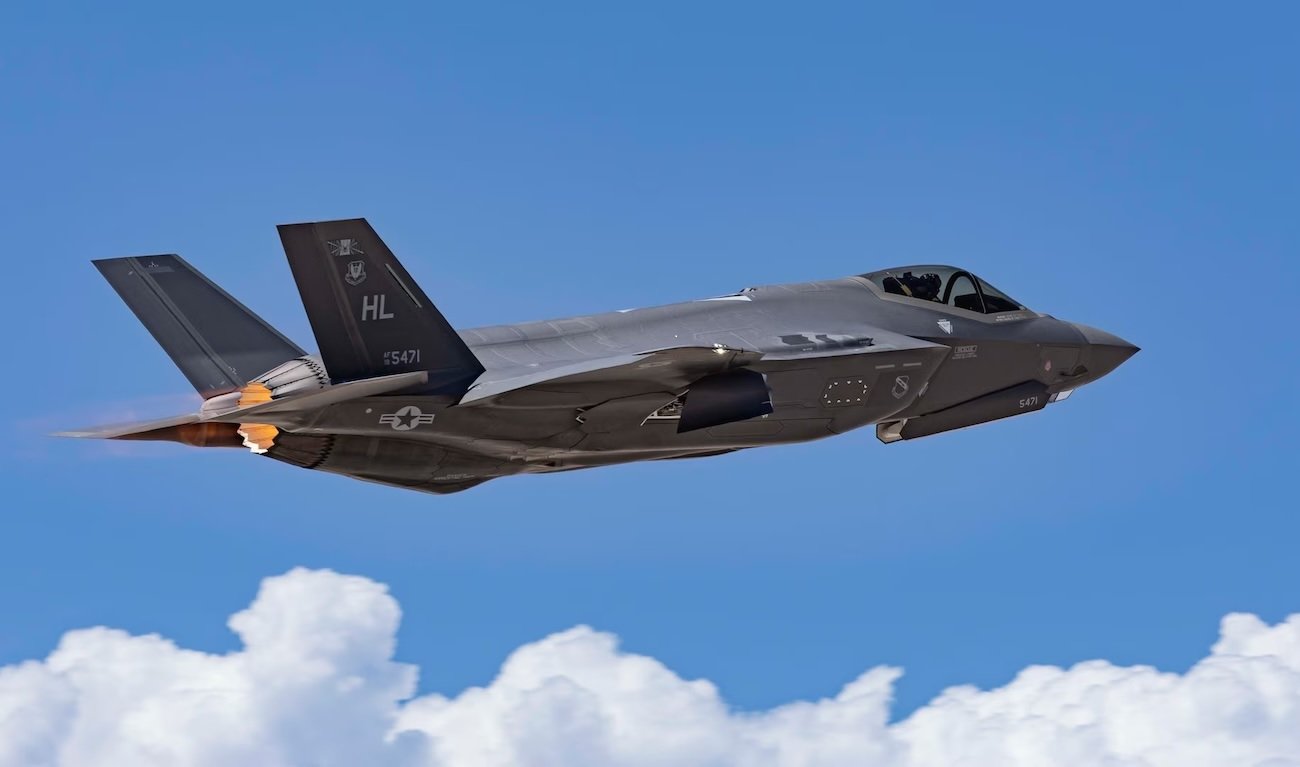 Sensitive F-35 Components Diverted to Hong Kong, Some Parts Missing
-
 U.S. Secures Permanent Military Rights in Greenland in Historic Security Pact with Denmark
-
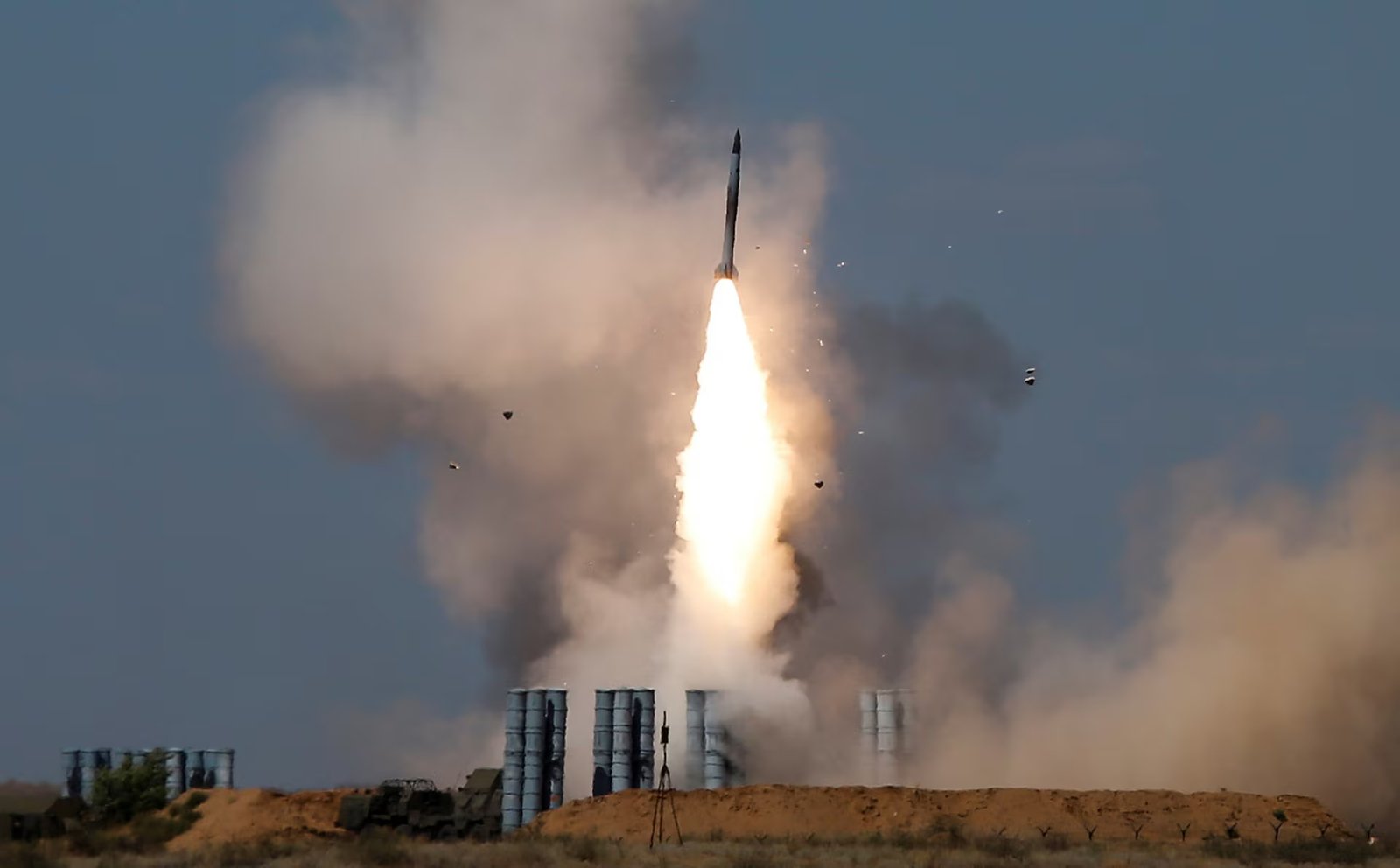 U.S. Approves Potential $2.68 Billion Air Defense Package for Ukraine Including S-300 Clone Missiles
-
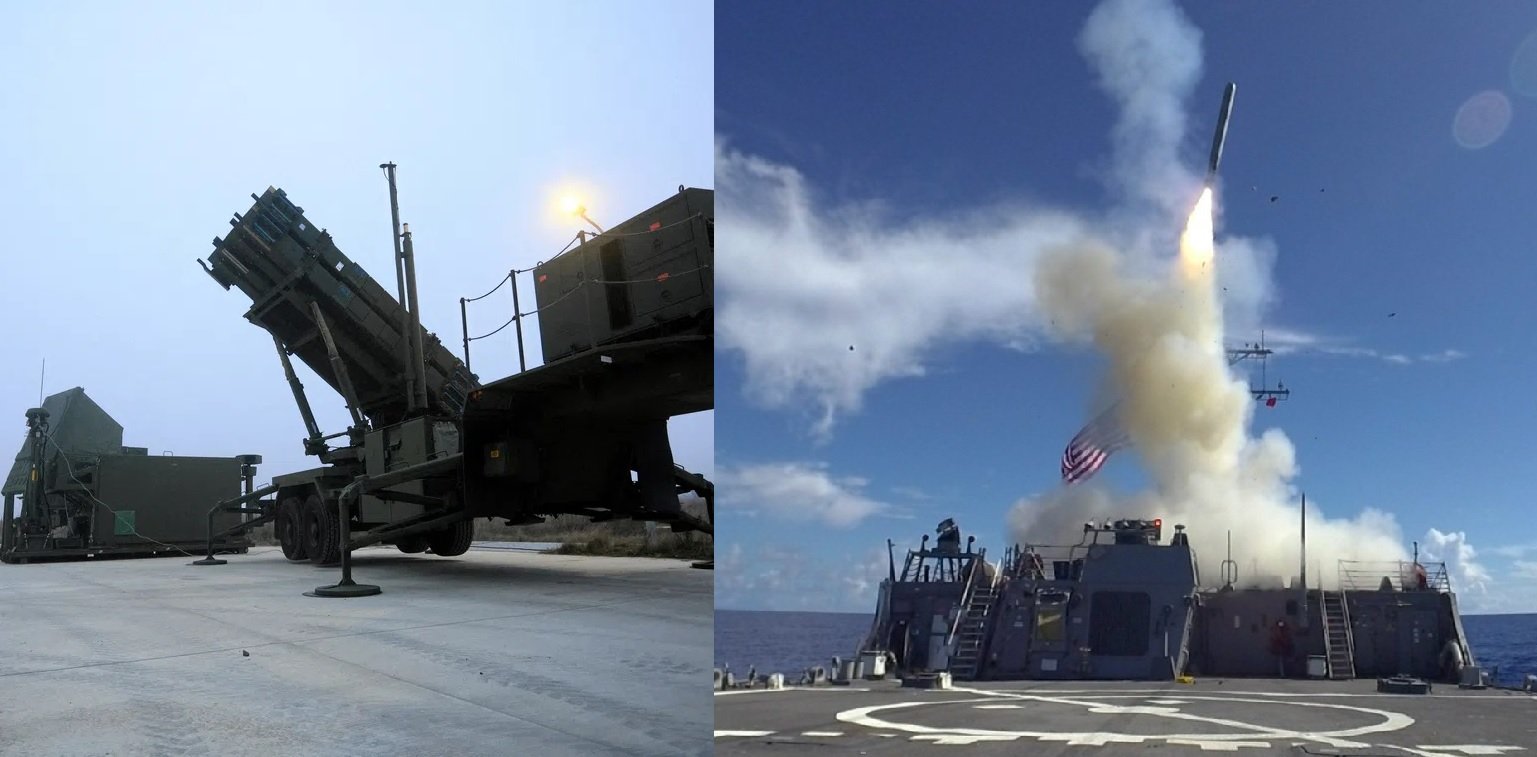 U.S. Warns Allies of Up to Five-Year Delays in Key Weapons Deliveries
-
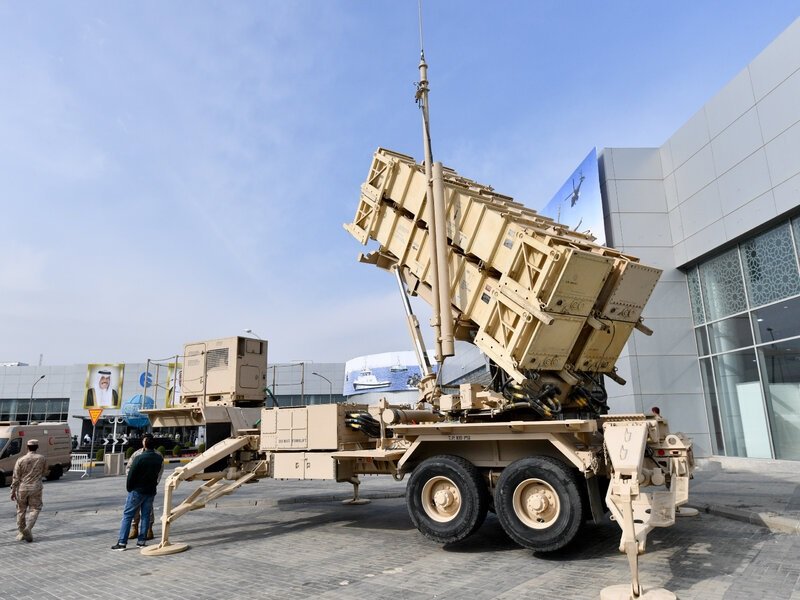 U.S. Iran War Cost Hits $43.6 Billion as Missile Interceptor Stocks Come Under Pressure
-
 India’s xTerra Robotics Launches Indigenous DHAV-Hy Wheeled-Legged Quadruped for Industrial Inspection
-
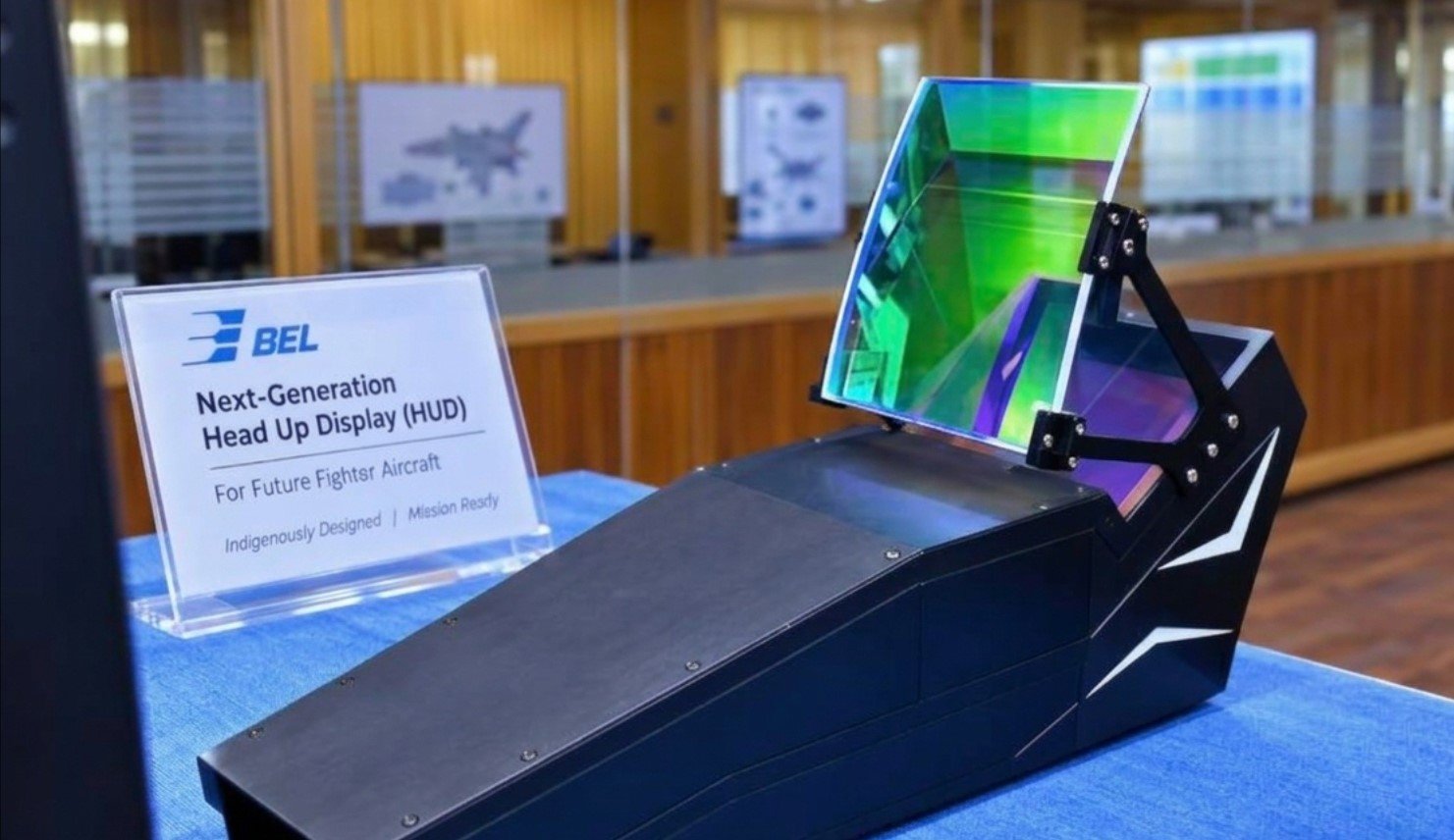 BEL Showcases New-Generation Head-Up Display, Potentially Linked to Tejas Mk2
-
 U.S. Army Awards $10.64 Million Contract to Ukrainian Drone Maker Skyeton for Raybird Systems