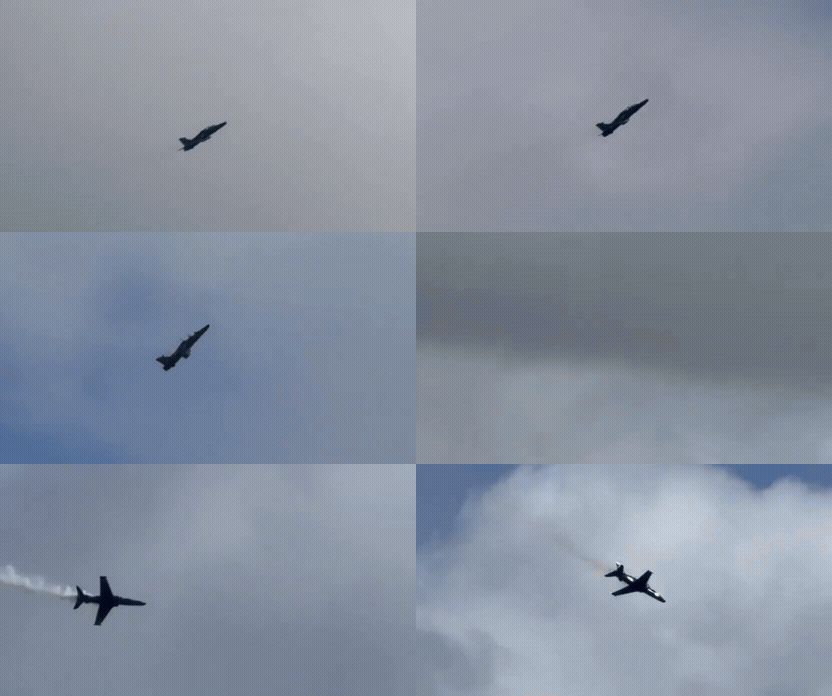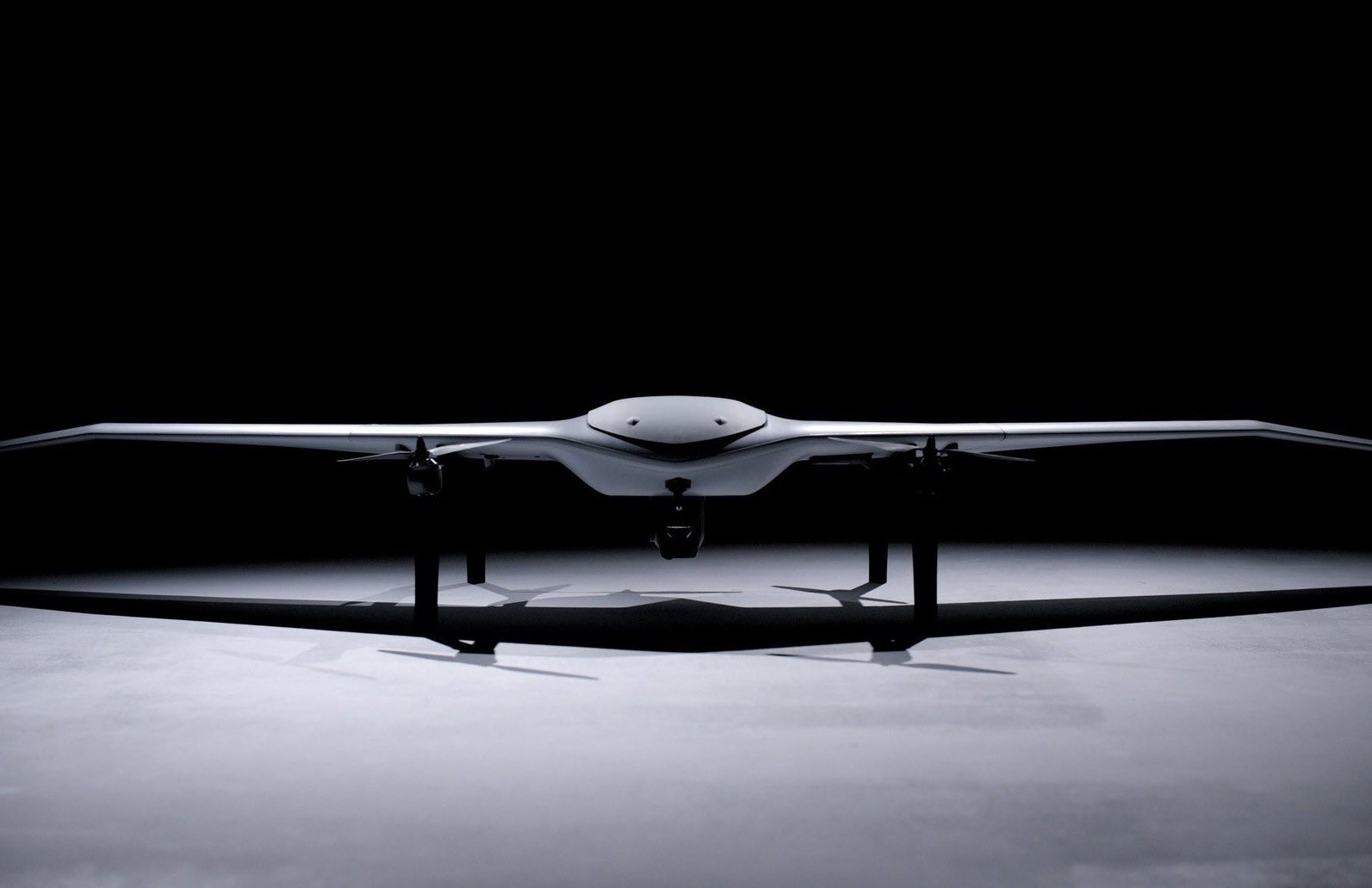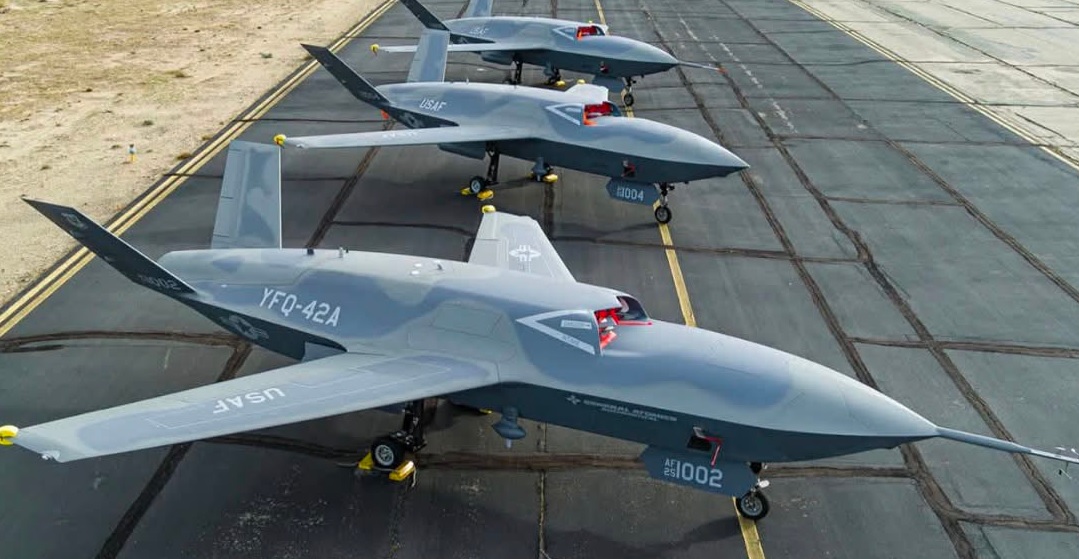
PALMDALE, California, — May 24, 2026 : The YFQ-42A Collaborative Combat Aircraft (CCA), officially nicknamed the “Dark Merlin,” has resumed flight testing after a six-week suspension caused by the crash of a prototype in April, following software corrections and a joint safety review conducted by the U.S. Air Force and General Atomics Aeronautical Systems, Inc. (GA-ASI).
Flight operations restarted on May 21, 2026, after investigators determined that the April 6 mishap resulted from an autopilot miscalculation involving the aircraft’s weight and center of gravity. Officials stated that the issue originated in the drone’s flight autonomy software, which governs the aircraft’s basic aerodynamics and flight control systems.
The incident occurred shortly after takeoff at approximately 1:00 p.m. Pacific Time near Gray Butte Field Airport, a GA-owned test facility in the California desert. Although the uncrewed aircraft was completely destroyed in the crash, no injuries were reported. Multiple production-representative YFQ-42A aircraft had already been manufactured under low-rate initial production, enabling testing to resume without major disruption.
Following the investigation, GA-ASI updated the aircraft’s autopilot software to correct the issue. Technical authorities reviewed and approved the changes, clearing the YFQ-42A fleet to return to flight operations. During the temporary grounding, the program continued with ground testing, software refinement, and other technology maturation activities, ensuring development work progressed despite the suspension of flight operations.
Flight Autonomy Software Separate From AI Mission System
Officials clarified that the software responsible for the malfunction belongs to the aircraft’s flight autonomy system, which manages the physical flying of the aircraft, including stability, aerodynamics, and control functions. This system operates separately from the higher-level mission autonomy software currently under development by Shield AI and Collins Aerospace.
The mission autonomy architecture functions as an AI-enabled mission pilot, capable of executing complex maneuvers and operational tasks based on instructions provided by a human operator. The system supervises mission execution while working independently from the aircraft’s core flight-control software.
Designed To Operate Alongside Crewed Fighters
The YFQ-42A Dark Merlin is being developed as a loyal wingman aircraft, purpose-built to operate alongside crewed fighter aircraft, particularly the F-15EX Eagle II. Under this concept, the F-15EX’s two-seat cockpit enables a Weapons Systems Officer (WSO) to coordinate and direct multiple uncrewed aircraft simultaneously, effectively serving as a battle manager.
The Air Force expects the YFQ-42A to provide force multiplication by increasing combat mass, extending operational reach, improving survivability, and enhancing combat effectiveness in contested environments. Planned functions include extending sensor networks, carrying additional missiles, acting as decoys or electronic jamming platforms, and conducting higher-risk missions to reduce danger to human pilots.
Part Of The Air Force’s Collaborative Combat Aircraft Program
The broader Collaborative Combat Aircraft (CCA) initiative forms part of the Air Force’s Next Generation Air Dominance (NGAD) family of systems, which envisions semi-autonomous drones flying alongside crewed fighters such as the F-22 Raptor, F-35 Lightning II, and future combat aircraft.
For Increment 1 of the CCA program, the Air Force is evaluating two competing platforms: GA-ASI’s YFQ-42A Dark Merlin and Anduril Industries’ YFQ-44A Fury. Both aircraft are currently intended for strike and combat-support missions, though future increments may expand into electronic warfare, intelligence, surveillance, and reconnaissance (ISR), along with additional mission roles.
The return of the Dark Merlin comes at a significant stage in the competition, as the Air Force prepares to select a production design for Increment 1 by the end of fiscal year 2026, concluding on September 30.
Air Force Continued Testing During Flight Pause
Despite the temporary grounding of the YFQ-42A, the Air Force continued experimental operations with Anduril’s YFQ-44A Fury at Edwards Air Force Base, California during early April.
According to officials, airmen assigned to the Experimental Operations Unit (EOU) conducted multiple sorties using the aircraft, handling operations directly rather than relying on engineers or dedicated test pilots. Personnel managed pre- and post-flight procedures, taxi operations, and loading of inert AIM-120 AMRAAM missiles as part of efforts to refine operational and logistical procedures for sustaining collaborative combat aircraft in contested environments.
Air Force officials said the exercise demonstrated continued technology maturation and risk reduction activities during the six-week pause affecting the YFQ-42A program.
Officials Emphasize Learning Through Testing
GA-ASI President David R. Alexander stated that lessons learned from the April setback were being applied to improve reliability across the company’s growing fleet of collaborative combat aircraft and support the development of dependable, cost-efficient unmanned fighter systems.
Meanwhile, Col. Timothy Helfrich, the Air Force’s portfolio acquisition executive for fighters and advanced aircraft, said the response to the crash reflected the program’s broader strategy of identifying risks during testing rather than during operational deployment.
According to Helfrich, the CCA program is structured to continue development while learning from setbacks, allowing technical risks to be identified, corrected, and incorporated into future improvements without halting overall progress.
The YFQ-42A received its official designation in March 2025 and was formally named Dark Merlin on February 23, 2026, after a falcon species. GA-ASI was selected in April 2024 to build production-representative test aircraft, while the platform completed its maiden flight on August 27, 2025, before conducting early testing involving mission autonomy software in 2026.
——— End of Article ———