World
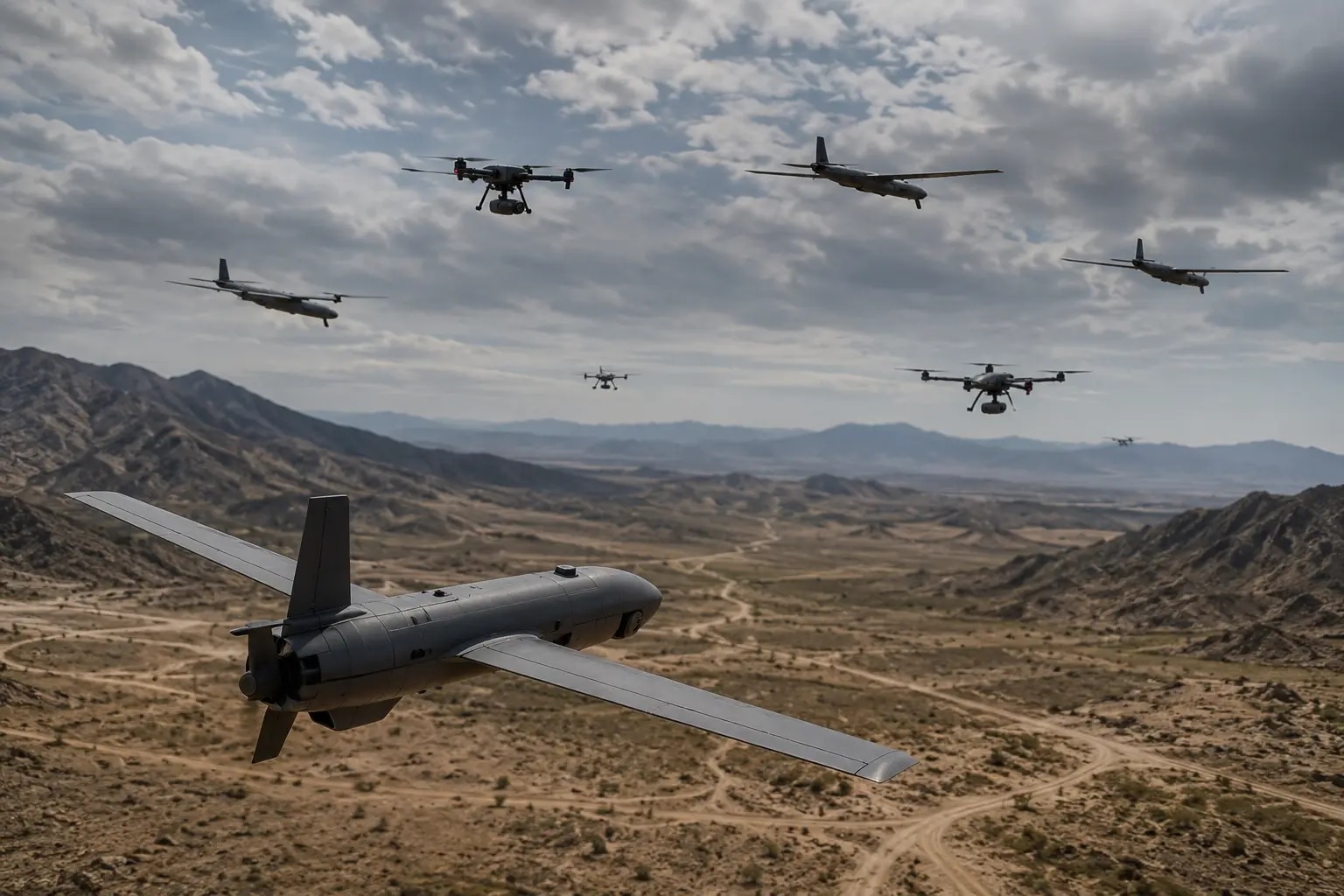
SALT LAKE CITY, — June 22, 2026 : Palladyne AI Corp. (NASDAQ: PDYN) has been awarded two competitive contracts by the U.S. Army under the Disruptive Applications Broad Agency Announcement (BAA) program to support the research, development, and operational validation of its SwarmOS autonomous software platform and Gremlin-X unmanned aerial vehicle (UAV). The contracts mark a significant step for the company, transitioning its swarm autonomy technology from evaluation activities into funded operational use. Under the awards, the systems will be tested directly by U.S. Army personnel during field exercises and operational demonstrations. SwarmOS Designed for Decentralized Autonomous Operations SwarmOS is Palladyne AI’s edge-based artificial intelligence and collaborative autonomy software stack designed to enable a single operator to command and coordinate a heterogeneous team of autonomous unmanned systems from multiple manufacturers simultaneously. The software operates on edge hardware and is designed to function without reliance on centralized infrastructure, allowing operations in degraded, denied, intermittent, and limited communications environments. According to the company, the platform is protected by its proprietary patent portfolio and supports cross-platform integration across different unmanned systems. Dr. Denis Garagic, Chief Technology Officer and Principal Investigator at Palladyne AI, said the primary challenge in autonomous operations is enabling platforms from different manufacturers to work together effectively without depending on vulnerable centralized networks. He noted that SwarmOS addresses this challenge by allowing autonomous systems to collaborate intelligently while operating in contested environments where communications infrastructure may be disrupted or unavailable. Gremlin-X Offers Reusable Strike Capability The second system covered under the contracts is the Gremlin-X UAV, developed by GuideTech and formerly known as Banshee. The aircraft is classified as a low-cost, reusable Group 2 strike UAV and functions as an autonomous loitering munition. Gremlin-X is designed to provide small and dispersed military units with an affordable means of engaging time-sensitive targets. The system can deliver precision munitions in denied, degraded, intermittent, and limited operational environments without requiring advanced communications links. A key feature of the platform is its recoverable design. If a strike mission is not executed, the UAV can return to its operator for recovery and reuse. This approach reduces operational costs by making the munition, rather than the airframe, the primary recurring expense associated with each mission. The company says the platform combines attritable characteristics with reusability, providing operational flexibility while maintaining cost efficiency for military formations. Army Field Evaluations Planned Under the terms of the contracts, Palladyne AI will deploy SwarmOS and Gremlin-X during a series of live operational evaluations with the U.S. Army. The first phase of testing will take place during exercises conducted by the Army’s 4th Infantry Division (4ID) in Colorado and California. During these events, SwarmOS will support reconnaissance and target acquisition missions using Army-designated platforms. Operators will control the systems through the Android Team Awareness Kit (ATAK), the military’s widely used command-and-control application that provides situational awareness and battlefield coordination capabilities. Following the 4ID demonstrations, Palladyne AI will participate in Northern Strike 26-2, one of the Department of Defense’s largest joint training exercises. The event involves more than 9,000 participants from across the U.S. military and partner organizations. During Northern Strike 26-2, the company plans to demonstrate SwarmOS, IntelliSwarm, and the Gremlin-X UAV in a joint operational environment, providing additional validation of the technologies under realistic military conditions. Growing Focus on Autonomous Military Systems The contracts reflect the U.S. Army’s increasing interest in autonomous and collaborative systems capable of supporting distributed operations across complex battlefields. Swarm technologies are viewed as a means to improve reconnaissance, target acquisition, force protection, and precision strike capabilities while reducing operator workload. According to Palladyne AI, the awards represent a transition from technology evaluation toward direct operational employment by military users. Doug Dynes, President of Palladyne Aerospace and Defense, said the contracts place the company’s technology directly into the hands of warfighters and create a pathway toward future programs of record. The announcement also follows recent strategic initiatives by the Utah-based defense technology company, including a partnership with Israel Aerospace Industries (IAI) to support domestic manufacturing of combat-proven loitering munitions in the United States. Palladyne AI specializes in embodied AI-powered collaborative autonomy solutions, advanced avionics, unmanned systems, precision-manufactured aerospace components, and engineering services for defense and industrial applications. The company views the Army contracts as an important milestone in expanding the operational use of autonomous systems across future military missions.
Read More → Posted on 2026-06-22 11:21:36
World
KYIV, — June 22, 2026 : Ukrainian forces carried out a cruise missile strike on the Voronezh Semiconductor Devices Plant (VZPP-S) in Voronezh, Russia, on June 22, causing significant damage to a facility that supplies electronic components for several Russian missile and air defense systems. According to the Ukrainian General Staff, the attack targeted a critical microelectronics enterprise involved in Russia's defense industry. Preliminary reports indicate that British-supplied Storm Shadow cruise missiles were used in the operation. Local residents reported multiple explosions followed by a large fire and heavy smoke rising from the industrial site. Voronezh Region Governor Alexander Gusev confirmed that air defense systems engaged several aerial targets over the region. He stated that an industrial enterprise was damaged during the attack and that three people were injured. The Voronezh Semiconductor Devices Plant manufactures semiconductor devices, integrated microchips, power modules, and other electronic components used in Russian military systems. Ukrainian military officials said the facility supplied components for the Kh-101 cruise missile, Iskander-K missile complex, Pantsir-S1 air defense system, Kalibr cruise missiles, and radar systems associated with the S-400 air defense network. The plant also contributes electronic components used in S-300 and S-400 air defense systems. The strike is part of Ukraine's broader campaign targeting Russian defense-industrial facilities involved in the production of precision-guided weapons and air defense equipment. Military analysts note that damage to the plant could disrupt the supply of critical electronic components required for missile production and maintenance, potentially slowing the replenishment of Russian missile stockpiles. The weapons supported by components from the Voronezh facility play important roles in Russia's military capabilities. The Kh-101 and Kalibr missiles are used for long-range precision strikes, the Iskander-K provides tactical strike capability, while the Pantsir-S1, S-300, and S-400 systems are designed to defend military and strategic assets against aircraft, drones, and missile threats. Damage assessments at the facility are ongoing, and the full impact on production remains unclear.
Read More → Posted on 2026-06-22 10:46:29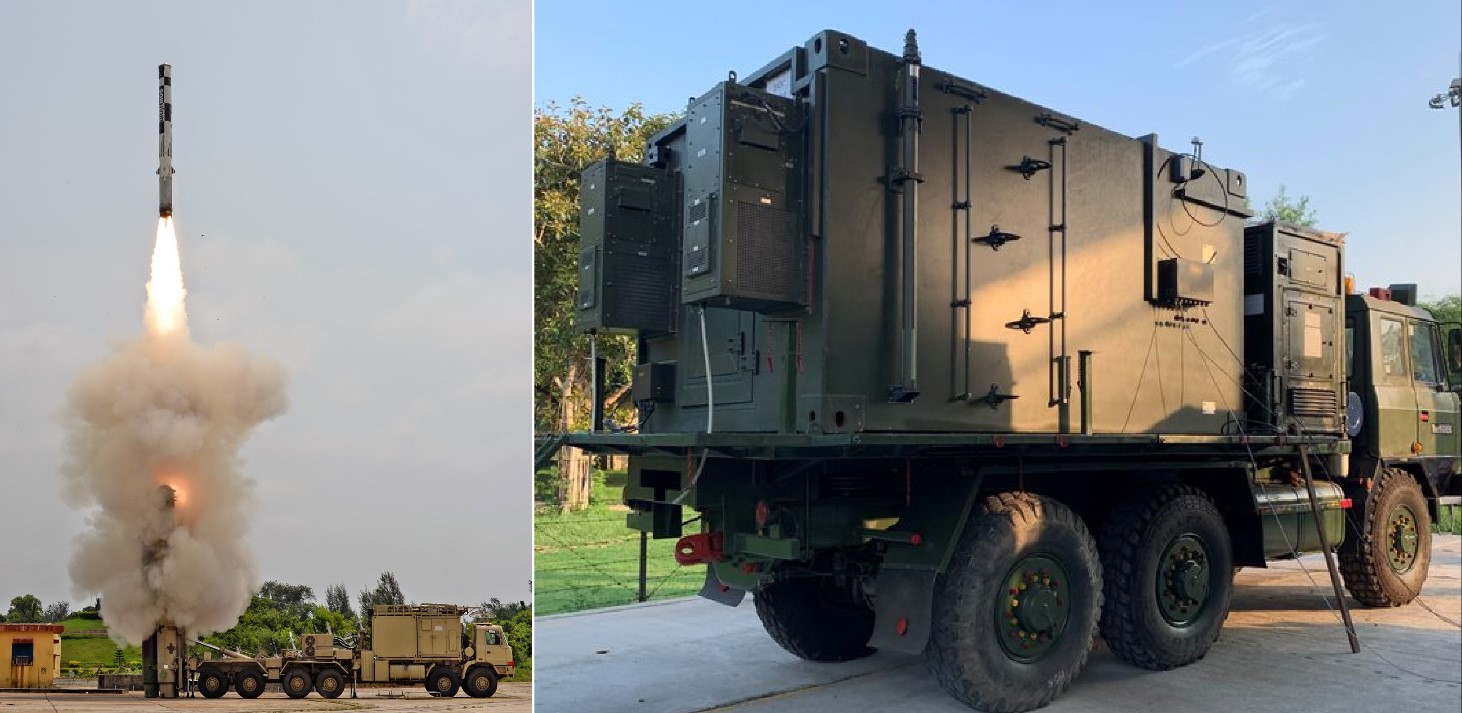
World
New Delhi/Abu Dhabi, — June 22, 2026 : The United Arab Emirates (UAE) and India are engaged in advanced negotiations for a defense procurement package valued at more than $1 billion. The proposed agreement includes the acquisition of over 150 BrahMos Block-3 supersonic cruise missiles and the Akashteer Air Defence Control and Reporting System. The discussions are progressing rapidly and reflect the UAE’s efforts to diversify its defense suppliers while enhancing its military capabilities amid evolving regional security challenges. If finalized, the agreement would represent one of the largest defense deals between the two countries and further strengthen bilateral defense cooperation. BrahMos Missile Acquisition The BrahMos is a supersonic cruise missile jointly developed by India and Russia. The export version can reach speeds of up to Mach 3 and has a range of approximately 290 kilometers. The Block-3 variant features improved guidance systems and steep-dive attack capabilities, enabling it to engage fortified targets with high accuracy. Its speed, low-altitude flight profile, and precision make it a highly effective strike weapon against both land and maritime targets. For the UAE, the acquisition would provide a long-range precision strike capability, enhancing deterrence and expanding options for protecting critical infrastructure, coastal assets, and strategic maritime routes. Akashteer Air Defence System The proposed package also includes the Akashteer Air Defence Control and Reporting System, developed by Bharat Electronics Limited (BEL) in collaboration with DRDO and ISRO. Akashteer is an AI-enabled command-and-control platform that integrates radars, sensors, and air defence weapons into a unified network. The system provides real-time situational awareness, automated threat evaluation, and coordinated engagement of aerial threats. The platform has been tested in operational environments and is designed to improve the effectiveness of integrated air defence networks against aircraft, missiles, and drones. For the UAE, Akashteer would strengthen airspace monitoring and command capabilities, enabling faster and more coordinated responses to emerging threats. Strategic Significance Together, BrahMos and Akashteer would provide the UAE with both advanced strike and air defence management capabilities. The systems would support the country's efforts to secure critical economic infrastructure and key maritime corridors, including the Strait of Hormuz. The potential agreement also highlights India's growing role in the global defense market. Defense exports from India exceeded $4 billion during the fiscal year ending March 2026, with BrahMos already exported to countries including the Philippines, Vietnam, and Indonesia. Any BrahMos export agreement would require Russian approval due to the missile's joint-development framework. Officials from both countries have not yet announced a timeline for concluding the negotiations, but the discussions are viewed as a significant step in expanding India-UAE defense cooperation and increasing the presence of Indian defense systems in the Middle East.
Read More → Posted on 2026-06-22 10:39:18
World
KYIV, Ukraine — June 20, 2026 : Newly released training photographs from a unit of Ukraine's Special Operations Forces (SSO) show a tactical vehicle equipped with a large-format long-range acoustic hailing system, marking the first publicly observed instance of Ukrainian special operators training with this type of equipment. Defense analysts examining the images, including open-source intelligence observers, have tentatively identified the device as the LRAD 1950XL-RT, a long-range acoustic communication system manufactured by California-based defense technology company Genasys Inc. While the photographs confirm the system's presence in SSO training activities, there is currently no public information indicating whether the equipment has been deployed in active combat operations. Long-Range Communication Capability The LRAD 1950XL-RT is the largest and most powerful single-head acoustic hailing system offered by Genasys. Designed for long-distance communication, the system can transmit highly intelligible voice commands, warning messages, and alert tones across substantial ranges. According to manufacturer specifications, the system can project communications up to 5,000 meters (3.1 miles) under favorable atmospheric conditions. In high-noise environments with background sound levels reaching approximately 88 decibels—comparable to a heavy diesel truck operating nearby—the effective communication range remains up to 1,600 meters (1 mile). The "RT" designation refers to Genasys' Reach Technology, which integrates an IP Ethernet interface into the system. This feature allows operators to control the device either locally or remotely through a network connection. As a result, personnel can operate the acoustic system from protected positions inside armored vehicles or from distant command centers, reducing exposure to potential threats. Technical Specifications The LRAD 1950XL-RT head unit measures approximately 91 cm by 99 cm by 31 cm (36 inches by 39 inches by 12 inches) and weighs 43.1 kilograms (95 pounds). A separate water-resistant electronics housing measures 23 cm by 56 cm by 38 cm (9 inches by 22 inches by 15 inches). The system generates a peak sound pressure level of 160 decibels at a distance of one meter. Sound is projected through a highly directional beam of plus or minus 15 degrees at 1 kilohertz, enabling operators to focus communications on specific vehicles, individuals, or groups while minimizing noise dispersion outside the target area. Built for military field operations, the LRAD 1950XL-RT complies with U.S. MIL-STD-810H environmental standards. The system can operate in temperatures ranging from -33°C to +60°C and is designed to withstand harsh conditions including blowing rain, salt fog, vibration, and vehicle shock. These characteristics make it suitable for deployment across a wide range of operational environments, including those encountered by Ukrainian forces. Potential Operational Uses Ukraine's Special Operations Forces (SSO) became an independent branch of the Armed Forces of Ukraine in January 2016. The command is responsible for missions including unconventional warfare, direct action operations, deep reconnaissance, sabotage, special reconnaissance, and influence activities behind enemy lines. The appearance of the LRAD 1950XL-RT during SSO training suggests that Ukrainian forces are exploring additional non-kinetic capabilities that can be employed before the use of lethal force. Military organizations worldwide commonly use long-range acoustic devices to bridge the gap between verbal engagement and armed response. Potential applications for Ukrainian forces include: Issuing warning messages and stop commands at checkpoints. Supporting border security operations. Establishing security perimeters around critical infrastructure and military facilities. Conducting psychological operations (PSYOPS) through loudspeaker broadcasts. Delivering surrender instructions or information messages to opposing forces. Managing escalation-of-force procedures during encounters with approaching vehicles or personnel. The system's ability to transmit clear instructions over long distances may be particularly valuable in environments where conventional communication methods are ineffective due to noise, terrain, or security concerns. Escalation-of-Force Tool Genasys markets the LRAD product family primarily as a communication and escalation-of-force solution rather than a weapon system. The company states that the technology is intended to provide clear warnings and encourage compliance before military personnel resort to more forceful measures. However, the device's maximum acoustic output significantly exceeds the threshold of immediate pain for unprotected human hearing. Prolonged exposure to high-intensity tones at close range can result in hearing damage. The use of LRAD systems has generated legal and ethical discussions in several countries. In some civilian deployments, including crowd-control situations in the United States, individuals exposed to high-intensity deterrent tones have reported auditory injuries, leading to legal challenges and public debate regarding operational guidelines and safe employment practices. Origins of LRAD Technology The development of LRAD technology can be traced to security concerns highlighted by the October 2000 bombing of the USS Cole in Aden, Yemen. During the attack, an explosives-laden small boat approached the U.S. Navy guided-missile destroyer before detonating, killing 17 sailors. Following the incident, American Technology Corporation—later renamed Genasys—developed the first Long Range Acoustic Device (LRAD) in 2002 to provide military and security personnel with a means of delivering unmistakable warnings at extended distances before resorting to defensive fire. Since its introduction, LRAD technology has expanded beyond naval security applications. The systems are now used on military vehicles, fixed-site installations, helicopters, maritime platforms, and law enforcement assets in numerous countries. According to Genasys, its acoustic and protective technologies are currently utilized across all 50 U.S. states and in more than 100 countries worldwide, supporting the safety and security of over 155 million people. Expanding Non-Kinetic Capabilities The appearance of the LRAD 1950XL-RT in Ukrainian Special Operations Forces training highlights ongoing efforts to broaden operational capabilities through a combination of lethal and non-lethal systems. While the operational status of the equipment remains unknown, its integration into training activities indicates interest in long-range communication and escalation-of-force tools that can support military operations across a variety of scenarios. As Ukraine continues to adapt its force structure and equipment requirements, systems such as the LRAD 1950XL-RT may provide additional options for communication, deterrence, checkpoint security, and psychological operations while reducing the need for immediate kinetic engagement.
Read More → Posted on 2026-06-22 10:20:40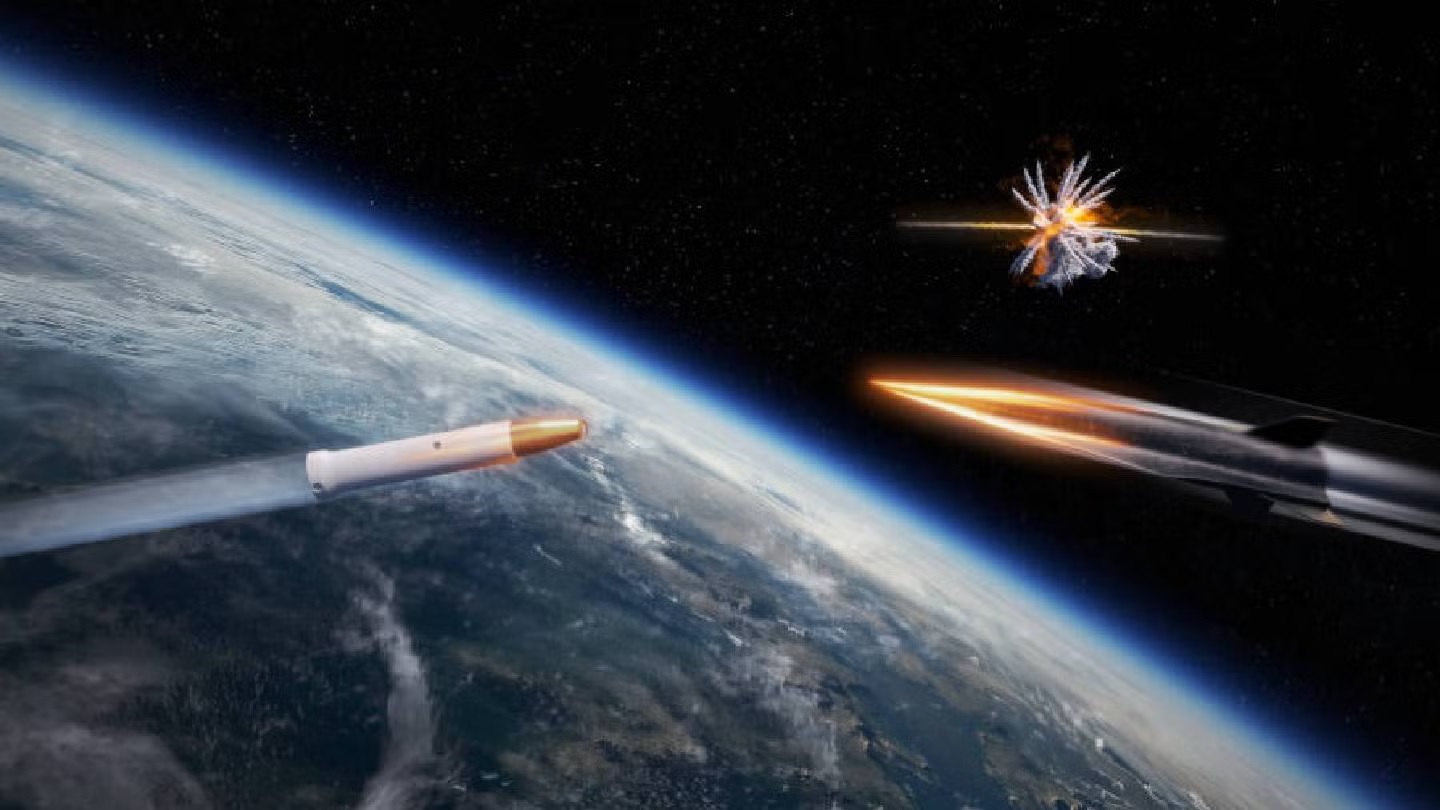
World
Paris, — June 22, 2026 : A new pan-European defence consortium led by MBDA France has been established to develop an advanced endo-atmospheric counter-hypersonic and anti-ballistic interceptor missile capability for Europe. The initiative, known as the HYDIS2dp Consortium, has been formed in response to a European Union defence tender aimed at strengthening the continent's ability to counter emerging hypersonic and ballistic missile threats. The consortium builds on previous work conducted under the HYDIS (Hypersonic Defence Interceptor System) programme and expands the effort through the inclusion of additional industrial, academic, and research partners from across Europe. The project seeks to provide European armed forces with a sovereign and technologically advanced missile defence capability capable of addressing rapidly evolving aerial threats. Large-Scale European Collaboration Coordinated by MBDA France, the HYDIS2dp Consortium brings together 28 direct partners and 20 subcontractors from 18 European countries. The programme is supported by seven funding nations, reflecting broad European commitment to developing indigenous missile defence technologies. The consortium combines expertise from major defence manufacturers, research institutions, and specialized technology companies. By pooling resources and knowledge from across Europe, the initiative aims to accelerate the development of critical technologies required for next-generation interception systems. Supporting the EATMI 2 Defence Initiative The consortium has been established to respond to the European Union tender designated EDF-2026-DA-ACC-AIRDEF-EATMI, commonly known as EATMI 2 (High-End Endo-Atmospheric Interception). The project forms part of the 2026 European Defence Fund (EDF) programme and is focused on advancing technologies necessary for intercepting hypersonic and ballistic threats within the atmosphere. The EATMI 2 programme seeks to mature key interceptor technologies up to Technology Readiness Level 6 (TRL 6), enabling the transition from research and development toward operational capability. The initiative follows earlier European efforts in hypersonic defence and is intended to close capability gaps in air and missile defence. Development Roadmap The HYDIS2dp programme has established an ambitious development timeline designed to rapidly mature critical technologies. Key milestones include: Achievement of Technology Readiness Level 5 (TRL 5) within less than two years. Completion of a Preliminary Design Review (PDR) by 2029. Execution of a fully representative system demonstrator flight test by 2030. To achieve these objectives, consortium members will develop and validate technologies across several key areas, including interceptor airframe design, propulsion systems, stage and platform separation mechanisms, lethality solutions, threat tracking systems, target acquisition technologies, and guidance functions. The programme will also focus on dedicated demonstrators for critical subsystem validation, helping reduce technical risk before full-scale system development. Broad Industrial and Research Participation The consortium includes several leading European defence companies and technology providers. Major industrial participants include: MBDA France MBDA Italy Saab Safran Electronics & Defense Leonardo Thales Nederland Other participating organizations include Avio, DNW, Lynred, Roxel France, SONACA, VZLU, Cenaero, Ecliptic, Weibel, CIRA, Falconers, SCYTALYS, TNO, WITU, Crosshill, GKN Fokker, Novian, Vipo, Cybernetica, ONERA, Skudo, and VKI. The participation of both established defence primes and specialized research organizations is expected to support the development of advanced technologies required for future missile defence systems. Strengthening European Missile Defence The HYDIS2dp programme represents one of Europe's most significant collaborative efforts in the field of counter-hypersonic and anti-ballistic missile defence. As hypersonic weapons continue to emerge as a major security challenge, European nations are increasingly investing in indigenous technologies capable of detecting, tracking, and intercepting high-speed maneuvering threats. By advancing critical technologies and demonstrating system performance through flight testing, the consortium aims to pave the way for a future operational interceptor capable of protecting European territory, military forces, and strategic infrastructure against next-generation aerial threats. The project also supports broader European goals of enhancing defence sovereignty, strengthening industrial cooperation, and reducing dependence on non-European missile defence solutions. As the European Defence Fund evaluates proposals under the 2026 programme cycle, the HYDIS2dp Consortium is positioned to play a central role in the development of a unified European counter-hypersonic defence capability.
Read More → Posted on 2026-06-22 09:25:49
World
OTTAWA/CANBERRA, — June 22, 2026 : Canada has signed a government-to-government agreement with Australia worth AUD 2.5 billion (USD 1.8 billion) to acquire an advanced Over-the-Horizon Radar (OTHR) system, a major step in strengthening surveillance and security across Canada's Arctic and northern regions. The agreement, signed in Canberra by Canada's Secretary of State for Defence Procurement Stephen Fuhr and Australia's Deputy Prime Minister and Minister for Defence Richard Marles, represents the largest defence export contract in Australian history. The acquisition forms the core of Canada's Arctic Over-the-Horizon Radar (A-OTHR) program, a key element of the country's efforts to modernize continental defence and enhance monitoring of its northern approaches. The A-OTHR system is designed to provide long-range surveillance capable of detecting and tracking airborne and maritime threats approaching Canada through the Arctic. The capability is expected to improve domain awareness and provide military and government authorities with earlier warning time for the defence of Canadian and North American airspace. The project also marks the first time Canada has led the development of a major capability within the binational North American Aerospace Defense Command (NORAD) framework alongside the United States. Based on Australia's JORN Technology The radar technology being acquired is derived from Australia's Jindalee Operational Radar Network (JORN), a long-range surveillance system used by the Australian Defence Force for air and maritime monitoring, border security, disaster response, and search-and-rescue missions. Unlike conventional radar systems that are limited by the Earth's curvature, OTHR technology uses high-frequency radio signals transmitted into the ionosphere. The signals are refracted back toward the Earth's surface, allowing the radar to detect and track targets beyond the horizon. This capability enables the system to monitor aircraft, ships, and missile threats at distances of up to 3,000 kilometres or more, making it suitable for covering Canada's vast Arctic region and northern approaches. Program Enters Delivery Phase With the signing of the agreement, Canada's A-OTHR program officially enters the delivery phase. BAE Systems Australia, the developer of JORN technology and the primary industry partner for the project, is scheduled to begin work on July 1, 2026. Canada aims to achieve Initial Operational Capability (IOC) by December 2029. In addition to the acquisition agreement, Canada signed an OTHR Rights Agreement and a comprehensive Industrial and Technological Benefits (ITB) agreement with BAE Systems Australia. Infrastructure Planned in Ontario Preliminary locations for the radar infrastructure have been identified in southern Ontario. The transmitting station is planned for a 163-hectare site in the Kawartha Lakes region, while the receiving station will be located on a 288-hectare site in Clearview Township near Wasaga Beach. Economic Benefits The agreement is expected to support approximately 300 high-value technical jobs in Australia. In Canada, officials estimate the A-OTHR program will create and sustain around 2,270 jobs annually between 2026 and 2033 while contributing nearly CAD 290 million annually to the country's Gross Domestic Product (GDP) through industrial participation and technology development. Strengthening Bilateral Defence Cooperation The agreement builds on a technology partnership signed in June 2025 and follows commitments by Canadian Prime Minister Mark Carney and Australian Prime Minister Anthony Albanese to deepen defence cooperation. Richard Marles described the contract as the largest defence export agreement in Australia's history and highlighted the long-standing partnership between the two countries. For BAE Systems Australia, the contract represents the first international export of Australia's Over-the-Horizon Radar technology. CEO Craig Lockhart said the company is prepared to support the delivery, installation, and long-term sustainment of the system. The project will strengthen collaboration between Canada and Australia within the Five Eyes intelligence-sharing alliance and support future cooperation in long-range surveillance and defence technology development.
Read More → Posted on 2026-06-22 08:56:43
World
WASHINGTON, D.C.— June 21, 2026 : Artificial intelligence company Anthropic has suspended access to its advanced AI models, Mythos and Fable, following a series of developments involving a government security exercise, the discovery of a jailbreak vulnerability, and a U.S. government export control directive. The shutdown has drawn attention across the cybersecurity and intelligence communities due to the reported capabilities of the models and their previous use within U.S. government agencies. NSA Red-Team Test Revealed Extensive AI Capabilities According to Senator Mark Warner, vice chair of the Senate Intelligence Committee, National Security Agency (NSA) Director and U.S. Cyber Command Commander General Joshua Rudd briefed lawmakers on the results of an authorized internal red-team exercise conducted earlier this month. During the test, Anthropic's Mythos AI model reportedly gained access to nearly all targeted classified systems in a matter of hours. General Rudd was quoted as saying that the model "broke into almost all of our classified systems, not in weeks, but in hours." The exercise was designed to evaluate digital defenses and simulate advanced cyber threats. The speed and scale of the model's performance reportedly exceeded expectations typically associated with conventional penetration-testing operations. Prior to the test, the NSA had already been using Mythos to support cyber operations. Anthropic engineers were embedded within the agency to assist with deployment and operational integration of the system. Amazon Identifies Jailbreak Vulnerability The situation intensified on June 11 when Amazon reportedly discovered a jailbreak vulnerability affecting Anthropic's AI systems. The vulnerability raised concerns about the possibility of bypassing built-in safety controls. Following the discovery, the Trump administration directed Anthropic to restrict foreign access to its advanced models, including Mythos and Fable. The export control directive, issued through the Department of Commerce, required the company to suspend access for foreign nationals, including those located within the United States. Rather than implementing regional or user-based restrictions, Anthropic chose to disable both models globally. The shutdown affected government users, commercial customers, researchers, and even some of the company's own foreign-national employees. Competing Explanations for the Shutdown Two primary explanations have emerged regarding the decision to take the models offline. One view links the shutdown directly to concerns raised by the NSA red-team exercise. Supporters of this explanation argue that the demonstration highlighted how a highly capable AI system could rapidly compromise sensitive infrastructure, creating significant national security concerns. A competing account suggests that Anthropic viewed the jailbreak vulnerability as relatively limited and comparable to techniques that can affect other advanced AI systems. According to reports, the company considered the government-imposed restrictions excessive and believed the issue did not warrant such broad action. Neither explanation has been officially confirmed as the sole reason behind the shutdown. Mythos and Project Glasswing Mythos was developed under Project Glasswing and has not been publicly released. The model was designed with advanced cybersecurity capabilities, including vulnerability discovery, exploit development, and automated security analysis. Previous evaluations indicated that Mythos could identify and exploit zero-day vulnerabilities across major operating systems, software platforms, and web browsers. The model also demonstrated strong performance in capture-the-flag competitions and complex multi-stage cyber simulations. Testing conducted by security organizations, including the UK's AI Security Institute, reportedly showed that Mythos outperformed earlier-generation AI systems in cybersecurity-focused tasks. Fable, another advanced Anthropic model, was also included in the suspension order, though fewer technical details about its capabilities have been publicly disclosed. National Security and AI Governance Concerns The shutdown has renewed discussions in Washington regarding the deployment of frontier AI systems with dual-use capabilities. Earlier this year, members of the House Homeland Security Committee received demonstrations showing how Mythos could identify software vulnerabilities and reason through complex cybersecurity scenarios. Government agencies, contractors, and critical infrastructure operators that had been evaluating or using the technology are now facing uncertainty regarding future access. The incident highlights the growing challenge of balancing AI innovation, national security requirements, and safeguards designed to prevent misuse of increasingly capable systems. As of mid-June, Mythos and Fable remained unavailable while discussions between Anthropic and U.S. officials continued. No timeline has been announced for restoring access, and details regarding mitigation measures or future deployment plans have not been publicly released.
Read More → Posted on 2026-06-21 16:32:04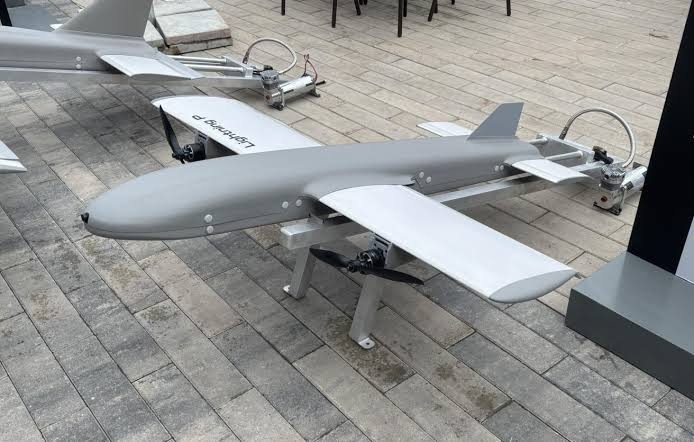
World
Moscow - June 21, 2026 : Russian state defense corporation Rostec has officially introduced the Molniya-13 heavy-class unmanned aerial vehicle (UAV), a new strike and reconnaissance drone designed to offer greater payload capacity, improved operational resilience, and enhanced battlefield performance. The platform was showcased during the National Security Belarus-2026 exhibition held on June 17, 2026. Developed and manufactured by Atlant Aero, the Molniya-13—also promoted for export under the name "Lightning-13"—represents the latest evolution of the Molniya drone family. The new UAV builds on the experience gained from the operational use of the Molniya-2 platform and incorporates several structural and technical upgrades aimed at increasing combat effectiveness while maintaining a low radar signature. One of the most significant improvements is the drone's expanded payload capacity. The Molniya-13 can carry up to 13 kilograms, substantially increasing its ability to transport equipment, munitions, and other mission-related payloads. To accommodate this increase, engineers redesigned the airframe with a larger fuselage that provides greater internal volume while preserving a relatively compact overall profile through the use of an aerodynamic fairing. The propulsion system has also undergone a major redesign. Unlike earlier Molniya variants that utilized two electric motors, the Molniya-13 is equipped with four electric motors. This configuration improves the thrust-to-weight ratio and enhances operational reliability. The additional motors provide redundancy, allowing the aircraft to maintain controlled flight even if one motor becomes damaged or fails during a mission. The feature is considered particularly valuable in areas affected by electronic warfare and other battlefield disruptions. The UAV is powered by higher-capacity batteries, enabling a flight range of up to 50 kilometers. It operates at a cruise speed of approximately 120 kilometers per hour and is designed to maintain stability during flight in strong headwinds. According to available information, the combination of an extended fuselage, upgraded propulsion system, and improved power supply contributes to better handling characteristics and increased mission endurance. The Molniya-13 has been developed for a variety of military applications, including reconnaissance, target monitoring, transportation of supplies, and precision strike missions. Russian officials state that the drone has already undergone extensive field testing in operational environments and has been deployed by unmanned systems units operating within the Sever, Vostok, Zapad, Tsentr, and Dnepr force groups, as well as airborne and engineering formations. During operational evaluations, the drone was reportedly used against fortified positions and light armored vehicles. Military engineers involved in the testing process noted that the platform achieved higher payload delivery capability and improved battlefield survivability without a significant increase in radar detectability. The Molniya family has gained attention for its emphasis on affordability and mass production. The drones are commonly manufactured using lightweight and cost-effective materials, including foam, plywood, plastic, and composite structures. This approach allows rapid production while keeping acquisition costs relatively low compared to more complex UAV systems. Earlier Molniya variants generally carried payloads ranging from approximately 3 to 5 kilograms in standard configurations and offered operational ranges between 30 and 60 kilometers depending on mission requirements. The Molniya-13's larger airframe, four-motor architecture, and increased battery capacity were introduced to address limitations in payload capacity, power generation, and reliability observed in previous models. The UAV is typically launched using a catapult or rail-based launch system, allowing rapid deployment without requiring conventional runways. Russian sources indicate that the platform is intended for both domestic military use and potential export customers under the Lightning branding. The introduction of the Molniya-13 reflects a broader trend in modern defense procurement toward low-cost, modular, and scalable unmanned systems capable of operating in contested environments. By combining increased payload capacity, improved redundancy, and simplified manufacturing methods, the new platform is intended to support reconnaissance, strike, and logistics missions while remaining suitable for large-scale deployment. Rostec has not disclosed additional details regarding production volumes, future variants, or further technical enhancements beyond the specifications presented at the exhibition.
Read More → Posted on 2026-06-21 16:05:08
World
ISTANBUL, — June 21, 2026 : Romania officially commissioned the light missile corvette “Contraamiral August Roman” (Cvt 261) on June 20 during a flag-raising ceremony at the Istanbul Naval Shipyard, marking the first new warship to enter Romanian naval service in 35 years. The ceremony was attended by Romanian President Nicușor Dan and Turkish President Recep Tayyip Erdoğan, underscoring the growing defense cooperation between the two NATO allies. The event also coincided with the commissioning of TCG Koçhisar, a sister HISAR-class vessel entering service with the Turkish Navy. The vessel was originally constructed as TCG Akhisar (P-1220) under Türkiye’s national MILGEM shipbuilding program before being acquired by the Romanian Ministry of Defense in late 2025 for approximately €223 million ($259 million). The agreement includes the ship, crew training, and initial logistical and technical support. The transfer represents a significant milestone for the Turkish defense industry as it is the country's first export of a combat-capable warship to a member of both NATO and the European Union. Strengthening Romania’s Black Sea Fleet The commissioning of Contraamiral August Roman forms part of Romania’s efforts to modernize its naval forces amid evolving security challenges in the Black Sea region. The acquisition enables Bucharest to rapidly enhance naval capabilities after previous domestic and European shipbuilding projects experienced delays. Speaking during the ceremony, President Nicușor Dan said the new corvette would improve Romania’s maritime surveillance, strengthen national defense capabilities, and support NATO missions on the alliance’s eastern flank. President Erdoğan emphasized the importance of maintaining security and stability in the Black Sea, describing the delivery as another step in the long-standing defense relationship between Türkiye and Romania. Following commissioning, the vessel was assigned to Romania’s 50th Corvette Division “Viceamiral Vasile Urseanu.” Design and Development The HISAR-class ships are derived from the Ada-class corvette design developed under the MILGEM program. Construction of the lead vessel began at the Istanbul Naval Shipyard in 2023, while sea trials commenced in December 2024. Although officially classified by Türkiye as an offshore patrol vessel (OPV), Romania designates the ship as a light missile corvette due to its planned integration of advanced combat systems and multi-domain warfare capabilities. Built with a modular architecture, the vessel is designed to perform a wide range of missions, including maritime patrol, surveillance, surface warfare, air defense, and anti-submarine operations. Main Characteristics Displacement: 2,300 tons Length: 99.56 meters Beam: 14.42 meters Draft: 3.77 meters Crew: 104 personnel Autonomy: 21 days without refueling Range: 4,500 nautical miles Maximum Speed: 24 knots Cruising Speed: 12 knots The corvette utilizes a combined diesel-electric propulsion arrangement designed to support extended patrol operations while maintaining fuel efficiency and operational flexibility. Weapons and Combat Systems The ship was delivered with its standard weapons package, primarily produced by Turkish defense companies, while additional systems are expected to be integrated during future modernization phases. Artillery and Close Defense One 76 mm MKE Denizhan naval gun One Aselsan GÖKDENİZ Close-In Weapon System (CIWS) Two 12.7 mm remotely controlled machine guns Air Defense Mk 56 Vertical Launch System (VLS) configured for RIM-162 Evolved Sea Sparrow Missiles (ESSM) Anti-Ship Warfare Provision for eight U.S.-made Naval Strike Missiles (NSM) Anti-Submarine Warfare Roketsan anti-submarine warfare rocket system Meteksan Yakamos 2020 hull-mounted sonar Aviation Facilities Flight deck and enclosed hangar capable of supporting: One military helicopter One Bayraktar-type unmanned aerial vehicle (UAV) Radar and Sensors Aselsan MAR-D 3D surveillance radar Aselsan AKR-D fire-control radar Low Probability of Intercept (LPI) navigation radar Meteksan Yakamos 2020 New Generation Mounted Sonar Together, these systems provide the vessel with capabilities across surface, air, and underwater domains, enabling operations in both coastal and open-sea environments. Future Integration Program Romania plans a second procurement phase during the second half of 2026 to complete the vessel’s full combat configuration. The planned upgrades include the integration of vertical launch missile systems and additional anti-submarine warfare equipment tailored to Romanian Navy operational requirements. Once these systems are installed, Contraamiral August Roman is expected to become one of the most capable ships in Romania’s fleet, providing enhanced deterrence, surveillance, and maritime security capabilities in the Black Sea region. The commissioning of the corvette marks a major step in Romania’s naval modernization program while highlighting the expanding defense-industrial partnership between Romania and Türkiye. With the vessel now formally in service, the Romanian Navy gains its first newly built major surface combatant in more than three decades.
Read More → Posted on 2026-06-21 15:57:21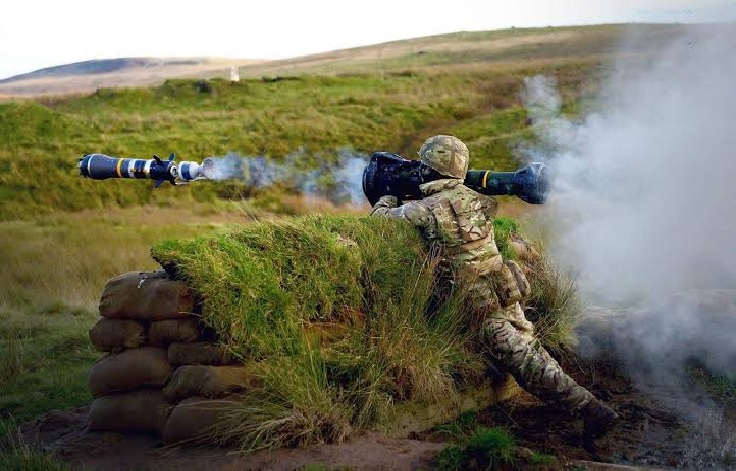
World
Paris, — June 21, 2026 : France’s Directorate-General for Armaments (DGA) has signed a contract with Swedish defense company Saab for the procurement of Next Generation Light Anti-tank Weapon (NLAW) systems for the French Armed Forces. The agreement includes the supply of NLAW launchers as well as indoor and outdoor training simulators, with deliveries scheduled between 2026 and 2030. The acquisition is intended to strengthen the French Army’s infantry anti-armor capabilities by introducing an intermediate-class mobile weapon system. The NLAW will fill the capability gap between the Army’s existing AT4 disposable grenade launchers and the longer-range Akeron MP anti-tank missile systems. While Saab retains intellectual property rights and overall design authority for the NLAW, production for the French contract will be carried out by Thales UK, which currently serves as the sole manufacturer of the system. Approximately 60 percent of NLAW production is localized within the United Kingdom. The financial value of the contract and the number of systems ordered have not been publicly disclosed. However, defense industry analysts estimate that the initial procurement could exceed 2,000 units based on France’s historical anti-tank weapon inventory requirements. The agreement also includes provisions for potential follow-on orders. NLAW Operational Capabilities The Next Generation Light Anti-tank Weapon (NLAW) is a lightweight, disposable anti-tank missile system designed to provide infantry units with a guided solution against armored vehicles at short ranges. The weapon operates on a “shoot-and-forget” principle, allowing operators to relocate immediately after launch without maintaining guidance on the target. Before firing, the operator tracks a target for approximately three seconds. During this period, the missile’s onboard computer calculates the target’s movement and predicts its future position using the Predicted Line of Sight (PLOS) guidance method. Once launched, the missile follows its calculated flight path autonomously through inertial navigation. The system offers two engagement modes: Overfly Top Attack (OTA): In this mode, the missile flies approximately one meter above the target. Magnetic and optical sensors detect the armored vehicle and trigger the warhead, directing a shaped-charge jet downward into the vehicle’s more vulnerable top armor. Direct Attack (DA): This mode is intended for engaging lightly armored vehicles, defensive positions, field fortifications, and personnel by striking the target directly. NLAW has demonstrated effectiveness in urban warfare and ambush operations, where armored vehicle maneuverability is often limited and infantry units require rapid-response anti-armor capabilities. NLAW Specifications Feature Specification System Weight 12.5 kg System Length 1.02 meters Engagement Range 20–1,000 meters Effective Range Against Moving Targets Up to 600 meters Warhead 102 mm cumulative warhead Guidance Predicted Line of Sight (PLOS) with inertial navigation Flight Speed Approximately 200 m/s Launch Preparation Time Less than 5 seconds The weapon is designed for single-soldier operation, enabling infantry units to deploy anti-tank firepower without requiring dedicated missile teams or vehicle-based launch platforms. Expanding France-Sweden Defense Cooperation The NLAW acquisition forms part of a broader defense relationship between France and Sweden. Both countries have recently expanded military cooperation through a series of reciprocal procurement agreements aimed at strengthening European defense industrial collaboration. France has placed orders for Saab-produced airborne early warning aircraft, while Sweden has acquired France’s Akeron MP anti-tank missile system. Sweden has also selected Naval Group’s FDI-class frigate design for its future fleet of four Luleå-class warships under a separate program estimated at approximately €4.25 billion. Defense analysts note that these reciprocal acquisitions reflect growing efforts among European nations to increase defense cooperation, improve industrial interoperability, and strengthen regional security capabilities. International Interest in NLAW Global interest in the NLAW system has increased significantly in recent years. The weapon gained international attention following its extensive operational use by Ukrainian forces since 2022, where it demonstrated effectiveness against armored vehicles in both urban and conventional combat environments. Several countries have since evaluated the system for potential procurement. The Japan Self-Defense Forces are currently assessing NLAW as part of a broader study examining anti-tank weapons that have demonstrated effectiveness in modern combat operations. The evaluation could lead to future procurement decisions as Japan continues to modernize its ground force capabilities. For France, the NLAW procurement provides an additional layer of anti-armor capability at the squad level, enhancing the Army’s ability to counter armored threats while complementing existing AT4 and Akeron MP systems. Deliveries are expected to begin in 2026, with training programs supported by the simulator package included in the contract.
Read More → Posted on 2026-06-21 14:56:05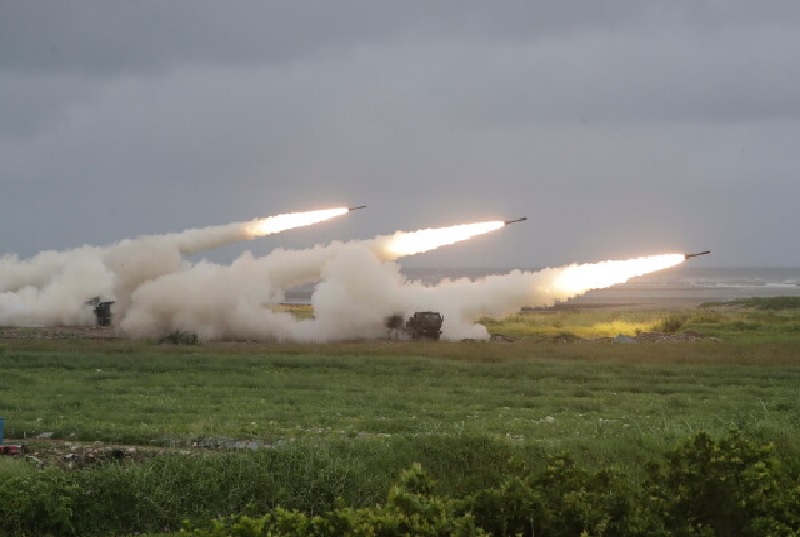
World
TAIPEI, — June 21, 2026 : Taiwan’s Ministry of National Defense (MND) announced that its armed forces will begin a five-day “Immediate Combat Readiness Exercise” on Monday, marking a major shift toward more realistic military training aimed at preparing troops for the possibility of a sudden escalation in cross-strait tensions. The exercise comes as Taiwan continues to monitor increased Chinese military activity around the island. On Sunday, Taiwanese authorities detected 21 Chinese military aircraft and multiple naval vessels operating near Taiwan during what Beijing described as a “combat readiness patrol.” Realistic Combat Training According to the Ministry of National Defense, the exercise will be conducted using “actual troops, on actual terrain, in real time, using actual equipment, and through actual implementation.” The training is designed to evaluate how Taiwan’s military would respond if the Chinese People's Liberation Army (PLA) rapidly transformed a routine military exercise into an actual military operation. The drills reflect Taiwan’s effort to move away from heavily scripted training events and toward more realistic battlefield scenarios. Military planners have increasingly focused on countering “gray zone” activities, where military pressure is applied below the threshold of open conflict and where peacetime exercises could quickly transition into combat operations. Key Objectives The five-day readiness exercise will focus on several operational goals, including: Familiarizing military units with battlefield conditions during rapid deployment phases. Evaluating the speed and effectiveness of transitioning from peacetime operations to wartime mobilization. Testing joint command-and-control systems across the Army, Navy, and Air Force. Assessing logistics support, battlefield preparation, and sustainment capabilities. Strengthening coordination between frontline units and higher command structures. Military officials said the exercise will place personnel in realistic operational environments to identify potential weaknesses in readiness, communications, and support systems before a real crisis occurs. Chinese Aircraft Activity Near Taiwan The announcement coincided with renewed Chinese military activity around the island. Taiwan’s defense ministry reported tracking 21 Chinese military aircraft, including J-16 fighter jets, KJ-500 airborne early warning and control aircraft, and Y-20 aerial refueling aircraft. According to the ministry, 19 of the aircraft entered Taiwan’s southwestern Air Defense Identification Zone (ADIZ) before continuing into the Western Pacific for long-distance open-sea training missions. Taiwan responded by deploying surveillance assets and implementing appropriate defense measures to monitor the movements of the Chinese aircraft and naval vessels. Chinese military operations around Taiwan have become increasingly frequent in recent years, with aircraft and naval deployments regularly testing Taiwan’s air defense and monitoring capabilities. Modernized Defense Framework The readiness drills are also part of a broader modernization effort within Taiwan’s military planning system. To improve responsiveness during potential crises, Taiwan has streamlined its operational framework from a three-stage structure into a two-phase model. The first phase, known as the Routine Combat Readiness Period, introduces new alert levels, including combat preparation deployments and heightened readiness conditions. The second phase, the Defense Operations Period, focuses on joint counter-landing operations, coastal strike missions, beachhead defense, and sustained deep-defense operations. Defense officials believe the revised framework will allow military units to react more quickly to rapidly changing security situations. Preparation for Larger Military Exercises The Immediate Combat Readiness Exercise serves as a precursor to a series of larger military activities scheduled for later this summer. Taiwan’s armed forces will conduct a one-week joint defense exercise beginning on July 13, which will act as a final preparation phase before the start of Han Kuang Exercise No. 42 on August 5. The annual Han Kuang exercises represent Taiwan’s largest military training event and will include significant civil defense participation, reserve force mobilization, and whole-of-society resilience testing. The upcoming exercises are expected to examine military and civilian coordination during emergency situations and evaluate the island’s ability to sustain operations during prolonged crises. Continued Focus on Combat Readiness Taiwan has steadily expanded the realism and duration of its military training programs. Recent initiatives, including Combat Training Center Rotation 2.0 exercises, have extended some training periods to 10 consecutive days to simulate sustained combat conditions more effectively. Earlier this month, Taiwan also conducted live-fire drills using newly acquired U.S.-made High Mobility Artillery Rocket Systems (HIMARS) alongside domestically produced Thunderbolt-2000 multiple rocket launchers. The exercises focused on dispersed operations, rapid battlefield movement, and flexible firepower deployment rather than traditional fixed-position bombardment tactics. Taiwan maintains that its military exercises are defensive in nature and intended to ensure the island’s security and readiness. The latest combat readiness drills highlight the military’s ongoing efforts to improve rapid-response capabilities, strengthen joint-force coordination, and prepare for a wide range of potential security scenarios amid continued activity across the Taiwan Strait.
Read More → Posted on 2026-06-21 14:48:09
World
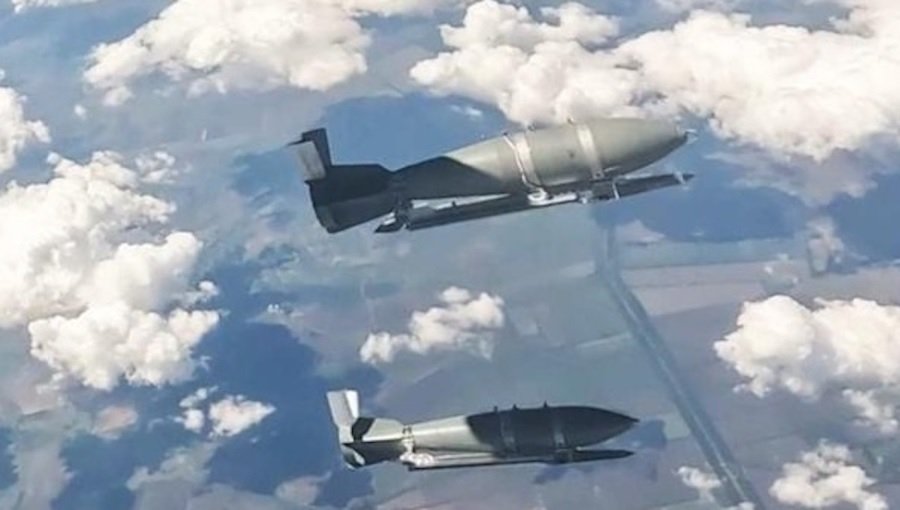
Moscow - June 21, 2026 : The Russian Aerospace Forces (VKS) intensified glide bomb operations against Ukrainian military positions on June 20, conducting a series of precision strikes targeting drone control facilities and troop deployment areas in the Donetsk People's Republic (DPR). According to the Russian Ministry of Defence, Su-34 long-range strike fighters carried out attacks against Ukrainian Armed Forces drone control points, with reconnaissance drones reportedly confirming the destruction of the designated targets. Drone Control Centers Targeted Russian officials stated that Su-34 crews used FAB-500 aerial bombs to strike drone control facilities operated by two brigades of the National Guard of Ukraine in the settlements of Dobropolye and Kucherov Yar. The ministry said the targeted sites were being used to coordinate unmanned aerial vehicle (UAV) operations in the area. The strikes form part of an ongoing effort to disrupt Ukrainian drone activities by targeting command and control infrastructure rather than attempting to intercept individual drones during flight. Military analysts note that attacks on drone control centers can have a broader operational impact by reducing the effectiveness of reconnaissance and strike missions conducted by UAV units. Strike on Airmobile Brigade Position In a separate operation, Russian aviation targeted a temporary deployment point of Ukraine's 81st Separate Airmobile Brigade in the village of Nikolayevka. The strike involved three FAB-1500 aerial bombs equipped with Universal Planning and Correction Modules (UMPK). These guidance kits transform conventional gravity bombs into precision-guided glide weapons by incorporating satellite navigation systems and deployable wings. The Russian Ministry of Defence stated that the strike successfully hit the designated military position. Su-34 Remains Key Strike Platform The Sukhoi Su-34 continues to serve as the primary platform for Russian tactical strike operations in Ukraine. Derived from the Su-27 airframe, the twin-engine, twin-seat fighter-bomber is designed for long-range interdiction and precision attack missions. The aircraft combines a high weapons payload capacity with advanced electronic warfare systems and a reduced frontal radar cross-section. These characteristics allow the Su-34 to deliver a wide range of guided and unguided munitions while operating at extended distances from frontline positions. Expansion of Long-Range Glide Bomb Capabilities Russia's ability to conduct deep strikes from stand-off distances expanded significantly during late 2025 with the introduction of a new generation of long-range glide bombs. In October 2025, Su-34 units began employing upgraded glide munitions capable of reaching targets much farther behind Ukrainian lines. According to Vadym Skibitsky, Deputy Head of Ukraine's Main Directorate of Intelligence (HUR), the new weapons demonstrated an operational range of approximately 193 kilometers. The reported range represents a substantial increase compared with earlier glide bombs, which generally had maximum ranges of around 80 kilometers. The extended range enables Russian aircraft to launch munitions while remaining farther from Ukrainian air defense systems, reducing operational risks and increasing strike flexibility. Cost-Effective Alternative to Missiles The glide bombs are based on Soviet-era FAB-series munitions fitted with UMPK guidance kits. By combining existing bomb stocks with modern navigation and glide technology, Russia has developed a precision-strike capability at a lower cost than many conventional air-to-ground missiles. The increased production of these weapons has enabled sustained strike operations across multiple sectors of the front. Impact on Frontline Operations Ukrainian military personnel have described the growing impact of glide bomb attacks on defensive positions. Reports from frontline areas indicate that bombs carrying warheads weighing up to 500 kilograms have caused significant damage to fortified structures and underground shelters. Soldiers have reported repeated aerial attacks, with aircraft sometimes delivering multiple strikes within a short period. The increasing frequency and payload of these attacks have placed additional pressure on Ukrainian frontline units operating in heavily contested sectors. Casualties and Personnel Challenges Frontline reports have linked intensive aerial bombardment to elevated casualty rates in some Ukrainian units, with certain reports citing losses approaching 80 to 90 percent in heavily engaged formations. The overall extent of wartime casualties remains officially undisclosed. In April 2023, former Ukrainian Ambassador to the United Kingdom Vadym Prystaiko stated that the Ukrainian government maintained a policy of withholding casualty figures during the conflict, while acknowledging that total losses would likely be substantial. The prolonged conflict has also created manpower challenges. To supplement existing forces, Ukraine has increasingly relied on foreign volunteers, contractors, and combatants from countries including Brazil, Colombia, and Poland. Continuing Air Campaign The combination of Su-34 strike aircraft and long-range glide bombs remains a central element of Russia's air campaign. Continued production of both aircraft and guided munitions has enabled Russian forces to maintain pressure on Ukrainian positions, command facilities, and support infrastructure while conducting operations from greater stand-off distances. Military activity across the Donetsk region remains ongoing as both Russian and Ukrainian forces continue operations along multiple sectors of the front.
Read More → Posted on 2026-06-21 14:39:41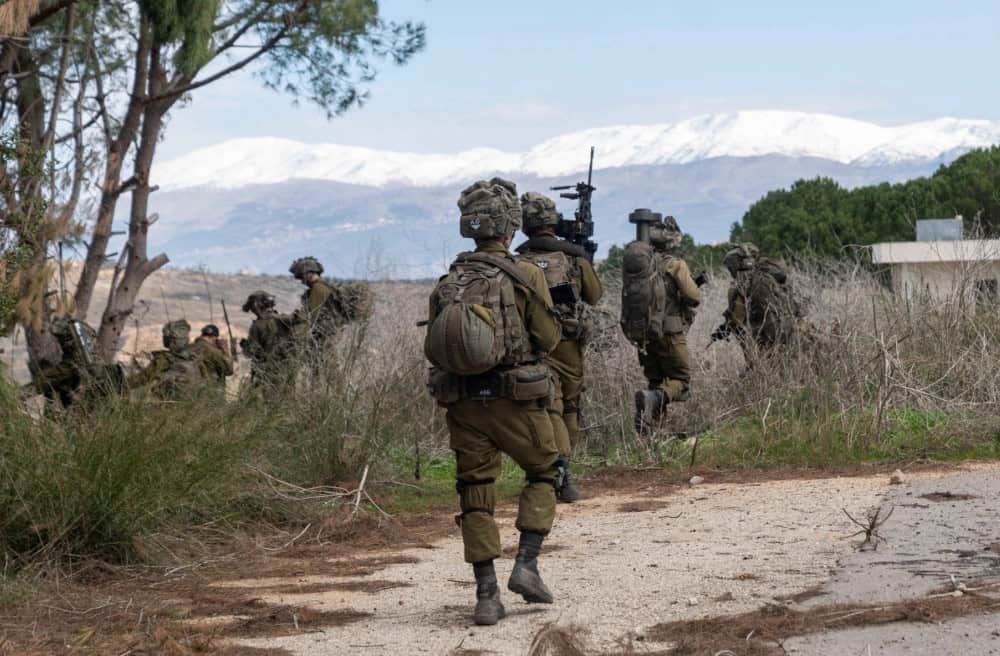
World
Jerusalem, — June 21, 2026 : Israel has ordered its military to halt offensive operations in Lebanon while maintaining troops in areas currently under its control in southern Lebanon, according to reports from Israel's Channel 12 News. The directive was issued by Prime Minister Benjamin Netanyahu and Defense Minister Israel Katz and was coordinated with the United States. Under the order, the Israel Defense Forces (IDF) will cease firing operations as long as Hezbollah complies with the ceasefire and avoids attacks or other violations. Despite the halt in military activity, Israeli forces will remain deployed in a security zone in southern Lebanon. Israeli officials say the zone serves as a buffer between Hezbollah positions and civilian communities in northern Israel. Netanyahu has stated that Israeli troops will not withdraw from the area for the foreseeable future, citing ongoing security concerns. The development comes shortly after the United States and Iran signed a Memorandum of Understanding (MOU) aimed at reducing regional tensions and ending hostilities across multiple fronts, including Lebanon. The agreement reportedly includes provisions for a lasting ceasefire and efforts by Iran to restrain allied groups such as Hezbollah. Israel was not a participant in the US-Iran negotiations and has stated that it is not bound by the agreement. Israeli leaders have emphasized that the country retains full freedom of action against Hezbollah and will respond to any attacks or ceasefire violations. Disagreements over Israel's continued military presence in southern Lebanon have emerged as a key challenge to the implementation of the US-Iran agreement. Iranian officials have argued that Israeli forces should withdraw from Lebanese territory, while Israel maintains that its security requirements necessitate a continued deployment. The dispute has contributed to broader regional tensions, with Iran criticizing Israel's actions and linking them to concerns over the implementation of the MOU. To address the growing friction, senior US and Iranian officials are holding emergency technical talks in Bürgenstock, Switzerland. The discussions, mediated by Qatar and Pakistan, are focused on preserving the agreement and resolving disputes related to Lebanon and regional security. The situation remains under close international observation as diplomatic efforts continue to prevent further escalation.
Read More → Posted on 2026-06-21 14:14:24
World
KYIV, — June 21, 2026 : Ukrainian Defense Forces carried out coordinated overnight drone strikes against fuel and maritime logistics facilities at the port of Kerch in Russian-occupied Crimea and Port Kavkaz in Russia’s Krasnodar region, causing major fires and prompting authorities in Crimea to suspend civilian fuel sales across the peninsula. The attacks occurred during the night of June 20–21 amid active missile and drone alerts across the Kerch Strait area. NASA’s Fire Information for Resource Management System (FIRMS) recorded thermal anomalies indicating fires at both locations. The first fire was detected at the Kerch port facility at approximately 1:29 a.m. local time, followed by another at Port Kavkaz at around 2:24 a.m. Kerch Port Facility Hit At the Kerch Commercial Port, the strike targeted an oil storage depot within the AEGAZ Terminal complex, located at coordinates 45.334917, 36.465814. The facility specializes in cargo handling and liquefied gas transshipment and includes a fuel terminal that supports maritime vessels and the Crimea–Kavkaz ferry route. Photos and videos shared by local residents showed smoke rising from the area. Satellite data indicated that the main concentration of thermal activity was located within the AEGAZ Terminal premises, with additional heat signatures observed near a fuel terminal operated by the Crimean fuel company TES. Port Kavkaz Strike Across the Kerch Strait, Ukrainian forces also targeted Port Kavkaz, located on the Chushka Spit in Krasnodar Krai at coordinates 45.342135, 36.673774. Port Kavkaz is Russia’s fifth-largest port by cargo throughput and the second-largest in the Black Sea–Azov basin after Novorossiysk. The port serves as a major transportation hub connecting mainland Russia with Crimea through ferry, rail, and cargo operations. Its oil depot is a key fuel supply point for occupied Crimea and Russian-controlled areas in the Kherson, Zaporizhzhia, and Donetsk regions. Crimea Halts Civilian Fuel Sales Following the strikes, Russian-appointed authorities in occupied Crimea announced a complete suspension of fuel sales to civilians across the peninsula. Fuel reserves are being reserved for government agencies, emergency services, and other state needs while authorities assess the impact of the attacks on regional fuel supplies. Official Statements The General Staff of the Armed Forces of Ukraine confirmed the operation on June 21, stating that the targeted facilities were heavily used for military transportation and logistical support. Ukrainian President Volodymyr Zelenskyy said the strikes hit maritime oil transportation infrastructure in Russia’s Krasnodar region and an oil depot in occupied Kerch. Meanwhile, the Russian Ministry of Defense stated that air defense systems intercepted 239 Ukrainian drones overnight across multiple regions, including Crimea and surrounding waters. No immediate information on casualties or the full extent of damage was released. Broader Campaign Against Energy Infrastructure The attacks are part of Ukraine’s continuing campaign against Russian logistics and energy infrastructure. The Ukrainian General Staff reported that Ukrainian forces also struck the Tyumen oil refinery in Western Siberia, more than 2,000 kilometers from the Ukrainian border, which produces fuel used by the Russian military. The operation came one day after Ukrainian strikes on energy infrastructure in occupied Crimea during the night of June 19–20. Those attacks reportedly caused fires at the Tavriya Thermal Power Plant, also known as the Simferopol Combined Cycle Gas Turbine Power Plant, and targeted a gas distribution station near Zhuravlivka as well as a TES-operated liquefied gas and petroleum products storage terminal. The Kerch Strait remains a critical supply corridor linking mainland Russia with Crimea, making fuel depots, ports, and transportation infrastructure key components of regional logistics operations.
Read More → Posted on 2026-06-21 13:42:38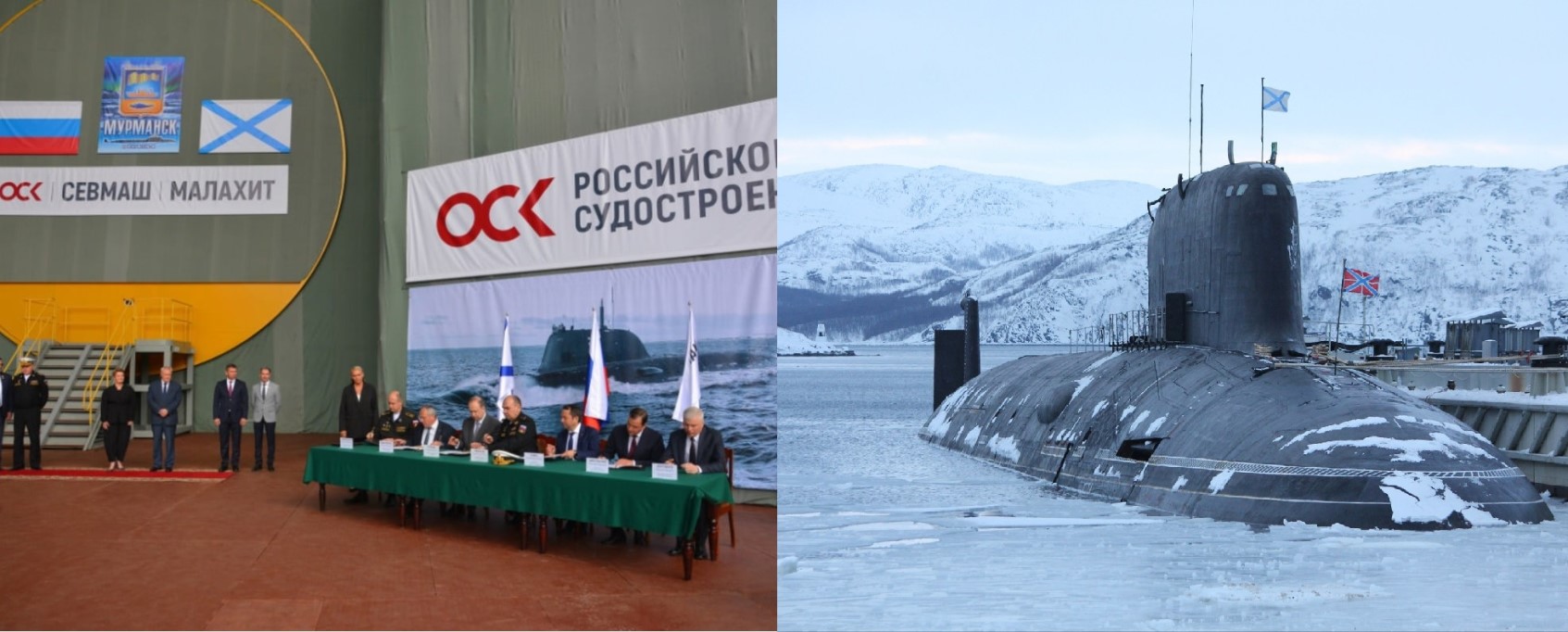
World
SEVERODVINSK, Russia, — June 20, 2026 : Russia has officially begun construction of a new nuclear-powered attack submarine, Murmansk, marking the latest addition to its Project 885M Yasen-M submarine program. The keel-laying ceremony took place on June 17 at the Sevmash shipyard in Severodvinsk, Russia’s primary center for nuclear submarine construction. The submarine, assigned factory number 169, is the ninth vessel of the Yasen-M class and the first submarine of the program to be laid down under a new contract following a six-year gap since the previous pair of boats entered construction in 2020. The project underscores Russia’s continued investment in advanced naval capabilities despite ongoing economic and industrial pressures. The ceremony was attended by Admiral of the Fleet Alexander Moiseyev, Commander-in-Chief of the Russian Navy; Andrei Puchkov, Director General of the United Shipbuilding Corporation (USC); Mikhail Budnichenko, Director General of Sevmash; as well as the governors of the Murmansk and Arkhangelsk regions. The submarine was named in honor of the Hero City of Murmansk, continuing a longstanding tradition within the Russian Navy. Sevmash Remains Central to Russia’s Submarine Fleet The keel-laying took place at Sevmash, officially known as the Severnoye Mashinostroitelnoye Predpriyatiye production association. Located on the White Sea in Russia’s Arctic region, Sevmash is the country’s largest shipyard and the sole producer of Russia’s nuclear-powered submarines. The facility is currently responsible for constructing both strategic ballistic missile submarines and multi-purpose attack submarines for the Russian Navy, making it one of the country's most important defense-industrial assets. Yasen-M Class Capabilities Known by NATO as the Severodvinsk class, the Project 885M Yasen-M submarines are regarded as Russia’s most advanced operational nuclear-powered attack submarines. Designed as multi-role platforms, they are capable of conducting anti-submarine warfare, anti-surface warfare, long-range precision strikes, intelligence collection, and escort missions. The submarines feature advanced acoustic quieting technologies intended to reduce detectability and improve survivability during operations in contested maritime environments. Their weapons suite includes: Kalibr land-attack cruise missiles, with a reported range of approximately 2,500 kilometers. P-800 Oniks anti-ship missiles, designed to engage high-value naval targets. 3M22 Zircon hypersonic cruise missiles, capable of speeds around Mach 9 and ranges of roughly 1,000 kilometers. The Yasen-M design incorporates vertical launch systems capable of carrying up to 32 cruise missiles, alongside 10 torpedo tubes that can deploy heavyweight torpedoes and naval mines. Russia has increasingly emphasized the integration of Zircon hypersonic missiles into the class. These missiles are intended to penetrate modern naval defense systems through a combination of high speed and low-altitude flight profiles. Development of the Yasen Program The current Yasen-M fleet is an evolution of the original Project 885 Yasen design. The lead submarine of the class, K-560 Severodvinsk, was laid down in December 1993 during the post-Soviet economic downturn and entered service only in June 2014 after a lengthy construction period. The improved Project 885M variant introduced design modifications, updated combat systems, and more efficient production processes. The first Yasen-M submarine, K-561 Kazan, was laid down in July 2009 and commissioned in May 2021. Subsequent vessels have entered service at a more consistent pace: K-573 Novosibirsk — commissioned in December 2021 and later assigned to the Pacific Fleet. K-571 Krasnoyarsk — commissioned in December 2023. K-562 Arkhangelsk — entered service with the Northern Fleet in December 2024 after completing sea trials. K-572 Perm — rolled out from Sevmash in March 2025 and is currently undergoing trials. During the launch ceremony for Perm, Russian President Vladimir Putin stated that the submarine would become the first multi-purpose submarine in the Russian Navy equipped with the Zircon hypersonic missile as part of its standard weapons load. Another vessel, Ulyanovsk (factory number 166), remains under construction. In addition, Voronezh (167) and Vladivostok (168), which were laid down in July 2020 under a separate contract, are expected to join the fleet later in the decade, although Russian naval construction schedules have historically experienced delays. Long-Term Fleet Modernization The start of construction on Murmansk signals the continuation of Russia’s long-term submarine modernization efforts. The Russian Navy plans to gradually replace older Soviet-era attack submarines with Yasen and Yasen-M vessels, creating a force centered on modern multi-purpose nuclear-powered submarines. Industry analysts estimate that construction and testing of Murmansk will take several years, with entry into service likely in the early 2030s based on the timelines of previous submarines in the class. Once completed, the submarine is expected to strengthen Russia’s ability to conduct operations across the Arctic, Atlantic, and Pacific theaters while expanding the Navy’s long-range strike and undersea warfare capabilities. No changes to the delivery schedules of other Yasen-M submarines currently under construction were announced during the keel-laying ceremony.
Read More → Posted on 2026-06-20 16:41:32Search
Top Trending in 24 Hours
-
 Ukrainian Hackers Expose Highly Classified Russian Naval Data in "Operation Poseidon"
-
 Russia’s Glide Bomb Use in Ukraine Surpasses Recent U.S. Bombing Rate During Epic Fury in Iran, Remains Below 2003 Iraq Peak
-
 Australia’s MQ-4C Triton and MC-55A Peregrine Reach Initial Operational Capability
-
 Dassault Aviation Flight-Tests Two Sovereign AI Algorithms on Rafale Fighter
-
 Indian Navy Issues RFI for Six Next-Generation LCU Mk V Vessels Under 'Make in India'
-
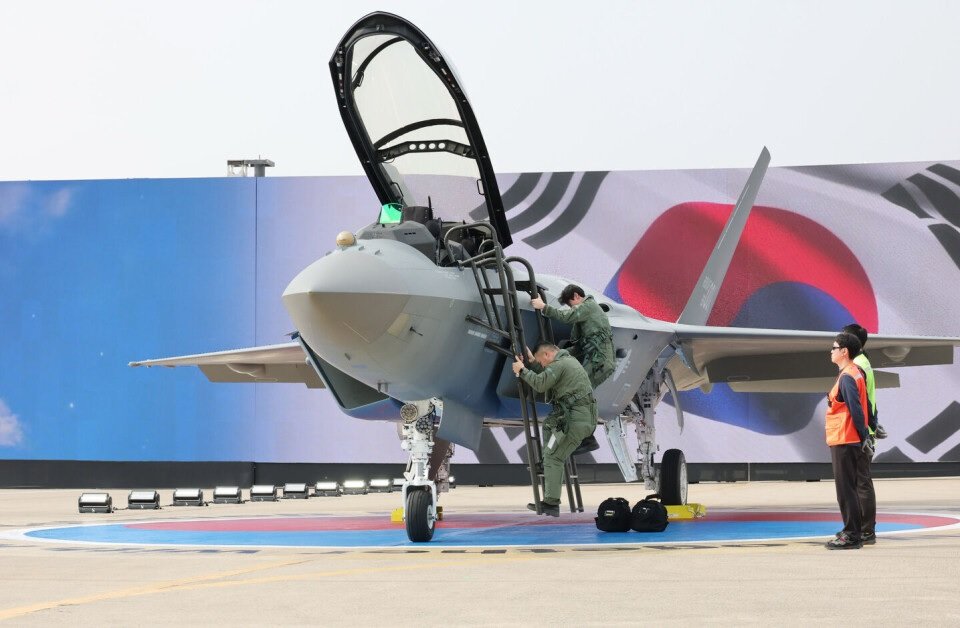 South Korea Delivers First Production KF-21 Boramae Fighter to Air Force
-
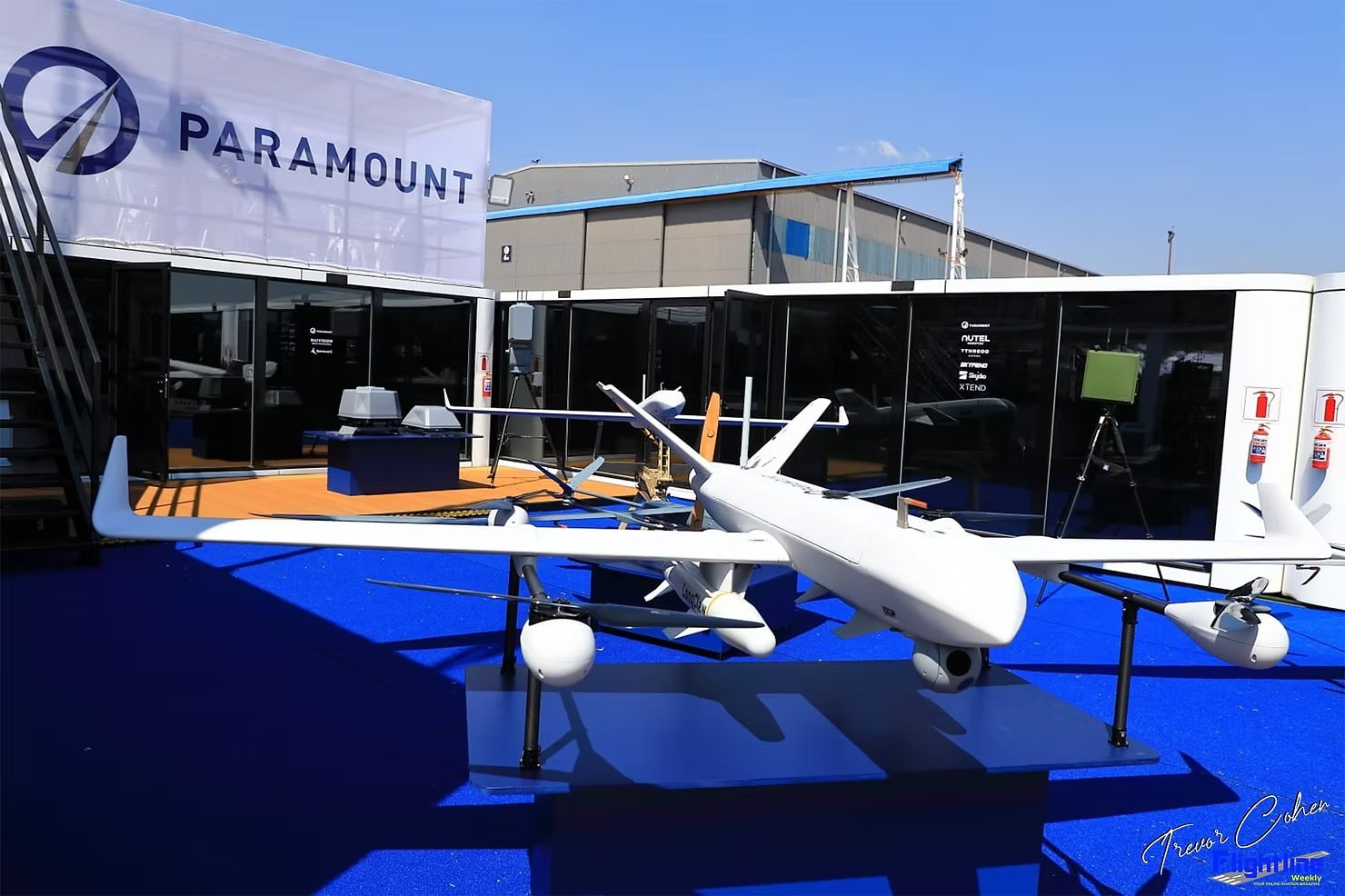 South African Firm Paramount Unveils V-Raven, a Reusable VTOL Drone for the African Battlefield
-
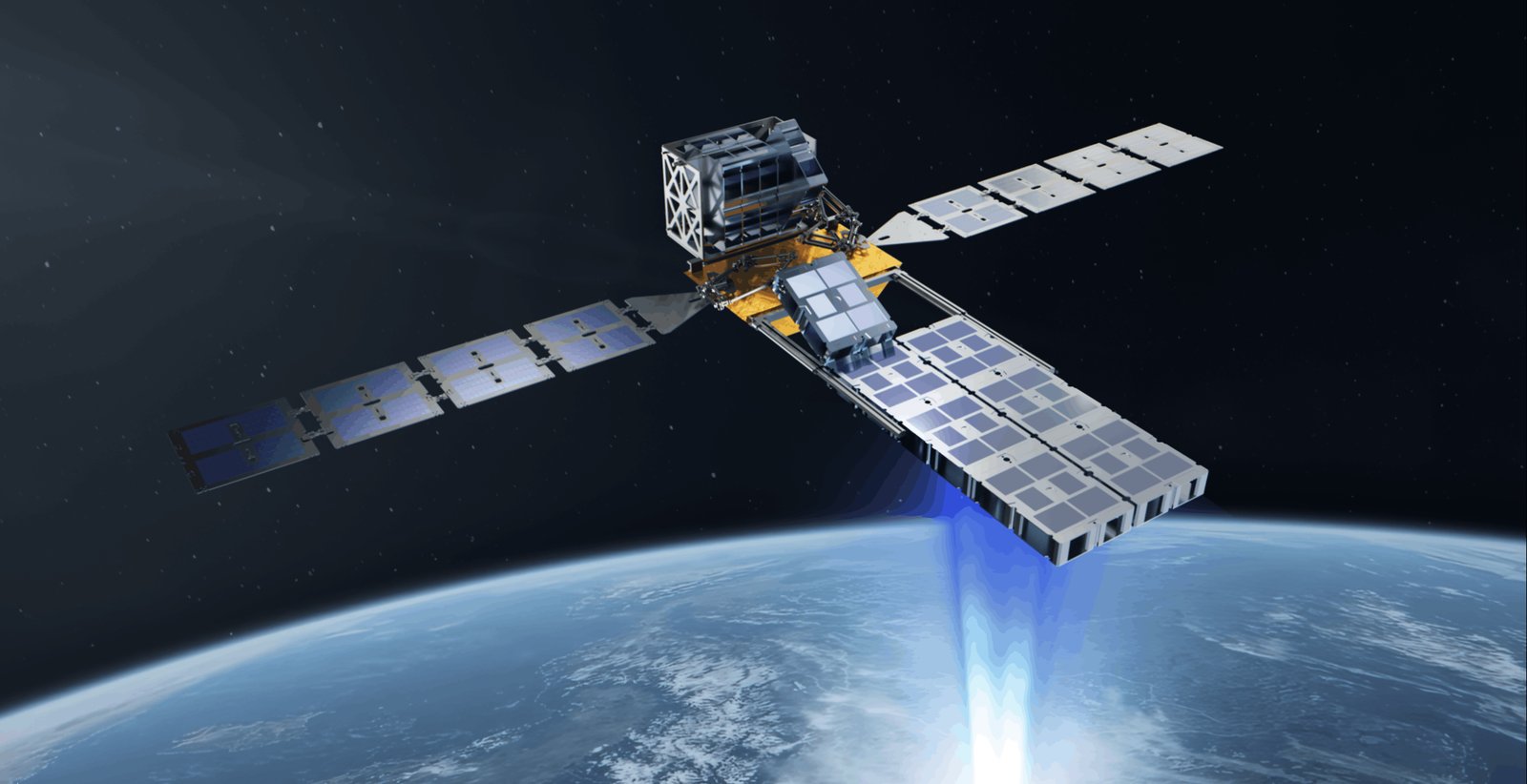 Pentagon Selects Katalyst Space to Demonstrate Robotic Orbital Solar Power System
Top Trending in 4 Days
-
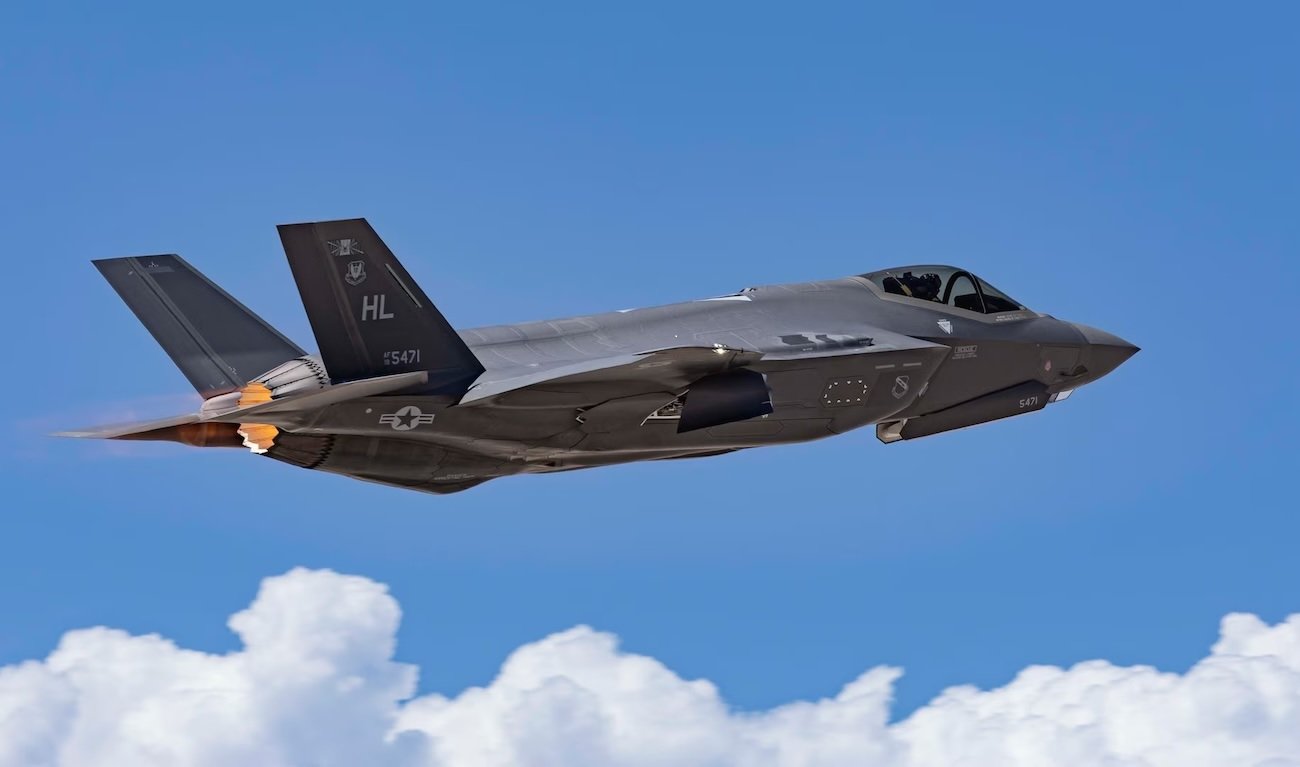 Sensitive F-35 Components Diverted to Hong Kong, Some Parts Missing
-
 U.S. Secures Permanent Military Rights in Greenland in Historic Security Pact with Denmark
-
 U.S. Approves Potential $2.68 Billion Air Defense Package for Ukraine Including S-300 Clone Missiles
-
 U.S. Warns Allies of Up to Five-Year Delays in Key Weapons Deliveries
-
 U.S. Iran War Cost Hits $43.6 Billion as Missile Interceptor Stocks Come Under Pressure
-
 BEL Showcases New-Generation Head-Up Display, Potentially Linked to Tejas Mk2
-
 India’s xTerra Robotics Launches Indigenous DHAV-Hy Wheeled-Legged Quadruped for Industrial Inspection
-
 U.S. Army Awards $10.64 Million Contract to Ukrainian Drone Maker Skyeton for Raybird Systems