TAMPA, Florida — May 25, 2026 : The U.S. Department of War (DoW) has increased its use of artificial intelligence (AI) by 1,775 percent over the past year, expanding its AI user base from approximately 80,000 personnel to nearly 1.5 million across a workforce of more than 3 million, according to senior department officials.
The figures were disclosed by Emil Michael, Under Secretary of War for Research and Engineering and Chief Technology Officer of the department, during a panel discussion at Special Operations Forces Week 2026. Michael said the department is accelerating the integration of artificial intelligence into military systems and administrative operations as part of a broader modernization effort.
The increase follows an artificial intelligence strategy introduced earlier this year by War Secretary Pete Hegseth aimed at reducing bureaucratic barriers and expanding operational deployment of AI technologies across defense missions.
Three Levels of AI Integration
The Department of War currently organizes AI implementation into three operational categories: enterprise, intelligence, and warfighting.
The enterprise level focuses on administrative functions, productivity systems, and data management. This includes GenAI.mil, an internal platform providing personnel access to large language models and AI tools for organizational use.
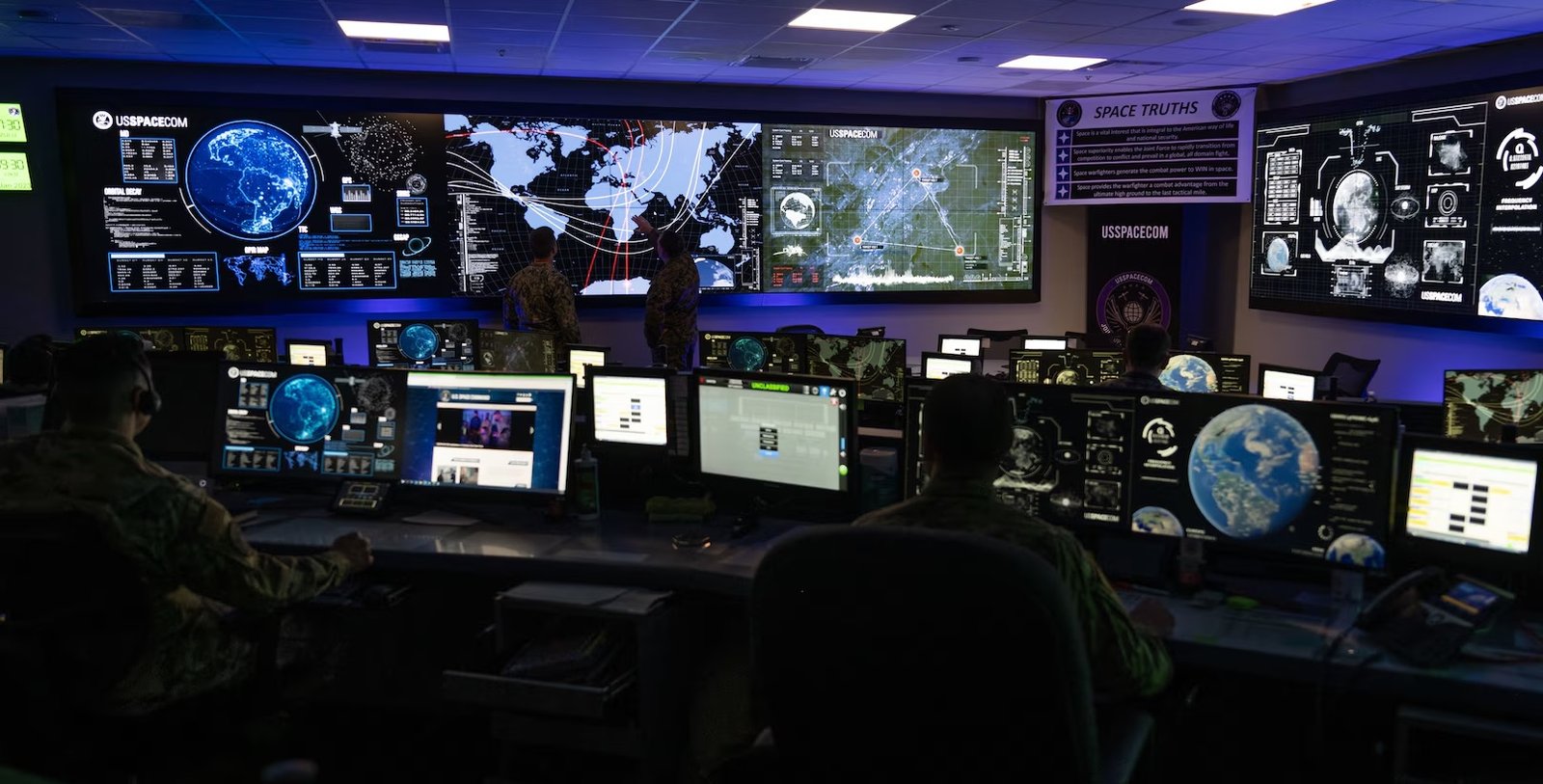
The intelligence level applies AI to analyze sensor data, signals, imagery, and operational information to support military planning and decision-making.
The warfighting level, identified by Michael as the department’s highest priority, focuses on embedding AI directly into military systems to improve battlefield precision, speed decision-making, strengthen force protection, and enhance operational effectiveness.
Drone Dominance Program
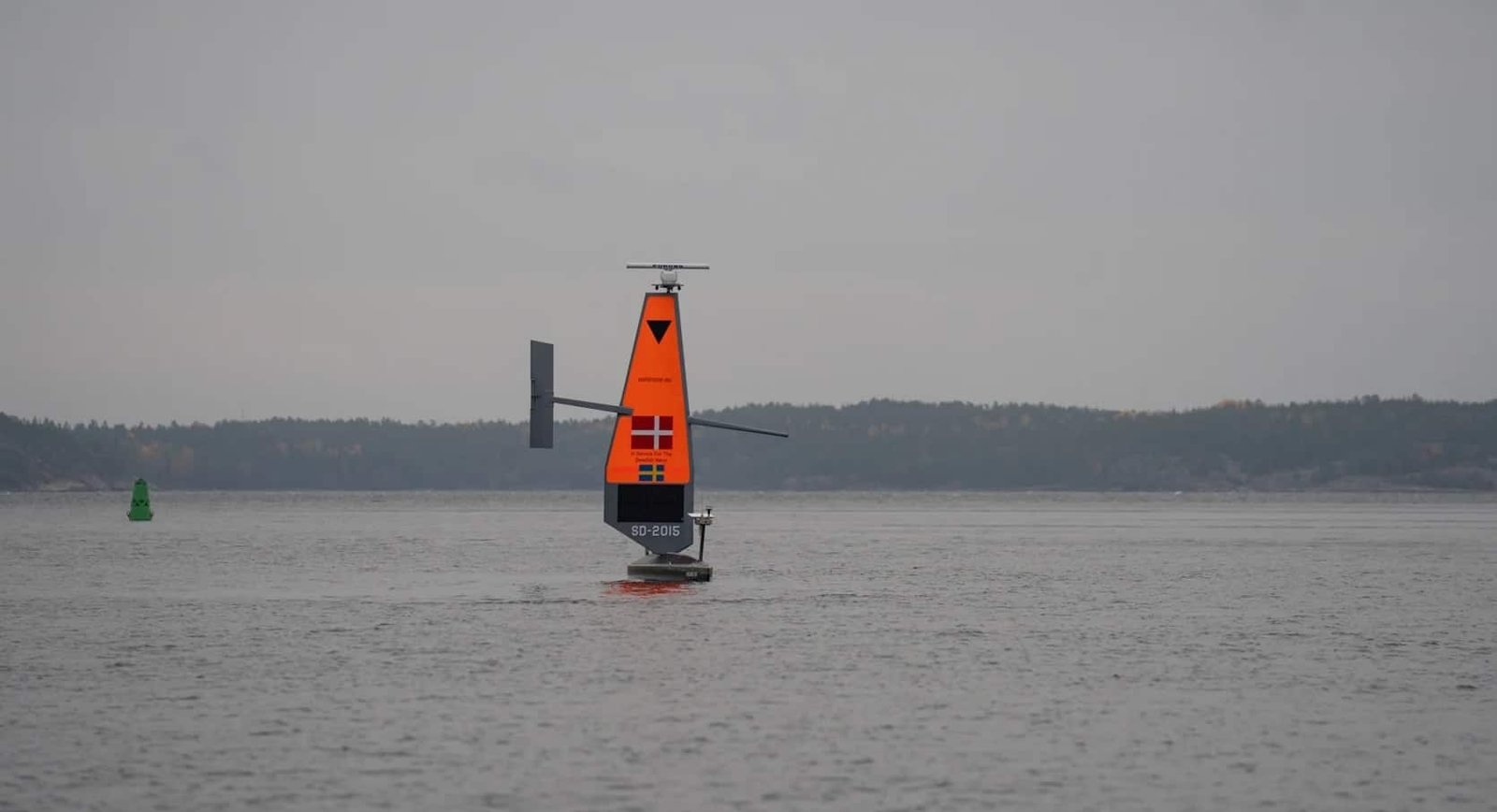
Michael highlighted the Drone Dominance Program as an example of AI integration into military operations. Overseen by Hegseth, the initiative allocates $1.1 billion to procure more than 200,000 small lethal drones by 2027.
The program uses a competitive procurement process known as the “Gauntlet” to widen participation beyond traditional defense contractors and encourage faster innovation. Its first phase, Gauntlet I, concluded in February 2026 and resulted in an order for approximately 30,000 drone systems.
Officials said the strategy is intended to replace a system historically dominated by a limited number of approved vendors by allowing a wider range of companies to compete for drone and counter-drone contracts.
Recruitment of AI Talent
The department also faces challenges recruiting engineers, data scientists, and AI specialists due to lower government salaries compared with the private sector.
Michael said the department has hired several hundred recent graduates and plans to recruit several hundred more by the end of the year. Recruitment efforts focus on mission-driven work and providing technical experience that can later translate into private-sector careers.
During the panel, industry participants said defense-related work has become more attractive among younger professionals. Peter Tague said interest in defense missions has improved recruitment, while Tara Murphy Dougherty said supporting warfighter-focused missions remains a core requirement for employees at her company.
Adoption Growth, Not Full Capability
Michael clarified that the increase to nearly 1.5 million users reflects AI adoption rather than full capability maturity. A significant portion of the growth is tied to enterprise productivity tools, while warfighting applications continue to develop.
However, the increase indicates that earlier institutional resistance to AI integration has declined, with department leadership accelerating deployment across administrative, intelligence, and military systems.
——— End of Article ———