World
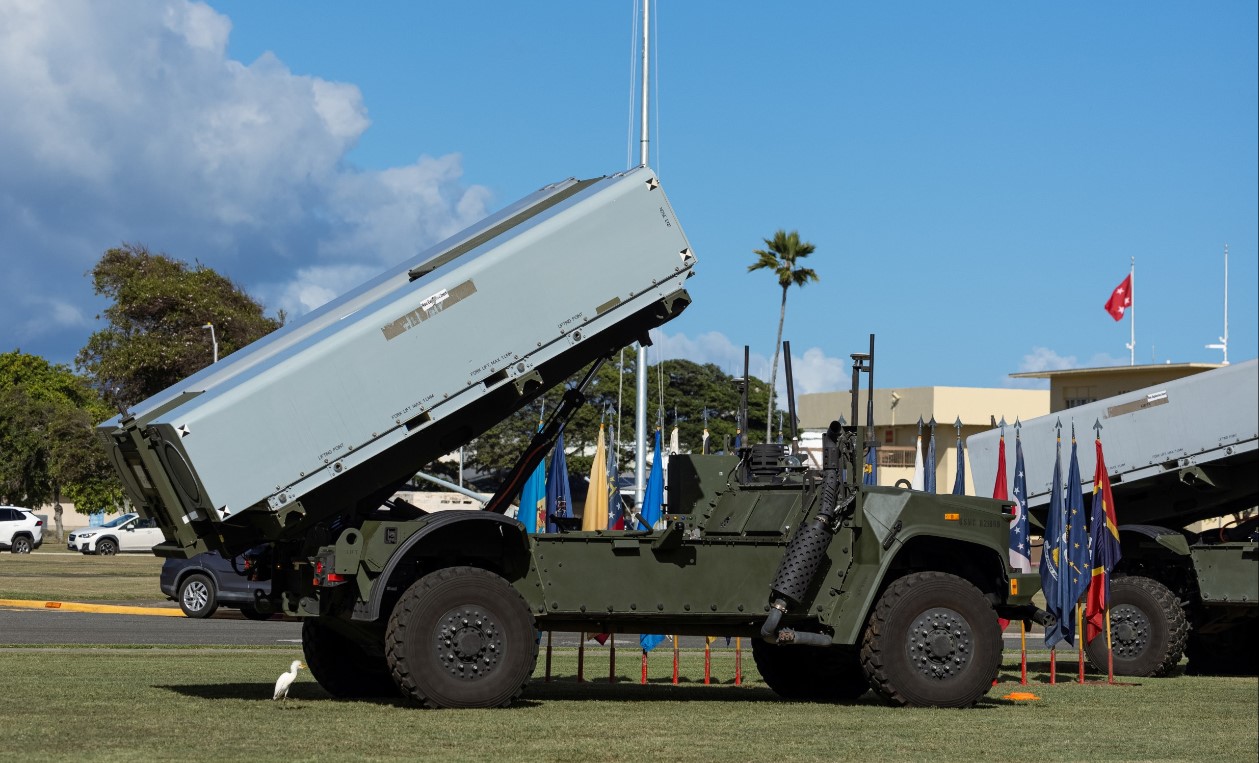
CAMP COURTNEY, Okinawa, Japan : June 23, 2026 — The U.S. Marine Corps has completed the fielding of two key weapons systems to the 12th Marine Littoral Regiment (MLR) on Okinawa, marking a significant milestone in the service's Force Design modernization initiative. The regiment formally received the Navy-Marine Expeditionary Ship Interdiction System (NMESIS) and the Marine Air Defense Integrated System (MADIS) during June 2026, providing enhanced anti-ship and air defense capabilities for operations across the Indo-Pacific. The 12th MLR, which was redesignated from the 12th Marine Regiment in November 2023, is now fully equipped to operate as a distributed, low-signature force focused on sea denial and littoral warfare within the First Island Chain. Operating under the III Marine Expeditionary Force (III MEF), the regiment is positioned on Okinawa, less than 400 kilometers from the Taiwan Strait, a location considered strategically important for regional security operations. NMESIS Adds Long-Range Anti-Ship Capability The Navy-Marine Expeditionary Ship Interdiction System (NMESIS) provides the regiment with a mobile ground-based anti-ship strike capability. The system consists of an unmanned Joint Light Tactical Vehicle (JLTV) carrying two Naval Strike Missiles (NSMs) in ready-to-fire launch canisters. Developed by Norwegian defense company Kongsberg Defence & Aerospace and produced in the United States, the Naval Strike Missile (NSM) is a low-observable cruise missile designed to engage maritime targets at ranges of approximately 185 kilometers (115 miles). The missile employs a sea-skimming flight profile to reduce radar detection and uses an imaging infrared seeker for target identification and precision engagement. Because the launcher is remotely operated, Marines can position NMESIS in exposed coastal areas while maintaining operators at safer locations. Multiple launchers can be connected through secure communications networks, enabling dispersed operations across island terrain and expanding the Marine Corps' ability to threaten hostile surface vessels operating in the region. MADIS Strengthens Air and Counter-Drone Defense Alongside NMESIS, the regiment received the Marine Air Defense Integrated System (MADIS), a mobile air defense platform designed to protect forces against unmanned aerial systems and other low-altitude threats. MADIS is mounted on JLTV vehicles and operates as a two-vehicle system. One vehicle carries 360-degree radar and electronic warfare equipment for target detection and tracking, while the second vehicle is armed with a 30 mm cannon, a 7.62 mm machine gun, and Stinger surface-to-air missiles. The weapon system is capable of engaging aerial targets while moving, providing protection for maneuvering units and high-value assets. The Marine Corps introduced the first production MADIS systems in September 2025 and delivered an initial batch of 20 units by the end of that year. Service plans call for approximately 190 MADIS platforms to be fielded across Marine Littoral Regiments and Littoral Anti-Air Battalions by 2035. Second Marine Littoral Regiment Equipped With Both Systems The 12th MLR becomes the second active Marine Littoral Regiment to field both NMESIS and MADIS. The 3rd Marine Littoral Regiment, based in Oahu, Hawaii, received NMESIS in November 2024 and MADIS in December 2024. The 3rd MLR has since employed the systems during multinational exercises including Resolute Dragon in Japan and Balikatan 25 and Balikatan 26 in the Philippines. Those exercises demonstrated the systems' mobility, interoperability, and effectiveness in distributed island environments. Regiment Structured for Distributed Operations The 12th Marine Littoral Regiment consists of approximately 2,000 Marines organized into three primary subordinate elements. The Littoral Combat Team, built on the lineage of the 1st Battalion, 4th Marines—historically known as the "China Marines" for service in Shanghai before World War II—now operates NMESIS anti-ship missile batteries. The Littoral Anti-Air Battalion provides short-range air defense and counter-drone protection through MADIS platforms. Supporting both units is the Littoral Logistics Battalion, which sustains operations through distributed logistics networks designed for island-based operations and contested environments. Supporting Marine Corps Force Design Objectives The fielding of NMESIS and MADIS reflects the Marine Corps' broader transition from large-scale amphibious assault formations toward smaller, highly mobile units capable of operating across dispersed island chains. According to Col. Peter Eltringham, commanding officer of the 12th Marine Littoral Regiment, the deployment strengthens the regiment's ability to contribute combat power alongside regional allies. "We bring this combat power to Okinawa to be able to deliver it in the eyes of our adversaries and ensure we can bring it to the decisive point on the battlefield," Eltringham said. "We do this alongside our Japanese ground, air, and maritime Self-Defense Force partners, because there is nothing more powerful than this alliance in this theater." With the arrival of NMESIS and MADIS, the 12th Marine Littoral Regiment now possesses an integrated combination of anti-ship, air defense, counter-drone, and logistics capabilities designed to support distributed operations throughout the Western Pacific. The systems are intended to improve the regiment's ability to conduct sea denial missions while maintaining survivability against modern aerial threats in the waters surrounding Japan's southwestern islands.
Read More → Posted on 2026-06-23 11:10:09
World
WASHINGTON, June 23, 2026 — The U.S. Army has officially activated the 7th Infantry Division (Multi-Domain Command – Pacific) (MDC-PAC) following the merger of the 7th Infantry Division and the 1st Multi-Domain Task Force (MDTF), creating a new theater-level formation designed for operations across the Indo-Pacific region. The redesignation ceremony took place on June 18 at Joint Base Lewis-McChord, Washington, establishing the Army’s first two-star command that combines conventional ground maneuver forces with advanced cyber, space, electronic warfare, intelligence, long-range fires, and unmanned systems capabilities. New Multi-Domain Formation The newly established 7th ID MDC-PAC comprises approximately 12,000 personnel and is designed to function as a highly mobile and self-sustaining force capable of operating independently across large distances in the Pacific theater. The command integrates the operational strength of the 7th Infantry Division’s two Stryker Brigade Combat Teams and Combat Aviation Brigade with the long-range sensing, intelligence, and precision-strike capabilities of the 1st Multi-Domain Task Force. Army officials describe the formation as a modern "covering force" capable of bridging traditional mechanized warfare and emerging multi-domain operations. Maj. Gen. Bernard J. Harrington, commanding general of the 7th ID MDC-PAC, said the restructuring is intended to improve mission command and operational effectiveness. “We are merging the operational endurance, flexibility, and protection of our proven Stryker formations with the long-range sensing and precision fires of our multi-domain task force,” Harrington said. Cross Domain Contact Layer A central element of the new command is the Army’s Cross Domain Contact Layer (CDCL) concept, which connects intelligence gathering, artificial intelligence, electronic warfare, cyber operations, and precision fires into a continuous operational network. The framework is designed to penetrate and disrupt adversary anti-access/area-denial (A2/AD) networks while providing commanders with enhanced situational awareness and targeting capabilities. Under this concept, the division will coordinate conventional ground forces with a range of advanced systems, including: Unmanned surface vessels (USVs) Long-range one-way attack drones Cyber warfare capabilities Electronic warfare systems Space-based sensing assets Long-range precision fires According to Harrington, the command aims to continuously identify and hold at risk key adversary assets such as radars, communications nodes, and command headquarters through coordinated operations with joint and allied forces. Indo-Pacific Focus The establishment of MDC-PAC forms part of the Army’s broader transformation initiative aimed at strengthening U.S. military capabilities in the Indo-Pacific. The effort includes force realignments, infrastructure improvements on Guam, expanded deployment options, and the rapid fielding of long-range weapons and advanced technologies. The command is expected to support U.S. efforts to address evolving security challenges in the region, particularly in environments where access may be contested by advanced military capabilities. Concepts Tested During Balikatan 2026 Army officials said many of the concepts behind the new formation were validated during Balikatan 2026, the annual multinational military exercise held in the Philippines. During the exercise, conventional units provided security and maneuver capabilities while multi-domain elements employed systems such as the High Mobility Artillery Rocket System (HIMARS) to detect, track, and engage targets at extended ranges. The drills demonstrated how traditional combat formations can be integrated with long-range sensing, intelligence, and precision-strike capabilities in support of joint operations. Evolution of the Multi-Domain Task Force The 1st Multi-Domain Task Force was originally established in 2017 as an experimental unit focused on integrating capabilities across land, air, maritime, cyber, and space domains. Its development led to the activation of additional Multi-Domain Task Forces in Europe and other regions, providing the Army with new operational concepts for future conflicts. With the creation of the 7th ID MDC-PAC, those capabilities are now being incorporated into a permanent theater-level command structure, enabling closer integration of emerging technologies with established maneuver forces. Supporting Future Operations Army leaders said the new organization preserves the heritage of the 7th Infantry Division, known as the “Bayonet Division,” while adapting the force to the demands of modern warfare. By combining traditional combat formations with cyber, electronic warfare, space, intelligence, and unmanned capabilities, the 7th ID MDC-PAC is expected to provide the U.S. Army with a more agile and integrated force capable of supporting joint operations and broader strategic objectives throughout the Indo-Pacific region.
Read More → Posted on 2026-06-23 11:00:00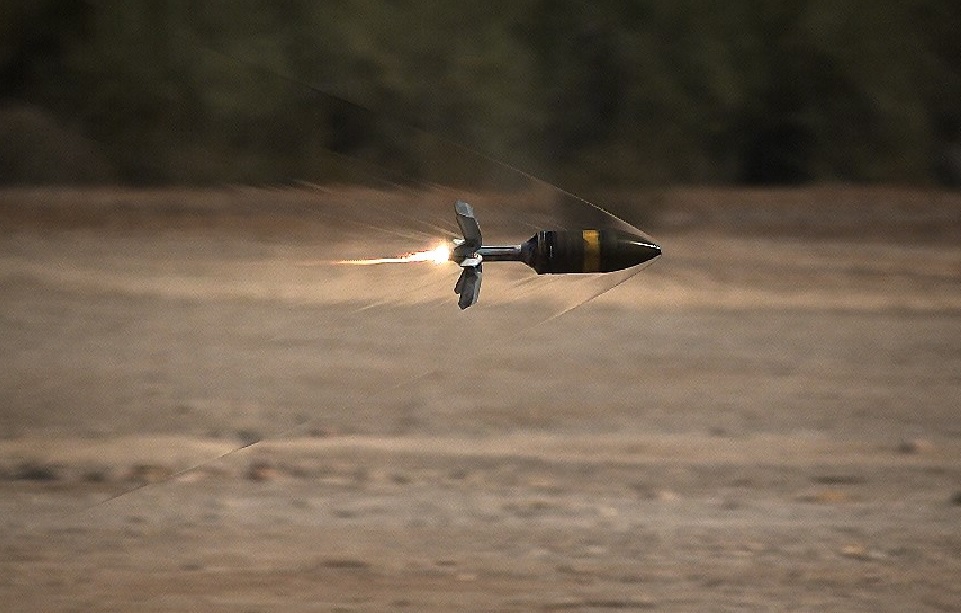
World
WASHINGTON, June 23, 2026 — Northrop Grumman has secured a five-year U.S. Army contract valued at up to $884.9 million for the production and supply of the M1147 Advanced Multi-Purpose (AMP) 120mm tank round, supporting both U.S. military requirements and Foreign Military Sales (FMS) customers operating the M1 Abrams main battle tank. The framework agreement, announced by the U.S. Department of Defense, allows orders to be placed through March 2031 and represents a key element of the Army’s armored force modernization efforts. The contract establishes a long-term production pipeline for the M1147, the newest primary ammunition round for the Abrams fleet. Replacing Four Legacy Ammunition Types The M1147 AMP round is designed to consolidate the capabilities of four existing Abrams ammunition types into a single programmable munition: M830 High Explosive Anti-Tank (HEAT) M830A1 Multi-Purpose Anti-Tank (MPAT) M908 Obstacle Reduction M1028 Canister By combining these functions into one round, the Army aims to simplify ammunition management, reduce logistical requirements, and decrease storage and transportation burdens for armored units. The approach also allows tank crews to carry a more versatile ammunition load while reducing the need to switch between multiple specialized rounds during combat operations. Programmable Multi-Mode Fuze A key feature of the M1147 is its programmable multi-mode fuze, which is integrated with the Abrams fire control system through an Ammunition Data Link. Prior to firing, crews can electronically select the desired detonation mode based on mission requirements. The round offers three selectable modes: Point Detonation: Designed for immediate impact against light armored vehicles and standard battlefield targets. Point Detonation Delay: Allows the projectile to penetrate reinforced structures, including up to 20 centimeters of concrete, before detonation. Airburst: Optimized for engaging infantry formations, anti-tank guided missile teams, and targets concealed behind cover or terrain features. The M1147 has an effective engagement range exceeding 2,000 meters and is intended to defeat a wide variety of battlefield threats, including light armored vehicles, bunkers, fortified positions, reinforced obstacles, and dismounted personnel. Full-Rate Production Approved The contract follows a major program milestone reached in December 2024, when the U.S. Army approved the M1147 for full-rate production. The decision marked the transition from low-rate initial production to sustained manufacturing, enabling larger procurement quantities to meet operational and stockpiling requirements. The latest contract is structured as a hybrid agreement incorporating cost-plus-fixed-fee, firm-fixed-price, and fixed-price with economic price adjustment provisions. Individual work locations and funding allocations will be determined through delivery orders issued by the Army Contracting Command in Newark, New Jersey, over the next five years. Supporting Abrams Modernization The M1147 is a central component of ongoing efforts to enhance the combat effectiveness of the Abrams main battle tank. By providing a single ammunition solution capable of addressing multiple target types, the round improves operational flexibility while helping streamline training and sustainment activities. The capability is particularly relevant for modern combat environments where armored units may encounter a mix of infantry, anti-tank teams, fortified positions, and light armored vehicles during the same mission. Industry Experience Northrop Grumman has more than 45 years of experience in the development and production of large-caliber ammunition. According to the company, it has delivered more than five million tactical and training rounds to the U.S. military and allied forces worldwide. Dave Fine, Vice President of Armament Systems at Northrop Grumman, said the M1147 provides greater efficiency and readiness for Abrams operators while increasing battlefield effectiveness. “With its enhanced functionality, the M1147 AMP meets the Army’s needs for efficiency and readiness, while enhancing the lethality of the Abrams Main Battle Tank,” Fine said. “This capability enables unmatched mission flexibility by empowering forces to adapt instantly to any threat.” Production under the new framework agreement will support both existing Abrams operators and future international customers, ensuring continued availability of the Army’s latest multi-purpose tank ammunition through the end of the decade.a
Read More → Posted on 2026-06-23 10:15:49
World
LONG BEACH, Calif., June 23, 2026 — Rocket Lab has successfully launched its Electron rocket and deployed the Pioneer spacecraft for the U.S. Space Force’s (USSF) VICTUS HAZE mission, establishing a new benchmark for tactically responsive space operations. The mission lifted off from Launch Complex 1 on New Zealand’s Mahia Peninsula at 10:19 p.m. NZT on June 19, just 16 hours and 42 minutes after Rocket Lab received a formal Notice to Launch from the U.S. Space Force. The turnaround time surpassed the previous VICTUS NOX record by more than 10 hours. VICTUS HAZE is a Tactically Responsive Space (TacRS) mission managed by the U.S. Space Force Space Systems Command’s (SSC) Space Safari Program Office. It is the first TacRS mission in which a single prime contractor managed the complete mission, with Rocket Lab responsible for designing, manufacturing, testing, launching, and operating the Pioneer spacecraft, which carries a payload known as PUMA. The mission achieved several key milestones. Rocket Lab’s Guidance, Navigation, and Control team completed trajectory calculations, software updates, and global ground station coordination in approximately four hours. The Pioneer spacecraft was fully commissioned and prepared for its first orbital maneuver within 37 hours and 36 minutes, well ahead of the military’s 72-hour requirement. Rocket Lab said its vertically integrated manufacturing model helped support the accelerated timeline. The company produces critical spacecraft and launch vehicle subsystems in-house, including propulsion systems, solar arrays, reaction wheels, star trackers, and flight software, reducing reliance on external suppliers. Following deployment into low Earth orbit, the Pioneer spacecraft began conducting Rendezvous and Proximity Operations (RPO). The spacecraft is currently performing maneuvers with the Jackal spacecraft developed by True Anomaly, simulating responses to potential on-orbit threats and supporting Space Domain Awareness objectives. Lt. Col. Lincoln Miller, Space Safari system program manager, said the mission represents the “run” phase of the TacRS program and demonstrates the ability to rapidly commission a spacecraft and begin on-orbit operations within operational timelines. Rocket Lab founder and CEO Sir Peter Beck said the mission demonstrates the effectiveness of combining spacecraft production, launch services, and mission operations under a single provider to support rapid deployment requirements for national security space missions. The successful VICTUS HAZE mission advances the U.S. Space Force’s responsive space capabilities and highlights the growing role of commercial industry in supporting national security operations in orbit.
Read More → Posted on 2026-06-23 09:54:08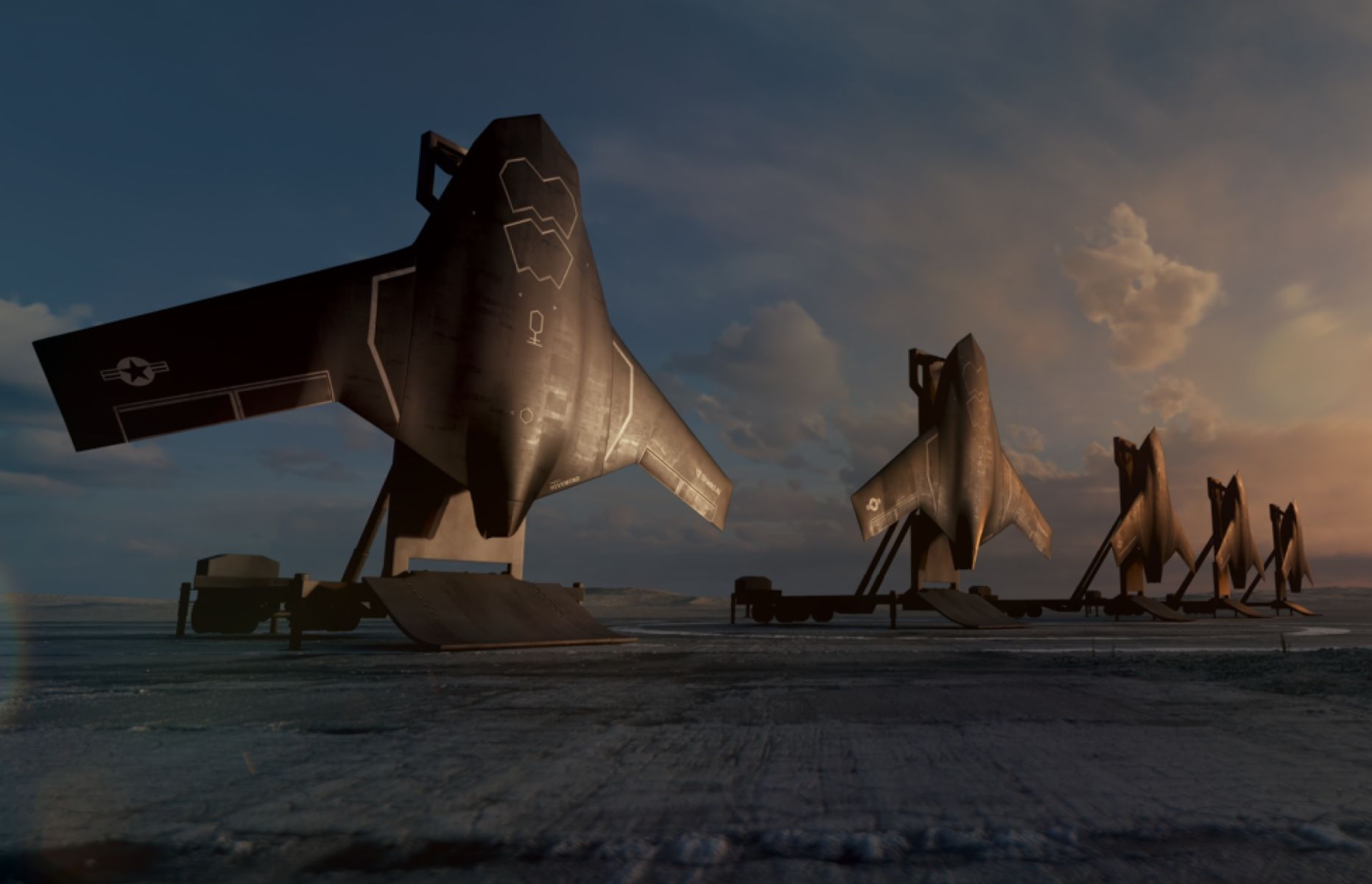
World
SAN DIEGO, June 23, 2026 — Shield AI has completed the acquisition of Aechelon Technology, Inc., a specialist in high-fidelity simulation, physics-based sensor modeling, and synthetic reality technologies. The transaction follows the recent close of Shield AI’s $2 billion strategic financing package, which values the company at $12.7 billion post-money. A portion of the financing proceeds was used to acquire Aechelon from private equity firm Sagewind Capital. The funding will also support the development of Shield AI’s upcoming X-BAT aircraft and other autonomous defense programs. Financing Details The $2 billion financing package includes: $1.5 billion in Series G funding led by Advent International and co-led by the Strategic Investment Group of JPMorganChase’s Security and Resiliency Initiative. $500 million in preferred equity financing from funds managed by Blackstone, along with a $250 million delayed draw facility for future growth. Expanding Simulation and Autonomy Capabilities The acquisition integrates Aechelon’s simulation and synthetic environment technologies with Shield AI’s Hivemind AI pilot software, which enables aircraft to operate autonomously without GPS or external communications. Aechelon’s technologies are used by the U.S. military, U.S. Coast Guard, and allied nations. Its products support the Pentagon’s Joint Simulation Environment (JSE), a virtual combat range used to train pilots, test aircraft, and evaluate autonomous systems before live operations. Shield AI said the integration will strengthen the development of manned-unmanned teaming capabilities and provide synthetic training data to improve the Hivemind Foundation Model for Defense across additional aircraft and mission profiles. Leadership and Operations Aechelon will continue supporting its existing customers and government programs while increasing collaboration with Shield AI’s Hivemind division. Aechelon co-founder and CEO Ignacio (Nacho) Sanz-Pastor will report directly to Shield AI CEO Gary Steele and continue leading Aechelon’s product and customer roadmap. All Aechelon employees have joined Shield AI as part of the acquisition, strengthening the company’s engineering, simulation, and product development teams. The acquisition expands Shield AI’s defense technology portfolio and supports its strategy of combining autonomous systems with advanced simulation technologies for military applications.
Read More → Posted on 2026-06-23 09:44:34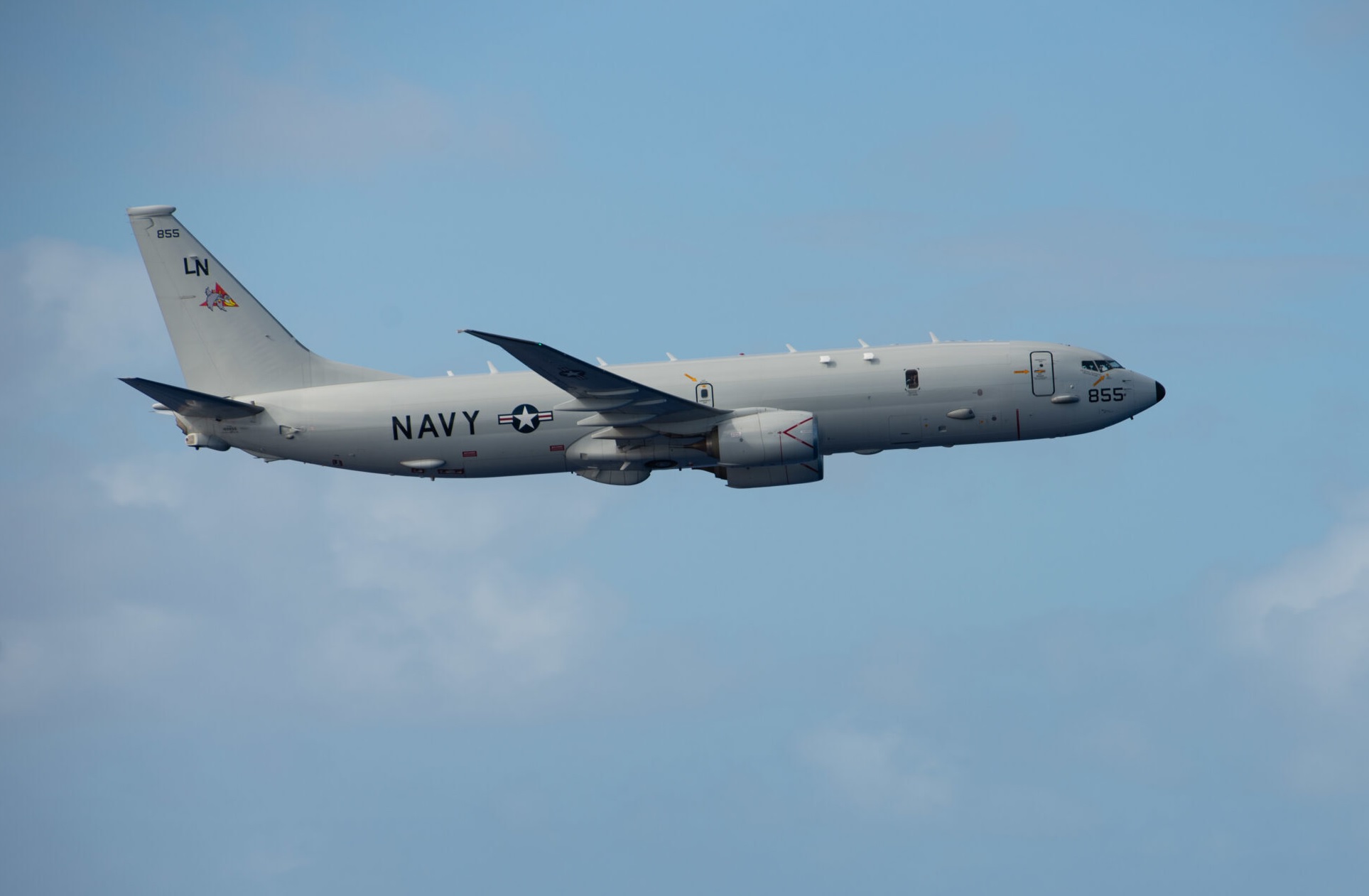
World
WASHINGTON, June 23, 2026 — Boeing has been awarded a $121.2 million cost-plus-fixed-fee contract by the U.S. Department of War to upgrade nine P-8A Poseidon maritime patrol aircraft to the latest Increment 3 Block 2 (I3B2) configuration. The contract, issued through the Naval Air Systems Command (NAVAIR), will enhance the aircraft's anti-submarine warfare, maritime surveillance, and surface target tracking capabilities. The contract, valued at $121,195,041, includes the procurement of nine Increment 3 Block 2 retrofit A-kits. These kits provide the structural and electronic modifications required to support the upgraded mission system, including new airframe racks, radomes, antennas, sensors, and wiring. Of the nine A-kits being procured, six are allocated to the U.S. Navy and three to the Royal Australian Air Force (RAAF). Boeing will also install three A-kits and associated government-furnished B-kits on U.S. Navy aircraft. The B-kits contain the advanced mission computers, radios, sensors, and communications equipment that enable the new capabilities. In addition, the contract includes non-recurring engineering efforts to address supply chain challenges, diminishing manufacturing sources, and material shortages affecting long-term fleet sustainment. Increment 3 Block 2 Modernization The Increment 3 Block 2 upgrade represents one of the most significant capability enhancements introduced to the P-8A Poseidon fleet since the aircraft entered operational service. Key improvements include: Wideband Satellite Communications (SATCOM): Enables secure, high-data-rate communications across extended distances, allowing real-time information sharing with ships, submarines, aircraft, and command centers. Advanced Combat System: Incorporates improved computer processing, enhanced cybersecurity architecture, and a modernized track management system. Enhanced Anti-Submarine Warfare Capabilities: Adds upgraded acoustic processing systems, new antennas, and improved signals intelligence capabilities for detecting and tracking advanced submarine threats. Expanded Network Integration: Allows the aircraft to operate as a connected node within the broader naval command-and-control network. These upgrades are designed to improve the aircraft's effectiveness against increasingly quiet and sophisticated submarines while strengthening its role in distributed maritime operations. Backbone of Maritime Patrol Operations Based on the Boeing 737-800 airframe, the P-8A Poseidon serves as the primary maritime patrol, reconnaissance, and anti-submarine warfare aircraft of the U.S. Navy. The platform began replacing the aging P-3 Orion fleet in 2013 and has since become a cornerstone of maritime surveillance operations. The aircraft is capable of carrying Mk 54 torpedoes, AGM-84 Harpoon anti-ship missiles, and advanced sonobuoys. With a ferry range of up to 7,500 nautical miles, it can conduct long-duration missions across vast ocean areas while supporting intelligence, surveillance, reconnaissance, anti-surface warfare, and anti-submarine warfare operations. Program Reaches Operational Milestone The contract follows a major milestone for the modernization program. On April 24, 2026, the U.S. Navy declared Initial Operational Capability (IOC) for the Increment 3 Block 2 configuration following successful testing conducted by Air Test and Evaluation Squadron One (VX-1). The IOC declaration confirms that designated operational units have completed training and are authorized to conduct missions using the upgraded system. The Navy plans to retrofit its entire fleet of approximately 130 P-8A aircraft as part of its long-term modernization strategy. Strengthening U.S.-Australia Maritime Cooperation Australia's participation in the program highlights ongoing efforts to improve interoperability between allied maritime forces, particularly in the Indo-Pacific region. The Royal Australian Air Force currently operates 14 P-8A Poseidon aircraft from RAAF Base Edinburgh and has already begun upgrading its fleet to the Increment 3 Block 2 standard. The Australian government is contributing approximately $20.1 million toward this contract. The standardized configuration will allow U.S. and Australian forces to share data more effectively and conduct coordinated maritime operations across strategically important sea lanes. Work Locations and Funding Most of the contract work will be performed at Boeing's facility in Jacksonville, Florida, which will account for approximately 80 percent of the effort. Additional work will take place in: St. Louis, Missouri (11%) Mesa, Arizona (9%) Funding for the award includes $92.8 million from Fiscal Year 2026 U.S. Navy aircraft procurement accounts and $8.3 million from expiring Fiscal Year 2024 Navy procurement funds. All work under the contract is scheduled for completion by May 2029. Fleet Modernization Effort The Increment 3 Block 2 program forms a key part of the U.S. Navy's effort to maintain the P-8A Poseidon's effectiveness against evolving maritime threats. By introducing enhanced networking, processing power, communications, and anti-submarine warfare capabilities, the upgrade will ensure the aircraft remains a critical asset for maritime domain awareness and naval operations for years to come. For both the U.S. Navy and the Royal Australian Air Force, the modernization effort will strengthen long-range surveillance, improve coordination across allied forces, and enhance the ability to monitor and respond to underwater and surface threats across the world's most strategically important maritime regions.
Read More → Posted on 2026-06-23 09:31:48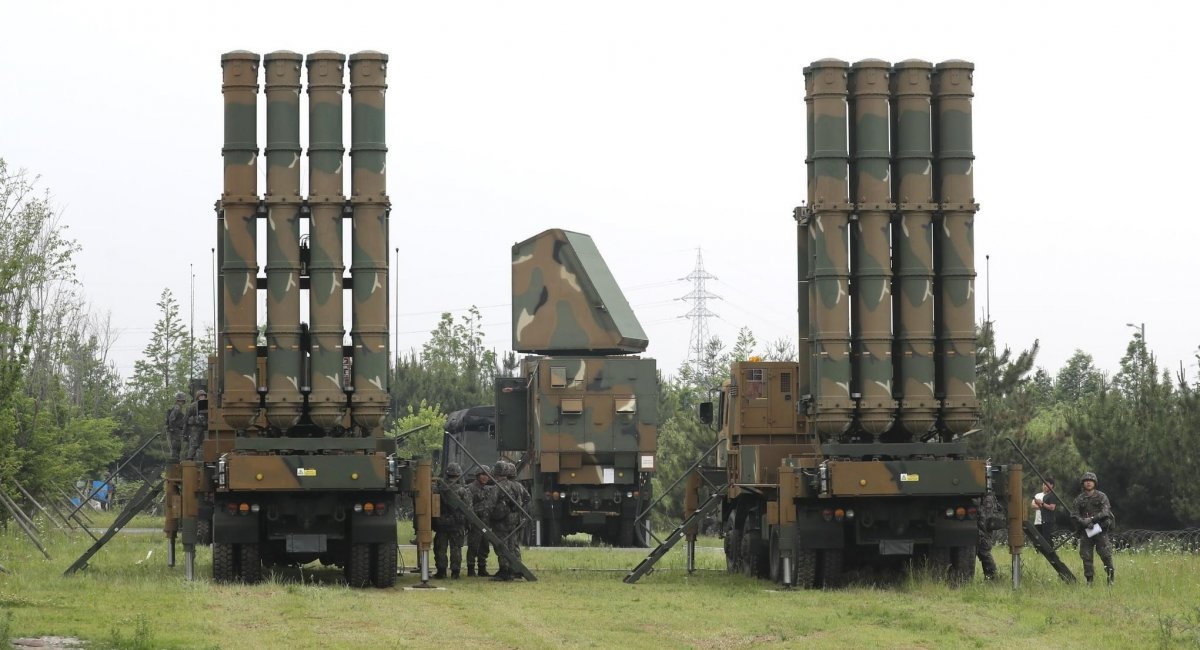
World
BERN, Switzerland, June 23, 2026 — Switzerland is assessing alternative long-range air defense systems after delays and rising costs associated with its planned acquisition of U.S.-made Patriot missile batteries. The review comes as the country seeks to address a growing capability gap in protection against ballistic and cruise missile threats. Switzerland originally agreed to purchase five Patriot fire units from the United States under a deal valued at approximately CHF 2 billion as part of its Air2030 modernization program. Deliveries were initially scheduled between 2026 and 2029. However, production constraints and the prioritization of air defense equipment for Ukraine have significantly affected delivery timelines, with some projections indicating that the systems may not arrive until 2035. The project has also experienced substantial cost increases beyond the original contract value. Swiss authorities have already paid an estimated CHF 700 million as a down payment, making any decision to cancel or modify the agreement financially and diplomatically complex. Despite these challenges, the extended delay has prompted the Swiss government to explore other options to strengthen national air and missile defense capabilities. Alternative Proposals Presented at Eurosatory Several international defense companies presented their systems to Swiss officials during the Eurosatory defense exhibition in Paris, offering delivery schedules considerably shorter than the revised Patriot timeline. The Franco-Italian consortium Eurosam proposed its SAMP/T long-range air defense system and stated that it could complete deliveries within 36 months of a contract award. According to Cyprien Canivenc, a member of Eurosam’s executive management, an order placed in 2026 could result in deliveries beginning in 2028 and continuing through 2029. The company also emphasized its commitment to maintaining agreed pricing, stating that the prices communicated to Swiss procurement agency armasuisse would be honored throughout the contract period. Diehl Defence Promotes IRIS-T SLX German defense manufacturer Diehl Defence is offering its IRIS-T SLX long-range air defense system, which it says could be delivered by 2029. The proposal benefits from Switzerland’s existing investment in the IRIS-T family. Earlier, Switzerland signed a contract for five IRIS-T SLM medium-range firing units. By selecting the longer-range SLX variant, the Swiss Armed Forces could potentially reuse existing radar systems, command infrastructure, and training resources. Diehl Defence spokesperson Henner Euting said the approach could provide a financially attractive solution while reducing integration and operational costs. Hanwha Offers Industrial Cooperation South Korean defense company Hanwha Aerospace has also entered the competition with its L-SAM long-range missile defense system. Hanwha stated that it could deliver the system by 2029 and expressed willingness to involve Swiss industry in the program. The company indicated that portions of manufacturing could be subcontracted to Swiss firms, creating industrial benefits and supporting domestic defense production capabilities. Although the system is produced outside Europe, Hanwha believes industrial cooperation and local participation could strengthen its position in the competition. Rafael's David's Sling Remains a Potential Option Israeli defense company Rafael Advanced Defense Systems also showcased its David’s Sling missile defense system at Eurosatory. The system recently gained operational attention following its use during the conflict involving Iran and Israel. While Rafael did not publicly announce a specific proposal for Switzerland, David’s Sling remains one of the recognized long-range air and missile defense solutions available on the international market. Federal Council Weighs Next Steps The Swiss Federal Council has been reviewing alternatives since spring 2026 as concerns over Patriot delivery delays increased. Officials must now decide whether to continue waiting for the U.S. systems while accepting a prolonged capability gap and higher costs, or pursue an alternative supplier and address the contractual implications of modifying the existing agreement. Swiss authorities have indicated a preference for European-produced systems due to considerations related to interoperability, supply security, and strategic autonomy. However, any final decision will also consider delivery schedules, overall costs, operational compatibility, industrial participation opportunities, and long-term defense requirements. No immediate selection is expected, but the Federal Council is anticipated to determine the next procedural steps before the start of the summer holidays. The review highlights a broader trend across Europe, where governments are seeking diversified and rapidly available air defense capabilities in response to evolving security challenges and increasing demand for missile defense systems.
Read More → Posted on 2026-06-23 09:15:28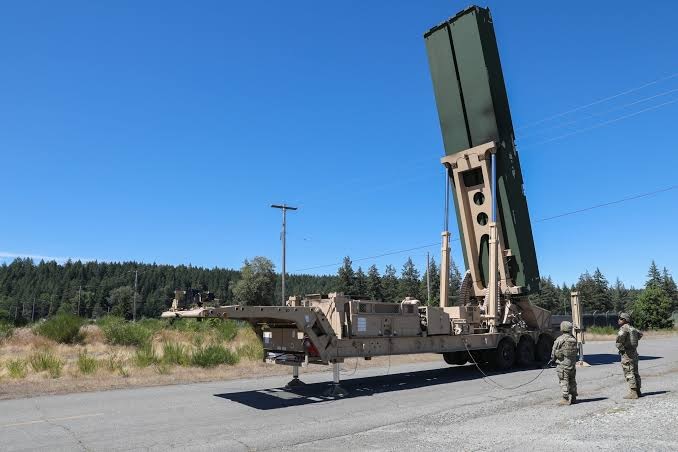
World
WASHINGTON, June 23, 2026 — The U.S. Army is expanding its inventory of Dark Eagle hypersonic missiles following an $83.2 million contract modification awarded to Lockheed Martin Space on June 22, 2026. The contract, awarded by the U.S. Navy’s Strategic Systems Programs office under existing contract N00030-22-C-1025, supports the procurement of additional All-Up Rounds (AURs) for the Army’s Long-Range Hypersonic Weapon (LRHW) program. AURs are fully assembled, ready-to-fire missile systems. The Army obligated approximately $79.3 million in Fiscal Year 2025 Missile Procurement funds, highlighting the program’s transition from development and testing to operational fielding and stockpile expansion. Work under the contract is scheduled to continue through June 30, 2029. Production Across Multiple States Manufacturing will be distributed across several locations in the United States. Lockheed Martin’s facility in Denver, Colorado, will perform 31 percent of the work, followed by Magna, Utah (26 percent), Cortland, Alabama (14 percent), East Aurora and Owego, New York (14 percent combined), Simsbury, Connecticut (10 percent), Sunnyvale, California (2 percent), and other locations (3 percent). The production effort supports manufacturing of specialized components, including thermal protection systems, solid-fuel propulsion elements, and guidance electronics. Dark Eagle Hypersonic Weapon Dark Eagle is a ground-launched hypersonic missile system that shares the Common Hypersonic Glide Body (C-HGB) with the Navy’s Conventional Prompt Strike (CPS) program. The C-HGB, developed by Dynetics, separates from a two-stage solid-fuel booster produced by Lockheed Martin and maneuvers toward its target at speeds exceeding Mach 5 after launch. The Army plans to field Dark Eagle in mobile batteries consisting of four M983 launcher trucks carrying a total of eight missiles, supported by a command vehicle. Program Progress The program experienced a flight-test setback in June 2022, leading to booster redesign efforts. A successful end-to-end CPS flight test on December 12, 2024, validated the weapon system and supported its transition into production. In April 2026, Lockheed Martin received a separate $1.36 billion contract modification covering missile production, systems integration, and long-lead materials through October 2032. The 5th Battalion, 3rd Field Artillery Regiment at Joint Base Lewis-McChord, Washington, has been designated as the first operational Dark Eagle unit. On April 29, 2026, U.S. Central Command (CENTCOM) reportedly requested deployment of Dark Eagle to the Middle East after Iranian missile launchers were moved beyond the range of the Army’s Precision Strike Missile system. The latest contract modification supports the continued production of operational Dark Eagle missiles as the Army builds its hypersonic weapon inventory.
Read More → Posted on 2026-06-23 09:03:51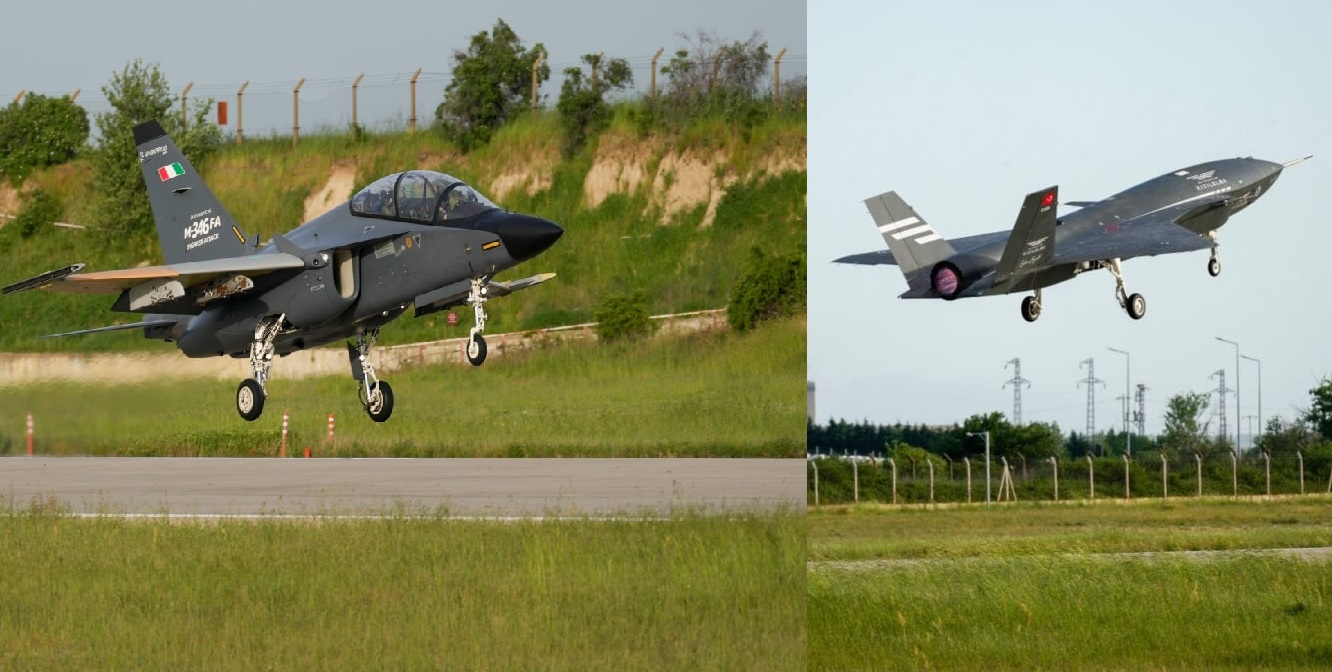
World
Rome/Istanbul, — June 22, 2026 : Italian defense company Leonardo and Turkish drone manufacturer Baykar have successfully completed the first phase of live flight testing under the K-SWARM programme, a joint initiative focused on developing Crewed/UnCrewed Teaming (CUC-T) and interoperability between manned combat aircraft and autonomous unmanned aerial systems. The flight campaign was conducted in May 2026 at Baykar’s flight and test center in Çorlu, Türkiye, marking the programme’s transition from simulator-based validation to live flight operations. First Live Flight Campaign The tests involved three aircraft: a Leonardo-owned M-346 Fighter Attack (FA) aircraft acting as the command platform, a Bayraktar KIZILELMA uncrewed combat aircraft, and an Italian Air Force T-346A serving as a chase aircraft for mission monitoring and data collection. The campaign began with KIZILELMA performing an autonomous taxi and take-off before using Baykar’s Smart Fleet Autonomy algorithms to locate and rejoin the M-346 in flight. After the formation was established, pilots aboard the M-346 assumed tactical control of the uncrewed aircraft through a newly integrated avionics suite and dedicated crewed-uncrewed computing system. During the flights, the M-346 crew directed a series of manoeuvres including position changes, separations and rejoins. KIZILELMA successfully executed each command autonomously while maintaining formation integrity and responding accurately to pilot instructions. Technology Integration The programme combines Leonardo’s expertise in avionics, flight control systems and cybersecurity with Baykar’s autonomous flight technologies. Flight tactics, procedures and algorithms were developed by Leonardo’s Avionic and Flight Control Innovation Labs and PC2LAB in Turin, Italy. These systems were validated using an M-346 Full Mission Simulator in Venegono before live testing began. Baykar integrated its Smart Fleet Autonomy software into the crewed-uncrewed teaming architecture, enabling autonomous behaviour and coordinated operations during the trials. Secure communications between the M-346 and KIZILELMA were supported by an advanced radio-frequency data exchange architecture. Leonardo’s GCC Tactical Platform provided real-time monitoring and cybersecurity protection throughout the missions. Programme Objectives K-SWARM is designed to advance crewed-uncrewed teaming and swarm operations by allowing airborne crews to direct autonomous combat aircraft during missions. The concept aims to reduce pilot workload, improve mission coordination and enhance the effectiveness of multi-aircraft operations. The trials demonstrated the ability of a crewed aircraft to command and coordinate a fighter-class unmanned platform in real flight conditions, validating key technologies required for future collaborative combat operations. Next Phase Data collected during the campaign is now being analyzed to support future development stages. Leonardo and Baykar plan to conduct additional flight tests in the coming months featuring increased operational complexity, enhanced situational awareness requirements and expanded collaborative mission functions. The programme also supports the broader cooperation between the two companies through their LBA Systems joint venture, which focuses on advanced unmanned technologies, autonomous systems and crewed-uncrewed teaming capabilities. The successful completion of the first live testing phase establishes a foundation for further development of technologies intended to support future air combat and multi-domain operations.
Read More → Posted on 2026-06-22 14:49:13
World
NORFOLK, Va., — June 22, 2026 : The U.S. Navy’s Military Sealift Command (MSC) has awarded a multi-vendor indefinite-delivery/indefinite-quantity (IDIQ) contract worth up to $759 million to provide diesel engine parts, maintenance, repair, and overhaul services for its global fleet of auxiliary and logistics vessels. The five-year agreement will remain in effect through June 3, 2031, supporting the long-term operational readiness of non-combatant ships that sustain naval operations worldwide. The contract is designed to ensure continuous availability of critical propulsion systems across MSC vessels operating in multiple regions, including the United States, Europe, the Middle East, and the Indo-Pacific. Selected Contractors Following a competitive solicitation process that received four proposals, the Navy selected two primary contractors for the multiple-award contract: Motor-Services Hugo Stamp Inc. (MSHS Pacific Power Group) of Fort Lauderdale, Florida. Everllence Middle East and Africa LLC, based in Dubai, United Arab Emirates. Task orders will be issued competitively among the selected vendors using a combination of firm-fixed-price and time-and-materials arrangements. The companies will provide original equipment manufacturer (OEM) parts, technical expertise, inspections, repairs, testing, and major engine overhauls for MSC vessels. To maintain reliability and comply with manufacturer requirements, only OEM-certified technicians or MSC-approved personnel will be authorized to perform maintenance work on the fleet’s customized diesel propulsion systems. Supporting the Navy’s Global Logistics Fleet The Military Sealift Command operates a diverse fleet of non-combatant ships that provide essential logistics and support services to the U.S. Navy. These vessels transport fuel, ammunition, equipment, and supplies while enabling sustained naval operations far from home ports. The contract will support several key vessel classes, including: Fleet Replenishment Oilers (T-AO) Dry Cargo and Ammunition Ships (T-AKE) Submarine Tenders Hospital Ships Expeditionary Mobile Bases (ESB) Expeditionary Transfer Docks (ESD) Large Medium-Speed Roll-on/Roll-off Ships Kocak-class Roll-on/Roll-off Container Ships Services covered under the agreement include engine appraisals, inspections, repairs, overhauls, troubleshooting, testing, technical support, and lifecycle management activities. Enhancing Operational Readiness Reliable propulsion systems are critical to the performance of MSC vessels, which serve as the logistical backbone of U.S. naval operations. These ships enable combat fleets to remain deployed for extended periods by delivering fuel, ammunition, spare parts, and other essential supplies. By ensuring rapid access to maintenance services and replacement components worldwide, the contract aims to reduce downtime and improve fleet availability. The global support structure allows maintenance activities to be conducted wherever MSC ships are deployed, helping sustain operational readiness across multiple theaters. Multi-Vendor Strategy Reduces Supply Chain Risks The Navy’s use of a multi-award IDIQ structure reflects a broader Department of Defense approach to long-term sustainment and logistics support. Rather than relying on a single contractor, the arrangement allows the Navy to distribute work among qualified providers based on operational requirements. This strategy improves flexibility, promotes competition, helps control lifecycle costs, and reduces risks associated with supply chain disruptions or dependence on a single source of support. It also enables the Navy to rapidly procure parts and technical services as maintenance needs emerge. Industry and Defense Implications The contract highlights continued demand for maritime sustainment services and advanced logistics support within the defense sector. As naval forces operate across increasingly complex global environments, maintaining reliable support vessels has become a critical element of military readiness. Companies with established global service networks, certified technical personnel, and experience supporting military fleets are expected to remain well positioned for future sustainment opportunities. The agreement also reinforces the growing importance of lifecycle support contracts as defense organizations seek cost-effective methods to maintain critical assets over extended service lives. With a ceiling value of $759 million, the contract ensures long-term access to diesel engine expertise, OEM components, and worldwide maintenance capabilities that will support Military Sealift Command operations through 2031.
Read More → Posted on 2026-06-22 14:32:44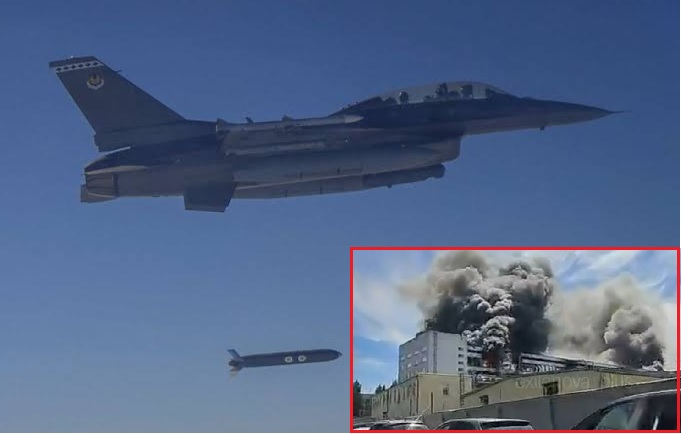
World
KYIV, — June 22, 2026 : Russian military-affiliated sources have claimed that Ukrainian forces used the U.S.-supplied AGM-188A "Rusty Dagger" cruise missile in a strike on the Sborka semiconductor plant in Voronezh, Russia. If confirmed, it would mark the first reported combat use of the new long-range precision munition developed specifically to support Ukraine. The claim originated from the Telegram channel Voevoda Broadcasts and was later cited by open-source intelligence monitor Status-6. Neither Ukraine nor the United States has officially confirmed the weapon used in the attack. The reports come amid indications that early batches of the AGM-188A may already be in service. Recent analysis of strike debris reportedly identified anti-jamming GPS components linked to Zone 5 Technologies, the missile's developer. AGM-188A Rusty Dagger The AGM-188A Rusty Dagger is a turbojet-powered, air-launched precision standoff munition developed by Zone 5 Technologies under the U.S. Air Force's Extended Range Attack Munition (ERAM) program, launched in 2024 to provide Ukraine with affordable, mass-producible long-range strike weapons. Designed to fit within the size and weight limits of a standard 500-pound Mk 82 bomb, the missile can be integrated with aircraft capable of carrying JDAM-guided munitions, including Ukraine's F-16 fleet. Powered by a PBS Aerospace TJ80 turbojet engine, the missile has a reported range exceeding 930 kilometers and carries a 45-kilogram warhead. It also features precision guidance and autonomous navigation capabilities for operations in GPS-disrupted environments. Zone 5 Technologies conducted a live-warhead test of the missile in January 2026, followed by successful F-16 release trials in April 2026. In August 2025, the U.S. approved a potential sale of up to 3,350 ERAM missiles to Ukraine valued at approximately $825 million. While the first production batch of 840 missiles is officially scheduled for delivery in October 2026, reports suggest some systems may have been delivered earlier. Voronezh Strike The Sborka semiconductor plant in Voronezh is located about 500 kilometers from the Ukrainian border. According to Ukraine's Main Intelligence Directorate (GUR), the facility supplies electronic components used in Russian Kh-101 cruise missiles, Iskander-K missile systems, and Pantsir-S1 air defense systems. Russian authorities reported damage to the facility and injuries following the strike. Strategic Significance The Rusty Dagger was designed as a lower-cost alternative to traditional cruise missiles while maintaining long-range precision strike capabilities. Its compatibility with F-16 aircraft and potential for large-scale deployment could enhance Ukraine's ability to conduct strikes against military and industrial targets deep inside Russia. While the weapon used in the Voronezh attack remains unconfirmed, the reports highlight the growing role of long-range precision weapons in the conflict and their potential impact on Russian military infrastructure.
Read More → Posted on 2026-06-22 14:14:16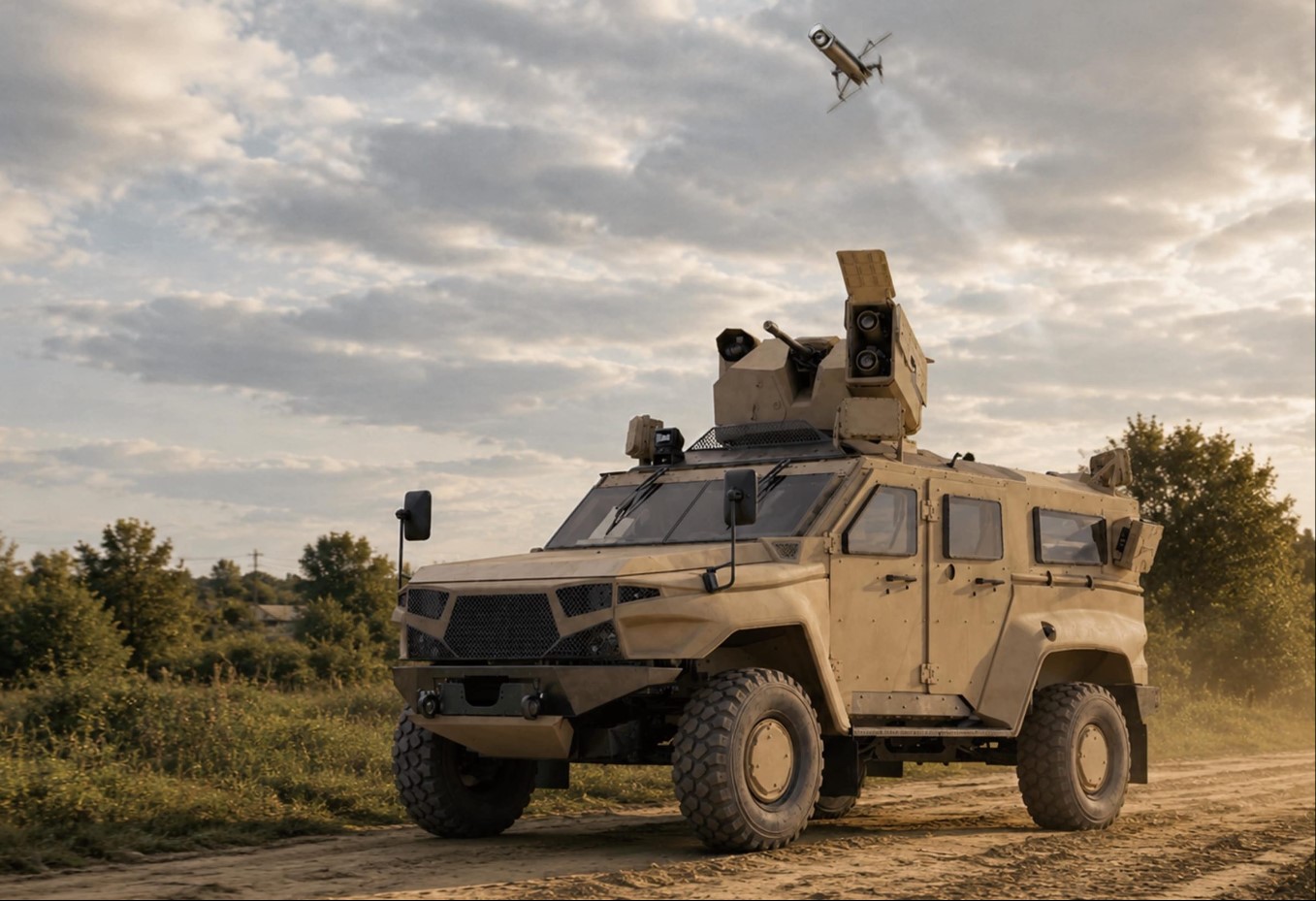
World
Tel Aviv, — June 22, 2026 : Israeli defense company Rafael Advanced Defense Systems and startup SpearUAV have announced a strategic partnership to develop and market the Iron Wasp, a new drone interceptor designed to protect maneuvering ground forces from hostile unmanned aerial vehicles (UAVs) and loitering munitions. The Iron Wasp is based on SpearUAV’s Viper I interceptor technology and is launched from a compact Multi-Canister Launcher (MCL) mounted on combat vehicles. Its low size, weight, and power requirements enable integration on a wide range of platforms, including armored personnel carriers, infantry fighting vehicles, main battle tanks, armored cars, and unmanned ground vehicles with minimal modifications. According to Rafael and SpearUAV, the system uses AI-driven autonomous detection, tracking, and engagement capabilities, allowing vehicle crews to rapidly counter aerial threats without adding significant operational burden. A promotional video released by Rafael shows enemy FPV drones attacking an armored convoy. Interceptor drones launched from a roof-mounted twin-canister launcher successfully engage the incoming threats while the vehicles remain on the move. Integrated radar systems provide real-time detection and tracking of hostile aerial targets. The development comes as military forces face an increasing threat from low-cost attack drones and loitering munitions. A growing challenge is the use of fiber-optic-controlled drones, which are largely immune to electronic warfare systems and signal jamming. Reports indicate that approximately 80 percent of certain hostile drones used in recent conflicts rely on fiber-optic guidance. To address this threat, Iron Wasp employs a kinetic "hard-kill" interception method, physically destroying incoming drones that cannot be neutralized through electronic countermeasures. The interceptor features an open architecture and is designed to integrate with Rafael’s broader defense portfolio, including the Trophy Active Protection System, Drone Dome counter-UAS system, Samson Remote Weapon Stations, and the Lite Beam laser defense system. The partnership combines SpearUAV’s expertise in autonomous drone technology with Rafael’s experience in force protection and defense integration. By providing combat vehicles with an organic aerial interception capability, the companies aim to enhance frontline protection and reduce reliance on external air-defense assets. Neither company has announced a production timeline or expected operational deployment date for the Iron Wasp system.
Read More → Posted on 2026-06-22 14:00:48
World
PARIS, — June 22, 2026 : Allison Transmission has signed a landmark contract with BAE Systems Hägglunds to supply its newly developed 4040 MX™ cross-drive transmissions for the CV90 MkIV Infantry Fighting Vehicle (IFV) program. The agreement, announced during the Eurosatory 2026 defense exhibition in Paris, is valued at $250 million and includes an option for additional units worth up to $50 million. The contract represents the largest single tracked defense program award in Allison Transmission’s history and establishes the company as the transmission supplier for one of Europe’s most widely deployed armored vehicle platforms. 4040 MX Selected for CV90 MkIV The CV90 MkIV will become the first production vehicle to be equipped with Allison’s new 4040 MX cross-drive transmission. The system is an advanced evolution of the company’s proven 3040 MX transmission, which is currently used on several armored vehicle programs, including the U.S. Army’s M10 Booker combat vehicle. The 4040 MX provides increased power capacity and upgraded electronic controls while maintaining the same physical dimensions as its predecessor. The unchanged footprint allows direct integration with the CV90 MkIV’s Scania engine without requiring significant modifications to the vehicle’s powertrain architecture. Before the contract award, Allison Transmission and BAE Systems Hägglunds completed a two-year integration and testing program to validate the transmission’s compatibility, reliability, and performance. Production deliveries of the 4040 MX are scheduled to begin in 2028. Supporting Next-Generation Combat Vehicle Requirements The new transmission has been developed to meet the growing mobility and performance requirements of modern tracked combat vehicles. Its enhanced power handling capability supports the increased weight and operational demands of the latest CV90 variant. The agreement strengthens Allison Transmission’s position within the defense sector and establishes a long-term production pipeline linked to future CV90 MkIV vehicle deliveries. The contract also continues a longstanding relationship between Allison Transmission and BAE Systems Hägglunds. Previous generations of the CV90 family have utilized Allison X300-series transmissions, making the 4040 MX the next step in the platform’s drivetrain evolution. CV90 MkIV Expands Across European Armed Forces The CV90 family remains one of the most widely operated infantry fighting vehicle platforms in Europe. The vehicle is currently in service with Sweden, Denmark, Estonia, Finland, the Netherlands, Norway, and Switzerland. The latest CV90 MkIV variant introduces several upgrades, including an increase in Gross Vehicle Weight Rating from 35 tonnes to 38 tonnes, providing greater payload capacity. The vehicle also features an upgraded electronic architecture, improved digital systems, and integration of an Active Protection System to enhance survivability and battlefield effectiveness. BAE Systems Hägglunds has recently secured major procurement contracts in Slovakia and the Czech Republic for approximately 400 CV90 MkIV vehicles. These orders are expected to create a significant deployment base for Allison’s 4040 MX transmission technology over the coming decade. With production scheduled to begin in 2028, the contract supports the continued modernization of armored vehicle fleets and strengthens industrial cooperation between Allison Transmission and BAE Systems Hägglunds in the global defense market.
Read More → Posted on 2026-06-22 13:49:51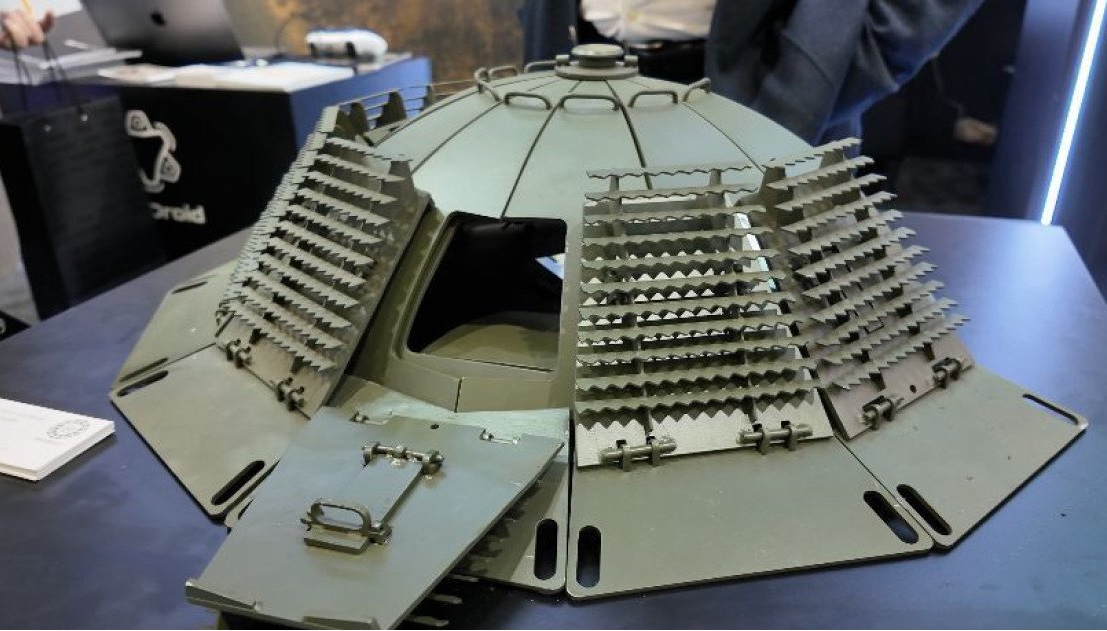
World
Paris, — June 22, 2026 : Ukrainian defense manufacturer PARABELLA has introduced a new modular armored protective capsule designed to rapidly establish fortified positions on the frontline. The system was showcased during the Eurosatory 2026 defense and security exhibition held in Paris from June 15 to 19. The armored capsule is intended to serve as a mobile military shelter that can be quickly transported and assembled in active combat zones. Built using three layers of armored steel sourced from Germany, the structure has a total armor thickness of 16 millimeters and incorporates external metal screens designed to counter shaped-charge munitions. According to the company, the fortified position is capable of withstanding threats such as artillery fire, rocket-propelled grenades (RPGs), and mines. The interior can accommodate up to 10 armed personnel while providing all-around protection and a 360-degree field of observation, enabling troops to monitor and engage targets while remaining under cover. The name PARABELLA combines the Latin phrase “Si vis pacem, para bellum” (“If you want peace, prepare for war”) with the word “umbrella,” reflecting the system’s protective role on the battlefield. The design draws on concepts used in Soviet-era prefabricated armored structures that were deployed as machine-gun emplacements and command-and-observation posts. Historical examples include the BUK armored firing capsule, VSB armored firing structure, and SPS prefabricated machine-gun position. Similar fortified structures, known as MVS-2 (Ministry of Internal Affairs-2), were also employed by Ukraine during the Anti-Terrorist Operation (ATO) period to strengthen defenses around Mariupol. PARABELLA states that the new capsule is designed as a certified system meeting Ukrainian and NATO-related standards for field deployment. The company positions the solution as a modern protective structure that combines mobility, rapid installation, and enhanced survivability for frontline operations. The unveiling at Eurosatory highlights ongoing Ukrainian efforts to develop protective engineering solutions tailored to the requirements of modern high-intensity warfare and to present these technologies to the international defense market.
Read More → Posted on 2026-06-22 13:37:17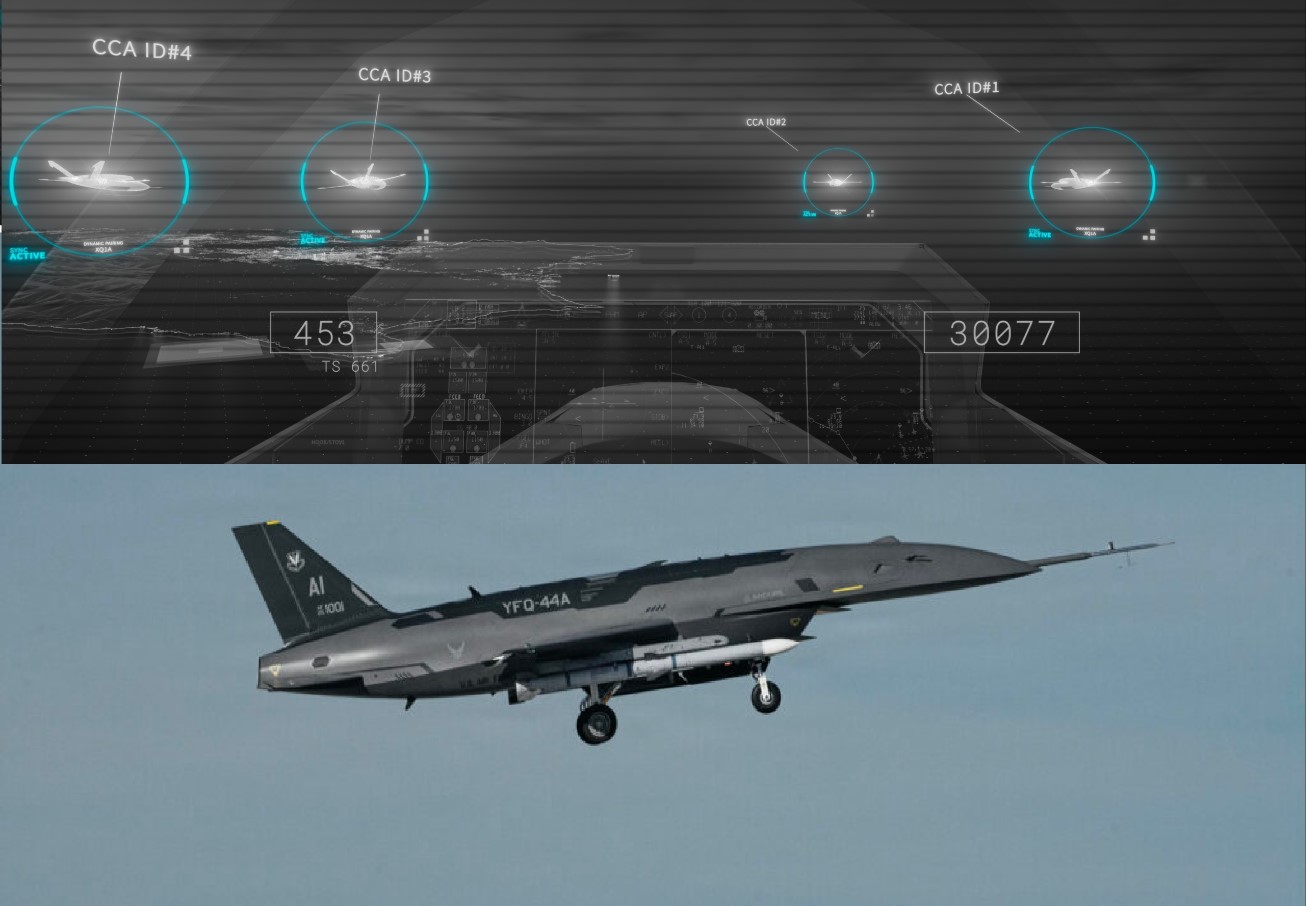
World
WASHINGTON, — June 22, 2026 : The U.S. Air Force has awarded Shield AI a production contract to deploy its Hivemind mission autonomy software within the Collaborative Combat Aircraft (CCA) program, supporting the service’s effort to separate artificial intelligence capabilities from aircraft hardware and accelerate the deployment of autonomous combat systems. The contract follows Shield AI’s earlier selection as a mission autonomy provider during the Technology Maturation and Risk Reduction (TMRR) phase of the CCA program. Hivemind is currently integrated and undergoing flight testing aboard Anduril Industries’ YFQ-44A Fury aircraft. Shield AI’s Hivemind software enables multiple uncrewed aircraft to operate collaboratively under human supervision, improving coordination between autonomous systems while reducing operator workload during complex missions. Software-First Acquisition Strategy The Air Force is adopting a software-first approach by procuring mission autonomy software separately from aircraft hardware. This strategy is enabled by the Autonomy Government Reference Architecture (A-GRA), a government-owned open-systems framework that allows autonomy software to operate across different aircraft platforms. By using A-GRA standards, the Air Force aims to accelerate software updates, simplify integration, reduce vendor dependency, and increase competition among autonomy providers. According to Christian Gutierrez, Senior Vice President of Hivemind at Shield AI, mission autonomy is becoming a foundational capability for future airpower and will support faster innovation and capability deployment. Hivemind Capabilities Hivemind functions as an AI pilot capable of making real-time mission decisions in dynamic environments. Key capabilities include: Autonomous navigation around threats and obstacles. Operations in GPS-denied and communications-jammed environments. Human-machine teaming with crewed and uncrewed platforms. Multi-aircraft collaboration under human supervision. Platform-agnostic integration through A-GRA compliance. The software has also been tested on platforms including the MQ-20 Avenger, BQM-177 target drone, and Airbus H145 helicopter. CCA Program Expansion The Collaborative Combat Aircraft program is a key part of the Air Force’s future force structure. The service plans to field approximately 1,000 semi-autonomous aircraft designed to operate alongside crewed fighters in missions such as reconnaissance, electronic warfare, strike support, and air combat. The Air Force has awarded Increment 1 aircraft development contracts to General Atomics Aeronautical Systems and Anduril Industries, with plans to field more than 150 combat-capable CCA aircraft before the end of the decade. Competition Among Autonomy Providers In addition to Shield AI, the Air Force has awarded autonomy software production options to Anduril and Collins Aerospace. The competitive approach is intended to encourage innovation, reduce costs, and ensure rapid adoption of the most effective autonomy technologies. The contract marks an important step in the Air Force’s effort to integrate AI-powered autonomy into future combat aircraft while maintaining flexibility through open-architecture systems and multi-vendor competition.
Read More → Posted on 2026-06-22 11:32:51Search
Top Trending in 24 Hours
-
 Ukrainian Hackers Expose Highly Classified Russian Naval Data in "Operation Poseidon"
-
 Australia’s MQ-4C Triton and MC-55A Peregrine Reach Initial Operational Capability
-
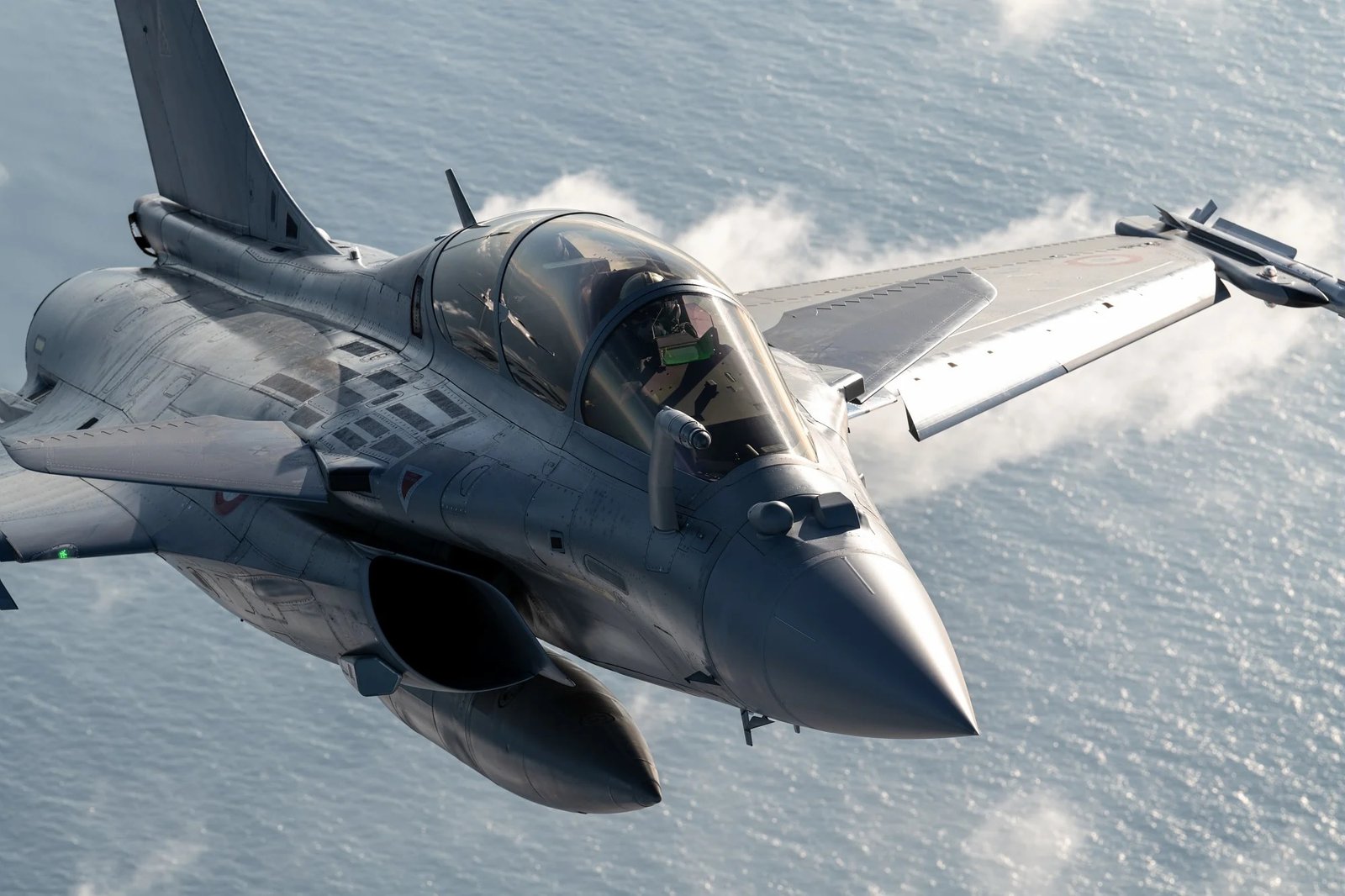 Dassault Aviation Flight-Tests Two Sovereign AI Algorithms on Rafale Fighter
-
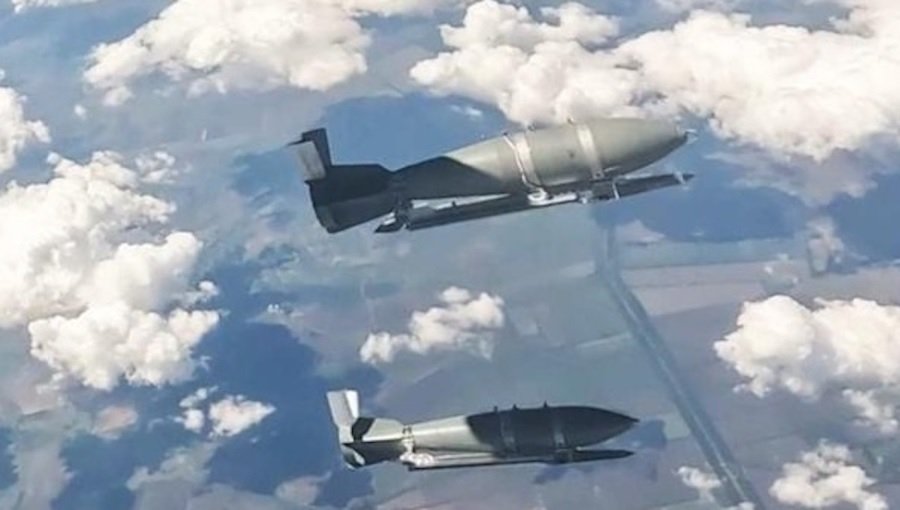 Russia’s Glide Bomb Use in Ukraine Surpasses Recent U.S. Bombing Rate During Epic Fury in Iran, Remains Below 2003 Iraq Peak
-
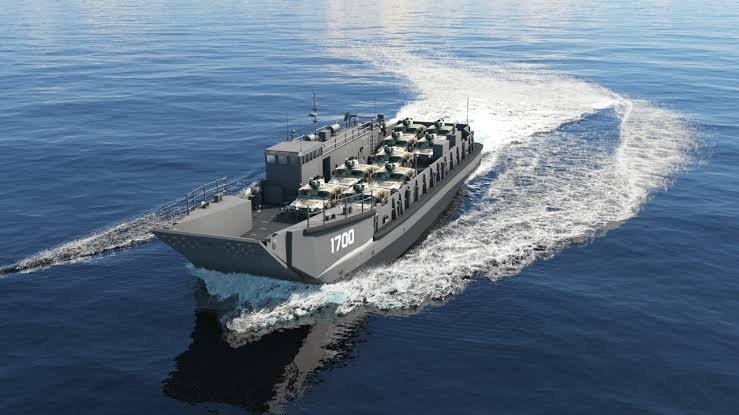 Indian Navy Issues RFI for Six Next-Generation LCU Mk V Vessels Under 'Make in India'
-
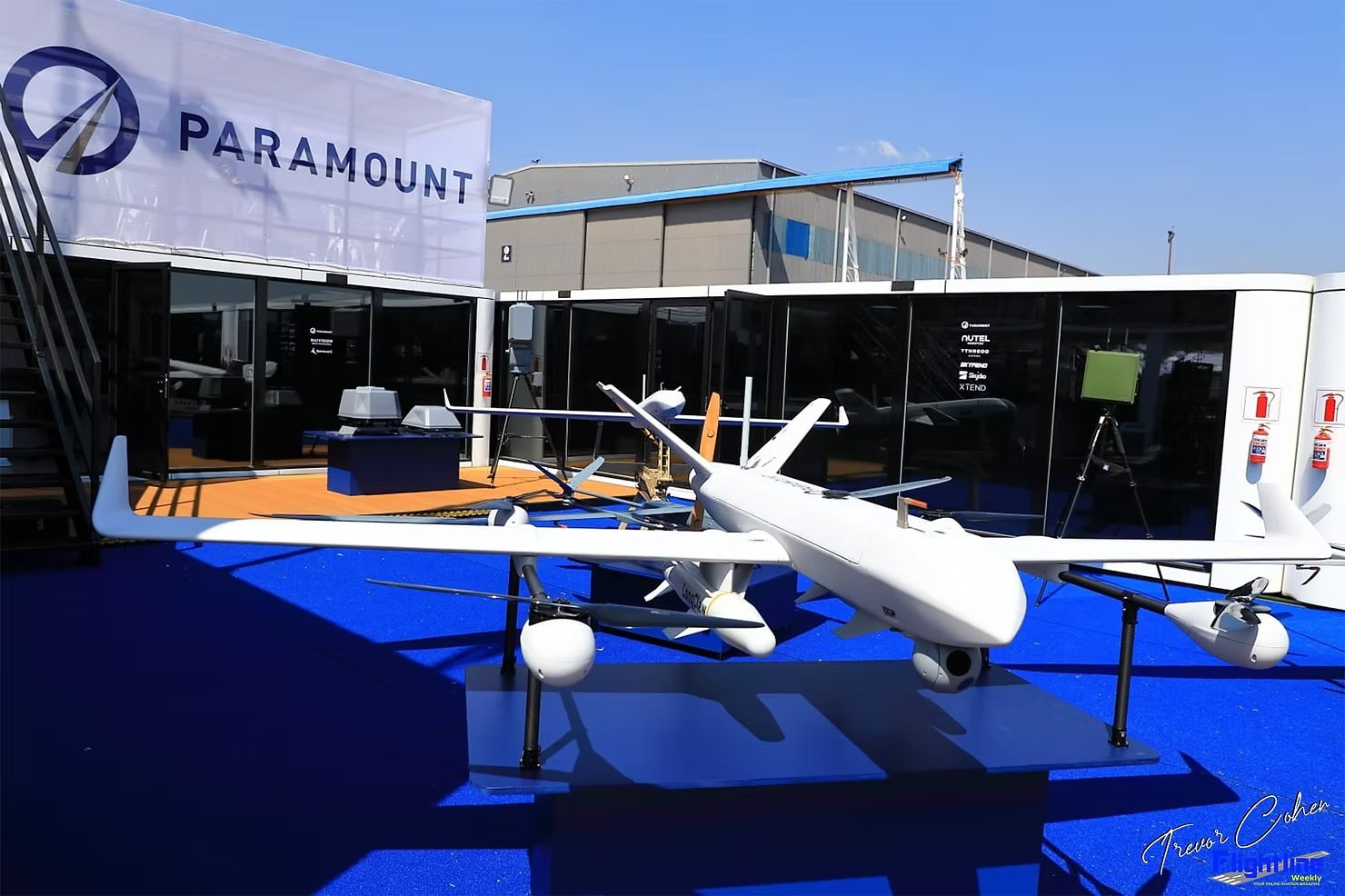 South African Firm Paramount Unveils V-Raven, a Reusable VTOL Drone for the African Battlefield
-
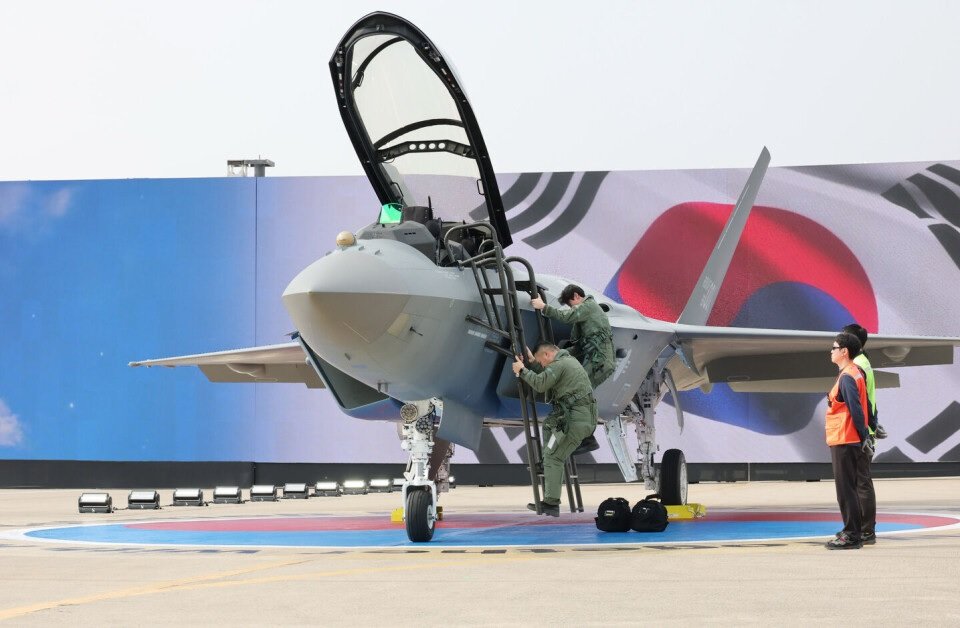 South Korea Delivers First Production KF-21 Boramae Fighter to Air Force
-
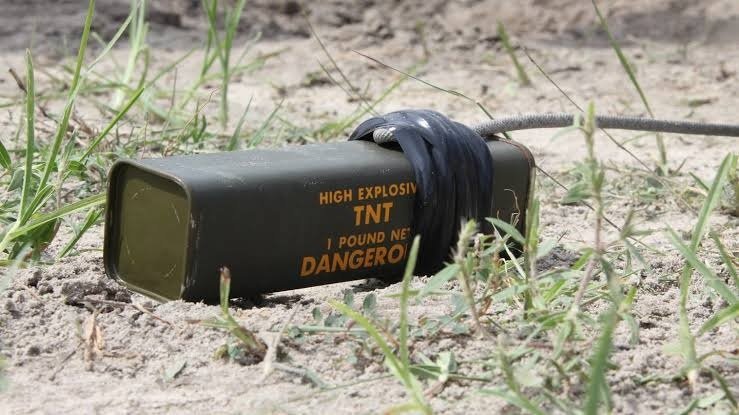 US Commits $20 Million to New TNT Production Facility in Finland
Top Trending in 4 Days
-
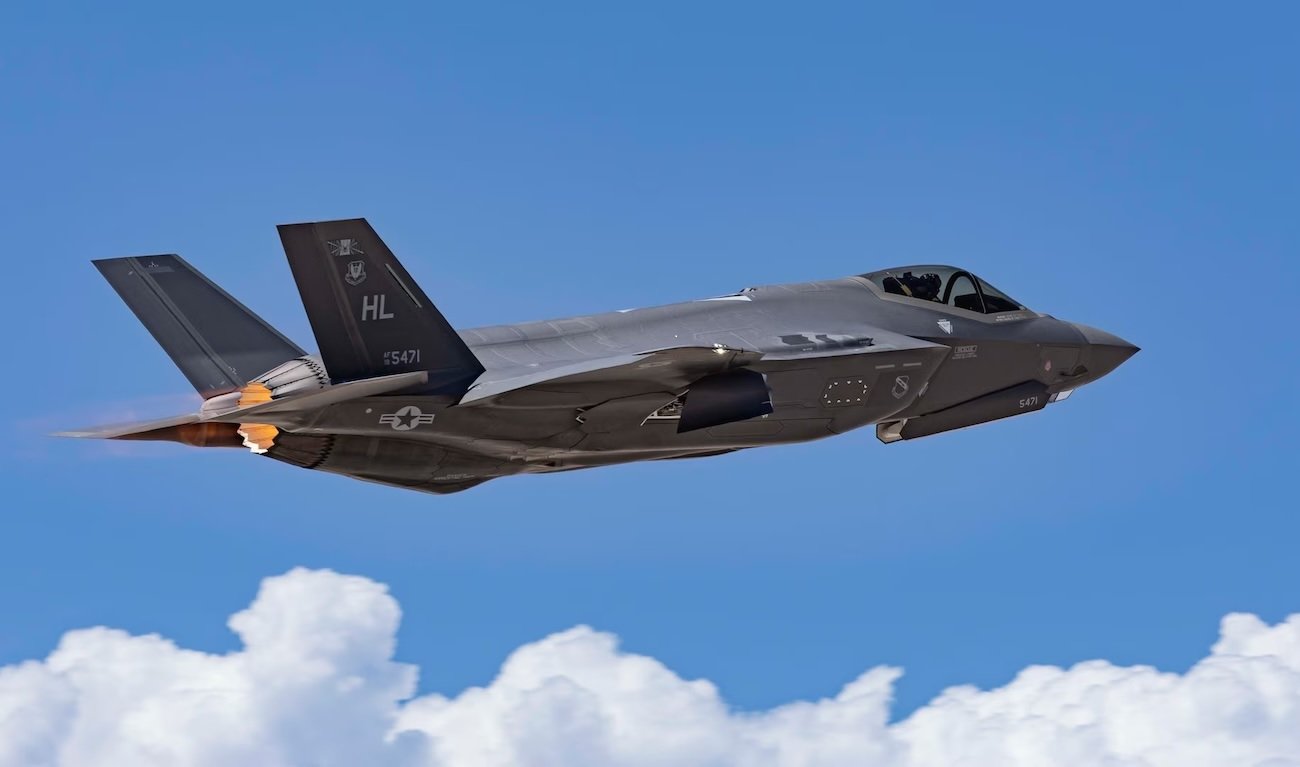 Sensitive F-35 Components Diverted to Hong Kong, Some Parts Missing
-
 U.S. Secures Permanent Military Rights in Greenland in Historic Security Pact with Denmark
-
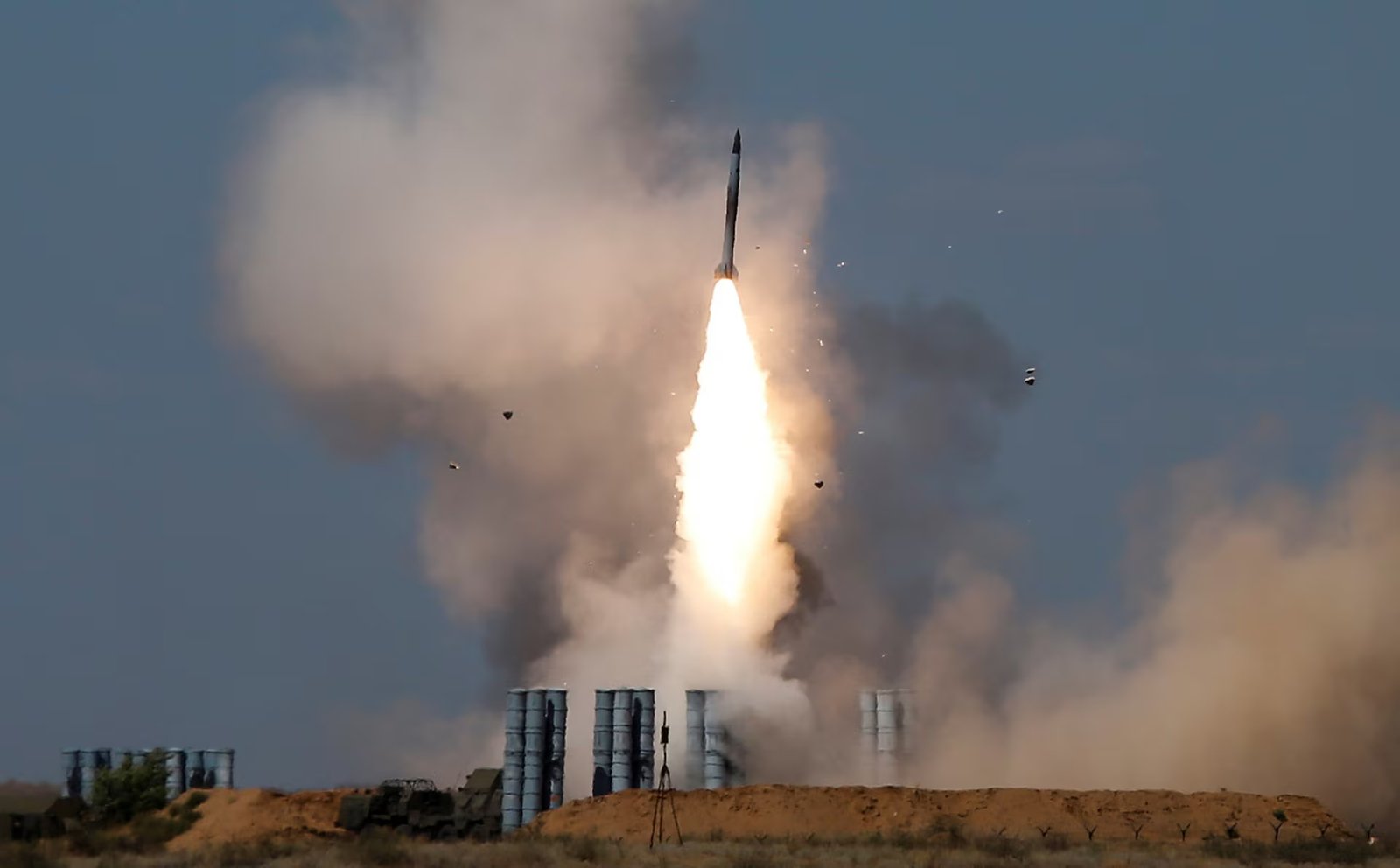 U.S. Approves Potential $2.68 Billion Air Defense Package for Ukraine Including S-300 Clone Missiles
-
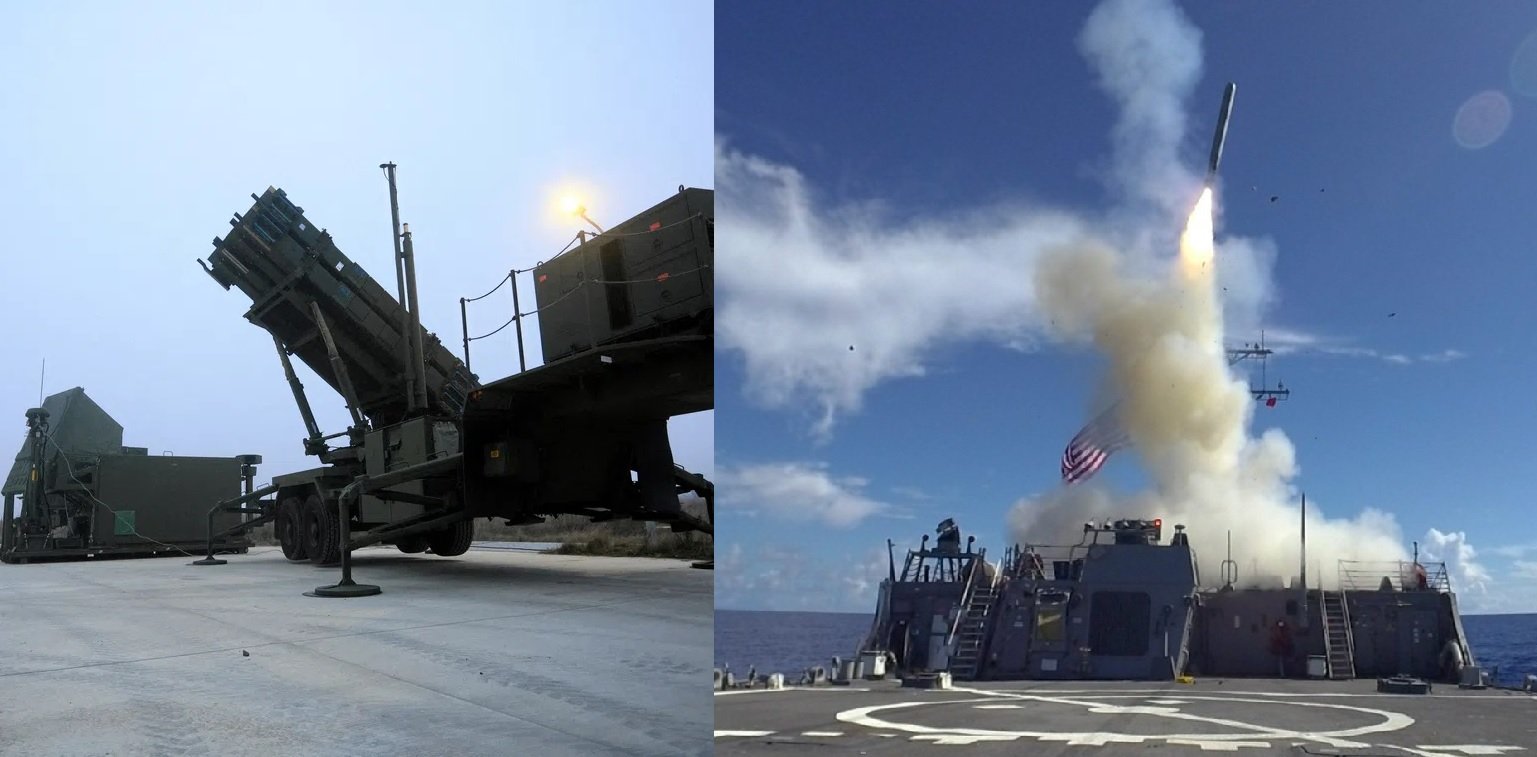 U.S. Warns Allies of Up to Five-Year Delays in Key Weapons Deliveries
-
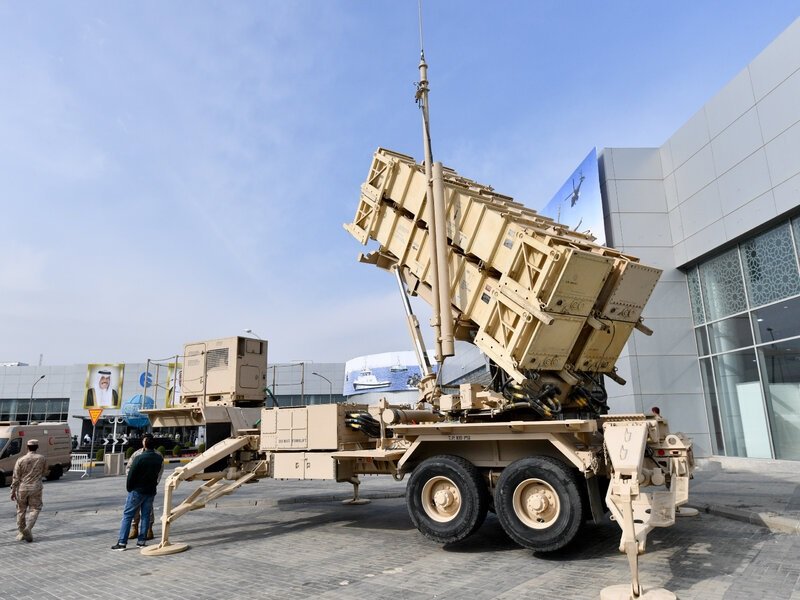 U.S. Iran War Cost Hits $43.6 Billion as Missile Interceptor Stocks Come Under Pressure
-
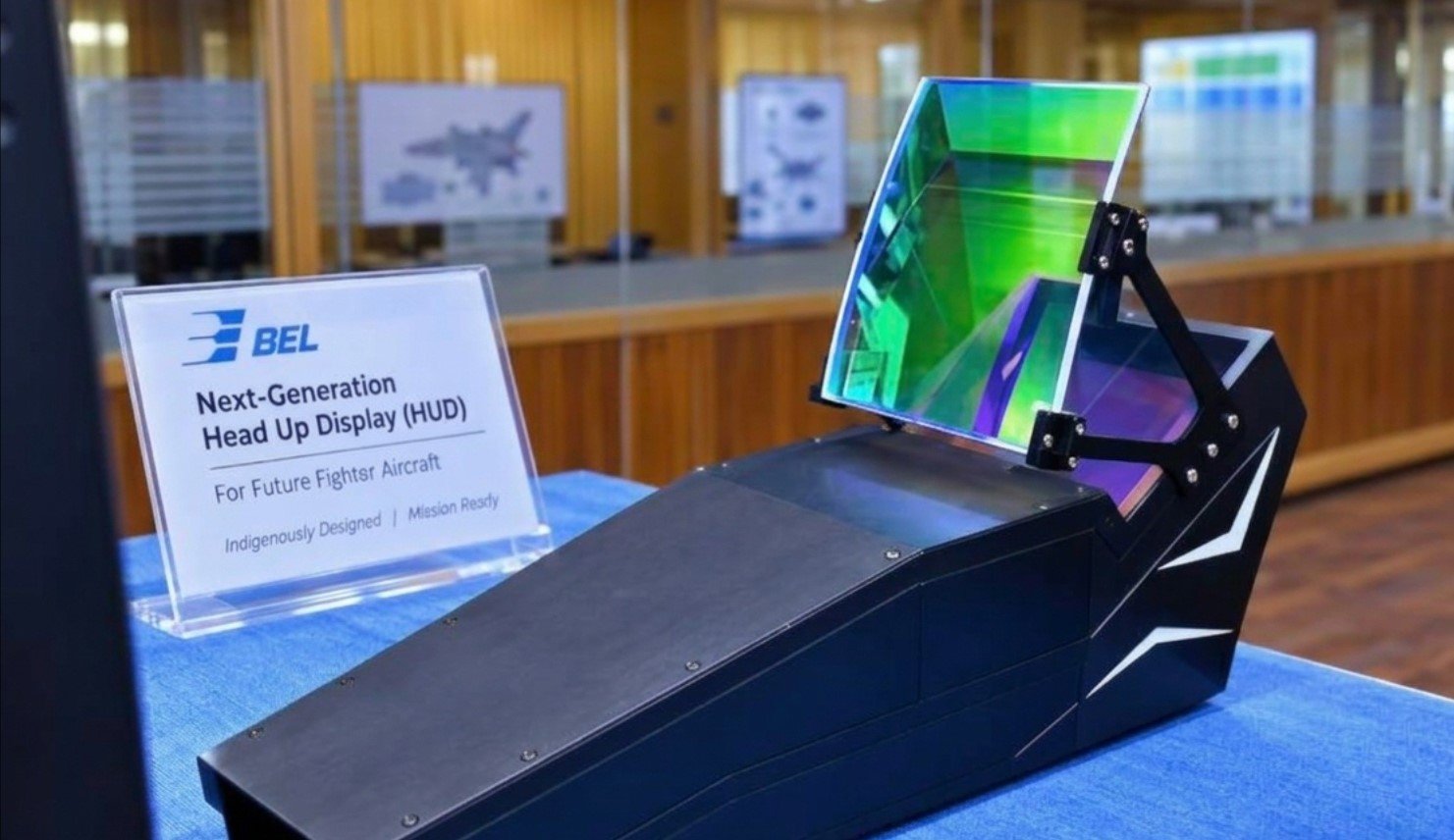 BEL Showcases New-Generation Head-Up Display, Potentially Linked to Tejas Mk2
-
 India’s xTerra Robotics Launches Indigenous DHAV-Hy Wheeled-Legged Quadruped for Industrial Inspection
-
 U.S. Army Awards $10.64 Million Contract to Ukrainian Drone Maker Skyeton for Raybird Systems