World
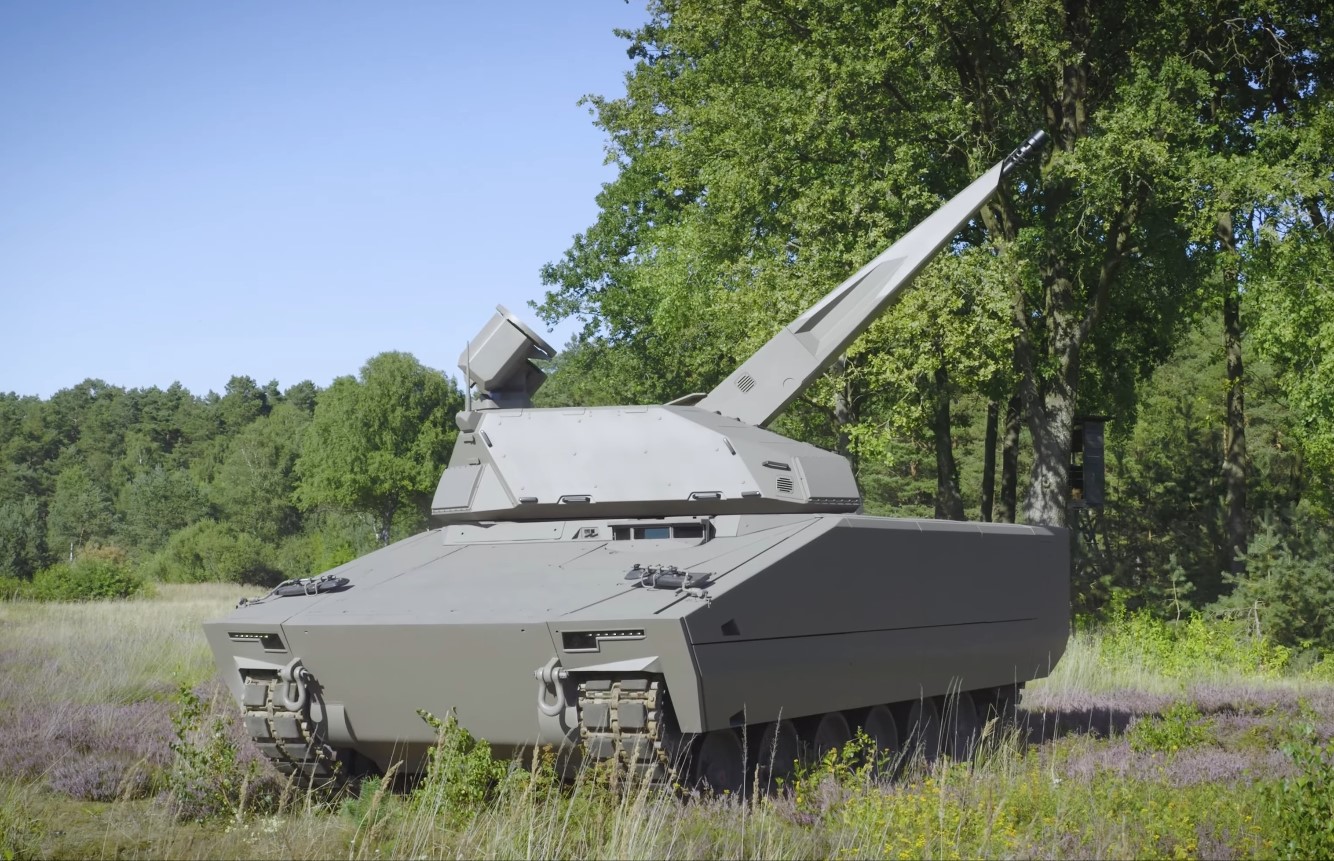
BUCHAREST, June 24, 2026 — Romania has awarded German defense company Rheinmetall a €5.7 billion contract for a wide range of military equipment, including 24 Skyranger 35 air defence systems, 298 Lynx-family combat vehicles, naval vessels, and ammunition. The agreement is one of the largest defense procurement programs undertaken by Romania in recent years and represents Rheinmetall’s largest international order to date. The contracts were signed on May 29, 2026, under the European Union’s Security Action for Europe (SAFE) program, which supports defense investments among EU member states. Deliveries are scheduled to begin in 2028 and continue through 2030. Skyranger 35 to Strengthen Mobile Air Defence A central element of the package is the acquisition of 24 Skyranger 35 ground-based air defence systems integrated onto Rheinmetall’s Lynx KF41 tracked infantry fighting vehicle platform. The combination provides the Romanian Armed Forces with a highly mobile air defence capability designed to protect troops, military assets, and critical infrastructure from modern aerial threats. The Skyranger 35 is equipped with a high-precision 35 mm Oerlikon revolver cannon capable of firing programmable AHEAD airburst ammunition. The system is supported by advanced multi-mission radar sensors providing 360-degree surveillance and electro-optical tracking systems for passive target detection and engagement. Designed for short-range and very short-range air defence missions, the Skyranger 35 can counter loitering munitions, drone swarms, attack helicopters, and conventional aerial threats while on the move. According to Rheinmetall, recent security developments, including incidents involving unmanned drones entering Romanian airspace, have highlighted the growing need for modern mobile air defence capabilities. Oliver Dürr, Head of Rheinmetall’s Air Defence Division, said Romania’s selection of the Skyranger 35 on the Lynx platform marks an important step in strengthening European air defence capabilities and addressing current security challenges. Comprehensive Modernization Package Beyond the Skyranger systems, the broader procurement package includes 298 Lynx-family tracked vehicles. The fleet will consist primarily of armored personnel carriers, supported by reconnaissance, command post, mortar carrier, and medical evacuation variants. To strengthen Romania’s layered air defence network, the agreement also includes seven Skynex air defence batteries and two Millennium Gun systems intended for maritime air defence operations. The package additionally covers more than 400,000 rounds of medium-caliber ammunition, including specialized 35 mm AHEAD airburst munitions used by the Skyranger 35 system. Naval Capabilities Expansion Romania’s naval forces will also receive four new vessels under the agreement, including two offshore patrol vessels (OPVs) and two diver intervention support ships. The vessels are expected to enhance maritime security and operational capabilities in the Black Sea region. Focus on Domestic Industry A significant portion of the program will be implemented within Romania through industrial cooperation and technology transfer initiatives. Rheinmetall plans to invest several hundred million euros in local production facilities and expand its industrial footprint in the country. The company intends to integrate more than 200 Romanian subcontractors into its supply chain, enabling a substantial share of manufacturing and value creation to take place domestically. Romanian officials expect the program to support the growth of the national defense industry and create thousands of jobs over the coming decade. The local production component was also included to meet the requirements of the European Union’s SAFE financing framework, which encourages industrial participation within member states. Strengthening NATO’s Eastern Flank The procurement forms part of Romania’s broader military modernization strategy and is expected to enhance the country’s contribution to NATO’s eastern flank security architecture. Once delivered, Romania will become the second NATO country on NATO’s eastern flank to operate the Lynx platform after Hungary. Until the new Skyranger systems enter service, Rheinmetall will continue supporting Romania’s existing Gepard anti-aircraft gun vehicles to maintain operational air defence readiness. The €5.7 billion package represents a major step in Romania’s efforts to modernize its armed forces while strengthening domestic defense production and regional security capabilities.
Read More → Posted on 2026-06-24 12:51:15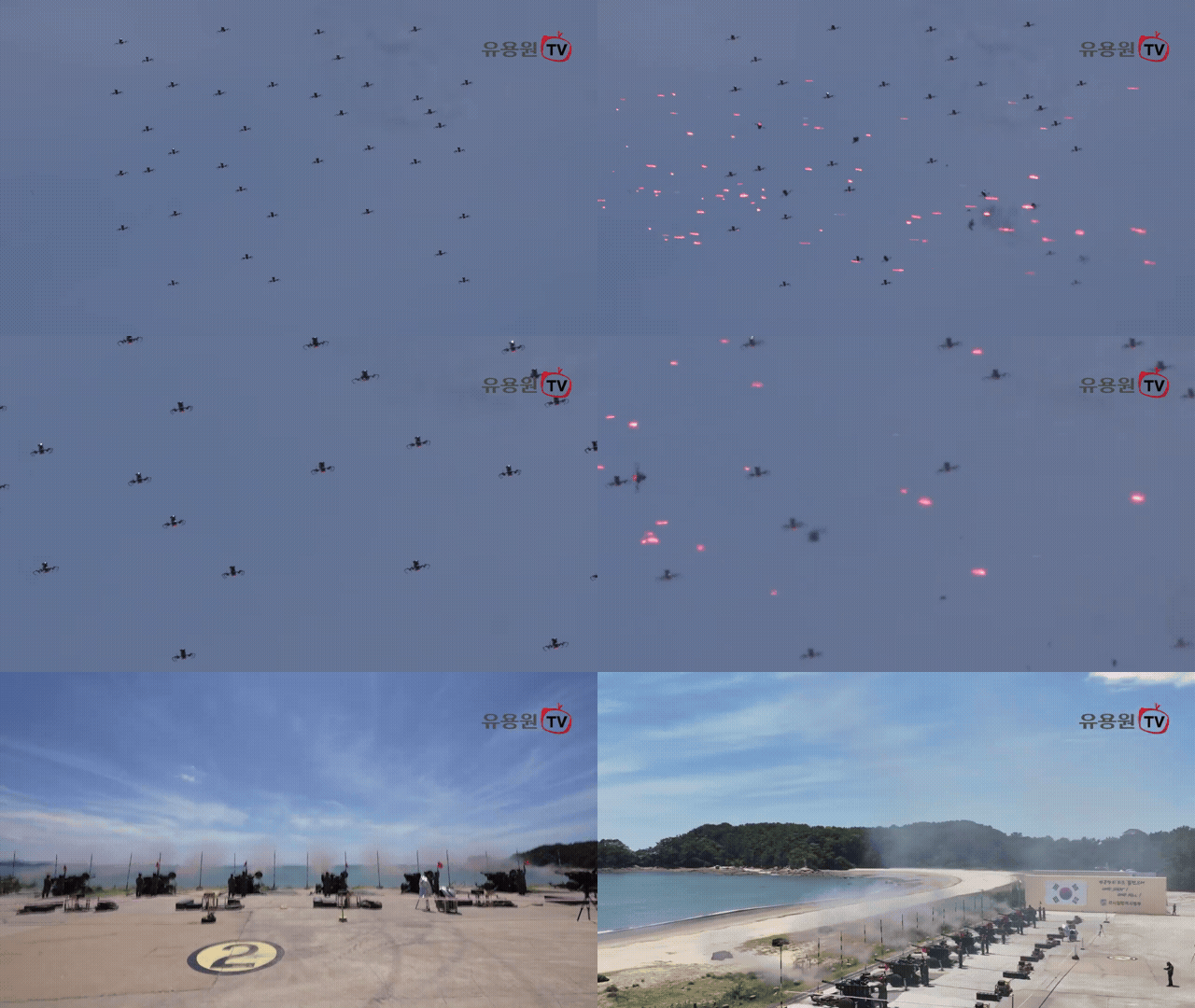
World
SEOUL, June 24, 2026 — The South Korean Air Force has successfully completed its first live-fire exercise designed to counter drone swarms, marking a significant step in strengthening defenses against emerging aerial threats. The exercise was conducted on June 23 at a military training range along South Korea’s west coast and was organized by the Air Force Missile Defense Command. The drill aimed to evaluate the military’s ability to defend key facilities against coordinated low-altitude drone attacks using equipment already in service. During the exercise, a swarm of 50 drones approached the training area from a distance of approximately one kilometer. To intercept the targets, operators simultaneously fired eight Vulcan 20mm anti-aircraft cannons, creating a concentrated defensive barrier that successfully destroyed 44 drones. The remaining six drones that penetrated the initial defense layer were engaged using a portable laser system and five shotguns, resulting in the complete neutralization of all simulated targets. Colonel Nam Hyung-joo, chief of intelligence and operations at the Air Force Missile Defense Command, said the exercise was the first of its kind focused on defending against drone swarms using existing military assets. He added that lessons learned from the drill would support the continued development of South Korea’s counter-drone capabilities. The exercise reflects growing concern over the threat posed by small, low-cost drones, which have increasingly been used in modern conflicts to target military facilities, ammunition depots, air bases, fuel storage sites, and command centers. Due to their small size, mobility, and ability to operate at low altitudes, such drones can be difficult to detect and intercept using conventional air defense systems. South Korea has been expanding its focus on counter-drone technologies and layered air defense solutions. The latest exercise demonstrated the effectiveness of combining traditional kinetic systems such as Vulcan cannons with newer technologies, including portable laser weapons, to counter mass drone attacks. Officials said data collected during the drill will be used to refine tactics, operational procedures, and future investments aimed at improving protection against evolving drone threats.
Read More → Posted on 2026-06-24 12:29:19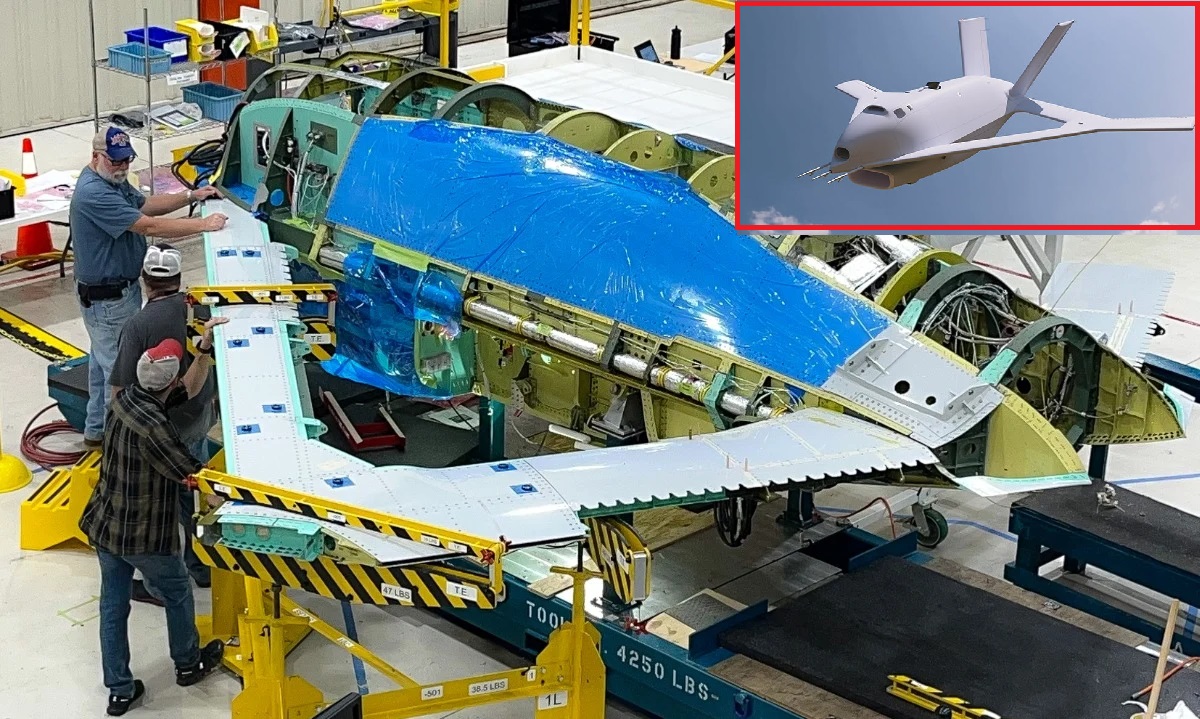
World
MANASSAS, Virginia, June 24, 2026 — The Defense Advanced Research Projects Agency (DARPA) and Boeing subsidiary Aurora Flight Sciences have reached a significant milestone in the development of the X-65 experimental aircraft, marking the transition from component manufacturing to full-scale airframe integration under the Control of Revolutionary Aircraft with Novel Effectors (CRANE) program. In June 2026, Aurora Flight Sciences received the aircraft’s specialized triangular wings at its integration facility in Manassas, Virginia. Engineers have begun mating the wings to the fuselage, advancing the project toward ground testing later this year and a planned first flight in late 2027. The X-65 is an uncrewed technology demonstrator designed to validate Active Flow Control (AFC) as the primary method of aircraft control at a tactically relevant scale. The program seeks to generate flight data that could influence the design of future military and commercial aircraft by replacing conventional moving flight-control surfaces with airflow-based control systems. Wing Integration Marks Key Development Stage The newly delivered wings were manufactured at Aurora’s facility in West Virginia and feature a delta-derived triangular planform with modular outboard sections. The design allows engineers to modify wing configurations between test campaigns and evaluate AFC performance across multiple sweep angles and aerodynamic arrangements. The wings incorporate internal pathways that distribute pressurized air to 14 AFC effectors embedded across the aircraft’s wing and tail surfaces. These effectors enable aircraft control without relying on traditional ailerons, elevators, or rudders. Wing integration follows the arrival of the fuselage in Virginia earlier in 2026. Engineering teams have been installing propulsion, electrical, and AFC systems while manufacturing of additional wing and tail components continued in parallel. Active Flow Control Replaces Conventional Flight Controls Unlike traditional aircraft that use mechanically actuated control surfaces, the AFC system works by releasing precisely directed jets of pressurized air through 14 embedded effectors. These air jets modify airflow patterns in real time, enabling the aircraft to perform pitch, roll, and yaw maneuvers without moving external control surfaces. According to DARPA, eliminating conventional flight-control mechanisms offers several potential advantages, including reduced aircraft weight, lower aerodynamic drag, simplified maintenance requirements, and increased design flexibility. The absence of hinges, actuators, and moving surfaces could also allow engineers to develop aircraft shapes that are difficult or impossible to achieve using traditional control systems. Designed for Operationally Relevant Testing Previous AFC research has largely been limited to wind-tunnel experiments and small unmanned aircraft. The X-65 is intended to demonstrate the technology at a scale more representative of future operational aircraft. The demonstrator features a wingspan of 30 feet (9.1 meters), a gross weight of approximately 7,000 pounds (3,175 kilograms), and a projected top speed of Mach 0.7, or roughly 532 mph (857 km/h). These characteristics place it in a category comparable to light military trainer aircraft or unmanned combat air vehicles. To support safe testing, the X-65 will initially operate under Federal Aviation Administration (FAA) experimental certification and retain conventional control surfaces during early flight trials as a safety backup while engineers validate AFC performance. Once baseline flight characteristics are confirmed, the traditional control surfaces will be locked in place, allowing the aircraft to operate using the AFC system alone. Modular Design Supports Continued Research A key feature of the aircraft is its modular architecture. Engineers can replace outboard wing sections and AFC effectors between test campaigns, allowing multiple aerodynamic configurations to be evaluated using the same aircraft. This flexibility is expected to support a broader range of research objectives beyond the initial CRANE program goals and provide a reusable platform for future AFC experimentation. Funding and Program Timeline DARPA selected Aurora Flight Sciences as the sole contractor for Phase 3 of the CRANE program in January 2024. The agency allocated approximately $38 million for the program during fiscal year 2024 and an additional $23.8 million in fiscal year 2025. In August 2025, DARPA and Aurora restructured the project under a co-investment agreement, with Aurora assuming a share of the funding responsibility for completing the aircraft and conducting its inaugural flight. The arrangement is intended to support the aircraft’s long-term use as a research platform rather than a single-use demonstrator. Following fuselage delivery in April 2026 and wing integration in June 2026, the program's planned schedule includes: Late 2026: Ground testing at Manassas Regional Airport, Virginia Early 2027: Taxi testing Late 2027: First flight of the X-65 demonstrator CRANE Program Manager Chris Kent has previously confirmed these target milestones. Potential Applications for Future Stealth Aircraft The program is attracting attention from the Air Force Research Laboratory, NASA, Naval Air Systems Command, and the Office of Naval Research. One area of interest is the potential application of Active Flow Control technology to low-observable aircraft design. Conventional control surfaces require hinges, gaps, and joints that can create radar-reflecting discontinuities on an aircraft’s exterior. By enabling aircraft control through airflow manipulation rather than moving external surfaces, AFC could allow future aircraft to maintain smoother outer mold lines. Such designs may help reduce radar cross-sections while preserving maneuverability, offering potential benefits for next-generation stealth aircraft. As integration work continues in Virginia, the upcoming ground and flight test campaigns are expected to provide critical data on whether airflow-based control systems can serve as a practical alternative to conventional aircraft flight controls.
Read More → Posted on 2026-06-24 12:15:59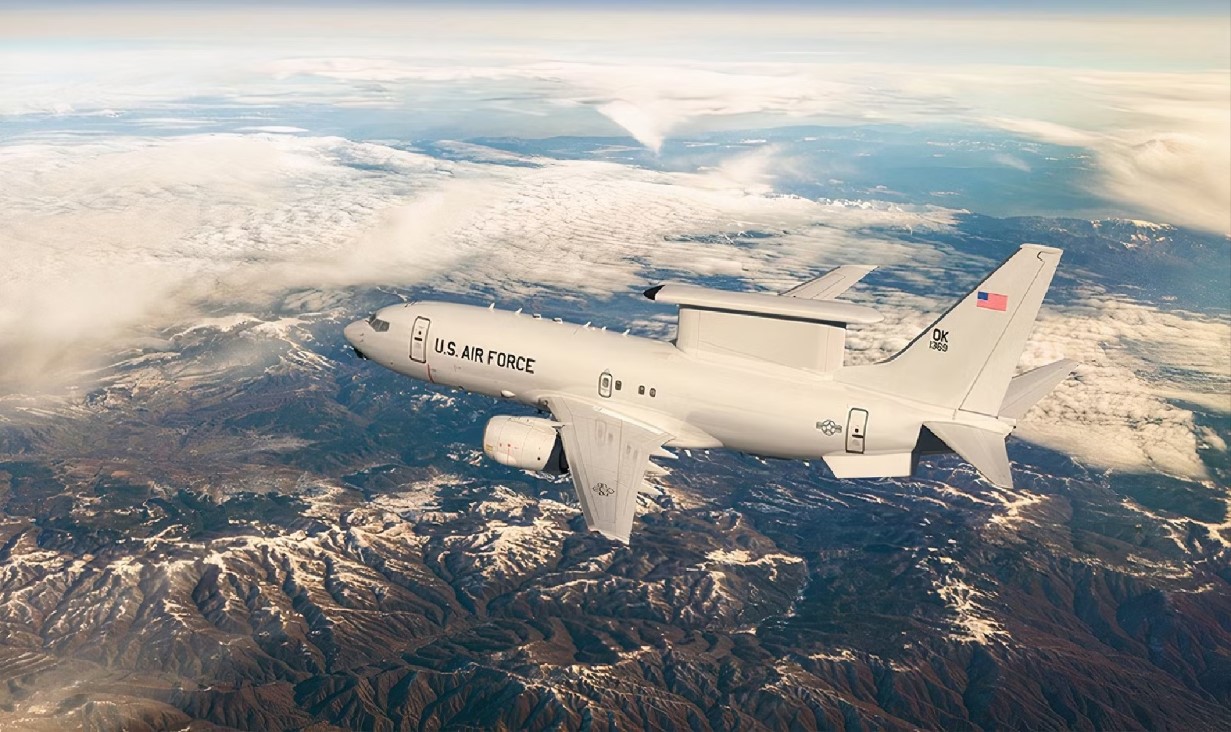
World
WASHINGTON, June 24, 2026 — The U.S. Department of Defense has submitted a budget amendment to Congress requesting a $1.55 billion realignment of fiscal year 2027 funds to continue development of the Boeing E-7A Wedgetail airborne early warning and control (AEW&C) aircraft. The move is aimed at sustaining a program that the Pentagon had proposed terminating in previous budget plans and is intended to support the replacement of the aging E-3 Sentry Airborne Warning and Control System (AWACS) fleet. The funding request was outlined in a June 17 letter from the White House Office of Management and Budget (OMB) to House Speaker Mike Johnson. The proposal reallocates $899 million from the Air Force’s “Other Procurement” account and $651 million from the Navy’s Aircraft Procurement account. According to a report from the House Appropriations Committee’s defense subcommittee, the Air Force portion of the transfer will come from the Special Update Program, which funds classified Special Access Programs. The transfer represents approximately 17.6 percent of that budget line. An Air Force spokesperson stated that budget decisions continue to involve ongoing evaluations and prioritization of defense requirements. The remaining $651 million would be redirected from funds originally allocated to the Navy’s Northrop Grumman E-2D Advanced Hawkeye program. The Navy had requested $2.08 billion in fiscal year 2027 funding to procure six E-2D aircraft for carrier strike group operations. The proposed $1.55 billion funding shift will not finance the purchase of additional E-7 aircraft. Instead, it will support continued development and modification work on seven previously contracted aircraft, including two prototype platforms and five Engineering, Manufacturing, and Development (EMD) aircraft. Boeing is currently modifying two Boeing 737-based prototype airframes in the United Kingdom. The aircraft are being equipped with the E-7’s Multi-role Electronically Scanned Array (MESA) radar, an advanced Active Electronically Scanned Array (AESA) system capable of simultaneously conducting air and maritime surveillance. The radar is reported to provide detection ranges exceeding 400 kilometers while supporting battle management, command and control, and target tracking missions. The status of work on the five EMD aircraft has not been publicly disclosed. The E-7 Wedgetail is designed to replace the Air Force’s E-3 Sentry fleet, which is based on the Boeing 707 airframe. The E-3 has faced increasing maintenance challenges due to its age, and a significant portion of the fleet has already been retired. The newer E-7 offers improved reliability, lower sustainment costs, greater operational availability, and enhanced integration with modern combat aircraft such as the F-22 Raptor and F-35 Lightning II. Unlike the E-3’s rotating radar dome, the E-7 employs a fixed MESA radar mounted on top of the fuselage. The system provides continuous surveillance coverage and improved performance in complex and contested operational environments. The funding transfer has also renewed debate over the future of the Navy’s E-2D Advanced Hawkeye program. The E-2D serves as the primary airborne early warning platform for U.S. aircraft carrier strike groups and provides command-and-control functions, air defense coordination, and battle management capabilities. While the aircraft can perform aerial refueling and advanced surveillance missions, it has a smaller crew, shorter operational range, and more limited theater-wide command capabilities than the larger E-7 platform. In earlier budget discussions, Pentagon officials proposed relying on additional E-2D aircraft as an interim solution while pursuing future space-based moving target indicator technologies. However, lawmakers have argued that the E-2D and E-7 perform complementary missions and should both remain part of the U.S. military’s airborne surveillance architecture. House appropriators opposed reducing E-2D funding to support the Wedgetail program and restored the $651 million cut in their defense spending legislation, preserving the Navy’s plan to acquire all six E-2D aircraft requested for fiscal year 2027. In accompanying budget documents, lawmakers stated that they support both the E-7 funding realignment and the continued procurement of E-2D aircraft, emphasizing that additional airborne surveillance and command-and-control assets are needed to meet future operational requirements. The E-7 program’s long-term future, however, remains uncertain. The Air Force originally planned to acquire a fleet of 26 Wedgetail aircraft before the Pentagon moved to cancel the program in favor of future space-based sensing capabilities. Although the latest funding request keeps development efforts moving forward, Congress has expressed concern over the absence of a detailed acquisition roadmap. As a result, House lawmakers have directed the Secretary of the Air Force to provide a comprehensive E-7 acquisition strategy alongside the President’s fiscal year 2028 budget request. The report is expected to include the total number of aircraft required, future funding requirements, development milestones, production schedules, and the timeline for full operational deployment. The E-7 Wedgetail is already in service with several allied nations, including Australia, and has been selected by multiple countries as a modern airborne early warning platform. U.S. officials view the aircraft as a critical capability for maintaining airborne command-and-control operations while next-generation space-based surveillance systems continue to mature. The proposed $1.55 billion funding realignment highlights the Pentagon’s efforts to preserve near-term airborne surveillance and battle management capabilities while balancing broader modernization priorities across the U.S. military.
Read More → Posted on 2026-06-24 11:52:54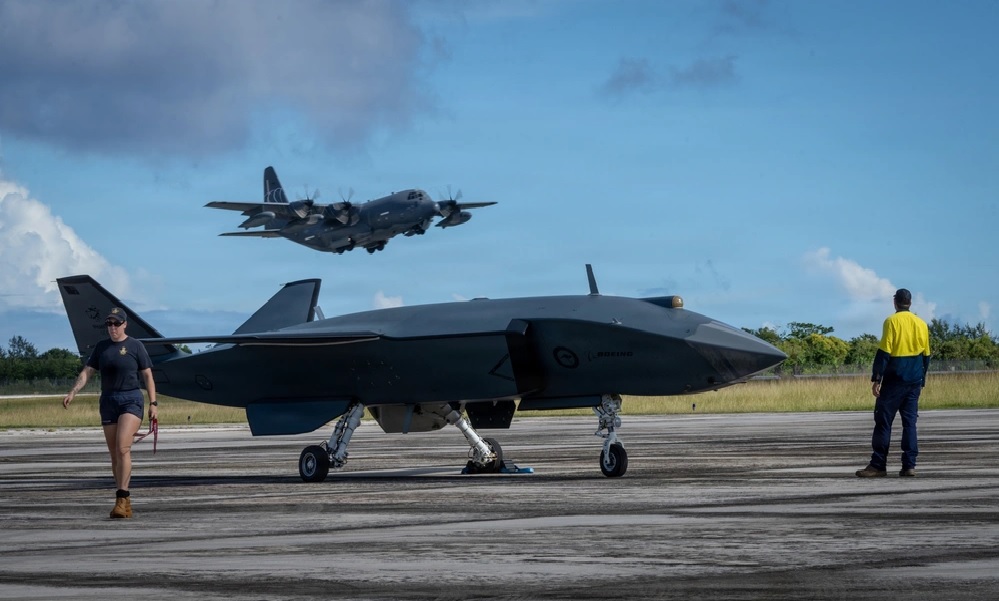
World
ROTA, Northern Mariana Islands, June 24, 2026 — The Boeing Defence Australia-developed MQ-28 Ghost Bat has officially begun operations alongside U.S. and allied forces during Exercise Valiant Shield 2026, marking a significant milestone in the ongoing development of Collaborative Combat Aircraft (CCA) capabilities. The deployment of the production-representative test aircraft comes as the U.S. Air Force continues to advance the operational testing and integration of uncrewed systems designed to work alongside crewed combat aircraft. The exercise provides a large-scale operational environment to evaluate human-machine teaming concepts and their role in future air combat operations. MQ-28 Supporting Counter-Air Missions Throughout the multinational exercise, the MQ-28 Ghost Bat is operating in direct coordination with crewed fighter aircraft, helping participating forces refine the tactics, techniques, and procedures required for next-generation airpower. During Valiant Shield 2026, the aircraft is supporting a range of complex missions, with a particular focus on defensive and offensive counter-air operations. Military planners are assessing how Collaborative Combat Aircraft can enhance operational effectiveness by extending the reach and capabilities of crewed platforms. “The future of airpower is a partnership between our greatest assets: our skilled warfighters and the technology that empowers them,” said U.S. Air Force Maj. Daniel Pesich, officer in charge of the Experimental Operations Unit’s collaborative combat aircraft detachment. “By advancing human-machine teaming, we are increasing our power projection while building a more resilient, capable, and lethal joint force,” he added. Evaluating the Role of Collaborative Combat Aircraft The Department of the Air Force and its international partners are using the exercise to evaluate the MQ-28’s potential as a force multiplier in highly contested operational environments. Analysts are examining how the uncrewed aircraft can improve mission effectiveness by extending the operational reach of crewed fighters, enhancing situational awareness, and increasing survivability during complex combat scenarios. Collaborative Combat Aircraft are designed to work as trusted teammates for manned aircraft, performing missions such as surveillance, sensor support, electronic warfare, and counter-air operations. By sharing operational tasks, these systems can help increase sortie generation rates while reducing pressure on maintenance personnel and support resources. Human Oversight Remains Central Despite incorporating advanced artificial intelligence and autonomous capabilities, the MQ-28 remains a semi-autonomous platform that operates under human supervision. The Department of the Air Force has reaffirmed its commitment to the ethical development and employment of autonomous systems, emphasizing that a human operator remains responsible for all critical and lethal decisions. This manned-unmanned teaming approach is intended to combine the strengths of human decision-making with the speed and persistence offered by autonomous technologies. Recent Program Milestones The Ghost Bat arrives at Valiant Shield following several important development achievements. Earlier in June 2026, Boeing completed Radar Cross Section (RCS) testing that validated the aircraft’s low-observable characteristics, confirming its ability to minimize radar detection. The platform has also surpassed 150 test flights, including recent international operational testing conducted in California. The aircraft is additionally progressing toward its Block 3 configuration, which will introduce a larger wing design and internal weapons bays. These upgrades are expected to improve range, mission flexibility, and overall combat capability. Originally developed for the Royal Australian Air Force, the MQ-28 has demonstrated capabilities in autonomous operations, intelligence gathering, electronic warfare support, and integration with crewed aircraft. Previous testing has included cooperation with platforms such as the F/A-18F Super Hornet and E-7A Wedgetail. Australian Defence Force aviator observers are also participating in MQ-28 operations during the exercise as part of Australia's efforts to further develop collaborative combat aircraft concepts alongside allied partners. About Exercise Valiant Shield 2026 Exercise Valiant Shield is a biennial multi-domain training event focused on integrating joint and allied forces across the Indo-Pacific region. The exercise strengthens the ability of participating forces to detect, locate, track, and engage targets across air, maritime, land, space, and cyberspace domains. The training is designed to build real-world proficiency in sustaining joint operations while improving coordination among partner nations. For the MQ-28 program, participation in Valiant Shield 2026 serves as an important operational proving ground. Data gathered during the exercise will help shape future concepts for human-machine teaming and support the continued development of Collaborative Combat Aircraft for both U.S. and allied air forces.
Read More → Posted on 2026-06-24 11:41:58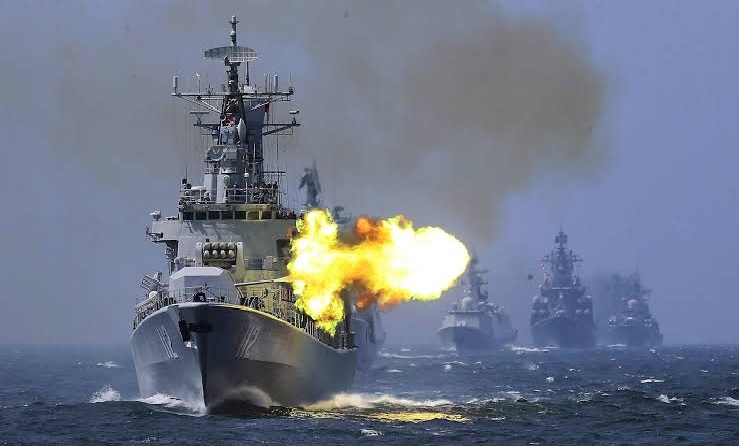
World
WASHINGTON, June 24, 2026 — A new study by the RAND Corporation has found that the U.S. Navy could face significant difficulties repairing battle-damaged warships and returning them to combat during a major conflict with China in the Indo-Pacific region. The analysis, based on an August 2025 tabletop wargame, examined how the Navy would sustain operations during a hypothetical war focused on the defense of Taiwan and the Philippines. Researchers concluded that maintenance facilities in the region would likely be overwhelmed and face shortages of spare parts, while command inefficiencies and uncertainty over allied shipyard support could further complicate repair efforts. The study focused on Arleigh Burke-class destroyers, which form the backbone of the U.S. surface fleet, although researchers noted that many of the challenges identified would apply across all ship classes, particularly nuclear-powered vessels. Wargame Scenarios The exercise examined four operational scenarios involving U.S. destroyers. One scenario involved a collision between a U.S. destroyer and a Chinese frigate in the Strait of Malacca. Another examined two destroyers damaged by gunfire and rocket attacks from Chinese ships and helicopters while escorting Philippine vessels in the South China Sea. Researchers also studied situations in which several destroyers were struck by Chinese anti-ship missiles while defending the Philippines and a scenario where multiple destroyers sustained heavy damage while attempting to stop a Chinese amphibious invasion of Taiwan. In each case, participants determined that rapid in-theater repairs would be critical. Sending damaged ships back to ports in the continental United States would require weeks of transit and significantly reduce available combat power. The report noted that the U.S. Navy has not experienced battle damage on the scale expected in a modern high-intensity conflict since World War II. In such a conflict, U.S. warships could face threats from anti-ship ballistic missiles, hypersonic weapons, torpedoes, and other advanced precision-guided systems. Logistics and Coordination Problems A major issue identified during the exercise was the difficulty of determining what resources were needed to repair damaged vessels and whether repairs could be completed locally. The study found that command arrangements were often unclear, leading to situations where logistics organizations pursued repair actions that operational commanders had already rejected due to battlefield realities. Researchers also observed that participants frequently assumed peacetime maintenance regulations and standards would apply during wartime operations, creating additional complications. Spare parts availability emerged as another significant challenge. Even among ships of the same class, differences in equipment and modifications can make components incompatible, limiting opportunities to transfer parts between vessels. Dependence on Allied Infrastructure The report highlighted the importance of repair facilities in allied nations, particularly Japan, South Korea, and Australia. While cooperation generally improved once allied capabilities were understood, U.S. personnel initially lacked detailed information about available facilities, access procedures, port locations, and specialized capabilities such as ordnance handling and major structural repairs. Researchers also noted that allied support cannot be guaranteed as a conflict intensifies. Providing repair facilities for U.S. naval forces could expose host-nation infrastructure to Chinese military retaliation, creating political and security risks for partner nations. China's Repair Advantage The study contrasted U.S. logistical challenges with the advantages available to the People's Liberation Army Navy (PLAN). Operating close to its home bases, China would have easier access to repair facilities and industrial support. According to Bradley Martin, a RAND analyst and co-author of the report, China benefits from both geographic proximity and substantially greater industrial repair capacity. Recommendations To improve the Navy's ability to regenerate combat power during wartime, RAND recommended establishing clearer command-and-control structures for battle damage repair operations and securing formal agreements with Indo-Pacific allies on facility access and logistical support. The report also called for increased investment in deployable repair teams, flyaway assessment units, and expeditionary mobile repair facilities capable of providing flexible maintenance support closer to combat zones. According to RAND, addressing these issues will be essential for sustaining naval operations and restoring damaged warships to service during a future conflict in the Indo-Pacific. The study, titled "Battle Damage Repair for Arleigh Burke-Class Destroyers: Tabletop Exercise Results," concludes that force regeneration in a contested maritime environment remains far more complex than current planning assumptions suggest and could pose a significant challenge to maintaining combat effectiveness during a prolonged conflict.
Read More → Posted on 2026-06-24 11:24:56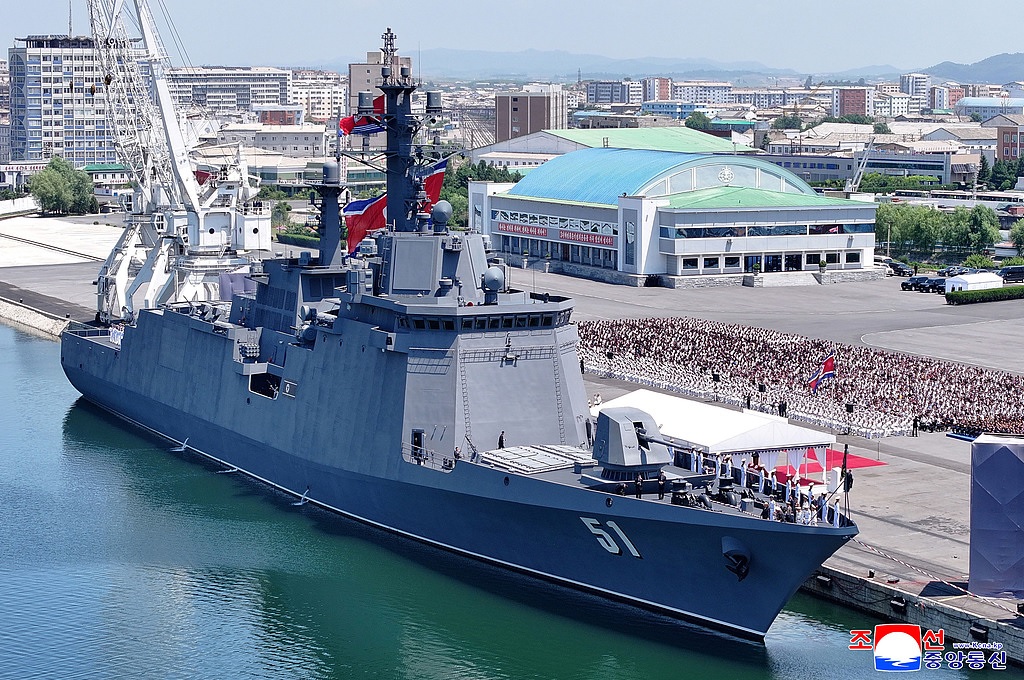
World
Seoul, June 24, 2026 — North Korea has officially commissioned its first guided-missile destroyer, Choe Hyon (hull number 51), into the Korean People's Navy, marking a significant step in the country's naval modernization efforts. The commissioning ceremony was held on June 23 at the Nampo shipyard and attended by North Korean leader Kim Jong Un, who outlined an extensive naval expansion program aimed at transforming the country's maritime capabilities. During the ceremony, Kim announced that the second vessel of the class, Kang Kon (hull number 52), is nearing operational service and continues to undergo sea trials. He also confirmed that additional destroyers are already under construction as part of a long-term fleet expansion plan. Navy Modernization and Strategic Role Kim Jong Un stated that the navy had historically been the weakest branch of the Korean People's Army and emphasized the need to modernize it into a force capable of operating beyond coastal waters. He said the navy's mission is expanding from traditional coastal defense to a broader strategic role, including integration into North Korea's nuclear deterrence framework. The modernization effort also includes the construction of new naval infrastructure. During a meeting of the Workers' Party Central Committee on June 22, officials discussed plans for modern naval bases designed to support the growing fleet. Kim described the development of these facilities as an essential requirement for future naval operations. Choe Hyon-Class Destroyer Capabilities The Choe Hyon is classified as a 5,000-ton multipurpose guided-missile destroyer and measures approximately 140 to 145 meters in length. The vessel features 74 vertical launch system (VLS) cells, consisting of: 32 small VLS cells 12 medium VLS cells 20 large VLS cells 10 extra-large VLS cells The extra-large launch cells are reportedly capable of carrying short-range ballistic missiles and cruise missiles. The destroyer's armament also includes: A 127mm or 130mm main naval gun One Pantsir-ME close-in weapon system (CIWS) Two 30mm AK-630 CIWS units Four quad anti-ship missile launchers Twin 533mm torpedo launchers The VLS architecture enables the ship to deploy a variety of precision-strike weapons. Among them are hypersonic cruise missiles resembling Russia's Zircon missile, reportedly capable of engaging targets at ranges approaching 1,000 kilometers and speeds of up to Mach 9. Anti-ship warfare has been a key design priority for the class. Rapid Shipbuilding Program The Choe Hyon forms the foundation of North Korea's five-year naval construction plan. The first vessel was launched in April 2025, while the second ship, Kang Kon, was launched in June 2025 and recently resumed sea trials in early June 2026. Construction of a third vessel is underway and is expected to be completed by October 2026, while a fourth destroyer has reportedly already been laid down. Kim Jong Un has set a target of producing two destroyers annually. If maintained, this production rate could allow North Korea to field 12 destroyers by the early 2030s, giving it one of the world's largest destroyer fleets by numbers. Development of Larger Warships North Korea is also pursuing larger surface combatants. In March 2026, Kim confirmed development of an 8,000-ton destroyer, followed by plans for a 10,000-ton class. These future vessels are expected to carry between 120 and 150 vertical launch cells, significantly increasing missile capacity. Later variants of the Choe Hyon-class are also expected to feature larger missile payloads exceeding 90 launch cells. Production Comparisons and Regional Impact North Korea launched two Choe Hyon-class destroyers in 2025 and aims to maintain a similar production pace in the coming years. While China remains the world's leading destroyer producer with an estimated six to ten ships launched annually, U.S. shipyards currently average around 1.6 destroyers per year. For comparison, the latest U.S. Navy Arleigh Burke-class destroyers displace around 9,600 tons and carry 96 vertical launch cells. Although the Choe Hyon is significantly smaller at 5,000 tons, it carries 74 launch cells, reflecting a high concentration of missile firepower relative to its size. The commissioning of the Choe Hyon marks a significant milestone in North Korea's naval modernization program and reflects the country's continued investment in larger surface combatants, advanced missile systems, and expanded maritime capabilities.
Read More → Posted on 2026-06-24 11:10:37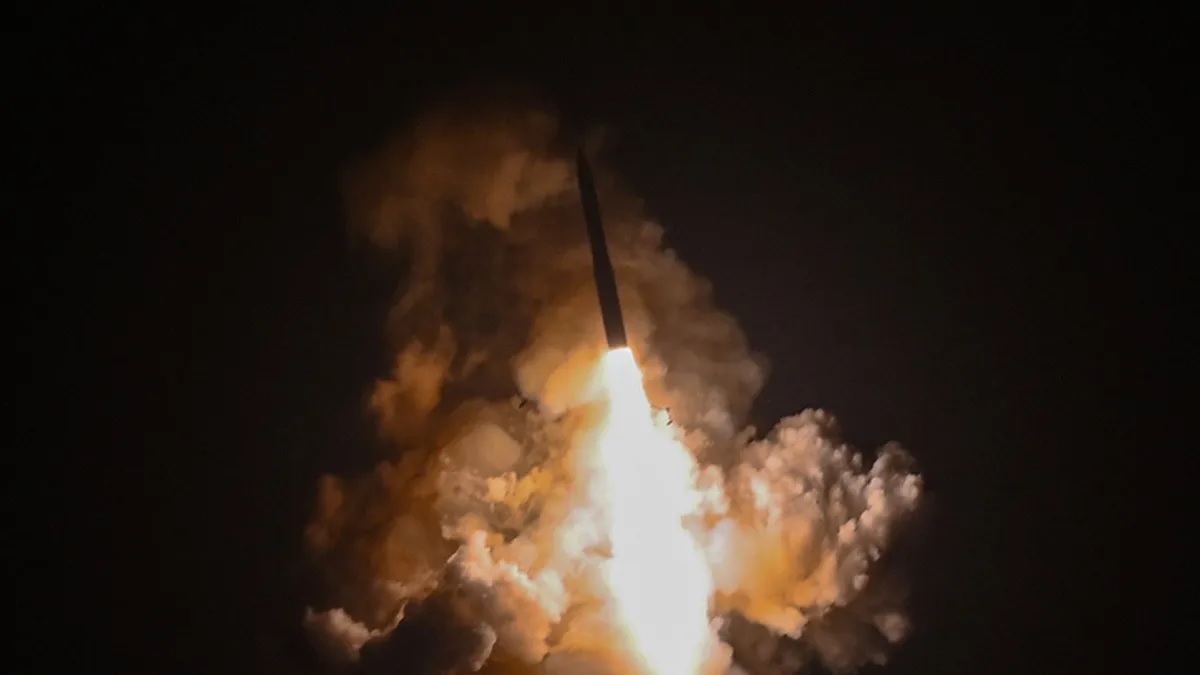
World
MINOT AIR FORCE BASE, N.D., June 24, 2026 — Airmen assigned to the U.S. Air Force’s 91st Missile Wing at Minot Air Force Base successfully completed a Simulated Electronic Launch Minuteman (SELM) test on June 3, 2026, validating the operational readiness of the United States’ land-based nuclear deterrent force. The evaluation was conducted in partnership with the 377th Test and Evaluation Group (TEG) and the 576th Flight Test Squadron from Vandenberg Space Force Base, California. The exercise assessed the wing’s ability to carry out its strategic mission under realistic conditions while testing personnel proficiency, command-and-control procedures, and the performance of critical support systems. Evaluating the U.S. Land-Based Nuclear Deterrent The 91st Missile Wing operates one of the largest intercontinental ballistic missile (ICBM) complexes in the United States, covering approximately 8,500 square miles across northwestern North Dakota. The wing is responsible for maintaining 150 hardened underground launch facilities and 15 missile alert facilities that support the Minuteman III missile force. As a key component of the U.S. nuclear triad, the Minuteman III force provides the United States with a continuous, land-based strategic deterrent capability alongside nuclear-powered ballistic missile submarines and strategic bombers. During the SELM test, Airmen executed the full sequence of launch procedures without launching an actual missile. The exercise replicated an operational environment, beginning with crews in an alert status and progressing through all required steps leading to the simulated ignition of a Minuteman III first-stage booster. Launch control center operators carried out launch sequences, while teams followed command-and-control protocols and communication procedures designed to mirror real-world operations. Comprehensive Assessment of Personnel and Systems The exercise focused on the coordination and performance of personnel across multiple mission areas, including launch control center crews, missile maintainers, communications specialists, and security forces. Airmen from the 91st Missile Maintenance Squadron conducted critical component verifications and final readiness checks throughout the evaluation. Missileers, maintainers, and defenders responded to simulated launch directives while maintaining secure and reliable communications and adhering to established operational procedures. The test also evaluated the functionality of launch control centers, missile alert facilities, and the integration of support systems that enable continuous 24-hour deterrence operations. Leadership Highlights Importance of SELM Testing According to U.S. Air Force officials, SELM tests are a key component of maintaining readiness across the ICBM enterprise. These evaluations are conducted periodically to verify that personnel, procedures, and systems can perform effectively under operational conditions. “SELM testing is a critical assessment of our readiness and precision within the nuclear enterprise. It ensures that every link in the launch chain, from operators to command and control, performs exactly as designed under realistic conditions,” said Col. Jimmy Schlabach, commander of the 91st Missile Wing. “By rigorously executing SELM evaluations, we sustain a credible, safe and effective nuclear force that underpins national security and reinforces deterrence every day,” he added. Role of the 377th Test and Evaluation Group Personnel from the 377th Test and Evaluation Group worked directly alongside 91st Missile Wing Airmen to plan, execute, and assess the exercise. The organization provides independent operational testing and evaluation support across the U.S. Air Force’s ICBM enterprise, ensuring systems and procedures perform as intended. The group plays an important role in assessing current Minuteman III operations while supporting future modernization efforts, including preparations for the next-generation LGM-35A Sentinel ICBM program. Maj. Anastasia Peterson, assistant director of operations for the 91st Missile Wing Operations Support Squadron, emphasized the value of the partnership during the evaluation. “The partnership between the 91 MW and the 377 TEG reflects the highest standards of integration and mission focus across the nuclear enterprise,” Peterson said. “The teamwork demonstrated throughout this test shows how operational expertise and test and evaluation come together to strengthen readiness.” Supporting Long-Term Strategic Deterrence The successful completion of the SELM test provided the 91st Missile Wing an opportunity to demonstrate disciplined execution of operational procedures and sustained mission proficiency. Data collected during the evaluation will contribute to continuous improvement efforts and help maintain high standards across the U.S. Air Force’s ICBM force. As one of the U.S. Air Force units responsible for operating the Minuteman III weapon system, the 91st Missile Wing remains a foundational element of the United States’ strategic nuclear deterrent. The wing maintains continuous alert status and stands ready around the clock to support U.S. national security objectives, mission assurance, and global stability.
Read More → Posted on 2026-06-24 10:51:29
World
WASHINGTON, June 24, 2026 — The United States has successfully completed the first major milestone test of the Golden Dome for America (GDA) missile defense initiative, marking a significant step in the development of the country's next-generation homeland defense architecture. Secretary of Defense Pete Hegseth announced the results on Wednesday, describing the live-fire demonstration as a “full mission success.” The test featured the Dynamic Defense Autonomous Defeat (DDAD) system, which autonomously detected, tracked, targeted, and engaged multiple aerial threats using advanced directed-energy technologies. According to defense officials, the DDAD system successfully neutralized a range of incoming targets, including drones and cruise missiles, without requiring manual intervention. The system employed directed-energy capabilities, including high-energy lasers and microwave-based weapons, to identify and defeat threats simultaneously. Hegseth, who attended the demonstration in New Mexico, said the system performed as designed throughout the exercise. “The Dynamic Defense Autonomous Defeat (DDAD) system flawlessly and autonomously cued, targeted, and eliminated a multitude of incoming threats,” Hegseth stated. “This test was executed on schedule and dynamically defeated every threat.” The demonstration marked the first time a sitting U.S. defense secretary observed a live directed-energy engagement during a major missile defense test. Golden Dome Program The Golden Dome for America initiative is a key element of President Donald Trump's defense strategy and is intended to establish a comprehensive, multi-layered missile defense shield protecting the U.S. homeland. Announced through Executive Order 14186 in January 2025, the program seeks to integrate ground-based, sea-based, air-based, and potentially space-based defense systems into a unified architecture capable of countering ballistic missiles, hypersonic weapons, cruise missiles, and drone attacks. The program combines advanced sensors, interceptors, command-and-control networks, autonomous targeting systems, and directed-energy weapons to provide rapid response capabilities against evolving aerial threats. Historical Context During his announcement, Hegseth compared the Golden Dome initiative to President Ronald Reagan’s Strategic Defense Initiative (SDI), commonly known as the “Star Wars” program, which was proposed during the Cold War to defend against nuclear missile attacks. “I watched our elite warfighters integrate with next-generation technology to stop incoming drones and cruise missiles dead in their tracks,” Hegseth said. “With Golden Dome, the Department of Defense will defend our homeland more powerfully than ever before. Golden Dome is real, powerful, and on track.” Funding and Cost Estimates Development of the Golden Dome system has been supported by substantial federal funding since its launch. Hegseth credited the One Big Beautiful Bill Act, approved in June 2025, with providing the initial financial foundation for the project. The legislation allocated $24.4 billion for the program, followed by an additional $13 billion in funding for fiscal year 2026. The White House currently estimates the total cost of the Golden Dome program at approximately $175 billion to $185 billion. However, the Congressional Budget Office (CBO) has projected that a fully developed system incorporating thousands of space-based interceptors and supporting infrastructure could cost as much as $1.2 trillion over the next 20 years. Independent defense analysts have also noted that future expenses could increase due to satellite replacement requirements and expansion of the system’s space-based architecture. Next Steps Defense officials indicated that additional testing and development activities will continue as the Golden Dome architecture expands. Future phases are expected to focus on integrating satellite-based sensors, advanced interceptors, and additional defensive capabilities into the broader network. The successful completion of the first milestone test represents an important step in the development of the Golden Dome initiative and demonstrates progress in bringing directed-energy weapons and autonomous defense technologies closer to operational deployment.
Read More → Posted on 2026-06-24 10:12:08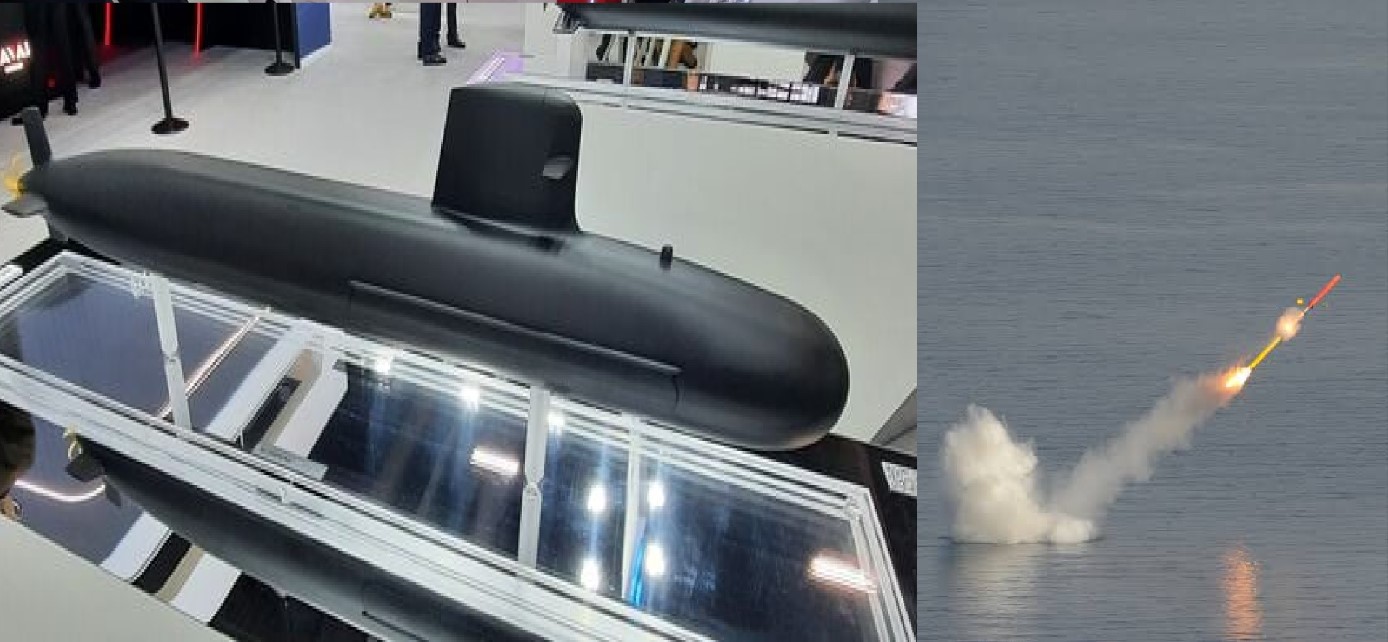
World
SURABAYA, Indonesia, June 23, 2026 — Indonesia's first two domestically built Scorpène Evolved submarines will enter service with full anti-ship missile launch capability, officials and industry sources have confirmed, dismissing recent reports that suggested the vessels would initially be delivered without missile integration. The clarification comes as Indonesia advances construction of the two diesel-electric attack submarines under a $2.16 billion program being executed by state-owned shipbuilder PT PAL Indonesia in partnership with France's Naval Group. Missile Capability Included From the Start According to sources involved in the program, integration of the MBDA SM39 Exocet submarine-launched anti-ship missile has been a core requirement since the project's inception and was explicitly included in the original contract signed between Indonesia and Naval Group. Recent speculation regarding the submarines' weapons configuration prompted concerns that missile-launch capability would be added at a later stage. However, officials familiar with the project stated that the SM39 Exocet capability remains part of the baseline design and will be available when the submarines enter operational service with the Indonesian Navy (TNI AL). The clarification follows comments by PT PAL President Director Dr. Kaharuddin Djenod regarding future missile integration efforts. He explained that those remarks referred to the company's broader objective of acquiring advanced systems integration expertise through technology transfer arrangements rather than any delay in missile integration for the Scorpène Evolved program. PT PAL aims to leverage this knowledge for future naval projects, including Indonesia's indigenous autonomous submarine program, known as KSOT. Domestic Construction and Technology Transfer The Scorpène Evolved program represents a major step forward for Indonesia's defense industry. Through a comprehensive transfer of technology agreement with Naval Group, Indonesia is set to become the first ASEAN nation capable of building advanced submarines domestically. The submarines will be constructed entirely at PT PAL's shipyard in Surabaya, East Java, by Indonesian engineers and technicians. The contract was signed in 2024 and officially entered into force in July 2025, with pre-production activities and steel-cutting qualification milestones already completed. The program includes extensive workforce development initiatives, with more than 400 Indonesian engineers and technicians receiving training and technical support from approximately 50 Naval Group specialists. Indonesia's Ministry of Defense has also mandated full local production, ensuring national control over maintenance, repair, overhaul, sustainment, and future upgrades throughout the submarines' operational life. Advanced Design and Combat Systems The Indonesian Scorpène Evolved submarines incorporate Naval Group's latest Full Lithium-Ion Battery (LiB) propulsion technology, offering significant improvements in endurance and operational flexibility. Unlike conventional submarines that rely on Air-Independent Propulsion (AIP) systems, the lithium-ion battery configuration provides extended underwater endurance while reducing logistical and maintenance requirements. The submarines are expected to remain operational for up to 80 days and achieve a range exceeding 8,000 nautical miles. Each submarine measures approximately 71 to 72 meters in length and is designed to operate with a crew of around 31 personnel. The vessels are equipped with six 533 mm torpedo tubes and can carry a total weapons load of up to 18 munitions. Alongside the SM39 Exocet anti-ship missile, the submarines will be capable of deploying heavyweight torpedoes, including Naval Group's F21 torpedo. The design also provides growth potential for future payload integration, including unmanned underwater vehicles and additional mission systems as operational requirements evolve. Strengthening Indonesia's Undersea Deterrence Designed for both deep-ocean operations and shallow-water missions, the Scorpène Evolved submarines are optimized for Indonesia's vast archipelagic environment. Their capabilities are expected to enhance the Indonesian Navy's ability to conduct maritime surveillance, sea-denial operations, and territorial defense across strategically important waterways. The acquisition forms part of Indonesia's broader naval modernization efforts and is expected to significantly strengthen the country's underwater warfare capabilities in the Indo-Pacific region. With missile-launch capability included from the outset and domestic construction progressing under a comprehensive technology transfer framework, the Scorpène Evolved program is set to become a cornerstone of Indonesia's future submarine fleet while expanding the nation's indigenous defense industrial base.
Read More → Posted on 2026-06-23 13:38:46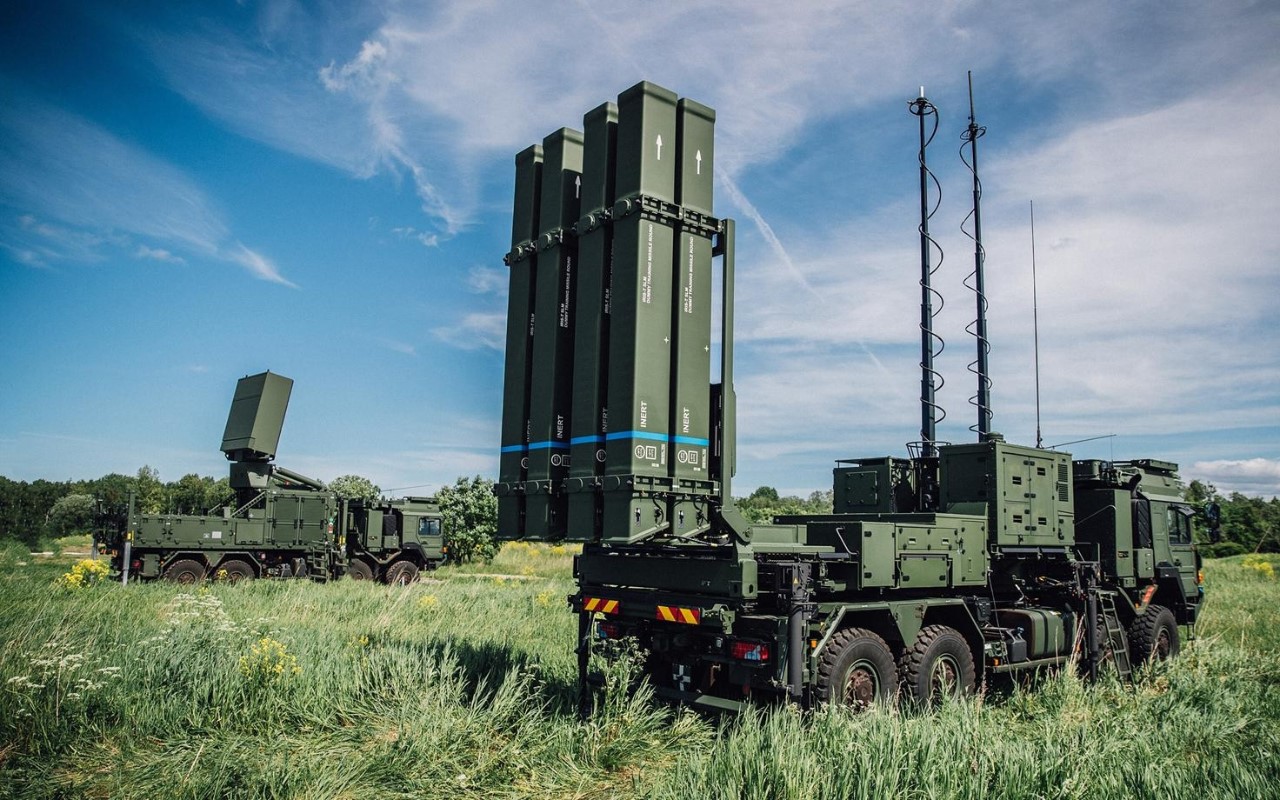
World
ÄMARI AIR BASE, Estonia, June 23, 2026 — Estonia has received its first IRIS-T SLM medium-range air defense system at Ämari Air Base, marking the largest defense investment in the country's history and significantly expanding its air defense capabilities. The German-made IRIS-T SLM was procured through the Estonian Centre for Defence Investments (ECDI) under a joint acquisition program with Latvia. The system fills a key capability gap between Estonia's existing short-range air defense assets, including Mistral and Piorun MANPADS, and longer-range air defense systems. Manufactured by Diehl Defence, the IRIS-T SLM has gained attention for its performance in Ukraine, where it has been used to intercept cruise missiles, attack drones, and aerial bombs. The system uses an imaging infrared seeker that improves target discrimination and effectiveness against low-signature threats. The IRIS-T SLM can engage aircraft, helicopters, cruise missiles, and drones at ranges of up to 40 kilometers and altitudes of up to 20 kilometers. Each firing unit includes multiple mobile launchers, a radar unit, a tactical control center, and support vehicles, allowing independent and mobile operations. Brigadier General Riivo Valge, Commander of the Estonian Air Force, said the system's engagement altitude provides a capability Estonia previously lacked, preventing hostile aircraft from operating freely over its territory. He also highlighted the system's tactical mobility, which allows rapid repositioning. The delivery is part of a €400 million contract signed in autumn 2023. Estonia ordered three firing units, with the remaining two scheduled for delivery in 2027. Latvia signed a separate €600 million agreement for the same system as part of efforts to develop a coordinated, layered air defense network across the Baltic region. Both countries are also participating in the European Sky Shield Initiative (ESSI), launched by Germany in 2022 to strengthen European ground-based air defense cooperation. Diehl Defence CEO Helmut Rauch said the delivery demonstrates the company's ability to meet commitments despite strong demand for air defense systems across Europe. Although the first system has arrived, Estonian officials said it will take several months of training before it reaches full operational readiness. The Estonian Air Defence Wing, established in July 2023, continues to expand its personnel and operational capabilities, with its first conscripts beginning service in July 2026. Defence Minister Hanno Pevkur said the war in Ukraine has highlighted the importance of modern air defense systems for protecting populations, military units, and critical infrastructure. Estonia, which has a population of approximately 1.4 million and shares a 294-kilometer border with Russia, currently spends about 3.7 percent of its GDP on defense. Once operational, the IRIS-T SLM will become a key element of the country's layered air defense network.
Read More → Posted on 2026-06-23 13:29:45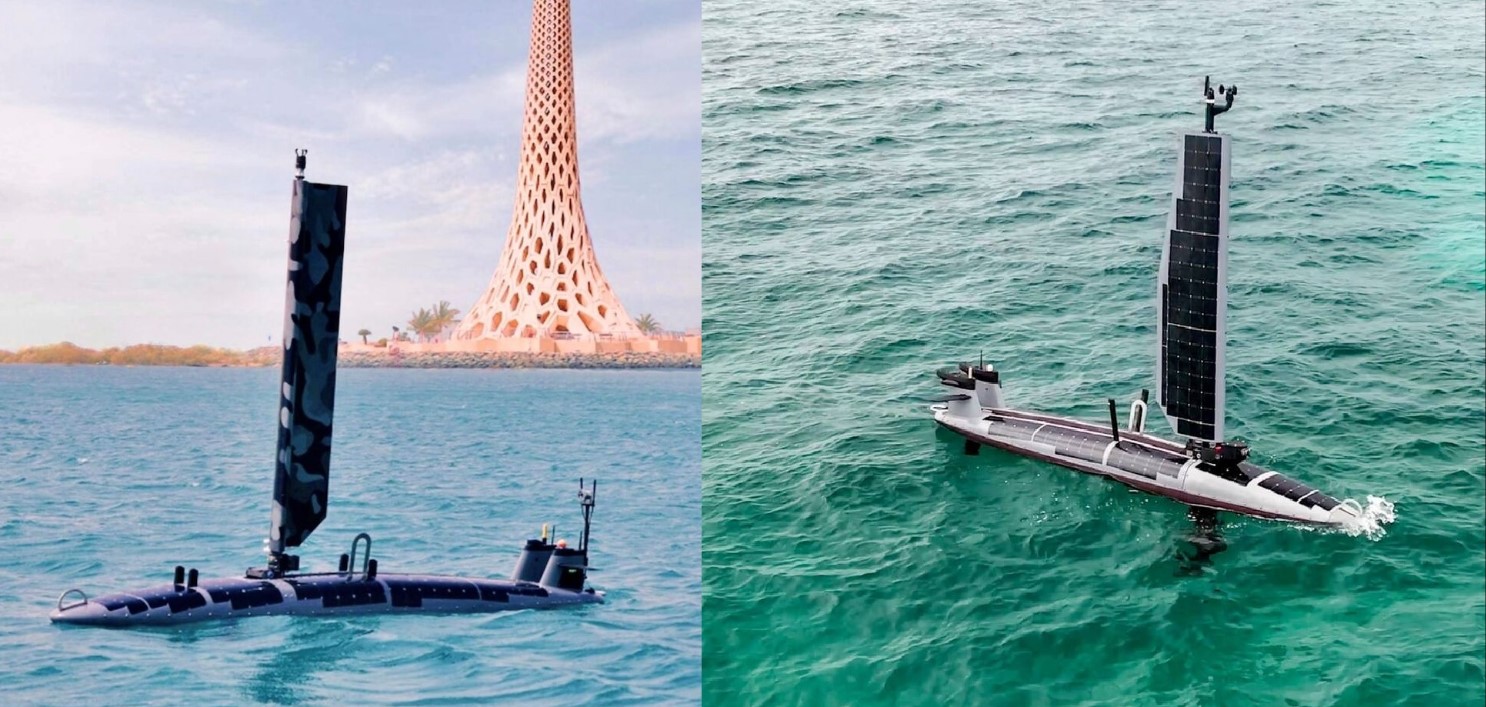
World
MANILA, Philippines, June 23, 2026 — The Philippine Navy has officially inducted four Ocean Aero Triton Autonomous Underwater and Surface Vehicles (AUSVs) through a United States-funded security assistance program aimed at enhancing maritime domain awareness and surveillance capabilities. The transfer, valued at approximately US$13 million (PHP 754 million), was formalized during a handover ceremony held on June 22 at Naval Operating Base Subic Bay in Zambales. The systems will be operated by the Philippine Navy’s Unmanned Surface Vessel Unit One to support maritime monitoring and territorial defense missions. The turnover ceremony was attended by U.S. Embassy Chargé d’Affaires ad interim Bridgette Walker and Senior Defense Official and Defense Attaché Col. Daniel Oh, representing the United States. The systems were received by Philippine Fleet Commander Rear Adm. Joe Anthony Cabahug-Orbe and Unmanned Surface Vessel Unit Acting Commander Lt. Cmdr. Aldwin Pasicolan. Ocean Aero Triton Capabilities The Ocean Aero Triton is a dual-modality Autonomous Underwater and Surface Vehicle capable of operating both on the surface and underwater. Powered by wind and solar energy, the platform is designed for long-endurance maritime surveillance operations while maintaining a low logistical footprint. Key specifications include: Surface endurance of more than 30 days using wind propulsion and 740-watt solar panels Subsurface endurance of over 5 days powered by 13.2 kWh onboard batteries Length of 14.5 feet (4.4 meters) and weight of approximately 775 pounds (350 kilograms) Maximum speed of 5 knots on the surface and 2 knots underwater Payload capacity of up to 50 pounds (22.7 kilograms) for modular sensors and mission equipment The vehicles can carry side-scan sonar, passive acoustic sensors, intelligence-gathering equipment, and other surveillance payloads. They are capable of supporting intelligence, surveillance and reconnaissance (ISR), maritime domain awareness, anti-submarine warfare support, and mine countermeasure operations. The Tritons can be deployed from forward operating bases, remote islands such as the Batanes Island Group, standard boat ramps, or small vessels. Their low radar and visual signature, combined with underwater operating capability, enables discreet monitoring of maritime areas, surface vessels, and underwater infrastructure. The systems are equipped with 360-degree cameras, side-scan sonar, radio mesh networking, and satellite communications for data transmission to command centers. Strengthening Maritime Surveillance The acquisition supports the Armed Forces of the Philippines (AFP) efforts to improve surveillance coverage across its archipelagic waters, Exclusive Economic Zone (EEZ), and strategically important areas including the Spratly Islands and Scarborough Shoal. According to the U.S. Embassy, the Tritons will assist in monitoring illegal fishing activities, threats to freedom of navigation, and gray-zone maritime activities. Their long-endurance autonomous operation allows continuous collection and transmission of intelligence without exposing personnel to operational risks. Expanding the Philippine Navy's Unmanned Fleet The Ocean Aero Tritons join other unmanned maritime systems already operated by the Philippine Navy's Unmanned Surface Vessel Unit One. The unit currently operates four MARTAC Mantis T-12 unmanned surface vessels and at least one Devil Ray T-38, which were also provided through U.S. security assistance programs. The addition of the Triton systems expands the Philippine Navy's layered maritime surveillance architecture, enhancing its ability to monitor territorial waters, critical sea lanes, and maritime activities across a broad operational area. The transfer forms part of ongoing U.S.-Philippines defense cooperation and supports the modernization of the Philippine Navy's unmanned maritime capabilities.
Read More → Posted on 2026-06-23 13:23:49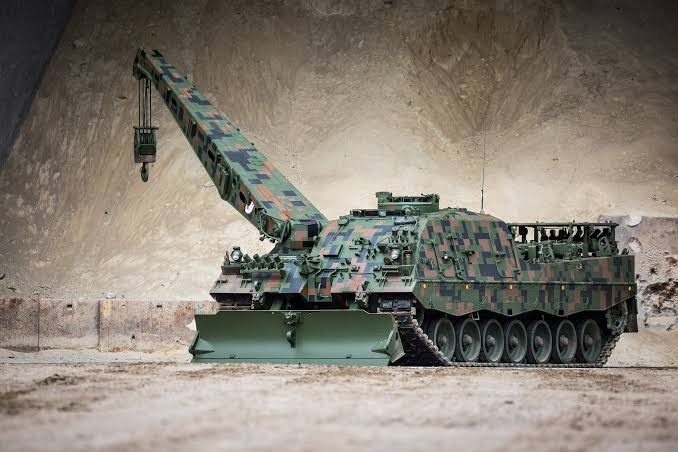
World
DÜSSELDORF, Germany, June 23, 2026 — Rheinmetall has received a contract from the German Armed Forces (Bundeswehr) for the supply of 23 Bergepanzer 3 Büffel armoured recovery vehicles (ARVs). The replacement order, valued in the mid three-digit million-euro range, reportedly around €360 million, follows a budgetary decision approved by the German Bundestag on June 10, 2026. The procurement is intended to replenish Bundeswehr inventories after Germany transferred armoured recovery vehicles to Ukraine as part of its military assistance program. The order will restore recovery capabilities within Germany’s mechanised forces while introducing the latest Bergepanzer 3 A2 configuration. Replacing Vehicles Supplied to Ukraine Germany previously transferred a total of 23 armoured recovery vehicles from Bundeswehr stocks to Ukraine, including: 21 Bergepanzer 2 (BPz 2) vehicles 2 Bergepanzer 3 (BPz 3) vehicles The new procurement directly compensates for those transfers and strengthens the Bundeswehr’s armoured recovery and support vehicle fleet. By acquiring the modernized A2 variant, the German military will not only restore vehicle numbers but also improve the technological standard of its recovery units. Bergepanzer 3 A2 Recovery Vehicle The Bergepanzer 3 Büffel, known internationally as the Buffalo ARV, is based on the chassis of the Leopard 2 main battle tank. The vehicle is designed to support armoured formations by conducting battlefield recovery, maintenance, and engineering tasks under operational conditions. The Bundeswehr’s A2 configuration represents a modernized and obsolescence-cleared version of the established platform. The upgrade incorporates current technological standards, digital operating systems, and provisions for future enhancements to ensure long-term operational readiness. Key Capabilities The Bergepanzer 3 A2 is capable of recovering, towing, and securing damaged military vehicles, including main battle tanks weighing up to 60 tonnes and vehicles classified up to Military Load Class (MLC) 80. Its primary capabilities include: Recovery and towing of damaged combat vehicles under armour protection A 32-tonne crane for field maintenance and engine replacement Main and auxiliary winches with pulling capacities of up to 35 tonnes A dozer blade for obstacle clearance and earth-moving operations Transport of spare parts, tools, and replacement powerpacks Battlefield repair and maintenance support Support for difficult terrain operations and water crossings Self-defence systems including a remote-controlled weapon station and smoke grenade launchers The vehicle is powered by an MTU MB 873 Ka 501 12-cylinder diesel engine producing approximately 1,500 horsepower, providing mobility and performance comparable to Leopard 2 family vehicles. Accelerated Production and Delivery Schedule Rheinmetall stated that it pre-financed and initiated production activities before the formal contract award to enable faster deliveries. Under the agreed schedule: Milestone Date First Vehicle Delivery December 2027 Final Vehicle Delivery June 2029 The first vehicle is scheduled for delivery in December 2027, approximately 18 months after contract signing. The final vehicle is expected to be delivered in June 2029. The accelerated schedule reflects the Bundeswehr’s effort to rapidly restore a proven armoured recovery capability within its mechanised formations following equipment transfers to Ukraine. Established Platform The Bergepanzer 3 Büffel has been in service for more than 30 years and is operated by over 12 countries. More than 200 vehicles have been delivered worldwide, making it one of the most widely used armoured recovery vehicles based on the Leopard 2 platform. Its compatibility with Leopard 2 tanks and related support vehicles allows seamless integration into existing armoured units operated by Germany and allied nations. Supporting Bundeswehr Modernization The latest order forms part of Germany’s broader effort to restore and modernize military equipment inventories while maintaining support for Ukraine. Although the procurement addresses the immediate shortfall created by vehicle transfers, the Bundeswehr is expected to pursue additional recovery vehicle acquisitions in the coming years as part of its wider modernization plans. The acquisition reinforces Rheinmetall’s role as a key supplier of Leopard 2-based support systems while supporting the Bundeswehr’s objective of maintaining operational readiness across its armoured and mechanised forces.
Read More → Posted on 2026-06-23 13:06:34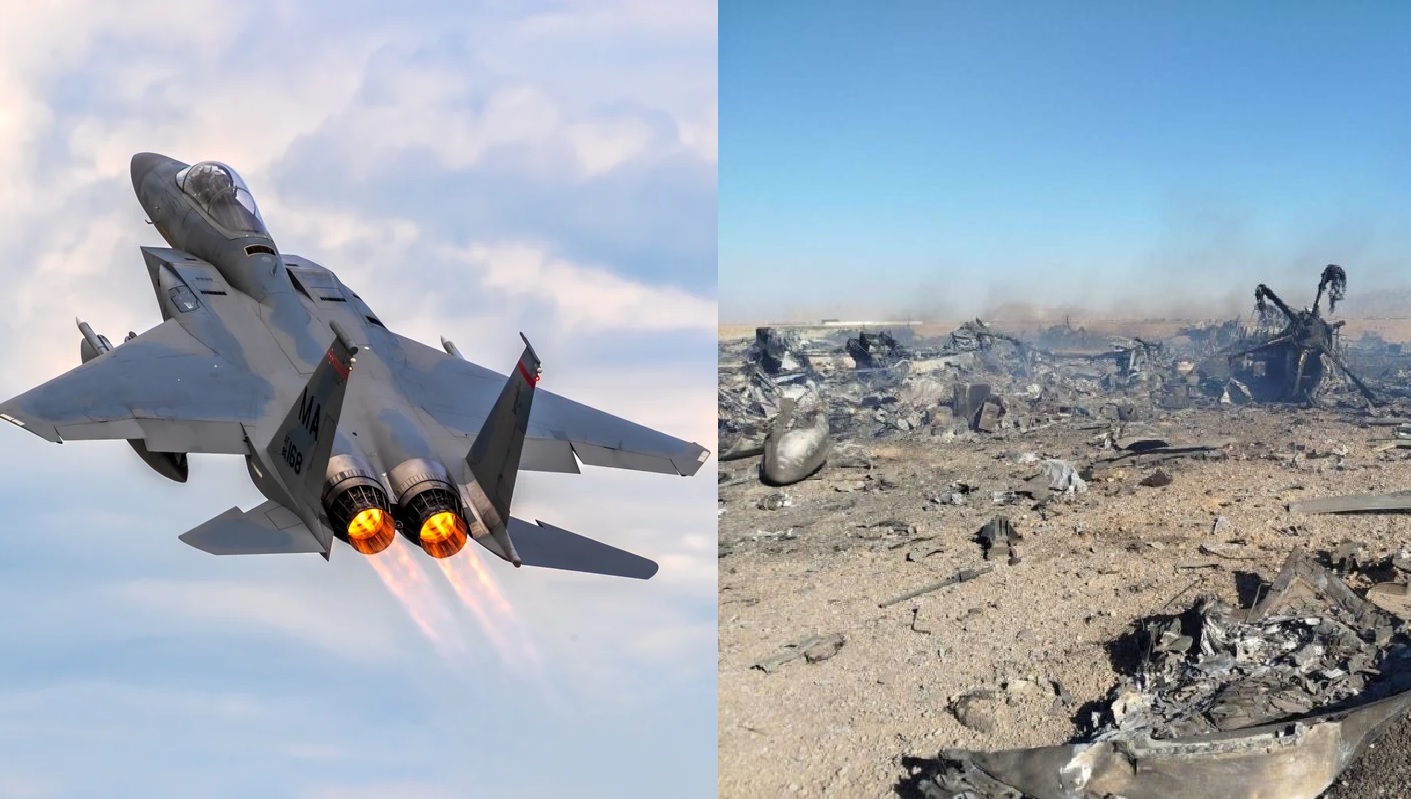
World
WASHINGTON, June 23, 2026 — A U.S. Air Force pilot rescued after his F-15E Strike Eagle was shot down over Iran in April reported seeing a highly coordinated formation of Iranian drones shortly before his aircraft was downed, according to sources familiar with his post-rescue debriefing. The account has sparked debate within the U.S. intelligence community over whether Iran has developed more advanced drone networking capabilities than previously assessed and whether the drone formation played a role in the shootdown during Operation Epic Fury. Pilot Describes Coordinated Drone Formation During intelligence debriefings, the pilot described multiple drones moving together as a single formation, with smaller drones positioned beneath larger ones, creating what he characterized as a “jellyfish” appearance. One source familiar with the debriefing said the pilot described the airspace as a “minefield of drones.” The capability described by the pilot is consistent with one-to-many meshed networking, which allows multiple drones to operate as a coordinated system through a shared network. Prior to the incident, U.S. intelligence agencies had not assessed that Iran possessed this level of drone networking capability. However, intelligence officials have previously identified technological cooperation between Iran, Russia, and China in the field of unmanned systems. Concerns Over Emerging Drone Capabilities Emma Bates, founder of Cachai and a drone warfare expert, said a coordinated swarm capable of maintaining formation and conducting attacks as a unified system could present a significant battlefield challenge. Such systems can allow drones to share information, coordinate movements, and continue operations even if individual platforms are lost. Analysts note that advanced drone swarms could complicate air-defense operations and increase the effectiveness of reconnaissance and strike missions. F-15E Shootdown and Rescue Mission The F-15E Strike Eagle was shot down over Iran on April 3, 2026, marking the first confirmed loss of a U.S. fighter aircraft over Iranian territory during the conflict. The pilot was rescued by U.S. special operations forces within hours of ejecting from the aircraft. The aircraft’s Weapons Systems Officer (WSO) evaded capture for more than a day before being successfully extracted. It remains unclear whether the WSO observed the same drone formation. During the rescue operation, a U.S. A-10 Thunderbolt II was also shot down. Its pilot ejected safely and was later recovered. Intelligence Assessment Continues The exact cause of the F-15E’s loss remains under investigation. While no official conclusions have been released, initial assessments are examining whether the reported drone swarm contributed to the aircraft’s shootdown. Some intelligence officials have urged caution when evaluating the pilot’s account because he suffered a concussion during the ejection. According to sources, investigators questioned the pilot extensively regarding the details of what he observed. The U.S. Air Force has referred inquiries about the incident to U.S. Central Command (CENTCOM), while the Office of the Director of National Intelligence has declined to comment. Broader Implications The report has emerged as the United States and Iran pursue a 60-day ceasefire aimed at supporting negotiations to end the conflict. While discussions are expected to focus on Iran’s nuclear program and regional security issues, the effectiveness of Iran’s drone capabilities is likely to remain an important factor in future military and security assessments. U.S. intelligence agencies continue to review the pilot’s account as part of a broader assessment of Iran’s evolving unmanned aerial capabilities.
Read More → Posted on 2026-06-23 12:52:08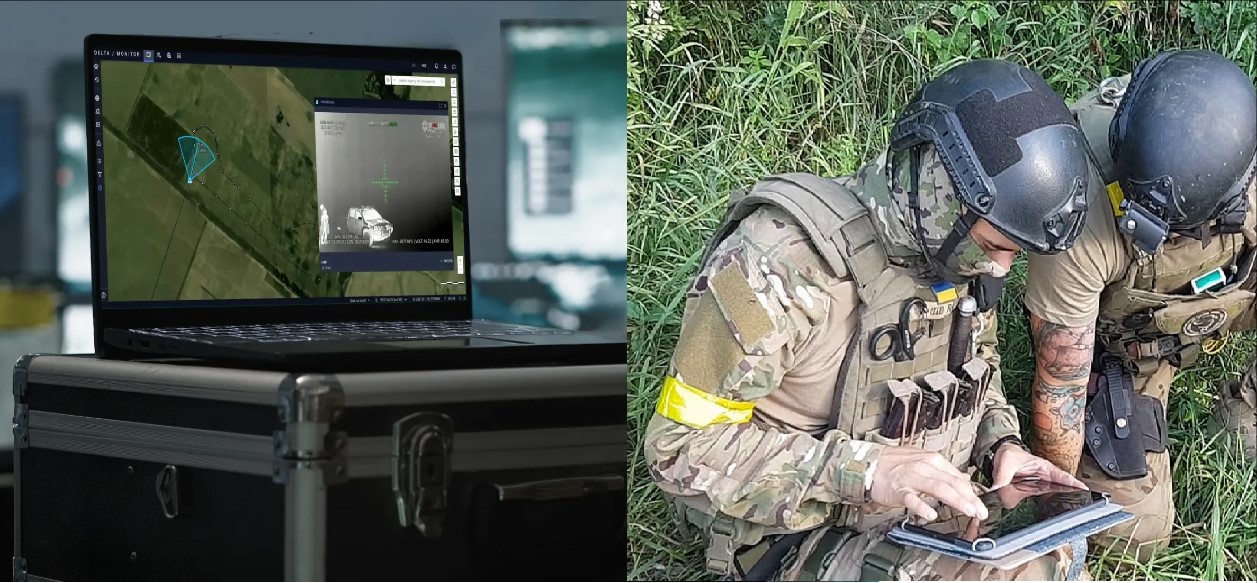
World
STOCKHOLM, June 23, 2026 — The Swedish government has allocated 5 billion Swedish kronor (SEK) to develop and deploy a national digital situational awareness system for the Swedish Armed Forces. Inspired by Ukraine’s DELTA platform, the system is designed to improve battlefield coordination and reduce the time required to identify and engage enemy targets. The platform will integrate data from multiple sources, including reconnaissance drones, satellite imagery, sensors, and friendly force tracking systems. Soldiers will be able to access real-time battlefield information through tablets and mobile devices, providing a shared operational picture across military units. Currently, Swedish forces rely primarily on radio communications and several separate digital tools that are not fully integrated. Military officials say this fragmented structure can result in delays of several hours between target detection and engagement. The new system aims to streamline information sharing and decision-making across command levels. “We will reduce the time it takes to engage a target from hours to minutes,” said Mattias Hansson, head of the Swedish Armed Forces’ cyber division. The project is based on lessons from Ukraine’s DELTA system, a cloud-based battlefield management platform that combines information from drones, satellites, sensors, and intelligence sources into a single interactive map. Sweden’s system will similarly provide real-time drone feeds, satellite imagery, digital maps, and friendly force locations to personnel in the field. The network will use 5G connectivity and secure cloud infrastructure, with initial implementation planned by the end of 2026. The Ministry of Defence also plans to integrate artificial intelligence in a later phase to help process and analyze large volumes of battlefield data, identify priority targets, and support faster decision-making. Swedish Defence Minister Pål Jonson said the initiative is essential for adapting to modern warfare. “Thanks to these measures, we will become stronger and faster. This is extremely important for the future battlefield and the transparent battlefield we are seeing today in Ukraine,” Jonson said. The project is part of Sweden’s broader defense modernization efforts and is expected to improve operational effectiveness by providing faster access to accurate battlefield information and enhancing coordination across military units.
Read More → Posted on 2026-06-23 11:49:15Search
Top Trending in 24 Hours
-
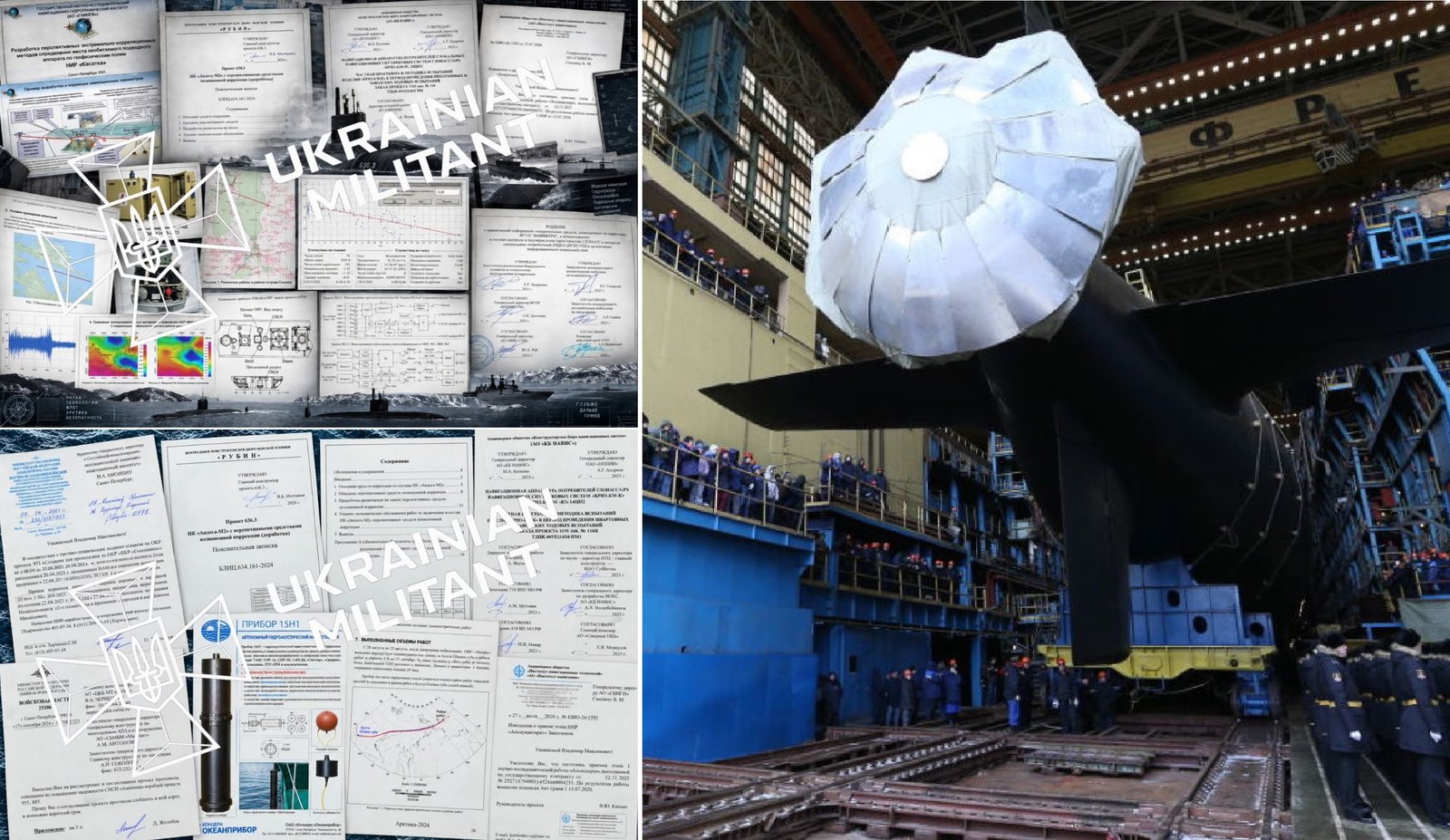 Ukrainian Hackers Expose Highly Classified Russian Naval Data in "Operation Poseidon"
-
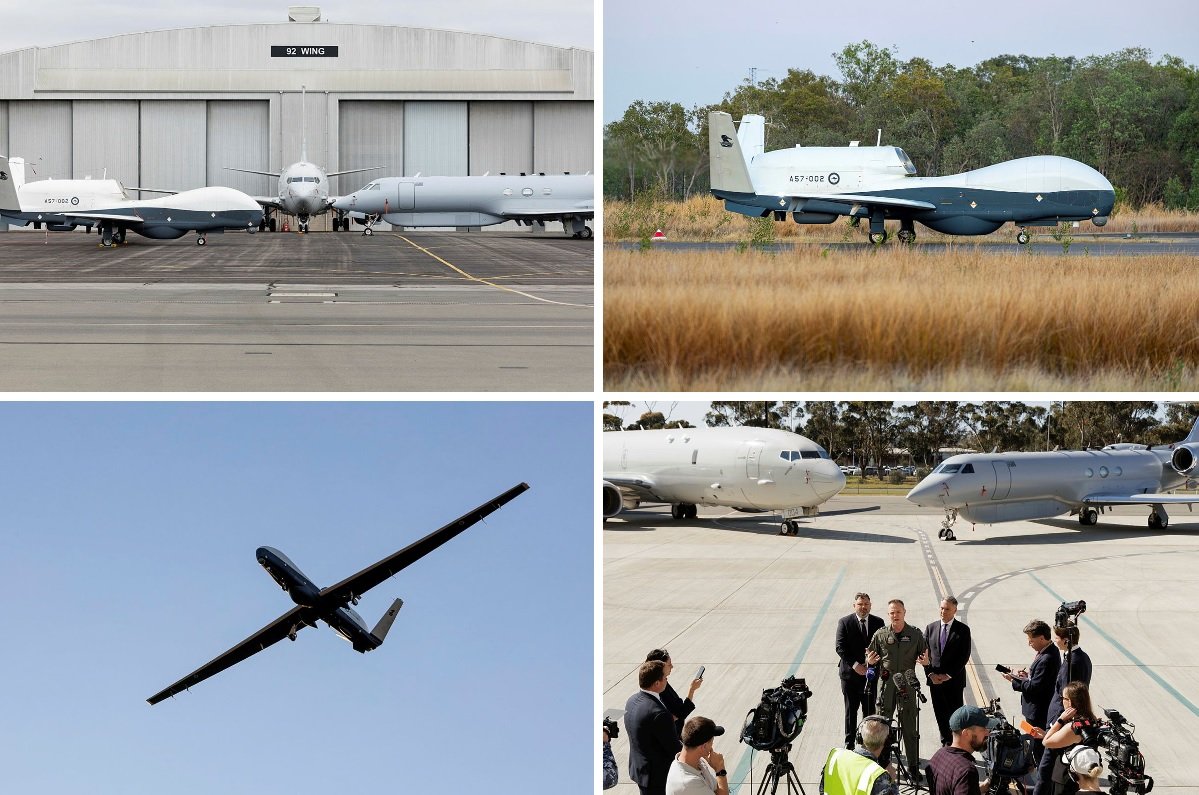 Australia’s MQ-4C Triton and MC-55A Peregrine Reach Initial Operational Capability
-
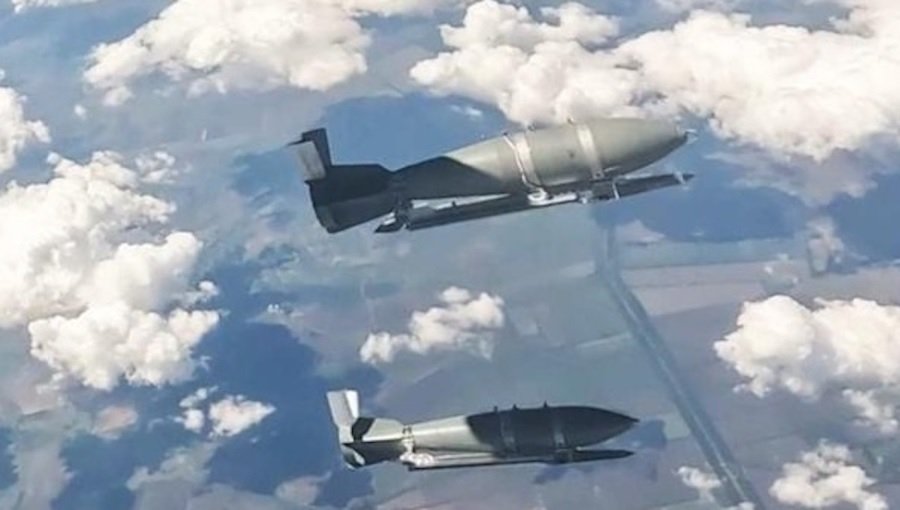 Russia’s Glide Bomb Use in Ukraine Surpasses Recent U.S. Bombing Rate During Epic Fury in Iran, Remains Below 2003 Iraq Peak
-
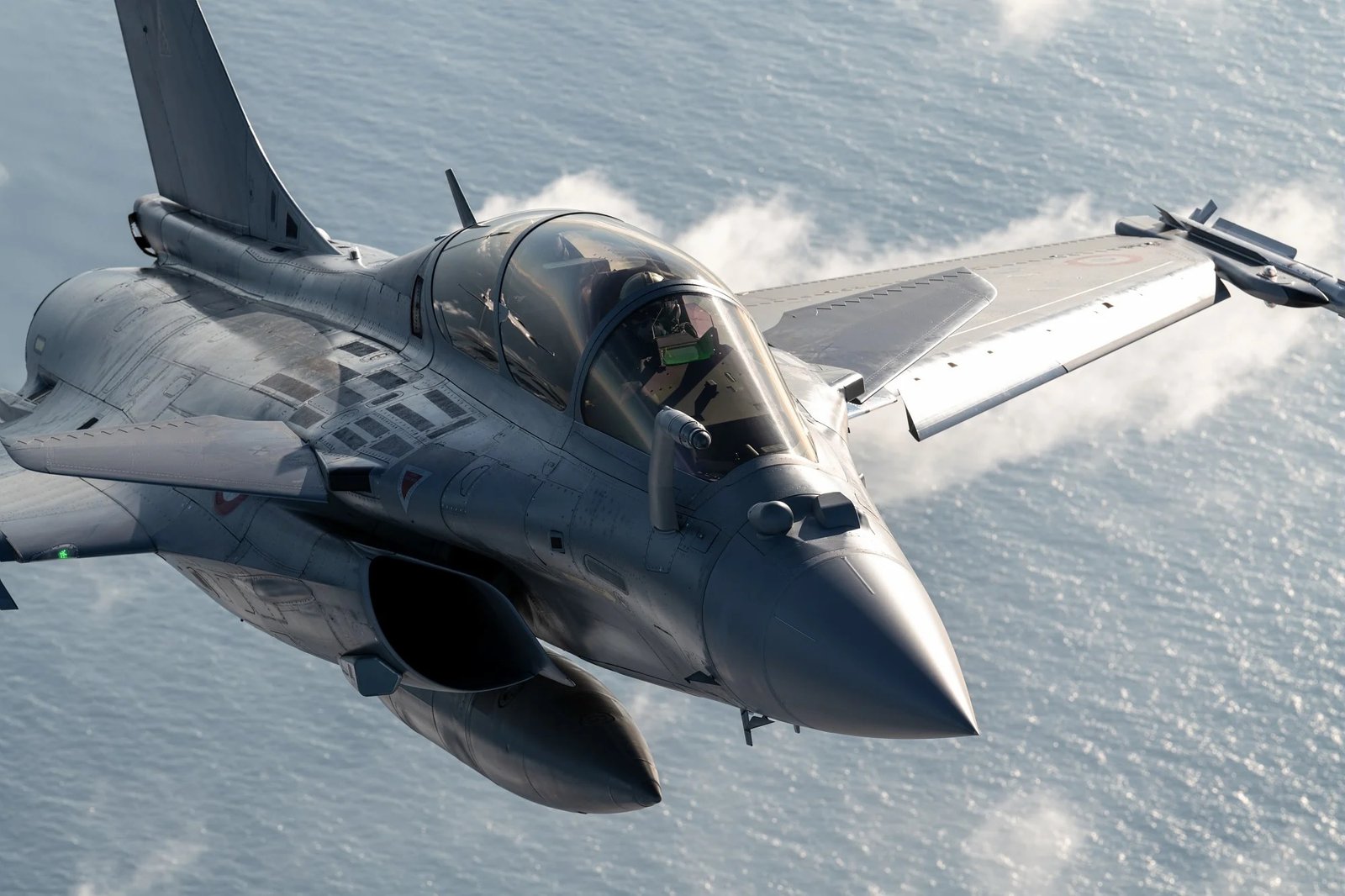 Dassault Aviation Flight-Tests Two Sovereign AI Algorithms on Rafale Fighter
-
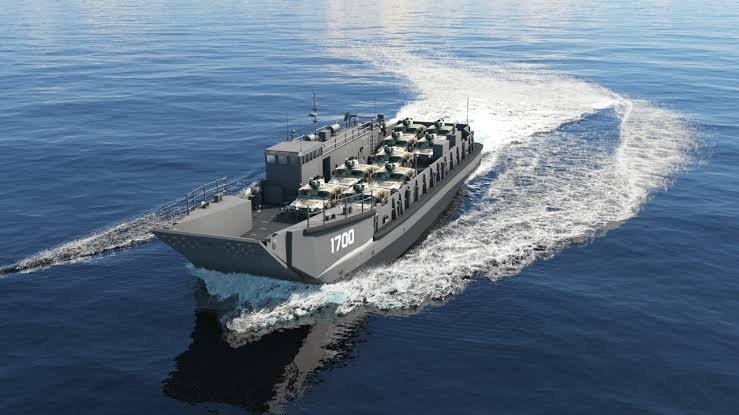 Indian Navy Issues RFI for Six Next-Generation LCU Mk V Vessels Under 'Make in India'
-
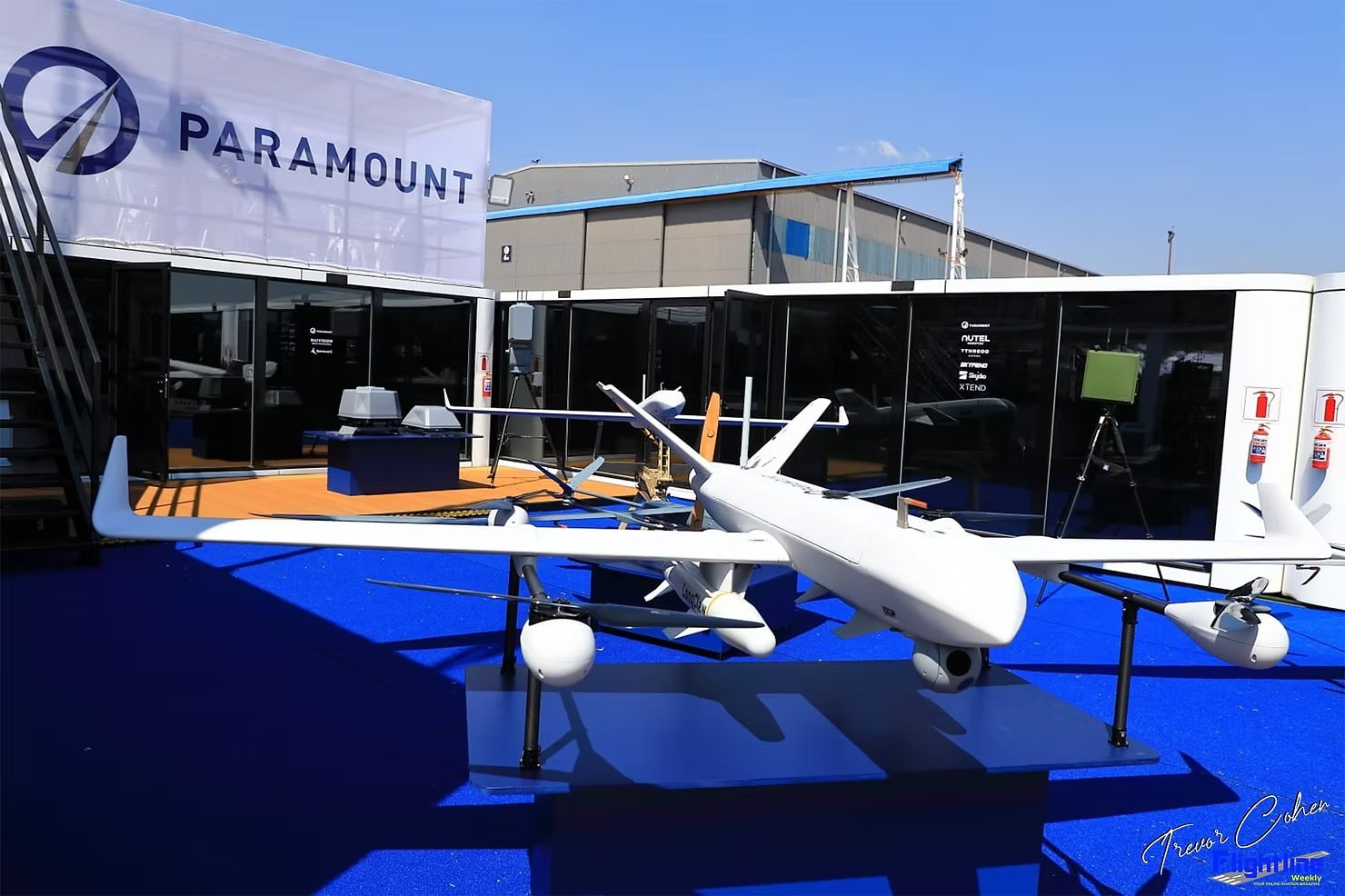 South African Firm Paramount Unveils V-Raven, a Reusable VTOL Drone for the African Battlefield
-
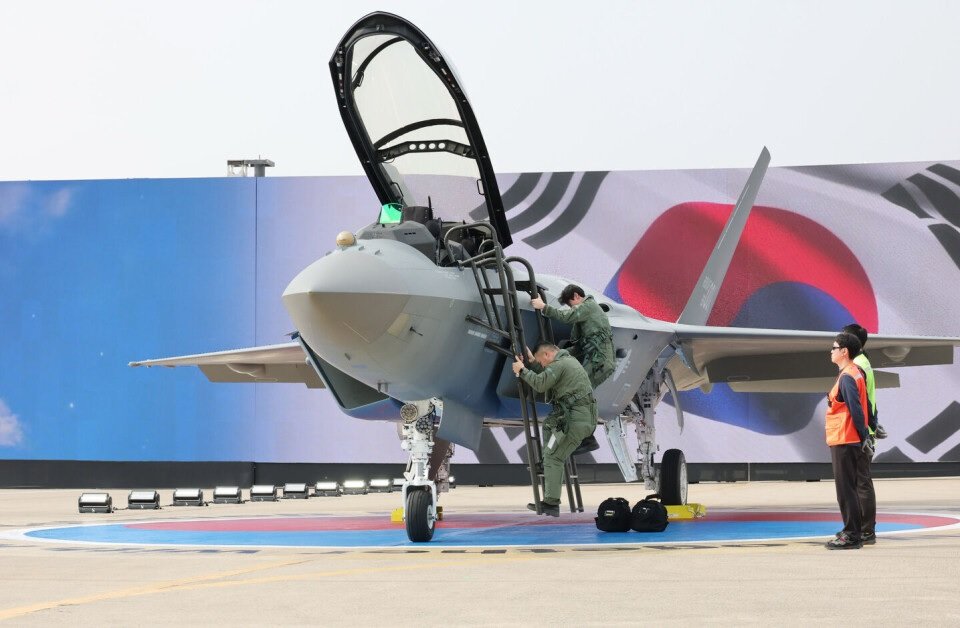 South Korea Delivers First Production KF-21 Boramae Fighter to Air Force
-
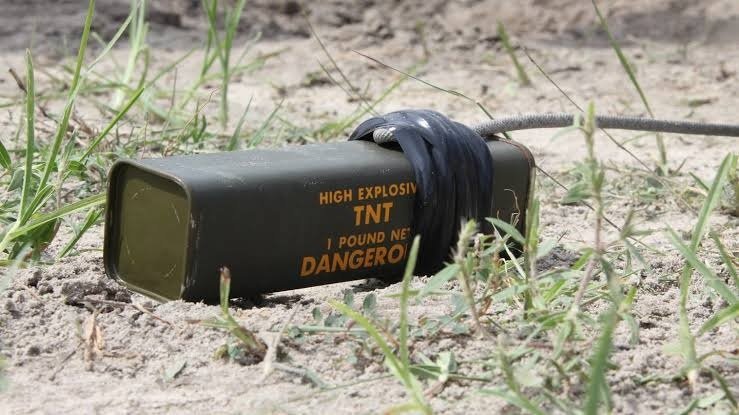 US Commits $20 Million to New TNT Production Facility in Finland
Top Trending in 4 Days
-
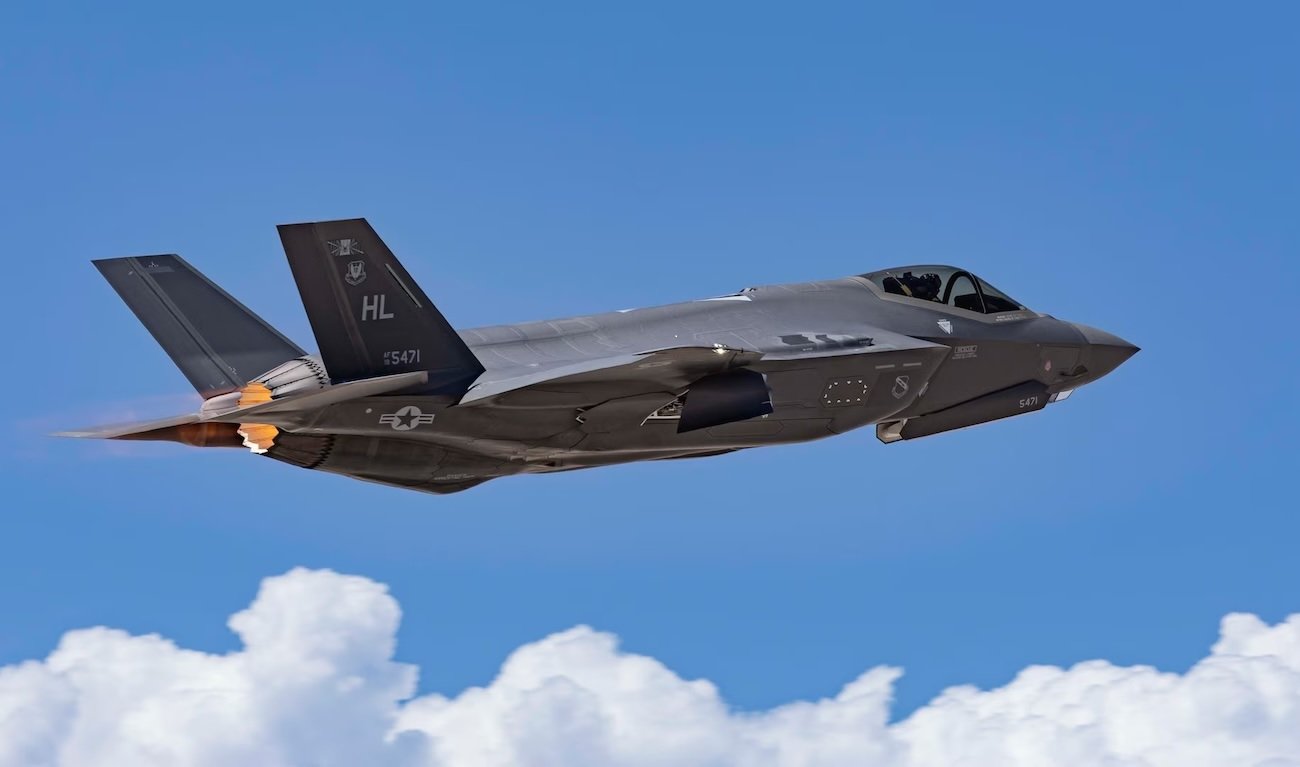 Sensitive F-35 Components Diverted to Hong Kong, Some Parts Missing
-
 U.S. Secures Permanent Military Rights in Greenland in Historic Security Pact with Denmark
-
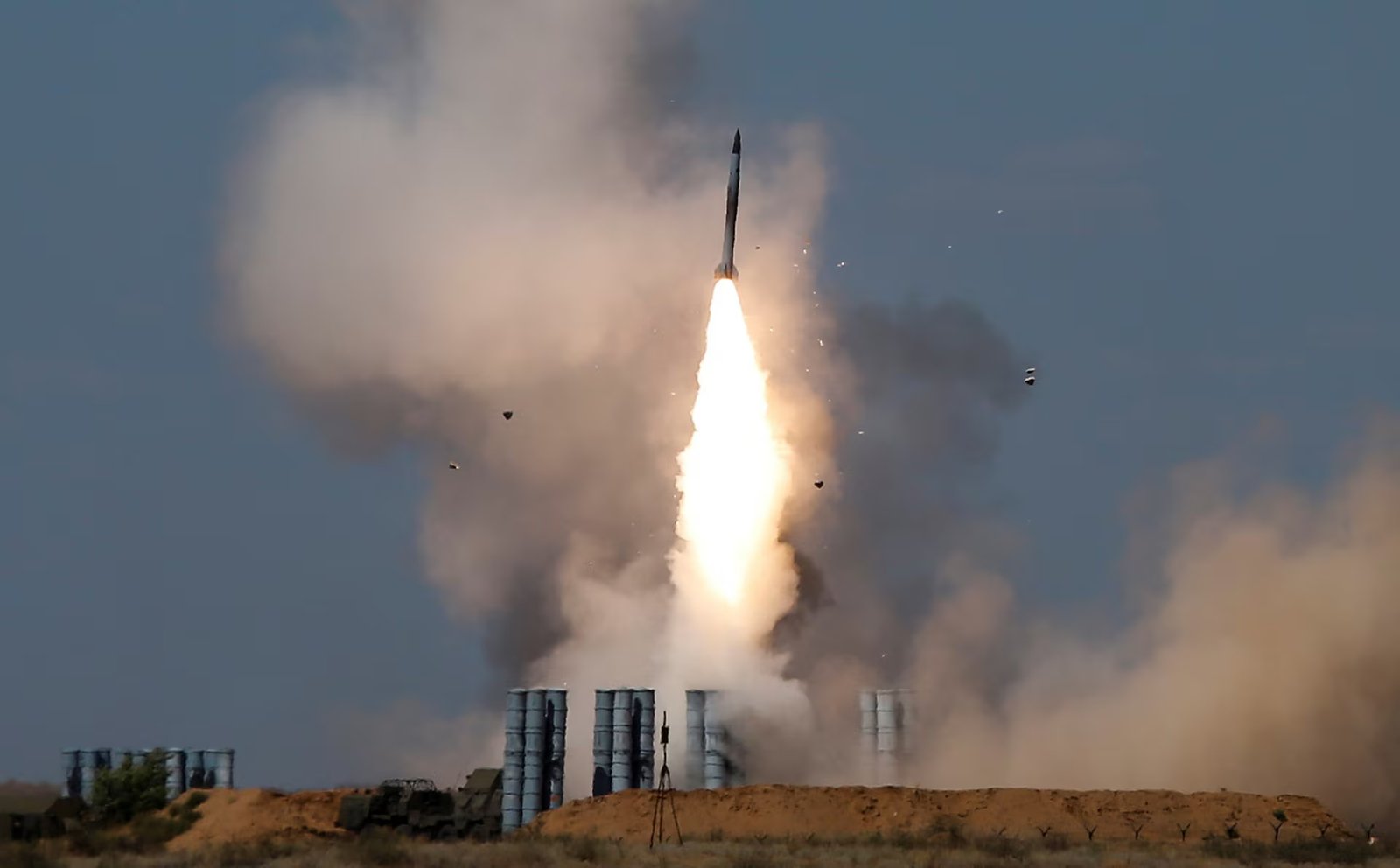 U.S. Approves Potential $2.68 Billion Air Defense Package for Ukraine Including S-300 Clone Missiles
-
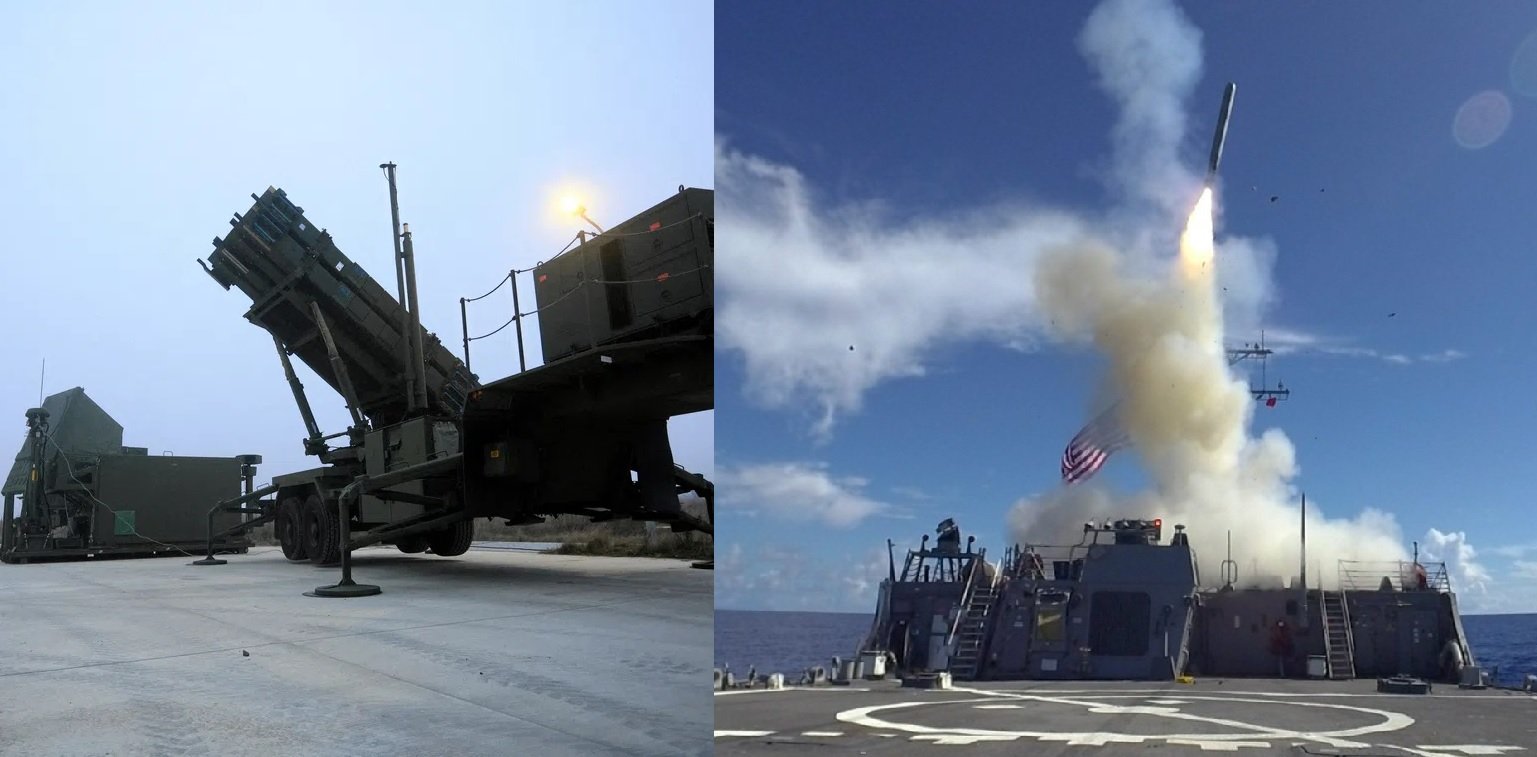 U.S. Warns Allies of Up to Five-Year Delays in Key Weapons Deliveries
-
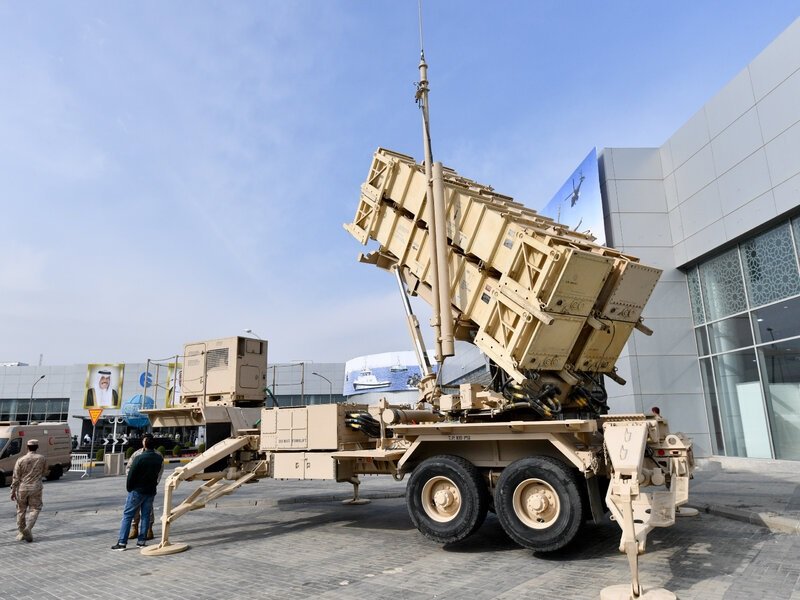 U.S. Iran War Cost Hits $43.6 Billion as Missile Interceptor Stocks Come Under Pressure
-
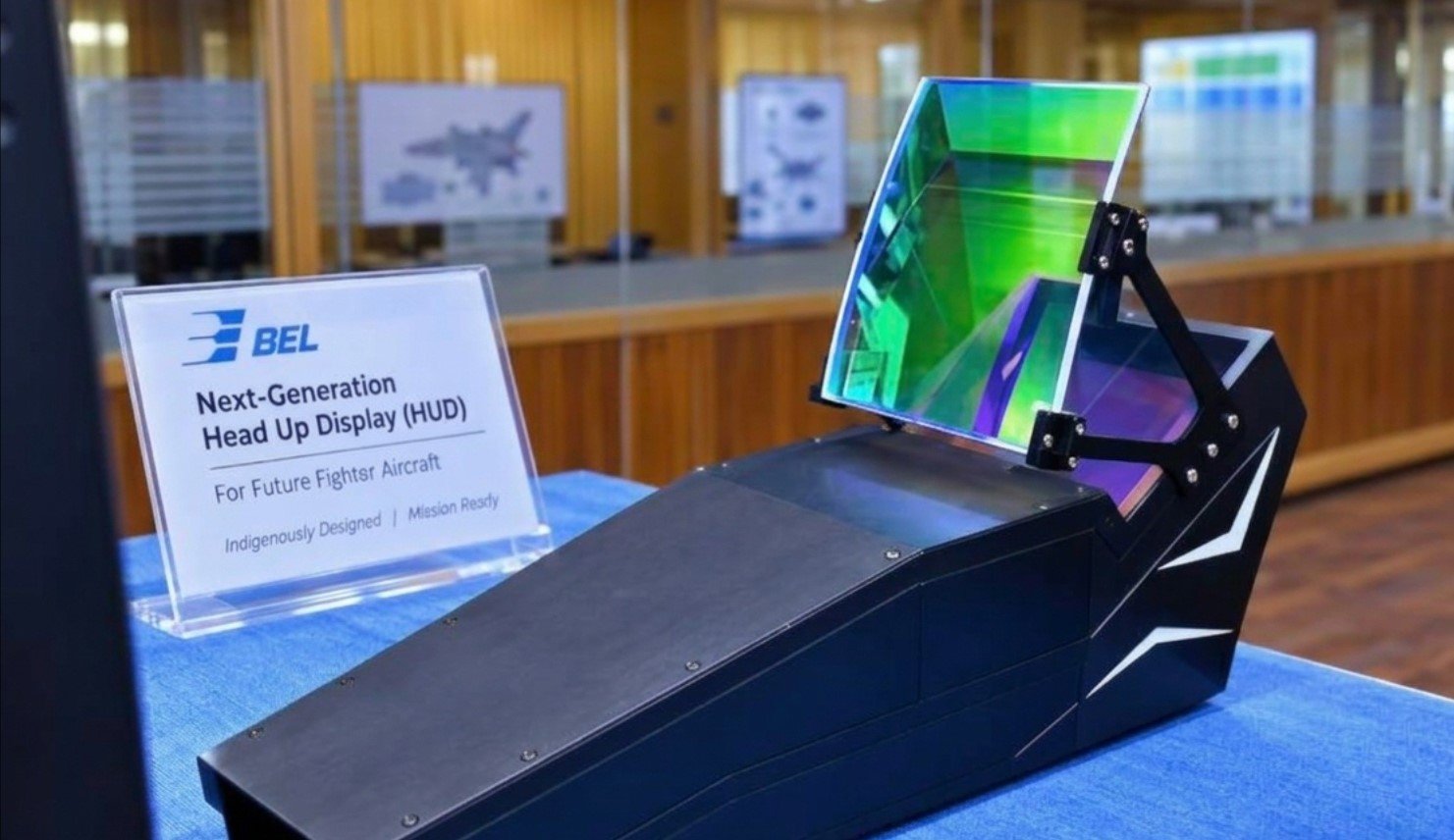 BEL Showcases New-Generation Head-Up Display, Potentially Linked to Tejas Mk2
-
 India’s xTerra Robotics Launches Indigenous DHAV-Hy Wheeled-Legged Quadruped for Industrial Inspection
-
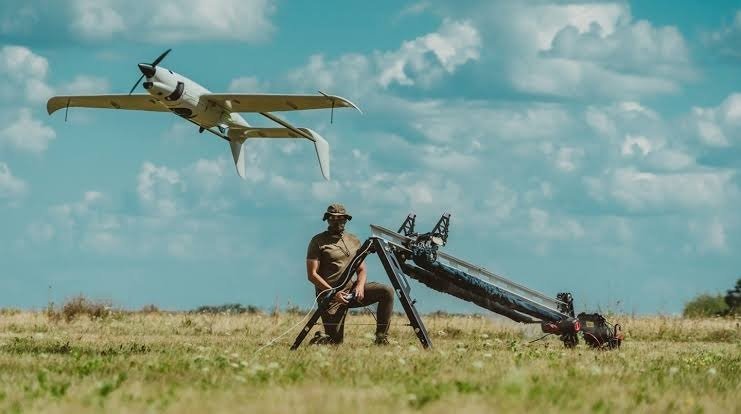 U.S. Army Awards $10.64 Million Contract to Ukrainian Drone Maker Skyeton for Raybird Systems