World
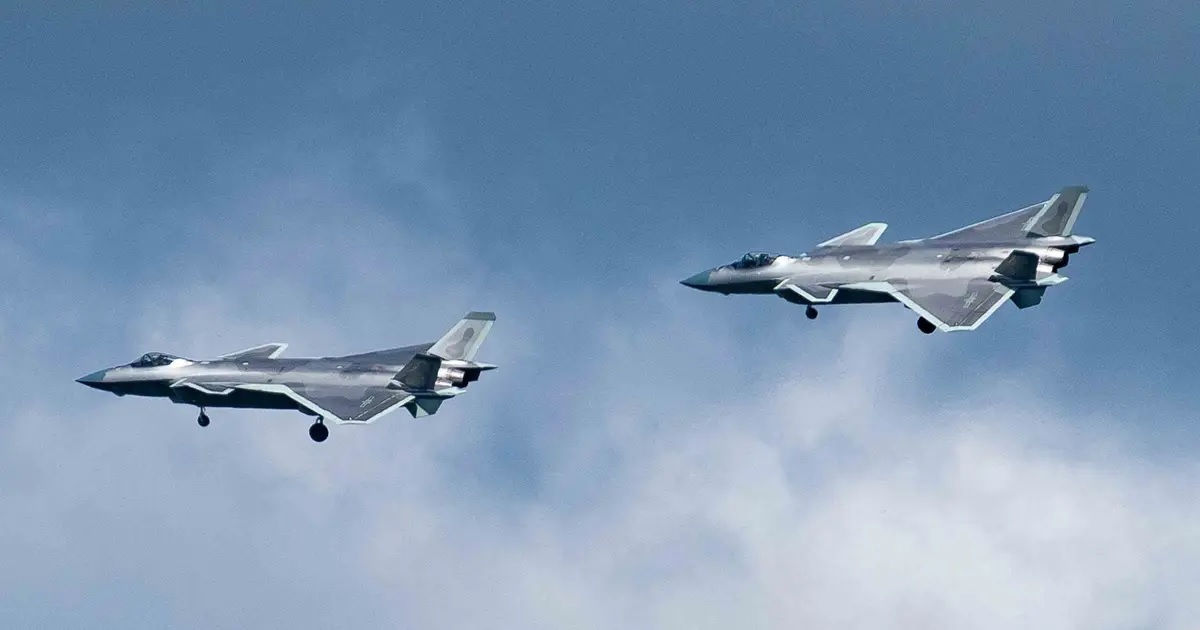
BEIJING, — June 17, 2026 : China’s People’s Liberation Army Air Force (PLAAF) has surpassed Russia’s Aerospace Forces (VKS) to become the world’s second-most powerful air force, according to multiple open-source defense assessments and aerospace analyses released in 2026. The shift reflects China’s rapid modernization efforts, large-scale aircraft production, and growing fleet of advanced combat aircraft, particularly its expanding inventory of J-20 and J-35 fifth-generation stealth fighters. While the United States Air Force remains the world's most capable and largest air force, analysts note that China has established itself as the leading air power outside the United States. China Builds the Largest Modern Combat Fleet Outside the United States Recent assessments estimate that the PLAAF operates approximately 3,733 aircraft, including more than 2,184 combat-capable platforms and nearly 2,000 fighter aircraft. China's air assets are positioned across operational theaters facing Taiwan, the South China Sea, Japan, and the broader Western Pacific region. In comparison, Russia's VKS is estimated to field approximately 1,300 to 1,500 combat aircraft, a reduction attributed to operational demands, combat losses, sanctions, and industrial limitations associated with the conflict in Ukraine. Analysts estimate China currently operates between 2,000 and 2,500 combat aircraft organized across approximately 110 to 130 fighter formations, providing substantial capacity for sustained operations, higher sortie generation rates, and improved ability to absorb combat attrition. J-20 Fleet Expansion Drives Stealth Fighter Growth A major factor behind China's rise is the rapid expansion of its J-20 "Mighty Dragon" stealth fighter fleet. Open-source estimates indicate that the PLAAF operates between 320 and 350 J-20 fighters, while some assessments place the operational fleet between 200 and 300 aircraft. The variation reflects differing methodologies used by defense analysts and tracking organizations. China's aerospace industry has significantly increased production capacity through automated manufacturing systems and optimized supply chains. The Chengdu Aircraft Corporation, the primary producer of the J-20, is estimated to manufacture between 100 and 120 aircraft annually. Recent satellite imagery and industrial reports indicate substantial expansion at major production facilities, including the addition of hundreds of thousands of square meters of manufacturing infrastructure. If current production rates continue, some analysts project China could field more than 1,000 fifth-generation fighters by 2030. The J-20 incorporates advanced stealth characteristics, sensor fusion capabilities, modern avionics, and long-range air-to-air engagement systems. Reports also indicate that certain variants are being adapted for maritime strike missions. J-35 Program Expands China's Stealth Aviation Portfolio China is also introducing the Shenyang J-35 stealth fighter family, which includes both land-based and carrier-capable variants. The J-35A, designed for PLAAF service, conducted reported test flights in 2026 and is expected to complement the larger J-20 fleet. The aircraft is intended to provide additional air defense and strike capabilities while serving as a medium-weight stealth platform. The naval variant of the J-35 achieved a major milestone in 2025 when it successfully conducted launches using an electromagnetic aircraft launch system (EMALS) aboard China's newest aircraft carrier, the Fujian. With the J-20 and J-35 programs progressing simultaneously, China has become the only country besides the United States to operate two distinct fifth-generation stealth fighter programs. Russia Faces Production and Modernization Challenges The change in ranking reflects diverging trends between Chinese and Russian military aviation industries. Although Russia continues to maintain a total aircraft inventory exceeding 4,200 aircraft on paper, analysts note that the number of combat-ready platforms is significantly lower. Operational demands, sanctions, supply chain restrictions, and combat losses have affected fleet availability and modernization efforts. Restrictions on access to advanced electronics, semiconductors, and avionics components have complicated the development and production of modern combat aircraft and systems, including active electronically scanned array (AESA) radars. Russian fighter aircraft production is estimated to range between 24 and 35 aircraft annually, considerably lower than China's output. Meanwhile, Russia's fifth-generation Su-57 program remains constrained by production capacity and engine availability, resulting in an operational fleet estimated at 25 to 30 aircraft. Despite these challenges, Russia continues to maintain significant capabilities through platforms such as the Tu-95 and Tu-160 strategic bombers, as well as the MiG-31 interceptor fleet, while also benefiting from operational experience gained during recent military campaigns. J-16 and J-10 Fleets Form the Backbone of the PLAAF China's growing airpower is not based solely on stealth aircraft. The PLAAF operates approximately 450 J-16 multirole strike fighters and more than 550 J-10 variants, including the advanced J-10C equipped with AESA radars, modern avionics, and enhanced networking capabilities. China has standardized many of its newer fighter aircraft around advanced sensors, digital cockpit systems, and long-range precision weapons. This modernization effort has enabled the retirement of older aircraft while improving overall fleet readiness. The J-16D electronic warfare variant provides specialized capabilities for radar jamming and suppression of enemy air defenses, strengthening China's ability to conduct network-centric air operations. Support Aircraft Enhance Operational Reach Beyond combat aircraft, China has expanded key support assets that increase the effectiveness of its fighter force. The growing fleet of KJ-500 airborne early warning and control (AEW&C) aircraft improves long-range target detection, battlespace awareness, and command-and-control capabilities. China has also expanded its aerial refueling fleet, allowing fighters and strike aircraft to operate farther from mainland bases and sustain operations deeper into the Western Pacific and Philippine Sea. Electronic warfare aircraft, including the J-16D, provide additional capabilities for disrupting enemy radar networks and air defense systems. Together, these platforms form a broader networked combat ecosystem designed to integrate air, naval, and missile forces during joint operations. Strategic Implications for the Indo-Pacific The PLAAF's growth has significant implications for security planning across the Indo-Pacific region. While the United States continues to maintain global air superiority through its F-35 and F-22 fleets, extensive tanker network, worldwide basing infrastructure, and alliance partnerships, China possesses the advantage of concentrating most of its modern air assets within a single theater. Analysts note that this concentration of forces could influence military planning for countries including Japan, India, Australia, South Korea, and Taiwan, many of which are investing in next-generation aircraft, missile defense systems, electronic warfare capabilities, and advanced sensors. Defense experts increasingly emphasize that future airpower competition will depend not only on aircraft numbers, but also on industrial production capacity, sensor integration, electronic warfare resilience, logistics networks, and the ability to sustain operations during prolonged conflicts. China’s continued investment in indigenous aerospace development, aircraft production infrastructure, and force modernization is expected to remain a key factor shaping global airpower assessments throughout the coming decade.
Read More → Posted on 2026-06-17 16:03:26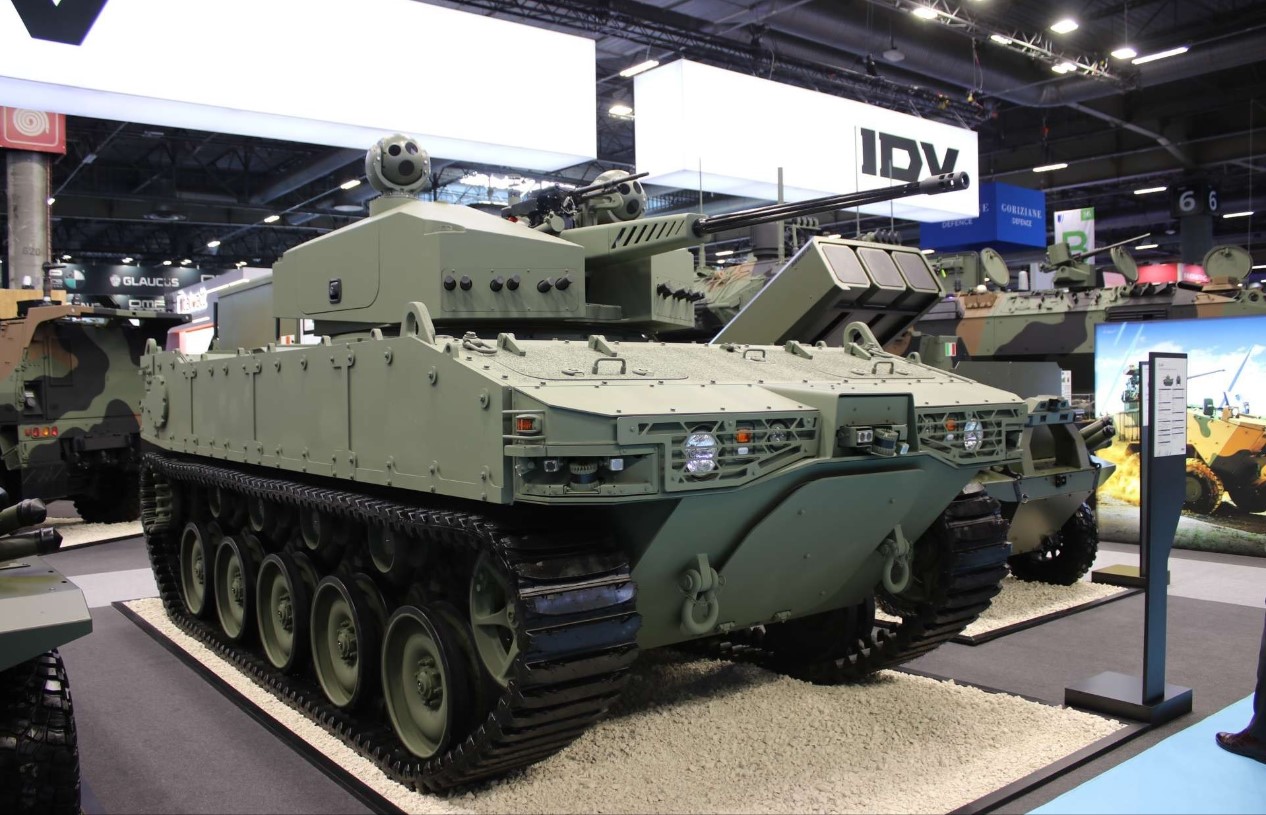
World
PARIS, — June 2026 : IDV, a subsidiary of Leonardo, has introduced the CL2X, a next-generation hybrid uncrewed light tank developed to support modern land warfare operations by working directly alongside crewed armored vehicles. The vehicle made its public debut at the Eurosatory 2026 defense exhibition in Paris, highlighting the growing role of autonomous systems in future battlefield formations. The unveiling comes as armed forces across Europe and NATO continue to explore new methods of integrating robotic platforms into combat units following lessons learned from recent conflicts, particularly the war in Ukraine. Leonardo Expands Autonomous Land Systems Portfolio The CL2X is among the first major autonomous combat vehicle programs introduced by IDV since its acquisition by Leonardo. The transaction, completed earlier in 2026 and valued at approximately €1.7 billion, strengthened Leonardo’s position in the land systems sector. IDV is already a well-established defense vehicle manufacturer, producing the SUPERAV amphibious armored vehicle, which serves as the foundation for the U.S. Marine Corps’ Amphibious Combat Vehicle (ACV) program. This experience provides the company with an established industrial base and expertise in armored vehicle development for both European and international customers. Hybrid-Electric Combat Platform The CL2X is a tracked uncrewed combat vehicle built around a series-hybrid propulsion system. The design combines an electric drive unit with a range-extender engine that is dedicated to recharging the vehicle’s onboard battery system rather than directly powering the tracks. The vehicle is equipped with a 130 kWh energy storage system and delivers up to 500 kW of tractive power, enabling both mobility and silent operation capabilities. Key Specifications Gross Weight: 16 tonnes Payload Capacity: Up to 5 tonnes Maximum Speed: 70 km/h Operational Range: Up to 500 km Silent Battery Mode Range: Approximately 30 km Length: Around 6 meters (including barrel) Width: 2.5 meters Hull Height: 1.8 meters Height with Turret: 2.5 meters Ground Clearance: 0.5 meters The platform features hydro-pneumatic suspension, hydraulic braking systems, and can be configured with either rubber or steel tracks. By combining rubber tracks with battery-only propulsion, the CL2X can significantly reduce acoustic and thermal signatures, making detection by enemy sensors more difficult during specific phases of an operation. The vehicle is also designed to navigate challenging terrain, with the ability to climb 60% gradients, traverse 30% side slopes, cross 2-meter trenches, negotiate 0.7-meter obstacles, and ford water up to 1.5 meters deep. Armed with HITFIST 30 UL Turret The demonstration vehicle displayed at Eurosatory was equipped with Leonardo’s HITFIST 30 UL (Uncrewed Light) turret, featuring the company’s proprietary 30 mm X-Gun cannon. The weapon system can fire air-burst ammunition, allowing it to engage drones and other aerial threats more effectively than conventional direct-impact rounds. The turret also includes: 7.62 mm coaxial machine gun Smoke grenade launchers Provision for anti-tank guided missiles More than 150 ready-to-fire 30 mm rounds The turret provides 360-degree traverse and elevation ranging from -10° to +70°, with the ability to reach +85° when performing counter-unmanned aerial system (C-UAS) missions. Targeting systems include stabilized day and thermal sights, electro-optical sensors, and a laser rangefinder, enabling engagement of targets in both day and night conditions. A notable feature of the X-Gun is that it was developed entirely by Leonardo, meaning it is not subject to U.S. International Traffic in Arms Regulations (ITAR) restrictions, potentially simplifying export opportunities for international customers. Designed for Manned-Unmanned Teaming IDV has developed the CL2X around the concept of Manned-Unmanned Teaming (MUM-T), in which crewed armored vehicles command and coordinate multiple robotic systems on the battlefield. Under this doctrine, the CL2X can perform missions such as: Direct fire support Reconnaissance and surveillance Counter-drone operations Flank security High-risk assault and screening missions Support for armored formations in contested areas The concept aims to increase combat effectiveness while reducing risk to personnel by allowing uncrewed platforms to operate in the most dangerous areas of the battlefield. MACE and ATLAS Enable Autonomous Operations The CL2X supports remote control, teleoperation, and autonomous-ready functions through IDV’s MACE autonomy architecture and ATLAS navigation system. The ATLAS system is specifically designed for operations in GNSS-denied environments, allowing vehicles to navigate even when GPS and satellite navigation signals are disrupted or jammed. According to IDV, both systems can also be integrated into existing crewed vehicles, providing militaries with a pathway to introduce autonomous capabilities without replacing entire vehicle fleets. Upgraded VIKING UGV Also Displayed Alongside the CL2X, IDV showcased an upgraded version of its fifth-generation VIKING uncrewed ground vehicle (UGV). The six-wheeled platform received an improved powertrain that extends its electric-only operating range to approximately 30 kilometers. The latest version also features the Janus-D mast-mounted electro-optical sensor suite, allowing the vehicle to conduct surveillance while remaining concealed behind terrain or obstacles. Configurations displayed at the exhibition included: A Hitrole counter-drone weapon station A ground-launched precision anti-armor missile system Enhanced reconnaissance and surveillance packages Growing Demand for Uncrewed Combat Vehicles The introduction of the CL2X reflects broader trends within the global defense industry. Military planners have increasingly focused on autonomous and remotely operated systems after observing the effectiveness of drones, loitering munitions, anti-tank guided weapons, and extensive minefields in recent conflicts. Speaking at Eurosatory, IDV CEO Claudio Catalano stated that uncrewed systems are becoming an essential element of future land warfare capabilities rather than a long-term objective. The trend was also evident elsewhere at the exhibition. Patria and RENK unveiled a separate collaborative heavy uncrewed tracked vehicle concept featuring a digital drive-by-wire transmission intended for remote operation. Patria CEO Panu Routila noted that lessons from Ukraine have reinforced the need for autonomous battlefield systems capable of reducing risks to personnel while expanding operational flexibility. Future Development The CL2X remains in the demonstration and evaluation phase, with further testing expected as IDV and Leonardo continue to refine autonomous combat vehicle technologies. The platform is intended to support future military requirements for distributed operations, enhanced survivability, and integrated manned-unmanned combat formations. With its hybrid-electric propulsion system, autonomous navigation capabilities, and modular weapon options, the CL2X represents IDV’s latest effort to position itself in the rapidly expanding market for next-generation uncrewed armored combat vehicles.
Read More → Posted on 2026-06-17 15:49:11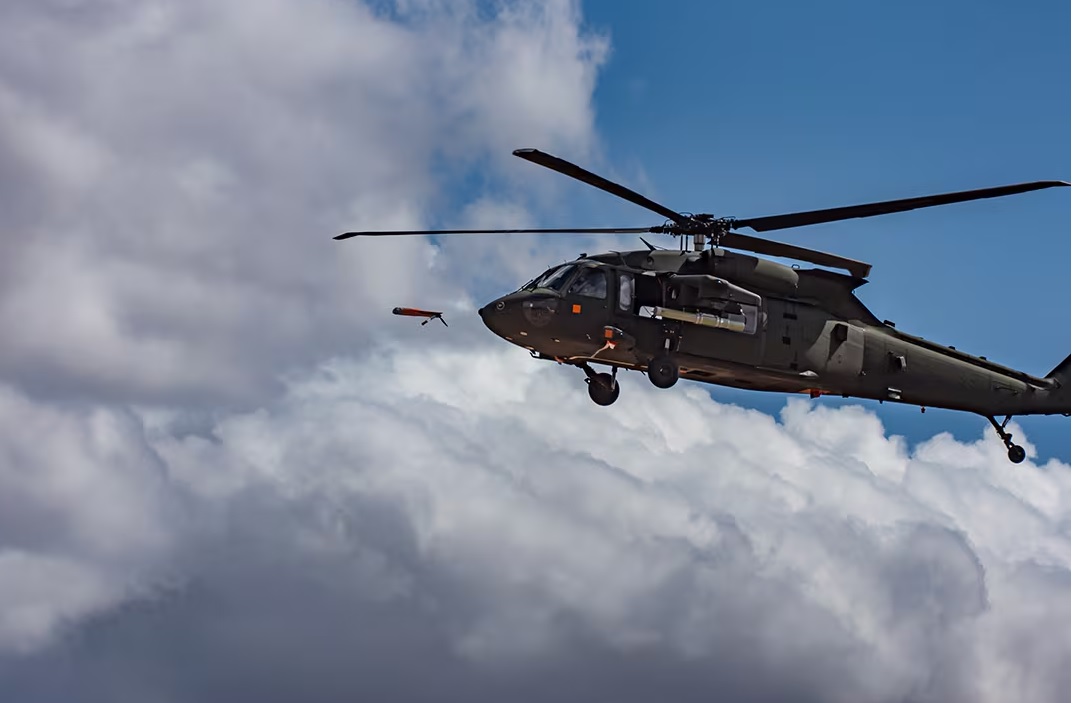
World
FORT A.P. HILL, Virginia, — June 17, 2026 : The U.S. Army has successfully completed a flight test of its medium-range Air-Launched Effects (A-LE) capability from a UH-60M Black Hawk helicopter, marking a key milestone in Army Aviation modernization efforts. The testing was conducted over a three-day period in June 2026 at Fort A.P. Hill, Virginia. During the event, UH-60M aircrews successfully launched and controlled multiple medium-range unmanned systems from a single Black Hawk helicopter. The demonstration completed a 13-month accelerated development program aimed at rapidly integrating the Air-Launched Effects capability into the Army’s rotary-wing fleet. The test marked the first time an Army rotary-wing platform has launched multiple launched effects from a single UH-60M aircraft. The capability enables aircrews to deploy and command unmanned systems from a stand-off distance, extending operational reach while improving the survivability of manned aircraft in contested environments. “Launching multiple LEs from a single H-60M is a first for an Army rotary-wing platform, marking a major step forward in modernizing Army Aviation,” said Rodney Davis, Capability Program Executive for Aviation. “Just as important, validating the system’s advanced networking confirms we can maintain resilient, high-fidelity command and control at extended ranges—delivering a decisive advantage for the warfighter,” Davis added. Joint and Industry Collaboration The Army said the rapid integration effort was made possible through cooperation between Capability Program Executives, Portfolio Acquisition Executives, the U.S. Navy, and defense industry partners. A dedicated Combined Test Team consisting of experimental test pilots and flight test engineers from the Redstone Test Center and the Technology Development Directorate-Aviation supported the program. The team streamlined test planning and evaluation, helping reduce redundant testing and accelerate capability delivery. Brig. Gen. G. Robert Mikesh Jr., Capability Program Executive for Offensive Fires, highlighted the integration of the Long-Range Precision Munition (LRPM) into the system. “The rapid integration of the Long-Range Precision Munition (LRPM) into the UH-60M A-LE launching solution shows the strong partnership between PAE Fires, PAE Maneuver Air, and DEVCOM AvMC and our commitment to rapidly developing, testing, and fielding cutting-edge capabilities to the warfighter,” Mikesh said. Next Phase of Testing Following the successful demonstration, the Army plans to continue maturing the capability. The UH-60M Air-Launched Effects system is scheduled to participate in Project Convergence Capstone 6 later this summer. The exercise will evaluate the system’s performance, interoperability, and tactical utility in a large-scale operational environment involving joint-force networks. The successful test at Fort A.P. Hill represents continued progress in integrating Air-Launched Effects into Army Aviation, providing helicopter crews with new options to extend range, improve battlefield awareness, and support operations while maintaining greater stand-off distance from threats.
Read More → Posted on 2026-06-17 15:44:10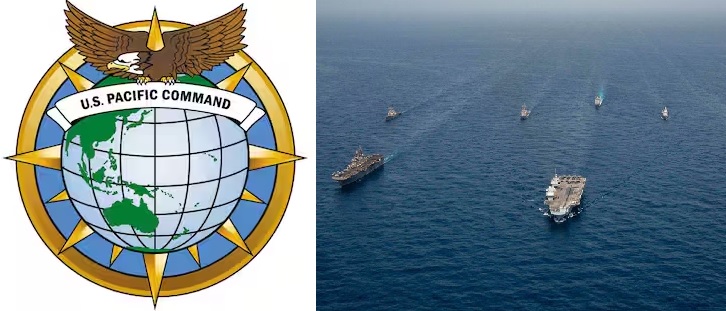
World
CAMP H.M. SMITH, Hawaii, — June 17, 2026 : The U.S. Department of War has announced that the U.S. Indo-Pacific Command (USINDOPACOM) will officially revert to its historic name, the U.S. Pacific Command (USPACOM), ending the designation adopted in 2018. The move restores the title under which the command operated for more than seven decades and reflects what officials describe as a return to the command’s historical identity and military heritage. The command was originally established on January 1, 1947, by President Harry S. Truman and is recognized as the oldest and largest of the United States’ unified combatant commands. Headquartered at Camp H.M. Smith, Hawaii, the command oversees approximately 375,000 military and civilian personnel across a region covering nearly 52 percent of the Earth's surface, stretching from the western coast of the United States to the western border of India. Return to a Historic Designation According to the Department of War, restoring the USPACOM name honors the command’s long-standing legacy and its contribution to regional security since the end of World War II. Officials stated that the designation carries decades of military history and reflects the command’s role in shaping the post-war security framework across the Pacific region. The department noted that USPACOM coordinated joint military operations during the Korean War, the Vietnam War, and numerous humanitarian assistance and disaster-relief missions throughout the region. Officials said the restored name is intended to reinforce institutional continuity and foster a sense of shared identity among service members. Despite the change in designation, the department emphasized that the command’s area of responsibility, mission, force structure, and partnerships remain unchanged. USPACOM will continue to oversee military operations across the same geographic region and maintain its commitment to working with allies and partners to support regional stability and security. Background of the 2018 Renaming The command was renamed U.S. Indo-Pacific Command in May 2018 during the first Trump administration. The change was announced by then-Defense Secretary Jim Mattis during a ceremony in Hawaii. At the time, the addition of “Indo” was intended to recognize the increasing strategic linkage between the Indian Ocean and Pacific Ocean regions and acknowledge India's growing role in regional security and defense cooperation. The Indo-Pacific concept subsequently became a central element of U.S. strategic policy and was incorporated into cooperation frameworks involving partners such as India, Japan, and Australia. Diplomatic Discussion Following the Decision The decision to remove the “Indo” designation has generated discussion among diplomatic and defense observers. The announcement comes shortly before Indo-U.S. discussions taking place on the sidelines of the ongoing G7 Summit, leading some analysts to examine whether the timing carries broader strategic significance. Additional attention has been drawn to the issue following criticism in India over an incorrect representation of India's borders on an updated USPACOM website map. Some Indian political figures and commentators questioned whether the renaming could signal changes in Washington’s approach toward regional security arrangements, including the Quad partnership. However, the Department of War has stated that the decision is primarily symbolic and focused on restoring historical tradition rather than altering strategic priorities. Officials reiterated that cooperation with India and other regional partners remains unchanged. Iran Ceasefire Agreement and Strategic Context The renaming also comes shortly after the United States and Iran reached a preliminary Memorandum of Understanding (MoU) aimed at ending months of regional conflict. The agreement, reportedly brokered with the assistance of Pakistan and Qatar, was announced on June 14 and includes a ceasefire arrangement, the lifting of the U.S. naval blockade, the reopening of the Strait of Hormuz to commercial shipping, and the start of a 60-day period for nuclear negotiations before a planned formal signing in Geneva. While U.S. officials have not linked the two developments, some defense and foreign policy analysts have noted that the timing has prompted discussion regarding broader American strategic priorities. Analyst Perspectives Several analysts have suggested that the restoration of the USPACOM name may reflect a renewed emphasis on the Pacific theater following the reduction of immediate tensions in the Middle East. One interpretation is that the United States is seeking to concentrate more clearly on long-term strategic competition in East Asia following the easing of the Gulf crisis. Analysts note that the return to the Pacific Command designation may symbolize a more focused geographic identity rather than a two-ocean framework. Others argue that the change aligns with the Department of War’s emphasis on historical military traditions and institutional continuity. Under this view, the restoration of the USPACOM title represents a preference for a long-established command identity rather than a shift in military posture. Some observers also suggest that reduced immediate security pressures in the Gulf region have lessened the need to emphasize the Indian Ocean within the command’s title, although no operational adjustments have been announced. No Operational Changes Planned The Department of War has emphasized that the renaming does not involve any changes to military deployments, command structures, force posture, or operational responsibilities. USPACOM will continue to conduct deterrence missions, security cooperation activities, crisis response operations, and humanitarian assistance efforts throughout its vast area of responsibility. Existing alliances and defense partnerships across the region will remain in place. Officials stated that the restoration of the USPACOM designation is intended to highlight the command’s historic legacy while maintaining continuity in its mission and regional commitments. As implementation of the new designation proceeds, the command will continue operating from Hawaii under the restored U.S. Pacific Command (USPACOM) name, while preserving the same strategic responsibilities it has carried in recent years.
Read More → Posted on 2026-06-17 15:40:45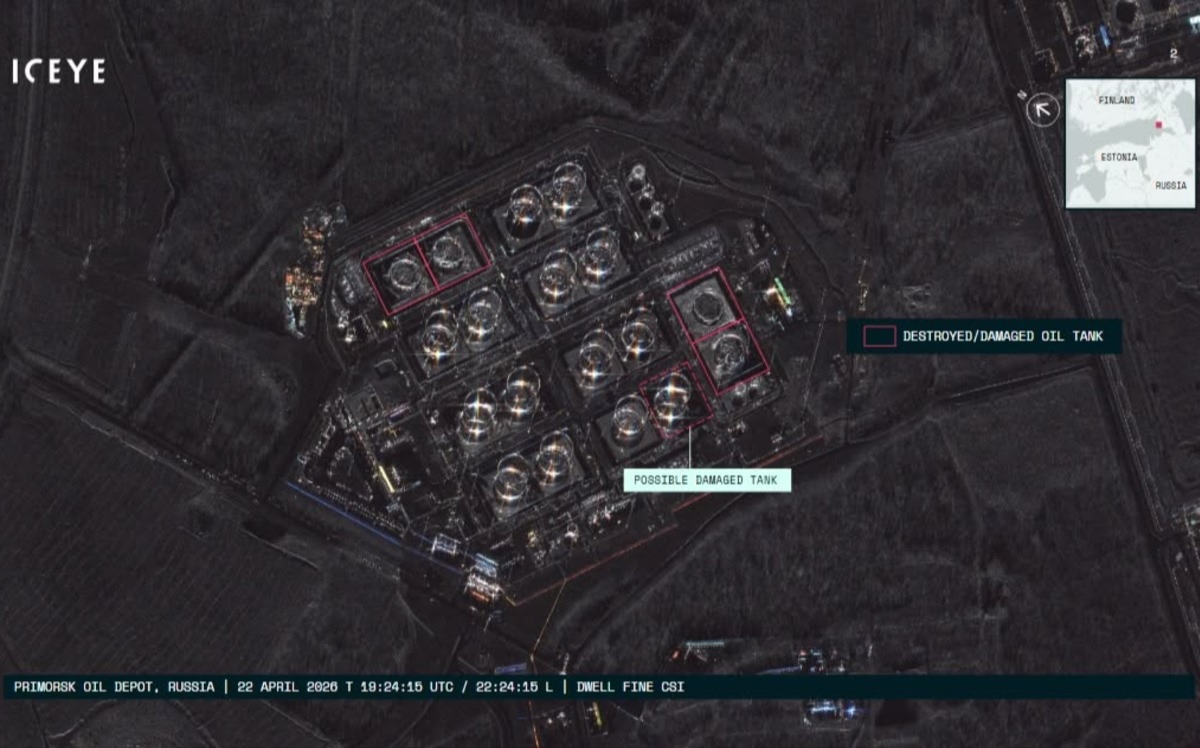
World
LISBON, Portugal — June 17, 2026 : Portugal has signed a contract to acquire two additional synthetic aperture radar (SAR) satellites from Finnish aerospace company ICEYE, doubling its sovereign satellite fleet from two to four spacecraft. The agreement was signed by CTI Aeroespacial, a joint venture between the Portuguese Air Force (Força Aérea Portuguesa, FAP) and engineering center CEiiA. The acquisition follows the successful launch of Portugal’s first sovereign ICEYE-built satellite in March 2026, which is already in operational service. The new satellites will strengthen Portugal’s independent space-based surveillance capabilities and support monitoring of national territory and maritime areas. SAR Technology Provides All-Weather Monitoring Unlike traditional optical satellites, which require daylight and clear weather conditions, SAR satellites use radar signals to generate images of the Earth's surface. ICEYE’s X-band SAR technology can capture imagery through cloud cover, smoke, storms, and darkness. This capability is particularly important for Portugal, where cloud cover frequently affects visibility over large areas of the Atlantic Ocean and coastline. To support the program, Portuguese Air Force personnel recently visited ICEYE’s facility in Espoo, Finland, to inspect the newly ordered satellites and verify their readiness before delivery. Faster Revisit Rates for Maritime Surveillance The expansion from two to four satellites will significantly reduce revisit times, allowing more frequent observations of specific locations. The improved capability will support monitoring of Portugal’s Exclusive Economic Zone (EEZ), which covers approximately 1.7 million square kilometers. Faster revisit rates will help authorities track vessels, monitor environmental incidents such as oil spills, and support search-and-rescue operations. Part of Portugal’s Space Modernization Plan The acquisition is part of the Portuguese Air Force’s Força Aérea 5.3 modernization plan, which aims to establish an independent space-based surveillance capability. Jordi Laguarda, ICEYE’s Vice President of Missions for Spain and Portugal, said the expanded constellation will provide the revisit rates and response times required for modern defense and civil protection missions. General Sérgio da Costa Pereira, Chief of Staff of the Portuguese Air Force, said the additional satellites will strengthen Portugal’s freedom of action while supporting defense, security, environmental monitoring, and the protection of natural resources. Growing European Demand for SAR Satellites Portugal’s procurement reflects a broader European trend toward sovereign satellite surveillance capabilities. The importance of persistent, all-weather satellite monitoring has become increasingly evident in recent years, leading several European countries to expand investments in national space-based intelligence systems. ICEYE operates the world’s largest SAR satellite constellation and recently completed a Series F funding round valued at more than €1 billion to expand production capacity and meet growing demand. Once the new satellites enter service, Portugal will have enhanced capability to independently monitor its territory and Atlantic maritime domain while supporting both military and civilian missions.
Read More → Posted on 2026-06-17 14:38:24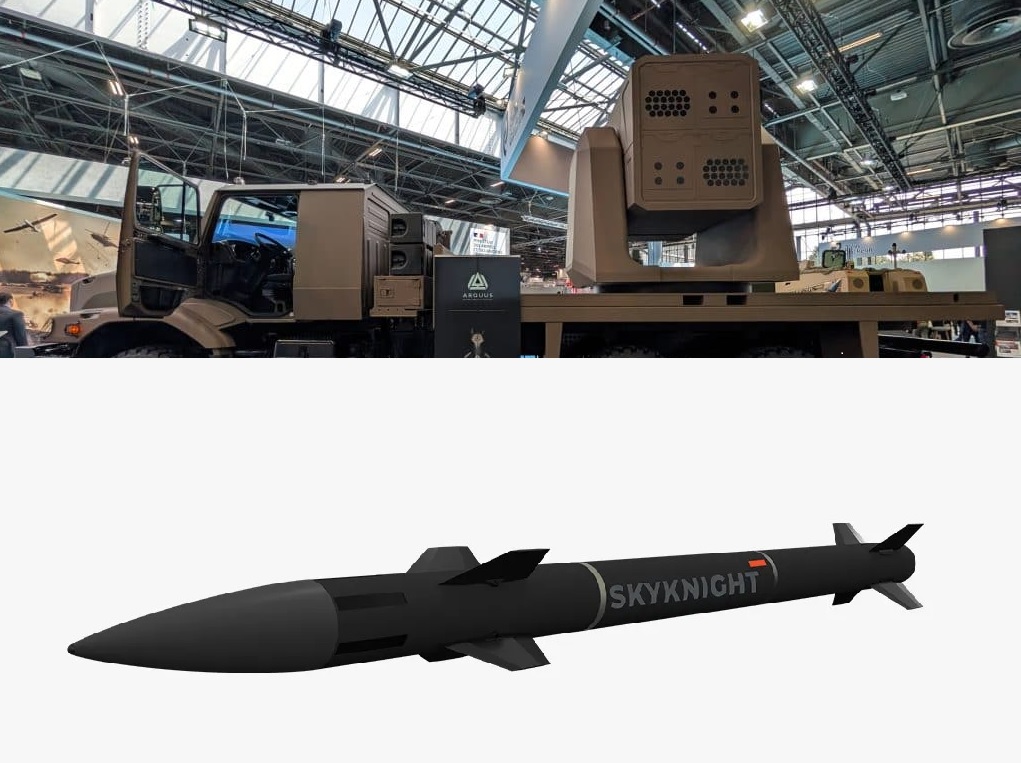
World
PARIS, — June 17, 2026 : French defense company Naval Group has officially introduced Rampart, its new Multi-purpose and Modular Launching System (MPLS), during the Eurosatory 2026 defense exhibition in Paris. The system, originally revealed as a self-funded development program in 2023, is designed as a highly adaptable close-in weapon system (CIWS) capable of supporting both naval and land-based operations through a single modular launcher architecture. The unveiling marked a major milestone for the program, as Rampart was displayed for the first time mounted on a ground vehicle, demonstrating Naval Group’s effort to expand the system beyond maritime applications and into the land warfare sector. Alongside the launch, Naval Group announced a partnership with UAE defense company HALCON, part of EDGE Group, to integrate and test the SkyKnight surface-to-air missile on the Rampart platform. Designed for Multi-Mission Defense Rampart has been developed to address a broad range of modern threats, including drones, rockets, artillery, mortars, small surface targets, and low-flying aircraft. Unlike conventional systems that use dedicated launchers for individual weapon types, Rampart employs a modular architecture that allows operators to configure the launcher with different munitions depending on mission requirements. Constructed using advanced composite materials, the system can carry up to 1,000 kilograms of payload while maintaining a lightweight structure. A fully loaded turret weighs less than 3,500 kilograms and incorporates stabilization systems for operation in various environments. Each turret is equipped with four interchangeable launch modules, enabling users to select different combinations of rockets, missiles, loitering munitions, decoys, or future effectors. Multiple Ammunition Options Rampart's modular design enables a wide range of payload configurations. The system can accommodate: Up to 80 French-standard 68mm laser-guided rockets, with 20 rockets installed in each module. Up to 48 NATO-standard 70mm rockets, with 12 rockets per module. Between 16 and 24 very short-range air defense missiles (VSHORAD) or MANPADS-type missiles, depending on missile size and configuration. The launcher has also been designed to support future integration of additional effectors, including loitering munitions, guided missiles, grenades, and decoy systems. To enhance targeting capabilities, Rampart can be fitted with an optional electro-optical/infrared (EO/IR) sensor suite and laser designator, enabling integration with existing national command-and-control and sensor networks. Expansion Into Land Warfare Applications Although initially developed with naval requirements in mind, Rampart's presentation at Eurosatory 2026 highlighted its role in ground-based air defense and force protection missions. The launcher was showcased mounted on an Arquus Zetros 2648A 6×6 truck, providing a mobile platform capable of rapid deployment and repositioning. The vehicle selection is notable because Arquus received a contract from the French Directorate General of Armaments (DGA) in December 2025 to supply up to 7,000 Zetros trucks under the French military’s logistics modernization program. Naval Group is seeking a development contract from either the French DGA or an export customer by early 2027. If a contract is awarded within that timeframe, deliveries of the land-based variant could begin before the end of 2027. Testing Campaign Demonstrates Operational Capability Development of Rampart has progressed rapidly since the completion of a demonstrator in 2025. The system conducted its first live firing test in January 2026, successfully launching a Thales 68mm laser-guided rocket. More advanced trials followed in May 2026 at the French Army’s Canjuers training range, attended by representatives from the DGA and the French Armed Forces. During the trials, Rampart demonstrated several operational scenarios: A guided rocket strike against a target located 3.5 kilometers away, designated by a Rafale fighter aircraft. Engagement of a nearby target designated by an infantry soldier using a laser designator. A rapid salvo launch involving five unguided rockets. Additional land-based firing tests are planned during the second half of 2026. Naval Trials Scheduled for October 2026 Rampart's first maritime firing campaign is scheduled for October 2026 during the French Navy’s WildFire counter-drone exercise. The demonstration is expected to take place aboard a Mistral-class amphibious assault ship, where the system will be evaluated against maritime and aerial threats. Following the French Navy trials, the launcher will be transferred to Belgium for testing with Thales Belgium’s 70mm rockets, supporting potential future integration into Belgian naval platforms. SkyKnight Missile Integration With EDGE Group A key announcement at Eurosatory 2026 was the signing of an agreement between Naval Group and HALCON, the precision-guided weapons subsidiary of the UAE’s EDGE Group. The agreement covers the integration and testing of the SkyKnight air-defense missile on the Rampart launcher. SkyKnight is designed to engage aerial threats at ranges of up to 10 kilometers, including: Unmanned aerial vehicles (UAVs) Helicopters Fixed-wing aircraft Rockets Artillery projectiles Mortar rounds Joint firing trials are scheduled to begin in the UAE later in 2026 and continue through 2027, initially on land before progressing to maritime demonstrations. Building on Previous Integration Agreements The HALCON agreement follows earlier partnerships signed to broaden Rampart’s weapons ecosystem. At Euronaval 2024, integration agreements were signed with Thales covering the Lightweight Multi-role Missile (LMM) and the TOUTATIS loitering munition. Additional cooperation with KNDS includes integration of the IXOS XX and IXOS LG loitering munition families. Rampart has been developed as an open-architecture platform capable of integrating weapons and sensors from multiple suppliers. Growing Export Interest The system is not restricted to specific ship classes, missile manufacturers, or national sensor systems, allowing customers to tailor configurations to operational requirements. The upcoming UAE trials are linked to a potential requirement from the UAE Navy, which is evaluating options to replace aging Raytheon RAM launchers on vessels including the Bani Yas-class corvettes. The Belgian Navy is also evaluating Rampart equipped with 70mm rockets for potential integration aboard Oostende-class mine warfare motherships and future frigates. With ongoing testing, international partnerships, and expanding integration options, Rampart is being developed as a modular close-range defense solution for both naval and land-based operations.
Read More → Posted on 2026-06-17 14:22:20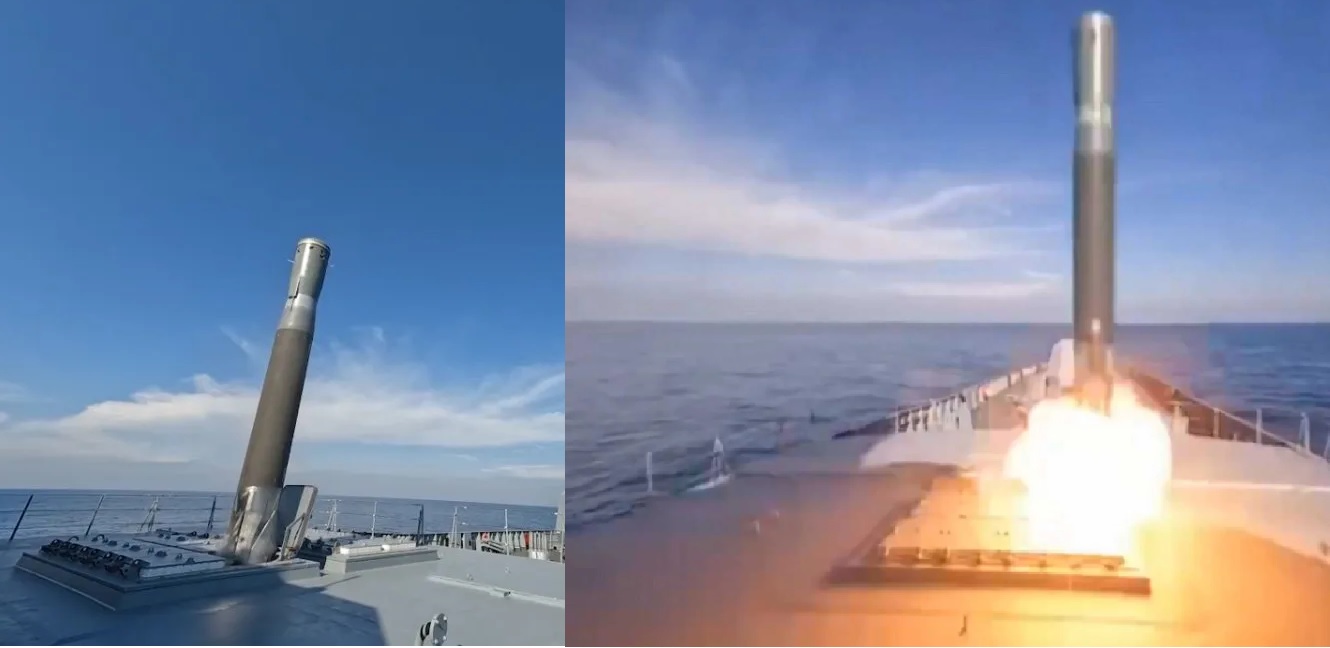
World
MOSCOW/KYIV, — June 17, 2026 : Russia's 3M22 Zircon (Tsirkon) missile has been one of the most prominent weapons in the country's hypersonic missile portfolio, frequently presented by Russian officials as a next-generation hypersonic cruise missile capable of reaching speeds of up to Mach 9 and striking targets at ranges exceeding 1,000 kilometers. However, growing amounts of battlefield evidence, forensic investigations, patent records, and open-source intelligence analysis suggest the weapon may be better classified as a maneuverable quasi-ballistic missile rather than a true scramjet-powered hypersonic cruise missile. The Zircon, developed by NPO Mashinostroyeniya, entered Russian military service around 2022 and was initially designed for both anti-ship and land-attack missions. The missile is deployed aboard Admiral Gorshkov-class frigates and Yasen-class nuclear submarines, while a land-based version has also been adapted for launch from modified K-300P Bastion coastal defense systems. Reports indicate that development of a planned air-launched variant has been suspended. Increasing Use in Ukraine The missile has seen growing operational use during the war in Ukraine. While early launches were relatively limited during late 2023 and 2024, Russian forces significantly increased deployment of the weapon during 2026. One of the largest recent attacks occurred on June 15, 2026, when Russia launched a combined strike involving 681 aerial weapons against Ukrainian targets. According to the Ukrainian Air Force, the attack included six Zircon missiles launched from occupied Crimea. Ukrainian authorities reported intercepting five of the six missiles, while debris from the attack was later documented in Kyiv. As of mid-June 2026, Ukrainian officials estimate that Russia has launched approximately 46 Zircon missiles during the conflict. Prior to the June 15 strike, Ukraine reported an overall interception rate of roughly 41 percent against Zircon missiles, a figure notably higher than interception rates typically reported for Russia's Iskander-M quasi-ballistic missile system. The growing number of launches appears to reflect expanding production capacity. Ukrainian intelligence assessments indicate Russia's Zircon inventory increased from approximately 40 missiles in April 2024 to as many as 230 missiles by April 2026. The missile is also considered one of Russia's most expensive conventional precision-strike weapons. Available estimates place the cost of a single Zircon missile at more than $5 million, making it second only to the newer Oreshnik missile system among Russia's conventional strike arsenal. Russian Performance Claims Russian officials have consistently promoted the Zircon as a major technological achievement. Russian President Vladimir Putin has repeatedly stated that the missile can travel at speeds approaching Mach 9 while maintaining a range exceeding 1,000 kilometers. In 2020, Russian Chief of the General Staff Valery Gerasimov reported that a Zircon test flight covered 450 kilometers in approximately 4.5 minutes, reaching altitudes of 28 kilometers and peak speeds above Mach 8. The missile has also appeared in Russian strategic exercises, including nuclear drills, leading analysts to believe it may be capable of carrying a nuclear payload. However, no confirmed deployment of nuclear-armed Zircon missiles has been publicly reported. Questions Over the Missile's Flight Profile Analysis of combat data collected by Ukrainian military tracking systems presents a more nuanced picture of the missile's performance. According to Ukrainian assessments, the Zircon follows a variable flight profile that differs from what would be expected of a sustained scramjet-powered hypersonic cruise missile. Reported flight characteristics include: Cruise Phase: Approximately Mach 5.5 Approach Phase: Acceleration to around Mach 7.5 Terminal Phase: Deceleration to approximately Mach 4.5 before impact The reported reduction in speed during the terminal phase is particularly significant because it may increase the probability of interception by advanced air defense systems such as the Patriot PAC-3. Military analysts note that while the missile remains extremely fast, slowing below hypersonic speeds near the target differs from the sustained high-speed flight profile commonly associated with advanced hypersonic cruise missiles. Growing Evidence Against a Scramjet Design For several years, defense analysts debated the Zircon's propulsion system. One theory suggested the missile used a scramjet engine, enabling sustained atmospheric flight at hypersonic speeds. Another proposed a ramjet-powered design similar to Russia's P-800 Oniks anti-ship missile. However, evidence collected from launch footage, patent documentation, official Russian awards, and battlefield debris increasingly supports a third explanation: a solid-rocket-powered quasi-ballistic missile utilizing a boost-and-glide flight profile. Absence of Air Intakes One of the strongest indicators concerns the apparent absence of air intakes. Both ramjet and scramjet propulsion systems require visible air intake structures to compress incoming airflow during flight. Extensive reviews of available launch footage, static displays, testing imagery, and recovered missile fragments have failed to reveal any clear air intake features on the Zircon. Recovered debris instead shows a largely cylindrical composite structure more consistent with a rocket-powered design. A Russian patent covering the missile's jettisonable launch cap similarly shows no visible nose-mounted intake system. Solid Propellant Evidence Further evidence emerged in 2023 when Yuri Milekhin, head of Russia's Soyuz Federal Dual-Technology Center, received the title of Hero of Labor. Russian state media credited Milekhin with developing an innovative high-energy composite solid propellant specifically for the Zircon program. Such propulsion technology is associated with rocket motors rather than scramjet engines and directly challenges earlier claims that the missile relied on advanced liquid fuels such as the often-cited Detsilin-M. Forensic Analysis of Recovered Debris Perhaps the most significant findings have come from forensic investigations conducted by Ukraine's Kyiv Scientific Research Institute of Forensic Expertise (KNDISE). Investigators recovered components believed to belong to the Zircon's second stage, including structures resembling the forward closure section of a solid-propellant rocket motor. Researchers compared these components with Russian patent filings and identified similarities with a 2019 patent involving upper-stage solid rocket motors. The patent was co-authored by engineers from NPO Iskra and Aleksandr Dergachyov, a senior figure closely associated with the Zircon program who became acting head of NPO Mashinostroyeniya in 2026. Additional Russian patents filed in 1999 and 2011 describe maneuverable anti-ship missiles using solid-fuel propulsion and boost-glide trajectories, concepts closely matching the flight characteristics now associated with the Zircon. A Quasi-Ballistic System Based on available evidence, analysts increasingly assess that the Zircon functions as a quasi-ballistic missile rather than a traditional hypersonic cruise missile. Under this concept, the missile uses powerful solid-fuel rocket propulsion to accelerate rapidly and climb to high altitude before transitioning into an unpowered glide phase. During this stage, the weapon can maneuver while descending toward its target, making interception difficult but not impossible. Such an approach remains highly effective for long-range strike missions while requiring significantly less technological complexity than a fully operational scramjet-powered cruise missile. Strategic Implications The ongoing debate surrounding the Zircon highlights the broader challenge of defining hypersonic weapons. Many modern missile systems operate across a spectrum of speeds, altitudes, and maneuvering capabilities rather than fitting neatly into traditional categories. Even if the Zircon is ultimately classified as a quasi-ballistic system, it remains a capable long-range strike weapon that poses significant challenges for modern air defense networks. At the same time, open-source evidence suggests Russia continues to pursue more advanced hypersonic technologies. NPO Mashinostroyeniya has previously filed patents for conceptual scramjet-powered missile designs, indicating that development of a true hypersonic cruise missile remains an active objective. For now, however, available battlefield evidence increasingly suggests that the weapon currently employed in Ukraine is a rocket-powered quasi-ballistic missile utilizing a boost-and-glide profile rather than a sustained scramjet-powered hypersonic cruise missile. Counterarguments and Remaining Uncertainties Despite the growing body of evidence cited by analysts who classify the Zircon as a quasi-ballistic missile, some defense experts argue that the available data does not conclusively rule out the possibility of a scramjet-powered hypersonic cruise missile design. A key counterargument is that scramjet engines cannot operate from a standstill. Unlike conventional jet engines, a scramjet requires extremely high airflow velocities before combustion can occur. As a result, all scramjet-powered vehicles require an initial booster stage to accelerate them to hypersonic speeds and suitable altitudes before the scramjet engine can ignite. This launch method is not unique to Russia. India's Hypersonic Technology Demonstrator Vehicle (HSTDV), for example, was carried to the required speed and altitude by an Agni-derived rocket booster before its scramjet engine was activated. Similar boost-assisted architectures have been used in several hypersonic research programs worldwide. Supporters of the scramjet hypothesis argue that the Zircon may follow a comparable approach, with a solid-fuel booster accelerating the missile after launch and a scramjet engine taking over during the cruise phase. Under this interpretation, the discovery of solid-propellant components, booster-related patents, or rocket motor debris would not necessarily disprove the existence of a scramjet-powered sustainment stage. They also note that the apparent absence of visible air intakes in publicly available imagery may not be definitive evidence. Some advanced missile concepts use intake covers, deployable structures, or configurations that are difficult to identify from limited launch footage and fragmented battlefield debris. Furthermore, Russian officials have consistently maintained that the Zircon is capable of sustained hypersonic flight at speeds approaching Mach 9 over long distances. While independent verification remains limited, proponents argue that publicly available evidence may be insufficient to fully determine the missile's internal propulsion architecture. As a result, although recent forensic findings and open-source analysis have strengthened the case for the Zircon being a rocket-powered quasi-ballistic weapon, the debate remains unresolved. Until more detailed technical data or official disclosures emerge, both interpretations are likely to continue being discussed within the defense analysis community.
Read More → Posted on 2026-06-17 14:06:48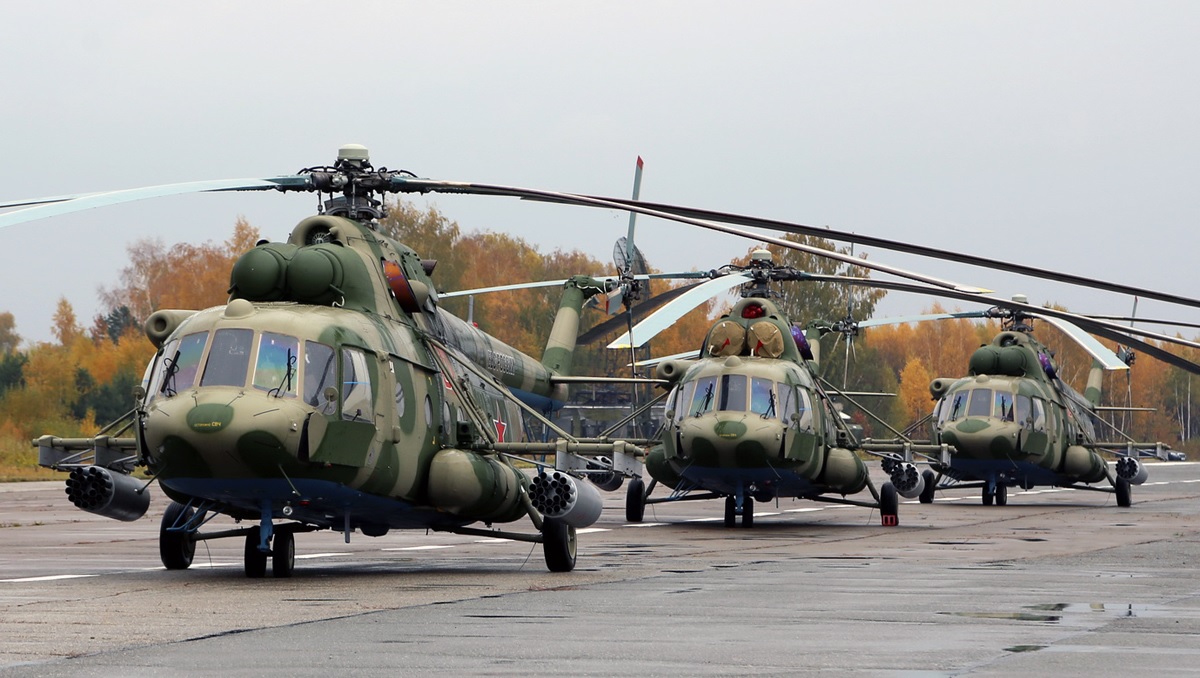
World
MOSCOW, — June 17, 2026 : The Iranian Red Crescent Society (IRCS) has signed a memorandum of understanding (MoU) with Russian Helicopters JSC, a subsidiary of the Russian state-owned aerospace conglomerate Rostec, for the acquisition of 20 Mi-8 and Mi-17 helicopters to support emergency and humanitarian operations across Iran. The agreement was signed in Moscow on Wednesday by IRCS President Pir-Hossein Koulivand and Russian Helicopters Director General Nikolay Kolesov. Under the terms of the agreement, the helicopters will be used exclusively for civilian missions, including air ambulance services, medical evacuations, firefighting, disaster response, and search-and-rescue operations. According to the finalized procurement plan, the first four helicopters have already been placed under contract, while the complete fleet of 20 aircraft is scheduled to be delivered before March 2027, ahead of the Persian New Year, Nowruz. Expanding Emergency Aviation Capabilities The acquisition represents a significant modernization effort for Iran’s aerial emergency response infrastructure. Speaking after the signing ceremony, Koulivand said the new fleet would improve the country's logistics network and strengthen its ability to respond to natural disasters, accidents, and humanitarian emergencies. The purchase was facilitated through diplomatic coordination by the Iranian Embassy in Russia and received institutional support from Iran’s Islamic Consultative Assembly (Parliament). The agreement follows growing demand for enhanced aerial emergency services across Iran, particularly in remote regions and mountainous areas where rapid access by ground transportation can be difficult. The new helicopters are expected to improve response times and operational reach during rescue missions and disaster relief efforts. Building on Previous Cooperation The latest procurement builds on an earlier agreement signed in 2024, under which Iran arranged the acquisition of 12 to 15 Mi-17 helicopters for the Red Crescent Society. That contract included helicopters configured for rescue operations with night-vision systems as well as dedicated firefighting variants. The new order comes amid efforts to restore and expand the IRCS aviation fleet following reports of damage to emergency response infrastructure and the loss of several Red Crescent helicopters earlier in 2026. Officials expect the additional aircraft to significantly increase operational capacity for medical evacuations, wildfire suppression, and humanitarian assistance missions. Mi-8 and Mi-17 Fleet Specifications The Mi-8 and Mi-17 helicopters, known by the NATO reporting name "Hip," are twin-engine medium transport helicopters developed in the Soviet Union and currently manufactured in Russia. The aircraft are widely operated around the world due to their reliability, high payload capacity, and ability to function in demanding environments. The helicopters ordered by the IRCS will be specially configured for civilian emergency missions and will include several advanced capabilities: Night-Flight Operations: Equipped with night-vision technology and modern avionics, allowing rescue and medical missions to continue after dark. Air Ambulance Configuration: Modified cabins designed for emergency medical transport and treatment of critically injured patients. Firefighting Equipment: Integrated aerial firefighting systems for combating wildfires and industrial fires. High-Altitude and Hot-Weather Performance: Particularly suited for operations in mountainous regions and high-temperature environments common across parts of Iran. These features are expected to support round-the-clock emergency operations and improve the effectiveness of humanitarian response efforts nationwide. Delivery Schedule The procurement plan outlines a phased delivery process: Phase Status Details Initial Tranche Contract Finalized First four helicopters officially under contract and entering production or modification stages Full Fleet Delivery Scheduled All 20 helicopters expected to be delivered and operational before March 2027 Aviation Cooperation Between Iran and Russia The agreement reflects continuing cooperation between Iran and Russia in the civil aviation sector. Iran has operated members of the Mi-8/Mi-17 helicopter family for decades and has previously collaborated with Russian partners on maintenance, repairs, spare parts supply, and technical support. Russian Helicopters has maintained support for Iran’s existing fleet through service programs and logistics assistance, helping ensure the continued operation of the country's rotary-wing aircraft used in civilian and emergency missions. While Iran and Russia have recently pursued various aerospace and defense-related agreements, officials emphasized that this procurement is strictly intended for humanitarian, medical, rescue, and domestic emergency management purposes under the authority of the Iranian Red Crescent Society. Financial terms of the agreement were not disclosed. However, previous contracts involving similar helicopter acquisitions have been valued in the range of hundreds of millions of dollars. The agreement is also expected to include training, maintenance, and technical support packages to facilitate the integration of the helicopters into IRCS operations. With deliveries scheduled to begin in the coming months, the new fleet is expected to play a central role in strengthening Iran’s national emergency response network and expanding its capability to conduct medical, rescue, and disaster-relief operations across the country.
Read More → Posted on 2026-06-17 13:39:34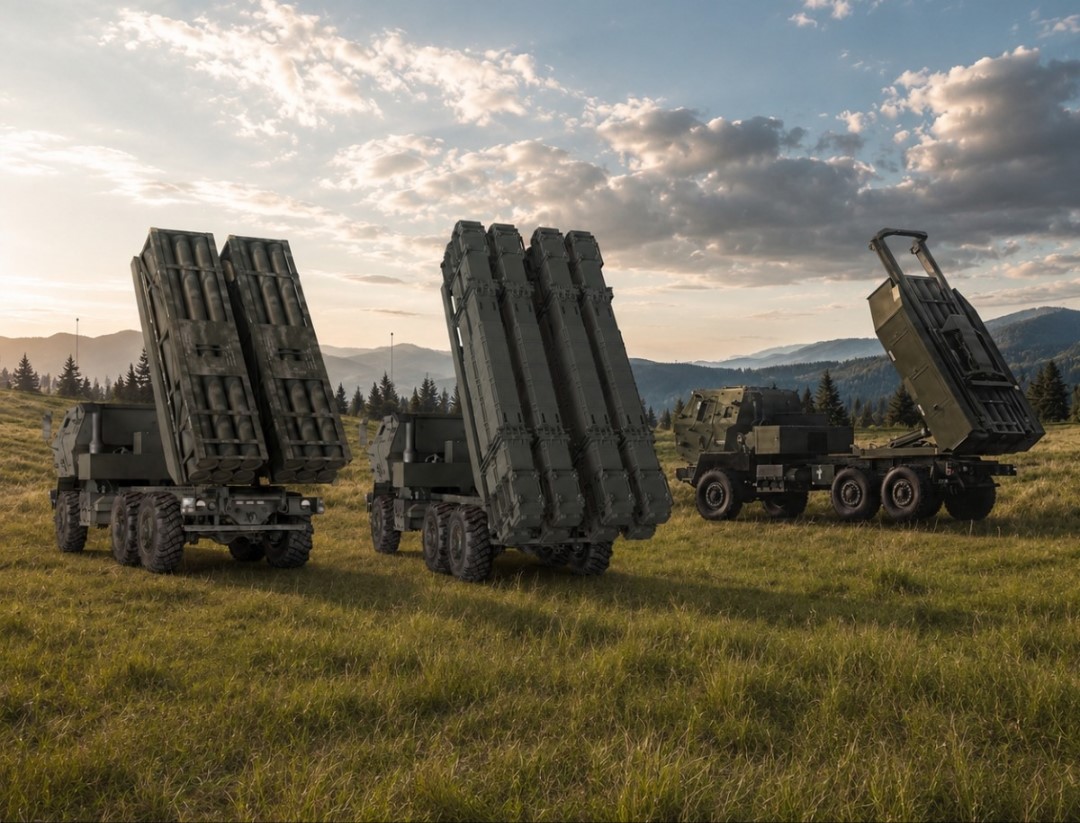
World
PARIS, — June 17, 2026 : Lockheed Martin has unveiled HIMARS FLEX, a modular evolution of the combat-proven M142 High Mobility Artillery Rocket System (HIMARS), introducing a new dual-pod launcher configuration and the company's FLEXFires technology ecosystem. The system was presented at Eurosatory 2026 on June 16 and is designed to provide greater operational flexibility, increased firepower, and enhanced interoperability for allied forces. The new HIMARS FLEX builds upon the existing HIMARS platform, which has accumulated more than 2.5 million operational hours worldwide. Lockheed Martin has delivered approximately 750 HIMARS launchers, with more than 540 systems currently in service with the U.S. Army and international operators. Dual-Pod Configuration Doubles Firepower The most significant enhancement in HIMARS FLEX is its dual-pod launcher configuration, which doubles the ammunition capacity compared to the standard single-pod HIMARS. The original system carries either six Guided Multiple Launch Rocket System (GMLRS) rockets or one tactical missile before requiring resupply. With the new dual-pod arrangement, operators can carry twice the number of munitions, allowing them to engage more targets during a single deployment and maintain sustained fire support for longer periods before reloading. The expanded capacity also enables mixed munition loadouts, allowing commanders to tailor weapons configurations according to mission requirements. This improvement addresses a key operational limitation of the legacy system, where launchers often needed to withdraw after firing a single pod, temporarily reducing available fire support on the battlefield. Offensive and Defensive Roles on a Single Platform Lockheed Martin designed HIMARS FLEX as a multirole fires platform, capable of performing both offensive strike missions and defensive air and missile defense operations. The launcher maintains compatibility with a broad range of NATO-standard and U.S. Army munitions, including: Guided Multiple Launch Rocket System (GMLRS) Extended-Range GMLRS (ER GMLRS) Precision Strike Missile (PrSM) Army Tactical Missile System (ATACMS) PAC-3 missile interceptors Indirect Fire Protection Capability (IFPC) munitions This compatibility allows military forces to conduct long-range precision strikes against ground targets while also deploying interceptors to counter aircraft, drones, cruise missiles, and other aerial threats. Commanders can configure the launcher with offensive and defensive munitions simultaneously, enabling rapid adaptation to changing battlefield conditions. FLEXFires Open-Architecture Technology At the center of the new system is the FLEXFires technology suite, an open-architecture framework designed to simplify integration of future weapons, sensors, and software upgrades. According to Lockheed Martin, the architecture enables both current and future customers to adopt new capabilities with minimal structural modifications to the launcher. The modular approach is intended to accelerate modernization efforts while reducing long-term sustainment and training costs. The system can be configured in several forms, including: Standard single-pod launcher configuration Dual-pod HIMARS FLEX configuration Mobile launcher variants Containerized launch solutions Optional autonomous operating capabilities The company stated that this flexibility allows operators to customize systems according to operational requirements, budget constraints, and regional mission needs. Retaining Mobility and Rapid Deployment Despite carrying significantly more ammunition, HIMARS FLEX retains the mobility characteristics that have made the original HIMARS widely adopted by allied militaries. The launcher remains mounted on the XM1140 chassis and continues to be transportable by C-130 aircraft, preserving its strategic deployability. The system also maintains the well-known "shoot-and-scoot" capability, allowing crews to launch munitions and rapidly relocate before enemy forces can respond. The increased ammunition load, combined with rapid reloading and optional autonomous features, supports distributed operations in highly contested environments, helping reduce vulnerability to enemy targeting and improving battlefield survivability. Integration with Joint Force Networks HIMARS FLEX is designed to integrate directly into joint fire-control and command networks, enabling coordination across coalition forces and multiple military domains. The launcher's interoperability with NATO-standard munitions and command systems enhances coalition operations by allowing allied nations to share logistics, ammunition stockpiles, and targeting information. This capability supports dispersed force structures and multinational operations across a wide range of operational scenarios. Growing Demand for Precision Fires The unveiling of HIMARS FLEX comes as several NATO members and partner nations continue expanding investments in long-range precision strike and integrated air defense capabilities. The system provides an upgrade path for existing HIMARS operators while also offering a new option for countries seeking a mobile platform capable of combining strike and defensive missions. By integrating increased ammunition capacity, modular architecture, NATO interoperability, autonomous operation options, and both offensive and defensive capabilities into a single platform, HIMARS FLEX is intended to meet evolving operational requirements while preserving the mobility, precision, and reliability associated with the HIMARS family. Lockheed Martin has not announced a production timeline or fielding schedule for the new system. The company describes HIMARS FLEX as a modernization effort aimed at enhancing mission flexibility, survivability, and interoperability for allied artillery and air defense forces.
Read More → Posted on 2026-06-17 13:25:57
World
KYIV, — June 16, 2026 : Ukrainian defense developer Center of Innovative Technologies Program has unveiled the DART missile, a new weapon system designed to operate effectively in environments affected by electronic warfare. According to a report by Militarnyi, the missile is launched from high-altitude stratospheric balloons and uses a unique flight profile intended to reduce its vulnerability to signal jamming and GPS spoofing. Balloon Launch Concept The DART missile is carried by stratospheric aerostats to altitudes ranging from 12 to 18 kilometers before being released toward its target. This launch method allows the weapon to begin its mission from above heavily contested lower-altitude airspace, where electronic warfare systems and air defenses are often concentrated. Developers noted that the balloon platforms used for the system are supplied by a partner company rather than being produced in-house. To ensure a controlled release at high altitude, the missile is equipped with specialized servo-actuators that manage activation and maintain flight stability under varying atmospheric and aerodynamic conditions. Missile Specifications DART is a compact missile designed for aerial deployment. The system measures 1.84 meters in length and has a total weight of 13 kilograms. The missile can be fitted with warheads weighing between 3.5 and 10 kilograms, depending on mission requirements. Its payload consists of penetrating striking elements made of graphite, allowing the weapon to be configured for different operational roles. Key Specifications Length: 1.84 meters Weight: 13 kilograms Warhead: 3.5–10 kilograms Payload Type: Graphite penetrating striking elements Launch Platform: High-altitude stratospheric balloons Release Altitude: 12–18 kilometers Designed to Counter Electronic Warfare The missile's primary feature is its ability to reduce exposure to electronic warfare measures during the final stage of flight. During the initial phase of descent, DART uses an onboard navigation system to guide it toward the target area. Once the missile reaches an altitude of approximately six kilometers, the navigation system is completely deactivated and a solid-fuel engine is ignited. After this transition, the missile continues toward its target on a fixed course using unguided propulsion. Because its onboard receivers are switched off during the terminal phase, the missile cannot receive spoofed GPS signals or be directly affected by radio-frequency jamming aimed at disrupting navigation systems. According to the developers, this approach allows the weapon to maintain its course even in areas where electronic warfare activity is intense. Future Development Plans The Center of Innovative Technologies Program expects the DART missile system to receive official codification from Ukraine's Ministry of Defense in the near future. Following codification, the company plans to expand the technology into additional weapon systems. Proposed developments include a ground-launched ballistic missile and a new surface-to-air missile that would utilize the core technologies developed for the DART program. Part of Broader Defense Innovation Efforts The DART project reflects Ukraine's continuing focus on developing cost-effective and resilient weapon systems capable of operating in contested electromagnetic environments. The use of high-altitude balloon platforms offers a relatively low-cost method of delivering payloads to significant altitudes while preserving onboard energy for the weapon's operational phase. Additional information regarding testing and potential deployment timelines is expected after the system completes the codification process. The development highlights ongoing efforts by Ukrainian defense engineers to adapt weapon designs to the increasing role of electronic warfare on the modern battlefield.
Read More → Posted on 2026-06-16 16:50:21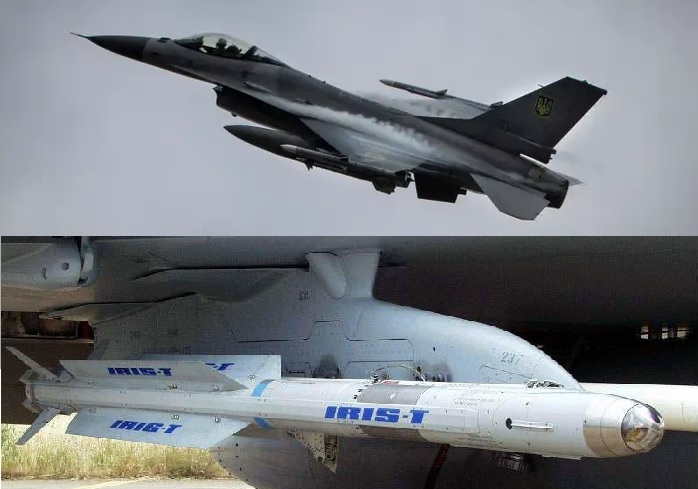
World
Berlin, — June 16, 2026 : Ukraine’s F-16 fighter jets are expected to be equipped with German-made IRIS-T short-range air-to-air missiles, marking a new step in strengthening the country’s air combat capabilities. The planned integration was confirmed by senior officials from Diehl Defence, the manufacturer of the IRIS-T missile system, during the ILA Berlin Air Show. Diehl Defence Preparing F-16 Integration Speaking to aviation publication FlightGlobal, Diehl Defence Chief Program Officer Harald Buschek said the company is actively preparing to equip Ukrainian F-16s with the IRIS-T missile. “The Ukrainian Air Force’s F-16s will most likely be equipped with our IRIS-T missiles—that is exactly what we are preparing for right now,” Buschek said. Although no timeline for the integration has been announced, the addition of the IRIS-T would expand the range of air-to-air weapons available to Ukraine’s Western-supplied fighter fleet. Ukraine Already Familiar With IRIS-T Systems While Ukraine has not yet fielded the air-launched version of the IRIS-T missile, its armed forces have significant experience operating the missile family through ground-based air defence systems. Since late 2022, Ukraine has deployed IRIS-T SLS and IRIS-T SLM air defence systems to counter Russian aerial threats. According to Diehl Defence Chief Executive Officer Helmut Rausch, these systems have consistently achieved a hit rate of more than 95 percent against cruise missiles and drones. Rausch also highlighted the importance of maintaining uninterrupted missile deliveries to Ukraine. “It is also very important to the customer that we supply missiles on a monthly basis, without interruption,” he said. “The feedback we receive from Ukraine indicates that they are very satisfied.” Proven Compatibility With F-16 Aircraft The integration of IRIS-T missiles on F-16 fighter jets is not a new concept. In 2005, Norway selected the IRIS-T to replace its aging AIM-9L Sidewinder missiles on the country's F-16 fleet. The missile has since been used by several European air forces and is regarded as a modern short-range air-to-air weapon. Designed with advanced infrared guidance technology, the IRIS-T offers high manoeuvrability and improved resistance to countermeasures, enabling pilots to engage a wide range of aerial targets. Norwegian F-16 Transfer Supports Integration Norway’s previous experience with the IRIS-T missile is particularly relevant because Ukraine is receiving a portion of its F-16 fleet from the Norwegian Air Force. The Norwegian government has officially pledged to transfer six F-16 fighter jets to Ukraine. Ownership of the aircraft was transferred between 2024 and 2025, but the jets have not yet entered operational service due to ongoing refurbishment work. In April 2026, Norwegian Prime Minister Jonas Gahr Støre confirmed that the aircraft currently belong to Ukraine but remain at the Sabena aerospace facility in Belgium, where they are undergoing repairs and preparation for combat operations. Maintenance Delays Continue The process of preparing the former Norwegian aircraft has taken longer than initially expected due to capacity constraints at the Belgian facility. Although Norwegian officials indicated that the first aircraft could soon become operational, the complete overhaul and preparation of the fleet remains ongoing. The delays have affected the timeline for delivering combat-ready aircraft, even after the transfer of ownership was completed. Additional Aircraft May Support Operations Beyond the six officially announced fighters, reports published in 2025 indicated that Norway planned to transfer a total of 14 F-16 aircraft to Ukraine. The remaining eight aircraft are widely believed to be surplus airframes that are not currently suitable for active flight. These jets are expected to be used for technical training, spare parts support, and other logistical requirements. However, officials have not ruled out the possibility that some of these aircraft could eventually be restored to airworthy condition if operational needs require it. Strengthening Ukraine’s Air Combat Capability The planned integration of the IRIS-T missile would provide Ukrainian F-16 pilots with an additional modern air-to-air weapon and further diversify the fighter fleet’s combat capabilities. Combined with Ukraine’s existing experience operating IRIS-T-based air defence systems and the continued delivery of Western fighter aircraft, the move represents another step in the modernization of the Ukrainian Air Force and its ability to conduct air operations using NATO-standard equipment.
Read More → Posted on 2026-06-16 16:39:32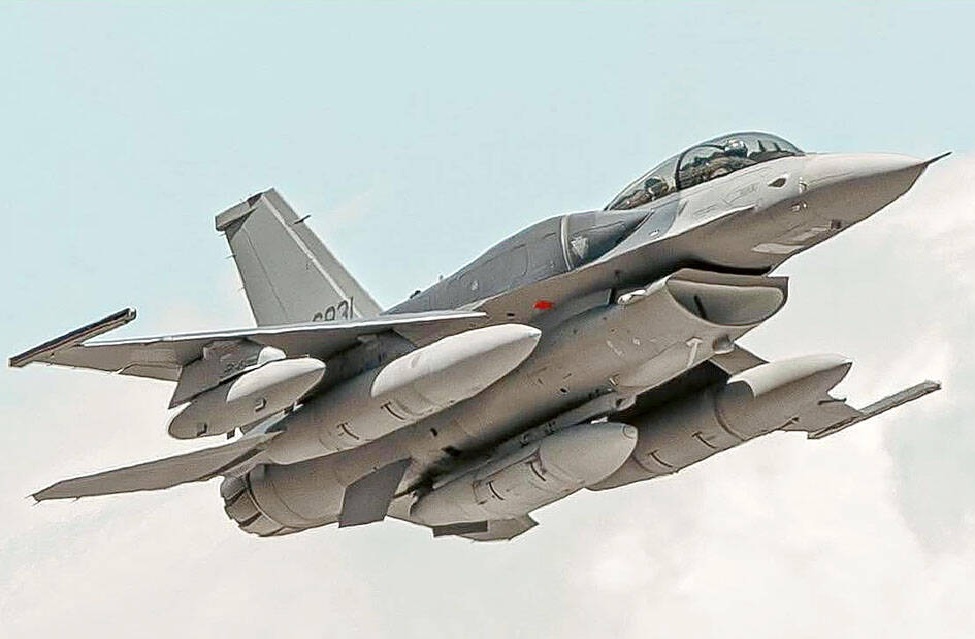
World
Fort Worth, Texas, — June 16, 2026 : The first F-16D Block 70 fighter aircraft built for the Republic of China (Taiwan) Air Force has been observed conducting pre-delivery test flights near Naval Air Station Joint Reserve Base Fort Worth, Texas. The aircraft, carrying tail number 6831, was seen equipped with an extensive fuel configuration consisting of two conformal fuel tanks (CFTs) mounted along the upper fuselage and three external drop tanks under the wings and fuselage. The sighting provides an early look at how Taiwan’s new-generation F-16 Block 70 fighters will be configured to support long-range operations. The aircraft's fuel arrangement reflects the increasing importance of extended endurance and operational reach, particularly for missions across the Indo-Pacific region. Maximum Fuel Configuration The aircraft was fitted with a total of five external fuel tanks, including two conformal fuel tanks and three conventional drop tanks. Combined with the F-16’s internal fuel capacity, the configuration significantly increases the aircraft’s operational range. Fuel Source Capacity / Weight Internal Fuel Approximately 3,248 kg Conformal Fuel Tanks (2) 1,703 liters additional fuel External Drop Tanks (3) Approximately 4,595 kg Total Fuel Load Approximately 7,844 kg Analysts estimate that with this configuration, the F-16 Block 70 can achieve a range of approximately 2,200 nautical miles (4,100 kilometers). Such endurance would support long-distance ferry flights and extended patrol missions. The aircraft is expected to undertake a trans-Pacific delivery flight to Hualien Air Base in Taiwan with aerial refueling support. Development of Conformal Fuel Tanks While external drop tanks have long been used on F-16 fighters, conformal fuel tanks represent a more recent enhancement designed to increase range without occupying underwing weapon stations. The concept was first tested in 1994 as part of the proposed F-16ES (Enhanced Strategic) program. Lockheed Martin later formalized the design in 2002. The first operational F-16s equipped with conformal fuel tanks were the F-16E/F Block 60 aircraft delivered to the United Arab Emirates in 2004. Since then, the system has been adopted or offered on advanced export variants operated by countries including Israel, Greece, Poland and Singapore. The Block 70/72 series is designed to accommodate conformal fuel tanks as an optional capability. Operational Advantages and Limitations Conformal fuel tanks increase aircraft endurance while preserving underwing hardpoints for weapons, sensors and electronic warfare equipment. Compared with conventional drop tanks, they generate less aerodynamic drag during subsonic flight and allow aircraft to carry a full combat load while maintaining extended range. However, the system also introduces operational trade-offs. Unlike drop tanks, conformal fuel tanks cannot be jettisoned during flight. Their permanent structural weight increases aircraft inertia and can reduce acceleration, climb performance and sustained turning capability. Additionally, conformal fuel tanks generate greater aerodynamic drag during supersonic flight than a clean aircraft configuration. Taiwan’s F-16 Block 70 Program Taiwan signed a contract in 2019 for the purchase of 66 F-16C/D Block 70 fighters valued at approximately $8.2 billion. The program has experienced manufacturing and software integration delays, resulting in deliveries extending beyond the original 2026 target schedule. Once delivered, the new aircraft are expected to be based at Chihhang Air Base in Taitung, where they will operate alongside Taiwan’s upgraded F-16V fleet. The Block 70 variant features advanced avionics, the AN/APG-83 Active Electronically Scanned Array (AESA) radar, a modernized cockpit and enhanced mission systems. The extensive fuel configuration observed during testing highlights Taiwan’s focus on maximizing the operational reach of its future fighter fleet. Increased endurance will support longer patrol missions and sustained air operations over the Taiwan Strait and surrounding areas. The sighting of tail number 6831 marks another step in the delivery process for Taiwan’s newest fighter aircraft as final testing continues ahead of its transfer to the Republic of China Air Force.
Read More → Posted on 2026-06-16 16:29:00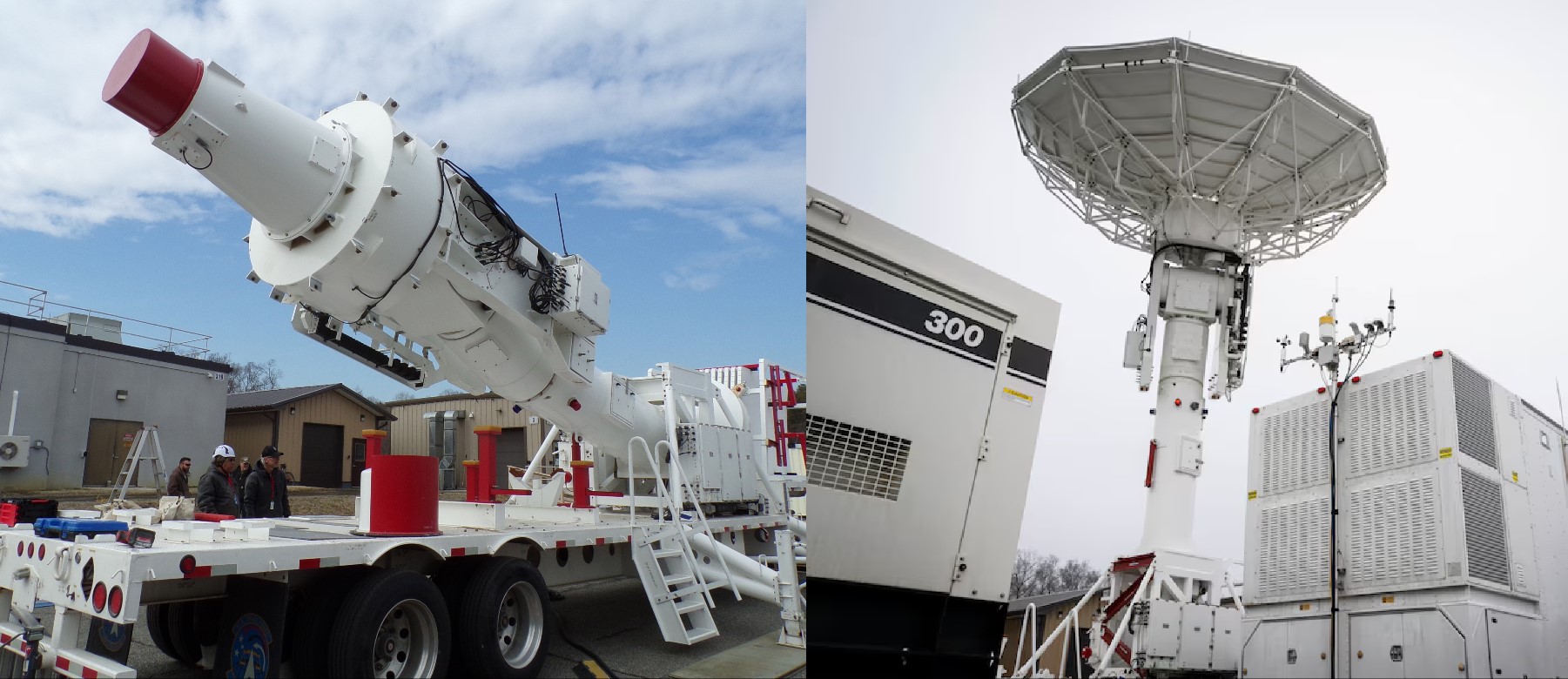
World
WASHINGTON, — June 16, 2026 : The U.S. Naval Research Laboratory (NRL) has received a transportable satellite tracking antenna system from the U.S. Space Force’s Space Systems Command (SSC) System Delta 81 (SYD 81), strengthening joint military capabilities for satellite testing, communications, and operational support. The transfer, officially announced on June 10 and later republished by the Department of Defense on June 12, was completed during the first quarter of 2026. The antenna has been integrated into NRL’s Blossom Point Tracking Facility in Welcome, Maryland, where it will support satellite tracking, telemetry, and command operations for emerging space technologies and future mission requirements. The system was deployed through a joint effort involving NRL personnel and L3Harris engineers. Following its arrival from an integration facility in Colorado Springs, the antenna was assembled, calibrated, and made operational within four days. Enhanced Space Testing and Operational Support The addition of the transportable antenna expands Blossom Point’s ability to conduct multi-band communications testing and interoperability assessments across different satellite platforms and frequency bands used by various military services. The system also supports long-duration performance monitoring of satellites and the evaluation of advanced space technologies under operationally relevant conditions. Unlike fixed ground infrastructure, the antenna’s transportable design allows it to be relocated when mission requirements, environmental conditions, or orbital geometries demand alternative deployment locations. This flexibility provides additional support for testing, training, and operational activities across multiple mission areas. Military officials said the capability will help improve collaboration between service branches by providing a shared platform for evaluating satellite communications and space-based systems. Growing Importance of Space Operations The transfer comes as space continues to play an increasingly important role in military operations. Modern armed forces rely heavily on satellites for communications, navigation, positioning, intelligence gathering, surveillance, and precision targeting. As the space domain becomes more congested and contested, military organizations are placing greater emphasis on ensuring the resilience and effectiveness of satellite networks. Ground-based facilities responsible for commanding, monitoring, and maintaining satellites are considered critical components of that effort. The new antenna will support testing and validation of systems designed to operate in environments where communications may face interference or other operational challenges. Role of System Delta 81 System Delta 81, which transferred the antenna to NRL, was activated under Space Systems Command in September 2025. The unit is responsible for developing and fielding realistic test and training capabilities for U.S. Space Force operations. The decision to place the antenna at Blossom Point reflects ongoing Department of Defense efforts to strengthen joint testing infrastructure and improve cooperation between military services. By making the capability available at a shared research and operational facility, the military can support a broader range of experiments, exercises, and technology demonstrations. Historic Facility Receives New Capability Located along the Potomac River in Charles County, Maryland, the Blossom Point Tracking Facility has served as a satellite communications and research site since 1956. Originally established to support the Vanguard satellite program, it is among the nation's earliest satellite command and control facilities. The site provides a low-radio-frequency-interference environment that is well suited for sensitive satellite communications and space research activities. Blossom Point currently supports satellite command and control, communications experimentation, and orbital research involving low, medium, and high Earth orbit systems. Its existing infrastructure, experienced workforce, and longstanding relationships with military and government space organizations enabled rapid integration of the newly transferred antenna system. Future Applications Under Evaluation NRL is currently assessing future experiments, training exercises, and operational missions that could benefit from the transportable antenna. Officials are also evaluating potential deployment locations to maximize the system’s effectiveness and mission utility. As the corporate laboratory for the U.S. Navy and Marine Corps, NRL continues to play a central role in developing technologies that support military operations. The addition of the transportable satellite tracking antenna further expands the laboratory’s capabilities in satellite communications, space surveillance, and advanced research. The collaboration between NRL and the Space Force highlights continued efforts to enhance joint space operations and strengthen the infrastructure needed to support U.S. military activities in an increasingly important operational domain.
Read More → Posted on 2026-06-16 16:14:09
World
London, — June 16, 2026 : The United Kingdom has announced a £210 million ($282 million) financing package to support the supply of enriched uranium to Ukraine's nuclear power plants over the next two years, strengthening the country's energy security and reducing its dependence on Russian nuclear fuel. The package, backed by the UK government's export credit agency, UK Export Finance (UKEF), will guarantee a loan that enables UK-headquartered uranium enrichment company Urenco to provide fuel to Ukraine's state-owned nuclear energy operator, Energoatom. UK Prime Minister Keir Starmer announced the agreement ahead of a G7 summit session in Evian-les-Bains, France. The framework for the deal was formally agreed during a meeting between Starmer and Ukrainian President Volodymyr Zelenskyy at Downing Street in London the previous week. The agreement comes as Ukraine continues to face pressure on its energy infrastructure due to the ongoing conflict with Russia. Repeated attacks on power facilities have increased the importance of maintaining stable electricity generation across the country. Energoatom, which operates Ukraine's nuclear power plants, produces more than 50% of the country's electricity. Ensuring a reliable supply of enriched uranium is considered essential for maintaining energy production and supporting households, schools, hospitals, and other critical services, particularly during winter periods when electricity demand rises. The latest package builds on existing cooperation between Urenco and Energoatom. Urenco has supplied enriched uranium to the Ukrainian operator since 2009. In 2023, the two companies signed a long-term fuel supply agreement extending to 2035, with an option to continue cooperation until 2043. The newly announced financing arrangement covers fuel deliveries for the immediate two-year period. According to the UK government, the £210 million package increases total UK support for Ukraine's energy sector to more than £490 million. Previous assistance included a £192 million UKEF-backed loan guarantee and other financing measures aimed at supporting Ukraine's energy resilience. The agreement is also expected to provide economic benefits for the United Kingdom. More than one-third of the enriched uranium required under the contract will be processed at Urenco's Capenhurst facility in Cheshire, north-west England. The plant directly employs around 650 people and supports an estimated 4,500 additional jobs throughout the regional supply chain. Urenco Chief Executive Boris Schucht said the company remains committed to ensuring Ukraine has access to a reliable energy supply and will continue its long-term partnership with Energoatom. UK Export Finance guarantees will facilitate the transaction through partner banks, helping secure fuel supplies while reducing financial pressure on Ukraine. The arrangement also supports broader international efforts to diversify nuclear fuel supply chains and decrease reliance on Russian nuclear services. The nuclear fuel agreement forms part of a wider package of measures announced by the UK government during the G7 summit. Alongside the financing package, Prime Minister Starmer unveiled new sanctions targeting Russia's so-called "shadow fleet" of tankers and financial networks that are used to circumvent existing international trade restrictions. The UK government said the combined approach of supporting Ukraine's civilian energy sector while increasing economic pressure on Russia is intended to strengthen Euro-Atlantic security and assist Ukraine in achieving long-term energy independence. Ukrainian officials have welcomed the agreement, describing it as an important step in maintaining the country's electricity supply and improving resilience against ongoing disruptions to energy infrastructure. The latest deal reinforces the strategic partnership between the UK and Ukraine and highlights continued international support for securing Ukraine's energy needs during the ongoing conflict.
Read More → Posted on 2026-06-16 16:04:10
World
Paris, — June 16, 2026 : Canadian armored vehicle manufacturer Roshel Inc. and Daimler Truck AG have signed a Memorandum of Understanding (MoU) at the Eurosatory 2026 defense exhibition to jointly develop, produce, market, and support a new family of protected military vehicles for NATO, allied, and partner nations. The agreement brings together Roshel's experience in armored vehicle production and combat-proven protection systems with Daimler Truck Defence's industrial capabilities, engineering expertise, and global service network. The partnership is aimed at meeting growing international demand for protected mobility solutions while offering customers a broad range of military vehicle options. The signing comes one day after Daimler Truck launched its consolidated defense business under the Daimler Truck Defence brand. The company recently announced a mid-three-digit million-euro investment to expand its defense engineering and manufacturing capacity and has set a target of generating €1 billion in defense revenue by 2028. Combining Combat-Proven Experience with Industrial Scale Roshel has become a significant supplier of protected vehicles since Russia's full-scale invasion of Ukraine began in February 2022. The Ontario-based company has delivered more than 2,500 armored vehicles to Ukrainian forces, demonstrating an ability to rapidly manufacture and deliver combat-ready platforms tailored to operational requirements. The company has built its reputation on producing vehicles designed for modern battlefield conditions rather than relying solely on standard commercial specifications. This ability to quickly adapt and scale production was a key factor behind the partnership. “In just a few years, Roshel has delivered more than 2,500 armoured vehicles to Ukraine, showing that speed, quality, and innovation matter in real-world conflict,” said Roman Shimonov, Chief Executive Officer of Roshel. “By bringing together Roshel's proven protection systems, integrated manufacturing, and ability to deliver at scale with Daimler Truck's world-class platforms, engineering experience, and global reach, we are creating a stronger and more complete offering for allied customers,” he added. Military Vehicle Platforms Included in the Agreement As part of the partnership, Daimler Truck will provide several established military vehicle platforms that can be adapted for a range of defense missions. Production activities will be supported by the company's defense manufacturing facilities in Wörth am Rhein, Germany, and Molsheim, France. The platforms include: Unimog : A highly capable off-road vehicle with a long history of military service. The platform is widely used for engineering tasks, medical evacuation missions, and light tactical operations. Zetros : A heavy-duty tactical truck designed for demanding environments and extreme off-road conditions. The platform was recently selected for France's 7,000-vehicle logistics modernization program under a separate long-term agreement with Arquus. Arocs 8x8 : A heavy-lift vehicle suited for armored logistics, transportation missions, and military support operations requiring high payload capacity. FGA Platform Family : A modular vehicle family that can serve as the foundation for mine-resistant ambush-protected (MRAP) vehicles, armored personnel carriers (APCs), mobile command centers, counter-drone platforms, and other specialized military configurations. Roshel's Vertically Integrated Manufacturing Model A key element of the cooperation is Roshel's vertically integrated production approach. Once vehicle chassis arrive at its facilities, the company carries out all major armored vehicle conversion processes internally. This includes ballistic steel processing, armored plate fabrication, transparent armor production, armored capsule engineering, drivetrain integration, and the installation of mission-specific systems such as communications equipment, intelligence systems, and counter-drone technologies. By managing these processes in-house, Roshel is able to maintain quality control, reduce dependence on external suppliers, and accelerate delivery timelines. Local Production Options for Partner Nations The MoU also includes provisions for localized production through Completely Knocked Down (CKD) and Semi-Knocked Down (SKD) assembly models. Under this approach, purchasing countries can import vehicle kits and carry out final assembly within their own borders. The model enables governments to build domestic industrial capabilities, create manufacturing jobs, and strengthen long-term defense resilience while acquiring operationally proven armored vehicles. The partnership will also cover joint development, industrialization, lifecycle support, sustainment, and localization activities throughout the vehicles' service life. Industry Response “Daimler Truck contributes proven vehicle platforms and industrial scale, while Roshel brings expertise in armoured vehicles, operational track record, and ability to deliver quickly,” said Daniel Zittel, Chief Sales Officer of Daimler Truck Defence. “Together, we are offering allied governments a compelling and integrated solution.” Strategic Significance The agreement reflects a broader trend within the defense industry, where specialized armored vehicle manufacturers and large industrial companies are combining capabilities to meet rising demand for protected military mobility. By pairing Roshel's combat-proven vehicle expertise with Daimler Truck Defence's global manufacturing and support infrastructure, the partnership aims to provide NATO and allied nations with a scalable solution for future protected vehicle requirements. The agreement was signed during Eurosatory 2026, held from June 15 to June 19 at the Paris Nord Villepinte Exhibition Centre, one of the world's largest international defense and security exhibitions.
Read More → Posted on 2026-06-16 15:53:57Search
Top Trending in 24 Hours
-
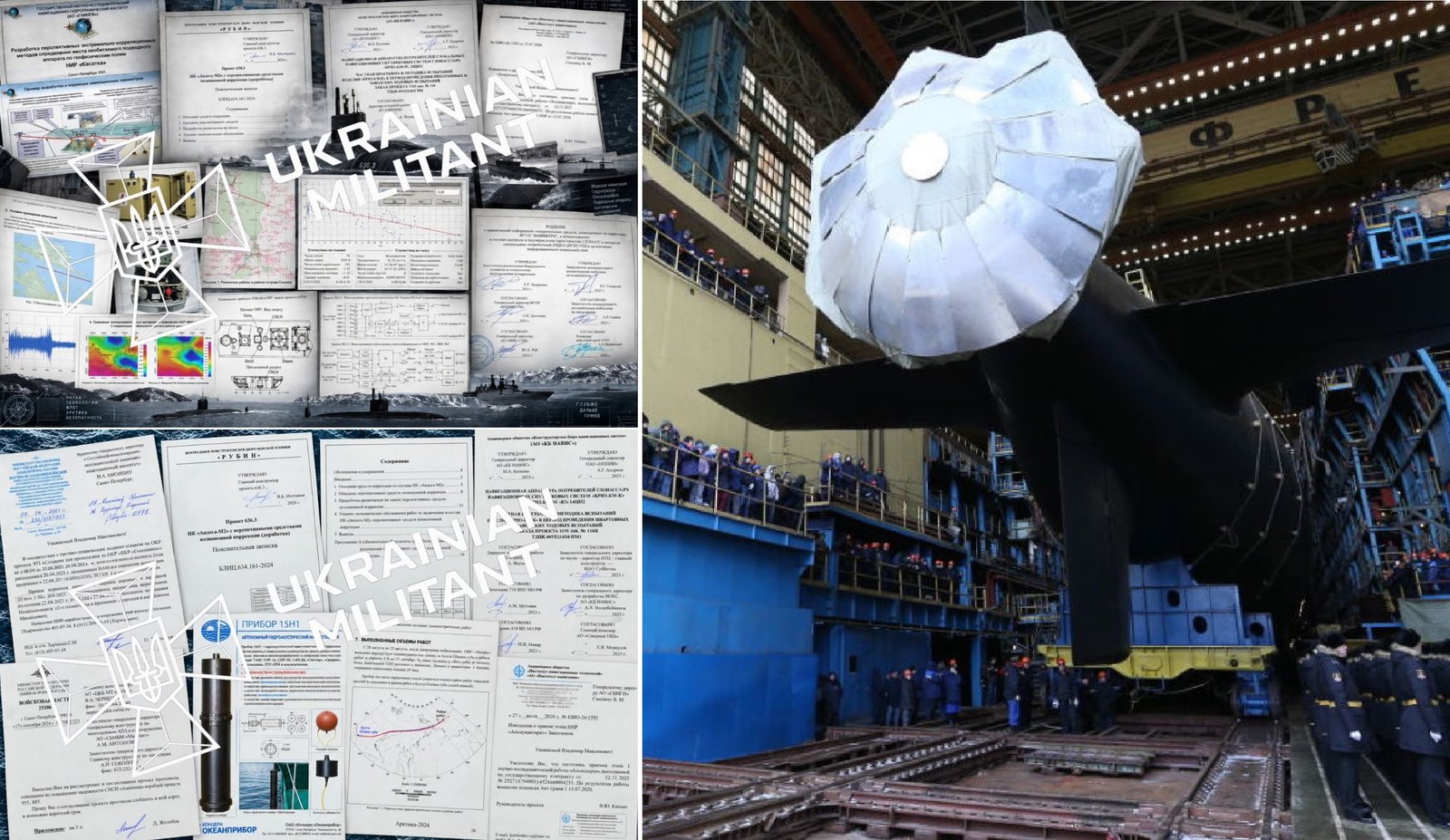 Ukrainian Hackers Expose Highly Classified Russian Naval Data in "Operation Poseidon"
-
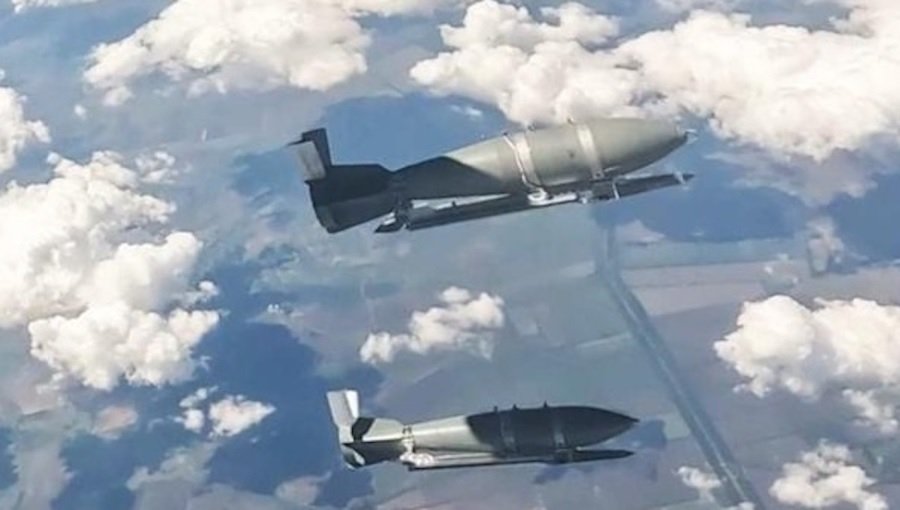 Russia’s Glide Bomb Use in Ukraine Surpasses Recent U.S. Bombing Rate During Epic Fury in Iran, Remains Below 2003 Iraq Peak
-
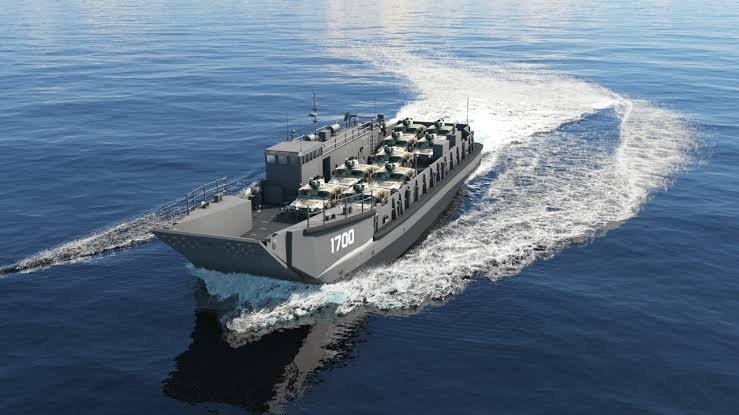 Indian Navy Issues RFI for Six Next-Generation LCU Mk V Vessels Under 'Make in India'
-
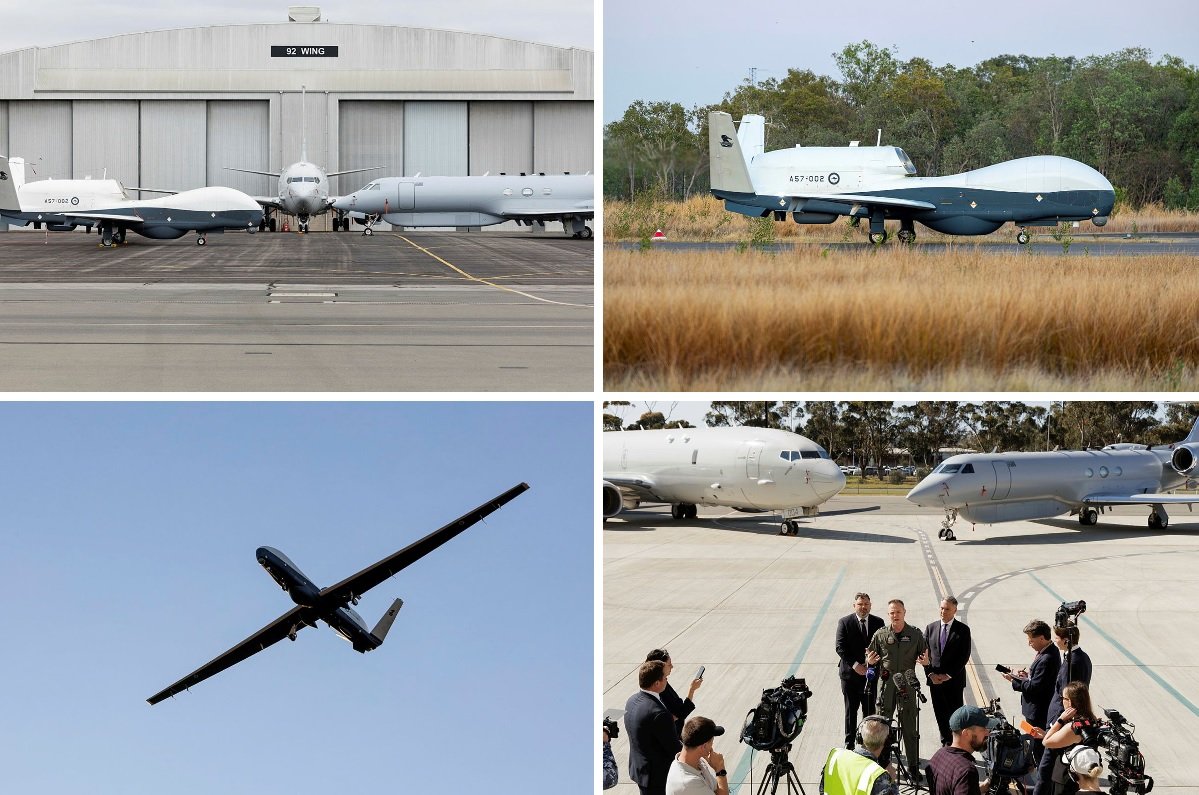 Australia’s MQ-4C Triton and MC-55A Peregrine Reach Initial Operational Capability
-
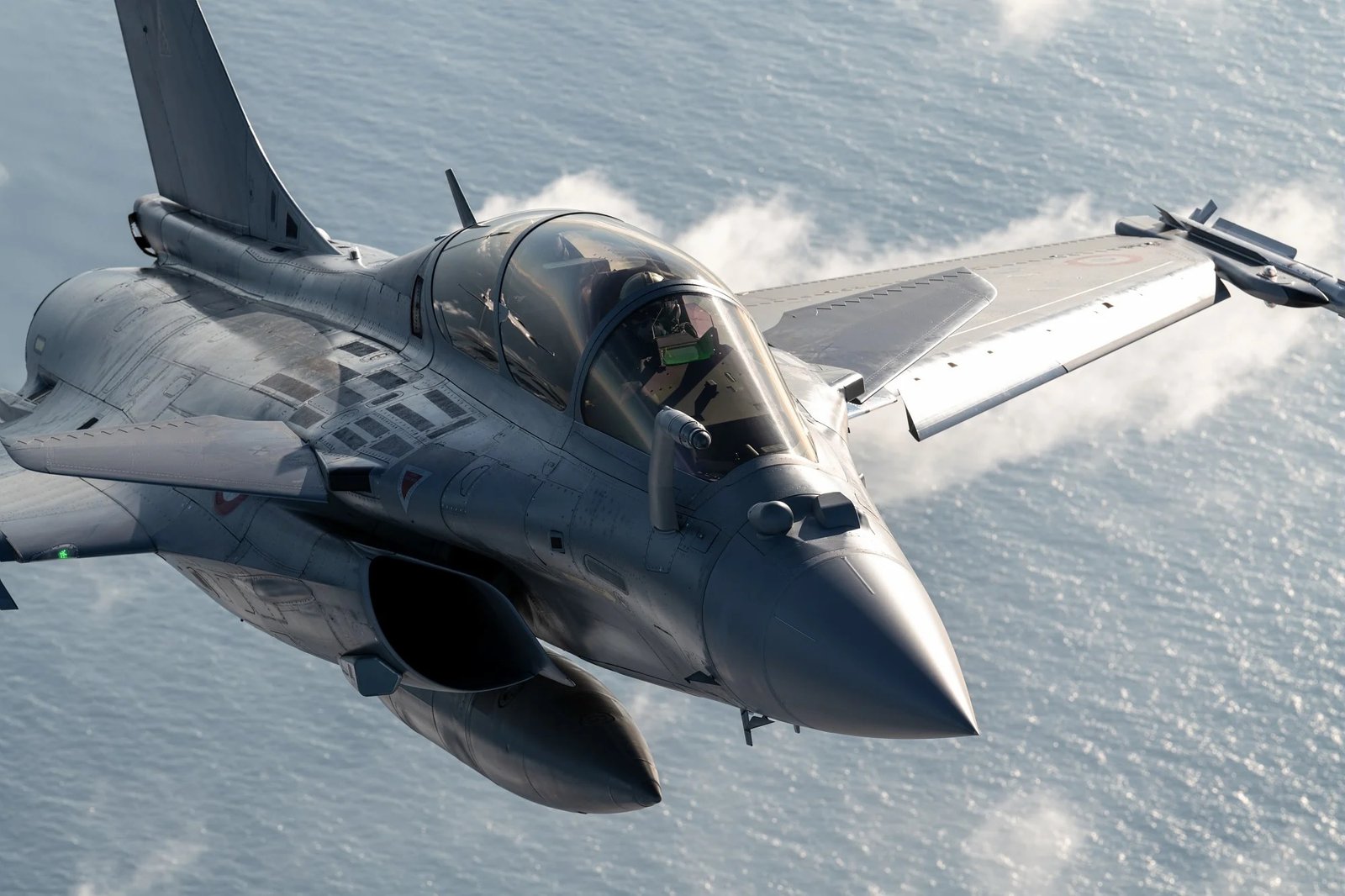 Dassault Aviation Flight-Tests Two Sovereign AI Algorithms on Rafale Fighter
-
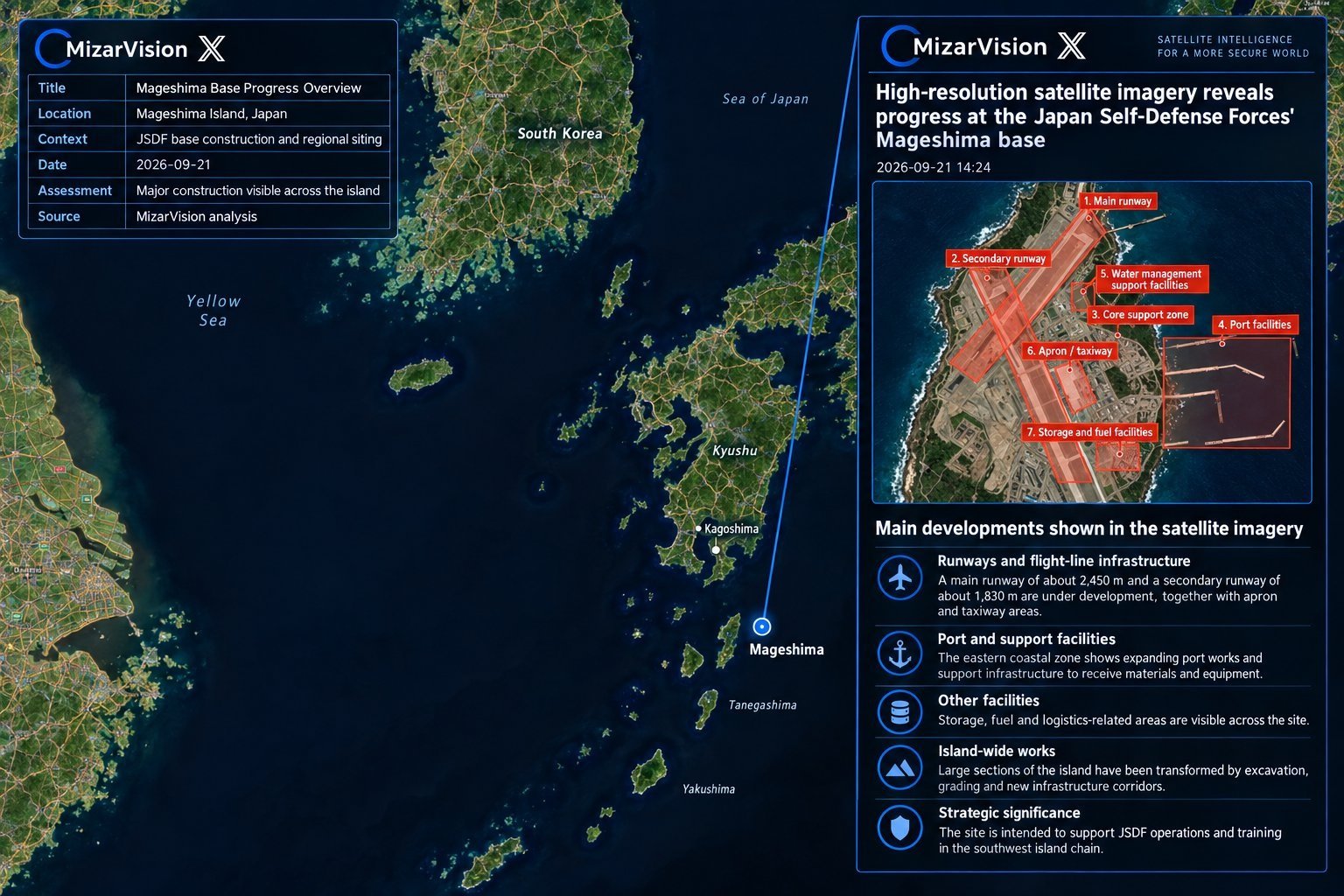 New Satellite Imagery Reveals Rapid Progress at Japan’s Mageshima Island Military Base
-
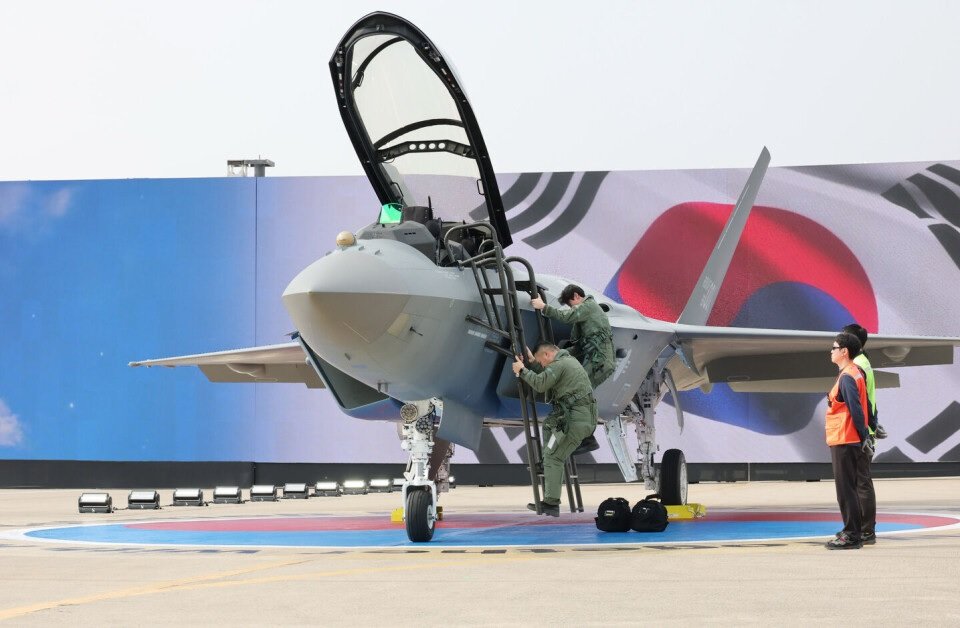 South Korea Delivers First Production KF-21 Boramae Fighter to Air Force
-
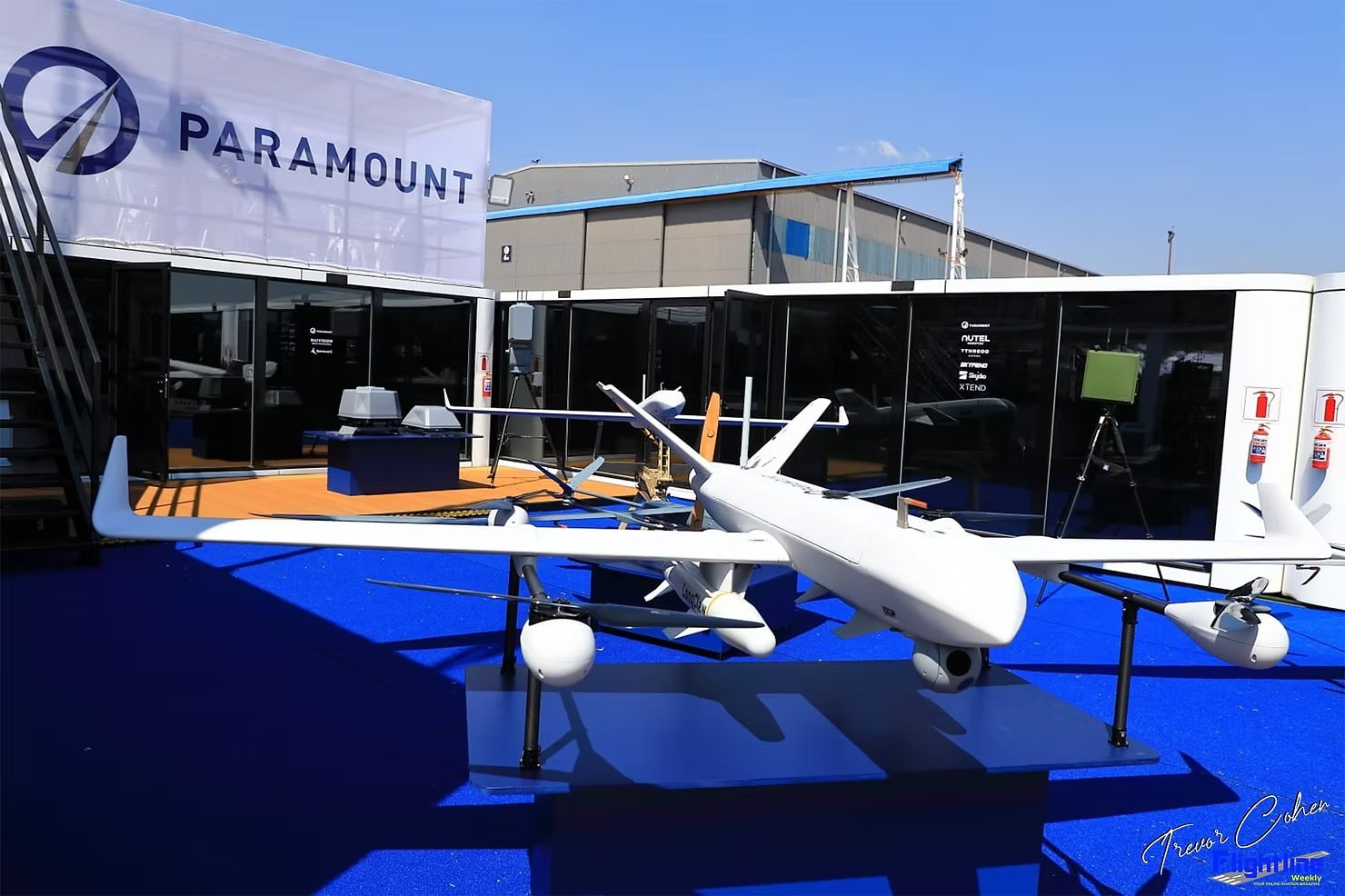 South African Firm Paramount Unveils V-Raven, a Reusable VTOL Drone for the African Battlefield
Top Trending in 4 Days
-
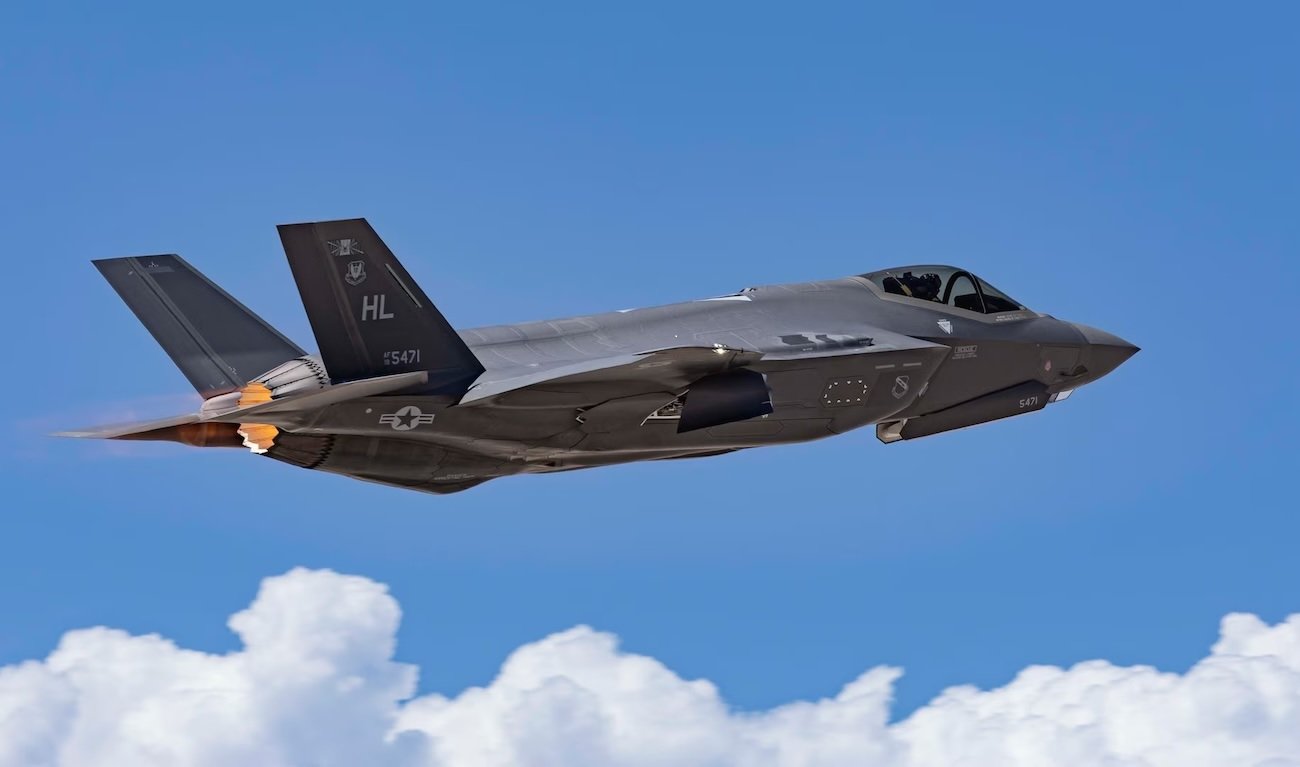 Sensitive F-35 Components Diverted to Hong Kong, Some Parts Missing
-
 U.S. Secures Permanent Military Rights in Greenland in Historic Security Pact with Denmark
-
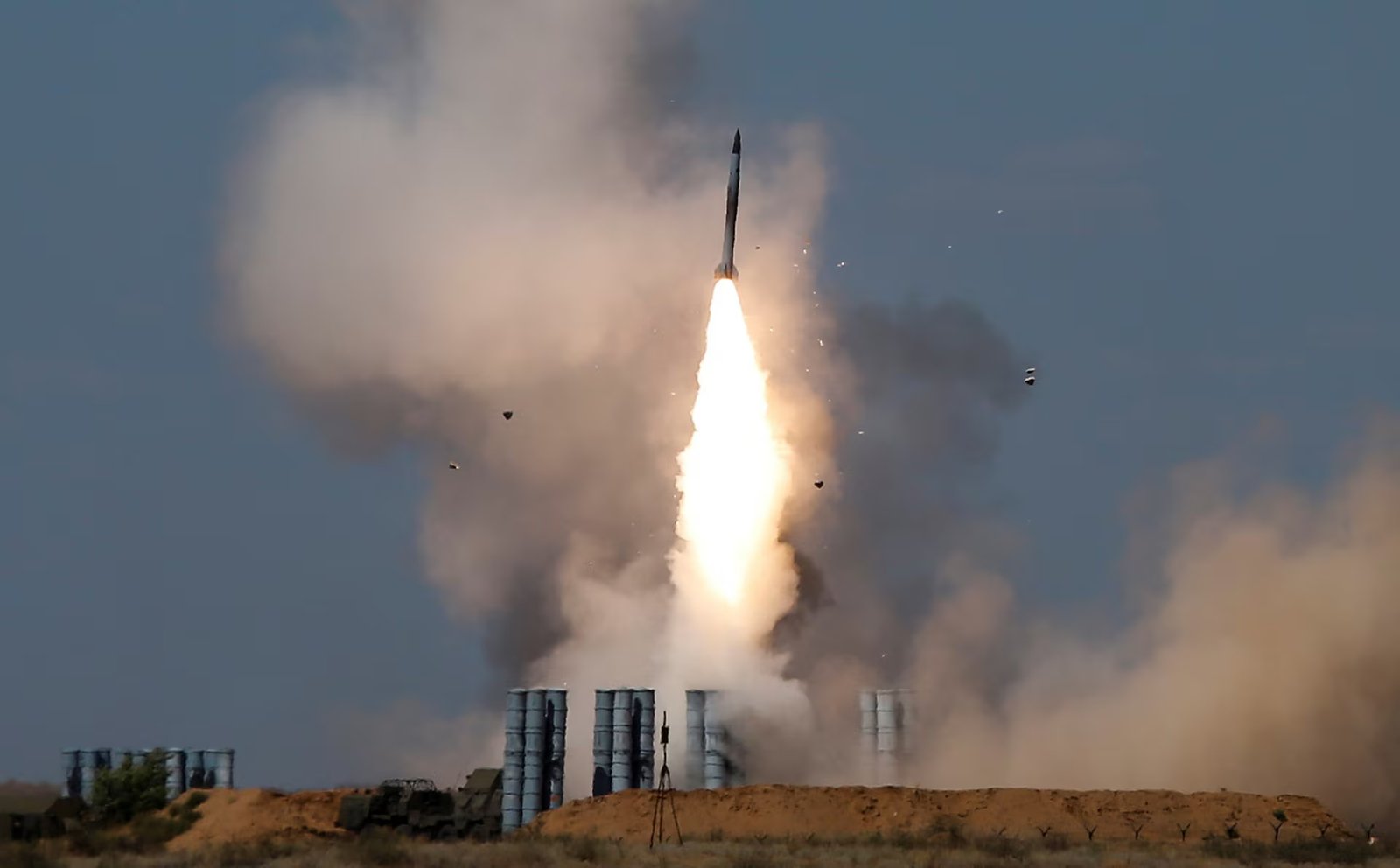 U.S. Approves Potential $2.68 Billion Air Defense Package for Ukraine Including S-300 Clone Missiles
-
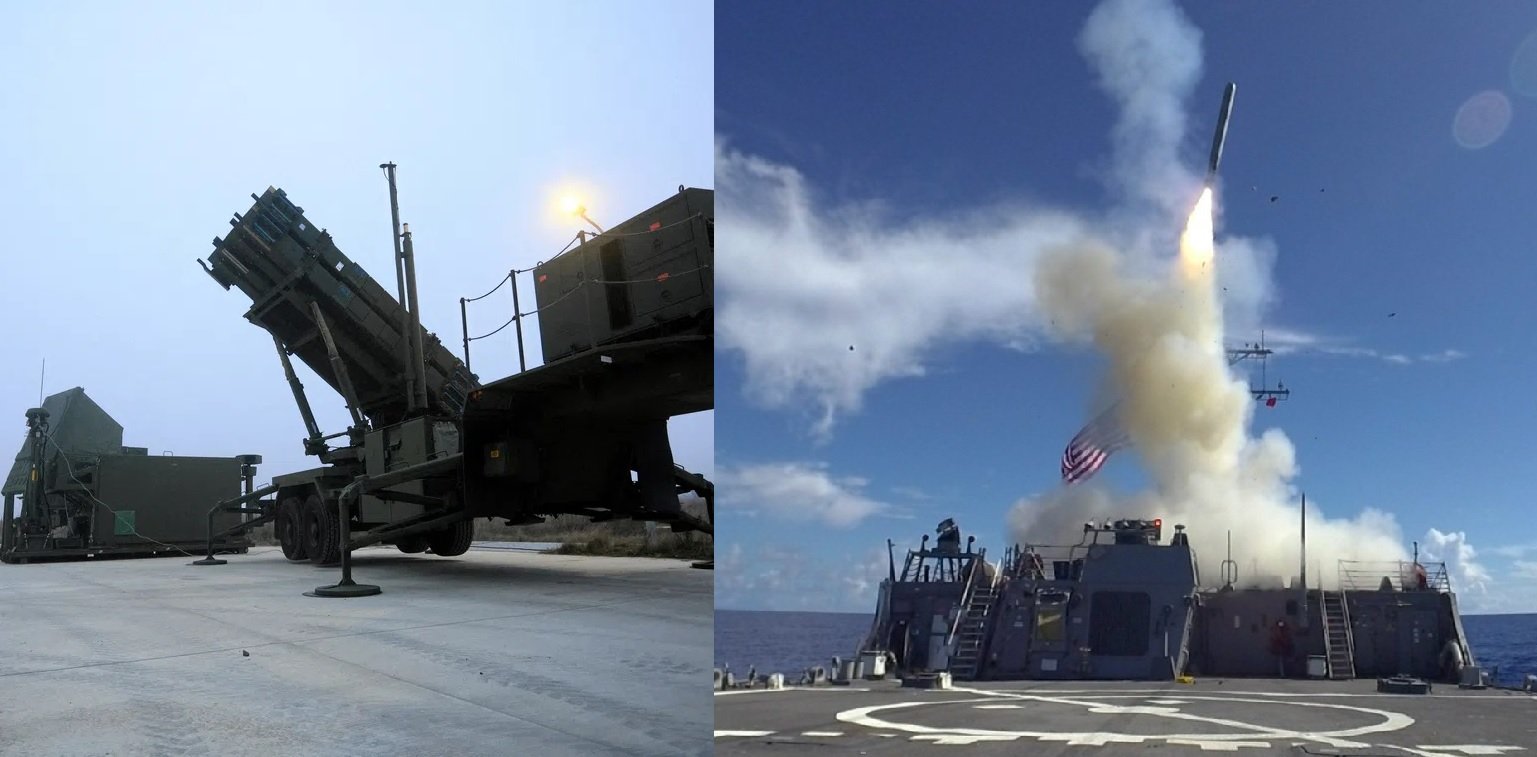 U.S. Warns Allies of Up to Five-Year Delays in Key Weapons Deliveries
-
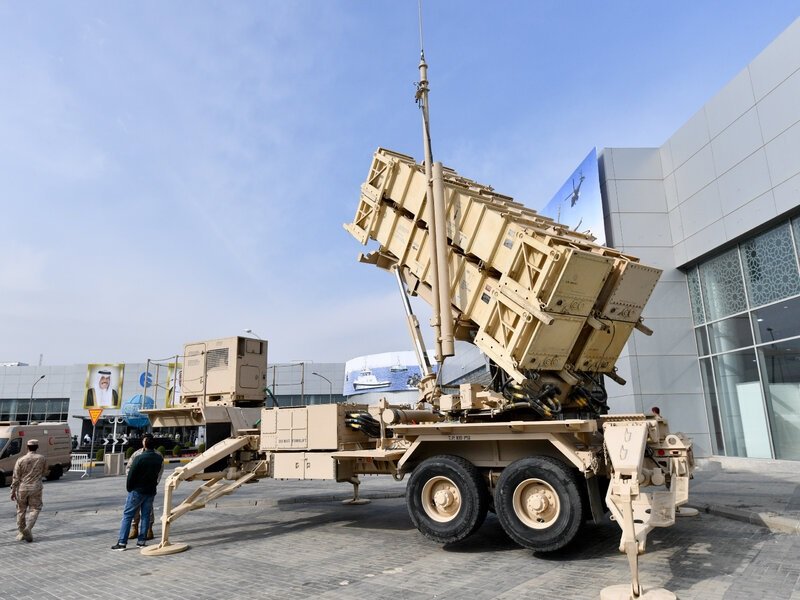 U.S. Iran War Cost Hits $43.6 Billion as Missile Interceptor Stocks Come Under Pressure
-
 India’s xTerra Robotics Launches Indigenous DHAV-Hy Wheeled-Legged Quadruped for Industrial Inspection
-
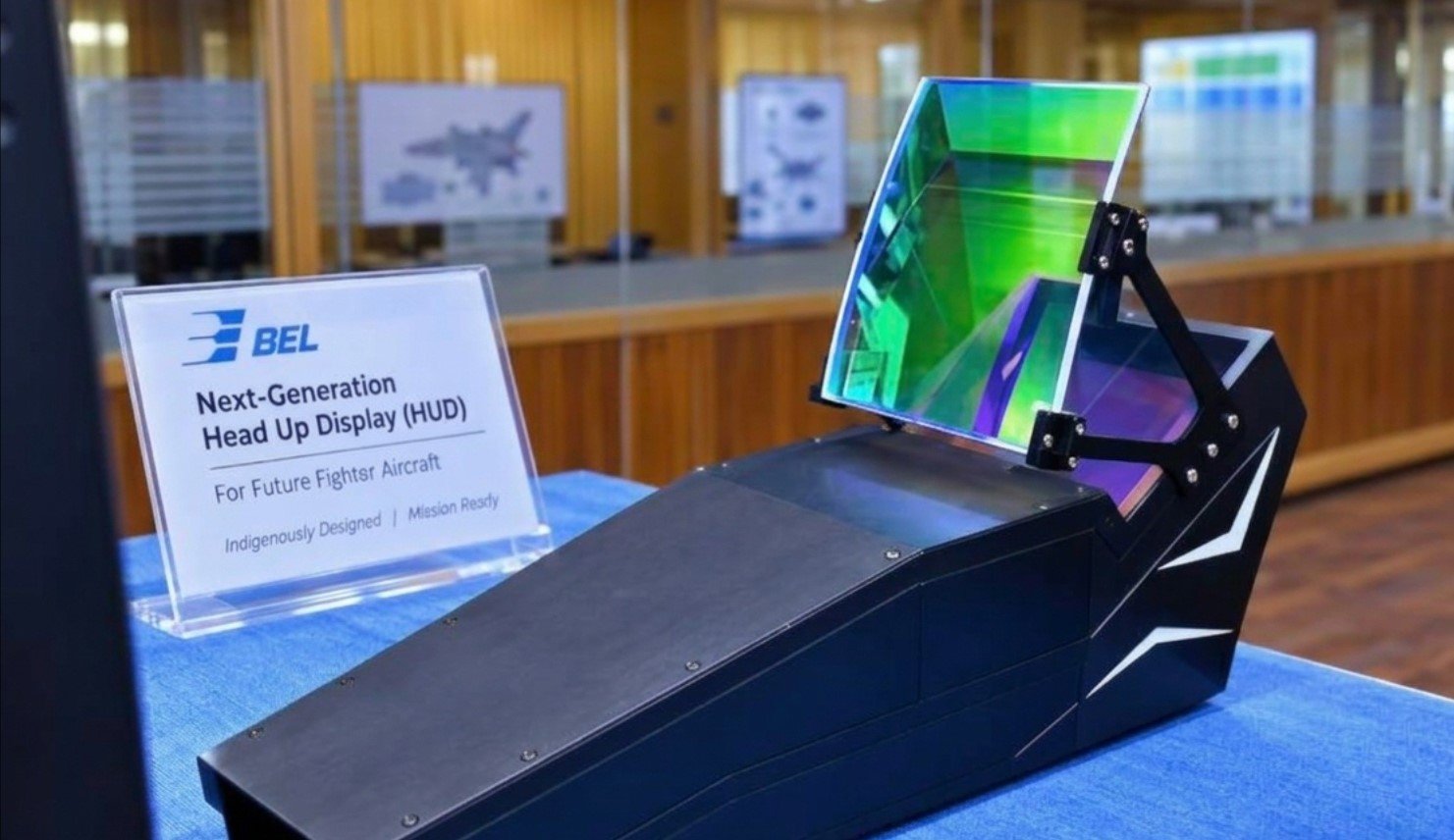 BEL Showcases New-Generation Head-Up Display, Potentially Linked to Tejas Mk2
-
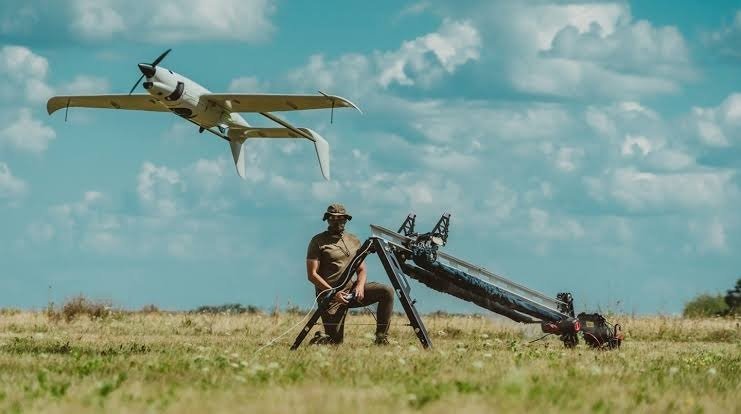 U.S. Army Awards $10.64 Million Contract to Ukrainian Drone Maker Skyeton for Raybird Systems