World
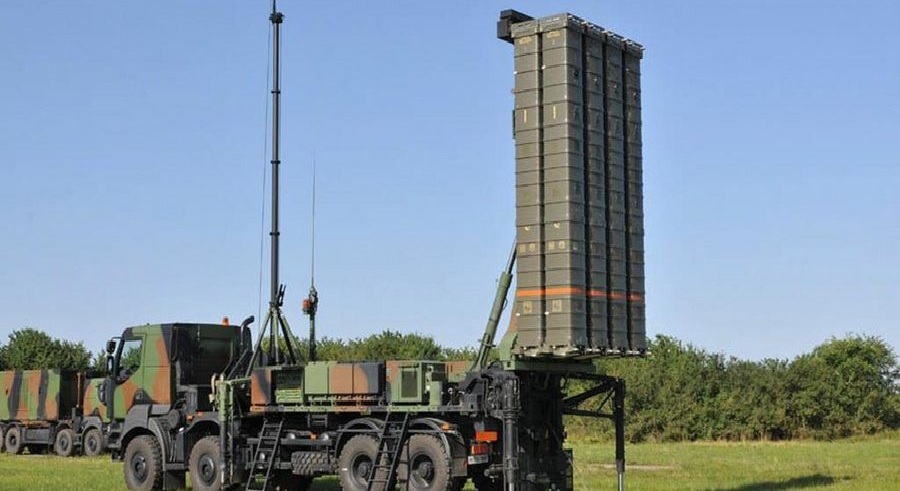
France has placed an order for seven next-generation SAMP/T (Surface-to-Air Missile Platform/Terrain) air defense systems, aiming to strengthen its military against emerging threats, including hypersonic missiles. This move marks a significant step in enhancing the nation's defense capabilities, as these advanced systems provide superior protection compared to older models.SAMP/T has been a cornerstone of European air defense since its induction in 2010, but the new SAMP/T NG (Next Generation) variant offers critical upgrades. Developed in collaboration with Italy, the total number of these systems now reaches 18 across both nations. Eight of these new systems will be allocated to the French Air Force, while the remaining units will bolster the Italian Army and Air Force. France is expected to receive its first SAMP/T NG by 2026, with full delivery to be completed by 2030. The country also plans to further enhance its arsenal, potentially acquiring four more systems by 2035.The SAMP/T NG's ability to counter increasingly sophisticated threats is one of its standout features. This advanced system can intercept targets at a range of over 150 kilometers (93 miles), which includes short- and medium-range ballistic missiles, as well as the more recent threat of hypersonic missiles. The system's performance in neutralizing such diverse threats stems from its cutting-edge technology, including the integration of the Aster family of missiles, particularly the Aster 30 Block 1 and Aster 30 Block 1NT.The technology behind the SAMP/T NG is a product of a consortium between Thales and MBDA, two of Europe’s leading defense manufacturers. At the heart of this system is the Thales GF300 radar, a rotating active electronically scanned array (AESA) that offers comprehensive 360-degree coverage and a detection range of up to 350 kilometers (217 miles). This radar not only improves target detection but ensures early engagement, critical in dealing with high-speed threats like hypersonic missiles.Another crucial component is the New Generation Engagement Module (ME-NG), developed by Thales and MBDA Italy. The ME-NG integrates seamlessly with a wide variety of radars and munitions, making it adaptable to the defense needs of different countries. This flexibility is a key factor in its appeal, allowing for more efficient defense coordination between nations.The SAMP/T NG is a mobile system, designed to be deployed quickly in response to dynamic battlefield scenarios. It consists of truck-mounted launchers, each capable of housing six Aster 30 missiles. This mobility ensures that the system can be relocated as needed, enhancing its strategic value.For France, this new contract with Thales and MBDA represents a crucial investment in maintaining sovereignty over its airspace. According to Herve Dammann, Thales’ Executive Vice-President for Land and Air Systems, the deal "is a significant step forward in European air defense," and reinforces the company’s commitment to providing top-tier defense solutions to its partners.As global threats continue to evolve, France’s acquisition of the next-generation SAMP/T NG highlights its proactive stance in ensuring national security. With enhanced capabilities to tackle everything from ballistic to hypersonic missiles, this system will be a key asset for the French Air and Space Forces well into the future.
Read More → Posted on 2024-09-19 15:57:11
World
Lebanon has once again been rocked by devastating explosions, this time triggered by walkie-talkies used by Hezbollah militants. The coordinated attacks across the country left at least 20 people dead and over 450 others injured, according to reports by Al Jazeera. This tragic event is part of an escalating conflict that has engulfed the region, with communication devices being at the heart of these attacks.The walkie-talkie explosions, which took place in southern Lebanon, the southern suburbs of Beirut, and the Beqaa valley, caught the nation off guard. Lebanese Red Cross teams were immediately dispatched to the affected areas, working tirelessly to rescue the wounded and evacuate them to hospitals. Over 30 teams were on the ground, supported by 50 ambulance crews on alert in Mount Lebanon and Beirut. Fires erupted in numerous locations, with 60 houses and shops, as well as vehicles and motorcycles, being consumed by flames.One of the most alarming aspects of the attack was the simultaneous explosions, which took place in multiple locations. A lithium battery shop in southern Lebanon was among the sites that were engulfed in flames, along with several other businesses and residential areas. The Lebanese Civil Defence has been working nonstop to contain the fires, which have added to the chaos and destruction.This second wave of attacks comes just one day after another explosive incident involving pagers, which Hezbollah has claimed were tampered with by Israeli forces. On Tuesday, 12 people were killed, and over 2,800 others were wounded in a similar explosion that targeted communication devices. Hezbollah has pointed fingers at Israel for these deadly incidents and vowed retaliation, raising fears of further violence.Israel's Defence Minister, Yoav Gallant, responded to the rising tensions by declaring the start of a "new phase" in the ongoing war. Gallant, in a post on X (formerly Twitter), announced that resources and military forces are now being redirected to the northern arena of Israel, as they aim to secure the region and ensure the safe return of northern communities to their homes. Gallant’s statement comes as both sides brace for what appears to be an intensifying conflict.In light of the walkie-talkie explosions, the Lebanese Ministry of Health has urged health workers to report to duty to handle the growing number of injured individuals being rushed to hospitals. Hospitals are already under immense pressure, and citizens have been encouraged to donate blood, as supplies are expected to dwindle rapidly.Hezbollah's use of communication devices, such as pagers and walkie-talkies, as weapons of destruction signals a troubling new tactic in their operations. The group has long relied on covert communications, but this recent wave of attacks highlights how these once seemingly benign tools have been weaponized, with disastrous results. The detonation of these devices has not only caused direct harm but has also added another layer of fear among civilians who are unsure of what could happen next.Lebanese officials have urged civilians to dispose of any pagers they might own, fearing that similar attacks may continue. In the wake of these explosions, it is clear that Lebanon is facing a new and dangerous front in its long-standing conflict with Israel and Hezbollah.As Lebanon grapples with the aftermath of these tragic incidents, the potential for further escalation looms large. The international community is closely watching the situation, hoping for a resolution that will prevent more loss of life. However, with both Hezbollah and Israel standing firm, the future remains uncertain.
Read More → Posted on 2024-09-19 15:52:12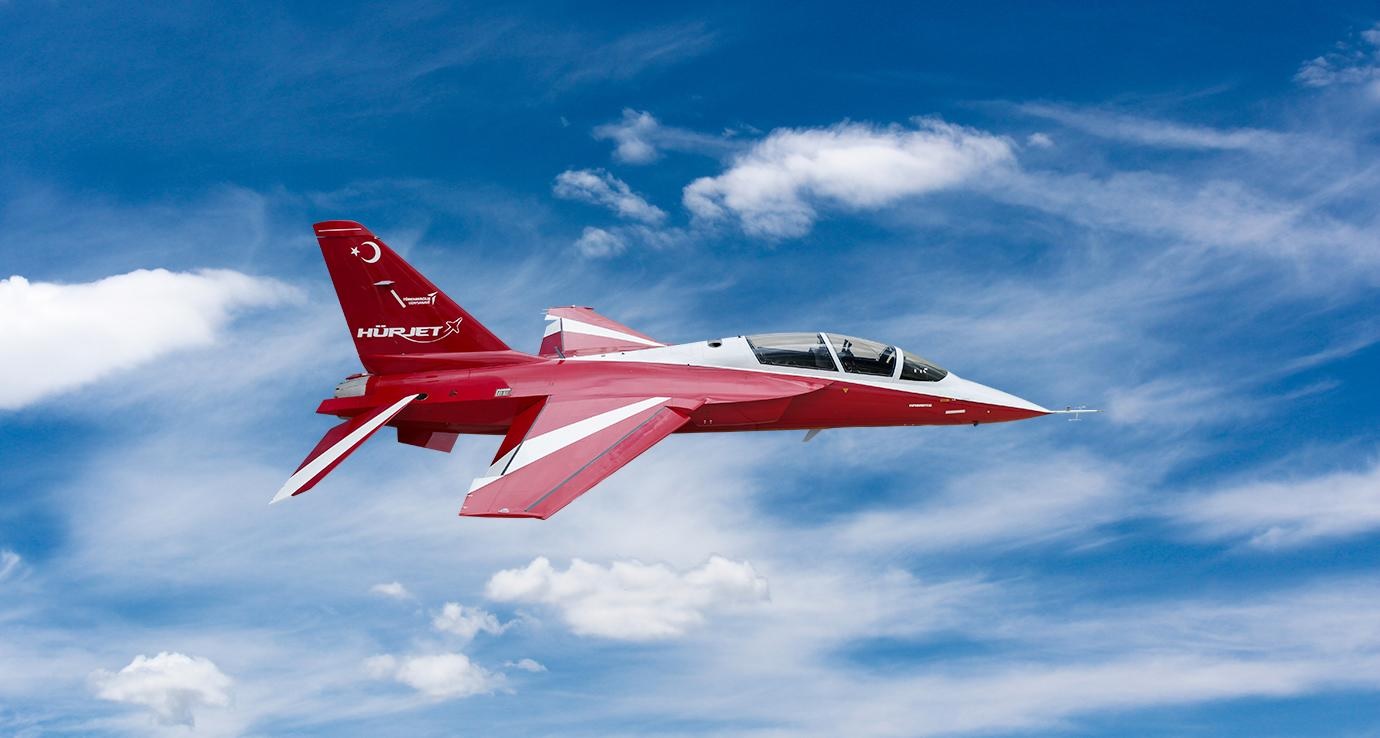
World
Turkey has formally submitted a request to the US government for the purchase of GE Aerospace's F404 engine. This move is aimed at powering the country's domestically-developed Hurjet light attack aircraft. The Hurjet, a next-generation aircraft, is central to Turkey's plan to replace its aging fleet of Northrop Grumman T-38 jet trainers and F-5 light jets. Originally designed as a jet trainer, the Hurjet has evolved into a highly capable multi-role aircraft, ready to play a critical role in Turkey's air defense.An official from the US Embassy in Ankara noted the importance of this request, stating, "We look forward to further deepening our defense partnership with Turkey, a key NATO ally." This signals a positive step in the ongoing relationship between the two countries, despite previous tensions surrounding Turkey’s acquisition of the Russian S-400 air defense system in 2019. However, recent developments, such as Turkey’s support for Sweden’s NATO membership bid, have helped to ease diplomatic strains and open the door to renewed cooperation, especially in defense projects like the Hurjet.### The Hurjet: Turkey’s High-Tech FighterThe Hurjet is not just another jet trainer—it has been designed with cutting-edge technology that makes it a highly capable light attack aircraft. Equipped with modern avionics, air-to-ground missiles, and precision-guided munitions, the aircraft is tailored to handle a variety of combat missions. With a service ceiling of 45,000 feet (13,716 meters) and a top speed of Mach 1.2, the Hurjet offers both speed and altitude flexibility, critical in training pilots for more advanced fighter jets while also being combat-ready in its own right.Its tandem-seat configuration allows for two crew members, providing operational flexibility for either training or combat missions. The aircraft's payload capacity of around three tons (3,000 kilograms/6,614 pounds) enables it to carry an array of weapons and equipment, making it suitable for various military operations. The versatility and performance of the Hurjet make it an attractive option for Turkey as it seeks to modernize its air force.The F404 Engine: Key to Hurjet’s SuccessThe F404 engine, manufactured by GE Aerospace, is a tried-and-tested powerplant that has been widely used in aircraft like the F/A-18 Hornet. It provides the Hurjet with reliable thrust and performance, making it well-suited for both training and combat roles. Turkey’s decision to procure the F404 engine highlights its desire for a robust and dependable engine that meets the demands of its growing air force.However, the F404 is seen as an interim solution. In the long run, Turkey aims to replace the engine with a domestically-produced version, in line with its broader goal of reducing reliance on foreign technology for its defense needs. The push for homegrown technology aligns with Turkey’s ongoing efforts to become more self-sufficient in the defense sector.The Bigger Picture: Turkey’s Kaan Fighter and the F110 EngineIn addition to the Hurjet program, Turkey is also working on a more ambitious project: the fifth-generation Kaan fighter jet. For this advanced aircraft, Turkey is seeking the GE Aerospace F110 engine, another reliable engine that has powered aircraft like the F-15 and F-16. Similar to the F404, the F110 engine is considered a temporary solution, with plans to eventually replace it with a domestically-developed engine.Turkey’s efforts to build both the Hurjet and the Kaan fighter jets reflect its broader aspirations to strengthen its domestic aerospace industry and assert itself as a key player in the global defense market. While the country still relies on foreign engines for these projects, its long-term vision is to create indigenous alternatives, reducing dependence on external suppliers.A Strengthened US-Turkey Defense PartnershipTurkey’s request for the GE Aerospace engines comes at a time when the country is looking to reset its relationship with the US after several years of strained ties. The purchase of the Russian S-400 air defense system in 2019 led to significant fallout between Ankara and Washington, resulting in Turkey’s removal from the F-35 program. However, with improving diplomatic relations, exemplified by Turkey’s recent ratification of Sweden’s NATO membership, both nations are finding ways to move forward, especially in the defense sector.Securing approval for the F404 and F110 engines would mark a significant step in the ongoing defense collaboration between the two countries, reinforcing Turkey’s role as a crucial NATO ally and advancing its domestic defense capabilities.
Read More → Posted on 2024-09-19 15:47:46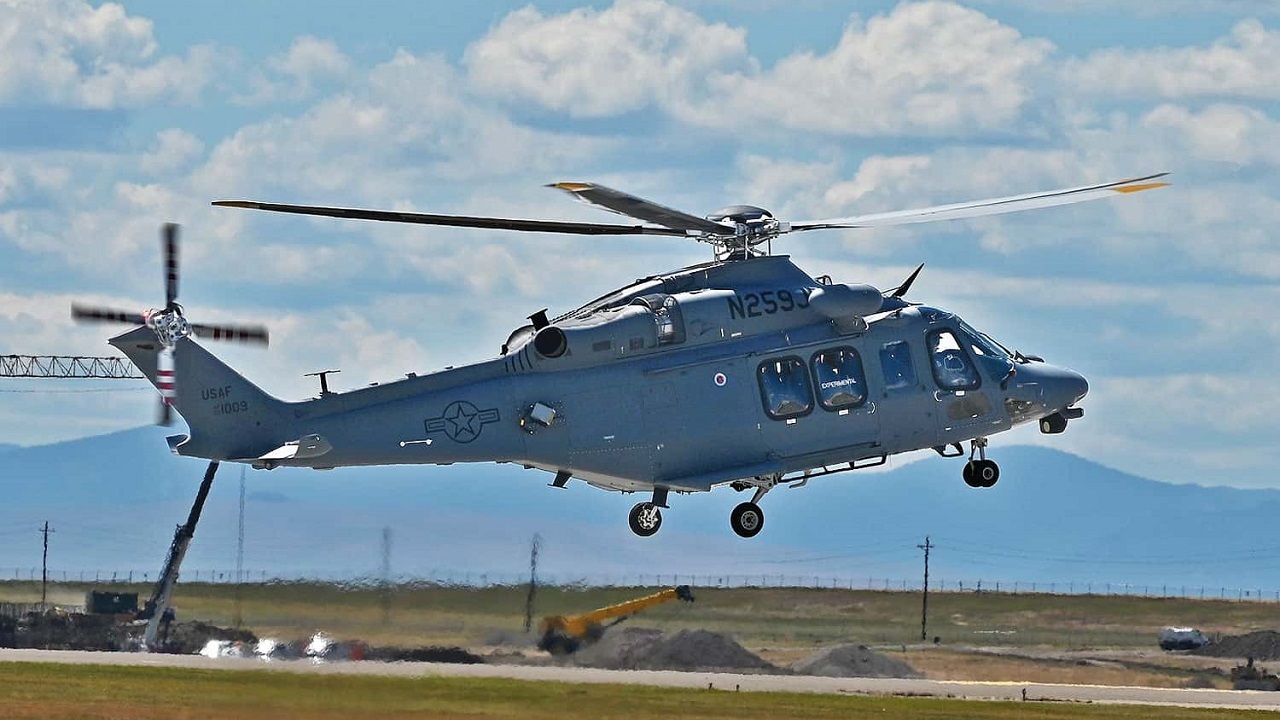
World
In a significant step forward for the U.S. Air Force, Boeing has officially delivered the first production units of its new MH-139A Grey Wolf helicopters. This marks the beginning of a transition from the aging UH-1N Huey fleet, a mainstay of Air Force operations for nearly fifty years.The MH-139A Grey Wolf represents a major leap in technology and capability. Compared to the UH-1N, the Grey Wolf boasts impressive upgrades. It cruises 50% faster and can fly 50% farther, significantly extending its operational reach. The cabin of the Grey Wolf is 30% larger, providing more space for crew and equipment. Moreover, the helicopter’s lift capacity has increased by 5,000 pounds, making it a more powerful tool for various missions.One of the most notable features of the Grey Wolf is its full autopilot capability. This advanced system is designed to reduce pilot workload, enhance operational efficiency, and ensure smoother missions. With these upgrades, the Grey Wolf will play a crucial role in a range of operations, including security tasks, personnel transport, and support for nuclear missile fields.Boeing, renowned for its extensive rotorcraft portfolio that includes models like the AH-64 Apache, V-22 Osprey, and CH-47 Chinook, continues to push the boundaries of helicopter technology. With over six decades of experience in military rotorcraft, Boeing’s new Grey Wolf and the DEFIANT X are poised to lead the way in the next generation of rotorcraft.As the U.S. Air Force gradually phases out the UH-1N Huey, the Grey Wolf is set to take over critical missions, bringing modernized, efficient, and versatile capabilities to the forefront of Air Force operations.This transition underscores Boeing’s ongoing commitment to advancing military aviation and delivering state-of-the-art solutions to meet evolving defense needs.
Read More → Posted on 2024-09-18 16:05:54
Leidos’ Enduring Shield System Successfully Intercepts Drone and Cruise Missile in Major Flight Test
World
Leidos has made significant strides with its cutting-edge Enduring Shield ground-based weapon system, achieving a milestone in its latest flight test. The system successfully intercepted both drone and cruise missile targets, highlighting its growing role in modern warfare. This demonstration underscores its capabilities to meet the U.S. Army’s defense needs and showcases its integration with existing military technologies like the Integrated Battle Command System (IBCS) and Sentinel A3 radar.During the flight test, the Enduring Shield system tracked and intercepted the moving targets using AIM-9X Sidewinder missiles, a versatile missile known for its ability to engage aerial threats like aircraft, drones, and even cruise missiles. This test reflects not just the system's precision but also its potential to operate in real-time combat scenarios, detecting, tracking, and neutralizing threats as they appear. The system’s use of the AIM-9X is particularly noteworthy, as this missile is usually deployed in air-to-air combat scenarios. Its application in a ground-based missile defense system opens up new avenues for defending against multiple aerial threats simultaneously.Enduring Shield plays a crucial role within the U.S. Army’s broader Indirect Fire Protection Capability (IFPC) program, specifically in its Increment 2 phase. The IFPC aims to create a robust, layered defense system capable of shielding both military and civilian assets from indirect fire attacks, including those from drones, rockets, and cruise missiles. By bridging the gap between shorter-range defense systems like the Army’s tactical air defense and higher-end systems like Terminal High Altitude Area Defense (THAAD), Enduring Shield provides a flexible and responsive layer of protection.The journey of this system began when Leidos secured a contract in September 2021 to develop a ground-based defense system under the IFPC Increment 2 program. The system was conceptualized to protect key infrastructure and provide essential defense capabilities in the face of evolving aerial threats. Since then, the Enduring Shield has seen a series of successful tests, with a major milestone in December 2023 when it demonstrated the ability to launch an experimental AIM-9X missile interceptor for the first time.Leidos’ ongoing work on the Enduring Shield system represents a leap in the maturation of defense technologies. In addition to its latest achievements, the company has been working closely with the U.S. Army to conduct hardware upgrades, enhancing the overall performance and operational readiness of the system. As a result of this progress, the system is inching closer to becoming fully operational for the U.S. Army, with future developments aiming to improve its efficiency and response time.As Leidos Vice President Dino Pusinsky noted, the successful test further highlights the company’s commitment to pushing the boundaries of modern defense capabilities. “This test marks another major step forward in evaluating the overall operational capability and lethality of the Enduring Shield system,” Pusinsky said, emphasizing how critical it is for the U.S. Army to remain ahead of adversaries.What makes the Enduring Shield stand out is its ability to seamlessly integrate with other defense systems. For instance, its compatibility with the Integrated Battle Command System allows for real-time data sharing and decision-making across the military’s defense network, while the Sentinel A3 radar offers critical tracking and detection capabilities. This interoperability is essential for coordinating large-scale defense operations, particularly in high-stakes, multi-threat environments.As Leidos continues its work under the latest contract with the U.S. Army, the company remains focused on showcasing the system’s full potential. According to Larry Barisciano, senior vice president at Leidos, this contract is pivotal in demonstrating how the Enduring Shield system can revolutionize warfighting capabilities. The goal is to eventually declare the system operationally ready, transforming it from a cutting-edge prototype into a fully-fledged asset for military defense.In a world where threats continue to evolve, Leidos’ Enduring Shield system offers a glimpse into the future of missile defense, providing the U.S. military with a more robust and agile way to defend critical assets. With each successful test, the system edges closer to becoming an essential part of the U.S. Army’s defense strategy.
Read More → Posted on 2024-09-18 15:54:34
Mossad’s Covert Strike: How Israel Used Pager Bombs to Target 3000 Hezbollah fighters Across Lebanon
World
On a quiet Tuesday afternoon in Lebanon, Hezbollah fighters were caught off guard as their pagers—used as low-tech communication devices to avoid detection—exploded in a devastating, coordinated strike. The blasts resulted in the deaths of at least nine individuals and injured over 2,800 people, sending shockwaves throughout Hezbollah strongholds. The devices, crucial to Hezbollah’s internal communication system, had been secretly modified with hidden explosives in a covert operation attributed to Israel’s intelligence agency, Mossad.The Role of Gold Apollo PagersThe devices in question were manufactured by **Gold Apollo**, a Taiwanese company, but the pagers used in this deadly attack were produced under a European license by **BAC Consulting**, a firm based in Hungary. Hezbollah had procured the pagers months earlier, believing that their low-tech nature would keep them safe from electronic surveillance. However, in a sophisticated infiltration of Hezbollah’s supply chain, Israeli operatives managed to embed explosives inside the pagers. These bombs remained dormant for months, completely undetected, until they were triggered by a coded message sent through Hezbollah’s own communication network.The Explosions: Targeting Hezbollah StrongholdsThe explosions primarily took place in Hezbollah’s stronghold in Beirut’s southern suburbs and the Bekaa Valley, starting around 3:30 p.m. local time. The detonation was widespread but controlled, targeting Hezbollah members in close proximity to the devices without causing extensive damage to infrastructure. Eyewitnesses described chaotic scenes of people collapsing on the streets, suffering from severe injuries to their faces, hands, and torsos. Hospitals were quickly overwhelmed, with hundreds of injured civilians and Hezbollah fighters crowding emergency rooms across Lebanon.According to Lebanese security officials, Mossad had planned the operation with precision, embedding the explosive components during the manufacturing process at BAC Consulting, long before the pagers reached Hezbollah. When a seemingly ordinary message was sent out from Hezbollah leadership, the hidden explosives were activated remotely, causing the lethal blasts.Hezbollah’s Counterintelligence FailureFor Hezbollah, this incident marks one of the largest counterintelligence failures in its history. The organization, which had prided itself on its secretive and robust communication protocols, found itself exposed. Jonathan Panikoff, a former U.S. national intelligence officer, described the event as “the most significant counterintelligence breach Hezbollah has faced in decades.”Israel, which has neither confirmed nor denied involvement, is known for its capability in covert operations, particularly against adversaries like Hezbollah. The operation has been interpreted as a direct message to Hezbollah’s leadership, demonstrating that even their most secure communication channels are vulnerable. Amos Yadlin, a former head of Israeli military intelligence, emphasized that this attack was not just about causing casualties but about undermining Hezbollah’s confidence in its internal security.Denial by Gold ApolloIn the wake of the attacks, Gold Apollo, the Taiwanese company whose name appears on the pagers, swiftly denied involvement. Gold Apollo founder **Hsu Ching-kuang** clarified that while the pagers bore his company’s branding, they were actually manufactured by the Hungarian firm BAC, which holds a license to use Gold Apollo’s trademark in certain regions. Hsu noted that the company had received strange remittances from the Middle East, suggesting that the supply chain may have been compromised at that stage, but he did not elaborate further.Images of the destroyed pagers, obtained by **Reuters**, appeared to show models consistent with Gold Apollo’s AP924 series, though these specific pagers were produced and sold by BAC under the Gold Apollo brand. This allowed the operation to remain covert, as Hezbollah had no reason to suspect foul play when acquiring what they believed to be harmless, low-tech devices.Hezbollah’s Reaction and Future RetaliationIn the aftermath of the attack, Hezbollah’s leadership has vowed revenge, though specifics about how and when they might retaliate remain unclear. This incident has rocked the organization’s internal security protocols, leaving Hezbollah scrambling to investigate how its communications were compromised. Hezbollah has long relied on such low-tech methods, including pagers, to avoid Israeli spyware, but this event demonstrates that even these measures are no longer reliable.Hezbollah leader **Hassan Nasrallah** had previously warned against using mobile phones, fearing Israeli surveillance, and encouraged the use of pagers for critical communications. Now, with that system thoroughly compromised, Hezbollah must rethink its entire communication strategy, raising concerns about its operational security moving forward.A New Chapter in the Israel-Hezbollah ConflictThe pager bombings are the latest escalation in the long-standing conflict between Hezbollah and Israel. This covert operation underscores Israel’s ability to strike at the heart of Hezbollah, even in its most secure spaces. While the attack was devastating for Hezbollah, experts believe it is unlikely to lead to an all-out war, though smaller retaliatory attacks from Hezbollah are expected.Former U.S. intelligence officer **Matthew Levitt** notes that while the attack will cause short-term disruption within Hezbollah, it will not fundamentally change the group’s strategies or its long-term goals. Nevertheless, the success of Israel’s operation sends a powerful message to Hezbollah and other groups in the region: no matter how deeply hidden, they remain within Israel’s reach.As tensions continue to simmer between these long-time adversaries, the pager explosions may be a harbinger of more covert operations to come. Both Israel and Hezbollah are known for their clandestine activities, and this latest chapter adds a new layer of complexity to an already volatile situation.
Read More → Posted on 2024-09-18 15:51:10
World
Tensions in the Middle East reached new heights as Hezbollah accused Israel of carrying out a covert, devastating attack on its members through the use of explosive-laden pagers. The devices, embedded with explosives allegedly modified by Israel’s Mossad, were triggered remotely, causing widespread casualties across Lebanon and Syria. According to initial reports, nine people were killed and over 3,000 were injured in the coordinated blasts. Both Hezbollah and the Lebanese government have condemned the attack, while the Israeli military has not officially commented on the incident.The explosions come amid heightened tensions between Israel and Hezbollah, especially following the October escalation in Gaza. Since the start of the conflict between Israel and Hamas, Hezbollah—an Iran-backed militant group based in Lebanon—has been sporadically firing rockets and drones into Israel’s northern regions in a show of solidarity with the Palestinians. In response, Israel has launched airstrikes targeting Hezbollah positions, killing both commanders and fighters. These exchanges of fire, combined with the recent pager explosions, have raised fears that the conflict between Israel and Hezbollah could expand into a full-scale war.Hezbollah's Retaliation: Drums of War Growing LouderHezbollah, which wields significant military power, has vowed to retaliate. The scale of this operation is seen as one of Hezbollah’s worst counterintelligence failures in decades. Intelligence experts, such as Jonathan Panikoff, have described the incident as a critical blow to the group, which prides itself on its strong spy networks.Hezbollah has issued a stern warning to Israel, with its officials promising "fair punishment" for what they call an act of aggression. The group has lost both fighters and civilians in this attack, which has galvanized its leadership into action. Lebanese officials, too, have expressed outrage, with Information Minister Ziad Makary condemning the explosions. “This is not just a security breach,” declared a senior Hezbollah figure, Hussein Khalil, “this is an attack on an entire nation.”This sentiment reverberates across Lebanon, as the country braces itself for potential further escalation. Many fear the pager attack might be a prelude to a broader, more intense conflict.Israel-Hezbollah Conflict: Escalating DangerThe dynamics between Israel and Hezbollah are fraught with historical tension. Hezbollah, which has grown into a military force with capabilities that rival those of many national armies, poses a serious challenge to Israel’s northern borders. The group, with thousands of trained fighters and advanced weaponry, is a formidable foe. Its elite Radwan Unit, specialized in cross-border incursions, has garnered experience in battlefields such as Syria and poses a significant threat to Israeli security. Despite Hezbollah’s public statements that it doesn’t seek full-scale war, it remains ready for confrontation if necessary. Experts warn that this conflict could be far different from past encounters. Unlike Gaza, southern Lebanon presents a terrain that is more challenging, with hills, valleys, and an underground infrastructure that makes it harder for Israeli forces to strike accurately. Additionally, Hezbollah's vast rocket and missile arsenal, which numbers over 150,000, far surpasses that of Hamas. On the first day of the October conflict, Hezbollah is estimated to have fired 4,300 rockets into Israel, and analysts expect that number to rise exponentially should war break out.Israel, however, is preparing for the worst. Defense officials have been meeting frequently, with plans to expand their military efforts to counter Hezbollah. Although the conflict with Hamas has primarily focused on Gaza, Israel’s leadership has been clear that any escalation in the north could result in a wider operation.The Threat of Regional WarMany fear that the recent pager attack could trigger a larger war. Hezbollah’s ties to Iran and its involvement in multiple regional conflicts make it a key player in the broader Middle Eastern political landscape. With its military strength and advanced technology, Hezbollah has positioned itself as a significant force capable of challenging Israeli defenses.Israel has already begun widening its objectives to include neutralizing Hezbollah’s threat. In recent weeks, Israeli airstrikes have targeted Hezbollah commanders and fighters in Lebanon. Now, with the threat of open conflict looming larger than ever, Israel has announced that its focus has shifted to ensuring the safe return of northern residents who have fled the border areas due to ongoing hostilities.In previous years, Israel and Hezbollah have engaged in short, intense conflicts, but a broader, more sustained war could result in devastating consequences for both sides. Analysts note that Hezbollah’s ability to strike deep into Israeli territory, combined with its underground infrastructure and hidden armaments in towns and villages, could lead to a prolonged conflict with high civilian casualties.Despite efforts by international players, particularly the United States, to prevent such an escalation, the situation remains highly volatile. Some experts believe that neither side wants an all-out war at this moment, but as the pager explosions demonstrate, a single incident can rapidly spiral into wider violence.Uncertainty Ahead: Can Israel Handle the Threat?The big question now is whether Israel is prepared for the possibility of facing Hezbollah’s full force. While Israel’s air defense systems have proven capable of handling rocket barrages from Hamas, Hezbollah represents a much more substantial threat. The group’s missile capabilities are not only larger but also more sophisticated, and it remains to be seen whether Israel can effectively manage such an onslaught.With tensions escalating and both sides locked in a dangerous standoff, the situation between Israel and Hezbollah could tip into a much larger conflict at any moment, putting the entire region on edge. The world will be watching closely, as the next steps taken by both Israel and Hezbollah could decide the future of peace or war in the Middle East.
Read More → Posted on 2024-09-18 15:46:58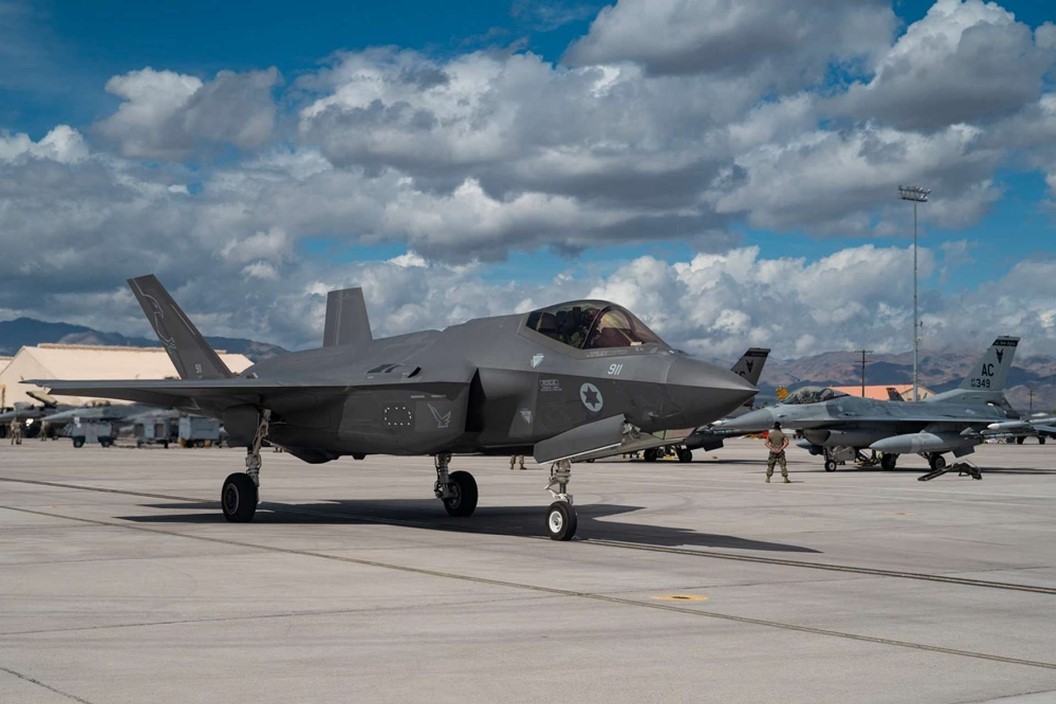
World
In a significant move to bolster its defense capabilities, Italy is set to acquire 25 more F-35 fighter jets, with a budget allocation of over €7 billion ($7.79 billion) for the purchase in 2024. This plan, currently awaiting parliamentary approval, is a substantial addition to Italy's ongoing defense modernization efforts. The new batch of jets will increase Italy's total F-35 fleet to 115 aircraft, positioning the nation as a major operator of these cutting-edge multi-role fighters in Europe.The purchase is part of a broader defense strategy that not only focuses on aircraft acquisition but also on engines, equipment, and long-term logistical support, with planning extending to 2035. This holistic approach ensures that Italy's air force and navy remain operationally effective and technologically advanced for decades to come.Expanding Italy’s F-35 FleetItaly initially committed to 90 F-35s, which includes 60 conventional F-35A models for the Italian Air Force and 30 short takeoff and vertical landing (STOVL) F-35B variants, split between the air force and the navy. The new order includes an additional 15 F-35As for the air force and five more F-35Bs for each branch, enhancing both services’ capabilities.The F-35s, produced by Lockheed Martin, are renowned for their stealth technology, advanced avionics, and multi-role versatility, which includes air superiority, ground attack, and intelligence missions. Italy's existing F-35 fleet already plays a key role in NATO's defense architecture, contributing to air policing, intelligence-gathering, and joint strike operations. With this new batch, Italy is further committing to the integration of 5th generation aircraft, which brings advanced situational awareness and combat readiness.Strategic Investments in DefenseThis defense expenditure is part of a broader €9.3 billion ($10.3 billion) defense procurement program for 2024. In addition to the F-35 jets, a substantial portion of this budget—€506 million ($563 million)—has been allocated for the Global Combat Air Programme (GCAP), an ambitious next-generation fighter jet project involving Italy, the UK, and Japan. The program aims to develop a new fighter by 2035, emphasizing the growing importance of international collaboration in defense technology.Moreover, Italy is investing €50 million ($55 million) to modify its new landing helicopter dock, the *Trieste*, to host the F-35B variants. This enables Italy to deploy these jets from sea, further expanding its operational flexibility in both the Mediterranean and global theaters.Another notable investment is the addition of €690 million ($767 million) towards the Eurofighter program, aimed at replacing older first-tranche Eurofighter jets with newer fourth-tranche models. This aligns with Italy’s broader modernization efforts as it seeks to replace its aging fleet by 2029.Italy’s Defense Spending SurgeItaly’s overall defense budget for 2024 is projected to increase to €20.85 billion ($23 billion), a rise from €19.56 billion ($22 billion) in 2023. This increase underscores the country’s commitment to modernizing its military and maintaining its standing as a key player in European and NATO defense structures. The decision to ramp up spending also reflects broader geopolitical tensions and the need for military readiness in an increasingly complex global security environment.The F-35 purchase, in particular, not only boosts Italy's aerial combat capabilities but also ensures it remains technologically aligned with its NATO allies, particularly in joint operations and defense initiatives across Europe. As Italy continues to invest in cutting-edge technology and international defense collaborations, its role as a prominent defense power in Europe and beyond is solidified.
Read More → Posted on 2024-09-18 15:33:24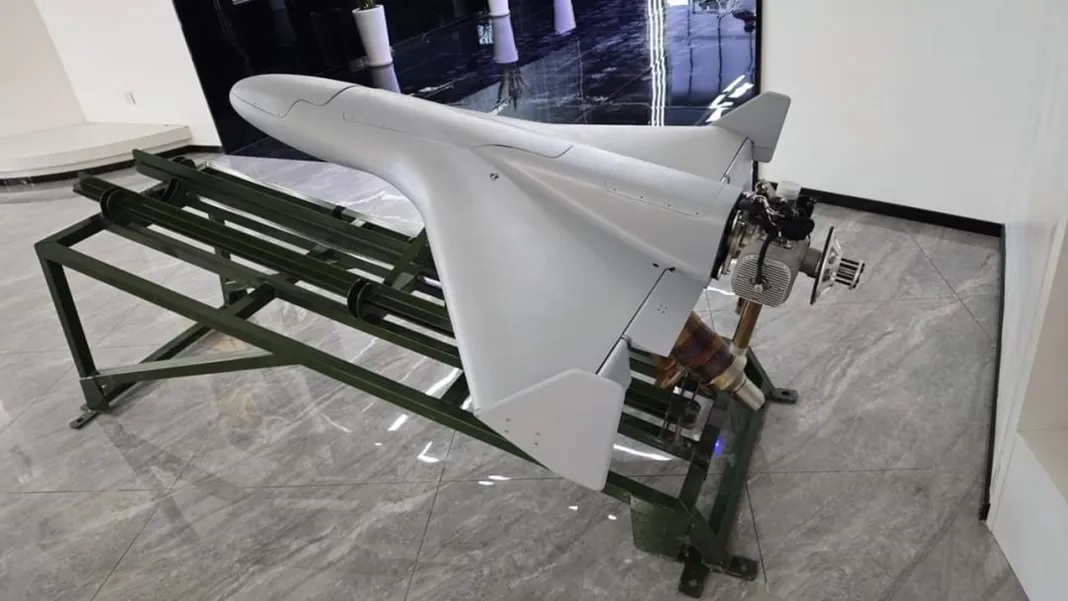
World
China has been ramping up its efforts to promote advanced military technologies in Pakistan, and its latest offering is the FY-70, a loitering munition designed as a suicide drone. Manufactured by the Chinese company Bieberg, the FY-70 has garnered attention due to its striking resemblance to the Russian KYB drone, developed by the Kalashnikov Concern. However, despite its similarities to the Russian model, the FY-70 introduces some notable enhancements, making it a compelling option in modern warfare.Loitering munitions like the FY-70 and its Russian counterpart are designed to hover over battle zones, searching for targets before diving down for precision strikes. Often referred to as suicide drones, they are single-use, kamikaze-style weapons capable of delivering lethal payloads to strategic targets such as armored vehicles, artillery positions, and even enemy bunkers. The delta-wing design of the FY-70 closely mirrors the Russian KYB, which has been utilized in various conflict zones for its ability to take out fixed or soft targets.One of the most significant advantages of suicide drones is their ability to exploit weak points on armored vehicles, particularly their relatively thin tops. By attacking from above, these drones can deliver devastating strikes that traditional ground-based weapons might struggle to achieve. Equipped with optical payloads, loitering munitions can also serve a dual role as reconnaissance drones, gathering critical intelligence before executing their missions.What sets the Chinese FY-70 apart from the Russian KYB is its propulsion system. While the Russian KYB relies on an electric motor, limiting its range and flight time, the FY-70 incorporates an internal combustion engine. This modification provides the Chinese drone with extended flight duration and greater operational range, giving it an edge in missions that require longer loitering times and the ability to cover more ground. The internal combustion engine not only enhances the drone’s endurance but also allows it to be deployed in more diverse environments, where electric-powered drones might struggle due to limited battery life.Interestingly, reports suggest that even Russian forces have taken notice of the Chinese FY-70. There are indications that Russia is exploring the possibility of purchasing a variant of the FY-70, reportedly named the "Harpy-A1." This development highlights the growing reputation of China’s drone technology, which has been rapidly evolving in recent years, pushing the boundaries of unmanned aerial warfare.China's move to market the FY-70 in Pakistan underscores the increasing demand for affordable, effective, and adaptable military solutions in the region. As Pakistan continues to modernize its military capabilities, loitering munitions like the FY-70 could play a crucial role in its arsenal, providing the nation with a tactical advantage in both reconnaissance and direct combat situations.The promotion of the FY-70 also reflects broader trends in global defense strategies. Suicide drones have become a staple in asymmetric warfare, allowing smaller forces to launch precise attacks without risking personnel. Their cost-effectiveness and relatively low-tech requirements make them an attractive option for countries looking to enhance their offensive capabilities without investing heavily in traditional air power.In conclusion, the Chinese FY-70 suicide drone offers a compelling blend of proven design and innovative improvements, particularly in its enhanced propulsion system. As it enters the Pakistani market, its impact on regional defense strategies will be closely watched. The fact that even Russia may be interested in acquiring a variant of this drone speaks volumes about its potential in modern combat operations.
Read More → Posted on 2024-09-17 17:06:19
World
In a major step forward for British military technology, Saab, the Swedish defence giant, has successfully delivered five of its next-generation TAIPAN radar systems to the British Army. As of July 22, 2024, these cutting-edge radar systems have officially entered service with the 5th Regiment Royal Artillery, bringing enhanced precision and mobility to the Army’s operations.The TAIPAN radar systems, part of the Arthur family of weapon-locating radars, represent a significant upgrade from the previous MAMBA Arthur models that the British Army had relied on. These advanced systems are designed to offer more than just increased range and accuracy—they are engineered to excel in modern, fast-paced battlefield environments where agility and survivability are paramount.At its core, the TAIPAN system provides rapid deployment and re-deployment capabilities, crucial for modern warfare where mobility can be the difference between success and failure. The system’s high operational mobility allows it to be set up quickly and moved as needed, giving the British Army a flexible tool in counter-battery operations, where detecting and neutralising enemy artillery and rocket systems is critical. One of the standout features of the TAIPAN system is its ability to locate a larger number of targets at extended ranges compared to its predecessor, thanks to Saab’s innovative Digital Antenna technology. This technology significantly reduces the radar’s electronic warfare signature, making it harder for enemies to detect and jam, while also improving its survivability in hostile environments. This represents a considerable advancement in radar technology, aligning with the evolving nature of warfare where electronic warfare capabilities play an increasingly central role.The transition from MAMBA to TAIPAN was marked with a formal ceremony on June 28, 2024, at Larkhill Camp, where the 5th Regiment Royal Artillery accepted the new systems as their Colours. The upgrade not only strengthens the British Army’s capabilities but also reflects Saab’s ongoing partnership with the UK military. The British Army has been a long-time user of Saab’s Arthur radar systems, with their MAMBA units proving their worth in both Iraq and Afghanistan. The introduction of TAIPAN ensures that this legacy of excellence continues into the future, now with even greater performance and reliability.Andy Fraser, Group Managing Director of Saab UK, expressed his pride in delivering these next-gen systems, highlighting the strong relationship Saab has built with the British Army over the years. "We are immensely proud to support the British Army with our state-of-the-art TAIPAN systems," Fraser stated, emphasising that the company looks forward to continuing its role as a key partner in the UK’s radar and defence capabilities.Lieutenant General Sir Andrew Gregory KBE CB, Master Gunner St James’s Park, also hailed the significance of the new systems, stating that TAIPAN represents a “step change in capability” for the British Army. He acknowledged Saab’s impressive contributions, both with the MAMBA systems and now with the advanced TAIPAN radar.Looking ahead, Saab has established a Centre of Radar Excellence in Fareham, UK, to provide ongoing maintenance and support for the TAIPAN systems. This move underscores Saab’s broader strategy to expand its global footprint, with the UK serving as a key hub for radar excellence outside of Sweden. Currently, the Arthur family of radar systems is in use by 12 countries, including several NATO members and South Korea, further cementing Saab’s reputation as a global leader in radar technology.With the TAIPAN radar systems now in service, the British Army is better equipped than ever to detect and neutralise enemy threats, ensuring that its forces remain at the cutting edge of military technology. This latest delivery marks a pivotal moment for UK defence, ushering in a new era of advanced radar capabilities that will play a crucial role in future military operations.
Read More → Posted on 2024-09-17 17:03:35
World
The Japan Coast Guard (JCG) is set to embark on an ambitious project to build the largest patrol vessel in its history, a formidable 199-meter-long ship with a gross tonnage of 30,000 tons. This new Multi-Purpose Patrol Vessel (MPPV) represents a significant upgrade in Japan’s maritime capabilities, combining disaster relief, security operations, and potential evacuation efforts into a single platform.The vessel’s design is impressive, not only because of its size but also due to its versatility. Capable of accommodating up to 1,000 people, the MPPV can serve as a floating base during emergencies. It features ample space for vehicles and a large flight deck situated at the aft, where two helicopters can operate simultaneously. Additionally, the ship will have a hangar capable of storing three more helicopters, ensuring continuous aerial support during complex operations. An important element of the MPPV's operational capacity is its ability to deploy small boats, such as Rigid-Hulled Inflatable Boats (RHIBs), which are commonly used for fast rescue and patrol missions. A crane mounted at the bow will facilitate the loading and unloading of these boats, enhancing the vessel’s versatility. This feature will be essential in a variety of maritime scenarios, from disaster relief to security patrols in challenging sea conditions.The ship's construction, estimated to cost around ¥68 billion (approximately USD 480 million), highlights Japan's focus on enhancing its disaster preparedness. In the event of a large-scale earthquake or tsunami, the MPPV will function as an offshore command center. It will be equipped to transport supplies and personnel via helicopters and boats, provide shelter for evacuees, and even serve as a temporary hospital. This floating emergency base could become a vital lifeline during natural disasters, helping to coordinate relief efforts and transport critical aid to affected coastal areas.The MPPV’s utility goes beyond disaster response. It is also intended to provide offshore security during high-profile international events such as G7 summits, the Olympics, and World Expos. This makes the vessel an important asset for maintaining public safety during such gatherings, where heightened security is required. The ship will serve as a floating command center, coordinating maritime patrols and responding to any threats during these events.Amid rising geopolitical tensions in the region, particularly concerning the Taiwan Strait, the JCG has another critical role in mind for the MPPV. In the event of a military conflict with China, particularly involving Taiwan, the vessel would be responsible for evacuating Japanese residents from the country’s southwestern islands and other remote regions. The Japanese government has been weighing evacuation strategies, recognizing that the Self-Defense Forces would likely be preoccupied with combat operations in such a scenario. This leaves civilian evacuation efforts in the hands of the JCG and other agencies, with the MPPV taking a central role in such operations.Interestingly, despite its size and strategic importance, the MPPV will not be armed. Classified as a patrol vessel, its primary function will be logistical support, transport, and emergency relief rather than direct engagement in combat. The ship is designed to resemble a large transport vessel or ferry, emphasizing its role in civilian evacuation and humanitarian missions.Construction of the MPPV is scheduled to begin in fiscal year 2025, with the vessel expected to be operational by fiscal year 2029. While the exact deployment location remains undetermined, the vessel's size and capabilities ensure that it will be a key asset in Japan’s maritime strategy for years to come. This ambitious project underscores Japan’s commitment to strengthening its disaster response, security operations, and evacuation planning, all while addressing the growing regional challenges. With the MPPV, the Japan Coast Guard is poised to enhance its operational reach and effectiveness in a wide range of maritime situations.
Read More → Posted on 2024-09-17 17:01:37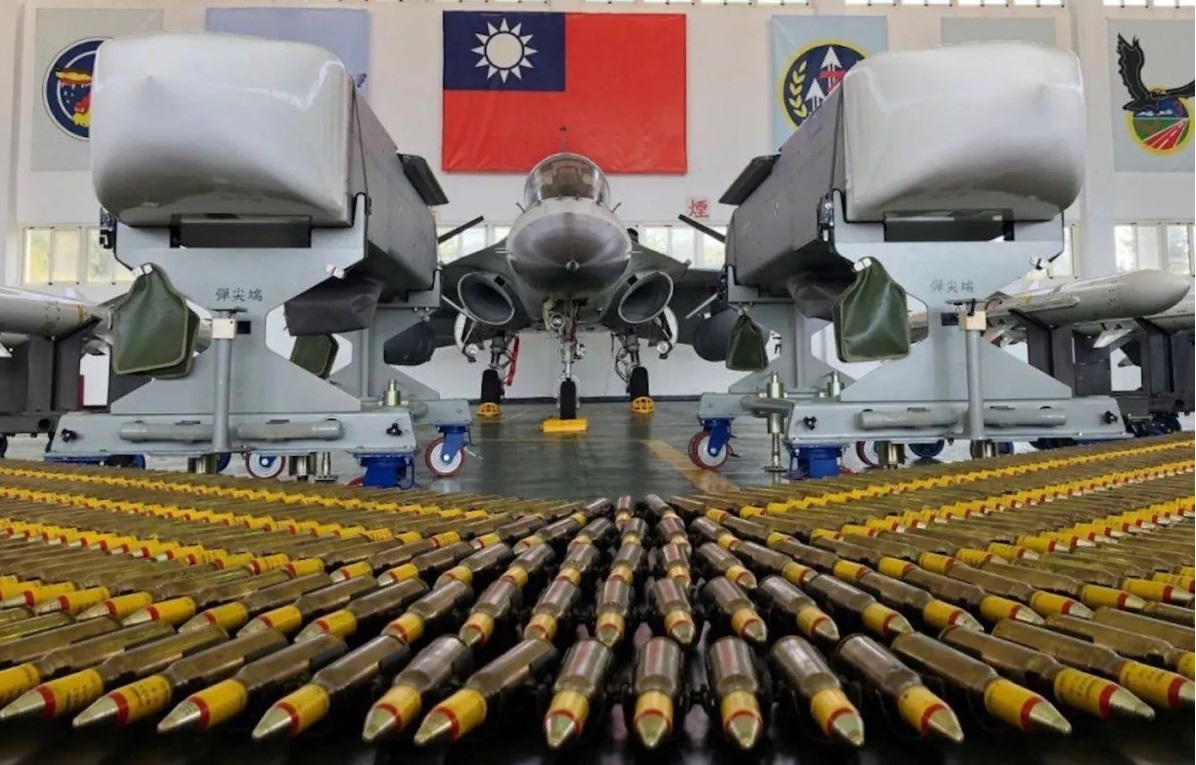
World
The U.S. State Department has recently approved a potential military sale to Taiwan, valued at $228 million, as part of ongoing efforts to bolster the island's defenses amid increasing tensions with China. This development comes at a time when China's military posturing around Taiwan has intensified, with frequent aircraft incursions and naval exercises around the island, testing Taiwan's defense capabilities.The sale primarily involves the return, repair, and reshipment of spare parts and other equipment essential for Taiwan's military aircraft. According to the U.S. Department of Defense’s Defense Security Cooperation Agency (DSCA), this includes classified and unclassified components, engineering services, technical support, and logistical aid. The equipment aims to enhance Taiwan's Air Force capabilities, which are under growing pressure due to China's "grey zone" tactics—operations meant to wear down Taiwan's defenses without full-scale conflict.The deal will now head to the U.S. Congress for final approval, though it is expected to pass smoothly, given the strong bipartisan support for Taiwan’s defense. Taiwan’s Ministry of Foreign Affairs welcomed the sale, expressing gratitude for Washington’s continued military assistance under the Taiwan Relations Act and the Six Assurances, long-standing commitments by the U.S. to help Taiwan maintain its self-defense.Taiwan’s Ministry of National Defense emphasized that this military support is crucial to maintaining the operational readiness of its air force, which has been stretched thin by regular Chinese military activity in the region. In recent years, Taiwan's air force has had to scramble fighters almost daily in response to Chinese incursions, which has put significant strain on its fleet.This sale marks the 16th approved by the Biden administration, highlighting the steady growth of U.S.-Taiwan military cooperation. Over the past few years, the U.S. has steadily ramped up its arms sales to Taiwan, with significant deals including F-16 fighter jets and anti-ship missiles. These sales are not only intended to modernize Taiwan’s aging military hardware but also to send a clear message of deterrence to China.In 2021, the U.S. approved the sale of 66 F-16V fighter jets to Taiwan, a deal valued at over $8 billion. These advanced jets are designed to strengthen Taiwan’s air defense capabilities and will include enhanced radar systems and precision weaponry. Delivery of the F-16Vs, originally set for earlier dates, is now expected to commence in 2026 after delays due to production and logistical challenges.Beyond military sales, U.S.-Taiwan relations have deepened in economic and technological spheres as well. Taiwan is a key player in the global semiconductor industry, and U.S. officials have increasingly collaborated with Taipei to secure critical supply chains and reduce dependence on Chinese technology.Despite growing cooperation, Washington still adheres to its "One China" policy, which acknowledges Beijing’s claim over Taiwan but continues to engage with Taiwan on unofficial terms. China, predictably, has responded with strong condemnation. Beijing views U.S. arms sales to Taiwan as a direct provocation and has ramped up its military activities around the island in response.In the broader geopolitical context, the U.S. has also supported Taiwan’s inclusion in international organizations such as the World Health Organization (WHO) and the Comprehensive and Progressive Agreement for Trans-Pacific Partnership (CPTPP), both of which Taiwan has been historically excluded from due to Chinese objections.The sale of this equipment comes amid a sharp rise in military tensions in the Taiwan Strait. As China continues to increase its military pressure on Taiwan, Washington's arms sales have become a critical component of Taiwan's defense strategy, providing much-needed hardware and reinforcing U.S. support for the island's security.While the U.S. maintains that its policy towards Taiwan is rooted in ensuring peace and stability in the region, China sees these actions as attempts to embolden Taiwanese independence movements, a red line for Beijing. As the situation continues to evolve, the U.S. sale of military equipment to Taiwan underscores the island's strategic significance and Washington's commitment to countering China's influence in the Indo-Pacific.
Read More → Posted on 2024-09-17 16:56:20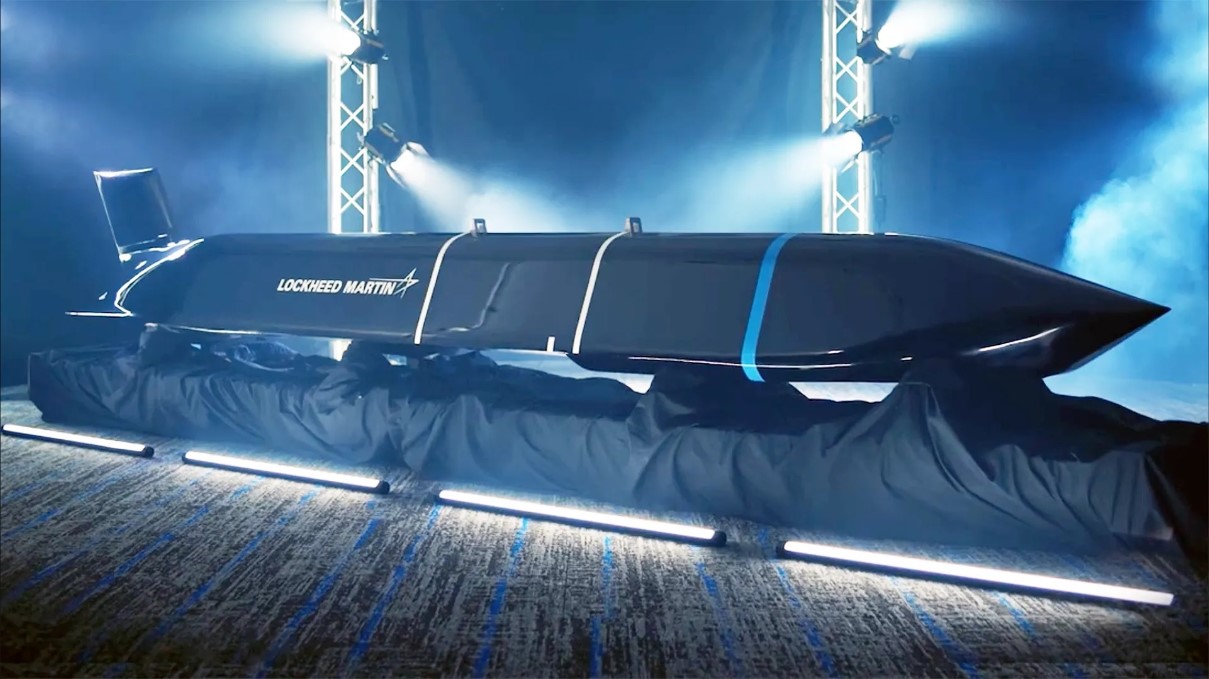
World
Lockheed Martin has taken its renowned AGM-158 Joint Air-to-Surface Standoff Missile (JASSM) to the next level with the unveiling of an 'extreme range' variant, known as the AGM-158 XR. This new missile promises to significantly enhance the long-range strike capabilities of the US military, offering greater lethality and survivability for pilots while maintaining compatibility with modern fighter jets such as the F/A-18 and F-35.The AGM-158 JASSM has already proven itself to be a reliable weapon, capable of delivering precision strikes from beyond enemy air defenses. However, the new AGM-158 XR aims to surpass its predecessors in almost every aspect. The missile has been designed to carry a 1,000-pound (453-kilogram) armor-piercing warhead, making it a formidable tool for deep penetration strikes against hardened targets. It is also significantly larger, allowing for more fuel capacity, which will likely enable it to reach farther than existing JASSM variants, though Lockheed has not disclosed the exact range. Current estimates suggest that the AGM-158 XR could exceed the range of both the standard JASSM and the Long-Range Anti-Ship Missile (LRASM), both of which already offer standoff capabilities in excess of 500 miles (around 800 kilometers). While these numbers remain speculative, it's clear that the new missile is designed to strike from even further distances, well outside the reach of enemy air defenses, enhancing pilot safety during high-risk missions.A key aspect of the AGM-158 XR is its modularity. Lockheed has incorporated smart internal modifications that not only improve performance but also make future upgrades easier to implement. This forward-thinking design ensures that the missile can be adapted to meet evolving threats without requiring complete redesigns or reengineering.One of the advantages of the AGM-158 XR is that it builds on the existing JASSM production lines and supply chains. According to Lockheed Martin's General Manager, John Hill, this means that the missile can be rapidly produced and delivered to the US military once development is complete. The company has suggested that flight testing could begin within the next one to two years, although the missile is still several years away from being ready for operational use. Although the US Department of Defense has not yet committed to purchasing the AGM-158 XR, its potential is undeniable. The missile’s extreme range and powerful warhead make it an attractive option for the US Air Force as it seeks to modernize its strike capabilities in an increasingly contested global environment. Additionally, by maintaining compatibility with advanced aircraft like the F/A-18 and F-35, Lockheed Martin ensures that the AGM-158 XR can be easily integrated into the existing fleet without requiring costly modifications or delays.Lockheed Martin has emphasized that the AGM-158 XR is designed to meet the future needs of warfighters, anticipating the challenges of tomorrow’s battlefields. The missile’s increased range would allow it to target high-value assets deep within enemy territory while minimizing the risk to US pilots. Furthermore, its ability to penetrate heavily fortified structures means it could be a key asset in any conflict where precision strikes are essential.In summary, the AGM-158 XR represents a significant leap forward in missile technology, offering greater range, modularity, and striking power than previous variants. While it is still in development, the missile is poised to play a crucial role in future US military operations, providing commanders with a powerful new tool to deter adversaries and protect American forces.
Read More → Posted on 2024-09-17 16:49:23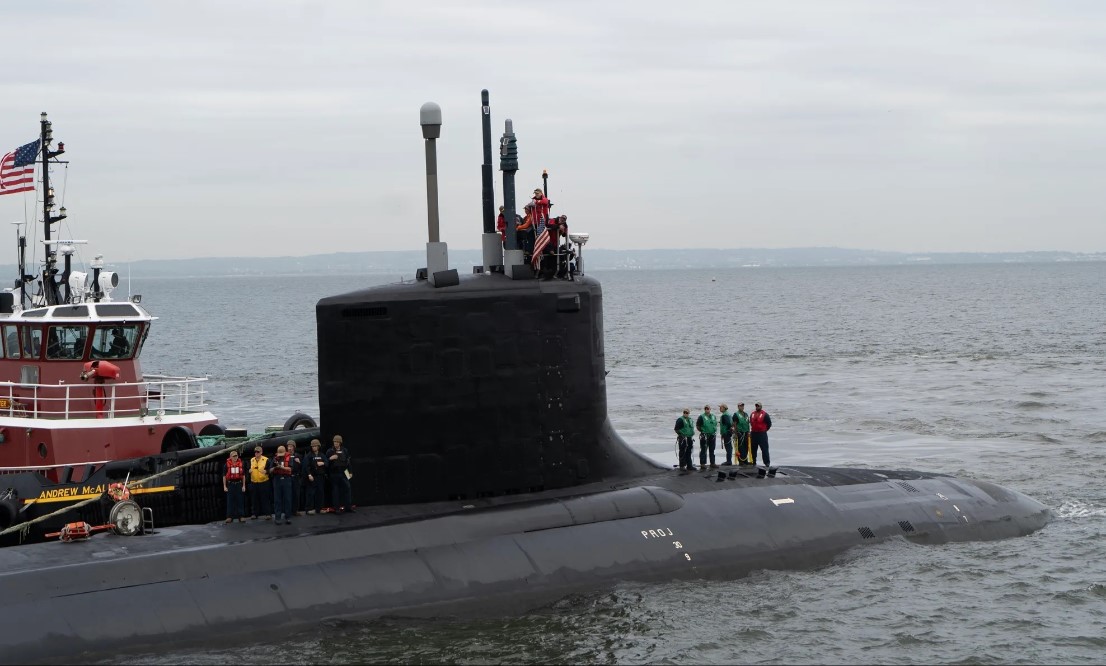
World
The U.S. Navy officially welcomed its latest hunter-killer submarine, the USS New Jersey (SSN 796), into service on September 14, 2024. The commissioning ceremony took place at Naval Weapons Station Earle in Middletown, New Jersey, and marked a significant milestone in the Navy’s submarine fleet. This new vessel is the third to bear the name "New Jersey," following the famed battleship BB-62, which served with distinction during World War II, the Korean War, and the Vietnam War. The USS New Jersey is a Virginia-class fast-attack submarine, part of a series of advanced submarines designed for a wide range of missions in both deep and shallow waters. At 377 feet long and with a 34-foot beam, this submarine is an impressive sight. Its capabilities are equally formidable: it can dive beyond 800 feet and reach speeds exceeding 25 knots, making it a swift and elusive presence beneath the waves.Cmdr. Steve Halle, the commanding officer of the USS New Jersey, called the moment "historic," emphasizing the hard work and dedication of both the crew and the shipbuilders responsible for bringing the vessel to life. In his remarks, he stated, “You operate the most complex platform on the planet, and you continuously strive for excellence. I’m amazed and humbled at what we have accomplished.”One of the unique features of the USS New Jersey is its fully integrated crew. Cmdr. Halle highlighted the significance of this aspect, noting how the diversity and professionalism of the crew enhance the submarine's operational performance. “Our superior professionalism is enhanced by our crew integration and our diversity. We have exceeded expectations at every turn,” he said.The commissioning was a ceremonial yet powerful event. Susan DiMarco, the ship’s sponsor and wife of former Secretary of Homeland Security Jeh Johnson, gave the traditional command to “man our ship and bring her to life.” The crew responded with an enthusiastic “aye aye, ma’am” as they ran aboard the submarine, signaling its readiness for active duty.The USS New Jersey is equipped for a variety of missions, including anti-submarine warfare, anti-ship warfare, intelligence gathering, and special operations. It can also launch Tomahawk cruise missiles, allowing it to project power across vast distances. With a crew of 135, this vessel is designed to operate independently for extended periods, providing vital intelligence and surveillance in areas of strategic importance. At the commissioning, New Jersey Governor Philip Murphy and Secretary of the Navy Carlos Del Toro both praised the submarine's advanced capabilities, noting how crucial fast-attack submarines are in modern naval strategy. Del Toro emphasized that submarines like the USS New Jersey are essential for supporting the Navy’s core missions, including sea control, power projection, maritime security, and deterrence.The Virginia-class submarines are among the most technologically advanced in the world. Built by Newport News Shipbuilding and General Dynamics Electric Boat, these vessels feature cutting-edge stealth technologies, sonar systems, and weapons platforms that make them highly effective in diverse environments. They are capable of engaging enemy submarines, surface ships, and providing support to special operations forces. As the Navy’s latest fast-attack submarine, the USS New Jersey is expected to play a pivotal role in global naval operations. Its advanced design allows it to function as both a hunter and protector, whether it’s defending U.S. interests or projecting power in contested regions. The integration of sophisticated weaponry, intelligence-gathering tools, and elite crew members ensures that it will maintain the U.S. Navy’s superiority on the high seas for years to come.As Cmdr. Halle concluded in his speech, “The legacy we have inherited from the state of New Jersey and the battleship BB-62 will carry forward in our pursuit of greatness. Today, we commissioned our ship, and she is the fastest, most advanced, fully integrated fast-attack submarine to date.”The USS New Jersey is now fully operational, prepared to safeguard U.S. interests and contribute to maintaining peace and stability in waters across the globe.
Read More → Posted on 2024-09-16 16:20:24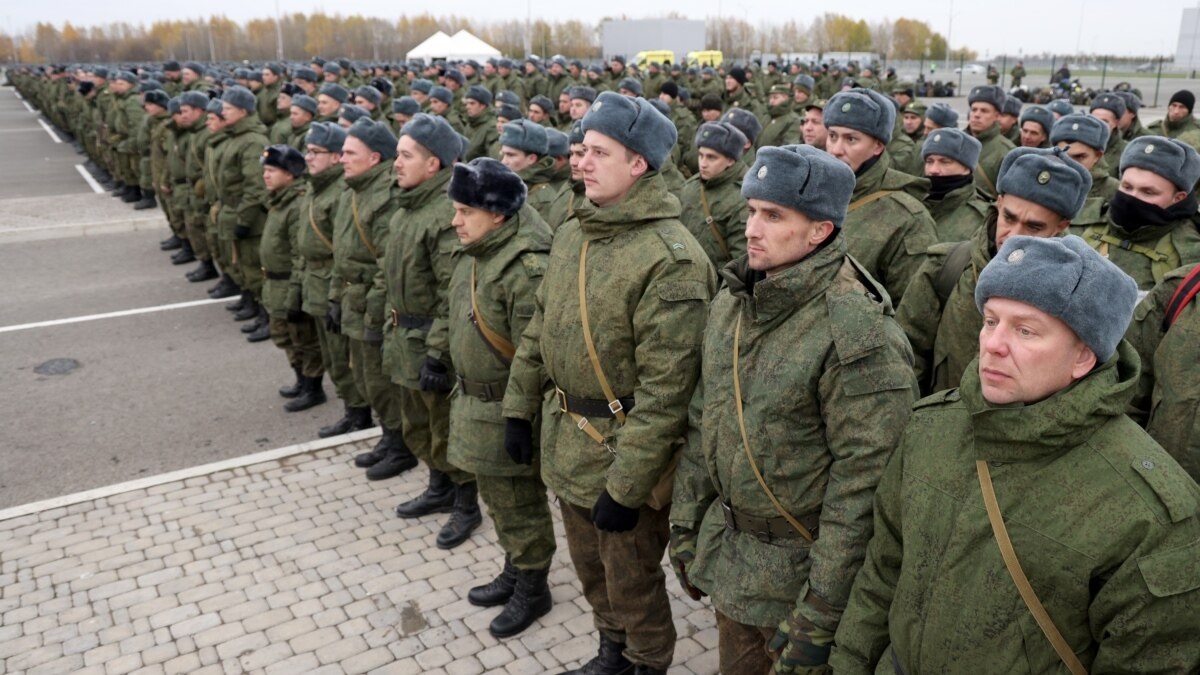
World
Russian President Vladimir Putin has taken a significant step in escalating his country's military capacity, ordering the Russian armed forces to increase their troop numbers by 180,000, bringing the total to 1.5 million soldiers. This move, announced through a decree set to take effect on December 1, reflects Russia’s intensifying commitment to its ongoing military campaign in Ukraine, which has dragged on for over two and a half years.Putin’s new decree raises the total number of Russian military personnel to nearly 2.4 million, marking a significant increase in both manpower and military expenditure. Last December, Russia increased its troop count to around 1.32 million soldiers. Now, a year later, the Kremlin has once again escalated its military presence, aiming for a broader force that could support more extended operations. The timing of this decision highlights Moscow's need to replenish its forces as the fighting in Ukraine continues to strain Russia's military resources.The battlefront in Ukraine has become a relentless war of attrition, with Russian troops focusing their efforts in the eastern regions. Over the past few months, Russia has seen steady, though incremental, territorial gains in this area, but the progress has come at a steep cost. Putin's previous call-up of 300,000 reservists in 2022 filled the gaps left by the heavy casualties sustained in Ukraine. However, this mass mobilization triggered widespread unrest in Russia, as hundreds of thousands of men fled the country to avoid conscription. Since then, the Kremlin has opted to avoid another mass conscription and has instead turned to recruiting volunteer soldiers. These volunteers are lured in by the promise of high wages, helping to sustain the ranks of the fighting force without sparking further public dissent.At the heart of this latest expansion is Russia’s need to sustain its ongoing “special military operation” in Ukraine, as described by Putin. Currently, nearly 700,000 Russian troops are involved in the conflict, a number that will undoubtedly swell with the new recruits. But even with these reinforcements, Ukraine has made notable advances, particularly in Russia’s border regions. On August 6, Ukrainian forces launched an incursion into Russia’s Kursk region, a move that reportedly capitalized on Russia’s manpower shortages. The lack of adequate troops has been a persistent issue for Moscow, preventing them from repelling these incursions effectively without pulling forces from other critical fronts in eastern Ukraine.The Kremlin's strategy appears focused on bolstering numbers without repeating the chaos of the 2022 mobilization. By continuing to attract volunteers rather than calling up more reservists, Putin seems to be balancing military needs with the desire to avoid internal unrest. However, the growing demands of the war suggest that such a balancing act may not hold for long. With reports of heavy losses on both sides, the pressure to keep reinforcing the front lines is mounting.The decree also highlights the growing financial burden of the war on the Russian state. Expanding the military by 180,000 troops will require a significant increase in government funding, which has already been stretched by the prolonged conflict. How Russia intends to finance this expansion remains an open question, though it is clear that the Kremlin views the increase in manpower as a necessary step to maintain its position in the war.As winter approaches and the fighting in Ukraine shows no signs of slowing down, Putin’s decision underscores the gravity of the situation. The Kremlin appears committed to a long-term conflict, and the addition of new troops could signal an upcoming offensive or simply a bolstering of Russia’s defensive lines against Ukrainian advances. Either way, this military expansion is a clear indication that Russia has no intention of winding down its military campaign in Ukraine anytime soon.
Read More → Posted on 2024-09-16 15:54:09Search
Top Trending in 24 Hours
-
 U.S Navy Orders 50 Blackbeard Hypersonic Missiles in New $23.4 Million Contract
-
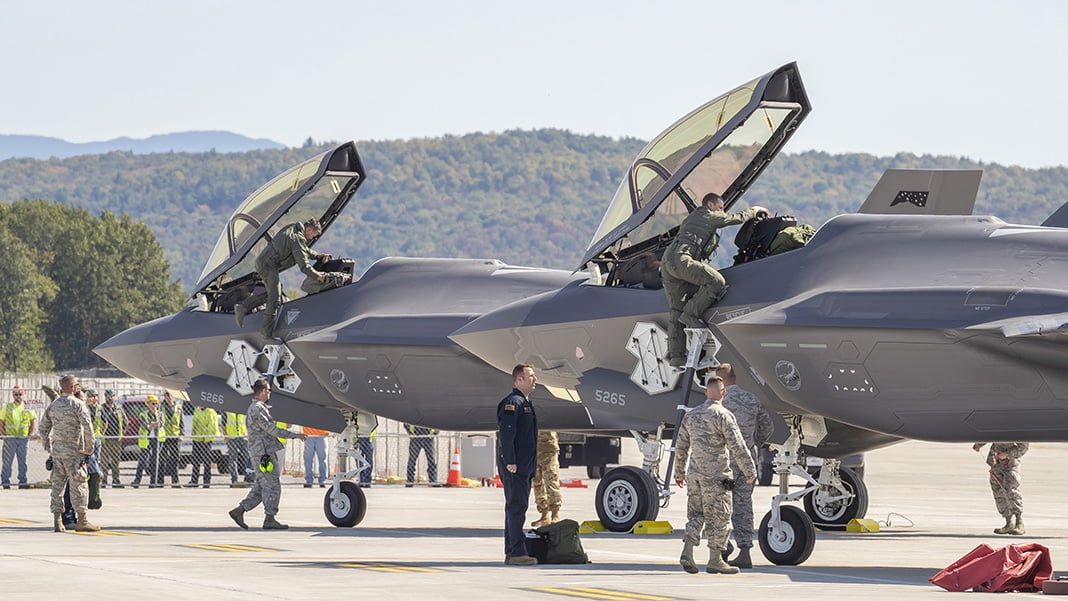 F-35 Fleet Readiness Falls to 25% Amid Parts Shortages and Software Delays: GAO Report
-
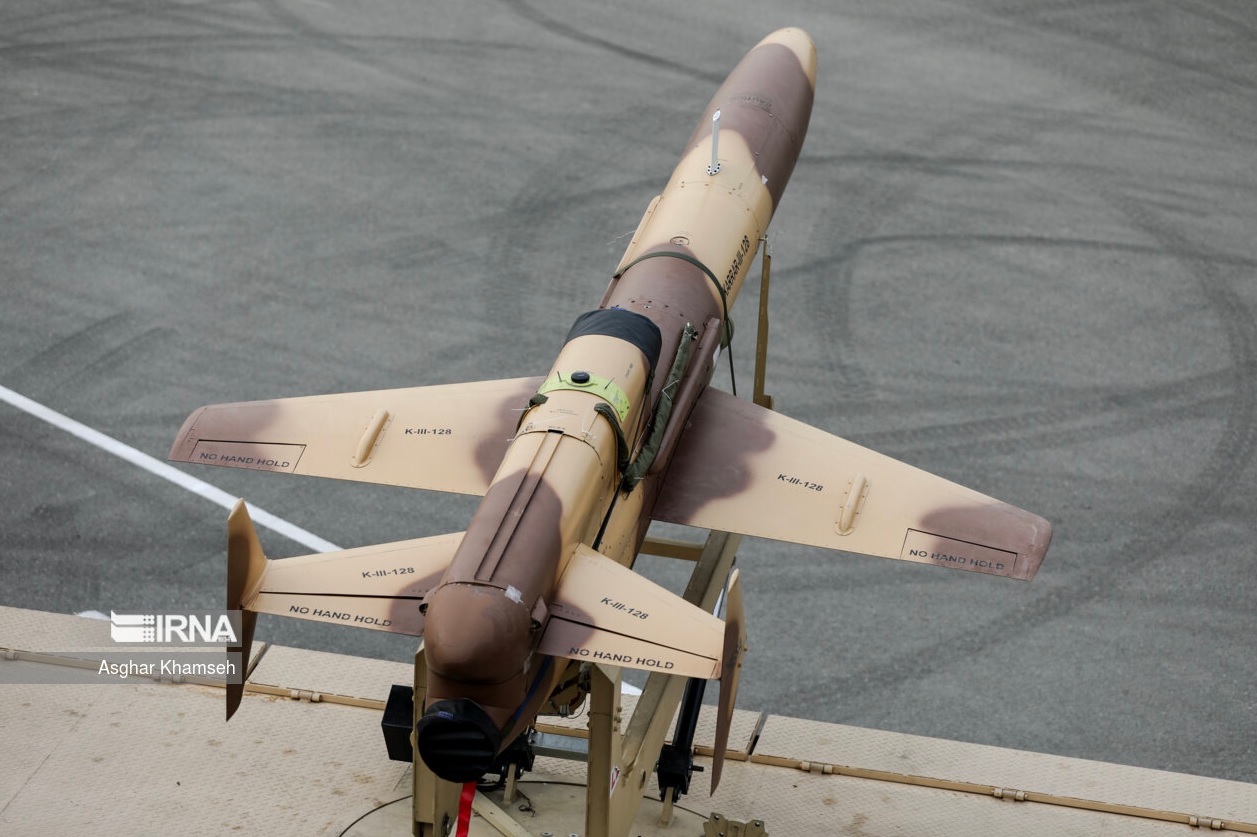 Russia Launches 1,400 Jet-Powered Drones in 2026 as Strike Tactics Evolve to Challenge Ukraine's Air Defenses
-
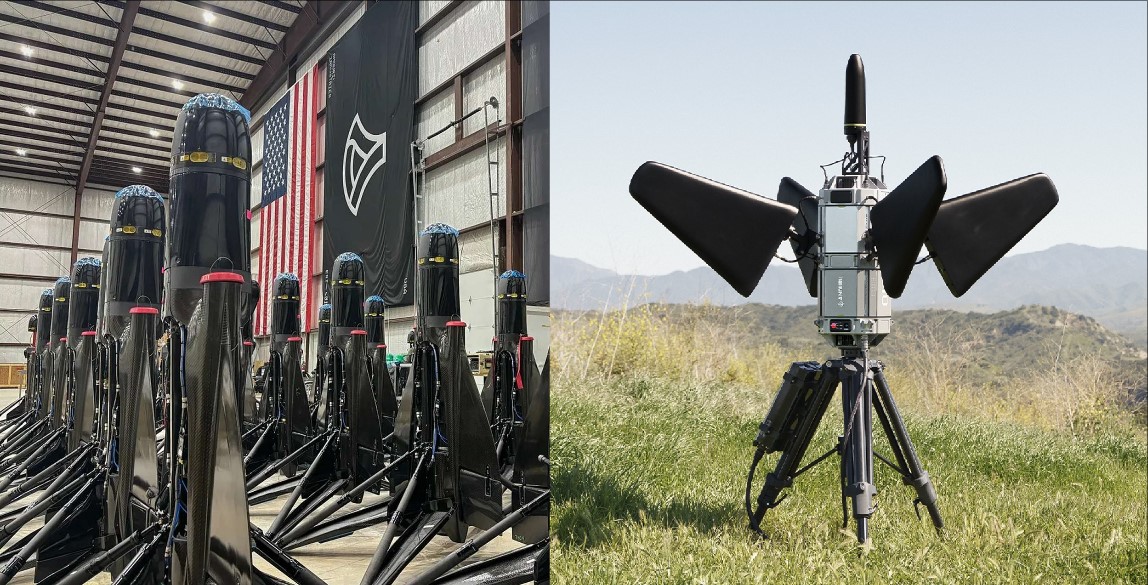 U.S. Approves $1.98 Billion Sale of Anduril AI-Powered Counter-Drone Systems to Kuwait
-
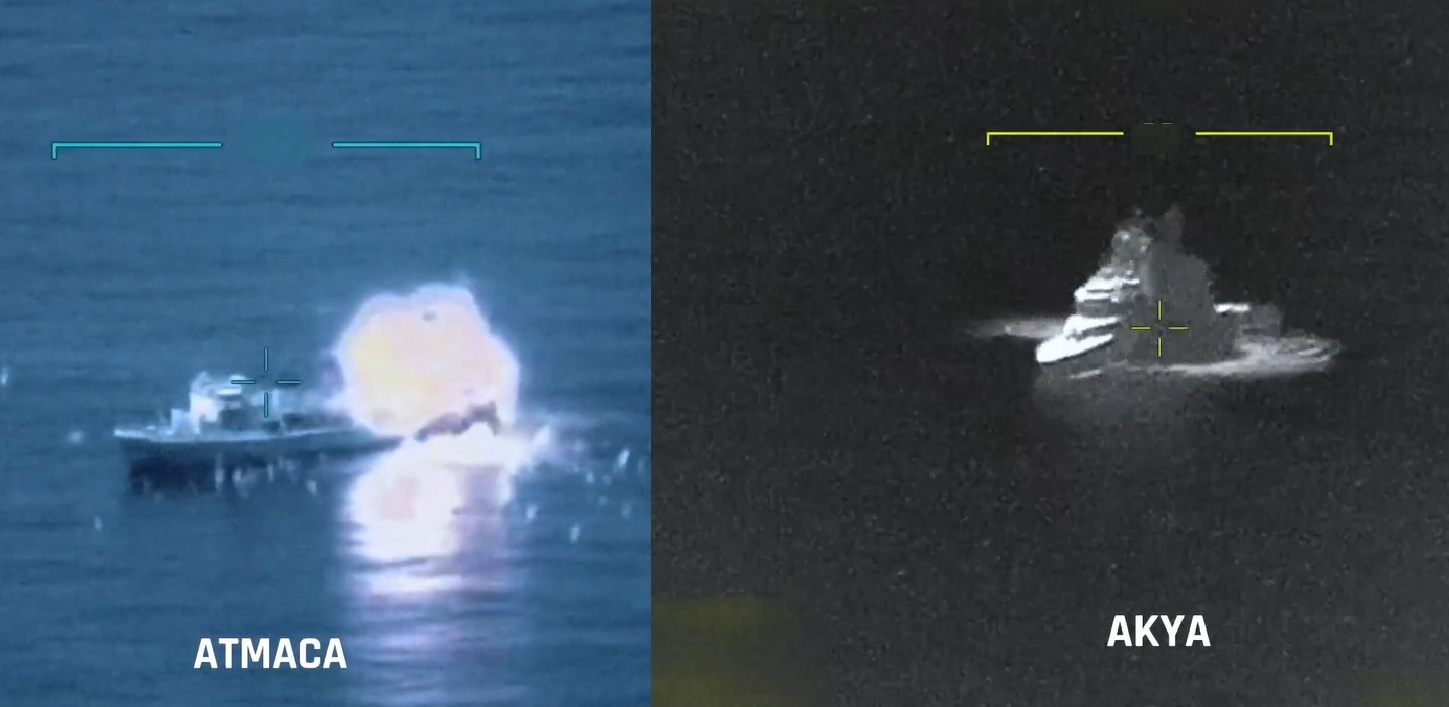 Turkey Navy Successfully Tests AKYA Torpedo and ATMACA Missile During Major Denizkurdu-II Naval Exercise
-
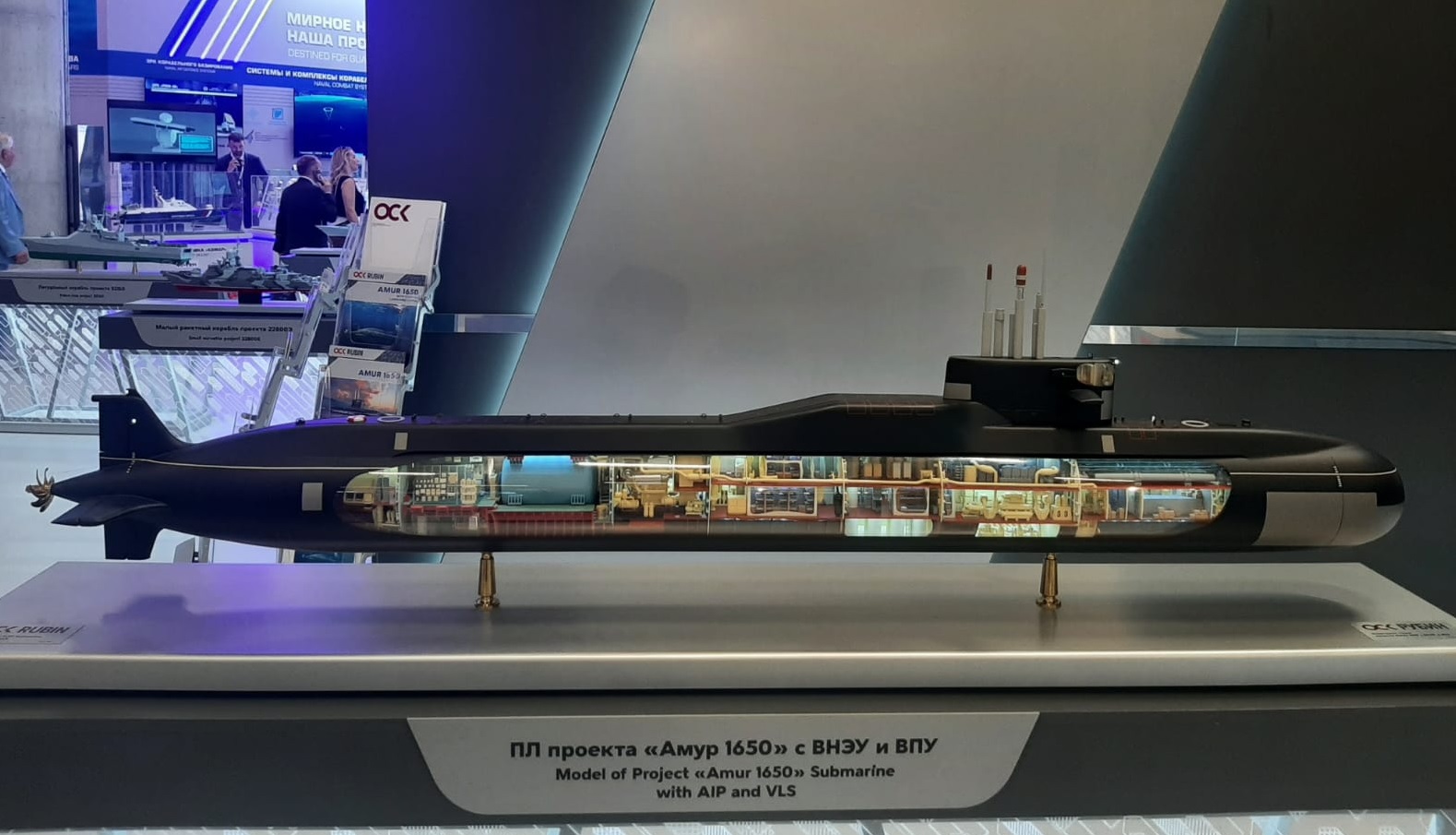 Russia Unveils Amur-1650 AIP Submarine Equipped with BrahMos Vertical Launch System at Fleet-2026
-
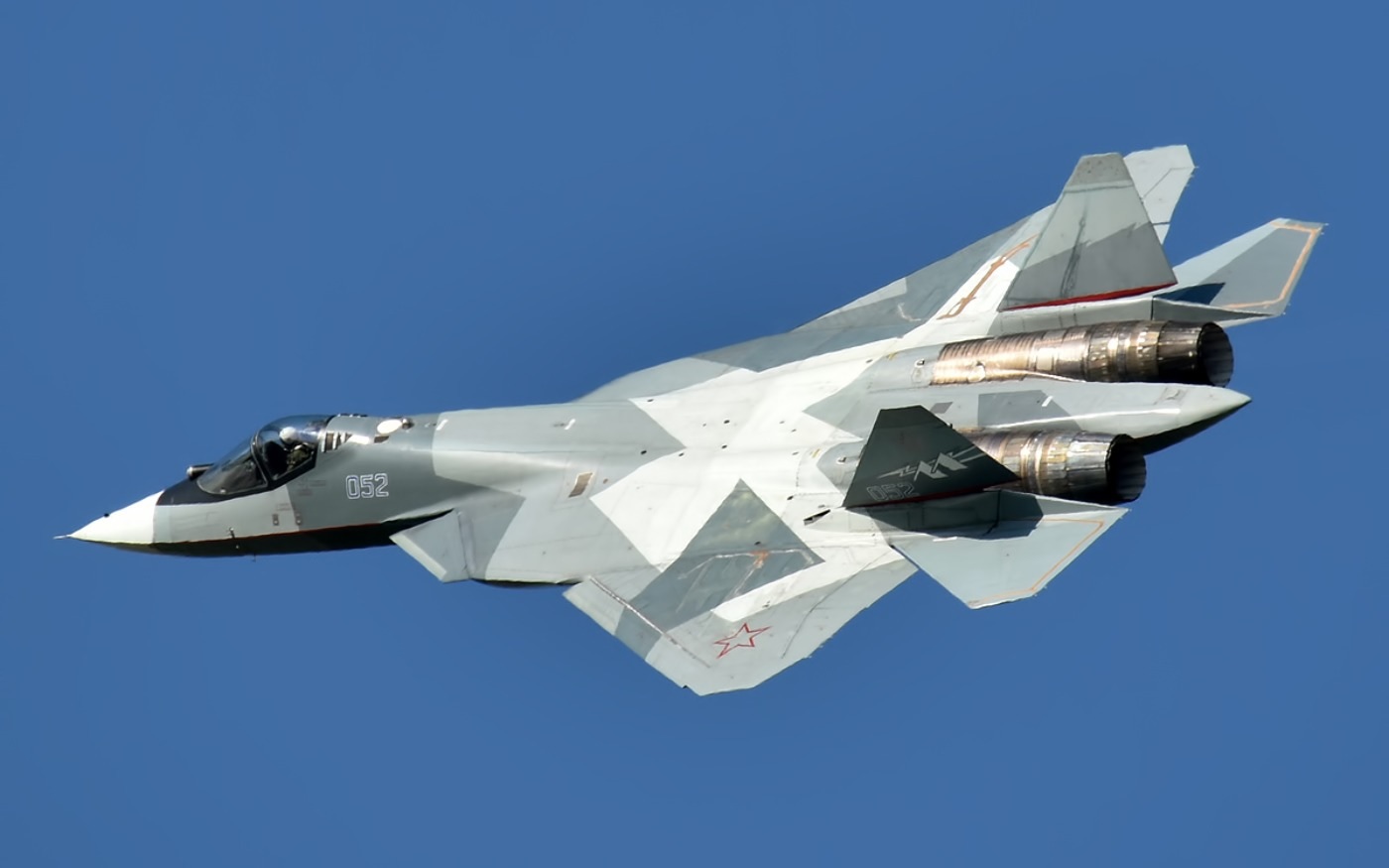 Russian Analysts Debate Su-57 Capabilities After Putin Calls Fighter Superior to F-35
-
 UAE Denies Reports of Releasing Up to $20 Billion in Funds to Iran Amid Regional De-Escalation Efforts
Top Trending in 4 Days
-
 Iranian Media Leaks 14-Point U.S.-Iran Peace Framework Amid Ongoing Negotiations
-
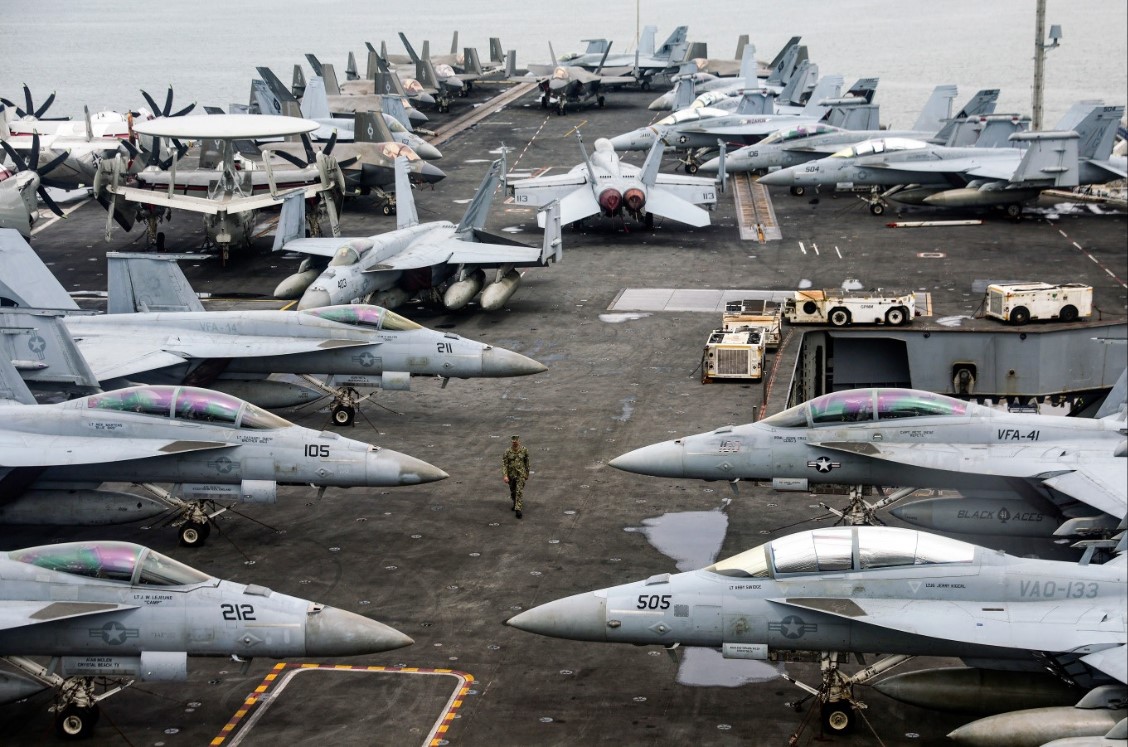 US Plans Significant Reduction of Fighter Jets and Warships for NATO Operations in Europe
-
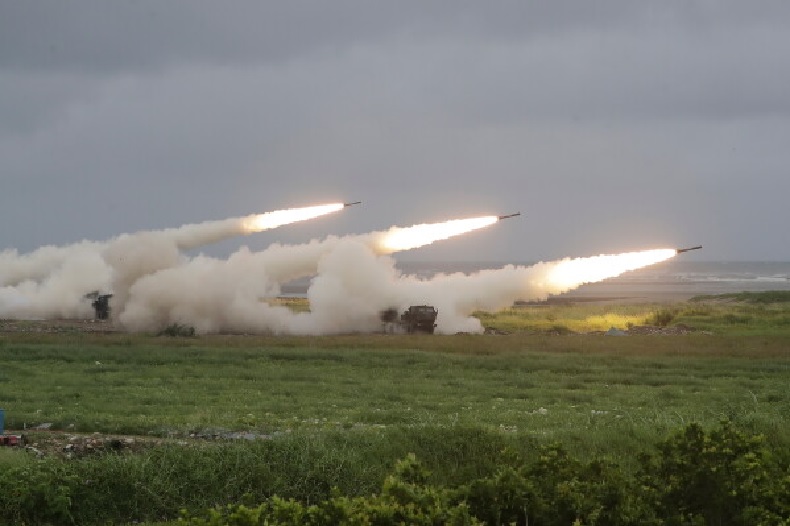 Taiwan Conducts First Live-Fire of HIMARS Rockets From West Coast During Invasion Defense Drill
-
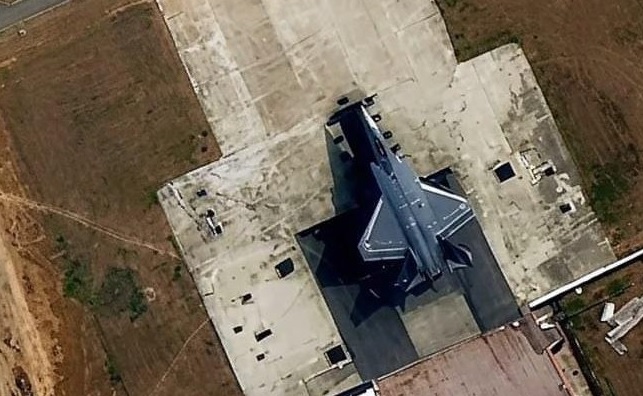 AMCA Airframe Spotted at DRDO’s ORANGE Facility for Radar Cross-Section Testing
-
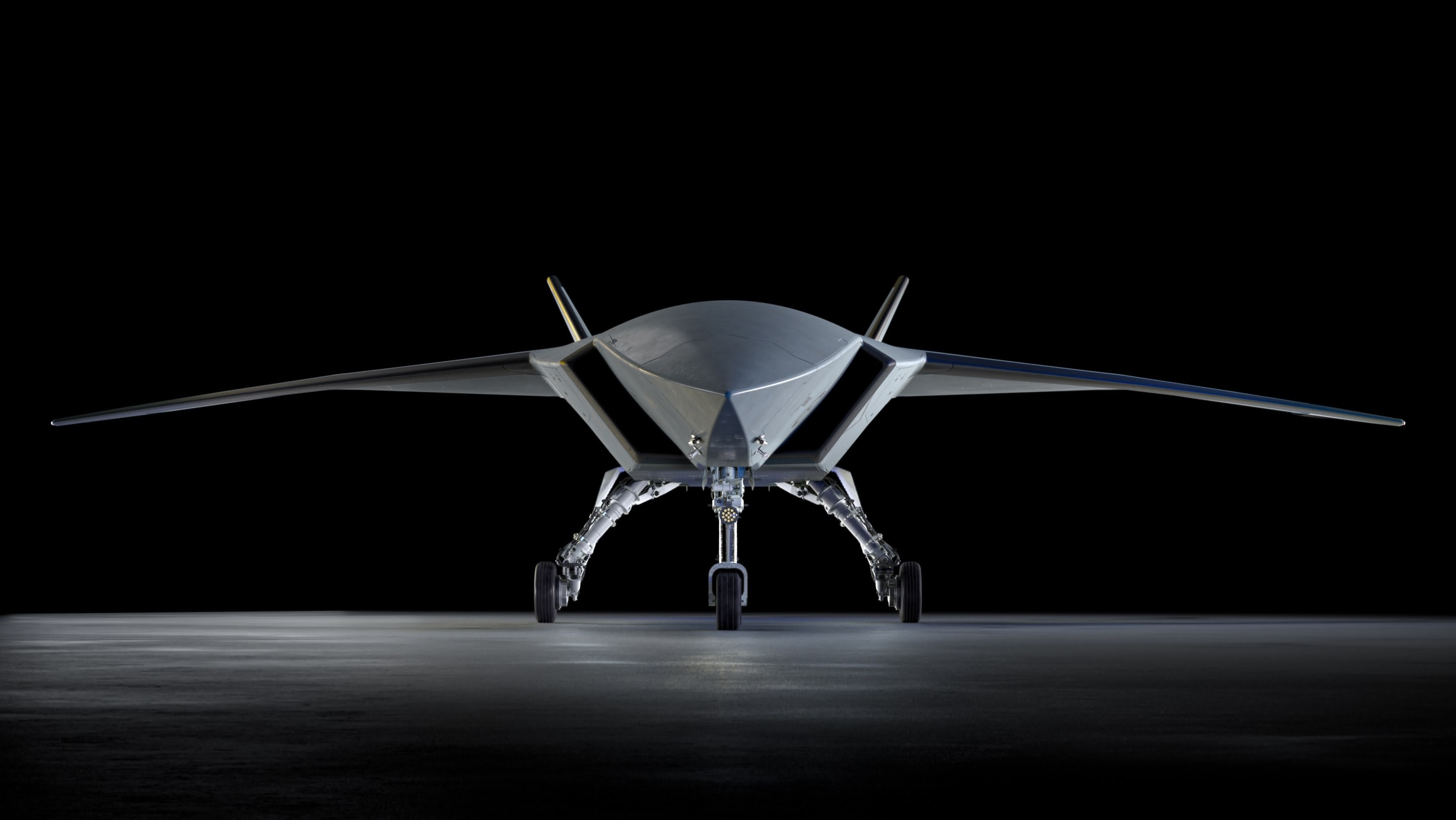 Boeing Introduces New MQ-28 Ghost Bat Upgrades with Increased Range, Payload and Weapons Capacity at ILA Berlin 2026
-
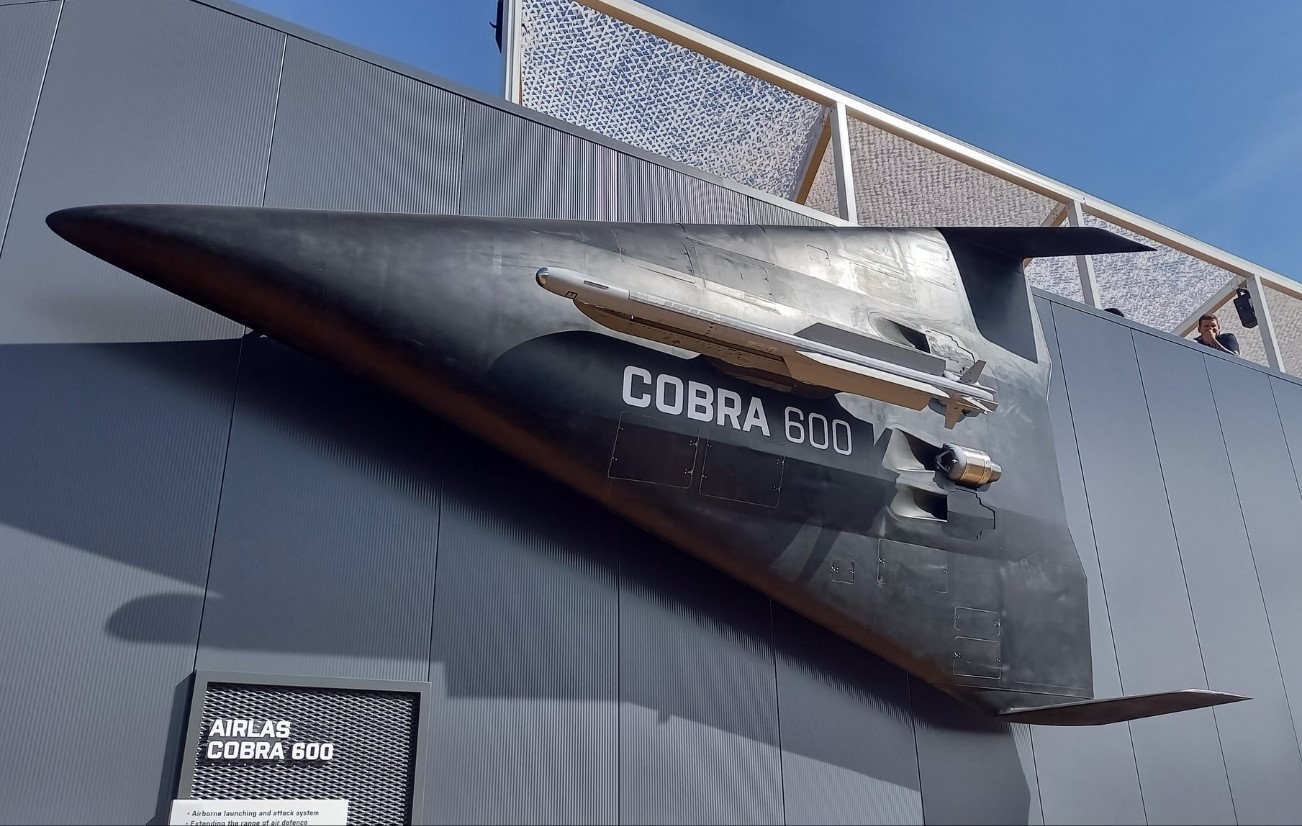 Diehl Defence Unveils IRIS-T Armed Cobra 600 Air Defense Drone at ILA Berlin 2026
-
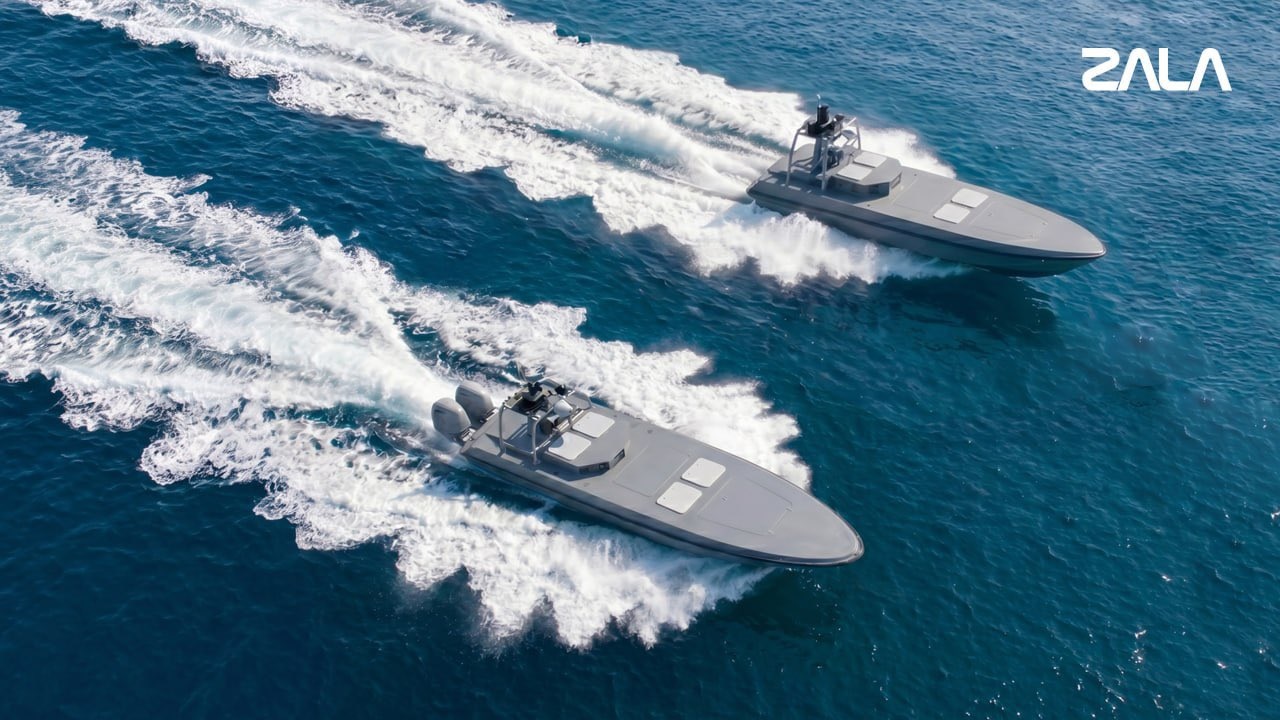 Russian Defense Firm ZALA Unveils KAMA Unmanned Surface Vessel Family at FLOT-2026 Naval Exhibition
-
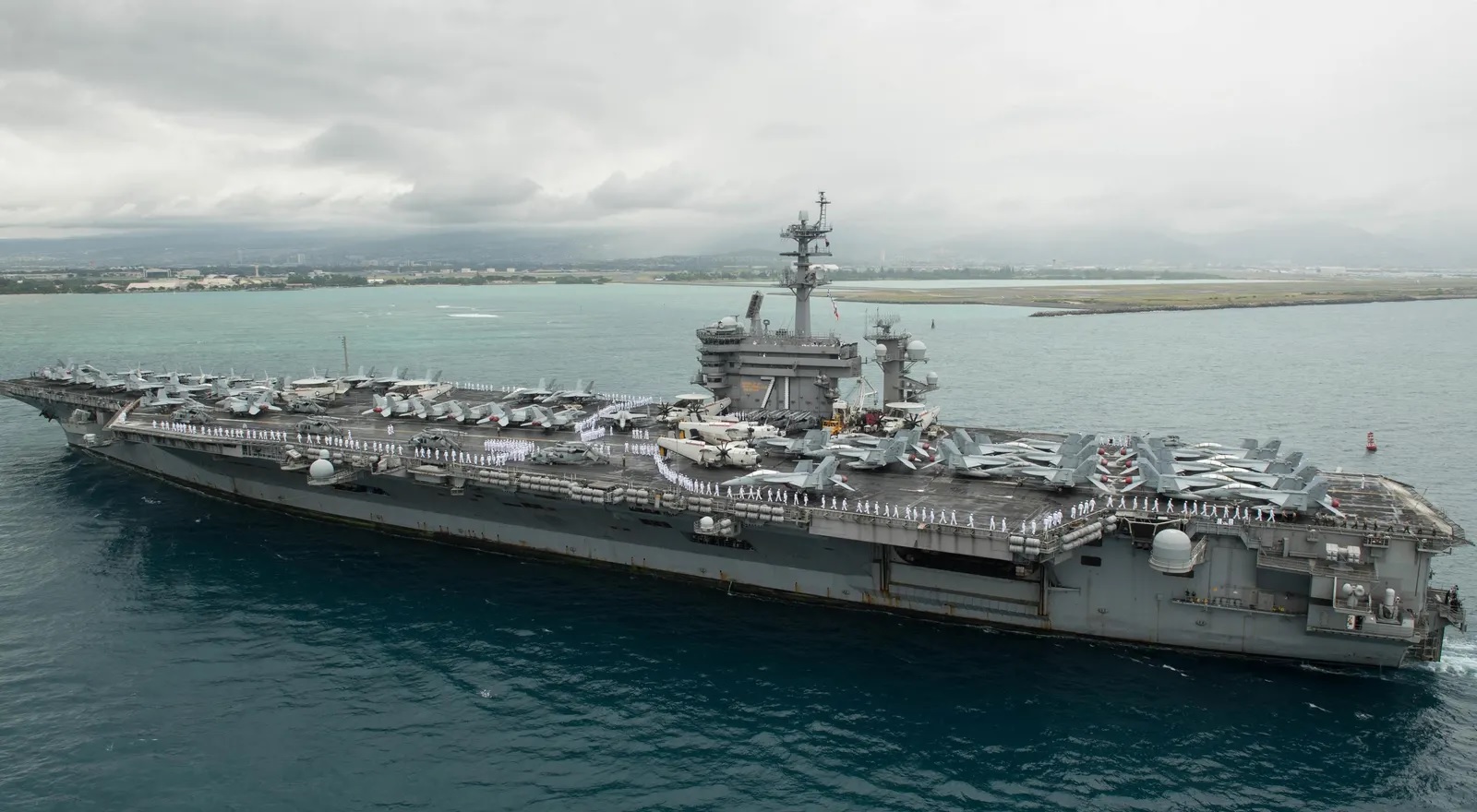 U.S Aircraft Carrier USS Theodore Roosevelt Departs San Diego for Major RIMPAC 2026 Naval Exercise