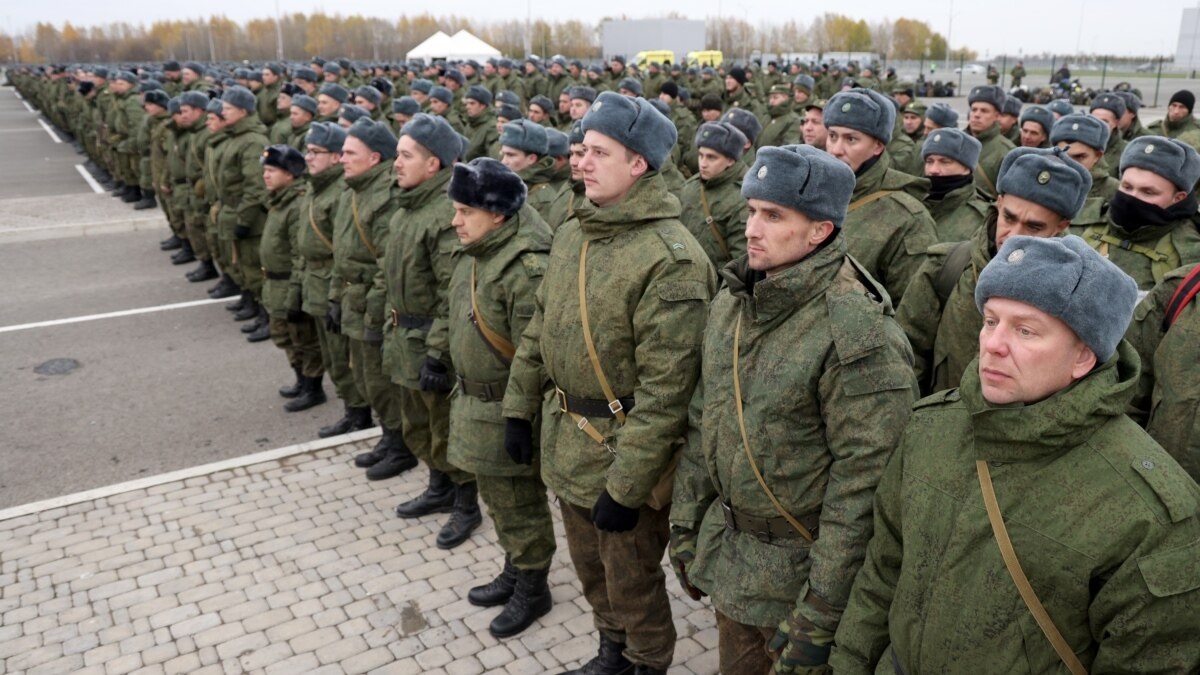
Russian President Vladimir Putin has taken a significant step in escalating his country's military capacity, ordering the Russian armed forces to increase their troop numbers by 180,000, bringing the total to 1.5 million soldiers. This move, announced through a decree set to take effect on December 1, reflects Russia’s intensifying commitment to its ongoing military campaign in Ukraine, which has dragged on for over two and a half years.
Putin’s new decree raises the total number of Russian military personnel to nearly 2.4 million, marking a significant increase in both manpower and military expenditure. Last December, Russia increased its troop count to around 1.32 million soldiers. Now, a year later, the Kremlin has once again escalated its military presence, aiming for a broader force that could support more extended operations. The timing of this decision highlights Moscow's need to replenish its forces as the fighting in Ukraine continues to strain Russia's military resources.
The battlefront in Ukraine has become a relentless war of attrition, with Russian troops focusing their efforts in the eastern regions. Over the past few months, Russia has seen steady, though incremental, territorial gains in this area, but the progress has come at a steep cost. Putin's previous call-up of 300,000 reservists in 2022 filled the gaps left by the heavy casualties sustained in Ukraine. However, this mass mobilization triggered widespread unrest in Russia, as hundreds of thousands of men fled the country to avoid conscription. Since then, the Kremlin has opted to avoid another mass conscription and has instead turned to recruiting volunteer soldiers. These volunteers are lured in by the promise of high wages, helping to sustain the ranks of the fighting force without sparking further public dissent.
At the heart of this latest expansion is Russia’s need to sustain its ongoing “special military operation” in Ukraine, as described by Putin. Currently, nearly 700,000 Russian troops are involved in the conflict, a number that will undoubtedly swell with the new recruits. But even with these reinforcements, Ukraine has made notable advances, particularly in Russia’s border regions. On August 6, Ukrainian forces launched an incursion into Russia’s Kursk region, a move that reportedly capitalized on Russia’s manpower shortages. The lack of adequate troops has been a persistent issue for Moscow, preventing them from repelling these incursions effectively without pulling forces from other critical fronts in eastern Ukraine.
The Kremlin's strategy appears focused on bolstering numbers without repeating the chaos of the 2022 mobilization. By continuing to attract volunteers rather than calling up more reservists, Putin seems to be balancing military needs with the desire to avoid internal unrest. However, the growing demands of the war suggest that such a balancing act may not hold for long. With reports of heavy losses on both sides, the pressure to keep reinforcing the front lines is mounting.
The decree also highlights the growing financial burden of the war on the Russian state. Expanding the military by 180,000 troops will require a significant increase in government funding, which has already been stretched by the prolonged conflict. How Russia intends to finance this expansion remains an open question, though it is clear that the Kremlin views the increase in manpower as a necessary step to maintain its position in the war.
As winter approaches and the fighting in Ukraine shows no signs of slowing down, Putin’s decision underscores the gravity of the situation. The Kremlin appears committed to a long-term conflict, and the addition of new troops could signal an upcoming offensive or simply a bolstering of Russia’s defensive lines against Ukrainian advances. Either way, this military expansion is a clear indication that Russia has no intention of winding down its military campaign in Ukraine anytime soon.
——— End of Article ———