
World
Ukraine's ongoing efforts to strengthen its air defence systems have taken a significant step forward with Defence Minister Rustem Umerov confirming that the country is in discussions to acquire advanced fighter jets, including Sweden's Gripen and Europe's Eurofighter Typhoon. These talks are part of a broader strategy to modernize Ukraine's air force in response to the escalating military threat posed by Russia.In an interview with Ukrainian television, Umerov provided insight into the nation's multi-faceted approach to bolstering its fighter fleet. Ukraine has already secured commitments for the delivery of F-16 fighter jets, a significant milestone in its partnership with Western allies. Additionally, an agreement has been reached to receive Mirage 2000 jets from France, further adding to Ukraine’s expanding air defence capabilities.However, the focus is now shifting to securing even more advanced platforms, such as the Gripen and Eurofighter. The Gripen, a Swedish-made multirole fighter jet, is renowned for its agility and operational versatility. Capable of operating from short, makeshift runways, it could prove essential for Ukraine, especially given the country's wartime conditions and the need for rapid deployment. The Gripen C and D variants can carry a wide range of air-to-air and air-to-ground missiles, which would enhance Ukraine's ability to defend its airspace from Russian threats.The Eurofighter Typhoon, a collaborative effort between the UK, Germany, Italy, and Spain, is also under consideration. It is one of the most advanced fighter jets in the world, with sophisticated radar and avionics systems that provide superior situational awareness. Its twin-engine design offers greater speed and altitude, making it a formidable asset in achieving air superiority, which is precisely what Ukraine seeks in the face of Russia’s significant air force capabilities.Russia, according to Umerov, operates approximately 300 combat aircraft and an additional 300 helicopters, presenting a significant threat to Ukraine’s forces. This year, Ukraine has made air superiority a strategic priority, working tirelessly to expand its fighter fleet and enhance its defence mechanisms. “The process is in motion, but we must accelerate it,” Umerov emphasized, reflecting the urgency with which Kyiv is pursuing these military assets.Umerov also stressed that Ukraine has been clear in its discussions with international partners about the critical need for upgraded and refurbished systems. As the war rages on, the timely delivery of these fighter jets could drastically alter the balance of power in the air, giving Ukraine the edge it needs to fend off Russian advances.While talks regarding the Gripen and Eurofighter are ongoing, Ukraine's defence ministry remains optimistic about securing these aircraft. Once delivered, they will complement the F-16s and Mirages, creating a diverse fleet that could tip the scale in Ukraine's favor. The Gripen’s low maintenance costs and the Eurofighter's superior combat capabilities are viewed as vital components in Ukraine's long-term air defence strategy.These aircraft are more than just machines; they symbolize Ukraine’s deepening ties with its international allies and the collective efforts to counter Russian aggression. With each new delivery, Ukraine not only strengthens its military capability but also signals to the world that it is determined to defend its sovereignty and territorial integrity. In the months ahead, as the talks progress and additional jets are delivered, Ukraine's air force will be better equipped to safeguard its skies, moving closer to the goal of achieving air superiority over Russia. For now, the focus remains on securing these critical assets and accelerating the pace of deliveries to ensure Ukraine can effectively counter any future threats.
Read More → Posted on 2024-09-22 15:51:34
World
In a provocative turn of events, a Dhaka University professor, Shahiduzzaman, has stirred significant debate by advocating for Bangladesh to establish a nuclear defense alliance with Pakistan. His bold suggestion centers on deploying Pakistan’s Ghauri nuclear missiles in Bangladesh’s North Bengal, which he argues would deter any perceived military threats from India. However, this proposal has ignited deep concerns not only within Bangladesh but across the South Asian region, raising questions about both its practicality and its historical context.Professor Shahiduzzaman, known for his pro-Pakistan views, recently made these remarks during a seminar organized by retired military officers. His address suggested that Bangladesh should not only seek to deploy Ghauri missiles but also become "nuclear-capable" with the help of Pakistan. The professor emphasized his belief that India harbors expansionist ambitions, allegedly planning to annex parts of Bangladesh to integrate them into its northeastern states. According to him, a military pact with Pakistan is the only viable countermeasure to secure Bangladesh’s future. This rhetoric aligns with growing anti-India sentiments in some Bangladeshi circles, sentiments that have seemingly grown stronger following the recent political shift after the fall of Sheikh Hasina’s government.Yet, the call for Bangladesh to align itself militarily with Pakistan, a nation that brutally oppressed Bangladesh during the 1971 Liberation War, has sparked widespread backlash. It is important to remember that during that conflict, the Pakistani military systematically carried out atrocities against the Bangladeshi people, resulting in the deaths of hundreds of thousands and the rape of thousands of women. The scars of that brutal war are deep, and many Bangladeshis, particularly from the older generation, still vividly remember the horrors of Pakistan’s actions. The notion that Bangladesh should now look to Pakistan for security assistance, given this bloody history, seems to defy logic for many in the country.Professor Shahiduzzaman’s proposal has also drawn attention due to his alleged ties to the Pakistan-backed Jamaat-e-Islami party, a political group that has long pushed for closer relations with Pakistan. The party itself has been controversial in Bangladesh, with some of its leaders convicted for war crimes committed during the 1971 Liberation War. The fact that such a suggestion is coming from someone associated with this group makes it even more troubling for those who still hold Pakistan accountable for its historical wrongs.Beyond the emotional and historical factors, the idea of Bangladesh becoming nuclear-capable with Pakistan’s help is fraught with geopolitical risks. A move toward nuclear collaboration with Pakistan would likely draw harsh reactions from the international community, particularly from the United States and its allies, who have historically been concerned about nuclear proliferation in South Asia. Bangladesh’s shift in this direction could destabilize the delicate regional balance, inviting further tensions with India, and creating an arms race in the region.The Ghauri missile, a Pakistani-developed medium-range ballistic missile, is capable of delivering a nuclear warhead to targets as far as 1,500 kilometers away. The missile is considered a symbol of Pakistan’s strategic deterrence, primarily aimed at India. The idea of deploying such weapons in Bangladesh—a country that has maintained a non-nuclear stance for years—would dramatically shift the regional power dynamics. Given that Bangladesh currently enjoys warm relations with much of the international community, particularly with India, such a move could isolate the nation diplomatically.While the professor’s remarks reflect growing anti-India sentiment in certain sections of Bangladeshi society, especially among groups critical of India’s regional influence, the idea of entering into a nuclear alliance with Pakistan appears to be both dangerous and irrational. Bangladesh has worked hard over the past five decades to establish itself as a sovereign and independent nation, free from the shadows of its bloody past with Pakistan.Furthermore, the younger generation of Bangladeshis, who did not experience the 1971 war firsthand, seems to have a growing interest in reestablishing ties with Pakistan, often viewing it through the lens of potential economic and political cooperation. However, critics argue that this ignores the historical injustices committed by Pakistan during the Liberation War and downplays the lasting trauma caused by its military atrocities.Professor Shahiduzzaman’s proposal has sparked serious debate about the future direction of Bangladesh’s foreign policy. While some factions may support a more adversarial stance against India, the idea of turning to Pakistan for military and nuclear cooperation seems misguided. Bangladesh's sovereignty and progress should not be compromised by a nostalgic but dangerously unrealistic alliance with a country that once oppressed its people. The idea of welcoming Pakistani missiles into Bangladesh, in light of the historical suffering caused by Pakistan, has drawn condemnation from many who argue that Bangladesh deserves a path of peace, security, and self-reliance, rather than one of militaristic posturing.As the political landscape in Bangladesh continues to evolve, the government will have to carefully consider its foreign policy choices, balancing its relationships with both regional and global powers. But the call for a nuclear alliance with Pakistan, given the country's history and the potential dangers it poses, appears more of a step backward than a leap forward for Bangladesh’s future.
Read More → Posted on 2024-09-22 15:38:51
World
The presence of the US Typhon missile system in the Philippines has become a flashpoint in the growing geopolitical tensions between the United States and China. Initially brought to the northern island of Luzon during joint military exercises between the US and the Philippines in April, the missile system has not been removed, sparking serious concerns in Beijing. This latest move is part of Washington’s broader strategy to deepen defense ties with Asia-Pacific allies like Japan, South Korea, and Australia—actions that Chinese analysts warn could bring a “new cold war” to the region.The Typhon missile system, a mid-range, land-based strike weapon, has the capability to launch cruise missiles and other precision-guided munitions. Positioned on Luzon, the system could potentially target Chinese installations in the South China Sea or be used to bolster US forces in the event of a conflict over Taiwan. This makes the Typhon a significant strategic asset, capable of hitting high-value targets with speed and precision from a considerable distance.Washington has resisted calls from China to withdraw the missile system, signaling its intent to maintain a heightened military presence in the region. Beijing, alarmed by the deployment, has repeatedly emphasized that the presence of such offensive weapons poses a severe threat to regional stability. According to China’s foreign ministry, this move escalates military tensions and risks provoking a confrontation that neither side desires.Though Manila initially suggested the system might be removed as early as September, recent statements by a senior Philippine security official suggest there is no firm timeline for its withdrawal. This ambiguity leaves open the possibility of a prolonged US military presence in the country, adding to Beijing’s worries.Analysts, like Zhu Feng from Nanjing University, argue that this move by the United States is part of a larger strategy to encircle China. Zhu draws comparisons to the Cold War, noting how the US is solidifying alliances in the Asia-Pacific through initiatives like the Quadrilateral Security Dialogue (Quad), which includes Japan, Australia, and India. At a recent summit, Quad leaders reaffirmed their commitment to maintaining a "free and open Indo-Pacific," a phrase that China interprets as a counter to its territorial ambitions.The Typhon system is not just a tactical tool but also a symbol of the US's broader military posture in the region. Its deployment marks the first time a mid-range missile system has been stationed in the Asia-Pacific since the Intermediate-Range Nuclear Forces (INF) Treaty, signed in 1987, prohibited such deployments between the US and the Soviet Union. Although the treaty dissolved in 2019, the current military buildup evokes memories of that era’s arms race.China's military scholars and political analysts are closely watching Washington’s next steps. Shi Yinhong, an international relations expert from Renmin University, highlights that China’s missile defense capabilities still lag behind, making the US Typhon system a genuine concern. Furthermore, the US’s rapid military build-up on Guam and Japan’s potential acquisition of medium- and long-range land-based systems only compounds the strategic challenges China faces in the Pacific.Both Beijing and Washington are keen to avoid direct military conflict, but China’s hopes that the US will withdraw the missile system anytime soon appear unrealistic. In fact, this deployment seems to be part of a broader, long-term strategy by the US to enhance its regional deterrence capabilities.This is not to say that China is without its own options. According to Zhou Bo, a senior fellow at Tsinghua University, China’s mid-range missile capabilities offer some deterrence against US forces. However, with the US strengthening its alliances across the Indo-Pacific, the dynamic between the two countries is shifting rapidly. This will likely add new layers of complexity to the ongoing military dialogues between China and the United States.In parallel, the US is engaging in what some Chinese analysts call "minilateralism"—forming smaller coalitions like the Quad, which further isolate and contain China. At the latest Quad meeting, the four nations pledged to deepen their cooperation, particularly in areas like maritime security. This, along with the growing military footprint in the region, makes the security situation for China increasingly precarious.With the Typhon missile system stationed just across the South China Sea and US-Philippines ties growing stronger, China faces a more tense security environment. The future of these deployments and their broader strategic impact remains uncertain, but for now, the Typhon system stands as a stark reminder of the shifting power dynamics in the Asia-Pacific.
Read More → Posted on 2024-09-22 15:33:26
World
Rheinmetall recently made waves in the defense industry with its demonstration of the Skyranger 35 anti-aircraft system mounted on a Leopard 1 tank chassis. The event, held on September 18th at the Ochsenboden Testing Centre in Studen, Switzerland, brought together military personnel, defense experts, and industry leaders from 26 countries. This marks the first public demonstration of the Skyranger 35 on the Leopard 1 chassis, although the system had previously been shown integrated with a Leopard 2 chassis at the Eurosatory 2024 exhibition in Paris.The Skyranger 35 represents Rheinmetall’s cutting-edge response to modern air defense challenges, positioning itself as a formidable alternative to older systems like the Flakpanzer Gepard. The Gepard, introduced in 1976 and still actively used by Ukraine to counter Russian drones and cruise missiles, lacks the advanced capabilities of the Skyranger 35. One of the standout features of the Skyranger is its ability to fire programmable ammunition, a technology leap that significantly enhances its effectiveness in neutralizing fast and unpredictable aerial threats, including small drones.The heart of the Skyranger 35 system is its 35mm Oerlikon revolver gun. This formidable weapon is capable of firing up to 1,000 rounds per minute, ensuring a rapid and decisive response to aerial incursions. Paired with the Oerlikon AMMR radar system, the Skyranger 35 offers 360-degree surveillance and tracking capabilities, making it highly effective at detecting and engaging a wide array of targets. The radar system is designed with versatility in mind, capable of working in concert with various tracking technologies to provide precise, real-time data in even the most complex combat scenarios.A key feature of this demonstration was the Skyranger's turret, which has been adapted to offer a lower profile and greater functionality when mounted on mobile platforms like the Leopard 1. This integration underscores Rheinmetall’s focus on mobility and adaptability, ensuring that the Skyranger 35 can be deployed on a range of platforms, from tanks to other armored vehicles. The Leopard 1 chassis, in particular, offers a balance of mobility, durability, and adaptability, making it an ideal choice for modernizing air defense systems.While a technical issue prevented a live firing during the initial demonstration on September 18th, Rheinmetall quickly resolved the issue, and the system successfully completed its tests the following day in front of around 60 international delegates. This quick recovery highlighted the robustness and reliability of the Skyranger 35 system, further cementing Rheinmetall's position as a leader in mobile air defense technologies.One of the most significant aspects of this demonstration is the growing international interest in the Skyranger 35, particularly from countries like Ukraine. Reports suggest that Ukraine is expected to receive 10 units as part of an initial program, underlining the system’s strategic importance in modern conflicts. The Skyranger 35's ability to adapt to different chassis configurations offers additional flexibility, allowing it to be integrated into other tank platforms or armored vehicles depending on operational requirements.Rheinmetall’s demonstration of the Skyranger 35 on the Leopard 1 chassis serves as a bold statement of its commitment to advancing mobile air defense. The system’s blend of firepower, advanced tracking, and mobility makes it a highly adaptable solution for the evolving challenges of modern warfare. With increasing demand from international partners, Rheinmetall's Skyranger 35 is poised to become a cornerstone of air defense systems for years to come.
Read More → Posted on 2024-09-22 15:27:05
World
Tensions between Hezbollah and Israel surged dramatically when the Lebanese militant group launched a barrage of missiles at an Israeli military base following a devastating airstrike in Beirut that killed 37 people, including senior Hezbollah figures and civilians. The retaliatory missile attack, aimed at the Ramat David airbase near Haifa, marks a sharp escalation in the ongoing conflict between the two adversaries, rooted in decades of hostility and sporadic violence.The Israeli strike, carried out on a densely populated Beirut neighborhood, targeted a meeting of Hezbollah officials, killing Ibrahim Akil, a top commander in Hezbollah’s elite Radwan Force. Akil had long been a target for Israel and was wanted by the United States for his involvement in significant acts of terrorism, including the infamous 1983 bombing of the U.S. Embassy in Beirut. Ahmed Wahbi, another high-ranking Hezbollah commander, was also killed in the airstrike. This attack is considered one of the deadliest in Beirut since the 2006 Israel-Hezbollah war, leaving not just military personnel but also civilians, including women and children, among the dead.In response, Hezbollah fired "dozens of Fadi 1 and Fadi 2 missiles," newly introduced rockets, towards the Ramat David airbase. Israeli authorities reported intercepting most of the rockets, with local media noting successful interceptions near Haifa and Nazareth. While there were no major casualties reported from the missile barrage, a man in northern Israel was injured by shrapnel from one of the intercepted rockets.This exchange of fire follows a week of rising tensions along the Israel-Lebanon border. Earlier, Hezbollah had vowed to retaliate against a series of explosions that destroyed the group’s communications equipment, killing members and civilians in the process. Israel has been widely blamed for these attacks, though it has neither confirmed nor denied involvement.Friday’s airstrike on Beirut was not just a blow to Hezbollah’s military apparatus but also to its morale, as it dealt a significant loss in the form of Akil’s death. Known for his deep involvement in orchestrating attacks against Israel, Akil’s removal was described by Israeli Defense Minister Yoav Gallant as a strategic victory. Gallant stated that Akil had been responsible for the deaths of Israeli soldiers and civilians over the years and emphasized that this operation was part of a broader campaign to dismantle Hezbollah's leadership.The Israeli government, anticipating Hezbollah's retaliation, had prepared for a surge in rocket attacks by implementing restrictions in northern Israel. This included caps on gatherings in public spaces and enhanced missile defense operations, particularly around cities like Haifa. Meanwhile, Hezbollah's missile attack serves as a stark reminder of the group’s ability to strike deep inside Israel despite Israel’s superior military might.The exchange of strikes between Israel and Hezbollah comes against the backdrop of the larger Israel-Gaza conflict, ignited by Hamas’ surprise attack on southern Israel on October 7. While Hezbollah has largely targeted military sites, its actions have sparked fears of a broader war involving both northern and southern fronts for Israel. Both sides continue to trade fire, with Hezbollah maintaining that it will only halt its attacks if a ceasefire is agreed upon between Israel and Hamas.For now, the conflict shows no signs of abating. Israeli forces remain on high alert along the Lebanese border, ready to respond to further missile attacks. On the other hand, Hezbollah, emboldened by its longstanding opposition to Israel and backed by Iran, has signaled its readiness to continue its fight, with its latest missile strikes underscoring its capability and willingness to engage in sustained military conflict.The coming days will likely witness further escalation unless diplomatic efforts succeed in defusing the situation. However, with deep-seated enmities and the latest bloodshed adding fuel to the fire, a resolution seems distant. Both Israel and Hezbollah are now locked in a dangerous cycle of retaliatory violence, each side warning the other of dire consequences should the conflict continue.This latest chapter in the Israeli-Hezbollah confrontation highlights the fragile nature of security in the region, where any single strike can lead to an outpouring of violence and potential regional destabilization. As long as the underlying tensions between Israel and Hezbollah persist, the possibility of a wider conflict remains alarmingly real.
Read More → Posted on 2024-09-22 15:21:52
World
The Quad alliance—comprising the United States, India, Japan, and Australia—will issue a powerful joint statement during their summit, aiming to address two of the most pressing security concerns in the Indo-Pacific: North Korea's nuclear ambitions and China's assertiveness in the South China Sea. This declaration marks a significant escalation in the language used by the Quad leaders, underscoring their collective stance against rising geopolitical threats. The Quad summit, set to take place in Wilmington, Delaware, brings together U.S. President Joe Biden, Indian Prime Minister Narendra Modi, Japanese Prime Minister Fumio Kishida, and Australian Prime Minister Anthony Albanese. The meeting comes at a time when tensions have been growing in the Indo-Pacific region due to North Korea’s expanding missile programs and China's increasing influence in disputed maritime territories.A senior U.S. official, speaking at an online press briefing, noted that this year’s Quad statement would contain "some of the strongest language" seen to date, specifically addressing concerns about North Korea’s ballistic missile threats and China's activities in the South China Sea. By standing together, the Quad leaders aim to send a clear message about their shared commitment to regional security and stability.The statement is expected to reflect a unified view on these threats, showcasing a convergence of perspectives among the Quad members. Their alignment comes as North Korea continues to defy international sanctions, conducting missile tests that threaten both regional and global peace. Simultaneously, Beijing’s assertive actions in the South China Sea, where it has laid claim to vast swathes of territory, have alarmed several Southeast Asian nations and prompted calls for a stronger international response.Beyond addressing the threats posed by Pyongyang and Beijing, the Quad summit will also highlight key strategic initiatives designed to enhance cooperation among the four nations. One of the most notable announcements will be the launch of the first-ever Quad Coast Guard exercise, intended to strengthen maritime security in the region. The initiative signals the group's intent to ensure a free and open Indo-Pacific, where international law governs maritime disputes, rather than unilateral actions.In addition to the coast guard exercise, the Quad will unveil a logistics network that allows for the sharing of cargo space on military aircraft and vessels. This network is expected to facilitate greater cooperation during humanitarian missions and disaster relief efforts, a reflection of the Quad's growing focus on security beyond military threats.On the domestic front, the Quad alliance is garnering bipartisan support in the United States. The "House and Senate Quad Caucuses" initiative represents a rare instance of bipartisan collaboration, with lawmakers from both parties recognizing the strategic importance of the Quad in addressing not only regional security concerns but also broader economic and political challenges posed by powers like China.During the summit, the leaders will also launch a significant health initiative, the "Quad Cancer Moonshot." This project focuses on combating cervical cancer, a disease that is largely preventable with proper vaccination, screening, and treatment. The Quad countries will collaborate to provide these vital resources, particularly to underserved regions.As the Quad’s influence in the Indo-Pacific continues to grow, this latest summit signals a clear message of unity in the face of rising challenges. By addressing North Korea’s missile threats and China’s assertiveness, the Quad leaders are not just reaffirming their commitment to a stable and secure Indo-Pacific—they are also charting a course for deeper cooperation in the future.This joint statement and the initiatives launched during the summit reflect the Quad’s broader vision for a free, open, and rules-based Indo-Pacific, one that prioritizes international cooperation and respects the sovereignty of all nations. As the leaders conclude their discussions in Wilmington, the world will be watching closely to see how this alliance navigates the increasingly complex security landscape of the region.
Read More → Posted on 2024-09-22 15:12:58
World
Northrop Grumman is ramping up efforts to bring the B-21 Raider, the U.S. Air Force's next-generation stealth bomber, closer to operational readiness. Since its public debut in December 2022, the B-21 has entered an intense phase of testing, including both ground and flight trials. With this development, Northrop is steadily advancing its goal of delivering a formidable long-range bomber capable of navigating modern warfare's most challenging environments.Advancing B-21 Raider TestingNorthrop Grumman has made rapid progress on the B-21 Raider program, highlighting how far the aircraft has come since its unveiling. The company now regularly conducts up to two flight tests per week, showcasing the aircraft's design, durability, and capabilities. These tests are critical as the B-21 Raider moves closer to becoming the U.S. Air Force's go-to strategic bomber, replacing older platforms such as the B-1 Lancer and B-2 Spirit.Currently, three B-21 Raiders exist in different configurations, with two dedicated to ground testing and one focused on flight trials. One key milestone in ground testing occurred when the B-21 completed a static test, which verified the aircraft's structural integrity. This is an essential step, ensuring that the plane's design can handle the pressures of real-world operations.In parallel, the Raider assigned to flight testing has undergone fatigue testing. This process simulates the stresses and strains that the aircraft would experience during prolonged missions, ensuring its resilience over time. Northrop Grumman’s focus on fatigue testing is particularly important, as the B-21 is designed to serve as a workhorse for the Air Force, capable of flying frequent and extended missions.Pushing Boundaries with Sixth-Generation TechnologyThe B-21 Raider is hailed as the world’s first sixth-generation aircraft, setting a new standard in military aviation. This generation represents a leap beyond the fifth-generation jets like the F-35 Lightning II and China’s J-31, pushing the boundaries of stealth, survivability, and mission versatility.The B-21’s stealth capabilities are among its most impressive features. Using advanced technology, the bomber is designed to significantly reduce its radar signature, making it much harder for enemy air defenses to detect and track. This stealth is essential in modern combat scenarios, where sophisticated radar systems are continually evolving. Northrop Grumman has integrated next-level design elements to ensure the B-21 can evade even the most advanced detection systems.Beyond its stealth, the B-21 is built to carry both conventional and nuclear payloads, giving the U.S. military a flexible tool for both strategic deterrence and tactical missions. The aircraft is designed to penetrate deep into enemy territory, delivering precision strikes on high-value targets while remaining virtually undetected. This dual capability makes it a cornerstone of America’s future aerial warfare strategy.A Key Asset for Future Air DominanceThe U.S. Air Force has set its sights on procuring at least 100 B-21 Raiders to replace its aging fleet of B-1 and B-2 bombers. This ambitious plan signals the Air Force’s confidence in the B-21 as the future of strategic bombing. The bomber’s versatility, survivability, and range will allow it to serve as a critical component of the U.S. military's global power projection capabilities.Northrop Grumman’s president, Tom Jones, highlighted the steady progress of the B-21 program, stating, “We’re really starting to strike up quite a cadence.” Jones emphasized that the aircraft is shaping up to be a “daily flier” for U.S. warfighters, reinforcing the importance of reliability and frequency of use in modern combat operations.Much of the B-21’s success can be attributed to the digital ecosystem and high-fidelity modeling techniques used in its development. Northrop Grumman has leaned heavily on advanced simulations and digital designs, allowing engineers to fine-tune the aircraft's capabilities before physical testing even begins. This approach has accelerated the development timeline, ensuring that the B-21 will be ready for full-scale production and deployment sooner than originally anticipated.Looking Ahead: The Future of the B-21 ProgramAs testing and production accelerate, the B-21 Raider remains on track to become a vital asset in the U.S. Air Force’s fleet. With its groundbreaking technology and stealth features, the B-21 represents a significant shift in how the U.S. will approach both strategic deterrence and tactical air dominance in the coming decades.Northrop Grumman’s ongoing efforts to fine-tune the Raider through rigorous testing and iterative production have laid the groundwork for the aircraft’s future success. With each milestone, the B-21 moves one step closer to joining the U.S. Air Force’s arsenal, ensuring that the U.S. remains at the cutting edge of aerial warfare for years to come.The B-21 Raider program is rapidly progressing from concept to reality, bringing the U.S. military closer to fielding the world’s first sixth-generation bomber. With its advanced stealth technology, mission versatility, and digital-driven development, the B-21 is poised to shape the future of air combat. Northrop Grumman’s ongoing testing and production efforts signal a commitment to delivering a state-of-the-art aircraft that will provide the U.S. Air Force with the tools it needs to maintain air superiority in a rapidly evolving global landscape.
Read More → Posted on 2024-09-20 15:54:22
World
In a surprising turn of events, reports have emerged that modified Tesla Cybertrucks are being used by Russian forces in the ongoing conflict in Ukraine. The claim comes from Chechen President Ramzan Kadyrov, a key Kremlin ally, who stated that two Tesla Cybertrucks, armed with machine guns, are currently in operation in Ukraine. This news has sparked both curiosity and controversy, as the futuristic electric vehicles were never intended for military use, raising questions about their modification and functionality in a war zone.Kadyrov’s Role and the Cybertrucks' ArrivalKadyrov has been a vocal supporter of Russia’s so-called "special military operation" in Ukraine, and his involvement in the conflict has been both symbolic and strategic. In a recent statement, Kadyrov boasted of providing the two Cybertrucks to Russian troops, specifically those fighting in occupied Ukrainian territory. According to him, these trucks were not just ordinary electric vehicles but had been heavily modified to suit the needs of combat, including the addition of machine gun turrets. He claimed that “mobility, convenience, and maneuverability” made the Cybertrucks particularly effective in the field. In an August video, Kadyrov demonstrated one of these modified trucks by driving it around his palace grounds, showcasing its capabilities with a mounted weapon, further fueling speculation about their actual use on the battlefield.How Are These Cybertrucks Being Used?While the details of how extensively these Cybertrucks are used in combat remain unclear, Kadyrov asserted that they have been sent to the frontlines in Donbas, a region of intense fighting between Ukrainian and Russian forces. He praised the trucks' performance, even going so far as to say that "Western technology" was proving itself useful against Western-backed Ukrainian forces, whom he labeled “Ukronazis,” echoing Russian state propaganda.What makes the claim intriguing is the fact that these Cybertrucks are all-electric vehicles. Kadyrov emphasized that the vehicles have not faced issues related to remote deactivation or operational failures, which could imply that concerns over Tesla’s potential control of the trucks’ software have been addressed. The statement highlights the potential for electric vehicles in unconventional roles, though it’s unclear how they are being charged in a war zone with limited infrastructure.Tesla’s SilenceInterestingly, Tesla has not made any public comment about Kadyrov’s claims or the reported military use of its Cybertrucks. Elon Musk, Tesla’s founder, has previously made headlines regarding his involvement in the war through the provision of Starlink internet services to Ukraine. However, the Cybertrucks being used by Russian forces complicates the picture. It remains unknown whether Tesla sold these trucks directly to any Russian intermediaries or if they were acquired and modified through unofficial channels.Given Tesla's emphasis on sustainability and the non-military focus of its products, the company’s stance on the use of its vehicles in a conflict like this could provoke significant discussion. So far, there has been no indication that Tesla or Musk sanctioned the Cybertrucks' use in the war, and it's possible the trucks were modified without the company’s involvement.Modified for Combat: How Effective Are Cybertrucks in War?The Tesla Cybertruck, originally designed as a futuristic, all-electric vehicle for consumer markets, was not built with warfare in mind. However, Kadyrov’s claims suggest that with modifications, the vehicle has been adapted to fit the needs of a modern battlefield. Mounting machine guns and possibly altering the vehicle’s software and defensive capabilities would be necessary steps to transform a consumer vehicle into a combat-ready asset.The Cybertruck’s durability and design could theoretically make it suitable for certain military applications. The vehicle’s stainless-steel exoskeleton is highly durable and resistant to damage, while its all-electric powertrain allows for quiet operation, potentially offering advantages in stealth and mobility. However, many challenges remain namely, how these electric vehicles are charged and maintained in harsh, remote environments like those in eastern Ukraine.Without official confirmation, it is difficult to know exactly how much of Kadyrov’s claims hold true. The deployment of electric vehicles in combat is still largely experimental, and the specific conditions of their use, particularly in a conflict as complex as Russia’s invasion of Ukraine, add layers of uncertainty.The Broader ImplicationsKadyrov's move to arm Russian forces with Cybertrucks highlights an interesting intersection of consumer technology and modern warfare. While the use of electric vehicles in combat is not widespread, Kadyrov’s statements point to the increasing integration of non-military technologies in conflict zones. As war continues to evolve with new technological innovations, we could see more unexpected uses of civilian products in military contexts.For now, the reported use of Cybertrucks remains a unique and largely symbolic gesture on Kadyrov’s part. How effective these vehicles will be in real combat remains to be seen, but their presence on the frontlines serves as a reminder of how modern technology can be adapted even in unexpected and controversial ways for military purposes.The sight of Cybertrucks in a conflict zone adds another dimension to the ongoing war in Ukraine, blending the lines between civilian innovation and military hardware. As Kadyrov continues to promote the use of these electric vehicles, the world watches to see how and if they will truly contribute to Russia’s war efforts. Meanwhile, Tesla’s silence on the matter raises questions about the unintended consequences of its cutting-edge technology being repurposed for warfare.
Read More → Posted on 2024-09-20 15:50:02
World
In a move signaling the future of naval defense, Rheinmetall and MBDA Germany have signed a cooperation agreement to develop a state-of-the-art laser weapon system designed for maritime applications. With both companies bringing their expertise in defense and laser technologies to the table, the collaboration aims to produce a functional laser weapon within the next five to six years, specifically focusing on countering emerging drone threats at sea.A Joint Vision for Maritime Laser DefenseThe defense sector has been increasingly looking to laser technology as a solution to modern combat challenges, especially as the use of drones in military operations continues to rise. Unmanned aerial systems (UAS), particularly in naval environments, pose unique threats due to their small size, maneuverability, and the difficulty of targeting them with traditional weapons. Rheinmetall and MBDA Germany recognize these challenges and believe that laser-based solutions offer an innovative and efficient way to neutralize such threats.The partnership combines the complementary strengths of both companies. Rheinmetall is renowned for its work in high-energy laser systems, while MBDA Germany brings its expertise in missile systems and integrated defense solutions. Together, they plan to create a powerful and effective maritime laser weapon capable of protecting ships from drone attacks. This collaboration reflects a broader trend in military technology, where defense contractors are increasingly turning to directed-energy weapons to address modern threats.Successful Testing on the German Frigate SachsenThis partnership builds upon earlier successful trials of a laser weapon demonstrator, which was tested aboard the German Navy’s frigate Sachsen (F124) from June 2022 to September 2023. During this extensive trial period, the laser weapon system underwent over 100 test shots, showcasing its ability to detect, track, and engage targets in real-world conditions. The test results were impressive, demonstrating that laser technology is not only feasible but highly effective in maritime settings.The successful deployment of the laser weapon on the Sachsen frigate underscores the growing interest in integrating such systems into naval platforms. Lasers provide a fast, precise, and cost-effective way to counter multiple threats, including drones, missiles, and potentially even swarm attacks. Unlike traditional munitions, laser systems don’t require ammunition resupply and have minimal collateral damage, making them a practical solution for prolonged engagements.Why Laser Weapons Are the Future of Naval DefenseLaser weapon systems offer several advantages over conventional weapons. First and foremost, they are capable of engaging targets at the speed of light, which is crucial when dealing with fast-moving drones or missiles. Secondly, they provide a virtually unlimited number of shots as long as the platform has sufficient energy, significantly reducing the logistical burden of carrying and resupplying ammunition.Additionally, laser systems are highly scalable, meaning they can be adjusted to deliver varying levels of power depending on the target. This makes them versatile tools capable of handling a wide range of threats, from disabling small drones to destroying larger aerial or surface threats. For maritime environments, where threats can emerge quickly and unpredictably, this flexibility is invaluable.The integration of laser weapons on ships like the Sachsen represents a shift toward more advanced, energy-efficient defense technologies that align with the modern demands of naval warfare. With drones becoming more prevalent in both commercial and military spheres, the ability to quickly and efficiently neutralize them is critical. Rheinmetall and MBDA Germany’s joint laser weapon system aims to provide this capability, ensuring that naval vessels are prepared for future threats.The Road Ahead: Market Entry in 5–6 YearsWhile the current laser demonstrator has proven its capabilities, Rheinmetall and MBDA Germany are now focused on bringing a fully operational system to the market. According to the companies, they plan to introduce their laser weapon system within the next five to six years, with the initial focus on maritime applications. The timeline reflects the necessary research and development required to refine the system, integrate it fully into naval platforms, and ensure it meets military standards.Both companies are optimistic about the potential of their laser weapon system to revolutionize naval defense. As technology continues to evolve, laser weapons are expected to play an increasingly important role in protecting ships from airborne and surface threats, especially in scenarios where traditional weapons may struggle to keep up with modern advancements in drone technology.In conclusion, Rheinmetall and MBDA Germany’s partnership represents a significant step forward in the development of laser weapons for maritime defense. By combining their respective expertise, the two companies are positioning themselves at the forefront of directed-energy weapon technology. Their joint effort is not only focused on countering drones but also on creating a versatile, scalable system that will enhance the defensive capabilities of naval forces for years to come. As these technologies mature, we can expect to see laser weapons becoming a key component of future naval arsenals.
Read More → Posted on 2024-09-20 15:45:23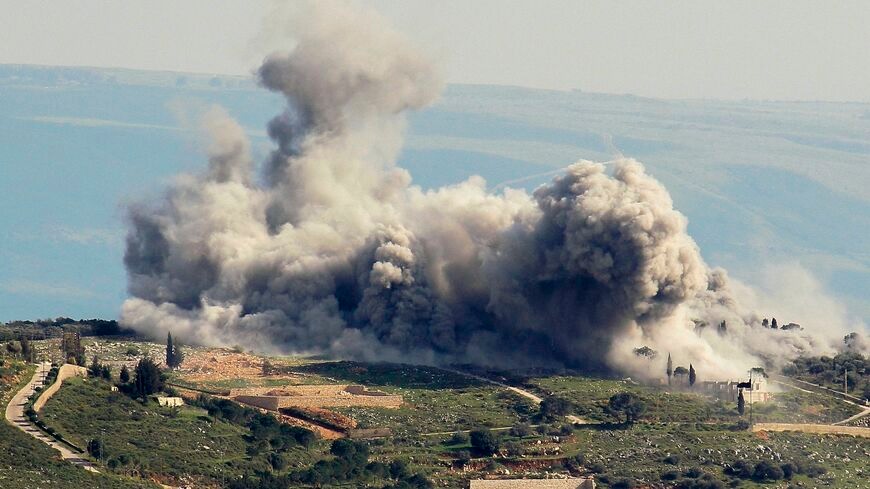
World
Tensions along the Israel-Lebanon border have surged to new heights as Israel carried out a targeted airstrike on Beirut, following a massive rocket barrage from Hezbollah. The militant group launched 140 rockets at northern Israel, marking one of the most intense escalations in the ongoing conflict. This latest flare-up is part of the broader fallout from the Israel-Hamas war, which has continued to ripple across the region.The Israeli military confirmed it conducted a "targeted strike" on a suburb in Beirut, reportedly hitting the Dahiyeh area, a Hezbollah stronghold. Although the military provided few details, explosions were heard echoing through the southern parts of the city. Beirut-based Al-Mayadeen TV reported that a drone fired several missiles at the densely populated suburb. A Hezbollah official, who spoke anonymously to the Associated Press, confirmed the airstrike but offered no further information.This retaliatory action by Israel followed a Hezbollah offensive that saw 140 rockets launched into northern Israel, particularly targeting areas like the Golan Heights, Safed, and the Upper Galilee. The Israeli military described the attack as occurring in three waves, with at least 120 of the rockets being aimed at sensitive military sites along the Israeli-Lebanese border. Most of the rockets were intercepted, though some debris caused fires and minor damage in certain areas. Fortunately, no casualties were reported.Hezbollah stated that the rocket fire was in retaliation for Israeli airstrikes on southern Lebanese villages and residential areas. These Israeli strikes, which had taken place earlier in the week, reportedly destroyed numerous rocket launchers Hezbollah was preparing to use against Israel. The escalation in Hezbollah's rocket attacks underscores their leader Hassan Nasrallah’s vow of continuous retaliation against Israel's military operations in Lebanon.Israel’s response was swift, with airstrikes targeting Hezbollah's infrastructure across southern Lebanon, though specific details of the damage were not immediately disclosed. The ongoing exchange of fire has heightened fears that the conflict could spiral into a full-scale war. Already, Israel has moved significant military reinforcements to the northern border and ordered citizens in certain areas to remain close to shelters, anticipating further rocket fire from Hezbollah.In addition to the cross-border fighting with Hezbollah, the humanitarian toll in Gaza continues to grow. Israel’s military campaign, which began after Hamas’ attack on October 7, has resulted in thousands of deaths and widespread destruction. Gaza’s health ministry reports that over 41,000 Palestinians have been killed, with more than half of the casualties being women and children. Israel, meanwhile, claims to have killed more than 17,000 militants but provides no specific evidence to support these numbers. The devastation has displaced about 90% of Gaza’s 2.3 million residents, adding to the severity of the ongoing crisis.This latest military exchange between Hezbollah and Israel further complicates an already volatile situation, as both sides appear committed to escalating their actions in the coming days. Israel has continued its military build-up along the northern border, and Hezbollah, despite suffering a recent sabotage attack on its communication devices, seems determined to strike Israel harder.The situation remains fluid, with little indication that either side is ready to back down. As the conflict widens, both Israel and Hezbollah brace for more retaliatory strikes, raising concerns of an impending full-scale war in the region.
Read More → Posted on 2024-09-20 15:41:41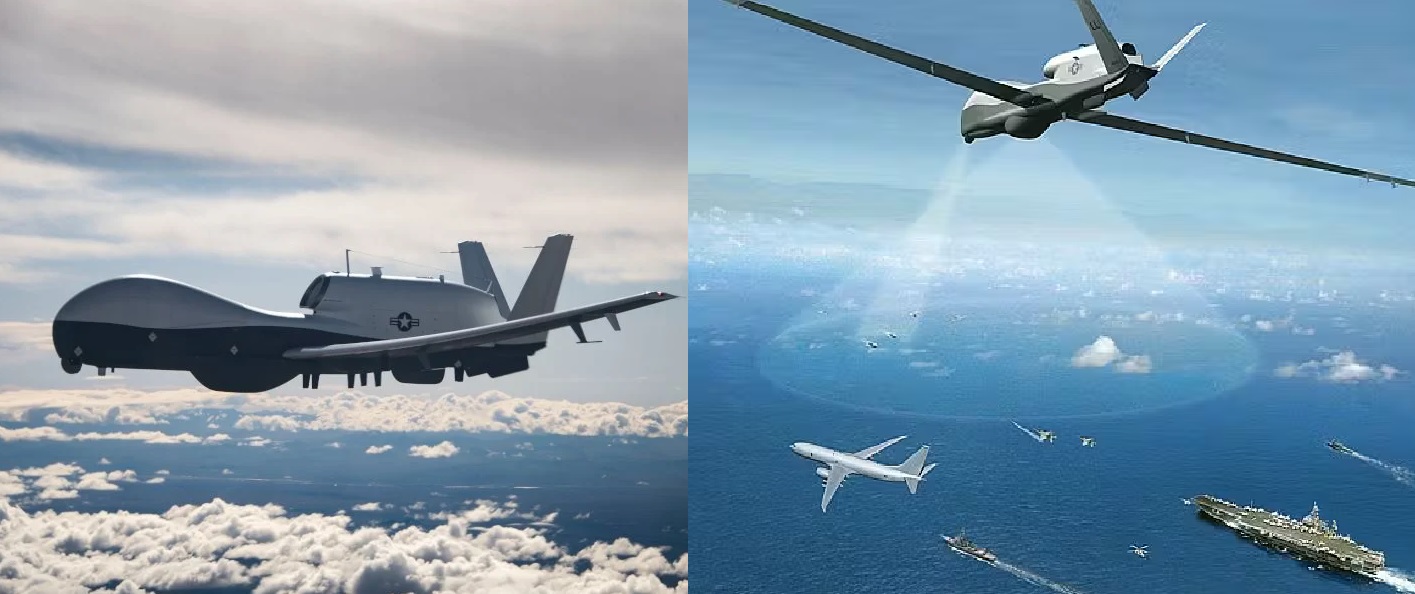
World
Northrop Grumman has successfully proven the capabilities of its MQ-4C Triton unmanned aircraft system by navigating the challenging and extreme conditions of the Arctic Ocean. This recent flight demonstration showed how the Triton’s advanced navigation system, designed to function in high-latitude and austere environments, could operate deep within the Arctic Circle. The test, which underscores Triton’s role as a critical intelligence, surveillance, reconnaissance, and targeting platform, highlights its unique ability to perform high-altitude, long-endurance missions in one of the most demanding regions of the world.The test flight originated in Deadhorse, Alaska, and pushed nearly 100 miles from the North Pole, a distance that presents unique challenges for any aircraft. The MQ-4C Triton relied on Northrop Grumman's proprietary navigation systems and mission management computer, along with newly upgraded operational flight software. It was able to maintain precision navigation throughout the five-hour flight, gathering critical data while staying entirely within U.S. and Canadian airspace.One of the key aspects of this flight was the validation of ground-based GPS alignment procedures. This feature allows Triton to operate from runways located above 70 degrees north latitude, making it a reliable asset for missions in the High North. This capability is especially significant for future operations as Arctic regions become more strategically important for both national security and international interests.Triton’s design makes it an optimal choice for Arctic operations. As a high-altitude, long-endurance aircraft, it flies at altitudes above 50,000 feet, well above the turbulent winds and icy conditions that affect aircraft operating at lower altitudes. Triton’s operational flexibility allows it to avoid the performance limitations faced by medium-altitude platforms, which generally operate between 10,000 and 30,000 feet. Triton’s endurance, which exceeds 24 hours in a single mission, further sets it apart, making it ideal for extended operations in regions like the Arctic.The MQ-4C Triton is outfitted with multiple sensors that allow for a wide range of mission capabilities, from maritime patrol to signals intelligence, and even search and rescue operations. These sensors, capable of operating simultaneously, provide a wealth of real-time intelligence, giving Triton the ability to exponentially increase mission output compared to other aircraft. Moreover, the system is equipped with advanced de-icing and anti-icing technology, ensuring it can safely conduct missions in extreme weather conditions, a necessity when flying in the cold, harsh Arctic environment.In the words of Jane Bishop, Vice President and General Manager of Northrop Grumman’s Global Surveillance Division, "Flight operations in austere and frigid conditions present unique navigation challenges. Our demonstration highlights Triton’s ability to successfully perform in that challenging environment."U.S. Navy Capt. Josh Guerre, Triton program manager, echoed this sentiment: “Arctic regions are an increasingly important theater of operations with unique threats and environments. We are ready to support those mission sets for domestic and international customers.”This Arctic test flight comes on the heels of a similar demonstration conducted over the Gulf of Alaska in June 2023 during the Northern Edge exercise. There, Triton showcased its powerful radar capabilities, accurately detecting and tracking targets in challenging high-sea conditions with impressive weapon-relevant precision. These ongoing demonstrations serve to highlight Triton’s adaptability and reliability, further cementing its position as a critical asset for maritime surveillance.While the U.S. Navy has been the primary user of the Triton, the aircraft is also being built for the Royal Australian Air Force, and other allies are taking note of its capabilities. With the growing importance of Arctic and maritime domains, nations may consider acquiring uncrewed surveillance aircraft like the Triton, which has proven itself capable of operating in these regions’ most extreme and unpredictable environments.Beyond its high-altitude operation and long-endurance, the Triton is designed to work in some of the harshest climates on the planet. Its ability to avoid performance restrictions that typically hamper lower-altitude aircraft in the Arctic is key, and its advanced anti-icing systems ensure that it remains mission-ready, even in extreme conditions.The successful Arctic demonstration reinforces the MQ-4C Triton’s role as a pioneering unmanned surveillance system, uniquely suited to tackle the demands of an evolving global security landscape, particularly in the increasingly critical Arctic theater.
Read More → Posted on 2024-09-20 15:38:39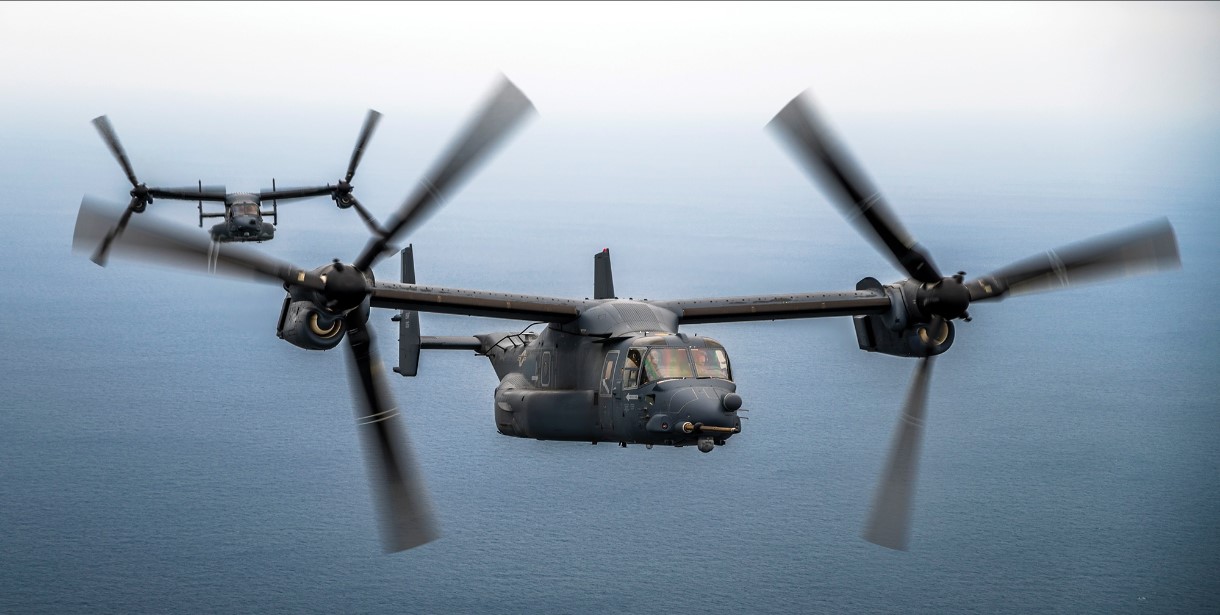
World
After months of grounding, the Air Force Special Operations Command (AFSOC) is preparing to deploy its CV-22 Osprey aircraft again. This decision follows the tragic crash in November 2023 off the coast of Japan, which killed eight airmen. Despite its troubled safety record, AFSOC is moving forward with missions, placing the CV-22s back into service for critical counterterrorism operations.The CV-22 Osprey, a tilt-rotor aircraft that can take off like a helicopter and fly like an airplane, has been integral to U.S. military missions. However, it has been plagued by mechanical issues and accidents over the years. Since its introduction in 1991, the Osprey has experienced more than ten deadly crashes, resulting in the loss of 62 lives. Recent incidents, including the fatal November 2023 crash, have led to increased scrutiny of the aircraft's safety.AFSOC grounded the entire fleet of CV-22 Ospreys following the Japan crash, citing the need to investigate the cause and ensure the safety of its personnel. An investigation determined that gear failure was responsible for the accident. Lt. Gen. Michael Conley, the AFSOC commander, assured that safety concerns have been addressed and that he is confident in the aircraft’s performance.Speaking at the Air, Space & Cyber Conference, Conley confirmed that approximately 60% of the command's 51 Ospreys are now fully operational. The remaining aircraft are expected to return to service by late 2024 or early 2025. Despite ongoing maintenance, AFSOC is preparing to deploy the Ospreys for missions in remote regions outside of Europe and the Indo-Pacific. While the specific locations were not disclosed, these deployments are part of critical counterterrorism operations that rely heavily on the Osprey’s unique capabilities.However, new safety protocols will be implemented to minimize risk. The CV-22s will need to remain within 30 minutes of a safe landing zone, allowing crews to land quickly in case of mechanical issues. This precaution is aimed at preventing future incidents and ensuring the safety of AFSOC personnel in high-risk environments.Despite its operational challenges, the CV-22 remains an essential asset for the U.S. military, offering unparalleled versatility in combat and rescue missions. The aircraft’s ability to transition from vertical takeoff to fixed-wing flight allows it to reach areas that traditional helicopters or airplanes cannot. Its tilt-rotor design, while complex, gives it an edge in missions that require both speed and agility.Nonetheless, the Osprey’s history of accidents has raised concerns. Just months before the November crash, three U.S. Marines died when their Osprey went down during a training exercise in Australia. A similar incident in Norway during a NATO drill in 2022 claimed the lives of four Marines, and another crash in California that same year resulted in five fatalities.Lt. Gen. Conley acknowledged the weight of these losses, sharing that his time with the families of those killed had deeply affected him. He emphasized his responsibility to ensure that AFSOC’s airmen are operating the safest aircraft possible, stating, "I wouldn’t put the men and women of AFSOC back on the plane if I wasn’t confident that it could do what we needed it to do."With ongoing maintenance and safety upgrades, AFSOC is cautiously moving forward. The Osprey will soon be back in the skies, supporting critical missions that only this versatile aircraft can handle.
Read More → Posted on 2024-09-20 15:28:08
World
The US Navy recently revealed its ambitious new strategy, known as *Project 33*, designed to prepare American naval forces for a potential conflict with China by 2027. This forward-looking initiative is a critical part of the Navy's 2024 Navigation Plan (NAVPLAN), which seeks to enhance readiness and bolster the long-term strength of the fleet in an increasingly competitive global landscape. Chief of Naval Operations Adm. Lisa Franchetti described the effort as “overarching strategic guidance to make our Navy more ready,” with the Chinese military emerging as the primary focus of concern.Project 33: Preparing for the Pacific TheaterThe motivation behind Project 33 stems from rising tensions in the Indo-Pacific region, where China has ramped up its military presence, particularly in the South China Sea and Taiwan Strait. The US Navy recognizes that if conflict arises, it could happen as early as 2027, prompting a sense of urgency to elevate preparedness.One of the core objectives of the project is to eliminate delays in the maintenance of critical assets, such as ships, submarines, and aircraft. These platforms are the backbone of the Navy’s combat power, and ensuring their readiness is essential to maintain a robust presence in any future conflict. The emphasis on maintenance highlights how important it is to have fully operational fleets available at a moment's notice, particularly in a conflict scenario that could demand swift mobilization.Harnessing the Power of Robotics and Autonomous SystemsOne of the more futuristic aspects of *Project 33* is its focus on scaling robotic and autonomous systems. The Navy has long been exploring unmanned technologies, but this initiative aims to integrate these platforms more rapidly and effectively into the fleet. Earlier in 2024, the Navy even established a new office dedicated to drone and robotic warfare, underlining the importance of these technologies in modern combat. Additionally, a unit focusing on unmanned operations was set up in the Middle East, an area of strategic significance, to test the deployment of these autonomous platforms in real-world scenarios.These systems are expected to play a critical role in future naval operations, offering enhanced surveillance, reconnaissance, and even strike capabilities, without putting sailors directly in harm’s way. By rapidly scaling these technologies, *Project 33* aims to leverage innovation to maintain superiority over potential adversaries like China, which has been developing its own fleet of unmanned vessels and aircraft.Building Resilience for Distributed WarfareIn modern warfare, the concept of distributed lethality—where forces operate in a more decentralized and spread-out fashion—has become increasingly important. *Project 33* recognizes this and aims to create command centers that can support successful operations across a dispersed battlefield. This strategy is key to countering China’s growing military capabilities, particularly its anti-access and area denial (A2/AD) strategies that aim to push US forces farther from key theaters of operations.These command centers will provide the Navy with the ability to conduct joint and coalition operations more effectively, even in contested environments. The goal is to maintain connectivity and coordination among dispersed forces, ensuring they can operate seamlessly despite being spread out over vast areas.Investing in People and InfrastructureHowever, it’s not just about technology and platforms; *Project 33* also places a heavy emphasis on the human element. Recruiting and retaining talented personnel is essential to the Navy’s long-term success, and this project seeks to improve both. Whether through enhanced training programs, better career opportunities, or improving overall quality of life, the Navy recognizes that its people are its most valuable asset.At the same time, the project stresses the need to restore critical shore infrastructure that supports naval operations. This includes not only shipyards but also logistical hubs and bases that provide the Navy with the ability to project power globally. Revitalizing these facilities ensures that the Navy has the foundation needed to support sustained operations and maintenance over the long term.The Strategic Vision Behind NAVPLAN 2024Released on September 18 at the Naval War College, the broader NAVPLAN outlines the overarching vision of where the Navy must head. While *Project 33* is focused on preparing for a specific potential conflict with China by 2027, NAVPLAN seeks to provide a longer-term blueprint for ensuring the US Navy remains the dominant force on the world’s oceans for decades to come.As part of this, the Navy will continue to invest in warfighter competency, honing the skills needed to face evolving threats. It’s not just about readiness for today’s conflicts but preparing sailors and officers to adapt to future challenges in an increasingly complex global security environment.Project 33 represents the Navy's most concerted effort to date in aligning its forces for a potential high-stakes conflict with China. From addressing maintenance delays to integrating cutting-edge autonomous systems and focusing on distributed warfare, the project is a comprehensive response to the challenges posed by a rising China in the Indo-Pacific. In conjunction with the broader NAVPLAN 2024, it underscores the Navy’s commitment to readiness, innovation, and global leadership as it looks to the future of naval warfare.
Read More → Posted on 2024-09-20 15:21:38
World
China’s C919, the country’s first homegrown narrowbody civilian aircraft, made aviation history as it touched down at Lhasa Gonggar Airport in Tibet. This airport, one of the highest in the world, is located at an elevation of 3,650 meters (11,979 feet) above sea level in the Himalayan region, often referred to as the "roof of the world." The flight from Chengdu, Sichuan Province, lasted about two hours, and the C919’s successful landing at this challenging location signals a new era for Chinese aviation.Lhasa Gonggar Airport poses unique challenges for any aircraft. The region’s thin air due to the high altitude creates difficulties for jet engines, as lower air pressure makes it harder for jet fuel to burn efficiently. This can reduce the thrust needed for takeoff and landing, demanding a higher level of aircraft performance. Despite these challenges, the C919’s smooth arrival marked a key achievement in China’s ambition to challenge Western aircraft giants like Boeing and Airbus.The flight wasn’t just a test of altitude adaptability. According to reports from Xinhua, China’s official news agency, the C919’s mission in Tibet included vital research and development tests on the plane’s avionics and other key systems. These tests are essential for ensuring the aircraft’s reliability in high-altitude environments like the Tibetan plateau. In fact, COMAC (Commercial Aircraft Corporation of China), the company behind the C919, has already begun working with Tibet Airlines to create a specialized model of the aircraft designed for such conditions.In addition to its 158-192 passenger capacity, the C919 is often compared to Boeing’s 737 and Airbus’s A320, both popular narrowbody jets used worldwide. However, the C919 is distinct in its focus on high-altitude performance. For instance, it is equipped with high-performance engines that provide extra speed during takeoff and landing, critical in low-air-density conditions like those found in Lhasa. Winglets on the aircraft reduce drag, improving overall efficiency during flights at elevated altitudes. These features make the C919 well-suited for difficult terrains such as the Himalayan region, where operational demands are far higher than at sea-level airports.The aircraft’s high-altitude adaptability is part of China’s broader goal of developing more plateau-suited aviation technologies. Tibet Airlines, in particular, is a key player in these efforts, with a deal to acquire 40 C919 aircraft specifically tailored for plateau operations. This strategic partnership underscores China’s intention to dominate its domestic aviation industry while also competing globally. In fact, the C919 is just the beginning. COMAC’s smaller ARJ21 regional jet has already been used to carry out demonstration flights across the Qinghai-Tibet Plateau, operating from bases in Lhasa, Chengdu, and Xining. This smaller aircraft even reached Daocheng Yading Airport in Sichuan province, the highest civilian airport in the world, located at an elevation of 4,411 meters (14,472 feet).Though relatively new, the C919 has already begun commercial operations in China. In May of last year, COMAC delivered its first C919 jets to Air China and China Southern Airlines, and China Eastern Airlines had previously ordered seven. On its maiden voyage, China Southern Airlines flew the C919 between Guangzhou and Shanghai’s Hongqiao International Airport, marking its debut in the busy domestic market.The flight to Lhasa, however, represents more than just a technical achievement; it’s a demonstration of China’s growing ambition in global aviation. While Boeing and Airbus continue to dominate the international market, China’s C919 is seen as a significant step toward changing that balance. With plans for international sales already in motion, the C919 could soon be a competitive player in global aviation markets.In conclusion, the C919’s flight to Lhasa underscores China’s growing capabilities in aircraft manufacturing, particularly in creating models suited for challenging environments. With more specialized tests and developments in the pipeline, the C919 is poised to become not only a staple in China’s domestic fleet but also a competitor in the global market.
Read More → Posted on 2024-09-19 16:10:12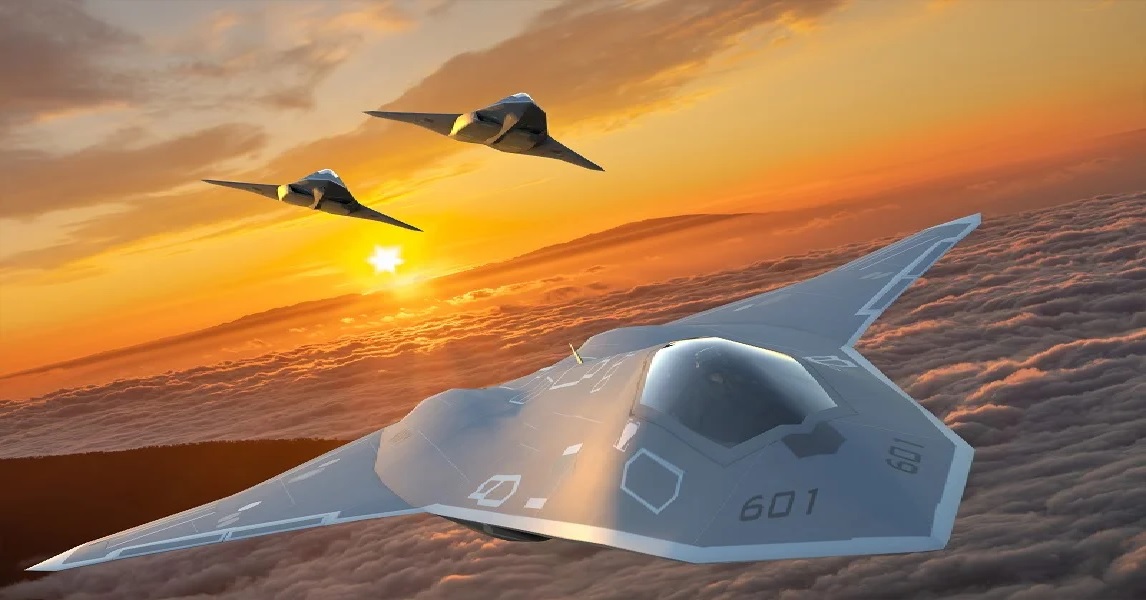
World
The United States Air Force's Next Generation Air Dominance (NGAD) program, aiming to introduce a 6th generation fighter jet, has sparked significant debate, largely due to its hefty projected cost. The NGAD fighter, anticipated to lead the charge in air superiority for decades to come, is estimated to come with a staggering price tag of $300 million per unit. As the Air Force plans to acquire around 200 of these state-of-the-art jets, many are questioning whether this cost is both realistic and sustainable in the long run.The NGAD is expected to far surpass the capabilities of existing fighters, like the 5th generation F-35, which itself costs around $82.5 million per unit. While that price already reflects cutting-edge technology, the NGAD brings a host of next-level advancements that make it even more expensive. One of the key technological leaps is the integration of Variable Cycle Engines (VCE), a revolutionary engine technology designed to boost fuel efficiency and mission adaptability. VCE promises to offer flexibility in performance, switching between modes for maximum speed or fuel savings, depending on the mission's demands. This technology alone is likely to increase the overall cost of the aircraft.However, U.S. Air Force Secretary Frank Kendall has tempered the discussions surrounding the NGAD’s price, stating that no definitive price point has been set for the program. Kendall pointed to the F-35’s price as a possible upper limit but acknowledged that given the NGAD’s unprecedented capabilities, this may be more of a hopeful benchmark than a realistic target. It's clear that NGAD’s development isn't just about building a fighter plane. The aircraft is envisioned as part of an integrated network, working alongside unmanned systems, artificial intelligence (AI), and advanced communication technologies. The aircraft’s role would not be limited to aerial combat; it would likely serve as the centerpiece in a broader system of AI-enhanced decision-making, sensor fusion, and unmanned drone coordination. This expanded vision of air combat changes the discussion on affordability. When you factor in not just the aircraft but its role within a future battle network, the cost could become more justifiable.Still, at a unit price of $300 million, NGAD would be nearly four times the cost of an F-35. While the F-35 is currently one of the most advanced fighters globally, NGAD represents a significant leap forward, both in terms of technology and mission capability. Yet, many defense analysts and experts wonder if the U.S. can afford to maintain such an expensive fleet, especially with other budgetary pressures and the ever-evolving nature of warfare.Some have speculated that a redesign of the NGAD could emerge to strike a balance between technological superiority and cost management. Whether this involves scaling back on some advanced features or finding ways to use cost-saving measures in production remains to be seen. The pressure on affordability is further emphasized by the fact that future conflicts are expected to rely heavily on drones, AI, and other unmanned systems, meaning a smaller fleet of manned aircraft might suffice if paired with cheaper, automated combat solutions.The future of the NGAD project will likely hinge on this balance. It is clear that the U.S. Air Force sees the need for a 6th generation fighter to maintain air superiority, but the question remains: how much can they spend to ensure that dominance? For now, the $300 million per jet estimate looms large, but discussions of affordability will undoubtedly shape how the NGAD progresses from drawing board to battlefield. The broader shift towards integrating this fighter into a multi-domain network could help justify the price, but whether it’s sustainable on a large scale remains the central challenge.
Read More → Posted on 2024-09-19 15:59:02Search
Top Trending in 24 Hours
-
 U.S Navy Orders 50 Blackbeard Hypersonic Missiles in New $23.4 Million Contract
-
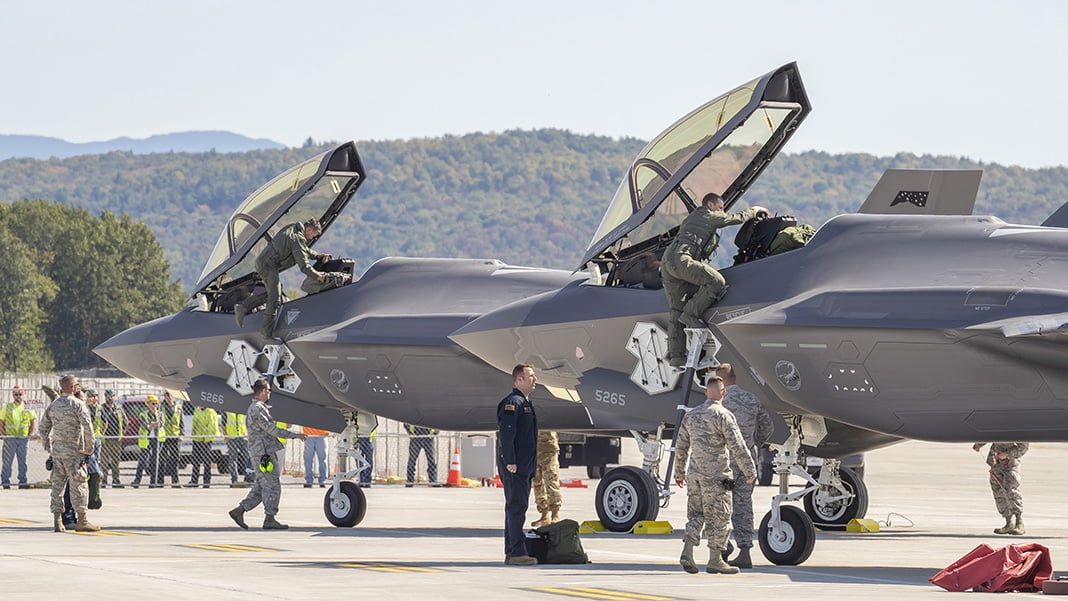 F-35 Fleet Readiness Falls to 25% Amid Parts Shortages and Software Delays: GAO Report
-
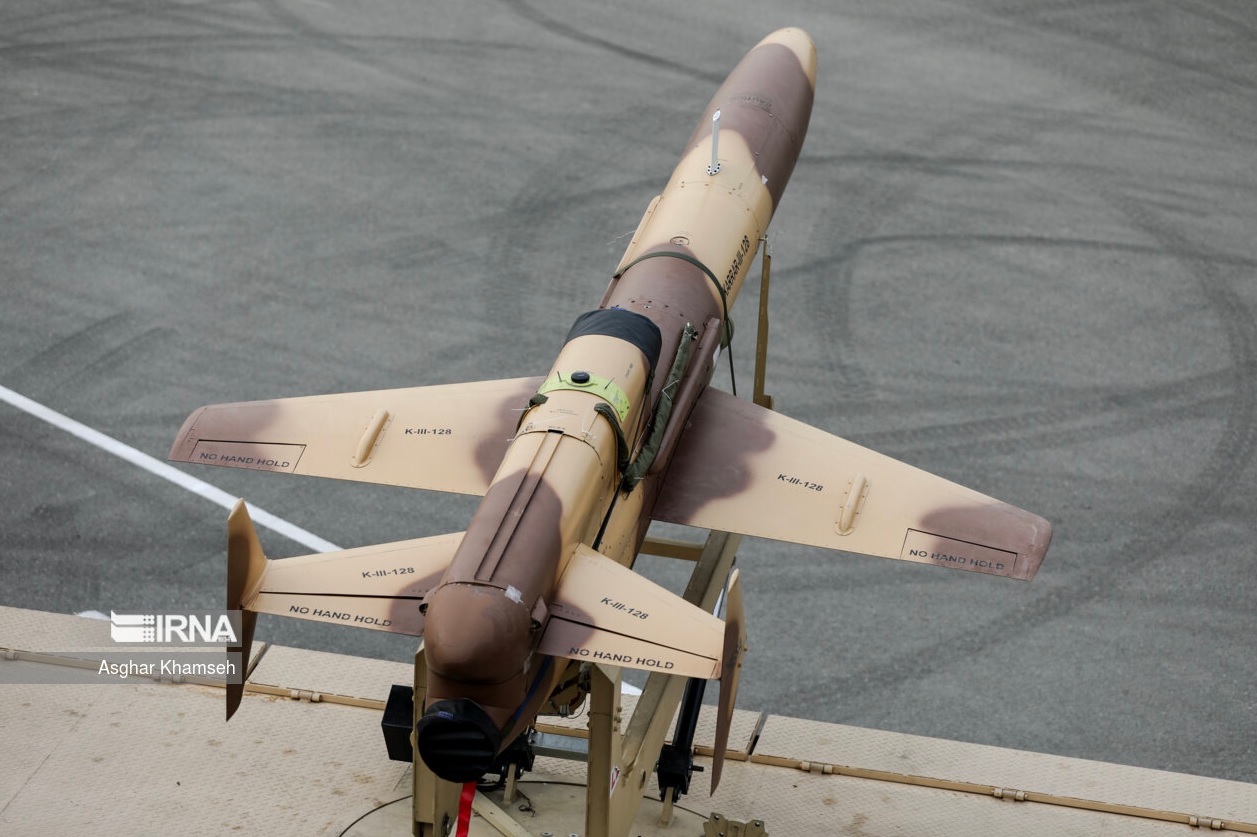 Russia Launches 1,400 Jet-Powered Drones in 2026 as Strike Tactics Evolve to Challenge Ukraine's Air Defenses
-
 U.S. Approves $1.98 Billion Sale of Anduril AI-Powered Counter-Drone Systems to Kuwait
-
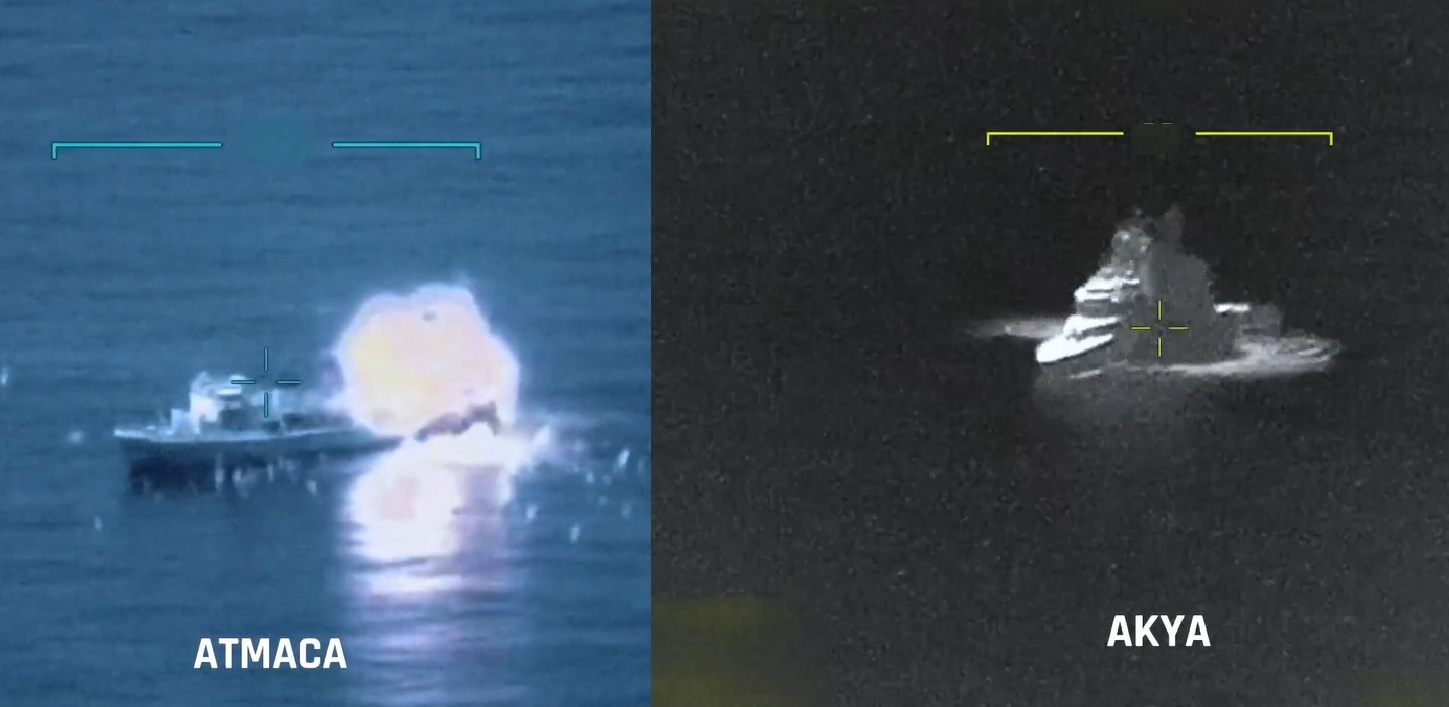 Turkey Navy Successfully Tests AKYA Torpedo and ATMACA Missile During Major Denizkurdu-II Naval Exercise
-
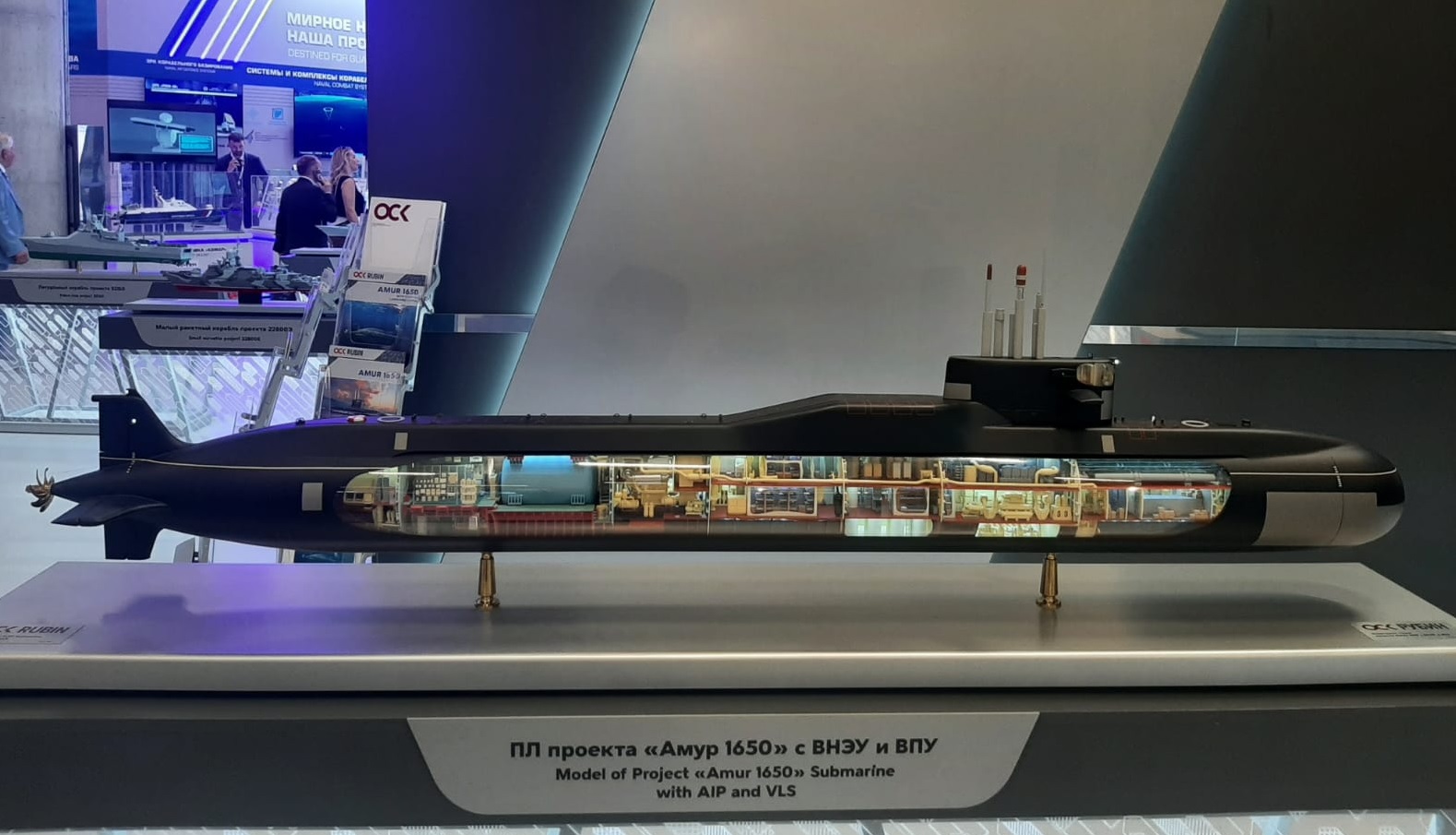 Russia Unveils Amur-1650 AIP Submarine Equipped with BrahMos Vertical Launch System at Fleet-2026
-
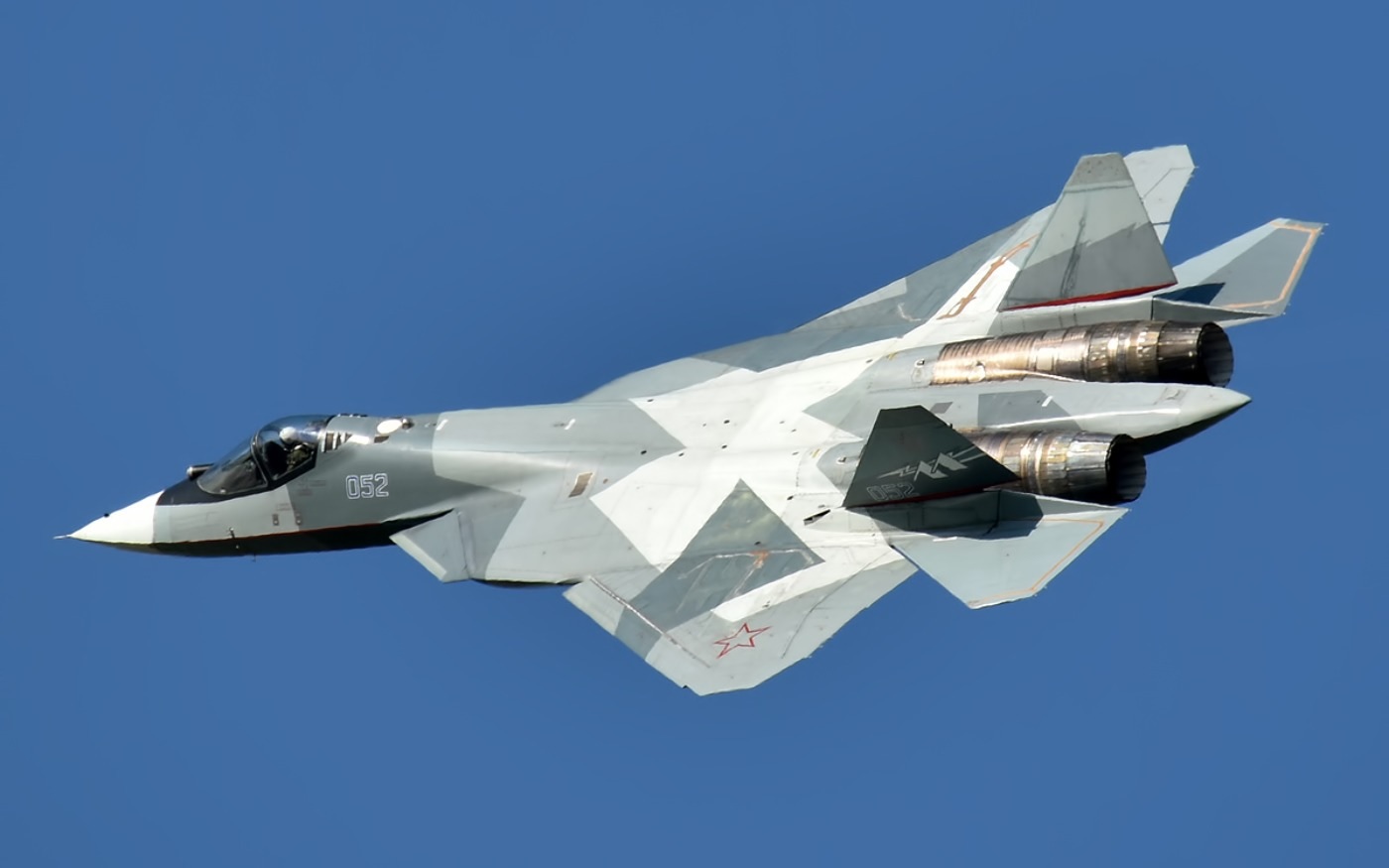 Russian Analysts Debate Su-57 Capabilities After Putin Calls Fighter Superior to F-35
-
 UAE Denies Reports of Releasing Up to $20 Billion in Funds to Iran Amid Regional De-Escalation Efforts
Top Trending in 4 Days
-
 Iranian Media Leaks 14-Point U.S.-Iran Peace Framework Amid Ongoing Negotiations
-
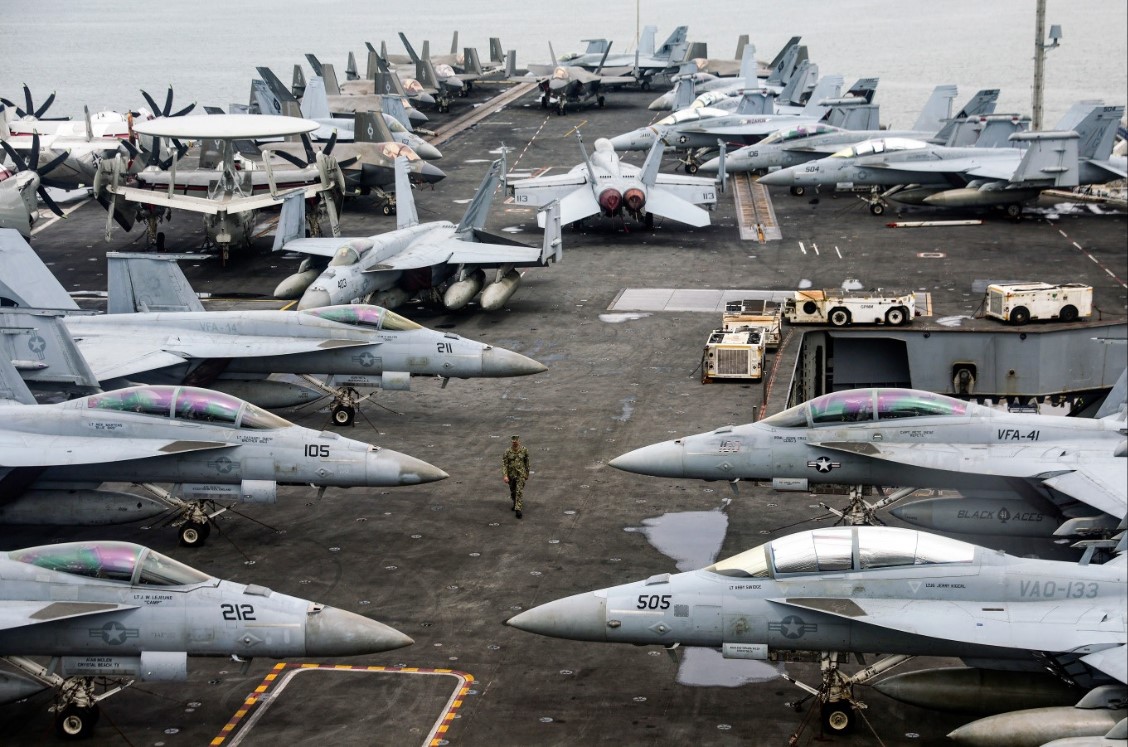 US Plans Significant Reduction of Fighter Jets and Warships for NATO Operations in Europe
-
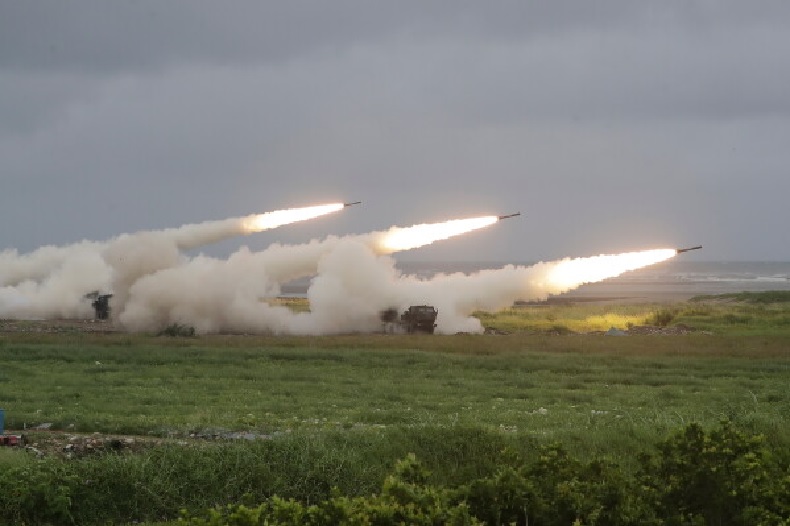 Taiwan Conducts First Live-Fire of HIMARS Rockets From West Coast During Invasion Defense Drill
-
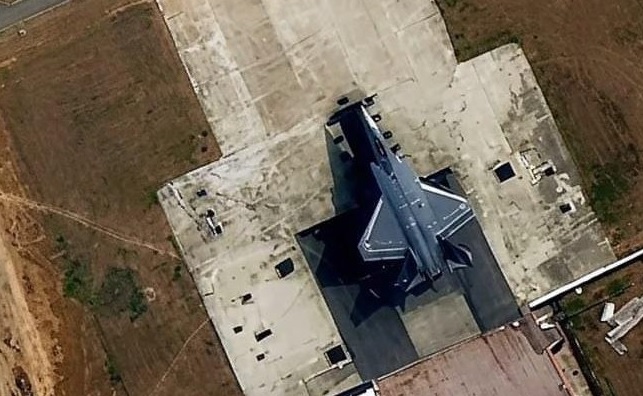 AMCA Airframe Spotted at DRDO’s ORANGE Facility for Radar Cross-Section Testing
-
 Boeing Introduces New MQ-28 Ghost Bat Upgrades with Increased Range, Payload and Weapons Capacity at ILA Berlin 2026
-
 Diehl Defence Unveils IRIS-T Armed Cobra 600 Air Defense Drone at ILA Berlin 2026
-
 Russian Defense Firm ZALA Unveils KAMA Unmanned Surface Vessel Family at FLOT-2026 Naval Exhibition
-
 U.S Aircraft Carrier USS Theodore Roosevelt Departs San Diego for Major RIMPAC 2026 Naval Exercise