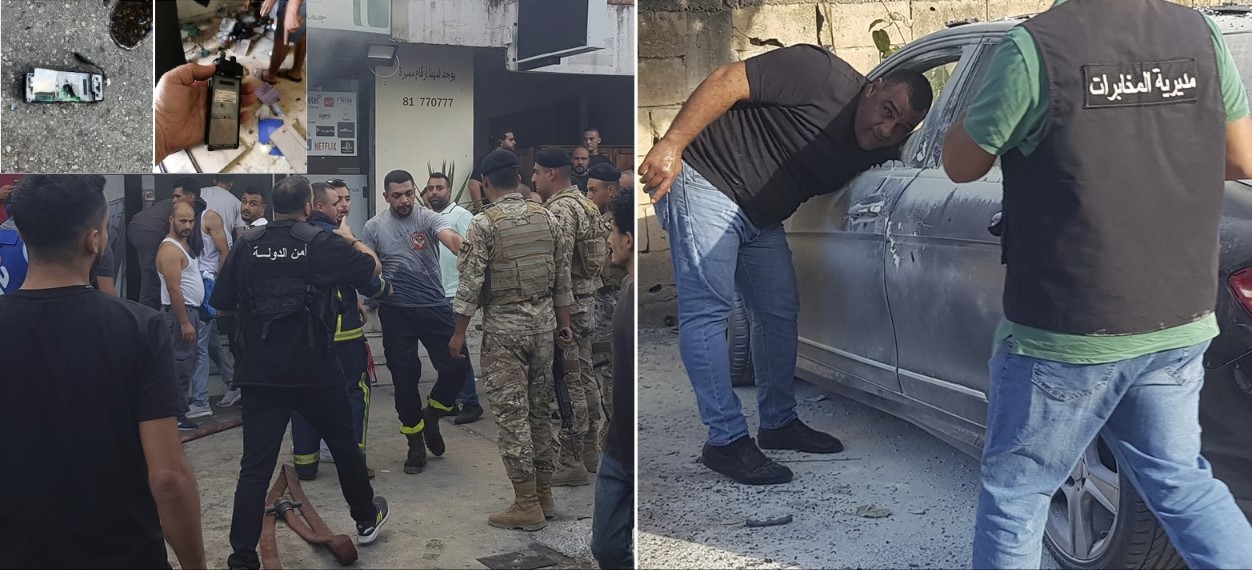
Lebanon has once again been rocked by devastating explosions, this time triggered by walkie-talkies used by Hezbollah militants. The coordinated attacks across the country left at least 20 people dead and over 450 others injured, according to reports by Al Jazeera. This tragic event is part of an escalating conflict that has engulfed the region, with communication devices being at the heart of these attacks.
The walkie-talkie explosions, which took place in southern Lebanon, the southern suburbs of Beirut, and the Beqaa valley, caught the nation off guard. Lebanese Red Cross teams were immediately dispatched to the affected areas, working tirelessly to rescue the wounded and evacuate them to hospitals. Over 30 teams were on the ground, supported by 50 ambulance crews on alert in Mount Lebanon and Beirut. Fires erupted in numerous locations, with 60 houses and shops, as well as vehicles and motorcycles, being consumed by flames.
One of the most alarming aspects of the attack was the simultaneous explosions, which took place in multiple locations. A lithium battery shop in southern Lebanon was among the sites that were engulfed in flames, along with several other businesses and residential areas. The Lebanese Civil Defence has been working nonstop to contain the fires, which have added to the chaos and destruction.
This second wave of attacks comes just one day after another explosive incident involving pagers, which Hezbollah has claimed were tampered with by Israeli forces. On Tuesday, 12 people were killed, and over 2,800 others were wounded in a similar explosion that targeted communication devices. Hezbollah has pointed fingers at Israel for these deadly incidents and vowed retaliation, raising fears of further violence.
Israel's Defence Minister, Yoav Gallant, responded to the rising tensions by declaring the start of a "new phase" in the ongoing war. Gallant, in a post on X (formerly Twitter), announced that resources and military forces are now being redirected to the northern arena of Israel, as they aim to secure the region and ensure the safe return of northern communities to their homes. Gallant’s statement comes as both sides brace for what appears to be an intensifying conflict.
In light of the walkie-talkie explosions, the Lebanese Ministry of Health has urged health workers to report to duty to handle the growing number of injured individuals being rushed to hospitals. Hospitals are already under immense pressure, and citizens have been encouraged to donate blood, as supplies are expected to dwindle rapidly.
Hezbollah's use of communication devices, such as pagers and walkie-talkies, as weapons of destruction signals a troubling new tactic in their operations. The group has long relied on covert communications, but this recent wave of attacks highlights how these once seemingly benign tools have been weaponized, with disastrous results. The detonation of these devices has not only caused direct harm but has also added another layer of fear among civilians who are unsure of what could happen next.
Lebanese officials have urged civilians to dispose of any pagers they might own, fearing that similar attacks may continue. In the wake of these explosions, it is clear that Lebanon is facing a new and dangerous front in its long-standing conflict with Israel and Hezbollah.
As Lebanon grapples with the aftermath of these tragic incidents, the potential for further escalation looms large. The international community is closely watching the situation, hoping for a resolution that will prevent more loss of life. However, with both Hezbollah and Israel standing firm, the future remains uncertain.
——— End of Article ———