
World
The Norwegian Defence Materiel Agency (NDMA) has made a significant move to bolster the country’s air defense system by ordering three additional TPY-4 multi-mission radars from Lockheed Martin. This latest acquisition adds to Norway’s previous order of eight radars placed in 2022, bringing the total number of these advanced radars to 11. These radars are expected to play a vital role in enhancing Norway’s air defense and contributing to regional security in the Nordic region.TPY-4 Radar: A Game-Changer for Air DefenseThe TPY-4 radar, developed by Lockheed Martin, is at the cutting edge of military radar technology. It is designed to detect and track a wide range of modern threats, from conventional aircraft to newer, more elusive targets like drones and ballistic missiles. What sets the TPY-4 apart is its adaptability and multi-mission capability, meaning it can perform several tasks simultaneously, offering flexibility to military operations. The radar is highly effective in congested electromagnetic environments, maintaining its performance despite the presence of jammers or electromagnetic interference.This advanced radar also features an open system architecture, which allows for the easy integration of future technological updates. This future-proof design ensures that the radar can evolve as new capabilities are developed, making it a long-term investment for Norway’s defense forces.A Boost to Norway’s Air Defense and NATO’s StrategyThe TPY-4 radars will significantly improve the Norwegian Air Force’s ability to track and classify aerial threats, offering enhanced situational awareness. The system is capable of functioning in both fixed and mobile configurations, adding versatility to its deployment. Furthermore, the radar is transportable via a C-130 aircraft or helicopter, making it easily deployable to various locations depending on Norway’s defense needs.Chandra Marshall, Lockheed Martin’s vice president, emphasized the importance of this radar system, stating, “The additional order and the completion of the Critical Design Review mark major steps forward, confirming that our radar meets the stringent requirements of NDMA and ensuring the security and sovereignty of Norway.”While the specific delivery timelines of the new radars have not been disclosed, it is clear that these systems will act as a significant asset for NATO in the region. As tensions rise in the Nordic area, especially with the geopolitical dynamics involving Russia, these radars are expected to serve as NATO’s "eyes in the north," providing critical surveillance and deterrence capabilities.Technical Highlights of the TPY-4 RadarOne of the standout features of the TPY-4 radar is its ability to operate in complex electromagnetic environments, ensuring effective detection and tracking even in the face of active jamming efforts. This makes the system highly reliable in contested spaces, where electronic warfare is a constant threat. Additionally, its modular design allows it to scale and adapt to new threats as they emerge, keeping Norway’s defense forces prepared for future challenges.The radar is optimized for both air defense and surveillance missions, capable of tracking a variety of targets, including stealth aircraft, ballistic missiles, and unmanned aerial systems (UAS). The radar’s advanced processing capabilities allow it to differentiate between these threats quickly and accurately, providing operators with crucial information to make real-time decisions.Strengthening Norway’s National DefenseThe acquisition of more TPY-4 radars is a reflection of Norway’s commitment to strengthening its national defense. These radars will serve as a critical component of the country’s ground-based air defense systems, enhancing its ability to monitor and protect its airspace. As the geopolitical environment in the Nordic region becomes more uncertain, these radars provide a strategic advantage, ensuring that Norway remains well-prepared to address any potential threats.By investing in advanced systems like the TPY-4, Norway is not only safeguarding its own sovereignty but also contributing to the collective security framework of NATO. With the ability to detect and respond to threats in real time, these radars are set to become a cornerstone of Norway’s defense strategy for years to come.ConclusionNorway's decision to purchase additional TPY-4 multi-mission radars from Lockheed Martin underscores its proactive approach to defense. These radars offer a flexible, future-ready solution that will greatly enhance the country’s air defense capabilities. As regional tensions rise, these radar systems are expected to provide critical surveillance and deterrence, playing a key role in NATO's strategic posture in the north.
Read More → Posted on 2024-09-12 15:35:58
World
The Responsible AI in Military Summit, held in South Korea, brought together experts and government representatives from across the globe to discuss the evolving role of artificial intelligence (AI) in modern warfare. With 61 countries endorsing a non-binding blueprint, the summit aimed to address the pressing need for human oversight and control over AI technologies, especially as they become increasingly integrated into military operations.Held over two days, this international summit drew around 2,000 participants, including experts and representatives from over 90 countries. South Korea, together with co-hosts the Netherlands, Singapore, Kenya, and the UK, set the stage for meaningful conversations about the ethical, legal, and security implications of AI use in warfare. The global dialogue underscored the importance of establishing responsible AI frameworks to prevent its misuse.### Human Judgment at the CoreSouth Korean Defense Minister Kim Yong-hyun, in his opening address, emphasized both the potential benefits and risks of AI in military applications. He pointed out that while AI can enhance military capabilities, if left unchecked, it could lead to catastrophic consequences. One of the key takeaways from the summit was the consensus on maintaining human control in AI-driven military operations. The Responsible AI in the Military Domain (REAIM) blueprint, endorsed by 61 nations, stressed the need for "appropriate human involvement" at all stages of AI deployment, from development to use on the battlefield.A recurring example cited during the event was Ukraine’s use of AI-enabled drones in its ongoing conflict with Russia. The example underscored both the efficiency and risks of AI technology in warfare, showcasing its potential to alter the nature of military engagements. However, the REAIM blueprint was clear in stating that AI in military settings must adhere to both national and international laws, ensuring that human judgment remains central, particularly concerning decisions involving the use of force.### Blueprint for Responsible AIThe REAIM Blueprint for Action, a key document endorsed at the summit, was organized into three major sections: the impact of AI on international peace and security, the implementation of responsible AI in the military domain, and the future governance of military AI. The 20-clause document also highlighted the importance of preventing AI from exacerbating global threats such as the proliferation of weapons of mass destruction (WMDs) or its use by terrorist organizations. This concern reflects the broader anxieties of many nations about AI’s potential to destabilize the world order if used irresponsibly.The blueprint acknowledged that nations must take responsibility for ensuring that AI capabilities are developed and deployed following both national and international laws. A key feature was the call for risk assessments and confidence-building measures among states, with a focus on preventing malicious actors from gaining access to AI-driven military technology.### Global Participation and Key PlayersWhile 61 nations signed the document, some notable absentees were China, which opted out of the declaration, and Russia, which was not invited due to its ongoing conflict in Ukraine. The summit's exclusion of Russia marked the second consecutive year it had been left out, a reflection of the international condemnation of its invasion of Ukraine. The absence of China and Russia from the summit demonstrated the complex geopolitical landscape surrounding AI governance in military contexts.Dutch Defense Minister Ruben Brekelmans acknowledged the challenge of achieving global consensus, noting that universal participation might be an unattainable goal. "We also need to be realistic that we will never have the whole world on board," Brekelmans stated, suggesting that this reality must be factored into future discussions. Despite this, he emphasized the importance of continuing the dialogue and advancing responsible AI practices globally.The summit in Seoul followed last year’s inaugural session in The Hague, where initial guidelines on AI use in warfare were discussed. However, this year's summit was more action-oriented. As Brekelmans noted, "Last year was more about creating shared understanding; now we are moving toward action." This shift reflects a growing urgency to put into practice the principles of responsible AI, particularly as the technology rapidly evolves.### Looking Ahead: UN General AssemblySouth Korea has expressed its intention to continue the discussions from this summit at the upcoming United Nations General Assembly. By pushing forward with the framework established during the summit, the goal is to make AI use in military settings safer, more regulated, and governed by international norms. As the conversations continue, the hope is that more countries will come on board, committing to responsible AI usage in the military domain and ensuring that human control remains at the heart of any AI-enabled warfare.The summit's outcomes, while not legally binding, are a critical step towards ensuring AI is used responsibly in military contexts, reducing the risks of unintended consequences, and maintaining global peace and security.
Read More → Posted on 2024-09-12 15:28:09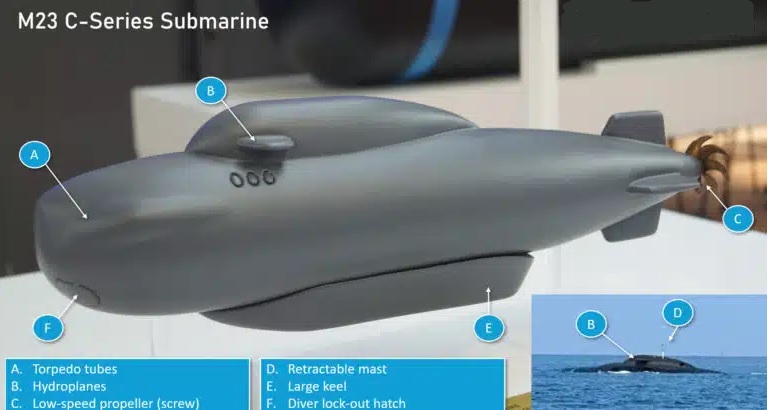
World
At the recent MSPO International Defence Industry Exhibition in Poland, fresh and detailed images of the Italian submarines being built for Qatar were revealed. The Qatari Emiri Navy's new vessels, constructed by M23 SRL in Bergamo, Italy, have been shown to the public for the first time through a model of the C-Series design. This unveiling marks a significant moment as it provides an in-depth look at these advanced submarines.The C-Series submarines, currently being assembled in Ciserano, Bergamo—located about 100 km east of Milan—represent a blend of cutting-edge technology and refined design. Due to the constraints of the factory's size and the need to transport these submarines by road to the coast, their dimensions are limited. After construction, the submarines will be transported 250 km by road before being launched.This new class of submarines, contracted in January 2020 under an agreement with Italy’s renowned defence shipbuilder, Fincantieri, promises to bring high-tech naval capabilities to the Qatari fleet. The agreement, aimed at supplying state-of-the-art naval vessels, has now clarified the sophisticated features of these submarines.One of the most notable aspects of these submarines is their design. The C-Series has been observed undergoing testing at La Spezia, a port with a rich history in midget submarine construction. This area, integral to Italian naval special forces, has also seen innovative submarine designs over the years.The submarines’ design is attributed to Giunio Santi, a celebrated naval architect known for his innovative contributions to submarine technology since the 1970s. Santi’s expertise includes pioneering air-independent propulsion (AIP) and developing advanced submarine construction techniques. The latest design showcases a sleek superstructure and a streamlined hull, reflecting his continued influence on modern naval architecture.In terms of specifications, each submarine measures 23 meters (75 feet) in length and 5 meters (16 feet) in width. It can dive to depths of 200 meters (650 feet) and reach speeds of up to 12 knots. The vessel accommodates a crew of 6, with space for an additional 6 passengers, typically special forces operatives. These operatives can exit the submarine through a specialized hatch for covert missions.Despite their relatively short length, the submarines’ wider beam provides a size comparable to larger vessels, such as the Iranian Ghadir Class and the Italian-built Cos.Mo.S MG-110. The M23 design is notably armed, featuring two torpedo tubes capable of launching standard 553mm (21 inch) heavyweight torpedoes. Additionally, the submarines can deploy Murena smart sea mines and loitering munitions, enhancing their operational versatility.The introduction of these submarines not only highlights Italy’s advanced naval technology but also underscores Qatar’s commitment to modernizing its naval capabilities. The clear images from the MSPO Exhibition offer a promising glimpse into the future of maritime defense for the Qatari Emiri Navy.
Read More → Posted on 2024-09-11 15:27:09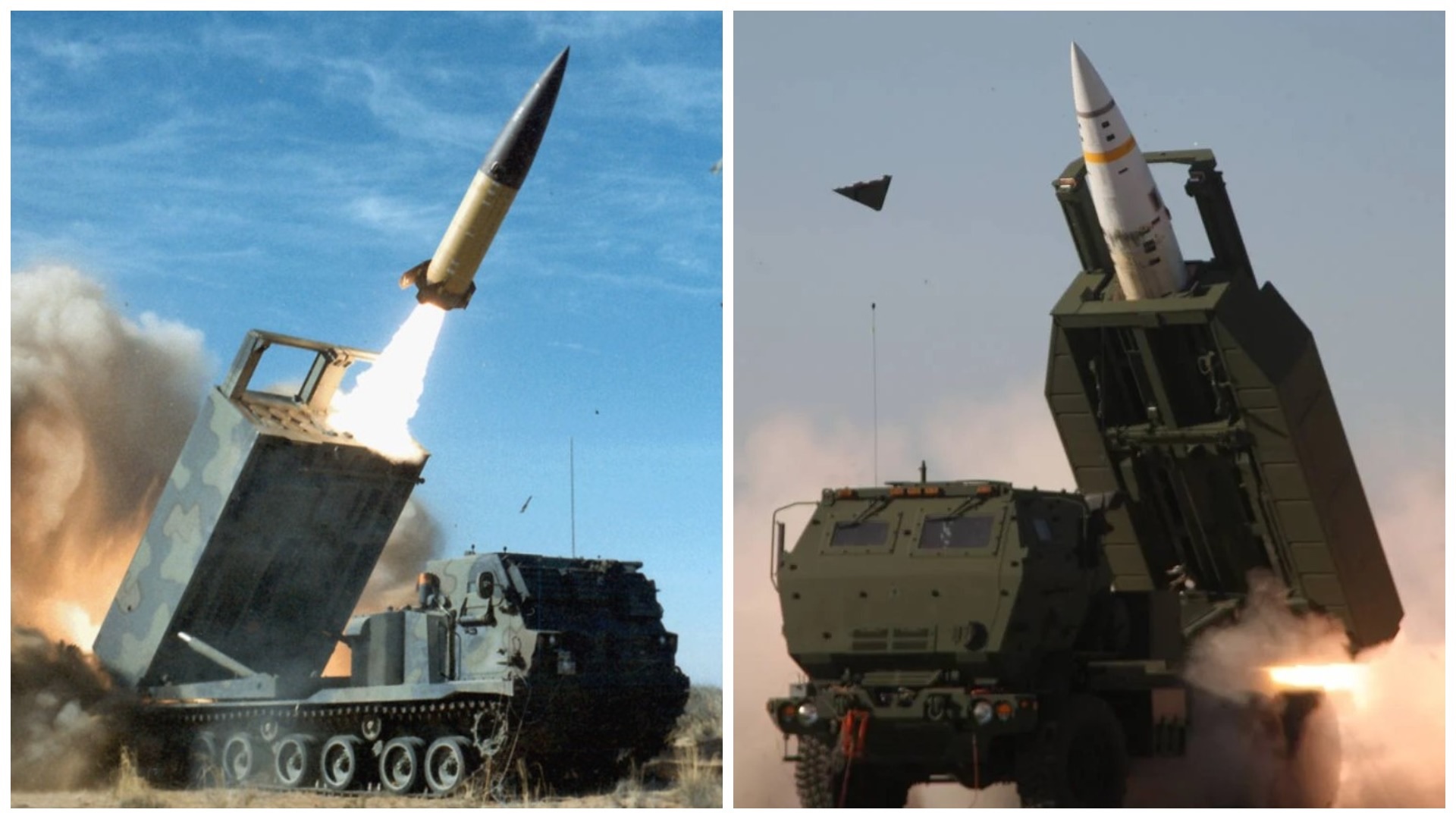
World
In a rare joint diplomatic mission, US Secretary of State Antony Blinken and UK Foreign Secretary David Lammy arrived in Kyiv on Wednesday, setting the stage for crucial discussions on expanding military support for Ukraine. Their visit, marked by a nine-hour train journey from Poland, underscores a heightened sense of urgency in Western efforts to bolster Ukraine’s defenses as it faces intensified aggression from Russia.The key focus of Blinken and Lammy’s visit is to address Ukraine’s requests for more powerful weaponry and fewer restrictions on their use. President Volodymyr Zelensky has been increasingly vocal about his desire for advanced long-range weapons to counteract Russia’s advances. In Washington, President Joe Biden hinted that the US is considering relaxing restrictions on these weapons, though he emphasized the need to carefully manage the balance to avoid escalating direct conflict with Russia, a nuclear superpower.The discussions come against a backdrop of growing concerns over Russia’s potential acquisition of Iranian missiles. These missiles could alter the dynamics of the conflict, potentially enabling Moscow to launch more devastating strikes. The US and its allies are particularly wary of this development, as it could lead to increased attacks on Ukrainian infrastructure and civilian areas, especially as winter approaches and the humanitarian situation deteriorates.Blinken’s fifth visit to Kyiv highlights a persistent commitment from the US to support Ukraine. However, he has stressed the importance of ensuring that any new weaponry is practical for Ukrainian forces to use effectively. His statements reflect a cautious approach, aiming to support Ukraine's defense while mitigating risks of broader conflict.In Moscow, the Kremlin has responded to the possibility of expanded US military support with a promise of an "appropriate" reaction, though specifics were not disclosed. Kremlin spokesperson Dmitry Peskov suggested that such measures would only justify Russia’s military actions, framing them as a response to Western intervention.On the economic front, Ukraine received a boost late Tuesday with an agreement from the International Monetary Fund potentially unlocking $1.1 billion in aid. This financial support is crucial as Ukraine continues to endure Russian attacks on its infrastructure. The visit by Blinken and Lammy also touches on broader strategic issues, including the potential use of long-range Storm Shadow missiles and Army Tactical Missile Systems (ATACMS) by Ukraine. British media reports indicate that Biden might be moving toward endorsing the use of these systems, which can strike targets up to 300 kilometers away, a significant step up from current capabilities.The diplomatic push comes amid a divided US political landscape, with some Republican lawmakers advocating for immediate action on ATACMS, while others remain skeptical. The outcome of the upcoming US elections could further influence the trajectory of military aid and policy towards Ukraine.As the situation evolves, the international community remains attentive to the implications of these high-level discussions and their impact on the ongoing conflict between Ukraine and Russia.
Read More → Posted on 2024-09-11 15:14:05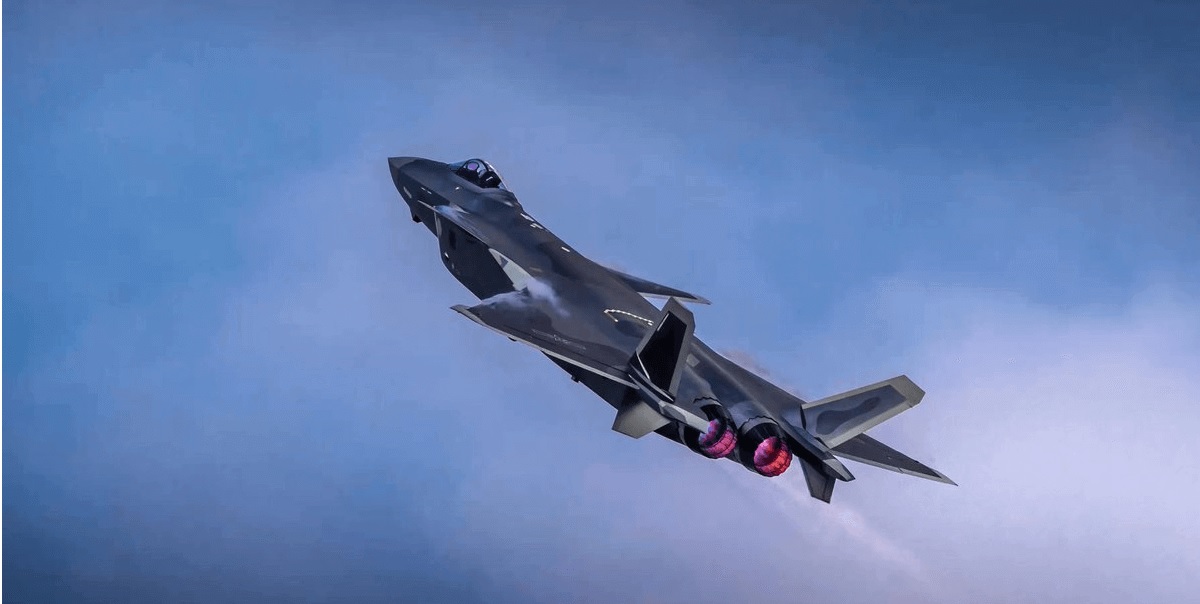
World
China’s J-20 stealth fighter jet, often dubbed the "F-22 Challenger," is on the brink of a significant advancement with the introduction of its new WS-15 engine. This breakthrough could address the jet’s past engine limitations and potentially elevate it to a competitive status against the U.S. Air Force’s F-22 Raptors.The J-20, a fifth-generation fighter developed by China, has been evolving rapidly in recent years. Its presence has become increasingly notable, with six J-20s spotted at Wuyishan Air Base in Fujian province as recently as 2023. This base is strategically positioned only about 600 miles from Kadena Air Base in Japan, where the F-22 Raptors are stationed, highlighting the growing strategic importance of the J-20.Historically, the J-20 has struggled with its engine performance. Early models like the WS-10B faced criticism for their limited thrust, which affected the aircraft’s maneuverability, fuel efficiency, and stealth capabilities during supersonic flight. These engines, while serving as temporary solutions, did not match the power and reliability of the F-22’s Pratt & Whitney F119 engines.The WS-15 engine, however, represents a significant advancement. It is designed to deliver greater thrust and improved reliability compared to its predecessors. This new engine could enhance the J-20’s performance, making it a more formidable contender in the skies and potentially narrowing the gap between it and the F-22 Raptor.As the J-20s are deployed closer to regions with significant U.S. military presence, such as Kadena Air Base, the potential for encounters between these two stealth fighters grows. The recent deployment of 24 F-22 Raptors during the Polar Force exercise in Alaska underscores the ongoing importance of air superiority and readiness in the region.While the F-22 Raptor remains one of the most advanced stealth fighters globally, the J-20’s anticipated improvements with the WS-15 engine could make it a serious rival. The outcome of these technological advancements will be crucial as tensions between the U.S. and China continue to escalate. Both nations' advanced fighter jets will play pivotal roles in regional stability and deterrence strategies in the coming years.
Read More → Posted on 2024-09-11 15:06:35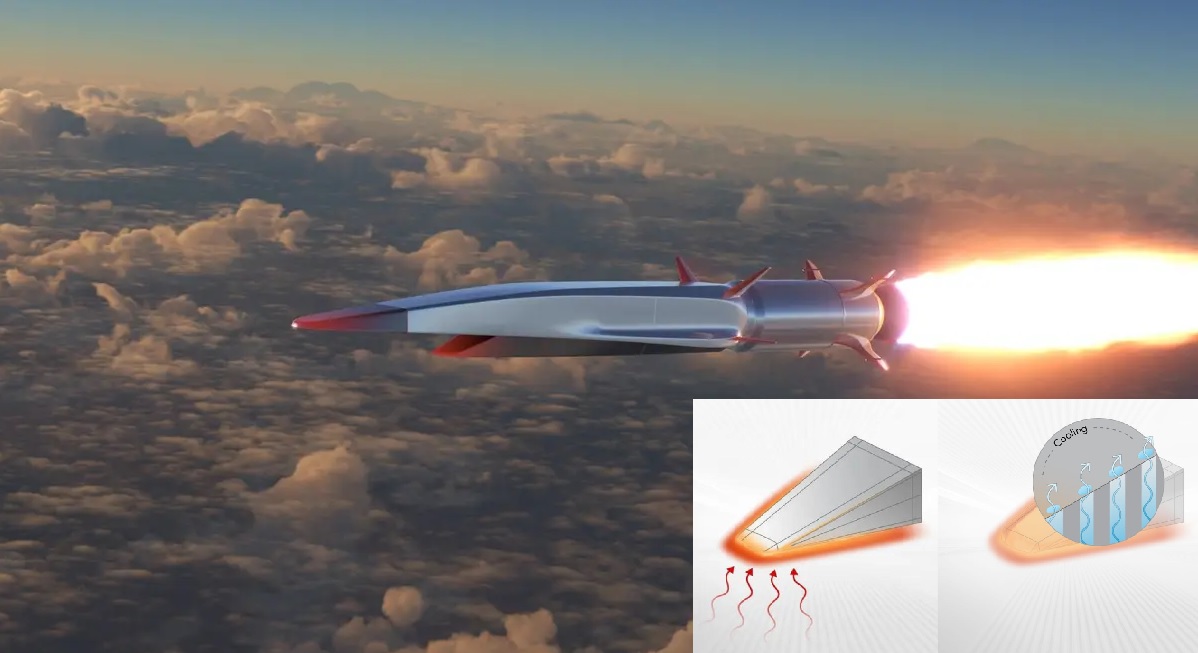
World
The U.S. Air Force has awarded Canopy Aerospace $2.8 million in funding to develop an innovative thermal protection system (TPS) for hypersonic vehicles, designed to endure the extreme heat generated at speeds exceeding Mach 5. The project, which aims to enhance the resilience of these advanced systems, centers around a cutting-edge technology that mimics the natural cooling mechanisms of plants and human skin. This transpiration-cooling approach is expected to revolutionize the way hypersonic vehicles handle the extreme temperatures experienced during flight.At hypersonic speeds, air friction can cause the surface of a vehicle to reach temperatures as high as 3,000 degrees Celsius. Protecting the vehicle from this immense heat is crucial to maintaining its structural integrity and ensuring its performance. Canopy Aerospace’s thermal protection system employs a "sweating" process, where a highly pressurized fluid is released onto the surface of the vehicle. As this fluid evaporates almost instantly, it forms a protective insulating layer, shielding the craft from the intense aerothermal heating.This system operates similarly to how humans cool down through perspiration or how plants release moisture to maintain temperature. As the fluid evaporates, it absorbs heat, preventing the vehicle from being overwhelmed by the high temperatures. The innovation lies in the combination of advanced ceramic materials and additive manufacturing, which enables the development of a thermal protection system that can not only withstand extreme heat but also provide enhanced speed and maneuverability for hypersonic platforms.Additive manufacturing plays a significant role in the development of these advanced systems. Canopy has been able to utilize this technology to create ceramic-based materials that offer superior heat resistance. These ceramics are formed into complex shapes using 3D printing techniques, allowing for a high degree of customization and precision. This capability is particularly valuable in the production of TPS for hypersonic glide vehicles and cruise missiles, where both performance and durability are critical.In addition to the innovative cooling system, Canopy Aerospace is working on integrating a health monitoring system into the TPS material. This involves embedding sensors within the material to track its condition throughout its lifespan. These sensors can detect damage, ablation, or other changes in the TPS, providing real-time data on its structural health. This technology addresses a significant challenge in hypersonic and space re-entry missions, where traditional sensors struggle to operate due to the plasma layer that forms around the vehicle during flight.By incorporating these sensors, Canopy’s system will enable continuous monitoring, which will not only extend the operational life of hypersonic vehicles but also reduce the downtime required for maintenance and inspection. This "Smart TPS" approach will help ensure that future strategic systems, including nuclear re-entry vehicles, remain reliable and operational for extended periods.The development of this thermal protection system is part of a broader effort by the U.S. Department of Defense to modernize its weapons portfolio, particularly in the area of long-range strike capabilities. Hypersonic weapons, with their combination of speed, precision, and maneuverability, are seen as crucial to countering advanced threats posed by near-peer competitors. The integration of a robust TPS is essential to ensuring that these systems can perform effectively in the high-stress environments they are designed for.Canopy Aerospace’s advancements are expected to undergo rigorous ground testing and integration trials, ultimately leading to flight readiness. The goal is to have a thermal protection system that not only meets the demands of current hypersonic platforms but also sets the stage for future innovations in defense technology.In summary, the U.S. Air Force's investment in Canopy Aerospace's transpiration-cooling TPS reflects the growing emphasis on hypersonic weapon systems in modern warfare. By mimicking natural cooling processes and incorporating advanced manufacturing techniques, this new technology promises to enhance the durability, performance, and longevity of hypersonic vehicles, ensuring they remain a formidable part of the U.S. military’s strategic arsenal.
Read More → Posted on 2024-09-11 15:04:11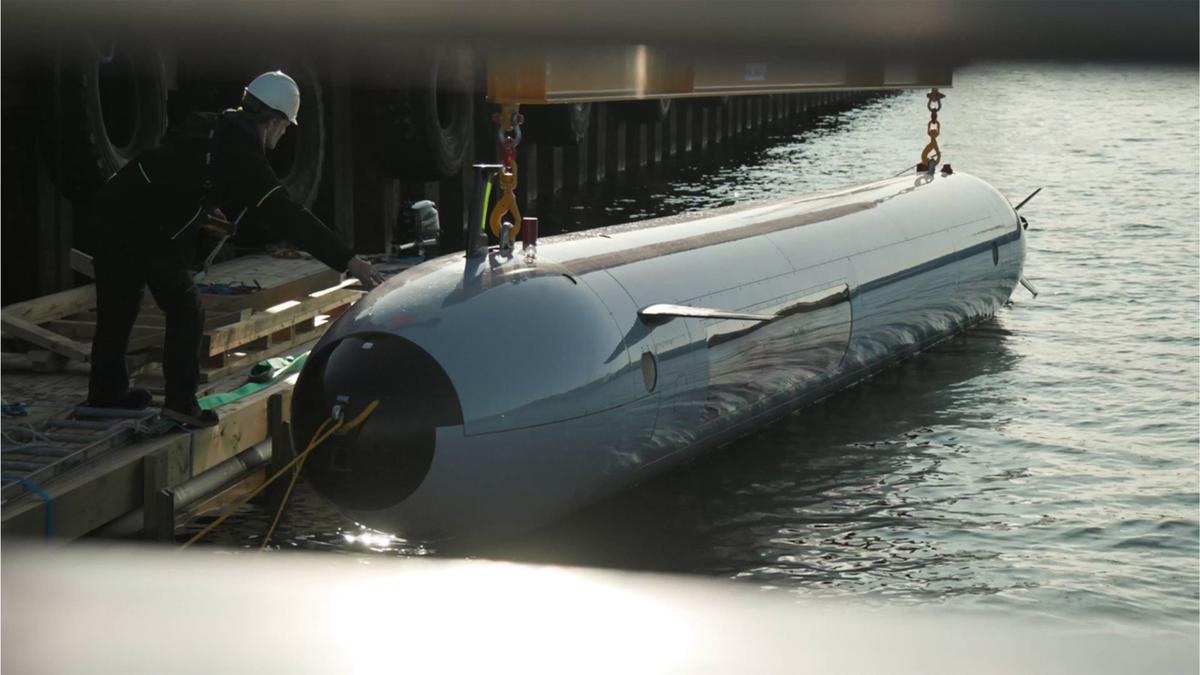
World
Kongsberg Discovery, the division of the Norwegian defense contractor KONGSBERG, has reached a remarkable milestone with its latest Autonomous Underwater Vehicle (AUV), the HUGIN Endurance. This innovative vehicle recently completed a record-breaking, multi-week dive, demonstrating the cutting-edge capabilities of modern underwater technology.The HUGIN Endurance, an impressive 8-ton, 40-foot AUV, embarked on a challenging mission that took it to depths ranging from 50 to 3,400 meters. During this extensive operation, the vehicle operated entirely autonomously, showcasing its ability to perform complex tasks without human intervention or external navigation aids. The AUV was equipped with a pre-deployed transponder that provided a final navigation update 10 hours into the dive, after which it continued its journey on its own.Over the course of its mission, the HUGIN Endurance covered an impressive distance of 1,200 nautical miles. What sets this achievement apart is the vehicle's precision: it returned with a position error of just 0.02% of the total distance traveled. This extraordinary accuracy underscores the vehicle's advanced navigation system and operational reliability.The mission was designed to test the HUGIN Endurance to its limits, confirming its ability to meet its design specifications and perform effectively under real-world conditions. Kongsberg Discovery highlighted that this test not only demonstrates the AUV’s robust endurance but also reaffirms its reliability over extended, unsupervised operations.The HUGIN Endurance, which measures 39 feet in length and 47 inches in diameter, is part of Kongsberg’s renowned HUGIN family of AUVs. It boasts an operational range of up to 1,200 nautical miles and can function continuously for up to 15 days. This capability allows it to undertake shore-to-shore missions without human oversight, a testament to Kongsberg’s 30 years of expertise in delivering reliable unmanned underwater systems for both commercial and defense applications.With this milestone, the HUGIN Endurance has firmly established itself at the forefront of autonomous underwater technology, further cementing Kongsberg Discovery’s position as a leader in the field of unmanned deep-water exploration and defense systems.
Read More → Posted on 2024-09-10 16:27:08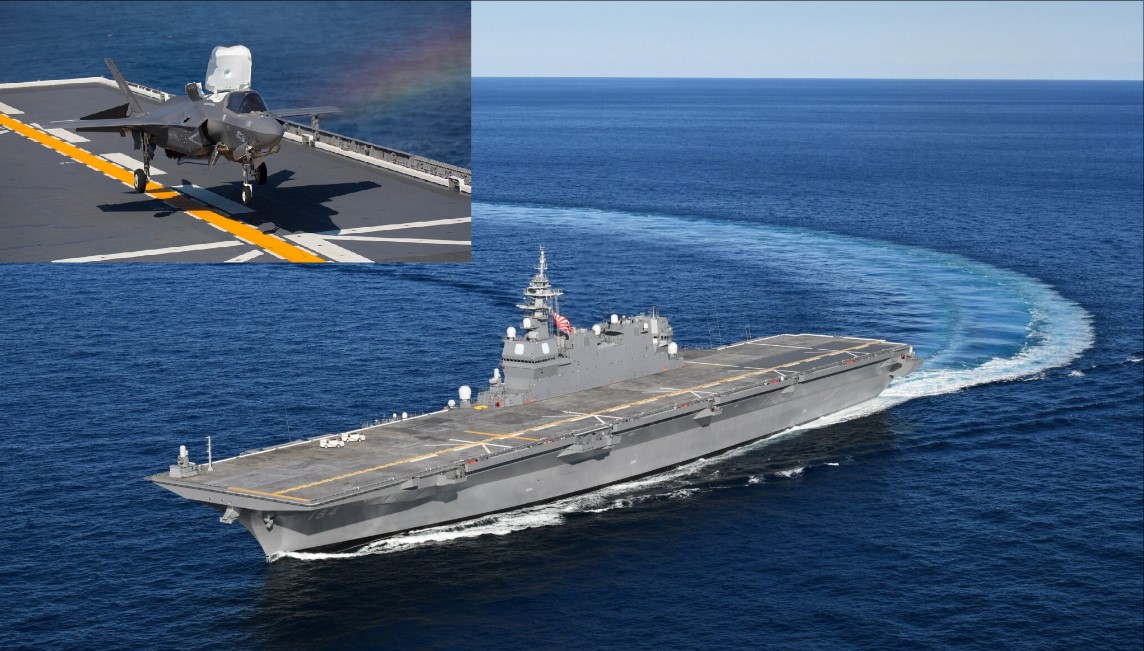
World
Japan is embarking on a significant phase of its military modernization with the upcoming operational tests of the JS Kaga, an Izumo-class helicopter carrier, off the coast of San Diego. This exercise marks a critical step in Japan's effort to enhance its naval capabilities by integrating Lockheed Martin's F-35B stealth fighter jets into its fleet.The JS Kaga, officially designated as a "helicopter destroyer" by the Japan Maritime Self-Defense Force (JMSDF), has undergone substantial modifications to enable it to operate the F-35B aircraft. These modifications are part of a broader initiative to transform the Izumo-class carriers into full-fledged light aircraft carriers capable of supporting short takeoff and vertical landing (STOVL) operations.The tests, supported by the U.S. Navy, are aimed at collecting essential operational data for the F-35B's deployment on these modified carriers. The trials will include critical evaluations of short takeoff and vertical landing procedures, as well as general on-board operations of the F-35B. These activities are crucial for ensuring that the JS Kaga is fully prepared to handle the advanced aircraft and support its operational requirements.The operational tests are a key component of the JS Kaga's "Indo-Pacific Deployment 2024" (IPD24) mission. This deployment reflects Japan's strategic pivot towards strengthening its naval presence and capabilities in the Indo-Pacific region.The modification work on the JS Kaga began in March 2022 at Japan Marine United's Kure shipyard in Hiroshima. This refit includes several major changes: the flight deck's bow section was redesigned from a trapezoidal to a square shape, similar to the designs seen on the U.S. Navy's Wasp-class and America-class amphibious assault ships. The deck has also been reinforced to handle the additional weight of the F-35Bs, and features new guidance lights and heat-resistant spots for safe vertical landings.Japan's Ministry of Defense plans to acquire a total of 42 F-35B aircraft, alongside 105 F-35A models. The F-35Bs will be stationed at the Japan Air Self-Defense Force’s (JASDF) Nyutabaru Air Base on Kyushu Island. This strategic deployment aims to bolster Japan's defense capabilities, particularly around its remote southern islands and the contested Senkaku/Diaoyu Islands.The successful integration of the F-35B with the JS Kaga and its sister ship, the JS Izumo, represents a significant enhancement in Japan’s maritime air power and strategic reach, aligning with broader regional security goals.
Read More → Posted on 2024-09-10 16:24:05
World
Ukraine’s military has introduced an advanced drone, aptly named the "Dragon Drone," marking a new chapter in unmanned aerial warfare. This innovative technology is designed to disperse streams of molten metal, capable of igniting hidden enemy positions with unprecedented precision. The key to its devastating power lies in its use of a thermite mixture composed of aluminum powder and iron oxide, which burns at a scorching 4,000 degrees Fahrenheit (2,200 degrees Celsius). This blazing combination can melt through trees, vegetation, and even fortifications, exposing Russian troops who rely on these natural covers.The Dragon Drone’s impact is both physical and psychological. The fiery thermite released from the drone mimics the intensity of a dragon’s breath, setting enemy positions ablaze in a display that can demoralize soldiers on the ground. A video shared by Ukraine’s 60th Mechanized Brigade showcased the drone dropping molten thermite onto wooded terrain, engulfing the area in flames. The brigade hailed these strike drones as “wings of vengeance,” emphasizing their ability to deliver fiery precision strikes from the sky, hitting targets that other weapons cannot reach with the same accuracy. However, while the drone’s capabilities are impressive, analysts like Nicholas Drummond, a former British Army officer, caution that its effectiveness may be more psychological than game-changing in physical terms. Drummond acknowledges the terror this drone could instill in Russian forces, particularly those taking cover in bushland, but he points out that this remains a niche capability rather than a weapon that will change the course of the war. "I would not have liked to be on the receiving end," Drummond remarked, but he stressed that Ukraine’s capacity to deploy this technology on a large scale appears limited.The Dragon Drone’s thermite-based attack method draws comparisons to older incendiary weapons like napalm and white phosphorus, which were infamous for their devastating effects during past conflicts, such as World War I. Thermite, in particular, has a reputation for being nearly impossible to extinguish once ignited, as it burns through materials with ease. Given the destructive power of such weapons, concerns have been raised about their potential impact on civilians and the environment.International law prohibits the use of incendiary weapons like thermite in populated civilian areas due to their uncontrollable nature and the severe harm they can cause. However, Ukraine has stressed that its Dragon Drone is only deployed against military targets, ensuring compliance with international legal standards. Nevertheless, the risks of such weapons spilling over into civilian areas or causing unintended environmental damage remain a critical concern, particularly as the war continues to intensify.Despite its limitations, the Dragon Drone represents another step forward in Ukraine’s efforts to innovate on the battlefield. By combining cutting-edge drone technology with traditional incendiary materials, Ukraine has added a tool to its arsenal that can strike fear into enemy forces, even if its full potential has yet to be realized.As the conflict with Russia drags on, the introduction of tools like the Dragon Drone reflects Ukraine’s relentless drive to adapt and counter its adversary. Whether this fiery drone will prove decisive remains to be seen, but for now, it stands as a powerful symbol of Ukraine’s ingenuity in the face of overwhelming odds.
Read More → Posted on 2024-09-10 16:13:40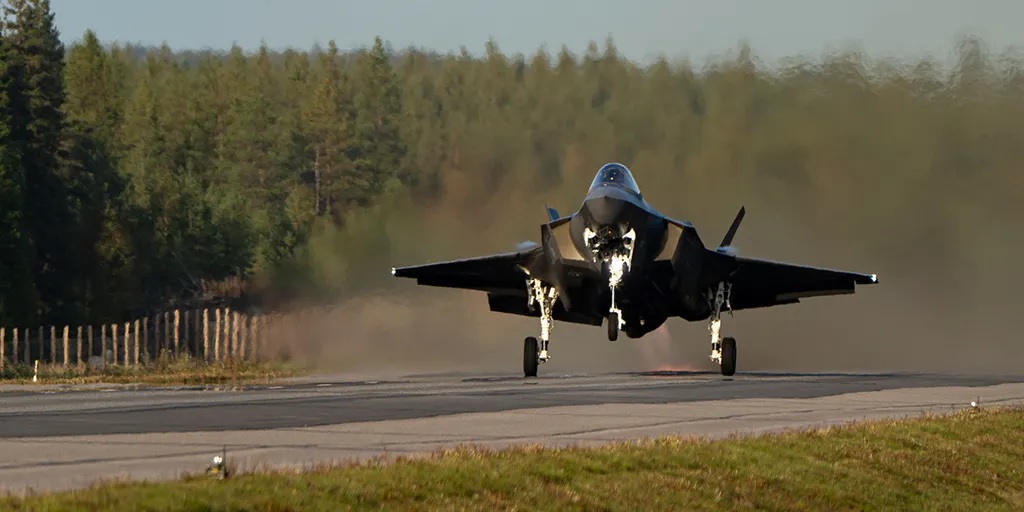
World
In a groundbreaking display of military agility and tactical innovation, two U.S. Air Force F-35 Lightning II jets made history by landing on a highway in Finland. The event, which occurred during Exercise BAANA 2024, marked the first time that the advanced fifth-generation fighter had landed on a highway in Europe. The exercise took place as part of NATO’s ongoing efforts to strengthen cooperation and combat readiness among Allied forces, with Finland's recent accession to NATO providing new opportunities for integration.The F-35 Lightning II jets, assigned to the 48th Fighter Wing based at Royal Air Force Lakenheath in the United Kingdom, demonstrated the U.S. Air Force's agile combat employment (ACE) concept. This concept emphasizes flexibility and the ability to operate from unconventional locations, such as highways or other austere environments, ensuring that airpower can be deployed rapidly and efficiently under various conditions.A Milestone in NATO OperationsThe successful landing of the F-35s on a pre-designated highway is a major milestone in NATO’s operational capabilities, highlighting the increasing cooperation between the U.S. and Finland. General James Hecker, commander of U.S. Air Forces in Europe – Air Forces Africa, praised the accomplishment, emphasizing the importance of the relationship between NATO forces and Finnish counterparts. "The opportunity to learn from our Finnish Allies improves our ability to rapidly deploy and employ airpower from unconventional locations," Hecker stated, adding that this success reflects the agility and readiness of NATO forces.This landing was not just a routine training exercise but an illustration of how the U.S. Air Force and NATO are adapting to modern warfare's evolving demands. By utilizing roads as makeshift airstrips, forces can maintain operations even in scenarios where traditional airbases may be compromised or unavailable. Finland, with its vast network of highways, offers a unique environment for such training exercises, further strengthening NATO's strategic posture in the region.The F-35 Lightning II: A Technological PowerhouseThe F-35 Lightning II is widely regarded as one of the most advanced fighter aircraft in the world. Its stealth capabilities, combined with state-of-the-art sensors, avionics, and weapons systems, make it an unmatched asset in both air-to-air and air-to-ground combat. Powered by the Pratt & Whitney F135 engine, the F-35 can reach speeds of up to Mach 1.6 and has a combat range of approximately 1,380 miles (2,220 kilometers) without refueling.The aircraft's advanced electronic warfare (EW) suite allows it to locate and jam enemy radars and communications, enhancing survivability in contested environments. Additionally, its ability to collect, analyze, and share vast amounts of data with other platforms provides real-time situational awareness, enabling pilots to make more informed decisions during combat. The F-35’s short takeoff and vertical landing (STOVL) capabilities, especially in its B variant, further enable it to operate from a wide variety of locations, including austere environments like highways.Finland’s Role in NATO and Future OperationsSince joining NATO in 2023, Finland has become an integral partner in the alliance’s northern European defense strategy. With its proximity to Russia, Finland plays a critical role in enhancing NATO’s deterrence posture in the region. Finland’s extensive experience in operating under cold weather and challenging terrains makes it a valuable contributor to NATO's collective defense, and exercises like BAANA 2024 underscore Finland's readiness to collaborate closely with Allied forces.Finland’s participation in these joint operations also serves as a learning experience for the U.S. and other NATO members. In June 2024, the Finnish Air Force took part in a multinational air superiority exercise at Ramstein Air Base, Germany, where nine nations’ fighter pilots engaged in aerial combat simulations. Such exercises continue to strengthen Finland's integration within NATO and improve the overall interoperability of allied air forces.Looking Ahead: Agility and PreparednessThe historic highway landing of the F-35s in Finland highlights how NATO is evolving to meet modern security challenges. By increasing operational flexibility and practicing deployments in unconventional environments, NATO and its member nations are better prepared to respond to potential threats. The agile combat employment concept will continue to be refined through joint exercises like BAANA 2024, ensuring that NATO remains ready to deploy airpower swiftly, regardless of location or circumstance.As NATO builds on this success, future operations will likely include even more innovative approaches to combat readiness. Finland’s contribution as a new NATO member, combined with the cutting-edge technology of aircraft like the F-35, is reshaping the alliance’s defense posture in Europe and beyond.
Read More → Posted on 2024-09-10 15:53:54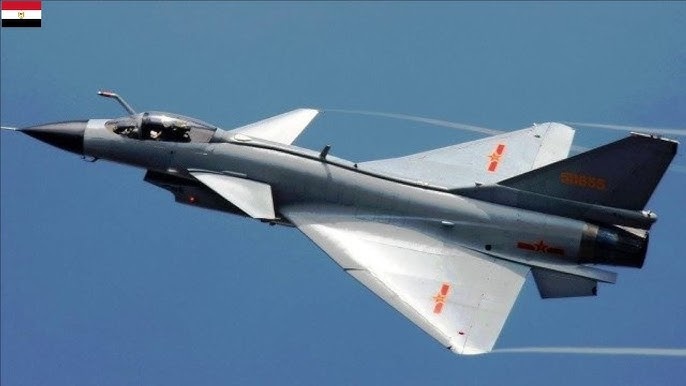
World
Egypt is making a bold shift in its defense strategy by replacing its aging fleet of US-made F-16 fighter jets with China's J-10C "Vigorous Dragon," marking a significant step in diversifying its military suppliers. Reports suggest that Cairo's decision to opt for the Chinese fighter jets comes after declining to upgrade its fleet with newer US aircraft due to restrictions placed by the United States over concerns about Egypt’s human rights record and its involvement in regional conflicts.The Egyptian Air Force has relied on F-16s since the 1980s, but these jets are now considered obsolete in modern warfare. They are equipped with outdated avionics and limited by the AIM-7P Sparrow missiles, a weapon system that no longer meets contemporary standards. Egypt's inability to upgrade these systems or acquire more advanced weaponry due to US restrictions has left the fleet lagging behind other regional powers.Enter China's J-10C, a fourth-generation multirole fighter jet that represents a major leap in combat capability for Egypt. The J-10C, designed and manufactured by China's Chengdu Aircraft Industry Group, offers Egypt a versatile aircraft capable of both air-to-air combat and ground strikes. It boasts high maneuverability and is equipped with advanced avionics and weapons systems, such as the PL-10 short-range missile and the PL-15, a beyond-visual-range air-to-air missile with impressive range and accuracy. These modern capabilities provide Egypt with the tools needed to defend against modern aerial threats and perform complex strike missions, ensuring that its air force remains competitive in a region where aerial superiority is crucial.The decision to purchase the J-10C also signals a broader geopolitical shift for Egypt. By turning to China, Egypt is reducing its reliance on the West, particularly the US, for its military needs. This move is in line with other countries in the Middle East and Africa that are seeking alternatives to the economic and political dominance of Western powers. Cairo's shift toward China and other non-Western allies could provide more favorable terms in military procurement without the strings often attached by Western governments.Egypt's interest in the J-10C follows Pakistan's acquisition of the same aircraft in 2022, making Egypt the second international customer for the J-10C. The fighter jets were showcased at the Egypt International Air Show, held from September 3 to 5, 2024, at El Alamein International Airport, further cementing Egypt's pivot towards Chinese military technology.This shift coincides with Egypt's recent membership in the BRICS group of emerging economies, which includes China, Russia, and India, among others. Joining BRICS aligns Egypt more closely with the Global South and opens up new opportunities for economic and military cooperation beyond the traditional Western powers. Alongside nations like Iran, the UAE, and Ethiopia, Egypt's inclusion in BRICS suggests a reorientation of its foreign policy and military alliances, driven by a desire to secure more favorable investment and defense procurement options.In summary, Egypt's decision to replace its US-made F-16s with China's J-10C fighter jets represents a strategic realignment that reflects both military necessity and broader geopolitical trends. The acquisition of these advanced Chinese aircraft offers Egypt a significant upgrade in aerial combat capabilities, while also positioning the country to reduce its dependence on the West and explore new alliances with emerging global powers.
Read More → Posted on 2024-09-10 15:50:29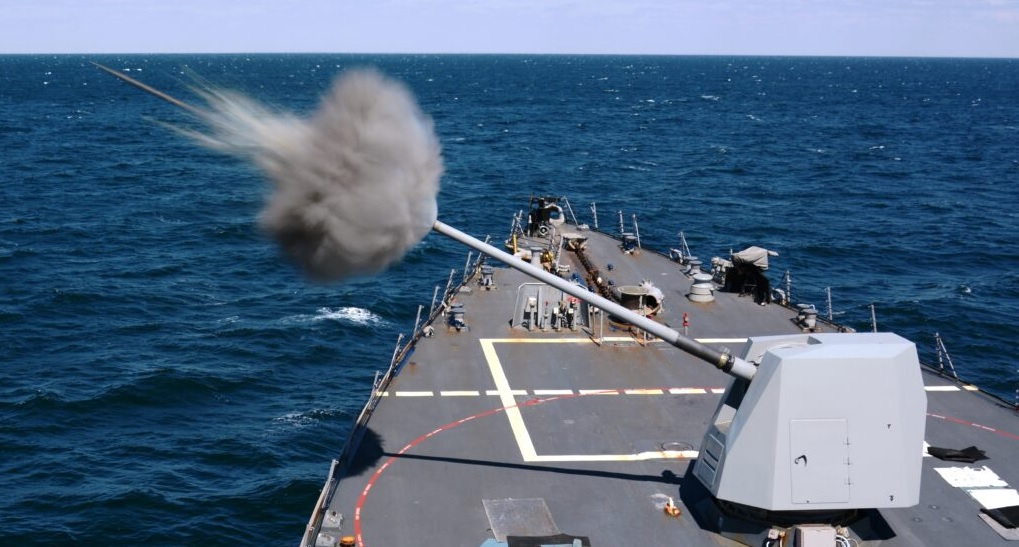
World
In a significant milestone for the Royal Navy, the first of the next-generation Type 26 frigates, HMS Glasgow, has been equipped with the Mk45 Mod 4A Medium Calibre Gun, marking the beginning of a new era in naval warfare for the UK. This advanced 5-inch gun, which replaces the long-serving Mk8 4.5-inch naval gun, represents a leap forward in technology, firepower, and adaptability, setting the stage for the Royal Navy's future fleet.HMS Glasgow is the lead ship in the new City-class frigates, designed to replace the aging Type 23 frigates and provide the Royal Navy with cutting-edge anti-submarine warfare capabilities. These frigates are being constructed on the River Clyde in Scotland, with seven other sister ships to follow. While primarily designed to hunt submarines, the City-class frigates are also highly versatile. With modular mission bays, they can be adapted to deploy drones, mine-hunting systems, and even raiding equipment for special forces operations. In more traditional naval roles, the Mk45 Mod 4A gun will deliver devastating firepower against enemy land positions.The Mk45 Mod 4A is a modern iteration of a gun already in use by the U.S. Navy and allied navies such as those of Australia, Japan, and New Zealand. With over 280 installations on warships worldwide, this proven system has been updated to meet the evolving demands of 21st-century naval warfare. The Royal Navy's decision to install this gun on the Type 26 frigates reflects its commitment to aligning with NATO allies, both in terms of technology and operational interoperability.One of the most notable features of the Mk45 Mod 4A is its automation. In contrast to the manually-loaded Mk8 gun, the new system is equipped with an automatic shell-handling system, a major enhancement for safety and efficiency. This system draws inspiration from the technology used in the U.S. Navy’s Zumwalt-class destroyers, allowing shells to be pulled from a deep magazine to a 20-round "ready to use" magazine, which feeds the gun during engagements. In case of system failure, manual loading is still an option, but the automation vastly reduces the workload on sailors and minimizes the risk of injury during combat operations.The gun itself is capable of firing shells weighing up to 31.5 kilograms at speeds between 823 and 1,051 meters per second (roughly 2.5 to 3 times the speed of sound). This incredible velocity enables the Mk45 to engage a wide variety of targets, from enemy positions on land to fast-moving aerial drones and small attack boats. Crucially, firing shells is significantly more cost-effective than launching missiles, making the Mk45 a more economical option for neutralizing threats in certain scenarios.At present, the gun on HMS Glasgow is still without its barrel, awaiting final installation. However, once fully operational, it is expected to be a game-changer for the Royal Navy. Not only does the Mk45 Mod 4A enhance firepower, but its increased reliability—boasting an availability rate of 99.6% in other navies—makes it one of the most dependable systems in modern naval warfare.Beyond the firepower, the safety and operational advantages are significant. The automated shell-handling system eliminates the need for sailors to manually transport heavy shells, reducing physical strain and the dangers posed by moving machinery and loud noises during gunfire. This advancement ensures that the Royal Navy’s gunnery operations are not only more efficient but also safer for the crew.The installation of the Mk45 Mod 4A on HMS Glasgow took place at BAE Systems’ Scotstoun facility, a key step in the broader outfitting of the Type 26 frigates. According to Neil Stevenson, Type 26 Weapons Group Leader at Defence Equipment and Support, this milestone showcases the cutting-edge technology that the Royal Navy will rely on in the coming decades: "The Mk45 Mod 4 is a proven, effective weapon that incorporates the latest technologies for today’s multi-mission warships."As HMS Glasgow continues its construction and outfitting, the installation of this advanced weapon system is just the beginning. The Type 26 frigates are expected to serve the Royal Navy well into the 2030s and beyond, providing a versatile platform capable of addressing a wide range of threats. Whether it’s submarine hunting, drone defense, or delivering firepower to enemy shores, the Mk45 Mod 4A is set to be a crucial component of the Royal Navy’s future fleet.
Read More → Posted on 2024-09-09 16:20:31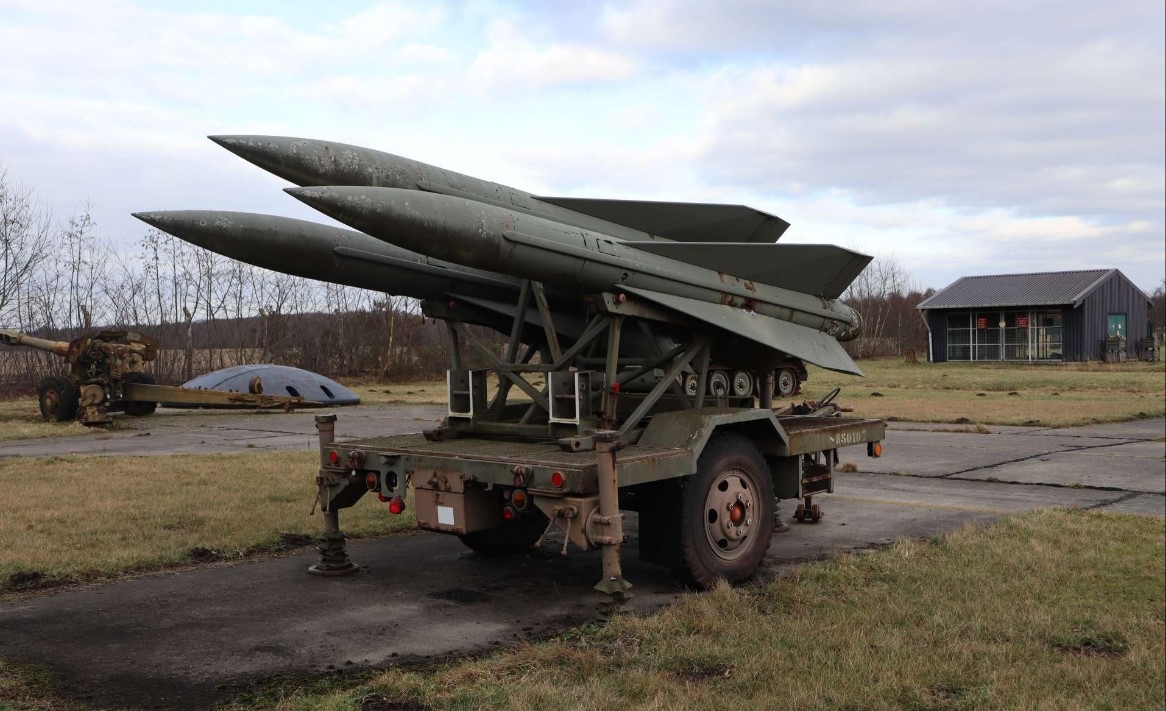
World
Ukraine has recently showcased the effectiveness of the vintage MIM-23 HAWK air defense system in intercepting Russian cruise missiles and one-way attack drones. Despite being a Cold War-era technology, first deployed by the U.S. Army in 1959, the HAWK system is making a significant impact in protecting Ukrainian cities and infrastructure from aerial threats.The HAWK’s resurgence on the battlefield began when Spain transferred six launchers to Ukraine in the fall of 2023. Along with these launchers, 64 Ukrainian personnel underwent intensive training to operate the system. As the Russian missile campaign escalated, other NATO allies, including the United States, also contributed additional HAWK units to Ukraine's air defense capabilities. The decision to deploy this system was strategic, despite its age, and it has turned out to be a pivotal tool in countering Russian missile strikes.One reason for the HAWK's effectiveness lies in its modernization. Ukraine is primarily using the Improved HAWK Phase III variant, which boasts upgraded radar, missile tracking systems, and fire control technology. This variant allows Ukrainian forces to engage threats with high precision. Since its deployment, one HAWK unit has reportedly taken down 14 Russian cruise missiles and 40 Iranian-made Shahed drones, which are often used in kamikaze attacks.The HAWK system, with a range of 45 kilometers, is particularly effective against low- to medium-altitude threats, including drones and cruise missiles. Its phased-array radar and semi-active radar homing guidance ensure accurate missile tracking, even in challenging environments. Ukrainian defense experts, such as Taras Chmut, have praised its performance on platforms like X (formerly Twitter), where they highlighted how well both the HAWK and the Soviet-era S-125M systems are performing in air defense roles.The MIM-23 HAWK has a long combat history, having been used in various conflicts across the Middle East and beyond. While its technology dates back over six decades, western analysts estimate its success rate at 85%. Ukrainian forces, benefiting from modern training and advanced targeting methods, believe that the HAWK is even more effective under their operation, potentially achieving higher success rates.The reintroduction of the HAWK system into active conflict not only reflects Ukraine’s innovative use of available resources but also highlights the enduring value of legacy defense technologies. As Russian missile attacks continue, the HAWK has proven to be a reliable and effective shield, playing a vital role in Ukraine's broader air defense strategy. By integrating this vintage system into their modern defenses, Ukraine has shown that even decades-old equipment, when properly maintained and upgraded, can be a crucial asset in contemporary warfare.
Read More → Posted on 2024-09-08 15:41:45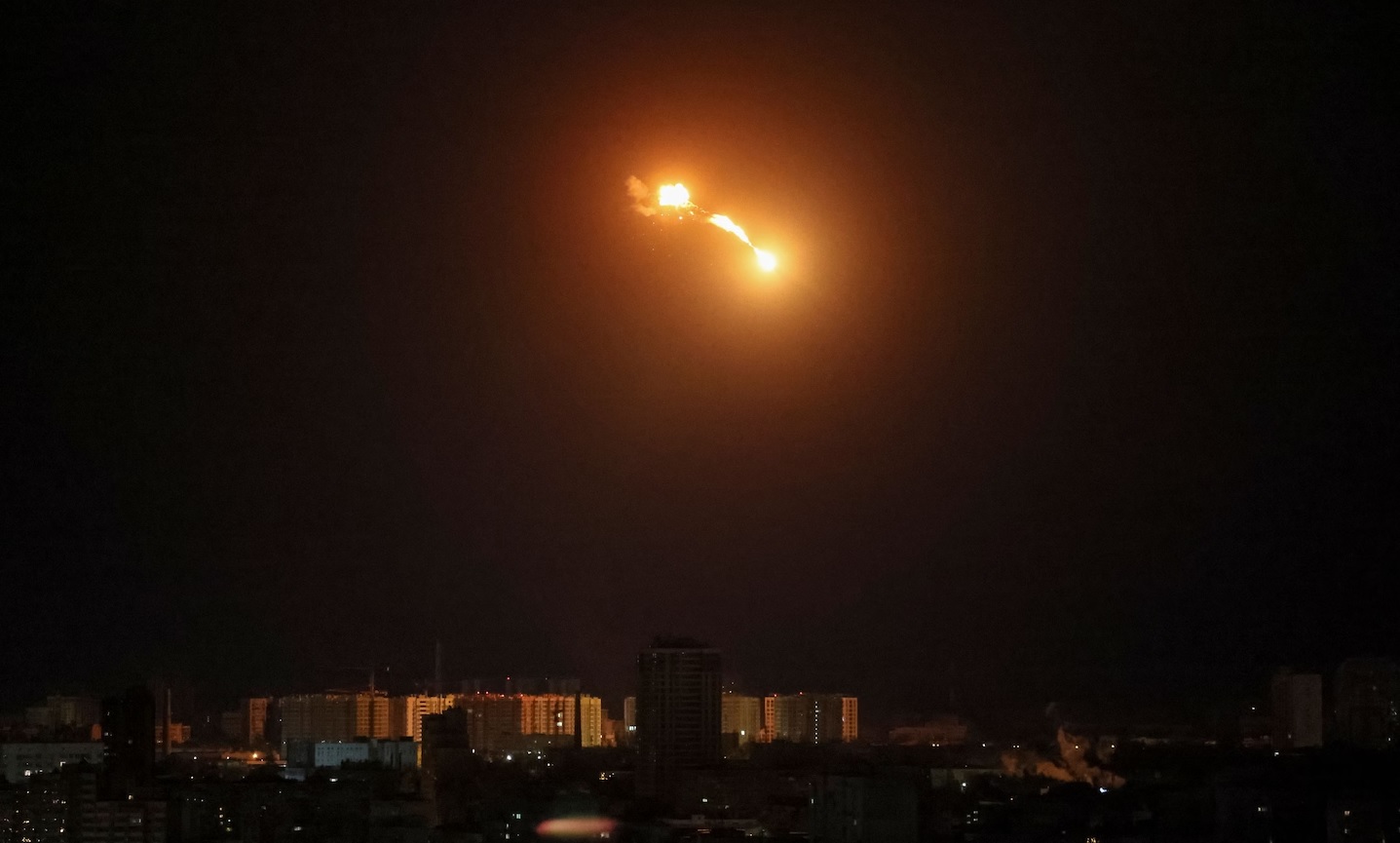
World
Russia's military has pushed forward in eastern Ukraine, claiming significant territorial gains, while Ukrainian forces and cities face intensified Russian air strikes. The conflict, now stretching into its third year, is reaching new levels of escalation with both nations ramping up their offensive strategies.On Sunday, Russian forces announced they had advanced in the Donetsk region, a vital part of Moscow’s objective to fully control eastern Ukraine’s Donbas. Moscow claimed to have captured the village of Novohrodivka, a small but strategic settlement located about 20 kilometers from the logistics hub of Pokrovsk. This move marks Russia’s most substantial territorial gain since early in the war, signaling a shift in momentum after months of intense fighting.As Russia intensified its offensive in the east, deadly air strikes continued to wreak havoc across Ukrainian territory. In the northern city of Sumy, a Russian air strike killed two people and injured four others, including two children. Sumy, located near Ukraine’s border with Russia, has been a hotspot for cross-border clashes as Ukrainian forces continue their efforts to push Russian troops back. Ukrainian authorities condemned the attack, citing it as yet another example of Russia’s indiscriminate violence against civilians.Further south, in the Donetsk region, a Russian rocket strike on a village near the front lines killed two women in their gardens. The regional prosecutor’s office reported that the attack used cluster munitions, a weapon that has been widely criticized for its devastating impact on civilians.Russia’s advances in the Donetsk region come as Kyiv launched its own offensive across the Russian border in the western Kursk region earlier in August. This Ukrainian counter-offensive is aimed at forcing Russia to redeploy its forces away from eastern Ukraine. Despite Ukraine's efforts, Moscow has escalated its attacks, making advances toward its larger goal of capturing the entire Donbas region.Russian President Vladimir Putin recently reiterated his commitment to capturing the Donbas, claiming that Ukraine’s ongoing Kursk offensive had inadvertently helped Moscow achieve its objectives. The Russian military’s success in capturing Novohrodivka is seen as part of this broader push.Meanwhile, Ukrainian President Volodymyr Zelensky has been urging Western allies to provide Kyiv with more advanced weapons to strike targets deeper inside Russia. Zelensky highlighted the scale of Russia’s recent aerial campaign, which has included over 800 guided bombs, 300 Shahed drones, and more than 60 missiles targeting Ukrainian cities and infrastructure. His calls for increased Western military support include lifting restrictions on using longer-range missiles, which could allow Ukraine to target Russian airfields and logistics hubs more effectively.One of Zelensky’s key points is that targeting Russian military installations inside Russia itself is necessary to halt the relentless aerial bombardment of Ukrainian cities. Kyiv has already carried out limited retaliatory strikes, including a drone attack on an ammunition depot in Russia’s Voronezh region. Ukrainian forces have also targeted Russian oil depots and refineries, crippling key supply chains that fuel Russia’s war machine.Despite these efforts, Russia has launched some of its deadliest strikes in recent weeks. A missile strike on a military education facility in Poltava last week has now claimed 58 lives, as some of the wounded succumbed to their injuries. In Lviv, a rare strike on the western city, far from the frontlines, left seven people dead last week.Ukraine’s leaders continue to emphasize their right to defend against Russian aggression, citing Article 51 of the United Nations Charter, which permits a nation to protect itself from attack. Kyiv insists that any restrictions on targeting Russian military assets within Russia’s borders only hinder Ukraine’s ability to stop further Russian aggression.As the war escalates, the international community watches closely, with the conflict's trajectory increasingly uncertain. With Russia making strides in eastern Ukraine and Ukraine pushing for more advanced retaliatory capabilities, the war shows no signs of slowing down. The stakes are higher than ever, with both nations locked in a deadly battle for control over the future of Ukraine.
Read More → Posted on 2024-09-08 15:39:00
World
In a major move to counter the lingering threat of Naxalism in Chhattisgarh, the Central Reserve Police Force (CRPF) has deployed over 4,000 troops to the violence-stricken Bastar region. This strategic action is part of the Indian government's intensified efforts to eradicate Left Wing Extremism (LWE) by March 2026. The campaign, endorsed by Union Home Minister Amit Shah, reflects the government’s determination to bring an end to the decades-long Maoist insurgency that has plagued the country’s central and eastern states.The CRPF has withdrawn four battalions—three from Jharkhand and one from Bihar—where Naxal activity has decreased significantly in recent years. These battalions, comprising the 159, 218, 214, and 22 units, will now focus on Chhattisgarh’s most volatile zones. Bastar, particularly the districts of Dantewada and Sukma, has remained a hotspot for Naxal operations, making it the central theater for the upcoming decisive battle.The CRPF, the nation’s lead internal security force, has built a network of forward operating bases (FOBs) over the past few years, securing key regions and enabling developmental initiatives to follow. However, setting up these bases in remote areas is risky, with frequent ambushes and improvised explosive device (IED) attacks by Naxal militants. To support these new deployments, the CRPF has bolstered its forces with armored vehicles, UAVs (unmanned aerial vehicles), and dog squads to navigate and secure these “no-go” areas.One of the biggest challenges facing the security forces in Chhattisgarh is the hostile terrain of south Bastar, where Maoist militants often employ guerrilla tactics, taking advantage of the dense forests and difficult-to-access regions. These areas, located near the tri-junction border of Odisha, Andhra Pradesh, and Telangana, have proven to be strongholds for Naxal fighters.The CRPF has also activated its CoBRA (Commando Battalion for Resolute Action) units in these operations, reinforcing efforts to eliminate militant hideouts. These elite units, trained in jungle warfare, have been critical in previous anti-Naxal campaigns, and their role is expected to be pivotal in the upcoming actions.However, this military push goes beyond just boots on the ground. The government has emphasized that infrastructure, particularly roads and helipads, will play a critical role in ensuring the success of these operations. Improved logistical capabilities are essential for maintaining the new positions in remote areas, allowing for faster troop movement, supply deliveries, and medical evacuations when necessary.The Bastar region has long been the most dangerous zone for anti-Naxal operations, with security forces suffering heavy casualties over the years. Yet, the overall Naxal violence across the country has declined by more than 50% in the past decade. Between 2004 and 2014, India saw over 16,000 Naxal-related incidents; this number dropped to 7,696 in the following decade under Prime Minister Narendra Modi’s government. Deaths due to Maoist violence have also seen a sharp decline—from 6,568 during 2004-14 to 1,990 in 2014-24.While the government is optimistic about meeting the 2026 deadline, senior officials acknowledge that continuous resource support—both in terms of technology and manpower—will be crucial to maintaining momentum. Helicopter and drone support, in particular, are essential to cover the vast, rugged terrains where Naxals operate.The CRPF’s top leadership is determined to lead the charge in this final push. Having already deployed around 40 battalions in Chhattisgarh, including the newly arrived troops, the force is now more committed than ever to hammering the "last nail in the coffin" of Left Wing Extremism. Recent operations have led to the deaths of over 150 Naxal militants in 2024 alone, a sign that the intensified efforts are already showing results.With the Indian government setting its sights on a March 2026 deadline, this massive redeployment of CRPF troops marks a critical juncture in the fight against Naxalism. If successful, it will not only bring an end to one of the country’s longest-standing insurgencies but also pave the way for peace and development in the affected regions.
Read More → Posted on 2024-09-08 15:34:56Search
Top Trending in 24 Hours
-
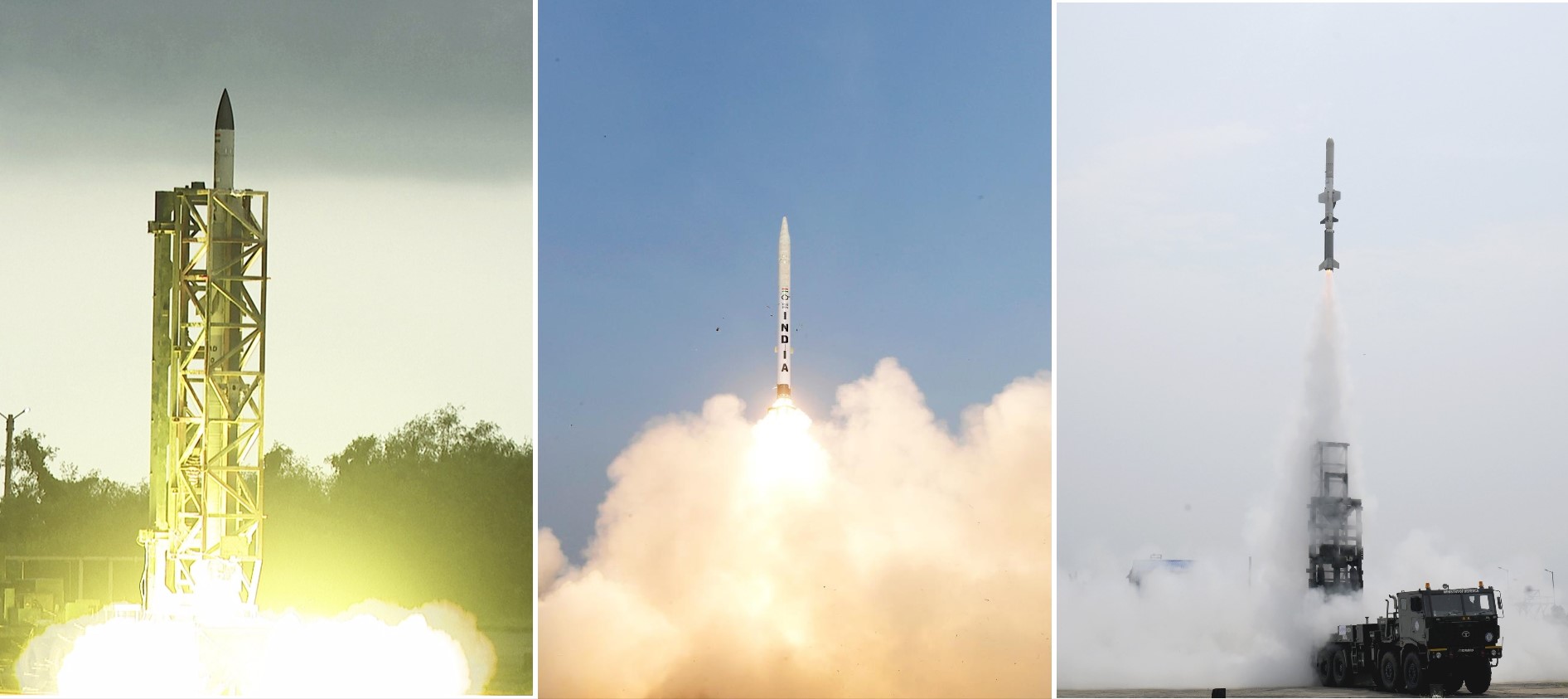 India Successfully Conducts AD-1, AD-2 Interceptor Tests and Maiden NASM-MR Flight Trial
-
 U.S Navy Orders 50 Blackbeard Hypersonic Missiles in New $23.4 Million Contract
-
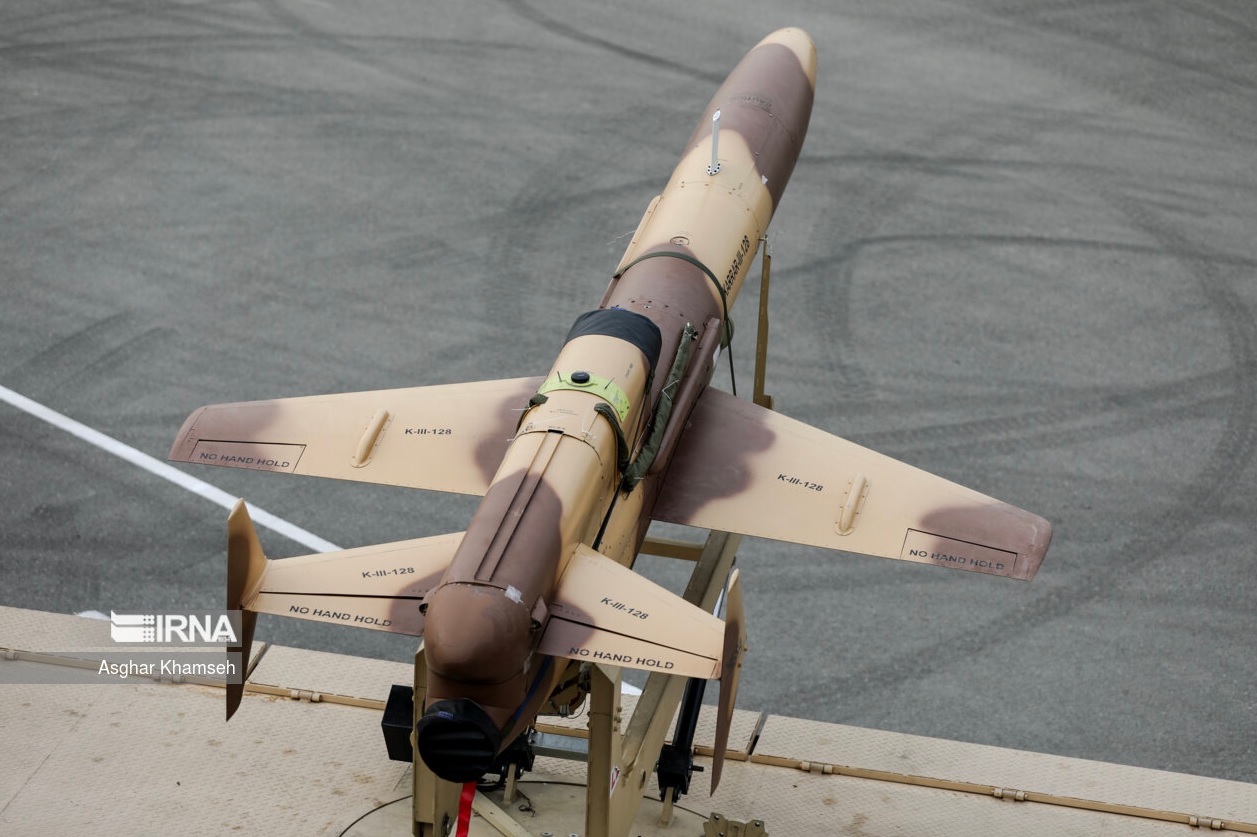 Russia Launches 1,400 Jet-Powered Drones in 2026 as Strike Tactics Evolve to Challenge Ukraine's Air Defenses
-
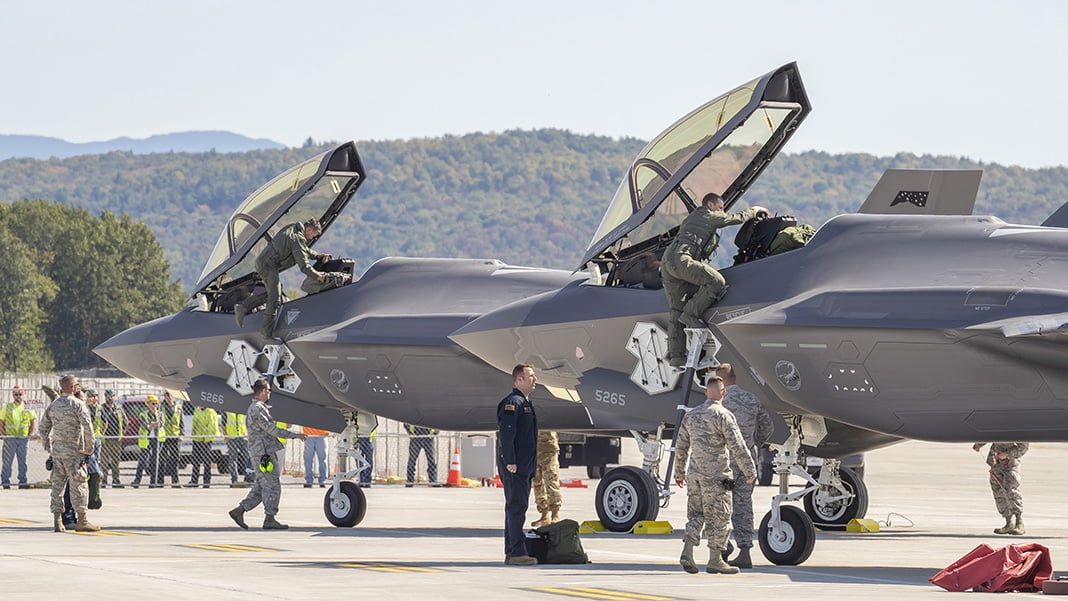 F-35 Fleet Readiness Falls to 25% Amid Parts Shortages and Software Delays: GAO Report
-
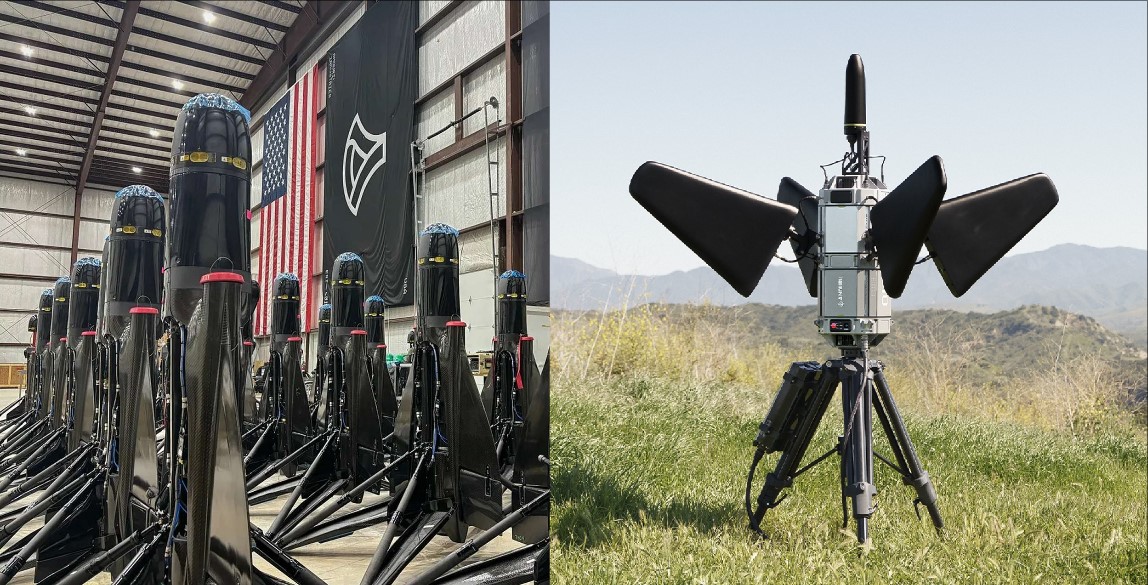 U.S. Approves $1.98 Billion Sale of Anduril AI-Powered Counter-Drone Systems to Kuwait
-
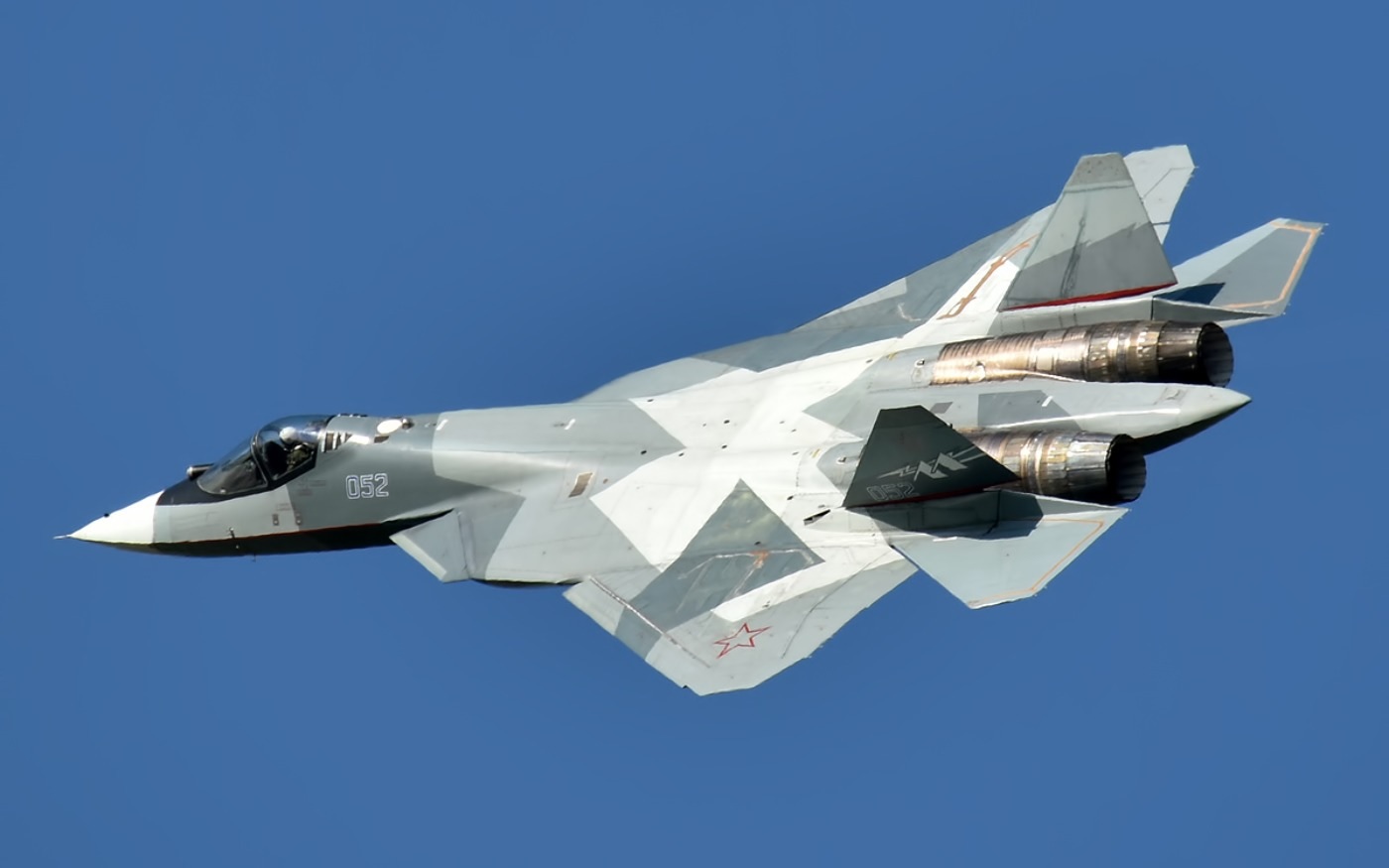 Russian Analysts Debate Su-57 Capabilities After Putin Calls Fighter Superior to F-35
-
 UAE Denies Reports of Releasing Up to $20 Billion in Funds to Iran Amid Regional De-Escalation Efforts
-
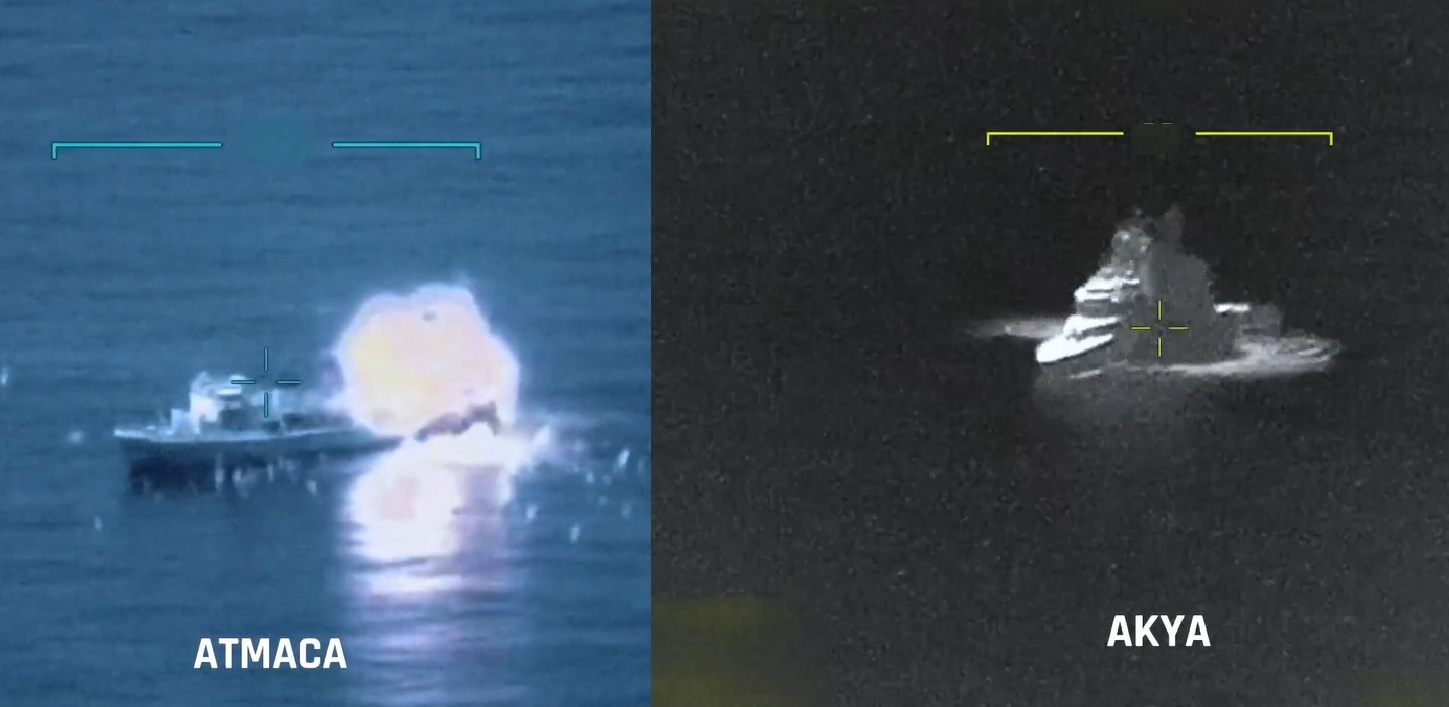 Turkey Navy Successfully Tests AKYA Torpedo and ATMACA Missile During Major Denizkurdu-II Naval Exercise
Top Trending in 4 Days
-
 Iranian Media Leaks 14-Point U.S.-Iran Peace Framework Amid Ongoing Negotiations
-
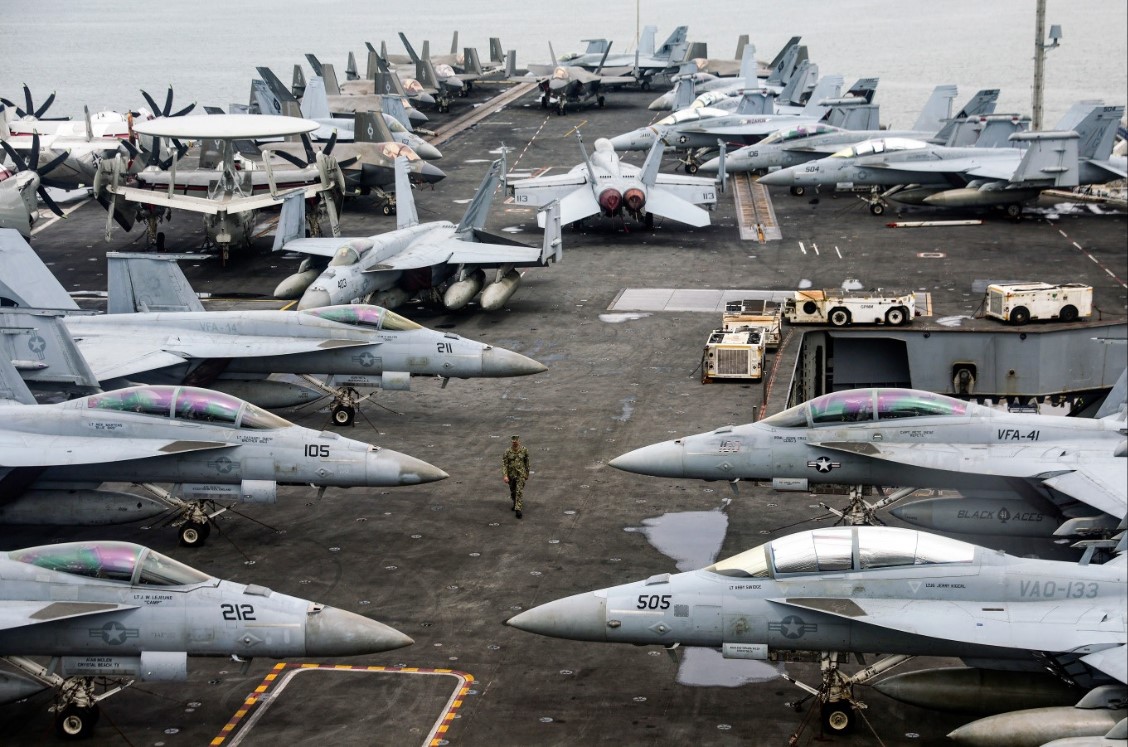 US Plans Significant Reduction of Fighter Jets and Warships for NATO Operations in Europe
-
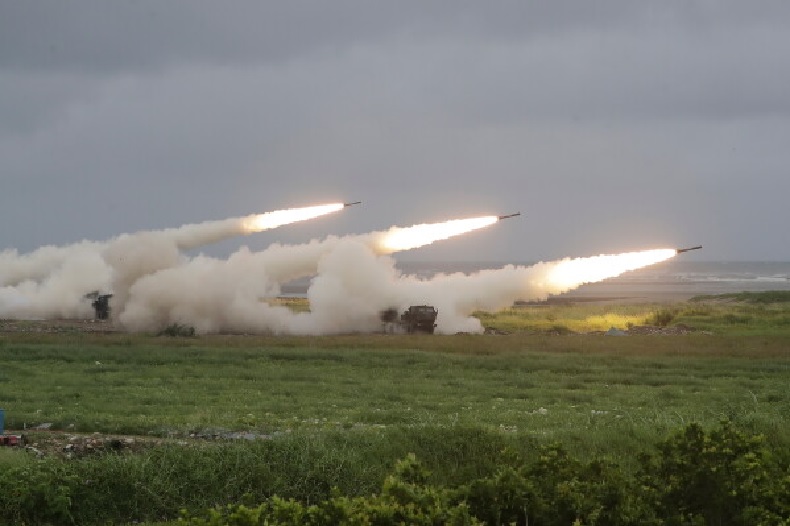 Taiwan Conducts First Live-Fire of HIMARS Rockets From West Coast During Invasion Defense Drill
-
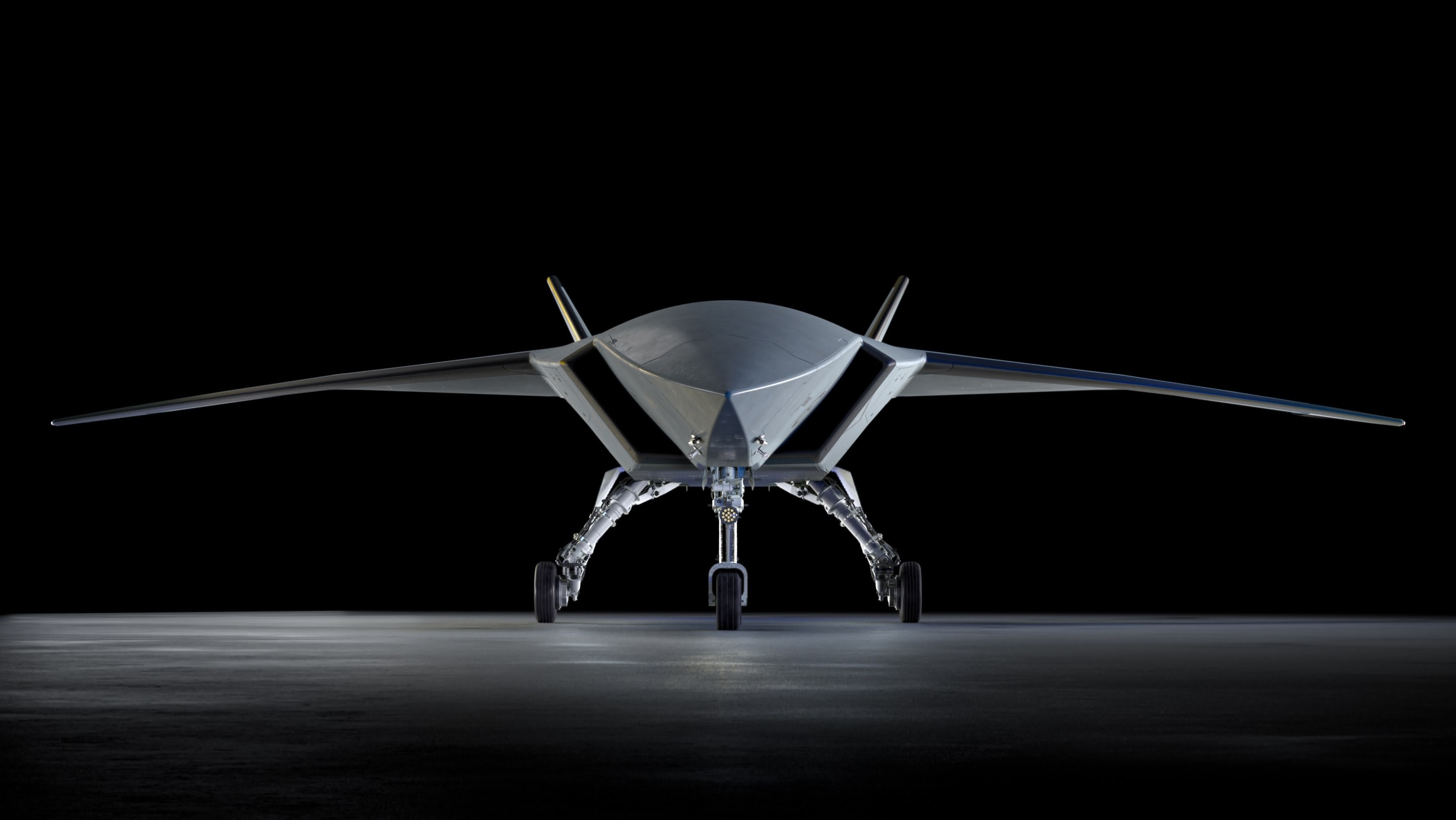 Boeing Introduces New MQ-28 Ghost Bat Upgrades with Increased Range, Payload and Weapons Capacity at ILA Berlin 2026
-
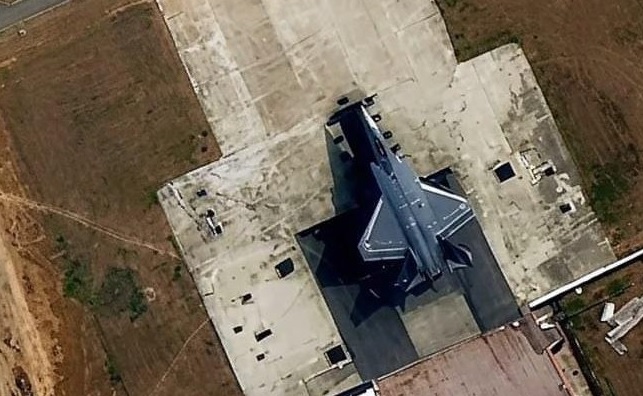 AMCA Airframe Spotted at DRDO’s ORANGE Facility for Radar Cross-Section Testing
-
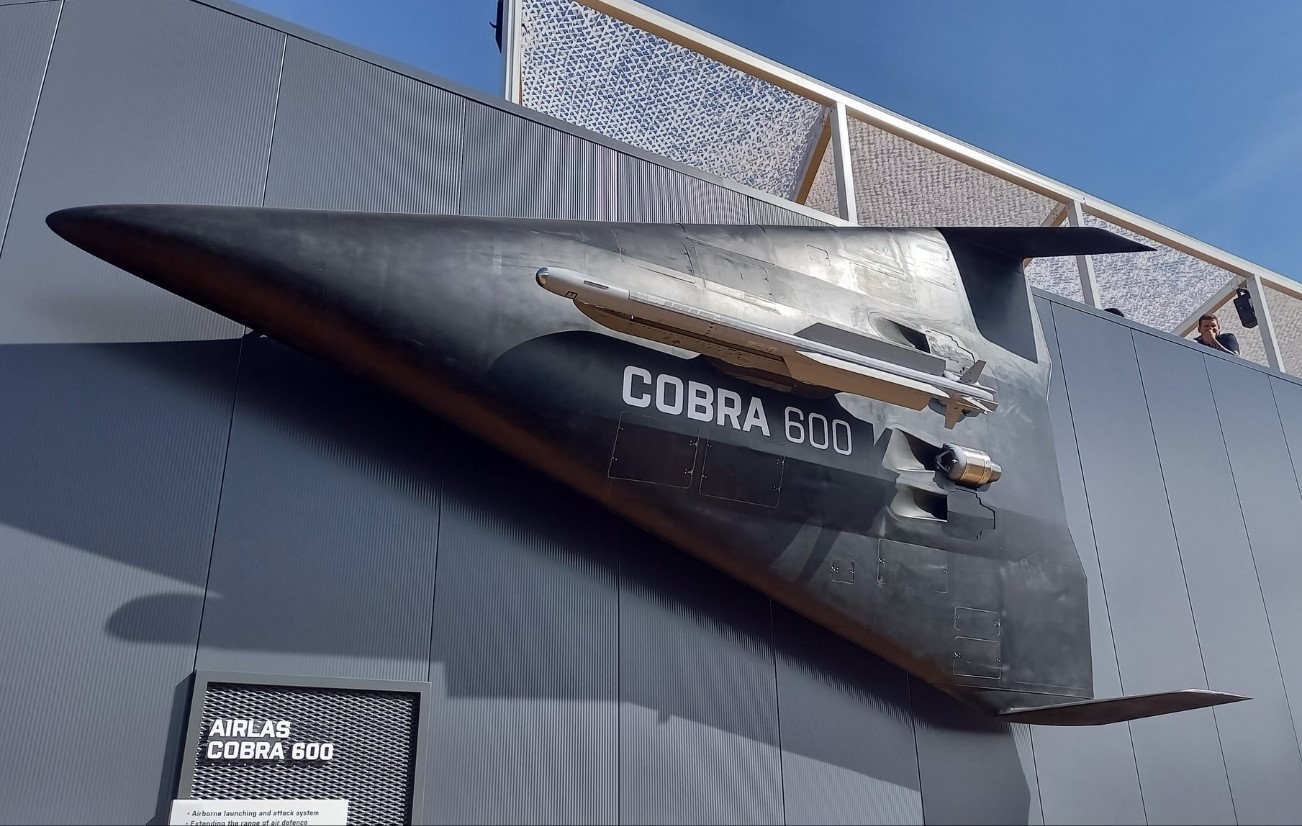 Diehl Defence Unveils IRIS-T Armed Cobra 600 Air Defense Drone at ILA Berlin 2026
-
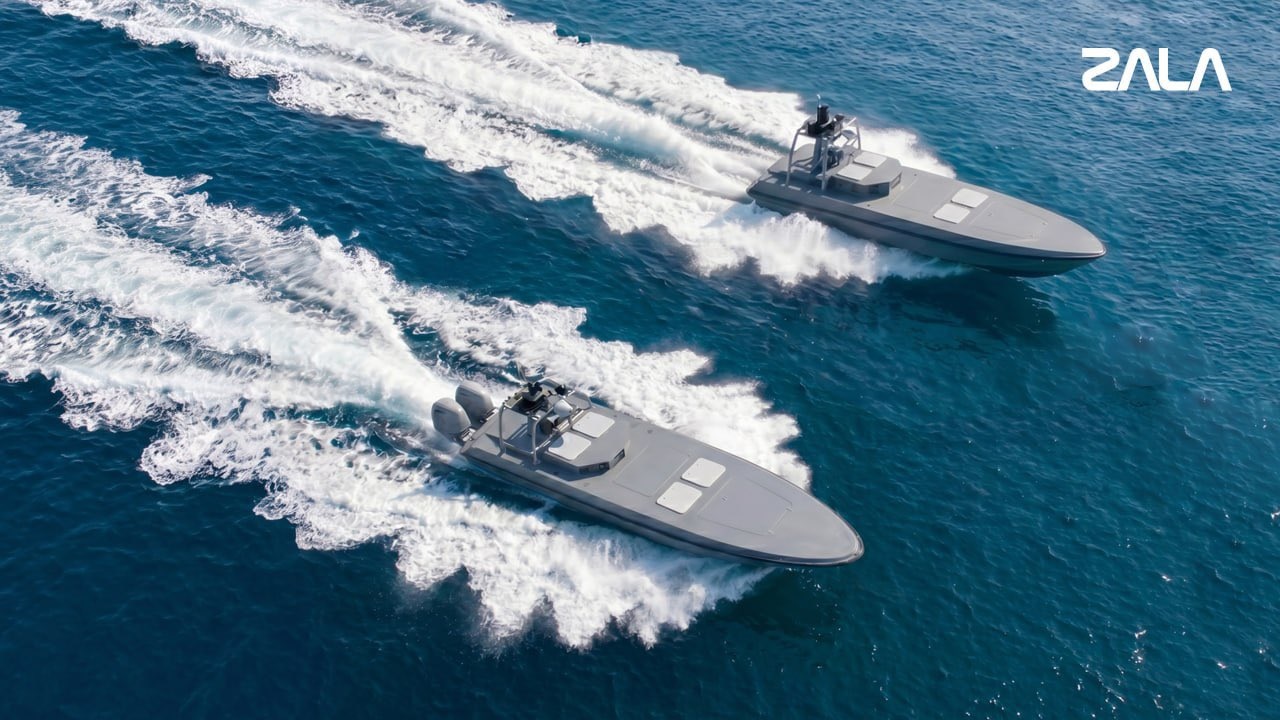 Russian Defense Firm ZALA Unveils KAMA Unmanned Surface Vessel Family at FLOT-2026 Naval Exhibition
-
 U.S Aircraft Carrier USS Theodore Roosevelt Departs San Diego for Major RIMPAC 2026 Naval Exercise