World
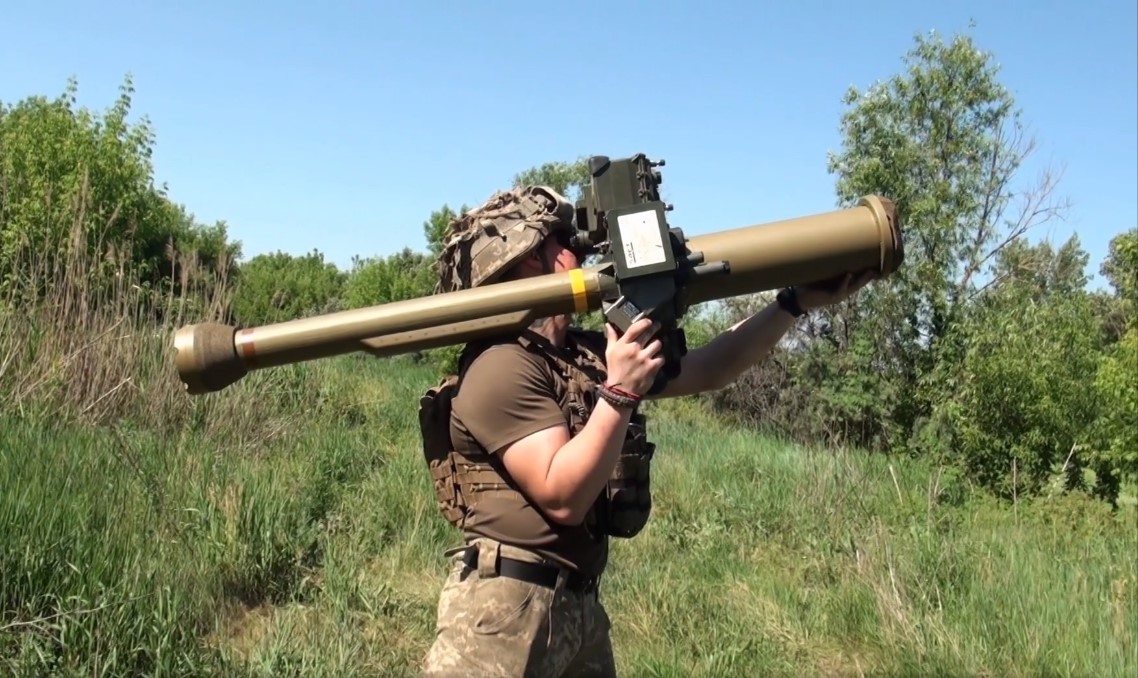
In a significant move to strengthen Ukraine's military capabilities, the United Kingdom has committed to providing 650 Lightweight Multirole Missiles (LMM) as part of a larger £162 million air defence package. This pledge, announced by UK Defence Secretary John Healey during the Ukraine Defence Contact Group (UDCG) meeting at Ramstein Air Base in Germany, represents another milestone in the UK's ongoing support for Ukraine amidst the ongoing conflict with Russia.The LMM, also known as the "Martlet," is a versatile missile system developed by Thales. Designed primarily for air defence, it can be launched from helicopters, ships, and ground-based platforms, making it a valuable asset in Ukraine’s efforts to counter a wide range of threats. The LMM boasts an impressive dual-mode seeker that uses both laser guidance and infrared technology, allowing it to engage fast-moving aerial and ground targets with precision. This flexibility makes it a suitable tool for Ukraine’s air defence, especially in countering drones, helicopters, and low-flying aircraft.John Healey emphasized that this commitment is part of a broader strategy to accelerate aid deliveries to Ukraine, urging other allies to do the same. The first batch of these missiles is expected to be delivered by the end of this year, reflecting the urgency with which the UK and its allies view the need for enhanced military support to Ukraine. This follows discussions between Healey and Ukraine's Defence Minister, Rustem Umerov, where both nations agreed on the need to expedite these critical supplies.This defence package not only includes the LMM systems but also an additional £300 million worth of artillery ammunition, underscoring the breadth of the UK’s aid to Ukraine. The artillery rounds are expected to arrive in Ukraine by the end of the year, supporting its ground forces in the continuing effort to repel Russian advances.This ongoing commitment by the UK demonstrates a broader international strategy to help Ukraine maintain its defensive posture while pressuring Russia diplomatically and economically. The delivery of these advanced missile systems marks a significant upgrade to Ukraine’s current air defence network, offering enhanced protection for critical infrastructure and military positions. The LMM’s lightweight design, coupled with its precision capabilities, makes it an ideal choice for Ukraine, as it can be quickly deployed and integrated into various combat scenarios.The UK’s provision of these missiles sends a clear message to both Ukraine and its adversaries: the international community is committed to ensuring Ukraine has the tools necessary to defend itself. As the conflict in Ukraine continues, this latest aid package from the UK will likely play a crucial role in shaping the trajectory of the war.
Read More → Posted on 2024-09-08 15:13:08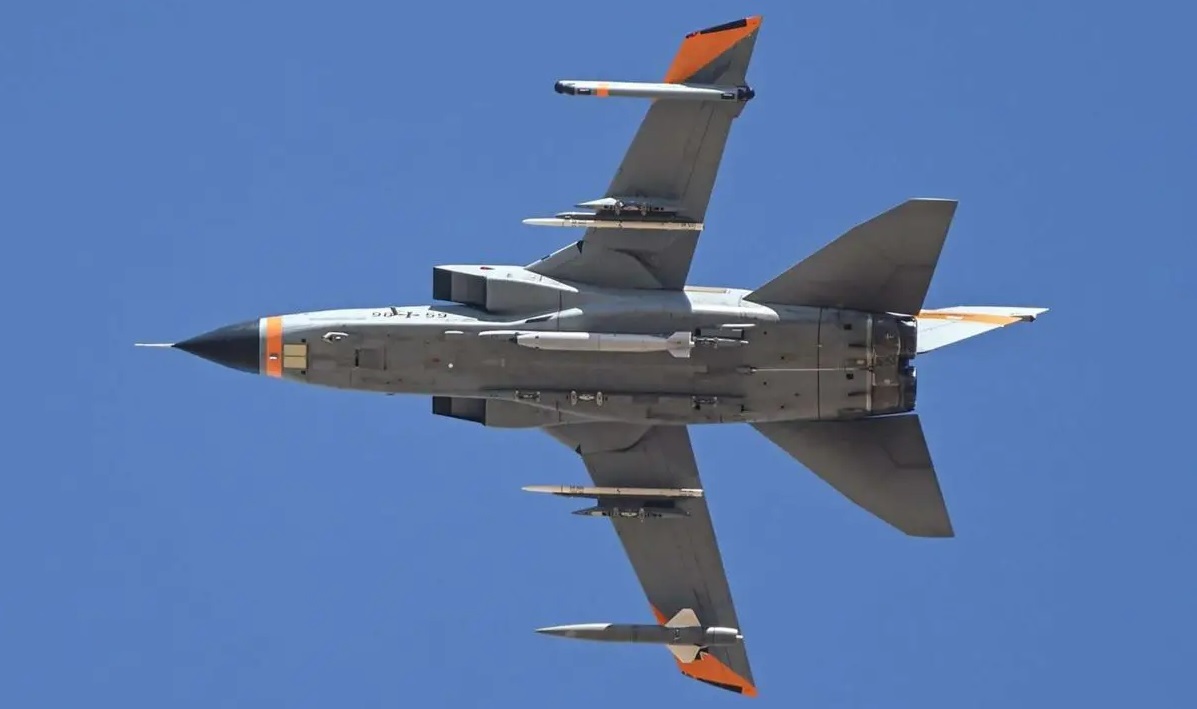
World
Recently, two German Tornado fighter jets were spotted at Edwards Air Force Base in California, drawing significant attention due to their cargo—a B61-12 nuclear bomb trainer. This sighting, shared on social media by user TaskForce23, highlights Germany's active role in NATO’s nuclear strategy.The B61-12 bomb is a modern variant of the B61 family, distinguished by its adjustable explosive yields, which can reach up to 50 kilotons of TNT. For perspective, the bombs dropped on Hiroshima and Nagasaki in 1945 had yields of 15 and 25 kilotons, respectively. The version seen at Edwards was a trainer model, designed for non-explosive training purposes.Sören Schmelz, a spokesperson for the German Bundeswehr Procurement Office, explained that these jets were in the U.S. as part of the "Silent Companion 24" campaign. "Both aircraft are currently in the U.S. for testing, which took place at Edwards Air Force Base, while instrumentation was conducted at the Tonopah Test Range in Nevada," Schmelz said. The aircraft are expected to return to Germany between September 11 and 13.The Tornado jets, Germany’s current platform for nuclear delivery under NATO's nuclear sharing arrangements, are set to be replaced by the F-35 in the near future. This testing is a key aspect of Germany’s contribution to NATO's nuclear deterrence strategy, ensuring the country's readiness and compliance with its obligations within the alliance, especially in light of escalating global tensions.This demonstration not only underscores Germany's commitment to NATO's nuclear posture but also reflects the ongoing evolution and testing of nuclear capabilities within the alliance.
Read More → Posted on 2024-09-07 15:24:21
World
Russia's military has received a fresh batch of the T-90M Proryv (Breakthrough) main battle tanks, adding to its formidable ground forces. These new tanks, delivered by Uralvagonzavod (UVZ), a prominent Russian manufacturer, come at a crucial time when Russia is actively deploying its latest military hardware on the front lines, particularly in Ukraine.Touted by President Vladimir Putin as “the best tanks in the world,” the T-90M is currently Russia’s most advanced tank in operation. It features a host of upgrades compared to its predecessors, designed to increase both its survivability and offensive capabilities. At the heart of these improvements is a modern electronic warfare suite capable of countering drones, a growing threat on today's battlefields. In addition, the tank boasts reactive armor and a new composite armor system that enhances its defenses against anti-tank guided missiles.One of the standout features of the T-90M is its increased battlefield resilience. With cutting-edge technologies, the tank reduces its visibility to enemy forces, making it harder to detect and target. Its turret is also protected by Relikt explosive reactive armor (ERA), which is designed to detonate upon impact, neutralizing incoming projectiles, including armor-piercing rounds and high-explosive anti-tank missiles.The T-90M is powered by a V-92S2F 12-cylinder diesel engine, delivering a robust 1,130 horsepower, allowing the tank to reach speeds of up to 60 km/h. Its 125mm smoothbore gun, capable of firing a range of munitions, including high-velocity armor-piercing rounds and anti-tank guided missiles, gives it significant firepower against a variety of battlefield threats. Additionally, its fire control system has been modernized with a panoramic sight and thermal imaging, allowing for effective engagement of targets day or night.Despite these impressive upgrades, the T-90M has faced some challenges in combat. Approximately 107 of these tanks have reportedly been destroyed in Ukraine, with a few even being captured by Ukrainian forces in working condition. This has led to criticism from some Western analysts, who argue that the T-90M retains certain vulnerabilities from older Soviet-era tanks like the T-72 and T-80, particularly regarding its crew protection and internal ammunition storage.However, Alexander Potapov, the General Director of UVZ, remains confident in the tank’s abilities. He praised the factory workers for their role in strengthening Russia's defense capabilities, drawing parallels to the World War II-era slogan “Everything for the front—everything for victory.” The sentiment reflects the importance Russia places on its armored fleet in modern warfare, where tanks play a pivotal role in ground operations.Despite battlefield losses, the T-90M continues to be a critical component of Russia's military strategy. Its combination of advanced weaponry, defensive measures, and electronic warfare capabilities makes it a formidable opponent. Whether these tanks can maintain their reputation as the best in the world, however, will depend on their continued performance in the complex and rapidly evolving battlefields of modern warfare.
Read More → Posted on 2024-09-07 14:54:20
World
Germany is stepping up its military support for Ukraine, announcing the delivery of 12 additional Panzerhaubitze 2000 self-propelled howitzers. The move was confirmed by German Defence Minister Boris Pistorius during the Ukraine Contact Group meeting at the US Ramstein Air Base. This latest assistance comes as Ukraine continues to resist Russian aggression, particularly in the heavily contested Donetsk region.Out of the 12 howitzers, six are set to arrive in Ukraine before the end of this year, while the remaining six are expected in 2025. The total cost for the package is estimated at around €150 million. The Panzerhaubitze 2000 (or PzH 2000) has already proven its value on the battlefield, offering both advanced technology and powerful firepower. Known for its impressive firing range of up to 30 kilometers, the PzH 2000 is designed to deliver precision strikes with minimal exposure to enemy fire. It has an automated loading system that allows rapid-firing capabilities, with the ability to launch three rounds in just nine seconds or ten rounds in less than a minute.This is not Germany’s first shipment of PzH 2000 units to Ukraine. Earlier, Berlin sent 14 of these artillery systems, making this new batch a significant reinforcement to Kyiv's defensive and offensive operations. The German howitzers have been highly regarded by Ukrainian forces for their durability and accuracy, especially in prolonged combat situations. This additional hardware is expected to provide a boost to Ukrainian artillery efforts, particularly as the conflict in eastern Ukraine shows no signs of abating.Ukrainian President Volodymyr Zelensky, who participated in the opening session of the Ramstein meeting, made an impassioned plea for more military aid. He emphasized the necessity for increased firepower to repel Russian forces, especially in hotspots like Donetsk, where intense fighting continues.As Ukraine receives these additional artillery systems, it is clear that Germany remains committed to supporting the country in its battle for sovereignty. The PzH 2000 is a formidable asset, equipped with advanced targeting systems and capable of firing high-precision ammunition, including GPS-guided shells, which enhance its operational effectiveness. The vehicle is also heavily armored, providing protection for its crew during combat, and can operate in various terrain conditions, making it well-suited for the complex battlefield environment Ukraine currently faces.Germany’s decision to supply more of these howitzers underscores a broader trend among Western allies to bolster Ukraine’s defense capabilities, ensuring the country remains resilient against continued Russian advances. As the war continues to evolve, artillery systems like the Panzerhaubitze 2000 are expected to play a crucial role in shaping the outcome of future engagements.
Read More → Posted on 2024-09-07 14:51:40
World
The Netherlands is making a significant move to bolster its military capabilities by ordering two more Anti-Submarine Warfare Frigates (ASWF) and six additional NH90 NFH helicopters. These acquisitions are part of a broader effort outlined in the country's 2024 Defence Memorandum, a comprehensive plan to prepare the nation for potential conflicts that are becoming increasingly likely in today's geopolitical landscape.The decision to expand the military fleet comes in response to the growing instability across Europe and beyond. As the Dutch Ministry of Defence (MoD) put it, "There is war on the European continent and unrest in the world. The Netherlands can also become involved in an armed conflict." The memorandum emphasizes the need for a more resilient defense force, ready to defend Dutch territory and its NATO allies, while deterring potential threats.Preparing for Worst-Case ScenariosThe Defence Memorandum lays out four critical scenarios that could severely impact Dutch national security:1. A direct attack on NATO2. Covert and hybrid attacks combining military and non-military means3. Rising tensions between China and its neighbors, leading to a conflict between China and the United States4. Unrest and conflict along the borders of EuropeThese scenarios are seen as interconnected, meaning multiple threats could arise simultaneously, compounding the risks for the Netherlands. The Dutch MoD is particularly concerned about the possibility of Russia launching an attack on NATO, triggered by "shadowy, elusive attacks" that destabilize the region.In response, the Dutch government has pledged an additional €2.4 billion to strengthen its armed forces. This funding will not only go towards enhancing the Royal Netherlands Navy and Air Force but also towards improving recruitment and retention within the military. The strategic goal is to increase resilience and ensure the Netherlands is well-equipped for any eventuality.Naval Strength: New Frigates and HelicoptersA significant portion of the new defense budget will be allocated to expanding the Royal Netherlands Navy's capabilities. Two more Anti-Submarine Warfare Frigates will be added to the fleet, bringing the total to four. These frigates are designed to address NATO's growing demand for long-term anti-submarine warfare (ASW) capabilities, particularly in the European seas, Atlantic Ocean, Arctic, and even the Indo-Pacific region.The importance of these frigates extends beyond just ASW missions. They will also be capable of providing defense against ballistic and cruise missiles, as well as conducting precision strikes. The Dutch Navy sees these versatile ships as essential for maintaining long-term deployments across multiple strategic regions.Moreover, the six additional NH90 NFH helicopters will bolster the maritime helicopter fleet, increasing the Royal Netherlands Navy’s ability to support both maritime and amphibious operations. These helicopters, already known for their versatility, will play a crucial role in supporting long-term deployments by providing enhanced surveillance, anti-submarine capabilities, and logistical support. Their ability to be deployed with naval vessels or for marine missions further strengthens the navy's operational flexibility.Strengthening the Entire Defense EcosystemThis expanded investment in military hardware is not limited to the navy. The Royal Netherlands Army will acquire 46 new Leopard 2A8 Main Battle Tanks, with an option for six more. Meanwhile, the Royal Netherlands Air Force will receive six additional F-35A fighter jets, expanding its fleet and improving its ability to engage in various combat scenarios.The 2024 Defence Memorandum stresses the importance of innovation and the integration of unmanned technologies, particularly in naval operations. As the threat landscape evolves, the Netherlands is positioning itself to not only meet current challenges but to innovate and adapt to future threats.A Broader European Defense StrategyThe Netherlands' defense buildup reflects a wider trend across Europe, as countries increase military spending and modernize their forces in the wake of growing tensions with Russia and rising geopolitical uncertainty in regions like the Indo-Pacific. As a NATO member, the Netherlands' enhanced capabilities will also contribute to collective security across the alliance.In conclusion, by expanding its naval and air capabilities, the Netherlands is taking proactive steps to "prepare for the worst." These investments, along with the strategic framework outlined in the Defence Memorandum, ensure the Dutch military is better equipped to meet the demands of an increasingly volatile global landscape. The country’s defense policy highlights the importance of both deterrence and preparedness, signaling to potential adversaries that the Netherlands is ready to defend itself and its allies.
Read More → Posted on 2024-09-06 15:11:06
World
The Australian Army recently conducted successful trials of the Vegvisir situational awareness solution on its retrofitted M113 armored personnel carriers (APCs). The trial explored how this cutting-edge, mixed-reality technology can enhance battlefield awareness and vehicle management, particularly in unmanned and optionally-manned scenarios. This shift reflects the growing global trend to modernize military vehicles by upgrading aging platforms rather than scrapping them—a strategy that extends the lifespan of once-outdated equipment like the M113.The Vegvisir solution, developed by the Estonian-Croatian startup, provides an immersive experience for operators, combining 360-degree vision and real-time data with ultra-low latency. The system is made up of vehicle-mounted cameras and thermal sensors paired with an immersive headset. This setup gives operators a bird’s-eye view of their surroundings, allowing them to navigate complex environments and avoid threats more effectively. The system also includes features like bitrate limitation for each camera and custom driving aid lines, helping operators make precise decisions in the heat of battle. The trials allowed Australian Army personnel to manage a fleet of unmanned vehicles from a single control hub, testing the Vegvisir Remote variant designed for unmanned or optionally-manned vehicles. The Vegvisir Core version, on the other hand, is tailored for fully manned vehicles, providing a flexible solution for a variety of battlefield scenarios. One of the standout advantages of the Vegvisir system is its ability to integrate seamlessly with older, converted platforms like the M113 APC, proving that even decades-old equipment can be updated for modern warfare.The M113, once a staple of many military forces, is a tracked armored personnel carrier first developed in the 1960s. Its original design allowed it to carry up to 11 soldiers and a crew of two, making it versatile in various battlefield roles. However, with the advent of newer and more advanced vehicles, the M113 has gradually been phased out in many countries. The Vegvisir trials, however, demonstrate a new direction—rather than discarding the M113s, they can be retrofitted with modern tech to serve unmanned or optionally-manned roles.This technological leap represents a massive cost-saving opportunity for the Australian military and others worldwide. As Vegvisir’s CEO Ingvar Parnamae pointed out, there are hundreds of thousands of aging armored platforms across the globe. Repurposing them with modern technology like the Vegvisir system could provide a significant return on investment for defense budgets.The Australian Army’s decision to trial the Vegvisir system is a sign of their commitment to modernizing their military capabilities. The ability to control fleets of unmanned vehicles, monitor network quality in real-time, and utilize mixed-reality overlays could be a game-changer in future combat scenarios, especially as the nature of warfare continues to evolve with advancements in technology.Vegvisir's success in these trials suggests the system could soon be a staple in the global defense sector, particularly for countries looking to maximize the efficiency of their existing military assets without the need for an entirely new fleet of vehicles. The Australian Army is positioning itself at the forefront of this shift, leveraging technology to transform how its vehicles operate on the battlefield.
Read More → Posted on 2024-09-06 15:07:56
World
In a significant milestone for naval defense, the UAE's EDGE Group has signed a strategic partnership contract with the Brazilian Navy to advance the development of Brazil's National Anti-Ship Missile (MANSUP). The collaboration, which includes Brazil's smart weapons specialist SIATT, is set to complete the missile's development by 2025, marking a major step forward in both countries' defense capabilities.The MANSUP missile, also known as the "Missil Antinavio Nacional de Superfície," is designed to bolster Brazil's naval power, particularly in the face of modern maritime threats. Under this new contract, EDGE Group and SIATT are tasked with not only finalizing the missile's design but also ensuring its seamless integration into the Brazilian Navy's Tamandaré-class stealth frigates. These next-generation frigates, which are being constructed with advanced radar evasion capabilities, will benefit significantly from the MANSUP's precision and long-range strike ability.What makes this agreement particularly noteworthy is its provision for the development of an extended-range version of the missile, known as the MANSUP-ER. This variant is expected to push the boundaries of the missile's strike capabilities, enabling the Brazilian Navy to target vessels at much greater distances. The MANSUP-ER’s inclusion in Brazil’s naval arsenal will not only modernize its fleet but also provide a critical edge in maritime defense, particularly in strategic zones like the South Atlantic.Beyond missile development, this partnership will have a profound impact on Brazil's defense industry and economy. EDGE Group CFO Rodrigo Torres emphasized that this program is more than just a defense collaboration. The contract will catalyze the construction of new factories and create job opportunities, providing a major boost to Brazil’s industrial base. In São Paulo, for example, SIATT is set to expand its manufacturing capabilities, further cementing the city’s role as a hub for advanced military technology production.This project represents a deeper integration between Brazil and the UAE’s defense industries. The collaboration also signals a strategic alignment between the Brazilian Navy and the UAE Ministry of Defence, as EDGE Group is not only set to deliver MANSUP to Brazil but is also planning to offer this technology to the UAE. This cross-border defense synergy exemplifies a growing trend of international partnerships to share cutting-edge military technologies.From a technical perspective, the MANSUP missile boasts several features designed to provide a tactical advantage in naval engagements. While the final specifications are still under refinement, previous versions of the missile have been designed with a range of up to 70 kilometers, high subsonic speeds, and a powerful warhead capable of disabling or destroying large enemy vessels. The extended-range version, MANSUP-ER, is expected to surpass these capabilities, although exact performance details remain classified. In addition, the missile’s guidance system is expected to include both radar and GPS-assisted navigation, ensuring accuracy even in challenging maritime conditions.The signing ceremony, attended by high-ranking officials from both the Brazilian Navy and EDGE Group, underscores the importance of this collaboration. Admiral Edgar Luiz Siqueira Barbosa, the Director General of Naval Material for the Brazilian Navy, and other senior military figures expressed their optimism about the impact this partnership will have on Brazil’s naval defense strategy. The Tamandaré-class frigates, once equipped with the MANSUP missile system, will become a key element in protecting Brazil’s coastal waters and economic zones.This strategic partnership between EDGE Group, SIATT, and the Brazilian Navy is the latest in a series of defense collaborations aimed at enhancing military capabilities while fostering economic growth. With the MANSUP missile nearing its final development stage, Brazil and the UAE are positioning themselves as key players in the global defense industry. By 2025, the MANSUP-equipped Tamandaré frigates will stand as a testament to this powerful partnership.
Read More → Posted on 2024-09-06 14:57:33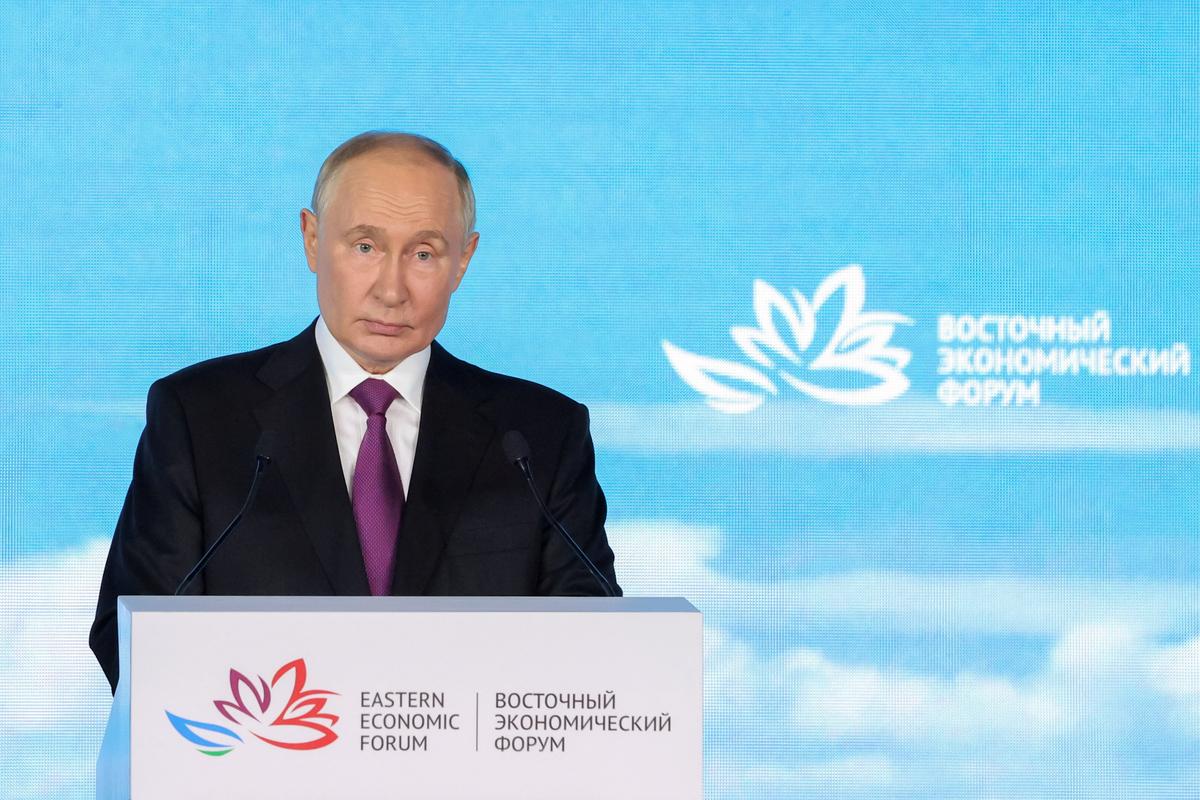
World
Russian President Vladimir Putin recently acknowledged the ongoing diplomatic efforts by India, China, and Brazil regarding the Ukraine conflict, emphasizing that he remains in regular contact with these nations to find a resolution. Speaking at the Eastern Economic Forum (EEF) in Vladivostok, Putin's comments were notable as they underscored the important role these emerging global powers could play in the peace process.During his remarks, Putin expressed his respect for India, China, and Brazil, stating that their efforts to resolve the Ukraine crisis are "sincere." His acknowledgment of these nations shows how Russia views them as crucial diplomatic partners. "We respect our friends and partners, who, I believe, sincerely seek to resolve all issues surrounding this conflict, primarily China, Brazil, and India. I constantly keep in touch with our colleagues on this issue," Putin said, as reported by Russia's state-owned TASS news agency. India, in particular, stands out in Putin's interactions due to its unique geopolitical position. Indian Prime Minister Narendra Modi has maintained a delicate balance between Russia and Ukraine while managing India’s relationships with Western nations like the U.S. Modi’s high-profile visit to Ukraine in August 2024, where he met with President Volodymyr Zelenskyy, signaled India’s desire to mediate and facilitate peace talks. During this visit, Modi reiterated India's commitment to a peaceful solution, stating that both Ukraine and Russia need to engage in dialogue to end the war swiftly. Modi even offered India’s assistance in these efforts, positioning the country as a potential mediator.Russian Presidential Spokesman Dmitry Peskov also touched upon India’s potential role in mediation. Speaking to the Russian daily *Izvestia*, Peskov highlighted the "highly constructive, even friendly relations" between Putin and Modi, noting that India's unique position—where Modi can directly communicate with both Putin and Zelenskyy—could be leveraged to push for peace. According to Peskov, India has an opportunity to use its global influence to encourage both sides, particularly the U.S. and Ukraine, to show the political will needed for negotiations. However, despite India’s outreach and Putin’s praise of these diplomatic efforts, the Kremlin remains skeptical about the immediate prospects for peace. Peskov clarified that there are currently no concrete plans for Modi to act as a formal mediator, citing the lack of any clear preconditions for negotiations. "At this time, they can hardly exist, as we do not see any preconditions for talks for now," he said, reflecting the Kremlin's view that, for the time being, the conflict remains too entrenched for meaningful dialogue.While Russia acknowledges India's role, the conflict itself is still far from a resolution. India, along with China and Brazil, continues to advocate for a peaceful settlement, but the path to achieving that remains fraught with challenges. Putin's consistent dialogue with these countries underscores the complex geopolitical dimensions of the war, where the involvement of non-Western powers like India may become increasingly important in determining the future course of the conflict.For now, though, the world watches as diplomatic efforts continue, with Russia keeping its communication channels open with key partners like India in the hope of eventually finding a peaceful way forward.
Read More → Posted on 2024-09-05 15:45:53
World
In a surprising statement, Russian President Vladimir Putin announced that Russia is prepared to engage in negotiations with Ukraine, but with one major condition: the talks must be based on an abandoned agreement from 2022. This statement, made during the Eastern Economic Forum in Vladivostok, marks a shift in Putin's stance, which had previously ruled out talks amid Ukraine’s offensive operations in Russia’s Kursk region.Ukraine’s bold cross-border military operation in August 2024 sent thousands of Ukrainian troops into Russia's Kursk region, seizing several villages and shaking up the conflict’s dynamic. In response, Putin initially dismissed the idea of peace talks, arguing that negotiations could not proceed under such circumstances. However, during his recent public appearance, Putin stated that while Russia is open to dialogue, it must be grounded in the negotiations that took place in Istanbul back in 2022. This Istanbul agreement, although never finalized or made public, was reportedly an early attempt to halt hostilities shortly after Russia launched its full-scale invasion of Ukraine in February 2022. According to Putin, the two sides had managed to reach a mutual understanding. The Ukrainian delegation had even initialed the document, signifying that they were broadly satisfied with the terms. But, as Putin claims, Western interference – particularly from the U.S. and certain European nations – prevented the deal from coming to fruition. He suggested that Ukraine was pressured to abandon the agreement because Western powers aimed to ensure Russia’s strategic defeat, rather than pursue a negotiated peace.Putin's comments highlight a recurring theme in Russia’s narrative throughout the war: that Western influence over Kyiv is prolonging the conflict. The Kremlin has often portrayed Ukraine as a pawn in a broader geopolitical struggle between Russia and the West, a claim that Ukraine and its Western allies reject.The notion of resuming talks based on an old agreement raises several questions. What exactly were the terms of the 2022 Istanbul deal, and why did it fail? Neither Russia nor Ukraine has publicly revealed the full details, although Putin’s remarks suggest that both sides were close to some form of agreement. If such a deal were to be revisited now, nearly two years later, it would have to account for the significant changes on the ground, including shifting military gains and losses, humanitarian impacts, and growing political stakes for both countries.Moreover, Ukraine has made it clear that it will not enter negotiations until Russian forces withdraw from occupied Ukrainian territories. Kyiv's leadership remains focused on regaining full territorial sovereignty, which includes not only the areas taken since the 2022 invasion but also Crimea, which Russia annexed in 2014. Any talks that revisit the Istanbul deal would need to reconcile these divergent positions.Putin’s remarks also come in the context of discussions about potential mediators for future peace talks. He has previously floated the idea of involving countries like China, India, and Brazil in brokering negotiations, which could bring fresh perspectives to the table but also further complicate the process given the range of interests involved.While Putin’s willingness to talk might appear to signal a potential breakthrough, it’s clear that the road to peace remains fraught with obstacles. Ukraine’s ongoing military offensives, Russia’s territorial ambitions, and the geopolitical chess game being played by external powers all weigh heavily on any prospects for meaningful dialogue.In the end, Putin’s offer to talk under specific conditions underscores that the situation is far from simple. The conflict has evolved beyond its initial stages, and both sides are now entrenched in their positions. Whether revisiting a 2022 agreement can bring the war to an end, or whether it is simply another tactical move in a prolonged conflict, remains to be seen.
Read More → Posted on 2024-09-05 15:45:32
World
Germany has ramped up its military support for Ukraine by placing an order for 17 additional IRIS-T air defense systems, signaling its ongoing commitment to bolstering Kyiv's defense capabilities amid the continuing conflict with Russia. The new order, announced by German Chancellor Olaf Scholz during his visit to an Air Force base near Kiel, is set to enhance Ukraine's ability to protect its skies from missile and drone attacks. Deliveries will begin in 2024, and all systems are expected to be fully delivered by 2026.These 17 systems are divided into two types: eight medium-range IRIS-T SLM (Surface-Launched Medium-range) systems and nine short-range IRIS-T SLS (Surface-Launched Short-range) systems. The SLM version is designed to intercept high-speed targets at medium ranges, providing robust protection against missiles, aircraft, and other airborne threats, while the SLS version is optimized for short-range engagements, offering quick-reaction defense against low-flying threats like drones and helicopters.Scholz confirmed that the delivery schedule would start as early as this year, with two units of each system type slated for 2023. The remaining systems will be delivered progressively, ensuring that Ukraine's air defense is gradually reinforced. According to reports, all 17 units will be in Ukrainian hands by 2026.Germany has already supplied Ukraine with seven IRIS-T systems—both SLM and SLS variants—since the onset of the war. These systems, produced by Diehl Defence, have played a critical role in shielding Ukraine's infrastructure and military assets from Russian missile and drone strikes. The precision, reliability, and adaptability of the IRIS-T systems make them a crucial asset in Ukraine’s efforts to safeguard its critical infrastructure and civilian areas.The IRIS-T air defense system is renowned for its advanced features. The SLM version, in particular, can engage targets at distances of up to 40 kilometers (approximately 25 miles) and at altitudes of up to 20 kilometers (around 12.5 miles). This capability allows it to intercept a wide range of aerial threats, including cruise missiles and aircraft. The SLS version, while designed for shorter-range defense, provides an additional layer of protection and is highly mobile, making it well-suited for battlefield use in fast-changing environments.Germany's latest order underscores its position as one of the leading arms suppliers to Ukraine, second only to the United States. Since the war began, Berlin has committed approximately €28 billion in military aid to Kyiv, including both already delivered equipment and future deliveries. This growing military support reflects Germany's strategic interest in helping Ukraine defend itself, as well as its broader commitment to European security.As Ukraine continues to face relentless missile and drone attacks from Russia, the additional air defense systems will significantly enhance its ability to counter these threats. With the IRIS-T systems already proven in battle, the new order is set to further fortify Ukraine's defensive capabilities, playing a crucial role in the months and years ahead.
Read More → Posted on 2024-09-05 15:42:07
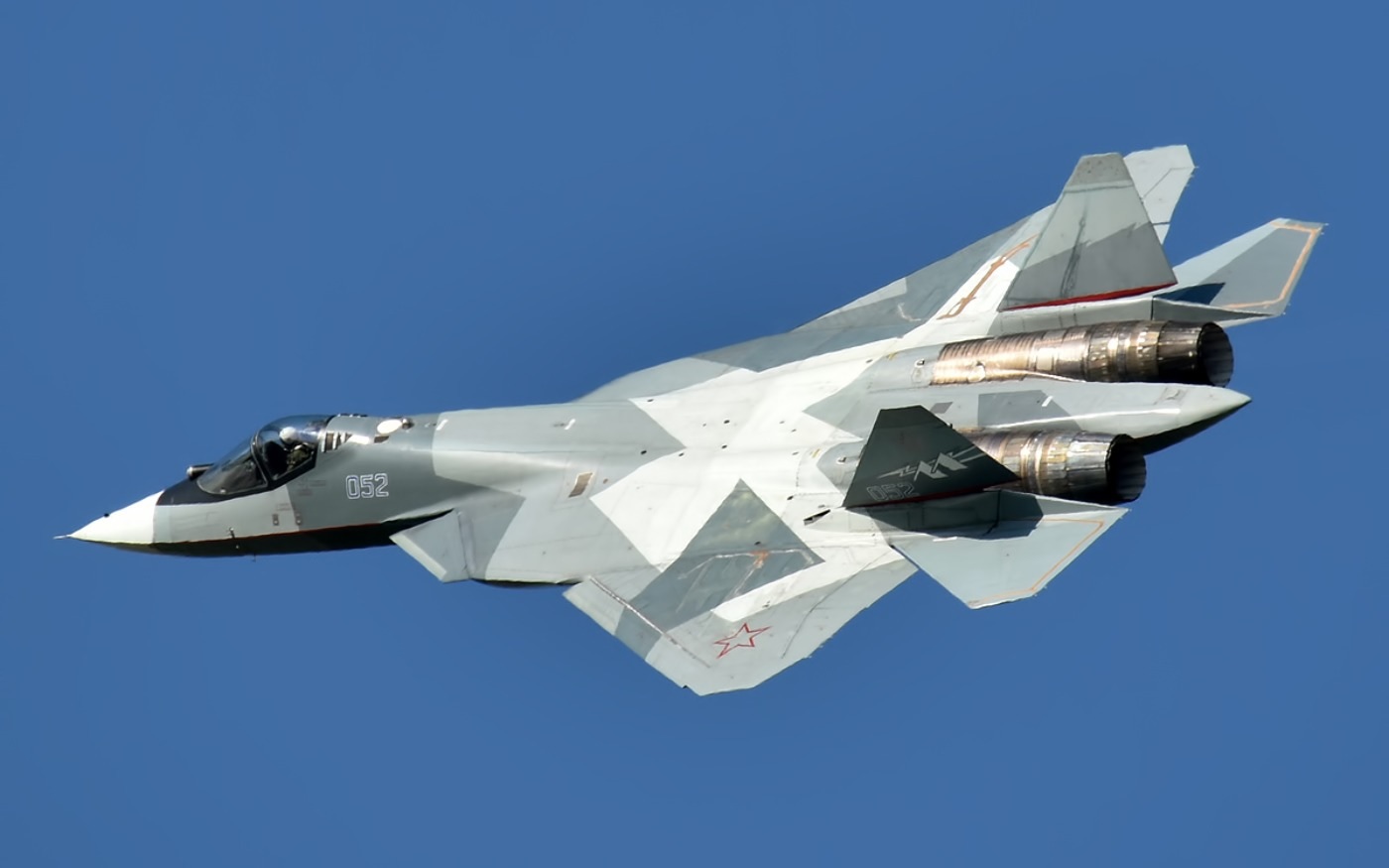
Russian Su-57 Aircraft 'Armed' With Kh-69 Stealth Missile Lands In Egypt International Air Show 2024
World
The Russian Sukhoi Su-57 Felon has landed in Egypt, making a grand appearance at the Egypt International Air Show 2024. This visit marks a significant opportunity for Russia to showcase its advanced military technology to potential buyers in the region, especially Egypt and Algeria. Alongside the Su-57, one of the star attractions is the newly developed Kh-69 missile—an air-launched stealth precision-guided cruise missile designed for various strike missions, from high-value strategic targets to ground and naval operations.The Kh-69 is one of Russia's most advanced air-launched weapons, known for its versatility, precision, and low observability. The missile's stealth design allows it to evade enemy radar systems, making it a formidable addition to the Su-57’s already impressive arsenal. Capable of engaging targets over long distances with high accuracy, the Kh-69 can be deployed in a variety of combat scenarios. Its inclusion with the Su-57 emphasizes Russia’s intent to market this advanced fighter to countries like Egypt, which is evaluating ways to bolster its air force amidst rising regional tensions.The Su-57 itself is a marvel of modern aviation technology. Developed by Sukhoi, it is a fifth-generation multirole fighter designed to perform a variety of missions, including air superiority and ground attack. With a maximum speed of Mach 2 (1,550 mph or 2,500 km/h) and a range of 3,500 kilometers (2,175 miles) without refueling, the Su-57 boasts both agility and endurance. The aircraft is powered by two Saturn Izdeliye 30 engines, which provide high thrust and fuel efficiency, making it one of the most capable jets in its class.Equipped with cutting-edge avionics, the Su-57 features the N036 Byelka radar system, which employs multiple active electronically scanned array (AESA) antennas. This advanced radar system allows the aircraft to detect and track multiple targets simultaneously while maintaining a low radar cross-section, enhancing its stealth capabilities. Additionally, the jet is equipped with infrared search and track (IRST) systems, electronic countermeasures (ECM), and a comprehensive defensive suite to counter threats.The Su-57’s versatility extends to its weaponry, as it can carry a variety of air-to-air and air-to-ground munitions. In air-to-air combat, it can deploy missiles like the R-77 and R-73, while for ground strikes, it utilizes precision-guided munitions like the Kh-38 and Kh-59. The internal weapons bay allows the Su-57 to maintain its stealth profile, a critical feature for evading enemy detection. However, it can also carry additional munitions on external wing hardpoints if necessary.At the Egypt International Air Show, Russia is not limiting its display to just the Su-57 and Kh-69. The Ka-52 Alligator attack helicopter, known for its role in the Ukraine conflict, is also showcased, equipped with the versatile Item 305E light multipurpose guided missile. The Orlan-10E and Orlan-30 UAVs, alongside the RB-504P-E drone countermeasure system, add to the array of cutting-edge Russian technology on display. Moscow is further demonstrating its ground-based systems, including the Viking and Tor-M2E SAM anti-aircraft systems, and the Pantsir-S1M self-propelled anti-aircraft gun/missile system.Egypt, which has long been a key partner for Russian military exports, is carefully evaluating the Su-57 and other offerings. Although no official deal has been confirmed, ongoing discussions suggest that Egypt sees the Su-57 as a potential game-changer for its air force, particularly in the context of growing regional security challenges.On the other hand, Algeria, another significant buyer of Russian arms, is further along in its negotiations. Reports indicate that Algeria has already signed a contract for 14 Su-57 jets as part of its broader military modernization efforts. The aircraft’s stealth capabilities, advanced avionics, and maneuverability are seen as crucial for maintaining Algeria’s military edge, especially in its strategic competition with neighboring Morocco.Despite the interest from Egypt and Algeria, there are significant challenges to securing these deals. The high cost of the Su-57, combined with economic constraints in Africa, poses a potential roadblock. Furthermore, geopolitical factors, such as the possibility of U.S. sanctions under the Countering America’s Adversaries Through Sanctions Act (CAATSA), could deter countries like Egypt from finalizing any purchases. Western analysts also question the Su-57’s performance, pointing out its limited operational use in conflicts such as Ukraine.However, Russia remains optimistic, particularly if it can offer favorable terms or financing deals. The showcase of the Su-57 at the Egypt International Air Show highlights Moscow's ongoing efforts to establish stronger military partnerships in Africa, not just for the Su-57 but for a broader range of military technologies. Whether Egypt or Algeria moves forward with a purchase remains to be seen, but the Su-57’s presence at the show signals Russia’s intent to secure deals and maintain its foothold in African defense markets.
Read More → Posted on 2024-09-05 15:37:44
World
Germany's air defence capabilities took a significant leap forward with the Luftwaffe's recent achievement of Initial Operating Capability (IOC) for the IRIS-T SLM air defence system. This milestone is the result of extensive training and collaboration between Diehl Defence, the German Air Force, and the Bundeswehr. The event was marked by an official ceremony at the Todendorf military training area in Schleswig-Holstein, attended by prominent figures such as German Chancellor Olaf Scholz, Defence Minister Boris Pistorius, and Lieutenant General Ingo Gerhartz, the Chief of the German Air Force.The IRIS-T SLM, developed by Diehl Defence, is a sophisticated surface-launched air defence system designed to neutralize a wide range of aerial threats, including aircraft, missiles, and drones. With the ability to intercept targets at altitudes of up to 20 kilometers and ranges extending beyond 40 kilometers, the system provides robust protection for critical infrastructure and key assets. It is equipped with high-precision radar and advanced missile technology, ensuring accurate tracking and engagement of hostile threats. The system is highly automated, reducing the need for extensive manual intervention, which in turn enhances its operational efficiency.The system’s development for Germany began after the Budget Committee of the German Bundestag approved funding for six IRIS-T SLM fire units in 2023. This approval came from a special Bundeswehr fund aimed at modernizing Germany’s military capabilities. In August 2024, Diehl Defence delivered the first fire unit to the Federal Office of Bundeswehr Equipment, Information Technology, and In-Service Support (BAAINBw) on schedule. This delivery marked a key phase in the gradual strengthening of Germany's defensive capabilities.The ceremony celebrating the IOC declaration showcased not only the German Air Force's readiness to use the IRIS-T SLM but also Diehl Defence's commitment to timely and reliable delivery of the system. Helmut Rauch, CEO of Diehl Defence, handed over a symbolic key to the deputy head of BAAINBw, underlining the successful partnership between the company and the German military.Beyond Germany’s own interests, the IRIS-T SLM is part of broader European defence cooperation. Since 2023, Diehl Defence has operated a dedicated training facility at Todendorf where both German personnel and operators from other countries can be trained on the system. This is particularly relevant for the European Sky Shield Initiative (ESSI), a joint effort among European nations to strengthen air defence coordination. Several air chiefs from ESSI member countries attended the IOC ceremony, reflecting the system’s wider significance in Europe’s collective security framework.The IRIS-T SLM is now poised to become a central component of Germany’s ground-based air defence infrastructure, offering advanced capabilities to protect against modern threats. Its introduction signifies a key step in ensuring the nation's preparedness for evolving security challenges, particularly in an age where aerial threats are increasingly sophisticated and diverse.With the system now operational, Germany’s air defence network is significantly bolstered, providing a shield not just for the country, but for allies within Europe. As global defence strategies evolve, systems like the IRIS-T SLM offer a glimpse into the future of military cooperation and technological advancement in the field of air defence.
Read More → Posted on 2024-09-05 15:30:02
World
Ukraine’s Ministry of Defence has unveiled its first underground bunker hospital, a pioneering medical facility designed to save lives on the frontline. Located in Kyiv, this state-of-the-art facility represents a significant step forward in ensuring the well-being of Ukrainian soldiers, as they continue to face the brutal realities of war against Russian forces. With a construction cost of approximately 20 million hryvnias ($486,431), the facility is a result of a collaborative effort between the Ukrainian government and local steel conglomerate Metinvest.The hospital, consisting of six steel bunkers, each 7.6 meters long and 2.5 meters in diameter, is equipped to provide emergency medical services that meet NATO’s Role 2 standards. This allows the facility to offer intensive care, stabilization, and post-treatment care, much like a civilian hospital, but with the added protection required for the warzone. Each bunker is fitted with advanced medical equipment such as oxygen concentrators, cardiac monitors, defibrillators, ventilators, and surgical tools. The total investment in medical supplies alone is estimated at 7 million hryvnias ($170,251).The underground hospital is designed to function as a second-echelon medical unit, meaning it can handle critical care for injured soldiers before they are transported to other medical facilities for further treatment. Inside the facility, two operating theaters, two resuscitation units, and resting modules ensure that over 100 patients can be treated at any given time. The layout also includes water supply, ventilation, drainage systems, and even alternative power sources, which are crucial in the event of an attack. Additionally, the hospital is equipped with electronic warfare systems to protect against enemy surveillance and attacks.The commander of the Ukrainian East Medical Forces, Roman Kuzev, highlighted the significance of this medical hub. “These underground facilities are critically important for saving the lives of our soldiers,” Kuzev said. “With the intensity of the battles, it’s essential to provide swift and secure medical assistance to our heroes. This is just the beginning of a larger initiative aimed at bolstering our medical infrastructure for frontline troops.”The development of this underground hospital is part of a broader effort by Ukraine to enhance its medical capabilities in response to the continued aggression from Russia. Since the start of the full-scale invasion in 2022, Metinvest, the industrial giant that helped build the hospital, has invested over 7.5 billion hryvnias ($182.4 million) in Ukraine’s recovery, with around 4 billion hryvnias ($97.2 million) dedicated to defense-related projects.Oleksandr Myronenko, the Chief Operating Officer of Metinvest, emphasized the importance of the project: “This hospital, located deep underground, is one of the most ambitious and challenging undertakings we’ve had since the war began. Every second counts in saving the lives of our defenders, and we have done everything in our power to make sure doctors can offer timely and effective medical assistance.”As the war continues, Ukraine’s focus on protecting its soldiers extends beyond the battlefield. The creation of these bunker hospitals ensures that critical medical care can be administered quickly, even under heavy enemy fire, making a significant difference in the survival rates of frontline troops. It’s a powerful demonstration of the country's resilience and dedication to safeguarding its defenders in the face of relentless attacks from Moscow’s forces.
Read More → Posted on 2024-09-05 15:19:35
World
In the face of increasing threats to navigation systems worldwide, Anschütz gyrocompasses stand out for their exceptional resilience to jamming and spoofing attacks. The rise in interference with Global Navigation Satellite Systems (GNSS) has exposed vulnerabilities in many navigation systems, but Anschütz’s gyrocompasses offer a robust alternative that ensures reliable performance even under adverse conditions.Navigating the ThreatsJamming and spoofing represent two major threats to GNSS navigation. Jamming involves disrupting GNSS signals, making them unavailable and leading to a loss of critical navigation data such as latitude, longitude, and speed. Spoofing, on the other hand, involves sending false GNSS signals that mislead navigation systems, resulting in incorrect positional and speed information. Both issues can severely impact the accuracy of navigation, especially for global shipping and trade.Anschütz Gyrocompasses: A Reliable SolutionAnschütz gyrocompasses, such as the Standard 22 NX and the Standard 30 MF, are designed to counteract these threats effectively. The Standard 22 NX is a mechanical gyrocompass that operates independently of external GNSS inputs. It maintains reliable heading information even when GNSS signals are jammed or spoofed. While jamming can cause a minor deviation in speed error correction—up to 2.5 degrees in the worst case—the compass continues to provide accurate heading data, which is crucial for most commercial applications. The Anschütz heading management system also includes measures to restore full accuracy.The Standard 30 MF, a strapdown gyrocompass, employs angular rate sensors and accelerometers. Unlike many strapdown systems, it can function without latitude input, which is particularly advantageous in areas with unreliable GNSS signals. This compass has been rigorously tested in challenging environments, such as offshore supply vessels and Baltic Sea ferries, showing only minor heading deviations. The Standard 30 MF automatically filters out larger position jumps caused by spoofing and generates alarms for smaller deviations. It can operate independently of GNSS systems for up to 28 days, ensuring constant heading information even during extended disruptions.Enhanced Resilience and ManagementBoth the Standard 22 NX and Standard 30 MF are equipped with advanced algorithms and design features that enhance their resilience to jamming and spoofing. For users needing additional measures, the Anschütz heading management system offers several options to further minimize the effects of these threats:Integration of a conventional speed log for speed input.Independent speed and latitude inputs for each compass.Combination of the Standard 22 NX and Standard 30 MF to leverage their respective strengths.Manual input of speed and latitude during incidents of jamming or spoofing.These features ensure that Anschütz gyrocompasses remain a dependable choice for navigation, providing consistent and accurate heading information even in the face of sophisticated electronic threats.By combining robust technologies with advanced countermeasures, Anschütz gyrocompasses effectively address the growing challenges of jamming and spoofing, securing safe and reliable navigation in all conditions.
Read More → Posted on 2024-09-04 15:56:25
World
Ukraine has made significant strides in defense technology with the introduction of the “Varta 2,” a state-of-the-art armored vehicle equipped with a powerful 30mm turret. This impressive machine, developed by the Ukrainian defense company Ukrainian Armor, was recently showcased at the International Defense Industry Exhibition in Poland, drawing attention for its combination of speed, power, and advanced protective features.The “Varta 2” is a formidable addition to Ukraine’s defense capabilities, designed to meet the demanding requirements of modern warfare. Built on a robust Turkish BASE chassis, the 14-ton vehicle is powered by a Cummins ISB 6.7 engine, delivering 360 horsepower through an Allison 3200SP automatic transmission. This powertrain allows the Varta 2 to reach speeds of up to 110 kilometers per hour, making it not only heavily armored but also highly mobile—a crucial factor in the fast-paced environments of contemporary battlefields.One of the standout features of the Varta 2 is its formidable “Sich” remote-controlled turret, armed with a 30mm automatic cannon. This weapon system provides the vehicle with substantial firepower, capable of supporting infantry operations and engaging enemy armored units effectively. The turret's precision and fire rate are designed to deliver quick, devastating strikes, making the Varta 2 a key asset in both offensive and defensive operations.But the Varta 2 is more than just a vehicle with a big gun. It represents a decade of accumulated expertise and a deep understanding of the needs of modern military forces. According to Vladyslav Belbas, CEO of Ukrainian Armor, the Varta 2 has been crafted with insights gained from years of operational experience and feedback from the frontlines. The result is a machine that is as much about survival as it is about firepower.The vehicle’s defensive capabilities are where it truly shines. It boasts STANAG 3a/3b mine and ballistic protection, ensuring it can withstand both explosive threats and direct fire. Its ground clearance of 400 mm, along with independent suspension and a Central Tire Inflation System (CTIS), allows the Varta 2 to navigate rough terrains and obstacles with ease. Additionally, the Varta 2 is equipped with modern safety systems, including mine-resistant seats designed to protect the crew from the shockwaves of explosions.Moreover, the vehicle is outfitted with an advanced air filtration system to shield its occupants from chemical and biological threats. This system, combined with the vehicle’s light camouflage, enhances its survivability in various combat scenarios. The Varta 2 also integrates the ICoMWare software suite, providing situational awareness and command support through a secure mesh network enabled by broadband DTC radio stations. This ensures that the crew can maintain communication and coordination in the heat of battle, giving them a tactical edge over adversaries.The Varta 2 is not just another armored vehicle; it is a mobile fortress, engineered to adapt to the unpredictable nature of modern warfare. Its ability to carry a crew of 10, coupled with its cutting-edge technology, makes it a versatile tool for both offensive operations and defensive deployments. The Varta 2’s blend of speed, protection, and firepower marks a significant step forward in Ukraine’s military capabilities, ensuring that its forces remain resilient and effective in the face of evolving threats.
Read More → Posted on 2024-09-04 15:52:15Search
Top Trending in 24 Hours
-
 India Successfully Conducts AD-1, AD-2 Interceptor Tests and Maiden NASM-MR Flight Trial
-
 U.S Navy Orders 50 Blackbeard Hypersonic Missiles in New $23.4 Million Contract
-
 Russia Launches 1,400 Jet-Powered Drones in 2026 as Strike Tactics Evolve to Challenge Ukraine's Air Defenses
-
 F-35 Fleet Readiness Falls to 25% Amid Parts Shortages and Software Delays: GAO Report
-
 U.S. Approves $1.98 Billion Sale of Anduril AI-Powered Counter-Drone Systems to Kuwait
-
 Russian Analysts Debate Su-57 Capabilities After Putin Calls Fighter Superior to F-35
-
 UAE Denies Reports of Releasing Up to $20 Billion in Funds to Iran Amid Regional De-Escalation Efforts
-
 Turkey Navy Successfully Tests AKYA Torpedo and ATMACA Missile During Major Denizkurdu-II Naval Exercise
Top Trending in 4 Days
-
 Iranian Media Leaks 14-Point U.S.-Iran Peace Framework Amid Ongoing Negotiations
-
 US Plans Significant Reduction of Fighter Jets and Warships for NATO Operations in Europe
-
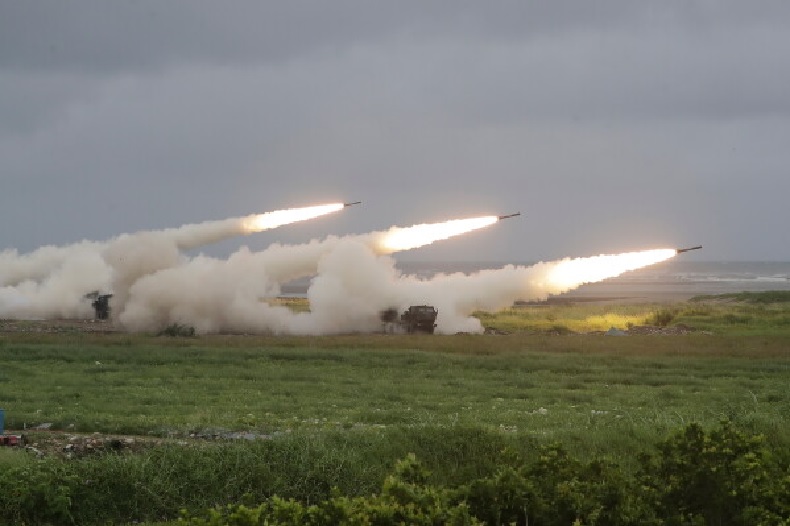 Taiwan Conducts First Live-Fire of HIMARS Rockets From West Coast During Invasion Defense Drill
-
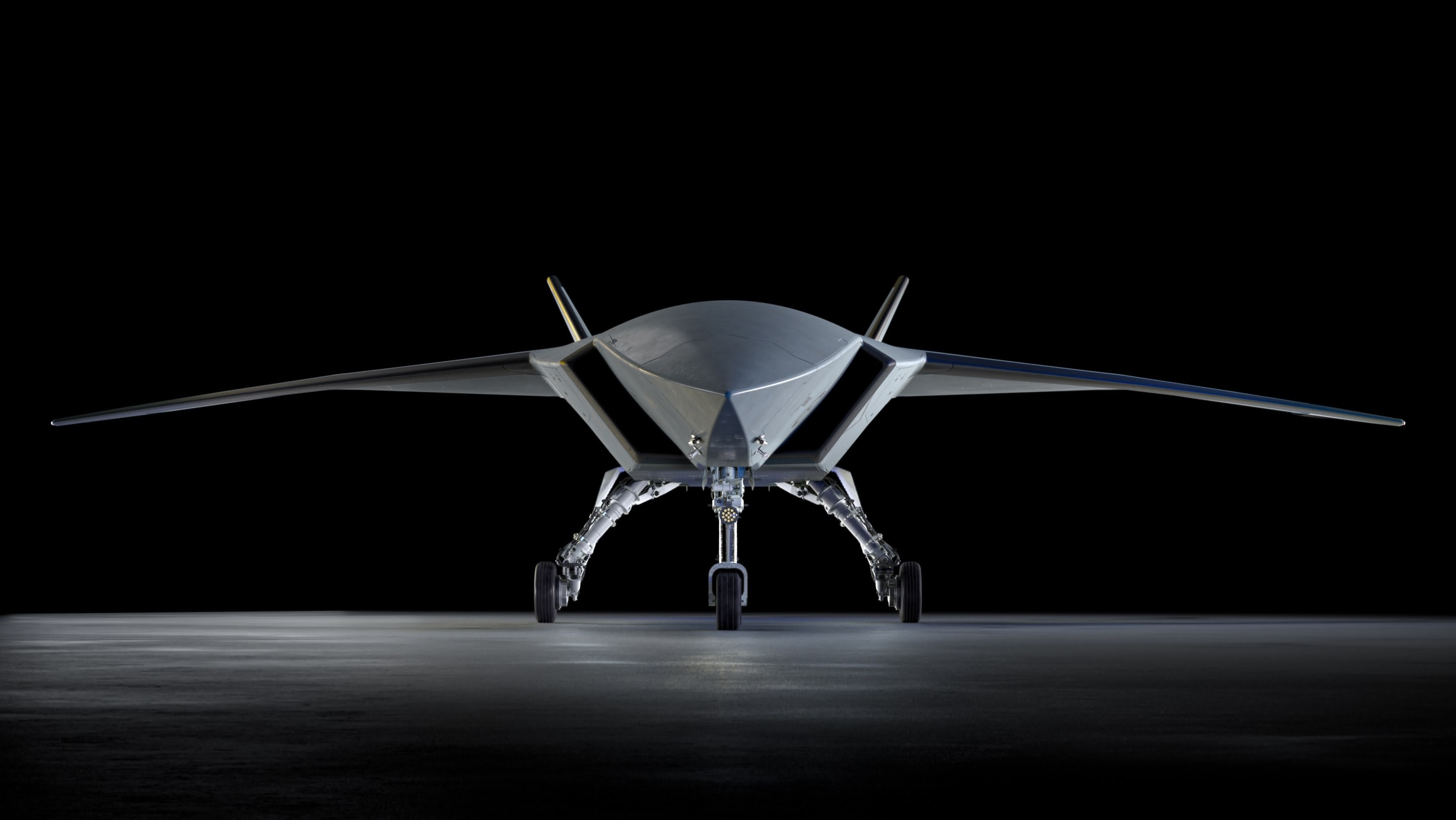 Boeing Introduces New MQ-28 Ghost Bat Upgrades with Increased Range, Payload and Weapons Capacity at ILA Berlin 2026
-
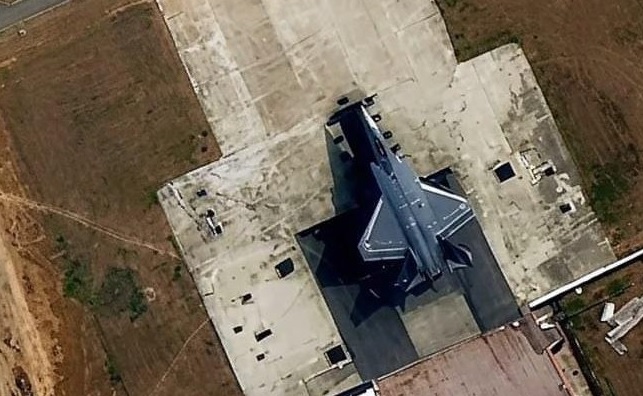 AMCA Airframe Spotted at DRDO’s ORANGE Facility for Radar Cross-Section Testing
-
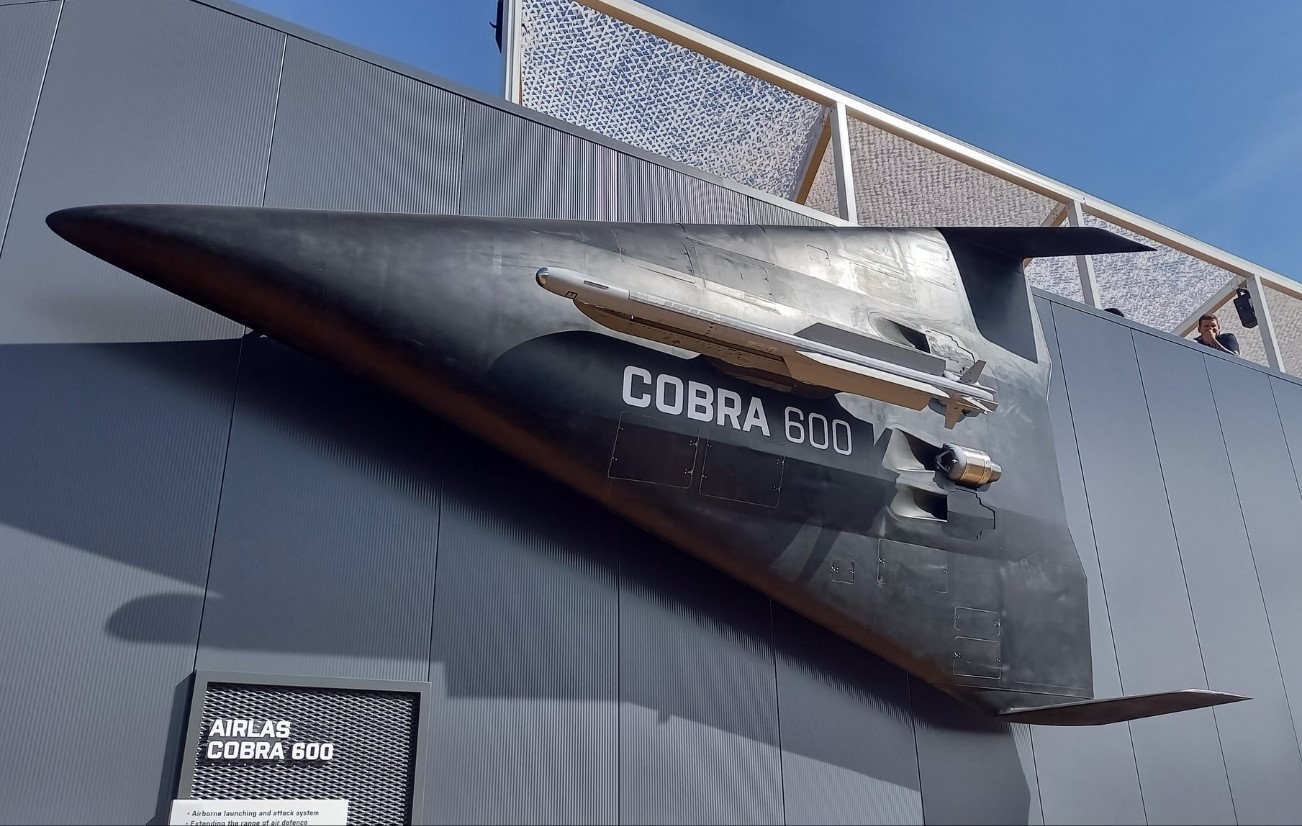 Diehl Defence Unveils IRIS-T Armed Cobra 600 Air Defense Drone at ILA Berlin 2026
-
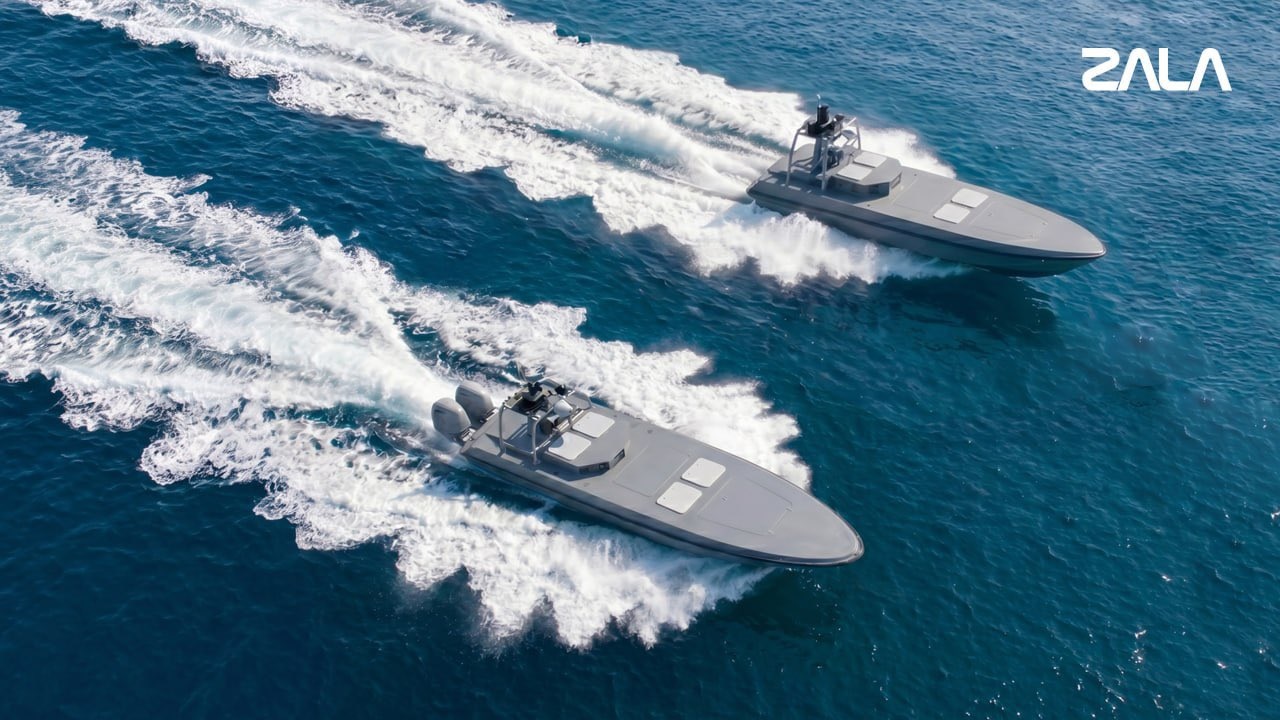 Russian Defense Firm ZALA Unveils KAMA Unmanned Surface Vessel Family at FLOT-2026 Naval Exhibition
-
 U.S Aircraft Carrier USS Theodore Roosevelt Departs San Diego for Major RIMPAC 2026 Naval Exercise