
World
Iran has once again showcased its growing military capabilities with the unveiling of its latest drone, the Shahed-136B, during a military parade on Saturday. This revelation came as part of a ceremony marking the anniversary of the end of the Iran-Iraq War and follows the country’s continued advancements in unmanned aerial technology. The upgraded drone, which is an evolved version of the Shahed-136, highlights Iran’s increasing focus on strengthening its defense systems amid ongoing regional and international scrutiny.The Shahed-136B is being lauded for its improved specifications and performance, with state media emphasizing several critical upgrades. Among the most notable enhancements is the drone’s extended range, which now spans between 2,500 and 4,000 kilometers. This significant increase in reach means the Shahed-136B can cover a vast geographic area, making it a potent tool for long-range operations. Additionally, the drone has been equipped with a larger warhead, enhancing its destructive capabilities. This is a key improvement over its predecessor, which already posed a formidable threat on the battlefield.Another critical advancement in the Shahed-136B is the inclusion of a turbojet engine. The switch to this type of engine marks a step up in efficiency and speed, potentially allowing the drone to cover long distances more rapidly while maintaining operational effectiveness. Turbojet engines are generally more robust and capable of higher speeds compared to the older piston engines, making the Shahed-136B a more versatile weapon in Iran's military arsenal.Iran has also reportedly invested in enhancing the drone’s stealth capabilities, making it harder to detect by radar systems. This aspect could make the Shahed-136B a more elusive target, especially in regions with advanced air defense networks. Stealth technology is a crucial factor in modern warfare, where avoiding detection can be the difference between mission success and failure. With this upgrade, Iran seems to be focusing on creating a drone that is not only more lethal but also harder to neutralize.The timing of the drone’s unveiling is significant, coinciding with increased tensions in the Middle East and continued allegations from Western countries that Iran is supplying drones to Russia for use in the ongoing conflict in Ukraine. Tehran has consistently denied these claims, but the Shahed-136B's resemblance to drones allegedly used by Russian forces raises questions. Analysts believe the Shahed-136B could be an evolution of the models previously deployed in Ukraine, though the exact nature of Iran’s involvement in that conflict remains a matter of dispute.Western governments have long been concerned about the implications of Iran’s drone program, particularly its potential to alter the dynamics of regional conflicts. Iranian drones have been linked to attacks in Yemen, as well as strikes targeting Israel. These drones, often employed by proxy groups or directly by Iranian forces, have become a key element of Tehran’s broader military strategy. The Shahed-136B, with its enhanced capabilities, only heightens these concerns, especially given its potential reach and power.Iran, however, continues to defend its drone developments, asserting that they are purely for defensive purposes. Tehran maintains that its military innovations, including the Shahed-136B, are designed to protect the country from external threats, not to instigate conflict. Nonetheless, the unveiling of such advanced technology adds to the growing anxiety among Iran’s adversaries, who view its drone program as a destabilizing force in an already volatile region.In conclusion, the Shahed-136B represents a significant leap in Iran’s drone capabilities. With its extended range, larger warhead, turbojet engine, and enhanced stealth features, it signals Tehran's intent to strengthen its military deterrence while continuing to assert its regional influence. As the geopolitical landscape in the Middle East evolves, Iran's advancements in drone technology, embodied by the Shahed-136B, will undoubtedly remain a point of concern and debate on the international stage.
Read More → Posted on 2024-09-25 15:32:38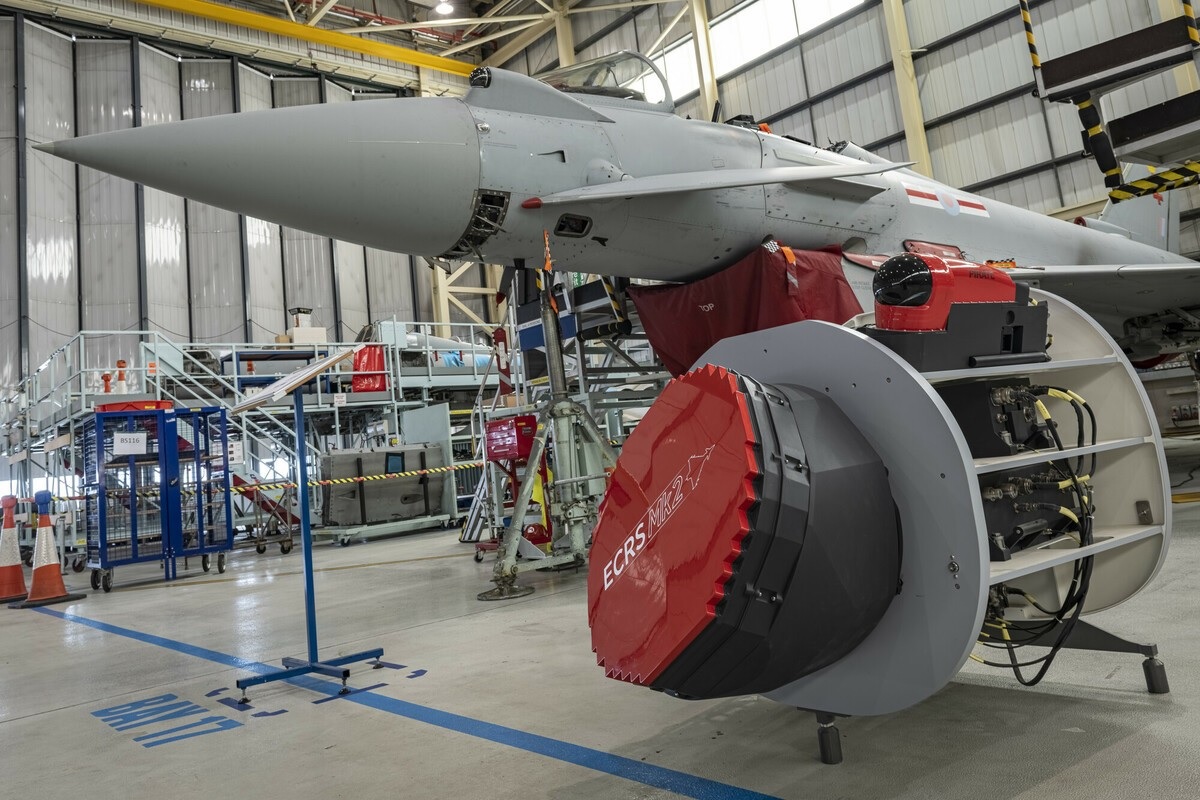
World
The Royal Air Force (RAF) is preparing for a major enhancement to its Typhoon fighter jets, not through conventional weapons but with a state-of-the-art radar system that will dramatically boost their combat effectiveness. The new European Common Radar System (ECRS) Mk2, developed by BAE Systems and Leonardo UK, represents a significant leap in radar technology and is poised to bring a new level of versatility to the Typhoon fleet. This advanced system is set to take its first flight on the Typhoon in the coming weeks, marking a critical milestone in its integration.The ECRS Mk2 is no ordinary radar. While traditional radar systems are primarily designed for detecting and tracking enemy aircraft, the Mk2 goes much further by combining conventional radar functions with electronic warfare capabilities. Equipped with a revolutionary multi-functional array, it can detect, identify, and track multiple air and ground targets simultaneously while also performing sophisticated electronic attack missions. This means RAF Typhoons will not only be able to locate and engage enemies with greater precision but also disrupt and deceive adversary radar and communication systems in the process.One of the standout features of the ECRS Mk2 is its electronic attack capability, which allows it to target and disable enemy defenses remotely. This adds a new dimension to the Typhoon’s arsenal, enabling the fighter to engage in both offensive and defensive electronic warfare without switching between modes. This multitasking ability is critical in modern combat, where the ability to handle multiple threats at once can be a decisive advantage.The radar is also designed for resilience. In the chaos of battle, systems can fail or sustain damage. However, the ECRS Mk2’s "graceful degradation" feature ensures that even if parts of the radar are damaged or fail, the system continues to operate at reduced capacity rather than shutting down entirely. This built-in redundancy means RAF pilots can rely on the radar to keep functioning effectively, even under intense operational strain.The technology underpinning the ECRS Mk2 offers greater flexibility and extended-range missile guidance, ensuring that targets can be tracked and engaged from farther away than ever before. This range boost is crucial for both air-to-air combat and ground attacks, where precision and distance are key factors in mission success.Defence Procurement Minister Maria Eagle has emphasized the progress made in developing and deploying the ECRS Mk2. The project successfully completed a critical design review in June, followed by prototype ground testing on a Typhoon trial aircraft in July. With this momentum, the RAF is on track to begin flight tests soon, moving closer to integrating the radar into its frontline fleet.The goal is to have the ECRS Mk2 fully operational with RAF Typhoons by the end of the decade. This will represent a significant upgrade to the aircraft's capabilities, keeping it relevant in modern warfare where electronic and multi-domain operations are increasingly important.As the ECRS Mk2 becomes part of the Typhoon's arsenal, the RAF will have a powerful tool at its disposal—one that not only boosts the aircraft's traditional combat abilities but also adds a sophisticated layer of electronic warfare. This next-generation radar system ensures the Typhoon will remain a potent force in the skies for years to come.
Read More → Posted on 2024-09-25 15:26:12
World
Recent intelligence has uncovered a covert collaboration between Russia and China, involving the development and mass production of military drones for use in the ongoing war in Ukraine. According to sources from a European intelligence agency, Russia’s state-owned weapons company, IEMZ Kupol, has partnered with Chinese specialists to build and test advanced long-range attack drones in Chinese factories. The project's existence highlights a potential shift in China’s role in the conflict, despite Beijing's repeated denials of providing direct military support to Moscow.Kupol, a subsidiary of Almaz-Antey, has been working on a drone model known as the Garpiya-3 (G3). According to documents reviewed by Reuters, this UAV was flight-tested in China with the aid of local experts. This project is part of Russia's larger strategy to deploy more advanced drones on the battlefield in Ukraine. The G3 is capable of carrying a 50 kg payload and has a range of up to 2,000 kilometers, making it a valuable asset for long-range strikes. Despite China's strict export controls on military technology, Kupol’s reports to Russia’s defense ministry indicate that the G3 and other models could be produced at scale in Chinese factories.Kupol has allegedly already taken delivery of seven military drones manufactured in China, including two G3 units, which were delivered to its headquarters in Izhevsk, Russia. These drones are part of a broader effort to ramp up UAV production as the conflict in Ukraine continues to intensify. The shipments were facilitated by a Russian intermediary company, and payments were requested in Chinese yuan, further indicating deep cooperation between the two countries.The project, if confirmed, marks a significant development in Russia’s drone warfare capabilities. China has largely refrained from openly supplying Russia with complete weapons systems since the Ukraine war began. Most assistance has been in the form of dual-use goods, such as electronic components, but whole UAVs delivered to Russia would signal a dramatic escalation in cooperation between the two nations.The White House has expressed concerns over this revelation, suggesting that such a program could indicate China is providing lethal support to a U.S.-sanctioned Russian firm. Though there is no clear evidence that the Chinese government is directly involved, the existence of this drone production facility raises questions about Beijing’s role in the Ukraine conflict and its potential exposure to international sanctions. Experts remain divided over the implications of this partnership. Samuel Bendett, an adjunct senior fellow at the Center for a New American Security (CNAS), believes Beijing would be cautious about openly supporting Russia, as it could invite severe international sanctions. On the other hand, David Albright, a former U.N. weapons inspector, argues that establishing a drone production facility in China allows Russia to circumvent Western sanctions, gaining access to critical technologies such as advanced chips and components.The G3, an improved version of the earlier Garpiya-A1 model, represents a significant leap in Russia’s drone capabilities. Kupol's plans go beyond just the G3. The company has indicated that within eight months, it could produce a Chinese-designed REM-1 attack drone capable of carrying a 400 kg payload, which would be comparable to the U.S. MQ-9 Reaper drone, a cornerstone of American military UAV operations. The Kupol project is being carried out in collaboration with a Chinese company, Redlepus, and another Russian defense firm, TSK Vektor, according to separate documents. These entities plan to establish a joint research and manufacturing center in Kashgar, a special economic zone in China’s Xinjiang province. The facility, spread over 80 hectares, is expected to produce up to 800 drones annually once operational. However, the exact timeline for its completion remains unclear.While both China and Russia have declined to comment on the details of this project, the emergence of the G3 drone and the plans for further production suggest a growing reliance on Chinese technology to bolster Russia's military capabilities. As both nations work to expand their UAV arsenals, drones have become increasingly crucial in modern warfare, providing critical advantages on the battlefield.Russian President Vladimir Putin recently announced that the Russian military had received 140,000 drones in 2023 and aimed to increase that number tenfold by the end of the year. This aggressive push to enhance drone capabilities underscores the importance of UAVs in shaping the future of warfare, particularly in conflicts like the one in Ukraine.This revelation of Russia’s secret drone production in China could have significant geopolitical consequences, particularly if it is proven that Beijing is providing more than just components. The international community will be closely watching how this development unfolds and whether it will lead to further sanctions or diplomatic tensions between China and the West. As both Russia and Ukraine ramp up drone production, the battle for dominance in the skies over Ukraine continues to intensify, with the outcome likely to have far-reaching implications for the future of warfare.
Read More → Posted on 2024-09-25 15:19:24
World
China has made headlines with its recent intercontinental ballistic missile (ICBM) test, conducted over the vast expanse of the Pacific Ocean. The missile was launched by the People’s Liberation Army (PLA)’s Rocket Force, sending a dummy warhead into the high seas of the Pacific. This significant display of military capability was reported by China’s Global Times and confirmed by the country’s Ministry of Defense.The Chinese Defense Ministry explained that this missile launch was part of their routine annual training program, emphasizing that it was "not aimed at any specific country or target." They reassured the international community that relevant nations were notified beforehand about the test, an attempt to keep tensions at bay. According to the Ministry, the primary goal of this test was to evaluate the performance of the weaponry and assess the effectiveness of military training. The results were considered a success, achieving the intended goals.This test marks the first time since 1989 that China has conducted an atmospheric test of an ICBM. Historically, China’s first ICBM test was carried out in May 1980. After that, China shifted the majority of its nuclear weapons tests underground, making this recent atmospheric test a rare event. While underground tests have been China's preferred method, this return to atmospheric testing raises questions about its strategic intent and future military development.The global context of missile tests adds further complexity to this event. North Korea, for instance, recently conducted multiple short-range ballistic missile tests aimed at the Sea of Japan, keeping the region on edge. The timing of China’s ICBM test follows a similar path of power projection.Interestingly, the United States has also been active in the region. In April, during a joint exercise with the Philippines, the U.S. deployed its Mid-Range Capability (Typhon) missile system. This followed the U.S. suspension of the 1987 Intermediate-Range Nuclear Forces (INF) Treaty with Russia in 2019. The INF Treaty had originally banned land-based missiles with ranges between 500 km and 5,500 km, but the U.S. accused Russia of violating the treaty by secretly testing such missiles. With the treaty no longer in place, the global landscape of missile development and testing has become increasingly volatile, with China’s latest move adding to the shifting dynamics.China's advancements in missile technology, especially ICBMs, are often perceived as a demonstration of its expanding strategic reach. These missiles are capable of traveling vast distances and carrying nuclear warheads, placing distant targets within range. While China insists that this test was not a direct response to any nation, such tests inevitably send a signal to the global community about the nation’s growing military prowess. The implications of this test stretch far beyond China’s borders, especially in the current geopolitical climate, where missile technology and military capabilities are closely monitored by all major powers. As China continues to modernize its military, including its missile systems, the world will be watching closely, especially with heightened tensions in the Indo-Pacific region.China’s ICBM test, though framed as routine, is a reminder of the shifting balance of power in global military capabilities, and it reinforces the country's role as a dominant force in missile technology and strategic deterrence.
Read More → Posted on 2024-09-25 15:06:43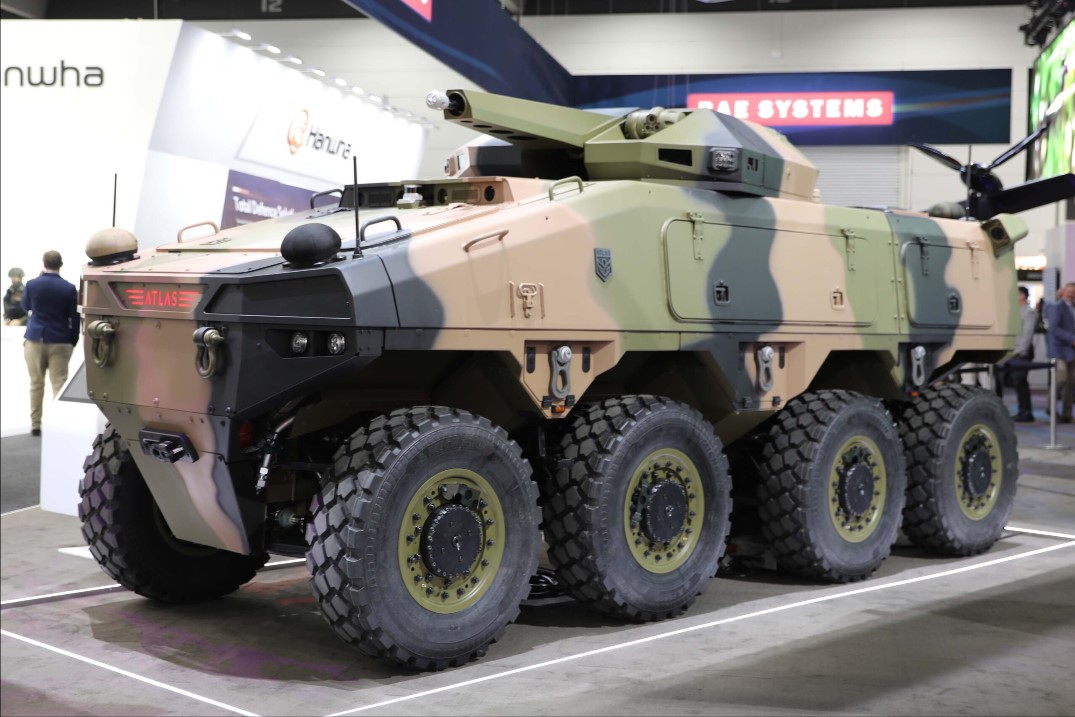
World
BAE Systems has introduced its latest innovation in battlefield technology: the ATLAS Collaborative Combat Variant (CCV), a highly adaptable robotic combat vehicle designed to revolutionize modern warfare. As militaries around the world increasingly shift toward integrating autonomous systems, BAE’s ATLAS CCV aims to reduce risks to soldiers while boosting the combat capabilities of armored forces.The ATLAS CCV is not just another uncrewed ground vehicle (UGV) — it’s a modular and flexible platform capable of executing a variety of roles on the battlefield. Whether it’s providing direct fire support with its 25mm Bushmaster cannon, conducting reconnaissance, or delivering supplies, the vehicle’s multi-functional design makes it an invaluable asset to military units, including main battle tanks (MBTs), infantry fighting vehicles (IFVs), and combat reconnaissance vehicles (CRVs).One of the standout features of the ATLAS CCV is its ability to perform dangerous tasks that would typically put soldiers and manned armored vehicles in harm's way. As Stuart Bryden, business development manager for autonomy at BAE Systems Australia, explained, "The ATLAS CCV is capable of undertaking dirty and dangerous tasks such as direct fire support, obstacle clearance, combat reconnaissance, or short-range air defense." This means the vehicle can step in to handle high-risk operations, significantly reducing the exposure of troops to direct combat threats.What sets the ATLAS CCV apart is its autonomy, powered by advanced systems such as BAE Systems’ Vehicle Management System, Mission Management System, and Payload Management System. These systems allow the vehicle to navigate autonomously, avoid obstacles, and even make tactical decisions in real-time. It features a “follow-me” mode and waypoint navigation, meaning it can operate either independently or in coordination with manned vehicles, adapting seamlessly to different combat scenarios.The ATLAS CCV is equipped with a suite of advanced sensors, enabling it to perform a variety of missions without direct human oversight. These sensors make the vehicle particularly well-suited for reconnaissance, electronic surveillance, and target identification. The autonomy of the vehicle includes "human-on-the-loop" oversight, meaning operators only need to intervene during critical moments, such as when engaging enemy targets.In terms of design, the ATLAS CCV is built to withstand diverse and challenging environments. Its high-mobility driveline and rugged structure allow it to traverse various terrains, from open battlefields to dense urban areas, making it highly versatile. Transportability is another key strength—this robotic combat vehicle can be deployed by air, sea, or land, allowing for rapid mobilization across different operational theaters.Flexibility is also a defining feature of the ATLAS CCV. Its modular architecture allows the integration of different payloads, depending on mission requirements. Commanders can equip the vehicle with anti-tank missiles, automated mortar systems, or even loitering munitions, enhancing its ability to adapt to evolving battlefield conditions. This modularity provides a degree of operational flexibility unmatched by most traditional armored vehicles.According to Kisa Christensen, director of Red Ochre Autonomy and Sensors at BAE Systems Australia, "The ATLAS CCV is an excellent platform for advanced reconnaissance, armored overwatch, and flank protection roles in littoral environments and complex terrain." Its ability to protect armored units and provide reconnaissance in harsh environments makes it an invaluable tool for modern military operations.At its core, the development of the ATLAS CCV represents a broader trend in military innovation, where uncrewed systems are increasingly integrated with traditional forces. This fusion of human and autonomous capabilities offers new strategic advantages, particularly in high-risk areas where the survival of personnel is paramount. By reducing the cognitive load on human operators, the ATLAS CCV allows soldiers to focus on critical decision-making while the vehicle handles routine or dangerous tasks autonomously.As BAE Systems continues to refine this next-generation UGV, the ATLAS CCV is poised to play a pivotal role in the future of military combat. By combining advanced firepower, adaptability, and autonomy, it offers a glimpse into a new era of warfare where robotic systems and human forces work together to achieve mission success while minimizing the risks faced by frontline troops.
Read More → Posted on 2024-09-24 15:22:13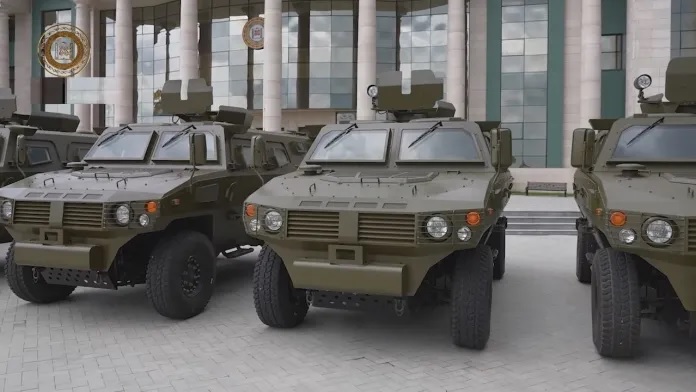
World
Chinese-made Tiger 4x4 armored vehicles have been spotted on the Ukrainian battlefield, signaling an expansion of foreign military equipment in Russia's arsenal. According to reports, these armored vehicles, officially named ZFB-05 Xinxing and manufactured by Shaanxi Baoji Special Vehicles, were supplied to Russian forces via Chechnya. The Tiger's appearance marks a notable shift in the types of equipment being deployed in Russia’s ongoing war efforts.The ZFB-05, or Tiger, is a 4x4 armored personnel carrier known for its versatility. Initially unveiled at the 2012 Eurosatory exhibition in Paris, it has been adopted by various countries including Bolivia, Tajikistan, and Somalia. The Tiger is primarily designed for military and police operations but can be adapted for multiple roles, such as patrols, command vehicles, and even ambulances. It is equipped with a crew capacity of two and can carry up to nine fully equipped soldiers, making it highly effective in both transport and combat support.Images circulating on Russian social media show the Tiger vehicles modified specifically for the battlefield in Ukraine. Enhancements include anti-drone protection on the hood, folding windshield armor, side shields for increased protection, and a reinforced machine gun turret. These modifications reflect the changing needs of Russian forces as they continue their military operations. Chechen leader Ramzan Kadyrov confirmed in June 2023 that the Russian military had received its first shipment of these Chinese-made vehicles. Kadyrov even released footage of the Tiger vehicles being used by Chechen units participating in what Moscow refers to as its "Special Military Operation" in Ukraine. These Chechen forces have gained infamy for their brutal actions in key conflict zones like Bucha, Mariupol, and Bakhmut.The presence of Chinese armored vehicles in the Russian military raises questions about China’s role in the ongoing conflict. While China has consistently called for peaceful negotiations to resolve the war, the export of these vehicles adds complexity to its international stance. Though there is no evidence that the Chinese government directly supports Russia’s military campaign, the presence of its hardware on the battlefield reflects how global defense exports often find their way into unexpected and controversial situations.The deployment of these Tiger vehicles suggests that Russia is looking to bolster its capabilities, particularly in terms of troop transport and front-line operations. With the Ukrainian war dragging on, the arrival of new military technology such as the Tiger armored vehicle may offer Russia some tactical advantages, though it also draws attention to the increasing involvement of foreign equipment in the conflict. The war in Ukraine continues to be a stage where international relationships, defense exports, and geopolitical alliances play out in real-time.This development further highlights the deepening ties between Russia and China in the defense sector, and while these vehicles may represent only a fraction of the equipment in use, their presence underscores the complexities of international defense relationships during times of conflict.
Read More → Posted on 2024-09-24 15:19:22
World
Iraq is taking a significant step toward enhancing its air defense capabilities with a $2.8 billion deal to acquire advanced surface-to-air missile systems from South Korean defense firm LIG Nex1. The agreement, valued at 3.28 trillion Iraqi dinars, marks a strategic move by Iraq’s Ministry of Defense to secure its airspace and establish regional military balance.The centerpiece of this defense acquisition is the Cheongung-II (M-SAM II) missile system, a state-of-the-art, medium-range, medium-altitude surface-to-air missile designed to counter both ballistic missiles and aerial threats. This sophisticated system can intercept incoming missiles at altitudes of up to 15 kilometers (9.3 miles) and engage targets within a range of 40 kilometers (24.9 miles), providing Iraq with a critical layer of protection from potential regional threats.Developed by LIG Nex1, the Cheongung-II stands out for its ability to track and engage multiple threats simultaneously. This is made possible by its multifunction radar tracking system and precision seekers, which allow the system to detect, track, and destroy fast-moving targets with remarkable accuracy. One of the key features of the system is its rapid response capabilities, giving Iraqi forces the ability to react quickly to hostile incursions into their airspace.South Korean defense contractors are playing an integral role in this large-scale project. While LIG Nex1 will be responsible for the overall construction of the missile and integrated system, Hanwha Systems Co. is set to provide the advanced radar that powers the tracking system. Additionally, Hanwha Aerospace Co. will manufacture the launchers and vehicles that will deploy the missile systems.This purchase positions Iraq as the third nation to acquire the Cheongung-II system, following in the footsteps of the United Arab Emirates and Saudi Arabia, two of the region’s major military powers. The decision to procure this system is seen as part of Iraq's broader effort to modernize its military infrastructure and defense capabilities after years of conflict and rebuilding.One of the notable aspects of the Cheongung-II is its ability to deliver comprehensive air defense coverage. Iraq’s Ministry of Defense lauded the deal as a "qualitative strategic breakthrough," emphasizing that the system will provide coverage across all of Iraq’s airspace. The system not only serves to defend against external military threats but also plays a crucial role in stabilizing the country’s standing in an increasingly volatile region.By investing in advanced missile defense technology, Iraq is sending a clear signal of its intent to protect its sovereignty and solidify its position as a self-sufficient military force. Given the rapidly evolving nature of modern warfare, where both missile and aerial threats are becoming more sophisticated, Iraq’s acquisition of the Cheongung-II system is a timely and necessary move.With these cutting-edge systems soon to be operational, Iraq will significantly enhance its ability to detect and neutralize threats, reinforcing its overall defense infrastructure. This deal represents not just a military upgrade but also a long-term strategic investment in Iraq’s security, promising a more secure future for the nation amid a complex geopolitical landscape.
Read More → Posted on 2024-09-24 15:15:48
World
Epirus, a company known for its cutting-edge defense technology, has just revealed its latest high-power microwave (HPM) weapon, the Leonidas Expeditionary, developed for the US Marine Corps (USMC). This new weapon aims to combat one of the most significant modern military threats: drone swarms. As unmanned aerial systems (UAS) become more prevalent on battlefields, especially in areas like Ukraine and the Middle East, the need for counter-drone technologies has grown increasingly urgent. The Leonidas Expeditionary is part of this effort, offering a compact and powerful solution for disabling drones with electromagnetic pulses.A Compact Powerhouse for Expeditionary ForcesThe Leonidas Expeditionary is designed with the needs of expeditionary missions in mind. One of its standout features is its reduced size and weight compared to previous versions of the Leonidas family. This compact design ensures that it is not only easily transportable but also maneuverable in the field, making it particularly useful for Marine Corps operations that require swift mobility. Mounted on the Joint Light Tactical Vehicle (JLTV), the system can be quickly deployed to various locations, providing flexible and responsive counter-drone defense.The modular and scalable nature of the Leonidas Expeditionary allows for easy integration into existing military frameworks, enhancing the Marines' Low Altitude Air Defense (LAAD) system. This adaptability means that the weapon can be customized depending on the mission's specific needs and requirements, making it operationally relevant for a variety of scenarios. It is expected to play a crucial role in safeguarding Marine expeditionary forces from the increasing threat of drone swarms.Cutting-Edge Microwave TechnologyAt the heart of the Leonidas Expeditionary is its high-power microwave technology, which delivers short but intense bursts of electromagnetic energy. These electromagnetic waves are powerful enough to degrade or destroy the electrical components of drones, effectively disabling them without the need for traditional kinetic weapons. This makes the system a cost-effective and efficient solution for countering drone threats.Microwave weapons like the Leonidas Expeditionary are particularly effective in handling swarms of drones, which are becoming a common feature of modern warfare. The ability to neutralize multiple threats simultaneously makes this technology invaluable in scenarios where drones are deployed in large numbers.A Timely Response to Evolving ThreatsThe introduction of the Leonidas Expeditionary comes at a critical time for the US military. Marine Commandant Gen. Eric Smith recently highlighted the urgent need for more counter-drone systems, emphasizing the lessons learned from ongoing conflicts around the world. In particular, the proliferation of drones, loitering munitions, and uncrewed systems has made it clear that traditional defenses are no longer enough. The Leonidas Expeditionary is a response to this growing need, providing the Marines with an advanced tool to combat these emerging threats.Epirus plans to deliver the Leonidas Expeditionary to the Marine Corps by the end of 2024. Once delivered, it will undergo field experimentation and multi-platform testing in realistic combat scenarios. This will allow the system to be fine-tuned and optimized for maximum effectiveness in the field. The weapon will also be integrated into the USMC’s Common Aviation Command-and-Control System, ensuring seamless communication and coordination with other defense assets.Shaping the Future of Drone WarfareEpirus CEO Andy Lowery expressed the company’s commitment to developing this revolutionary technology for the Marine Corps. "With drone warfare dominating daily headlines, we are proud to bring the Leonidas Expeditionary to life and work with the Marine Corps to develop an expeditionary HPM capability," Lowery stated. The Leonidas Expeditionary represents a significant advancement in the field of counter-drone technology and is poised to be a game-changer for US military operations, particularly in fast-paced, high-stakes expeditionary environments.By focusing on cost-effective, scalable solutions, the Leonidas Expeditionary aligns perfectly with the broader goals of the US military. As the drone threat continues to evolve, so too must the technologies designed to combat it. Epirus’ new high-power microwave weapon is an innovative step in this direction, providing the USMC with a powerful tool to protect its forces from the ever-growing threat of drone warfare.
Read More → Posted on 2024-09-24 15:04:38
World
In a remarkable advancement in counter-drone technology, Polish company Advanced Protection Systems (APS) has introduced a new autonomous interceptor drone designed to neutralize unmanned aerial vehicles (UAVs) through direct collision. This innovative solution adds a powerful tool to APS’s existing lineup of anti-drone systems, which have been crucial in safeguarding Ukraine's airspace against Russian drone incursions.The interceptor drone is a key component of the SKYctrl anti-drone system, which blends several advanced technologies. This system incorporates FIELDctrl radars, neutralization tools, and the CyView C2 command and control software. Utilizing sophisticated machine learning algorithms, SKYctrl is capable of differentiating between threatening drones and harmless objects like birds. This real-time threat detection is vital for effective and safe operations, reducing false positives in busy airspace.“The widespread use of combat drones during the Ukraine conflict inspired us to develop innovative solutions like the interceptor drone,” explained Maciej Klemm, APS’s co-founder and CEO. The design of the interceptor emphasizes autonomy, significantly reducing the operational burden on human controllers. Equipped with advanced video tracking and radar systems, these drones can independently engage hostile UAVs, marking a significant evolution in aerial defense capabilities.One standout feature of the interceptor drone is its ability to operate in groups. These drones can communicate and collaborate to assign targets, enabling them to tackle multiple threats simultaneously. Unlike traditional anti-drone systems that rely on explosives, APS’s interceptor drones use a direct collision approach, offering a safer alternative for both military and civilian environments.Radosław Piesiewicz, co-founder and vice president of APS, highlighted the affordability of this technology. “The interceptor drone provides a cost-effective addition to our suite of neutralization tools, offering partners an efficient way to protect their territories and critical infrastructure,” he noted. This versatility makes it suitable for various applications, including the defense of power plants, refineries, and telecommunications networks.The SKYctrl system has already demonstrated its efficacy in Ukraine, where it has successfully countered various drone threats from Russian forces. Beyond military applications, the interceptor drone holds promise for civilian airspace protection, particularly in sensitive areas like airports. Its non-explosive nature ensures public safety while maintaining the integrity of surrounding electronic systems.APS debuted this innovative interceptor drone at the MSPO defense industry trade show held in Kielce, Poland, from September 3-6, capturing attention for its potential to reshape aerial defense strategies in both military and civilian sectors. As drone technology continues to evolve, APS stands at the forefront, providing robust solutions for the emerging challenges posed by UAVs.
Read More → Posted on 2024-09-23 15:40:36
World
At the Defence Vehicle Dynamics (DVD2024) exhibition in Millbrook, UK, on September 18, Patria, a Finnish defense company, and Rheinmetall, a prominent German defense conglomerate, introduced an exciting innovation in military technology: the Boxer Armoured Mortar Variant. This prototype represents a significant advancement in battlefield capabilities, combining mobility, protection, and firepower to meet the needs of modern armed forces.The heart of this new variant lies in its integration of Patria’s cutting-edge NEMO 120mm turreted mortar system onto the versatile Boxer platform. This system is designed for high operational efficiency, allowing forces to deliver effective fire support in diverse scenarios. One of the standout features of the NEMO mortar is its impressive rate of fire, capable of launching up to 10 rounds per minute. This rapid-fire capability is crucial for providing timely support during engagements.Additionally, the system excels in both direct and indirect fire capabilities, allowing it to engage targets effectively at various ranges. It boasts a maximum operational range of 10 kilometers, enabling the crew to strike enemy positions from a safe distance while remaining shielded in the armored vehicle. The ability to conduct Multiple Rounds Simultaneous Impact (MRSI) strikes adds another layer of effectiveness, with the capability to hit a target with up to five rounds simultaneously, enhancing the system's lethality and precision.During the exhibition, Rebecca Richards, Deputy CEO at Rheinmetall Vehicle Systems International, expressed enthusiasm about the collaboration, stating, “We are excited to present this innovative Armoured Mortar Variant. This partnership with Patria underscores our shared commitment to advancing military technology and providing the UK’s armed forces with the best possible equipment.” Hugo Vanbockryck, Senior Vice President for Market Area Europe at Patria, highlighted the significance of this joint effort, remarking, “The Armoured Mortar Variant represents a significant leap forward in battlefield capabilities. We are proud to partner with Rheinmetall in delivering this state-of-the-art solution to our customers.”The Boxer Armoured Mortar Variant is set to enhance the fire support capabilities of the British Army, providing mobile and protected firepower essential for operations in hostile environments. As military needs evolve, innovations like this are crucial in ensuring that armed forces remain equipped with the best tools for modern warfare.
Read More → Posted on 2024-09-23 15:24:23
World
In a decisive move to bolster national security, the Biden administration has proposed new regulations aimed at banning hardware and software for connected vehicles manufactured by Chinese and Russian companies. This initiative arises from ongoing concerns about potential vulnerabilities these technologies pose, particularly regarding data privacy and infrastructure integrity. As connected vehicles become increasingly prevalent, the administration is taking steps to mitigate risks that could arise from foreign adversaries.Commerce Secretary Gina Raimondo emphasized the seriousness of the threat, pointing out that foreign entities could access sensitive information about American drivers, including their home addresses and personal routines. She warned that such access could lead to scenarios where adversaries could potentially take control of vehicles, leading to dangerous situations on the road. The proposed ban is set to be implemented in phases, allowing for a year for companies to remove Chinese and Russian software from vehicle systems and up to four years for hardware.This action is part of a broader effort by the US government to combat perceived threats from China, particularly in light of previous incidents where malware was allegedly pre-positioned on critical infrastructure. National Security Adviser Jake Sullivan highlighted the urgency of addressing these vulnerabilities, noting that millions of vehicles with lifespans of 10 to 15 years could be at risk if these technologies remain in use.The decision reflects an ongoing trend of heightened scrutiny toward foreign technology in critical sectors. This approach builds on earlier efforts that included the removal of telecommunications infrastructure provided by Chinese firms such as Huawei and ZTE, which were suspected of facilitating espionage. The Federal Communications Commission had previously launched a program to help local telecoms replace these systems, although it has encountered significant budget shortfalls.The implications of this new rule extend beyond the US borders. Sullivan noted that discussions involving multiple countries in the Indo-Pacific and Europe suggest a collective concern regarding the security of connected vehicle technologies. Several nations are contemplating similar measures, potentially leading to a broader international shift away from reliance on Chinese and Russian tech.Moreover, the administration is aware that the automotive industry is global in nature. Therefore, there will be opportunities for manufacturers to demonstrate that their products do not compromise security through rigorous auditing and site checks. This provision could allow some companies to continue using specific technologies, provided they can meet stringent security standards.As the deadline for public comments on this proposed rule approaches, it is evident that this initiative is not merely about limiting the influence of Chinese and Russian firms; it is part of a comprehensive strategy to secure the future of American infrastructure and consumer safety. The administration aims to implement these rules effectively before the end of Biden's term, showcasing a commitment to prioritizing national security in the rapidly evolving tech landscape.This strategic move underscores the growing recognition of the need to safeguard against foreign vulnerabilities in connected systems and reflects a proactive stance in addressing these complex challenges. As countries around the world increasingly grapple with similar concerns, the US's phased approach could set a precedent for future regulations in the global automotive industry.
Read More → Posted on 2024-09-23 15:21:01
World
In a dramatic escalation of tensions over Japanese airspace, Japan’s Ministry of Defense reported that Russian military aircraft violated its airspace three times on September 23, 2024. The incident took place near Rebun Island, off the northern coast of Hokkaido, and has sparked a new level of response from Japan, which deployed fighter jets and flares to confront the Russian intruder.The Russian aircraft, identified as an Il-38 maritime patrol plane, entered Japanese airspace for brief periods—one minute during the first incursion, 30 seconds during the second, and another minute during the third. Each violation prompted Japan’s Air Self-Defense Force (ASDF) to scramble its fleet of F-15 and F-35 fighter jets. These state-of-the-art aircraft, equipped with advanced radar and missile systems, were immediately dispatched to intercept the Russian plane and issue radio warnings in an attempt to de-escalate the situation. However, it was during the third violation that Japan took an unprecedented step: the ASDF deployed flares, heat-emitting devices used as both a deterrent and a warning signal. This marks the first time Japan has used flares in response to an airspace violation, underscoring the seriousness with which the Ministry of Defense viewed the repeated incursions. According to the ministry, the use of flares was intended as a stark signal to the Russian aircraft to retreat.The Il-38, a long-range maritime patrol aircraft developed by the Soviet Union, is typically used for anti-submarine warfare (ASW) and reconnaissance missions. Analysts reviewing the footage released by Japan’s defense authorities suggest that the Il-38 may have been involved in anti-submarine activities during the airspace violations. Reports indicate that the Russian plane may have been deploying sonobuoys, specialized devices dropped into the sea to detect submarines, potentially targeting Japan’s Maritime Self-Defense Force (MSDF) submarines operating in the area. This raises concerns that the Russian aircraft was conducting more than routine patrols—it might have been actively searching for Japanese submarines.Japan’s response, which involved its cutting-edge F-35 stealth fighters, showcases the country’s growing emphasis on enhancing its air defense capabilities. The F-35, renowned for its stealth features and advanced avionics, offers Japan a considerable advantage in detecting and intercepting foreign aircraft. The inclusion of flares as a defensive measure adds another layer of tactical deterrence, as they are commonly used to confuse heat-seeking missiles but can also serve as a visual warning to foreign pilots.The incident near Hokkaido comes amid a broader backdrop of increasing tensions between Russia and Japan, exacerbated by territorial disputes and geopolitical tensions in the region. Japan has been increasingly assertive in defending its airspace, frequently scrambling jets in response to incursions by Russian and Chinese aircraft. These violations often occur around contested territories or strategic areas like the Northern Territories (known as the Kuril Islands in Russia), adding to the complexities of Japan’s defense posture.As Japan continues to upgrade its defense systems, including the introduction of new aircraft like the F-35, this latest incident highlights the importance of maintaining robust surveillance and response capabilities in a region marked by growing military activities. While diplomatic efforts to resolve such disputes persist, the latest airspace violation by Russia signals that the skies over Japan may remain a point of contention for the foreseeable future.
Read More → Posted on 2024-09-23 15:16:43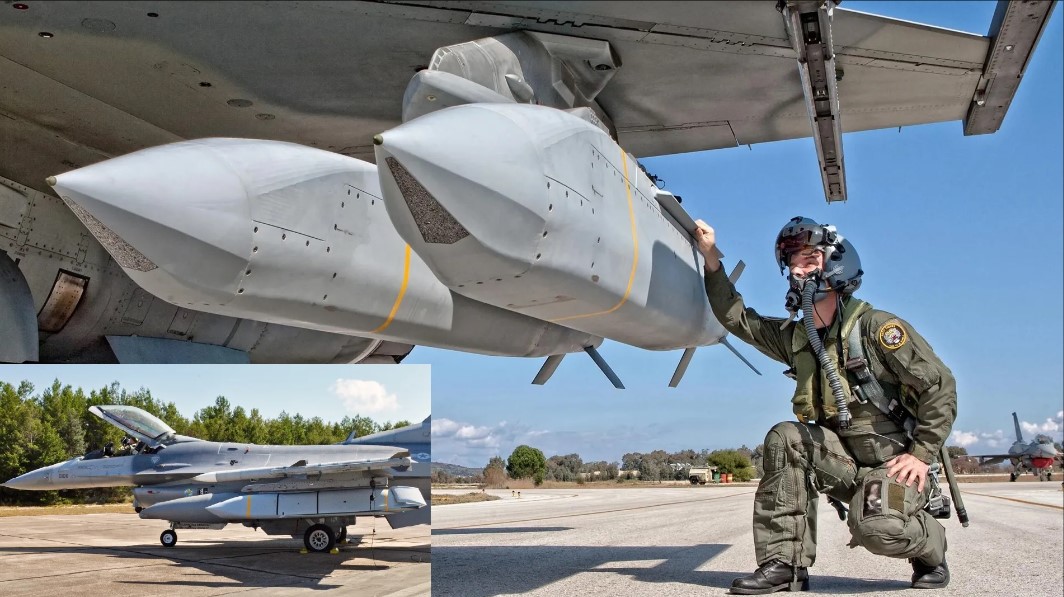
World
The United States is considering sending the AGM-154 Joint Standoff Weapon (JSOW), a medium-range glide missile, to Ukraine as part of a new $375 million military aid package. This move, reported by Politico and expected to be confirmed soon by US officials, could prove vital to Ukraine's defense strategy. The inclusion of these advanced munitions in Ukraine’s arsenal signals a significant boost to the country’s capabilities as it continues to fend off Russian advances, particularly in the contested eastern regions.The AGM-154, often referred to as a “glide bomb,” is a precision-guided weapon with a range of over 70 miles (112 kilometers). Designed to be launched from fighter jets like the F-16, it allows pilots to strike enemy targets from a distance, reducing the risk of being hit by enemy air defenses. For Ukraine’s F-16s, this weapon would enable them to hit Russian troop formations, armor, and strategic positions deep behind enemy lines without having to enter the most heavily defended areas.This new military aid package, which is expected to include air defense missiles, rockets, and artillery, would mark one of the largest shipments of military equipment to Ukraine since May. However, the AGM-154 stands out due to its tactical importance in Kyiv's aerial campaign. With the war in Ukraine increasingly characterized by artillery and long-range missile exchanges, giving Ukraine the ability to strike from further away could shift the balance in some critical battles.The AGM-154 comes in various configurations, capable of carrying different types of payloads. One version, the AGM-154A, can disperse submunitions over a wide area, making it effective against enemy ground forces. Another variant, the AGM-154C, has a unitary warhead designed to penetrate fortified targets. These glide weapons use GPS guidance to ensure high accuracy, even in challenging environments. For Ukraine, which is battling a well-entrenched Russian military, the AGM-154’s precision and versatility could prove invaluable.The timing of this military support is also significant. Ukrainian President Volodymyr Zelensky is currently in the US, presenting his "Victory Plan" to American leadership, including President Joe Biden and presidential candidates Kamala Harris and Donald Trump. With US presidential elections looming in November, this aid package might be one of the last large-scale military shipments to Ukraine before the political landscape in Washington changes.The introduction of the AGM-154 would not only provide a tactical edge but also symbolize a deepening commitment from the US to support Ukraine as the war grinds on. If delivered, these weapons will likely play a crucial role in Ukraine’s efforts to regain lost ground and repel future Russian offensives.
Read More → Posted on 2024-09-23 14:23:12
World
Iran’s foreign minister, Abbas Araqchi, has announced that the country is ready to resume nuclear talks on the sidelines of the United Nations General Assembly in New York, provided other parties are also willing to engage. This statement comes at a time when the future of the 2015 nuclear deal, known as the Joint Comprehensive Plan of Action (JCPOA), remains in limbo. Since the United States withdrew from the agreement in 2018 under President Donald Trump, indirect negotiations aimed at reviving the accord have repeatedly stalled.Araqchi's remarks, made through a video on his Telegram channel, signal Tehran’s openness to continue diplomatic efforts. “Messages have been exchanged, and a general declaration of readiness has been issued,” Araqchi stated, although he acknowledged that “current international conditions make the resumption of talks more complicated and difficult than before.”The Complicated Road Back to the JCPOAThe JCPOA, signed in 2015 between Iran and six world powers—including the U.S., Russia, China, the UK, France, and Germany—was designed to limit Iran’s nuclear capabilities in exchange for lifting economic sanctions. After the U.S. unilaterally exited the deal, it reimposed severe sanctions on Iran, which have crippled its economy. In response, Iran began scaling back its commitments to the agreement, enriching uranium beyond the allowed limits and expanding its nuclear program.The Biden administration, while initially expressing interest in diplomacy, has so far refrained from fully re-engaging with Iran on the JCPOA. U.S. officials cite ongoing concerns, including Iran’s support for militant groups and its involvement in regional conflicts, particularly its support for Russia in Ukraine and its ties to Hamas, a group linked to the recent attacks on Israel. These geopolitical tensions further complicate the nuclear issue.Iran's Desire for Sanction ReliefFor Tehran, the primary incentive to return to negotiations is the potential easing of U.S. sanctions, which have devastated the country’s economy. Inflation, unemployment, and social unrest have intensified as sanctions limit Iran's ability to sell oil, access international financial markets, and trade freely. Araqchi’s remarks make it clear that Iran's leadership is looking for a pathway back to economic stability through diplomatic channels.However, while the Iranian government is keen on negotiating, Araqchi emphasized that the situation is more difficult now than it was in previous years. Ongoing distrust between Iran and Western powers—particularly the U.S.—has deepened as the Middle East remains in turmoil, and Iran continues to forge stronger ties with Russia. Tehran’s military support for Moscow in the Ukraine conflict has raised eyebrows globally and soured relations with Europe.A Complex Diplomatic LandscapeIran’s readiness to re-enter negotiations comes against the backdrop of worsening relations with the West. Not only has the Iranian regime stepped up its support for Russia, but it also faces fresh scrutiny for backing Hamas after its recent attacks on Israel. This adds yet another layer of complexity to any future talks. While Iran may be signaling a willingness to negotiate, the global environment has shifted, and the Biden administration has indicated that it is not yet prepared to restart discussions.Iran’s next steps will likely depend on the willingness of the U.S. and other signatories to return to the negotiating table. The upcoming days in New York may offer a crucial opportunity for diplomacy, though both sides remain far apart on key issues.In short, while Iran is open to talks, the road ahead is fraught with challenges, making the future of the nuclear deal more uncertain than ever.
Read More → Posted on 2024-09-23 14:16:51
World
In a surprising move, Mistral Inc., a lesser-known American defense firm, has filed a protest against the nearly $1 billion contract awarded to AeroVironment by the U.S. Army. This significant contract, worth $990 million, was intended for the supply of Switchblade loitering munitions, a type of drone-like, precision-guided weapon. AeroVironment’s role in the deal was to equip the Army’s Lethal Unmanned Systems (LUS) with Switchblade drones designed to take out enemy tanks, armored vehicles, and personnel from a distance, while offering enhanced situational awareness to soldiers on the ground.The protest, filed by Mistral Inc., has temporarily halted production of the munitions. According to U.S. procurement law, when such protests are made, the Government Accountability Office (GAO) must investigate and provide a ruling within 100 days. The grounds for Mistral’s challenge have not been publicly disclosed yet, but if successful, it could force the U.S. Army to reopen the competition, potentially altering the course of the entire contract.A Highly Sought-After ContractAeroVironment, a leader in loitering munition technologies, announced the five-year deal with the U.S. Army on August 28. The contract aimed to provide a solution for the Army's need to counter armored threats using its highly successful Switchblade drone. The Switchblade system has gained popularity due to its lightweight, portable nature and its ability to be used by dismounted infantry formations. Essentially, it functions as a miniaturized drone that can fly for around 20 minutes, scanning its surroundings for potential threats before striking. It detonates on contact, giving it high precision against moving or non-line-of-sight targets.AeroVironment has marketed the Switchblade as the optimal choice for modern battlefield needs, emphasizing its ability to enhance soldier lethality. The company also noted its readiness to meet the Army’s demands, boasting robust production capacity and a well-established supply chain. With these advantages, AeroVironment seemed well-positioned to handle the Army's large-scale orders under the contract. Mistral’s Challenge: What’s at Stake?While the details of Mistral’s protest remain unclear, such challenges usually involve concerns about fair competition, contract specifications, or the ability of the winning bidder to meet the terms of the deal. Mistral Inc. is not a newcomer to the defense world but is certainly overshadowed by giants like AeroVironment. It’s possible that Mistral believes its own technology may offer a better solution for the U.S. Army’s requirements or that the selection process was flawed.If Mistral’s protest is successful, the contract could be reopened, giving other firms—including Mistral—a chance to bid. This is significant because the contract not only offers a substantial financial reward but also positions the winning firm as a leader in the growing market for loitering munitions, which have become increasingly important in modern military operations. These systems are favored for their ability to provide long-range, precise strikes, especially in situations where collateral damage needs to be minimized.The Impact on AeroVironmentAeroVironment's Switchblade has been widely praised for its effectiveness and maturity as a loitering munition. The company has supplied similar systems to various branches of the U.S. military and international allies. With the Switchblade’s ability to monitor and engage moving targets, the U.S. Army saw it as an essential tool to counter threats from armored vehicles and other battlefield challenges.However, with the protest in play, there’s a risk that AeroVironment could face delays. Deliveries that were set to start soon may now be pushed back to next year, affecting both the company’s timelines and the Army’s immediate operational needs. The outcome of the protest will determine whether AeroVironment retains the contract or whether it faces competition from other defense contractors like Mistral.The Road AheadThe GAO is now tasked with reviewing the case and issuing a decision within the next few months. The outcome could range from upholding AeroVironment’s contract to reopening the competition entirely. While such protests are not uncommon in the defense sector, the stakes are high for both Mistral and AeroVironment, as well as for the U.S. Army, which is looking for the most effective loitering munitions to meet its needs on the modern battlefield.In the meantime, defense analysts will be watching closely to see if this protest brings any new contenders to the table, potentially reshaping the landscape of U.S. military procurement in loitering munitions.
Read More → Posted on 2024-09-23 14:01:14Search
Top Trending in 24 Hours
-
 U.S Navy Orders 50 Blackbeard Hypersonic Missiles in New $23.4 Million Contract
-
 F-35 Fleet Readiness Falls to 25% Amid Parts Shortages and Software Delays: GAO Report
-
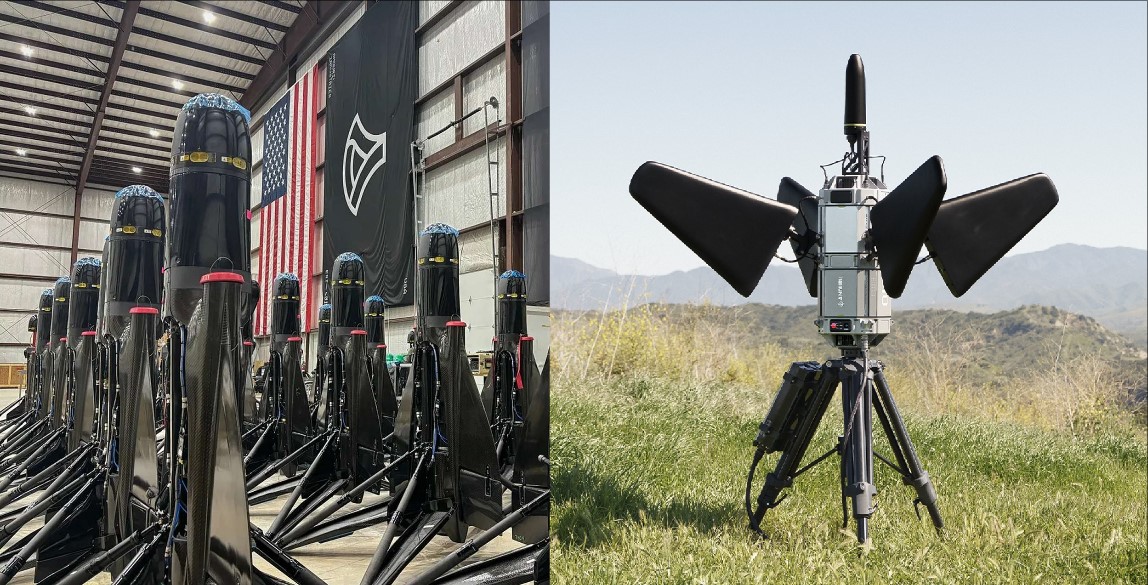 U.S. Approves $1.98 Billion Sale of Anduril AI-Powered Counter-Drone Systems to Kuwait
-
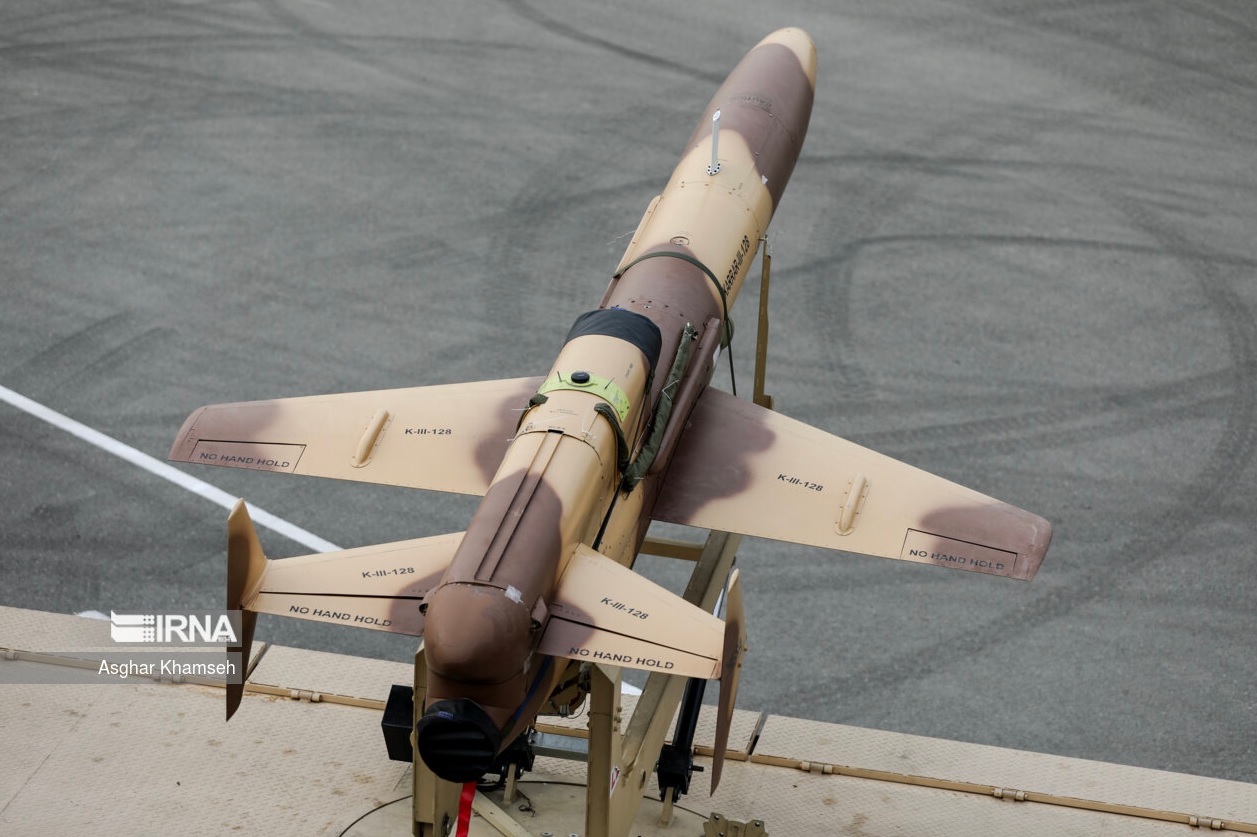 Russia Launches 1,400 Jet-Powered Drones in 2026 as Strike Tactics Evolve to Challenge Ukraine's Air Defenses
-
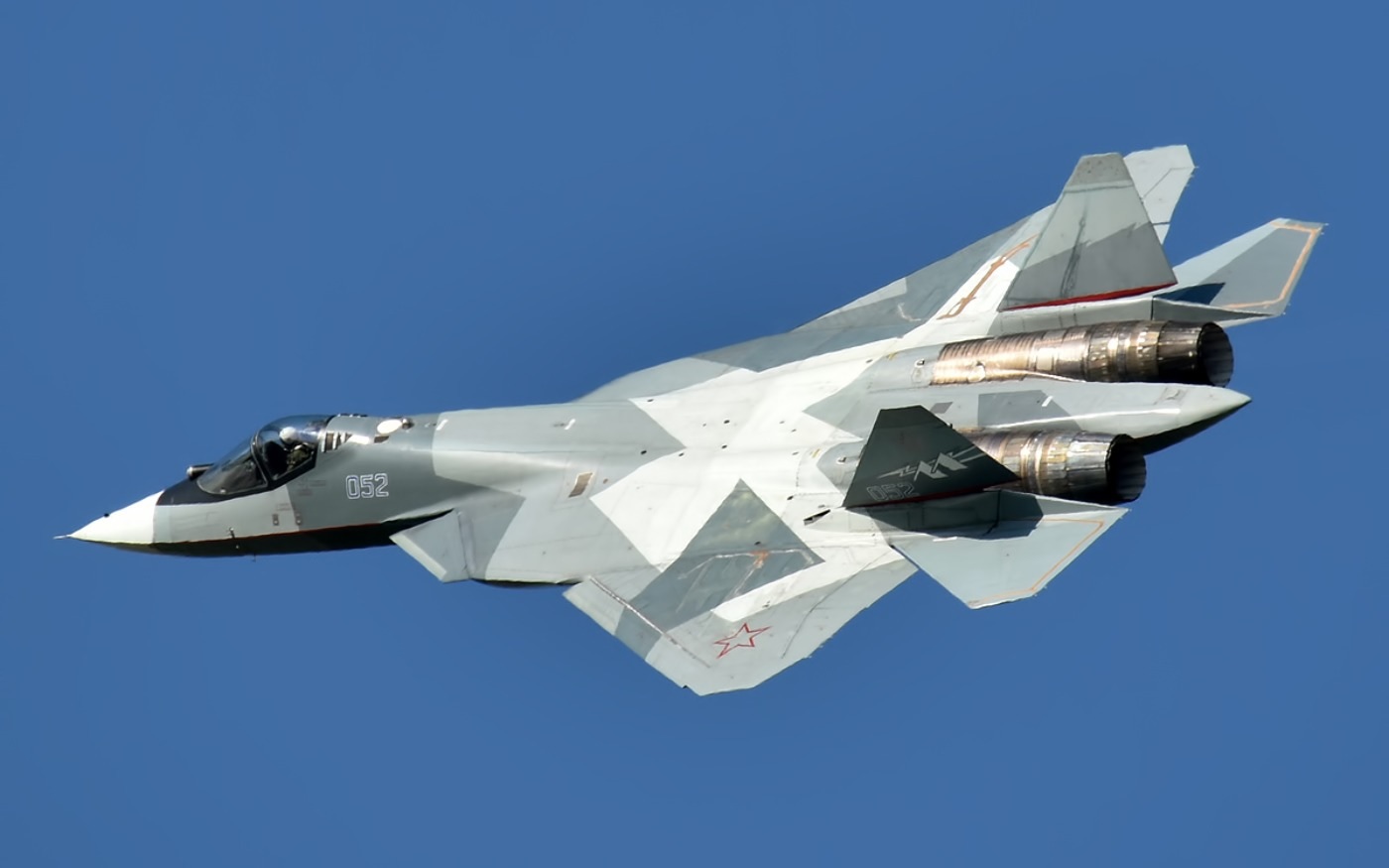 Russian Analysts Debate Su-57 Capabilities After Putin Calls Fighter Superior to F-35
-
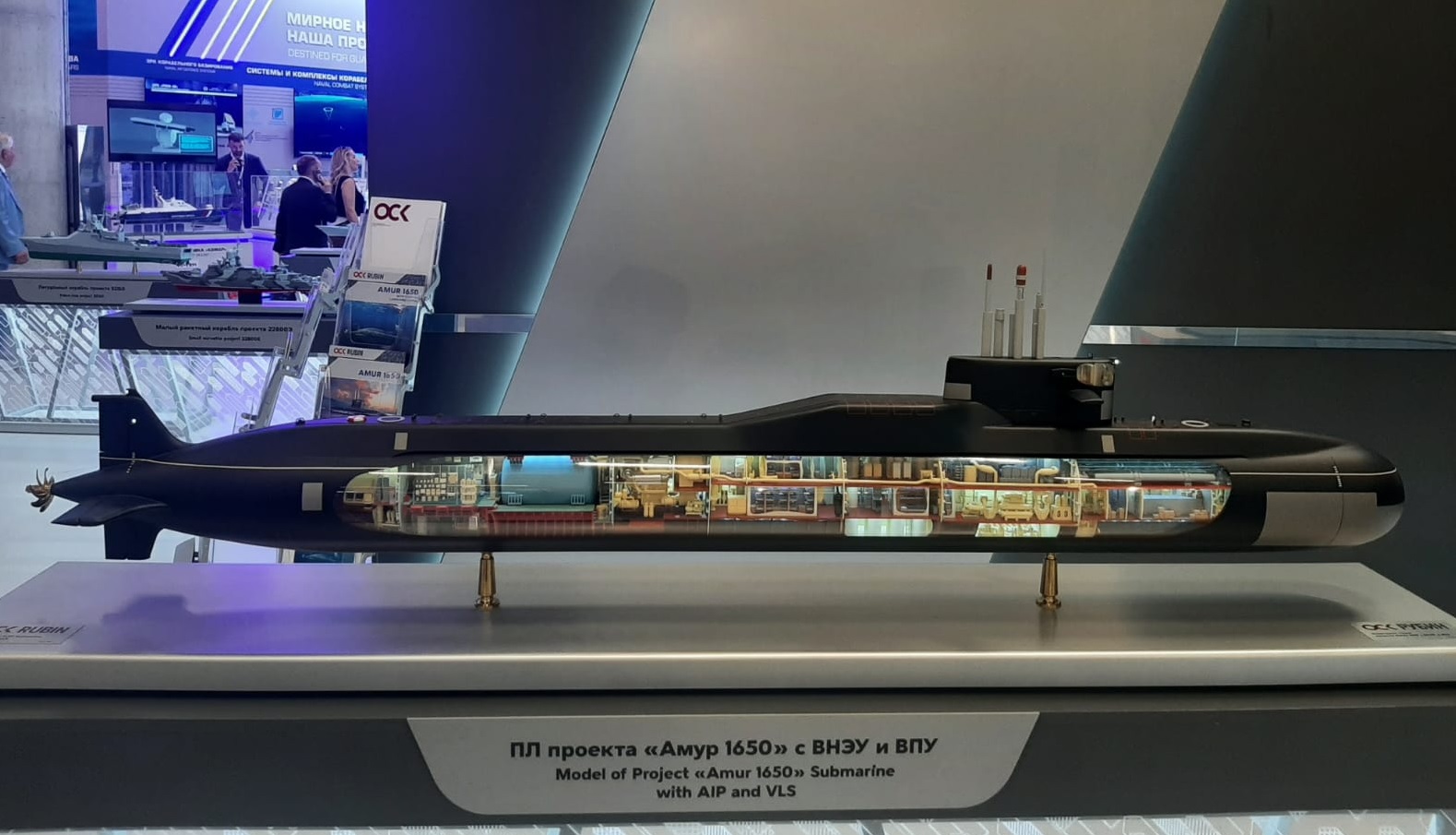 Russia Unveils Amur-1650 AIP Submarine Equipped with BrahMos Vertical Launch System at Fleet-2026
-
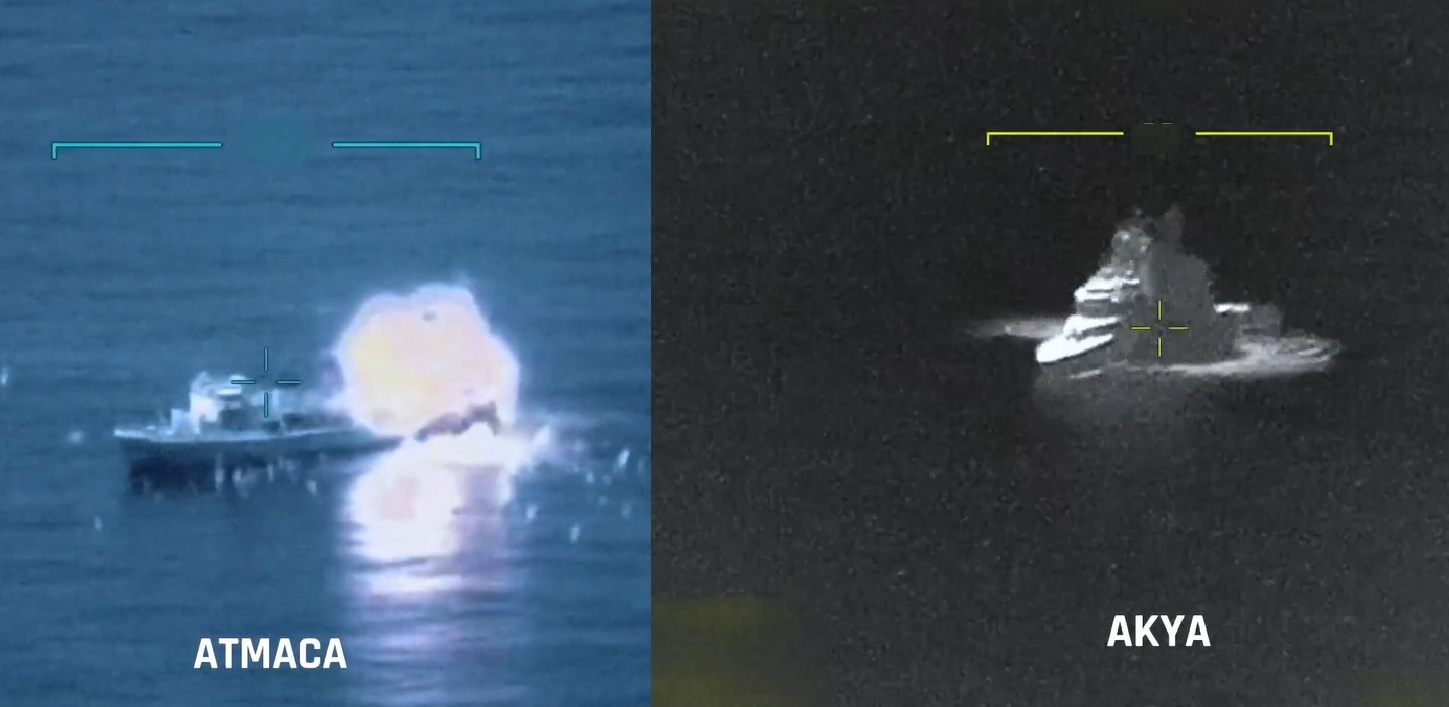 Turkey Navy Successfully Tests AKYA Torpedo and ATMACA Missile During Major Denizkurdu-II Naval Exercise
-
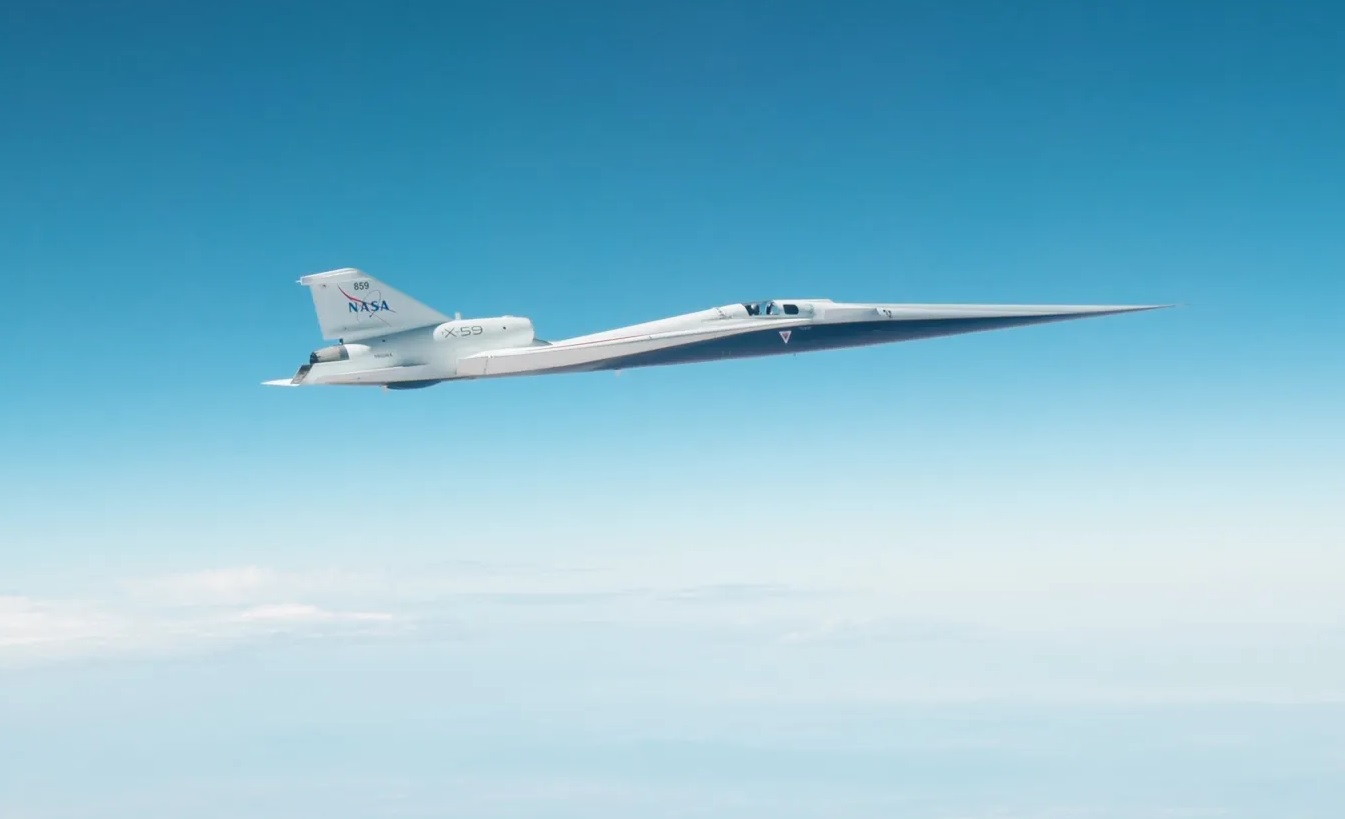 NASA X-59 Achieves Planned Mission Conditions with Mach 1.4 Flight at 55,000 Feet
Top Trending in 4 Days
-
 Iranian Media Leaks 14-Point U.S.-Iran Peace Framework Amid Ongoing Negotiations
-
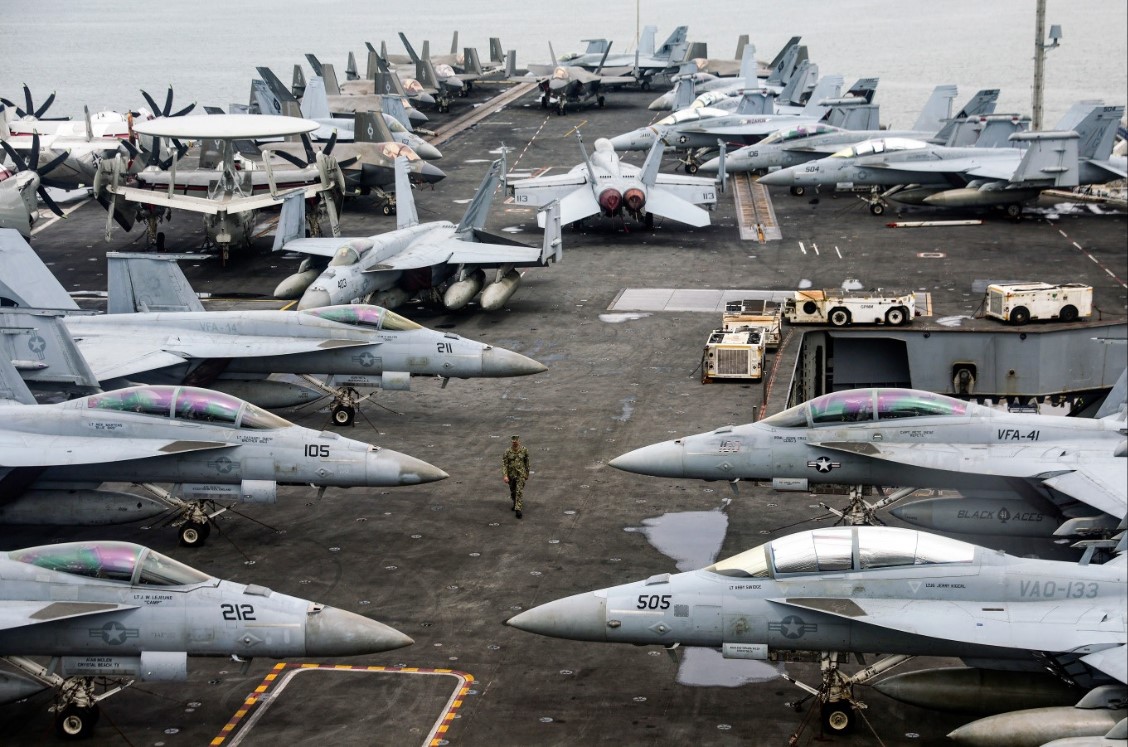 US Plans Significant Reduction of Fighter Jets and Warships for NATO Operations in Europe
-
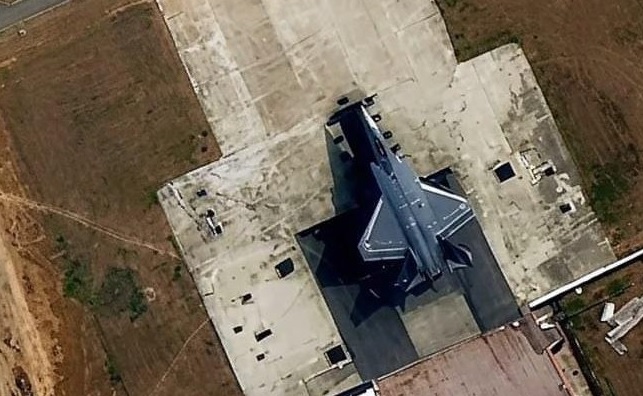 AMCA Airframe Spotted at DRDO’s ORANGE Facility for Radar Cross-Section Testing
-
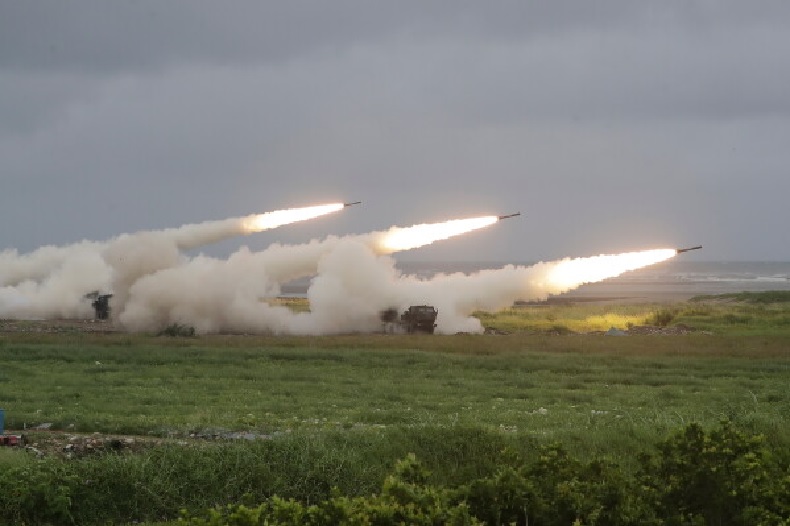 Taiwan Conducts First Live-Fire of HIMARS Rockets From West Coast During Invasion Defense Drill
-
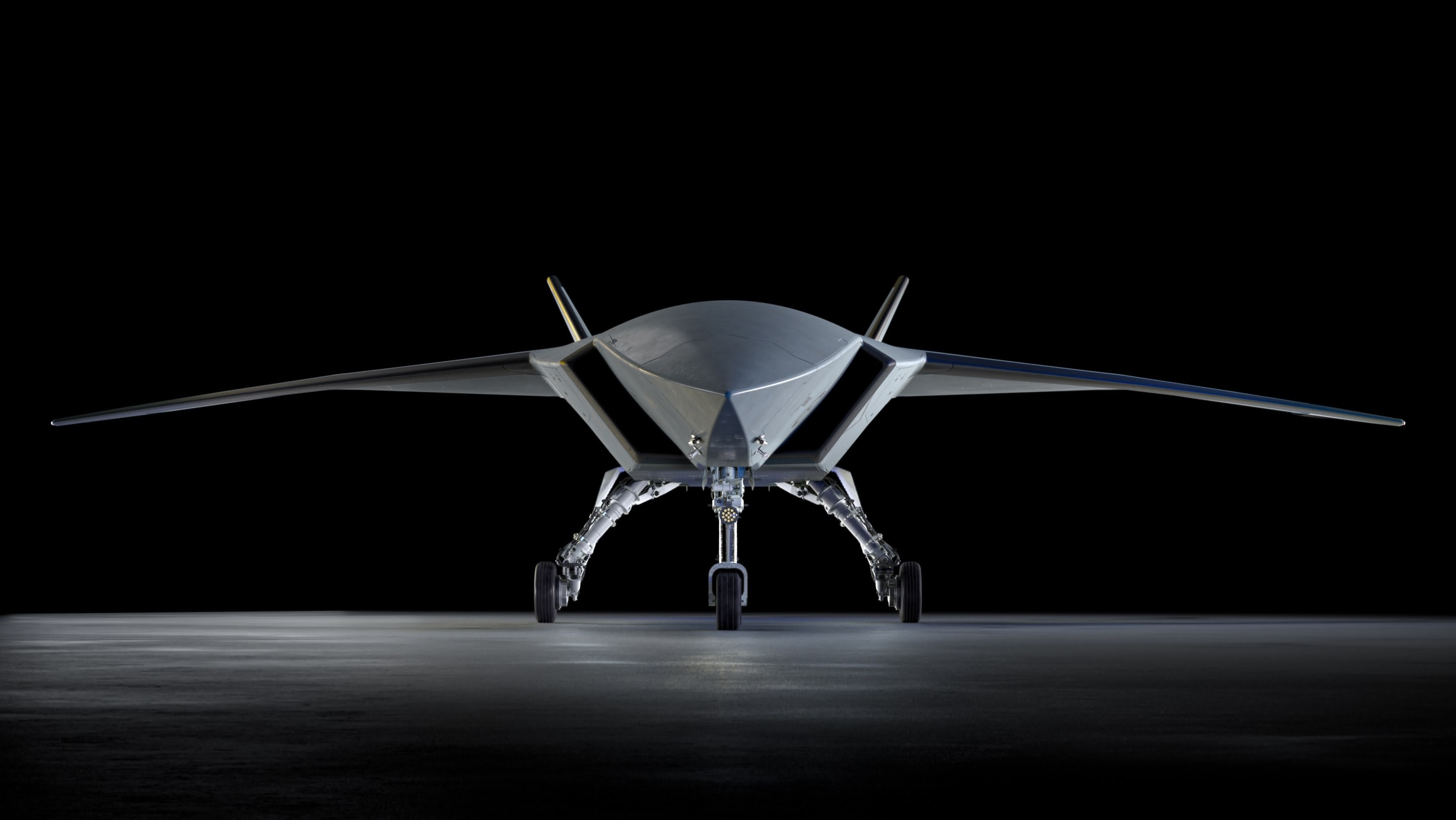 Boeing Introduces New MQ-28 Ghost Bat Upgrades with Increased Range, Payload and Weapons Capacity at ILA Berlin 2026
-
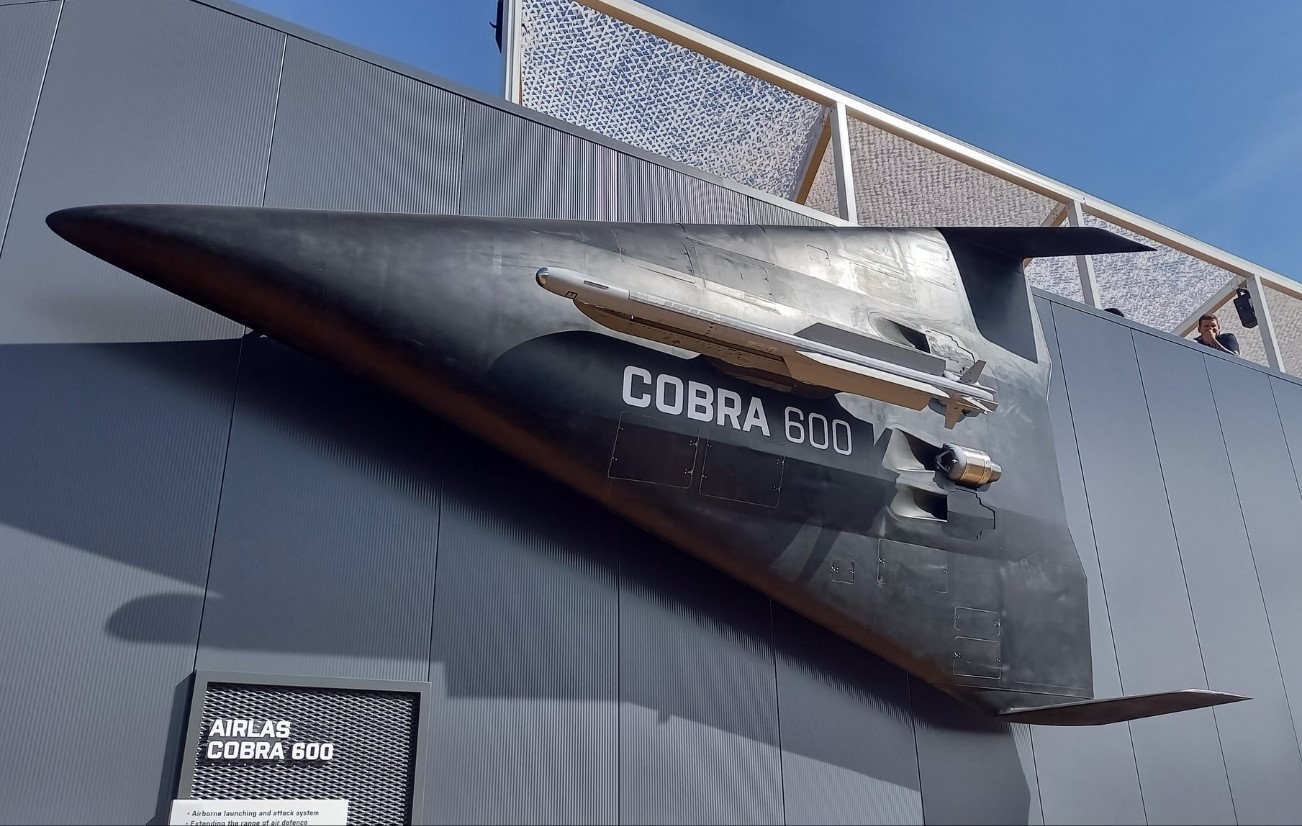 Diehl Defence Unveils IRIS-T Armed Cobra 600 Air Defense Drone at ILA Berlin 2026
-
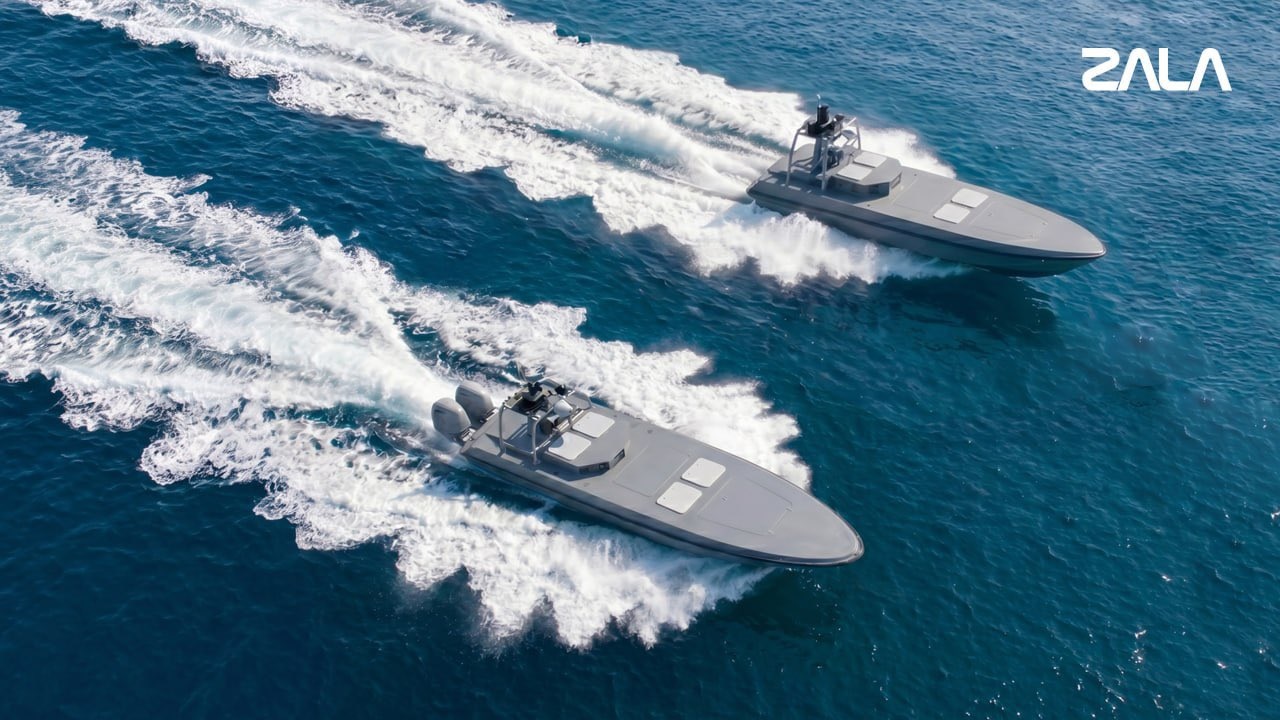 Russian Defense Firm ZALA Unveils KAMA Unmanned Surface Vessel Family at FLOT-2026 Naval Exhibition
-
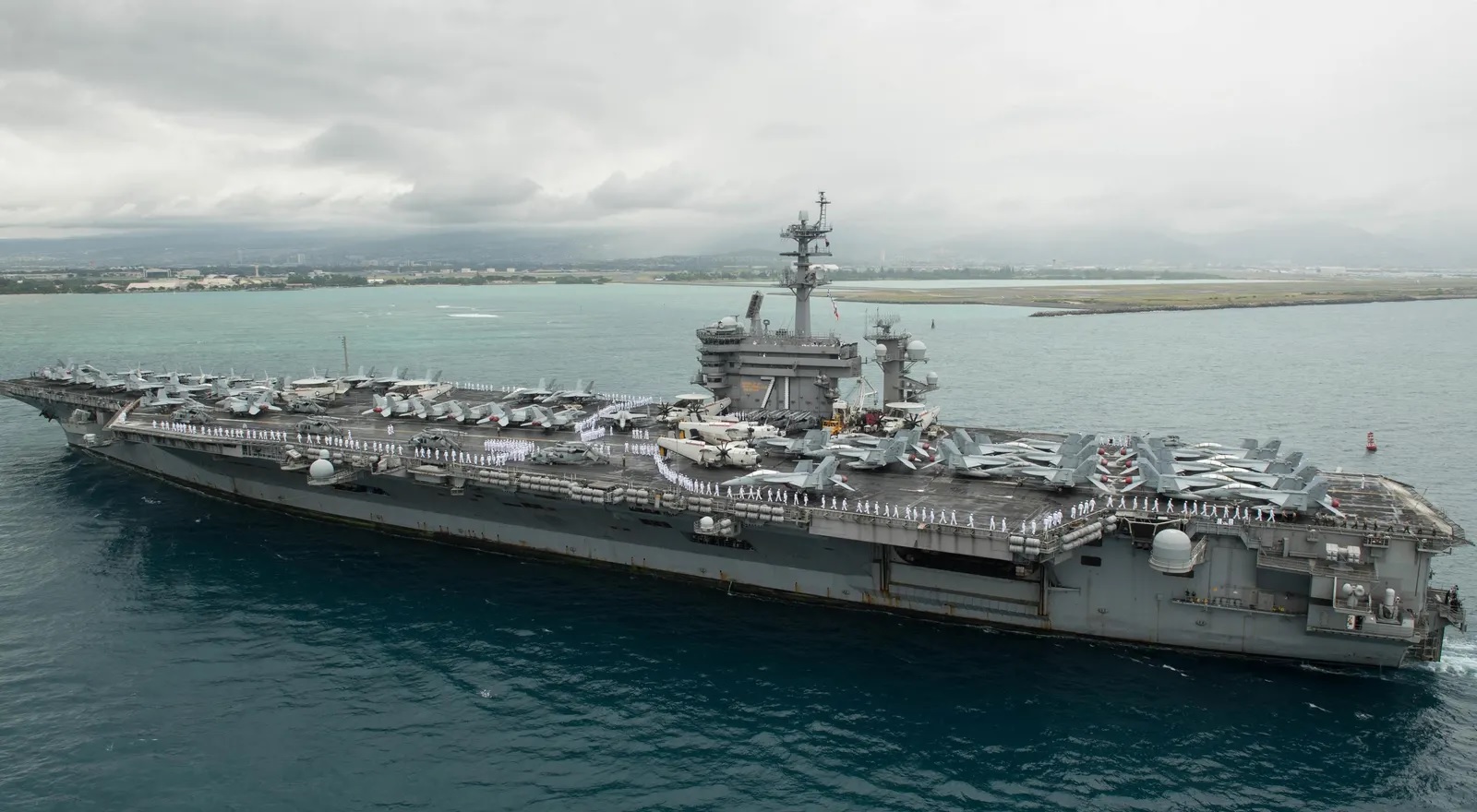 U.S Aircraft Carrier USS Theodore Roosevelt Departs San Diego for Major RIMPAC 2026 Naval Exercise