
World
The Finnish defence company, Patria, is set to present its state-of-the-art armoured vehicles at the highly anticipated Nordic Defence Industry Seminar (NDIS) 2024, taking place from September 17th to 19th at Sundvolden, Norway. This prestigious event, organised by the Norwegian Ministry of Defence and several other Norwegian defence agencies, serves as a key platform within the broader Nordic Defence Cooperation (NORDEFCO). Patria’s participation will be a highlight of the exhibition, with its innovative armoured vehicle solutions stealing the spotlight.At NDIS 2024, Patria aims to showcase its involvement in two significant multinational collaboration programmes: the Common Armoured Vehicle System (CAVS) and the Future Highly Mobile Augmented Armoured System (FAMOUS). These initiatives underscore Patria's commitment to modernising and enhancing mobility for armed forces across Europe. The company’s stand at D103 is expected to attract significant attention from industry experts, military personnel, and defence contractors alike.One of Patria’s flagship offerings, the **Patria 6×6**, will be front and centre at the event. This versatile armoured vehicle is renowned for its combination of simplicity, ruggedness, and adaptability to diverse mission needs. The 6x6 is a modular design that allows it to be customised for various configurations such as an Armoured Personnel Carrier (APC), Command Vehicle, Medical Evacuation unit, and even a heavy APC. One standout feature of this vehicle is its compatibility with the **Patria Nemo 120 mm mortar system**, which adds impressive firepower to its already formidable capabilities. The Patria 6x6’s robustness, combined with high mobility, makes it perfectly suited for the extreme conditions often encountered by military forces, whether it's navigating rugged terrain or withstanding hostile environments.The 6x6 is not just a concept vehicle. It is already in use by countries like Finland, Latvia, and Sweden under the CAVS programme, with nearly 200 units delivered out of the total 700 ordered. The CAVS programme continues to grow, and the door remains open for other European nations to join, making this a pivotal project in ensuring joint defence efforts across the continent. The vehicle has gained traction thanks to its cost-effectiveness, easy maintenance, and capacity to perform in challenging operations.In addition to the 6x6, Patria is presenting its **FAMOUS concept vehicle**, a cutting-edge tracked armoured vehicle developed as part of the European Defence Industrial Development Programme (EDIDP) and the European Defence Fund’s FAMOUS 2 initiative. First unveiled at the Eurosatory event, the FAMOUS vehicle is designed to excel in extreme terrain and weather conditions. Its unique tracked design enables superior mobility over soft soil and rough terrains, making it an optimal choice for tactical operations where traditional wheeled vehicles might falter. Unlike many other heavy tracked vehicles, the FAMOUS concept vehicle balances enhanced mobility with cost-effectiveness, providing a modern alternative to older articulated and light tracked vehicles. This vehicle is a testament to Patria's forward-thinking approach to armoured vehicle technology, positioning itself as a frontrunner in the future of military mobility.Patria’s presence at NDIS 2024 underscores the company’s dedication to international collaboration and technological innovation. Both the Patria 6x6 and the FAMOUS concept vehicle reflect the company's goal of delivering versatile, high-performance solutions for defence forces operating in a variety of environments.
Read More → Posted on 2024-09-16 15:48:12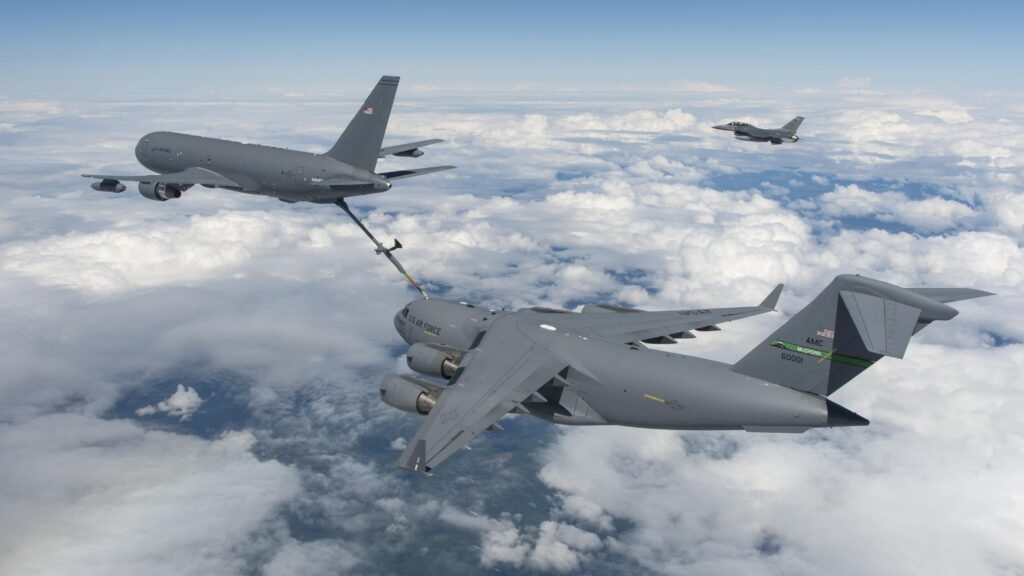
World
Japan’s growing focus on bolstering its defense capabilities took another leap forward as the U.S. State Department cleared a $4.1 billion deal for the country to purchase nine more KC-46A aerial refueling aircraft. This deal, which comes at a time of heightened security concerns in the Indo-Pacific region, will not only enhance Japan’s aerial refueling abilities but also solidify its partnership with the U.S. in securing the region.Expanding Japan’s Aerial Refueling FleetWith this approval, Japan will add nine KC-46A tankers to its current fleet of four, bringing the total number to 15. These refueling aircraft are crucial for extending the operational range of Japan’s air force, ensuring that its fighter jets and other aircraft can stay airborne longer and operate at greater distances. This capability is particularly important given the strategic challenges in the Pacific, where long-distance operations are often necessary.In addition to the nine tankers, the deal includes 18 turbofan engines, crucial components that power the KC-46A's long-range operations. The purchase also encompasses a suite of advanced defense technologies, such as radar warning receivers and infrared countermeasure systems, which will enhance the tankers' ability to operate in contested environments.Advanced Specifications of the KC-46A TankerThe KC-46A is a modern, multi-mission aircraft that not only excels at mid-air refueling but also offers capabilities for cargo and personnel transport. It is powered by two high-bypass Pratt & Whitney PW4062 engines, providing it with the ability to carry over 212,000 pounds (96,161 kilograms) of fuel. This fuel capacity allows it to refuel a wide range of aircraft, from fighter jets to larger cargo planes.One of the standout features of the KC-46A is its refueling boom, operated by a fly-by-wire control system. This technology ensures precision during fuel transfer, minimizing risks during mid-air operations. Additionally, the KC-46A is equipped with advanced defensive systems such as missile warning sensors and infrared countermeasure suites, ensuring the aircraft can defend itself in hostile environments. These features make the KC-46A an essential asset for long-range missions, where refueling is critical, and threats from enemy forces are a concern.The aircraft also supports the use of identification friend-or-foe (IFF) transponders and a sophisticated communications suite, ensuring that it can operate seamlessly with Japan's existing air and defense systems. Boeing, Pratt & Whitney, Northrop Grumman, and RTX are the primary contractors responsible for producing these systems and ensuring the aircraft’s top-notch performance.Strengthening the U.S.-Japan Security AllianceBeyond the technical capabilities, the purchase is a significant step in reinforcing the U.S.-Japan alliance. By upgrading its KC-46A fleet, Japan is aligning itself with U.S. security objectives in the Indo-Pacific region, where the rise of regional tensions has heightened the need for joint defense readiness.As the regional security environment grows more unpredictable, particularly with the rise of emerging threats, Japan's expanded KC-46A fleet will play a vital role in ensuring a robust defense posture. Not only will the new tankers bolster Japan's air capabilities, but they will also enhance the country's ability to participate in joint operations with the U.S. and other allied nations.Moreover, the deal includes spare parts, training for personnel, engineering support, and logistics services, ensuring that Japan's fleet remains operational and capable of meeting future defense needs. This collaboration between the U.S. and Japan underscores a long-term commitment to security in the region.A Key Asset for Japan's DefenseThe KC-46A tanker is not just a refueling aircraft but a symbol of Japan’s strategic intent. With its extended range, multi-mission capability, and advanced defensive systems, the KC-46A will allow Japan to project air power across the vast expanse of the Pacific. Its ability to refuel various fixed-wing aircraft mid-flight is particularly valuable, given Japan's geographical location and the need for long-range patrol and defense missions.This fleet expansion reinforces Japan’s ongoing efforts to modernize its military in response to the growing complexities of regional security. As Japan continues to enhance its defense infrastructure, the KC-46A tankers will play a crucial role in ensuring the country is prepared for any potential threats that may arise in the future.
Read More → Posted on 2024-09-16 15:43:31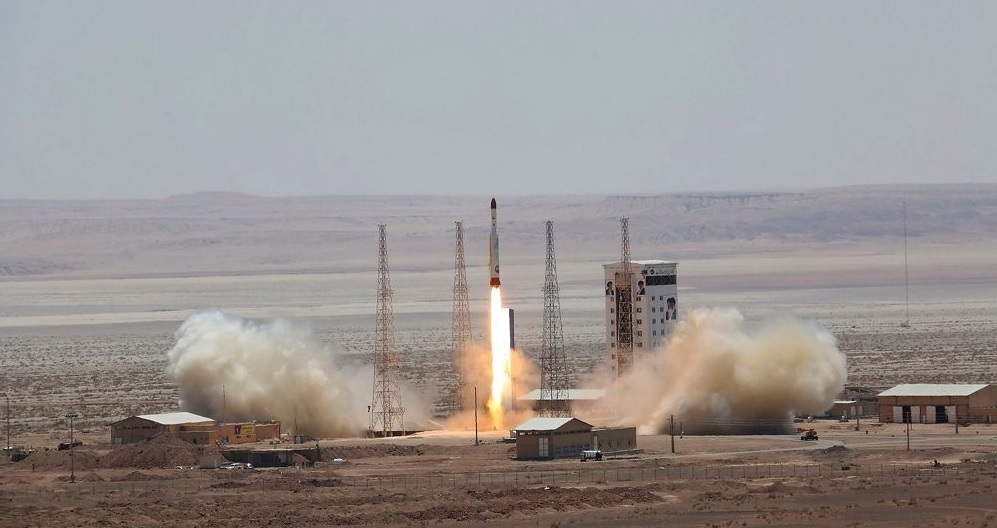
World
Iran recently launched a satellite into space, a move that has drawn fresh concerns from the West due to its potential ties to Tehran’s missile development program. The launch was conducted by Iran's paramilitary Revolutionary Guard, which used a Qaem-100 rocket to propel the Chamran-1 satellite into orbit, marking another step in Iran’s expanding space and military technology program.State-run media described the launch as a success, though there has yet to be independent confirmation. The Qaem-100, a solid-fuel, three-stage rocket, successfully placed the 60-kilogram Chamran-1 satellite into an orbit approximately 550 kilometers above Earth. Notably, the rocket bore a Quranic verse, symbolizing the ideological underpinnings of Iran’s space efforts. This marks the second successful satellite deployment using the Qaem-100, after an earlier launch in January.The satellite launch took place near Shahroud, a city approximately 350 kilometers east of Tehran, from a mobile launcher—a detail that underscores the sophistication of Iran’s space launch technology. This capability is seen as a double-edged sword by international observers. While Iran insists its space program is for civilian purposes, many in the West fear it serves as a cover for developing long-range ballistic missile capabilities, including intercontinental ballistic missiles (ICBMs), which could eventually be fitted with nuclear warheads.Adding to these concerns is the timing of the launch, which coincided with a period of heightened tension in the Middle East, particularly the ongoing conflict between Israel and Hamas in Gaza. During this time, Iran carried out a direct missile and drone attack on Israel, showcasing its military prowess. Furthermore, Iran’s uranium enrichment has progressed to near-weapons-grade levels, causing alarm among nuclear watchdogs. Although Iran has consistently denied seeking nuclear weapons, its growing enrichment capacity and space technology developments suggest otherwise to many international experts.Western powers, particularly the U.S., have long voiced concerns over Iran's space program, arguing that the technology used in satellite launches could also be employed to develop ICBMs. These fears have grown after the expiration of U.N. sanctions related to Iran's ballistic missile program in October 2023. The U.S. State Department has condemned Iran’s previous satellite launches, calling them a violation of a U.N. Security Council resolution.The U.S. intelligence community has echoed this sentiment, stating that Iran's satellite launch vehicle technology could significantly shorten the timeline for developing ICBMs. The connection between satellite launchers and missile development lies in the shared technology used to propel heavy payloads across long distances—both in space and for military purposes.While Iran's leadership, including the head of the Revolutionary Guard, General Hossein Salami, celebrated the launch as a victory against international sanctions, the launch also raises questions about the nation’s broader intentions under its space program. Iran's current president, Masoud Pezeshkian, has yet to publicly comment on the future of the space program, leaving uncertainty about the direction the country will take in the coming years.The launch also comes ahead of the second anniversary of the death of Mahsa Amini, which triggered mass protests against Iran’s mandatory hijab laws and its theocratic regime. Amid these domestic challenges, Iran continues to assert its technological ambitions on the world stage, further complicating its relations with the international community.As Tehran pushes ahead with both its space and missile programs, the potential for a deeper geopolitical conflict looms, particularly as Iran moves closer to achieving the technological capabilities that could extend beyond regional power to global influence. For now, the satellite launch has put Iran back into the international spotlight, with eyes on whether this progress signals a new chapter in its military and technological capabilities—or a further escalation of tensions with the West.
Read More → Posted on 2024-09-15 15:54:44
World
Russia's use of its advanced Su-57 Felon fighter jets has sharply escalated, with more than 40 strikes targeting Ukrainian positions in recent months. These stealth aircraft, which were once deployed sporadically in the conflict, are now playing a critical role in Moscow's aerial campaign, demonstrating a shift in strategy that has alarmed Ukraine's military forces.The Su-57, developed by Russia as a fifth-generation multirole stealth fighter, has seen increased operational use since February 2024. Reports from Ukraine’s Air Force suggest a rise in missile strikes conducted by these jets, particularly over regions like Kursk, Bryansk, and Russian-occupied Luhansk. This surge in attacks underscores Russia’s growing reliance on the Su-57 for precision targeting from within its own airspace, avoiding exposure to Ukraine's air defenses.The UK Ministry of Defense had earlier confirmed that Su-57s were used in Ukraine as early as June 2022. However, their initial deployment was limited and likely experimental. The recent shift in their operational intensity is linked to the broader objectives of Russia’s air force, which has increasingly turned to these jets for high-value strategic strikes. For instance, over the past seven months, more than 30 cruise missiles have been launched from Su-57s, marking a significant uptick in activity.One of the key weapons systems employed by the Su-57 is the Kh-69 stealth cruise missile, designed to strike heavily fortified targets with a range exceeding 180 miles. This missile, first publicly unveiled in August 2022 at the Army-2022 military forum, is among Russia’s most advanced munitions. The Kh-69 was showcased again at the Dubai Airshow in November 2023, where Russian officials touted its low-visibility design and high precision. However, experts suggest that the Kh-69 may not be as revolutionary as claimed. Analysts believe it is an evolution of the older Kh-59MK2, a missile from 2009 that shares design similarities with its Soviet-era predecessors.In one of the most notable strikes, on April 11, 2024, a Kh-69 missile launched from a Su-57 destroyed Ukraine's Trypillia Thermal Power Plant near Kyiv. The precision and destructiveness of this strike highlight the growing threat posed by Russia’s advanced aerial capabilities.In addition to the Kh-69, the Su-57 is equipped with other sophisticated missile systems, such as the Kh-58USHK anti-radiation missile. This missile is designed to target enemy radar installations and can strike from distances up to 150 miles, depending on launch conditions. These capabilities allow the Su-57 to neutralize Ukrainian air defense systems while minimizing its exposure to retaliation.As Russia ramps up its use of the Su-57, the stealth fighter’s impact on the battlefield is becoming increasingly clear. With its cutting-edge technology, the Felon has become a crucial tool in Russia’s long-term strategy to wear down Ukraine’s military infrastructure, all while maintaining a safe distance from Ukraine's defenses. The question remains how Ukraine and its allies will respond to this intensifying aerial campaign, which is reshaping the dynamics of the war. The Su-57’s deployment signals a new phase of the conflict, one marked by more sophisticated weaponry and an intensified focus on precision strikes, further complicating Ukraine’s defensive operations.
Read More → Posted on 2024-09-14 15:35:36
World
Amid growing tensions between Russia and the West, a recent warning from Russian President Vladimir Putin has sparked concern. On Thursday, Putin cautioned that if Ukraine is allowed to use Western-supplied long-range missiles against Russian targets, it could lead to a direct military conflict between Russia and NATO. “It is not just a question of allowing the Ukrainian regime to strike Russia,” Putin declared, emphasizing that it was about determining if NATO countries would directly engage in the ongoing war. His warning raised the stakes in an already volatile situation, hinting at serious retaliatory measures if the missile issue escalates, although he was vague about Russia's potential response.At the heart of this warning lies Ukraine’s request for more powerful weapons from its Western allies, particularly long-range missiles. Western nations, especially the US and the UK, are central to Ukraine’s support in the war, but they are now facing a dilemma. UK Prime Minister Keir Starmer and US President Joe Biden recently held discussions in Washington where this very issue was addressed. However, both leaders ultimately decided to postpone a decision on whether to supply Ukraine with these advanced weapons.One of the key points of contention is Ukraine’s request for British Storm Shadow missiles and US-made ATACMS (Army Tactical Missile Systems). These weapons could enable Ukraine to strike Russian targets deeper than before, potentially shifting the dynamics of the war. Starmer hinted that this subject was part of a broader strategic discussion between him and Biden, although he clarified that no specific decisions had been made. It appears that this critical choice may be delayed until further discussions at the upcoming UN General Assembly in New York.Biden, for his part, downplayed Putin’s warning, stating bluntly, “I don’t think much about Vladimir Putin,” and expressed confidence that Russia would not succeed in the war. Despite this show of defiance, the Biden administration is reluctant to greenlight Ukraine’s request for ATACMS. American officials reportedly believe that these missiles would offer limited tactical advantages for Ukraine while potentially draining US stockpiles. This decision highlights the fine line the US is trying to walk—supporting Ukraine militarily without becoming too deeply entangled in the conflict with Russia.Meanwhile, diplomatic tensions have also intensified. In retaliation for the potential supply of long-range weapons, Russia has taken steps to expel six British diplomats, accusing them of espionage. Moscow’s UN ambassador, Vassily Nebenzia, warned that supplying Ukraine with these weapons could lead to a direct confrontation with Russia, a nuclear power. Such rhetoric underscores the gravity of the situation, where any misstep could lead to an even broader and more devastating conflict.As the missile issue simmers, the US and UK are also dealing with other global crises. Both countries have been involved in the ongoing conflict between Israel and Hamas in Gaza. Recently, Britain suspended arms deliveries to Israel, citing concerns over violations of international humanitarian law. In contrast, the US has maintained its unwavering support for Israel. During their meeting, Biden and Starmer affirmed their commitment to Israel while also stressing the urgent need for a ceasefire and better civilian protection in Gaza.Back in Ukraine, President Volodymyr Zelensky continues to push for more robust military support from the West. He expressed frustration that the US and Europe seem hesitant to provide Ukraine with missile defense systems, despite their strong support for Israel. Zelensky plans to meet Biden later this month to present his plan for achieving "victory" against Russia.This geopolitical drama unfolds against the backdrop of the looming US presidential election, which could significantly impact Washington’s future policies on Ukraine. With Biden nearing the end of his first term, the potential outcome of the election—whether it sees Biden reelected or a victory for figures like Kamala Harris or Donald Trump—may shape the direction of US involvement in the war. Trump, known for his favorable views on Putin, has expressed a desire to end the conflict without taking sides, potentially altering the nature of Western support for Ukraine.As the West weighs its options, the stakes in Ukraine remain perilously high, and any decision on the use of Western-supplied long-range missiles will likely have far-reaching consequences, not only for the war but for global security.
Read More → Posted on 2024-09-14 15:33:06
World
China's escalating rhetoric around the Taiwan Strait intensified on Saturday after German naval ships made a rare passage through the sensitive waters. Two vessels, the frigate *Baden-Wuerttemberg* and the supply ship *Frankfurt am Main*, sailed through the strait, sparking a strong response from Beijing. According to Chinese military spokesperson Li Xi, Germany's actions are seen as a deliberate provocation that could increase security risks in the region.Beijing’s reaction to this naval maneuver was swift and stern. "The German side's behavior increases security risks and sends incorrect signals," Li Xi stated, emphasizing that China perceives this passage as an infringement on its territorial integrity. He added that the People's Liberation Army (PLA) would "resolutely counter all threats and provocations" in response to any foreign presence in the area.This is the first time in over two decades that German naval ships have passed through the Taiwan Strait, according to German media. While US military ships, along with those from other countries, regularly navigate these waters to assert the principle of "freedom of navigation," Germany’s recent move has added new complexity to the already delicate geopolitical situation. German Defense Minister Boris Pistorius confirmed the naval passage on Friday, reinforcing that Berlin supports the international right to free movement through international waters, despite China’s objections.The Taiwan Strait, a 180-kilometer-wide waterway, separates the self-governing island of Taiwan from mainland China. Beijing regards Taiwan as a breakaway province and has long asserted control over the surrounding waters. However, international law, including the United Nations Convention on the Law of the Sea (UNCLOS), classifies the strait as international waters, allowing vessels from other nations to traverse the area freely. Germany, along with several other nations, maintains this position, which contradicts China’s claim over the region.The PLA responded to the German ships' passage by deploying both naval and air forces to monitor and warn off the vessels. While no direct confrontation occurred, this event underscores the growing tensions between China and Western nations over Taiwan and the broader South China Sea region.China has become increasingly sensitive to foreign military movements near its borders, particularly in the Taiwan Strait, which it views as a potential flashpoint for conflict. In recent years, the US and its allies have conducted regular freedom of navigation operations (FONOPs) in the region to challenge China's maritime claims. This latest passage by Germany, a major European power, signals a broader alignment of Western nations in countering Beijing's territorial ambitions.Germany's actions come at a time of rising concerns over China's intentions regarding Taiwan. While Beijing has consistently vowed to reunify Taiwan with the mainland, either peacefully or by force if necessary, military drills and displays of power in the region have become more frequent. The presence of foreign vessels, particularly from European nations, adds another layer of tension to this volatile situation.For Berlin, this is a calculated move to assert its stance on international law and the freedom of navigation. However, Germany's involvement in the Indo-Pacific region also reflects a broader shift in its foreign policy, as the nation seeks to bolster its presence in global security matters beyond Europe. The move aligns Germany with other Western powers, particularly the US, in opposing China's territorial claims in the region.While this passage of German vessels through the Taiwan Strait did not result in any direct military escalation, it has certainly heightened the diplomatic stakes. China's strong condemnation and warning of "resolute" countermeasures signal that Beijing will not tolerate what it sees as challenges to its sovereignty. Meanwhile, the international community, particularly in the West, continues to uphold the principle of freedom of navigation as a fundamental aspect of international law.The Taiwan Strait remains a strategic and symbolic battleground, with each passage of foreign military vessels reinforcing the divide between China’s claims and the broader international community's commitment to open seas. As tensions rise, the question remains: how far will China go to assert its control, and how will the West respond?
Read More → Posted on 2024-09-14 15:30:57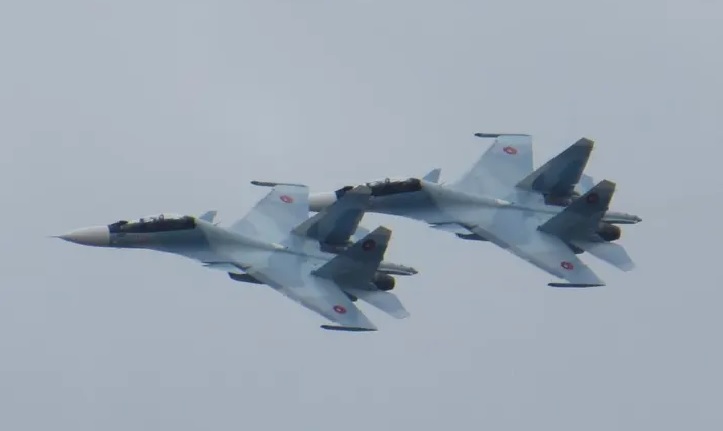
World
The Armenian Air Force, which operates a modest fleet of four Su-30SM fighter jets, is seeking India's assistance to train its pilots and ground crew. This strategic move comes as Armenia looks to tap into India’s extensive expertise in handling and maintaining Su-30 variants, particularly the Su-30MKI, a close cousin to Armenia’s Su-30SM.India, as the largest operator of Su-30MKI aircraft in the world, has a long-standing experience with these fighter jets. The Indian Air Force (IAF) has been at the forefront of mastering the operational capabilities of the Su-30MKI, which shares a similar airframe and avionics system with Armenia’s Su-30SM. Both jets are multi-role fighter aircraft, built for air superiority and ground attack, but the Su-30SM is tailored more to Russian requirements, with some differences in onboard systems and weaponry. The Su-30SM features the N011M Bars-R radar, which gives it impressive air-to-air combat capabilities and precision strike potential.Given Armenia's small air force, which does not have the extensive resources or training infrastructure for advanced fighter jets, this request for Indian assistance makes sense. India's experience with its large Su-30MKI fleet, numbering over 260 aircraft, provides a natural platform for Armenia to benefit from its tried-and-tested training programs.For Armenia, training with the IAF is seen as a significant step in ensuring that their Su-30SM fleet remains operationally capable. Training its pilots in India will allow them to master the complex systems onboard the fighter jets, learning from a seasoned air force that has been flying Su-30s for decades. Moreover, by sending ground crew to India, Armenia aims to equip its technicians with the necessary skills to maintain and repair their aircraft domestically. This move would reduce their reliance on foreign experts, particularly from Russia, where Armenia currently looks for spare parts and technical support.The Armenian Air Force has faced challenges with the Su-30SM, particularly with the acquisition of munitions and spare parts due to its geopolitical situation. By training in India, Armenia may also gain insights into logistical support strategies and maintenance practices that could help mitigate these challenges.A training partnership between Armenia and India is more than just a military exchange. It reflects deepening defense cooperation between the two nations, an area that has grown in recent years. For India, this partnership provides an opportunity to expand its influence in the region and showcase its growing prowess in defense training and aviation technology.The bilateral benefits are clear: Armenia strengthens its air force's operational capabilities, while India cements itself as a key player in regional military cooperation. It also opens the door for further defense collaborations, possibly in areas like defense technology transfers or procurement of Indian-made military equipment.This training initiative could serve as the foundation for broader defense engagements between Armenia and India, enhancing both countries' strategic interests and contributing to regional stability.In the long run, India's training of Armenian Su-30SM pilots and ground crew may position New Delhi as a vital defense partner for Armenia, offering a new dimension to the already growing diplomatic ties between the two nations.
Read More → Posted on 2024-09-14 15:13:21
World
How Starlink Satellites Might Unveil Stealth Fighters: A Look at China’s New Radar BreakthroughIn an intriguing development, Chinese scientists have demonstrated a groundbreaking radar technique that could potentially reshape future aerial warfare. The experiment, conducted off the coast of Guangdong, China, utilized SpaceX’s Starlink satellites in a way that might significantly impact how stealth aircraft are detected.Here’s a breakdown of how this revolutionary method works: the team used a DJI Phantom 4 Pro drone—an object small enough to resemble a bird and with radar cross-sections similar to that of a stealth fighter. The real twist, however, came from using Starlink satellites to illuminate the drone. Starlink, SpaceX’s vast constellation of satellites designed to provide global internet coverage, emits a constant stream of high-frequency radio signals. These signals, surprisingly, can be used to detect objects typically designed to evade radar.The crux of the experiment is based on the concept of forward scatter. In essence, when an aircraft moves through the space between communication satellites and ground-based antennas, it can scatter the electromagnetic waves emitted by the satellites. These scattered waves can then be detected and analyzed to locate and track the aircraft. This method is especially relevant for detecting stealth targets because it does not rely on traditional radar methods that are often designed to be evaded by stealth technology.Traditional stealth fighters, like the American F-22, use advanced materials and designs to minimize radar cross-sections and absorb electromagnetic waves, making them hard to detect. However, the ability to utilize omnipresent Starlink signals potentially neutralizes some of these stealth advantages. According to Professor Yi Jianxin and his team from Wuhan University, the technique allows for radar detection that is less influenced by an aircraft's shape or surface material.Interestingly, this method also offers strategic advantages beyond mere detection. By leveraging third-party radiation sources like Starlink, radar systems can remain less detectable themselves, reducing their vulnerability to countermeasures and jamming. This is a significant improvement over conventional radar systems, which often reveal their positions when in operation.The experiment is not just a theoretical exercise; it has practical implications. SpaceX’s Starlink constellation, which now includes over 6,000 satellites, generates a complex electromagnetic environment that was not anticipated during the design of current stealth technologies. This could lead to new advancements in detecting and tracking stealth aircraft, especially small and agile ones.Despite its potential, the technology is still in its nascent stages. The radar antenna used in the experiments was relatively small, and the drones were flying at lower altitudes. Nevertheless, the researchers successfully detected intricate details, such as the drone’s rotor movement, demonstrating the method’s potential effectiveness in both anti-drone and stealth fighter applications.China is also exploring other methods to enhance its capabilities in detecting stealth aircraft, including deploying large-scale Earth observation satellites and over-the-horizon radars. These efforts form part of a broader strategy to counteract U.S. military advancements and secure its interests in regions like the South China Sea and Taiwan.In conclusion, while Starlink satellites were initially designed for global internet connectivity, their unintended utility in radar detection could have profound implications for modern warfare. As technologies evolve and new strategies are developed, the way nations approach stealth and detection might be fundamentally altered.
Read More → Posted on 2024-09-13 16:26:33
World
The U.S. State Department has imposed a series of sanctions targeting Chinese companies and individuals supplying materials and technology to Pakistan’s ballistic missile program. This latest move underscores Washington's firm stance against the proliferation of missile technology, particularly to countries outside the Missile Technology Control Regime (MTCR), such as Pakistan. These sanctions are part of the broader missile non-proliferation efforts under U.S. law, which aim to prevent the spread of weapons of mass destruction (WMD) and their delivery systems.The sanctions target five Chinese entities and one individual involved in supplying ballistic missile-related technology to Pakistan. Among these sanctioned entities is the Beijing Research Institute of Automation for Machine Building Industry (RIAMB), which the U.S. claims has collaborated with Pakistan’s National Development Complex (NDC). The NDC is a critical player in Pakistan’s long-range ballistic missile development, making RIAMB’s involvement a focal point of concern.Washington's move to impose sanctions falls under the Arms Export Control Act (AECA) and the Export Control Reform Act (ECRA), laws that regulate arms and military-related exports and prevent the spread of sensitive technologies. These laws, coupled with Executive Order 13382, which targets WMD proliferators, form the backbone of the U.S. response to this issue.In addition to RIAMB, the sanctions hit other China-based firms, including Hubei Huachangda Intelligent Equipment Company, Universal Enterprise Limited, and Xi’an Longde Technology Development Company (also known as Lontek). These firms were found to have knowingly supplied materials and technologies controlled under the MTCR Annex to Pakistan’s missile program. One individual, Luo Dongmei, also known as Steed Luo, has been implicated for facilitating these transfers.The U.S. has been particularly vigilant regarding Pakistan’s ballistic missile program, with a focus on ensuring that the technology used in these missiles, particularly for long-range systems, does not come from MTCR-compliant nations. While Pakistan is not a member of the MTCR, it has continued to develop its missile capabilities, raising concerns about regional security and the potential for an arms race in South Asia.These sanctions come amid broader U.S. efforts to disrupt global networks that supply missile technology to nations like Pakistan. Earlier this year, the U.S. had already sanctioned entities that supplied key components to Pakistan’s missile development. For instance, Belarus-based Minsk Wheel Tractor Plant was sanctioned for providing special vehicle chassis essential to Pakistan’s long-range ballistic missile systems.The U.S. also targeted three Chinese companies—Tianjin Creative Source International Trade Co. Ltd, Granpect Company Limited, and Xi’an Longde Technology Development Company—for their involvement in supplying missile-applicable materials to Pakistan.Despite the imposition of these sanctions, the U.S. remains committed to continuing its efforts to dismantle such proliferation networks. As State Department spokesperson Matthew Miller remarked, “The United States will continue to act against proliferation and associated procurement activities of concern, wherever they occur.”These sanctions highlight the broader geopolitical challenges surrounding Pakistan’s missile program. Pakistan, which is not a signatory to the MTCR, has been able to advance its missile technology with assistance from external actors, primarily Chinese firms. This development has heightened concerns in the region, particularly for neighboring India, which shares a complex and often contentious relationship with Pakistan.The U.S., on its part, has made it clear that it will not hesitate to act against those involved in WMD proliferation. Speaking in April, State Department Principal Deputy Spokesperson Vedant Patel emphasized that Washington will continue to target entities contributing to Pakistan’s missile program, particularly those operating outside established international arms control frameworks. He reiterated that the goal of these sanctions is to send a strong message: entities that contribute to the proliferation of WMDs and their delivery systems will face consequences, regardless of where they operate.In the case of China, the U.S. has increasingly scrutinized its role in facilitating the missile programs of countries like Pakistan and Iran. This latest round of sanctions is part of a broader effort to hold China accountable for its involvement in missile proliferation, especially in regions where missile technology poses a significant threat to regional stability.The recent sanctions on China-based suppliers to Pakistan’s ballistic missile program are a stark reminder of the complexities of global arms control and non-proliferation efforts. While these measures may slow the progress of Pakistan’s missile capabilities, they also underscore the ongoing challenges of enforcing international norms in a world where strategic interests often clash with security imperatives. The U.S. will likely continue to leverage sanctions as a tool to curb missile proliferation, but the effectiveness of these measures will depend on how global actors, particularly China and Pakistan, respond.In summary, the U.S. sanctions reflect an ongoing and complex effort to stem the flow of missile technology to Pakistan, with a particular focus on Chinese firms that have facilitated these transfers. As tensions in the region remain high, particularly between Pakistan and India, the U.S. continues to prioritize non-proliferation efforts to maintain regional stability.
Read More → Posted on 2024-09-13 16:09:49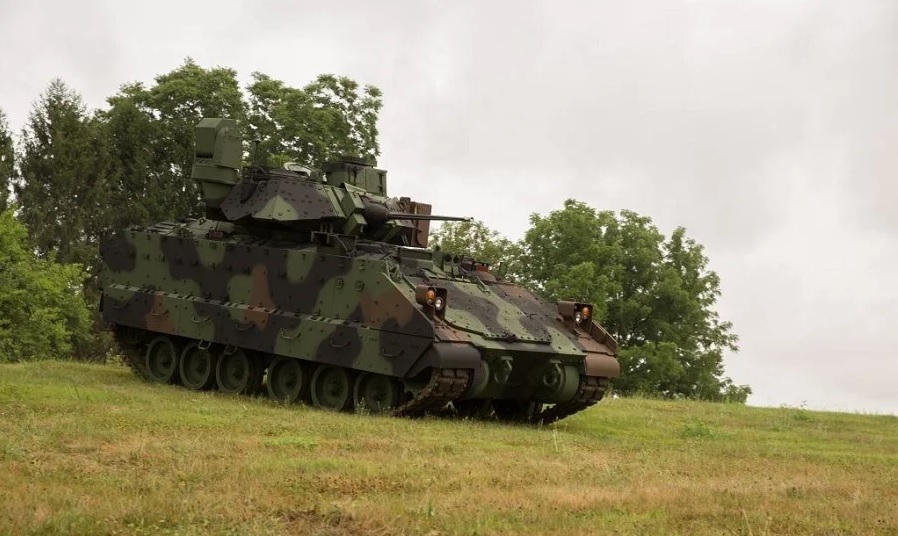
World
BAE Systems has landed a new contract worth over $440 million to manufacture additional Bradley Fighting Vehicles (BFVs) for the U.S. Army. This deal, which involves more than 200 Bradley A4 variants, comes as part of a broader modernization effort. Some of these vehicles will replace older models that the U.S. government has sent to Ukraine, as the U.S. continues to support Ukraine's defense efforts.The Bradley Fighting Vehicle has long been a cornerstone of the U.S. Army’s armored force. Designed for mechanized infantry units, the Bradleys provide a combination of firepower, protection, and mobility, making them indispensable on the battlefield. According to Dan Furber, BAE Systems’ director of ground vehicle production, the Bradley A4 variant is a game-changer. It ensures that soldiers have the tools they need to navigate modern combat scenarios successfully. This newest contract underscores the U.S. Army's commitment to ensuring that its troops have the most advanced vehicles available.The Bradley A4 isn't just an upgrade in name—it brings cutting-edge technology to the battlefield. One of the most notable advancements is the digitized electronics suite, which improves situational awareness and enhances communication within the Army's Armored Brigade Combat Team (ABCT). With this feature, soldiers can stay better connected, improving the coordination of combat operations. The A4 also integrates improved network connectivity, ensuring that troops can share vital information in real time, a critical capability in today’s fast-paced combat environments.This upgraded version of the Bradley is engineered for versatility, performing well in various terrains and climates, from arid deserts to dense forests. Its improved survivability features provide better protection for soldiers, enabling them to withstand enemy fire and operate in hostile environments. The A4 is also equipped with enhanced firepower, allowing it to effectively engage enemy forces while providing supporting fire for infantry.Bradleys have been battle-proven, having seen action in numerous conflicts since their introduction in the 1980s. However, the A4 variant brings the vehicle up to modern standards with improved mobility, powertrain upgrades, and a better drivetrain, making it more maneuverable and capable of keeping pace with the fast-evolving demands of modern warfare.Production for the new Bradley vehicles will take place at BAE Systems’ extensive manufacturing facilities spread across the U.S. These facilities are located in Aiken, South Carolina; Anniston, Alabama; Minneapolis, Minnesota; San Jose, California; Sterling Heights, Michigan; and York, Pennsylvania. This industrial network ensures that the production process can meet the Army's timeline for delivering these state-of-the-art vehicles.The Bradley A4’s development also aligns with the U.S. Army's broader modernization goals. As the battlefield continues to evolve, the U.S. military recognizes the importance of maintaining an edge over potential adversaries. The introduction of the A4 variant is part of this broader effort to ensure that U.S. forces remain well-equipped for future conflicts.Ultimately, this contract marks a significant step forward for both BAE Systems and the U.S. Army. By investing in modernizing its fleet of Bradley Fighting Vehicles, the Army is ensuring that its armored forces remain a dominant force on the battlefield, both now and in the future.
Read More → Posted on 2024-09-13 16:06:51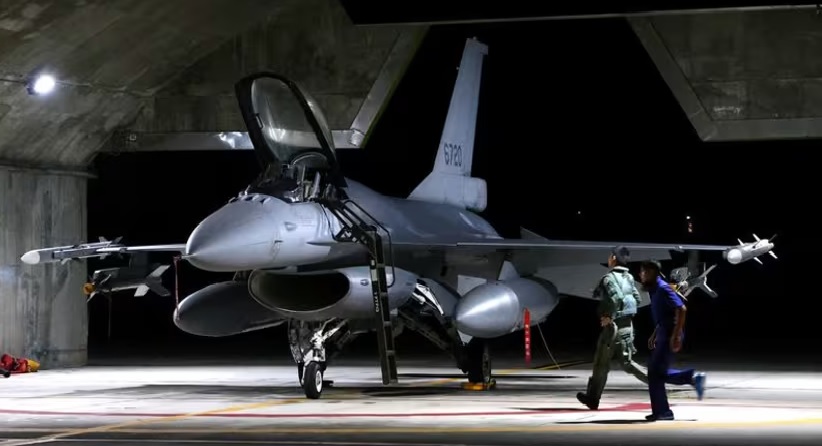
World
Taiwan, facing growing military pressure from China, hopes to finally receive its much-anticipated F-16V fighter jets from the United States by the end of this year. The delivery, part of a larger $8 billion deal approved in 2019, has been delayed due to a variety of factors, including disruptions caused by the global geopolitical situation. Taiwan's defense ministry recently expressed optimism that the first of these jets would arrive in the fourth quarter of 2024.This deal represents a significant boost for Taiwan's defense capabilities. The purchase will eventually bring the island’s fleet of F-16s to over 200, making it the largest fleet of F-16s in Asia. The F-16Vs, a modernized version of the older F-16A/B models, are equipped with advanced avionics, radars, and weaponry designed to counter increasing threats from China. Specifically, the F-16V is seen as a response to China’s advanced J-20 stealth fighter, which has been part of an ongoing air power buildup by Beijing.Taiwan has been diligently upgrading its existing fleet of 141 F-16A/B jets to the newer F-16V model, while also placing orders for 66 brand-new F-16Vs. The newer models come with advanced APG-83 active electronically scanned array (AESA) radar systems, which give the aircraft greater range and precision in targeting, as well as enhanced electronic warfare capabilities. Additionally, the F-16V can carry a more diverse range of weapons, making it a versatile addition to Taiwan’s air force.However, the delays have been a sore point for Taiwan. The first batch of the new F-16Vs was originally scheduled to arrive in the third quarter of this year, but unforeseen international disruptions—ranging from supply chain issues to U.S. assembly schedule adjustments—have pushed back the timeline. These challenges stem partly from the broader "acute fluctuations" in global politics, with Taiwan’s defense ministry citing these factors as contributing to the delays.Taiwan has expressed frustration over the software issues associated with the F-16V and other complications affecting delivery schedules. The delays are compounded by the fact that some U.S. defense manufacturers have been prioritizing arms shipments to Ukraine, as the U.S. continues to supply Ukraine in its conflict with Russia. This backlog has affected not only the delivery of the F-16Vs but also other critical defense systems Taiwan has purchased from the U.S., such as Stinger anti-aircraft missiles.Despite these setbacks, Taiwan remains hopeful that the production process will speed up, with regular factory visits and monitoring of the U.S. assembly line planned. The goal is to complete all deliveries by the end of 2026, as Taiwan continues to bolster its defenses in light of repeated Chinese military activities near its airspace. Taiwan’s air force frequently scrambles jets to intercept Chinese aircraft, which regularly fly near the island as part of Beijing’s ongoing military pressure campaign.Meanwhile, Taiwan’s aging fleet, including its Mirage 2000 fighters purchased from France in the late 1990s, has faced issues as well. One of these aircraft recently crashed into the sea during a training exercise, highlighting the urgency of modernizing Taiwan’s air force. The new F-16Vs will serve as a crucial component of Taiwan’s future defense strategy, providing the island with a much-needed technological edge in its ongoing standoff with China.While Taiwan’s air force remains well-trained and capable, the delays in U.S. weapons deliveries have raised concerns in both Taipei and Washington. Some U.S. lawmakers have voiced alarm over the backlog, urging faster delivery of arms to Taiwan as a critical component of maintaining stability in the region. With China continuing to claim Taiwan as part of its territory, and tensions between the two rising, Taiwan’s military preparedness is more crucial than ever.
Read More → Posted on 2024-09-13 16:02:51
World
Anduril Industries, a trailblazer in the defense sector, has introduced a game-changing series of Autonomous Air Vehicles (AAVs) under the name "Barracuda." These software-defined, air-breathing drones are not only built for flexibility and adaptability but also aim to tackle the looming challenges faced by modern militaries, particularly the U.S. and its allies, in maintaining missile inventories and achieving production scalability.The Barracuda family consists of three distinct variants—Barracuda-100, Barracuda-250, and Barracuda-500—each tailored to provide varying ranges, payload capacities, and mission profiles. Whether it's precision strikes, surveillance, or other combat missions, these AAVs promise the capability to perform in a high-intensity conflict while keeping costs down. The modular design and scalable production approach give these drones a clear edge over competing systems.One of the standout features of the Barracuda line is its affordability. With production times reduced by an impressive 50% and requiring 95% fewer tools and 50% fewer parts than competing systems, the Barracuda family is engineered for large-scale deployment. Anduril's innovative design allows these AAVs to be produced not just by specialized defense contractors but by the commercial workforce. This means that sectors such as automotive or consumer electronics can be mobilized for rapid production in times of need, making Barracuda a highly resilient platform when it comes to supply chain and manufacturing demands. On average, the Barracuda is estimated to be 30% cheaper than similar systems, enabling militaries to deploy them in greater numbers.The software backbone of Barracuda is Anduril’s Lattice for Mission Autonomy. This powerful AI-driven software allows the Barracuda drones to perform autonomously, collaborate in contested environments, and update their mission capabilities on the go. In essence, these drones are not static machines but rather evolving tools of warfare that adapt to changing needs in real time. The fact that the drones are software-defined means their performance and functionalities can be continually enhanced through software updates, making them future-proof in a rapidly evolving combat landscape.One particularly intriguing variant, the Barracuda-M, is designed to act as an affordable and adaptable cruise missile, a reflection of the U.S. military’s need for more cost-effective solutions in missile defense. With global tensions on the rise, there is growing concern that current missile stockpiles and precision-guided munitions could quickly be depleted in a sustained conflict. The Barracuda-M addresses this issue by offering a low-cost, high-performance alternative that can be mass-produced at unprecedented speeds.The Barracuda series is also highly versatile in deployment. It can be launched from a variety of platforms, including fifth-generation fighter jets, naval vessels, and even ground-based systems, offering military commanders a wide range of options to adapt to evolving battlefield scenarios. Whether integrated with manned aircraft or deployed as standalone systems, these AAVs provide an unmatched level of flexibility.What sets the Barracuda family apart is its future-ready design, where modularity and producibility are prioritized. Anduril has ingeniously developed a platform that is not only ready for today's defense challenges but also highly adaptable for tomorrow's unknowns. The rapid optimization of these drones ensures that as new mission needs emerge, Barracuda can be quickly upgraded with new components and software, further enhancing its role in modern defense strategies.By combining cost-efficiency, rapid production, and software-driven adaptability, Anduril Industries has set a new standard for autonomous defense technologies. The Barracuda family, with its capability to be mass-produced and rapidly adapted, is more than just a drone; it's a response to the growing need for scalable, flexible, and affordable defense solutions in an increasingly volatile world.
Read More → Posted on 2024-09-13 15:59:42
World
Ukraine has taken a significant leap in military logistics by introducing a cutting-edge digital system called DOT-Chain. This innovative platform is designed to streamline the supply process for the Ukrainian Armed Forces, drastically reducing the time it takes for essential non-lethal materials, such as food and clothing, to reach the frontlines.Traditionally, military supply chains have been bogged down by manual paperwork and bureaucratic processes that could take up to two months to deliver necessary supplies. However, with the implementation of the DOT-Chain system, that time has been slashed to just 15 days, a remarkable improvement aimed at enhancing the efficiency of Ukraine's defense forces. The new system is the result of a concentrated effort to modernize logistics, spearheaded by Ukraine’s Ministry of Defense, in response to the growing needs of its military during the ongoing conflict with Russia.At its core, the DOT-Chain system digitizes and automates various logistical procedures that were previously handled manually. Everything from sales invoices to supply requests can now be processed with just a few clicks. This shift not only speeds up the entire operation but also reduces the margin for human error and simplifies inventory tracking. As Defense Minister Rustem Umerov put it, "Digitizing procurement processes in defense is a strategic step toward improving the efficiency of supplying everything needed by the Armed Forces."The system also provides instant access to critical supply data, including the number of requests made, items accepted or rejected by military units, and expenditure invoices. This real-time accessibility allows the military to make payments and initiate shipping immediately, cutting through the red tape that has long plagued military logistics.Currently, the DOT-Chain system handles supplies such as food and clothing, but there are plans to expand its functionality to cover other essential categories, making it a more comprehensive solution for military logistics. Alona Zhuzha, an adviser to the State Logistics Operator, emphasized the importance of this change, saying, "Our task was to change the old system so that non-lethal support of the Armed Forces of Ukraine would be more effective."The improvements in logistics are part of Ukraine’s broader effort to strengthen its military's operational capacity. As the war continues, ensuring that troops are well-equipped and supplied is becoming just as critical as combat readiness. This has led Ukraine to explore new technologies beyond the DOT-Chain system. In recent years, the Ukrainian military has been experimenting with cargo drones, some of which have been donated by the UK. These drones can carry up to 180 kilograms (around 397 pounds) of supplies, making them invaluable for delivering materials to frontline troops, especially in hard-to-reach areas.Ukraine is also looking into the use of robotic platforms for transporting cargo and providing medical assistance in areas that are too dangerous or inaccessible for human-operated vehicles. While Germany's Rheinmetall sent logistics trucks capable of transporting equipment through mine-filled areas, the need for smaller, more agile supply vehicles has driven interest in autonomous solutions that can operate more covertly.The DOT-Chain system, alongside these other technological advancements, represents a strategic shift in how Ukraine approaches military logistics. The goal is to create a supply chain that is not only faster but also more adaptive to the dynamic conditions of modern warfare. By reducing the time it takes to get essential goods to the frontlines and cutting out the cumbersome bureaucracy, Ukraine is positioning its armed forces to better respond to the challenges of a protracted conflict.As the system continues to evolve and cover more categories of supplies, its impact on the military’s effectiveness is expected to grow. What’s clear is that the DOT-Chain is already making a significant difference in how Ukraine supports its troops, ensuring that they are equipped with the materials they need, when they need them.
Read More → Posted on 2024-09-13 15:47:22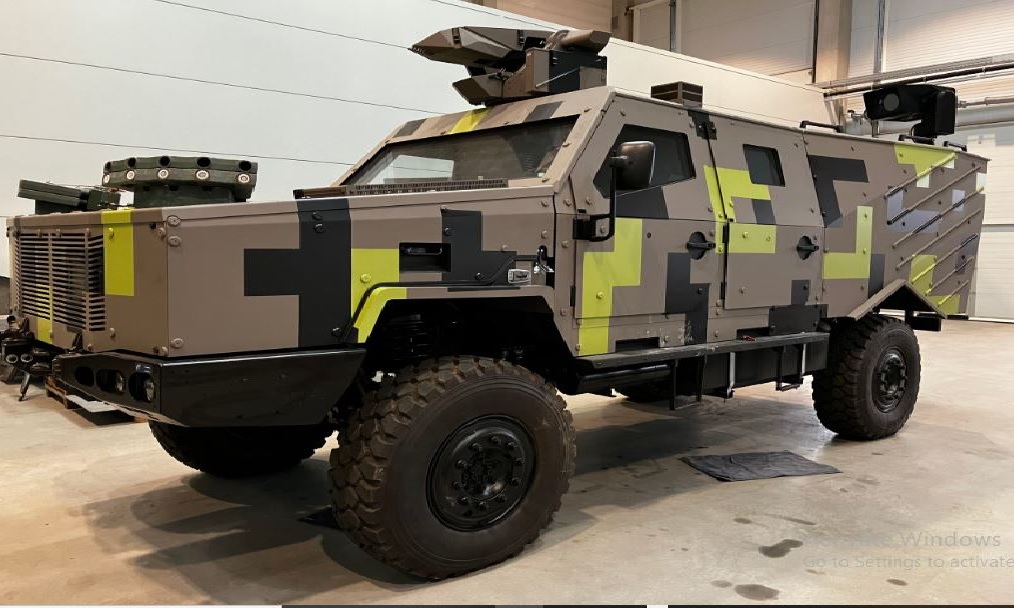
World
Rheinmetall has introduced a cutting-edge tank destroyer concept, marking a significant step forward in the German Army's anti-tank capabilities. The newly unveiled vehicle, known as the "Panzerjaeger" (tank hunter), reflects modern warfare's increasing reliance on mobility, advanced technology, and precision weaponry. This development comes at a crucial time when global conflicts, such as Russia's invasion of Ukraine, have revived interest in anti-tank systems as armies reconsider their needs in response to evolving battlefield threats.The Panzerjaeger is a wheeled 4x4 platform designed to offer the German Army a highly mobile, powerful anti-tank solution. It features the Israeli-designed Spike LR2 anti-tank guided missile system, renowned for its long-range capabilities. With a maximum reach of 5.5 kilometers (3.4 miles), the Spike LR2 gives the Panzerjaeger the ability to engage enemy tanks and armored vehicles from a safe distance. The platform is equipped with two Spike missile launchers, each housing four ready-to-fire missiles, providing rapid-fire potential in high-stakes situations. A Natter remotely controlled weapon station with a 7.62mm x 51 machine gun adds additional firepower, allowing the vehicle to engage infantry and lightly armored targets.A key feature of the Panzerjaeger is its flexibility. Rheinmetall designed the vehicle with an open architecture, allowing it to integrate a variety of weapon systems depending on mission requirements. In addition to the Spike LR2, the platform can be fitted with other guided missile systems and even HERO loitering munitions, providing a versatile response to enemy threats.Beyond its powerful weaponry, the Panzerjaeger excels in reconnaissance and situational awareness. It is equipped with the EOS500 electro-optical sensor system, mounted on a telescopic mast, allowing the crew to detect and observe enemy targets at distances of over 11 kilometers (6.8 miles). This long-range visual capability is crucial for identifying threats before they become a direct danger. Additionally, the vehicle carries three fully-integrated Rheinmetall "Recce S" unmanned aerial vehicles (UAVs), which have a reconnaissance range of 8 kilometers (5 miles). These UAVs provide real-time intelligence on enemy positions, giving the Panzerjaeger an edge in battlefield awareness.Self-protection is another crucial aspect of the Panzerjaeger’s design. Rheinmetall has equipped the vehicle with the Rosy rapid obscurant system, which can deploy smoke to obscure the vehicle’s position and protect it from incoming fire. The Acoustic Platform for Vehicles (APV) is another advanced system onboard, capable of detecting enemy munitions’ launch signatures and calculating the precise location of the attacker. This combination of protective measures enhances the survivability of the relatively thinly armored vehicle, ensuring that it can remain effective in high-threat environments.While the Panzerjaeger isn’t heavily armored, its primary role is to provide fire support for ground units rather than engage in direct, front-line combat. Its mobility allows it to quickly reposition on the battlefield, offering support to attacking forces, fending off counterattacks, or protecting flanks. Integrated into a larger network of ground forces and unmanned systems through digital radios and Tactical Core middleware, the vehicle is designed to work seamlessly with other units to enhance overall combat effectiveness.The unveiling of the Panzerjaeger marks a return to Germany’s historical expertise in tank destroyer platforms. Germany disbanded its tank destroyer forces in 2006, following the retirement of platforms such as the Jaguar and Kanonenjagdpanzer (KanJPz), which were deemed unnecessary at the time. However, recent conflicts have demonstrated the enduring importance of anti-tank systems, especially when facing heavily armored opponents. With Rheinmetall’s new concept, the German Army is positioning itself to effectively counter future armored threats, drawing from past lessons while incorporating cutting-edge technologies.In summary, Rheinmetall's Panzerjaeger represents a versatile, advanced anti-tank system designed to meet the modern battlefield's needs. Combining long-range missile capabilities, superior reconnaissance systems, and self-protection technology, it offers the German Army a powerful tool for countering enemy armor. As the global military landscape continues to evolve, this new platform is a key element in ensuring that Germany’s forces remain at the forefront of armored warfare capabilities.
Read More → Posted on 2024-09-12 15:41:09
World
OHB Digital Connect GmbH, a subsidiary of OHB SE, has been entrusted by the Federal Office of Bundeswehr Equipment, Information Technology, and In-Service Support (BAAINBw) to craft cutting-edge operational concepts for battle damage assessment (BDA). This initiative marks a pivotal leap for the German military as it seeks to streamline and automate damage evaluations on the battlefield, using modern sensor data and advanced artificial intelligence (AI).In essence, battle damage assessment involves evaluating the effectiveness of military strikes—whether they've successfully neutralized a target and the extent of collateral damage caused. Historically, this process relied heavily on manual evaluations, which often resulted in delays and inconsistent data. By employing AI-driven systems, OHB Digital Connect is looking to revolutionize this process for the Bundeswehr.At the core of the study lies a focus on image processing methods, enhanced by AI. The primary aim is to create systems that can automatically assess data captured from various sensors, such as cameras mounted on aircraft. These systems will interpret physical, functional, and impact data in near real-time, allowing for faster and more accurate assessments on the battlefield. The idea is to automate these evaluations to provide commanders with precise information quicker, minimizing the need for repeated airstrikes or engagement with targets that may no longer pose a threat.According to OHB Digital Connect's Project Manager, Susanne Heimberger, the inclusion of AI in BDA is critical for streamlining decision-making. "Solving this task with camera data from aircraft is a necessity for the Bundeswehr. It helps to maintain an overview and avoid unnecessary effort in target engagement,” Heimberger explains. By leveraging their expertise in sensors, image processing, and AI, OHB Digital Connect aims to provide the Bundeswehr with an effective solution that meets both operational and strategic needs.The project itself is being carried out as a collaboration between several key players in the defense and tech space. OHB Digital Connect is the lead contractor, responsible for defining the analysis methods that will form the backbone of the system. They are joined by notable partners like ESG, Fraunhofer FHR, Fraunhofer IOSB, and IABG, all of whom bring their specialized knowledge in fields like radar technology, optics, and AI.This ambitious project will provide Bundeswehr with an initial system concept aimed at optimizing situational analysis and accelerating the decision-making process in battle scenarios. The introduction of AI to process sensor data means that this system will be able to process complex inputs at an unprecedented speed, delivering critical information on damage impact almost instantly. This, in turn, helps commanders to make informed decisions, avoiding unnecessary operations, and better targeting enemy forces.OHB Digital Connect is no stranger to innovation, especially in the fields of aerospace and defense technology. The company has a track record of providing high-tech solutions, and with the growing importance of AI and automation in military operations, this latest project fits perfectly into their portfolio. Their work in developing this concept could pave the way for future AI-driven military solutions, further integrating technology into critical defense operations.By working closely with organizations like Fraunhofer FHR and Fraunhofer IOSB, both renowned for their expertise in radar technology and optical systems, OHB ensures that this project will be grounded in cutting-edge research and development. Furthermore, as AI continues to evolve, the methods developed in this study could be expanded to include other areas of military assessment, allowing for broader applications beyond just battle damage evaluation.In the broader scope of defense innovation, the Bundeswehr’s move to adopt AI-driven BDA systems highlights the increasing reliance on technology in modern warfare. With threats becoming more complex and the pace of battle ever faster, the ability to quickly assess damage and make decisions is crucial. This project is part of the Bundeswehr’s broader effort to modernize its military capabilities and stay competitive on the global stage.As the development of this AI-driven concept progresses, it is expected that the Bundeswehr will gain a substantial edge in terms of speed, accuracy, and overall operational effectiveness when it comes to assessing the impact of military actions.
Read More → Posted on 2024-09-12 15:38:48Search
Top Trending in 24 Hours
-
 U.S Navy Orders 50 Blackbeard Hypersonic Missiles in New $23.4 Million Contract
-
 Russia Launches 1,400 Jet-Powered Drones in 2026 as Strike Tactics Evolve to Challenge Ukraine's Air Defenses
-
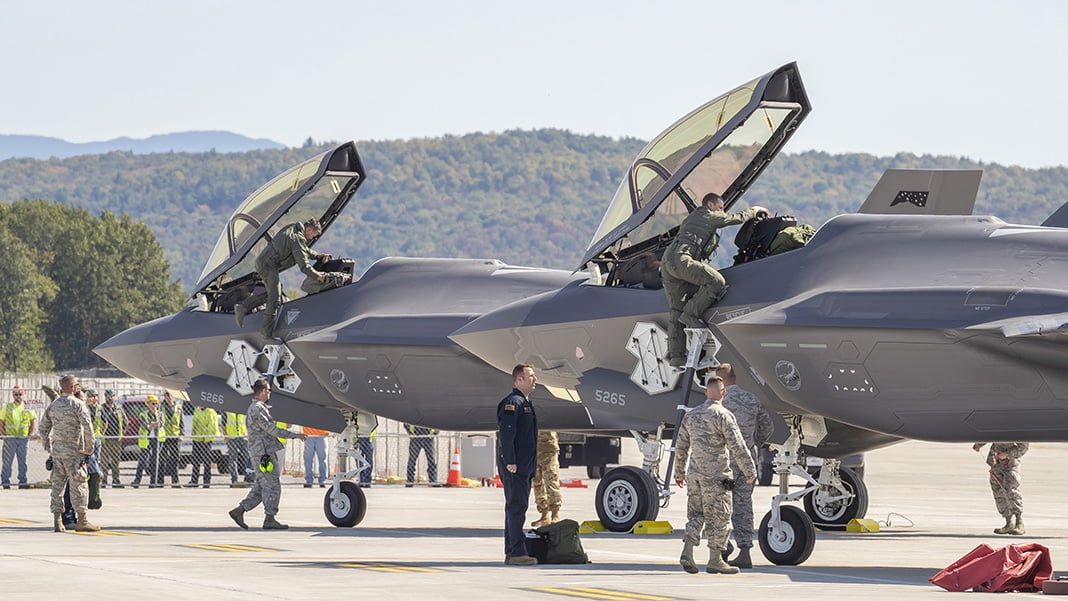 F-35 Fleet Readiness Falls to 25% Amid Parts Shortages and Software Delays: GAO Report
-
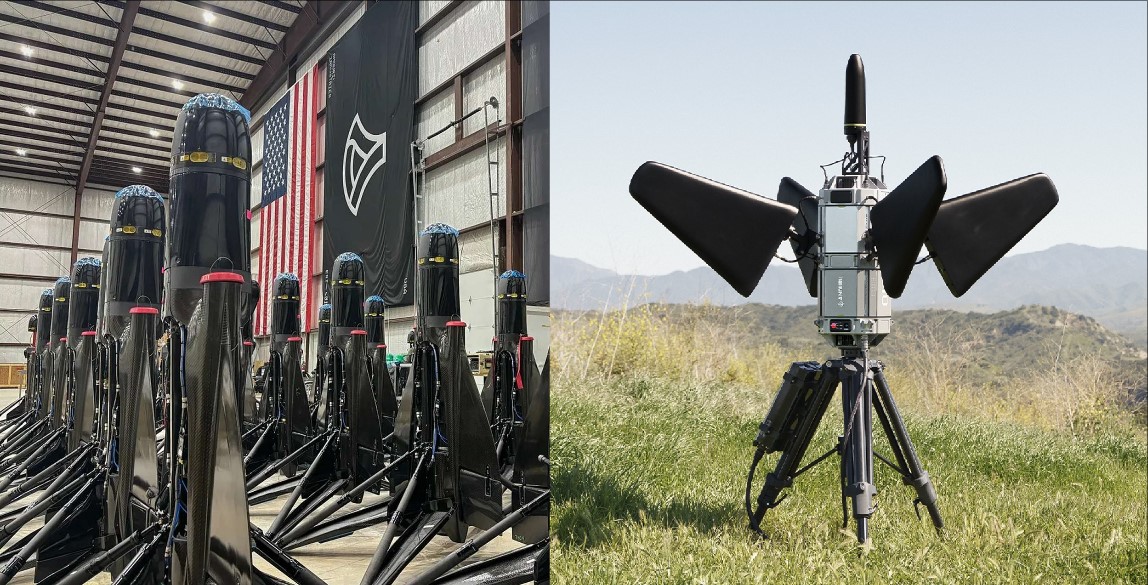 U.S. Approves $1.98 Billion Sale of Anduril AI-Powered Counter-Drone Systems to Kuwait
-
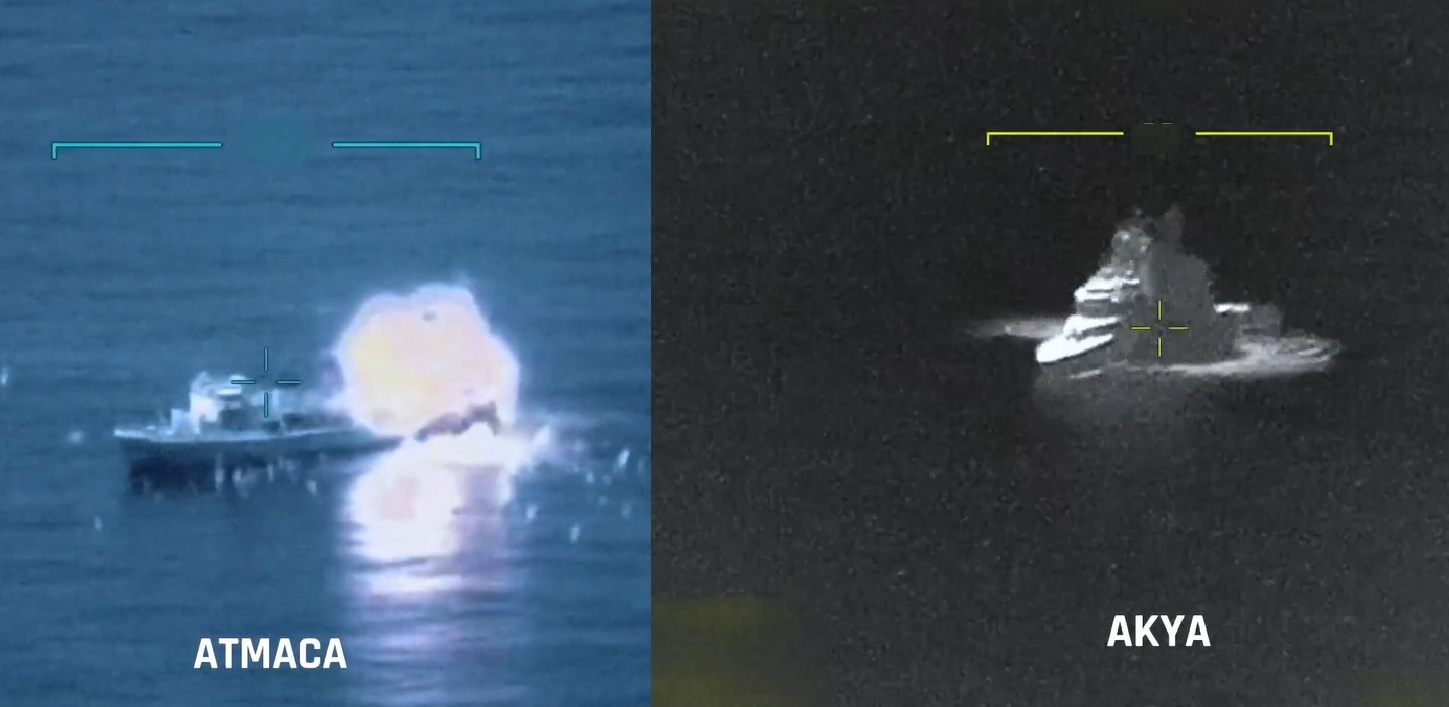 Turkey Navy Successfully Tests AKYA Torpedo and ATMACA Missile During Major Denizkurdu-II Naval Exercise
-
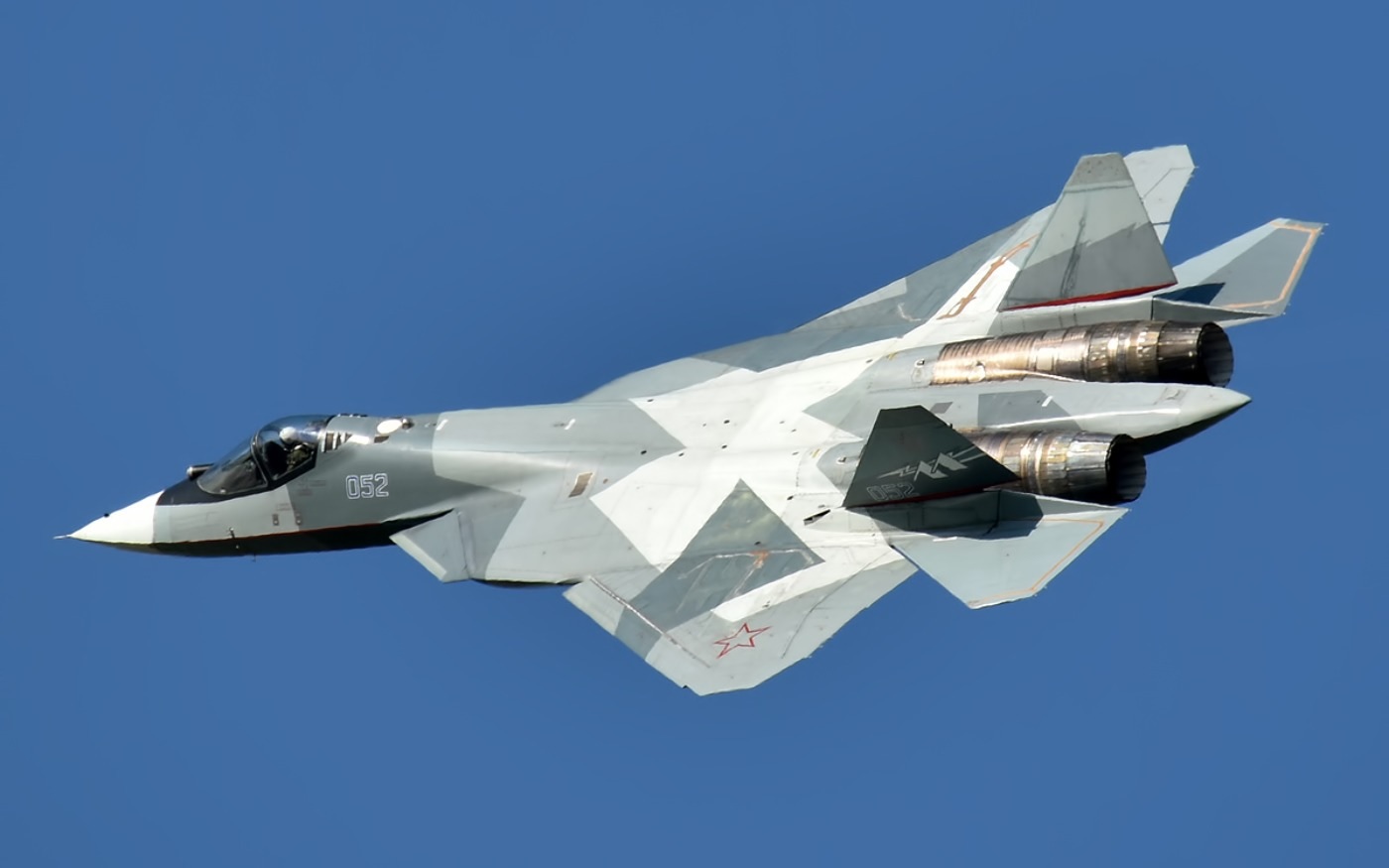 Russian Analysts Debate Su-57 Capabilities After Putin Calls Fighter Superior to F-35
-
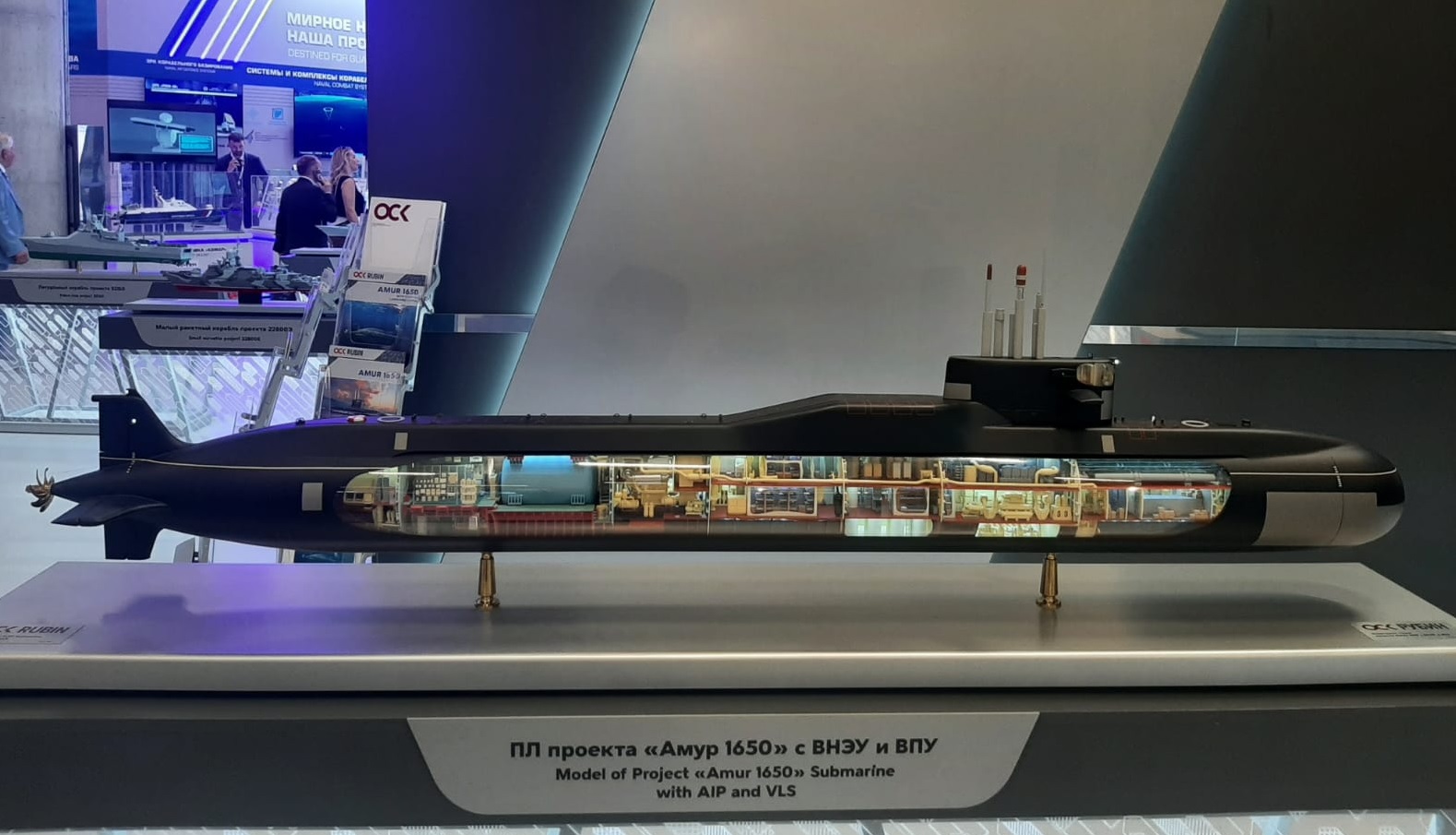 Russia Unveils Amur-1650 AIP Submarine Equipped with BrahMos Vertical Launch System at Fleet-2026
-
 UAE Denies Reports of Releasing Up to $20 Billion in Funds to Iran Amid Regional De-Escalation Efforts
Top Trending in 4 Days
-
 Iranian Media Leaks 14-Point U.S.-Iran Peace Framework Amid Ongoing Negotiations
-
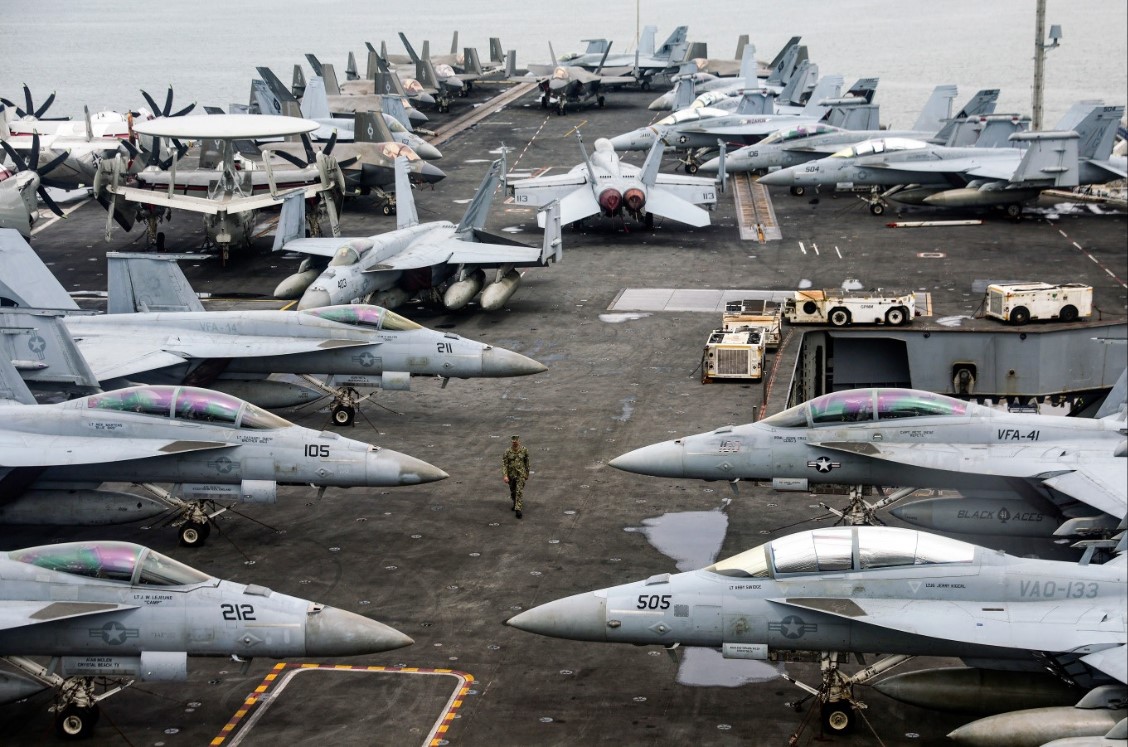 US Plans Significant Reduction of Fighter Jets and Warships for NATO Operations in Europe
-
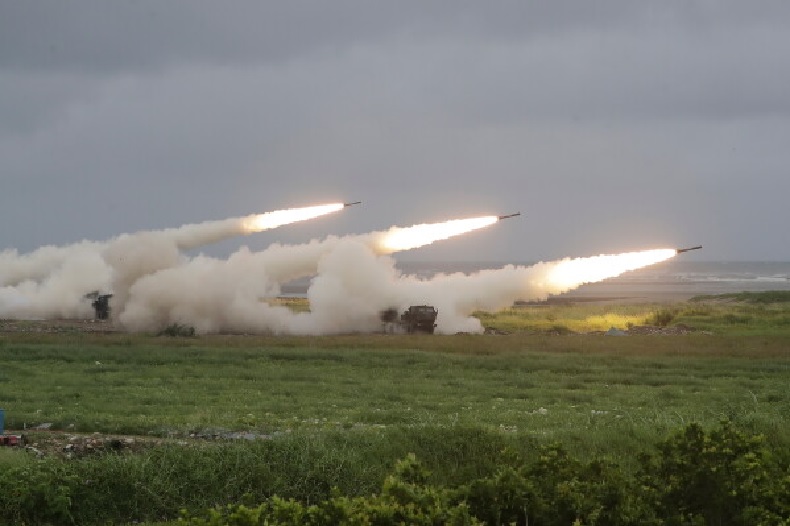 Taiwan Conducts First Live-Fire of HIMARS Rockets From West Coast During Invasion Defense Drill
-
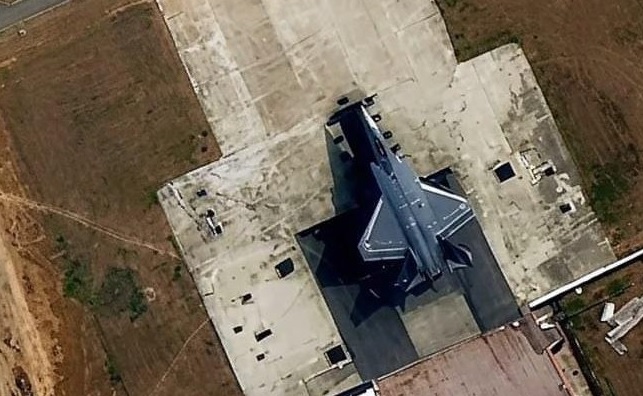 AMCA Airframe Spotted at DRDO’s ORANGE Facility for Radar Cross-Section Testing
-
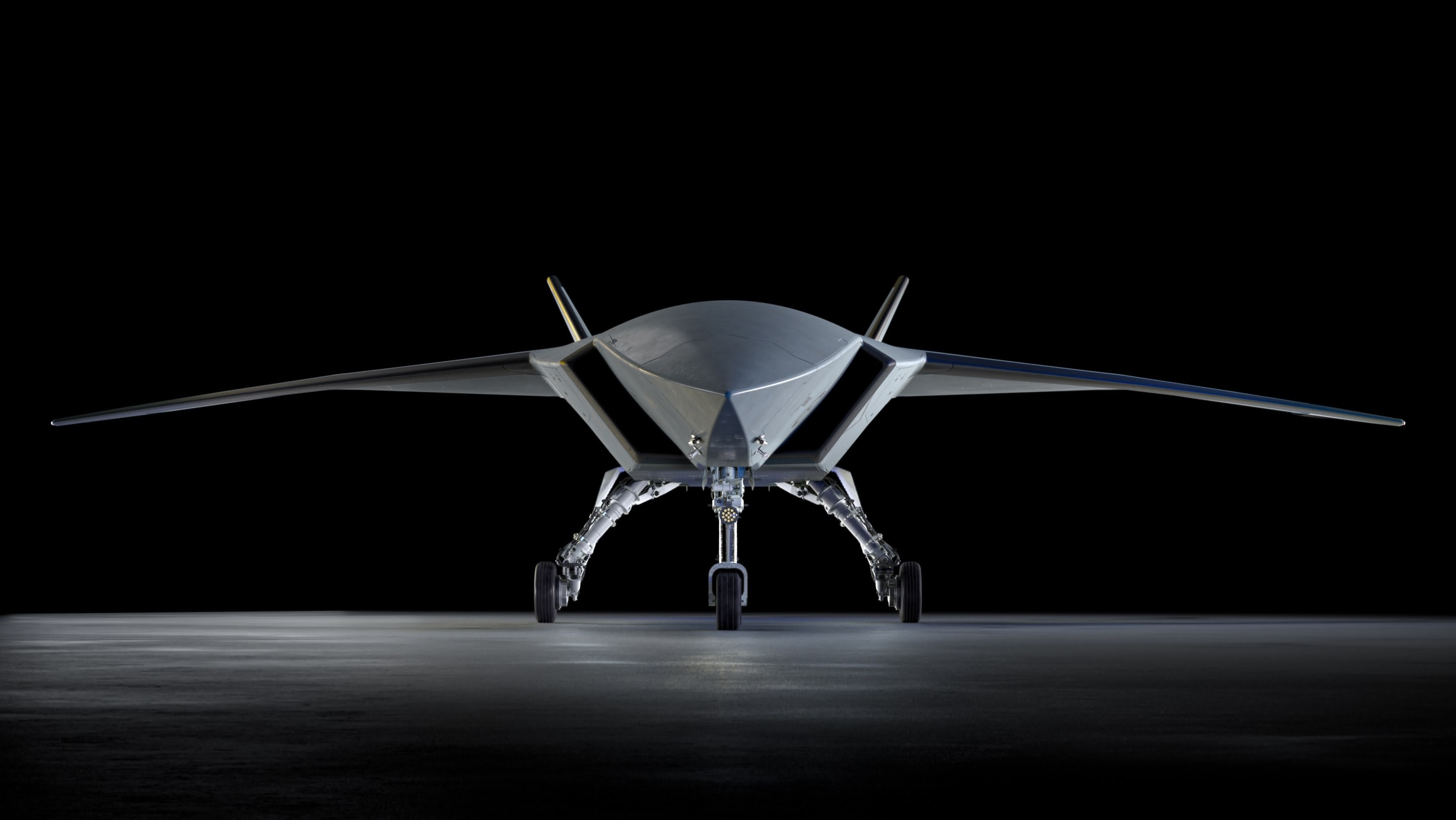 Boeing Introduces New MQ-28 Ghost Bat Upgrades with Increased Range, Payload and Weapons Capacity at ILA Berlin 2026
-
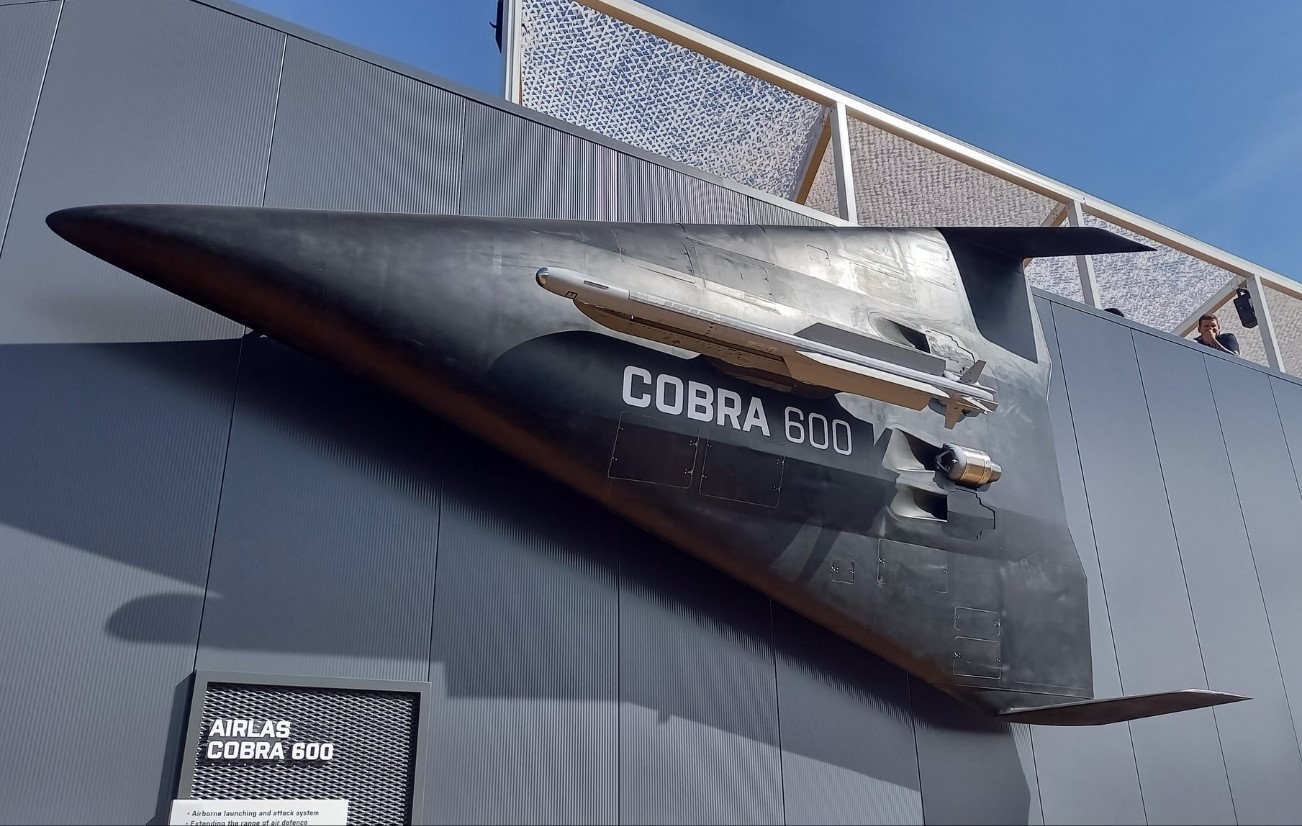 Diehl Defence Unveils IRIS-T Armed Cobra 600 Air Defense Drone at ILA Berlin 2026
-
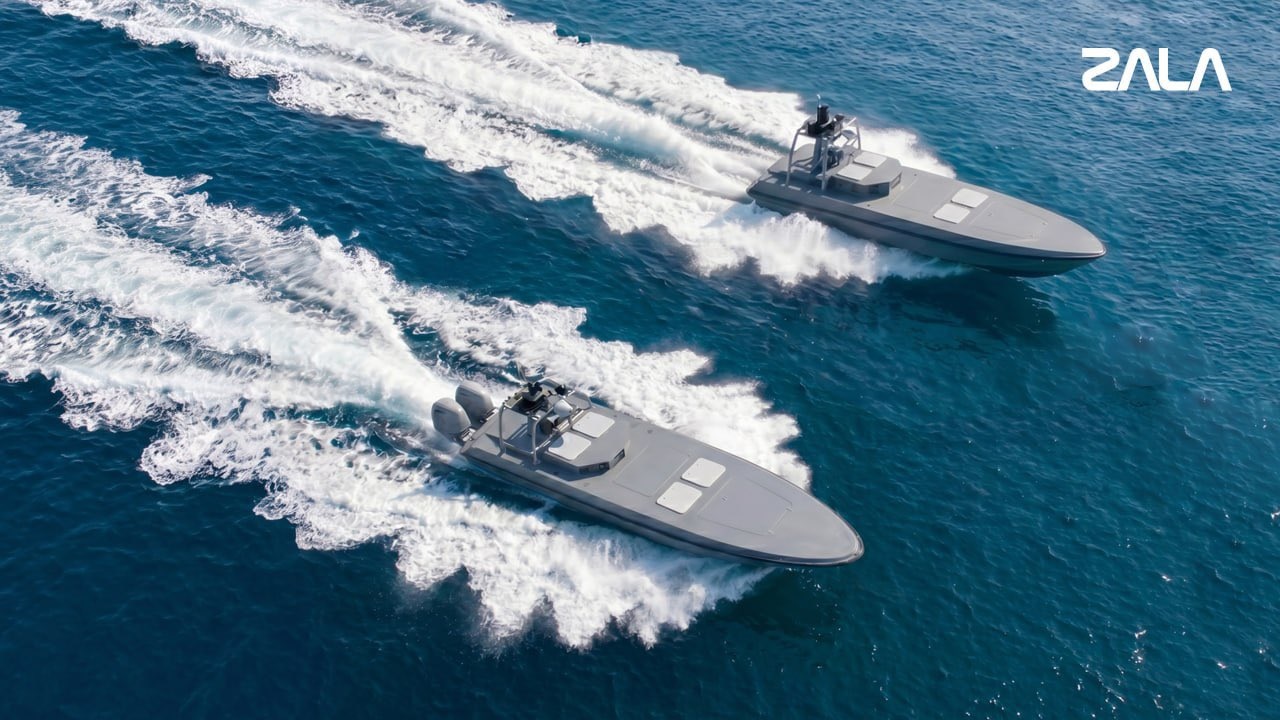 Russian Defense Firm ZALA Unveils KAMA Unmanned Surface Vessel Family at FLOT-2026 Naval Exhibition
-
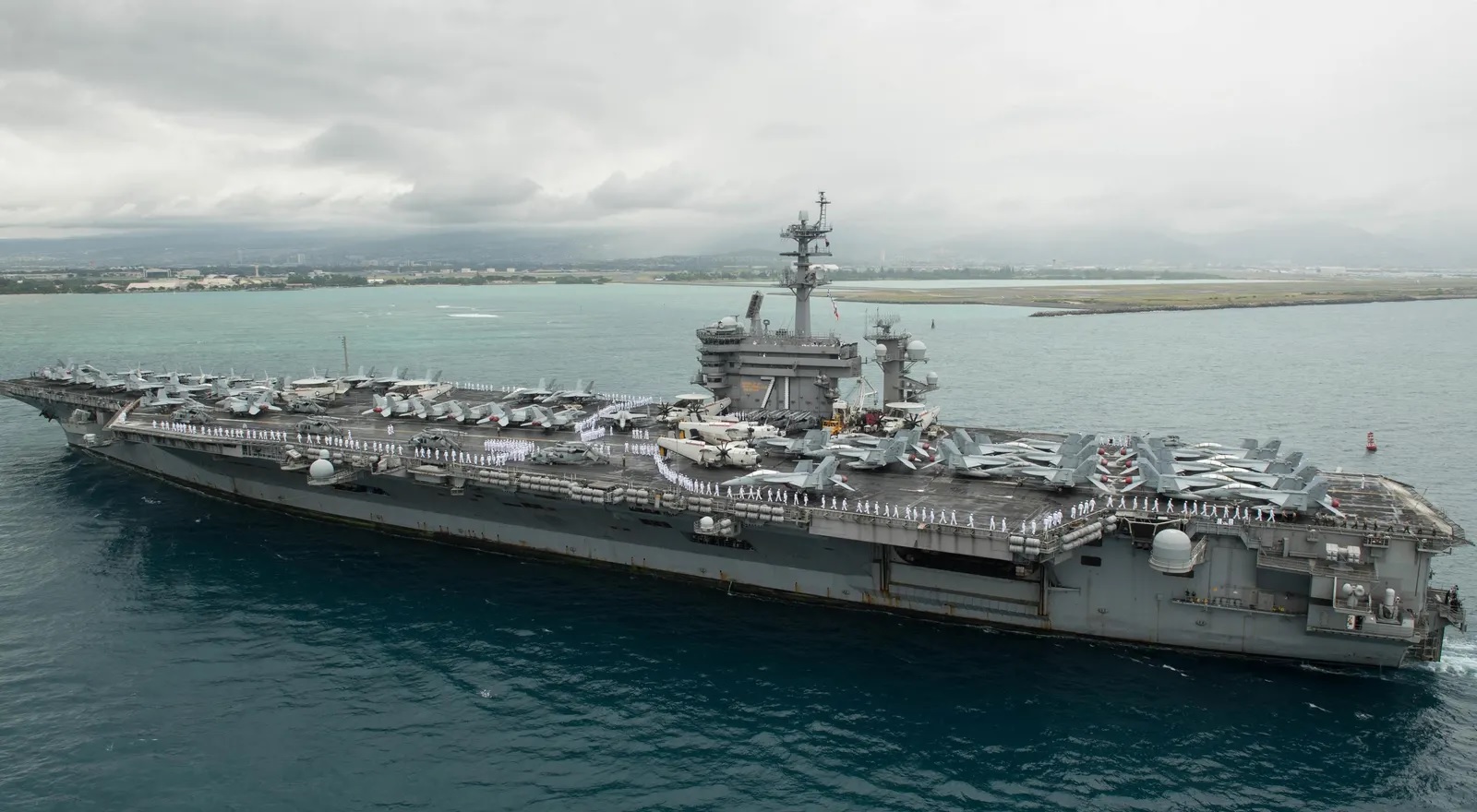 U.S Aircraft Carrier USS Theodore Roosevelt Departs San Diego for Major RIMPAC 2026 Naval Exercise