
World
In a major escalation of the ongoing conflict between Israel and Hezbollah, the Lebanese militant group confirmed on Saturday that its long-time leader, Hassan Nasrallah, was killed in an Israeli airstrike in Beirut. This development marks a significant turning point in the struggle between the two adversaries, with Hezbollah vowing to continue its fight against Israel in support of Palestine.Nasrallah, a key figure in Hezbollah since its inception in the 1980s, was known for his charismatic leadership and strategic acumen, steering the organization through numerous confrontations with Israel over the decades. His death, reportedly caused by a precise Israeli airstrike on Friday targeting a Hezbollah leadership meeting in Dahiyeh, south of Beirut, has left the group without one of its most influential leaders.The airstrike, which Israeli officials claimed was the result of years of meticulous tracking and real-time intelligence, has raised questions about the future direction of Hezbollah. The attack, which killed at least six people and injured 91 others, according to Lebanon’s Health Ministry, also took the lives of several other high-ranking Hezbollah members, including Ali Karki, the Commander of Hezbollah's Southern Front.Lieutenant Colonel Nadav Shoshani, an Israeli military spokesperson, stated that the operation was carefully planned to minimize civilian casualties, though the destruction of six apartment buildings in the densely populated area has sparked outrage. The Israeli military, however, defended the strike as a necessary move against a strategic threat, emphasizing that Nasrallah’s death was confirmed through various intelligence sources.Israel’s Chief of Staff, Lieutenant General Herzi Halevi, made it clear that this strike was not a one-off operation. He hinted at further military actions aimed at crippling Hezbollah’s capabilities, underscoring Israel’s commitment to halting the group's cross-border attacks, which have forced tens of thousands of Israelis to flee their homes near the Lebanese border.The impact of Nasrallah’s death on Hezbollah’s operational capabilities and its future course remains uncertain. The group, backed by Iran, has a well-structured hierarchy and a significant arsenal that includes advanced missiles capable of reaching deep into Israeli territory. While Nasrallah was sometimes viewed as a moderating force within the organization, urging a cautious approach to avoid full-scale war, his absence could pave the way for more radical elements within Hezbollah to push for a more aggressive stance.Iran, Hezbollah’s main supporter, has yet to provide an official response to Nasrallah’s death, but the Iranian Supreme Leader, Ayatollah Ali Khamenei, called for regional resistance movements to rally behind Hezbollah. Meanwhile, anti-Israel protests erupted across Iran, reflecting the heightened tensions.The ongoing conflict, which has seen frequent cross-border exchanges of fire since last October, escalated dramatically in recent weeks. Israel has targeted several high-profile Hezbollah figures in Beirut and claimed responsibility for multiple strikes on Hezbollah assets, including a storage facility for anti-ship missiles hidden beneath civilian buildings in Beirut’s southern suburbs. In response, Hezbollah has launched rockets deep into Israel, with recent barrages damaging buildings in northern towns and sparking fears of a broader conflict.The death toll in Lebanon has risen sharply, with at least 720 people killed in the past week alone due to Israeli airstrikes, according to the Lebanese Health Ministry. The humanitarian situation is dire, with thousands of Lebanese civilians displaced and seeking refuge in shelters or makeshift accommodations.As both sides prepare for what could be a protracted and bloody confrontation, the region braces for the fallout of Nasrallah’s death. For Israel, this strike represents a significant victory in its long-standing battle against Hezbollah, but the group’s resilience and deep-rooted presence in Lebanese society mean that this conflict is far from over.For Lebanon, Nasrallah’s death could either weaken Hezbollah’s grip on the country or trigger a surge in violence, further complicating the fragile political and security landscape. With the United Nations reporting over 200,000 Lebanese displaced in the past week alone, the human cost of this conflict is mounting, and the prospect of peace seems more elusive than ever.
Read More → Posted on 2024-09-28 16:12:23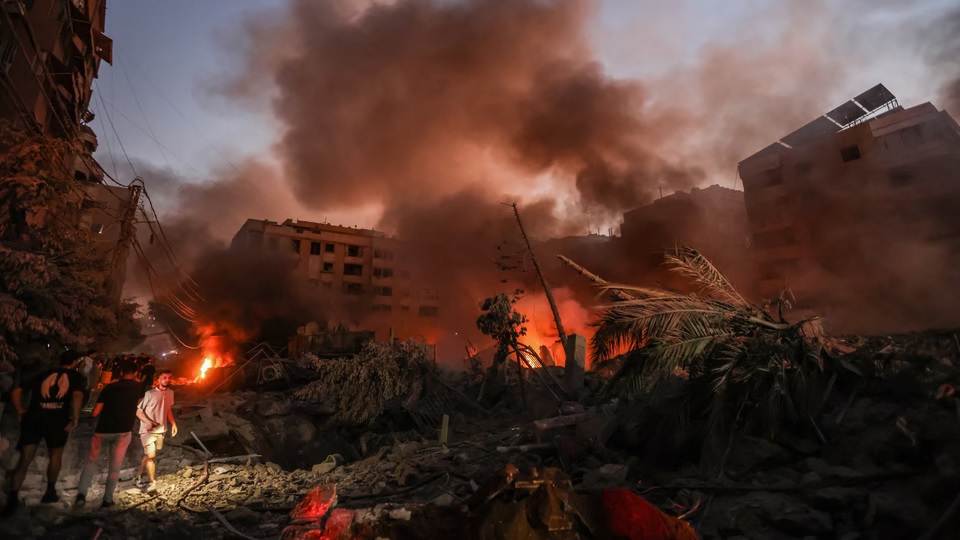
World
In a dramatic escalation of tensions in the Middle East, Israel launched a series of coordinated airstrikes under the codename "Operation New Order," aimed at the heart of Hezbollah's leadership in Lebanon. The operation, described by military analysts as one of the most significant in recent years, resulted in the death of Hassan Nasrallah, the group's longstanding leader. This development marks a critical shift in the region's geopolitical landscape.Israel's air campaign focused on Hezbollah positions in both eastern and southern Lebanon, with the Israeli Defense Forces (IDF) claiming to have targeted over 140 sites associated with the group. The strikes, which reportedly leveled several residential buildings and sent massive plumes of smoke into the air, have been met with mixed reactions globally, drawing condemnation from some quarters for the heavy civilian toll. Lebanese sources have reported the death of over 700 people, including at least 150 women and children, in what is being described as one of the bloodiest weeks for the country since the 2006 war between Israel and Hezbollah. ?The IDF's official statement highlighted that the operation led to the elimination of several high-ranking Hezbollah commanders, including Nasrallah. This claim was later confirmed by Hezbollah, marking a monumental blow to the organization. Nasrallah, who had been at the helm of Hezbollah for over three decades, was considered a symbol of resistance against Israeli and Western influence in the region. His death is likely to have far-reaching implications, not just for Lebanon but also for Iran and Syria, Hezbollah's key allies. The airstrikes also claimed the life of Abbas Nilforushan, a deputy commander in the Iranian Revolutionary Guard. His presence in Lebanon underscores the deep ties between Hezbollah and Iran, and his death has been mourned by Iranian officials as a significant loss. This incident is expected to further strain the already tense relations between Israel and Iran, with the latter vowing to retaliate for what it called a "cowardly act of aggression."Videos shared by the Israeli Air Force showed extensive damage to what they described as Hezbollah's military infrastructure. The footage, which was widely circulated on social media, depicted a series of explosions targeting command centers and ammunition depots. In one clip, the command center of Operation New Order is seen, where the chief of the General Staff and other senior IDF officials monitored the mission in real-time. The level of precision and coordination displayed in the strikes has been lauded by military experts, who believe that Israel's intelligence capabilities have reached a new level of sophistication.Hezbollah, in its response, has vowed to continue its resistance against Israel. In a statement issued shortly after Nasrallah's death was confirmed, the group declared that his demise would only strengthen their resolve to fight against "the Zionist enemy" and reiterated their support for the Palestinian cause. While the loss of Nasrallah is undoubtedly a severe blow, experts believe that Hezbollah's decentralized structure and ideological commitment mean that the group will remain a potent force in the region.The timing of Operation New Order is also significant. It comes amid rising tensions along the Israeli-Lebanese border, with sporadic skirmishes reported in recent months. Analysts suggest that Israel's decision to target Nasrallah was driven by a combination of factors, including intelligence suggesting an imminent threat from Hezbollah and a desire to disrupt the group's leadership before it could mount a significant offensive. As the dust settles from this latest round of violence, the full implications of Nasrallah's death are still unfolding. For Israel, the operation represents a tactical victory, but it also risks provoking a broader conflict in a region already fraught with instability. For Lebanon, the loss of Nasrallah is likely to deepen the country's political crisis, as Hezbollah's supporters grapple with the loss of a leader who was both revered and reviled.In the coming days, the world will be watching closely to see how Hezbollah and its allies respond. The cycle of retaliation and counter-retaliation that has defined Israeli-Hezbollah relations for decades seems poised to continue, with the specter of a broader regional conflict looming ever closer.
Read More → Posted on 2024-09-28 16:06:59
World
China’s recent intercontinental ballistic missile (ICBM) test has brought renewed attention to the missile technology underpinning its strategic nuclear capabilities. The missile in question, a variant of the Dong Feng-31 (DF-31), highlights a significant step forward in China’s long-range missile program. Although Beijing hasn’t officially disclosed the specific missile used, military analysts, comparing public images from the launch, suggest it was the DF-31AG, a modernized variant of the DF-31.The DF-31 Family: From Legacy to InnovationThe DF-31, first introduced in 2006, is one of China’s premier ICBMs, part of the People’s Liberation Army (PLA) Rocket Force’s growing arsenal. Its introduction marked China’s shift toward more modern, mobile nuclear delivery systems. This missile is a three-stage, solid-fueled weapon capable of carrying a single nuclear warhead or a Multiple Independently Targetable Reentry Vehicle (MIRV) with up to three or four smaller warheads. These can be deployed to hit multiple targets across vast distances, enhancing its strategic deterrent capabilities.While China has other ICBMs like the DF-5 (dating back to the 1970s) and the more advanced DF-41, the DF-31 family occupies a unique position due to its mobility and flexibility. The DF-31A, an improved version with extended range capabilities, and the DF-31AG, a more recent variant designed for off-road mobility, make up the core of China’s modern missile deterrent.The DF-31AG: Mobility and RangeThe DF-31AG variant, first unveiled in 2017, brought crucial upgrades to the DF-31 platform. It has a range of around 13,200 km (8,200 miles), allowing it to strike targets across continents, including most of the United States. One of the primary advancements in the DF-31AG is its off-road mobility, which contrasts with earlier road-mobile systems like the DF-41 that are restricted to established road networks. This off-road capability allows the DF-31AG to be deployed in diverse terrains, making it harder for adversaries to track or target the missile's launch sites.This mobility serves an essential strategic purpose: survivability. The ability to relocate missiles across rough terrains makes them less vulnerable to enemy strikes during a conflict. Unlike silo-based ICBMs, which are fixed targets, a mobile missile system like the DF-31AG can be hidden or moved quickly, increasing its chances of surviving a preemptive strike. This enhances China's second-strike capability, a key factor in nuclear deterrence.The Test and Its Strategic ImplicationsThe recent test saw the DF-31AG travel approximately 12,000 km from its launch site in Hainan province, passing over the South China Sea and landing near the Marquesas Islands in the Pacific Ocean. This test, notably the first time in over four decades that China has tested an ICBM beyond its own airspace, demonstrates the PLA's commitment to validating the full operational range of its missiles.Analysts believe the purpose of this test was to assess the DF-31AG's real-world performance, particularly in long-range strike scenarios. Fu Qianshao, a former PLA equipment specialist, emphasized the importance of testing the missile’s full-range capabilities, as previous tests had not pushed the DF-31 to its maximum range. This trial likely allowed Chinese engineers to gather valuable data on flight performance, reentry dynamics, and targeting accuracy, all critical to ensuring the missile’s reliability under combat conditions.The missile was launched with a dummy warhead, a common practice in such tests, and traveled over international waters, likely to simulate realistic operational conditions. According to analysts like Malcolm Davis from the Australian Strategic Policy Institute, the off-road mobility of the DF-31AG was likely a crucial aspect of this test, allowing China to assess the system's effectiveness when launched from rugged, less predictable environments.Growing China's Nuclear ArsenalThis test also fits within the broader context of China’s rapidly expanding nuclear capabilities. According to a 2022 Pentagon report, China’s PLA Rocket Force possesses around 350 ICBMs, and the number of launchers has doubled in recent years. The Stockholm International Peace Research Institute (SIPRI) estimates that China has added around 90 warheads to its stockpile over the last year, bringing its total to approximately 500. Projections suggest that China could surpass the United States and Russia in the number of ICBMs within the next decade.The DF-31AG plays a pivotal role in this expansion. There are currently three known DF-31AG brigades, with around 36 launchers deployed in strategically important provinces like Gansu, Hunan, and Henan. These brigades are supplemented by earlier DF-31 variants, creating a robust network of ICBM forces across the country. As China enhances its nuclear capabilities, these mobile, highly survivable missile systems are expected to be a cornerstone of its deterrence strategy.China’s test of the DF-31AG reflects its broader ambitions to modernize and expand its nuclear forces. The test marks a critical step in ensuring that China’s ICBMs are fully capable of long-range strikes, reinforcing its deterrence capabilities. With growing numbers of missiles, improved mobility, and a more substantial warhead stockpile, the PLA is positioning itself as a formidable nuclear power in the global arena.As international tensions persist, China’s ability to deploy mobile ICBMs like the DF-31AG with a range that puts most of the world within reach will likely play a significant role in shaping global strategic balances for years to come.
Read More → Posted on 2024-09-27 16:10:16
World
The Royal Netherlands Air Force (RNLAF) has officially marked a pivotal moment in its military evolution with the Full Operational Capability (FOC) of its F-35 fighter jets. This status means the Dutch F-35 fleet is now fully prepared to engage in a broad spectrum of missions, ranging from airspace defence within NATO to more sensitive operations involving nuclear capabilities. This marks the culmination of years of preparation and modernisation efforts to replace the ageing F-16 jets, which served the Netherlands for decades until their retirement in September 2024.The FOC designation is far more than a bureaucratic milestone. It signifies that the F-35s can be deployed for combat or deterrence missions at any time, without the need for extended planning or coordination with other weapons systems. The F-35 is now a key element in the Dutch military’s readiness to respond quickly and effectively to various threats, solidifying the Netherlands' role in NATO’s collective security framework.Advanced Capabilities of the F-35The Lockheed Martin F-35, known for its stealth design, advanced sensors, and superior situational awareness, is a generational leap forward compared to its predecessor, the F-16. The jet is equipped with the most advanced avionics in the world, featuring a Distributed Aperture System (DAS), which provides pilots with a 360-degree view, allowing for better threat detection and situational awareness in complex air combat environments. Additionally, its radar systems, including the Active Electronically Scanned Array (AESA), enable it to track multiple targets simultaneously, giving the Dutch Air Force a significant edge in both defensive and offensive operations.One of the F-35’s standout features is its ability to integrate into NATO’s Nuclear Sharing program, where it can carry tactical nuclear weapons if required. This capability strengthens NATO’s nuclear deterrence and increases the credibility of the Netherlands as a strategic partner in the alliance. The F-35 also supports conventional missions, such as close air support, air interdiction, and intelligence, surveillance, and reconnaissance (ISR) operations, making it an exceptionally versatile aircraft.A Modernised Fleet for the FutureThe F-35 is a monumental upgrade from the F-16, which the Netherlands first adopted in the late 1970s. The F-16s, although effective in their era, lack the advanced stealth, networking, and multirole capabilities that define modern warfare. In contrast, the F-35 has been designed to operate seamlessly in networked environments, enabling better coordination with allied forces and making it a key asset in NATO’s integrated air defence system.This upgrade has significant implications for how the Dutch military operates. The F-35 can engage in air combat at longer ranges and with greater precision, making it a critical deterrent against more sophisticated threats, such as surface-to-air missile systems and advanced fighter aircraft. It can also provide close air support for ground operations, where precision targeting and minimal collateral damage are paramount. The reduced need for logistical support also means that the F-35 can be rapidly deployed, allowing for quicker responses to crises.Building the FleetThe Royal Netherlands Air Force received its first F-35 jets at Leeuwarden Air Base on 31 October 2019. Since then, the fleet has grown steadily, with 40 of the 52 originally ordered jets now delivered. However, the modernisation efforts do not stop there. In a recent policy announcement in September 2024, the Dutch government revealed plans to purchase an additional six F-35s, bringing the total to 58. This expansion reflects the Netherlands' commitment to maintaining a robust air force capable of addressing emerging security challenges.In total, the Netherlands' investment in the F-35 program amounts to over €5 billion, but the long-term benefits far outweigh the costs. With their advanced design and cutting-edge technology, these jets are expected to remain operational well into the 2060s, ensuring that the Royal Netherlands Air Force will stay at the forefront of modern air warfare for decades to come.Strengthening NATO and European DefenceWith its F-35s fully operational, the Netherlands is now better positioned to contribute to European security initiatives and NATO missions. The aircraft's advanced capabilities enhance interoperability with allied forces, a critical component of NATO’s integrated air defence network. Additionally, the F-35’s stealth and precision strike capabilities are particularly valuable for counterterrorism missions and operations requiring minimal civilian casualties and collateral damage.In conclusion, the Full Operational Capability of the Dutch F-35 fleet is a milestone that marks the Netherlands’ readiness to face modern threats. It strengthens the country’s military posture within NATO, boosts its deterrence capabilities, and ensures that the Royal Netherlands Air Force remains a formidable force well into the future. This achievement also sets a high standard for other European nations looking to modernise their air forces in the coming decades.
Read More → Posted on 2024-09-27 16:02:31
World
In a recently released video, the Israel Defense Forces (IDF) have leveled serious accusations against Hezbollah, alleging that the militant group has been storing weapons in civilian neighborhoods throughout Lebanon. Shared on social media platform X, the video suggests that Hezbollah has deliberately placed its military assets within densely populated areas, transforming southern Lebanon into a “launch pad for attacks against Israel” over the past two decades.The video, part of a broader campaign by the IDF, seeks to highlight Hezbollah’s tactics of embedding its military infrastructure in civilian zones. This, the IDF argues, is a calculated strategy to deter Israeli airstrikes, effectively using the local population as human shields. The accusation isn't new but serves as a reminder of the ongoing, complex conflict dynamics between the two adversaries. Hezbollah’s alleged embedding of weaponry within residential areas not only complicates Israel’s military response but also heightens the risk to civilians caught in the crossfire. “Hezbollah has transformed southern Lebanon into a launch pad for attacks against Israel, deliberately placing their military assets within civilian homes,” the IDF stated in the video. The footage depicts what are claimed to be Hezbollah's weapons caches hidden among schools, hospitals, and residential buildings. The IDF maintains that this tactic is intended to shield Hezbollah’s operations from Israeli retaliation and to create a dilemma for Israel, where any military response could result in civilian casualties and international condemnation.The release of this video comes as Israel faces criticism for its airstrikes in heavily populated areas of Lebanon and Gaza. In response to these criticisms, the IDF has reiterated that its military operations are focused on targeting Hezbollah's terror infrastructure. "Our defensive operations target Hezbollah's terror infrastructure. We have launched precision strikes based on extensive intelligence to neutralize threats before they can harm Israeli civilians,” the IDF clarified, emphasizing its focus on protecting Israeli families and minimizing harm to Lebanese civilians.The IDF’s move to publicize these accusations is also seen as an effort to justify its military actions and to build public support domestically and internationally. The video aims to paint a picture of a calculated, defensive strategy aimed at ensuring the safety of Israeli citizens. “We aim to ensure that Israeli families can return to their homes without fear,” the IDF concluded, underscoring the perceived necessity of their military operations.Meanwhile, the situation on the Israel-Lebanon border remains tense. Despite international calls for de-escalation, Israel has reportedly refused to agree to a ceasefire with Hezbollah. According to a report by Al Jazeera, the United States has called for a 21-day ceasefire to prevent the situation from spiraling into a full-scale conflict. This proposal, supported by US Secretary of Defence Lloyd J Austin III, British Defence Secretary John Healey, and Australian Defence Minister Richard Marles, was discussed at the AUKUS defense ministerial meeting in London. The ceasefire proposal is aimed at giving diplomacy a chance to resolve tensions not only on the Israel-Lebanon front but also in Gaza.This backdrop of international diplomacy and military posturing underscores the precarious balance in the region. As Israel continues to grapple with security concerns from its northern and southern borders, the release of such videos highlights the ongoing narrative battle between Israel and Hezbollah, where information and public perception are as crucial as the physical battlefield.The IDF’s video is just the latest in a series of moves to control the narrative around its military actions. For over 20 years, both sides have accused each other of violating international law and endangering civilian lives. But with the release of this video, Israel seeks to bolster its stance that its actions are a necessary defense against an ever-present threat, while attempting to cast Hezbollah’s tactics in a negative light.The unfolding events and the exchange of accusations make it clear that the conflict is not only one of military might but also of information and perception. As tensions remain high, the international community continues to watch closely, hoping for a diplomatic resolution to a conflict that has the potential to engulf the region in further turmoil.
Read More → Posted on 2024-09-27 15:52:34
World
In a striking revelation, a senior US defense official has disclosed that China tried to cover up the sinking of its latest nuclear-powered attack submarine earlier this year. The incident, which occurred at a shipyard, has drawn attention not only to the operational setbacks faced by the Chinese military but also to the underlying issues of accountability and transparency within its defense sector.The first reports of the submarine's sinking surfaced in The Wall Street Journal, which cited satellite imagery showing the arrival of large floating cranes at the scene, likely sent to salvage the wreck. This unexpected turn of events has raised several questions about the People's Liberation Army Navy's (PLAN) capabilities and the quality of its new submarine fleet.The submarine in question was the first of a new class of nuclear-powered attack submarines, expected to significantly enhance China's undersea warfare capabilities. These vessels are designed to be stealthier and more lethal, armed with advanced torpedoes and possibly even cruise missiles. For a country aspiring to project power far beyond its shores, such a loss represents more than just a setback in hardware—it’s a dent in its strategic ambitions.China's response to the incident has been characteristically opaque. The country's state-controlled media has made no mention of the mishap, and the Chinese government has not acknowledged the event publicly. According to the anonymous US defense official, this lack of transparency is symptomatic of deeper issues within the Chinese military-industrial complex. “In addition to the obvious questions about training standards and equipment quality, the incident raises deeper questions about the PLA's internal accountability and oversight of China’s defense industry—which has long been plagued by corruption,” the official remarked.The People's Liberation Army Navy, the largest navy in the world by ship count, has been rapidly modernizing its fleet. However, despite boasting impressive numbers, much of its force is composed of smaller, less capable ships such as frigates and corvettes. The addition of advanced nuclear-powered submarines was supposed to shift the balance, giving China the ability to conduct extended patrols and enhance its strategic deterrence, particularly in contested areas like the South China Sea and the Pacific Ocean.This incident has implications beyond China’s borders. The United States and its allies have been closely monitoring China's naval advancements. In response, the US and the UK have been working on an agreement to provide Australia with nuclear-powered submarines through the AUKUS partnership. This pact, announced in 2021, is seen as a countermeasure to China’s growing influence in the Indo-Pacific region. Once operational, the Australian Navy’s nuclear-powered fleet will significantly boost the strategic presence of Western allies in the region, where tensions over territorial disputes and freedom of navigation have been rising.China has been vocal in its opposition to AUKUS, describing it as an attempt to escalate tensions and trigger an arms race in the region. The recent submarine sinking incident could amplify these concerns, as Beijing may perceive itself as being at a disadvantage. For the US and its allies, however, the event underscores the importance of maintaining a technological edge and robust partnerships in the face of China’s military expansion.This setback for China could delay the operational deployment of its new submarines and force a reassessment of its naval strategies. Moreover, the incident shines a light on the difficulties Beijing faces as it seeks to translate its economic might into military power. Despite its vast resources, achieving the level of sophistication and reliability needed for advanced military systems like nuclear submarines is a formidable challenge.For now, the world is left to speculate about the true impact of the submarine's loss on China's naval ambitions. As satellite images and intelligence reports continue to emerge, the incident will likely be a topic of intense scrutiny for analysts and policymakers alike, highlighting the unpredictable and often perilous nature of modern military development.
Read More → Posted on 2024-09-27 15:37:37
World
In a significant leap forward for security technology, American company Base Molecular Resonance Technologies (BMRT) has unveiled an innovative system capable of detecting sniper and bomb threats with remarkable accuracy. This cutting-edge technology operates by identifying the unique molecular frequencies emitted by materials commonly found in gunpowder and explosives. Unlike traditional detection methods, BMRT’s solution offers real-time, continuous monitoring, allowing security forces to intercept potential threats from a considerable distance—even through walls or concealed locations.The core of BMRT’s breakthrough lies in its ability to pick up molecular vibrations. Each substance, including those used in explosives and firearms, has a specific molecular resonance that can be detected when excited by external energy sources. BMRT has harnessed this principle to create a non-intrusive detection system that can scan large areas and provide instantaneous alerts to security teams. This is not just a minor improvement; it's a fundamental shift in how threat detection is approached, potentially saving countless lives in high-risk environments.During recent testing, the system successfully identified a fully loaded AR-15 rifle from a distance of 580 feet (approximately 176 meters), performing flawlessly across ten separate trials. This is a significant achievement, showcasing the technology’s capability to detect hidden threats with high precision, even under challenging conditions.“This technology offers continuous, instantaneous detection, empowering security teams to preemptively neutralize threats,” explained Lee Duke, BMRT’s founder. He emphasized that their technology could be a game-changer in the fight against both domestic and international threats, providing a much-needed tool for military units and law enforcement agencies worldwide.BMRT’s system is designed with adaptability in mind, making it suitable for integration into various security setups, from outdoor public spaces to sensitive military and government facilities. Its scalability allows it to be deployed across diverse environments, whether securing a crowded sports stadium or a high-security military base. This flexibility is crucial, given the unpredictable nature of sniper and bomb threats, which often occur in complex and challenging environments.Co-founder Robert Short highlighted the difficulties traditionally faced in predicting and intercepting such threats. “Our mission is to eliminate these threats entirely. We’ve developed a solution that empowers security teams to act before an attack happens,” he stated. Short’s confidence is well-founded, given the potential for this technology to close the gap in current security measures, which often struggle with the rapid identification and neutralization of hidden dangers.The implications of BMRT’s technology are profound. As it continues to evolve, it could redefine how we approach public and military security. While the company has not yet provided a concrete timeline for the mass production of its patented technology, its successful tests suggest that widespread adoption could be on the horizon. For now, the security community is watching closely, hopeful that this innovative solution will live up to its promise and provide a robust defense against the ever-present threat of snipers and explosives.As security threats grow increasingly sophisticated, so must the technologies developed to counter them. BMRT’s breakthrough could represent a crucial step forward, offering a powerful new tool for those tasked with keeping us safe.
Read More → Posted on 2024-09-27 15:32:23
World
An Iranian-made Fateh-110 ballistic missile was recently discovered in the rubble of a building in Mount Lebanon, following an Israeli airstrike. This marks a significant development, providing the first tangible evidence that Hezbollah is in possession of this advanced weapon system. The Fateh-110 missile, with its precision-guided capabilities and significant range, adds a new dimension to the ongoing tensions between Hezbollah, Israel, and the broader geopolitical landscape of the Middle East.Discovery in LebanonThe missile was uncovered after an Israeli airstrike targeted a suspected Hezbollah weapons depot in Mount Lebanon. The strike is part of Israel’s broader campaign against Hezbollah’s missile infrastructure, which has grown steadily over the years. Israel has long been concerned about Hezbollah's increasing stockpile of advanced missiles, and the discovery of the Fateh-110 confirms fears that the group now possesses more sophisticated weaponry than previously believed.While there have been numerous reports since 2014 suggesting that Hezbollah had access to Iranian-supplied missiles, this is the first time a missile of this caliber has been physically found and documented in Lebanon. The Israeli military campaign, which frequently targets Hezbollah positions in both Lebanon and Syria, aims to disrupt these growing missile capabilities, which are seen as a direct threat to Israel’s security.Specifications of the Fateh-110 MissileThe Fateh-110 is a short-range ballistic missile (SRBM) developed by Iran, designed to be highly mobile, with advanced targeting systems. Its range of approximately 250 to 300 kilometers allows it to strike targets deep within Israel. This missile is capable of carrying a warhead weighing up to 500 kilograms, making it capable of delivering devastating payloads to its targets.What makes the Fateh-110 particularly dangerous is its ability to be outfitted with precision guidance systems. These systems allow for greater accuracy, enabling Hezbollah to target critical infrastructure such as power plants, military bases, or government buildings with much higher precision than older, unguided rockets. The missile’s mobility also makes it easier to conceal and deploy from various locations, increasing its survivability in a conflict scenario.In addition to its advanced guidance systems, the Fateh-110’s payload can be adapted for various uses. It can be armed with conventional explosives, but it is also theoretically capable of carrying other types of warheads, such as chemical or even nuclear materials, though there is no evidence that Hezbollah has access to such capabilities.Strategic ImplicationsThe discovery of the Fateh-110 in Lebanon has serious strategic implications for the region. For Israel, Hezbollah's growing arsenal of precision-guided missiles represents a significant escalation in the threat posed by the militant group. The ability to strike with greater accuracy means that Israel’s critical infrastructure is now more vulnerable, and the balance of power in the region could shift if Hezbollah's missile stockpile continues to grow.For Iran, supplying Hezbollah with the Fateh-110 is a way to extend its influence in the region and bolster its proxy forces. Iran has long supported Hezbollah as part of its broader strategy to counter Israel and project power throughout the Middle East. The presence of advanced Iranian weaponry in Lebanon is a clear indication that Tehran remains committed to strengthening its allies in the region.Israel has consistently acted to prevent Hezbollah from accumulating advanced weaponry. Over the past decade, Israeli airstrikes have targeted convoys, depots, and factories believed to be associated with Hezbollah’s missile program. These strikes have largely focused on areas in Lebanon and Syria, where Hezbollah has been active in both the Syrian Civil War and in building up its missile capabilities. The recent discovery of the Fateh-110 underscores the effectiveness of these strikes in uncovering Hezbollah’s missile infrastructure but also highlights the ongoing nature of the threat.A Continuing Cycle of ConflictThe Israeli airstrike in Mount Lebanon is part of a broader pattern of conflict between Israel and Hezbollah, with both sides constantly evolving their strategies. Hezbollah’s growing missile arsenal, particularly its access to precision-guided weapons like the Fateh-110, adds a dangerous new element to the longstanding conflict.As both Israel and Hezbollah continue to adapt to the changing dynamics of warfare, the discovery of the Fateh-110 serves as a stark reminder of the volatility in the region. With Iran providing increasingly advanced weapons to Hezbollah, and Israel determined to prevent their deployment, the potential for future escalation remains high.In this complex web of alliances and rivalries, the Middle East’s fragile balance of power hangs in the balance, with the Fateh-110 now playing a critical role in shaping the future of the region.
Read More → Posted on 2024-09-26 16:46:58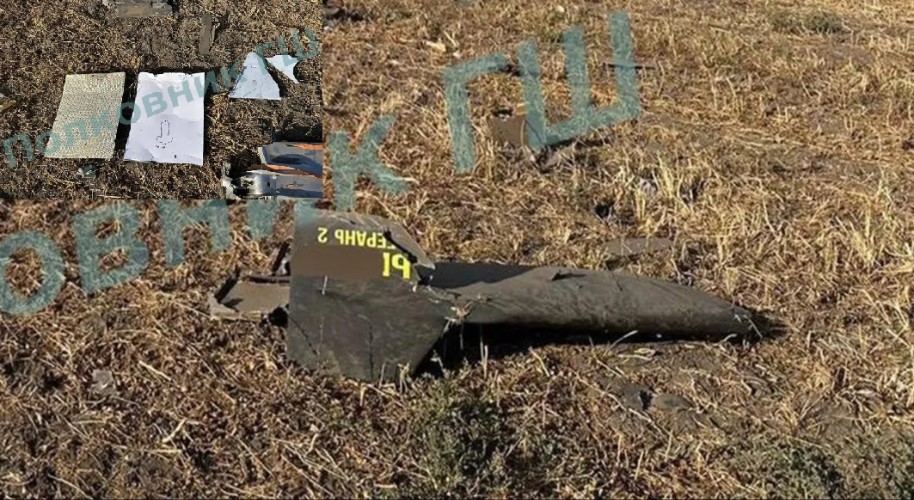
World
Recent developments on the battlefield have revealed that Russian forces are modifying Shahed-136 drones by equipping them with Starlink satellite communication terminals. This advancement has garnered attention due to its potential to dramatically improve the operational effectiveness of these long-range attack drones.The Ukrainian military reportedly intercepted and destroyed one of these modified Shahed-136 drones, and upon inspection, discovered the integration of a Starlink terminal. The presence of this satellite communication technology could allow for a stable, long-distance data transmission channel. Through this, the drone can transmit high-resolution images, videos, and telemetry information, improving its utility for reconnaissance and precision strikes.How Starlink Changes the Game for Russia's UAVsOriginally developed by Iran, the Shahed-136 drones have been extensively used by Russian forces in kamikaze-style missions in Ukraine. These drones are designed to loiter over targets before crashing into them, carrying explosives that cause significant destruction. While these drones have already proven effective in Russia’s aerial campaign, the addition of Starlink integration marks a significant leap in their tactical capabilities.One of the key advantages of satellite communication is that it provides an uninterrupted link between the operator and the UAV, even in areas where traditional communication methods, like radio frequencies, may be vulnerable to jamming or interception. Starlink, known for its global coverage, offers robust, low-latency connectivity that could allow operators to maintain control over the drones in real-time, even in contested areas. This means that Russian forces could potentially guide the drone to targets dynamically, adjusting their course or objectives based on real-time intelligence gathered during flight.For reconnaissance missions, the real-time data feed enabled by Starlink terminals would provide critical information to operators, giving them a clearer view of the battlefield and potential targets. If operators can adjust their targeting in real time, this could drastically improve the drone's accuracy and lethality.The Strategic ImplicationsThis technological enhancement raises new concerns for Ukrainian forces, as the drones could now present a more elusive and dangerous threat. With the ability to extend communication beyond the typical radio frequencies, the drones would be much harder to neutralize through electronic warfare methods, which typically focus on disrupting signals or jamming communication links. A satellite-backed connection, in contrast, is much more resilient in environments where electronic warfare tactics are prevalent.By bypassing traditional control systems, Russia could be preparing to deploy these modified drones in high-risk environments where conventional drone operations might be compromised. This gives them the ability to operate more flexibly, striking at strategic targets with greater precision and in contested airspace.This new functionality is particularly concerning for critical infrastructure and airfields, which have been key targets in previous Shahed-136 strikes. If the drones can be manually piloted using satellite communication, their accuracy and effectiveness in hitting high-value targets are amplified. Ukrainian officials have expressed concern over the potential shift in drone warfare this advancement might bring, as it allows enemy forces to adjust their plans mid-mission, increasing the difficulty of defending critical assets.What’s Next for Russia’s Drone Arsenal?The Shahed-136 has become a staple of Russian drone warfare, and with the integration of advanced communication technologies like Starlink, it seems that Russia is pushing to modernize its aerial capabilities. These drones, equipped with commercial satellite technology, represent a growing trend in the militarization of civilian technology—a move that could reshape modern warfare. By adopting commercial solutions, Russia can reduce the cost and time required to develop proprietary systems, while still enhancing the effectiveness of its weaponry.While it is unclear how widely these modified drones are in use, the discovery signals a potential shift in Russia’s broader UAV strategy. The use of commercially available satellite communication platforms could extend far beyond the Shahed-136, potentially influencing other unmanned systems deployed in Ukraine or future conflicts.In conclusion, the addition of Starlink terminals to Shahed drones illustrates Russia’s evolving approach to integrating modern communication technologies into its military equipment. As these drones become more adaptive and harder to counter, Ukrainian forces and their allies will face new challenges in defending against these long-range threats.
Read More → Posted on 2024-09-26 16:43:43
World
In an era where global security concerns are increasingly focused on advanced missile threats, Northrop Grumman, a prominent American defense contractor, is stepping up to the challenge. The U.S. Missile Defense Agency (MDA) has chosen the company to advance the development of a groundbreaking system known as the Glide Phase Interceptor (GPI). This innovative interceptor aims to provide a robust defense against hypersonic missiles, which are emerging as significant threats in modern warfare due to their speed and maneuverability.After completing a comprehensive three-year development phase in close collaboration with the MDA, Northrop Grumman has produced an innovative design that is positioned to tackle both current and anticipated hypersonic threats. The upcoming stage of development will focus on refining the GPI’s design and conducting crucial flight tests. These experiments are essential for evaluating the system's performance in the extreme conditions associated with hypersonic flight, where speeds can exceed Mach 5.One of the standout features of the GPI is its launch capability. Designed to integrate seamlessly with the U.S. Navy’s Aegis Ballistic Missile Defense system, it will be launched from Aegis-equipped destroyers and Aegis Ashore installations using a standard Vertical Launch System. This versatility not only enhances the U.S. Navy’s missile defense operations but also broadens the strategic options available to warfighters on the ground and at sea.Wendy Williams, vice president and general manager of Northrop Grumman’s launch and missile defense systems, underscored the significance of the GPI in modern military operations. “GPI adds mission-critical standoff to warfighters in scenarios where distance creates an advantage,” she explained. This feature allows for tailored responses to a variety of mission requirements, making the GPI a crucial asset in a rapidly evolving threat landscape.The GPI is not just another missile defense system; it incorporates advanced technologies designed to ensure effectiveness in challenging environments. It features a state-of-the-art seeker for precise tracking and hit-to-kill accuracy, which enhances its ability to intercept fast-moving targets. Additionally, the interceptor is equipped with a re-ignitable upper stage engine, allowing it to adapt during the engagement and ensure the containment of threats at varying altitudes. This dual engagement mode represents a significant advancement in intercept capabilities, allowing the GPI to engage targets effectively regardless of their flight path.In a strategic move to enhance its capabilities further, Northrop Grumman is collaborating with the Japan Ministry of Defence as part of the GPI Cooperative Development program. This partnership aims to support the MDA’s efforts in bolstering interceptor technologies, further integrating the GPI into broader defense frameworks that address global security challenges.As Northrop Grumman continues to harness digital engineering methods, the company aims to accelerate the GPI's development process. This innovative approach not only streamlines progress but also enhances the potential for future advancements in missile defense technologies. With the stakes higher than ever, the Glide Phase Interceptor is set to play a vital role in protecting nations against the complexities of modern aerial threats.
Read More → Posted on 2024-09-26 16:25:37
World
Two senior ministers from Israeli Prime Minister Benjamin Netanyahu's coalition government have rejected a proposal for a ceasefire in Lebanon, emphasizing the need to continue military operations against Hezbollah. This stance comes despite calls from the United States, the European Union, and several Arab states for a 21-day pause in hostilities following a series of Israeli airstrikes that have resulted in significant casualties and displacement in Lebanon.The international appeal for a ceasefire emerged shortly after Israel's military chief, Lieutenant General Herzi Halevi, urged his forces to prepare for a potential ground offensive against Hezbollah, underscoring the severity of the situation. In response, Finance Minister Bezalel Smotrich, a prominent far-right figure in the Israeli cabinet, voiced strong opposition to any cessation of military actions, insisting that the only path forward was to persist in dismantling Hezbollah’s military capabilities."The campaign in the north should end with a single result: crushing Hezbollah and eliminating its ability to harm the residents of the north," Smotrich stated on the social media platform X (formerly Twitter). He argued that a ceasefire would allow Hezbollah to regroup and rearm, potentially leading to prolonged conflict after the proposed three-week hiatus. His comments reflect a hardline approach within Netanyahu's government, which has leaned heavily on support from far-right factions that oppose any form of truce, reminiscent of their stance during the ongoing Gaza conflict.Foreign Minister Israel Katz echoed Smotrich’s sentiments, rejecting the notion of a ceasefire and emphasizing that Israel would continue to target Hezbollah "with all our strength until victory and the safe return of the residents of the north to their homes." This comes as cross-border clashes between Israel and Hezbollah have intensified, leading to the displacement of tens of thousands of Lebanese civilians. The violence, which erupted following Hamas's attack on Israel on October 7, has seen both sides engaged in the deadliest confrontation since the end of Lebanon's civil war in 1990.Meanwhile, Israeli opposition leader Yair Lapid proposed a more limited ceasefire of seven days, arguing that this would disrupt Hezbollah’s command and control capabilities without allowing them time to recover fully. His suggestion, however, has gained little traction among the hardliners within the government, who see any pause in military operations as a strategic setback.Adding to the complexity, far-right Israeli National Security Minister Itamar Ben Gvir has also pushed for continued aggression not only in Lebanon but also in Gaza, where Israeli forces have been locked in a brutal conflict with Hamas. The Gaza war, which began with a surprise attack by Hamas on October 7, has led to a broader regional escalation, with Hezbollah launching rocket attacks from Lebanon in solidarity with the Palestinian group.The recent escalation in violence in Lebanon has been marked by a relentless Israeli bombing campaign targeting Hezbollah strongholds in southern Lebanon. This has caused widespread devastation and raised fears of a full-scale war that could draw in regional powers, including Iran, which backs Hezbollah.International pressure for a ceasefire has been mounting, with diplomatic efforts focusing on averting a wider conflict that could have catastrophic consequences for the region. However, the Israeli government's current position suggests that a cessation of hostilities remains unlikely in the near term, as both sides appear poised for further confrontation.As the situation continues to develop, the refusal by top Israeli ministers to consider a ceasefire highlights the deep divisions within the Israeli political landscape and underscores the challenges facing efforts to de-escalate the conflict. The stakes are high, and the consequences of a prolonged conflict could be dire for both Israel and Lebanon, as well as for the broader Middle East.
Read More → Posted on 2024-09-26 16:21:52
World
Pakistan has taken another significant step in its defense diplomacy by signing a contract to sell JF-17 Block III fighter jets to Azerbaijan, marking a milestone in the burgeoning military relationship between the two nations. The deal, which was announced by Pakistan’s military on Thursday, is seen as part of Islamabad's broader strategy to expand its defense cooperation with friendly countries while boosting Azerbaijan's aerial capabilities.The JF-17, co-produced by Pakistan Aeronautical Complex (PAC) and developed in collaboration with China's Chengdu Aircraft Industry Corporation (CAC), has evolved into a potent and versatile fighter jet since its introduction. The Block III variant, the latest in the series, boasts several advanced features, including an Active Electronically Scanned Array (AESA) radar, an enhanced weapons package, and improved avionics. This makes the JF-17 Block III a formidable addition to any air force, capable of executing a wide range of combat missions, from air-to-air engagements to ground attack roles.The announcement did not disclose the number of jets or the financial details of the contract, but it is clear that Azerbaijan, which has been seeking to modernize its air force, views the acquisition as a strategic boost. The deal also underscores Pakistan’s expanding defense exports, leveraging its growing expertise in aviation technology.For Azerbaijan, the JF-17 Block III represents not just a technological upgrade but also a diversification of its military suppliers. Traditionally reliant on Russian-made aircraft, Azerbaijan's decision to procure the Pakistani jet is indicative of its intent to expand its military procurement portfolio. This move is also in line with the country's efforts to build stronger defense ties with regional partners like Pakistan and Turkey, especially following last year's conflict with Armenia over the Nagorno-Karabakh region.The partnership between Pakistan and Azerbaijan has been gaining momentum over the past few years, particularly in the defense sector. Azerbaijani President Ilham Aliyev's state visit to Pakistan in July, during which the two countries committed to enhancing cooperation across various sectors, including defense, was a clear indicator of this growing bond. During this visit, Pakistan deployed an air force contingent to Baku to participate in the Azerbaijan International Defence Exhibition, showcasing the JF-17, which evidently caught the attention of Azerbaijani defense officials.The JF-17’s potential for a wide array of combat missions is a significant selling point. The aircraft’s compatibility with various armaments, including the Chinese PL-15 long-range air-to-air missile and the CM-400AKG supersonic anti-ship missile, offers the Azerbaijani air force a versatile platform that can be adapted to different operational requirements. Additionally, the Block III's advanced avionics suite, including a helmet-mounted display and modern electronic warfare systems, provides pilots with a significant edge in combat scenarios.This deal also comes at a time when Pakistan is looking to diversify its defense partnerships as its traditional military ties with the United States have cooled in recent years. With its close relationship with China and burgeoning ties with Turkey and other regional players, Pakistan is carving out a new niche for itself as a defense exporter, with the JF-17 program being a cornerstone of this effort.For Azerbaijan, the acquisition of the JF-17 Block III is not only a leap forward in terms of military capability but also a symbol of its deepening strategic relationship with Pakistan. As the South Caucasus nation navigates its complex regional security environment, bolstering its airpower with these advanced fighter jets is a clear signal of its intent to protect its interests.In conclusion, the sale of JF-17 Block III fighter jets to Azerbaijan is a testament to the growing military-industrial collaboration between Pakistan and Azerbaijan. It also highlights the strategic foresight of both countries in strengthening their defense capabilities amidst a shifting geopolitical landscape.
Read More → Posted on 2024-09-26 16:15:00
World
In a chilling move, Russian President Vladimir Putin has drawn a nuclear red line, altering Russia’s nuclear doctrine in a way that could bring the world closer to the brink of a catastrophic conflict. Throughout the Ukraine war, Russia’s nuclear threats have often been dismissed as bluster. However, Putin’s recent announcement suggests a shift in policy that is causing alarm in the West.What is Putin’s Nuclear Doctrine Revision?Putin’s proposed changes, discussed in a recent session of the Russian Security Council, are aimed at broadening the conditions under which Russia might use nuclear weapons. The new doctrine states that Russia could potentially deploy nuclear weapons against a non-nuclear state if it receives support from a nuclear-armed ally, such as NATO or the United States. This could be a direct warning against the Western powers contemplating deeper military support for Ukraine.Moreover, another critical revision allows Russia to use nuclear weapons if it detects a large-scale attack using conventional weapons that threatens its borders. This includes strikes from aircraft, drones, or hypersonic missiles, all of which have been used by Ukraine in recent months. This change is particularly significant given the context of recent Ukrainian drone attacks on Russian airbases, which have been seen as crossing a dangerous line in the conflict.The West’s Response: Dismissal or Serious Consideration?While Western nations, particularly the United States, have largely dismissed Putin’s nuclear posturing as mere rhetoric, there are signs that the Biden administration is not taking these threats lightly. The US has been cautious in its military support for Ukraine, refraining from supplying long-range missiles like the Army Tactical Missile System (ATACMS) that could be used to strike deep within Russian territory. Such restraint indicates a nuanced balancing act: supporting Ukraine’s defense without provoking Russia into a catastrophic escalation.Ukraine has been urging its Western allies to provide more advanced weaponry to target Russian military bases and logistical hubs far from the front lines. However, the potential repercussions of such actions have led to a hesitancy among Western leaders. Putin has warned that such strikes would be considered an act of war by NATO, thus dragging the alliance into direct confrontation with Russia.How Credible is Putin’s Threat?Experts are divided on the credibility of Putin’s nuclear threats. Pavel Podvig, an expert on Russian nuclear forces, believes the changes to Russia’s doctrine are primarily about creating uncertainty and ambiguity. The aim, he suggests, is to make the West think twice before escalating their support for Ukraine. This strategy of strategic ambiguity can be effective in deterring adversaries by creating a fear of the unknown.However, not everyone is convinced that Russia is serious about using nuclear weapons. A Russian academic, who is closely connected to the Kremlin, indicated that the nuclear option is not the preferred course of action for Moscow. He noted that while the timing of Putin’s announcement was a deliberate signal to the West, the use of nuclear weapons in response to conventional attacks would carry significant negative consequences for Russia itself.The Global StakesThe gravity of Putin’s latest maneuver is underscored by recent US actions. The Pentagon has commissioned a study to simulate the global impact of a nuclear conflict, focusing on potential agricultural fallout beyond Eastern Europe and Western Russia. This suggests that while the US may publicly downplay the likelihood of a nuclear conflict, it is preparing for the worst behind closed doors.Additionally, the US has updated its own nuclear strategy to prepare for potential challenges from Russia, China, and North Korea simultaneously. The National Security Council has emphasized the need for deterrence against these adversaries, reflecting a growing concern over the possibility of coordinated nuclear threats.A Message to the West?Putin’s nuclear sabre-rattling is as much about signaling as it is about actual policy change. It serves as a stark warning to the West about the potential consequences of escalating military support for Ukraine. The revised doctrine expands the scenarios under which Russia could use its nuclear arsenal, thereby creating a more flexible, albeit more dangerous, stance. As the conflict drags on, the world watches anxiously to see whether this latest move is just another bluff or a genuine shift in Russia’s strategic posture. One thing is clear: the stakes have never been higher, and the risks of miscalculation are profound.
Read More → Posted on 2024-09-26 15:27:44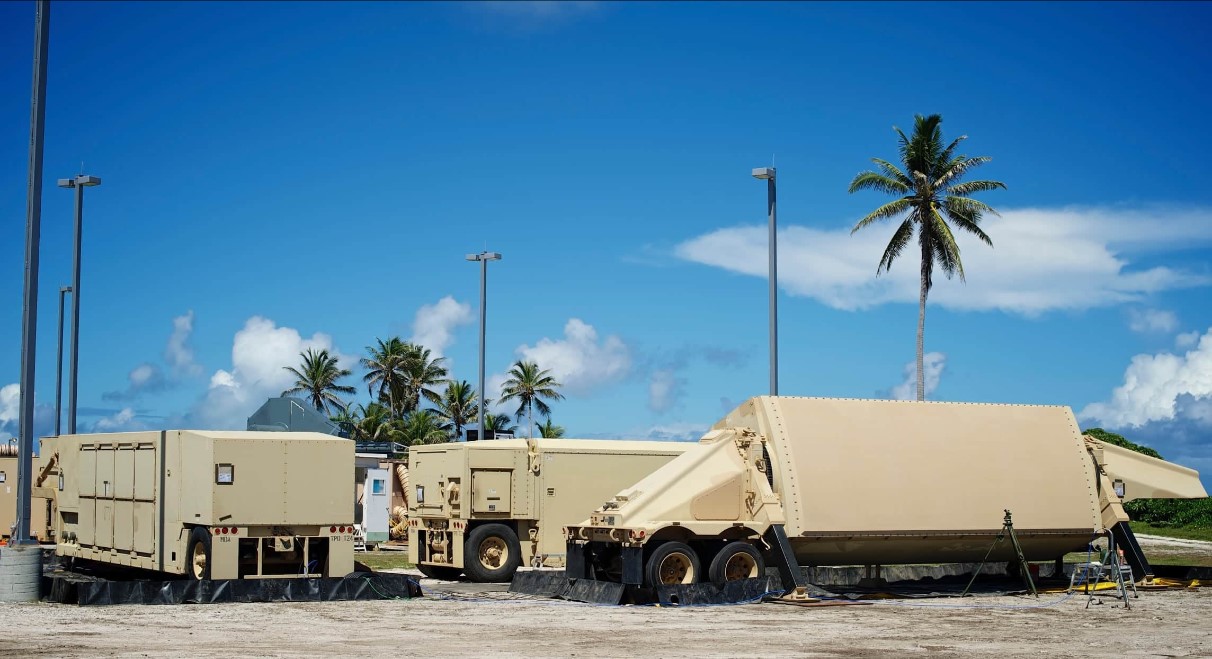
World
Raytheon has delivered the first of Saudi Arabia’s seven ordered AN/TPY-2 air defense radars, a crucial component of a $2.3 billion deal inked in 2020. This delivery marks a significant milestone in bolstering the Kingdom's missile defense capabilities with the world's most advanced radar technology.The AN/TPY-2 radar, developed by Raytheon, is a high-resolution, long-range radar system specifically designed to detect, track, and identify ballistic missile threats. What sets this radar apart is its incorporation of Gallium Nitride (GaN) semiconductors, a first for this class of radar. GaN technology offers several advantages over traditional semiconductors, including increased power efficiency, improved signal sensitivity, and a lighter overall system weight.This radar operates in the X-band of the electromagnetic spectrum, which allows for extremely high-resolution tracking of objects. This clarity is crucial for distinguishing between actual missile threats and other non-threatening objects, a capability that Raytheon refers to as having the "sharpest eyes" in missile defense. This level of precision is vital for nations like Saudi Arabia, which face complex and evolving missile threats in the region.The AN/TPY-2 radar functions in two primary modes: forward-based mode and terminal mode. In forward-based mode, the radar is deployed closer to potential launch sites, where it can detect and track incoming missiles shortly after launch. This early detection is critical for intercepting missiles during their boost phase, when they are most vulnerable. In terminal mode, the radar is used to guide interceptors during the final phase of an incoming missile’s flight, ensuring that defensive measures are accurate and effective.Raytheon has implemented over 50 enhancements to the AN/TPY-2 system, significantly improving its performance and reliability. According to Paul Ferraro, President of Raytheon Air & Space Defense Systems, these upgrades have elevated the radar into a "different class," providing Saudi Arabia with a powerful tool to protect its airspace from missile threats.One of the most significant improvements brought by GaN technology is its energy efficiency. GaN semiconductors are capable of operating at higher temperatures and voltages than traditional Gallium Arsenide (GaAs) semiconductors, making the system more robust and reliable under harsh conditions. This means that the radar can generate a more powerful signal without the need for a proportional increase in energy consumption, making it both effective and efficient in a combat scenario.In addition to this first delivery, Saudi Arabia has six more AN/TPY-2 radars on order, all of which will feature the advanced GaN technology. These radars are expected to work in conjunction with the Kingdom’s Terminal High Altitude Area Defense (THAAD) systems, creating a layered defense network capable of intercepting threats at various altitudes and distances.The AN/TPY-2 radar's ability to seamlessly integrate with other missile defense systems is another key advantage. It can operate both as a standalone unit or as part of a broader network, providing flexibility and scalability depending on the specific defense needs. This makes it an ideal solution for countries looking to enhance their missile defense capabilities in the face of emerging threats.As missile technology advances and threats become more sophisticated, systems like the AN/TPY-2 will be at the forefront of defense strategies worldwide. For Saudi Arabia, the deployment of these radars represents a significant step forward in securing its airspace and protecting its citizens from potential missile attacks. With this delivery, Raytheon has not only fulfilled a critical contract but also set a new standard in radar technology that will benefit the Kingdom and its allies for years to come.
Read More → Posted on 2024-09-26 15:24:31
World
In a strategic move to bolster its amphibious capabilities, the US Navy has awarded Huntington Ingalls Industries (HII) a $9.5 billion contract for the construction of four new amphibious warships. The deal, split into two separate contracts, underscores the Navy’s commitment to maintaining a robust amphibious fleet to support various operational needs, from combat deployments to humanitarian missions.HII’s Ingalls Shipbuilding will undertake the construction of three Flight II San Antonio-class amphibious transport dock ships—LPD 33, LPD 34, and LPD 35—under the first contract valued at $5.8 billion. These ships, expected to be completed by September 2035, represent an evolution in amphibious warfare technology, enhancing the Navy's ability to deploy Marines and their equipment rapidly and efficiently.Flight II ships, part of the San Antonio-class, are designed with improved command-and-control capabilities, expanded aviation capacity, and enhanced survivability features compared to their predecessors. These vessels are critical for amphibious operations, serving as a bridge between the large-deck amphibious assault ships and smaller landing crafts.The second contract, worth $3.67 billion, is for the advanced procurement, design, and construction of a new America-class amphibious assault ship. These ships are the backbone of the Navy's amphibious fleet, capable of launching helicopters, tiltrotor aircraft like the MV-22 Osprey, and F-35B Lightning II stealth fighters. This vessel is expected to be completed by September 2033, with the possibility of extending the work until March 2035 if all contract options are exercised, bringing the total value of this contract to nearly $3.9 billion.The new America-class ship, like its predecessors, will lack a well deck, which is typically used for launching landing craft. Instead, it will be optimized for air operations, focusing on accommodating more aircraft and supporting vertical takeoff and landing operations. This design choice aligns with the Navy and Marine Corps’ evolving operational strategies, which emphasize rapid, flexible response capabilities.The multi-ship procurement plan plays a crucial role in the Navy's long-term strategy to replace aging vessels and maintain its minimum 31-ship amphibious fleet. According to Marine Lt. Gen. Eric Austin, Deputy Commandant for Combat Development and Integration, this procurement approach allows the Navy to retire older ships on a one-for-one basis while ensuring the fleet remains ready to meet current and future challenges.“The multi-ship procurement enables us to sustain our 31-ship amphibious floor, which includes 10 big-deck amphibious ships and 21 LPDs. This is essential to maintain our operational readiness and capacity for various missions,” Austin explained.The economic impact of this deal is also significant. By purchasing multiple ships in a single procurement, the Navy has managed to save approximately $901 million. The cost savings primarily come from bulk purchasing of materials and increased efficiency in the shipbuilding process.HII’s Ingalls Shipbuilding, located in Pascagoula, Mississippi, has a long history of delivering high-quality amphibious ships to the Navy. The company has already delivered 15 large-deck amphibious ships and 13 San Antonio-class ships, with several more under construction. The most recent addition, the USS Richard M. McCool Jr. (LPD 29), was delivered earlier this year.Currently, Ingalls is also building the Bougainville (LHA 8), Fallujah (LHA 9), Harrisburg (LPD 30), and Pittsburgh (LPD 31), reflecting the shipyard's significant role in sustaining the Navy's amphibious fleet.Kari Wilkinson, President of Ingalls Shipbuilding, expressed pride in continuing the company’s support for the Navy and Marine Corps’ mission. “It is an honor to be part of this vital effort to meet the minimum 31 amphibious ship requirement. Our workforce is committed to delivering these ships on time and on budget to support the nation’s defense.”As the US Navy looks to the future, the expansion and modernization of its amphibious fleet are pivotal to maintaining its global maritime dominance and fulfilling its diverse mission requirements, from power projection to humanitarian assistance. This substantial investment in amphibious warships ensures the Navy remains agile, capable, and ready to respond to any challenge it may face on the world's oceans.
Read More → Posted on 2024-09-26 15:18:57Search
Top Trending in 24 Hours
-
 U.S Navy Orders 50 Blackbeard Hypersonic Missiles in New $23.4 Million Contract
-
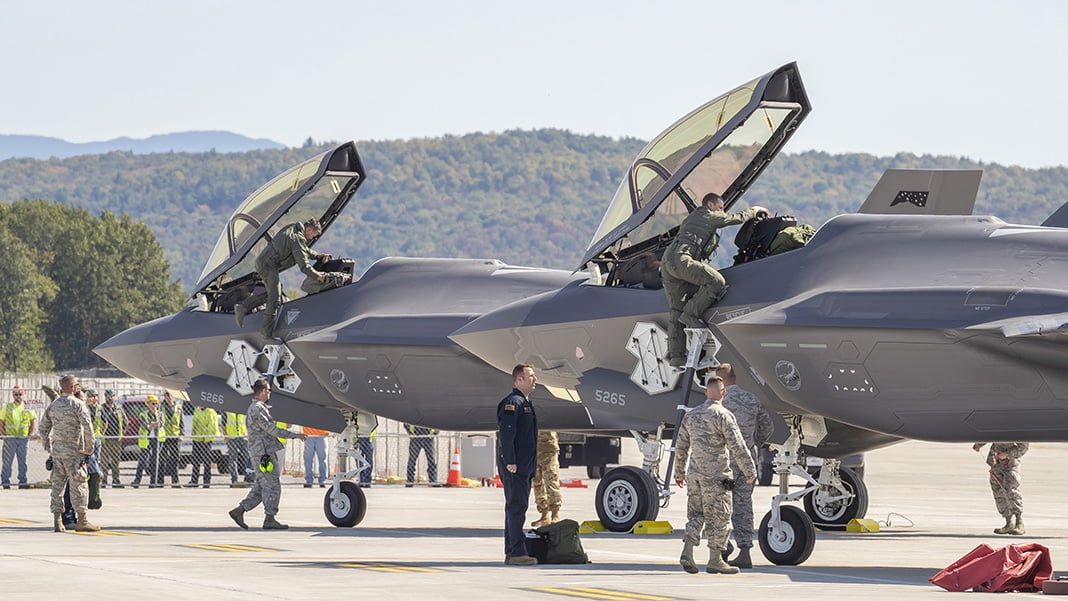 F-35 Fleet Readiness Falls to 25% Amid Parts Shortages and Software Delays: GAO Report
-
 U.S. Approves $1.98 Billion Sale of Anduril AI-Powered Counter-Drone Systems to Kuwait
-
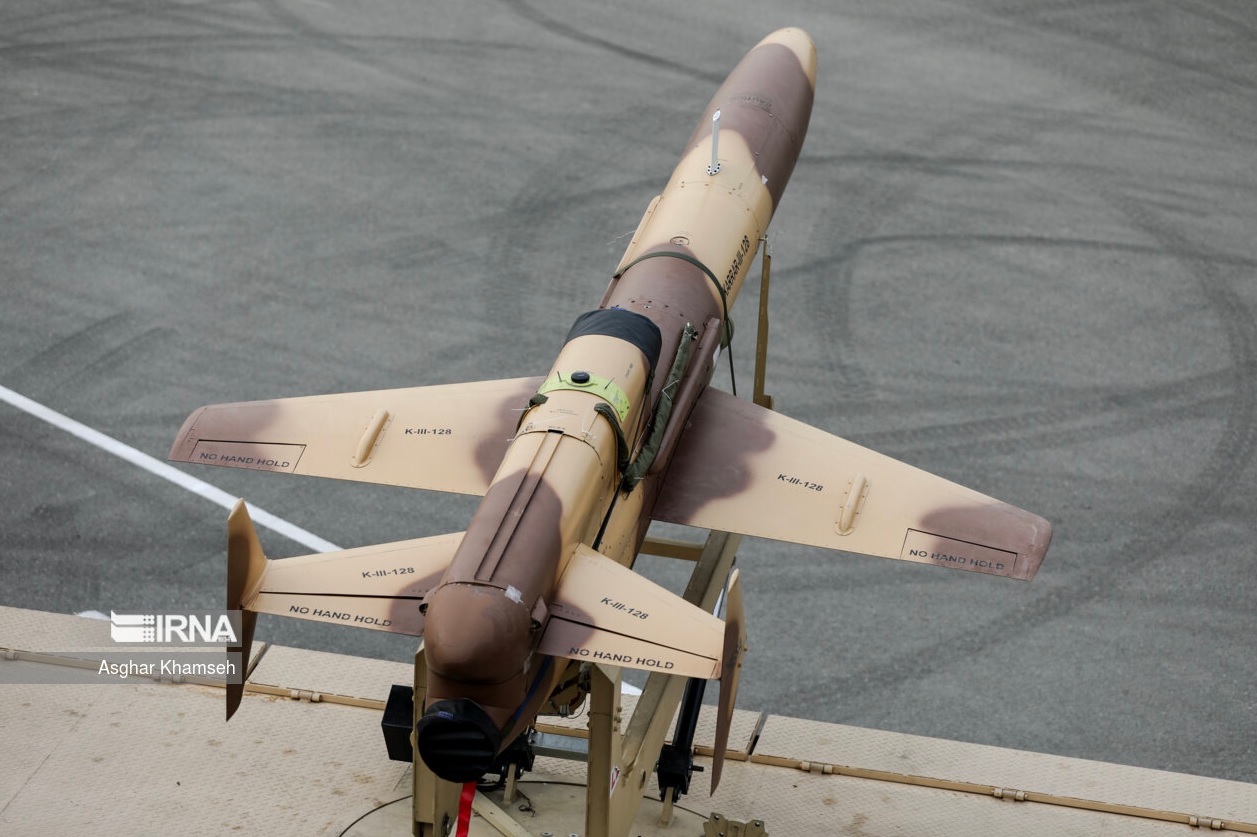 Russia Launches 1,400 Jet-Powered Drones in 2026 as Strike Tactics Evolve to Challenge Ukraine's Air Defenses
-
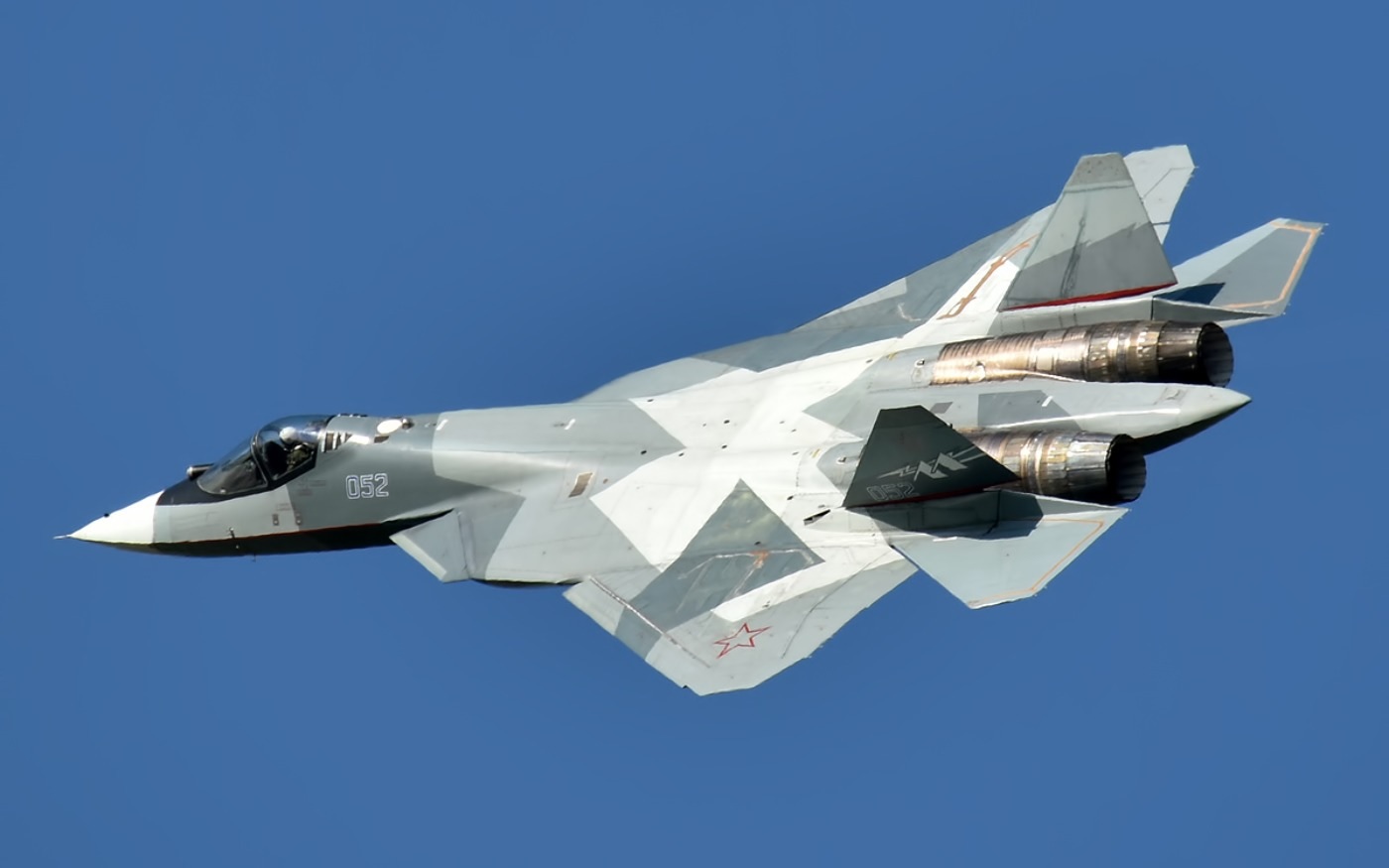 Russian Analysts Debate Su-57 Capabilities After Putin Calls Fighter Superior to F-35
-
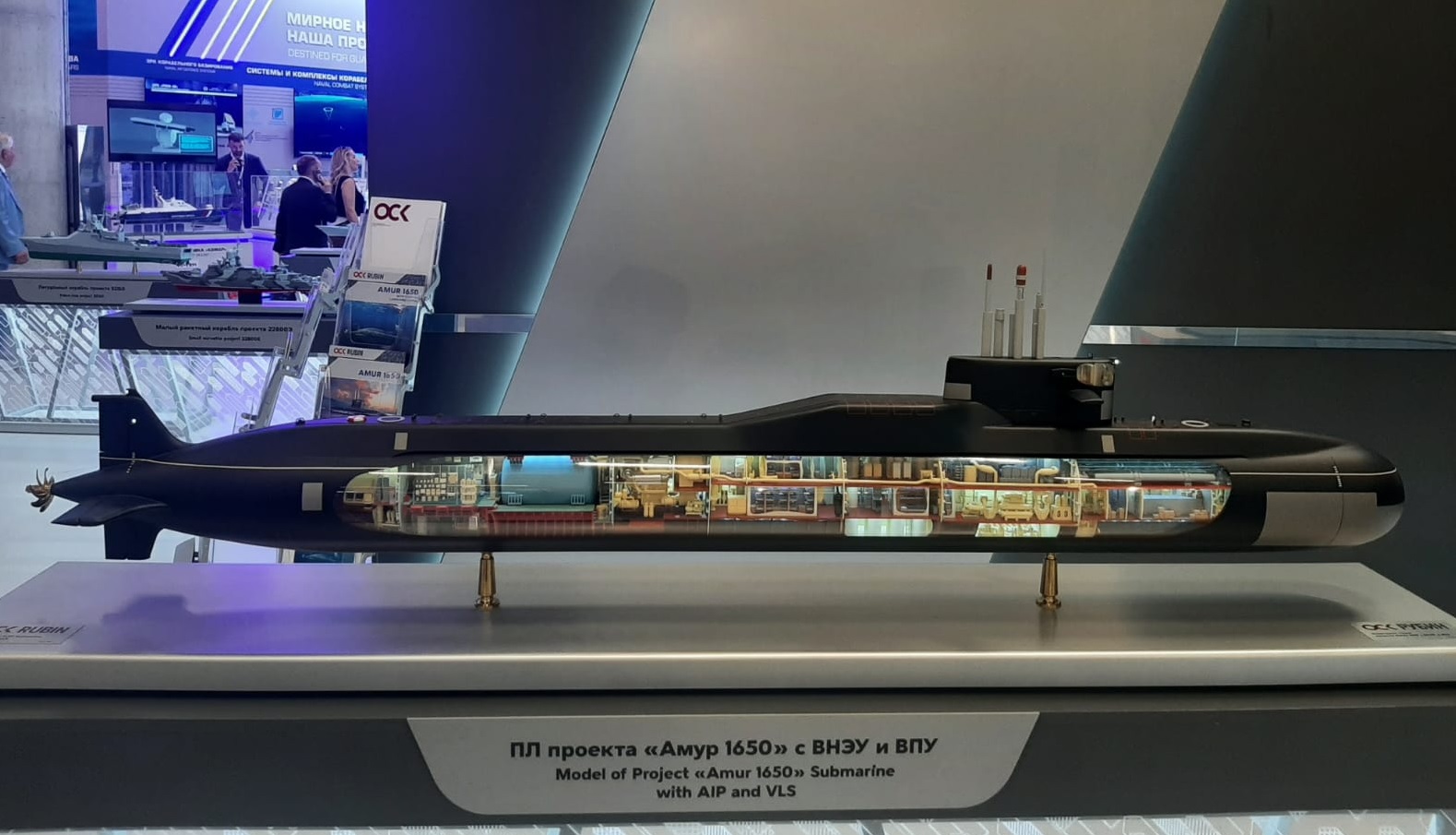 Russia Unveils Amur-1650 AIP Submarine Equipped with BrahMos Vertical Launch System at Fleet-2026
-
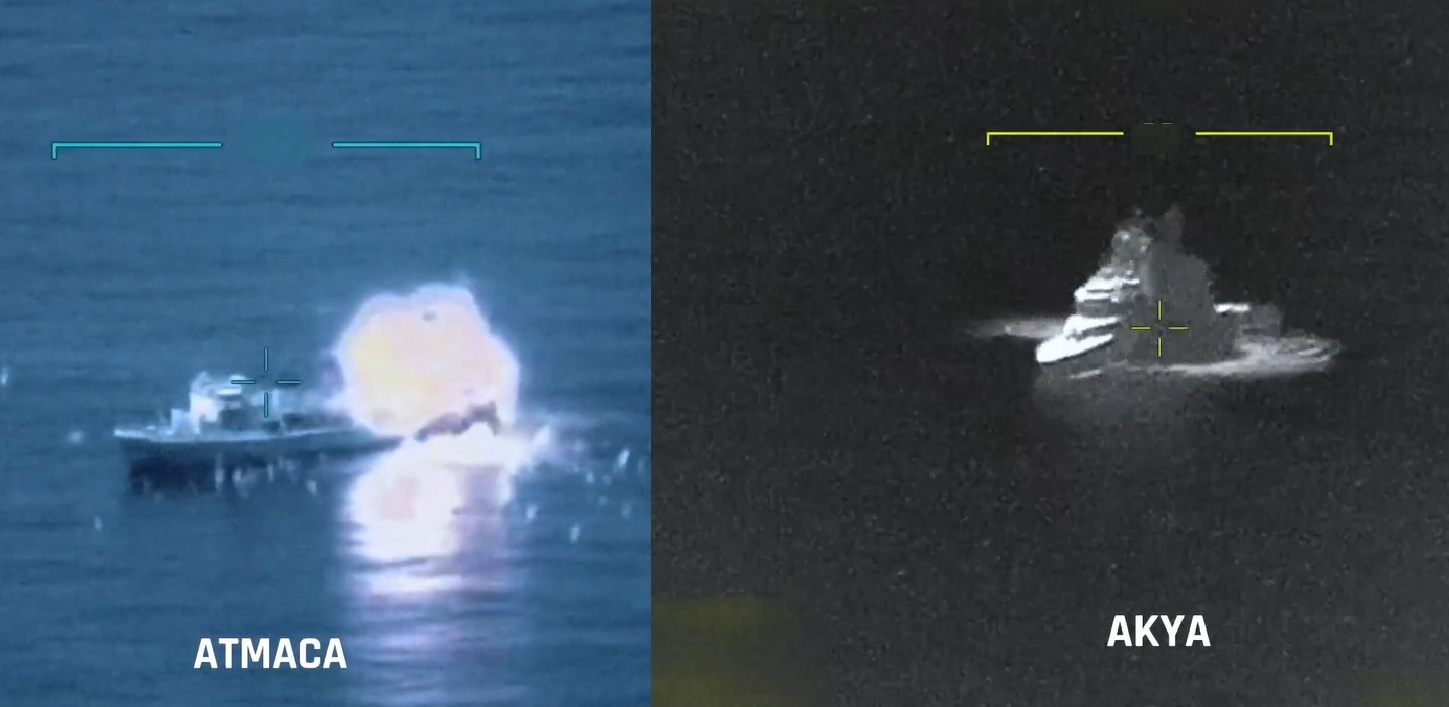 Turkey Navy Successfully Tests AKYA Torpedo and ATMACA Missile During Major Denizkurdu-II Naval Exercise
-
 UAE Denies Reports of Releasing Up to $20 Billion in Funds to Iran Amid Regional De-Escalation Efforts
Top Trending in 4 Days
-
 Iranian Media Leaks 14-Point U.S.-Iran Peace Framework Amid Ongoing Negotiations
-
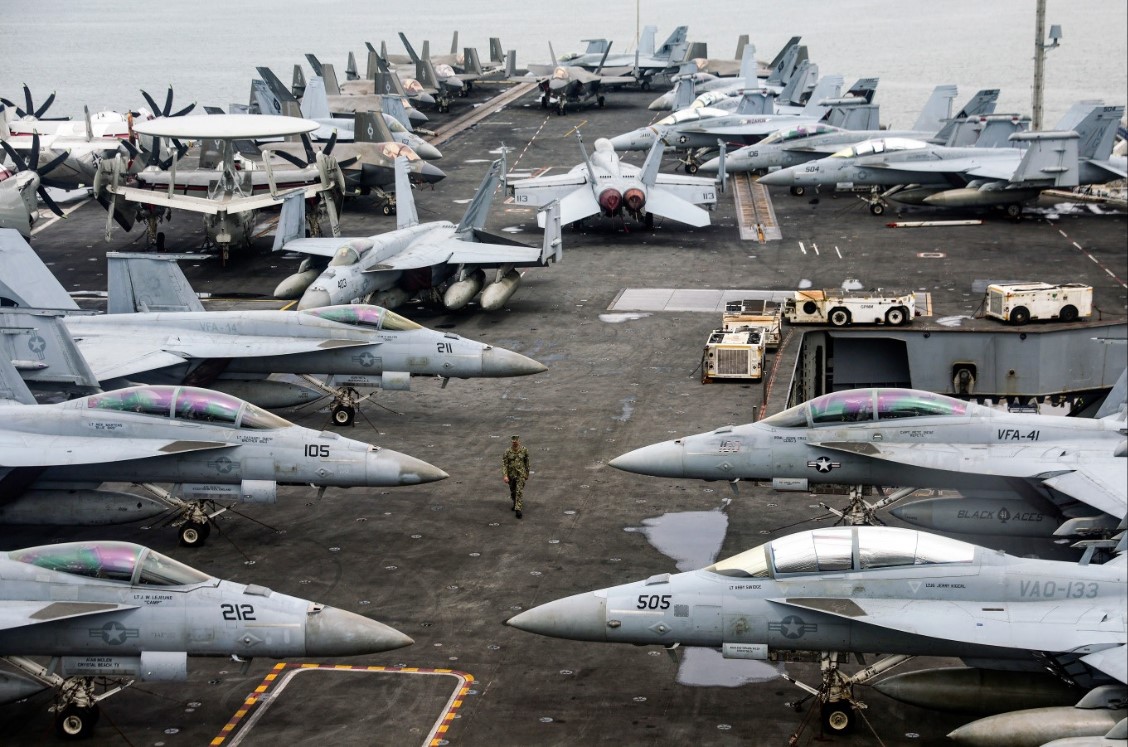 US Plans Significant Reduction of Fighter Jets and Warships for NATO Operations in Europe
-
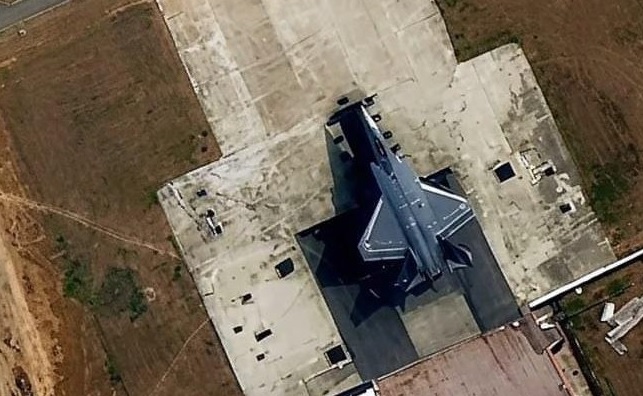 AMCA Airframe Spotted at DRDO’s ORANGE Facility for Radar Cross-Section Testing
-
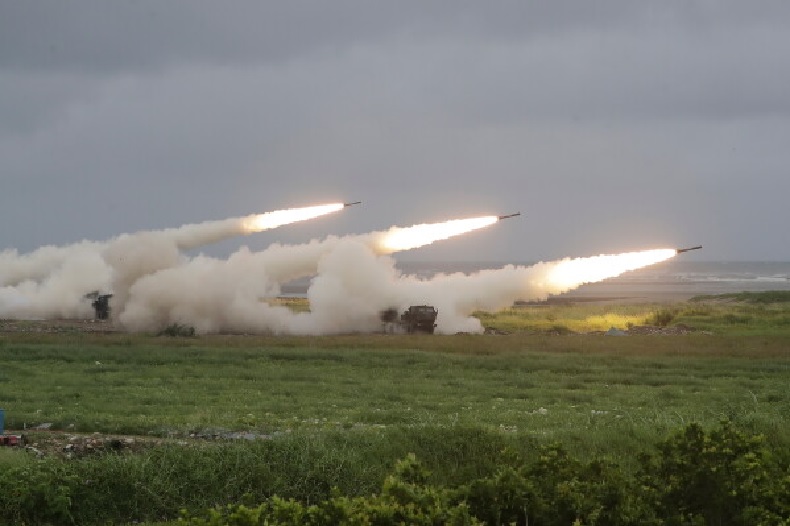 Taiwan Conducts First Live-Fire of HIMARS Rockets From West Coast During Invasion Defense Drill
-
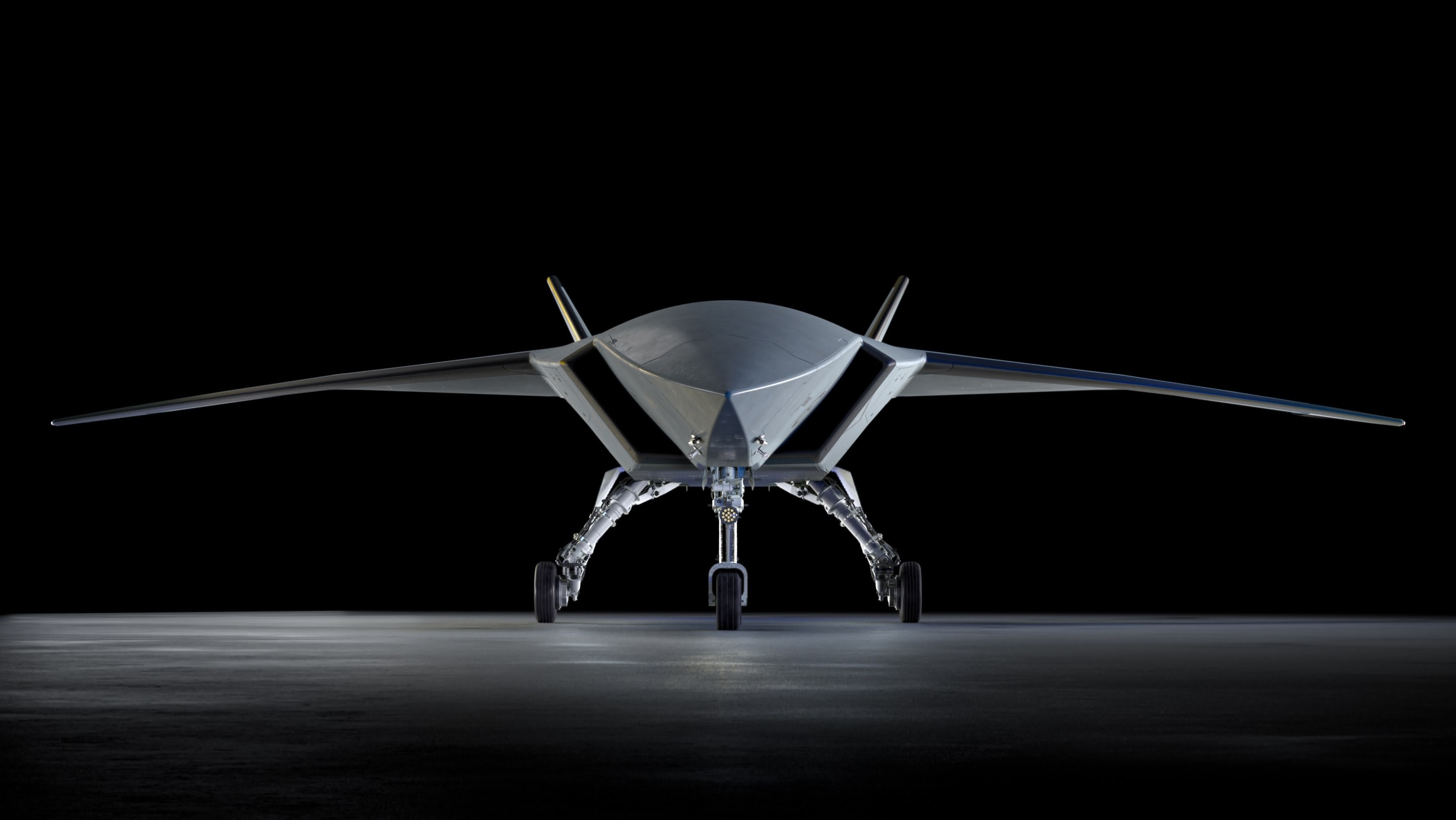 Boeing Introduces New MQ-28 Ghost Bat Upgrades with Increased Range, Payload and Weapons Capacity at ILA Berlin 2026
-
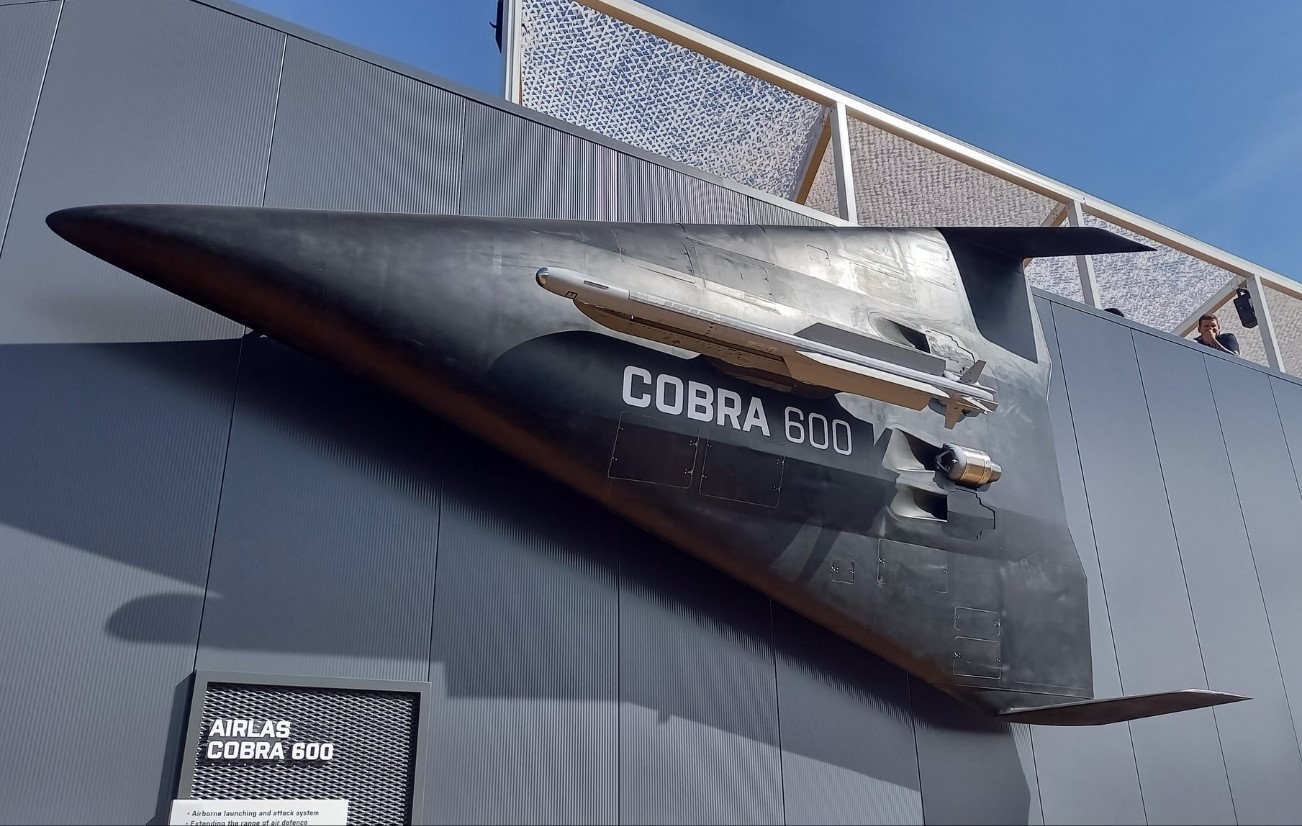 Diehl Defence Unveils IRIS-T Armed Cobra 600 Air Defense Drone at ILA Berlin 2026
-
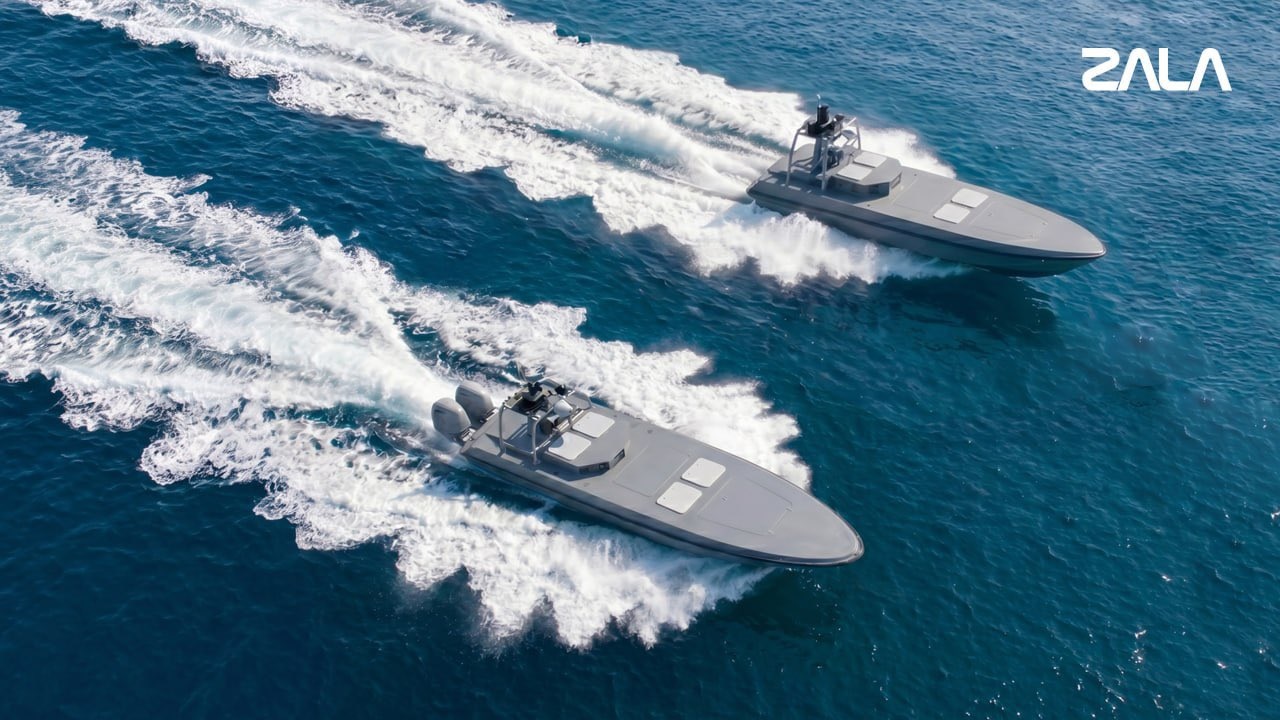 Russian Defense Firm ZALA Unveils KAMA Unmanned Surface Vessel Family at FLOT-2026 Naval Exhibition
-
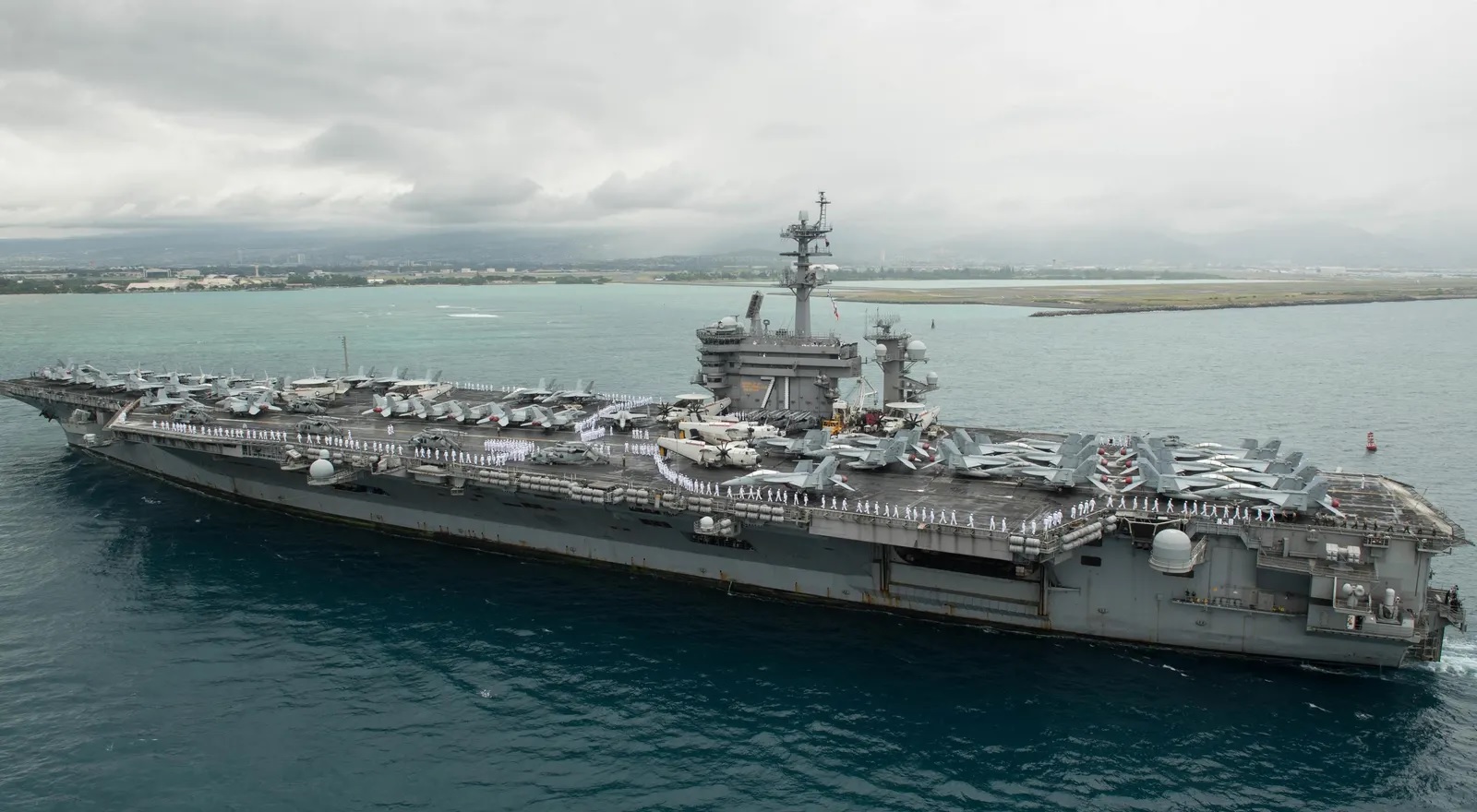 U.S Aircraft Carrier USS Theodore Roosevelt Departs San Diego for Major RIMPAC 2026 Naval Exercise