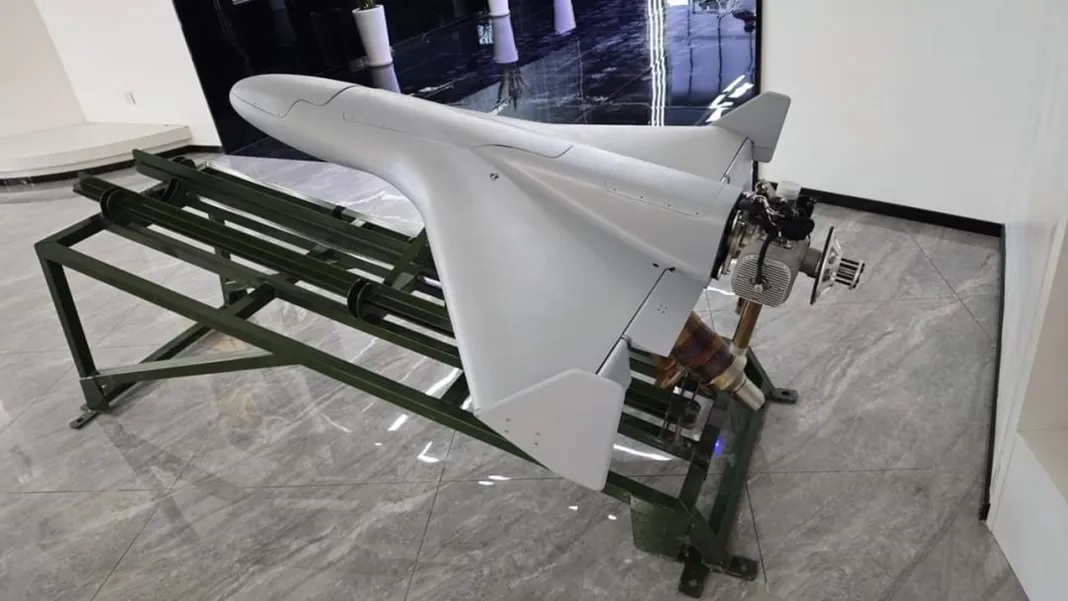
China has been ramping up its efforts to promote advanced military technologies in Pakistan, and its latest offering is the FY-70, a loitering munition designed as a suicide drone. Manufactured by the Chinese company Bieberg, the FY-70 has garnered attention due to its striking resemblance to the Russian KYB drone, developed by the Kalashnikov Concern. However, despite its similarities to the Russian model, the FY-70 introduces some notable enhancements, making it a compelling option in modern warfare.
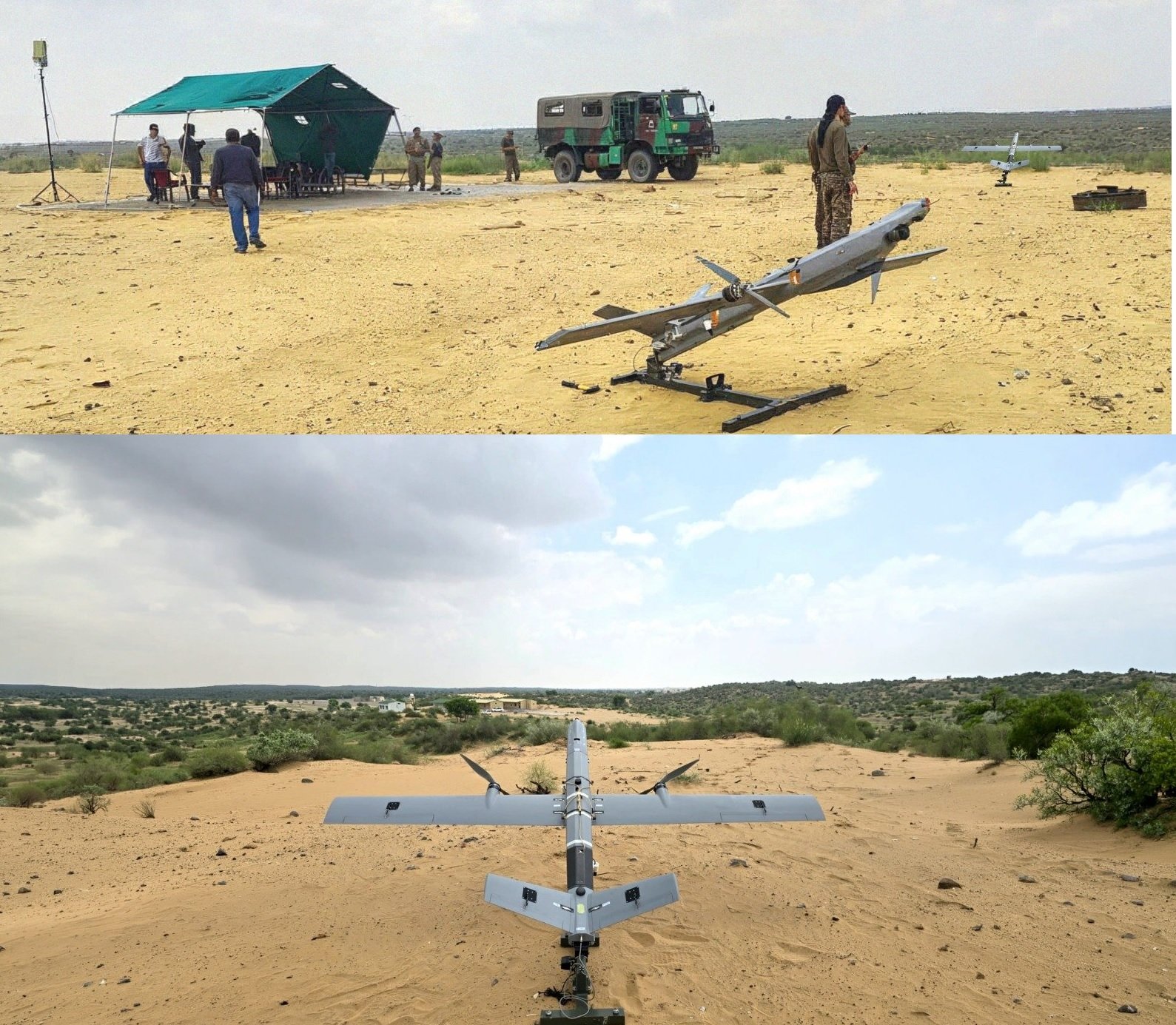
Loitering munitions like the FY-70 and its Russian counterpart are designed to hover over battle zones, searching for targets before diving down for precision strikes. Often referred to as suicide drones, they are single-use, kamikaze-style weapons capable of delivering lethal payloads to strategic targets such as armored vehicles, artillery positions, and even enemy bunkers. The delta-wing design of the FY-70 closely mirrors the Russian KYB, which has been utilized in various conflict zones for its ability to take out fixed or soft targets.
One of the most significant advantages of suicide drones is their ability to exploit weak points on armored vehicles, particularly their relatively thin tops. By attacking from above, these drones can deliver devastating strikes that traditional ground-based weapons might struggle to achieve. Equipped with optical payloads, loitering munitions can also serve a dual role as reconnaissance drones, gathering critical intelligence before executing their missions.
What sets the Chinese FY-70 apart from the Russian KYB is its propulsion system. While the Russian KYB relies on an electric motor, limiting its range and flight time, the FY-70 incorporates an internal combustion engine. This modification provides the Chinese drone with extended flight duration and greater operational range, giving it an edge in missions that require longer loitering times and the ability to cover more ground. The internal combustion engine not only enhances the drone’s endurance but also allows it to be deployed in more diverse environments, where electric-powered drones might struggle due to limited battery life.
Interestingly, reports suggest that even Russian forces have taken notice of the Chinese FY-70. There are indications that Russia is exploring the possibility of purchasing a variant of the FY-70, reportedly named the "Harpy-A1." This development highlights the growing reputation of China’s drone technology, which has been rapidly evolving in recent years, pushing the boundaries of unmanned aerial warfare.
China's move to market the FY-70 in Pakistan underscores the increasing demand for affordable, effective, and adaptable military solutions in the region. As Pakistan continues to modernize its military capabilities, loitering munitions like the FY-70 could play a crucial role in its arsenal, providing the nation with a tactical advantage in both reconnaissance and direct combat situations.
The promotion of the FY-70 also reflects broader trends in global defense strategies. Suicide drones have become a staple in asymmetric warfare, allowing smaller forces to launch precise attacks without risking personnel. Their cost-effectiveness and relatively low-tech requirements make them an attractive option for countries looking to enhance their offensive capabilities without investing heavily in traditional air power.
In conclusion, the Chinese FY-70 suicide drone offers a compelling blend of proven design and innovative improvements, particularly in its enhanced propulsion system. As it enters the Pakistani market, its impact on regional defense strategies will be closely watched. The fact that even Russia may be interested in acquiring a variant of this drone speaks volumes about its potential in modern combat operations.
——— End of Article ———