The US Navy recently revealed its ambitious new strategy, known as *Project 33*, designed to prepare American naval forces for a potential conflict with China by 2027. This forward-looking initiative is a critical part of the Navy's 2024 Navigation Plan (NAVPLAN), which seeks to enhance readiness and bolster the long-term strength of the fleet in an increasingly competitive global landscape. Chief of Naval Operations Adm. Lisa Franchetti described the effort as “overarching strategic guidance to make our Navy more ready,” with the Chinese military emerging as the primary focus of concern.
Project 33: Preparing for the Pacific Theater
The motivation behind Project 33 stems from rising tensions in the Indo-Pacific region, where China has ramped up its military presence, particularly in the South China Sea and Taiwan Strait. The US Navy recognizes that if conflict arises, it could happen as early as 2027, prompting a sense of urgency to elevate preparedness.
One of the core objectives of the project is to eliminate delays in the maintenance of critical assets, such as ships, submarines, and aircraft. These platforms are the backbone of the Navy’s combat power, and ensuring their readiness is essential to maintain a robust presence in any future conflict. The emphasis on maintenance highlights how important it is to have fully operational fleets available at a moment's notice, particularly in a conflict scenario that could demand swift mobilization.
Harnessing the Power of Robotics and Autonomous Systems
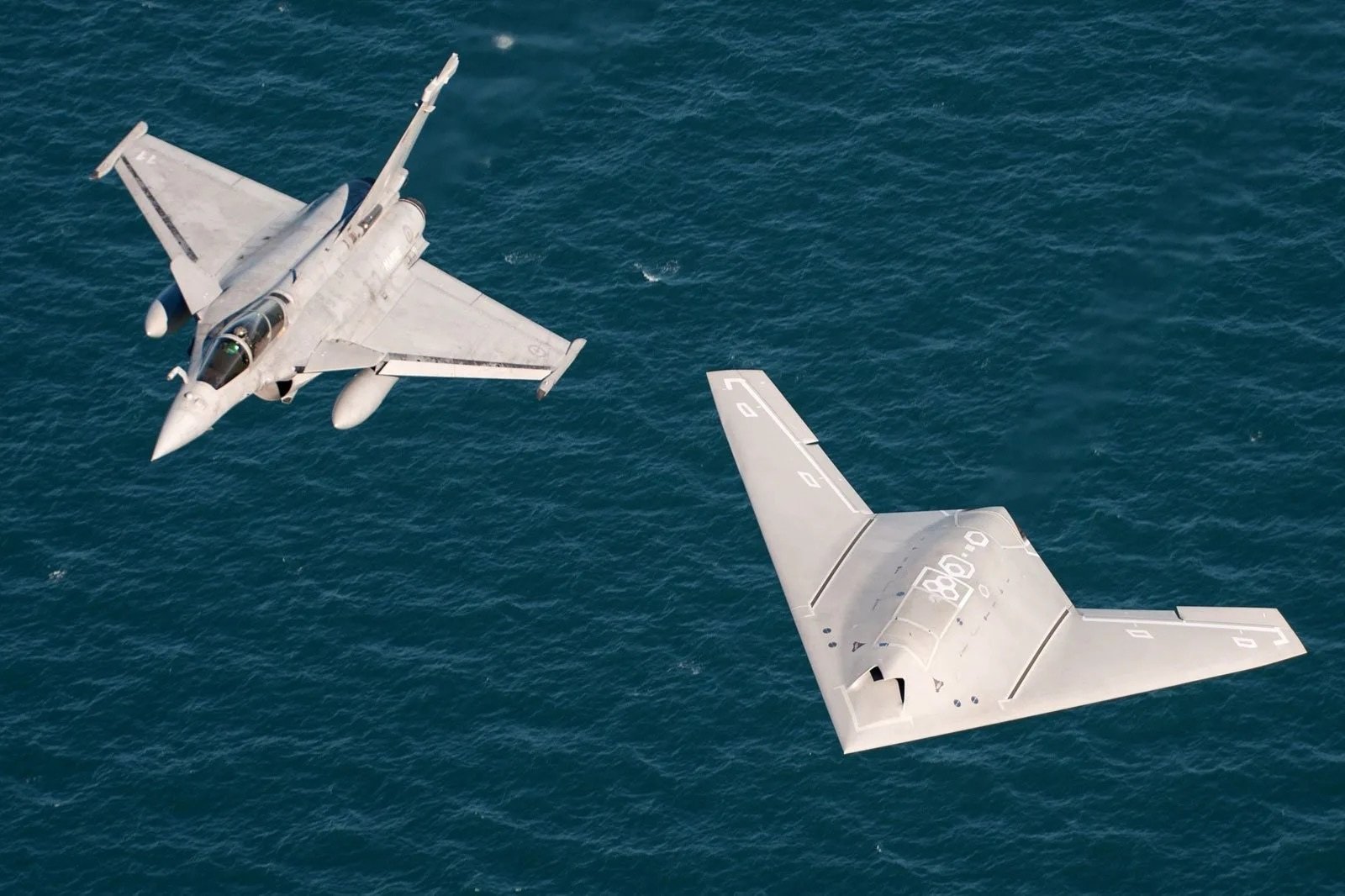
One of the more futuristic aspects of *Project 33* is its focus on scaling robotic and autonomous systems. The Navy has long been exploring unmanned technologies, but this initiative aims to integrate these platforms more rapidly and effectively into the fleet. Earlier in 2024, the Navy even established a new office dedicated to drone and robotic warfare, underlining the importance of these technologies in modern combat. Additionally, a unit focusing on unmanned operations was set up in the Middle East, an area of strategic significance, to test the deployment of these autonomous platforms in real-world scenarios.
These systems are expected to play a critical role in future naval operations, offering enhanced surveillance, reconnaissance, and even strike capabilities, without putting sailors directly in harm’s way. By rapidly scaling these technologies, *Project 33* aims to leverage innovation to maintain superiority over potential adversaries like China, which has been developing its own fleet of unmanned vessels and aircraft.
Building Resilience for Distributed Warfare
In modern warfare, the concept of distributed lethality—where forces operate in a more decentralized and spread-out fashion—has become increasingly important. *Project 33* recognizes this and aims to create command centers that can support successful operations across a dispersed battlefield. This strategy is key to countering China’s growing military capabilities, particularly its anti-access and area denial (A2/AD) strategies that aim to push US forces farther from key theaters of operations.
These command centers will provide the Navy with the ability to conduct joint and coalition operations more effectively, even in contested environments. The goal is to maintain connectivity and coordination among dispersed forces, ensuring they can operate seamlessly despite being spread out over vast areas.
Investing in People and Infrastructure
However, it’s not just about technology and platforms; *Project 33* also places a heavy emphasis on the human element. Recruiting and retaining talented personnel is essential to the Navy’s long-term success, and this project seeks to improve both. Whether through enhanced training programs, better career opportunities, or improving overall quality of life, the Navy recognizes that its people are its most valuable asset.
At the same time, the project stresses the need to restore critical shore infrastructure that supports naval operations. This includes not only shipyards but also logistical hubs and bases that provide the Navy with the ability to project power globally. Revitalizing these facilities ensures that the Navy has the foundation needed to support sustained operations and maintenance over the long term.
The Strategic Vision Behind NAVPLAN 2024
Released on September 18 at the Naval War College, the broader NAVPLAN outlines the overarching vision of where the Navy must head. While *Project 33* is focused on preparing for a specific potential conflict with China by 2027, NAVPLAN seeks to provide a longer-term blueprint for ensuring the US Navy remains the dominant force on the world’s oceans for decades to come.
As part of this, the Navy will continue to invest in warfighter competency, honing the skills needed to face evolving threats. It’s not just about readiness for today’s conflicts but preparing sailors and officers to adapt to future challenges in an increasingly complex global security environment.
Project 33 represents the Navy's most concerted effort to date in aligning its forces for a potential high-stakes conflict with China. From addressing maintenance delays to integrating cutting-edge autonomous systems and focusing on distributed warfare, the project is a comprehensive response to the challenges posed by a rising China in the Indo-Pacific. In conjunction with the broader NAVPLAN 2024, it underscores the Navy’s commitment to readiness, innovation, and global leadership as it looks to the future of naval warfare.
——— End of Article ———